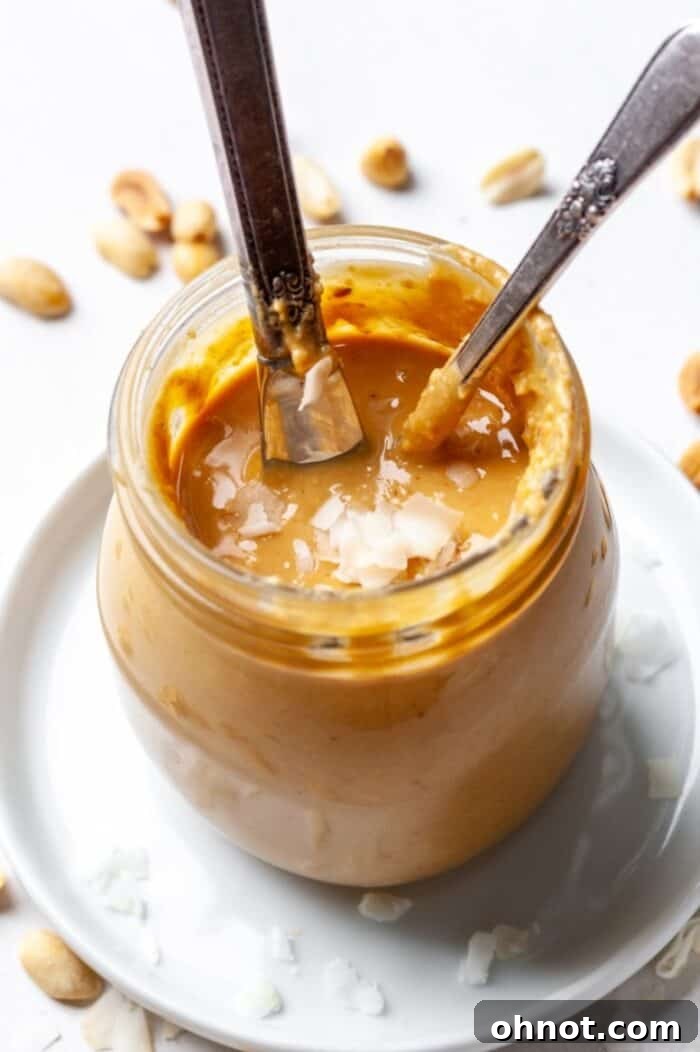
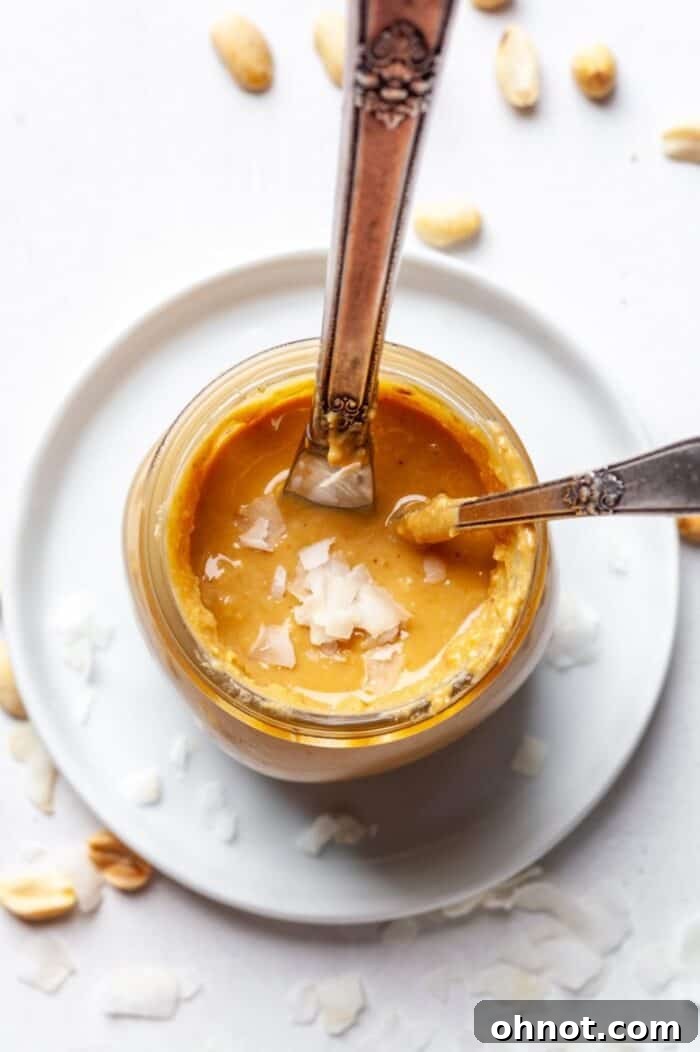
Welcome to the ultimate guide for creating your own luscious, creamy, and undeniably delicious homemade Coconut Peanut Butter! This isn’t just your ordinary peanut butter; it’s a delightful tropical twist on a beloved classic. Imagine a spread so smooth and rich, infused with the subtle sweetness and unique texture of coconut flakes. This recipe is an absolute game-changer, requiring only two simple ingredients and mere minutes to prepare. Forget store-bought versions filled with unnecessary oils and sugars – our homemade recipe is not only healthier but bursts with fresh, natural flavor. Perfect for spreading on toast, enhancing your morning smoothie, dipping apple slices or bananas, or simply enjoying by the spoonful, this nut butter promises to elevate your snack game. Prepare to discover a new pantry staple that’s as versatile as it is irresistible!
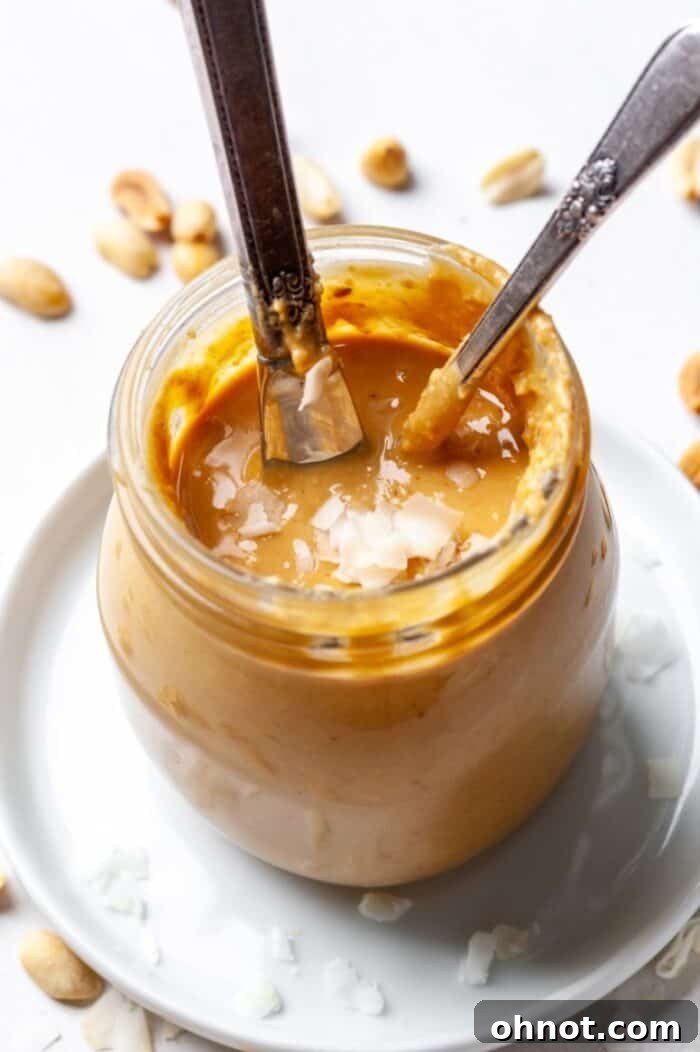
Why You’ll Love This Homemade Coconut Peanut Butter Recipe
There are countless reasons why this coconut peanut butter will quickly become a favorite in your household. It offers a fresh and exciting departure from conventional peanut butter, infusing a tropical essence that is both comforting and exotic. Here’s a detailed look at why this recipe stands out:
- A Delightful Culinary Twist: This isn’t just peanut butter; it’s an adventure for your taste buds. The addition of coconut flakes transforms the familiar nutty flavor into something uniquely captivating, offering a fun and exciting alternative to your usual spreads.
- Incredibly Simple Ingredients: You’ll be amazed that something so flavorful can be made with just two core ingredients: peanuts and coconut flakes. This minimalist approach ensures purity of flavor and makes the recipe accessible to everyone, regardless of their cooking expertise.
- Blended to Perfection in Minutes: If you own a high-speed blender like a Vitamix, you can achieve a supremely smooth and creamy consistency in as little as two minutes. Even with a standard food processor, the process is straightforward and results in a perfectly blended nut butter, typically within ten minutes.
- Unbelievably Smooth and Creamy Texture: The magic happens as the ingredients break down and release their natural oils, resulting in a velvety-smooth and rich texture that glides effortlessly. The subtle addition of coconut flakes provides just a hint of pleasant chewiness, making each bite an experience.
- Versatility for Every Occasion: This spread is not just for toast! It’s an exceptional addition to a wide array of dishes. Incorporate it into your morning smoothies for a creamy boost, use it as a base for healthy energy balls, elevate your baked goods like cookies and brownies, or simply enjoy it as a nutritious dip for fruits.
- Pure and Wholesome Goodness: Unlike many commercial nut butters that often contain added oils, refined sugars, or palm oil, this homemade recipe is completely free of these unnecessary additives. You get nothing but the natural goodness of peanuts and coconut, making it a truly wholesome choice.
- Nutritious, Satisfying, and Delicious with Chocolate: Peanuts are packed with protein and healthy fats, while coconut adds beneficial nutrients and a touch of natural sweetness. This combination is not only incredibly filling but also incredibly satisfying. For an irresistible treat, pair it with chocolate for a flavor match made in heaven!
- Diet-Friendly for Many Lifestyles: This recipe is a fantastic option for those with specific dietary needs. It is naturally gluten-free, dairy-free, oil-free, soy-free, and sugar-free. Furthermore, its low-carb profile makes it suitable for Keto-friendly diets. For a delicious coconut-free alternative, explore our Vitamix Peanut Butter recipe.
Embrace the simplicity and deliciousness of this homemade coconut peanut butter, and enjoy a healthy, versatile spread that caters to many dietary preferences without compromising on taste or texture.
What Exactly is Coconut Peanut Butter?
Coconut peanut butter is a delightful culinary creation that marries the rich, nutty flavor of peanuts with the sweet, tropical essence of coconut. At its core, it’s a nut butter made from just two primary ingredients: roasted peanuts and unsweetened coconut flakes. While it shares the familiar creamy consistency and earthy aroma of traditional peanut butter, the addition of coconut introduces a unique layer of flavor and a nuanced texture that sets it apart.
Imagine the deep, savory notes of freshly ground peanuts, beautifully complemented by the subtle sweetness and fragrant undertones of coconut. The coconut flakes, when blended, not only contribute to the butter’s overall flavor profile but also lend a slight, pleasant texture that adds interest to each spoonful. It’s a harmonious blend where neither ingredient overpowers the other, resulting in a perfectly balanced spread that is both comforting and exotic.
This innovative nut butter maintains a similar appearance to regular peanut butter but offers a more complex and enticing taste experience. It’s a fantastic way to introduce a hint of the tropics into your everyday meals and snacks, providing a healthier and more natural alternative to many store-bought flavored spreads.
Essential Ingredients & Smart Substitutions
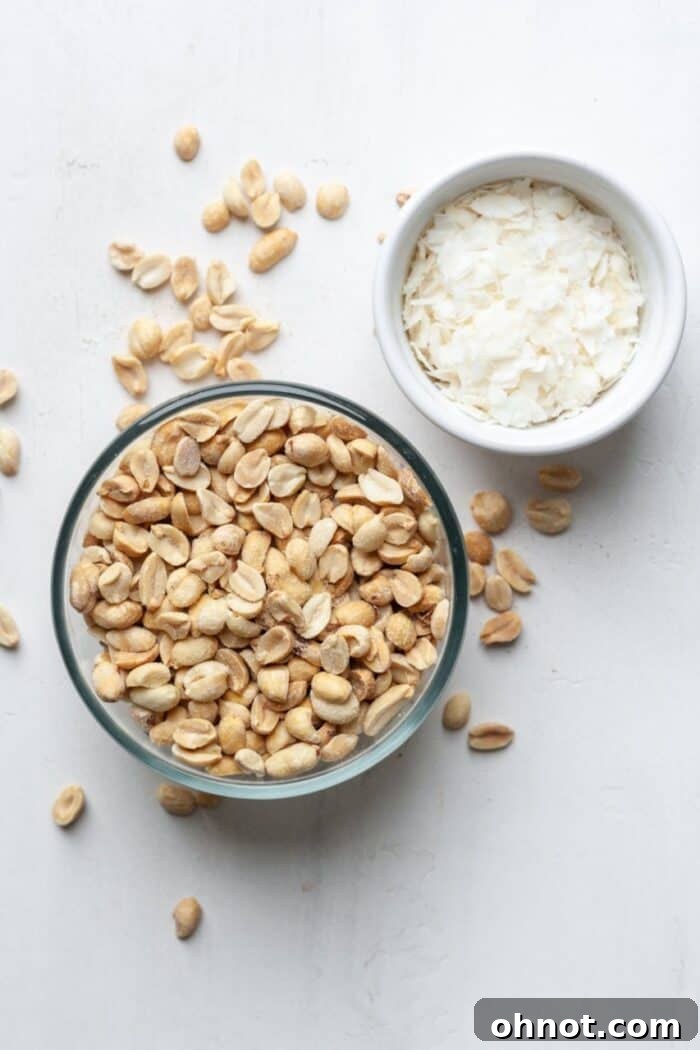
The beauty of this coconut peanut butter recipe lies in its simplicity, utilizing just two key ingredients that are vital to achieving its unique flavor and texture. Choosing the right quality ingredients makes all the difference:
Dry Roasted Salted Peanuts: The Foundation of Flavor
For the best results, we highly recommend using dry roasted salted peanuts. Here’s why:
- Optimal Oil Release: Dry roasted peanuts have already undergone a heat treatment that helps break down their cell walls, making it significantly easier for them to release their natural oils during blending. This leads to a smoother, creamier, and more consistent nut butter in less time. Raw peanuts, while usable, will take considerably longer to process and might require more patience and scraping down the blender sides.
- Enhanced Flavor: Roasting intensifies the natural nutty flavor of the peanuts, giving your butter a deeper, more satisfying base.
- Perfectly Seasoned: Salted peanuts provide a balanced flavor profile right from the start, enhancing both the peanut and coconut notes. If you prefer to control the sodium content or are using unsalted peanuts, simply add a pinch of sea salt (about ¼ to ½ teaspoon per 2 cups of peanuts) to taste during the blending process. Adjust as needed to achieve your desired level of saltiness.
Unsweetened Coconut Flakes: The Tropical Flair
The unsweetened coconut flakes are crucial for imparting that distinct tropical aroma and delicate sweetness that defines this recipe. Opting for unsweetened flakes is key:
- Natural Sweetness Control: Unsweetened flakes allow the natural flavors of both the coconut and peanuts to shine without being overshadowed by excessive sugar. If you use sweetened coconut flakes, be prepared for a significantly sweeter end product, which might not be desirable for all uses.
- Quality Matters: Look for high-quality unsweetened coconut flakes. Brands like Trader Joe’s are often praised for containing only coconut flakes with no added sugars or preservatives, ensuring a pure and authentic coconut flavor.
- Texture Contribution: The flakes contribute a slight, appealing texture to the finished butter, adding another dimension to its enjoyment.
Ingredient Sourcing Tips:
- When buying peanuts, check the ingredient list to ensure they are truly dry roasted and not roasted in additional oils, which can alter the flavor and health profile of your homemade butter.
- For coconut flakes, shredded coconut can also be used, but flakes tend to blend into a slightly smoother consistency with smaller textural bits.
By carefully selecting these two high-quality ingredients, you’ll ensure your homemade coconut peanut butter is not only delicious but also wonderfully pure and wholesome.
How to Make This Creamy Coconut Peanut Butter
Crafting your own homemade coconut peanut butter is surprisingly simple and incredibly rewarding. Follow these easy steps to achieve a perfectly smooth and creamy spread:
Step 1: Combine Ingredients in Your Blender or Food Processor
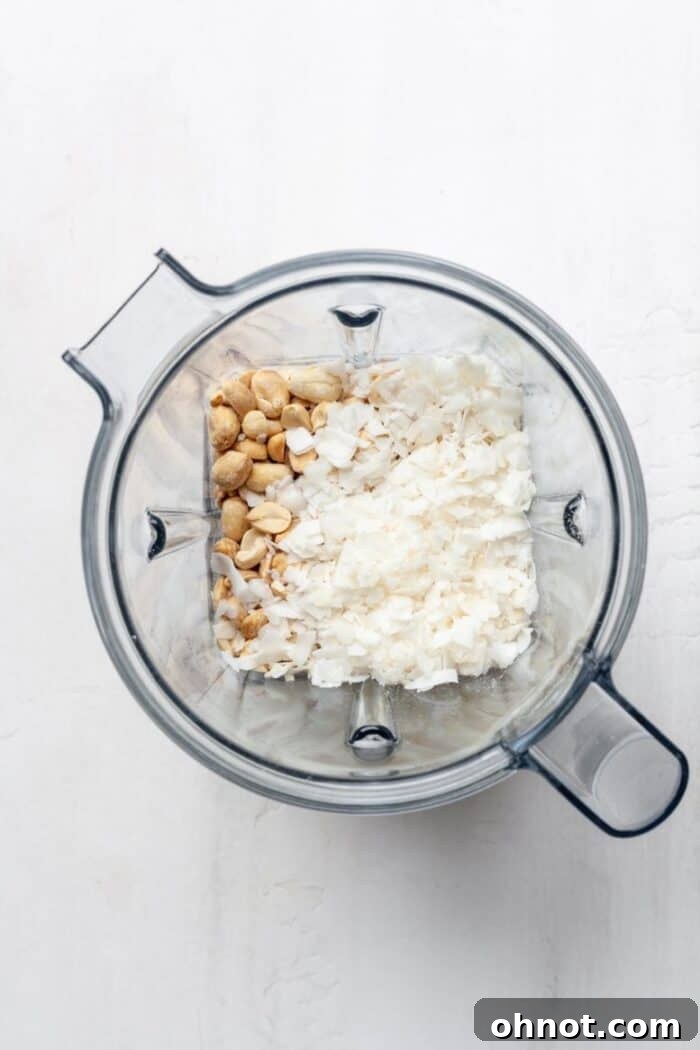
Begin by adding your two essential ingredients – the dry roasted salted peanuts and the unsweetened coconut flakes – directly into the container of your high-speed blender (like a Vitamix) or food processor. Ensure the container is clean and dry. For optimal blending, make sure to add the peanuts first, followed by the coconut flakes. This layering helps the blades catch and process the ingredients more effectively from the start.
Step 2: Blend Until Perfectly Smooth and Creamy
Secure the lid on your appliance and begin blending. Start at a low speed, gradually increasing to a higher setting. The peanuts and coconut will go through several stages:
- Crushing Stage (0-30 seconds): The ingredients will first be chopped into a coarse meal, resembling chunky crumbs.
- Flour Stage (30-60 seconds): As blending continues, the mixture will transform into a finer, more powdery flour. This is where you might need to pause and scrape down the sides of the blender/food processor to ensure all ingredients are evenly processed.
- Paste Stage (60-90 seconds): The natural oils from the peanuts will begin to release, turning the flour into a thick, sticky paste. Again, if your machine is struggling, a quick scrape-down will help.
- Liquid/Creamy Butter Stage (90 seconds – 2 minutes for Vitamix; 5-10 minutes for food processor): The paste will continue to process, eventually becoming liquid and flowing smoothly, forming a beautifully creamy nut butter. This is the stage you’re aiming for – a rich, pourable consistency.
For a Vitamix, this entire process typically takes around 2 minutes. If you’re using a standard food processor, be patient; it may take up to 10 minutes or slightly longer. Continue blending until you achieve a consistency that is completely smooth, creamy, and free of large chunks.
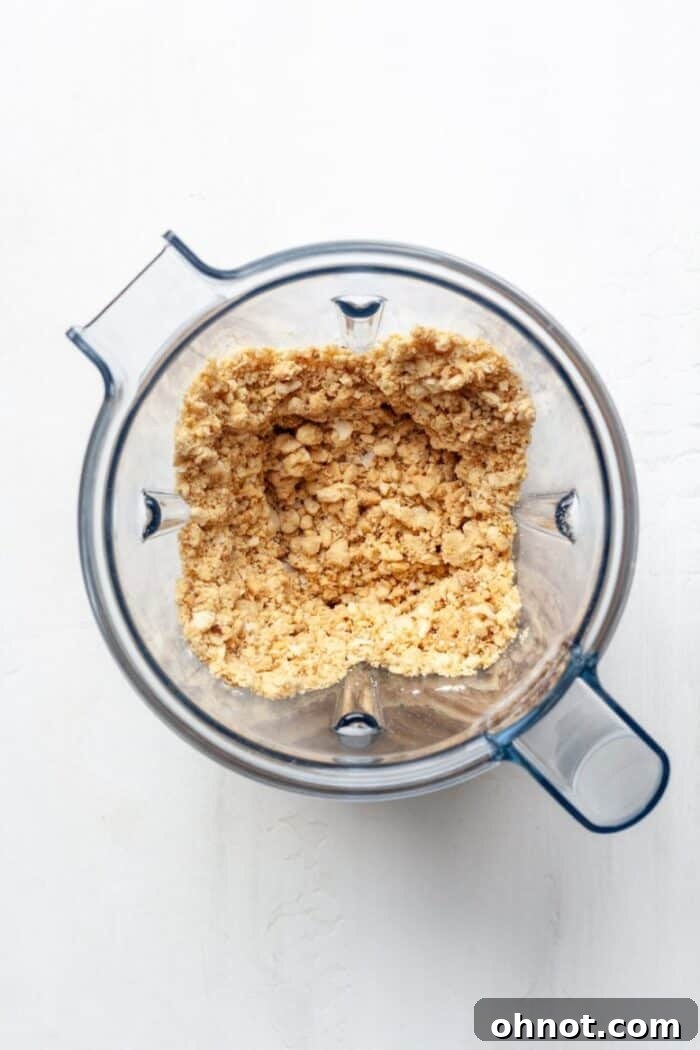
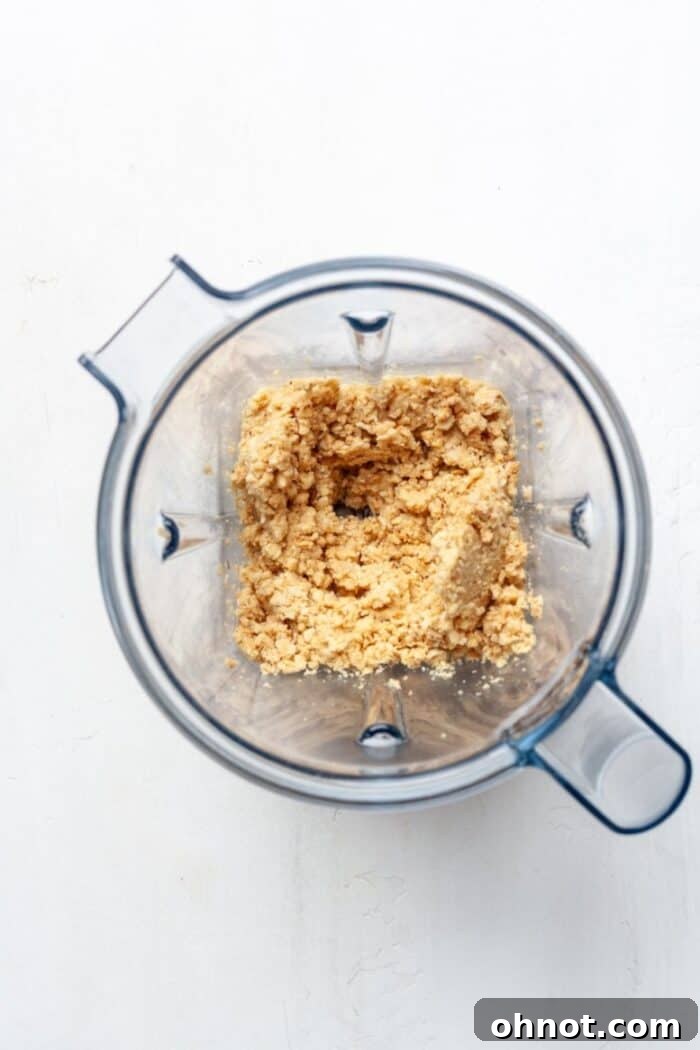
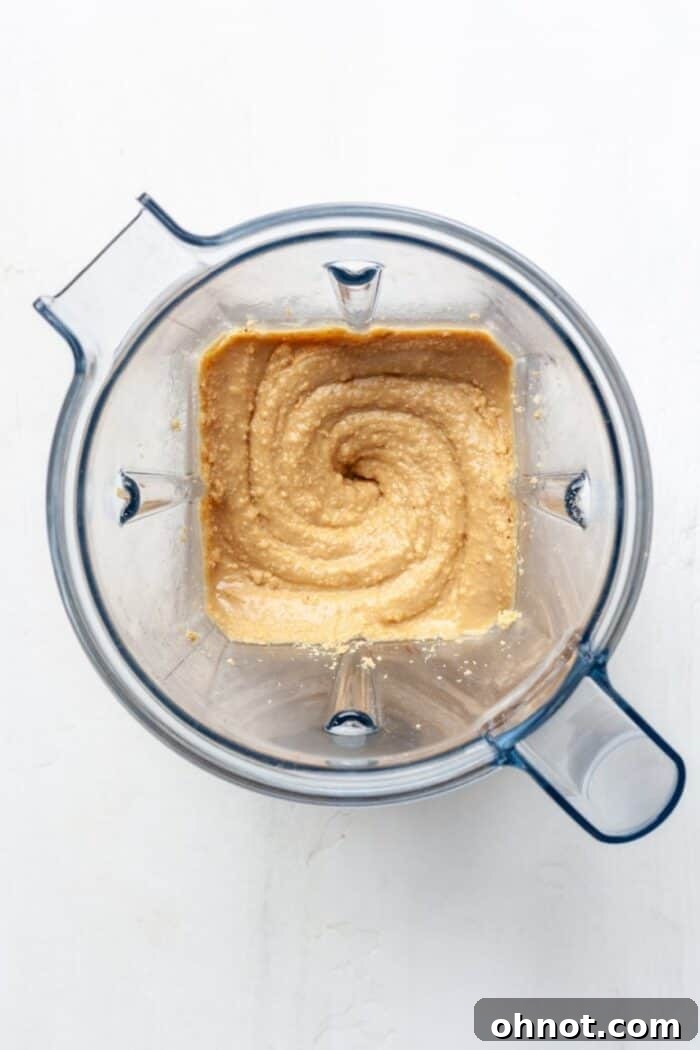
Step 3: Transfer to a Jar and Store
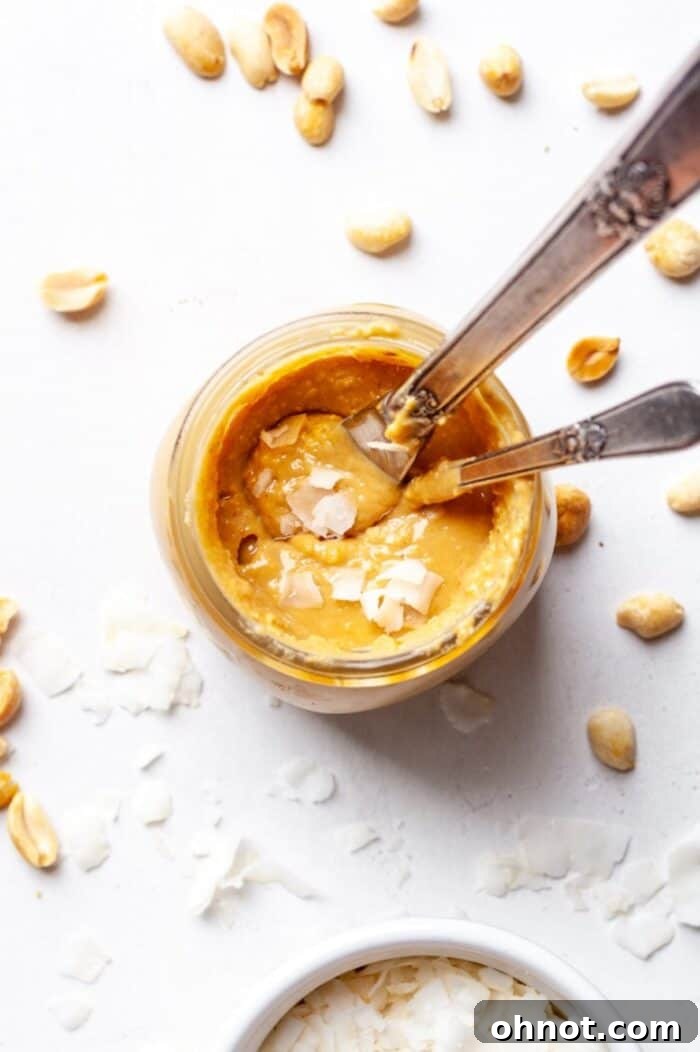
Once your coconut peanut butter has reached its desired smooth and creamy consistency, carefully pour it into a clean, airtight glass jar or container. Seal the lid securely. It’s now ready to be enjoyed immediately or stored for later use. This simple process allows you to enjoy fresh, homemade nut butter whenever the craving strikes!
Expert Tips & Troubleshooting for Perfect Nut Butter
Making homemade nut butter is a straightforward process, but a few expert tips can help you achieve the best possible results every time:
- Prioritize Dry Roasted Peanuts: As mentioned, dry roasted salted peanuts are the gold standard for this recipe. Their pre-roasted state means their natural oils are more readily released, leading to a faster and smoother blending process. Raw peanuts can be used, but be prepared for a significantly longer blending time and potentially needing to add a small amount of neutral oil (like a teaspoon of coconut oil) if the mixture remains too dry.
- Be Patient for Optimal Smoothness: The most common mistake is stopping too soon. You need to continue blending until the mixture is completely smooth and creamy, without any grittiness. Don’t be alarmed if it takes a few minutes, especially with a food processor. The texture will change from crumbly to pasty to finally a fluid, buttery consistency.
- Scrape Down the Sides Religiously: During the blending process, especially in the initial stages, ingredients tend to stick to the sides of your blender or food processor. Periodically stop the machine and use a rubber spatula to scrape down the sides, pushing all the peanuts and coconut flakes back towards the blades. This ensures even processing and helps achieve that consistent, smooth texture.
- Embrace the Heat (and the Cool Down): The friction from blending will generate heat, which helps the oils release. Your blender might even feel warm to the touch. This is normal. If your machine starts to overheat, or if you’re using a less powerful food processor, take short breaks (30-60 seconds) to allow the motor to cool down. This prevents damage to your appliance and keeps the butter from getting too hot.
- Stir Before Each Use: Just like natural store-bought peanut butter, homemade versions can separate, with the oils rising to the top. This is completely natural. Simply give your coconut peanut butter a good stir with a spoon or knife before each use to reintegrate the oils and restore its creamy consistency.
- Consider Batch Size: While this recipe is for a manageable batch, making too small a quantity might not allow your blender/food processor blades to properly catch and process the ingredients. Ensure you have enough volume for your appliance to work efficiently.
- Taste and Adjust: Always taste your nut butter once it’s made. If you used unsalted peanuts, you might want to add a tiny pinch more salt. If you prefer a sweeter profile, a small amount of maple syrup, honey, or a touch of coconut sugar can be blended in at the very end.
By following these tips, you’ll master the art of homemade coconut peanut butter and enjoy a superior product every time.
Exciting Variations & Flavorful Add-Ins
While this homemade coconut peanut butter is incredibly flavorful on its own, it also serves as a fantastic base for creative culinary experiments. Don’t be afraid to customize it with additional ingredients to suit your taste preferences. Here are some fun ideas for mix-ins and variations:
- Warm Spices:
- Cinnamon: A teaspoon of ground cinnamon can add a comforting warmth and depth that beautifully complements both the peanuts and coconut. It’s particularly lovely for breakfast spreads or in baked goods.
- Nutmeg: A pinch of ground nutmeg (about ¼ teaspoon) offers a slightly sweeter, aromatic spice that pairs wonderfully with the tropical notes of coconut.
- Chocolate Indulgence:
- Cocoa Powder: For a decadent chocolate-coconut-peanut butter, add 1-2 tablespoons of unsweetened cocoa powder. Start with a smaller amount and add more to achieve your desired chocolate intensity. This transforms it into an irresistible dessert spread.
- Melted Chocolate: For an even richer experience, stir in a small amount of melted dark chocolate at the very end, once the butter is smooth.
- Nutty Enhancements:
- Cashews: Blend in a handful of roasted cashews along with the peanuts for an even creamier texture and a slightly sweeter, milder nutty flavor.
- Pecans: Introduce a buttery, rich undertone by adding some roasted pecans to the blend. This creates a more complex and sophisticated flavor profile.
- Walnuts: For a deeper, slightly more bitter and earthy note, incorporate roasted walnuts. They also add healthy omega-3 fatty acids.
- Sweetness Boost (Optional):
- If you prefer a sweeter butter and are not using sweetened coconut flakes, you can add a natural sweetener during the last minute of blending. Options include 1-2 teaspoons of maple syrup, honey, or coconut sugar. Add gradually and taste test until it reaches your desired sweetness.
- Extracts:
- A few drops of vanilla extract or almond extract can enhance the overall flavor complexity, adding a gourmet touch.
When experimenting with add-ins, always start with a small amount and blend thoroughly before tasting and adjusting. This allows you to fine-tune the flavors to your personal preference without overpowering the delicious core of the coconut peanut butter.
How to Serve & Properly Store Your Homemade Nut Butter
Once you’ve whipped up a batch of this delightful coconut peanut butter, you’ll want to know the best ways to enjoy it and keep it fresh. Its versatility makes it a fantastic addition to numerous meals and snacks.
Creative Ways to Serve:
- Classic Spreads: The most straightforward way to enjoy it is spread generously on toast, bagels, rice cakes, or English muffins.
- Fruit Dipper: It pairs beautifully with sliced apples, bananas, pears, or even berries. The creamy texture and tropical flavor are a perfect complement to fresh fruit.
- Smoothie Enhancer: Add a tablespoon or two to your morning smoothie for a boost of healthy fats, protein, and an irresistible coconut-peanut flavor.
- Baking Ingredient: Incorporate it into your favorite baked goods, such as cookies, brownies, muffins, or energy balls, for added moisture, flavor, and nutrition. It works wonderfully as a substitute for regular peanut butter in many recipes.
- Oatmeal or Yogurt Topping: Drizzle it over a bowl of warm oatmeal, overnight oats, or a dollop of Greek yogurt for a satisfying and flavorful breakfast.
- Savory Pairings: Don’t limit it to sweet dishes! Try spreading it on celery sticks, or even as a unique base for certain sauces or dressings in Asian-inspired cuisine.
Optimal Storage Practices:
Proper storage is essential to maintain the freshness and quality of your homemade coconut peanut butter. Since it contains no artificial preservatives, its shelf life is typically shorter than commercial varieties.
- Container Choice: Always store your nut butter in a clean, airtight glass jar or container. This prevents oxidation, keeps out moisture, and protects it from absorbing other odors from your pantry or refrigerator.
- Room Temperature Storage: You can safely store your coconut peanut butter at room temperature (in a cool, dark pantry) for up to 1 month. Make sure it’s away from direct sunlight or heat sources, which can cause the oils to go rancid more quickly. This storage method keeps it softer and easier to spread.
- Refrigerated Storage: For extended freshness, store the peanut butter in the refrigerator for up to 1 month (and potentially longer, though freshness is best within 4-6 weeks). When chilled, homemade nut butter will become significantly thicker and firmer. This is completely normal!
- Stir Before Use: Whether stored at room temperature or in the fridge, natural separation of oils will occur. Before each use, give the butter a good, thorough stir with a clean knife or spoon to reintegrate the oils and restore its smooth, creamy consistency. If it’s very firm from refrigeration, letting it sit out for 10-15 minutes before stirring can make it easier.
- Watch for Spoilage: While natural, always check for signs of spoilage before consuming. Discard if you notice any off odors, mold, or a significantly altered taste.
By following these simple serving and storage guidelines, you can fully enjoy every delicious spoonful of your homemade coconut peanut butter.
Frequently Asked Questions About Coconut Peanut Butter
Here are some common questions about making and enjoying homemade coconut peanut butter:
Can I use a food processor or blender?
Absolutely! Both a high-speed blender (like a Vitamix) and a standard food processor can be used to make this recipe. A Vitamix will achieve a super smooth and creamy consistency much faster, typically in about 2 minutes, due to its powerful motor and blade design. A food processor will also work effectively, but it will generally take longer, often up to 10 minutes or more, and might require more frequent scraping down of the sides to ensure even blending. Continue processing until you reach your desired smooth and creamy texture, regardless of the appliance.
How long does homemade coconut peanut butter last?
When stored properly in an airtight container, your homemade coconut peanut butter typically lasts about 1 month. You can store it at room temperature in a cool, dark place, or for slightly extended freshness and a firmer consistency, keep it in the refrigerator. Always remember to stir it before each use, as natural oil separation is common with homemade nut butters.
Can I make this with store-bought peanut butter instead of whole peanuts?
Yes, you certainly can! To make an even quicker version, simply add your preferred store-bought creamy peanut butter and the unsweetened coconut flakes to a blender or food processor. Blend until the coconut flakes are fully incorporated and the mixture is smooth. This method will be significantly quicker than starting with whole peanuts, as the peanut butter is already processed. It’s a great shortcut if you’re short on time but still want the delicious coconut flavor.
What does coconut peanut butter taste like?
This homemade coconut peanut butter offers a unique and delightful flavor profile. It tastes like a slightly sweeter, richer version of traditional peanut butter, infused with a distinct yet subtle hint of tropical coconut. The coconut adds a layer of aromatic sweetness that perfectly complements the savory notes of the peanuts. In terms of texture, it’s wonderfully creamy, but the finely ground coconut flakes also contribute a little more texture and a pleasant chewiness compared to purely creamy traditional peanut butter, making each bite more interesting.
Can I adjust the sweetness of the peanut butter?
Yes, absolutely! This recipe uses unsweetened coconut flakes, so the primary sweetness comes from the natural sugars in the ingredients. If you prefer a sweeter spread, you have a few options: you can use sweetened coconut flakes (though this will make it significantly sweeter), or you can blend in 1-2 teaspoons of a natural sweetener like maple syrup, honey, or coconut sugar during the final blending stage. Add gradually and taste test until it reaches your desired level of sweetness.
Is this recipe suitable for those with nut allergies?
This recipe is made with peanuts, which are a common allergen. Therefore, it is NOT suitable for individuals with peanut allergies. If you have a peanut allergy but want a coconut-flavored spread, consider making a coconut butter (from just coconut flakes) and blending in other nut-free seeds like sunflower seeds or pumpkin seeds for a similar creamy texture, or explore our Tigernut Butter recipe for a completely nut-free alternative.
Where to Buy Premade Coconut Peanut Butter (If You Prefer)
While we firmly believe that homemade coconut peanut butter offers the freshest taste and allows for complete control over ingredients, we understand that sometimes convenience is key. If you’re looking for a ready-made option or want to try different brands, several varieties of coconut peanut butter and similar spreads can be found online:
- For a popular option that combines the flavors, consider Earth Balance Coconut Peanut Spread.
- If you’re interested in an exotic twist, look for Hawaiian North Shore Goodies for a taste of the islands.
- For those who love a chocolatey kick, Wild Friends Foods Chocolate Coconut Peanut Spread offers a delicious combination.
Exploring these options can be a great way to discover new favorites or to simply enjoy the convenience of a store-bought version on busy days. However, for the purest flavor and complete control over ingredients, don’t hesitate to give our homemade recipe a try!
You May Also Enjoy These Related Recipes
If you’ve enjoyed making and tasting this homemade coconut peanut butter, you’ll love exploring these other delicious and healthy recipes:
- Vitamix Peanut Butter: Master the art of classic, creamy homemade peanut butter using your high-speed blender.
- Whole30 Almond Milk in a Vitamix: Learn how to make fresh, dairy-free almond milk that’s perfect for smoothies, coffee, or drinking on its own.
- Almond Flour Peanut Butter Cookies: Indulge in these gluten-free and delicious cookies, featuring the rich flavor of peanut butter.
- Macadamia Butter: Explore another luxurious homemade nut butter, offering a unique, buttery flavor and smooth texture.
- Tigernut Butter: Discover a fantastic nut-free and paleo-friendly alternative that’s surprisingly creamy and naturally sweet.
These recipes offer more opportunities to create wholesome, flavorful foods right in your own kitchen!
Get the Recipe:
Coconut Peanut Butter
This homemade Coconut Peanut Butter is smooth, creamy, and so flavorful! It is made with only 2 ingredients and takes just a few minutes to make. Spread it on toast, apples, bananas, or eat by the spoonful!
Pin Recipe
Ingredients
Ingredients
- 2 cups roasted salted peanuts
- ⅓ cup unsweetened coconut flakes
Instructions
-
First, add peanuts and coconut flakes to Vitamix or food processor.
-
Blend until completely smooth and creamy. For a Vitamix, this takes about 2 minutes. For a food processor, this takes about 10 minutes.
-
Stop and scrape down sides of blender if necessary.
-
Once smooth and creamy, pour into a jar!
Notes
- This recipe makes about 1 cup of peanut butter. Each serving is about 2 tablespoons.
- Use dry roasted peanuts for best results.
- This peanut butter is not overly sweet. Feel free to use sweetened coconut flakes or a little coconut sugar to sweeten it.
- Store peanut butter in jar with lid at room temperature for up to 1 month.
- Stir before using.
Nutrition Information (per serving)
- Calories: 235 kcal
- Carbohydrates: 7g
- Protein: 10g
- Fat: 20g
- Saturated Fat: 5g
- Polyunsaturated Fat: 6g
- Monounsaturated Fat: 8g
- Sodium: 159mg
- Potassium: 302mg
- Fiber: 4g
- Sugar: 1g
- Vitamin C: 1mg
- Calcium: 37mg
- Iron: 1mg
If you make this delightful coconut peanut butter recipe, we would absolutely love to hear about your experience! Your reviews and feedback are incredibly valuable. You can find us and share your creations on Instagram, Facebook, and Pinterest. Don’t forget to follow along for more healthy meal plans and exciting new recipes. You can also sign up here to receive our newsletter directly in your inbox. Happy blending!