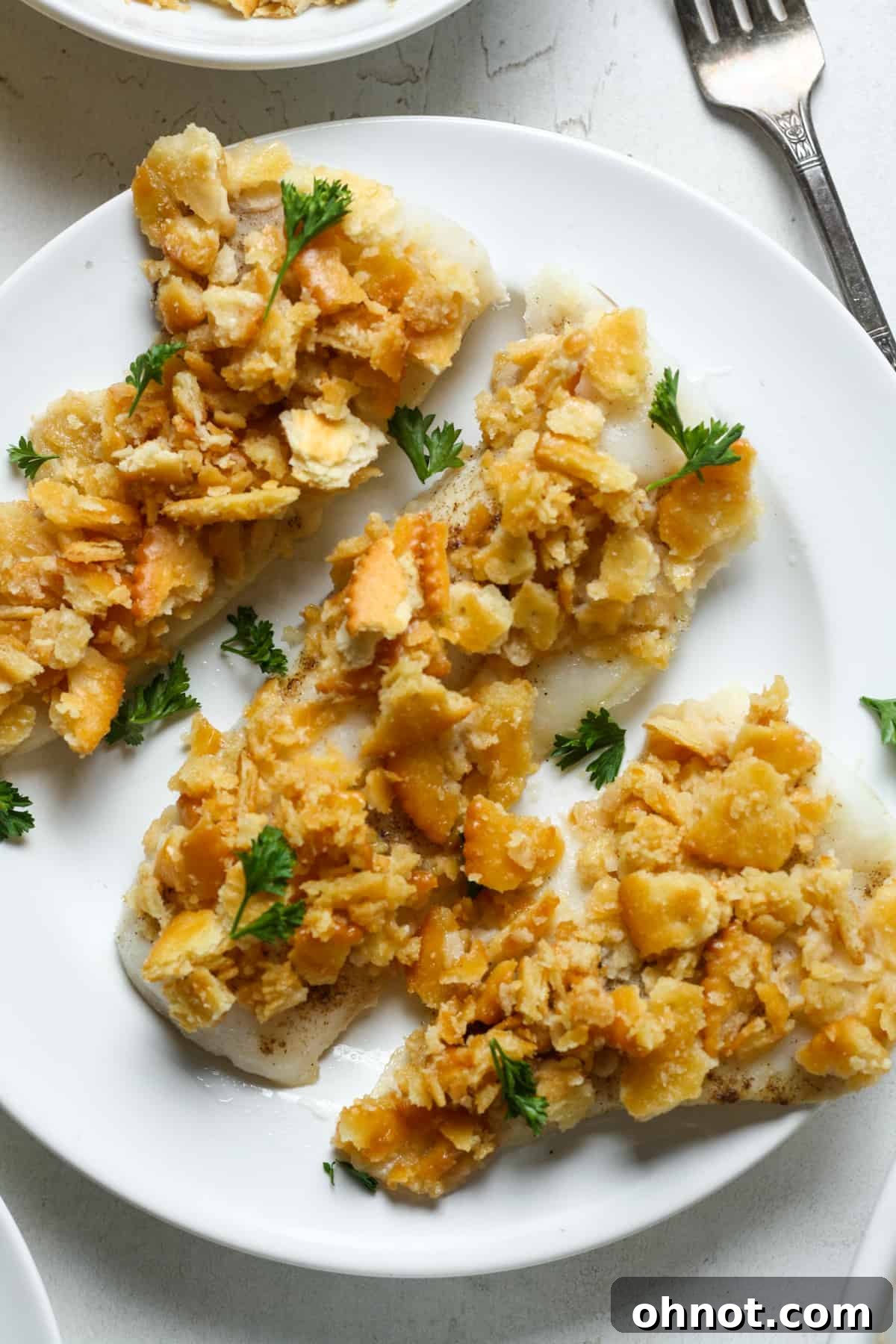
Discover the ultimate Baked Haddock Recipe – a culinary triumph that’s incredibly flavorful, quick, and remarkably easy to prepare. In a world buzzing with demanding schedules, finding a meal that is both exceptionally delicious and simple to execute can feel like a rare gem. This recipe shines as a brilliant solution for busy weeknights, yet it possesses a sophisticated elegance that makes it perfectly suited for special occasions and holiday gatherings. Imagine succulent haddock fillets, baked to tender, flaky perfection, crowned with a golden, buttery cracker crumb topping that adds an irresistible crunch. This entire seafood masterpiece comes together in just 20 minutes from start to finish, offering a gourmet experience without the lengthy commitment. It’s an invitation to savor a light, fresh, and deeply satisfying dish that caters to both convenience and exquisite taste.

Why This Baked Haddock Recipe Will Become Your New Favorite
- Effortlessly Quick & Easy: This baked haddock recipe truly lives up to its promise of being fast and simple. With minimal prep time and a quick bake, you can have a delightful dinner on the table in about 20 minutes total, making it perfect for those hectic weeknights when time is a luxury. For another lightning-fast seafood option, consider this fantastic Halibut Recipe.
- Minimal Ingredients, Maximum Flavor: You only need 7 simple ingredients to create this incredibly flavorful dish. This means less shopping, less fuss, and more time to enjoy your meal. Each ingredient plays a crucial role in delivering a balanced and delicious taste profile.
- Perfectly Flaky & Moist Fish: Haddock is renowned for its delicate texture, and this baking method ensures each fillet is cooked to absolute perfection – moist, tender, and effortlessly flaky. Say goodbye to dry, overcooked fish!
- Irresistible Buttery Cracker Crumb Topping: The star of this recipe, beyond the fish itself, is the golden-brown cracker crumb topping. It provides a delightful contrast of textures, offering a satisfying buttery crunch that complements the soft fish beautifully.
- Incredibly Versatile: Whether you’re looking for a fuss-free dinner after a long day or a sophisticated main course to impress guests, this baked haddock recipe fits the bill. It’s a simple, straightforward dish that feels special enough for holidays and celebrations.
- Dietary-Friendly Options: This recipe is naturally adaptable for various dietary needs. Easily make it gluten-free by opting for gluten-free crackers. Furthermore, it’s inherently nut-free, egg-free, and sugar-free, making it a healthy choice for many.
- A Healthy & Light Meal: Haddock is a lean source of protein, making this a wonderfully healthy and light meal option. It’s packed with nutrients without being heavy, leaving you feeling satisfied but not weighed down.
- Explore More Seafood Favorites: If you enjoy this recipe, be sure to try other delicious seafood creations like this Baked Tilapia Recipe or this Baked Cod Recipe for more quick and healthy dinner inspiration.
Understanding Haddock: The Star of Our Dish
Haddock is a popular white fish belonging to the cod family, distinguished by its mild, slightly sweet flavor and delicate, flaky texture. Native to the cold, deep waters of the North Atlantic Ocean, haddock is a favorite among seafood lovers for its versatility and delicious taste. Visually, haddock fillets are typically white with a distinct black lateral line running along their sides, which helps differentiate them from other white fish. They are usually caught when they reach lengths between 15 and 30 inches and can weigh anywhere from 1 to 4 pounds, though larger specimens are occasionally found.
In terms of culinary application, haddock is incredibly adaptable. It can be grilled, pan-seared, smoked, broiled, or fried, always yielding excellent results. However, baking is one of the most beloved methods, as it gently cooks the fish, preserving its natural moisture and tenderness while allowing for a delightful crisp topping, as showcased in this recipe. Its firm yet tender flesh makes it ideal for dishes where it needs to hold its shape, such as in stews or chowders, but it truly shines when simply prepared to highlight its natural flavors.
Haddock is perhaps most famously known as the traditional fish of choice for the British classic, Fish and Chips, especially in its home regions. This iconic dish, beloved worldwide, relies on haddock’s ability to develop a crispy, golden crust while remaining succulent inside. It’s also incredibly popular in the United States, particularly in New England, where its freshness is celebrated in various local specialties. Nutritionally, haddock is an excellent source of lean protein, essential vitamins like B12 and B6, and minerals such as selenium and phosphorus. It’s a healthy, low-fat option that contributes to a balanced diet without compromising on flavor.
While often compared to cod due to their similar appearance and mild flavor, haddock possesses a subtly sweeter taste and a slightly finer flake when cooked. This makes it a fantastic alternative for those who enjoy cod but are looking for a gentle variation. When properly cooked, haddock turns opaque white and separates into beautiful, moist flakes, making it an incredibly satisfying seafood experience every time.
Essential Ingredients & Smart Substitutions
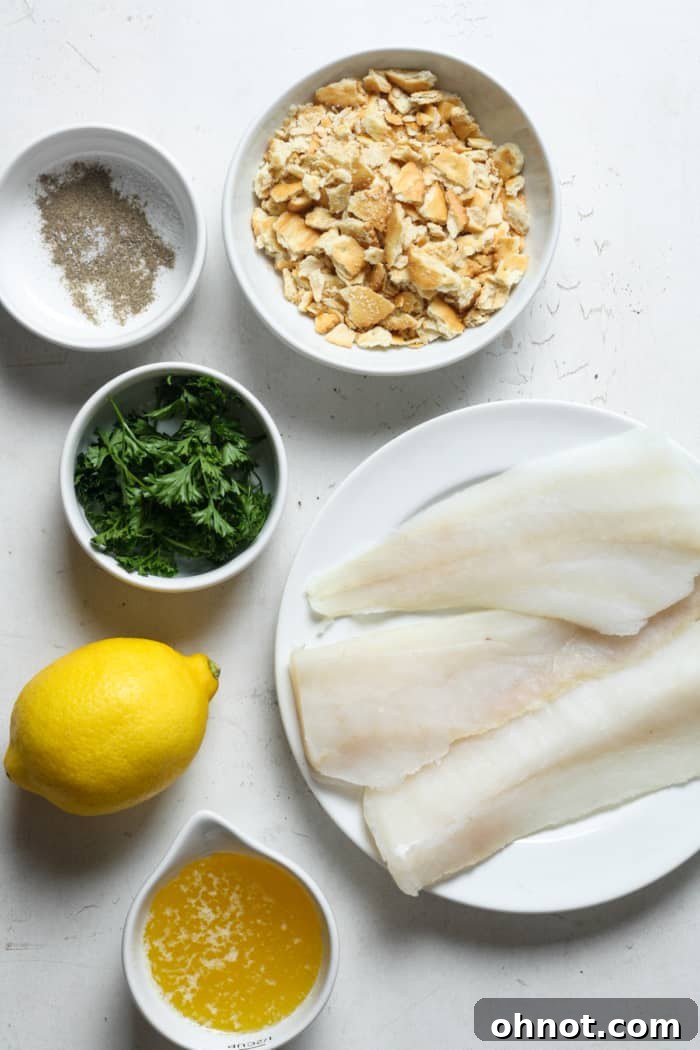
Crafting this delectable baked haddock requires just a handful of straightforward ingredients. Below, we’ll delve into each component and explore useful substitutions to ensure your dish is perfect every time. For the complete list of ingredients with precise measurements and detailed instructions, please refer to the recipe card at the bottom of this page.
Haddock Fillets
The star of our recipe! Aim for fresh haddock fillets whenever possible, as they offer the best flavor and texture. Look for firm, shiny fillets with a mild, ocean-like aroma – avoiding any strong, “fishy” smells. If fresh isn’t available, high-quality frozen haddock works wonderfully, just be sure to thaw it completely before cooking. The best way to thaw frozen fish is overnight in the refrigerator, allowing it to gently defrost while maintaining its texture. Patting the fillets dry with paper towels before seasoning is crucial for achieving a crispy topping and preventing a watery finish.
Sea Salt & Black Pepper
A simple pinch of sea salt and a grind of fresh black pepper are all you need to enhance haddock’s naturally mild and sweet flavor. These basic seasonings allow the fish’s delicate taste to shine through without being overpowered. You can experiment with a touch of garlic powder, onion powder, or smoked paprika if you desire a slightly more complex flavor profile, but keep it subtle to respect the fish’s natural deliciousness.
Cracker Crumbs
This is where the magic crunch comes from! Any type of buttery, plain crackers will work well. Classic options like Ritz crackers or even saltines (for a more savory profile) are excellent choices. To prepare, simply crush them finely in a food processor or place them in a zip-top bag and crush with a rolling pin. If you require a gluten-free option, use your favorite brand of gluten-free crackers; they typically perform just as well. For those following a Keto or low-carb diet, you can omit the cracker crumbs entirely or substitute them with a mixture of almond flour and grated Parmesan cheese for a different, yet still delicious, crust.
Melted Unsalted Butter
Melted butter is essential for binding the cracker crumbs and imparting that rich, golden, and incredibly savory flavor to the topping. Unsalted butter allows you to control the overall saltiness of the dish. For a dairy-free alternative, you can use dairy-free butter (vegan butter) or even a good quality olive oil, though olive oil will yield a slightly different flavor and a less buttery crunch. Ghee is also an excellent option that provides a rich, nutty flavor and is generally well-tolerated by those with dairy sensitivities.
Lemon Juice & Fresh Parsley
These are technically optional garnishes, but they are highly recommended as they elevate the entire dish! A squeeze of fresh lemon juice over the hot fish brightens the flavors and adds a zesty tang that perfectly complements the rich butter and mild haddock. Freshly chopped parsley adds a vibrant color, a hint of herbal freshness, and a beautiful aromatic finish. Don’t underestimate the power of these simple additions to transform your meal from good to truly exceptional.
The Exquisite Taste & Perfect Texture Profile
This baked haddock recipe delivers a harmonious symphony of flavors and textures, making every bite an absolute delight. The overall experience is one of fresh, buttery, and light indulgence. The haddock itself bakes into a wonderfully tender and moist state, flaking apart effortlessly with a fork, a testament to its delicate nature and proper cooking. Its mild, subtly sweet flavor provides a clean canvas, allowing other elements to shine without being overwhelmed.
However, what truly sets this dish apart is the incredible contrast provided by the cracker crumb topping. Baked to a beautiful golden crisp, it offers a satisfying buttery crunch that stands in delightful opposition to the soft, succulent fish beneath. This interplay of textures—the flaky tenderness of the fish against the crispy, savory crust—is what makes this dish so remarkably satisfying and addictively good. The fresh lemon juice adds a bright, zesty counterpoint, cutting through the richness and elevating the overall freshness, while the parsley introduces a subtle herbaceous note. Together, these elements create a balanced and memorable eating experience that is both comforting and elegantly simple.
Step-by-Step Guide: How to Make Perfect Baked Haddock
Step 1: Prepare Your Oven and Baking Dish
Begin by preheating your oven to 350 degrees Fahrenheit (175°C). This ensures that your oven is at the correct temperature for even cooking from the moment the fish goes in. While the oven heats, lightly spray a baking dish with a nonstick cooking spray. This crucial step prevents the fish from sticking to the pan and makes cleanup significantly easier.
Step 2: Season the Haddock Fillets
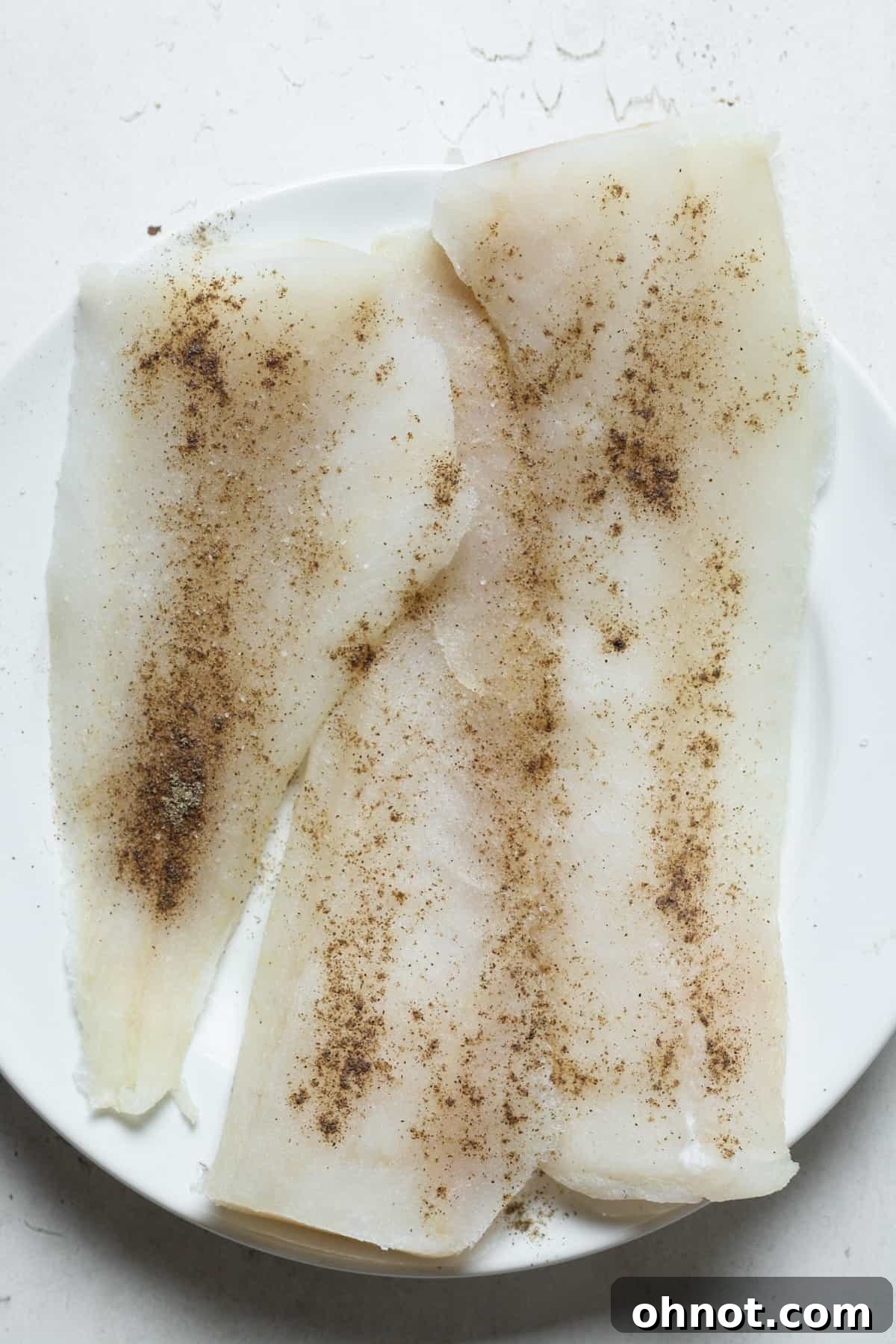
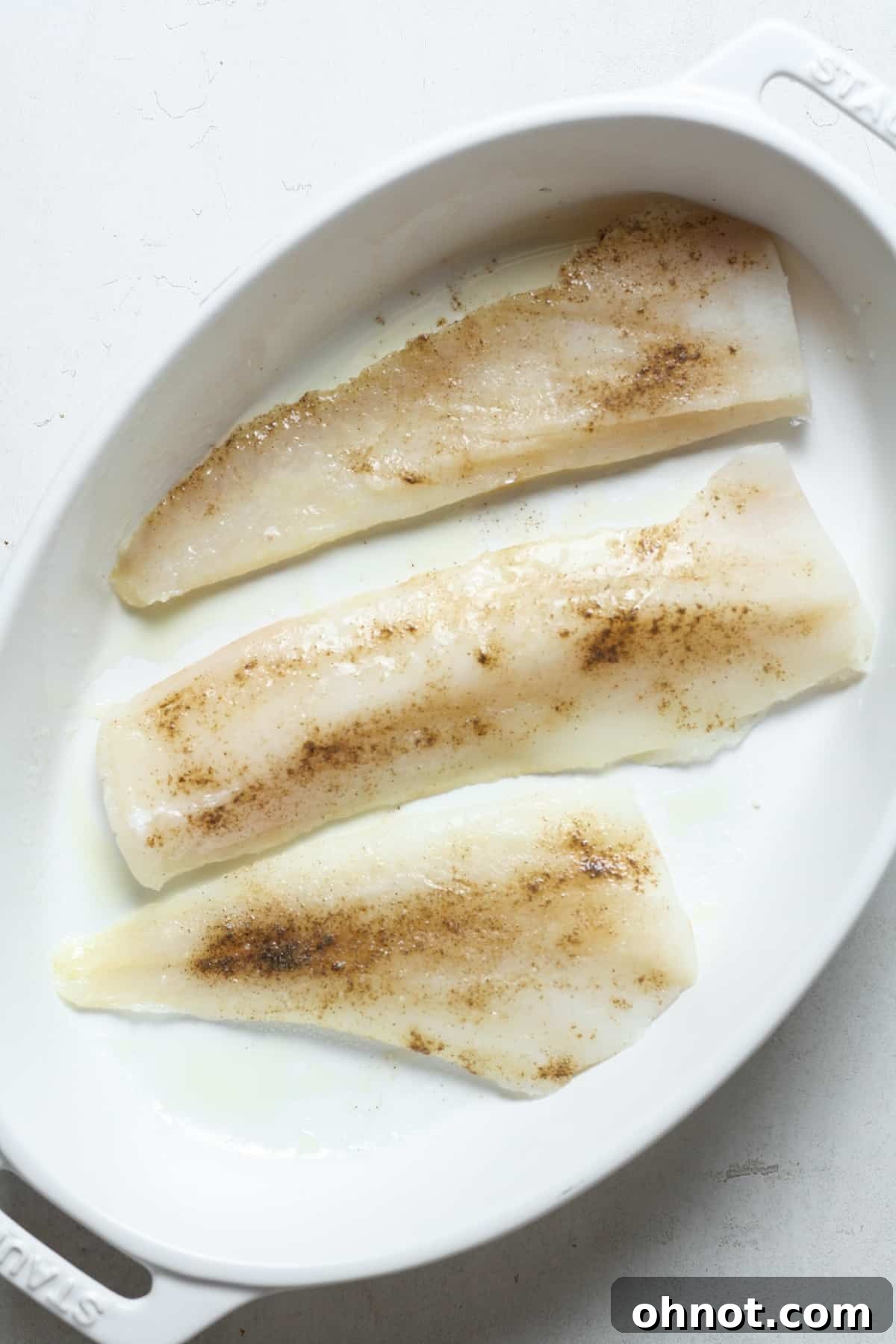
Carefully pat your haddock fillets dry on both sides using paper towels. Removing excess moisture is key to ensuring the fish cooks beautifully and the cracker topping adheres well. Once patted dry, season both sides of each fillet generously with sea salt and freshly ground black pepper. Evenly distributed seasoning will ensure every bite is flavorful. Arrange the seasoned fillets in your prepared baking dish, making sure they are not overcrowded.
Step 3: Prepare the Cracker Crumb Topping
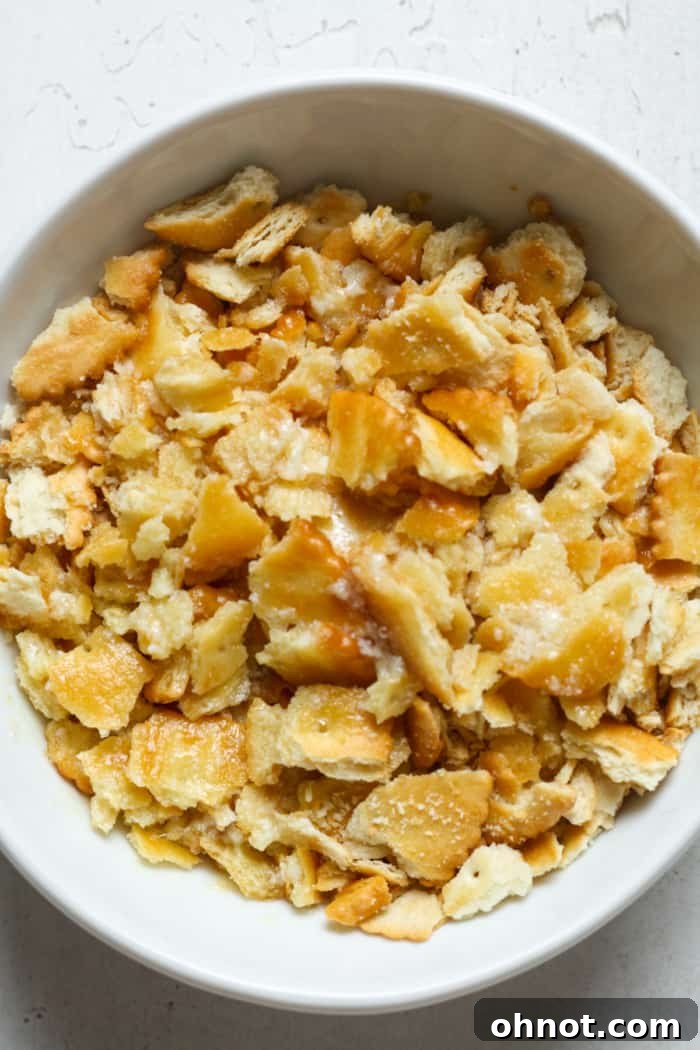
In a small mixing bowl, combine the crushed cracker crumbs with the melted unsalted butter. Stir them together thoroughly until all the crumbs are evenly coated with butter. This ensures that the topping will become beautifully golden and crunchy when baked, rather than dry or unevenly browned.
Step 4: Apply the Crumb Topping
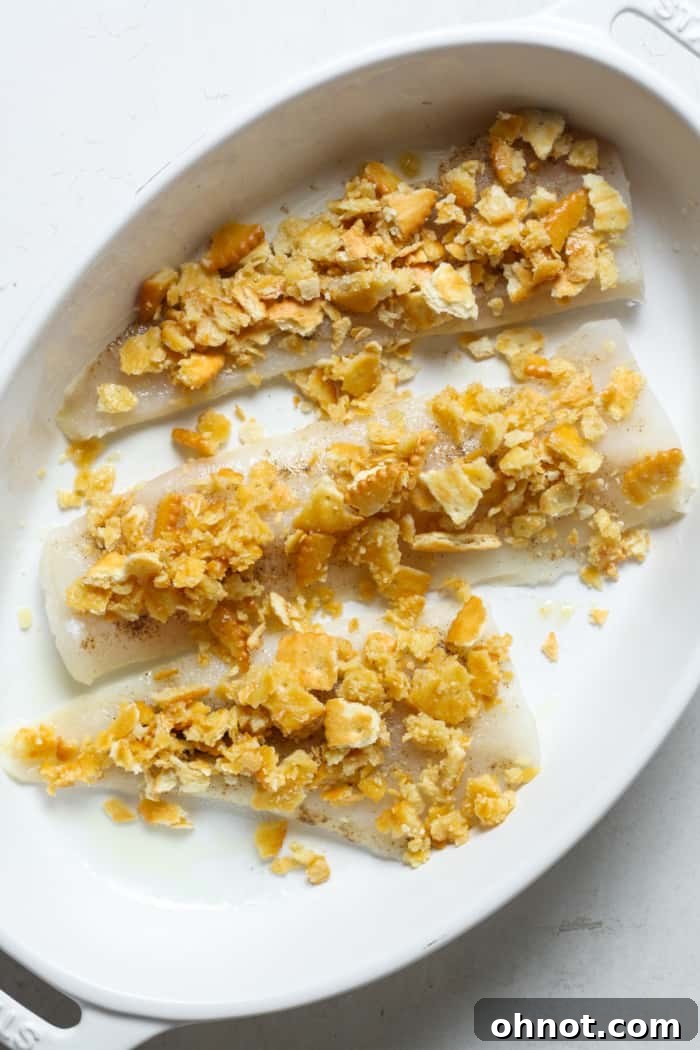
Generously sprinkle the buttery cracker crumbs evenly over the top of each haddock fillet. Gently press the crumbs down onto the fish to ensure they adhere well and create a consistent crust. This layer will not only add flavor and texture but also help keep the fish moist as it bakes.
Step 5: Bake to Perfection
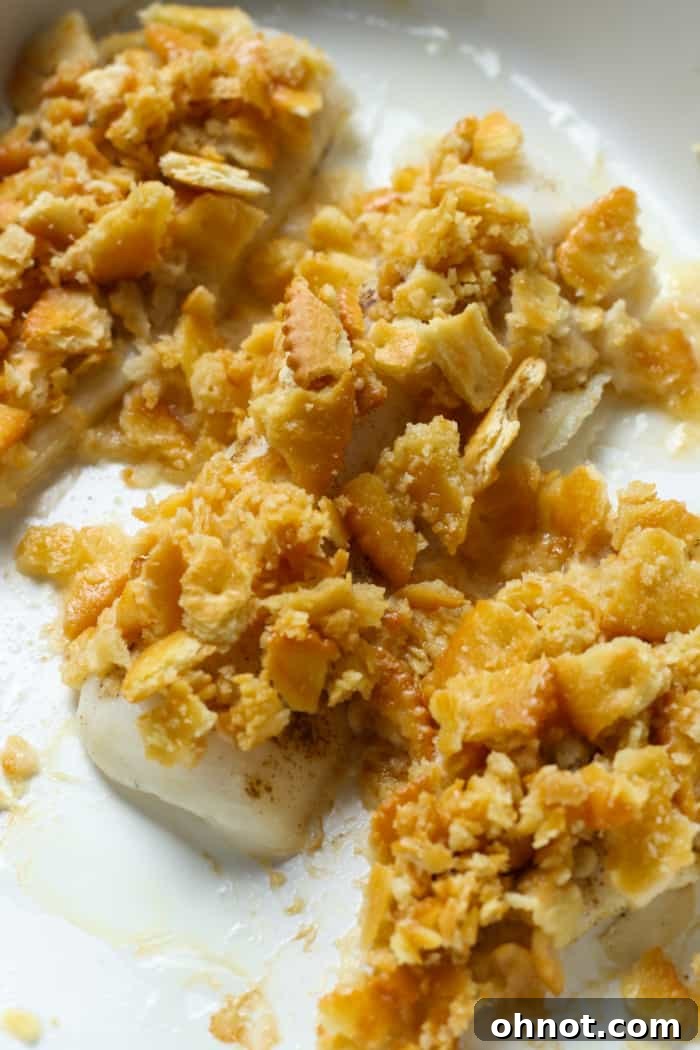
Place the baking dish in the preheated oven and bake for approximately 12 to 15 minutes. The exact baking time may vary slightly depending on the thickness of your fillets. The haddock is perfectly cooked when it turns opaque throughout and flakes easily with a fork. To be precise, the internal temperature should reach 140-145 degrees Fahrenheit (60-63°C) when measured with a meat thermometer. Be careful not to overcook, as this can lead to dry fish.
Step 6: Garnish and Serve
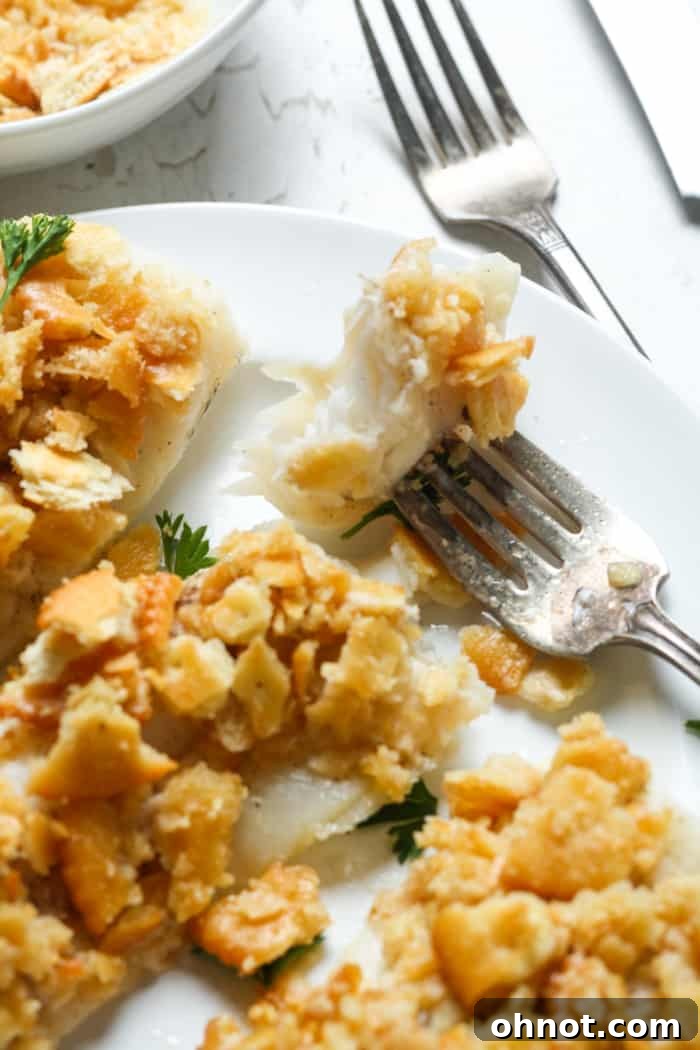
Once your delicious baked haddock is ready, carefully remove the baking dish from the oven. For an extra burst of freshness and flavor, garnish each fillet with a squeeze of fresh lemon juice and a sprinkle of chopped fresh parsley. Serve immediately while hot and the topping is at its crispiest. Enjoy this quick, easy, and incredibly flavorful meal!
Expert Tips & Clever Tricks for Success
Achieving the perfect baked haddock is easy with these insider tips and tricks:
- Proper Thawing is Key: If you’re using frozen haddock, ensure it is completely thawed before you begin cooking. The best method is to transfer it to the refrigerator overnight. Avoid thawing at room temperature, as this can compromise texture and safety.
- Choose Your Crackers Wisely: While any cracker crumbs work, opt for buttery, relatively plain crackers. Brands like Ritz crackers are popular for their rich flavor and fine texture when crushed. Avoid heavily seasoned crackers that might clash with the delicate taste of the haddock.
- Alternative Topping Options: If you don’t have crackers, or prefer a different texture, fine breadcrumbs (panko or regular) are an excellent substitute. They will yield a slightly softer, less crunchy topping, but still delicious. For a gluten-free version, ensure you use certified gluten-free crackers or breadcrumbs.
- Keto & Low-Carb Modification: To make this recipe suitable for a Keto or low-carb diet, simply omit the cracker topping entirely. You can enhance the flavor with extra seasonings, a pat of butter, and a generous sprinkle of Parmesan cheese for a different, yet satisfying, crust.
- The Fork Test for Doneness: The most reliable way to check if your haddock is cooked is the fork test. Insert a fork into the thickest part of the fish and gently twist. If the fish easily flakes and appears opaque throughout, it’s done.
- Avoid Overcooking: Haddock is delicate and can dry out quickly if overcooked. Keep a close eye on it, especially during the last few minutes of baking. As soon as it flakes easily, remove it from the oven. The ideal internal temperature is between 140-145 degrees Fahrenheit (60-63°C).
- Taste and Adjust Seasoning: Before adding the cracker topping, taste a tiny piece of the seasoned raw fish (if you’re comfortable with this) or simply ensure you’ve seasoned it evenly. Don’t be afraid to add a little more salt, pepper, or other preferred spices to your taste.
- Add a Broiler Finish: For an extra golden-brown and crispy topping, you can finish the baked haddock under the broiler for 1-2 minutes after baking. Watch it very closely to prevent burning.
Serving Suggestions & Storage Tips
This baked haddock recipe is best enjoyed immediately, hot and fresh from the oven, when the cracker topping is at its crispiest. The bright zest of fresh lemon juice and the herbaceous notes of chopped parsley are non-negotiable garnishes that truly elevate the dish.
What to Serve With Baked Haddock:
The mild flavor and light texture of haddock make it incredibly versatile for pairing with a variety of side dishes. Here are some fantastic suggestions:
- Crispy Sides: Echo the crunchy topping with homemade French Fries or roasted potato wedges.
- Creamy & Comforting: Classic Mashed Potatoes or a creamy risotto provide a comforting contrast.
- Fresh & Healthy: A vibrant side salad with a light vinaigrette, steamed asparagus, roasted broccoli, or sautéed green beans offer a refreshing and healthy complement.
- Grains: A light rice pilaf, quinoa, or couscous can absorb the delicious pan juices and create a well-rounded meal.
- Sauces: While the fish is delicious on its own, a simple lemon-dill sauce, a light tartar sauce, or a caper butter sauce can add another layer of flavor.
Storing Leftovers:
If you happen to have any leftovers, store them in an airtight container in the refrigerator for up to 3 days. It’s important to note that the cracker topping may lose some of its crispness upon refrigeration. When reheating, it’s best to do so in a preheated oven (around 300°F/150°C) for about 10-15 minutes, or until just warmed through, to help crisp up the topping slightly and prevent the fish from drying out. Avoid reheating in the microwave, as this can make the fish rubbery and the topping soggy.
I generally do not recommend freezing cooked haddock. The delicate texture of the fish tends to become watery and less appealing after being frozen and thawed, and the crispy topping will undoubtedly suffer. It’s always best to enjoy this dish fresh.
Frequently Asked Questions About Baked Haddock
Haddock cooks relatively quickly in the oven. Depending on the thickness of your fillets and your oven’s calibration, it typically takes about 12 to 15 minutes to bake at 350 degrees Fahrenheit (175°C). Always check for doneness using the fork test.
Haddock is incredibly versatile, but it is most commonly and successfully prepared by baking, pan-frying, or deep-frying (as in fish and chips). Baking is favored for its simplicity and ability to keep the fish moist, while frying yields a crispy exterior.
For food safety and optimal taste, haddock should be cooked until it reaches an internal temperature of 140 to 145 degrees Fahrenheit (60-63°C). Using a reliable meat thermometer inserted into the thickest part of the fillet will provide the most accurate results. Visually, the fish should be opaque throughout and flake easily.
Absolutely! To make this recipe completely gluten-free, simply ensure you use gluten-free cracker crumbs or gluten-free breadcrumbs. The rest of the ingredients are naturally gluten-free.
Yes, you certainly can! Breadcrumbs, especially panko breadcrumbs, make a wonderful topping. The primary difference will be in the texture: breadcrumbs tend to create a slightly less crunchy, more uniformly soft crust compared to the distinct crispness that cracker crumbs provide. Both options are delicious, so feel free to use what you prefer or have on hand.
Preventing dry haddock comes down to a few key practices:
- Don’t Overcook: This is the most crucial tip. Haddock cooks quickly, so remove it from the oven as soon as it flakes easily.
- Pat Dry: Ensure your fillets are thoroughly patted dry before seasoning.
- Use a Topping: The cracker crumb and butter topping acts as a protective layer, helping to seal in moisture during baking.
- Internal Temperature: Use a meat thermometer to ensure it reaches 140-145°F, and no higher.
Due to its quick cooking time and the desire for a crispy topping, this recipe is best assembled and baked just before serving. However, you can prepare the cracker crumb mixture (combine crumbs and melted butter) ahead of time and store it in the refrigerator for a day or two. This will shave off a few minutes from your prep, making it even faster.

You May Also Love These Seafood Delights
- Royal Red Shrimp Recipe: A succulent and richly flavored shrimp dish perfect for a special meal.
- Fried Lobster Tails: Indulge in crispy, golden-fried lobster tails for an ultimate treat.
- Blackened Mahi Mahi: A bold and spicy recipe that brings out the best in this firm white fish.
- Pan Seared Chilean Sea Bass: A luxurious and tender fish dish with a beautifully seared crust.
- Lobster Tail Recipe: Simple yet elegant preparation for perfectly cooked lobster tails.
If you try this incredible baked haddock recipe, I would be thrilled to hear your thoughts! Your reviews are incredibly valuable. You can connect with me and share your culinary creations on Instagram, Facebook, and Pinterest. I love seeing what you’re cooking! For more inspiring meal ideas and healthy dishes, be sure to explore my collection of Dinner Recipes.

Get the Recipe:
Baked Haddock Recipe
Pin Recipe
Save RecipeRecipe Saved!
Ingredients
- 3 haddock fillets
- pinch sea salt
- ½ tsp black pepper
- 1 cup cracker crumbs, gluten free or regular
- 3 tbsp melted unsalted butter
- squeeze lemon juice, for garnish
- fresh parsley, for garnish
Instructions
-
First, preheat oven to 350 degrees Fahrenheit (175°C). Spray a baking dish with nonstick spray to prevent sticking.
-
Pat the haddock fillets thoroughly dry with paper towels. Season on both sides with a pinch of sea salt and ½ teaspoon of black pepper. Place the seasoned fillets in the prepared baking dish.
-
In a small bowl, combine 1 cup of cracker crumbs and 3 tablespoons of melted unsalted butter. Stir until the crumbs are evenly coated.
-
Evenly sprinkle the buttery cracker crumbs over the haddock fillets, gently pressing them down to form a crust.
-
Bake for 12 to 15 minutes, or until the fish is opaque throughout and flakes easily with a fork. The internal temperature should reach 140-145°F (60-63°C).
-
Finally, remove the baked haddock from the oven. Top with a squeeze of fresh lemon juice and a sprinkle of chopped fresh parsley if desired, then serve immediately.
Notes
- If using frozen haddock, ensure it is completely thawed before making this recipe, ideally overnight in the refrigerator.
- Any type of buttery crackers can be used for the topping. Both gluten-free and regular crackers are good options, producing a delicious crispy crust.
- If desired, feel free to use fine breadcrumbs (like Panko) instead of cracker crumbs. The topping will be slightly less crunchy but still flavorful.
- To make this recipe low-carb and Keto-friendly, simply omit the cracker crumbs. You can enhance flavor with extra seasoning and butter, or a sprinkle of Parmesan cheese.
- Fish is done when it easily flakes. Insert a fork into the thickest part of the fish and gently twist. If the fish separates into flakes effortlessly, it is cooked through.
- Store any leftover baked haddock in an airtight container in the fridge for up to 3 days. Reheat gently in a low oven to help retain moisture and crispness.
Love this easy and flavorful recipe for baked haddock? Don’t miss out on future healthy meal plans, exclusive new recipes, and exciting updates! You can sign up for my newsletter here to have them delivered directly to your inbox.