Delicious Homemade Coconut Cookies: A Quick & Easy Recipe Guide
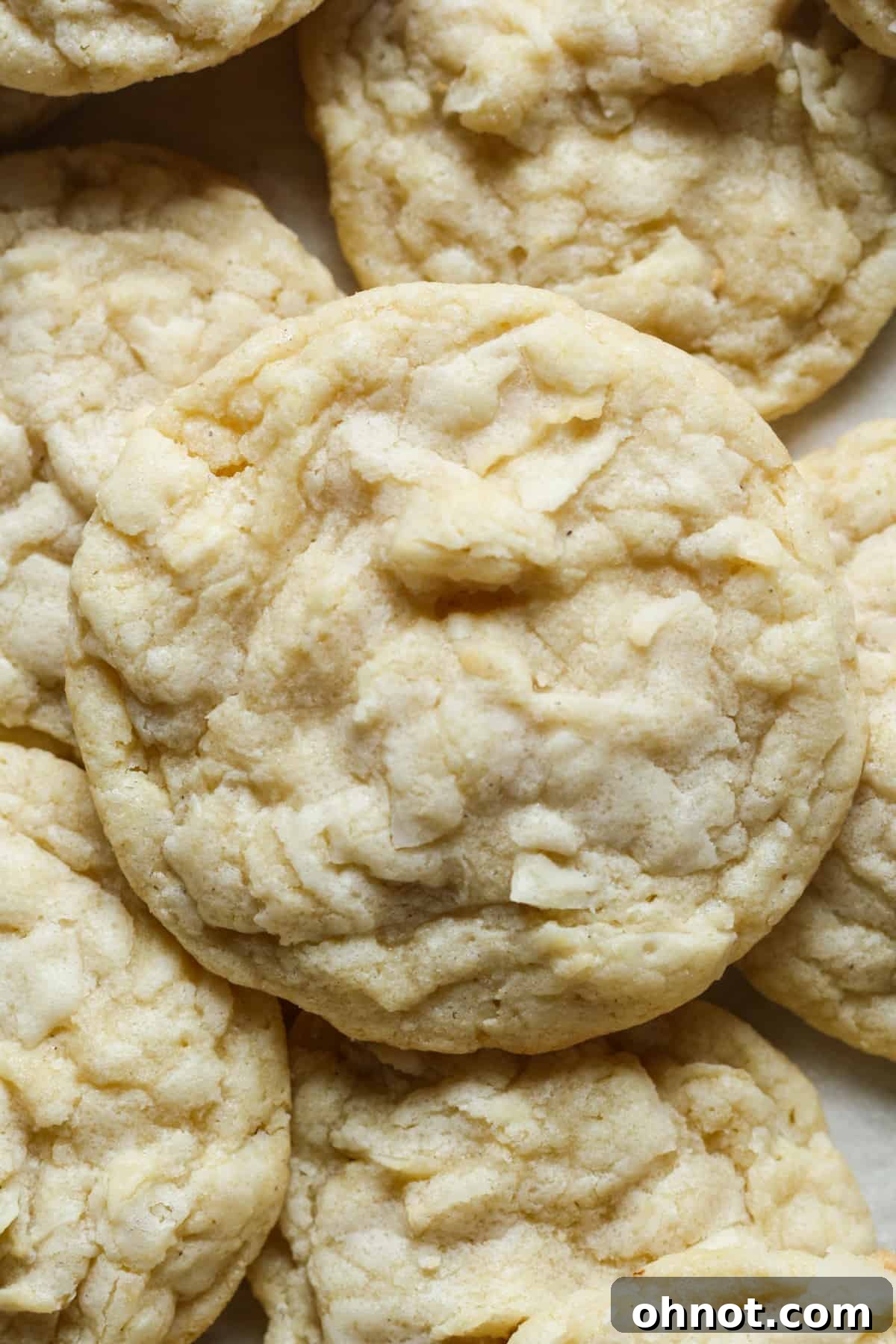
Unleash the tropical essence in your kitchen with our incredibly delicious homemade coconut cookies! These delightful treats boast a perfect harmony of buttery sweetness with a distinct, aromatic coconut flavor. Each bite offers a delightful contrast: slightly chewy edges that give way to a wonderfully soft and moist center. Forget complicated recipes and long waiting times – this simple recipe gets you from preparation to plate in just about 20 minutes, making it ideal for a last-minute dessert or a spontaneous baking craving. While they are phenomenal on their own, feel free to personalize your batch with delightful additions like crunchy nuts or decadent chocolate chips. Whether you’re planning for Christmas festivities, a birthday celebration, or simply a cozy evening snack, these traditional coconut cookies are guaranteed to be a crowd-plepleaser and a perfect sweet indulgence.
Why This Coconut Cookie Recipe Will Become Your New Favorite
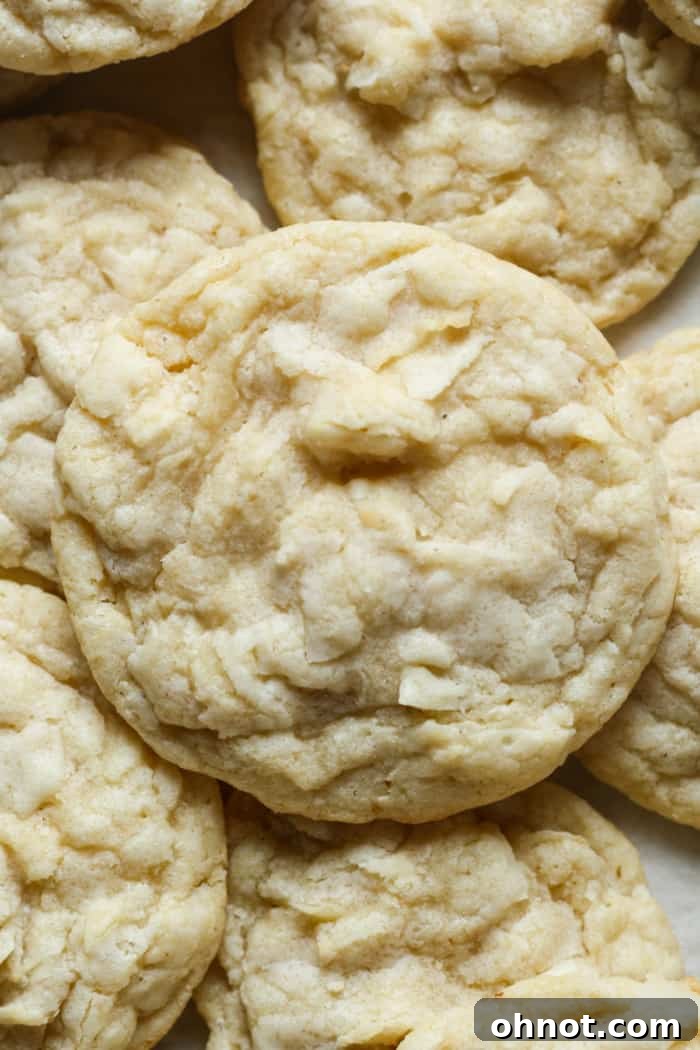
There are countless reasons why these quick and easy coconut cookies deserve a spot in your permanent recipe collection. This recipe is designed for both novice and experienced bakers, promising irresistible results with minimal effort. Here’s why you’ll adore making and eating them:
- Lightning Fast & Effortless: From gathering ingredients to pulling warm cookies out of the oven, this entire process takes a mere 20 minutes. It’s the perfect solution when you need a delicious dessert in a hurry.
- Minimal Cleanup: You’ll only need one mixing bowl for the dough! This means less washing up and more time to enjoy your freshly baked treats.
- No Dough Chilling Required: Unlike many cookie recipes that demand hours of refrigeration, this coconut cookie dough is ready to bake immediately. Say goodbye to impatient waiting!
- Irresistibly Sweet and Buttery: The combination of real butter and a balanced mix of sugars creates a rich, melt-in-your-mouth flavor that perfectly complements the coconut.
- Optimal Coconut Flavor: The generous amount of coconut flakes is the star of the show, infusing every bite with its tropical and slightly sweet essence.
- Pantry Staple Ingredients: You likely already have most of these common baking ingredients in your pantry, making these cookies convenient to whip up anytime.
- Easily Adaptable for Gluten-Free Diets: With a simple swap to gluten-free 1-to-1 flour, these cookies can be enjoyed by those with gluten sensitivities without compromising on taste or texture.
- Nut-Free as Written: For families with nut allergies, this recipe is a fantastic, safe option for a delightful cookie.
- Versatile for Any Occasion: Whether it’s a casual weeknight treat, a holiday cookie exchange, a birthday party, or a thoughtful gift, these cookies fit every occasion.
- Explore More Delightful Desserts: If you love coconut, be sure to check out our delicious Coconut Flour Chocolate Chip Cookies for another fantastic treat!
Essential Ingredients & Smart Substitutions for Perfect Coconut Cookies
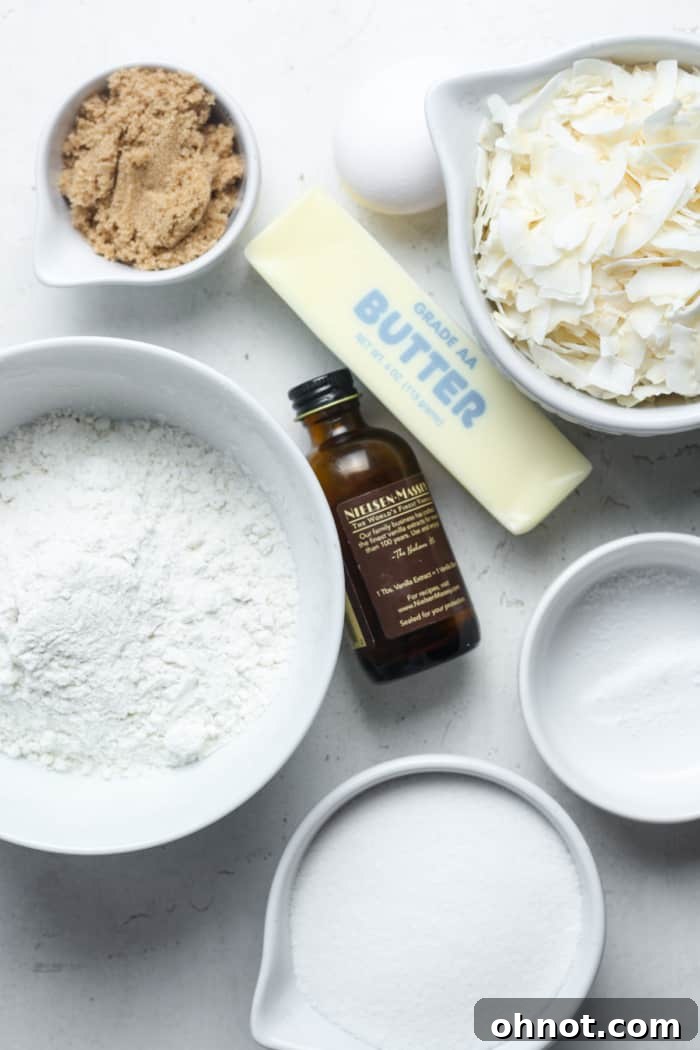
Crafting these delectable coconut cookies relies on a few key ingredients. Here’s a detailed look at what you’ll need and how to make thoughtful substitutions if necessary. For the complete list with precise measurements, always refer to the recipe card below.
Butter: The foundation of these cookies’ rich, buttery flavor and tender texture. It’s crucial to use room temperature butter. When gently pressed with a finger, it should feel soft and leave a slight indentation, but it should not be greasy or melt immediately on your fingers. This consistency is vital for creaming properly with the sugars, creating air pockets that lead to a light, tender cookie. If your butter is too cold, it won’t cream properly; if it’s too warm or melted, your cookies will spread excessively. Plan ahead by placing your butter on the kitchen counter about an hour before you begin baking. For a dairy-free alternative, high-quality vegan butter sticks, like Earth Balance, work wonderfully to achieve a similar rich taste and texture.
Sugars (White & Light Brown): A combination of both white granulated sugar and light brown sugar creates the perfect balance of sweetness and contributes to the cookie’s structure and moisture. White sugar offers crispness, while brown sugar adds depth of flavor, chewiness, and moisture due to its molasses content. We haven’t tested this recipe with keto or low-carb sugar-free sweeteners, so we cannot guarantee the same results in terms of texture or taste.
Egg: Just one large egg is needed to bind the ingredients, add moisture, and contribute to the cookie’s structure. It acts as an emulsifier and helps create a tender crumb. If you’re looking for an egg-free option, our Eggless Cookies recipe is a fantastic alternative, though it will result in a different cookie profile.
Vanilla Extract: A staple in almost any cookie recipe, a little vanilla extract provides a classic, warm, and inviting flavor profile that enhances all the other ingredients. For an interesting twist and a more gourmet feel, you can experiment by substituting half or all of the vanilla with almond extract. The almond notes beautifully complement the coconut.
Baking Soda: This leavening agent is essential for giving these cookies a slight rise and contributing to their soft, chewy texture. Ensure your baking soda is fresh for optimal results.
Flour (All-Purpose or Gluten-Free 1-to-1): You can use either regular all-purpose flour for a classic cookie or a high-quality gluten-free 1-to-1 baking flour blend for a gluten-free version. It is crucial to use a blend specifically designed for 1-to-1 substitution, as these often contain a mix of starches and gums that mimic the properties of wheat flour. Do not substitute with almond flour, coconut flour, or oat flour, as these flours behave very differently and would require significant adjustments to the liquid ratios, resulting in a completely different cookie texture and consistency.
Sea Salt: A pinch of sea salt (optional, but highly recommended) is a secret weapon in baking. It doesn’t make the cookies salty, but rather enhances all the sweet flavors and balances the richness, making every bite more vibrant and satisfying.
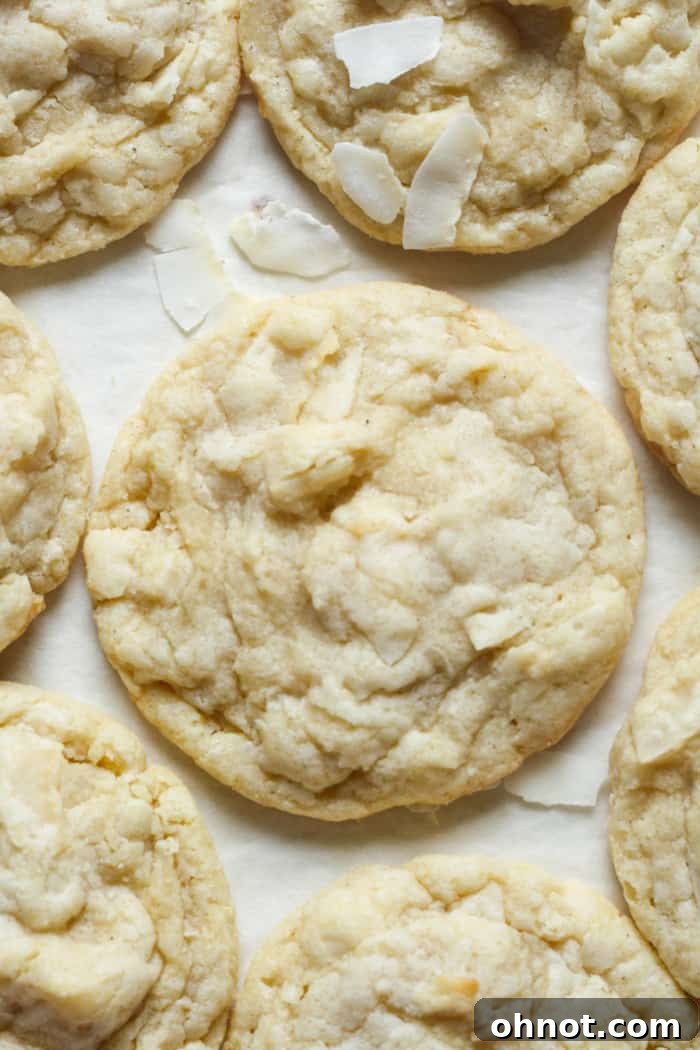
Coconut Flakes: The star ingredient! Use either sweetened or unsweetened coconut flakes. Both varieties work exceptionally well and will yield delicious results. Even with unsweetened coconut flakes, these cookies have enough sweetness from the sugars in the dough, allowing the natural flavor of the coconut to shine through more prominently. Sweetened flakes will, of course, add an extra layer of sweetness and a slightly different texture.
Unforgettable Taste & Texture: What to Expect
Prepare your taste buds for an experience of pure delight! These coconut cookies are perfectly sweet, wonderfully buttery, and utterly delicious. The dominant flavors are the rich, toasted notes of coconut flakes, beautifully complemented by the creamy sweetness of butter and sugar. There are no surprising or exotic flavors here – just classic, comforting cookie goodness with a distinct tropical twist that everyone loves.
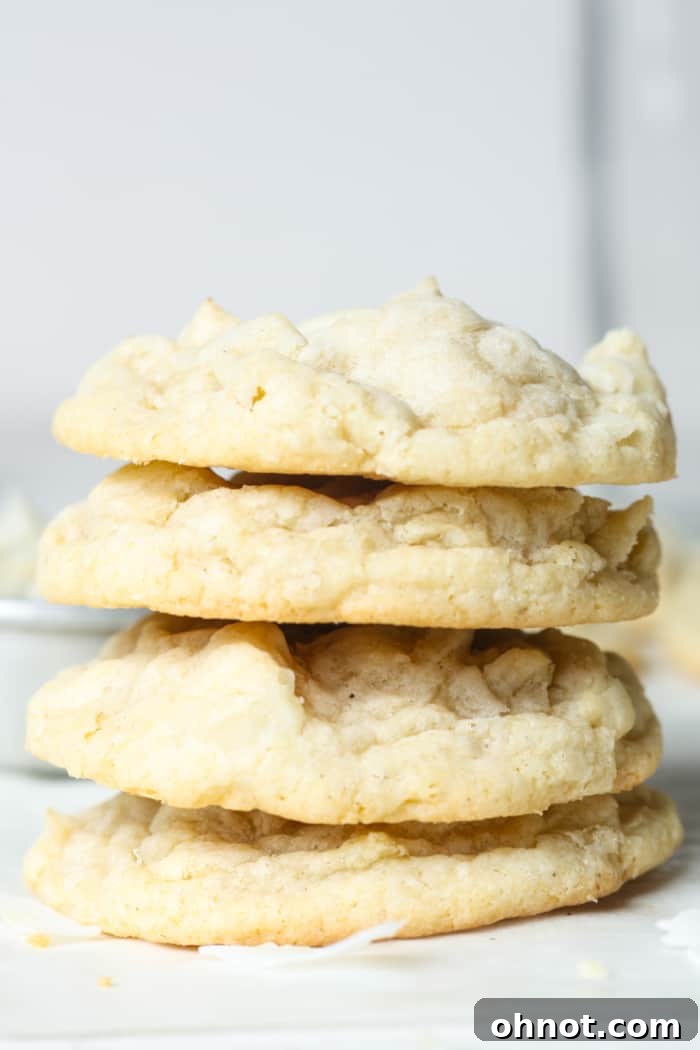
In terms of texture, these cookies offer an ideal balance. They are generally more on the thin side rather than thick, which contributes to their delightful chewiness. You’ll find they have wonderfully crisp and slightly chewy edges, providing a satisfying bite. As you move towards the center, the cookies become softer and more tender, almost melting in your mouth. This textural contrast, from chewy edge to soft center, is what makes them so addictive and enjoyable.
Step-by-Step Guide: How to Bake Your Coconut Cookies
Baking these irresistible coconut cookies is a straightforward process that anyone can master. Follow these simple steps for perfect results every time:
Step 1: Preheat & Prep Your Baking Sheet
Begin by preheating your oven to 350 degrees Fahrenheit (175 degrees Celsius). While the oven heats up, prepare your baking sheet by lining it with parchment paper. Parchment paper prevents sticking and ensures easy removal of the baked cookies, making cleanup a breeze.
Step 2: Cream Butter and Sugars
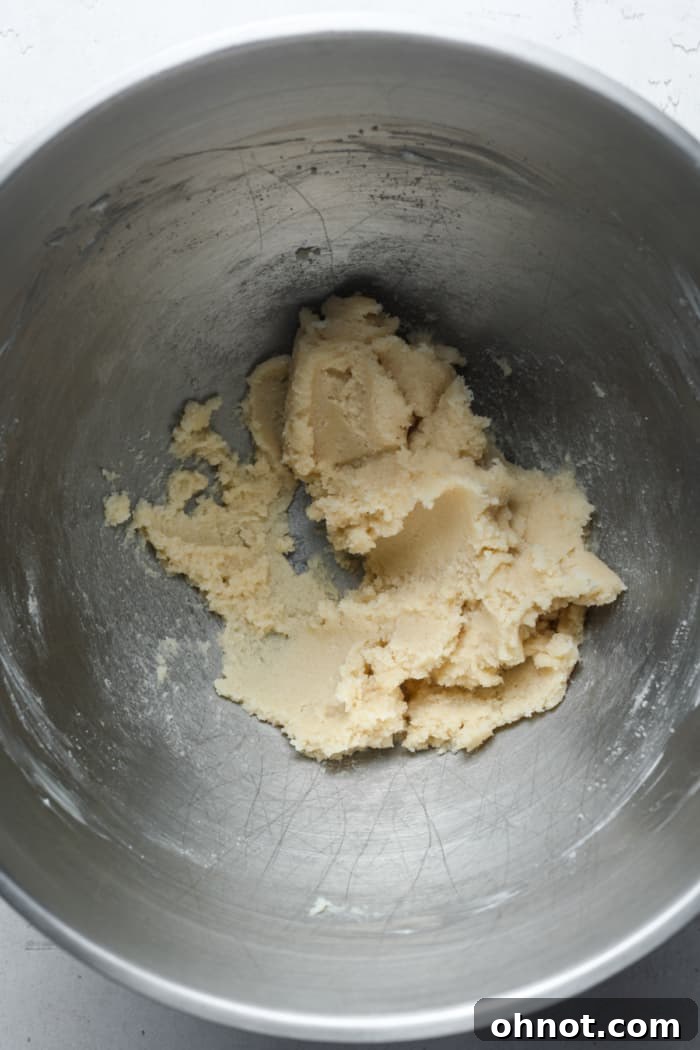
In the bowl of a stand mixer fitted with the paddle attachment (or using a large mixing bowl and a hand mixer), combine your room temperature unsalted butter, white granulated sugar, and light brown sugar. Beat these ingredients together on medium-high speed for 2 to 3 minutes. Continue mixing until the mixture becomes light, fluffy, and completely creamy, with no visible clumps of butter remaining. This creaming process incorporates air, which is essential for the cookies’ texture.
Step 3: Add Egg and Vanilla
Once your butter and sugars are perfectly creamed, add the egg and vanilla extract to the bowl. Mix on low speed until just combined. Be careful not to overmix at this stage; you just want to fully incorporate these wet ingredients into the mixture.
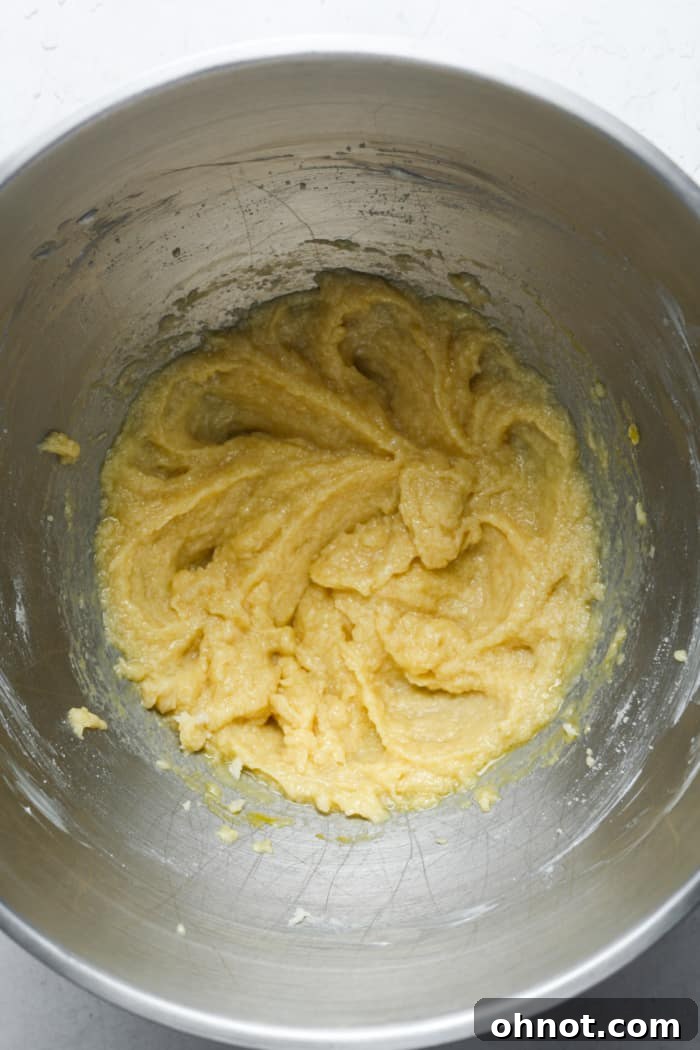
Step 4: Incorporate Dry Ingredients
Next, add the baking soda, flour (either all-purpose or your chosen gluten-free 1-to-1 blend), and the optional pinch of sea salt to the wet ingredients. Mix on low speed until the dry ingredients are just combined and no streaks of flour remain. Overmixing the flour can lead to tough cookies, so mix until just incorporated.
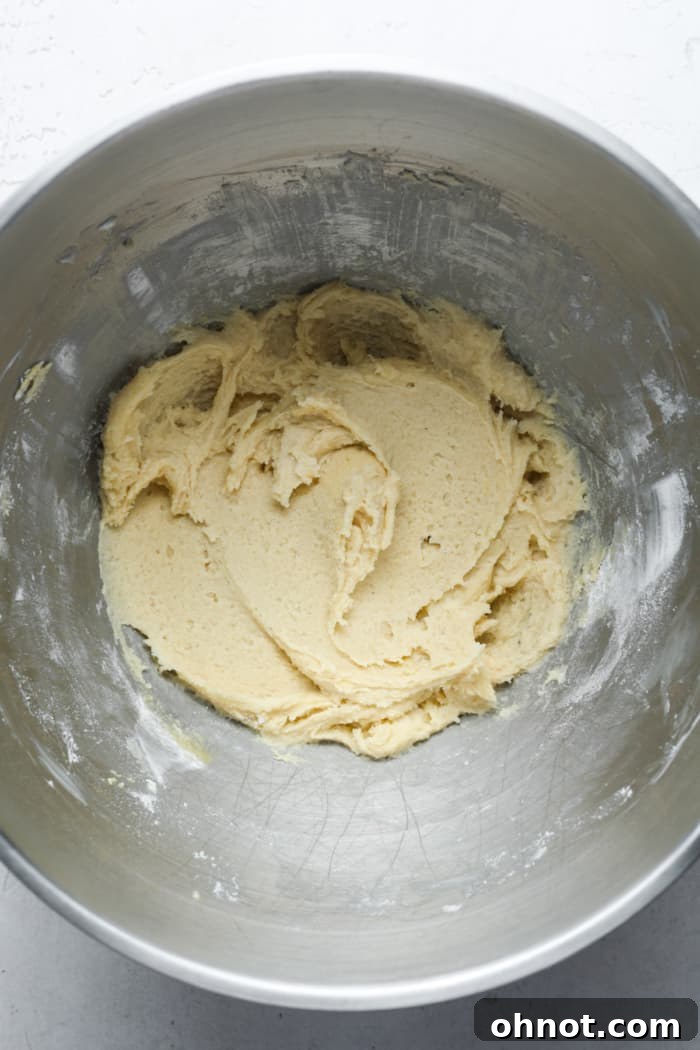
Step 5: Fold in Coconut Flakes
Finally, gently fold in the coconut flakes using a spatula or a spoon. Mix until the coconut is evenly distributed throughout the dough. You want to avoid breaking up the flakes too much, so a gentle folding motion is best.
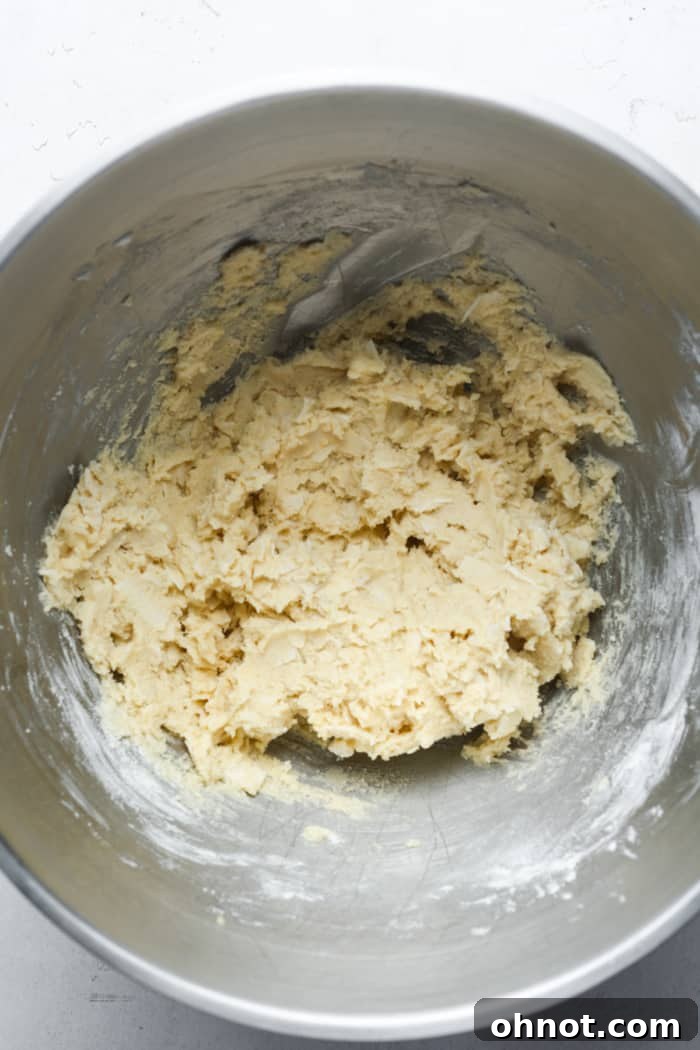
Step 6: Form and Space Cookies
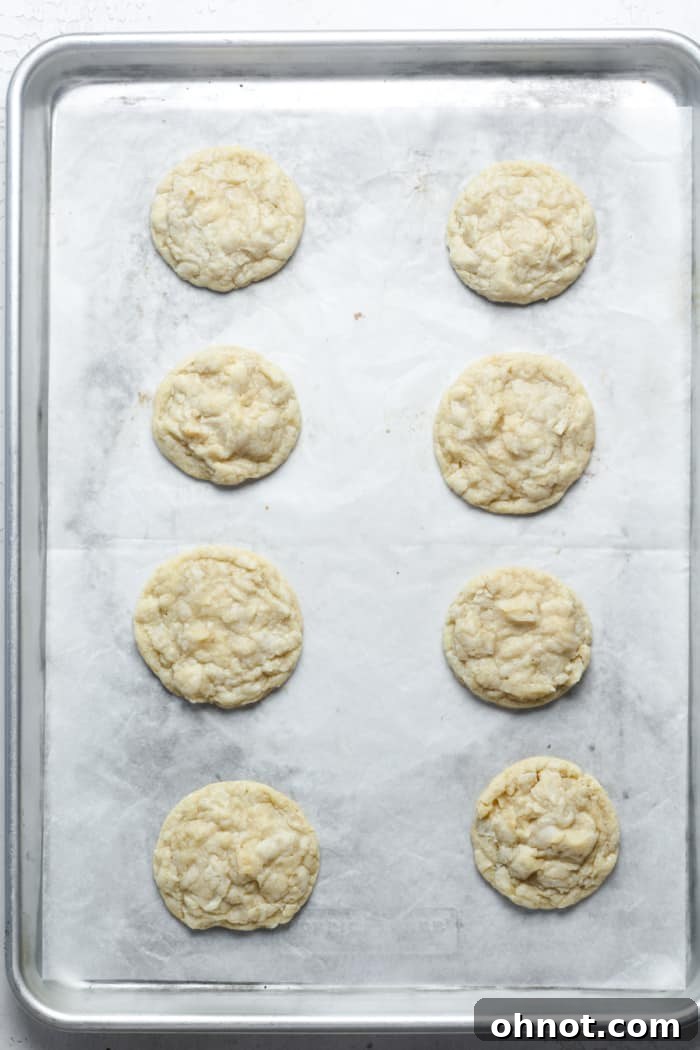
Roll the cookie dough into uniform balls, approximately 1.5 inches in size. For consistent baking and appearance, try to make them as close in size as possible. Place the dough balls on your prepared baking sheet, ensuring they are spaced at least 3 inches apart. These cookies will spread slightly during baking, so adequate spacing prevents them from merging into one giant cookie.
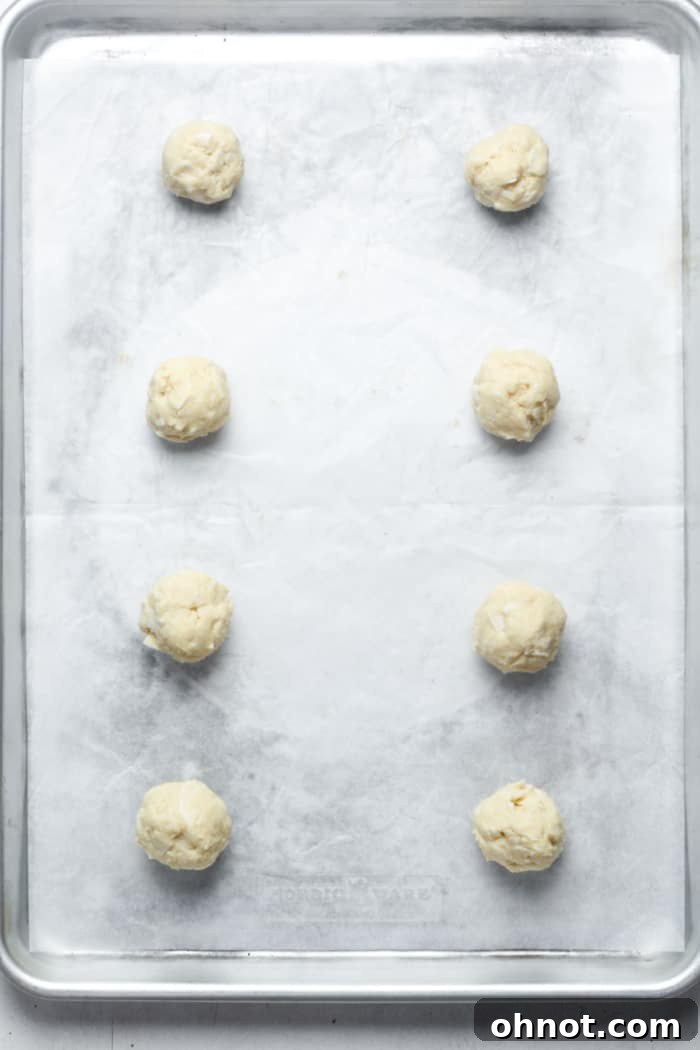
Step 7: Bake to Golden Perfection
Bake the cookies in your preheated oven for 9 to 10 minutes. Keep a close eye on them; the edges should be just barely set and lightly golden brown. The centers may still appear slightly soft or undercooked, but this is perfectly normal and contributes to their famously soft interior once cooled.
Step 8: Cool and Enjoy
Once baked, remove the coconut cookies from the oven. Allow them to cool on the baking sheet for about 10 minutes. This crucial cooling time allows the cookies to firm up and prevents them from breaking when transferred. After 10 minutes, carefully transfer the cookies to a wire cooling rack to cool completely. This ensures air circulation, preventing soggy bottoms and completing the perfect chewy-soft texture.
Expert Tips & Tricks for Flawless Coconut Cookies
Achieving bakery-quality coconut cookies at home is easy with these expert tips and tricks:
- Accurate Measuring is Key: Baking is a science, so always measure your ingredients precisely. Use dry measuring cups for flour and sugars, and liquid measuring cups for liquids. Level off dry ingredients properly.
- The Magic of Room Temperature Butter: This cannot be stressed enough! Using softened, but not melted, butter is fundamental for the correct cookie texture. It creams with sugar to create an airy, uniform base that prevents dense, hard cookies and ensures even spreading.
- Check Your Butter’s Consistency: Your room temperature butter should yield slightly when pressed but not be oily or greasy. If it’s too soft, your cookies might spread too much; if too hard, it won’t cream properly.
- Flour Choice Matters: Stick to either regular all-purpose flour or a specifically formulated gluten-free 1-to-1 blend. Other flours like almond, coconut, or oat flour have different absorption rates and gluten structures, making them unsuitable for direct substitution in this recipe.
- Uniform Dough Balls for Even Baking: Roll your dough into consistently sized 1.5-inch balls. This ensures that all cookies bake at the same rate and come out perfectly done, preventing some from being overcooked while others are undercooked.
- Give Them Space to Spread: These cookies will spread a little during baking. To prevent them from touching and merging, place dough balls at least 3 inches apart on your baking sheet.
- Don’t Overbake: This is a common mistake that leads to dry, crunchy cookies instead of soft and chewy ones. Bake just until the edges are lightly golden and set. The centers should still look slightly soft.
- Embrace the Soft Center: Remember, these cookies are designed to have soft, slightly gooey centers. Don’t wait for them to look completely firm in the oven; they will continue to set as they cool on the baking sheet.
- Parchment Paper is Your Friend: Always line your baking sheets with parchment paper. It prevents sticking, helps with even baking, and makes for incredibly easy cleanup.
Exciting Flavor Variations & Creative Add-Ins
While these coconut cookies are absolutely delightful on their own, they also serve as a fantastic canvas for creative additions and flavor variations. Here are some ideas to customize your next batch:
- Crunchy Pecans: Fold in finely chopped pecans for a buttery, nutty counterpoint to the coconut.
- Hearty Walnuts: Add chopped walnuts for a slightly more robust nutty flavor and satisfying crunch.
- Mini Chocolate Chips: Introduce mini chocolate chips (milk, dark, or semi-sweet) for bursts of classic chocolatey goodness in every bite.
- Regular Chocolate Chips: Larger chocolate chips will create bigger pockets of melted chocolate, adding a rich indulgence.
- Crushed Oreos: For a fun twist, fold in crushed Oreo cookies (cream removed or left in) for a cookies-and-cream-inspired treat.
- Chopped Chocolate Bars: Elevate the chocolate experience by chopping up your favorite chocolate bar (e.g., milk, dark, or a flavored bar) and folding it into the dough.
- White Chocolate Chips: White chocolate pairs exceptionally well with coconut, adding a creamy, sweet contrast.
- Dried Cranberries: For a touch of tartness and a chewy texture, add dried cranberries. They also add a lovely pop of color!
- Chopped Peanuts or Peanut Butter Swirl: For a delightful peanut-coconut combination, stir in chopped peanuts. Alternatively, after baking, spread a thin layer of peanut butter on top for a truly unique flavor profile.
- Citrus Zest: A touch of lime or orange zest folded into the dough can brighten the coconut flavor and add a refreshing zing.
- Cardamom Spice: A pinch of ground cardamom can add a warm, exotic spice note that pairs beautifully with coconut.
Serving Suggestions & Storage Tips
Once your coconut cookies are cool enough to handle, they are ready to be savored! They might be quite soft right out of the oven, but they will firm up to their perfect chewy-soft consistency as they continue to cool. Here are some ideas for serving and storing these delightful treats:
- Perfect Pairings: These cookies are an excellent accompaniment to a warm cup of coffee, a soothing mug of tea, or a comforting hot chocolate. They are equally satisfying enjoyed all on their own as a simple sweet snack.
- Dessert Enhancement: Elevate your dessert experience by serving these cookies alongside a scoop of vanilla ice cream or a generous dollop of freshly whipped cream. The warm cookies with cold ice cream create a heavenly contrast.
- Optimal Storage: To maintain their freshness and delightful texture, store your baked coconut cookies in an airtight container at room temperature for up to 4 days. This prevents them from drying out or becoming stale.
- Freezing for Later Enjoyment: For longer storage, these cookies freeze beautifully. Place them in a freezer-safe airtight container or bag, separating layers with parchment paper to prevent sticking. They can be frozen for up to 1 month. Thaw at room temperature before serving.
Frequently Asked Questions About Coconut Cookies
While delicious and satisfying, these coconut cookies are a delightful treat to enjoy in moderation. They are not designed to be a health food, and generally, they are not healthier than most traditional cookies.
No, there is absolutely no need to toast the coconut flakes for this recipe. They will toast slightly during the baking process, developing a wonderful flavor. However, if you prefer an even deeper, nuttier coconut flavor, you can certainly lightly toast them in a dry pan beforehand if you wish!
Yes, absolutely! This recipe is easily adaptable for gluten-free diets. Simply substitute the regular all-purpose flour with a high-quality gluten-free 1-to-1 baking flour blend. Ensure the blend you choose is specifically designed for cup-for-cup substitution in recipes.
Both sweetened and unsweetened coconut flakes work wonderfully in this recipe! If you use unsweetened flakes, the cookies will still be plenty sweet from the added sugars in the dough, allowing the natural coconut flavor to shine. Sweetened flakes will add an extra layer of sugary goodness.
No, it is crucial not to use melted butter for this recipe. Melted butter will cause the cookies to spread excessively thin while baking, resulting in a very different (and often undesirable) texture. Room temperature butter is essential for achieving the correct creamy texture and cookie structure.
Excessive spreading can be due to a few factors: butter that was too warm or melted, too little flour, not chilling the dough (though not required for this specific recipe, it helps in others), or an oven temperature that was too low.
Look for edges that are lightly golden brown and set. The centers might still appear a bit soft or slightly undercooked, which is normal for these cookies and contributes to their chewy-soft texture once cooled.
You May Also Enjoy These Other Delicious Cookie Recipes
If you loved these coconut cookies, we invite you to explore more delightful baking adventures from our collection. Here are some other popular recipes that you might enjoy:
- Vegan Sugar Cookies
- Chewy Peanut Butter Cookies
- The Best Paleo Chocolate Chip Cookies
- 3 Ingredient Banana Oatmeal Cookies
- Keto Chocolate Chip Cookies
10
10
20
Get the Recipe: Coconut Cookies
Pin Recipe
Save Recipe
Recipe Saved!
Ingredients
15 cookies
-
½ cup unsalted butter, room temperature
-
⅔ cup white sugar
-
⅓ cup light brown sugar, tightly packed
-
1 egg
-
1 tsp vanilla extract
-
½ tsp baking soda
-
1 ⅓ cups flour, all purpose or gluten free flour
-
pinch sea salt, optional
-
1 ½ cups coconut flakes
Instructions
-
First, preheat oven to 350 degrees Fahrenheit (175°C). Line a baking pan with parchment paper.
-
In the bowl of a stand mixer, add room temperature butter, white sugar, and brown sugar. Beat on medium-high speed for 2 to 3 minutes, until the mixture is light, fluffy, and completely creamy. Ensure no clumps of butter remain.
-
Then, add in the egg and vanilla extract. Stir on low speed until just combined.
-
Next, add in baking soda, flour, and sea salt. Stir on low speed until the dry ingredients are just combined and no streaks of flour are visible. Avoid overmixing.
-
Gently fold in the coconut flakes using a spatula or spoon until evenly distributed throughout the dough.
-
Roll the dough into uniform 1.5-inch sized balls. Place them on the lined baking pan, ensuring they are spaced at least 3 inches apart to allow for spreading.
-
Bake for 9 to 10 minutes, or until the edges are just barely set and lightly golden. The centers may still look slightly soft.
-
Remove from oven. Allow the cookies to cool on the baking pan for 10 minutes before carefully transferring them to a wire cooling rack to cool completely.
Notes
- Always use room temperature butter. For best results, place butter on your kitchen counter about 1 hour before you plan to start baking.
- The butter should be soft enough to indent when gently pressed, but not melted or greasy.
- Both regular all-purpose flour and gluten-free 1-to-1 flour work perfectly in this recipe. Please do not use other types of flour, as they will alter the cookie’s texture and consistency significantly.
- These cookies will spread during baking. Ensure you space the dough balls at least 3 inches apart on your baking sheet to prevent them from merging.
- Bake until the cookie edges are lightly set and golden, even if the centers still appear soft. This ensures a perfectly chewy edge and a tender middle.
- Store baked cookies in an airtight container at room temperature for up to 4 days to maintain freshness.
- For longer storage, these cookies can be frozen for up to 1 month in a freezer-safe airtight container.
Calories: 204kcal
,
Carbohydrates: 26g
,
Protein: 4g
,
Fat: 10g
,
Saturated Fat: 6g
,
Polyunsaturated Fat: 1g
,
Monounsaturated Fat: 3g
,
Trans Fat: 0.001g
,
Cholesterol: 5mg
,
Sodium: 45mg
,
Potassium: 115mg
,
Fiber: 2g
,
Sugar: 15g
,
Vitamin A: 8IU
,
Vitamin C: 0.1mg
,
Calcium: 13mg
,
Iron: 1mg
Addison LaBonte
Dessert
American
If you try this delightful coconut cookie recipe, we would absolutely love to hear your thoughts! Please consider leaving a review to share your experience. You can also connect with us on Instagram, Facebook, and Pinterest. For exclusive behind-the-scenes content, special healthy meal plans, and new recipes, join our private Facebook Group and sign up for our newsletter here. We love having you follow along on our culinary journey! For more sweet inspiration, don’t forget to explore our extensive collection of Dessert Recipes.