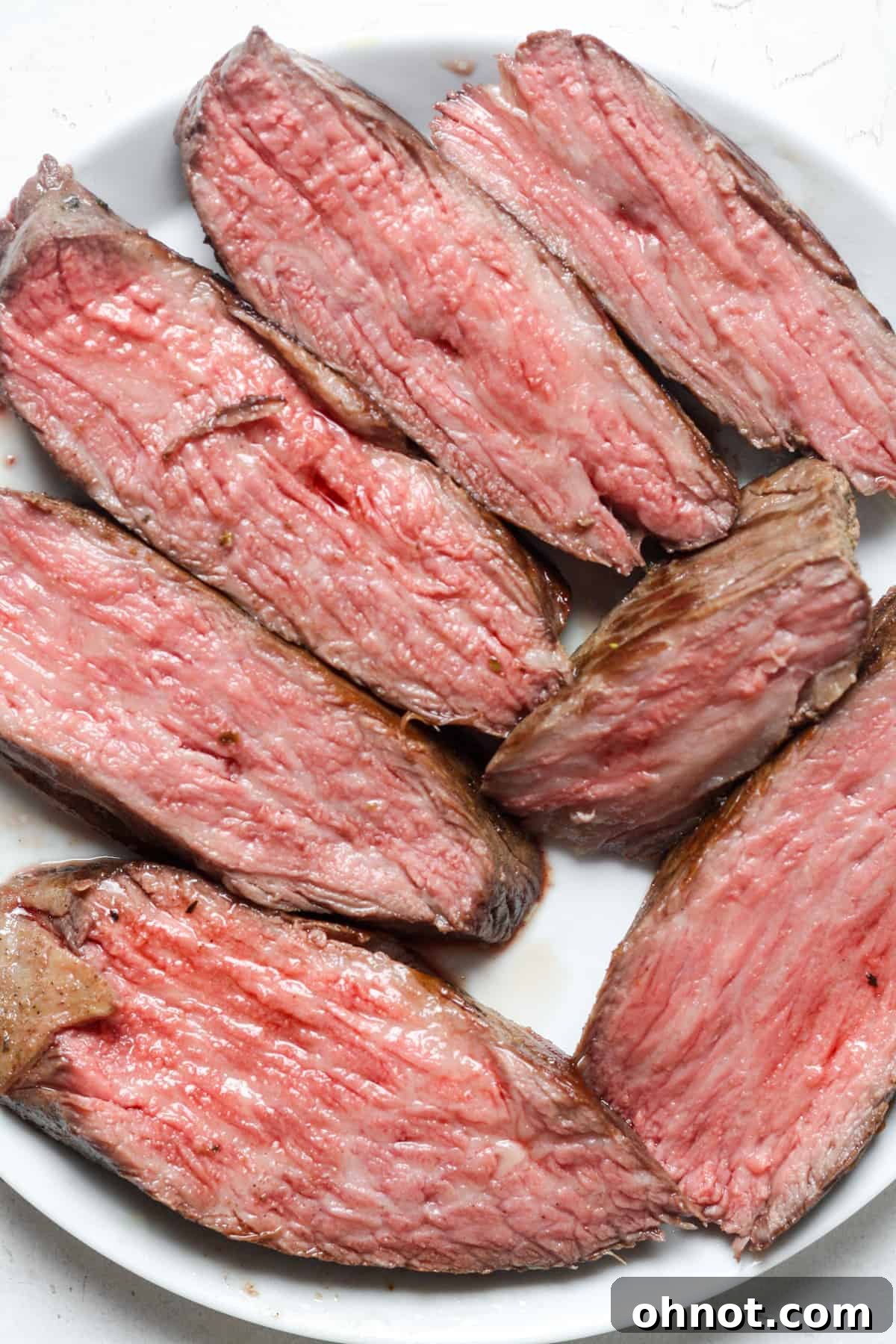
Unlock the secret to a perfectly cooked steak every single time with this incredible sous vide tri tip recipe. Imagine a steak so unbelievably tender, juicy, and bursting with flavor that it melts in your mouth – that’s precisely what the sous vide method delivers. This largely hands-off technique eliminates the guesswork, making it virtually impossible to overcook your meat. Whether you’re planning a special family dinner, preparing for effortless meal prep, or simply craving an exceptional steak, this sous vide tri tip is your ultimate culinary hack for consistent perfection. Dive into a world where gourmet steak is made simple, flavorful, and incredibly satisfying.
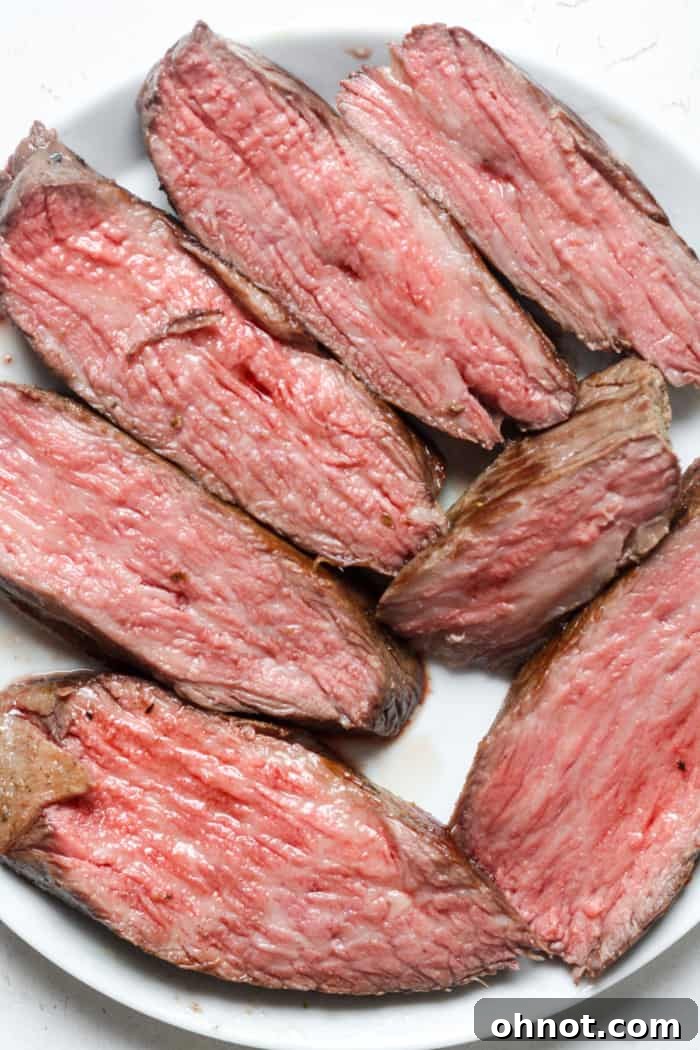
Why You’ll Fall in Love with This Sous Vide Tri Tip
This sous vide tri tip isn’t just a meal; it’s an experience. Here’s why this recipe will become a staple in your kitchen:
- Unrivaled Tenderness and Juiciness: The precision of sous vide cooking ensures your tri tip reaches an optimal internal temperature and stays there, resulting in a steak that is incredibly tender, moist, and juicy from edge to edge. Say goodbye to dry, unevenly cooked meat.
- Foolproof Perfection Every Time: Gone are the days of guessing doneness or worrying about overcooking. Sous vide offers unparalleled temperature control, making it virtually impossible to ruin your steak. It’s a foolproof method, ideal for both novice and experienced cooks.
- Hands-Off Cooking: Once the steak is in the water bath, your work is largely done. This method frees up your time to focus on side dishes, enjoy your company, or simply relax. Minimal active cooking means less stress and more enjoyment.
- Deep, Savory Flavor Profile: By cooking the tri tip slowly in its own juices with simple seasonings, the natural, robust flavor of the beef is intensified and locked in. Each bite is a savory delight, requiring little more than a quick sear to finish.
- Health-Conscious and Diet-Friendly: This recipe is naturally Whole30 compliant, Keto, Paleo, gluten-free, dairy-free, sugar-free, low-carb, and nut-free, making it an excellent choice for a variety of dietary needs without sacrificing flavor.
- Simple, Pantry-Staple Ingredients: You won’t need exotic items for this recipe. Just a quality tri tip steak and a few common spices are all it takes to create a gourmet meal.
- Versatile Serving Options: This steak is fantastic on its own, but its robust flavor and tender texture make it incredibly versatile for leftovers in salads, wraps, tacos, or sandwiches.
Essential Ingredients & Smart Substitutions
Creating an outstanding sous vide tri tip requires quality ingredients, but also understanding how to make smart substitutions. Here’s a closer look at what you’ll need and how to adapt:
The Star: Tri Tip Steak
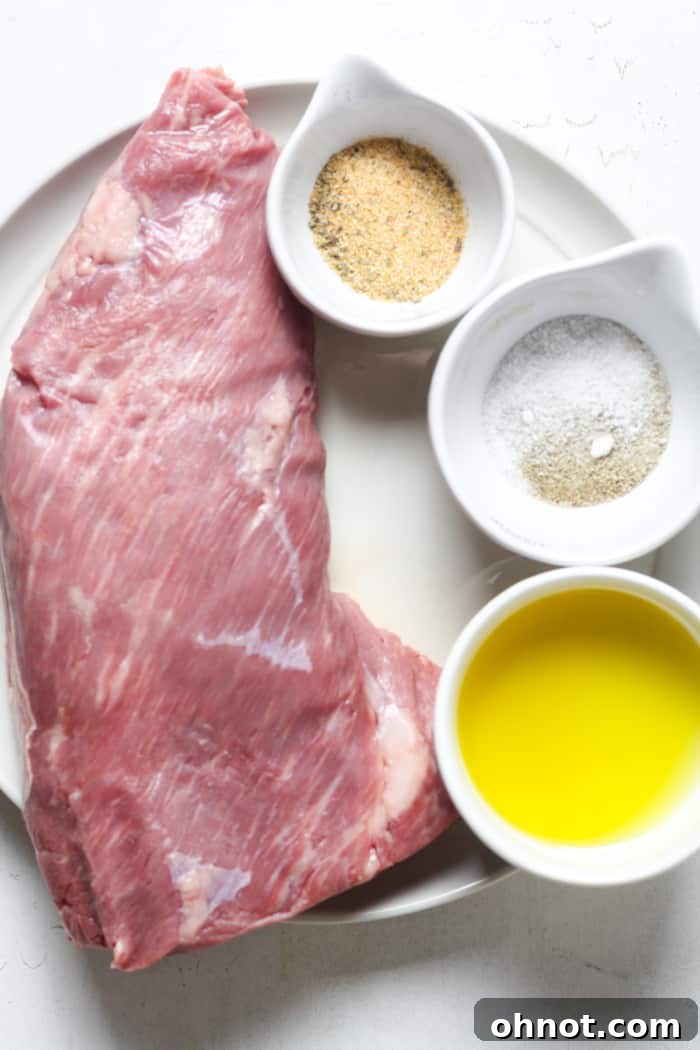
For the best possible results, always opt for a fresh tri tip steak. Fresh cuts generally have superior texture and moisture content. If using a frozen tri tip, it is absolutely crucial to thaw it completely before beginning the sous vide process. This ensures even cooking and optimal tenderness. A typical tri tip steak weighs around 2 pounds, which is ideal for this recipe, serving a good number of guests or providing ample leftovers. Look for good marbling, which indicates flavor and juiciness.
Simple Yet Powerful Seasonings
The beauty of sous vide cooking is that it allows the natural flavor of the meat to truly shine. Therefore, simple, high-quality seasonings are often the best choice:
- Sea Salt: Essential for enhancing flavor and drawing out moisture from the surface to create a better crust during searing. Use generously.
- Black Pepper: Adds a subtle warmth and aromatic complexity. Freshly ground black pepper is always recommended for superior flavor.
- Garlic Powder: Provides a foundational savory note without the risk of burning that fresh garlic might present during searing.
- Onion Powder: Complements the garlic powder, adding another layer of aromatic depth that enhances the beef’s natural richness.
These seasonings create a classic steak profile, ensuring the tri tip’s robust flavor remains the star. For those who enjoy a bit more flair, consider adding a pinch of smoked paprika for depth, a touch of dried rosemary or thyme for herbal notes, or a dash of chili powder for a hint of spice. Just remember, a little goes a long way when the meat’s flavor is so prominent.
Searing Fat: Olive Oil or Butter
The final sear is what gives your sous vide tri tip that irresistible golden-brown crust and extra layer of flavor. You’ll need a good cooking fat for this:
- Olive Oil: A fantastic choice for searing due to its high smoke point and mild flavor, which won’t overpower the steak.
- Butter: For an even richer, more decadent crust, butter is an excellent option. It adds a nutty, creamy depth of flavor. If using butter, consider clarifying it or mixing it with olive oil to raise its smoke point and prevent burning.
Ensure your chosen cooking fat is smoking hot in the skillet before adding the steak. This rapid, high-heat contact is vital for achieving a perfect, flavorful crust in a short amount of time, without overcooking the perfectly prepared interior.
Understanding Tri Tip Steak: The California Cut
Tri tip steak, also known as the “triangle roast” or “California cut,” is a marvelously flavorful and often budget-friendly cut of beef that deserves a spot in every home cook’s repertoire. This unique cut hails from the bottom sirloin primal, specifically the triangular muscle at the very tip, hence its name. It’s boneless, typically lean with excellent marbling, and most steaks are about 1 to 2 inches thick, weighing anywhere from 1.5 to 3 pounds.
A History of Flavor and Popularity
The tri tip’s fame originated in Santa Maria, California, in the 1950s. Local butchers and chefs discovered its incredible potential when grilled or roasted, making it the centerpiece of the annual Santa Maria-style barbecue festival. This tradition put the tri tip on the culinary map, earning it the endearing nickname “California cut.” Its robust beefy flavor, combined with a tender texture when cooked correctly, made it an instant favorite in the region.
Characteristics and Culinary Versatility
What makes tri tip so special?
- Rich Flavor: It boasts a deep, beefy flavor that stands up well to bold seasonings and marinades.
- Tender Texture: Despite being a lean cut, tri tip is wonderfully tender when prepared correctly, particularly when cooked to a medium-rare or medium doneness. Its unique grain requires careful carving against the grain to maximize tenderness.
- Versatile Cooking Methods: While traditionally grilled or roasted, tri tip shines with various cooking methods. It’s excellent when pan-seared, broiled, or, as we explore in this recipe, perfectly prepared using the sous vide technique. Sous vide is particularly adept at tenderizing this cut uniformly.
- Value: Compared to more expensive cuts like ribeye or filet mignon, tri tip often offers a more economical option for a high-quality steak experience, especially outside of California where it might be less recognized.
Finding Your Tri Tip
While tri tip is a staple in many California grocery stores, it can be less common in other regions. Don’t be discouraged if you don’t spot it immediately; many specialty butchers or online meat purveyors now offer tri tip steak. It’s worth seeking out for its unique flavor and excellent value, especially for those who appreciate a hearty, savory beef dish.
Taste & Texture: The Sous Vide Difference
Prepare your palate for an unparalleled steak experience. This sous vide tri tip delivers a taste that is deeply hearty and intensely savory, truly embodying the essence of a classic, high-quality beef steak. The precisely controlled cooking environment of the sous vide method ensures that every fiber of the meat is infused with flavor, making it flavorful enough to be enjoyed without the need for any additional sauces or condiments. The robust beef notes are pronounced and satisfying, a testament to the simplicity and effectiveness of this cooking technique.
But it’s the texture that truly sets this sous vide tri tip apart. It’s exceptionally tender, incredibly juicy, and boasts a melt-in-your-mouth quality that simply cannot be achieved with traditional high-heat cooking methods alone. The sous vide process gently cooks the steak to an exact internal temperature, breaking down tough connective tissues without overcooking the delicate muscle fibers. This meticulous process prevents any possibility of dryness or toughness, resulting in a consistently succulent and yielding steak that effortlessly gives way with each bite. The subsequent quick sear then adds a delightful exterior crust, providing a textural contrast that elevates the entire dining experience without compromising the tender interior.
How to Master Sous Vide Tri Tip: A Step-by-Step Guide
Achieving the perfect sous vide tri tip is a straightforward process when you follow these steps. The key lies in precision and patience, allowing the sous vide machine to do most of the work.
Step 1: Preheat Your Water Bath
Begin by setting up your sous vide machine in a tall pot or a dedicated water bath container. Fill it with enough water to fully submerge your tri tip. Set your sous vide immersion circulator to your desired temperature; for a perfect medium-rare tri tip, 133 degrees Fahrenheit (56 degrees Celsius) is highly recommended. Allow the water bath to come to temperature completely before proceeding. This ensures consistent cooking from the start.
Step 2: Prepare and Season the Tri Tip
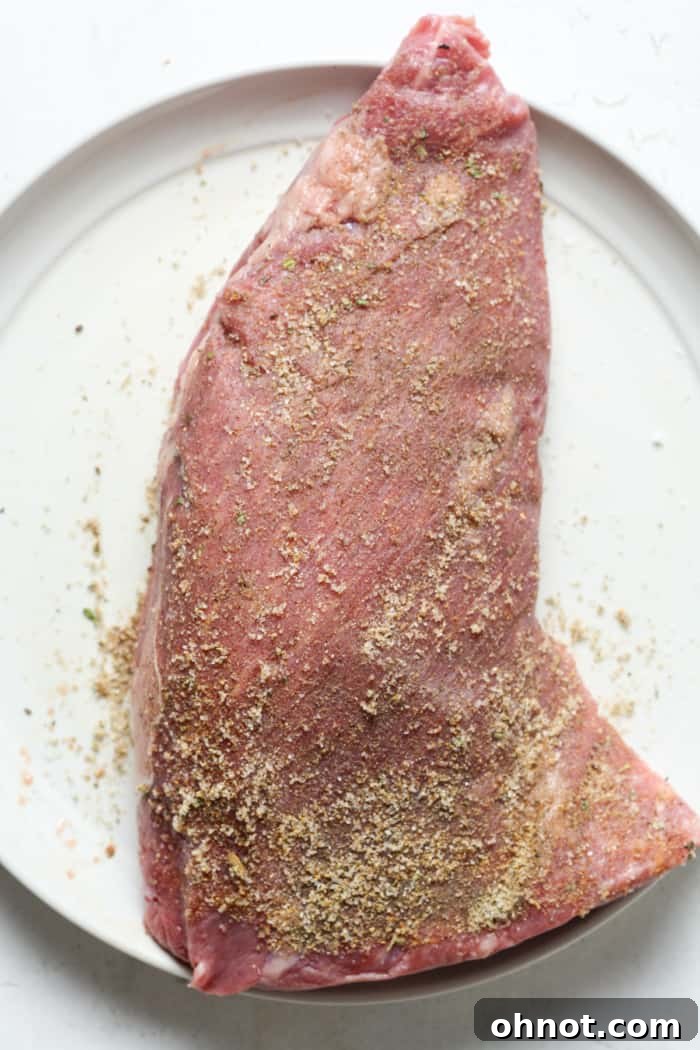
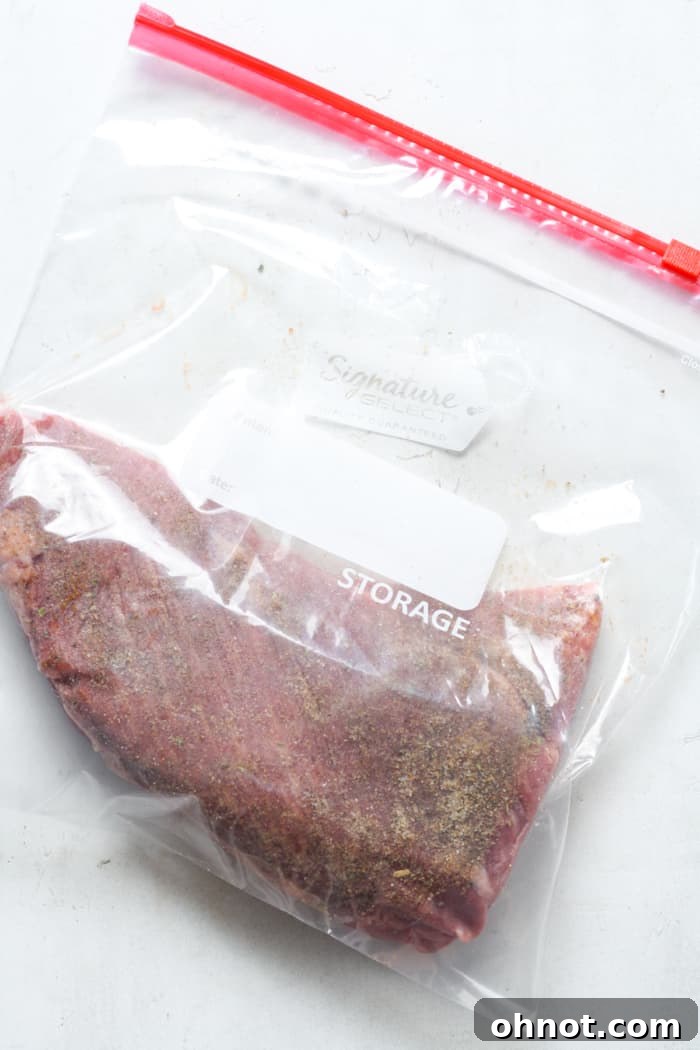
While your water bath heats, take your tri tip steak and pat it thoroughly dry with paper towels. Removing excess surface moisture is crucial for achieving a superior sear later on. Once dry, generously season both sides of the steak with sea salt, black pepper, garlic powder, and onion powder. Don’t be shy with the seasoning; a good crust of flavor contributes significantly to the final taste. Ensure an even coating across the entire surface of the meat.
Step 3: Vacuum Seal the Steak
Carefully place your seasoned tri tip steak into a vacuum-sealable bag. If you don’t have a vacuum sealer, a large, heavy-duty Ziplock freezer bag works perfectly using the water displacement method. Ensure the steak lies as flat as possible within the bag, minimizing folds or creases. If using a vacuum sealer, seal the bag according to your machine’s instructions, removing as much air as possible.
Step 4: Submerge in the Water Bath
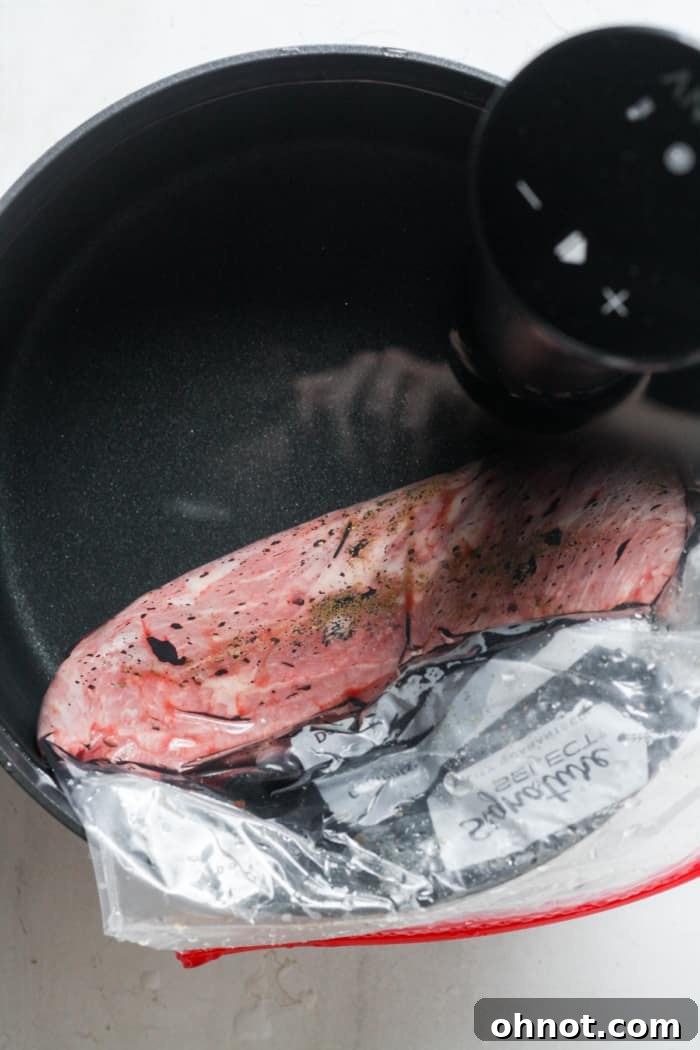
Once the water bath has reached the target temperature, gently submerge the sealed bag containing the tri tip. If you’re using a Ziplock bag, employ the water displacement method: slowly lower the bag into the water, allowing the pressure of the water to force the air out through a small opening at the top. Once most of the air has been expelled, zip the bag shut just above the waterline and fully submerge. Ensure the steak is completely covered by water to cook evenly.
Step 5: Sous Vide Cooking Cycle
Allow the tri tip to cook in the water bath for a minimum of 2 hours. This duration is sufficient for a 2-pound steak to reach optimal tenderness and internal temperature for medium-rare. For thicker cuts or if you prefer a slightly more tender result, you can extend the cooking time to up to 3-4 hours without fear of overcooking, as the temperature will remain consistent.
Step 6: Prepare for Searing
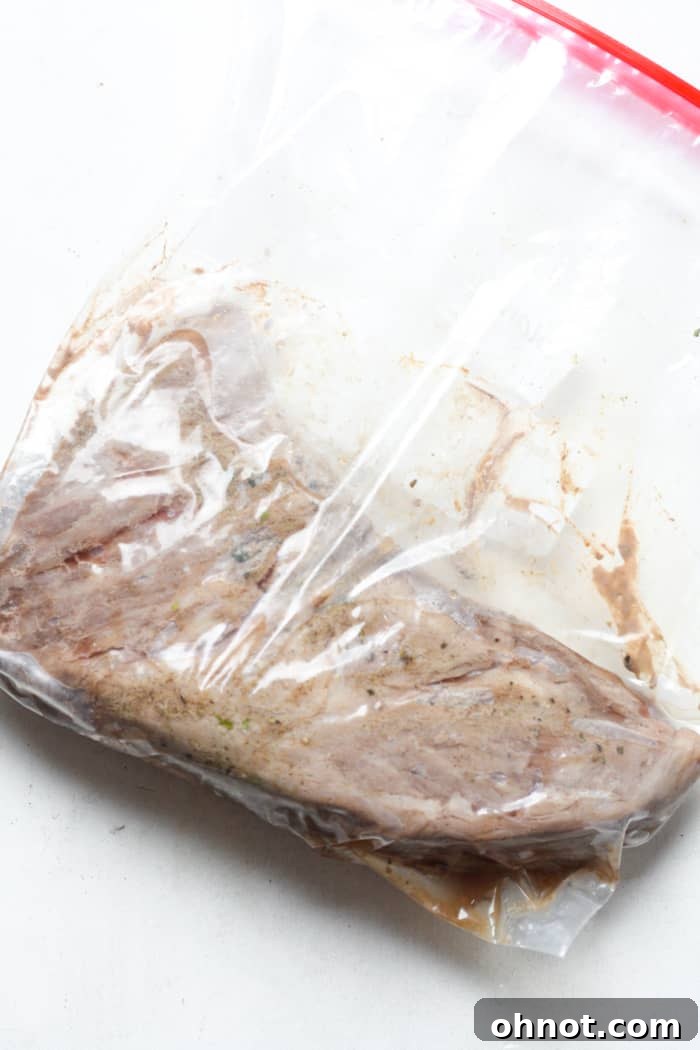
Once the sous vide timer signals completion, carefully remove the bag from the water bath. Heat a large cast-iron skillet or heavy-bottomed pan over medium-high heat. Add your chosen cooking fat (olive oil or butter) and allow it to get smoking hot. While the skillet heats, remove the cooked tri tip from its bag and pat it extremely dry with fresh paper towels. Any residual moisture will hinder the searing process, preventing a crispy crust.
Step 7: The Perfect Sear
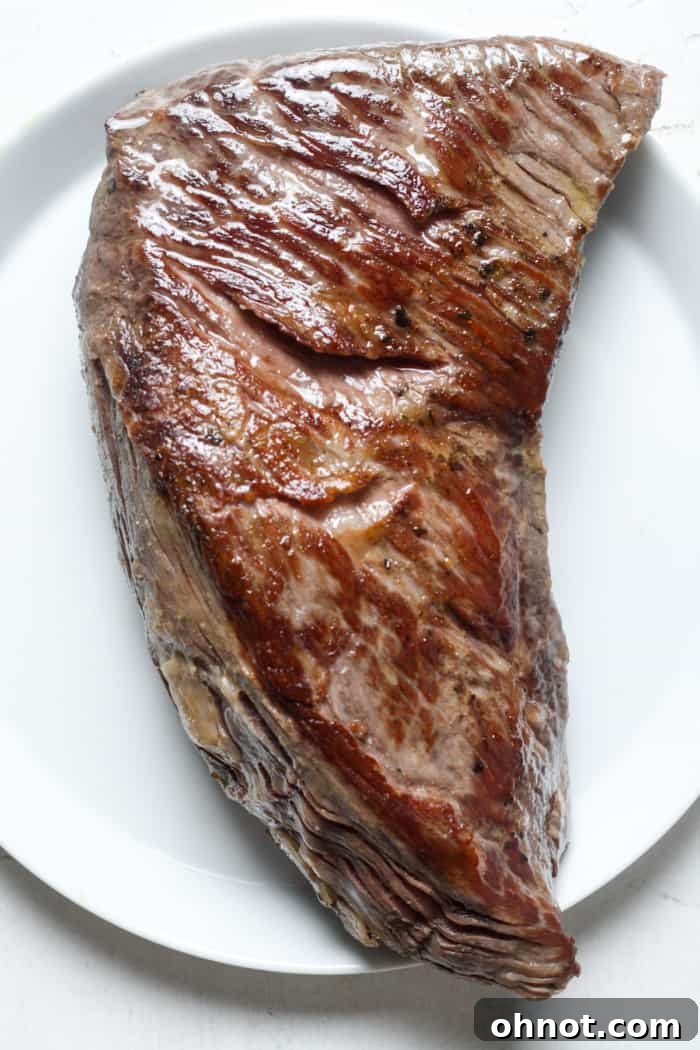
Carefully place the dry tri tip into the screaming hot skillet. Sear the steak for approximately 30 to 60 seconds per side. The goal here is to develop a beautiful, deep brown crust and impart additional flavor, not to cook the steak further internally. Press down lightly on the steak to ensure maximum contact with the hot surface. You can also sear the edges of the tri tip for a few seconds each to ensure an all-around crust.
Step 8: Rest and Serve
Once adequately seared, remove the tri tip steak from the skillet and transfer it to a clean cutting board. Allow it to rest uncovered for at least 5 minutes before slicing. This crucial resting period allows the juices within the meat to redistribute, ensuring a tender and moist final product. Slice against the grain into thin strips and serve immediately. Enjoy your perfectly cooked, incredibly flavorful sous vide tri tip!
Expert Tips & Tricks for the Best Sous Vide Tri Tip
Elevate your sous vide tri tip from great to unforgettable with these expert tips and tricks:
- Start with Quality Meat: The better the initial quality of your tri tip steak, the better the final result. Look for organic, grass-fed beef if possible, as it often boasts superior flavor and texture. If using a frozen steak, ensure it’s fully thawed before seasoning and cooking for even temperature distribution.
- Season Generously: Don’t underestimate the power of seasoning. A liberal application of salt, pepper, garlic powder, and onion powder on both sides of the steak is essential. This creates a flavorful crust during the sear and penetrates the meat’s surface during the sous vide bath.
- Pat Dry, Very Dry: Before searing, it is paramount to pat the cooked tri tip as dry as humanly possible with paper towels. Moisture on the surface will steam the steak instead of searing it, preventing that coveted crispy, caramelized crust.
- Master the Sear: The sear is quick and intense. Ensure your skillet is screaming hot (smoking slightly) before the steak touches it. This high heat, coupled with minimal cooking time (30-60 seconds per side), will create a beautiful crust without raising the internal temperature of your perfectly cooked steak. Use a high smoke point oil like avocado oil, or a combination of butter and olive oil for rich flavor.
- Rest Your Steak: Patience is a virtue, especially after searing. Allow the tri tip to rest on a cutting board for at least 5 minutes before slicing. This allows the internal juices to redistribute evenly throughout the meat, ensuring every slice is incredibly tender and juicy. Skipping this step can lead to a less tender, drier steak as the juices escape upon cutting.
- Slice Against the Grain: Tri tip has a distinct grain that can change direction. Identify the different grain patterns and slice perpendicularly to them. This shortens the muscle fibers, making the steak much more tender and enjoyable to eat.
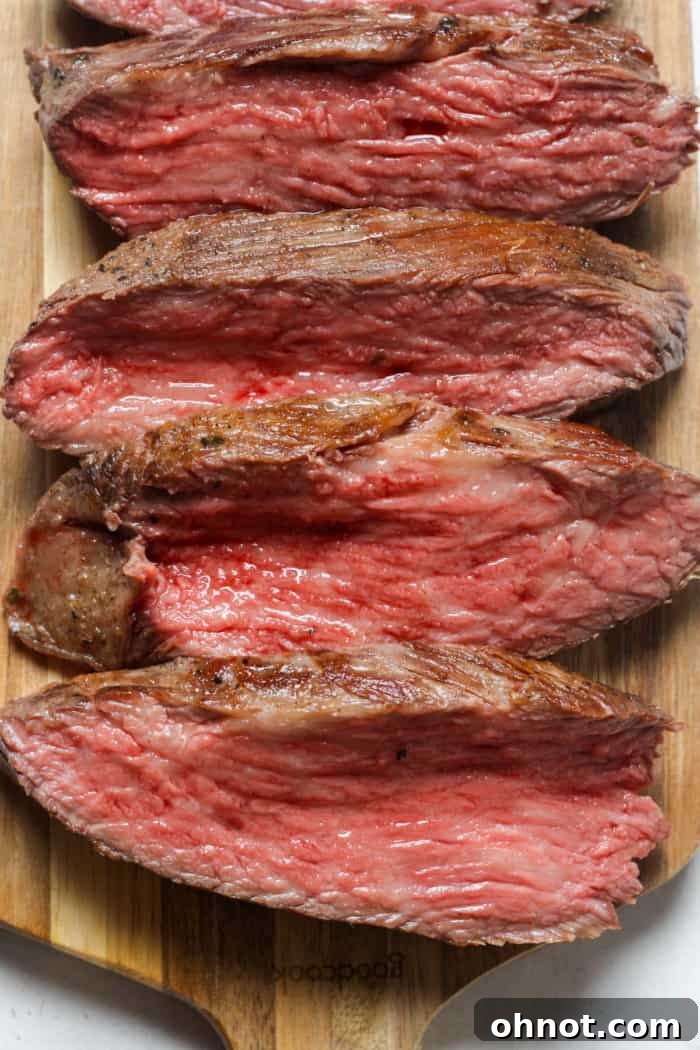
Sous Vide Time & Temperature Guide for Tri Tip
One of the most significant advantages of sous vide cooking is its precision in achieving your desired level of doneness every time. For tri tip, choosing the right temperature and time is key to unlocking its full potential for tenderness and flavor.
Recommended for Medium-Rare:
This recipe specifically targets a perfect medium-rare doneness, which is widely considered ideal for tri tip, balancing tenderness with a rich, beefy flavor. To achieve this:
- Temperature: Set your sous vide water bath to 133 degrees Fahrenheit (56 degrees Celsius). This temperature consistently yields a beautiful pink center.
- Time: Cook your tri tip in the water bath for 2 hours. This duration is sufficient for a typical 2-pound tri tip to tenderize and reach the core temperature. For slightly thicker cuts (2.5-3 lbs) or if you prefer a bit more tenderness, you can extend the cooking time up to 3-4 hours; the precision of sous vide prevents overcooking.
Achieving Other Levels of Doneness:
While medium-rare is highly recommended, sous vide allows you to customize your tri tip to your exact preference:
- Rare: For a very red, cool center, aim for 129-130°F (54°C) for 2-3 hours.
- Medium: For a uniformly pink, slightly firmer center, set your bath to 135-138°F (57-59°C) for 2-3 hours.
- Medium-Well: If you prefer a minimal pinkness, cook at 140-145°F (60-63°C) for 2-3 hours.
- Well-Done: For a firm, no-pink steak, cook at 150°F (66°C) or higher for 2-3 hours. Be aware that cooking tri tip to well-done may result in a tougher texture, even with sous vide, as it’s a leaner cut.
Regardless of your chosen temperature, the searing step is non-negotiable. The goal of searing after sous vide is purely to develop a flavorful, caramelized crust (the Maillard reaction) and add textural contrast, not to continue cooking the interior. Keep the sear time brief—30 to 60 seconds per side in a very hot pan—to maintain the perfectly cooked interior achieved by the sous vide.
How to Serve & Store Your Sous Vide Tri Tip
A perfectly cooked sous vide tri tip is a versatile centerpiece for any meal. Here’s how to best enjoy and preserve it:
Serving Suggestions:
After searing and resting, slice your tri tip against the grain and serve immediately. Its rich flavor pairs beautifully with a wide array of side dishes:
- Classic Comfort: Serve alongside creamy mashed potatoes, crispy French fries, or a hearty combination of green beans and potatoes.
- Vegetable Pairings: Roasted asparagus, glazed carrots, or tender sautéed carrots make excellent additions, offering vibrant flavors and textures. Any seasonal roasted vegetables will complement the steak wonderfully.
- Low-Carb Options: For a lighter, low-carb meal, consider serving your tri tip with fluffy cauliflower rice, a crisp side salad, or creamy mashed cauliflower.
- Creative Leftover Ideas: Don’t let any delicious leftovers go to waste! Sliced tri tip is fantastic on top of fresh salads, tucked into wraps, piled high in burritos, or as the star filling for savory tacos and sandwiches. It can also be diced and added to omelets or stir-fries for a quick and flavorful meal.
Storing Leftovers:
Proper storage ensures you can enjoy your delicious tri tip for days to come. Store any leftover sliced or unsliced tri tip in an airtight container in the refrigerator for up to 3 days. For longer storage, you can freeze individual portions for up to 2-3 months. Thaw frozen steak in the refrigerator overnight before gently reheating.
To reheat, wrap slices in foil and warm in a low oven (around 250°F/120°C) until just heated through, or gently warm in a skillet with a splash of broth to prevent drying out. Avoid microwaving if possible, as it can compromise the texture.
Frequently Asked Questions About Sous Vide Tri Tip
A typical 2-pound tri tip steak takes approximately 2 hours to sous vide at 133°F (56°C) for a perfect medium-rare doneness. This ensures the steak becomes incredibly tender and reaches the desired internal temperature consistently from edge to edge.
Tri tip is a flavorful, boneless cut of beef from the bottom sirloin primal. It’s identifiable by its triangular shape and is usually about 1 to 2 inches thick. Known for its rich beefy taste and relatively inexpensive price point, it’s sometimes called the “California cut” due to its popularity in Santa Maria-style barbecue.
While technically optional, searing the steak after sous vide cooking is highly recommended and truly transforms the dish. The high-heat sear creates a delicious, caramelized crust (the Maillard reaction) on the exterior, adding a layer of complex flavor and a desirable textural contrast that significantly enhances the overall eating experience. It takes only moments but makes a huge difference.
Leftover tri tip is incredibly versatile! You can slice it thinly for gourmet sandwiches, dice it for flavorful tacos, burritos, or quesadillas. It’s also excellent for topping salads, stirring into stir-fries, or incorporating into hearty casseroles. Its tender texture and rich flavor make it a fantastic addition to almost any dish.
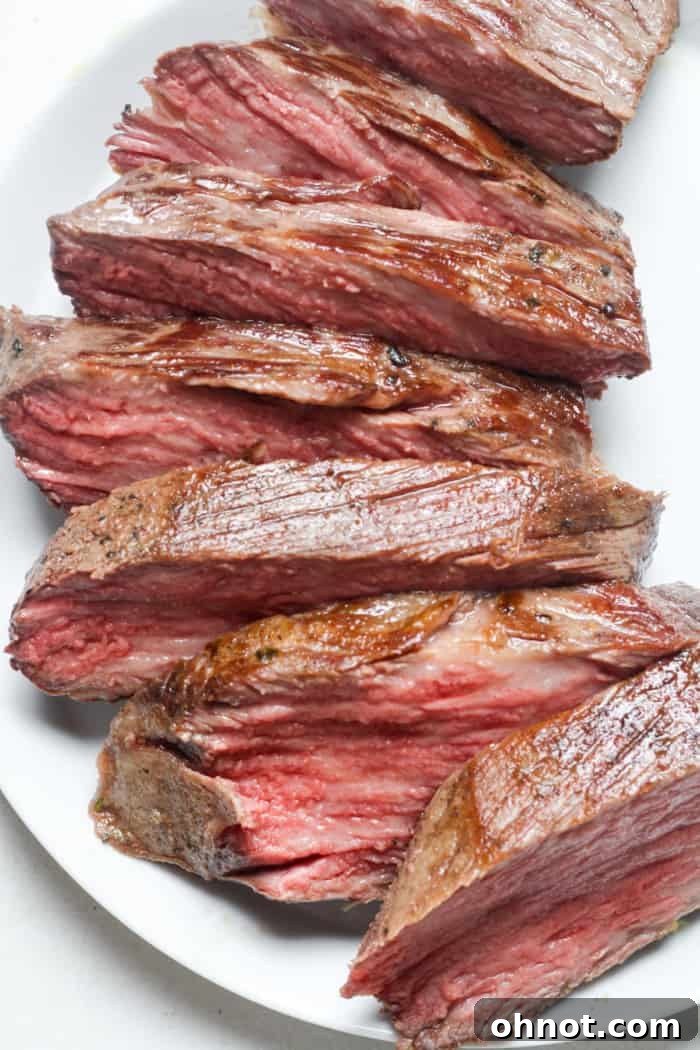
Discover More Sous Vide Delights
If you’ve enjoyed the tender perfection of this sous vide tri tip, you’re in for a treat! The sous vide method can transform a variety of proteins and vegetables into culinary masterpieces. Explore these other fantastic sous vide recipes:
- Sous Vide Flank Steak
- Sous Vide Lamb Chops
- Potatoes Sous Vide
- Sous Vide Chicken Thighs
- Sous Vide Chicken Breast
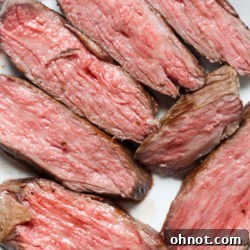
Sous Vide Tri Tip Recipe
This sous vide tri tip is incredibly tender and juicy, offering a perfectly flavorful steak experience. This method of cooking is hands-off, easy, and consistently delivers outstanding results every time.
Ingredients
Yields: 6 servings
- 2 pound tri tip steak
- 1 tsp sea salt
- 1 tsp black pepper
- 1 tsp garlic powder
- 1 tsp onion powder
- 1 tbsp olive oil, or butter (for searing)
Instructions
- First, set up your sous vide machine and preheat a tall pot of water to 133 degrees Fahrenheit (56 degrees Celsius).
- Pat the tri tip steak thoroughly dry with paper towels. Season generously on both sides with sea salt, pepper, garlic powder, and onion powder, ensuring an even coat.
- Place the seasoned steak into a vacuum-sealable bag or a large Ziplock freezer bag. If using a vacuum sealer, remove all air and seal tightly.
- Carefully submerge the sealed bag containing the steak into the preheated water bath. If using a Ziplock bag, use the water displacement method: slowly lower the bag into the water, allowing the water pressure to push out the air before sealing the bag shut. Ensure the steak is fully submerged.
- Cook the tri tip in the water bath for 2 hours to achieve a perfect medium-rare doneness.
- Once the cooking time is complete, remove the bag from the water bath. Heat a large skillet (preferably cast iron) over medium-high heat and add the olive oil or butter, allowing it to get smoking hot.
- Carefully remove the steak from the bag and pat it extremely dry with fresh paper towels.
- Sear the steak in the hot skillet for 30 to 60 seconds on each side, just enough to develop a beautiful, golden-brown crust. You can also sear the edges for a few seconds.
- Finally, remove the seared steak from the skillet and place it on a cutting board. Allow it to rest for 5 minutes before slicing against the grain and serving immediately.
Notes
- Refer to the step-by-step photos above for visual guidance.
- For optimal results, always use a fresh cut of tri tip. If starting with a frozen steak, ensure it is completely thawed before beginning the recipe.
- You can use either a vacuum-sealable bag or a heavy-duty Ziplock bag for the sous vide process.
- When using a Ziplock bag, the water displacement method is key: slowly lower the bag into the water, leaving a small corner unzipped. The water pressure will push the air out. Once the air is removed, zip the bag shut and fully submerge.
- This recipe is calibrated for a medium-rare steak. For other doneness preferences, consult the “Time & Temperature” section in the main blog post.
- Store any leftover tri tip in an airtight container in the refrigerator for up to 3 days.
Nutrition Information
Carbohydrates: 1g
Protein: 31g
Fat: 15g
Saturated Fat: 5g
Polyunsaturated Fat: 1g
Monounsaturated Fat: 8g
Cholesterol: 100mg
Sodium: 467mg
Potassium: 493mg
Fiber: 0.2g
Sugar: 0.04g
Vitamin A: 2IU
Vitamin C: 0.1mg
Calcium: 41mg
Iron: 2mg
We hope you enjoy this fantastic sous vide tri tip recipe! For more culinary inspiration and healthy meal ideas, consider exploring our other Dinner Recipes. Happy cooking!