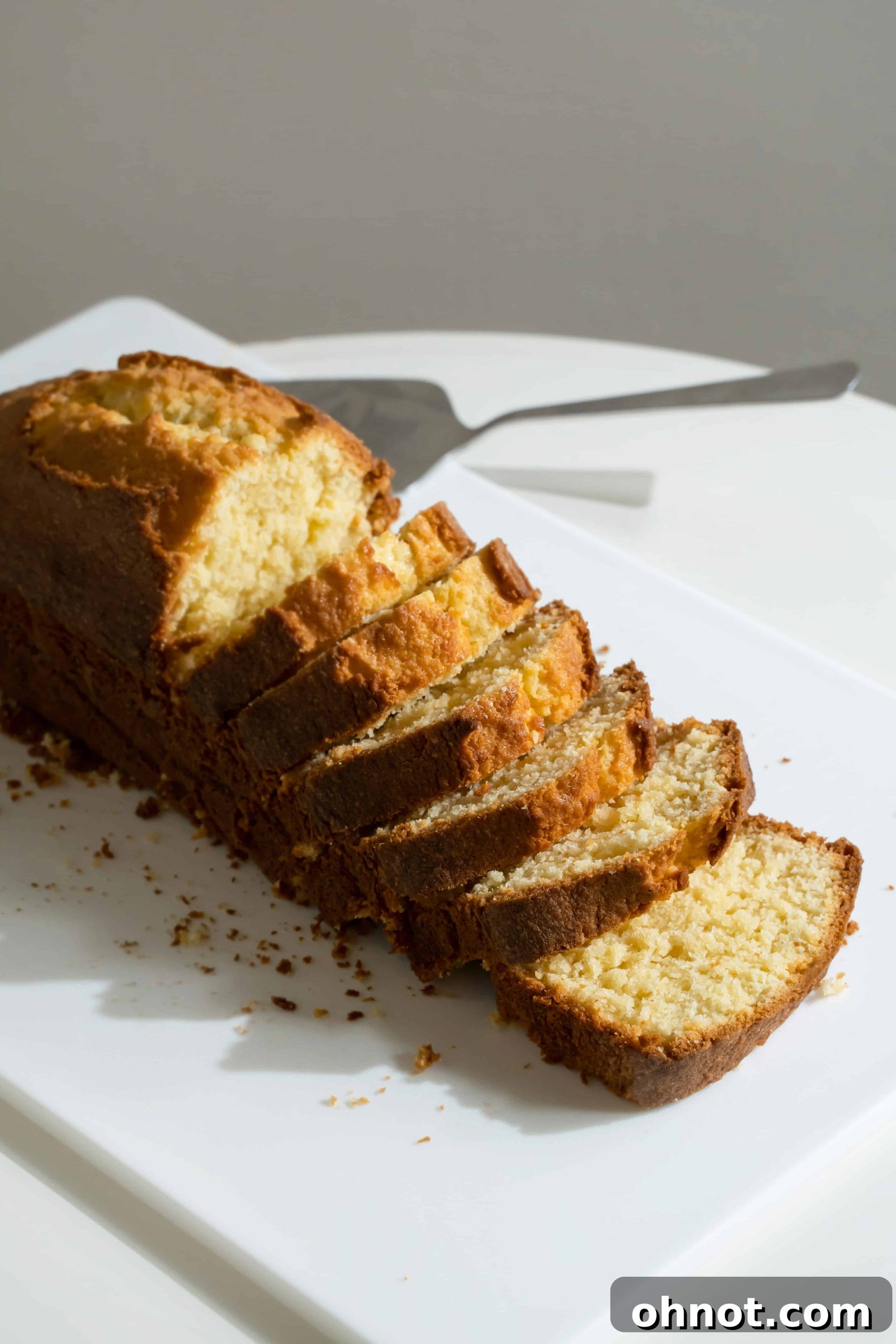
Cornbread, a beloved staple in many cuisines, particularly in the Southern United States, is often praised for its unique crumbly texture and comforting flavor. However, for individuals navigating dietary restrictions such as celiac disease or gluten intolerance, a crucial question arises: is cornbread gluten free? While the primary ingredient, cornmeal, is naturally gluten-free, traditional cornbread recipes frequently incorporate wheat flour, which contains gluten. This means that conventional cornbread is typically not suitable for a gluten-free diet. Fortunately, the culinary landscape has evolved, offering a plethora of gluten-free cornbread mixes and innovative recipes that cater to those with sensitivities, ensuring everyone can enjoy this classic comfort food without compromise. This comprehensive guide will delve into the ingredients of cornbread, explain why traditional versions contain gluten, and provide invaluable insights into making and enjoying delicious gluten-free alternatives.
The increasing awareness of celiac disease and non-celiac gluten sensitivity has led to a surge in demand for gluten-free options across all food categories. For many, transitioning to a gluten-free lifestyle means carefully scrutinizing ingredients and seeking certified alternatives for their favorite dishes. Cornbread, with its versatility as a side dish, snack, or even dessert, holds a special place in countless homes. Understanding its composition is the first step towards making informed choices for your dietary needs. This article aims to clarify common misconceptions and empower you to confidently prepare or select gluten-free cornbread that is both safe and satisfying. Discover my homemade gluten free cornbread recipe for a perfect starting point!
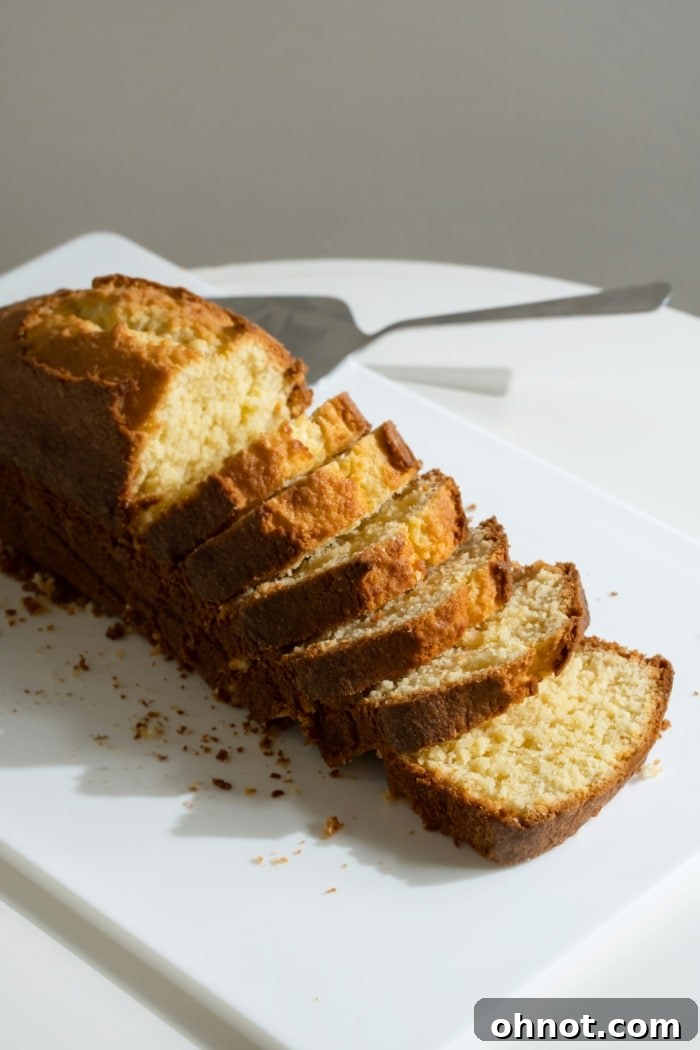
For more insights into gluten-free living, you might also be interested in exploring topics like Is Quinoa Gluten Free? – expanding your knowledge on naturally gluten-free ingredients.
What is Cornbread Made Of? Unpacking the Ingredients
Cornbread is a quintessential quick bread, celebrated for its simple yet robust flavor profile. Its preparation involves a harmonious blend of fundamental ingredients that contribute to its distinctive texture and taste. While regional variations and personal preferences can lead to a myriad of recipes, the core components generally remain consistent. Understanding these building blocks is crucial, especially when aiming to adapt a traditional recipe into a gluten-free version.
Historically, cornbread originated as a humble yet vital food source, particularly among Native American tribes and later in the Southern United States, where corn was a predominant crop. Its simplicity and hearty nature made it a staple, evolving over centuries from a dense, unleavened cake to the lighter, fluffier versions we enjoy today. The basic ingredients typically include cornmeal, flour, eggs, milk, sugar, and a leavening agent. Let’s break down each key component and its role:
Cornmeal: The Heart of Cornbread
Cornmeal is undeniably the star ingredient, providing cornbread with its characteristic grainy texture and distinct corn flavor. It is made from dried and finely ground corn kernels. There are various types of cornmeal, each offering a slightly different characteristic:
- Fine Cornmeal: Often preferred for a smoother texture, resulting in a tender crumb.
- Medium or Coarse Cornmeal: Delivers a more rustic, gritty texture, which many traditionalists appreciate. This is also commonly used for dishes like polenta.
- Stone-Ground Cornmeal: Made by grinding whole corn kernels between stones, retaining more of the germ and bran. This often yields a richer flavor and a more complex texture, but also has a shorter shelf life due to its higher oil content.
- White vs. Yellow Cornmeal: The color largely depends on the corn variety used. Yellow cornmeal tends to be sweeter and is more widely available, while white cornmeal offers a milder, slightly less sweet flavor. Both are naturally gluten-free.
Flour: Structure and Rise
In most traditional recipes, all-purpose wheat flour is included. Its gluten content provides structure, elasticity, and helps the cornbread rise, resulting in a lighter texture compared to recipes relying solely on cornmeal. The presence of wheat flour is precisely why traditional cornbread is not gluten-free.
Eggs: Moisture and Binding
Eggs play a crucial role in binding the ingredients together, adding moisture and richness to the batter. They contribute to the bread’s overall structure and help achieve that desirable tender crumb.
Milk: Thinning and Flavor
Milk (or buttermilk) is essential for thinning the batter to the right consistency and adding a creamy depth of flavor. Buttermilk, in particular, reacts with baking soda to create a lighter, more tender cornbread with a subtle tang.
Sugar: Sweetness and Browning
While some Southern cornbread traditions eschew sugar entirely for a savory profile, many recipes include it to balance the cornmeal’s flavor and aid in browning. Granulated sugar, brown sugar, or even honey can be used, depending on the desired sweetness.
Leavening Agent: The Lift
Baking powder and/or baking soda are chemical leavening agents that create gas bubbles within the batter, causing the cornbread to rise and become light and airy. Baking soda requires an acidic ingredient (like buttermilk or cream of tartar) to activate, while baking powder is double-acting and can work on its own.
Other Ingredients and Regional Variations:
Beyond the basics, cornbread offers immense flexibility for customization. Common additions include:
- Fats: Butter, oil, shortening, or even bacon drippings can be incorporated for added flavor and moisture. Using melted butter often enhances the richness.
- Savory Additions: Cheese, jalapeños, onions, bell peppers, and herbs like chives or cilantro can transform cornbread into a savory accompaniment.
- Sweet Additions: Blueberries, corn kernels (for extra texture), or a drizzle of maple syrup can turn it into a delightful sweet treat.
The interplay of these ingredients defines the character of cornbread, making it a truly adaptable dish. When embarking on a gluten-free version, the primary challenge, and opportunity, lies in replacing the wheat flour while maintaining the desired texture and structural integrity.
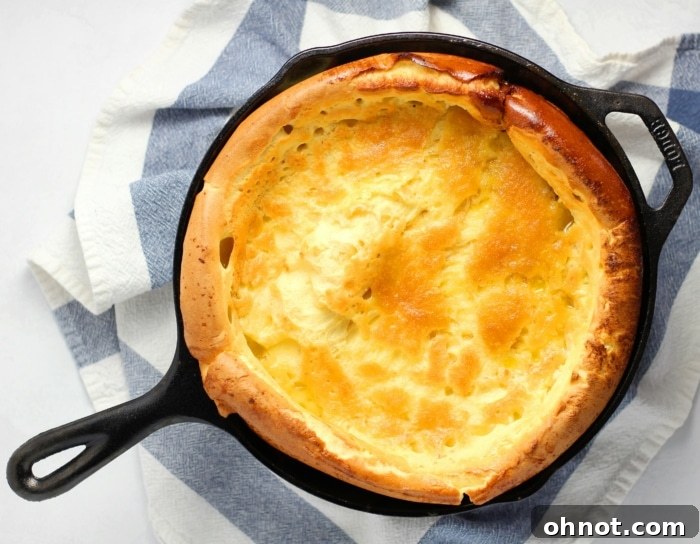
Can Gluten Intolerant People Eat Cornbread? Navigating Gluten-Free Choices
For individuals diagnosed with celiac disease or those managing non-celiac gluten sensitivity, the presence of gluten in food can lead to a range of uncomfortable and even serious health issues. Celiac disease is an autoimmune disorder where consuming gluten damages the small intestine, impairing nutrient absorption. Non-celiac gluten sensitivity, while not autoimmune, can cause similar digestive symptoms, fatigue, and other adverse reactions. Given that traditional cornbread often contains wheat flour, it’s generally not safe for people with these conditions.
However, the good news is that the culinary landscape has embraced the need for inclusive dietary options. Gluten-free cornbread is not only possible but widely available and delicious. The key lies in substituting gluten-containing ingredients with safe alternatives, allowing those with gluten sensitivities to enjoy this beloved dish without worry. This modified version is a fantastic and often indistinguishable replacement.
Navigating the Gluten-Free Cornbread Landscape: Essential Guidelines
When seeking out or preparing gluten-free cornbread, careful attention to detail is paramount to ensure a safe and enjoyable experience. Here are some comprehensive guidelines to follow:
- Seek the “Gluten-Free” Certification: When purchasing pre-made cornbread or mixes from a store, always look for products explicitly labeled “gluten-free.” In many countries, this label signifies that the product has been tested and verified to contain less than 20 parts per million (ppm) of gluten, which is the widely accepted standard for safety for those with celiac disease. Certification seals from organizations can offer an additional layer of assurance.
- Scrutinize the Ingredients List: Even with a “gluten-free” label, it’s a good habit to thoroughly examine the ingredients list. Common gluten-containing culprits in traditional baking, such as wheat flour (including varieties like spelt, rye, and barley), should be absent. Be vigilant for hidden gluten sources, which can sometimes appear in flavorings or thickeners.
- Embrace Gluten-Free Flour Blends: For home bakers, ditching traditional wheat flour and opting for specialized gluten-free flour blends is key. These blends are expertly formulated to mimic the texture and baking properties of wheat flour. Popular choices often include a combination of flours like rice flour (white or brown), sorghum flour, millet flour, tapioca starch, potato starch, and often xanthan gum (a binder that replaces gluten’s elasticity). Using a single gluten-free flour often won’t yield the best results, as each has unique properties.
- Guard Against Cross-Contamination: In a shared kitchen environment, cross-contamination is a significant concern. Ensure that all cooking utensils, cutting boards, mixing bowls, and baking pans are thoroughly cleaned and free of gluten residues before preparing gluten-free cornbread. Using separate equipment or being extremely diligent with cleaning can prevent accidental gluten exposure.
- Consult Experts: If you have persistent doubts about the suitability of a particular cornbread product, a specific flour blend, or the intricacies of gluten-free baking, do not hesitate to consult with a healthcare professional, a registered dietitian, or a certified nutritionist. Their expertise can provide personalized advice and ensure you adhere to a safe and balanced gluten-free lifestyle.
By adopting these mindful practices, individuals with gluten intolerance can confidently enjoy delicious cornbread, making it a safe and delightful part of their dietary repertoire.
How to Make Delicious Gluten-Free Cornbread
Creating a perfect gluten-free cornbread that rivals its traditional counterpart is entirely achievable with a few key adjustments and insights. The goal is to maintain that characteristic moist crumb and delightful flavor without the need for wheat flour. Here are essential tips for crafting your own fantastic gluten-free cornbread:
1. The Right Flour Substitution is Key:
Instead of simply replacing regular wheat flour with cornmeal entirely (which can result in a very dense and crumbly texture), the secret lies in using a high-quality gluten-free flour blend. While cornmeal itself is gluten-free, it doesn’t provide the binding or structure that wheat flour does. Look for commercial gluten-free all-purpose flour blends that are specifically designed for baking. These blends typically combine several gluten-free flours (like rice flour, sorghum flour, tapioca starch, potato starch) to achieve a balanced texture. Alternatively, you can create your own blend. Ensure your chosen blend already contains xanthan gum, or add about 1/2 teaspoon per cup of gluten-free flour to help with elasticity and prevent crumbling.
2. Understanding Leavening Agents:
Both baking powder and baking soda are naturally gluten-free, so you don’t need to worry about replacing them. However, it’s important to use fresh leavening agents for optimal rise. As a reminder, baking soda requires an acidic ingredient (like buttermilk, yogurt, or lemon juice) to activate, while baking powder is often double-acting and provides lift on its own. The original tip about using baking powder instead of baking soda is slightly misleading, as both are generally fine. The key is using them correctly within your recipe’s acid/base balance. If a recipe calls for baking soda and doesn’t have enough acid, adding a splash of vinegar or buttermilk can help.
3. Choose Your Fats Wisely for Flavor and Texture:
Butter is indeed a naturally gluten-free ingredient and an excellent choice for cornbread, lending rich flavor and a tender crumb. Using melted butter or even clarified butter (ghee) can enhance the texture and taste. Shortening and vegetable oils are also gluten-free and can be used, but butter often provides a superior flavor profile. If you’re also avoiding dairy, vegetable oil or vegan butter alternatives work perfectly well.
4. Consider Buttermilk for a Tender Crumb:
Buttermilk is a fantastic addition to cornbread, reacting with baking soda to produce a light, moist, and tender result with a subtle tang. If you don’t have buttermilk, you can easily make a substitute by adding a tablespoon of lemon juice or white vinegar to regular milk and letting it sit for 5-10 minutes until it slightly curdles. This acidity helps activate the baking soda and contributes to a great texture in gluten-free baking.
5. Don’t Overmix the Batter:
Just like with traditional quick breads, overmixing gluten-free cornbread batter can lead to a tough, dry product. Mix only until the ingredients are just combined. A few lumps are perfectly acceptable. This ensures a tender and moist final product.
6. Preheat Your Pan:
For that coveted crispy crust often associated with skillet cornbread, preheating your cast-iron skillet (or other baking dish) with a little butter or oil in the oven before adding the batter can make a significant difference. This helps create a beautifully golden and slightly crisp exterior.
By following these tips, you’ll be well on your way to baking a consistently delicious, moist, and flavorful gluten-free cornbread that satisfies every craving.
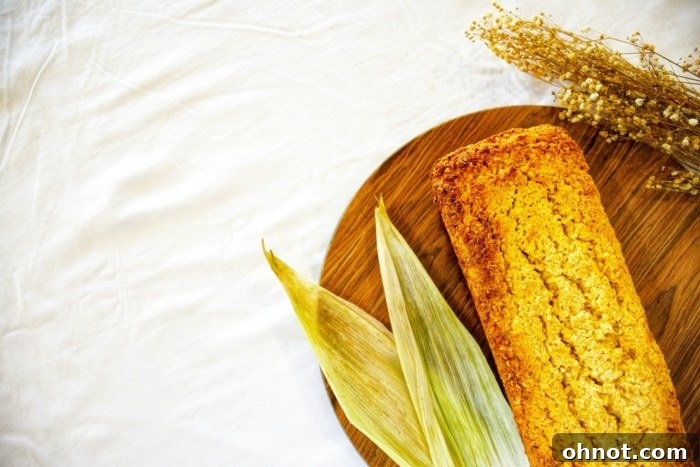
How to Store Gluten-Free Cornbread for Optimal Freshness
Proper storage is key to extending the freshness and maintaining the delicious texture of your gluten-free cornbread. Because gluten-free baked goods can sometimes dry out faster than their gluten-containing counterparts, knowing the best storage methods is particularly important. The ideal approach depends on how quickly you plan to enjoy your cornbread.
For Short-Term Storage (1 to 2 days):
- Cool Completely: Always allow the cornbread to cool completely to room temperature before storing. Wrapping it while warm traps steam, leading to condensation which can make the cornbread soggy and encourage mold growth.
- Airtight Wrap: Once cooled, wrap the cornbread tightly in aluminum foil or plastic wrap. This barrier helps to prevent moisture loss and keeps the cornbread from becoming dry.
- Room Temperature: Store the wrapped cornbread in a cool, dry place, such as a pantry or a bread box. Avoid direct sunlight or warm spots, which can accelerate spoilage.
For Longer-Term Storage (up to 1 week):
- Cool and Wrap: As with short-term storage, ensure the cornbread is completely cool and then wrap it tightly in aluminum foil or plastic wrap.
- Airtight Container: Place the wrapped cornbread into an additional airtight container. This provides an extra layer of protection against air exposure and refrigerator odors.
- Refrigerate: Store the container in the refrigerator. While cold temperatures can sometimes slightly alter the texture of baked goods, for gluten-free cornbread, refrigeration is generally recommended for extending freshness beyond a couple of days, especially in warmer climates or humid environments.
For Extended Storage (up to 3 months):
- Cool and Slice: Allow the cornbread to cool completely. For easier portioning and thawing, it’s best to cut the cornbread into individual slices or serving-sized pieces before freezing.
- Double Wrap: Wrap each individual slice tightly in aluminum foil, and then place these wrapped slices into a freezer-safe airtight container or heavy-duty freezer bag. This double layer of protection prevents freezer burn and maintains flavor.
- Freeze: Place the container or bag in the freezer. Properly stored, gluten-free cornbread can last in the freezer for up to three months without significant loss of quality.
Important Storage Tips:
- Avoid Hot Storage: Never store hot cornbread directly in a sealed container or wrap it tightly. This creates condensation that will make it soggy and prone to spoilage.
- Refrigeration for Freshness: While the refrigerator can dry out some baked goods, for gluten-free cornbread, it’s often the best option for keeping it fresh and moist for up to a week.
- Freezer Duration: Aim to consume frozen cornbread within three months for the best texture and flavor. Beyond this, while still safe, its quality may start to decline.
How to Refresh Cornbread:
If your cornbread has lost some of its freshness or become a bit dry, you can easily refresh it:
- Oven Method: For slices, wrap them loosely in foil and heat in a preheated oven at 300-350 degrees Fahrenheit (150-175°C) for 10-15 minutes, or until warmed through. For a whole loaf, it might take slightly longer.
- Microwave Method: For a quick refresh, microwave individual slices for 20-60 seconds, or until warm. Be careful not to overcook, as this can make it tough.
- Toasting: Slices can also be toasted in a toaster or toaster oven for a crispy exterior, especially if serving with butter or jam.
By following these storage and refreshing tips, you can ensure your delicious gluten-free cornbread remains enjoyable for as long as possible.
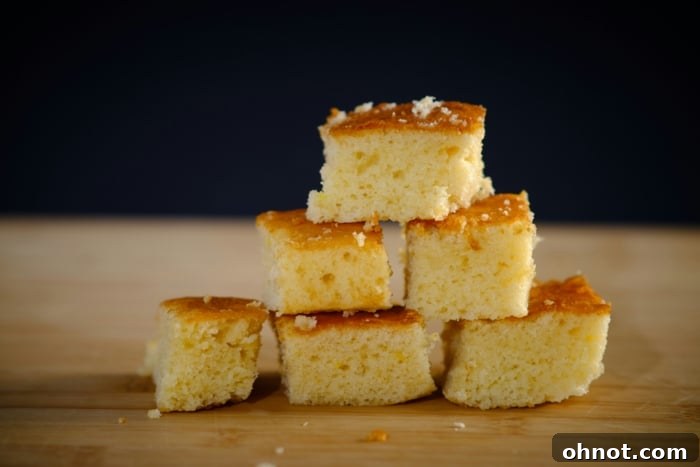
Frequently Asked Questions (FAQs) About Gluten-Free Cornbread
Traditional cornbread recipes typically contain wheat flour, which means they do contain gluten. While cornmeal itself is naturally gluten-free, the addition of wheat flour makes most conventional cornbread unsuitable for a gluten-free diet. However, there are many excellent recipes and mixes available that use gluten-free flour blends, allowing you to enjoy delicious cornbread without any gluten concerns.
Individuals with gluten intolerance or celiac disease should generally avoid regular cornbread due to its wheat flour content. The good news is that the market is rich with gluten-free cornbread alternatives. These versions are specifically formulated with gluten-free flour blends and ingredients, making them a safe and enjoyable option for anyone following a gluten-free lifestyle.
Cornbread isn’t inherently gluten-free because while its primary ingredient, cornmeal, is naturally free of gluten, most traditional recipes call for the inclusion of wheat flour. Wheat flour provides structure and a lighter texture, but it also introduces gluten. This is why it’s crucial for those with gluten sensitivities to seek out explicitly labeled “gluten-free” cornbread mixes or recipes that use gluten-free flour substitutes.
There are several reputable brands that offer high-quality gluten-free cornbread mixes. Popular choices include Bob’s Red Mill Gluten Free Cornbread Mix, King Arthur Baking Company Gluten-Free Cornbread Mix, and Glutino Gluten Free Pantry Old Fashioned Yellow Cake & Cornbread Mix. Always remember to check the product label to ensure it is certified gluten-free, especially if you have severe sensitivities or celiac disease, as formulations can sometimes change.
Explore More Gluten-Free Delights
If you’re delving deeper into the world of gluten-free eating, here are some other helpful resources and recipes you might enjoy:
- Are Reese’s Gluten Free? – A guide to a popular candy favorite.
- Gluten Free Tortillas – Perfect for tacos, burritos, and wraps.
- Gluten Free Cupcakes – Sweet treats without the gluten.
- Are Sprinkles Gluten Free? – An often-overlooked ingredient for desserts.
- Gluten Free Bread Recipe – A staple for any gluten-free kitchen.
- Is Peanut Butter Gluten Free? – Clarifying the gluten status of a pantry essential.
If you found this comprehensive post about whether cornbread is gluten-free helpful and informative, I would truly appreciate your feedback and a review! Your thoughts help me create more valuable content for the gluten-free community. Stay connected and find more tips, recipes, and insights by following me on Instagram, Facebook, and Pinterest. For exclusive content and a behind-the-scenes look at gluten-free living, consider joining my private Facebook Group.