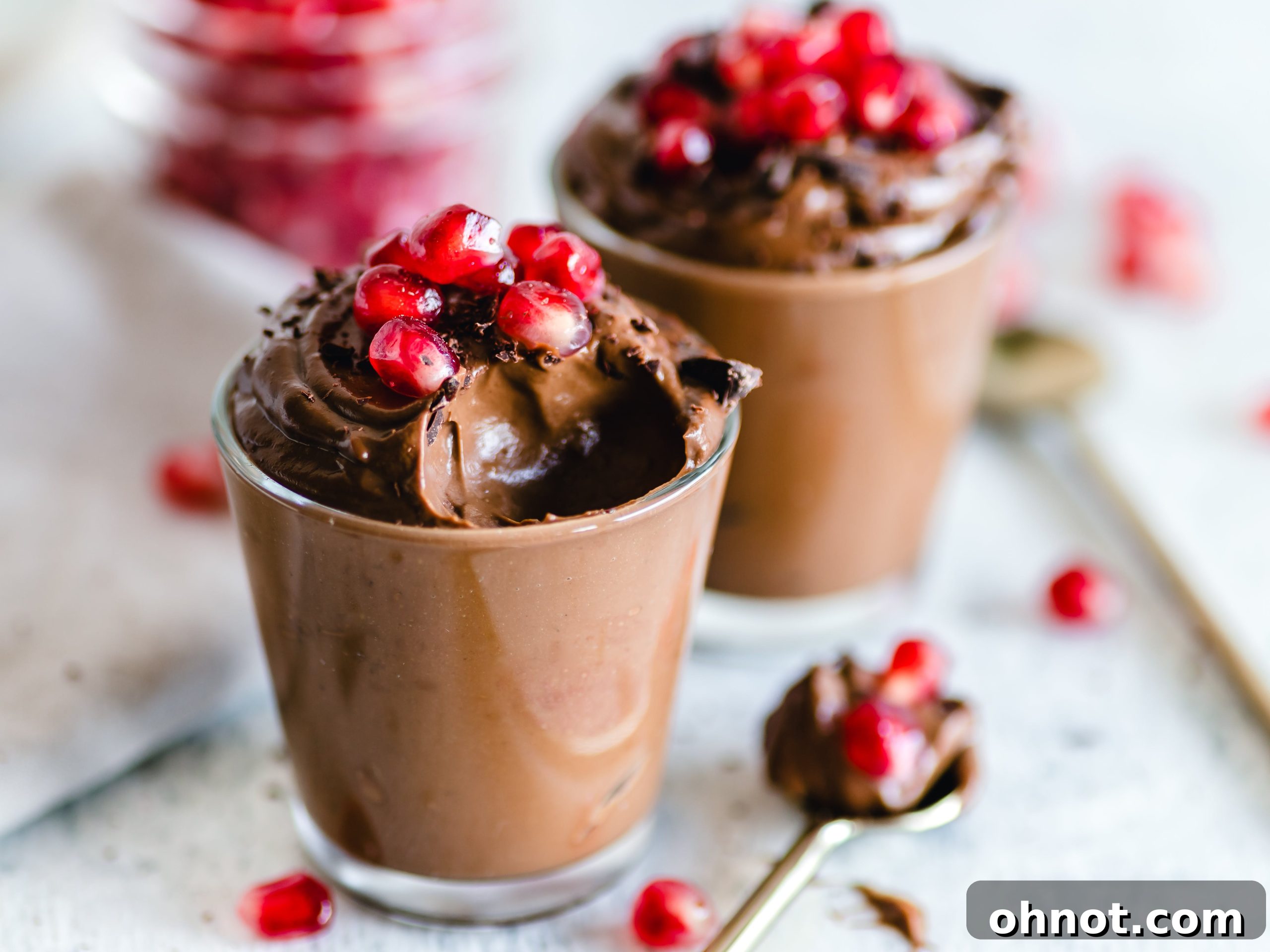
For centuries, pudding has been a cherished delight, captivating palates across the globe with its irresistible creamy texture and often sweet, comforting flavors. It’s a treat that effortlessly brightens any day, a simple pleasure capable of bringing immense joy. However, for those navigating the challenges of celiac disease or gluten sensitivity, the journey to finding safe and delicious foods can sometimes feel daunting. The good news? The culinary landscape is continuously evolving, and with a heightened awareness of gluten-related disorders, the world of gluten-free desserts has blossomed, offering an array of delectable options for everyone. This comprehensive guide will plunge deep into the delightful realm of gluten-free pudding, ensuring that absolutely no one misses out on this universally adored dessert.
What Exactly Is Pudding? Exploring a Global Delight
The word “pudding” conjures images of sweet indulgence, warmth, and nostalgic comfort for many. Yet, its definition is surprisingly broad, encompassing a vast spectrum of culinary creations that vary significantly across different cultures and regions. From airy, creamy desserts to hearty, savory dishes, pudding is a testament to culinary versatility, solidifying its special place in global cuisine.
A Dessert of Many Forms and Cultural Interpretations
In its most widely accepted context, particularly in American culinary traditions, pudding refers to a sweet, often chilled, creamy dessert typically cooked on the stovetop. It’s characterized by its smooth texture, achieved through the use of milk, sugar, and a thickening agent. However, to truly understand pudding, one must explore its diverse interpretations:
British Pudding: A Tradition of Variety. In the United Kingdom, the term “pudding” is far more expansive. It serves as a general descriptor for a wide array of desserts, encompassing everything from steamed fruit puddings and bread-and-butter puddings to lighter, creamy confections. Interestingly, British pudding also famously includes savory dishes like the iconic Yorkshire pudding – a fluffy, baked batter accompaniment to roasted meats – and black pudding, a traditional blood sausage. This rich tradition highlights pudding’s deep roots in British culinary history, extending beyond just sweet treats.
American Pudding: The Sweet and Creamy Staple. Across the Atlantic, American pudding almost exclusively refers to a sweet, smooth, and creamy dessert. These are typically cooked on the stovetop until thickened and then chilled to achieve their desired consistency. Popular American pudding flavors include classic vanilla, rich chocolate, decadent butterscotch, and refreshing lemon, often enjoyed on their own or as a component in larger desserts.
The Foundational Composition of Pudding
At its core, most sweet puddings are built upon a simple yet effective combination of dairy (or non-dairy milk), a sweetener (sugar, maple syrup, honey), and a stabilizer or thickening agent. Common thickeners include cornstarch, flour, rice, tapioca, or eggs. Beyond these basics, the inclusion of ingredients like fruits, nuts, spices, bread, or various grains allows for an endless array of unique flavors, textures, and regional specialties. This adaptability is what makes pudding a truly universal comfort food.
Pudding as the Epitome of Comfort
There’s something inherently comforting about a bowl of pudding. Its warm, soothing qualities, coupled with its often rich and delightful flavors, make it a go-to dessert for moments of relaxation or celebration. Its versatility further enhances its appeal; pudding readily accepts a myriad of modifications, toppings, and mix-ins. Imagine it topped with fresh berries, crunchy cookies, a dollop of whipped cream, or a sprinkle of chocolate shavings – each addition transforming it into a fresh, delightful experience every time. This endless potential for customization ensures pudding remains a beloved choice for all.
Popular Variations of Sweet Pudding Worldwide
The world of pudding is diverse and exciting, offering a flavor profile for every preference:
- Rice Pudding: A timeless classic found in many cultures, this hearty and satisfying dessert blends cooked rice with milk, sugar, and often spices like cinnamon or vanilla, sometimes incorporating dried fruits. It can be served warm or cold.
- Bread Pudding: A brilliant way to repurpose stale bread, this variation involves soaking bread pieces in a rich mixture of milk, eggs, sugar, and spices, then baking it until golden and custardy. It’s often served with a sweet sauce.
- Chia Pudding: A modern and health-conscious favorite, chia pudding is made by soaking tiny chia seeds in milk or a plant-based alternative. The seeds absorb the liquid and swell, creating a thick, gel-like consistency that is usually chilled and enjoyed as a nutrient-rich breakfast or dessert.
- Tapioca Pudding: Featuring small, chewy tapioca pearls suspended in a creamy, sweet base, this pudding offers a unique textural experience that is both comforting and delightful.
- Semolina Pudding: Popular in many European and Middle Eastern cuisines, semolina pudding is made from semolina flour cooked with milk and sugar, often flavored with citrus zest or rosewater.
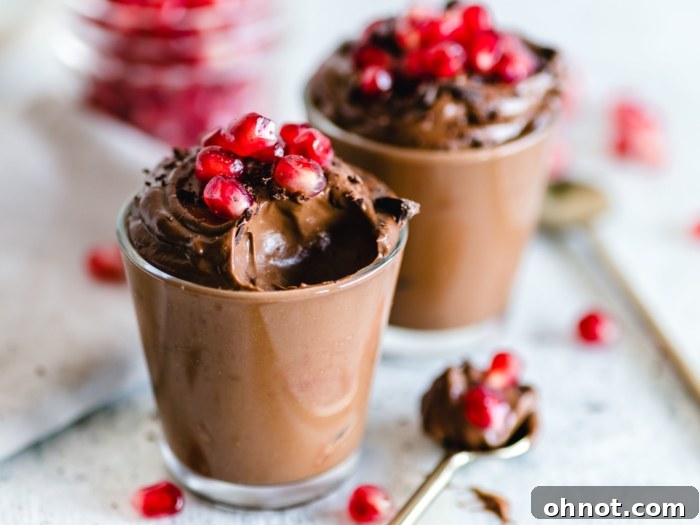
Check out this Avocado Chocolate Pudding and this Whole30 Chia Pudding for delicious gluten-free options!
Pudding vs. Custard: Unpacking the Distinctions
While both pudding and custard offer luxurious creamy textures and comforting sweetness, they are distinct culinary creations with key differences in their primary ingredients, preparation methods, and resulting textures. Understanding these nuances can enhance your appreciation for each delightful treat.
1. Ingredients and Fundamental Composition
Pudding: The Starch-Thickened Base. The cornerstone of most puddings typically includes milk (or a dairy alternative), sugar, and a primary thickening agent. This agent is often a starch, such as cornstarch, arrowroot, or tapioca starch. While some recipes may incorporate eggs for added richness or a smoother mouthfeel, they are generally not the sole or primary thickener. This starch-based thickening gives pudding its characteristic ability to hold its shape.
Custard: The Egg-Driven Richness. Custard, by contrast, relies almost entirely on eggs (particularly egg yolks) for its thickening and unique structure. Milk or cream, sugar, and flavorings like vanilla are combined with eggs, which coagulate when heated to create custard’s signature delicate texture. The egg yolks also impart a natural pale-yellow hue and a distinct richness that sets custard apart from most puddings.
2. Texture and Consistency: A Tale of Two Creams
Pudding: Smooth, Firm, and Versatile. Puddings, especially those thickened with starches, generally possess a smooth, uniform, and creamy texture. Their consistency can range from a pourable, slightly thick liquid to a very firm, moldable gel, depending on the ratio of thickener to liquid and the cooking method. They typically hold their shape well, making them ideal for layering or serving in individual molds.
Custard: Delicate, Silky, and Quivering. Custards are renowned for their delicate, soft, and often “quivering” texture. This signature silkiness is a direct result of the gentle coagulation of egg proteins during cooking. The consistency of custard is typically more tender and less rigid than pudding, often melting smoothly in the mouth. Classic examples range from the firm yet tender flan to the silky-smooth crème brûlée.
3. Preparation and Cooking Methods
Pudding: Stovetop Simplicity. Many popular puddings are prepared on the stovetop. The mixture of milk, sugar, and starch is gently heated and continuously stirred until the starch gelatinizes and thickens the liquid to the desired consistency. Some puddings, particularly those with a bread or rice base, may also be baked or steamed, but stovetop cooking is common for the creamy varieties.
Custard: Precision and Patience. Custards can be either baked or cooked on the stovetop, but both methods require a more precise approach due to the egg content. Baked custards, such as crème brûlée or flan, are typically cooked in a water bath (bain-marie) in the oven. This gentle, even heat prevents the eggs from curdling and ensures a smooth, uniform set. Stirred custards, like pastry cream (crème pâtissière) or crème anglaise, are made on the stovetop and demand constant stirring over low heat to prevent the eggs from scrambling or overcooking.
4. Variations and Culinary Applications
Pudding: Flavor-Forward Adaptability. Pudding offers immense flexibility in flavor, ranging from universally loved vanilla and chocolate to exotic fruit or spice combinations. Its thicker consistency makes it an excellent base for various dessert applications, including pie fillings, parfaits, and standalone treats.
Custard: Elegant and Refined. Custards, while also versatile, often lean towards more refined or classic dessert preparations. Their delicate texture makes them perfect for standalone desserts like pots de crème, as rich fillings for tarts and éclairs, or as a luxurious sauce, such as crème anglaise poured over fruit or cake.
Is Pudding Naturally Gluten-Free? Understanding the Ingredients
For those managing celiac disease or gluten sensitivity, the question of whether a favorite food contains gluten is paramount. When it comes to pudding, the answer is nuanced: many types of pudding are indeed naturally gluten-free, but it’s essential to be vigilant about ingredients and potential cross-contamination.
The Gluten-Free Nature of Many Pudding Bases
The good news is that traditional creamy puddings – like those made with milk, sugar, and thickening agents such as cornstarch, tapioca starch, or eggs – are inherently gluten-free. These common thickeners are derived from sources other than wheat, barley, or rye. For example:
- Cornstarch: A very common thickener in puddings, derived from corn, which is naturally gluten-free.
- Tapioca Starch: Extracted from the cassava root, tapioca is an excellent gluten-free thickener that also adds a pleasant chewiness.
- Eggs: As the primary thickener in custards, eggs are naturally gluten-free and create a wonderfully rich texture.
- Rice: The base for delicious rice puddings, rice is naturally gluten-free.
- Chia Seeds: Used in modern chia puddings, these seeds are naturally gluten-free and swell to create a thick, gel-like consistency.
Many instant pudding mixes on the market also rely on cornstarch as their primary thickener, making them suitable for a gluten-free diet. However, always double-check the ingredient list.
When Pudding Might Contain Gluten
While many puddings are safe, there are instances where gluten can be present:
- Wheat Flour as a Thickener: Some traditional or homemade pudding recipes, particularly European styles, might use wheat flour as a thickening agent. Semolina pudding, for example, is made from durum wheat.
- Bread-Based Puddings: Unless specifically made with gluten-free bread, bread pudding will contain gluten.
- Additives and Flavorings: Less common, but some artificial flavorings, colorings, or stabilizers in commercially produced puddings might contain hidden gluten.
- Cross-Contamination: This is a significant concern for pre-packaged puddings or those served in restaurants. Even if the core ingredients are gluten-free, if the product is processed on shared equipment with gluten-containing items, there’s a risk of cross-contamination.
- Toppings and Mix-Ins: Beware of common toppings like cookies, crushed graham crackers, or certain candies, which often contain gluten. Always ensure any additions are also certified gluten-free.
The Importance of Label Reading and Certification
For absolute assurance, always:
- Look for “Certified Gluten-Free” Labels: This certification indicates that the product meets strict standards (typically less than 20 parts per million of gluten) and has been tested for safety.
- Read the Ingredient List Carefully: Scrutinize all ingredients, looking for wheat, barley, rye, malt, brewer’s yeast, or any derivatives.
- Check Allergen Statements: Many products will explicitly state if they “contain wheat” or are “produced in a facility that also processes wheat.”
By being informed and diligent, individuals with gluten sensitivities can confidently enjoy the delightful world of pudding, knowing they’re making safe and delicious choices.
Discovering Delicious Gluten-Free Pudding Brands
Navigating the supermarket aisles for gluten-free options can be challenging, but thankfully, many reputable brands now cater specifically to the gluten-free community, offering convenient and delicious pudding choices. When selecting any pre-made pudding, remember that careful label reading and checking for certification are your best tools for ensuring a truly gluten-free product. Here are some prominent brands to consider for your gluten-free pudding cravings:
- Kozy Shack: This widely recognized brand is celebrated for its creamy rice puddings and delightful tapioca-based desserts. Many of Kozy Shack’s offerings are naturally gluten-free due to their core ingredients. However, it’s always prudent to check the specific packaging for a clear “gluten-free” label, as product formulations can occasionally change.
- Snack Pack: A household name, especially for its convenient, individually packaged pudding cups, Snack Pack offers numerous gluten-free options. Their classic chocolate and vanilla varieties are often safe choices. Nevertheless, a quick glance at the ingredient label is always recommended to confirm no gluten-containing additives or potential cross-contamination warnings are present.
- Simply Delish: For those seeking both gluten-free and vegan alternatives, Simply Delish is an excellent choice. Their range of pudding mixes is not only gluten-free but also free from dairy, artificial flavors, and colors, making them a fantastic option for multiple dietary needs.
- JELL-O: As a dominant player in the dessert mix market, JELL-O offers several pudding products that are gluten-free. However, this is not universally true across their entire product line. It’s crucial to meticulously read the product label for each JELL-O pudding you consider, as specific flavors or formulations (like cheesecake pudding mixes) may contain gluten.
- Dr. Oetker: This international brand, known for its wide array of baking and dessert products, also includes some gluten-free pudding options. Availability may vary by region, but if you encounter them, they are certainly worth investigating for their quality and diverse offerings.
- European Gourmet Bakery: Specializing in organic and high-quality ingredients, European Gourmet Bakery provides a selection of organic pudding mixes that are certified gluten-free. They focus on natural components, free from artificial colors or preservatives, appealing to health-conscious consumers.
- Store Brands and Generic Options: Don’t overlook store brands! Many supermarket chains offer their own line of products, and often, their basic pudding cups or mixes are formulated to be gluten-free. Always apply the same rigorous label-checking standards as you would for national brands.
When making a gluten-free pudding purchase, remember these vital tips:
- Always Read the Label: The most crucial step. Ensure the product explicitly states it is “gluten-free.”
- Seek Gluten-Free Certification: Products bearing a recognized gluten-free certification seal provide an extra layer of assurance that they meet stringent safety standards.
- Be Mindful of Cross-Contamination Warnings: Even if ingredients are gluten-free, a product might carry a warning if it’s processed in a facility that also handles wheat or other gluten-containing items. For those with severe celiac disease, this information is critical.
Beyond the Spoon: Creative Uses for Pudding
Pudding is far more versatile than just a simple dessert eaten with a spoon. Its creamy texture and adaptable flavors make it an exceptional ingredient for a multitude of culinary creations, transforming everyday dishes into something extraordinary. Here’s a comprehensive roundup of ingenious and delectable ways to incorporate gluten-free pudding into your cooking and baking:
1. Homemade Pudding Pops: A Chilled Treat
Freeze it: Transform your favorite gluten-free pudding into refreshing pudding pops. Simply pour the pudding into popsicle molds, insert sticks, and freeze until solid. For an extra burst of flavor and texture, swirl in fresh fruit pieces, chocolate chips, or crushed gluten-free cookies before freezing.
2. Elegant Cake Filling or Topping
Layer it: Use smooth gluten-free pudding as a luscious filling between gluten-free cake layers or as a light, creamy topping. It not only adds a wonderful flavor dimension but also helps keep the cake incredibly moist and introduces a delightful textural contrast to the sponge.
3. Delectable Pie Filling
Fill it: Pudding makes an outstanding, easy-to-prepare filling for pies. Chocolate, vanilla, or lemon puddings are particularly popular choices. Simply prepare your pudding, pour it into a pre-baked gluten-free pie crust, chill until set, and top with whipped cream or fruit for a truly delightful dessert.
4. Stunning Trifles: Layers of Goodness
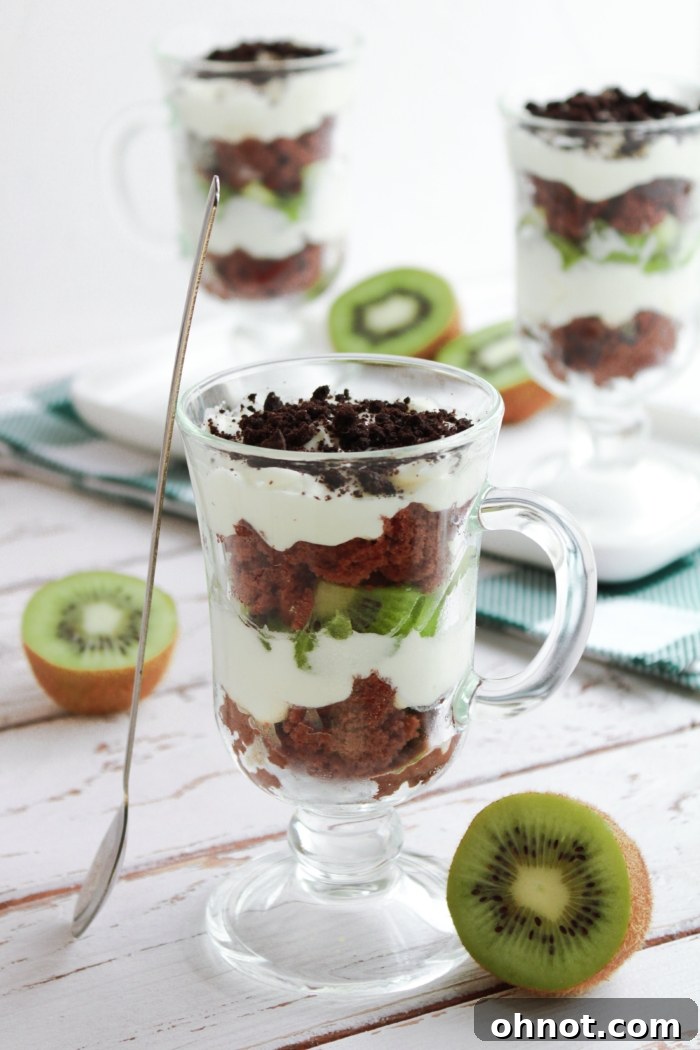
Layer it: Create visually impressive and incredibly tasty trifles by layering gluten-free pudding with pieces of gluten-free cake, fresh seasonal fruits, and generous dollops of whipped cream. Each spoonful offers a delightful medley of textures and flavors.
5. Customized Pudding Cups for Individual Indulgence
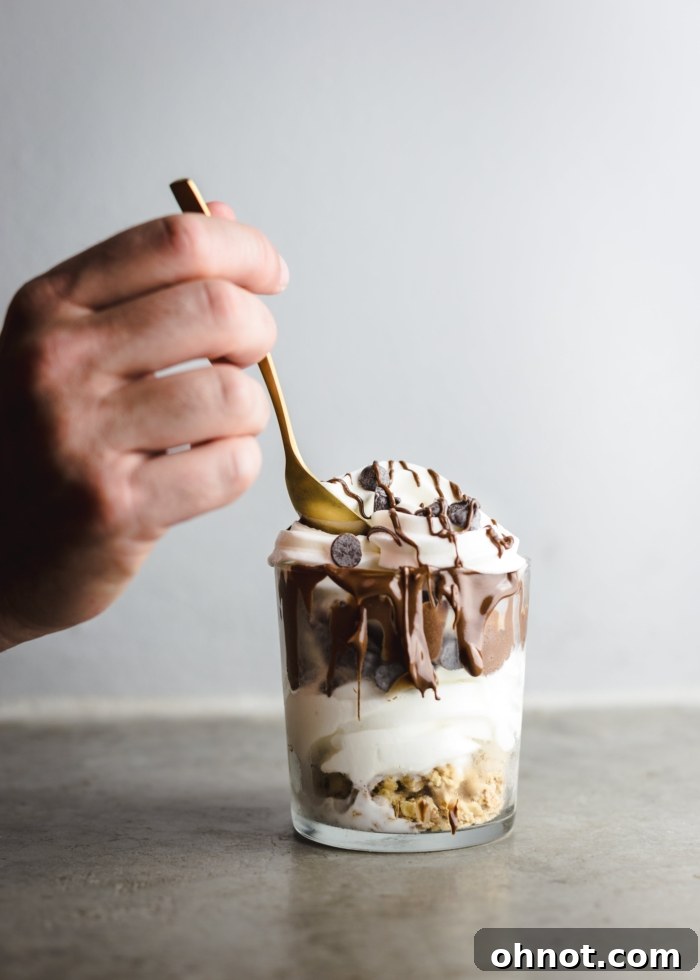
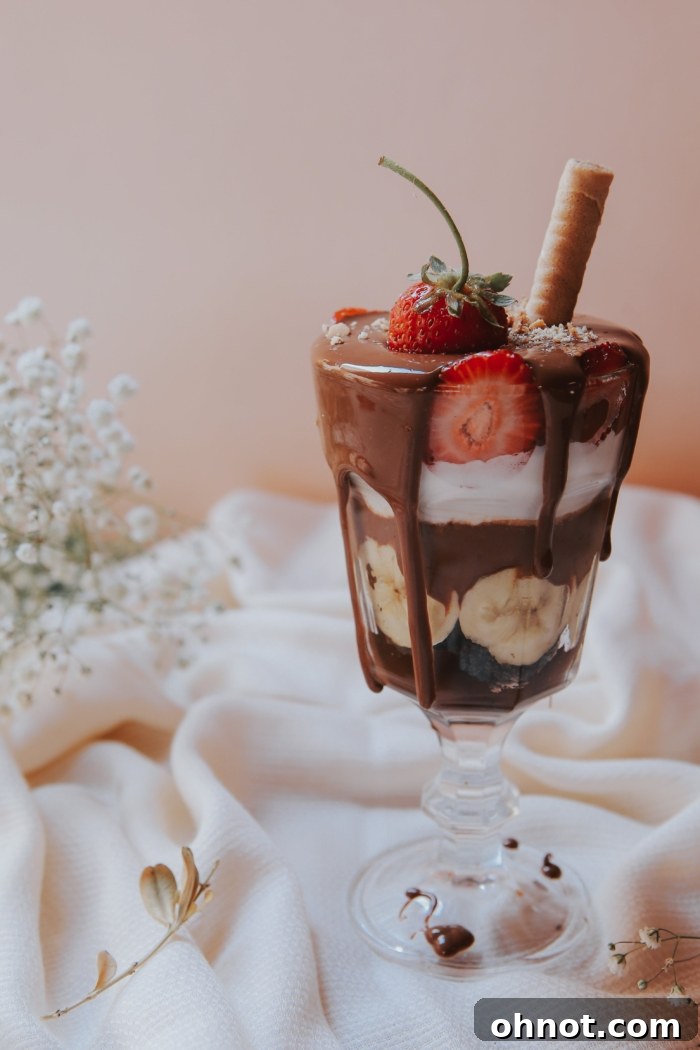
Customize it: Elevate simple pudding cups by getting creative with layers. Alternate pudding with crushed gluten-free chocolate chip cookies, fresh berries, sliced bananas, or crunchy gluten-free granola for personalized treats that are both fun to make and delicious to eat.
6. Parfait Perfection: Healthy & Delicious
Parfait Perfection: Combine gluten-free pudding with layers of your favorite yogurt (dairy or non-dairy) and an abundance of fresh fruits to craft a nutritious and visually appealing parfait. This makes for a fantastic breakfast, snack, or lighter dessert.
7. Crowd-Pleasing Pudding Dip
Dip it: A creamy pudding can be transformed into a fantastic dip for parties and gatherings. Serve it with an assortment of dippables like fresh fruit slices, gluten-free cookies, gluten-free vanilla wafers, or pretzel sticks. Flavors like chocolate or peanut butter pudding work exceptionally well.
8. Creamy Smoothie and Milkshake Base
Blend it: For an extra rich and creamy texture, incorporate a scoop or two of gluten-free pudding into your smoothies or milkshakes. It adds thickness and a lovely depth of flavor without the need for additional ice cream.
9. Boost Your Breakfast Bowls
Boost it: Make your morning routine more exciting by adding a layer of gluten-free pudding to your breakfast bowls. Top it with fresh fruits, nuts, seeds, or a sprinkle of Gluten-Free Cereal for a satisfying and indulgent start to your day.
10. Irresistible Stuffed Pancakes or Crepes
Stuff it: Use gluten-free pudding as a delightful filling for your morning gluten-free pancakes or delicate crepes. This simple addition elevates them from ordinary to irresistibly rich and delicious, perfect for a special brunch.
11. A Twist for Your Coffee Creamer
Enhance it: For coffee lovers who enjoy experimenting, add a small dollop of flavored gluten-free pudding (like vanilla or chocolate) to your hot coffee. It melts beautifully, creating a creamy, flavored twist that’s perfect for a gourmet home coffee experience.
12. Light and Smooth Frosting Alternative
Spread it: Looking for a lighter alternative to traditional buttercream? Use a thicker-set gluten-free pudding as a frosting on cupcakes or cakes. It offers a wonderfully smooth and glossy finish with a less intensely sweet flavor, making it a refreshing change from heavier vegan buttercream frosting.
Frequently Asked Questions (FAQs) About Gluten-Free Pudding
Most JELL-O pudding mixes are indeed gluten-free, relying on cornstarch as a thickener. However, it’s crucial to note that JELL-O’s Cheesecake Pudding & Pie Filling mix typically contains barley, which is a gluten-containing grain. Always check the ingredient label carefully for any specific product.
Many individually packaged pudding snacks, like those from brands such as Snack Pack, are formulated to be gluten-free. Their primary ingredients (milk, sugar, cornstarch) are naturally free of gluten. Nevertheless, reading the ingredients label carefully is essential, as some brands or specific flavors might contain gluten-derived ingredients or be subject to cross-contamination.
No, pudding is not inherently made from wheat. The most common type of creamy pudding in the United States uses milk, sugar, and a non-wheat thickener like cornstarch or tapioca. While some traditional pudding recipes, particularly in other regions, might use wheat flour or semolina, there are numerous gluten-free pudding recipes and commercial products available that avoid wheat entirely.
Specific cheesecake pudding mixes, such as JELL-O Instant Cheesecake Pudding & Pie Filling Mix, are known to contain barley, which is a gluten-containing ingredient. However, many other cheesecake pudding brands or homemade cheesecake pudding recipes are often gluten-free, using cornstarch or other gluten-free thickeners. Always diligently read the ingredients label before purchasing or consuming any cheesecake pudding product to confirm its gluten-free status.
You May Also Like: Explore More Gluten-Free Insights
- Are Reese’s Gluten Free?
- Gluten Free Tortillas
- Gluten Free Cupcakes
- Are Sprinkles Gluten Free?
- Gluten Free Bread Recipe
- Is Peanut Butter Gluten Free?
We hope this deep dive into the world of gluten-free pudding has been helpful and inspiring! If you found this post valuable, we would sincerely appreciate a review. Stay connected with us for more delicious gluten-free recipes and lifestyle tips. You can find us on Instagram, Facebook, and Pinterest. Additionally, consider joining our exclusive Facebook Group for an insider’s look and community interaction. For even more culinary inspiration, be sure to explore our extensive collection of Dessert Recipes.