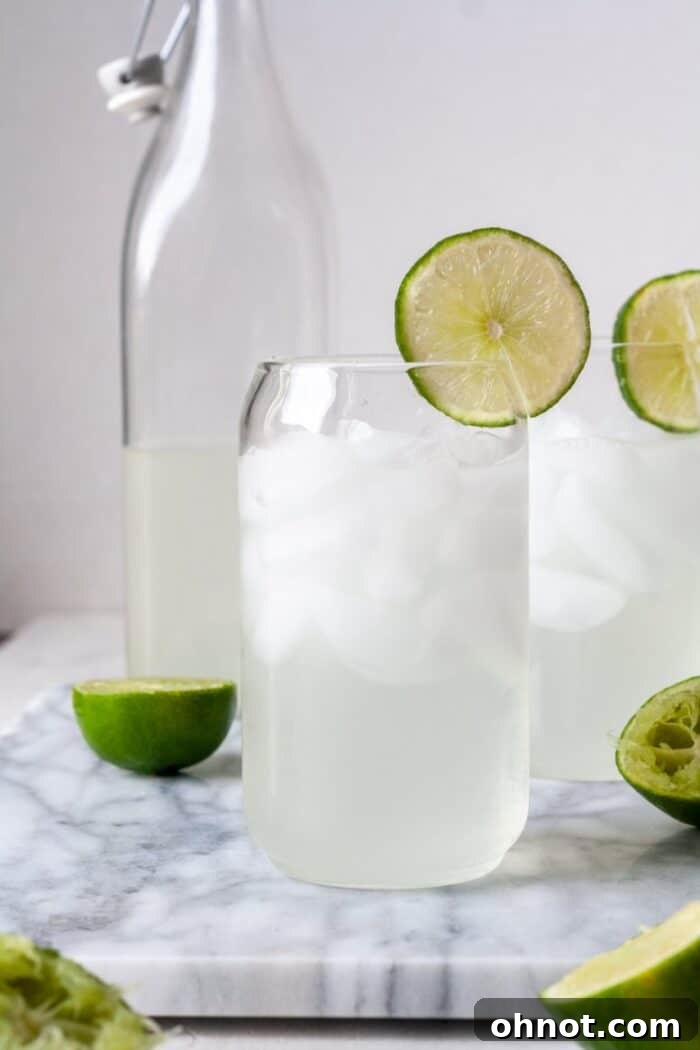
The Ultimate Homemade Limeade Recipe: Your Refreshing Summer Essential
Step aside, store-bought juices! This homemade lime juice recipe, often known as limeade, is incredibly easy to prepare, exceptionally refreshing, and delivers a burst of authentic citrus flavor that pre-packaged alternatives simply can’t match. Crafted with just a handful of simple ingredients, this invigorating beverage is the quintessential drink for warm summer days, casual gatherings, or whenever you crave a vibrant, zesty pick-me-up. The beauty of making limeade from scratch lies in its customizability – you control the sweetness and tartness, ensuring every sip is perfectly tailored to your preference.
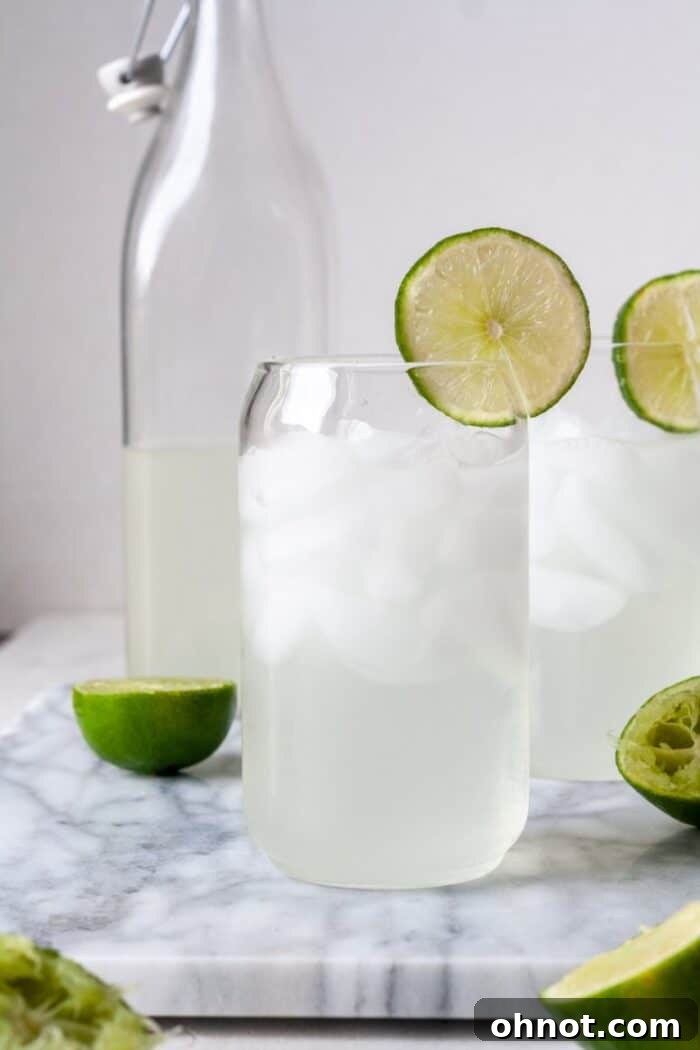
Why You’ll Adore This Easy Limeade Recipe
There are countless reasons why this homemade limeade will become your go-to beverage. Its simplicity, vibrant taste, and healthful properties make it an undeniable winner:
- Unmatched Freshness: This limeade recipe tastes infinitely better than anything you can buy in a bottle. The bright, crisp flavor of freshly squeezed limes is simply unparalleled and truly shines through in every glass.
- Minimal Ingredients: With only two main components – fresh limes and water – plus a customizable sweetener, this recipe keeps things wonderfully simple. You likely have everything you need in your kitchen right now.
- Customizable Flavor: Whether you prefer your drinks subtly sweet or boldly tart, this recipe allows you to adjust the sugar content to suit your exact palate. Make it as intensely lime-flavored or as mellow as you desire.
- Versatile Drink Base: While delicious on its own, this limeade serves as an excellent base. Add a slice of lemon for a delightful lemon-limeade twist, or experiment with other fruits for unique flavor combinations.
- Ideal for Warm Weather: This refreshingly cool drink is the ultimate thirst-quencher for hot summer days, picnics, barbecues, or any occasion that calls for a cooling and invigorating beverage.
- Wholesome and Natural: Unlike many commercial juices, this homemade version contains no artificial preservatives, colors, or flavors. It’s naturally fat-free and a healthier choice for the whole family.
- Dietary Friendly: This recipe is naturally gluten-free, dairy-free, nut-free, and oil-free, making it suitable for a wide range of dietary needs, including Vegan and plant-based lifestyles.
- Quick to Prepare: From start to finish, you can whip up a batch of this delicious limeade in minutes, making it perfect for last-minute refreshment needs.
Essential Ingredients for Your Perfect Limeade
Creating the best homemade limeade starts with selecting high-quality ingredients. Here’s a closer look at what you’ll need and potential substitutions:
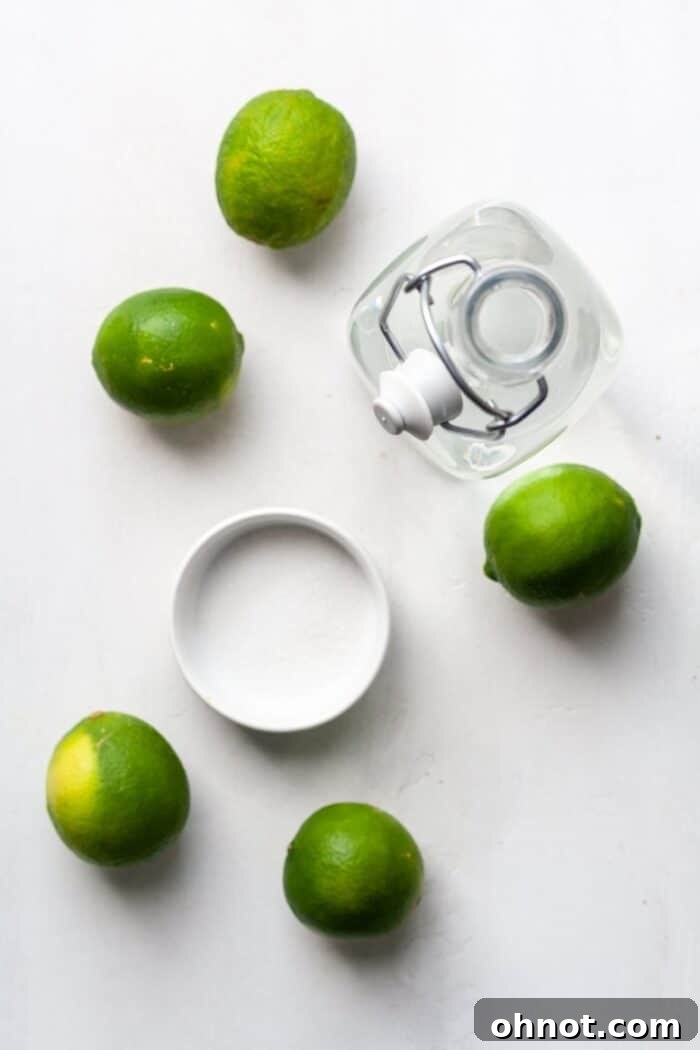
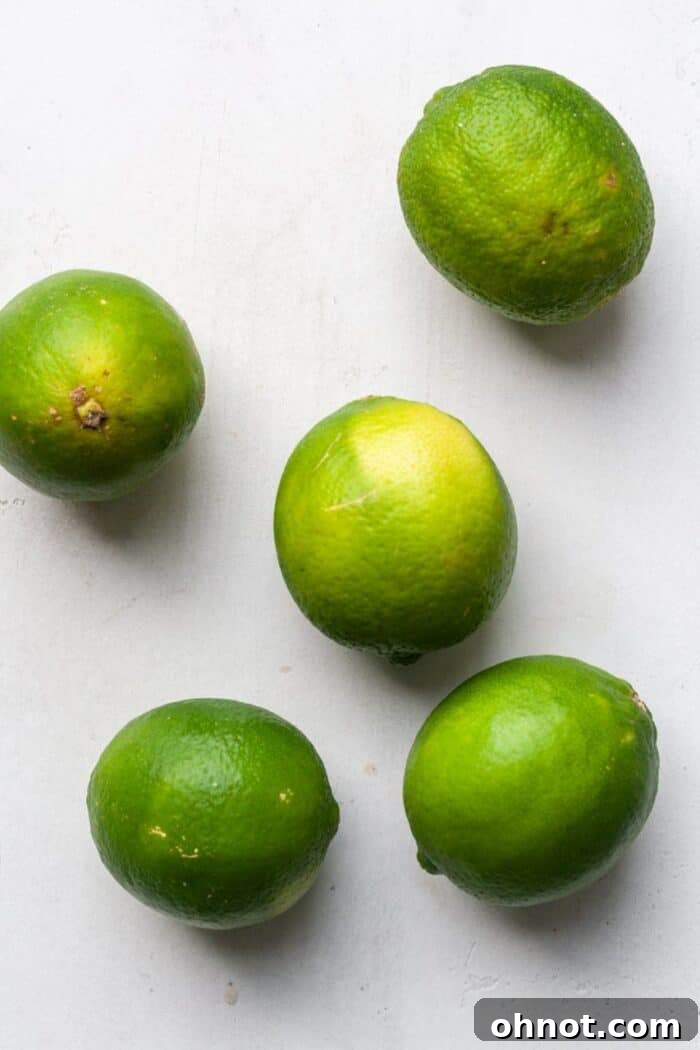
Fresh Limes: For the most vibrant and authentic flavor, fresh limes are absolutely essential. They are bursting with bold, aromatic oils in their zest and yield the most juice, contributing to the superior taste of your homemade limeade. When selecting limes, look for ones that are bright green, feel heavy for their size, and have a slightly soft (but not mushy) skin when gently squeezed. This indicates they are ripe and full of juice. While bottled lime juice can be used in a pinch, be aware that it will compromise the fresh, bright flavor profile. If using bottled juice, opt for 100% lime juice without added preservatives or sugars.
Ice Cold Water: The temperature of your water makes a surprising difference! Using ice-cold water ensures your limeade is instantly refreshing and maintains its crispness. Filtered water is always recommended for the purest taste, but good quality tap water will also work perfectly.
Granulated Sugar (or Alternative Sweetener): Limes are naturally quite tart and sour, so a touch of granulated sugar is typically needed to balance their intense flavor and create a harmonious, palatable drink. The amount of sugar is entirely up to your personal preference. For those following a Paleo or refined sugar-free diet, honey or maple syrup can be excellent alternatives. Start with a smaller amount and add more gradually, tasting as you go, to achieve your desired sweetness. Other sweeteners like agave nectar, stevia, or erythritol can also be used, adjusting quantities according to their sweetness levels.
Understanding the Difference: Lime Juice vs. Limeade
While the terms are often used interchangeably, there’s a subtle distinction between pure lime juice and limeade, which is helpful to understand:
What is Lime Juice?
Lime juice, in its purest form, is simply the liquid extracted from freshly squeezed limes. It is inherently tart, acidic, and incredibly flavorful. It can be consumed unsweetened, though its intense sourness often means it’s used as an ingredient rather than a standalone drink. Lime juice is a key component in countless culinary applications, from marinating meats and dressing salads to flavoring desserts. It’s also a foundational ingredient in many popular cocktails like margaritas, mojitos, and gin and tonics, adding that quintessential tangy zest.
What is Limeade?
Limeade, on the other hand, is a refreshing beverage made from lime juice, typically diluted with water and sweetened with sugar. It transforms the intense tartness of pure lime juice into a balanced, drinkable concoction. The addition of sugar mellows the acidity, creating a harmonious sweet-and-sour profile that is incredibly satisfying. Because it’s so quick and easy to prepare and offers such a delightful taste, limeade has become a beloved summer drink across many cultures.
The Impressive Health Benefits of Limes
Limes are more than just a flavor enhancer; they are often hailed as nutritional powerhouses packed with essential vitamins and antioxidants. Incorporating fresh lime juice into your diet, whether through this delicious limeade or other recipes, offers a variety of health advantages:
- Rich in Vitamin C: Limes are an excellent source of Vitamin C, a powerful antioxidant crucial for immune system function. Regular intake of Vitamin C can help protect your body against common illnesses and boost your overall resistance to infections.
- Antioxidant Boost: Beyond Vitamin C, limes contain other beneficial antioxidants, including flavonoids, limonoids, and phenolic compounds. These compounds help combat free radicals in the body, reducing oxidative stress and potentially lowering the risk of chronic diseases.
- Aids Digestion: The natural acidity of limes can stimulate digestive enzymes, helping to break down food more efficiently. The flavonoids in limes may also stimulate the secretion of digestive juices, aiding in smoother digestion and potentially alleviating issues like indigestion.
- Promotes Hydration: Limeade, being mostly water and lime juice, is a fantastic way to stay hydrated, especially in warmer climates. Adequate hydration is vital for maintaining energy levels, regulating body temperature, and supporting overall bodily functions.
- Supports Skin Health: The high Vitamin C content in limes plays a critical role in collagen production, which is essential for healthy, youthful-looking skin. Antioxidants also help protect skin cells from environmental damage, contributing to a clearer, more radiant complexion.
- Low Calorie: With only around 20 calories per lime, this fruit offers immense flavor and nutritional benefits without adding significant calories to your diet. This makes limeade a healthier choice compared to many sugary sodas or artificial beverages.
Step-by-Step: How to Make Homemade Limeade
Making your own refreshing limeade is incredibly straightforward. Follow these simple steps for a perfect batch every time:
Step 1: Prepare Your Limes for Juicing
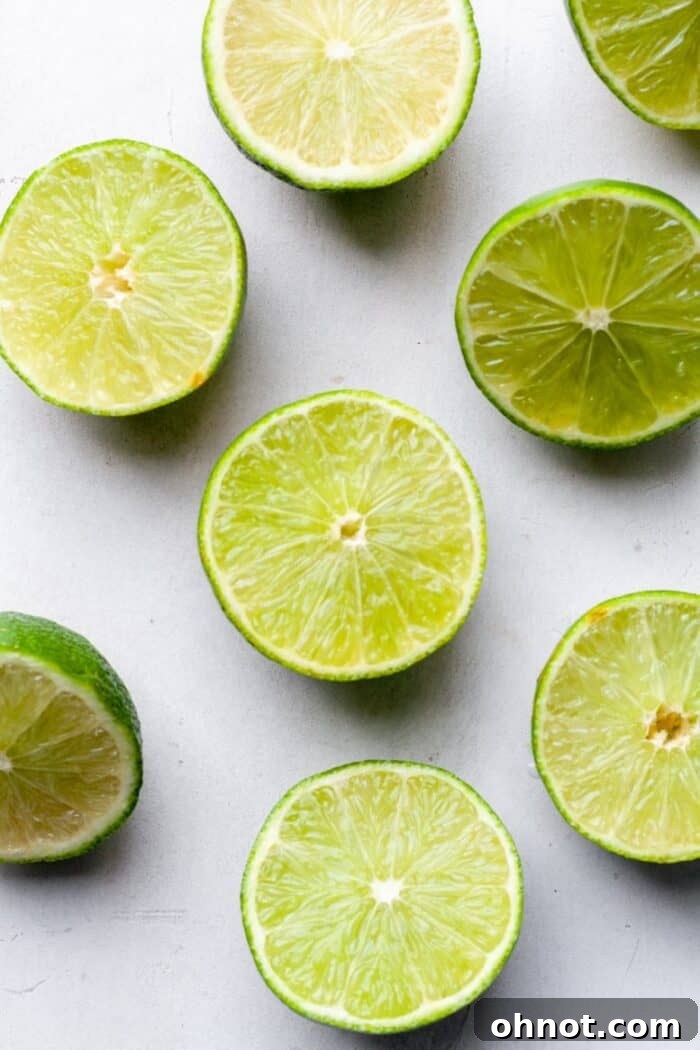
Before cutting, gently roll each lime back and forth on a countertop, pressing down firmly with the palm of your hand. This simple technique helps to break down the internal membranes of the lime, making it much easier to extract the maximum amount of juice. Once softened, slice each lime in half across its equator.
Step 2: Extract the Fresh Lime Juice
Using either a manual citrus juicer (reamer), an electric juicer, or simply your hands, squeeze all the juice from the halved limes into a large cup or bowl. Be sure to press firmly to get every last drop. If using your hands, you might find it helpful to use a fork to prod the pulp and release more juice. Aim for approximately ½ cup of fresh lime juice for this recipe.
Step 3: Combine Ingredients in a Pitcher
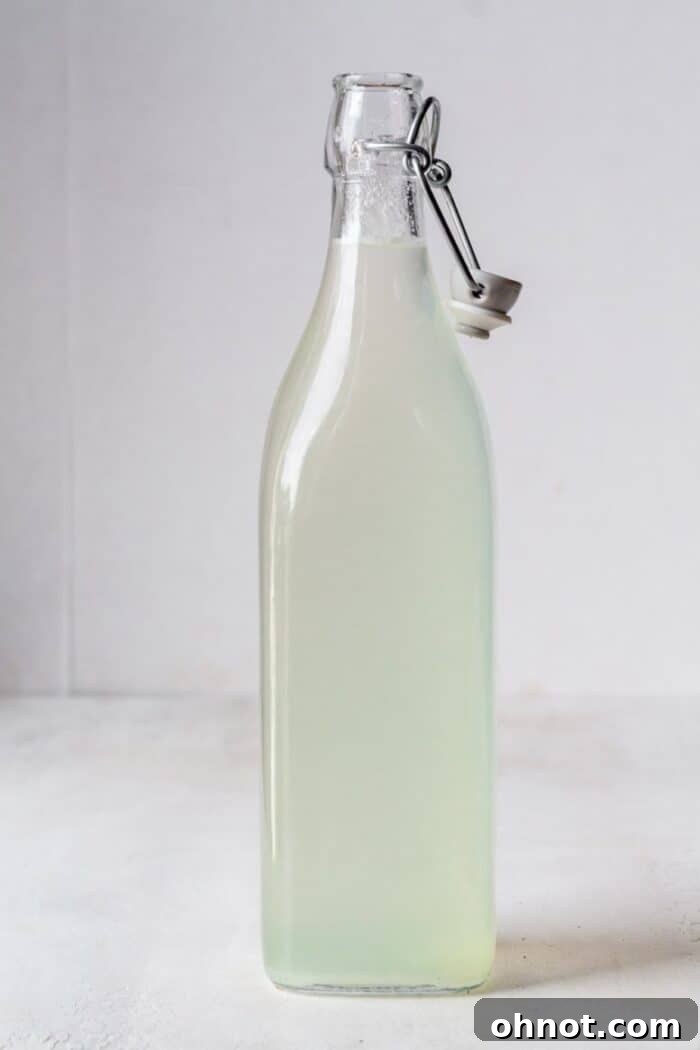
Once you have your freshly squeezed lime juice, pour the ice-cold water into a large pitcher. Carefully add the lime juice to the pitcher. Stir the mixture well to ensure the water and lime juice are thoroughly combined, creating a uniform base for your limeade.
Step 4: Sweeten and Adjust to Your Liking
Now for the most important part: tasting and adjusting! Pour a small amount into a glass and take a sip. If you prefer a sweeter drink, gradually stir in granulated sugar (or your chosen sweetener) one tablespoon at a time until it dissolves completely and reaches your desired level of sweetness. For a less concentrated or milder lime flavor, simply add more cold water until you achieve the perfect balance. Remember, you can always add more, but you can’t take it out!
Step 5: Serve Chilled and Garnish
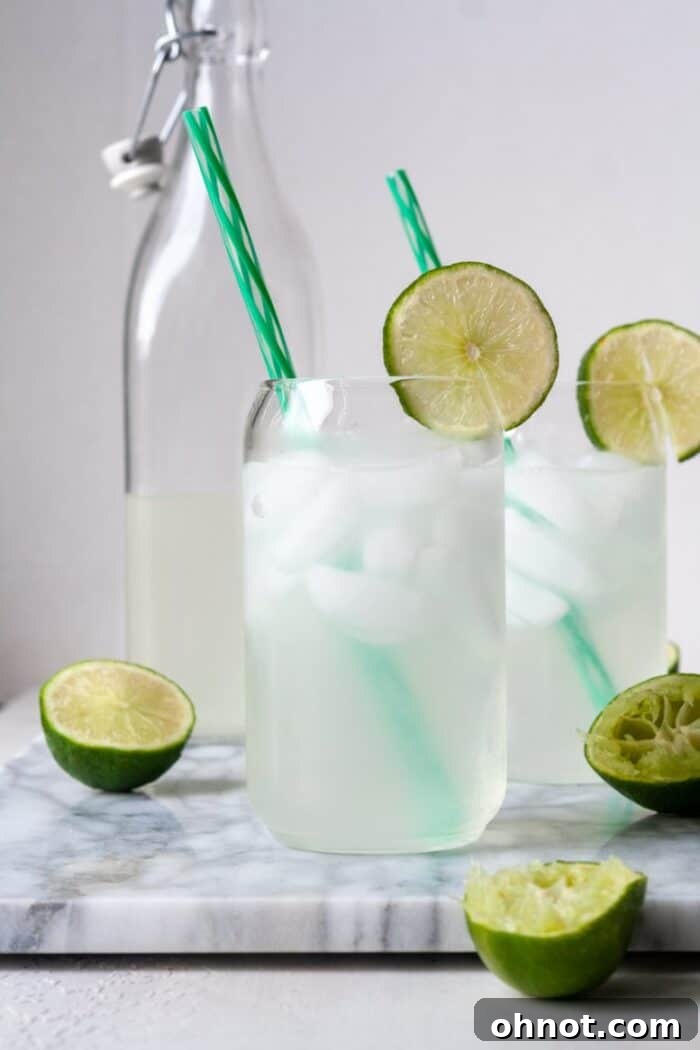
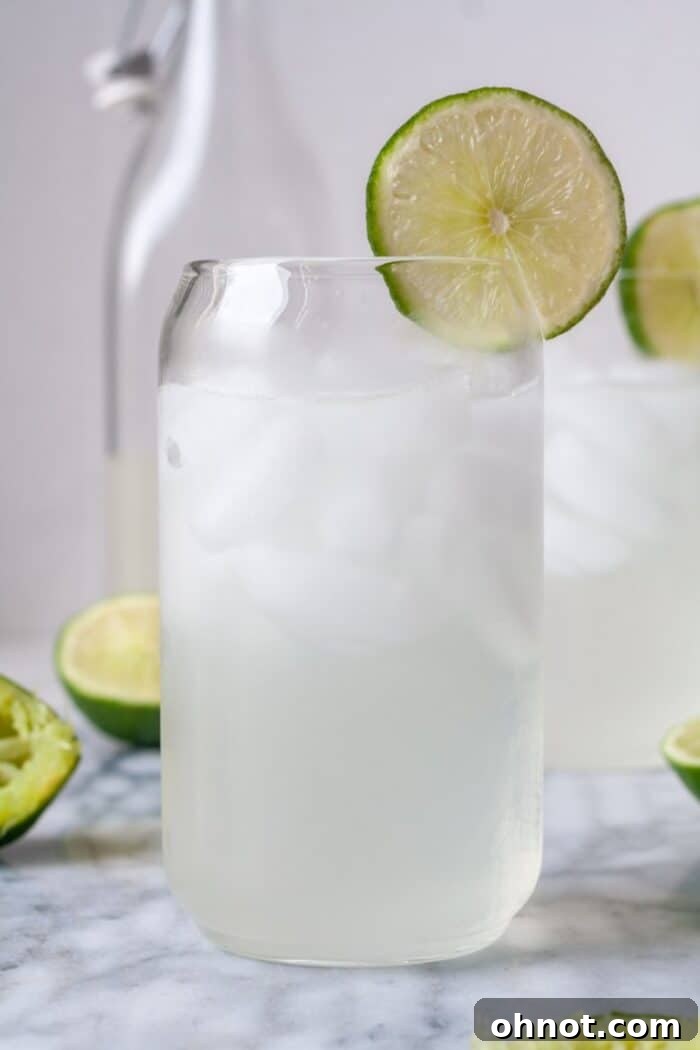
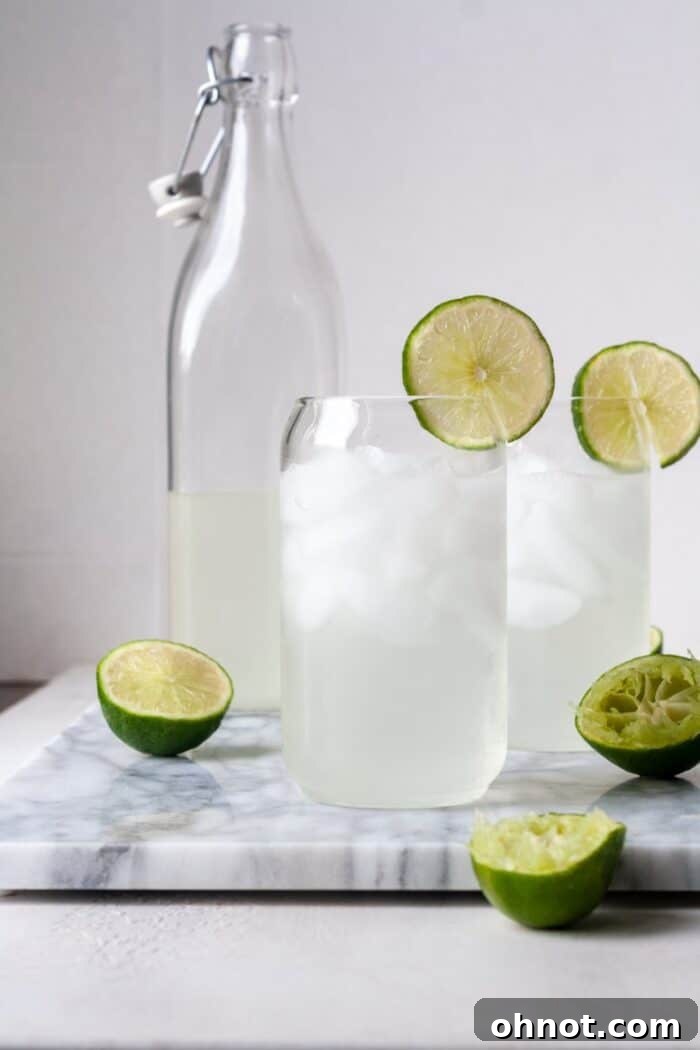
Finally, pour your perfectly crafted homemade limeade into individual glasses filled generously with ice. For an extra touch of elegance and an inviting aroma, garnish each glass with a thin slice or wedge of fresh lime, or even a sprig of mint. Serve immediately and enjoy the incredibly refreshing taste!
Expert Tips for the Best Homemade Limeade
Elevate your limeade game with these invaluable tips and tricks:
- Always Choose Fresh Limes: This cannot be stressed enough. Fresh limes contain natural oils in their zest that provide a much more complex and aromatic flavor compared to any bottled lime juice, which often tastes flat or artificial.
- Roll Limes Before Juicing: As mentioned in Step 1, rolling limes on the counter helps loosen the pulp and membranes inside, allowing you to extract significantly more juice with less effort. Don’t skip this step!
- Adjust Sweetness to Taste: The perfect limeade is all about personal preference. Start with a conservative amount of sweetener, taste, and gradually add more until it perfectly suits your palate. Some prefer a very tart limeade, while others enjoy a sweeter version.
- Consider Zesting Limes First: For an even more intense lime flavor, zest a portion of your limes before juicing them. You can add a pinch of this fresh zest directly into the limeade for an extra aromatic kick, or use it in other recipes.
- Chill Your Ingredients: Starting with cold water and chilling your limes before juicing can help ensure your limeade is perfectly cold right from the start.
- Experiment with Infusions: For an extra layer of flavor, consider infusing your limeade. Muddled mint leaves, basil, ginger slices, or even a few slices of cucumber can add delightful nuances.
Serving and Storing Your Delicious Limeade
Once your homemade limeade is ready, proper serving and storage will ensure you enjoy its freshness for as long as possible:
How to Serve: This homemade limeade is best served ice-cold! Fill your glasses generously with ice cubes before pouring. It’s a fantastic standalone beverage, but its versatile flavor also makes it an excellent mixer. Use it as a base for refreshing mocktails by adding sparkling water and fresh fruit, or elevate your cocktails – it’s a classic component in margaritas, mojitos, and many other tropical drinks. For a festive touch, rim your glasses with sugar or salt.
How to Store: Store any leftover limeade in a sealed pitcher or airtight container in the refrigerator for up to 4 to 5 days. Over time, some of the pulp or sediment from the lime juice may settle at the bottom. Simply give it a good stir or shake before pouring and enjoying again. While you can freeze limeade in ice cube trays for future use in drinks, the texture might change slightly upon thawing, so it’s generally best enjoyed fresh and chilled.
Mastering the Art of Juicing a Lime
Efficiently extracting juice from a lime is key to any citrus recipe. Here’s how to do it, with or without a specialized juicer:
- Juicing Without a Juicer: After rolling the lime to soften it, cut it in half. Hold one half firmly in your hand and squeeze it over a bowl or large cup, catching any seeds that may fall. To extract even more juice, you can use a fork to repeatedly poke and twist inside the lime half while squeezing. This helps break up the pulp and release additional liquid.
- Juicing With a Manual Juicer (Reamer): These simple tools are highly effective. Place the halved lime cut-side down onto the reamer and twist firmly, pressing down to extract the juice. Most reamers have a built-in strainer to catch seeds and pulp.
- Juicing With a Handheld Press Juicer: For maximum efficiency, a handheld press juicer is excellent. Place the halved lime with the cut side facing *down* into the juicer’s basin. Close the handles firmly and squeeze. This method often yields the most juice with the least effort and usually filters out seeds and most pulp.
Clever Substitutions for Lime Juice
While fresh lime juice is ideal, sometimes you need an alternative. Here are several substitutes based on your recipe and needs:
- Lemon Juice: In many recipes, especially baked goods and cocktails, lemon juice can be a fantastic one-to-one replacement for lime juice. It offers a similar bright, acidic profile, though with a slightly different flavor nuance that is distinctly lemon. Use the same amount of lemon juice as the recipe calls for lime juice.
- Lime Zest: If you have a lime but not quite enough juice for your recipe, don’t discard the zest! Zesting a lime creates a concentrated and incredibly potent lime flavor because the zest contains most of the fruit’s aromatic oils. If a recipe calls for 1 teaspoon of lime juice, you can use approximately 1/4 teaspoon to 1/2 teaspoon of fresh lime zest for an intense burst of flavor. This is particularly effective in marinades or dressings where a little zest can go a long way.
- Orange Juice: While orange juice has a distinctly different flavor profile than lime juice, it can be used in some situations to provide a sweet and tart element. It’s a good choice if you need the acidity and some citrus sweetness but don’t require the specific lime flavor. Adjust for sweetness, as orange juice is naturally much sweeter than lime juice.
- Vinegar (e.g., Apple Cider Vinegar): In recipes where you primarily need acidity (like a dressing or marinade) and the lime flavor isn’t the star, a small amount of vinegar, such as apple cider vinegar, can work. Start with a much smaller amount than you would use for lime juice, as vinegar is often more potent.
How Much Lime Juice Can You Get from One Lime?
The amount of juice you’ll get from a single lime can vary based on its size, ripeness, and how efficiently you juice it. On average, a medium-sized, fresh, ripe lime will yield approximately 2 tablespoons (about 1 ounce or 30ml) of fresh lime juice. For this limeade recipe, which calls for 6 limes to produce roughly ½ cup of lime juice, this general rule holds true. To ensure you have plenty, and to account for any variations in lime size or juicing efficiency, it’s always a good idea to have an extra lime or two on hand, especially if you prefer a very tart flavor.
Frequently Asked Questions About Homemade Limeade
While fresh limes are highly recommended for the best flavor, you certainly can use bottled lime juice if needed. Just be aware that the taste may not be as vibrant or fresh, and some bottled varieties contain added preservatives or sugars. Adjust your sweetener accordingly if using pre-sweetened bottled juice.
Absolutely, adding lemon juice is a fantastic idea! It creates a delightful lemon-limeade, offering a slightly different citrus dimension. You can replace a portion of the lime juice with lemon juice, or simply add a splash of lemon juice to suit your taste. Experiment to find your perfect balance!
Yes! While granulated sugar is a classic choice, honey and maple syrup are excellent natural alternatives, especially for Paleo or refined sugar-free diets. Agave nectar, stevia, or erythritol can also be used. Remember to taste as you go, as the sweetness levels of these alternatives can vary.
If you use a juicer with a filter or strain the juice after squeezing, there should not be any significant pulp. However, some fine pulp may naturally settle at the bottom after refrigeration for a day or two. This is normal; just give the limeade a good shake or stir before serving.
Yes! You can certainly make a delicious sugar-free limeade by simply omitting the sugar, or by using a zero-calorie sweetener such as stevia, erythritol, or monk fruit sweetener. Adjust to your desired sweetness level, keeping in mind that the natural tartness of the limes will be more prominent.
To make a sparkling limeade, simply replace some or all of the still water with sparkling water, club soda, or seltzer. Add the sparkling water just before serving to maintain its fizziness. This adds a delightful effervescence that’s perfect for celebrations.
Explore More Refreshing Recipes
- Vegan Lemon Cookies
- Vegan Vanilla Frosting – 3 Ingredients!
- Whole30 Lemon Chicken (Keto)
- Cassava Flour Blueberry Lemon Muffins
- Paleo Lemon Blueberry Coffee Cake
If you try this delightful homemade limeade recipe, I would truly appreciate your feedback and a review! You can connect with me on Instagram, Facebook, and Pinterest. I love seeing your creations!

10 minutes
0 minutes
10 minutes
Get the Recipe:
Homemade Limeade Recipe (Lime Juice)
Pin Recipe
Save Recipe
Recipe Saved!
Ingredients
4
servings
-
6
limes,
about ½ cup lime juice -
4
cups
water -
2
tbsp
granulated sugar,
optional
Instructions
-
First, roll each lime between your hands so they are less firm and more juicy.
-
Slice each lime in half. Either use a juicer or use your hands to squeeze out all lime juice into a bowl or large cup.
-
After limes have been juiced, pour cold water into a pitcher. Stir in the lime juice and stir to combine.
-
Taste the juice and add granulated sugar if desired, adjusting to your preferred sweetness.
-
Finally, pour into cups with ice and garnish with sliced limes if desired.
Notes
- Each serving is approximately 1 cup of limeade.
- Roll limes between hands to loosen them up. This makes them much easier to juice and yields more liquid.
- If you don’t have a juicer, squeeze out juice with your hands. Using a fork to ream the lime can help.
- The 6 limes produce approximately ½ cup of lime juice. It might be slightly more or less than ½ cup, so adjust the water and sweetener accordingly.
- Bottled lime juice can be used in place of fresh limes, but might not taste as fresh or vibrant.
- This limeade will be quite tart and sour without the granulated sugar. Taste and add more sugar for a sweeter taste, or more water for a more subtle flavor.
- Store limeade in the fridge for up to 5 days in an airtight container. Stir or shake well before drinking.
Calories:
43
kcal
,
Carbohydrates:
13
g
,
Protein:
1
g
,
Fat:
1
g
,
Saturated Fat:
1
g
,
Polyunsaturated Fat:
1
g
,
Monounsaturated Fat:
1
g
,
Sodium:
13
mg
,
Potassium:
68
mg
,
Fiber:
2
g
,
Sugar:
7
g
,
Vitamin A:
34
IU
,
Vitamin C:
19
mg
,
Calcium:
29
mg
,
Iron:
1
mg
Addison LaBonte
Drinks
American
Love this homemade limeade recipe? You can sign up here to receive healthy meal plans, exclusive new recipes, and updates directly to your inbox!