Cakes have an undeniable charm, serving as the sweet centerpiece for nearly every celebration. From grand weddings and milestone birthdays to casual family brunches and intimate anniversaries, a beautifully baked cake brings smiles and creates lasting memories. While towering multi-tiered cakes capture attention, the humble sheet cake offers a practical, versatile, and equally delightful alternative, especially when you need to feed a larger crowd efficiently and economically. This comprehensive guide will delve into the world of sheet cakes, exploring their various sizes, ideal pan dimensions, serving estimations, and crucial tips for baking and serving them to perfection. Get ready to discover why the iconic half sheet cake, along with its siblings, remains a top choice for countless events.
What Defines a Sheet Cake?
At its core, a sheet cake is a single-layered cake baked in a large, flat, rectangular pan. Renowned for its unparalleled convenience and straightforward elegance, the sheet cake has become a go-to dessert for events of all scales. Its flat, expansive surface offers a generous canvas for creativity, making it a favorite for customized decorations. Unlike their multi-layered counterparts, sheet cakes prioritize ease of preparation, baking, and serving, making them incredibly popular for parties, community events, corporate gatherings, and family celebrations where efficiency is key. While often simpler in design, the vast surface area allows for intricate icing patterns, personalized messages, edible photo transfers, and elaborate themed decor that can be just as impactful as a more complex cake.
Demystifying the Half Sheet Cake: Dimensions and Servings
The half sheet cake strikes a perfect balance between generous servings and manageable size, making it one of the most frequently chosen options for medium to large gatherings. Typically, a standard half sheet cake measures approximately 18 inches by 13 inches. It’s worth noting that these dimensions can exhibit slight variations depending on the pan manufacturer and whether the measurement includes the pan’s rim. Designed to cater to a substantial number of guests, a half sheet cake commonly yields between 40 to 48 servings, assuming standard portion sizes. This makes it an exceptionally popular and practical choice for birthday parties, anniversaries, graduations, and other celebratory events where feeding a joyful crowd without hassle is the main objective.
The Enduring Appeal: Why Sheet Cakes Excel for Every Occasion
Sheet cakes offer a myriad of advantages that contribute to their widespread popularity. Their design inherently addresses common challenges associated with serving dessert to a large group, making them a consistently reliable and excellent choice. Here are the key reasons why sheet cakes stand out:
- Effortless Serving Efficiency: The flat, single-layer structure of a sheet cake is engineered for straightforward cutting and serving. This design eliminates the complexities of navigating multiple layers or intricate fillings, allowing for quick, uniform slices that simplify the dessert distribution process, especially during busy events.
- Accommodates Larger Crowds: Particularly full and half sheet cakes are unrivaled in their capacity to serve a significant number of guests. They are the ideal solution for large parties, extensive family reunions, school functions, or corporate events where ensuring everyone gets a piece is paramount.
- Exceptional Cost-Effectiveness: When measured on a per-serving basis, sheet cakes typically offer a much lower cost than multi-tiered or custom-shaped cakes. This budget-friendly aspect makes them an attractive option for large events where managing expenses is a consideration, without compromising on taste or celebratory appeal.
- Limitless Versatility in Flavors and Designs: Despite their simple form, sheet cakes are incredibly adaptable. They can be infused with an endless array of flavors, from classic vanilla bean and decadent chocolate to zesty lemon, moist carrot, or seasonal fruit blends. Their expansive, flat top provides a perfect blank canvas for intricate designs, personalized edible images, themed decorations, and heartfelt messages, allowing for full customization to match any event’s aesthetic.
- Streamlined Transport Convenience: Their sturdy, rectangular shape makes sheet cakes far easier and safer to transport compared to delicate, tall, multi-layered cakes. They fit more readily into standard vehicle spaces and are less prone to damage during transit, minimizing stress for event organizers or bakers.
- Consistent and Even Baking: The uniform thickness characteristic of sheet cakes promotes exceptionally even baking. This design reduces the common issues of raw centers or overcooked, dry edges, ensuring every slice is perfectly moist and delicious from edge to edge.
- Beginner-Friendly Decoration: For those new to the art of cake decorating, the flat, unobstructed surface of a sheet cake is incredibly forgiving and much more approachable than the complex contours of layered cakes. It provides an excellent starting point for practicing piping techniques, spreading frosting smoothly, and experimenting with various embellishments.
- Creative Customization Potential: The sheer size of sheet cakes allows for unique customization possibilities. You can easily divide the cake into sections, each adorned with a different design, flavor, or message. This is perfect for catering to diverse preferences within one cake or celebrating multiple honorees simultaneously.
- Ample Space for Messages and Artwork: Celebrating a graduation, wedding anniversary, or a significant birthday? A sheet cake provides an expansive area to write elaborate congratulatory messages, display intricate edible artwork, or integrate large, themed elements that would be difficult to fit on smaller cakes.
- Ideal for Casual Gatherings: Their inherent ease of serving makes sheet cakes perfect for informal events such as potlucks, picnics, and casual buffets where guests often serve themselves. Their robust structure holds up well in various settings and temperatures.
- Efficient Storage: Due to their rectangular shape, sheet cakes are often easier to store in refrigerators or freezers than round or oddly shaped cakes, making post-event cleanup and leftover management simpler.
Navigating the World of Sheet Cake Sizes
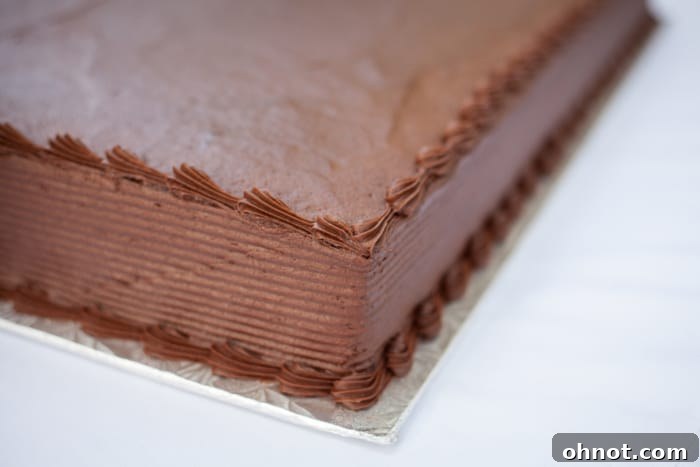
Sheet cakes are not a one-size-fits-all solution; they come in a spectrum of sizes, each designed to accommodate different event scales, from an intimate family dinner to a grand corporate gala. Understanding these common sizes is crucial for planning your dessert needs accurately.
1. Full Sheet Cake
Size: Approximately 18 x 24 inches (This is roughly the size of a standard commercial oven rack)
Servings: Can generously serve around 96 to 100 people (or more with smaller slices).
Best for: Very large gatherings, major corporate events, grand weddings, large school functions, or significant community celebrations. Often seen in catering and professional bakery settings.
2. Half Sheet Cake
Size: Roughly 18 x 13 inches
Servings: Typically serves about 40 to 48 people (depending on how it’s sliced).
Best for: Medium to large parties, such as birthday celebrations, significant anniversaries, engagement parties, or smaller corporate events. It’s the most common choice for many home bakers and local bakeries.
3. Quarter Sheet Cake
Size: Usually about 9 x 13 inches or 8 x 12 inches (similar to a standard brownie pan)
Servings: Suitable for 15 to 24 people.
Best for: Smaller gatherings, family celebrations, classroom parties, or office meetings. It’s a very versatile size for everyday baking needs.
4. Eighth Sheet Cake
Size: Typically around 8 x 6 inches or 9 x 6 inches
Servings: Serves approximately 6 to 8 people.
Best for: Very small, intimate gatherings, a special family dinner, or when the cake is just one of several dessert options being offered.
5. Custom Sizes
Size: Varies significantly based on specific requirements, often cut from larger sheets.
Servings: Entirely dependent on the customized dimensions.
Best for: Unique events, specific display needs, or situations where standard sizes don’t precisely meet the guest count or presentation vision.
Essential Pan Sizes for Baking Perfect Sheet Cakes
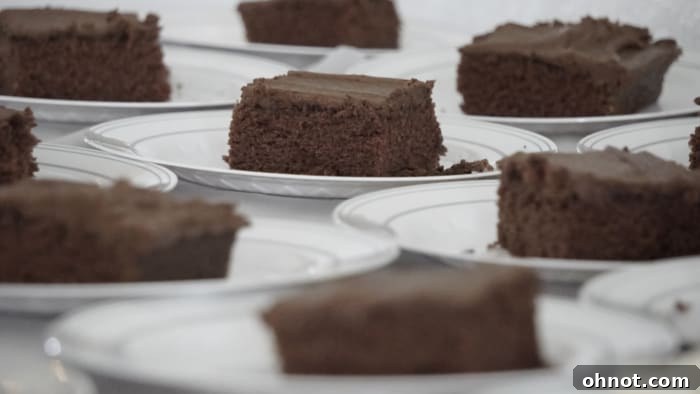
The foundation of a great sheet cake lies in selecting the correct baking pan. The size and depth of your pan directly influence the cake’s thickness, baking time, and ultimately, the number of servings it yields. Here’s a detailed overview of common pan sizes for baking various sheet cakes:
1. Full Sheet Cake Pan
Size: Approximately 18 x 24 inches
Depth: Typically 2 inches (sometimes up to 3 inches for thicker cakes)
Usage: Primarily used by professional bakers and caterers for exceptionally large events. These pans often require commercial-sized ovens due to their substantial dimensions. They are ideal for high-volume production or when a single, expansive cake needs to serve a very big crowd.
2. Half Sheet Cake Pan
Size: Roughly 18 x 13 inches
Depth: Usually around 2 inches
Usage: This is a highly versatile pan size, often considered a standard in many home kitchens and smaller bakeries. It fits comfortably in most conventional ovens and is excellent for medium to large parties, family gatherings, or holiday baking. It’s also frequently used for roasting vegetables or making large batches of cookies.
3. Quarter Sheet Cake Pan
Size: About 9 x 13 inches or sometimes 8 x 12 inches
Depth: Commonly 2 inches
Usage: An indispensable tool for home bakers, the quarter sheet pan is ideal for smaller cakes, brownies, or bar cookies. Its compact size makes it perfect for everyday use, small family dinners, or when you need a moderate amount of dessert without leftovers.
4. Eighth Sheet Cake Pan
Size: Typically 8 x 6 inches or 9 x 6 inches
Depth: Generally 1 to 2 inches
Usage: The smallest of the standard sheet cake pans, an eighth sheet is perfect for individual servings, testing new recipes, or preparing desserts for very small gatherings. It’s also often used for baking thin layers to be stacked.
5. Jelly Roll Pan
Size: Around 10.5 x 15.5 inches
Depth: About 1 inch
Usage: While not strictly a traditional deep sheet cake pan, jelly roll pans are excellent for baking thinner cakes designed to be rolled (like Swiss rolls) or for delicate bar cookies and sponge cakes. Their shallower depth results in a lighter, less dense cake layer.
Key Considerations for Sheet Cake Pans:
- Material Matters: Sheet cake pans are typically made from aluminum, stainless steel, or non-stick coated materials. Aluminum pans are often preferred for their excellent heat conductivity, which promotes even baking and consistent results. Darker pans can sometimes lead to faster browning, so adjust baking times accordingly.
- High, Straight Edges: Pans with high, perfectly straight edges are beneficial as they help the cake rise evenly and provide a clean, professional finish, making frosting the sides much easier.
- The Parchment Paper Advantage: Always line your sheet cake pan with parchment paper, allowing some overhang on the sides. This simple step guarantees easier cake removal after baking, prevents sticking, and makes cleanup an absolute breeze.
- Proper Pan Care: To ensure the longevity of your baking pans, especially non-stick varieties, avoid using metal utensils that can scratch and damage the surface. Handwashing is often recommended over dishwashers for most baking pans to preserve their finish.
Estimating Servings: The Full Sheet Cake
A full sheet cake, typically measuring 18 x 24 inches, is a powerhouse for large-scale events. The exact number of servings you can achieve depends significantly on the desired slice size, the formality of the occasion, and whether other desserts are being offered. Here’s a general guideline to help you plan:
- Party-Size Servings (Generous Portions): For casual gatherings like birthday parties, family reunions, or celebrations where the cake might be a primary dessert, you’ll typically cut larger slices. If aiming for slices around 2 x 3 inches, a full sheet cake can comfortably yield approximately 70 to 80 servings. These larger portions satisfy guests who might not be having other desserts.
- Wedding-Size Servings (Smaller, Formal Portions): In more formal settings, such as weddings, where a variety of desserts may be presented or cake is served after a full meal, smaller, more elegant slices are traditional. By cutting slices around 1 x 2 inches, a full sheet cake can provide an impressive 96 to 100 servings, sometimes even more. This approach is ideal for large guest lists where portion control and presentation are key.
When planning, always consider your audience and the overall menu. It’s often safer to overestimate slightly to ensure every guest gets a piece, especially if the cake is the main sweet attraction.
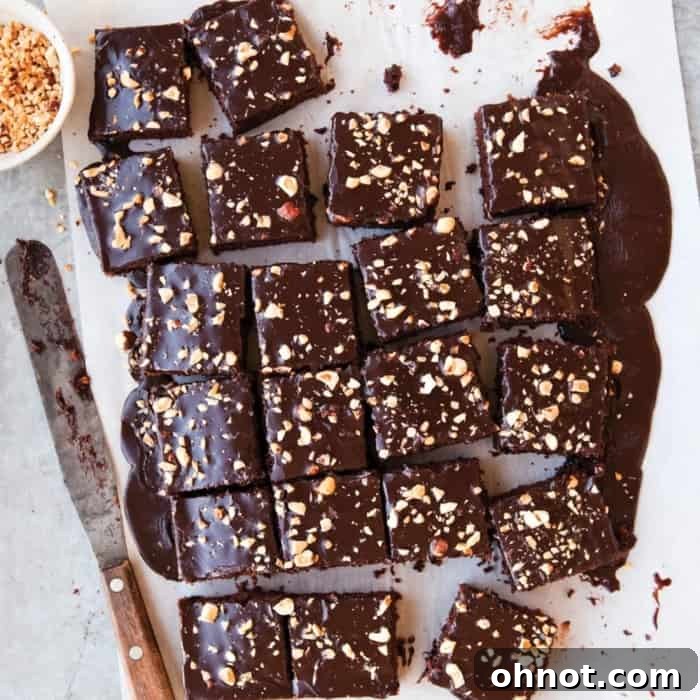
Estimating Servings: The Half Sheet Cake
The half sheet cake, typically measuring 18 x 13 inches, is a versatile and popular choice that can serve a significant number of guests. While the general estimate is 35-48 servings, the precise number will always depend on how you choose to slice it, the appetites of your guests, and whether other desserts are available. Understanding how different cutting patterns impact the yield is crucial for efficient event planning.
For instance, if your half-sheet cake pan is a common 11×15 inches (a slightly smaller variation often sold as a half sheet), cutting into 2×2 inch squares could yield approximately 40-42 servings. For the more standard 18×13 inch half sheet, here’s a detailed guide for estimating servings based on common slice dimensions:
- 2×2 inch squares: This cutting method maximizes servings, yielding approximately 58-60 servings from an 18×13 inch cake. Ideal for events with many guests or when offering multiple desserts.
- 2×3 inch rectangles: A slightly more generous slice, perfect for standard party portions. This cut will provide around 39-40 servings from an 18×13 inch cake.
- 3×3 inch squares: For more substantial portions, often preferred when the cake is the main dessert. Expect about 36-39 servings from an 18×13 inch cake.
- 4×4 inch squares: A very large, hearty slice, suitable for events with fewer guests or as a very indulgent treat. This size yields approximately 16-24 servings from an 18×13 inch cake.
When making your final decision, consider the context of your event. If guests will enjoy a full meal and other sweets, smaller slices are appropriate. If the cake is the star of the show, opt for larger portions. It’s always a good practice to have a little extra rather than running short.
Estimating Servings: The Quarter Sheet Cake
A quarter sheet cake, typically measuring around 9 x 12 or 9 x 13 inches, is perfectly sized for smaller gatherings, family meals, or classroom parties. This convenient size allows for a good number of servings without being overwhelming. Depending on your desired slice size, a quarter sheet cake usually yields 20-30 servings.
- 2×2 inch squares: To maximize servings, cutting your quarter sheet cake (9×13 inches) into 2×2 inch squares will provide closer to 27-30 servings. This is an efficient way to ensure everyone gets a taste.
- 2×3 inch rectangles: For a more standard, slightly larger slice, 2×3 inch rectangles will yield approximately 20-22 servings. This is often a comfortable portion for most guests.
As with all cakes, the actual number of servings can fluctuate based on your guests’ appetites and the availability of other desserts or snacks. When in doubt, it’s generally advisable to prepare slightly more cake than you anticipate needing to avoid any disappointment.
Batter Requirements for Various Sheet Cake Sizes
Getting the right amount of batter is crucial for a perfectly baked sheet cake. Too little, and your cake will be thin; too much, and it might overflow. The volume of batter needed correlates directly with the size and depth of your chosen pan. Here’s a general guideline for standard sheet cake pan sizes:
1. Full Sheet Cake (18 x 24 inches)
Batter Needed: Approximately 16 to 18 cups of batter (equivalent to about 5-6 standard cake mixes or a very large scratch recipe).
Depth of Pan: Typically 2 inches deep. The batter should fill the pan to about two-thirds of its depth.
2. Half Sheet Cake (18 x 13 inches)
Batter Needed: Roughly 10 to 12 cups of batter (equivalent to 3-4 standard cake mixes or a substantial scratch recipe).
Depth of Pan: Usually around 2 inches deep. Aim to fill the pan approximately half to two-thirds full.
3. Quarter Sheet Cake (9 x 13 inches)
Batter Needed: About 6 to 7 cups of batter (equivalent to 2 standard cake mixes or a robust single scratch recipe).
Depth of Pan: Commonly 2 inches deep. Fill the pan about two-thirds of the way to allow for rising.
4. Eighth Sheet Cake (8 x 6 inches)
Batter Needed: Approximately 3 to 4 cups of batter (equivalent to 1 standard cake mix or a smaller scratch recipe).
Depth of Pan: Generally around 1 to 2 inches deep. Do not overfill; about two-thirds full is perfect.
Essential Tips for Preparing Batter for Sheet Cakes:
- Consistency for Even Baking: After pouring the batter into the prepared pan, gently spread it with an offset spatula to ensure a perfectly even layer. This prevents uneven rising and ensures the cake bakes consistently.
- Avoid Overfilling at All Costs: It is paramount not to overfill your pan. As the cake bakes, the batter will rise. Filling the pan beyond two-thirds full can lead to overflow, mess, and a cake that might collapse in the center.
- Meticulous Pan Preparation: Always prepare your pan diligently. This involves greasing and flouring (or using a baking spray with flour) or, even better, lining the bottom with parchment paper and then lightly greasing the paper. This ensures the cake releases cleanly without sticking.
- Recipe-Specific Adjustments: Remember that different cake recipes can yield varying batter volumes and have unique rising properties. Always cross-reference with your specific recipe’s recommendations and adjust the pan size or batter amount accordingly.
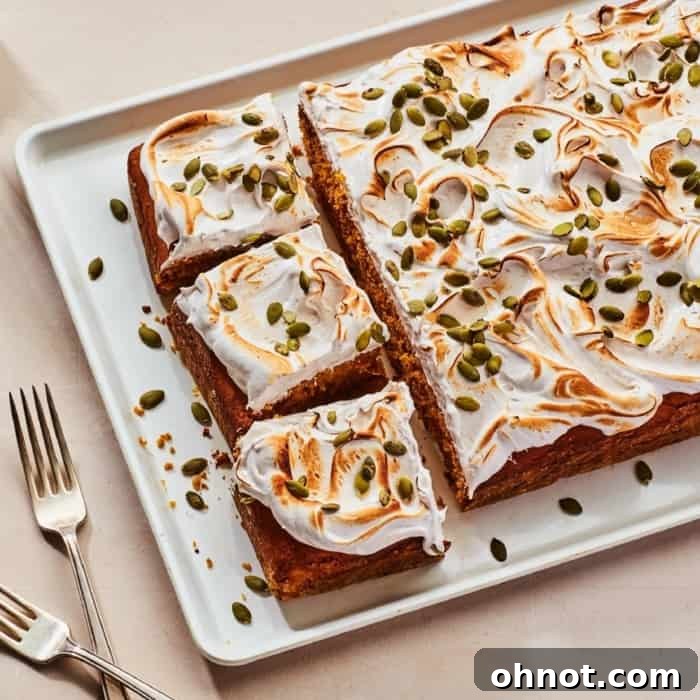
Mastering Baking and Serving: Expert Tips for Sheet Cakes
Baking and serving a sheet cake may seem straightforward, but a few expert tips can elevate your creation from good to outstanding, ensuring a delicious and visually appealing dessert for all your guests. Following these guidelines will enhance both the process and the final outcome of your sheet cake experience.
Baking Tips for Flawless Sheet Cakes:
- Uniform Batter Distribution: After pouring the batter, use an offset spatula to gently spread it evenly to the edges of the pan. This crucial step promotes even rising and consistent baking, preventing thin edges or a domed center.
- Strategic Pan Rotation: If your oven has known hot spots, or even just for general best practice, rotate the pan 180 degrees about halfway through the baking time. This ensures uniform browning and even cooking across the entire cake surface.
- Accurate Doneness Test: To check if your sheet cake is perfectly baked, insert a clean wooden toothpick or a dedicated cake tester into the very center. It should come out clean or with only a few moist crumbs attached, but never wet batter.
- Guard Against Overbaking: Sheet cakes, being single-layered, can dry out remarkably quickly if left in the oven too long. It’s always wise to start checking for doneness a few minutes before the recipe’s minimum recommended baking time. A slightly underbaked cake is often salvageable, but an overbaked, dry cake is difficult to rescue.
- The Art of Proper Cooling: Once baked, allow the cake to cool in its pan on a wire rack for the time specified in your recipe (typically 10-15 minutes). This initial cooling helps the cake firm up. Then, invert it onto the wire rack to cool completely. Attempting to frost a warm cake will result in melted, sliding frosting.
- Parchment Paper is Your Ally: Always line the bottom of your sheet cake pan with parchment paper, leaving a slight overhang on the longer sides if possible. This simple preparation step makes it incredibly easy to lift the entire cake out of the pan after cooling, ensuring it remains intact.
- Know Your Oven: Calibrate your oven if you suspect it’s inaccurate. A precise oven temperature is vital for consistent baking results, especially with flat cakes.
Serving Tips for a Perfect Presentation:
- Ensure Complete Cooling Before Frosting: This cannot be stressed enough. Frosting a warm cake is a recipe for disaster. Wait until the cake is absolutely, completely cool to the touch before applying any frosting.
- The Right Knife for Clean Cuts: Use a long, sharp serrated knife for cutting sheet cakes. For exceptionally clean and neat slices, dip the knife into hot water, wipe it dry, and then make each cut. Repeat this process for every few slices.
- Utilize a Cutting Guide: To ensure uniform portions, lightly score the top of the frosted cake with the back of your knife or a ruler before making the final, deep cuts. This provides a visual guide and prevents uneven slicing.
- Invest in a Cake Lifter or Wide Spatula: When transferring slices from the serving platter to individual plates, a dedicated cake lifter or an extra-wide spatula is invaluable. It provides stable support, preventing slices from breaking apart.
- Optimal Room Temperature Serving: While some cakes require refrigeration for storage (especially those with cream cheese or fresh fruit), most cakes taste best when served at room temperature. Plan to take your sheet cake out of the refrigerator at least an hour before serving to allow its flavors and texture to fully develop.
- Offer Complementary Toppings: Enhance the guest experience by offering a selection of optional toppings nearby, such as fresh berries, chocolate shavings, sprinkles, a drizzle of caramel or chocolate sauce, or a dollop of whipped cream.
- Pre-Cut Slices for Effortless Events: For large gatherings or buffet-style serving, consider pre-cutting the entire cake into individual slices but leave them in place within the pan or on the serving tray. This makes it incredibly easy for guests to serve themselves neatly and maintains a clean presentation.
- Adjust Serving Size to Context: If your event features a diverse dessert bar, smaller cake slices are appropriate. If the sheet cake is the sole sweet offering, opt for more generous portions to satisfy your guests.
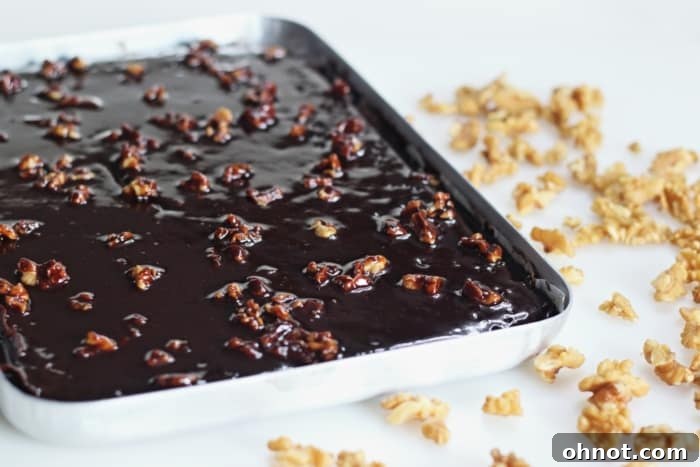
Frequently Asked Questions (FAQs) About Sheet Cakes
A half sheet cake, typically 18×13 inches, can serve approximately 40-48 people with standard party-size slices (around 2×3 inches). For smaller, wedding-style portions, it can serve up to 50-60 guests.
The most common dimensions for a half sheet cake are 18 inches by 13 inches. However, some pans, especially those labeled for home use, might be slightly smaller, such as 11×15 inches.
A full sheet cake (approx. 18×24 inches) is twice the size of a half sheet cake (approx. 18×13 inches). Full sheet cakes serve around 96-100 people, while half sheets typically serve 40-48.
Yes, you can, but be aware that jelly roll pans are shallower (around 1 inch deep) compared to standard sheet cake pans (2 inches deep). This means your cake will be thinner and bake faster. It’s ideal for sponge cakes or bar cookies, but for a classic sheet cake, a deeper pan is recommended.
For a standard 9×13 inch quarter sheet cake, you’ll typically need about 6 to 7 cups of batter, which is roughly equivalent to two standard boxed cake mixes.
Parchment paper prevents the cake from sticking to the pan, ensures easy removal after baking, promotes even browning, and significantly simplifies cleanup. It’s a highly recommended step for successful sheet cake baking.
Explore More Delicious Recipes
- Irresistible Red Velvet Cupcakes
- Delicious Gluten-Free Carrot Cake
- Healthy Edible Cookie Dough Recipe
- Rich Gluten-Free Chocolate Cake
- Decadent Cookie Dough Cake
If you found this comprehensive guide helpful, please consider leaving a review! Your feedback is greatly appreciated. You can connect with us on Instagram, Facebook, and Pinterest for more inspiration. For an exclusive behind-the-scenes look and community interaction, join our dedicated Facebook Group. Don’t forget to check out our wide array of Dessert Recipes for more delightful ideas!