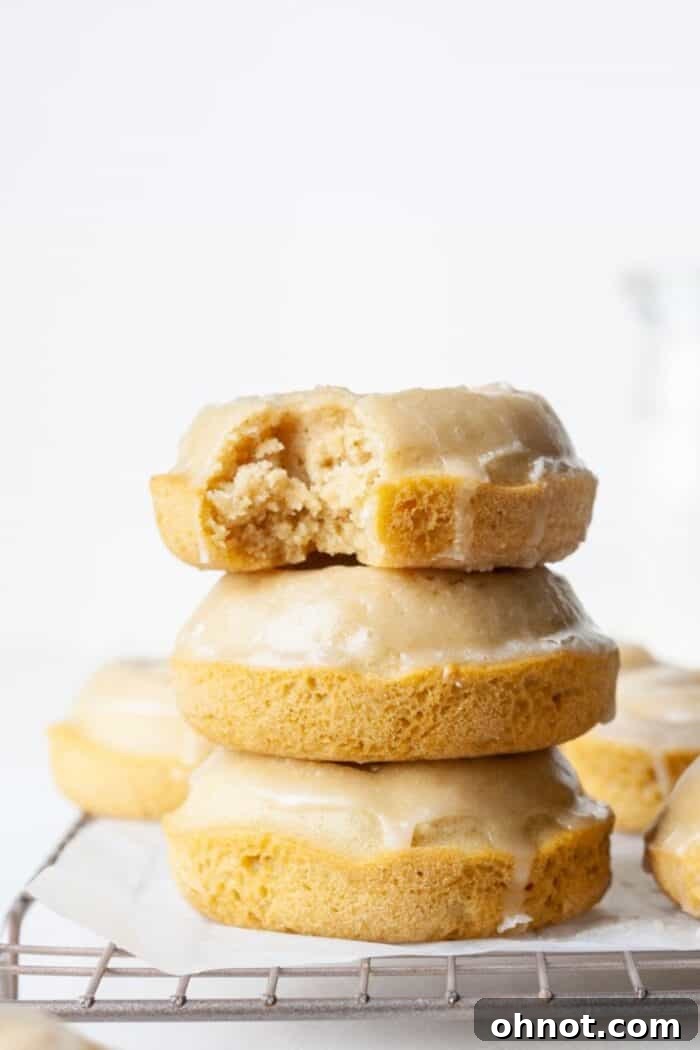
Delicious Gluten-Free Donuts with Vanilla Glaze: Your Easy Homemade Treat!
Imagine sinking your teeth into a soft, fluffy, and perfectly sweet donut that’s also gluten-free. These incredible homemade gluten-free donuts are not only surprisingly easy to whip up but are also topped with a rich, quick homemade vanilla glaze. Ideal for a delightful breakfast, a satisfying afternoon snack, or even a special dessert, this recipe proves that gluten-free baking can be utterly delicious and accessible to everyone. Say goodbye to dry, crumbly gluten-free pastries and hello to your new favorite donut recipe!
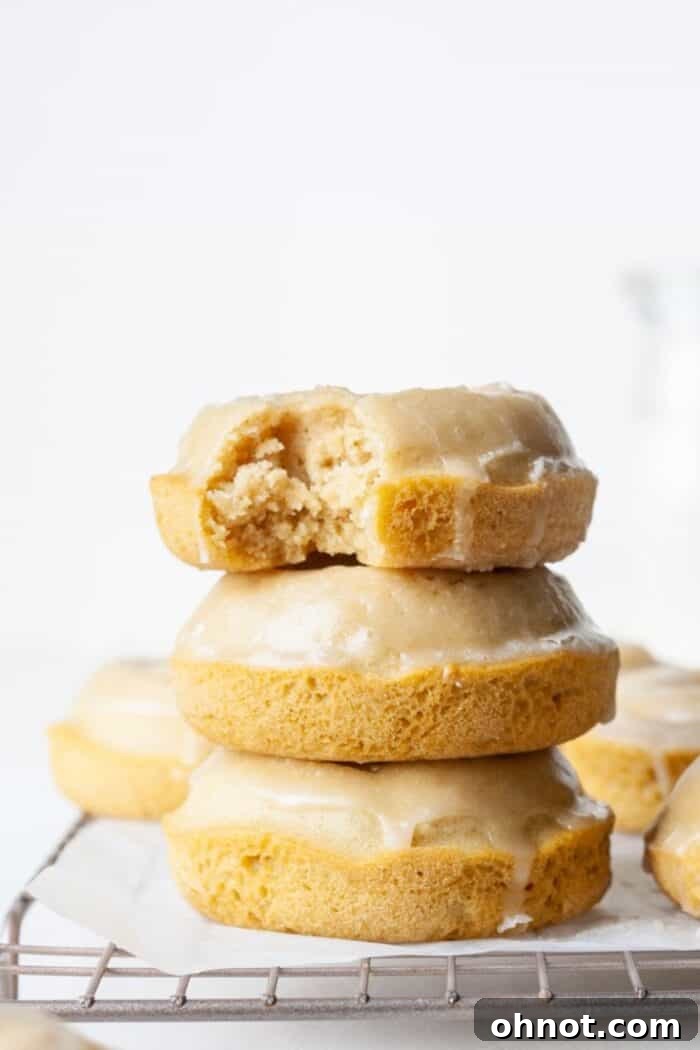
Why You’ll Fall in Love with This Easy Donut Recipe
There are countless reasons why these gluten-free donuts will quickly become a staple in your kitchen. Beyond their irresistible taste, they offer a convenience and dietary flexibility that’s hard to beat. Here’s a closer look at what makes this recipe truly special:
- Effortless Preparation: Forget complicated baking techniques. This recipe is designed for ease, making homemade donuts achievable for even beginner bakers.
- Unbeatable Texture: These aren’t just “good for gluten-free” donuts; they are genuinely soft, fluffy, and boast a tender, cake-like crumb that rivals any traditional donut.
- Simple, Sweet Glaze: The vanilla glaze requires only two basic ingredients, yet it adds a luxurious finish that perfectly complements the donuts’ sweetness without being overly rich.
- Dietary Inclusivity: This recipe is naturally gluten-free and can be effortlessly adapted to be dairy-free or nut-free, making it suitable for various dietary needs and allergies.
- No Yeast, No Frying, No Soy: We’ve designed this recipe to bypass common allergens and time-consuming methods. No waiting for yeast to rise, no messy deep-frying, and no soy ingredients, making it a healthier and more convenient alternative. You can even enjoy them plain if you prefer to skip the glaze!
- Versatile Treat: Perfect for any time of day – a quick breakfast, a delightful afternoon pick-me-up, or a satisfying dessert after dinner.
- Explore More: Craving variety? Don’t miss our equally delightful Gluten Free Apple Cider Donuts for another seasonal treat!
Essential Ingredients and Smart Substitutions for Your Gluten-Free Donuts
Crafting the perfect gluten-free donut starts with understanding each ingredient’s role and knowing how to make smart substitutions to fit your dietary needs without compromising on flavor or texture. Here’s what you’ll need and how to customize:
Milk: The Foundation of Flavor and Moisture
Both the donut batter and the vanilla glaze call for milk. You have plenty of options here:
- For Dairy-Free: Almond milk, oat milk, or cashew milk are excellent choices. I personally found vanilla almond milk to deliver a fantastic flavor profile in this recipe.
- For Nut-Free: Oat milk is your go-to. It provides a creamy texture without any nut allergens.
- Flavor Note: Be mindful that strongly flavored milk alternatives might slightly alter the glaze’s taste. Stick to neutral or vanilla-flavored options for the best result.
Eggs: The Key to Perfect Texture
The two eggs in this recipe are crucial for achieving the desired soft, fluffy, and cake-like texture. They provide structure and moisture that’s essential for a tender donut.
- Important: For this specific recipe, I do not recommend using vegan egg replacements. Their chemical reactions differ, and they will not yield the same fluffy result.
- For Eggless Donuts: If you require a completely eggless option, I highly recommend trying our dedicated Vegan Donuts recipe, specifically formulated for that dietary need.
Vanilla Extract: A Burst of Aroma
A whole tablespoon of vanilla extract might seem generous, but it’s what gives these donuts their wonderfully strong and aromatic vanilla flavor. Use a good quality pure vanilla extract for the best results.
Vegetable Oil: For a Moist and Tender Crumb
Vegetable oil plays a vital role in keeping the donut batter thin and contributing to the moistness and tenderness of the final product. It also helps create that satisfying cake-like texture.
- Healthier Alternatives: For a slightly healthier option, consider using a lightly flavored olive oil.
- Other Options: Canola oil is also a perfectly acceptable substitute if that’s what you have on hand.
Gluten-Free 1-to-1 Flour Blend: The Core Ingredient
The success of these gluten-free donuts hinges on using the right flour. A “gluten-free 1-to-1 flour blend” is specifically formulated to be a direct substitute for all-purpose flour in most recipes, often containing a mix of rice flours, starches, and binders like xanthan gum. My personal favorite for consistency and results is King Arthur Gluten-Free Measure for Measure Flour.
- Why a Blend? These blends are designed to mimic the properties of wheat flour, providing structure and preventing excessive gumminess often associated with single gluten-free flours.
- Not Gluten-Free? If gluten isn’t a concern for you, regular all-purpose flour can be used as a straightforward substitute, maintaining the same measurements.
Granulated Sugar: Pure Sweetness
Granulated sugar provides the clean, straightforward sweetness characteristic of classic vanilla donuts. Its fine texture also blends seamlessly into the batter and glaze.
- Avoid: I advise against using coconut sugar or brown sugar for this particular recipe. Their inherent color and distinct flavors would change the vanilla profile, which is key to these donuts. White granulated sugar ensures that pure vanilla essence shines through.
Baking Powder: The Leavening Powerhouse
As these are cake donuts, baking powder is the primary leavening agent. It reacts when wet and with heat, creating air bubbles that make the donuts rise beautifully and become incredibly light and fluffy while baking in the oven.
Powdered Sugar (for Glaze): The Sweet Finish
The quick glaze is made simply from powdered sugar (also known as confectioners’ sugar) and milk. Powdered sugar dissolves easily, creating a smooth, creamy, and perfectly sweet coating for your donuts.
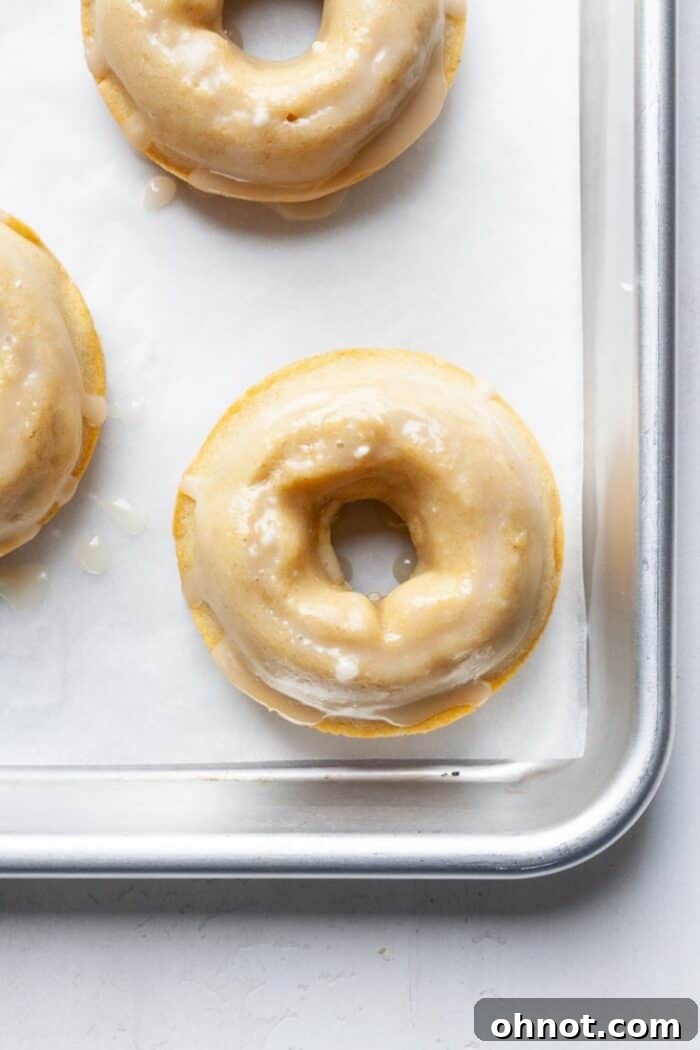
The Irresistible Taste & Texture Experience
Prepare your palate for a truly delightful experience with these gluten-free donuts. They are crafted to deliver maximum satisfaction in every bite:
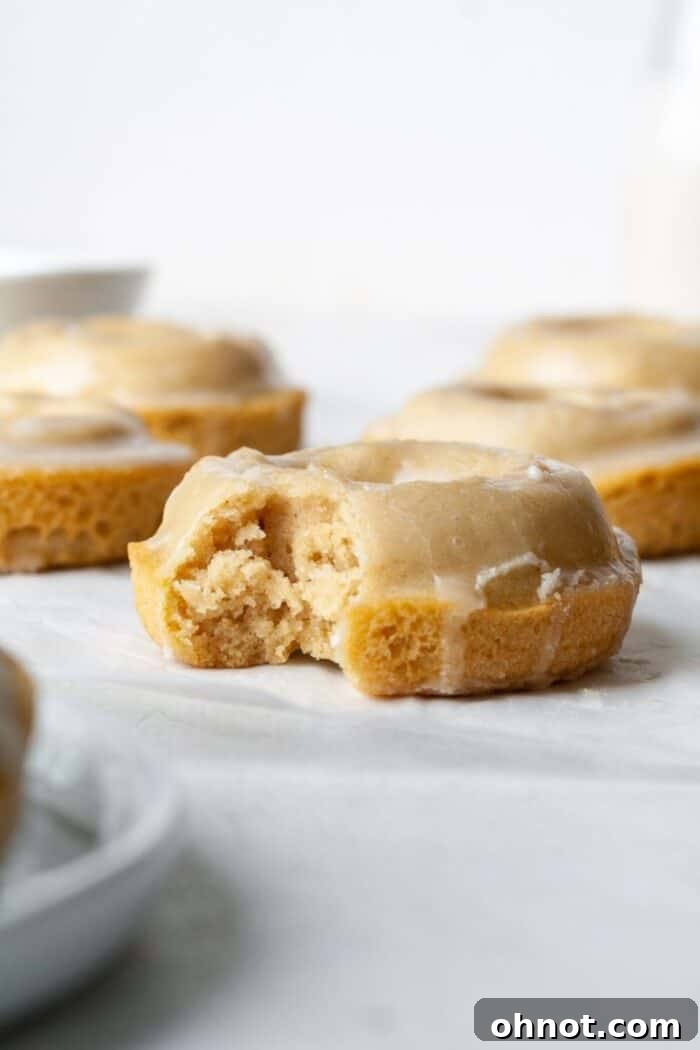
- Taste Profile: These donuts boast a harmonious vanilla flavor that’s both prominent and comforting. The homemade glaze further enhances this, adding another layer of mild, sweet vanilla goodness. It’s a classic flavor that appeals to everyone.
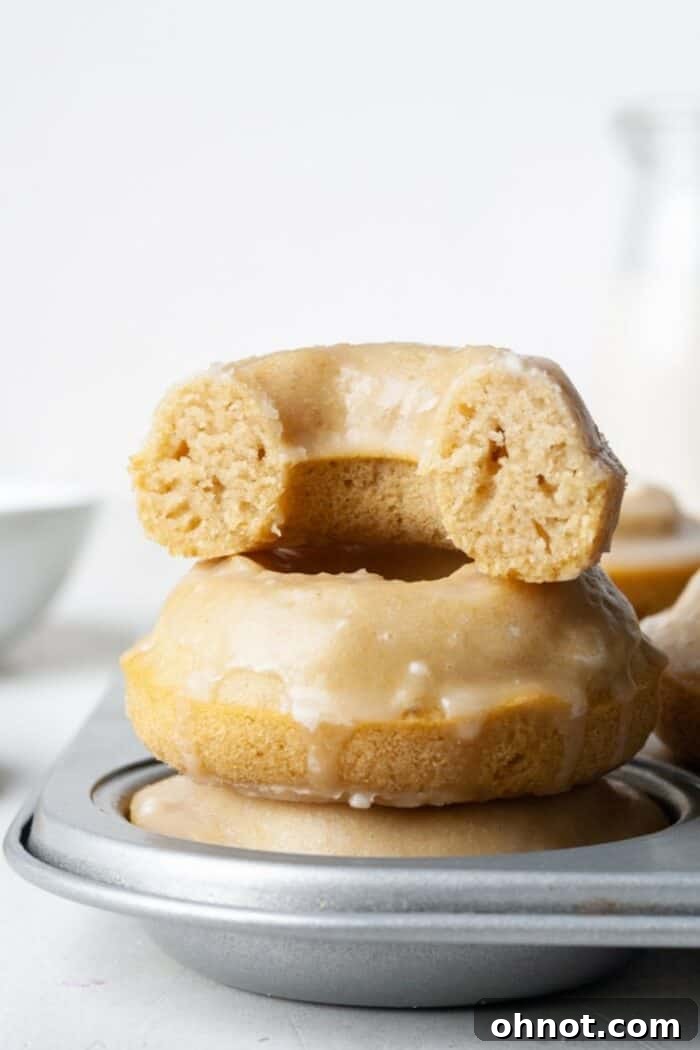
- Texture Sensation: Forget dense or dry gluten-free baked goods. These donuts are remarkably soft, moist, and wonderfully fluffy. They have a tender, cake-like consistency that melts in your mouth, a stark contrast to the heavier texture often found in fried donuts. Because they are baked, they have a delicate crumb that holds together beautifully. The glaze, when set, provides a smooth, slightly crisp shell that gives way to the soft interior.
Cake Donuts Versus Yeast Donuts: Understanding the Difference
When it comes to donuts, there are primarily two distinct types, each offering a unique experience. Understanding the difference helps appreciate the characteristics of our baked gluten-free cake donuts:
- Cake Donuts: This recipe falls into the category of cake donuts. They utilize a chemical leavening agent, such as baking powder (or baking soda), to achieve their rise. This means no lengthy proofing times, making them much quicker to prepare. Cake donuts are generally more dense, hearty, and filling compared to their yeast counterparts. They have a crumbly, cake-like interior and are most commonly baked, though they can also be fried. Their texture is firmer, and they tend to hold up well to various glazes and toppings. The flavor profile is often richer and sweeter, making them a satisfying treat.
- Yeast Donuts: In contrast, yeast donuts rely on active or instant yeast for their rise. This process involves fermentation, which takes time (often an hour or more for proofing) but results in a lighter, airier, and chewier texture. Yeast donuts are typically less sweet in the dough itself, allowing glazes and fillings to provide the bulk of the sweetness. They are most frequently deep-fried, which gives them their characteristic crispy exterior and soft, pillowy interior.
- Why Choose Cake Donuts? While both types are undeniably delicious, I personally gravitate towards cake donuts for several reasons. They are more filling and provide a greater sense of satisfaction. Crucially, for many with food sensitivities, they are made without yeast. Yeast can sometimes be a digestive trigger for individuals with certain food allergies or intolerances, making cake donuts a fantastic and safer alternative. This baked gluten-free version brings all the joy of a cake donut without any of the common digestive concerns.
Step-by-Step Guide: How to Bake These Perfect Gluten-Free Donuts
Follow these easy steps to create your own batch of delicious, homemade gluten-free vanilla donuts. Precision in baking ensures the best results!
Step 1: Prepare Your Oven and Donut Pan
Begin by preheating your oven to a precise 425 degrees Fahrenheit (218 degrees Celsius). While the oven heats, take your donut pan and generously spray each cavity with a good quality nonstick cooking spray. Even if your pan is nonstick, this extra step is crucial to ensure your donuts release easily after baking.
Step 2: Combine Wet Ingredients
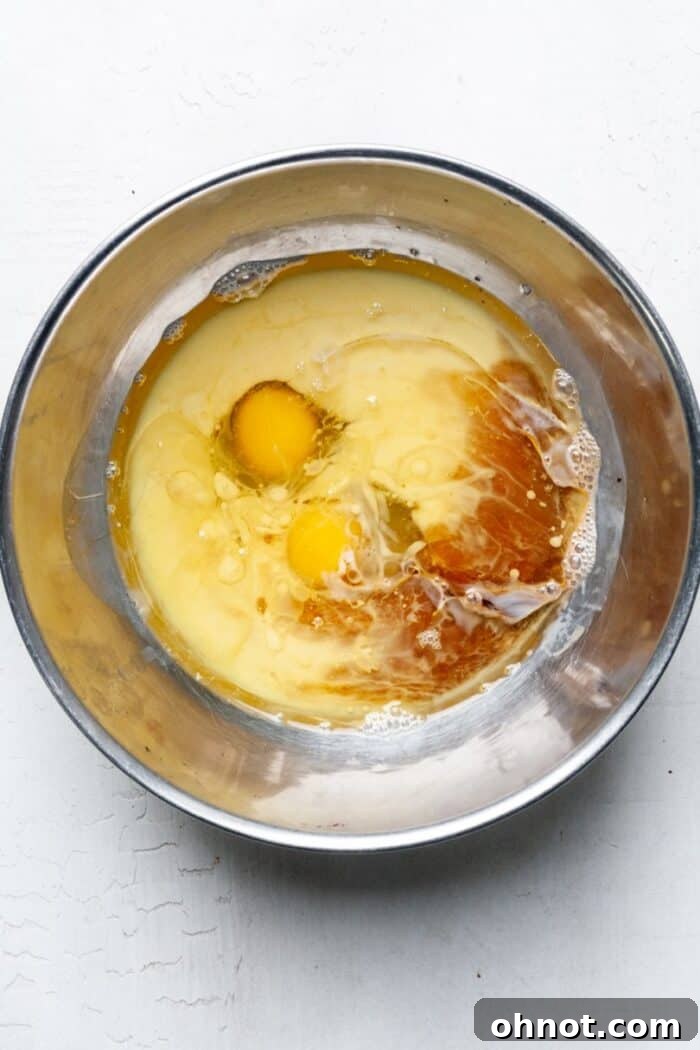
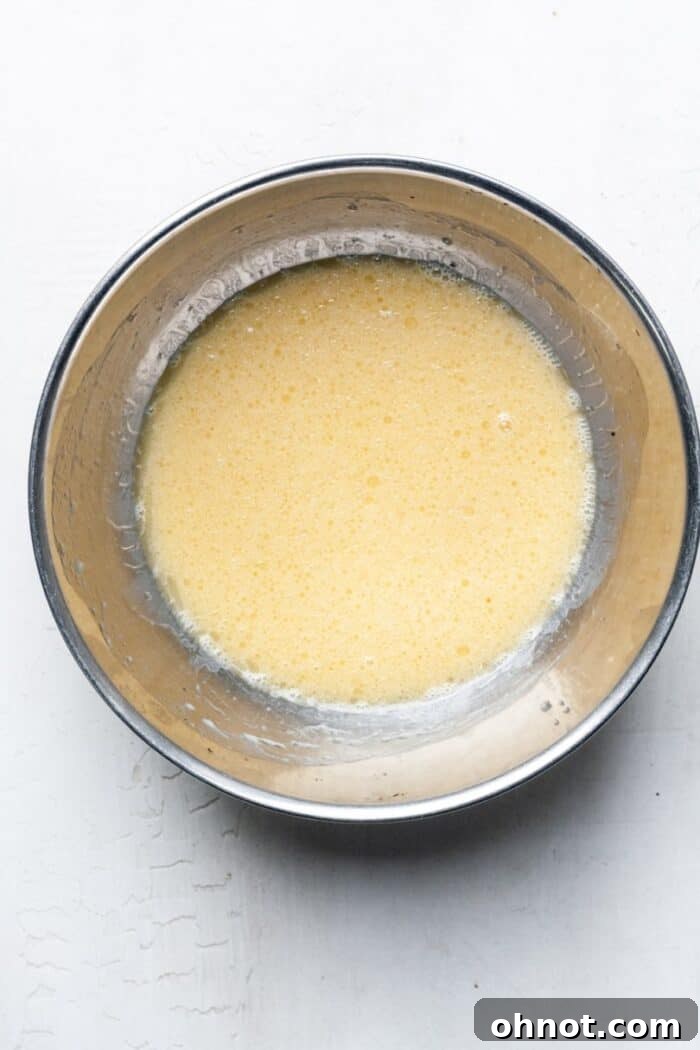
In a medium-sized mixing bowl, add your liquid ingredients: the measured milk (dairy or dairy-free), two eggs, a whole tablespoon of vanilla extract, and the vegetable oil. Use a whisk or a spoon to thoroughly combine these ingredients until they are well integrated and smooth.
Step 3: Incorporate Dry Ingredients
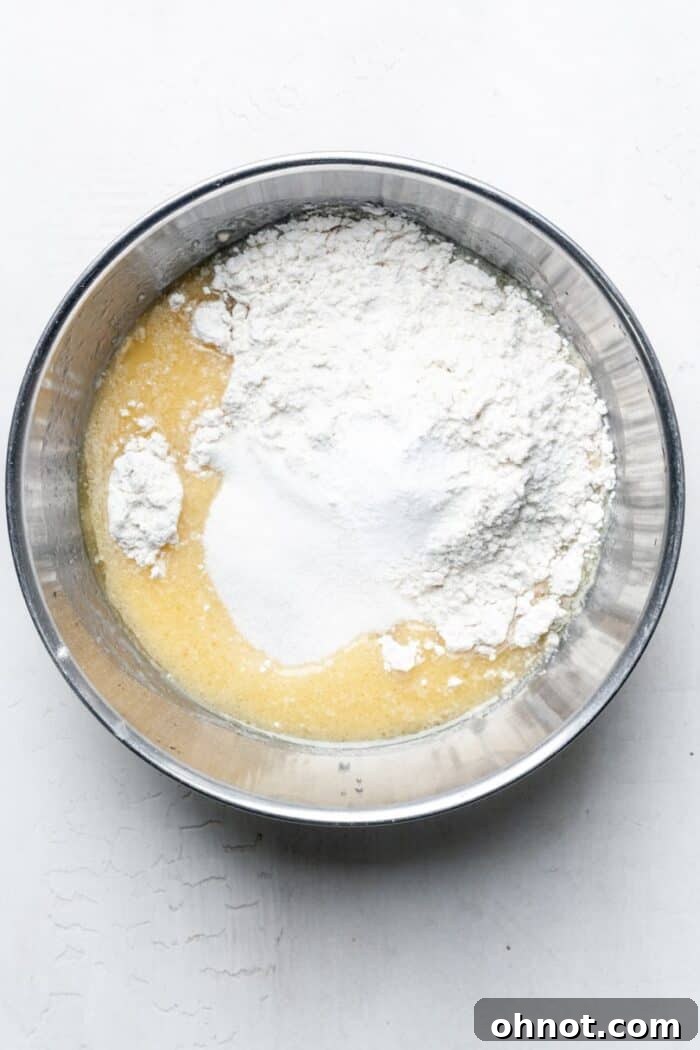
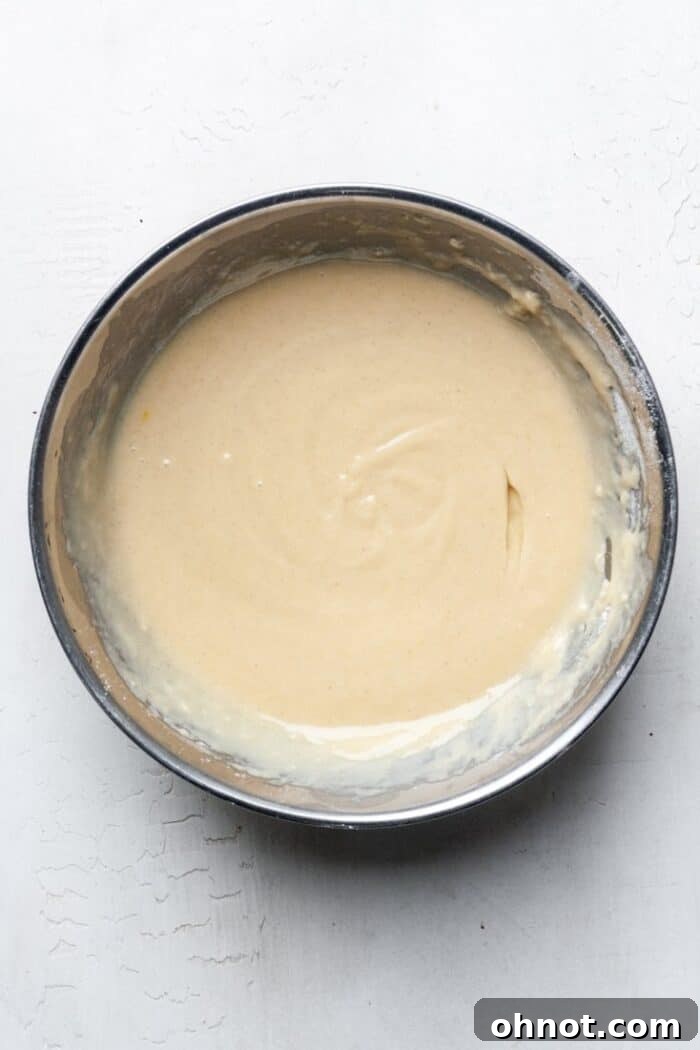
To the bowl with the wet ingredients, add your dry components: the gluten-free 1-to-1 flour, granulated sugar, and baking powder. Stir these together until just combined. Be careful not to overmix; overmixing can lead to a tougher donut. The resulting batter will be noticeably thin, similar to a standard cake batter – this is perfectly normal and expected for these cake-style donuts.
Step 4: Fill the Donut Pan
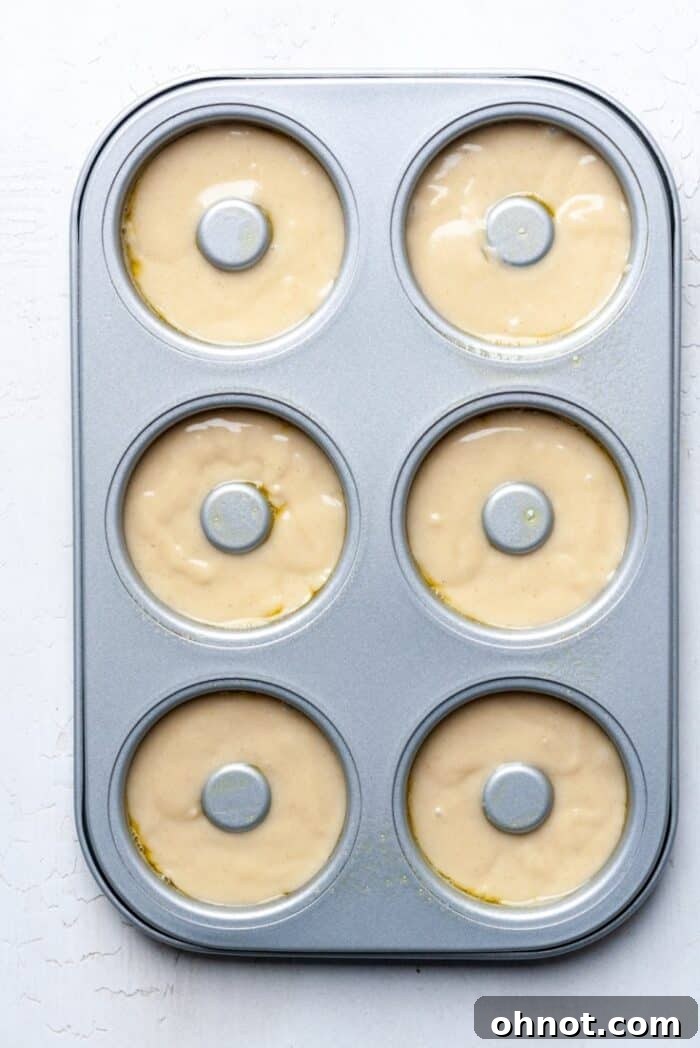
Using a spoon, carefully transfer the thin donut batter into each greased cavity of your donut pan. Fill each cavity only halfway. This allows ample room for the donuts to rise beautifully during baking without overflowing.
Step 5: Bake to Golden Perfection
Place the filled donut pan into your preheated oven. Bake for approximately 8 to 10 minutes. The donuts are done when they have significantly risen, look golden brown, and feel set to the touch. You can also insert a toothpick into one; if it comes out clean, they are fully baked.
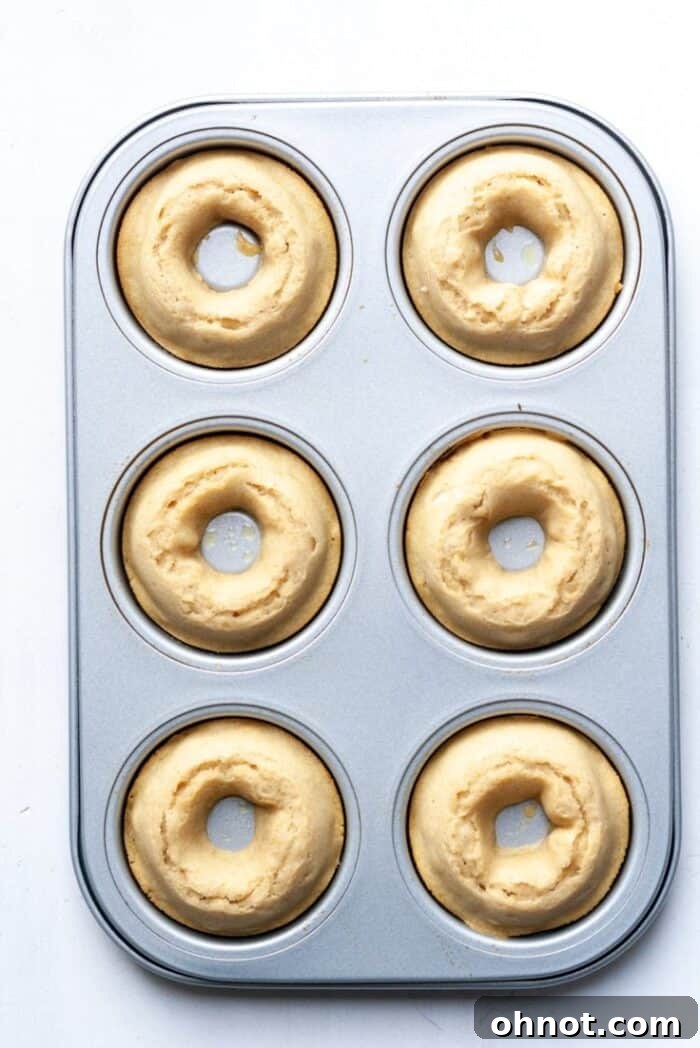
Step 6: Cool and Release
Once baked, carefully remove the donut pan from the oven. Allow the donuts to cool in the pan for about 5 minutes. This cooling period helps them firm up slightly and makes them easier to handle. After 5 minutes, gently invert the donut pan onto a wire cooling rack and carefully remove the donuts. Let them cool completely on the rack before glazing.
Step 7: Prepare the Simple Vanilla Glaze
While the donuts are cooling, prepare your easy glaze. In a separate mixing bowl, combine the powdered sugar and the measured milk (dairy or dairy-free). Stir vigorously with a spoon or whisk until the mixture is completely smooth and creamy, with no lumps of powdered sugar remaining. Add a tiny splash more milk if you desire a thinner glaze.
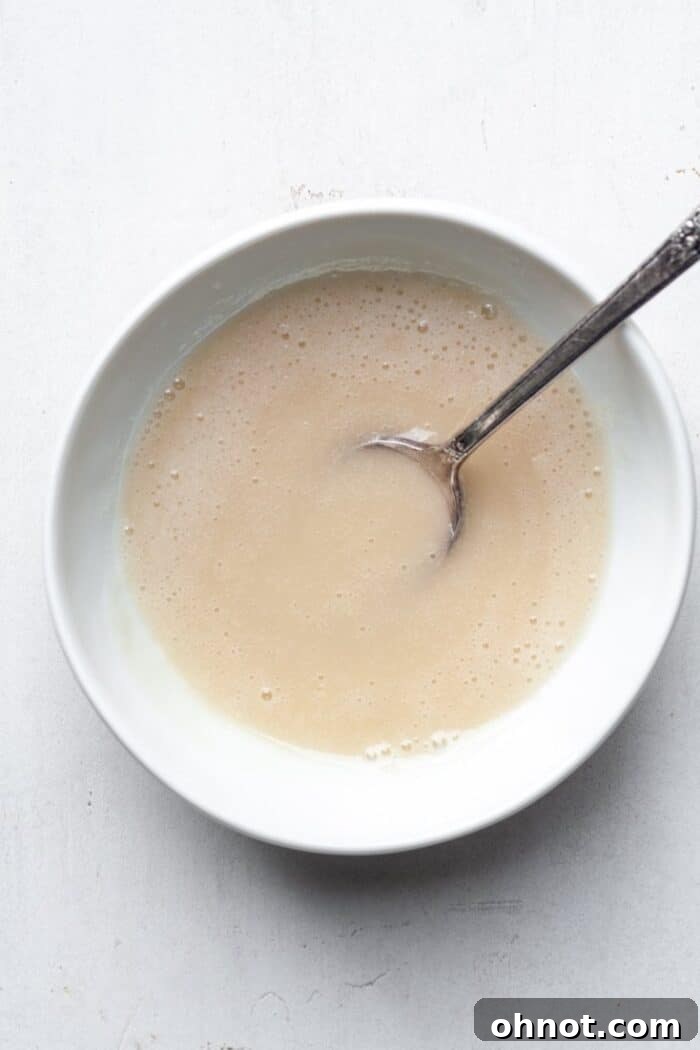
Step 8: Glaze and Serve Your Masterpiece
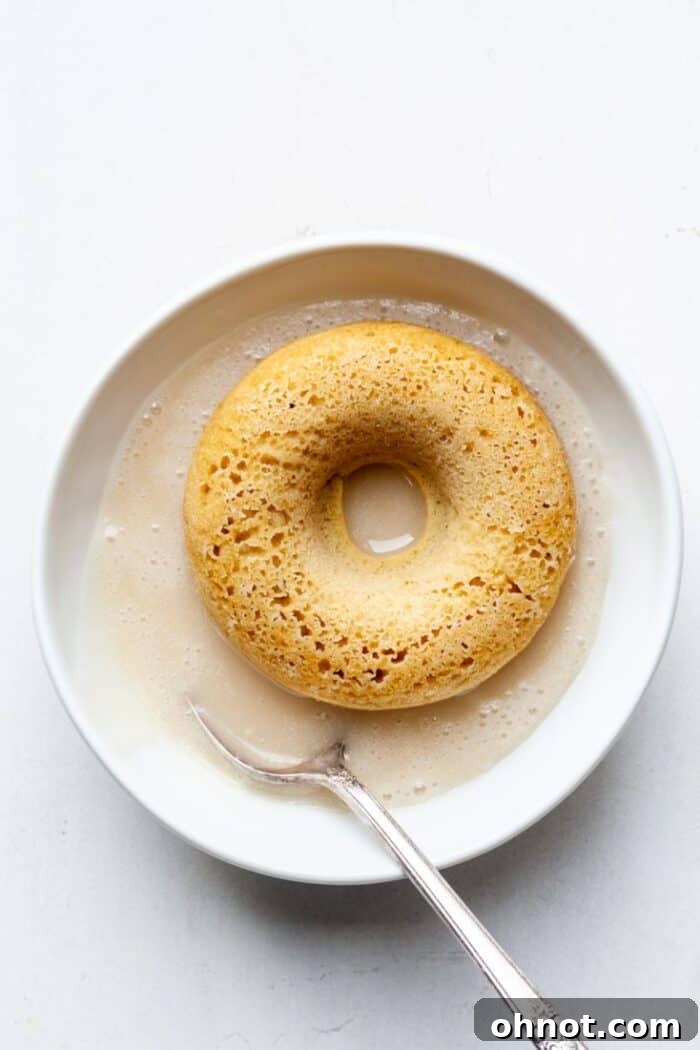
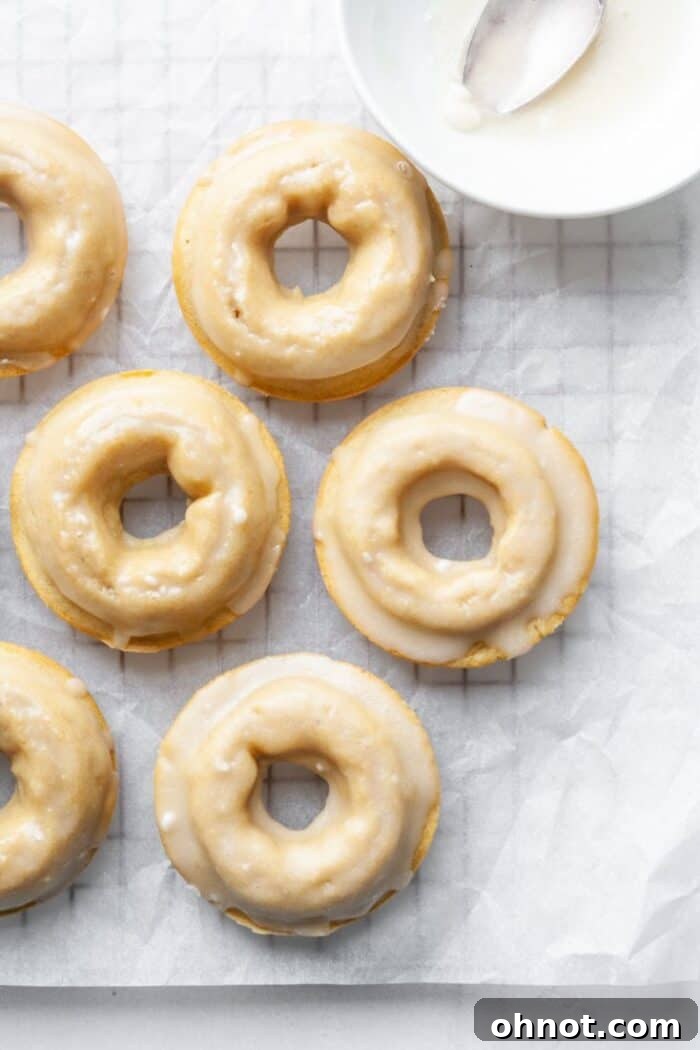
Once the donuts are completely cool, dip the top of each donut into the prepared vanilla glaze. Allow any excess glaze to drip off, then place the glazed donut back onto the wire cooling rack. Repeat this process for all remaining donuts. The glaze will set quickly. Finally, your perfectly baked and glazed gluten-free donuts are ready to be served and enjoyed!
Expert Tips & Tricks for Gluten-Free Donut Perfection
Achieving bakery-quality gluten-free donuts at home is easier than you think, especially with these insider tips and tricks:
- Donut Pan Prep is Key: Always spray your donut pan generously with nonstick cooking spray, even if it’s advertised as nonstick. This is the single most important step to prevent sticking and ensure your beautiful donuts slide out effortlessly. A well-oiled pan guarantees perfect donut shapes every time.
- Embrace Thin Batter: Don’t be alarmed by the thin consistency of the donut batter – it’s completely normal for this type of cake donut recipe. It helps create that light, fluffy, and tender crumb. Resist the urge to add more flour.
- Test for Doneness: To confirm your donuts are perfectly baked, insert a clean toothpick into the center of one. If it comes out clean with no wet batter attached, your donuts are fully cooked and ready to be removed from the oven.
- Achieve a Smooth Glaze: When making the glaze, ensure you fully mix the powdered sugar and milk. Whisk until it’s entirely smooth and free of lumps for a perfectly creamy and shiny finish on your donuts. If it’s too thick, add milk a teaspoon at a time; if too thin, add more powdered sugar.
- Cool Completely Before Glazing: While it’s tempting to glaze warm donuts, it’s best to let them cool completely on a wire rack. Glazing warm donuts can cause the glaze to melt, become thin, and absorb into the donut, resulting in a less appealing finish.
- Optimal Storage: For the best freshness and to keep the glaze intact, store your glazed donuts in an airtight container in the refrigerator.
How to Serve & Store Your Delicious Homemade Donuts
These gluten-free vanilla donuts are incredibly versatile, perfect for various occasions and easy to store to prolong their deliciousness.
- Serving Suggestions:
- Classic Pairing: Enjoy your donuts with a comforting mug of hot cocoa, your favorite coffee, or a glass of cold milk.
- Breakfast Treat: They make an excellent addition to any breakfast spread, alongside fruit or a savory dish.
- Dessert Delight: Serve them as a light and sweet ending to a meal.
- Temperature Preference: These donuts are delightful whether warm and freshly glazed, allowing the glaze to be slightly gooey, or enjoyed chilled straight from the fridge.
- Storage Instructions:
- Refrigerator: To maintain their freshness and prevent the glaze from getting sticky, store any leftover glazed donuts in an airtight container in the refrigerator for up to 4 days.
- Freezing (Unglazed): If you want to prepare ahead or have too many, you can freeze the unglazed donuts. Once completely cooled, place them in a single layer on a baking sheet to flash freeze for an hour, then transfer them to a freezer-safe bag or container. They can be stored for up to 2-3 months. Thaw at room temperature and then glaze as usual.
- Freezing (Glazed – Not Recommended): While technically possible, freezing glazed donuts can sometimes affect the glaze’s texture, making it watery or crumbly upon thawing. It’s generally best to glaze them fresh.
Creative Variations & Exciting Add-Ins
While these vanilla donuts are fantastic on their own, don’t hesitate to get creative! Here are some fun ideas to mix and match and customize your gluten-free donuts:
- Sprinkle Magic: Immediately after dipping in glaze, add a generous shower of colorful sprinkles for a festive look and a touch of crunch.
- Mini Chocolate Chip Delight: Before the glaze sets, sprinkle mini chocolate chips over the top. The slight warmth of the donut might even melt them slightly for an extra treat.
- Spiced Batter: For a subtle warmth, add a dash (about ½ to 1 teaspoon) of cinnamon, nutmeg, or even a pumpkin pie spice blend to your donut batter.
- Cinnamon Sugar Coating: Skip the vanilla glaze entirely and, once the donuts are slightly cooled (still warm to the touch), roll them generously in a mixture of granulated sugar and cinnamon for a classic cinnamon sugar donut.
- Chocolate Glaze: Melt dark or milk chocolate with a touch of coconut oil or milk for a rich chocolate glaze alternative.
- Lemon Zest Infusion: Add a teaspoon of fresh lemon zest to the batter for a bright, citrusy twist. You can even add a tiny bit to the vanilla glaze!
- Nut Butter Drizzle: For a protein boost, drizzle a thin stream of melted peanut butter or almond butter over the set vanilla glaze.
Where to Find Store-Bought Gluten-Free Donuts (and Why Homemade is Better!)
Finding high-quality, delicious gluten-free donuts in stores can sometimes feel like a treasure hunt. While the market for gluten-free products has grown significantly, specific gluten-free donut options remain somewhat limited.
- Local Grocery Stores: Check the freezer aisle of your local grocery store. Many brands that produce gluten-free baked goods often sell donuts frozen to ensure freshness and extend shelf life. You might find brands specializing in allergy-friendly products.
- Specialty Health Food Stores: Stores like Whole Foods or other independent health food markets often have a wider selection of gluten-free items, sometimes including fresh or frozen donuts from local bakeries.
- Online Retailers: A quick online search can reveal several companies that ship gluten-free donuts directly to your door, although this can be a pricier option.
- The Homemade Advantage: While store-bought options exist, nothing quite compares to the freshness, taste, and customizable nature of homemade gluten-free donuts. When you make them yourself, you control the ingredients, ensuring they are free from unwanted additives and perfectly suited to your taste and dietary needs. Plus, the aroma of freshly baked donuts filling your home is an experience in itself!
Frequently Asked Questions About Gluten-Free Donuts
Unfortunately, as of current information, Dunkin’ Donuts does not offer certified gluten-free donuts on their standard menu due to cross-contamination risks in their kitchens.
Similar to Dunkin’, Krispy Kreme currently does not produce gluten-free donuts. Their facilities and ingredients are not typically set up to prevent cross-contamination.
Absolutely! This recipe is easily adaptable for a dairy-free diet. Simply use your preferred dairy-free milk alternative (such as almond milk, oat milk, or cashew milk) in both the donut batter and the glaze. Ensure any other ingredients you add are also dairy-free.
I highly recommend the Wilton donut pan. It’s reliable and durable, providing excellent results. Remember to spray it generously with nonstick spray!
Yes, you can freeze these donuts. It’s best to freeze them *unglazed* to maintain texture. Once baked and completely cooled, arrange them in a single layer on a baking sheet and flash freeze for about an hour. Then, transfer them to a freezer-safe bag or airtight container for up to 2-3 months. Thaw at room temperature and then apply the fresh vanilla glaze.
A 1-to-1 gluten-free flour blend is a pre-mixed combination of various gluten-free flours (like rice flour, tapioca starch, potato starch) and binders (like xanthan gum) that is designed to be substituted directly for wheat flour in recipes, usually in equal measure. This makes gluten-free baking much simpler and more consistent, as it eliminates the need to combine multiple individual flours and gums.
More Delicious Gluten-Free Recipes You Might Enjoy
If you loved these gluten-free vanilla donuts, you’re in for a treat! Explore these other fantastic gluten-free and allergy-friendly recipes from our collection:
- Gluten Free Apple Cider Donuts
- Almond Flour Coffee Cake
- Gluten Free Banana Cake Recipe (Paleo)
- Paleo Maple Pecan Cookies
- Paleo Pumpkin Muffins with Streusel Topping
Prep Time: 15 mins
Cook Time: 8 mins
Total Time: 23 mins
Get the Recipe: Gluten Free Donuts
These gluten-free donuts are soft, fluffy, and sweet! They are easy to make and great for breakfast, a snack, and dessert. These donuts are topped with a simple homemade vanilla glaze!
Pin Recipe
Ingredients
Yields: 12 donuts
Gluten Free Donuts
- ¾ cup milk, regular or dairy-free
- 2 eggs
- 1 tbsp vanilla extract
- ½ cup vegetable oil
- 2 cups gluten free 1 to 1 flour
- ⅔ cup granulated sugar
- 1 ½ tsp baking powder
Glaze
- 1 ¼ cups powdered sugar
- ¼ cup milk, regular or dairy-free
Instructions
- First, preheat oven to 425 degrees Fahrenheit. Generously spray a donut pan with nonstick spray.
- In a mixing bowl, add milk, eggs, vanilla, and oil. Stir to combine.
- Then add in gluten-free flour, sugar, and baking powder. Stir to combine. The dough will be thin like cake batter.
- Use a spoon to spoon donut batter into the greased donut pan. Fill each cavity halfway.
- Bake for 8 to 10 minutes or until donuts have risen and set.
- Remove donuts from oven. Allow donuts to cool in the pan for 5 minutes. Then carefully invert the donut pan and remove donuts onto a cooling rack.
- To make the glaze, add powdered sugar and milk to a mixing bowl. Stir until creamy.
- Dip each donut into glaze and place back on cooling rack. Repeat for each donut.
Notes
- Both regular milk and dairy-free milk work in this recipe. To keep it dairy-free, I used vanilla almond milk in both the donuts and glaze.
- The donut batter will be thin like cake batter.
- I use and love Wilton’s donut pan. Generously spray with nonstick spray to prevent sticking.
- Bake donuts until they have fully risen. A toothpick inserted will come out clean when they are done baking.
- These donuts can be served with or without the glaze.
- They can be served warm immediately after glazing or they can be stored in the fridge for up to 4 days.
- Nutrition facts include the glaze.
Nutrition Information
(per donut, approximate)
| Calories: | 296 kcal |
| Carbohydrates: | 46 g |
| Protein: | 3 g |
| Fat: | 11 g |
| Saturated Fat: | 2 g |
| Polyunsaturated Fat: | 5 g |
| Monounsaturated Fat: | 3 g |
| Trans Fat: | 1 g |
| Cholesterol: | 29 mg |
| Sodium: | 73 mg |
| Potassium: | 59 mg |
| Fiber: | 1 g |
| Sugar: | 25 g |
| Vitamin A: | 73 IU |
| Calcium: | 59 mg |
| Iron: | 1 mg |
Author: Addison LaBonte
Course: Breakfast
Cuisine: American
If you try this incredible gluten-free donut recipe, I would be so grateful for a review! Your feedback helps us grow and create more delicious content. You can find me on Instagram, Facebook, and Pinterest. I would love for you to follow along for more kitchen adventures! For even more breakfast inspiration, explore our extensive collection of Breakfast Recipes.
Love these gluten-free donuts and want more healthy meal plans and exclusive new recipes? You can sign up here to receive updates directly to your inbox!