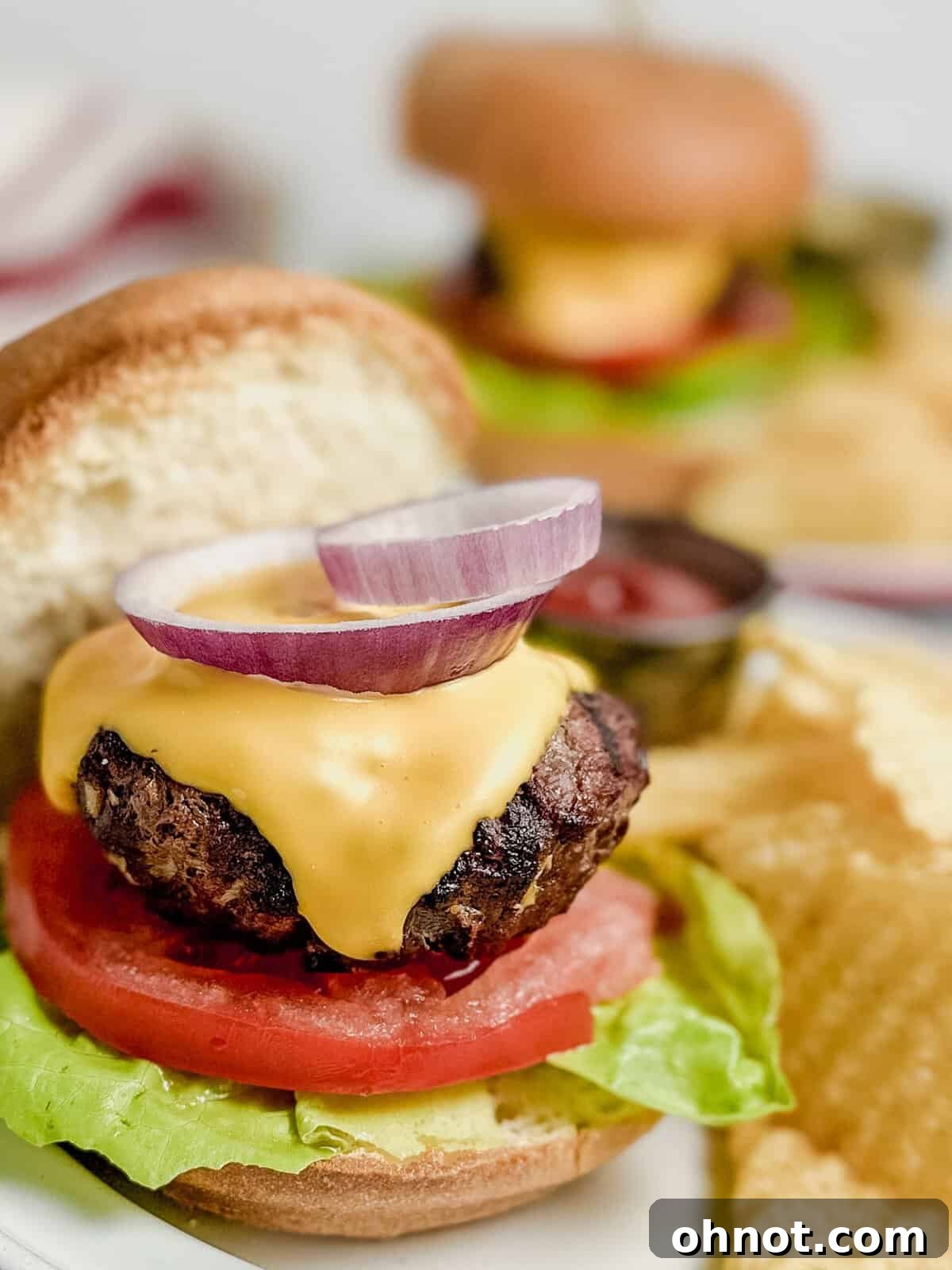
Welcome to the ultimate guide for crafting the most delicious and juicy gluten-free burgers! This incredibly easy recipe is designed to bring savory, hearty, and flavorful patties to your table in just 15 minutes of active cooking time. Perfect for busy weeknights, weekend gatherings, or any occasion where a satisfying meal is desired, these burgers are sure to become a family favorite. Say goodbye to dry, bland gluten-free alternatives and prepare for a burst of flavor that will impress everyone, whether they follow a gluten-free diet or not. From backyard barbecues to birthday celebrations, these homemade gluten-free burgers are a crowd-pleaser that delivers on taste, texture, and convenience.
Looking for more fantastic gluten-free meal ideas? Dive into these Gluten Free Dinner Ideas for even more inspiration!
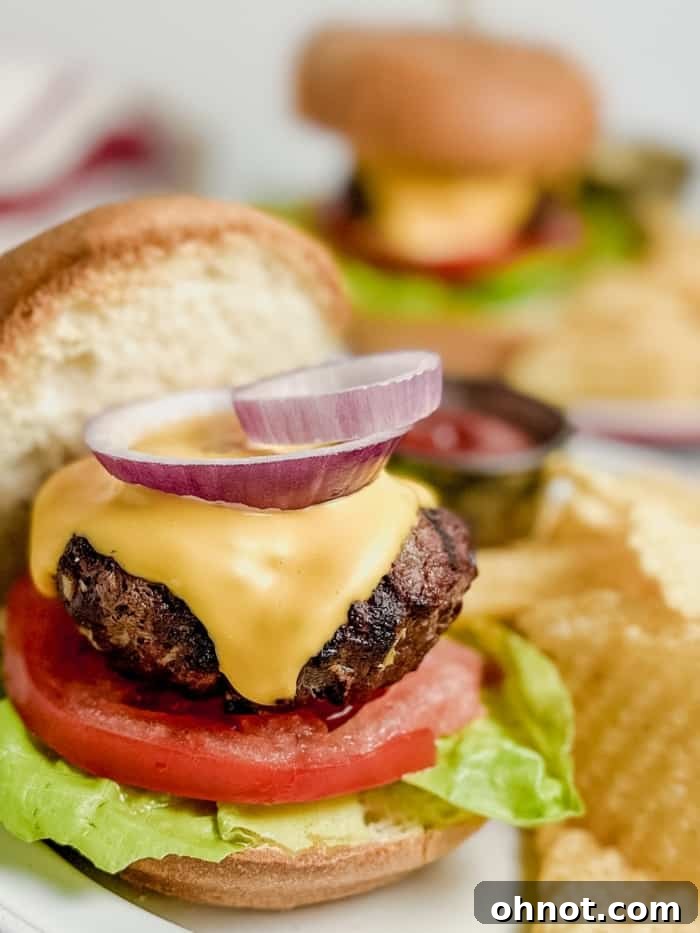
Why You’ll Love This Gluten-Free Burger Recipe
These gluten-free burgers aren’t just a dietary necessity; they’re a culinary delight crafted for convenience and flavor. Here’s why this recipe will quickly become a staple in your kitchen:
- Effortlessly Quick & Simple: Forget complicated recipes! This gluten-free burger recipe is incredibly straightforward, requiring minimal prep and cook time. It’s the ideal solution for those busy weeknights when you need a delicious meal on the table without hours of effort, proving that gourmet taste can be achieved even when time is short.
- Perfect for Any Schedule: With a total time of just 15 minutes, these burgers are a lifesaver. Whether it’s a hectic Tuesday evening or a relaxed weekend lunch, you can whip up these flavorful patties and enjoy a homemade meal without feeling rushed.
- A Family Favorite: These burgers have a universal appeal. Their classic taste and satisfying texture make them a hit with both children and adults, ensuring there are no complaints at dinnertime. Customize toppings to suit individual preferences, making everyone happy.
- Unbeatable Juiciness & Flavor: What sets these burgers apart is their incredible juiciness and rich flavor profile. A thoughtful combination of quality ground beef, aromatic onion, pungent garlic, and a touch of savory coconut aminos creates a patty that’s bursting with taste and stays tender from the first bite to the last.
- Endless Customization Options: The beauty of a burger lies in its versatility. This recipe provides a perfect base, allowing you to get creative with toppings and sauces. From classic cheese and pickles to avocado and fried eggs, you can tailor each burger to your exact cravings, ensuring every meal feels fresh and exciting.
- Dietary-Friendly Perfection: Specifically designed to be gluten-free, these burgers are a godsend for individuals with Celiac disease or those who choose to avoid gluten. They offer a safe and delicious option without compromising on the joy of a traditional burger experience.
- Allergy-Conscious & Clean: Beyond being gluten-free, this recipe is also naturally dairy-free, nut-free, and sugar-free. This makes them an excellent choice for those managing multiple food sensitivities or aiming for a cleaner eating approach without sacrificing flavor.
- Versatile Serving Choices: For those following specific dietary plans like Whole30, low carb, Keto, or Paleo, simply serve these patties on crisp lettuce wraps. This simple switch transforms your burger into a compliant and equally delicious meal, demonstrating its adaptability.
- Pair with the Best Buns: For a complete burger experience, don’t forget the bun! Explore our recommendations for delectable Gluten Free Hamburger Buns that perfectly complement these patties.
Essential Ingredients & Smart Substitutions
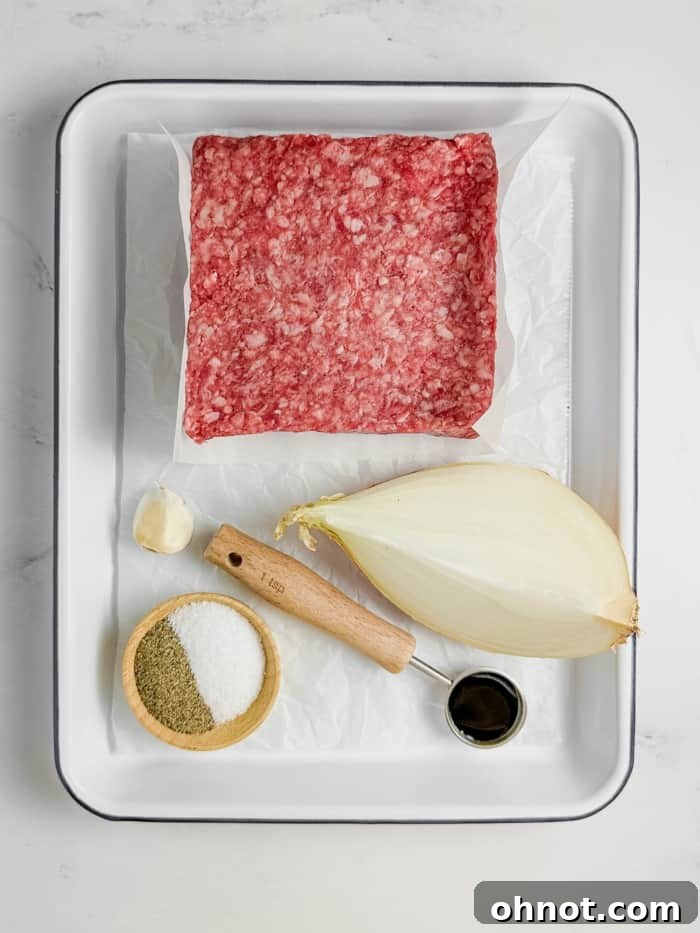
Crafting the perfect gluten-free burger starts with selecting high-quality ingredients. This recipe keeps it simple yet packed with flavor. Below are the core components and versatile substitutions to help you create your ideal burger. A full list of ingredients and detailed instructions can be found in the recipe card at the end of this article.
For the Patties:
- Ground Beef: The foundation of our juicy burgers. For the most succulent patties, opt for ground beef with a higher fat content, such as 80/20 (80% lean, 20% fat). The fat renders down during cooking, keeping the burgers incredibly moist and flavorful. Leaner meats, while healthier, can result in drier burgers.
- Ground Meat Substitutes: While beef offers a classic taste, you can easily substitute with ground turkey or ground chicken for a lighter alternative. Ensure you choose a blend with some fat content (e.g., ground turkey thigh) or consider adding a little olive oil to the mixture to maintain moisture. Ground pork can also be used for a richer flavor profile.
- Finely Chopped Onion: Onion adds a crucial aromatic depth and subtle sweetness to the patties. White, yellow, or sweet onions all work beautifully. Make sure to chop them very finely so they integrate seamlessly into the meat mixture and cook evenly without leaving large raw chunks.
- Minced Garlic: Freshly minced garlic is a non-negotiable for its pungent, savory kick that elevates the overall flavor of the burger. If fresh garlic isn’t available, a quarter teaspoon of garlic powder can be used per clove, though fresh is always preferred for its vibrant taste.
- Coconut Aminos: This secret ingredient is a fantastic soy-free and corn-free alternative to traditional soy sauce. It contributes a wonderful umami depth and a hint of sweetness, while also helping to keep the patties moist. If you don’t require a soy-free option, a high-quality gluten-free tamari can be used in its place.
- Salt & Pepper: Simple yet essential seasonings. Always add salt and freshly ground black pepper to taste. These basics enhance all the other flavors, so don’t be shy, but remember you can always add more later.
For the Toppings & Buns:
- Cheese: For a classic cheeseburger, add a slice of your favorite cheese during the last minute of cooking. Cheddar, provolone, Swiss, or even a dairy-free cheese alternative all melt beautifully.
- Fresh Vegetables: Crisp lettuce, ripe sliced tomatoes, thinly sliced red or white onions, and tangy pickles are traditional toppings that add freshness and crunch.
- Condiments: Ketchup, mustard, mayonnaise, or a special sauce are essential for many burger lovers. Ensure all condiments used are certified gluten-free if you have sensitivities.
- Gluten-Free Burger Buns: A good bun is key! You can use your favorite store-bought gluten-free burger buns (like Udi’s, which is a popular choice) or explore homemade options. For a low-carb, Whole30, or Paleo option, serve your burger in a crisp lettuce wrap or bunless.
Remember, the quality of your ingredients directly impacts the final taste. Choose fresh, vibrant produce and good quality meat for the best results!
Taste & Texture: A True Burger Experience
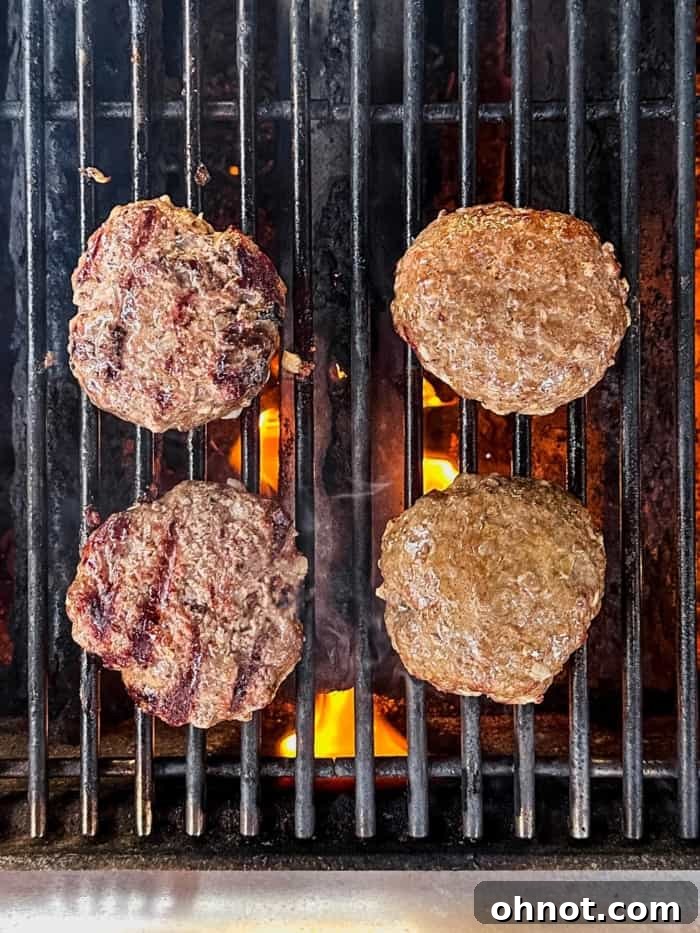
Prepare to be amazed: these gluten-free burgers truly taste indistinguishable from their classic counterparts! The carefully selected blend of ground beef, fresh aromatics, and savory coconut aminos creates a patty that is robust, deeply flavorful, and incredibly satisfying. When grilled, they develop that coveted smoky, chargrilled crust that adds another layer of deliciousness, reminiscent of summer cookouts and barbecues. Each bite offers a hearty, savory experience that hits all the right notes.
One of the standout features of this recipe is its exceptional juiciness. We intentionally omit gluten-free breadcrumbs, which can often dry out burgers and alter their texture. By relying on the natural fat content of the ground beef and the moisture from the coconut aminos, these patties remain remarkably tender and moist throughout. The result is a burger that’s never tough or crumbly, just perfectly juicy and tender, ensuring a delightful texture in every mouthful.
Step-by-Step Guide: How to Make Juicy Gluten-Free Burgers
Making these flavorful gluten-free burgers is remarkably simple and straightforward. Follow these easy steps to create perfect patties every time:
Step 1: Combine Ingredients
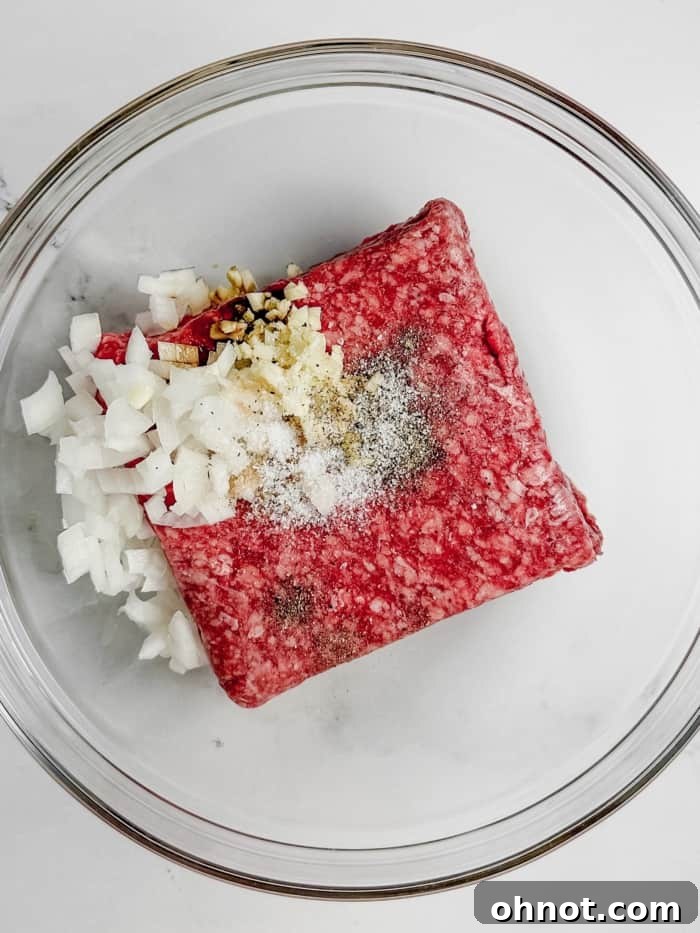
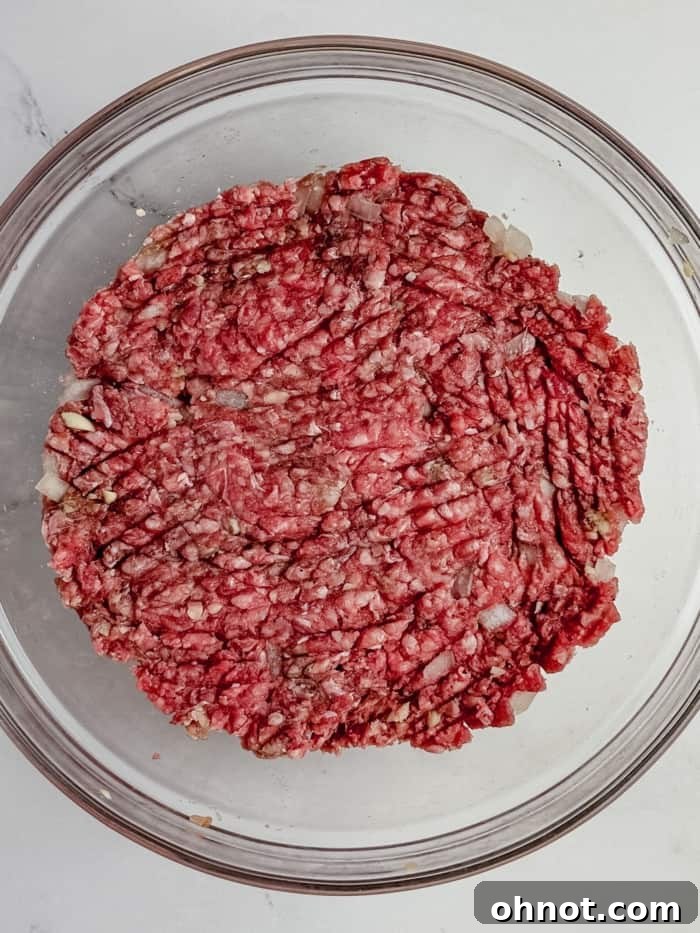
Begin by gathering all your ingredients. In a large mixing bowl, combine the ground beef (or your chosen ground meat), finely chopped onion, minced garlic, coconut aminos, salt, and black pepper. Ensure the onion and garlic are chopped very finely for even distribution and optimal flavor melding within the patty.
Step 2: Mix Gently
Using your hands, gently mix all the ingredients together until they are just combined. It’s crucial not to overmix the meat, as this can compress the proteins and result in tough, dense burgers. Mix only until no streaks of seasoning are visible, ensuring the ingredients are evenly distributed but the meat retains its tenderness.
Step 3: Form the Patties
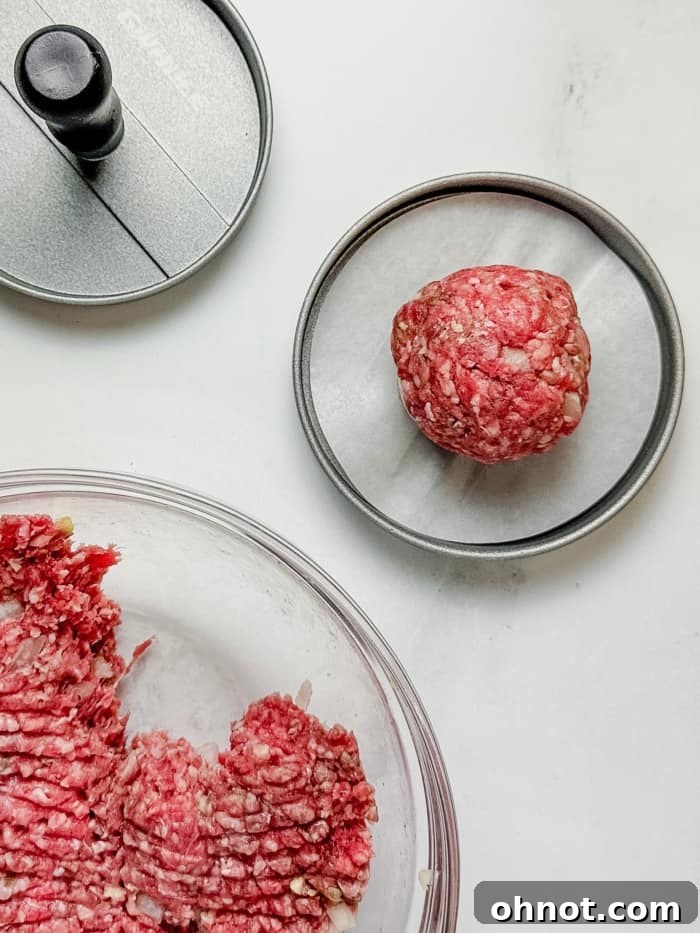
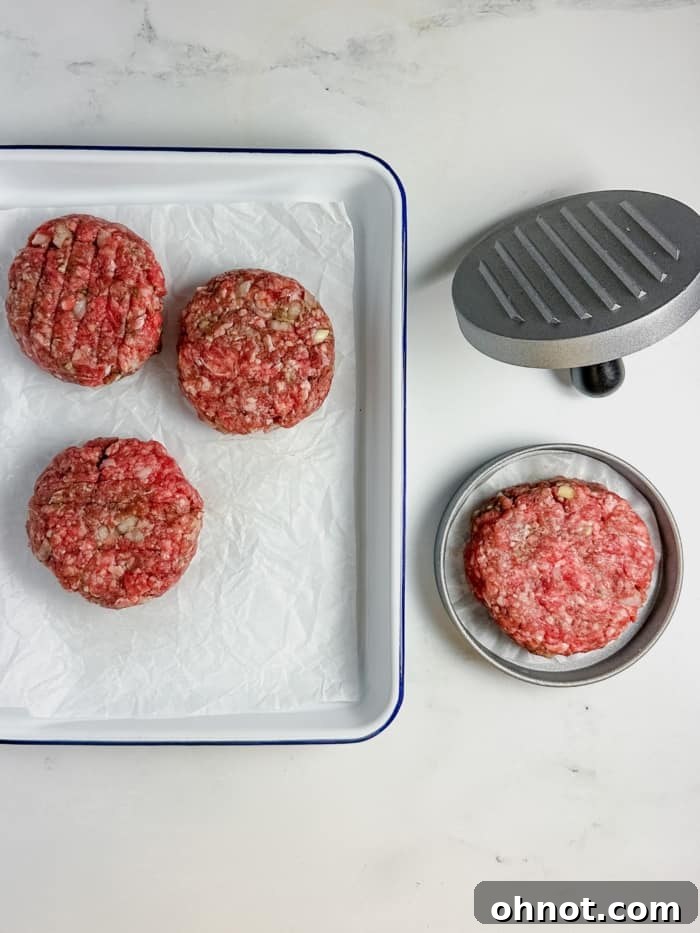
Divide the meat mixture into 4 equal portions. Gently shape each portion into a patty, making sure they are uniform in thickness (about ¾ to 1 inch thick) for even cooking. Create a small indentation or “dimple” in the center of each patty with your thumb – this helps prevent the burgers from bulging in the middle during cooking. Aim for patties that are slightly wider than your gluten-free burger buns, as they will shrink slightly on the grill or in the skillet. A burger press can be helpful for consistent sizing.
Step 4: Preheat Your Cooking Surface
Preheat your grill or a large skillet (cast iron works wonderfully) over medium-high heat. Allow it to get nice and hot before adding the burgers. This ensures a beautiful sear and prevents sticking. If using a skillet, a small amount of high-smoke-point oil like avocado or grapeseed oil can be added.
Step 5: Cook the Patties
Carefully place the burger patties on the preheated grill or skillet. Cook for approximately 3 to 4 minutes per side, or until they reach your desired level of doneness. Avoid pressing down on the burgers with a spatula, as this squeezes out the valuable juices and can lead to a dry burger. Refer to the “Time & Temperature” chart below for specific doneness levels.
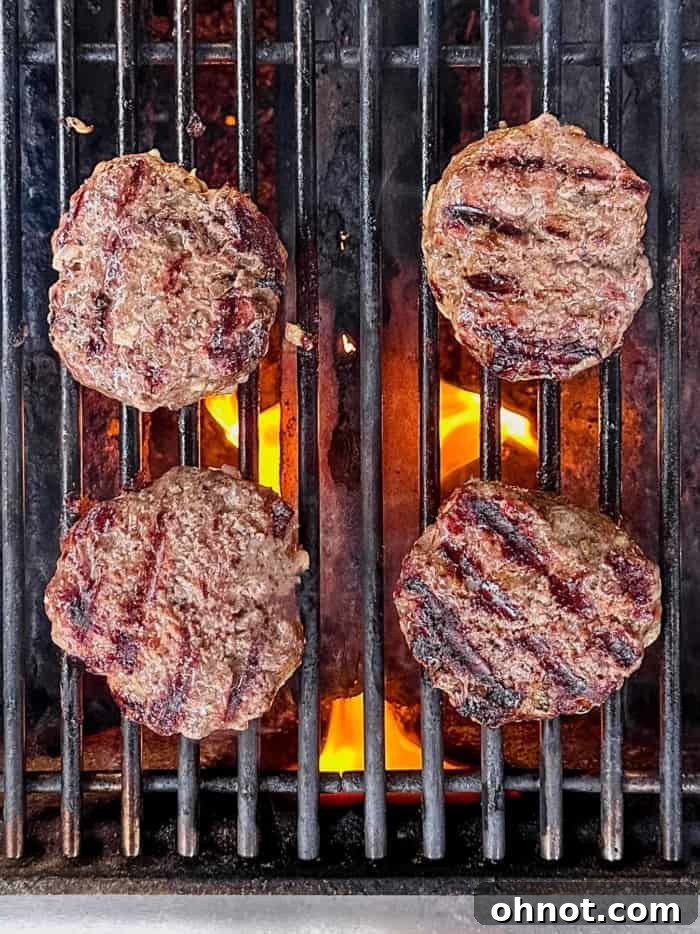
Step 6: Melt the Cheese
If you’re making cheeseburgers, add a slice of cheese on top of each patty during the last minute of cooking. Cover the grill or skillet with a lid (or foil if grilling) for about 30-60 seconds to help the cheese melt perfectly and evenly.
Step 7: Prepare the Buns
While the cheese is melting, lightly toast your gluten-free burger buns if desired. You can do this on the grill, in a toaster, or in a dry skillet. Toasting adds a pleasant crunch and prevents the bun from becoming soggy. Once toasted, spread your favorite condiments on the buns.
Step 8: Assemble the Base
Place a fresh lettuce leaf on the bottom half of each toasted gluten-free bun. This acts as a barrier, keeping the bun from getting soggy from the juicy burger, and adds a refreshing crunch. Then, carefully place the hot, cooked burger patty with its melted cheese on top of the lettuce.
Step 9: Add Toppings
Layer on your desired toppings. Sliced tomatoes, extra onions, pickles, and any other favorites can be added at this stage to build your perfect burger masterpiece.
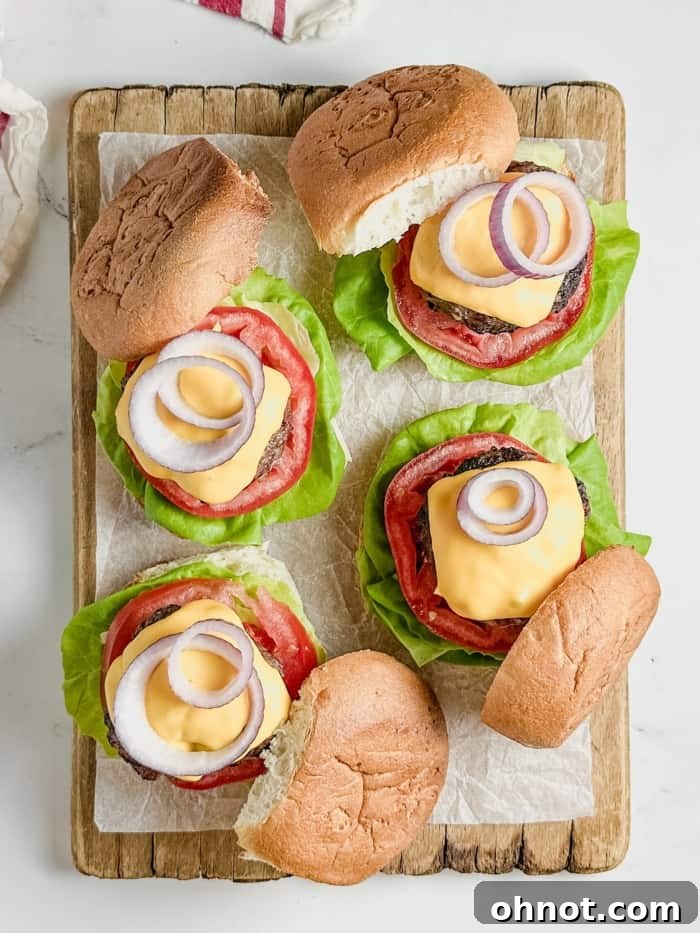
Step 10: Crown Your Burger
Place the top half of the gluten-free bun over your assembled burger. Press down gently to secure all the layers.
Step 11: Serve Immediately
Serve your glorious gluten-free burgers hot and fresh! There’s nothing quite like a freshly made burger, and these are best enjoyed right off the grill or out of the skillet with your favorite sides.
Expert Tips for Crafting the Best Gluten-Free Burgers
Achieving burger perfection is easier than you think with a few insider tips. Follow these guidelines to ensure your gluten-free burgers are consistently juicy, flavorful, and perfectly cooked:
- Choose High-Quality Meat: The quality of your ground beef significantly impacts the final flavor and texture. Opt for freshly ground, high-quality beef from a reputable butcher. For the best results, an 80/20 lean-to-fat ratio is highly recommended, as it provides optimal juiciness and flavor.
- Don’t Overmix: When combining the ingredients for your patties, mix just enough until everything is incorporated. Overmixing can lead to a dense, tough texture, as it develops the proteins in the meat too much. Gentle handling ensures tender, succulent burgers.
- Form Even Patties with a Dimple: For consistent cooking, ensure all your patties are of uniform thickness. About ¾ to 1 inch thick is ideal. Crucially, create a small indentation or “dimple” in the center of each patty with your thumb. This simple trick prevents the burger from puffing up in the middle and shrinking excessively, helping it maintain a flat shape.
- Use a Burger Press for Uniformity: If you’re serious about perfect patties, a burger mold or press is a game-changer. It helps create uniformly sized and shaped burgers, ensuring even cooking and a professional appearance.
- Preheat Your Cooking Surface: Whether you’re grilling or pan-frying, always preheat your cooking surface to medium-high heat. A hot surface is essential for a good sear, which locks in juices and creates that desirable crispy exterior.
- Resist the Urge to Press: Never press down on your burgers with a spatula while they’re cooking. This common mistake squeezes out all the delicious juices and fat, resulting in a dry, less flavorful patty. Let the heat do its work naturally.
- Utilize a Meat Thermometer: The most accurate way to check for doneness is with a meat thermometer. This ensures your burgers are cooked to your preference and, more importantly, to a safe internal temperature (especially for ground meat).
- Don’t Overcook: Overcooked burgers are dry burgers. Follow the time and temperature guidelines carefully to achieve your desired doneness without sacrificing moisture.
- Let Them Rest (Optional but Recommended): After cooking, allowing your burgers to rest for a few minutes off the heat, loosely tented with foil, can help the juices redistribute throughout the patty, making them even more tender and succulent.
Burger Doneness: Time & Temperature Guide
Knowing the right cooking time and temperature is key to achieving your preferred burger doneness. While these are general guidelines and can vary slightly based on patty thickness and your specific cooking method (grill vs. skillet), a meat thermometer is always the most accurate tool for safety and precision. For ground meat, the USDA recommends a minimum internal temperature of 160°F (71°C) for safety, regardless of desired doneness.
| Time & Temperature for Burgers | Cook Time Per Side (approx.) | Internal Temperature |
| Rare | 2 minutes | 125 degrees Fahrenheit (52°C) |
| Medium Rare | 2.5 minutes | 135 degrees Fahrenheit (57°C) |
| Medium | 3 minutes | 145 degrees Fahrenheit (63°C) |
| Medium Well | 4 minutes | 155 degrees Fahrenheit (68°C) |
| Well Done | 5 minutes | 160 degrees Fahrenheit (71°C) |
Always use a reliable meat thermometer inserted into the thickest part of the patty for the most accurate reading. Adjust cooking times as needed, and remember that residual heat will continue to cook the burger slightly after it’s removed from the heat.
Exciting Flavor Variations & Creative Add-Ins
One of the joys of making homemade burgers is the endless possibility for customization. While our base recipe delivers classic, delicious flavor, don’t hesitate to experiment with these exciting variations and add-ins to create unique and memorable gluten-free burgers:
- Spice it Up: Infuse your patties with different spice blends. Try adding a pinch of chili powder, a dash of cayenne pepper for a kick, smoked paprika for depth, or a touch of cumin for an earthy note. Italian seasoning or a mixed herb blend can also add a delightful aromatic twist.
- Mix-In Magic: Incorporate finely chopped vegetables directly into the burger mixture before forming patties. Sautéed mushrooms, finely diced bell peppers, shredded zucchini, or even a tablespoon of pesto can add moisture, flavor, and extra nutrients.
- Cheese Stuffed Patties: For an extra gooey surprise, place a small cube of your favorite cheese (like cheddar or blue cheese) in the center of the patty mixture before forming. Seal the meat around it to prevent leakage during cooking.
- Umami Boosters: Add a teaspoon of Worcestershire sauce (ensure it’s gluten-free) or a dollop of Dijon mustard to the meat mixture for an extra layer of savory depth.
- Gourmet Toppings: Elevate your burger with gourmet toppings beyond the usual. Consider caramelized onions, sautéed mushrooms, avocado slices or guacamole, a fried egg, crispy bacon, grilled pineapple, or even a smear of goat cheese or dairy-free cream cheese.
- Signature Sauces: Go beyond standard ketchup and mustard. Whip up a homemade aioli, a spicy sriracha mayo, a tangy barbecue sauce, or a fresh herb pesto to drizzle over your burger.
- Alternative Bases: While gluten-free buns are great, explore other serving options. Lettuce wraps are perfect for low-carb or Whole30 diets, while corn tortillas can create a delicious burger taco experience. You can also serve them bunless over a salad or with roasted vegetables.
- Mediterranean Twist: Mix in chopped sun-dried tomatoes, a sprinkle of dried oregano, and a dash of lemon zest into the meat. Top with feta cheese (or a dairy-free alternative), cucumber, and a tzatziki-style sauce.
- Tex-Mex Inspired: Add a tablespoon of taco seasoning, some finely diced jalapeño, and a squeeze of lime juice to the patties. Top with pepper jack cheese, salsa, and avocado.
Don’t be afraid to experiment and discover your own signature gluten-free burger combination!
Serving Suggestions & Storage Tips
These gluten-free burgers are incredibly versatile, making them perfect for various meals and occasions. Here’s how to best enjoy and preserve them:
Serving:
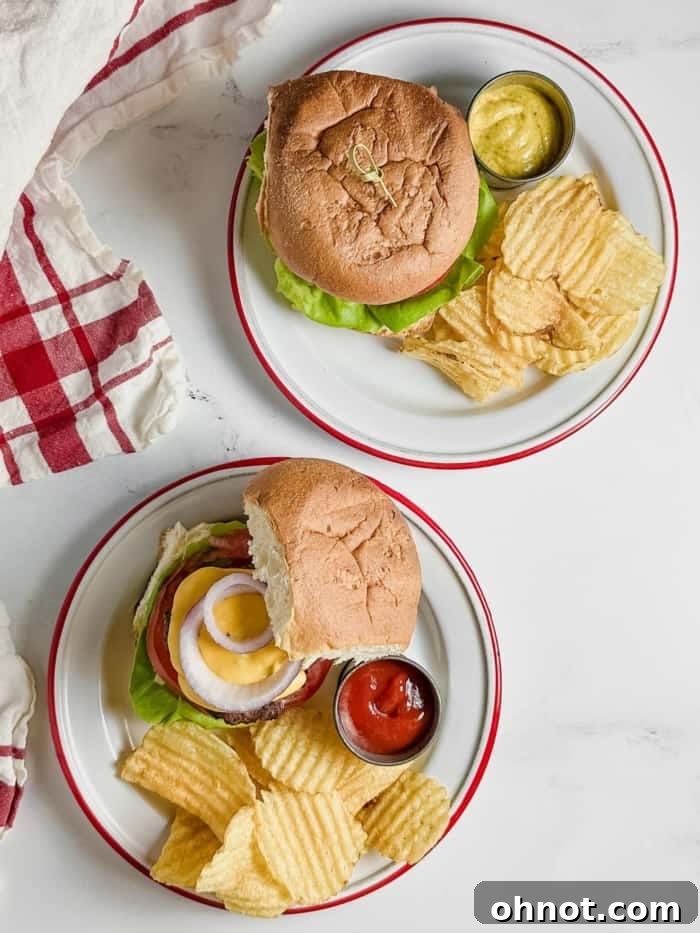
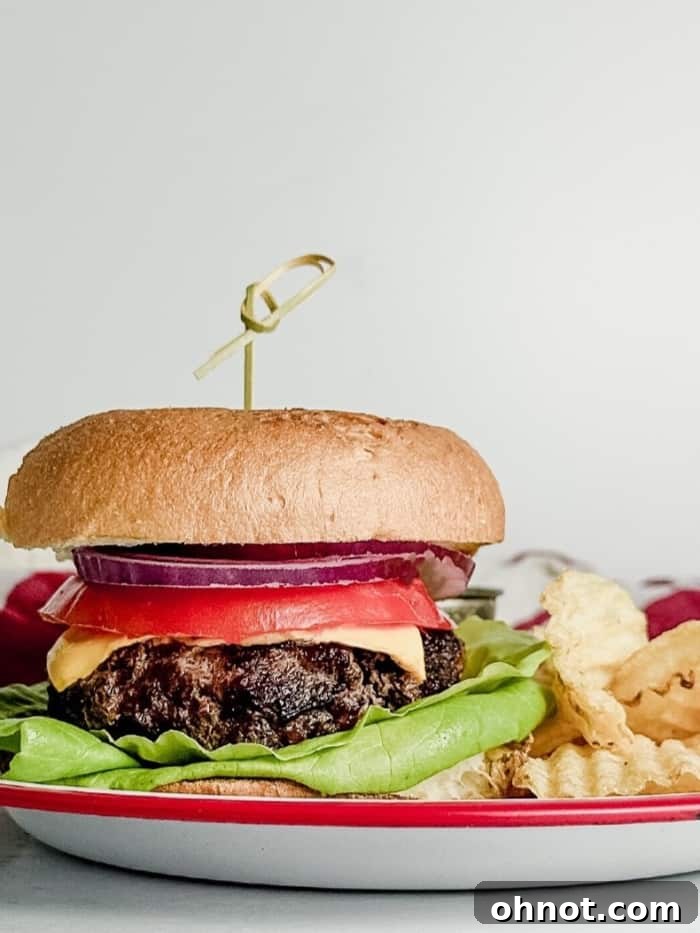
- Classic Presentation: Serve these hot and fresh from the grill or skillet on toasted gluten-free buns with all your favorite toppings and condiments. Think crisp lettuce, ripe tomatoes, red onion slices, tangy pickles, and a generous dollop of ketchup and mustard.
- Perfect Pairings: Burgers are best accompanied by delicious sides. Complement them with a serving of air fryer sweet potato fries, a batch of crispy classic fries, or creamy mashed potatoes. Other great options include a fresh green salad, coleslaw, corn on the cob, or grilled vegetables.
- Burger Bowls: For a lighter, low-carb, or Whole30-friendly meal, skip the bun and create a burger bowl. Arrange the cooked patty over a bed of mixed greens, add your preferred toppings (avocado, salsa, pickles, sautéed onions), and drizzle with a healthy dressing.
- Sliders: For entertaining or smaller appetites, shape the mixture into smaller patties and serve on gluten-free slider buns.
Storage:
- Cooked Patties (Fridge): Store any leftover cooked burger patties in an airtight container in the refrigerator for up to 3-4 days. This makes for quick and easy meals later in the week.
- Cooked Patties (Freezer): For longer storage, cooked burger patties can be frozen for up to 1 month. Allow them to cool completely, then wrap each patty individually in plastic wrap or parchment paper before placing them in a freezer-safe bag or container.
- Raw Patties (Freezer): You can also freeze raw patties for future use. Place them on a baking sheet lined with parchment paper and freeze until solid (about 1-2 hours). Once frozen, transfer them to a freezer-safe bag with parchment paper between each patty to prevent sticking. They can be stored for up to 3 months. Thaw overnight in the refrigerator before cooking.
- Reheating: Thaw frozen patties overnight in the fridge. Reheat cooked patties in a pan over medium heat, on the grill, or in the oven until heated through. Be careful not to overcook, as this can dry them out.
Frequently Asked Questions (FAQs) About Gluten-Free Burgers
Absolutely! This recipe is naturally egg-free, relying on the inherent binding properties of the ground beef and gentle mixing. Eggs are often used as binders in some burger recipes, but they are not necessary for achieving perfectly formed and juicy gluten-free patties with this method.
You cook gluten-free burgers exactly as you would traditional burgers! They can be grilled for a smoky flavor, pan-fried in a skillet for a delicious sear, or even baked in the oven for a hands-off approach. The key is to cook them to your desired doneness, ensuring an internal temperature of at least 160°F (71°C) for food safety, especially for ground meat.
Generally, plain burger patties made solely from ground meat are gluten-free. However, it’s crucial to be cautious, as some commercially prepared patties or restaurant burgers may contain breadcrumbs, fillers, or seasonings that include gluten. Always check ingredient labels or ask at restaurants to confirm. The main source of gluten in a burger meal is usually the bun.
McDonald’s states that their 100% beef patties are made without gluten-containing ingredients. However, due to the nature of their kitchen environment and potential for cross-contamination, they cannot guarantee that any item is entirely gluten-free for individuals with severe sensitivities or Celiac disease. If you are very sensitive, it’s best to consult their allergen information directly and make an informed decision.
As of current information, Five Guys does not offer traditional gluten-free buns. However, they are known for being very accommodating; they will serve your burger in a lettuce wrap or simply bunless in a foil container, making it a viable option for those avoiding gluten.
Yes, you absolutely can freeze these patties! They can be frozen either before or after cooking. Freezing is an excellent way to prepare meals ahead of time, ensuring you always have a quick and healthy option ready to go. Refer to the “Storage” section above for detailed freezing and thawing instructions.
For the juiciest and most flavorful burgers, 80/20 ground beef (80% lean, 20% fat) is typically recommended. The fat contributes significantly to moisture and taste. While leaner options like 90/10 ground beef or ground turkey can be used for a healthier choice, they may result in a drier patty unless extra moisture (like a little oil or finely grated vegetables) is added.
Several techniques can help minimize shrinkage. Firstly, choose ground beef with an 80/20 fat ratio, as very lean meat tends to shrink more. Secondly, form your patties slightly wider than your bun, as some shrinkage is natural. Most importantly, create a thumbprint indentation (dimple) in the center of each patty. This helps the burger cook evenly and prevents it from bulging and shrinking into a ball.
Yes, cross-contamination is a significant concern for individuals with Celiac disease or severe gluten sensitivity. Always use clean utensils, cutting boards, and cooking surfaces that have not come into contact with gluten-containing foods. If preparing burgers for both gluten-free and regular diets, cook the gluten-free patties first and use separate tools and plates. Ensure all condiments and toppings are also verified gluten-free.
Essential Equipment for Perfect Burgers
While you don’t need a lot of fancy tools to make great burgers, a few key pieces of equipment can make the process even smoother and ensure professional results:
- Burger Mold/Press: This is a fantastic tool for creating uniformly sized and shaped patties. It helps ensure even cooking and prevents the burgers from falling apart.
- Meat Thermometer: A crucial tool for food safety and achieving your desired doneness. It takes the guesswork out of cooking, ensuring your burgers are perfectly cooked every time.
- Large Mixing Bowl: Essential for combining your burger ingredients thoroughly without making a mess.
- Grill or Cast Iron Skillet: The primary cooking surface. A sturdy cast iron skillet retains heat wonderfully for a great sear, while a grill imparts that irresistible smoky flavor.
- Spatula: A good quality, wide spatula is needed for flipping burgers without breaking them.
Explore all my kitchen favorites and recommendations to elevate your cooking experience!
More Delicious Recipes You May Also Enjoy
If you loved these gluten-free burgers, be sure to check out these other fantastic and family-friendly recipes:
- Wholesome Burger Bowls: A fantastic low-carb, Whole30 alternative to traditional burgers, packed with fresh ingredients.
- Flavorful Elk Burgers: Explore a leaner, game-meat alternative with unique flavor notes.
- Keto-Friendly Turkey Burgers: A lighter burger option that’s perfect for those on a ketogenic diet.
- Healthy Hamburger Helper Makeover: A nutritious twist on a classic comfort food.
- Crispy Whole30 French Fries: The perfect side dish to accompany any burger, compliant with Whole30 guidelines.

Get the Recipe:
Gluten Free Burgers
These gluten-free burgers are so juicy, hearty, and flavorful! They are quick and easy to make for any occasion. Both kids and adults love this classic recipe. Great for backyard barbecues, Fourth of July, summer cookouts, and busy weeknights!
Pin Recipe
Ingredients
For the Patties:
- 1 pound ground beef
- ¼ cup finely chopped onion
- 1 clove garlic, minced
- 1 tsp coconut aminos
- salt, to taste
- black pepper, to taste
For the Toppings:
- sliced cheese
- lettuce leaves
- sliced tomatoes
- sliced onions
- pickles
- condiments
- gluten free burger buns
Instructions
- In a mixing bowl, combine the ground beef, finely chopped onion, minced garlic, coconut aminos, salt, and pepper.
- Mix the ingredients together until well combined. Be careful not to overmix, as this can make the patties tough.
- Divide the mixture into 4 equal portions and shape them into burger patties. Make sure they are about the same size as your burger buns. If desired, use a burger press to shape them.
- Preheat your grill or skillet over medium-high heat.
- Cook the burger patties for about 3 to 4 minutes on each side, or until they reach your desired level of doneness.
- During the last minute of cooking, add a slice of cheese on top of each patty. Cover to melt the cheese.
- Toast the burger buns if desired. Spread desired condiments on the toasted gluten-free burger buns.
- Place a lettuce leaf on the bottom bun, followed by the cooked burger patty with melted cheese.
- Add sliced tomatoes, onions, and pickles as desired.
- Top with the other half of the gluten-free bun.
- Serve your gluten-free burgers immediately!
Notes
- For larger burgers, divide the beef mixture into 3 parts. This burger mold makes it so easy to form round, evenly sized burgers.
- Feel free to use ground chicken or ground turkey as a substitute for ground beef.
- Ensure onions are finely chopped to blend seamlessly into the patties.
- These burgers can be grilled for a smoky flavor or pan-seared for a delicious crust.
- Always use a meat thermometer to accurately measure the internal temperature of the burgers, ensuring they are cooked to your preference and safely.
- Store cooked leftovers in an airtight container in the fridge for up to 4 days.
- Store the burger patties in the fridge or freezer, but keep buns at room temperature unless specified otherwise by the manufacturer.
- You can freeze raw or cooked burgers for up to 1 month. Thaw overnight in the fridge before reheating or cooking.
- The nutrition facts provided are for the burger patty only, excluding the bun or any additional toppings.
Carbohydrates: 0.5g,
Protein: 23g,
Fat: 11g,
Saturated Fat: 5g,
Polyunsaturated Fat: 0.4g,
Monounsaturated Fat: 5g,
Trans Fat: 1g,
Cholesterol: 74mg,
Sodium: 103mg,
Potassium: 367mg,
Fiber: 0.01g,
Sugar: 0.01g,
Vitamin A: 0.1IU,
Vitamin C: 0.2mg,
Calcium: 15mg,
Iron: 3mg
If you make this gluten-free hamburger recipe, I would really appreciate your feedback! You can find me on Instagram, Facebook, and Pinterest. Join my exclusive Facebook Group for a behind-the-scenes look and to connect with other healthy food enthusiasts. I would love for you to follow along! For more delightful ideas, explore these Lunch and Dinner Recipes. Don’t forget to sign up here to receive healthy meal plans, exclusive new recipes, and updates directly to your inbox!