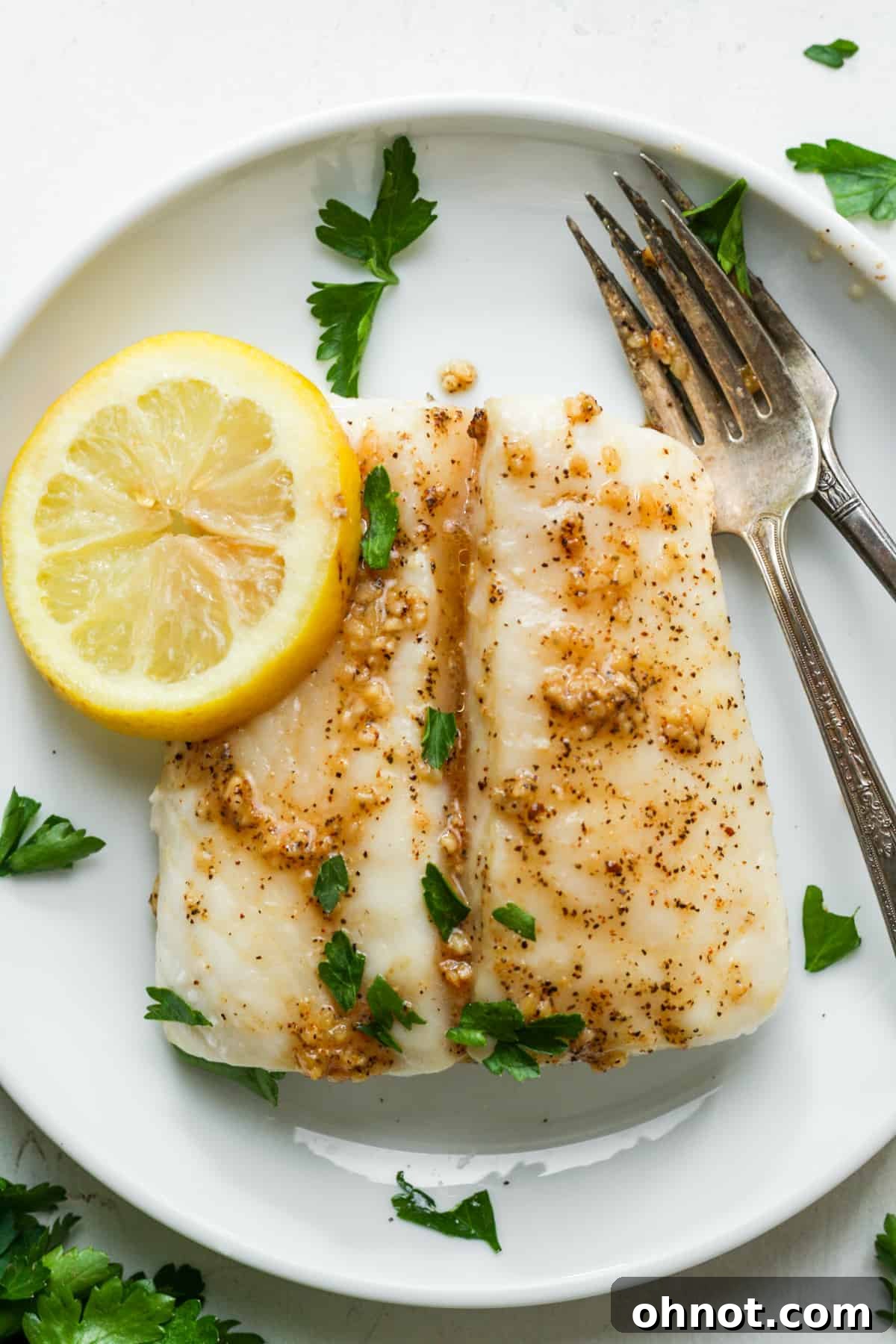
Effortlessly Delicious: The Ultimate Baked Halibut Recipe with Garlic Butter Sauce
Discover the secret to perfectly tender and incredibly flavorful baked halibut that tastes gourmet but comes together in less than 20 minutes! This recipe transforms a simple halibut fillet into a culinary masterpiece with a rich garlic butter sauce, promising a flaky, buttery, and utterly delicious meal. Not only is it a healthy and low-carb option, but its elegant presentation and satisfying taste make it ideal for any occasion, from a quick weeknight dinner to a special holiday feast.
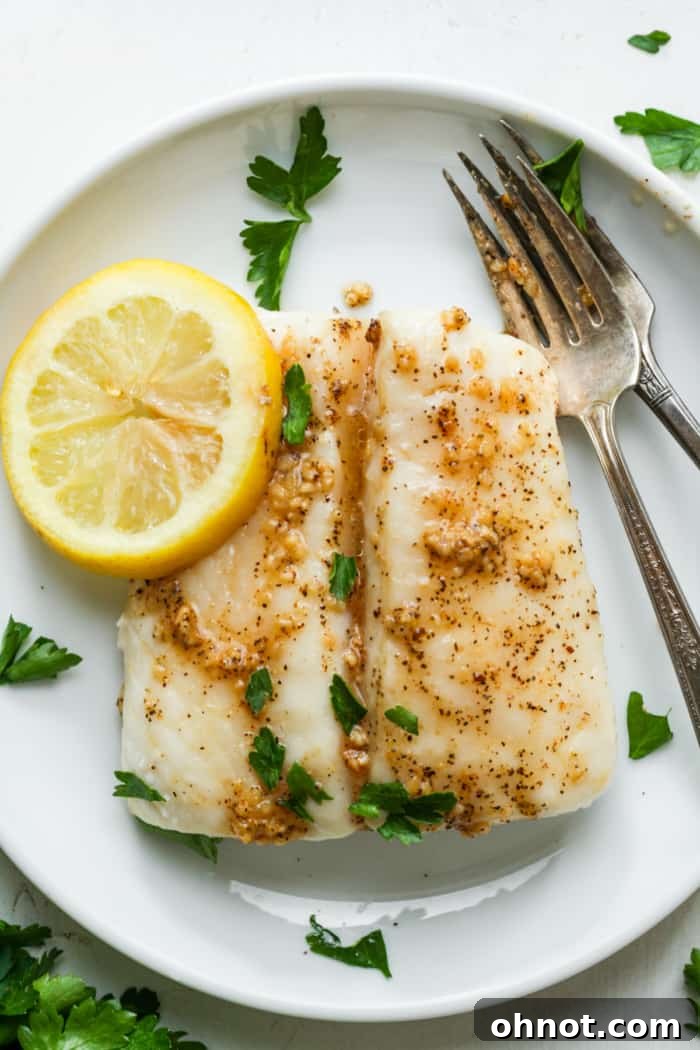
Why This Baked Halibut Recipe Will Become Your Favorite
This baked halibut recipe stands out for its simplicity, speed, and sensational flavor. Here’s a closer look at what makes it truly special:
- Unbeatably Quick & Easy: Forget lengthy prep times and complicated steps. This recipe requires minimal effort and bakes to perfection in under 15 minutes, making it an ideal choice for busy evenings when you crave a delicious, home-cooked meal without the fuss.
- Oven-Baked Perfection: There’s no need for grilling or extensive stovetop searing. Baking in the oven ensures an even cook and locks in moisture, resulting in a consistently tender and flaky fish every time. It’s a hands-off approach that guarantees delicious results with minimal supervision.
- Diet-Friendly & Healthy: With just 1 carb per serving, this recipe is a dream come true for those following Whole30, Paleo, Keto, or gluten-free diets. It’s naturally low in carbs, sugar-free, and nut-free, offering a healthy, protein-packed meal that fits various dietary needs and preferences.
- Irresistible Garlic Butter Sauce: The true star of this dish is the luscious garlic butter sauce. It infuses the mild halibut with a vibrant, savory richness that elevates the dish from simple fish to an extraordinary dining experience. If you enjoy this incredible flavor profile, be sure to explore our Trout Recipe or Sockeye Salmon Recipe for similar culinary delights.
- Versatile for Any Occasion: While easy enough for a casual weeknight, this elegant baked halibut also feels perfectly suited for special gatherings. Serve it during Christmas, other holidays, birthdays, or any time you want to impress guests without adding stress to your kitchen routine.
- A Gourmet Feel at Home: The sophisticated combination of fresh halibut, savory garlic butter, and bright lemon creates a dish that tastes like it came directly from a high-end restaurant, all achievable from the comfort of your own kitchen. For another fantastic seafood option, try our Royal Red Shrimp recipe.
Essential Ingredients & Flavorful Substitutions
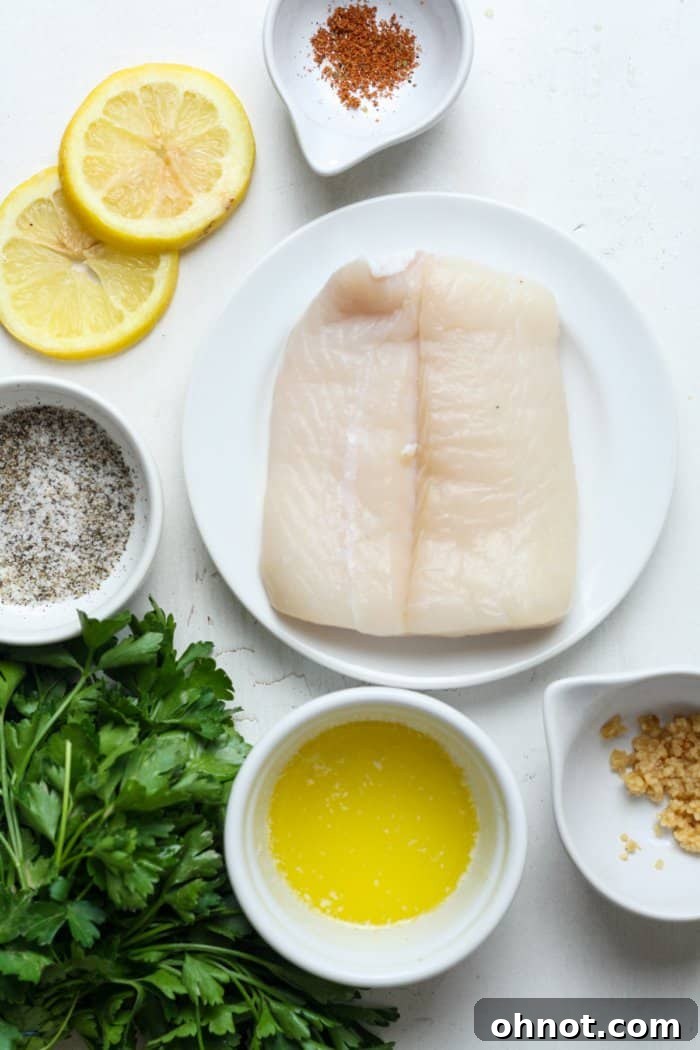
Crafting this amazing baked halibut requires just a few key ingredients. Here’s a detailed look at what you’ll need and how to make the best selections and substitutions for a truly exceptional meal:
The Star: Halibut Fillet
For the absolute best results, we highly recommend using fresh halibut. Its delicate flavor, firm, and pearly white flesh are unparalleled. Halibut is readily available at most quality grocery stores and dedicated fish markets. When selecting, look for fillets that are firm, moist, and have a fresh, mild ocean scent – avoid any strong “fishy” smells. If fresh halibut isn’t an option, you can certainly use frozen halibut. Just ensure it’s completely thawed before cooking to ensure even baking and to prevent excess water from affecting the texture. Once thawed, pat the fillet very dry with paper towels; this crucial step helps the seasonings adhere and promotes a beautiful crust.
The Flavor Foundation: Melted Butter
The cornerstone of this recipe’s rich flavor and succulent texture is melted butter. Butter and fish are a match made in culinary heaven, providing an indulgent, moist coating that prevents the delicate fish from drying out and infuses every bite with a luxurious, savory taste. For those seeking an alternative, ghee is an excellent choice, offering a similar rich, nutty flavor with the added benefit of being lactose-free. Coconut oil can also be used for a dairy-free option, though it will impart a slightly different, more tropical flavor profile to the dish.
Aromatic Depth: Minced Garlic
Minced garlic delivers a pungent, savory kick that perfectly complements the mildness of the halibut. Freshly minced garlic is always superior for its vibrant flavor and aroma. We recommend using 2-3 cloves, finely minced, for the optimal garlic infusion. If fresh garlic is unavailable or you’re short on time, garlic powder can be used as a convenient substitute. Use about ½ teaspoon of garlic powder for every clove of fresh garlic, but be mindful that the flavor will be less intense and slightly different in character.
Subtle Warmth & Color: Paprika
A touch of paprika adds a beautiful reddish hue and a subtle warmth without making the dish spicy. It contributes a gentle, earthy note that enhances the overall flavor complexity. If you prefer a milder taste or simply don’t have paprika on hand, you can omit it entirely without compromising the recipe’s core appeal. Alternatively, a pinch of smoked paprika can add a deeper, more robust smoky nuance, while a very tiny dash of cayenne pepper could introduce a bit more heat if desired.
Seasoning Essentials: Sea Salt and Black Pepper
Simple yet indispensable, sea salt and black pepper are crucial for seasoning the halibut and bringing out all the other flavors. These fundamental seasonings should be adjusted to your personal taste. We recommend starting with the specified amounts and adding more if needed. Remember, proper seasoning is vital for any dish. Freshly ground black pepper will always offer a superior aroma and taste compared to pre-ground varieties.
Bright Finish: Sliced Lemon
Sliced lemon is more than just a garnish; it’s an integral part of the flavor profile. As the halibut bakes, the lemon slices release their bright, fresh, and slightly tart notes, cutting through the richness of the butter and awakening the palate. You can also squeeze fresh lemon juice over the cooked fish just before serving for an extra burst of zesty, citrusy goodness that enhances the overall brightness of the dish.
Elegant Garnish: Chopped Fresh Parsley
Finally, a sprinkle of chopped fresh parsley adds a vibrant pop of color and a fresh, herbaceous counterpoint to the savory fish. It’s an optional but highly recommended garnish that significantly elevates both the presentation and brightens the flavors. Fresh dill or chives could also be used for a slightly different, yet equally delightful, fresh finish, offering a slight variation to the aromatic profile.
Understanding Halibut: The “Holy Flat Fish”
Halibut, a magnificent flatfish, is renowned not only for its impressive size – it can grow upwards of 9 feet long, making it the largest flatfish in the ocean – but also for its culinary versatility and delicate flavor. Characterized by its unique appearance with a brown top and a white belly, halibut can be either farm-raised or wild-caught, both offering a healthy and lean protein source. Wild-caught halibut is primarily harvested from the cold, pristine waters of the Pacific, particularly off the coast of Alaska, known for its sustainable fishing practices.
What truly sets halibut apart in the culinary world is its remarkably mild and subtly sweet flavor. Its taste is often compared to tilapia, cod, or flounder, making it an excellent choice for those who prefer fish without an overly “fishy” taste. This inherent mildness also means halibut acts as a wonderful canvas for more intense flavors, which is precisely why this recipe strategically incorporates bold elements like garlic, paprika, and lemon. These ingredients don’t overpower the fish but rather enhance its natural goodness, creating a balanced and exciting taste experience that appeals to a wide range of palates.
Historically, the name “halibut” itself holds significance, meaning “holy flat fish.” It gained popularity during Catholic holy days, becoming a common and respected meal due to its firm white flesh and delicate flavor, fitting for religious observances. Today, it remains a beloved seafood choice worldwide, celebrated for its health benefits, including being rich in omega-3 fatty acids, high-quality protein, and various essential vitamins and minerals like selenium, niacin, and phosphorus. Its lean profile and versatility make it a favorite among health-conscious diners and gourmet chefs alike.
The Exquisite Taste and Texture of Perfectly Baked Halibut
When prepared correctly, this baked halibut offers a delightful sensory experience that’s both comforting and elegant. The taste is a harmonious blend of fresh, light, profoundly buttery, and distinctly garlicky notes. The lemon, while subtle in its overall presence, provides a bright, zesty tang that beautifully cuts through the richness of the butter, leaving a clean and satisfying finish on the palate. You’ll find it neither overwhelmingly fishy nor bland, but rather a perfect equilibrium of carefully balanced flavors.
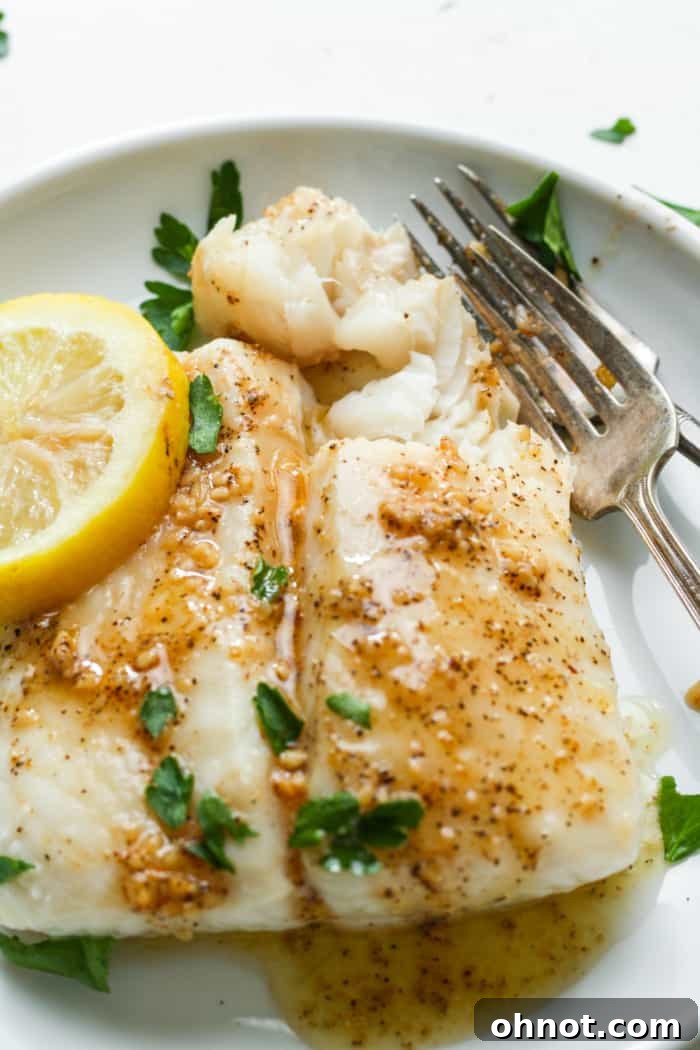
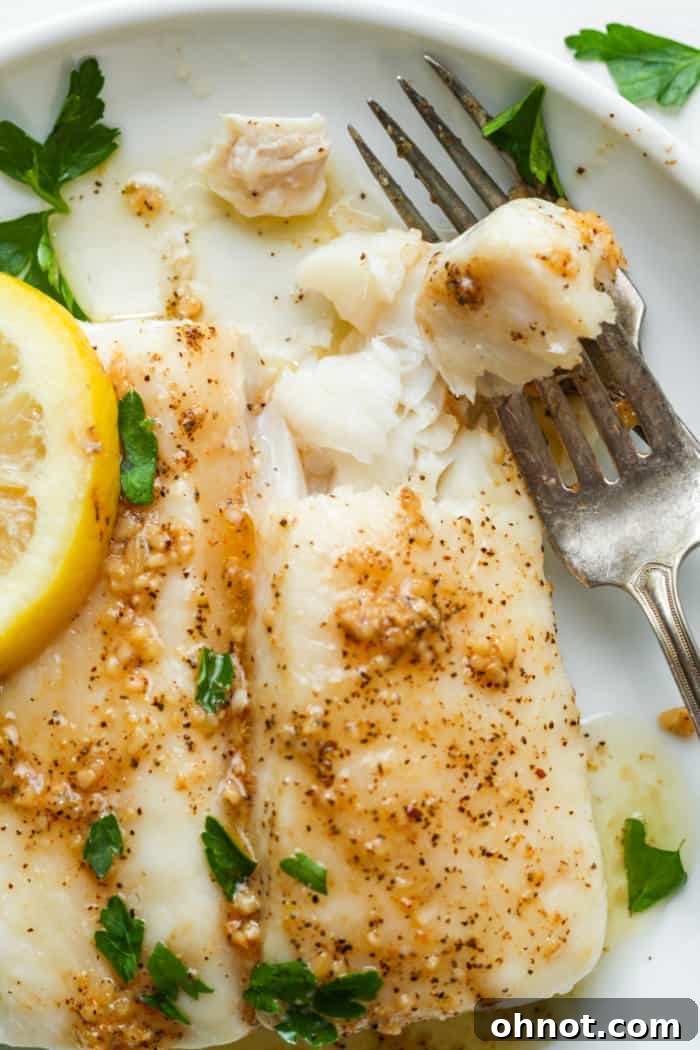
The texture is equally impressive – light, beautifully flaky, and incredibly tender. Each forkful separates effortlessly, revealing moist, pearly white flesh that practically melts in your mouth. This recipe ensures that the natural firmness of the halibut is preserved, resulting in a succulent mouthfeel. Overcooking halibut can unfortunately lead to a dry, tough, and rubbery texture, but by following our precise instructions, your fish will remain wonderfully moist and soft, a true testament to perfectly baked seafood.
Step-by-Step Guide: How to Make Perfect Baked Halibut
Achieving perfectly baked halibut that’s tender, flaky, and bursting with flavor is simpler than you might imagine. Follow these easy steps for a consistently delicious meal every time:
Step 1: Preheat Your Oven to the Optimal Temperature
Begin by preheating your oven to a precise 400 degrees Fahrenheit (200°C). This high temperature is crucial for ensuring the oven is adequately hot for cooking the fish quickly and evenly. A properly preheated oven helps to sear the exterior of the halibut, locking in its natural juices and preventing it from drying out, while promoting a beautiful golden finish.
Step 2: Prepare Your Halibut for Baking
Carefully place your halibut fillet in an oven-safe baking dish. A shallow dish or a baking sheet lined with parchment paper is ideal for easy cleanup and preventing the fish from sticking. If your fillet includes skin, you can choose to leave it on (it will crisp up nicely) or gently remove it, depending on your personal preference. Before proceeding, it’s vital to pat the fish thoroughly dry with paper towels. This crucial step helps the seasonings adhere better and promotes a slight crust, preventing the fish from steaming rather than baking beautifully.
Step 3: Craft the Signature Garlic Butter Sauce
In a small bowl, combine the melted butter, finely minced garlic, a dash of paprika, sea salt, and freshly ground black pepper. Whisk these ingredients together thoroughly until they are well combined and the spices are evenly distributed throughout the butter. The paprika will lend a beautiful color to the sauce, and the garlic will release its incredibly fragrant oils, creating the base for the halibut’s irresistible flavor.
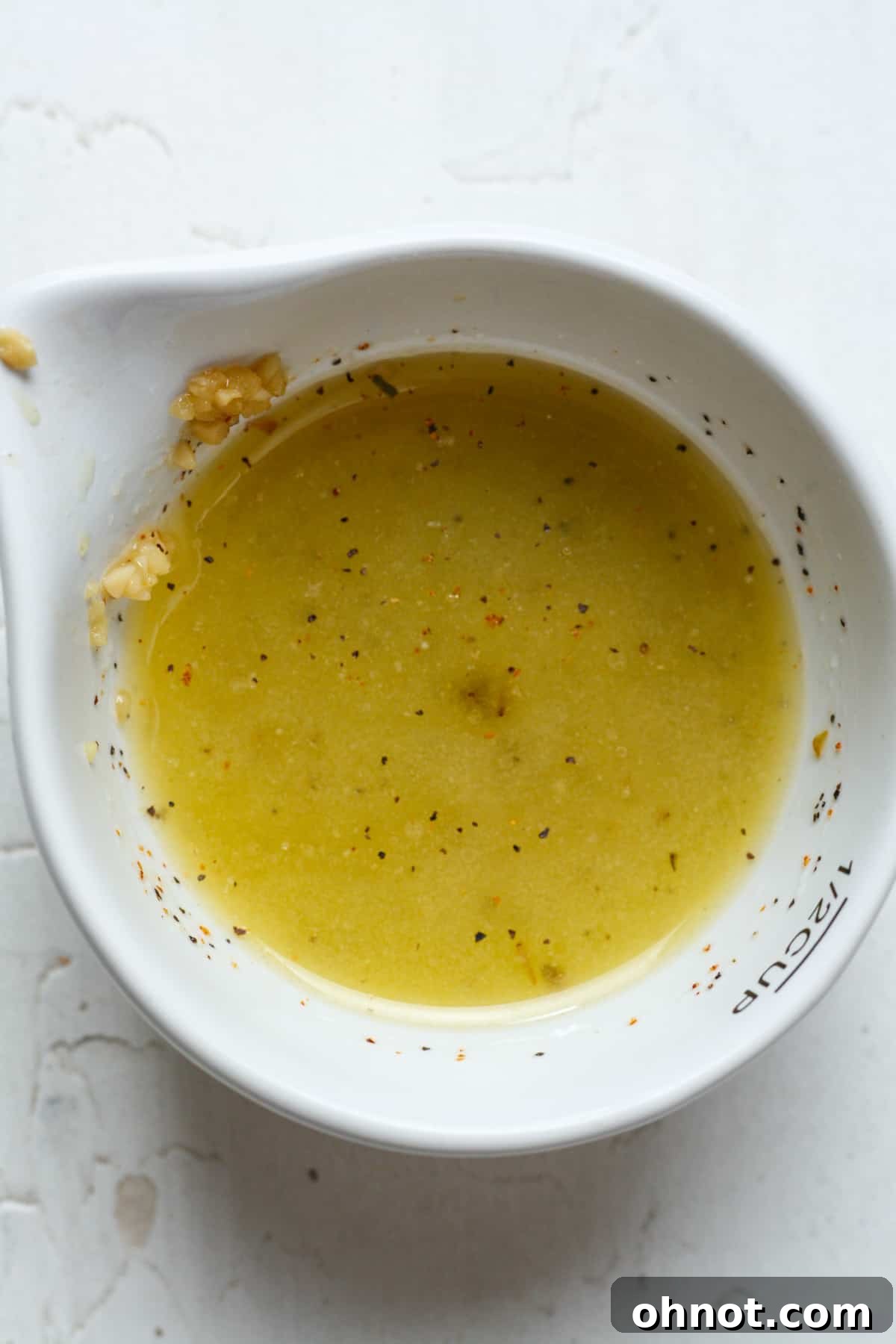
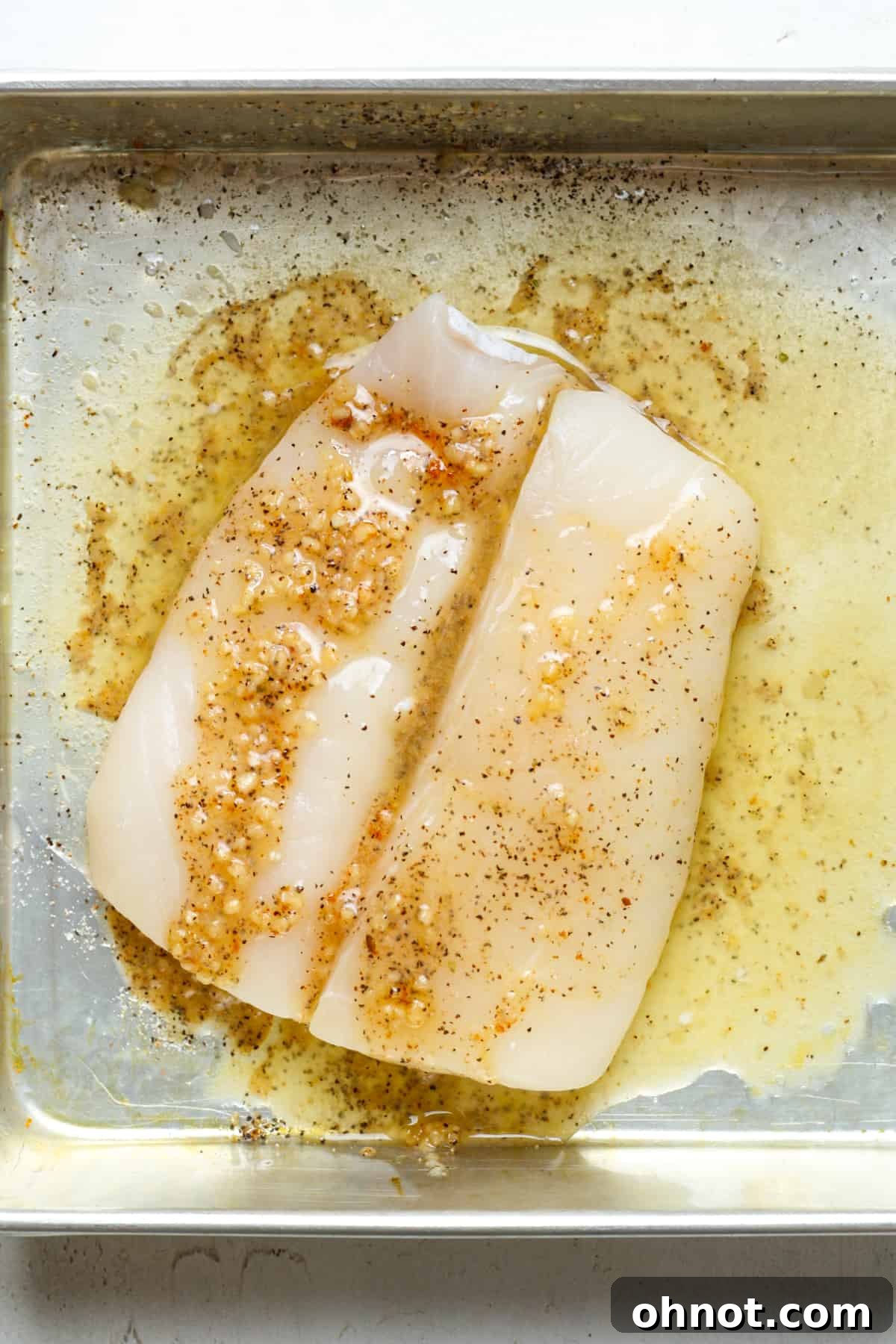
Generously pour this flavorful garlic butter mixture directly over the halibut fillet in the baking dish, ensuring it’s evenly coated from edge to edge. You want every part of the fish to absorb this delicious butter blend, promising maximum flavor in every bite.
Step 4: Bake to Flaky Perfection
Transfer the baking dish with the seasoned halibut to your preheated oven. Bake for approximately 12 to 13 minutes. The exact cooking time may vary slightly depending on the thickness of your halibut fillet; thicker cuts may require an extra minute or two. The fish is perfectly cooked when it becomes opaque throughout its entirety and flakes easily with a fork. It should no longer appear transparent or translucent in the center. For the most accurate assessment, an internal temperature of 135°F (57°C) is ideal when measured with a meat thermometer inserted into the thickest part of the fillet, ensuring a moist and tender result.
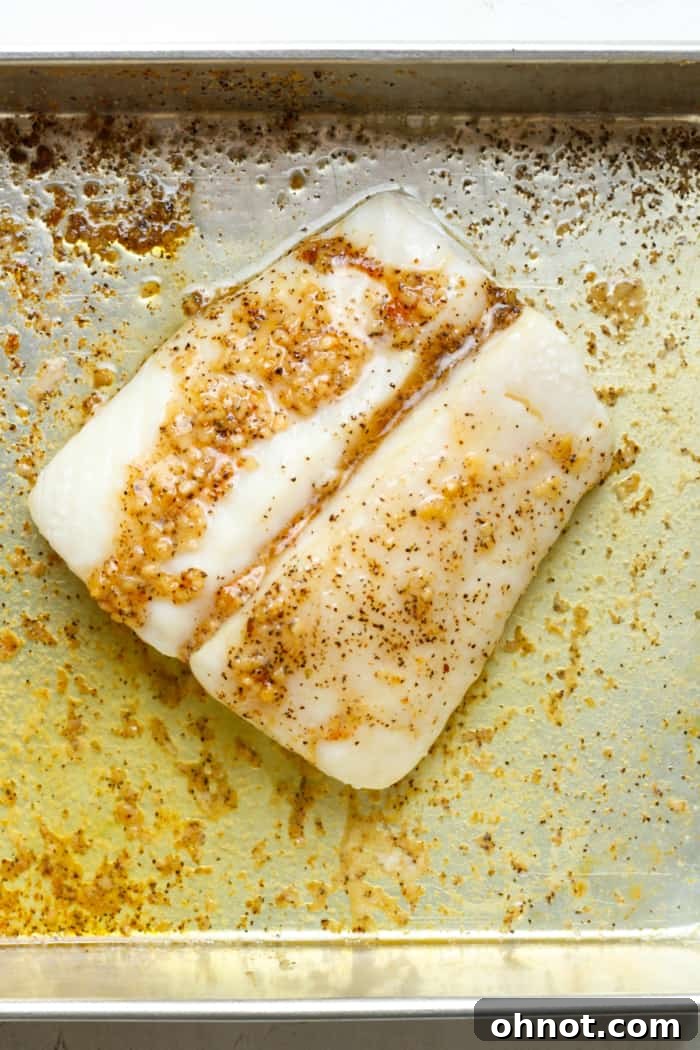
Step 5: Garnish and Serve Immediately
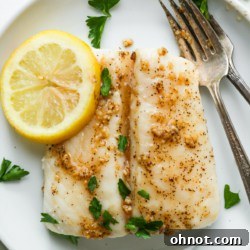
Once baked to perfection, carefully remove the dish from the oven. For an added touch of freshness, vibrant color, and an extra burst of citrus flavor, generously garnish the cooked halibut with fresh sliced lemon and a sprinkle of freshly chopped parsley. Serve immediately to enjoy the fish at its absolute best, when it’s most tender, aromatic, and the garlic butter sauce is still warm and flowing.
Expert Tips & Tricks for the Best Baked Halibut
While this recipe is straightforward, a few expert tips can elevate your baked halibut from great to absolutely exceptional, ensuring consistent success every time:
- Opt for Fresh, High-Quality Halibut: Whenever possible, choose fresh halibut. Its superior flavor and delicate, firm texture are truly unmatched. Both farm-raised and wild-caught options are excellent; just ensure it looks and smells fresh. If using frozen, remember to thaw it completely in the refrigerator overnight and pat it very dry before seasoning. This prevents excess moisture from interfering with the baking process.
- Don’t Skimp on the Butter: The butter is absolutely essential, not only for imparting its rich, decadent flavor but also for keeping the halibut wonderfully moist and tender. It creates a savory, protective coating and helps to prevent the delicate fish from drying out in the oven. Embrace the butter; it’s key to achieving that luxurious taste and perfect texture.
- Embrace the Seasonings: Halibut has a beautifully mild flavor profile, which makes it incredibly versatile. However, this also means it greatly benefits from robust and well-balanced seasonings. Don’t be afraid to generously apply the garlic, paprika, sea salt, and black pepper. These potent flavors will penetrate the fish, giving it impressive depth, character, and an unforgettable taste.
- Perfect Doneness is Critical: Overcooking is the quickest and most common way to ruin halibut, turning it dry, tough, and less enjoyable. Bake just until the fish is opaque throughout its entire thickness and flakes easily with a fork. For ultimate precision, a meat thermometer inserted into the thickest part of the fillet should read 135°F (57°C) for optimal moisture and tenderness. Always err on the side of slightly undercooked, as the fish will continue to cook slightly from residual heat after being removed from the oven (known as carryover cooking).
- Pat Dry for Enhanced Results: Before applying the flavorful garlic butter mixture, make sure to pat the halibut fillet thoroughly dry with paper towels. This seemingly small step is crucial as it helps the seasonings adhere better to the fish and promotes a slight, desirable crust on the outside, preventing the fish from steaming in its own moisture.
- Allow a Brief Rest Before Serving: Like many cooked proteins, fish benefits from a brief rest after coming out of the oven. Let the baked halibut sit uncovered for 2-3 minutes before serving. This allows the internal juices to redistribute evenly throughout the fillet, ensuring every bite is moist, tender, and incredibly flavorful.
Sourcing Your Halibut: Where to Buy Quality Fish
Finding high-quality halibut is essential for this recipe, ensuring the best flavor and texture. Fortunately, this popular fish is widely available, with several excellent sourcing options:
- Local Grocery Stores: Most major grocery store chains nationwide, especially those with robust and well-maintained seafood counters, will carry halibut. Look for it at reputable supermarkets like Whole Foods, Central Market, HEB, or your local upscale grocer. Don’t hesitate to engage with the fishmonger; they can provide valuable assistance, offer recommendations on the freshest catches, and even prepare the fish to your specifications.
- Specialty Fish Markets: For the freshest and often widest selection, a dedicated fish market is your best bet. These establishments specialize in seafood and often have direct relationships with suppliers. Fishmongers at these markets can provide in-depth insights into seasonality, origin (e.g., Pacific vs. Atlantic halibut), and expert preparation tips. They often carry both fresh and flash-frozen options.
- Online Fish Markets: In recent years, several high-quality online fish markets have emerged, offering sustainably sourced seafood delivered directly to your door. Much of the Pacific-caught halibut is harvested in Alaska, known for its pristine waters and responsible fishing practices. There are a couple of renowned Alaskan fish markets that specialize in selling fresh or premium flash-frozen halibut online. This can be an excellent option for those without easy access to fresh seafood or for guaranteed exceptional quality and convenience.
- What to Look For When Purchasing: Whether fresh or frozen, always inspect the fish carefully. Fresh fillets should appear firm, moist, and possess a clean, mild ocean-like smell – never overly “fishy” or strong. If buying whole, look for clear, bulging eyes and bright red gills. For frozen halibut, ensure the packaging is intact, and there are no signs of freezer burn, which can indicate poor handling or prolonged storage.
Serving Suggestions & Storage Tips
This baked halibut is wonderfully versatile and pairs beautifully with a wide variety of sides, making it easy to create a complete and satisfying meal. Serve it hot and fresh from the oven, garnished with vibrant lemon slices and a sprinkle of freshly chopped parsley for a restaurant-quality presentation that impresses with minimal effort.
Perfect Pairings for Your Halibut
For a complete and satisfying meal, consider these delicious accompaniments for your baked halibut:
- Roasted Vegetables: Complement the rich, buttery fish with healthy and flavorful roasted veggies such as asparagus, broccoli, Brussels sprouts, or green beans. Their earthy flavors and tender-crisp textures create a wonderful balance to the delicate fish.
- Comforting Potatoes: Classic comfort sides like crispy French fries or creamy dairy-free mashed potatoes are always a hit. The traditional fish and chips combination works exceptionally well with our flaky baked halibut.
- Light & Healthy Options: For a low-carb or lighter meal, serve your halibut with a vibrant fresh side salad tossed with a light vinaigrette, or opt for a nutritious bed of fluffy quinoa, cauliflower rice, or steamed spinach.
- Rice or Grains: A simple side of fluffy white rice, wholesome brown rice, or a more adventurous grain like farro or couscous can effectively absorb the delicious garlic butter sauce, adding another layer of flavor and texture to your plate.
- Sauces & Dips: While the garlic butter is fantastic on its own, a side of tartar sauce, a lemon-dill yogurt sauce, or a fresh salsa can add an extra dimension of flavor.
Storing Leftovers & Reheating
Should you be fortunate enough to have any leftovers, store them promptly in an airtight container in the refrigerator for up to 3 days. While the garlic butter sauce will firm up slightly when chilled, it will melt beautifully and deliciously upon reheating. To reheat, gently warm the halibut in the oven at a low temperature (around 275°F / 135°C) until it is just heated through, or briefly in a microwave on a low setting, being careful not to overcook and dry out the delicate fish. You will also love this Steelhead Trout recipe for another delicious, quick-cooking fish option.
Frequently Asked Questions About Baked Halibut
While oven baking, as expertly featured in this recipe, is an outstanding method that consistently yields tender, moist, and flaky results, halibut is an incredibly versatile fish. Other popular and effective cooking methods include grilling, which imparts a lovely smoky flavor and char; pan-searing, which creates a beautiful golden crust and keeps the interior juicy; and poaching or steaming, which are excellent for a very delicate and light preparation. Ultimately, the “best” method often comes down to personal preference for flavor and texture, but baking offers convenience and reliability.
The absolute key to baking halibut without drying it out revolves around two critical factors: precise cooking time and the strategic use of fat. Ensure your oven is fully preheated to the specified temperature, use a flavorful fat like butter (as generously applied in this recipe) to coat and protect the fish, and monitor it closely. Bake until it just turns opaque throughout and flakes easily with a fork. An internal temperature of 135°F (57°C) is generally considered ideal for a moist and tender fillet. Overcooking, even by a minute or two, can very quickly lead to dry, tough fish.
For the most tender, moist, and succulent results, halibut should be baked until its internal temperature reaches 135°F (57°C) when measured at its thickest part using an instant-read meat thermometer. While the USDA recommends cooking fish to 145°F (63°C) for food safety, many professional chefs and home cooks prefer a slightly lower temperature for flakier, more succulent fish, allowing for a few degrees of carryover cooking after removal from the oven.
Preventing dry halibut primarily involves two crucial strategies: incorporating moisture/fat and meticulously avoiding overcooking. Cook it in butter or olive oil, or consider moist cooking methods like baking in a flavorful sauce, en papillote (in parchment paper), or gently steaming. Most critically, remove the fish from the heat as soon as it’s opaque throughout and flakes easily. Using a meat thermometer to accurately target an internal temperature of 135°F (57°C) is the most reliable way to guarantee perfect doneness and avoid a dry outcome.
Absolutely! Halibut is an excellent and highly nutritious fish choice. It’s a remarkably lean source of high-quality, complete protein and is rich in essential nutrients vital for good health, including beneficial Omega-3 fatty acids, selenium (a powerful antioxidant), magnesium, niacin (Vitamin B3), and phosphorus. It’s also naturally low in calories and saturated fat, making it a fantastic and versatile addition to a balanced, health-conscious diet.
Yes, you can absolutely use frozen halibut for this recipe! The most important step to ensure the best results is to thaw it completely before cooking. You can do this by transferring the frozen fillet to the refrigerator the night before, or by using the faster cold water thawing method if you’re short on time. Once thawed, it’s critical to pat the fish very dry with paper towels to remove any excess moisture, which can otherwise cause the fish to steam rather than bake beautifully and develop a slight crust.
You May Also Savor These Seafood Delights
If you thoroughly enjoyed this easy and delicious baked halibut recipe, you’re sure to love these other delectable seafood preparations that bring gourmet flavor to your home kitchen:
- Pan-Seared Chilean Sea Bass Recipe
- Fried Lobster Tails
- Candied Salmon
- Blackened Mahi Mahi
- Instant Pot Steak (A fantastic land-based favorite if you’re craving something different!)
We genuinely hope this ultimate baked halibut recipe becomes a cherished staple in your kitchen, bringing delicious, healthy meals to your table with ease! If you make this dish, we would be incredibly grateful for a review and your thoughts—your feedback helps us create even better recipes. You can connect with us and share your culinary creations on Instagram, Facebook, and Pinterest. Follow along for more healthy meal plans, exclusive new recipes, and inspiring culinary updates! For a broader selection of meal ideas, explore our comprehensive collection of Lunch and Dinner Recipes.
5 mins
12 mins
17 mins
Get the Recipe:
Baked Halibut Recipe
Pin Recipe
Ingredients
- 1 pound halibut fillet
- 2 tbsp melted butter
- 1 tsp minced garlic
- ¼ tsp paprika
- ½ tsp sea salt
- ½ tsp black pepper
- sliced lemon
- chopped parsley
Instructions
-
First, preheat oven to 400 degrees Fahrenheit (200°C).
-
Place halibut in baking dish.
-
In a small bowl, combine melted butter, minced garlic, paprika, sea salt, and black pepper. Pour this mixture over halibut.
-
Bake for 12 to 13 minutes or until fish is opaque and no longer transparent. An internal temperature of 135°F (57°C) is ideal.
-
Finally, remove from oven. Garnish with sliced lemon and chopped parsley if desired.
Notes
- For best results, use fresh halibut.
- For a larger piece of fish, increase cooking time as needed.
- The fish is done cooking when it is opaque and flakes easily with a fork, or reaches an internal temperature of 135°F (57°C).
- Store leftovers in an airtight container in the fridge for up to 3 days.
Addison LaBonte
Main Course
American