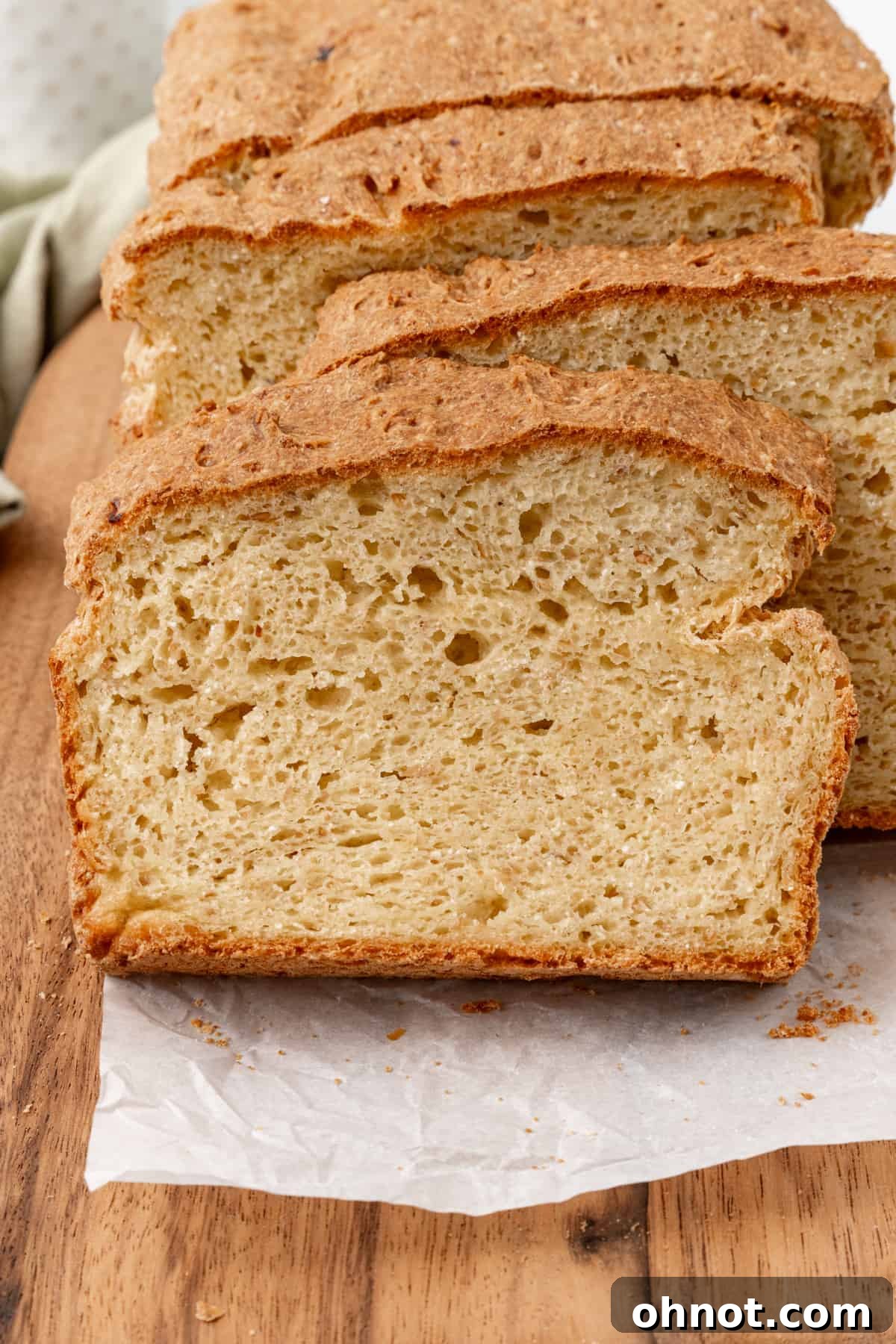
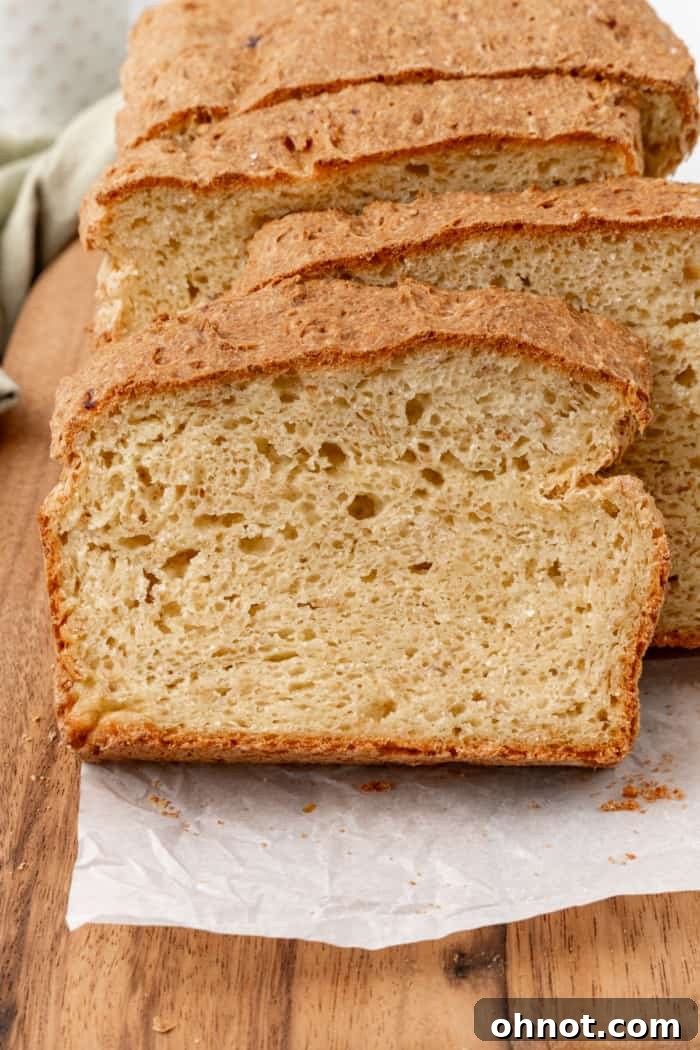
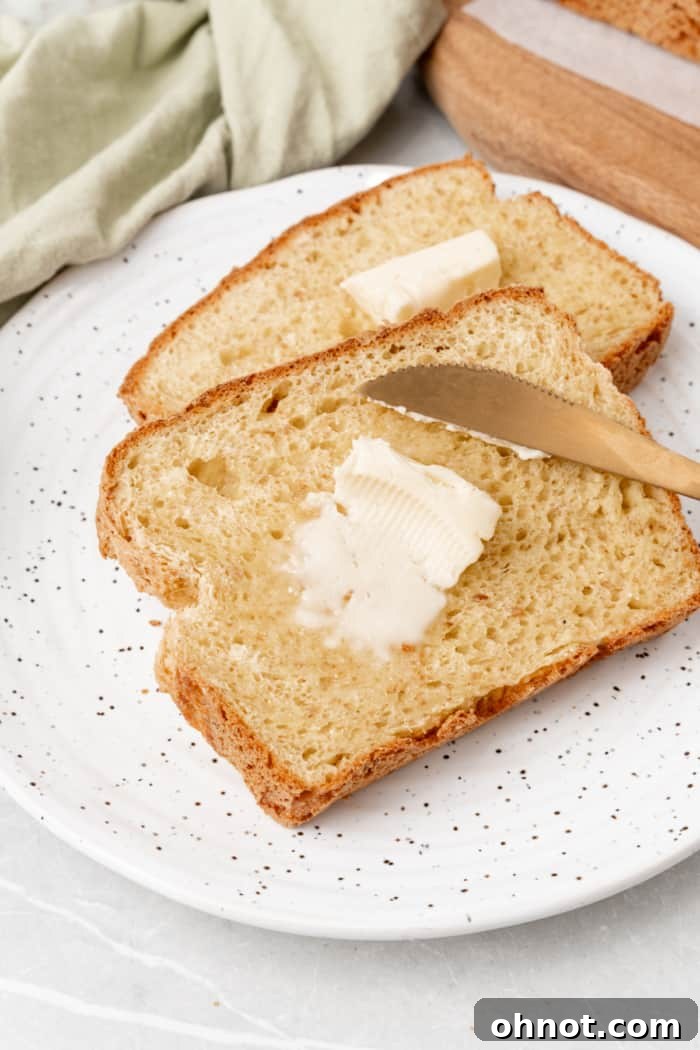
Craving a slice of bread that’s soft, airy, and tastes just like traditional white sandwich bread, but without any gluten? Look no further! This homemade gluten-free bread recipe delivers on all fronts, creating a loaf that is incredibly soft, delightfully fluffy, and irresistibly squishy. Forget the dense, crumbly, or overly dry gluten-free options you might have tried from stores. This recipe is a game-changer, promising a truly delicious experience that will make you forget it’s gluten-free.
Perfect for everything from hearty sandwiches and morning toast to decadent French toast, this easy-to-follow recipe will become your go-to. It’s a versatile foundation for countless meals and snacks, providing a much-needed staple for anyone adhering to a gluten-free diet without compromising on taste or texture. Prepare to be amazed by a loaf that rivals, and often surpasses, its gluten-containing counterparts.
If you enjoy experimenting with homemade breads, be sure to also try our healthy banana bread or our seasonal favorite, the pumpkin chocolate-chip bread.
Why This Gluten-Free Bread Recipe Will Become Your Favorite
Discovering a truly exceptional gluten-free bread recipe can be a transformative experience for anyone managing a gluten allergy or sensitivity. This recipe stands out because it doesn’t just offer an alternative; it provides a superior bread-making experience. Here’s why you’ll absolutely adore this homemade gluten-free loaf:
- Authentic Taste and Texture: Unlike many gluten-free breads that fall short, this recipe yields a loaf with the classic taste and inviting texture of traditional white sandwich bread. It’s soft, airy, and holds up beautifully, making it ideal for sandwiches without crumbling.
- A Proven Favorite: After experimenting with countless gluten-free bread brands and recipes, this one consistently emerges as the top choice. Its consistency and flavor profile are simply unmatched.
- Remarkable Versatility: The perfect texture makes this bread incredibly versatile. It’s fantastic for everyday sandwiches, toasts beautifully for breakfast, and transforms into delicious gluten-free French toast for a special treat.
- Dietary-Friendly: In addition to being gluten-free, this recipe is also free from refined sugars and dairy, making it suitable for a wider range of dietary needs and preferences.
- Suitable for All Gluten Sensitivities: Whether you have Celiac disease, a gluten allergy, or simply prefer to avoid gluten, this recipe provides a safe and delicious option.
- No Bread Machine Required: You don’t need any fancy equipment to achieve bakery-quality results. This recipe is designed for conventional oven baking.
- Quick and Efficient: From start to finish, the entire process takes approximately 2 hours, including rising and baking time, allowing you to enjoy fresh, warm bread in no time.
- Customizable Base: This bread serves as an excellent blank canvas for culinary creativity. You can easily infuse it with herbs, spices, cheeses, or other additions to create unique flavor variations.
- Grain-Free Option Available: For those seeking a grain-free alternative, don’t forget to check out our delicious Paleo Bread recipe!
Understanding Gluten-Free: A Comprehensive Guide
The term “gluten-free” refers to a dietary approach that completely excludes foods and ingredients containing gluten. Gluten is a family of proteins naturally found in certain grains, most notably wheat, rye, and barley, as well as their many derivatives. It acts as a binding agent, providing elasticity and chewiness to dough, which is why it’s so prevalent in traditional baked goods.
People adopt a gluten-free diet for various health reasons. The most severe condition is Celiac disease, an autoimmune disorder where ingesting gluten causes damage to the small intestine, leading to malabsorption of nutrients and a range of debilitating symptoms. Beyond Celiac disease, many individuals experience non-celiac gluten sensitivity (NCGS) or gluten intolerance, where they suffer from symptoms like digestive issues, fatigue, headaches, and inflammation after consuming gluten, even without intestinal damage. Some also choose a gluten-free lifestyle to manage chronic illnesses, reduce inflammation, or simply for perceived general health benefits.
Gluten is not just limited to obvious sources like regular pasta, breads, cakes, and cookies. It’s often hidden in a surprising array of processed foods, including many dressings, bottled sauces, seasonings, processed meats, and even some medications and supplements. This widespread presence makes a gluten-free diet challenging but highlights the importance of carefully checking food labels.
Fortunately, the gluten-free market has expanded dramatically in recent years. Grocery stores now dedicate entire sections to gluten-free products, and many restaurants offer extensive gluten-free menus. This growing accessibility has made it easier than ever to maintain a gluten-free lifestyle, and with recipes like ours, you can enjoy delicious, wholesome bread right from your own kitchen.
The Perfect Taste and Texture: A Deep Dive
Achieving the ideal taste and texture in gluten-free baking can be challenging, but this recipe truly masters it. Our gluten-free bread boasts a subtly delicious flavor profile that is more complex and satisfying than typical plain white bread. This enhanced taste comes from the thoughtful combination of ingredients: the finely blanched almond flour contributes a delicate nuttiness, while the maple syrup adds a hint of natural sweetness and helps create that coveted golden crust. A touch of olive oil infuses the loaf with a rich, nuanced depth of flavor that complements the other ingredients beautifully.
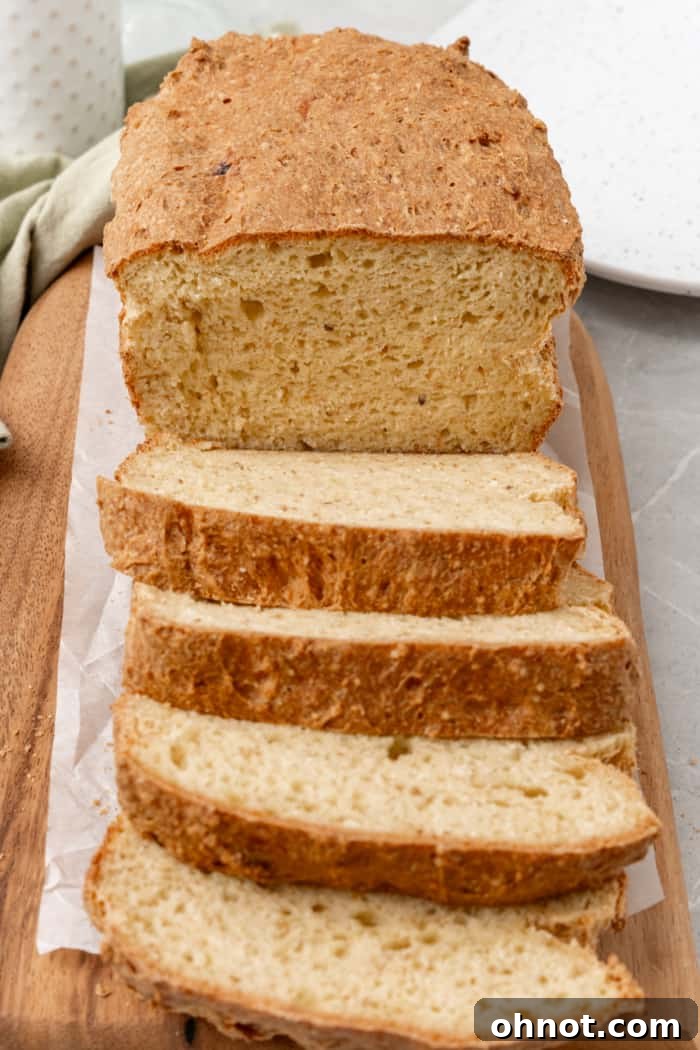
When it comes to texture, this bread strikes a remarkable balance. It’s firm enough to hold its shape for slicing and sandwich-making, yet incredibly light and tender to the bite. The olive oil is key to its moist crumb, preventing the dryness often associated with gluten-free alternatives. Meanwhile, the carefully selected blend of gluten-free flours provides a robust and airy structure, ensuring that the bread rises well and doesn’t become dense or gummy. The result is a loaf that is soft, fluffy, and retains moisture, offering a truly delightful sensory experience with every slice.
Key Ingredients and Smart Substitutions
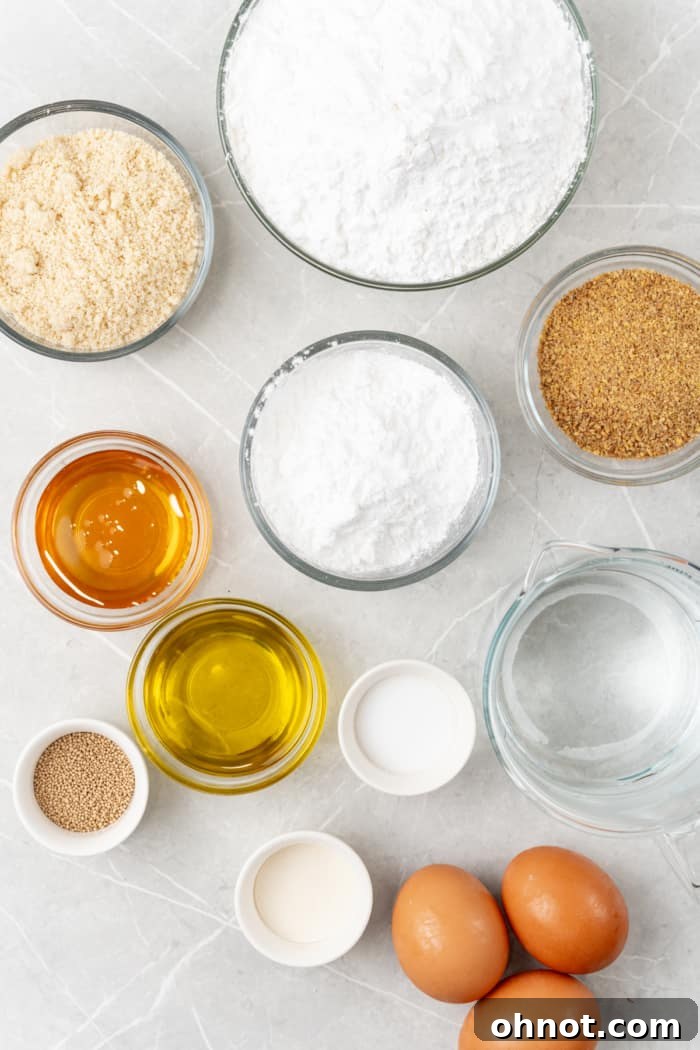
The success of this exceptional gluten-free bread lies in its carefully chosen ingredients. Below, we detail each component and offer helpful substitution notes to ensure your baking journey is smooth and successful. You’ll find the complete, detailed recipe with exact measurements at the end of this article.
- Gluten-Free 1-to-1 Flour Blend: This is the backbone of our recipe. These blends are specifically formulated to mimic the properties of wheat flour in baking and typically already contain xanthan gum, which is crucial for providing structure and elasticity in the absence of gluten. We highly recommend using reliable brands like King Arthur Flour or Bob’s Red Mill for consistent results. Ensure your chosen blend explicitly states it contains xanthan gum.
- Finely Blanched Almond Flour: This flour adds a wonderful richness, moisture, and a slight nutty flavor to the bread. It’s important to use *finely blanched* almond flour, which is made from almonds with their skins removed, resulting in a lighter color and finer texture. Avoid almond meal, which is coarser and includes almond skins, as it can make the bread denser and affect the texture.
- Tapioca Flour (or Tapioca Starch): Acting as a fantastic binder and thickener, tapioca flour gives the bread a pleasant chewiness and helps create a crispy crust. It’s naturally corn-free. If you don’t have tapioca flour, arrowroot powder or cornstarch can be used as direct substitutes, although tapioca is generally preferred for its texture contributions in bread.
- Ground Flaxseed: More than just an addition for nutty flavor, ground flaxseed significantly boosts the nutritional value of the bread, adding fiber, omega-3 fatty acids, and essential vitamins. It also acts as an additional binder, helping to create a more cohesive dough structure.
- Instant Yeast (Rapid-Rise Yeast): This type of yeast is designed to be fast-acting and doesn’t require prior proofing, making the bread-making process quicker and simpler. Ensure your yeast is fresh and active for the best rise.
- Warm Water: The temperature of the water is absolutely critical. It needs to be warm enough (around 105-115°F or 40-46°C) to activate the yeast without being too hot, which would kill the yeast and prevent the dough from rising. This warm environment also helps dissolve the natural sweetener, fueling the yeast.
- Olive Oil: A quality olive oil enhances the bread’s flavor profile and contributes significantly to its moist and tender crumb. For a similar effect, avocado oil can be used as an excellent alternative.
- Honey or Maple Syrup: These natural sweeteners not only provide a subtle sweetness to the bread but are also essential for activating the yeast and promoting a beautiful golden-brown crust during baking.
- Eggs: Eggs play a multi-faceted role in this recipe. They act as a crucial binder, holding the gluten-free ingredients together, and contribute to the bread’s light, airy texture and overall structure. Due to their integral function, it is highly recommended *not* to substitute the eggs in this particular recipe.
How to Make The Best Homemade Gluten-Free Bread
Baking delicious gluten-free bread at home is simpler than you might think. Follow these clear, step-by-step instructions to create a perfect loaf every time.
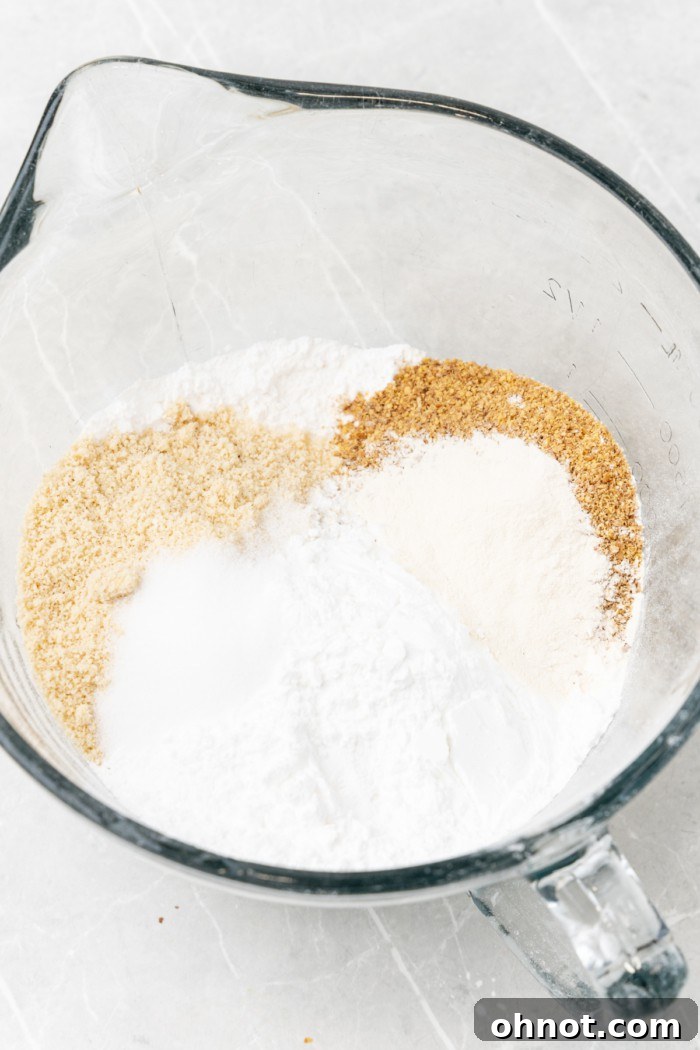
Step 1: Combine Dry Ingredients
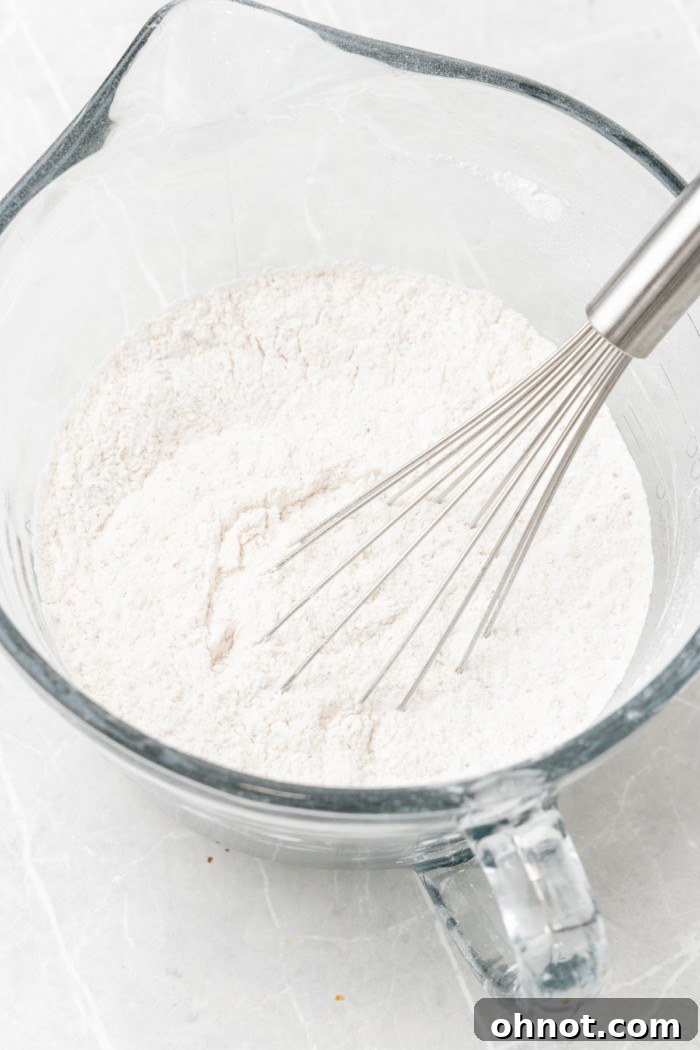
In a spacious mixing bowl, begin by whisking together all the dry ingredients. This includes the gluten-free 1-to-1 flour blend, almond flour, tapioca flour, ground flaxseed, instant yeast, and a pinch of sea salt. Whisk thoroughly to ensure all ingredients are evenly distributed, as this prevents pockets of unmixed ingredients in your final loaf.
Step 2: Prepare Wet Ingredients
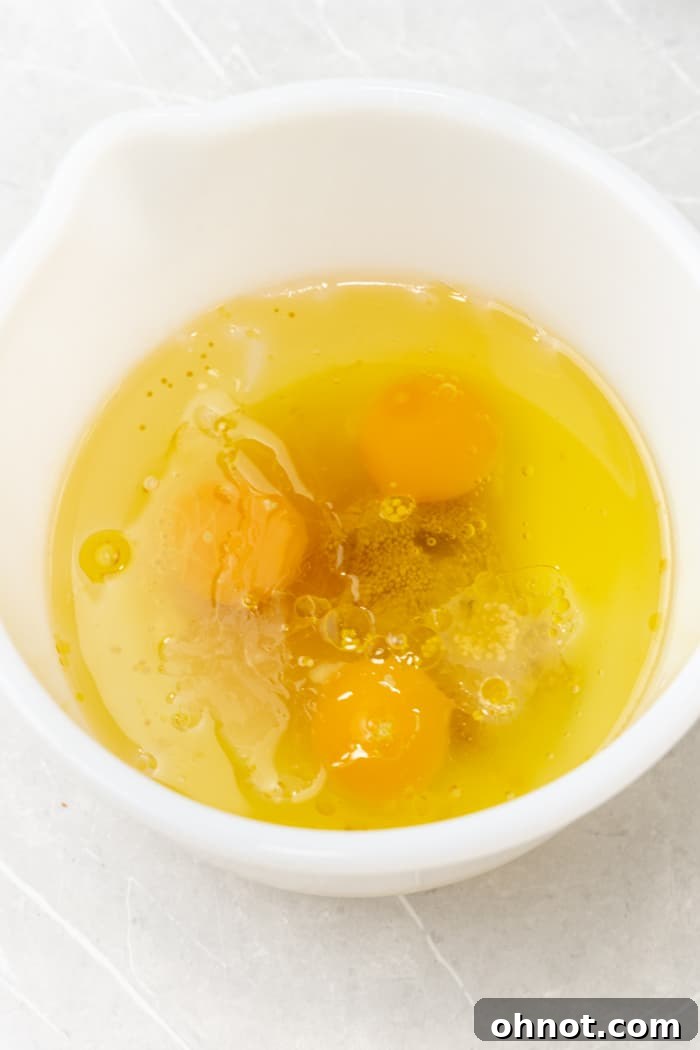
In a separate bowl, combine the warm water, olive oil, maple syrup (or honey), and eggs. Whisk these wet ingredients together until they are fully integrated and smooth. Ensure the water is at the correct temperature (around 105-115°F or 40-46°C) to properly activate the yeast without denaturing it.

Step 3: Combine Wet and Dry Ingredients
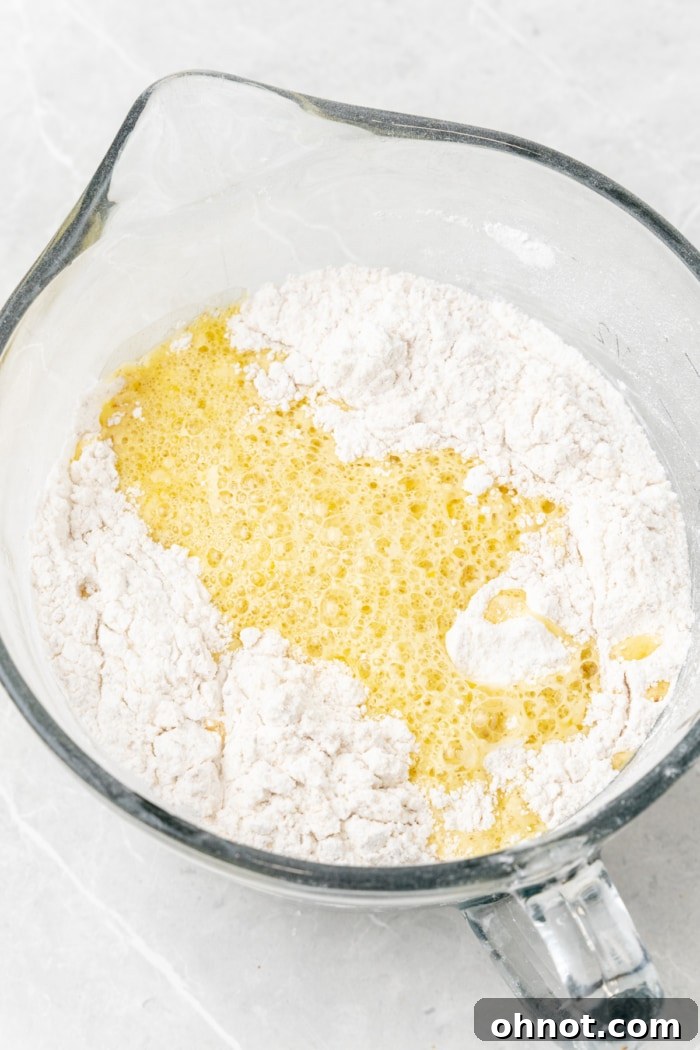
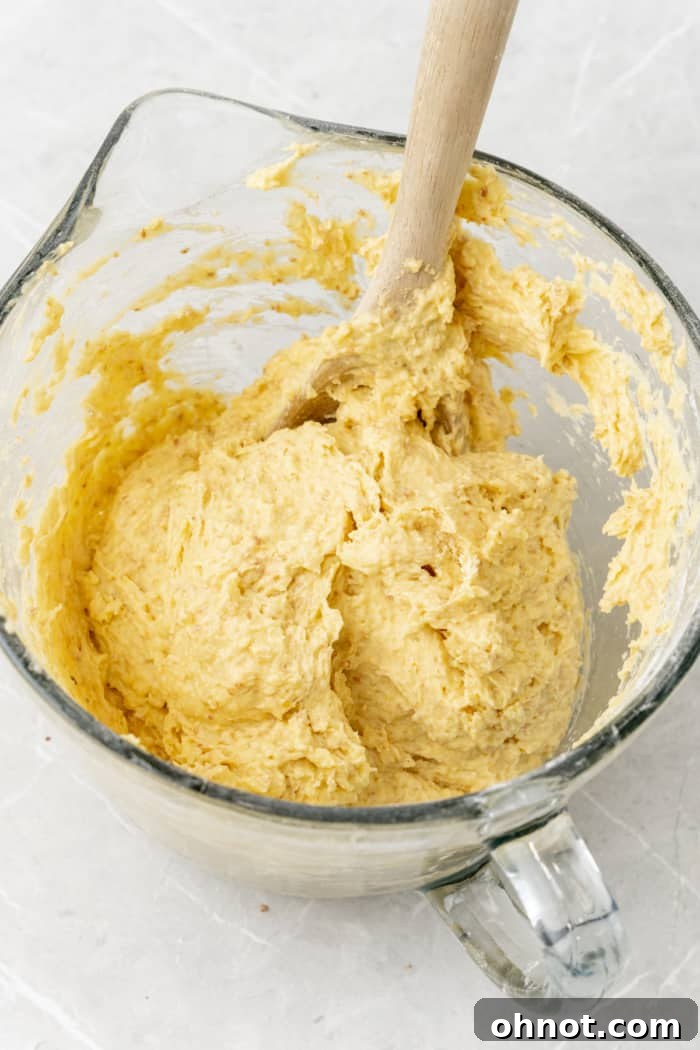
Gradually pour the wet ingredient mixture into the bowl containing the dry ingredients. Use a sturdy wooden spoon or a spatula to stir well as you pour. Continue mixing until a thick, somewhat sticky batter forms. Avoid overmixing; just mix until everything is just combined and no dry streaks of flour remain.
Step 4: Prepare for Rising
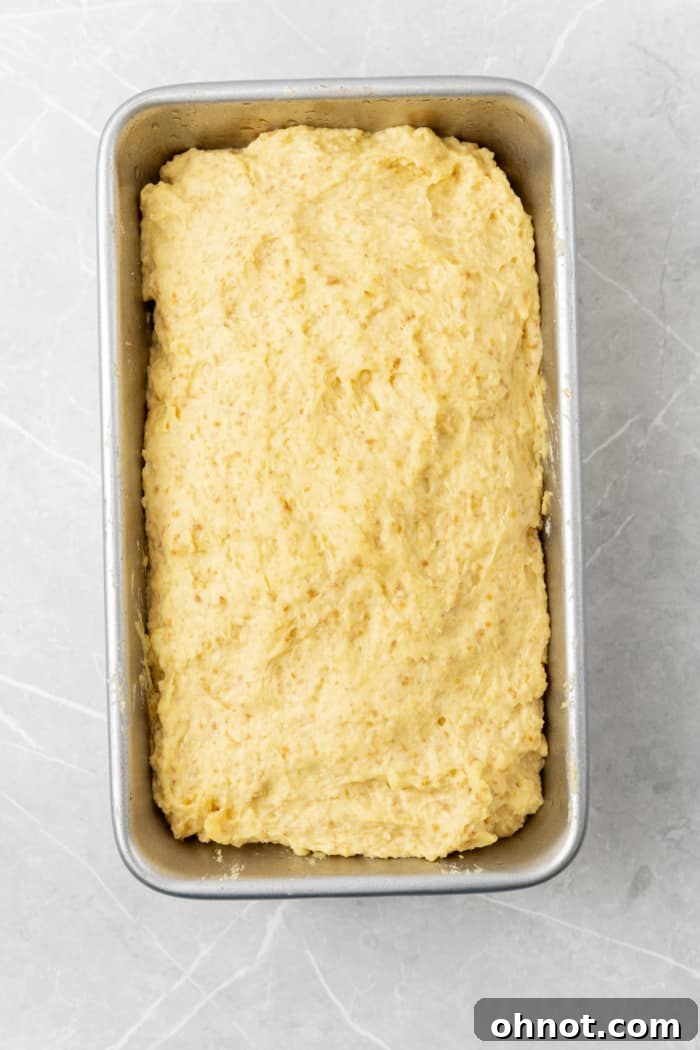
Carefully transfer the bread batter into a greased 9-inch by 5-inch loaf pan. Use a wet spatula to gently smooth out the top of the batter. The wet spatula prevents the sticky dough from clinging to it, allowing for an even surface.
Step 5: First Rise
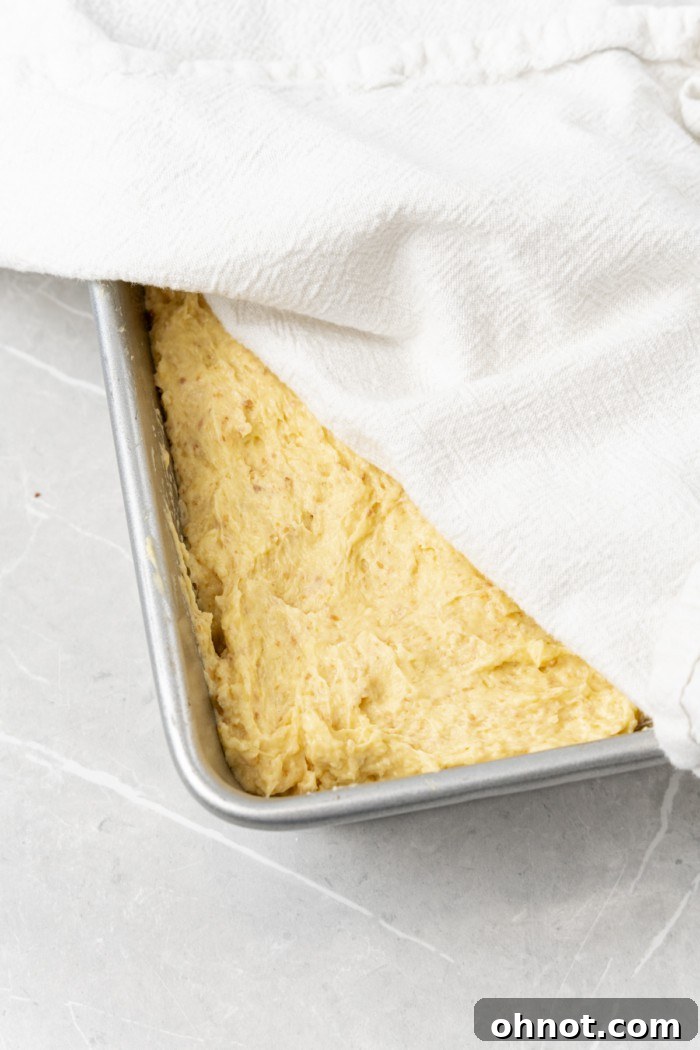
Loosely cover the loaf pan with a clean kitchen towel. Place the pan in a warm, draft-free spot for approximately 1 hour, or until the dough has noticeably doubled in size. Remember that gluten-free dough typically doesn’t rise as dramatically as traditional wheat-based dough, so slight expansion is perfectly normal.
Step 6: Preheat Oven
While your bread dough is in its final stages of rising, preheat your oven to 375 degrees Fahrenheit (190 degrees Celsius). This ensures the oven is at the correct temperature when the bread is ready to bake, which is crucial for a good rise and proper baking.
Step 7: Bake the Bread
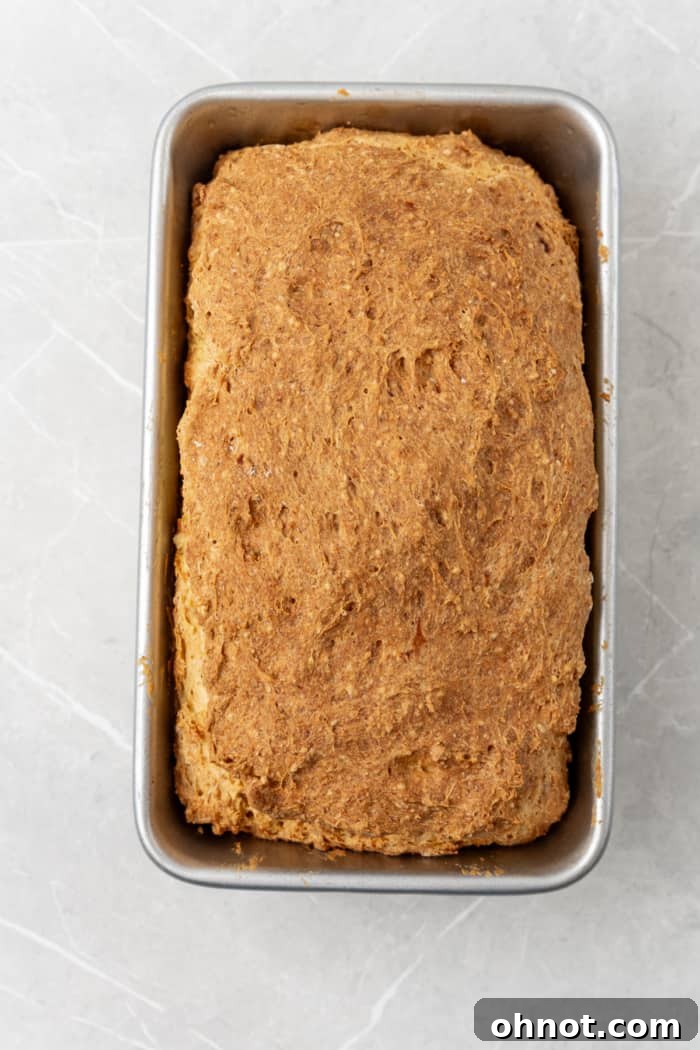
Once the dough has risen adequately, carefully place the loaf pan into the preheated oven. Bake for 45 to 50 minutes. The bread is done when the top has a beautiful golden-brown color and, when tapped gently, it produces a hollow sound, indicating it’s cooked through.
Step 8: Cool and Serve
Remove the freshly baked bread from the oven and let it cool in the pan for about 10 minutes. This allows the loaf to set. After 10 minutes, carefully transfer the bread from the pan to a wire rack to cool completely before attempting to slice it. Slicing warm bread can lead to a gummy texture and crumbly slices.
Expert Tips and Tricks for Gluten-Free Bread Success
Baking gluten-free bread can be incredibly rewarding, especially when you master a few key techniques. Here are some expert tips to ensure your homemade gluten-free loaf turns out perfectly every time:
- Ensure Fresh Yeast: The quality of your yeast is paramount. Always check the expiration date on your instant yeast. If your yeast isn’t fresh and active, your bread won’t rise properly, resulting in a dense loaf.
- Avoid Overmixing: While thorough mixing is important to combine ingredients, overmixing gluten-free dough can lead to a tougher, denser texture. Mix just until the ingredients are incorporated and the batter is smooth, but no longer. Light mixing yields the best, most tender results.
- Precise Water Temperature: As previously mentioned, the temperature of your warm water is a critical factor. It needs to be warm enough to activate the yeast (around 105-115°F or 40-46°C). Water that’s too cold won’t activate the yeast, and water that’s too hot will kill it. A kitchen thermometer can be a great tool here.
- Cooling is Crucial: Resist the temptation to slice into your bread immediately after baking! Allow the bread to cool in the pan for 10 minutes, then transfer it to a wire rack to cool completely. Cooling on a wire rack allows air circulation, preventing the bottom of the loaf from becoming soggy. Moreover, slicing warm gluten-free bread can result in a gummy texture or cause it to crumble. Patience here pays off!
- Accurate Measuring: Gluten-free baking is more precise than traditional baking. Use proper measuring techniques for your dry ingredients (spoon and level) and liquids to ensure the right balance for success. A kitchen scale can provide the most accurate measurements, especially for flours.
- Warm Rising Environment: Find a consistently warm, draft-free spot for your dough to rise. This could be a slightly warmed oven (turned off!), near a sunny window, or on top of a warm appliance. A consistent temperature encourages optimal yeast activity.
Flavor Variations and Creative Add-ins
While this gluten-free bread is delicious on its own, it also serves as a fantastic base for experimentation. Feel free to get creative with these exciting flavor variations and add-ins to customize your loaf:
- Savory Herb and Cheese Bread: Elevate your bread with a Mediterranean twist. Mix in 2-3 tablespoons of finely chopped fresh rosemary and thyme, along with ½ cup of grated mozzarella, Parmesan, or nutritional yeast for a dairy-free cheese alternative, during the final mixing stage of the dough.
- Sweet Banana Bread Swirl: For a delightful treat, add 1-2 mashed ripe bananas to the wet ingredients. You can also press sliced bananas onto the top of the loaf before baking for an appealing visual and extra burst of flavor. This creates a subtle banana bread hybrid.
- Nutrient-Rich Seed Topping: Boost the texture and nutritional value by adding a generous sprinkle of gluten-free oats, flaxseeds, poppy seeds, sunflower seeds, and chia seeds to the top of the bread just before it goes into the oven. You can also fold a few tablespoons of these seeds directly into the dough for a heartier texture.
- Classic Cinnamon Raisin Swirl: Transform your bread into the ultimate breakfast companion. Stir in ½ cup of pre-soaked raisins (to prevent them from drying out during baking) and 1-2 teaspoons of ground cinnamon into the dough. A sprinkle of cinnamon sugar on top can add extra sweetness and crunch.
- Rustic Sun-Dried Tomato and Basil: For a burst of Italian-inspired flavor, fold in ½ cup of finely sliced sun-dried tomatoes (oil-packed, drained) and 1-2 tablespoons of dried basil or fresh chopped basil into the batter before transferring it to the loaf pan.
- Garlic Herb Infusion: Add 1-2 cloves of minced garlic and 1 tablespoon of dried Italian seasoning to the dry ingredients for a fragrant savory loaf perfect with dinner.
How to Serve and Store Your Gluten-Free Bread
Once your homemade gluten-free bread is baked to perfection and fully cooled, the serving possibilities are endless. Enjoy it fresh, simply sliced with your favorite spread, a dollop of butter, or a drizzle of olive oil. It makes an excellent accompaniment to warm soups and stews, creating a comforting and wholesome meal. This bread is also incredibly sturdy for sandwich making – pile on your favorite fillings without worry of crumbling. We particularly love it topped with some homemade peanut butter, or transformed into a classic PB&J with our sugar-free raspberry chia seed jelly.
Proper storage is key to maintaining the freshness and delicious texture of your gluten-free bread. Always ensure the bread is completely cool before storing it. An airtight bread container is ideal, as it helps retain moisture and prevents the bread from drying out too quickly. You can store the bread at room temperature for up to 3 to 4 days. If you live in a particularly humid climate or wish to extend its shelf life further, storing it in the refrigerator can help, though it might slightly alter the texture.
For longer storage, this gluten-free bread freezes beautifully. Wrap the entire loaf tightly in plastic wrap, then aluminum foil, or slice it first and freeze individual slices. Freezing in slices is particularly convenient as you can grab just what you need. It will keep well in the freezer for up to 3 months. To thaw, simply remove the loaf or individual slices from the freezer and let them sit overnight in the fridge, or toast individual slices directly from frozen.
Frequently Asked Questions (FAQs) About Gluten-Free Bread
For this recipe, we recommend using instant yeast (also known as rapid-rise yeast). This type of yeast is convenient because it doesn’t require proofing before being added to the dry ingredients, speeding up the overall process. Popular brands like Fleischmann’s RapidRise Yeast work very well.
Several factors are crucial for successful gluten-free bread: do not overmix the dough, as this can lead to a dense texture. Be meticulous with measuring ingredients, ideally using a kitchen scale for accuracy. Lastly, always use high-quality ingredients, as their properties significantly impact the final taste and texture.
For this particular recipe, we’ve had excellent results with King Arthur Flour’s Gluten-Free 1-to-1 Flour and Bob’s Red Mill Gluten-Free 1-to-1 Baking Flour. Both brands produce a great texture and flavor. It’s vital to choose a gluten-free flour blend that already contains xanthan gum, as this ingredient provides the necessary structure and elasticity to the bread.
There are a few indicators. The bread will typically develop a beautiful dome shape on top and a rich golden-brown exterior. A reliable test is to gently tap the top or bottom of the loaf; if it sounds hollow, it’s usually a good sign that the bread is fully baked through. An internal temperature of 200-210°F (93-99°C) is also ideal.
The most common reasons for a lack of rise are inactive or expired yeast, water that was too hot (killing the yeast) or too cold (not activating it), or letting the dough rise in a cold or drafty environment. Ensure your yeast is fresh and your water temperature is consistently between 105-115°F (40-46°C).
Yes, this recipe is already naturally dairy-free! No dairy products are used in the ingredients, making it suitable for those with dairy allergies or intolerances.
A standard 9×5 inch (23×13 cm) loaf pan is recommended. If your pan is slightly smaller, you might have a taller, narrower loaf, and if it’s larger, your loaf might be shorter. Adjust baking time by a few minutes if necessary, keeping an eye on the golden-brown color and hollow sound test.
Essential Equipment for Gluten-Free Bread Baking
Having the right tools can make your baking experience much smoother. Here’s a list of recommended equipment for making this delicious gluten-free bread:
- Pyrex 3 Glass Mixing Bowls: These versatile glass bowls are perfect for mixing both wet and dry ingredients and are incredibly easy to clean.
- Pyrex Glass Measuring Cups: Essential for accurately measuring out all your liquid ingredients, ensuring the perfect consistency for your dough.
- Whisk: A good whisk is indispensable for thoroughly combining your dry ingredients and achieving a smooth blend of your wet components.
- Bread Pan: A high-quality 9×5 inch loaf pan is crucial for shaping your bread and achieving that classic loaf form.
Explore all of my kitchen favorites for more essential tools!
You May Also Enjoy These Recipes
If you loved this gluten-free bread, here are some other delightful recipes you might enjoy trying:
- Chocolate Banana Bread
- Sourdough Banana Bread
- Pumpkin Banana Bread
- Cream Cheese Banana Bread
- Protein Banana Bread
Get the Recipe:
Gluten Free Bread Recipe
This homemade gluten-free bread recipe is soft, fluffy, and delicious! It tastes exactly like regular sandwich bread, but it is made without gluten. Great for toast, French toast, sandwiches, and more!
Ingredients
Yields: 12 slices
- 2 ½ cups gluten free 1 to 1 flour (see note)
- ½ cup almond flour
- ½ cup tapioca flour
- ¼ cup ground flaxseed
- 2 tsp instant yeast
- 1 tsp sea salt
- 1 ½ cups warm water (about 110℉ / 43°C)
- 2 tbsp olive oil
- 2 tbsp maple syrup (or honey)
- 3 large eggs
Instructions
- First, in a large mixing bowl, whisk together the gluten-free flour, almond flour, tapioca flour, ground flaxseed, instant yeast, and salt.
- In a separate bowl, combine the warm water, olive oil, maple syrup (or honey), and eggs. Whisk until well blended.
- Gradually pour the wet ingredients into the dry ingredients, stirring well with a wooden spoon or spatula. Mix until a thick, sticky batter forms.
- Transfer the bread batter to a greased 9-inch by 5-inch loaf pan. Smooth the top with a wet spatula.
- Cover the pan loosely with a clean kitchen towel. Let it rise in a warm place for about 1 hour, or until doubled in size. Gluten-free dough may not rise as much as traditional bread dough.
- Preheat your oven to 375 degrees Fahrenheit (190°C) while the dough is rising.
- Once the dough has risen, place the pan in the preheated oven. Bake for 45 to 50 minutes, or until the top is golden brown and the bread sounds hollow when tapped.
- Finally, remove the bread from the oven. Cool for 10 minutes in the pan. Then, transfer it to a wire rack to completely cool before slicing.
Notes
- We love using King Arthur Flour gluten-free 1-to-1 flour for this recipe. Bob’s Red Mill also works well.
- Use a gluten-free flour blend that contains xanthan gum.
- Gluten-free bread typically does not rise as much as traditional bread.
- The bread is done baking when the top is a dome shape and golden brown.
- Tap the bread. If it sounds hollow, the bread is done baking.
- Allow the bread to fully cool before slicing.
- Store in an airtight container for up to 3 days at room temperature.
- Freeze individual slices for up to 3 months.
Nutrition Information (per slice)
Calories: 181kcal, Carbohydrates: 36g, Protein: 6g, Fat: 8g, Saturated Fat: 1g, Polyunsaturated Fat: 2g, Monounsaturated Fat: 3g, Trans Fat: 0.004g, Cholesterol: 41mg, Sodium: 212mg, Potassium: 95mg, Fiber: 3g, Sugar: 2g, Vitamin A: 59IU, Vitamin C: 0.03mg, Calcium: 32mg, Iron: 1mg
Love this homemade gluten-free bread recipe? You can sign up here to receive healthy meal plans, exclusive new recipes, and updates directly to your inbox!
We’d love to see your creations! Find us on Instagram, Facebook, and Pinterest. Join our exclusive Facebook Group for a behind-the-scenes look and community sharing. For more ideas, explore our other Breakfast Recipes.