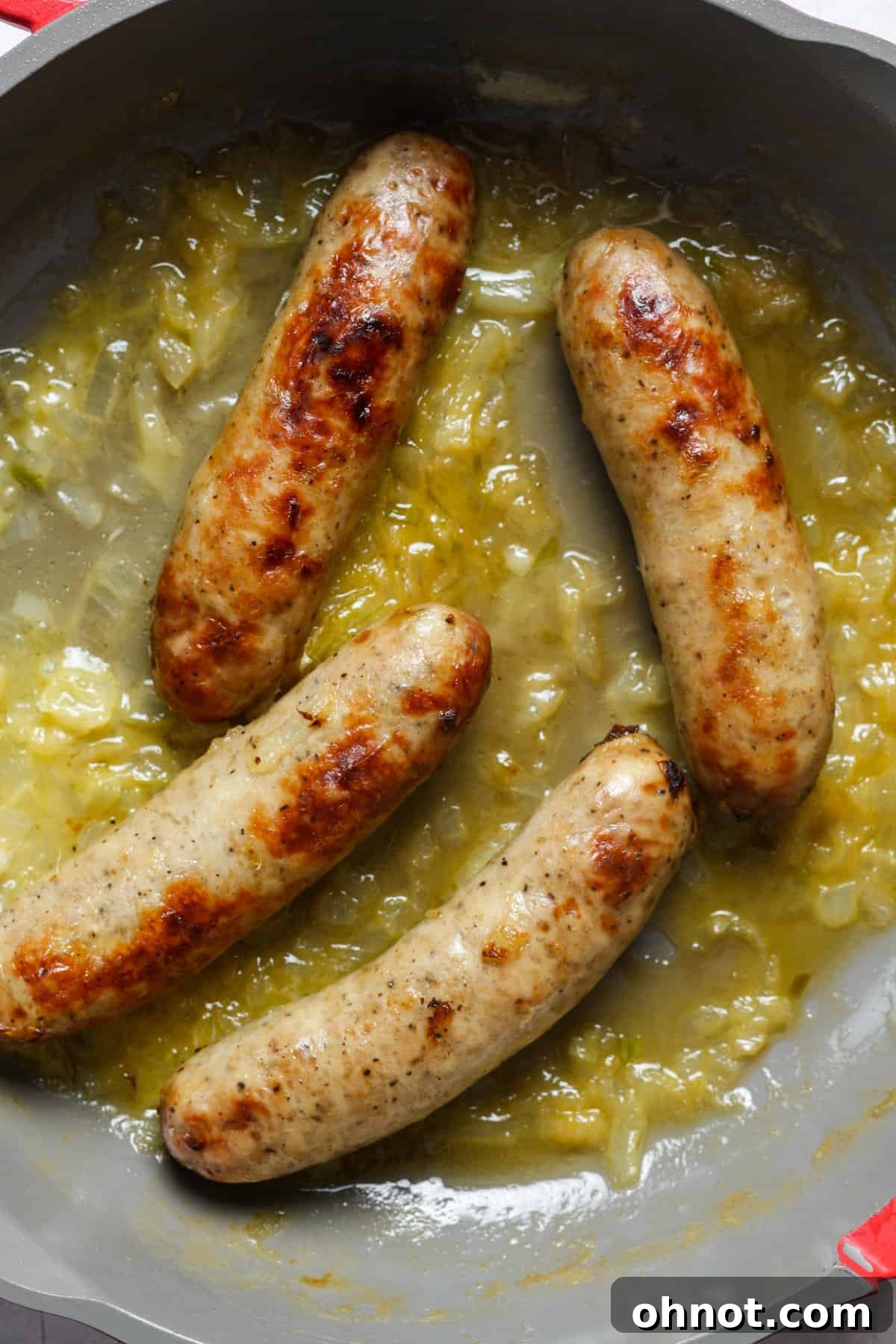
Prepare for a culinary journey with this incredibly quick, easy, and satisfying Bratwurst recipe! In just 30 minutes, using only one skillet, you can create a hearty and savory German-inspired meal that’s perfect for any occasion. This family-friendly dinner transforms simple bratwurst sausages into juicy, flavorful masterpieces, perfectly complemented by tender, golden caramelized onions. Whether it’s a busy weeknight, a casual gathering, or part of your weekly meal prep, this classic German dish promises exceptional taste with minimal effort. Get ready to impress your taste buds with succulent brats and sweet onions, all from a single pan!
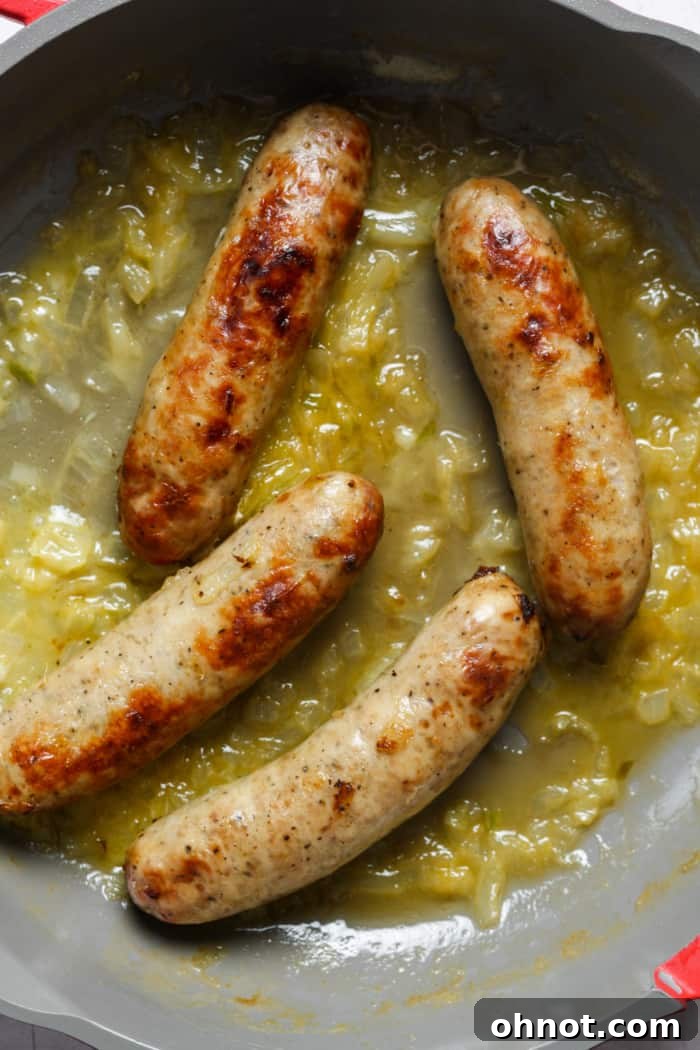
Why This One-Skillet Bratwurst Recipe Will Become Your New Favorite
Discover why this particular skillet bratwurst recipe stands out as an absolute must-try. It’s not just a meal; it’s a convenient, flavorful experience designed to simplify your cooking while delivering maximum taste.
- Unforgettable Flavor: Bratwurst is inherently a remarkably flavorful sausage, and this recipe enhances its natural richness, making it perfect for any meal, any time of year.
- Effortless One-Skillet Cooking: Say goodbye to piles of dirty dishes! This entire meal comes together in just one skillet, making cleanup a breeze.
- No Grill? No Problem!: Achieve perfectly cooked, juicy bratwurst without needing an outdoor grill. This method brings the joy of grilled brats indoors.
- Lightning Fast Prep & Cook Time: From start to finish, you’re looking at only 30 minutes. This makes it an ideal solution for busy weeknights when time is of the essence.
- Minimal Ingredients, Maximum Impact: With only 4 main ingredients, you don’t need a pantry full of exotic items to create something truly delicious. Simplicity meets flavor.
- Perfect Pairing: The combination of savory bratwurst and sweet, caramelized onions is a match made in culinary heaven, creating a balanced and utterly delicious dish.
- Dietary Friendly: This recipe is thoughtfully crafted to be Paleo friendly, Keto friendly, gluten-free, dairy-free friendly, and sugar-free friendly, accommodating a variety of dietary needs without sacrificing taste.
- Versatile for All Occasions: Whether it’s a casual family dinner, a potluck, or a quick meal prep for the week ahead, this recipe fits seamlessly into any schedule or event.
- Explore More: For those who love their air fryer, don’t miss our Air Fryer Bratwurst recipe for another fantastic cooking method.
Mastering the Ingredients: What You’ll Need and Smart Substitutions
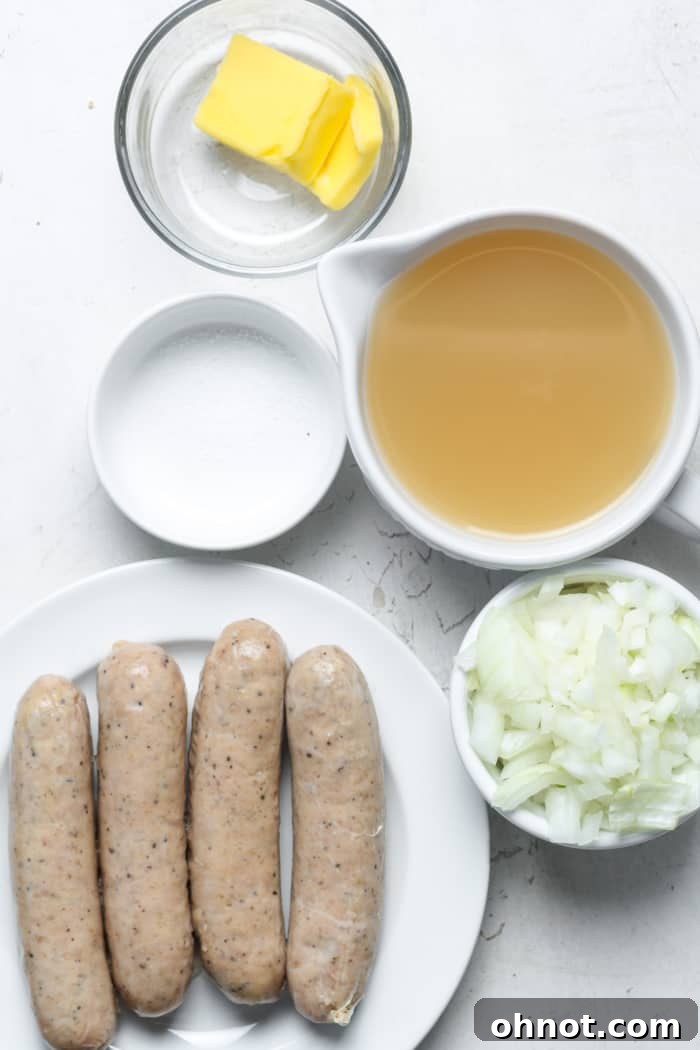
Creating the perfect one-skillet bratwurst begins with selecting the right ingredients and knowing how to adapt. Here’s a detailed look at the core components and versatile substitutions to ensure your meal is both delicious and tailored to your preferences. For a complete list of ingredients and precise instructions, refer to the recipe card below.
Butter: A small amount of butter is essential for achieving beautifully caramelized onions. It imparts a rich, nutty flavor and a golden-brown hue. If you need a dairy-free option, feel free to use your favorite plant-based butter alternative. For those following a Whole30 or Paleo diet, clarified butter (ghee) is an excellent choice that offers similar rich notes without the dairy solids.
Yellow Onion: The star alongside the bratwurst, yellow onions caramelize wonderfully, adding a natural sweetness and depth of flavor. Ensure you finely dice the onion for even cooking and optimal caramelization. While yellow onions are preferred, sweet onions also work beautifully, enhancing the dish’s inherent sweetness. It’s best to avoid red onions for this particular recipe, as their flavor profile can be a bit too robust and less sweet when caramelized compared to yellow or sweet varieties.
Sea Salt: A simple pinch of sea salt can elevate the entire dish, enhancing the flavors of both the onions and the bratwurst. It helps to draw out moisture from the onions, aiding in their caramelization, and perfectly seasons the final product. Adjust to your taste preferences.
Bratwurst Sausages: The foundation of our meal! The beauty of this recipe is its adaptability to various types of bratwurst. Whether you prefer traditional pork bratwurst, or leaner options like chicken, beef, or even veal brats, they will all perform well. When selecting your bratwurst, particularly for Whole30 or Paleo diets, always check the labels to ensure there is no added sugar or undesirable ingredients. Opt for high-quality sausages for the best flavor and texture.
Broth or Beer: This liquid is crucial for simmering the bratwurst, keeping it incredibly moist and juicy. For a robust, savory flavor, chicken broth or beef broth are excellent choices. If you prefer the traditional German touch, beer works wonderfully, adding a malty depth to the dish. For those who are gluten-sensitive or gluten-free, opt for a gluten-free beer or stick with a high-quality broth. The liquid gently poaches the sausages, ensuring they cook through evenly and absorb additional flavor before getting that perfect sear.
Understanding Bratwurst: A German Culinary Delight
Bratwurst, a name synonymous with German cuisine, is much more than just a sausage. It’s a rich culinary tradition, deeply rooted in German history and celebrated worldwide for its distinct flavor and versatile applications. The name “bratwurst” itself offers a clue to its origins, derived from the Old High German word “Brät” meaning ‘finely chopped meat’ and “Wurst” meaning ‘sausage’.
Traditionally, bratwurst is crafted from pork, providing a juicy, flavorful base. However, regional variations frequently incorporate beef, veal, or a combination of these meats, each offering a slightly different texture and taste profile. The magic truly lies in the blend of spices, which can vary significantly from one German region to another. Common seasonings include a harmonious mix of salt, black pepper, nutmeg, caraway, marjoram, and sometimes ginger, lending bratwurst its signature savory, slightly sweet, and subtly spicy character.
This iconic sausage is incredibly versatile in the kitchen. While often grilled to perfection, pan-frying and air-frying are also popular methods, each imparting a unique finish to the sausage. Beyond being a main course, bratwurst can be a delightful addition to various dishes. Slice it into hearty soups and stews, incorporate it into sandwiches or wraps, or simply enjoy it on its own with classic accompaniments. Its robust flavor and satisfying texture make it a beloved staple, particularly in Germany and the United States, where it enjoys widespread popularity.
Taste & Texture Profile: A Symphony for the Senses
The appeal of bratwurst extends beyond its historical roots to its delightful taste and texture. Each bite offers a rich, savory explosion, often balanced with subtle sweet and spicy undertones that come from its unique spice blend. While regional variations exist, expect notes of earthy nutmeg and aromatic caraway, creating a complex yet comforting flavor profile.
In terms of texture, a perfectly cooked bratwurst boasts a firm and satisfyingly chewy casing, giving way to an incredibly juicy and tender interior. The careful preparation ensures that the sausage remains moist throughout. When paired with our signature caramelized onions, the texture contrast is sublime. The onions transform into soft, deeply sweet, and slightly jammy morsels, providing a beautiful counterpoint to the robust sausage. This combination delivers a harmonious balance of flavors and textures that is truly irresistible.
Versatile Cooking Methods for Bratwurst: Beyond the Skillet
Bratwurst’s enduring popularity is partly due to its adaptability to various cooking techniques. While our one-skillet method (simmering and searing) ensures maximum juiciness and perfectly caramelized onions, it’s worth exploring other popular ways to prepare this German delicacy. Each method brings out different qualities of the sausage, offering a range of culinary experiences.
Grilling: A quintessential summer favorite, grilling bratwurst imparts a smoky char and delightful crispy casing. To grill, preheat your grill to medium-high heat. Place the sausages directly on the grates, turning them every few minutes to ensure even cooking and browning. Grill for approximately 10 to 12 minutes, or until the internal temperature reaches 160°F (71°C) and they are beautifully browned and cooked through. Grilling locks in flavor and creates those irresistible grill marks.
Pan Frying: A quick and convenient method for stovetop cooking, pan-frying delivers a crisp exterior and a juicy interior. Heat a large skillet over medium-high heat and add a tablespoon of oil (such as olive or avocado oil). Once hot, add the sausages to the pan, ensuring they have enough space. Cook for 5 to 7 minutes, turning occasionally, until the brats are evenly browned and cooked through to an internal temperature of 160°F (71°C). This method is excellent for developing a rich, seared crust.
Boiling (then Searing): A traditional approach, boiling bratwurst helps keep the sausage incredibly juicy and tender by cooking it through gently. In a large pot, bring water (or beer/broth) to a boil. Add the sausages, then reduce the heat to a simmer. Cook for 10 to 12 minutes, or until the sausage is cooked through. For added flavor and texture, many will then transfer the boiled brats to a hot skillet or grill for a quick sear, creating a browned exterior. This two-step method ensures moistness and a desirable finish.
Baking: When cooking for a crowd or seeking a hands-off approach, baking is a fantastic option. Preheat your oven to 375°F (190°C). Arrange the sausages in a single layer in a baking dish or on a sheet pan. Bake for 25 to 30 minutes, flipping halfway through, until the bratwurst is cooked through and lightly browned. Baking is efficient and ensures consistent cooking without constant attention.
Our Featured Method: Simmering then Searing in a Skillet: In this specific recipe, we leverage the best of both worlds by first simmering the bratwurst in a flavorful liquid (broth or beer) and then finishing with a high-heat sear. This technique is designed to maximize moisture and flavor. Simmering ensures the brats cook evenly and remain incredibly moist and tender, absorbing the aromatics of the liquid and the onions. The final high-heat sear creates a perfectly browned, slightly crispy exterior, adding an irresistible textural contrast that elevates the dish. This combined approach results in exceptionally juicy brats with wonderfully caramelized onions, all from the convenience of one skillet.
Step-by-Step Guide: How to Make One-Skillet Bratwurst with Caramelized Onions
This recipe is designed for simplicity without compromising on flavor. Follow these straightforward steps to create a hearty and delicious bratwurst meal in a single skillet.
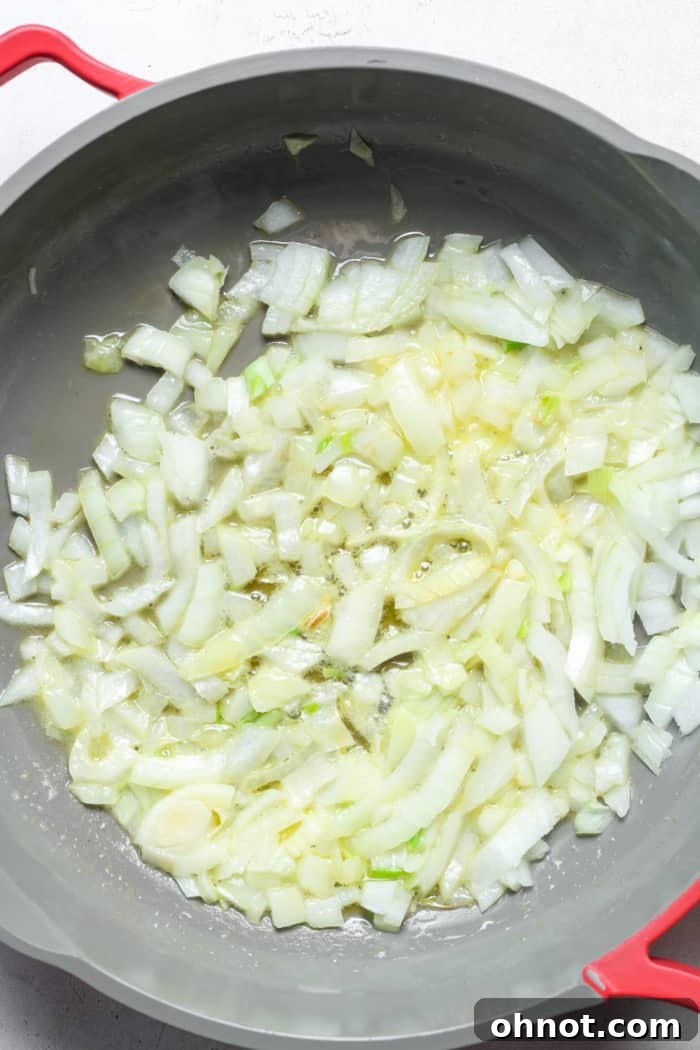
Step 1: Sauté the Onions
Begin by melting two tablespoons of butter in a large skillet over medium heat. Once the butter has fully melted and is shimmering, add your finely diced yellow onions to the pan. The butter will help them caramelize beautifully and develop a rich flavor.
Step 2: Soften and Season
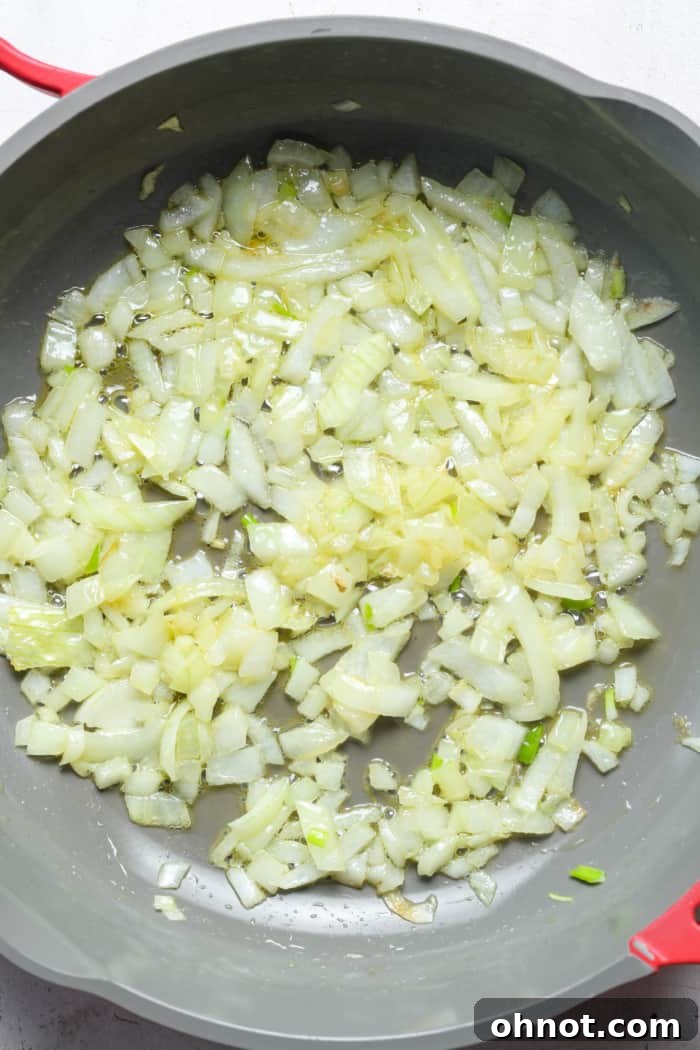
Continue to cook the onions for about 5 minutes, or until they have softened and begun to turn translucent. Season them with a pinch of sea salt, which will help to draw out their natural sweetness and aid in the caramelization process. Stir occasionally to prevent sticking and ensure even cooking, allowing them to turn a lovely golden hue.
Step 3: Add Bratwurst and Liquid
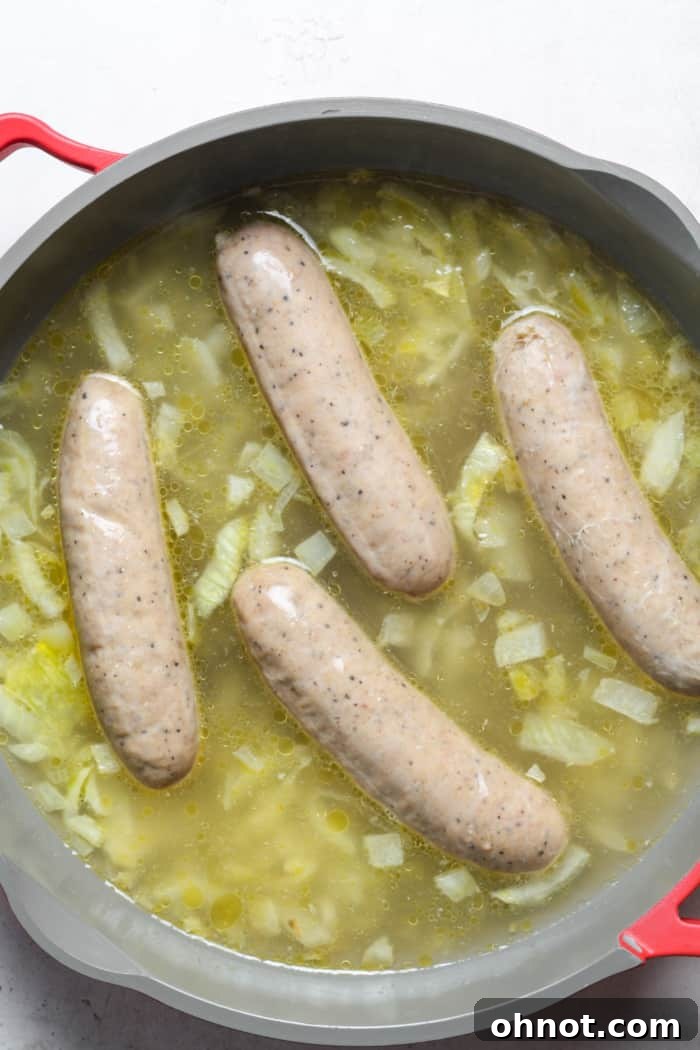
Once the onions are softened, carefully add the four bratwurst sausages to the skillet, nestling them among the onions. Then, pour 12 ounces of broth or beer over the bratwurst and onions. This liquid will be crucial for simmering the brats, ensuring they become incredibly juicy and infused with flavor.
Step 4: Simmer to Perfection
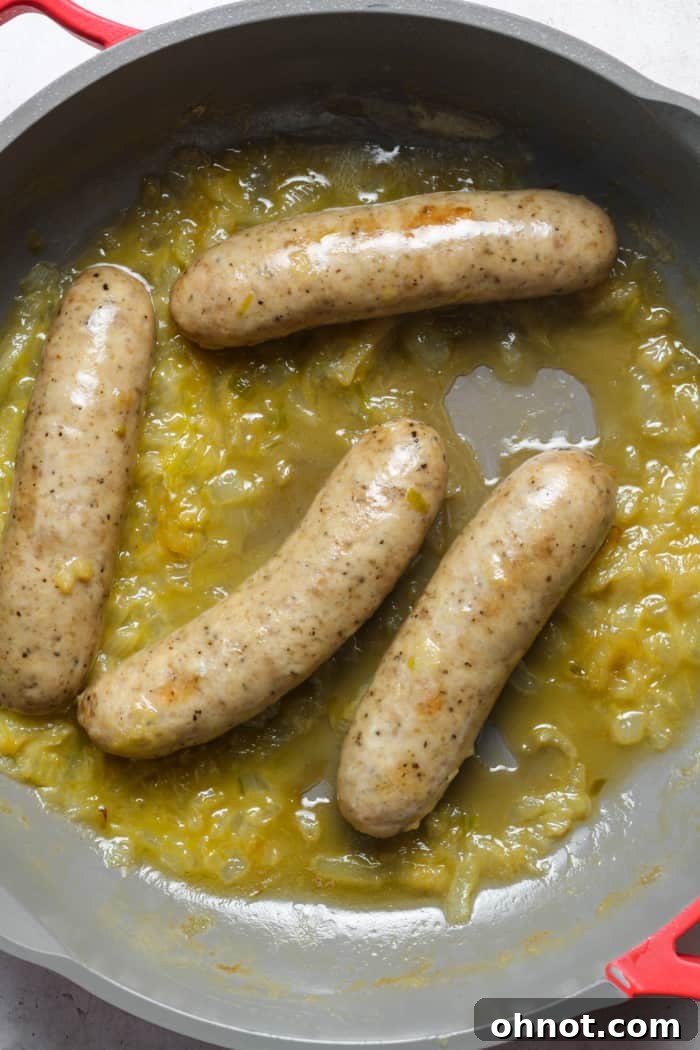
Increase the heat slightly to bring the mixture to a gentle simmer. Once simmering, reduce the heat to maintain a steady, low boil and cook for 20 minutes. During this time, flip the bratwurst every 5 minutes or so to ensure they cook evenly and absorb the flavorful liquid from all sides. This simmering step is key to tender, moist sausages.
Step 5: Achieve the Perfect Sear
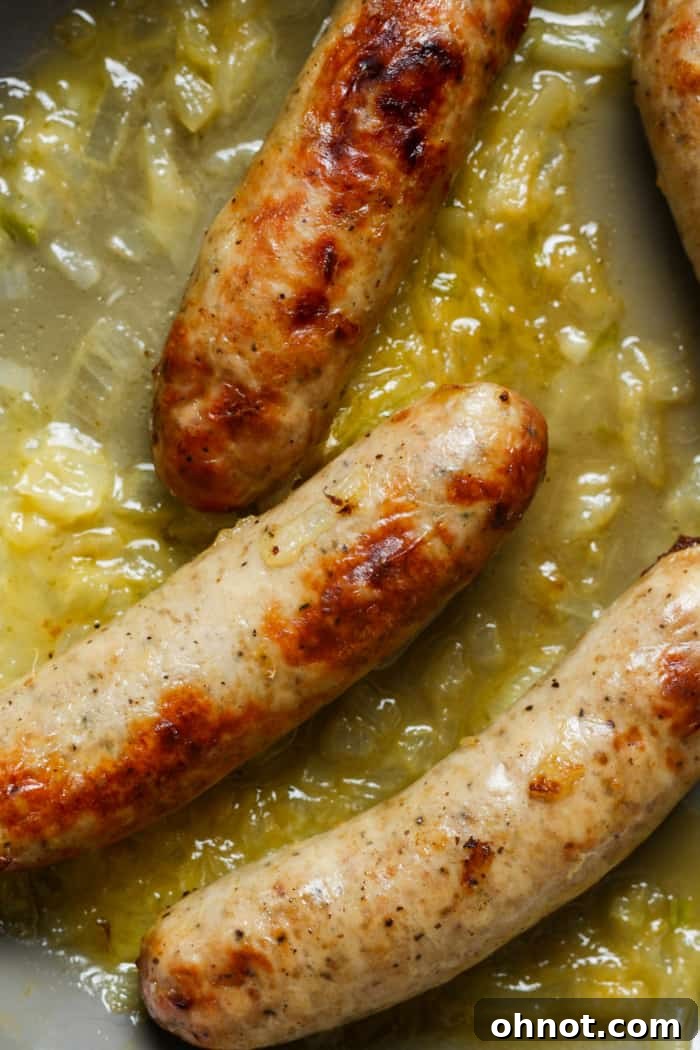
For that irresistible golden-brown crust, remove both the bratwurst and onions from the skillet and set them aside. Turn the heat up to medium-high. Once the skillet is very hot, add only the bratwurst back to the pan. Sear each side for approximately 1 minute, creating a beautiful crust and adding another layer of flavor and texture. This step ensures a crispy exterior while maintaining the juicy interior.
Step 6: Serve and Enjoy!
Finally, return the caramelized onions to the skillet with the seared bratwurst, or plate them separately. Serve your perfectly cooked brats immediately with the sweet, tender onions. This dish is fantastic on its own or with your favorite German-inspired sides!
Chef’s Secrets: Expert Tips & Tricks for Perfect Bratwurst Every Time
Elevate your bratwurst cooking from good to gourmet with these expert tips and tricks, ensuring a flawless and flavorful outcome every single time.
- Invest in a Meat Thermometer: The most crucial tip for perfectly cooked bratwurst is to use a reliable meat thermometer. Bratwurst should always reach an internal temperature of at least 160°F (71°C) for food safety. A thermometer prevents both undercooking (which can be unsafe) and overcooking (which leads to dry, tough sausage). Insert the thermometer into the thickest part of the sausage without touching the bone (if any).
- Resist Piercing the Casing: A common mistake when cooking bratwurst, especially during grilling or pan-frying, is piercing the casing. While it might seem like a way to check doneness or prevent bursting, piercing the casing allows the precious juices and fat to escape. This results in a dry, less flavorful sausage. Let the casing do its job of keeping all that deliciousness sealed inside until you’re ready to eat.
- Don’t Overcrowd the Skillet: When searing your brats, ensure you don’t overcrowd the skillet. If there are too many sausages in the pan, the temperature will drop, and instead of searing, they will steam. This prevents the development of that desirable golden-brown crust. Cook in batches if necessary, giving each sausage enough space to make direct contact with the hot pan.
- Monitor Onion Caramelization: Achieving perfectly caramelized onions requires patience and attention. Keep the heat at a steady medium and stir them frequently to prevent burning. True caramelization takes time, transforming them from sharp to wonderfully sweet and tender. If they start to dry out, a tablespoon of water or broth can help deglaze the pan and continue the process without burning.
- Adjust Simmering Liquid as Needed: During the simmering phase, keep an eye on the liquid level. If it evaporates too quickly, the brats could dry out. Don’t hesitate to add a splash more broth or beer to maintain a gentle simmer and ensure the sausages remain moist. The goal is to gently cook them through, infusing them with flavor.
- Deglaze for Extra Flavor: After removing the brats and onions from the skillet, before the final sear, you might notice browned bits stuck to the bottom of the pan. These are called “fond” and are packed with flavor! A quick deglaze with a little extra broth or beer, scraping with a wooden spoon, can release these flavors. You can then pour this flavorful liquid over your finished dish for an extra boost.
How to Serve & Store Your Delicious Bratwurst
Bratwurst is a beloved sausage globally, and while incredibly tasty on its own, it truly shines when paired with the right sides and toppings. Knowing how to serve it and properly store leftovers ensures you get the most out of your culinary creation. Here are some fantastic ideas to complete your meal and practical storage tips.
Delectable Serving Suggestions:
Turn your one-skillet bratwurst into a memorable feast with these complementary side dishes:
- Sauerkraut: A quintessential German pairing, sauerkraut offers a tangy flavor and a crisp texture that perfectly cuts through the richness of the savory sausage. Its fermented goodness is not only delicious but also adds a healthy probiotic boost. You can find high-quality sauerkraut at most grocery stores or even try making your own for an authentic experience.
- Creamy Potato Salad: A cool, creamy potato salad is a superb contrast to the warm, hearty bratwurst. The refreshing flavors of boiled potatoes, diced onions, hard-boiled eggs, and a tangy dressing made with mayonnaise, mustard, and vinegar provide a perfect balance to the rich sausage. Consider a German-style potato salad with a vinegar-based dressing for an extra authentic touch.
- Coleslaw: Another refreshing side, coleslaw brings a delightful crunch and a vibrant freshness to the plate. The crisp cabbage and carrots, tossed in a creamy or vinaigrette dressing, offer a pleasant texture and flavor contrast. For a healthier, Whole30-friendly option, check out our Creamy Whole30 Coleslaw Recipe.
- Soft Pretzels or Crusty Bread: A soft, chewy pretzel (especially a large, Bavarian-style one) is the ultimate accompaniment. Its salty exterior and doughy interior complement the savory bratwurst beautifully. If pretzels aren’t available, a good quality crusty bread or even sturdy rolls are perfect for soaking up any delicious skillet juices. For those with dietary needs, ensure you choose gluten-free options if required.
- Mustard: No bratwurst experience is complete without a variety of mustards. The tangy, spicy, or sweet notes of mustard enhance the sausage’s flavor profile. Experiment with Dijon mustard for a sharp kick, honey mustard for a touch of sweetness, or a robust spicy brown mustard for an authentic German flair.
- Roasted Vegetables: For a complete and wholesome meal, serve your bratwurst alongside roasted root vegetables like potatoes, carrots, parsnips, or Brussels sprouts. Roasting brings out their natural sweetness and creates a satisfying texture that pairs well with the tender sausage and caramelized onions.

Storage Solutions:
Proper storage ensures your delicious bratwurst and onions remain fresh and ready for future enjoyment:
- Refrigeration: Allow any leftover bratwurst and caramelized onions to cool completely to room temperature. Transfer them to an airtight container and store in the refrigerator for up to 3-5 days. This makes for excellent meal prep and quick lunches.
- Freezing: For longer storage, cooked bratwurst can be frozen. Once cooled, place the sausages (and onions, if desired) in a single layer on a baking sheet to flash freeze for about an hour, preventing them from sticking together. Then, transfer them to a freezer-safe bag or container, removing as much air as possible. They can be stored in the freezer for up to 2-3 months. Thaw overnight in the refrigerator before reheating.
- Reheating: To reheat, gently warm the bratwurst and onions in a skillet over medium-low heat until heated through. You can add a splash of broth or water to prevent drying out. Alternatively, microwave on medium power in short bursts until warm, though a skillet provides a better texture.
Frequently Asked Questions (FAQs) About Bratwurst
Here are some common questions about bratwurst, providing helpful insights into this delicious German sausage.
Bratwurst is a specific type of fresh sausage that originated in Germany. While all bratwurst are sausages, not all sausages are bratwurst. The distinction lies in its particular blend of finely chopped meats (traditionally pork, beef, or veal) and unique spices like nutmeg, caraway, and marjoram, which give it its characteristic savory and aromatic flavor profile. Other sausages may use different meats, spice combinations, or preparation methods (e.g., cured, smoked).
Both hot dogs and bratwurst are types of sausages. However, they differ in their origin, ingredients, and preparation. Hot dogs are typically made from finely ground cured meat (often beef, pork, or poultry) and are usually smoked or pre-cooked. Bratwurst, on the otherously, is a fresh sausage made from coarsely ground meat and specific German seasonings, meant to be fully cooked before consumption. While both are often served on a bun, their flavors and textures are quite distinct.
Bratwurst is traditionally served with a selection of classic German accompaniments. The most common include tangy sauerkraut, creamy or vinaigrette-based coleslaw, a variety of mustards (Dijon, spicy brown, or honey mustard), and, as featured in this recipe, sweet caramelized onions. Other popular sides can include soft pretzels, potato salad, or roasted potatoes.
Traditionally, bratwurst is most often grilled or pan-fried, methods that yield a delicious crispy skin and juicy interior. However, it can also be prepared by boiling (often followed by a quick sear), air-frying, or baking, each method offering a slightly different texture and flavor. This recipe specifically combines simmering in liquid for juiciness with a final sear for a golden crust.
Absolutely! While beer adds a traditional malty flavor, you can easily cook bratwurst without it. For this recipe, we recommend using chicken broth or beef broth as an excellent non-alcoholic alternative. Broth still provides the necessary liquid for simmering, ensuring the bratwurst remains incredibly juicy and flavorful. If you’re gluten-free, using broth is often the easiest option, as gluten-free beer can sometimes be difficult to find.
Cooking times for bratwurst can vary based on the method and thickness of the sausage. Generally, whether grilling, pan-frying, or simmering, bratwurst typically takes between 10 to 30 minutes to cook through. The most accurate way to determine doneness is to use a meat thermometer, ensuring the internal temperature reaches 160°F (71°C).

Essential Equipment for Your Kitchen
Having the right tools can make all the difference in the kitchen, especially when preparing a recipe like this one-skillet bratwurst. Here are a couple of essential items that will ensure your cooking process is smooth and successful:
- Meat Thermometer: An absolute must-have for safe and precise cooking. A good meat thermometer allows you to accurately check the internal temperature of your bratwurst, ensuring it reaches the safe minimum of 160°F (71°C) without being overcooked and dry.
- Large Skillet: The star of this one-pan meal! A spacious, heavy-bottomed skillet is crucial for sautéing onions, simmering the brats, and achieving that perfect final sear. Cast iron or a good quality non-stick pan will work wonderfully, distributing heat evenly and providing excellent browning capabilities.
- Wooden Spoon or Spatula: Essential for stirring the onions during caramelization and flipping the bratwurst without piercing the casing. A sturdy, heat-resistant option is always best.
You May Also Like: Discover More Delicious Recipes
If you enjoyed this easy and flavorful one-skillet bratwurst recipe, you’ll love exploring these other satisfying and simple dishes from our kitchen. Expand your culinary repertoire with these fantastic meal ideas:
- Chicken Schnitzel: A classic German-Austrian dish featuring tender, breaded chicken cutlets.
- Cast Iron Skillet Chicken Breast: Learn how to get perfectly juicy and seared chicken every time.
- Air Fryer Sausage Links: Another quick and easy way to prepare delicious sausages with minimal fuss.
- Sausage Stir Fry: A vibrant and customizable meal packed with flavor and healthy vegetables.
- Cube Steak Recipe: A tender and savory dinner option that’s surprisingly simple to make.
We genuinely hope you love this healthy One-Skillet Bratwurst recipe as much as we do! If you make it, please consider leaving a review – your feedback means the world to us. You can connect with us and share your culinary creations on Instagram, Facebook, and Pinterest. For an exclusive behind-the-scenes look and community interaction, join our private Facebook Group. We’d love for you to follow along! For more delicious inspiration, explore our wide range of Dinner Recipes.

5 mins
25 mins
30 mins
Get the Recipe:
One-Skillet Bratwurst with Caramelized Onions
Pin Recipe
Ingredients
4
servings
-
2
tbsp
butter -
1
yellow onion,
finely diced -
pinch
sea salt -
4
Bratwurst sausages -
12
ounces
broth or beer
Instructions
-
First, add butter to a large skillet over medium heat. Once melted, add in diced onions.
-
Cook onions for 5 minutes or until softened. Season with sea salt. Stir occasionally to prevent burning.
-
Add the Bratwurst to the skillet. Pour over broth or beer.
-
Bring mixture to a simmer. Simmer for 20 minutes. Flip Brats every 5 minutes or so.
-
To get the sear, remove everything from the skillet. Turn up heat to medium high. Add in only Brats. Sear on each side for 1 minute.
-
Finally, serve Brats with onions.
Notes
- Any type of Bratwurst works for this recipe.
- Continue stirring onions to prevent burning.
- Use broth or beer. It can be tough to find gluten-free beer, so chicken broth or beef broth are excellent alternatives.
- As the mixture simmers, it may need slightly more broth to maintain liquid level.
- Store leftovers in an airtight container in the fridge for up to 5 days.
Calories:
285
kcal
,
Carbohydrates:
6
g
,
Protein:
9
g
,
Fat:
25
g
,
Saturated Fat:
10
g
,
Polyunsaturated Fat:
2
g
,
Monounsaturated Fat:
11
g
,
Trans Fat:
0.2
g
,
Cholesterol:
64
mg
,
Sodium:
945
mg
,
Potassium:
272
mg
,
Fiber:
0.5
g
,
Sugar:
2
g
,
Vitamin A:
361
IU
,
Vitamin C:
2
mg
,
Calcium:
26
mg
,
Iron:
0.4
mg
Addison LaBonte
Main Course
German
Love this easy One-Skillet Bratwurst recipe with caramelized onions? Don’t miss out on more delicious and healthy meals! You can sign up here to receive healthy meal plans, exclusive new recipes, and regular updates directly to your inbox. Join our community and let’s cook something amazing together!