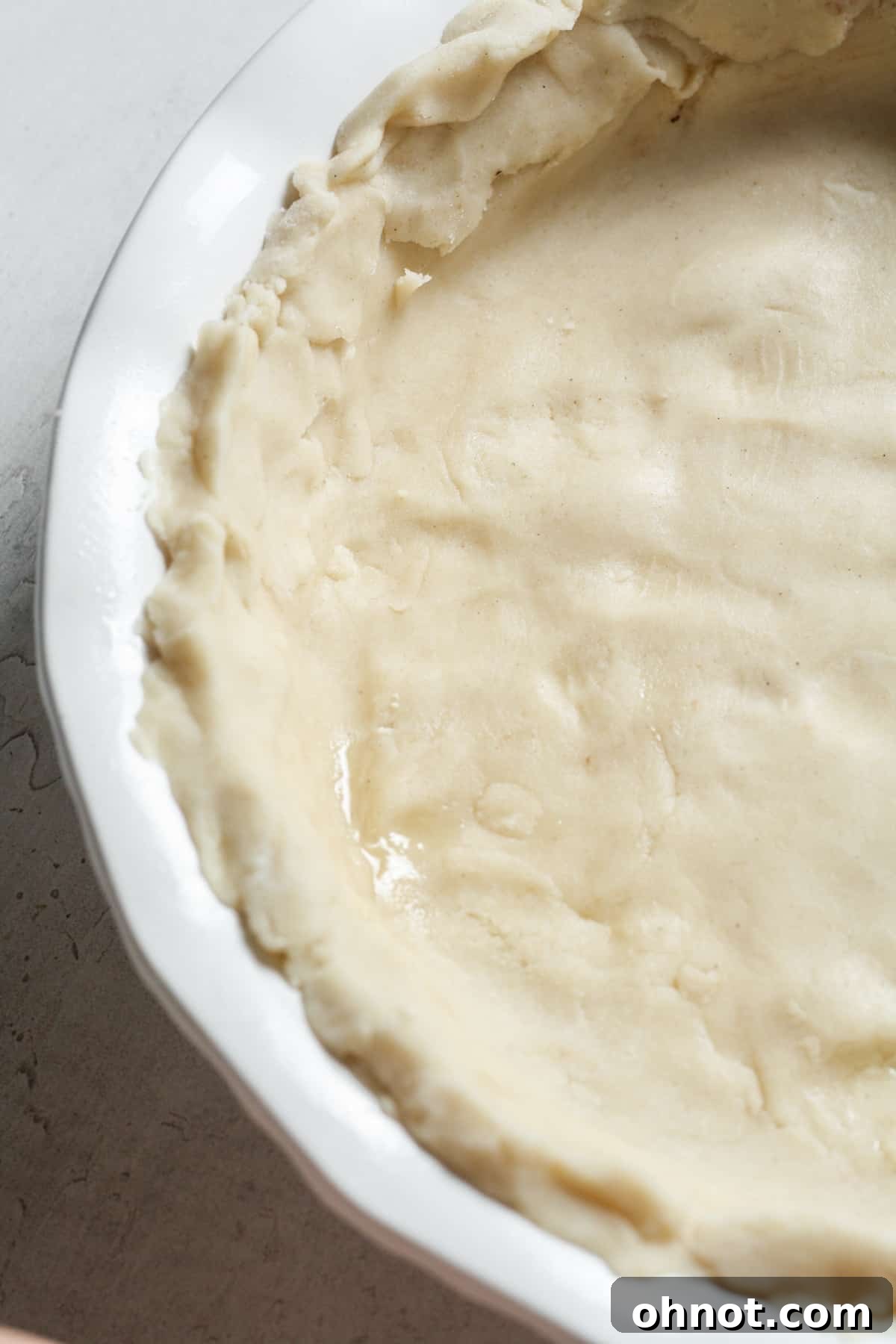
Welcome to the ultimate guide for creating a truly exceptional gluten-free pie crust that promises all the flaky, buttery goodness of a traditional crust, without any gluten! Whether you’re a seasoned baker or just starting your gluten-free journey, this recipe is designed to be straightforward and foolproof, requiring only five essential pantry ingredients. Say goodbye to dense, crumbly gluten-free crusts and prepare to impress your family and friends with a pie that tastes like it came straight from a classic bakery. This versatile crust is perfect for an array of sweet and savory fillings, making it ideal for holiday celebrations, special occasions, or simply an indulgent weeknight treat. Get ready to master the art of gluten-free pie baking and discover how simple it can be to achieve a wonderfully tender, golden-brown crust every single time.
Why You’ll Fall in Love with This Gluten-Free Pie Crust Recipe
Creating a truly delicious gluten-free pie crust can feel like a challenge, but this recipe is here to change that perception. Here’s why this particular crust will become your go-to for all your baking needs:
- Effortless Preparation: This recipe is incredibly simple and easy to follow, even for beginner bakers. With clear, step-by-step instructions and accompanying photos, you’ll feel confident throughout the entire process.
- Perfect for Any Occasion: From elaborate Thanksgiving and Christmas desserts to casual birthday pies and everyday bakes, this crust is universally appealing. It holds up beautifully under a variety of fillings, making it incredibly versatile.
- Adjustable Sweetness: The base recipe provides a hint of sweetness, enhancing any dessert pie. However, it’s incredibly easy to adapt; simply omit the granulated sugar for a perfectly savory crust, ideal for quiches, pot pies, or other savory tarts.
- Minimal Ingredients: You only need five common pantry staples to bring this flaky crust to life. This means less shopping, less fuss, and more time enjoying your delicious creation.
- Food Processor Friendly: All the mixing is done in a food processor, which significantly reduces prep time and ensures consistent results without the need for extensive kneading or handling. This also helps keep the butter cold, which is key for flakiness.
- Dietary Inclusive: Beyond being gluten-free, this recipe is naturally nut-free and egg-free, catering to a wider range of dietary needs and allergies without compromising on taste or texture.
- Authentic Taste & Texture: Perhaps the most impressive feature is its classic taste and texture. This crust is wonderfully buttery and exceptionally flaky, indistinguishable from traditional wheat-based pie crusts. You won’t even realize it’s gluten-free!
- Inspiring Other Bakes: Once you master this crust, you’ll be ready to explore other delightful gluten-free treats. Don’t forget to check out our Pecan Pie Bars or this comforting Sweet Potato Pie for more holiday favorites!
Essential Ingredients and Smart Substitutions
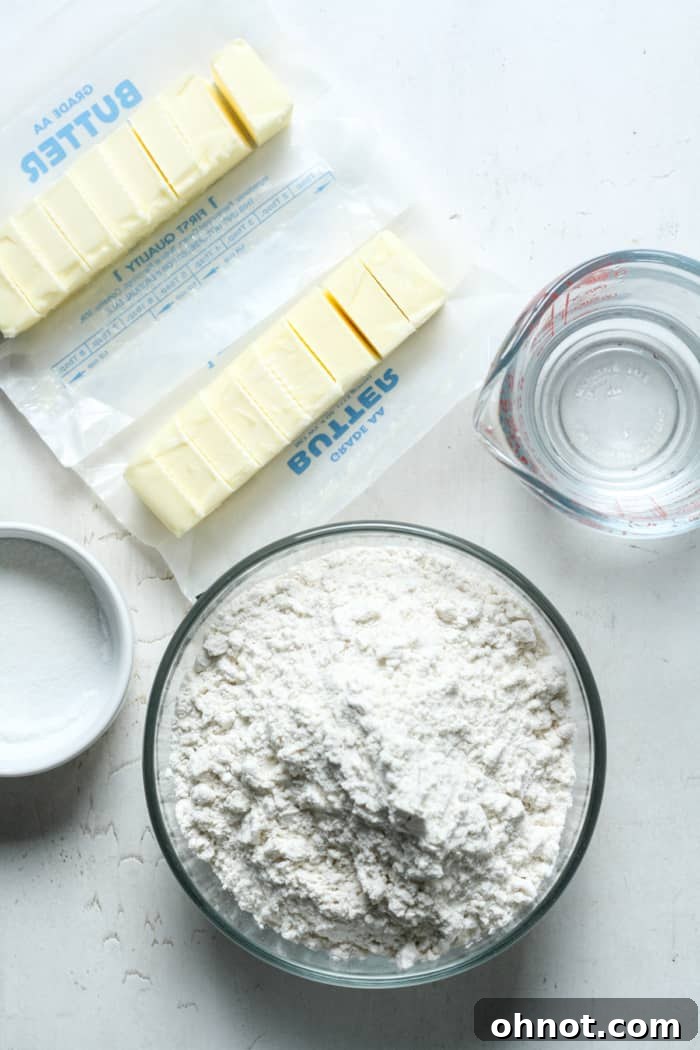
The beauty of this gluten-free pie crust lies in its simplicity and the power of just a few key ingredients. Understanding the role of each component will help you achieve the best possible results. Below, you’ll find the main ingredients along with practical substitution advice. For a complete list and precise measurements, please refer to the recipe card at the end of this article.
Gluten-Free Flour Blend: The Foundation
For this recipe, using a high-quality gluten-free 1-to-1 flour blend is absolutely crucial. These blends are specifically formulated with a mix of gluten-free flours and often include binders like xanthan gum, which mimics the elasticity of gluten, resulting in a dough that’s easier to work with and a crust with a fantastic texture. We highly recommend brands like King Arthur Flour Gluten Free 1-to-1 Baking Flour or Bob’s Red Mill Gluten Free 1-to-1 Baking Flour, as they consistently deliver excellent results. It’s important to note that single-ingredient gluten-free flours such as almond flour, coconut flour, cassava flour, or oat flour are generally not suitable for this recipe. Their unique properties and absorption rates differ significantly from a blended flour, and they will likely lead to a crust with an undesirable texture or make the dough unworkable.
Granulated Sugar: For a Touch of Sweetness
A small amount of granulated sugar is included to provide a subtle sweetness that complements most dessert pie fillings. This doesn’t make the crust overly sweet but rather enhances the overall flavor profile. If you prefer a refined sugar-free option, coconut sugar can be used as a direct substitute. Be aware that coconut sugar may give the crust a slightly darker hue and a hint of caramel flavor. For savory pies, such as quiches or pot pies, you can confidently omit the sugar entirely without affecting the crust’s texture or flakiness.
Sea Salt: A Flavor Enhancer
A pinch of sea salt is a simple yet effective flavor enhancer. It helps to balance the sweetness in dessert pies and brings out the richness of the butter. While optional, we strongly recommend including it, even for sweet pies, as it significantly elevates the taste. Just a small amount makes a big difference in creating a well-rounded flavor profile for your pie crust.
Cold Unsalted Butter: The Secret to Flakiness
Cold unsalted butter is the star ingredient for achieving that coveted flaky texture. It’s absolutely imperative that your butter is straight from the fridge and cut into 1-inch (2.5 cm) cubes. Do not use softened, melted, or room-temperature butter. The key to a flaky crust lies in small pieces of cold butter remaining distinct within the dough. As the pie bakes, these cold butter pockets melt, releasing steam and creating air pockets, which results in those beautiful, airy, flaky layers. Cutting the butter into uniform cubes ensures it incorporates evenly into the flour mixture when processed, preventing large chunks or overmixing.
Ice Cold Water: Bringing it All Together
Just like the butter, the water must be ice cold. This helps to keep the butter pieces chilled and prevents the dough from becoming too warm or tough. Cold water also aids in controlling the hydration of the dough, allowing it to come together without developing too much gluten structure (which isn’t an issue with gluten-free flour, but maintaining coldness is still vital for butter). Start with the recommended amount and add a tiny bit more if the dough feels too dry, but always add slowly to avoid a sticky, unmanageable dough.
The Delightful Taste & Texture You Can Expect
One of the most common concerns when venturing into gluten-free baking is whether the end product will truly mimic its traditional counterpart. With this gluten-free pie crust recipe, you can banish those worries! This crust is meticulously crafted to deliver a taste and texture experience that is remarkably similar to conventional pie crusts, ensuring your pies are nothing short of spectacular.
A Flavor Profile That Satisfies
Prepare your taste buds for a crust that is genuinely buttery and rich, with a delicate flavor that complements any filling. It’s designed to be flavorful without overpowering your pie’s star ingredients. The subtle hint of sweetness from the granulated sugar (if included) makes it ideal for sweet dessert pies, adding an extra layer of deliciousness. For those who prefer a savory application, simply omitting the sugar yields a perfectly balanced, flavorful crust that pairs wonderfully with ingredients like cheese, vegetables, and meats in a quiche or pot pie. You’ll find it’s not overly sweet, striking the perfect balance for broad culinary use.
Achieving the Perfect Flaky Texture
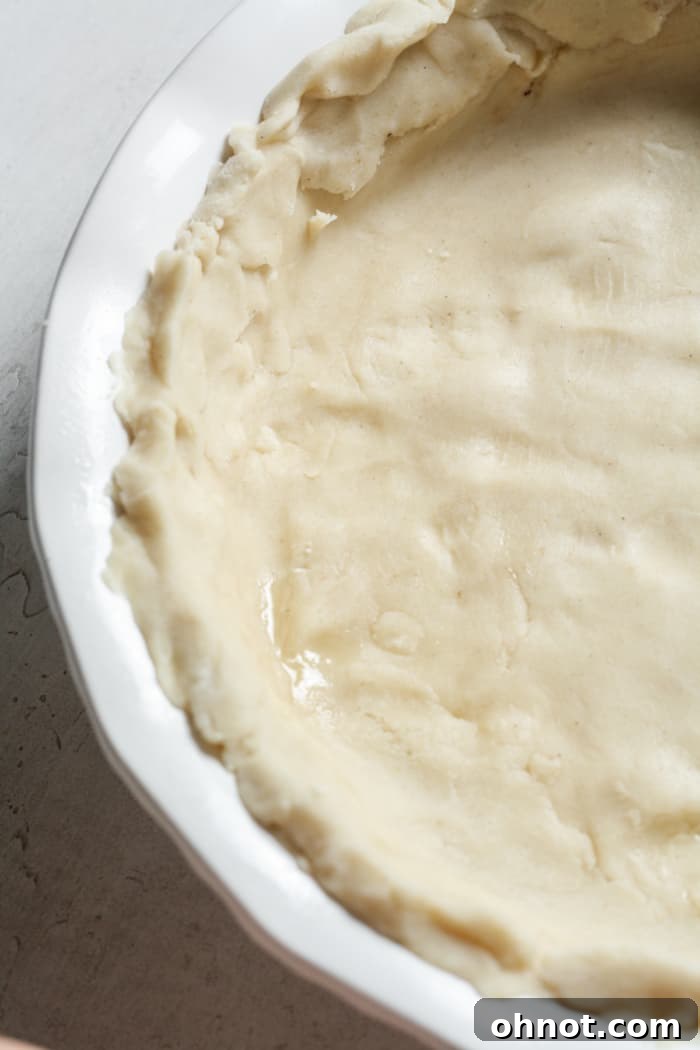
The texture of this gluten-free pie crust is its crowning glory: it is exceptionally flaky and tender. This signature flakiness is achieved through the careful incorporation of cold butter, which creates pockets of steam during baking, separating the dough into light, airy layers. While working with gluten-free dough can sometimes present unique challenges, rest assured that this recipe accounts for them. When rolling out and forming the dough, you might notice it breaking apart slightly more easily than traditional gluten-containing dough, due to the absence of gluten’s elastic network. However, this is entirely normal and incredibly easy to remedy! Simply use your fingers to gently press any cracks or breaks back together. The beauty of gluten-free dough is that you don’t have to worry about overworking it and making it tough, so feel free to repair as needed. It repairs beautifully and bakes up into a cohesive, wonderfully flaky crust every time.
Step-by-Step Guide: How to Make Your Gluten-Free Pie Crust
Creating this flaky gluten-free pie crust is a straightforward process, made even easier with the help of a food processor. Follow these simple steps to achieve a perfect crust:
Step 1: Combine Dry Ingredients
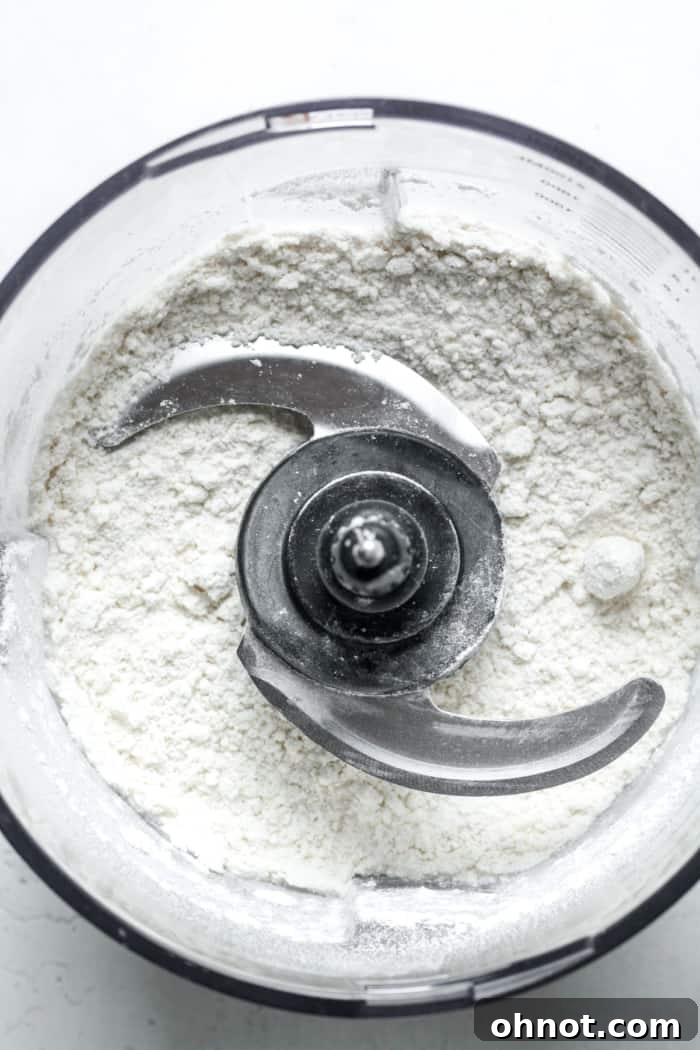
First, gather your dry ingredients: gluten-free 1-to-1 flour, granulated sugar (if using), and a pinch of sea salt. Add these directly into the bowl of your food processor. Pulse the mixture 2 or 3 times. This quick pulsing action ensures that all the dry ingredients are thoroughly combined and evenly distributed before the butter is added.
Step 2: Incorporate Butter and Water
Next, add your cubed, ice-cold unsalted butter and the ice-cold water to the food processor with the dry ingredients. The cold temperature of both the butter and water is crucial for achieving a flaky crust. Pulse the mixture in short bursts. Continue processing until the mixture transforms into a crumbly texture, resembling coarse sand with pea-sized pieces of butter still visible. To test for readiness, pinch a small amount of the mixture between your fingers; it should hold together without being overly sticky or falling apart. Be careful not to overprocess, as this can lead to a tough crust.
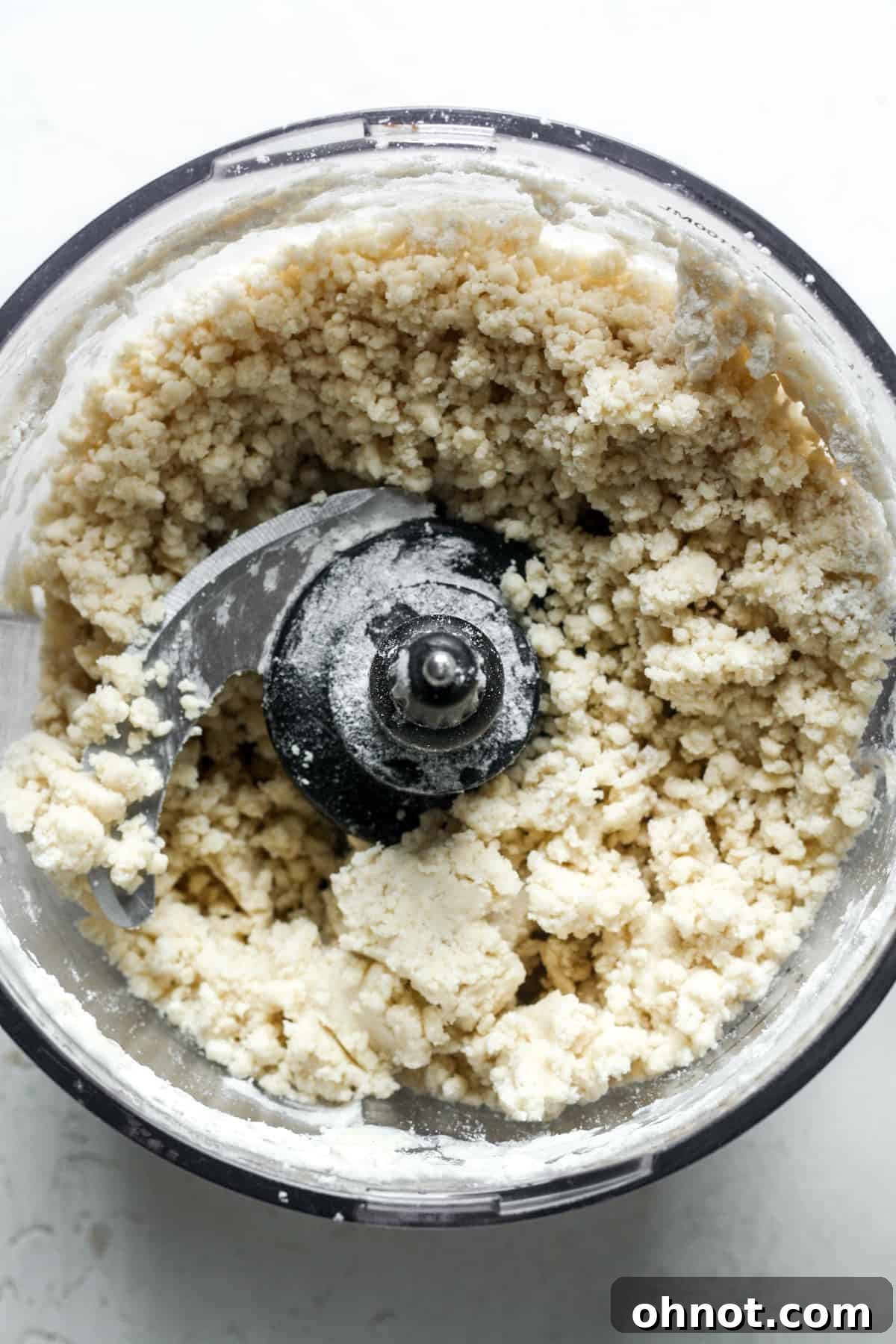
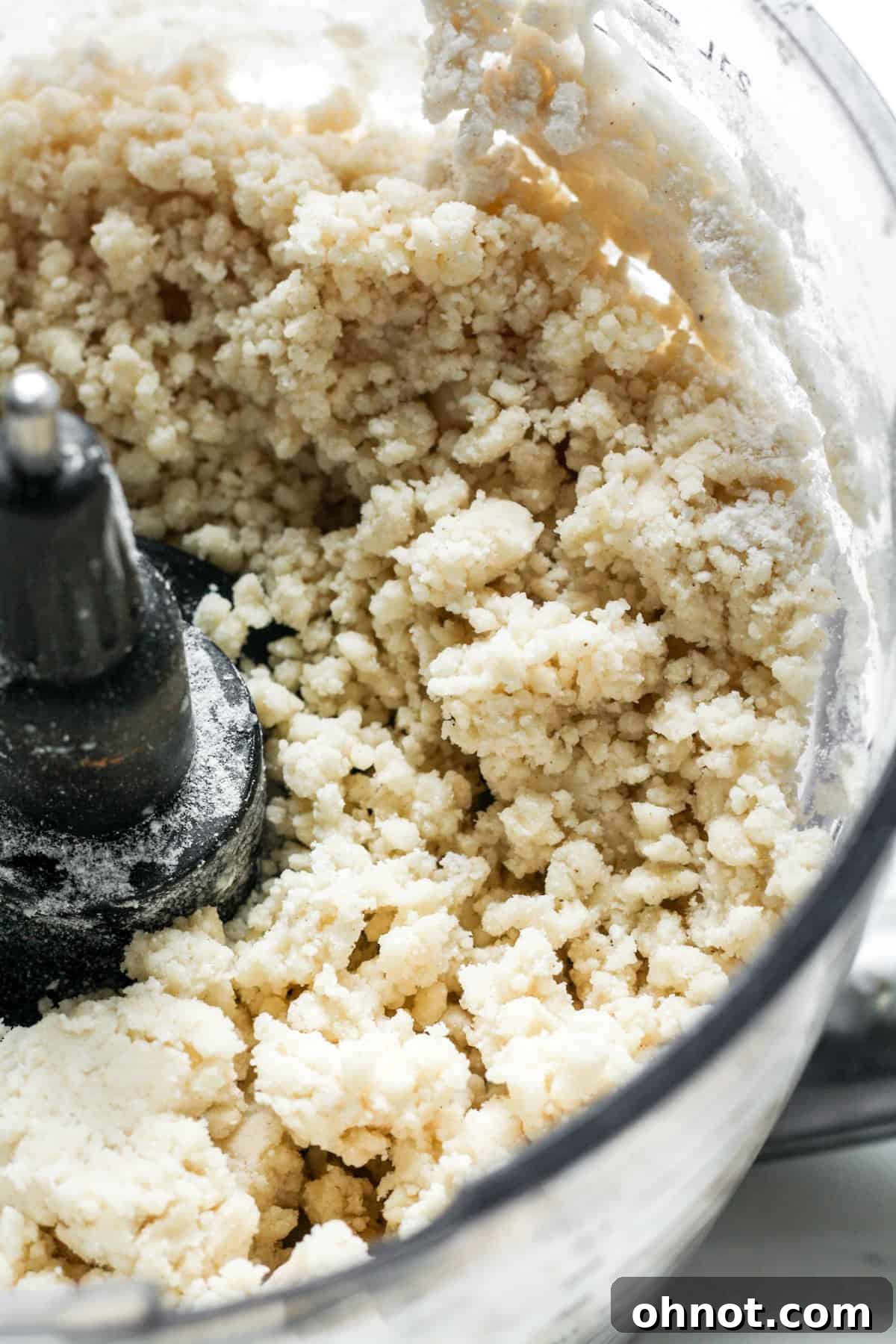
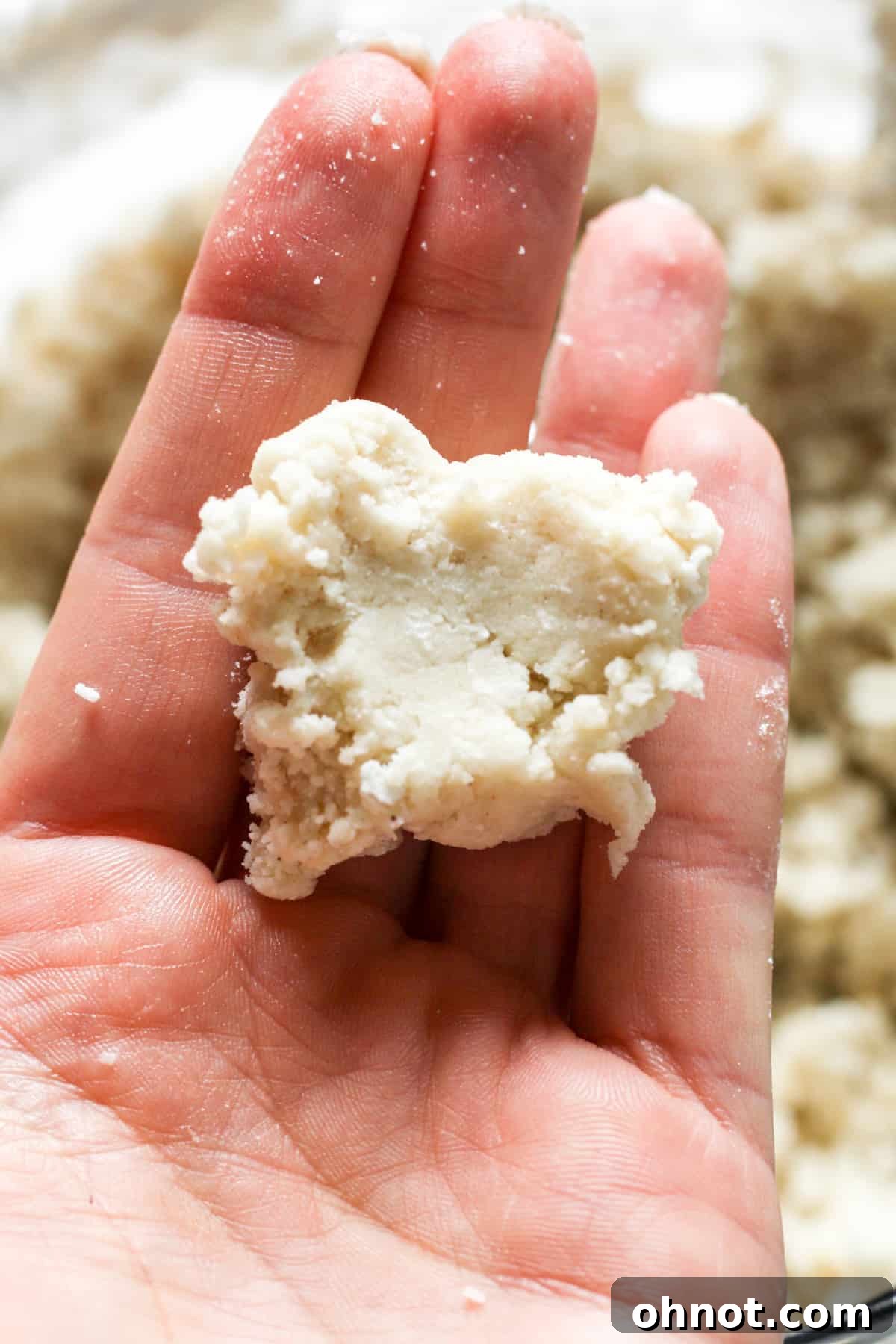
Step 3: Form Dough Balls
Carefully remove the crumbly dough mixture from the food processor bowl. Using your hands, gently gather the mixture and press it together. Divide the dough into two equal portions. Form each portion into a compact, flat ball or disc. This shape will make it easier to roll out later.
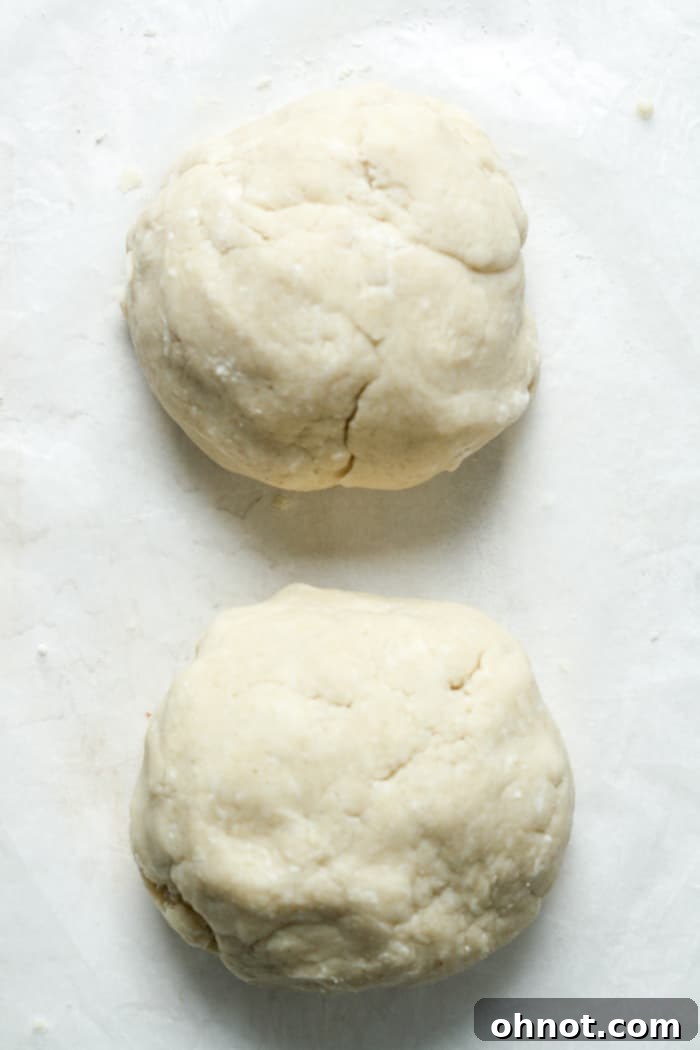
Step 4: Chill the Dough
Wrap each dough ball tightly in cling wrap (plastic film). This prevents the dough from drying out and helps the flavors meld while allowing the butter to firm up completely. Place the wrapped dough balls in the refrigerator for at least 1 hour. For best results and improved handling, you can chill the dough for up to 48 hours. This chilling step is essential for developing flavor and ensuring the flakiest possible crust.
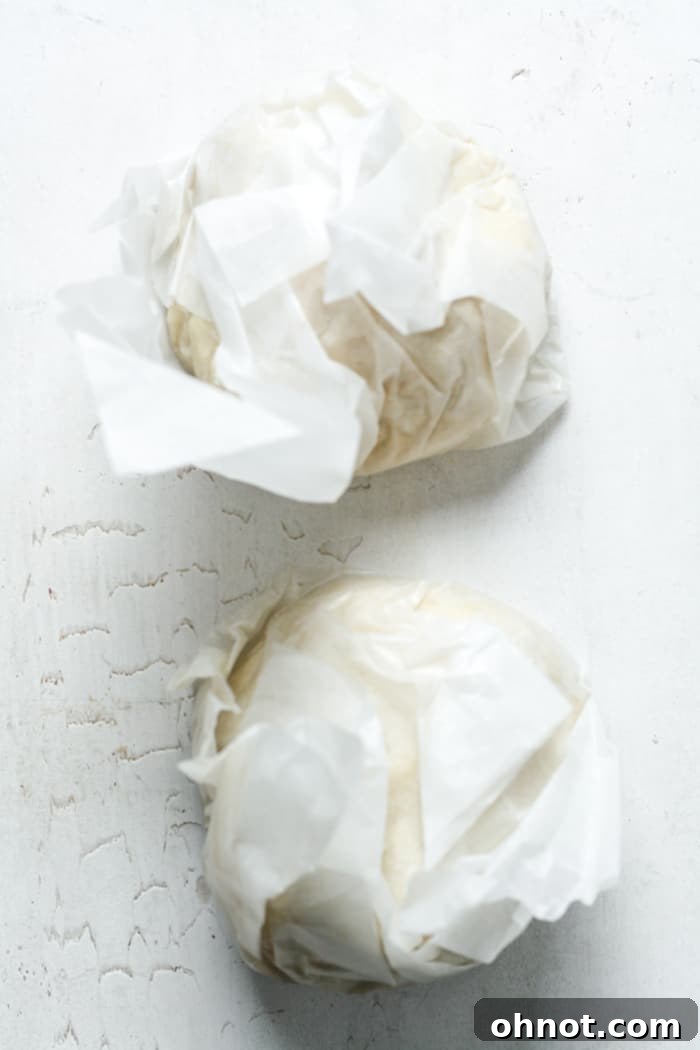
Step 5: Prepare for Rolling
When you’re ready to bake your pie, remove one of the chilled dough balls from the refrigerator. Unwrap it from the cling wrap. Allow it to sit at room temperature for about 5-10 minutes to slightly soften, making it easier to roll without cracking excessively.
Step 6: Roll Out the Dough
Place the dough ball on a clean surface that has been lightly floured with gluten-free flour, or preferably, on a piece of parchment paper. Lightly dust your rolling pin with gluten-free flour as well. Gently roll out the dough from the center outwards, rotating it frequently, until you achieve a large, even circle, approximately 12 inches (30 cm) in diameter, suitable for a standard 9-inch pie plate. As mentioned, gluten-free dough may crack at the edges; simply use your fingers to gently press any broken pieces back together, smoothing the edges as you go.
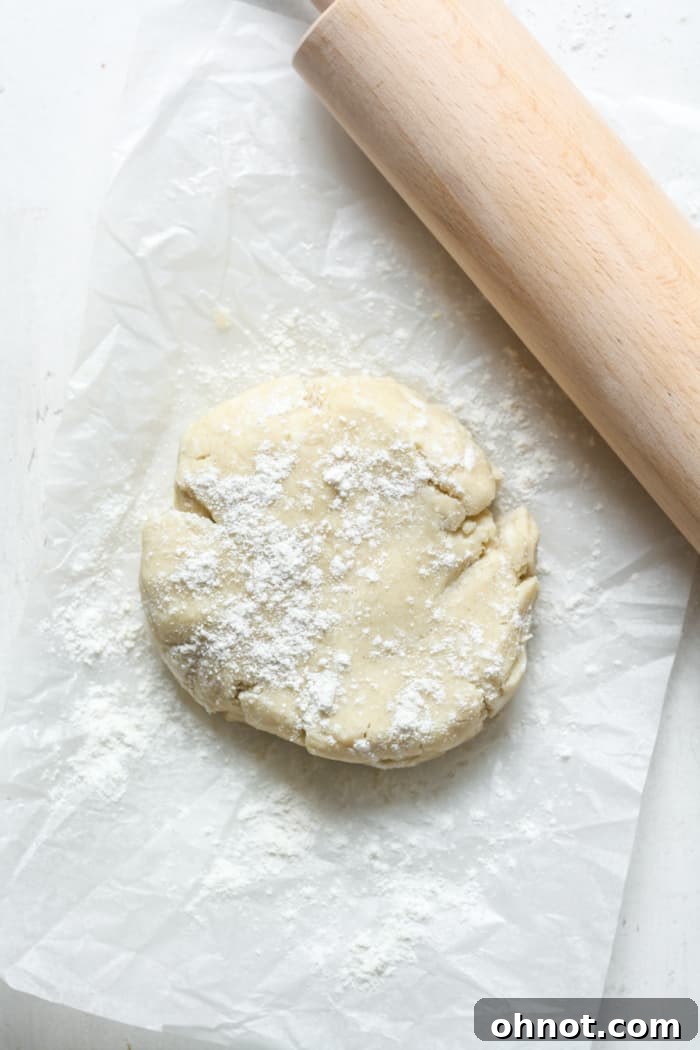
Step 7: Transfer to Pie Plate
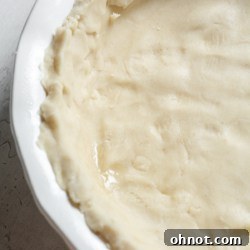
Once rolled, carefully transfer the large circle of dough to your nonstick-sprayed (or buttered) 9-inch pie plate. If using parchment paper, you can often lift the parchment and invert the dough into the plate, then peel off the paper. Gently press the dough into the contours of the pie plate, making sure it’s snug against the bottom and sides.
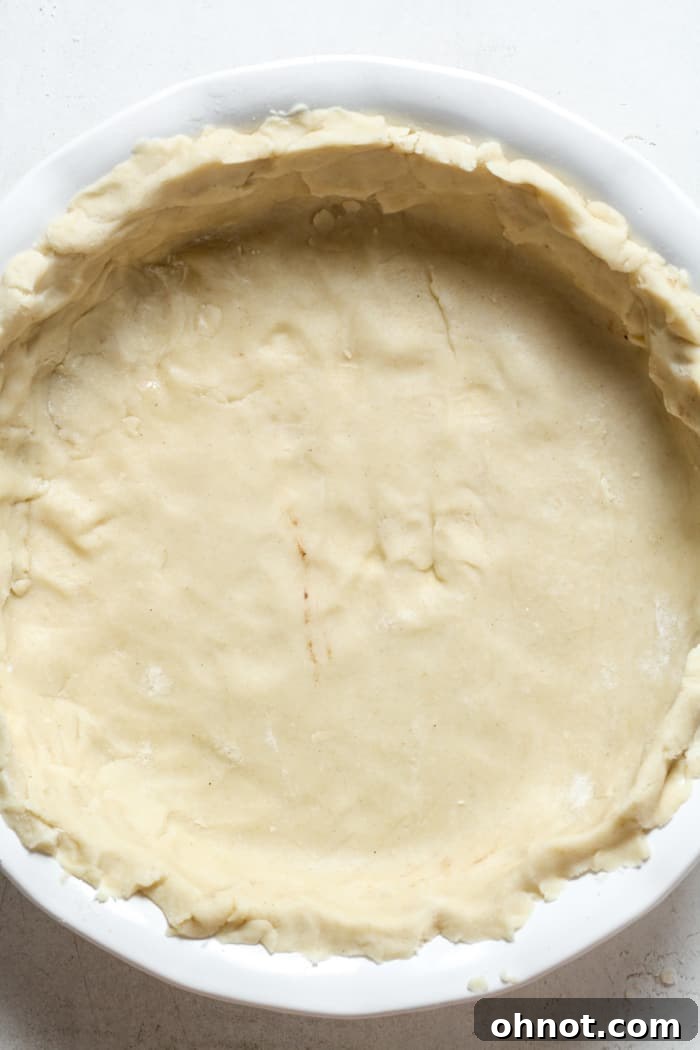
Step 8: Crimp and Fill
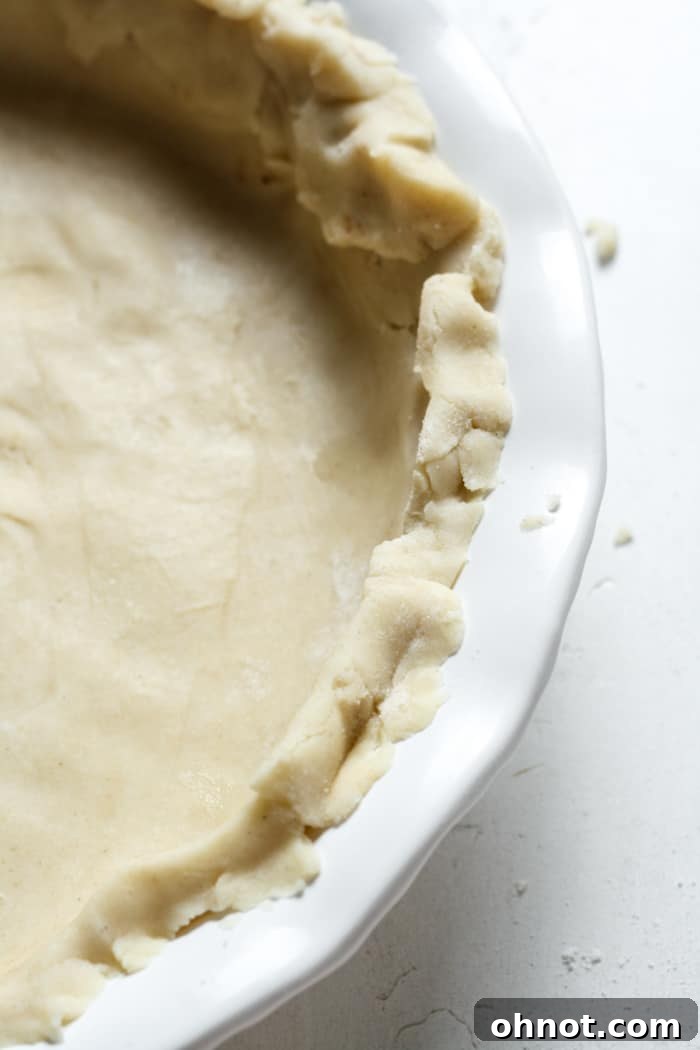
Trim any excess dough around the edges, leaving about a 1/2-inch (1.25 cm) overhang. Crimp the edges of the pie crust decoratively using your fingers or a fork to create a beautiful finish. Once the crust is formed, you can pour in your desired pie filling and proceed with your specific pie recipe’s baking instructions.
Step 9: Prepare for Par-Baking (Optional)
Many pie recipes, especially those with wet fillings or for custard pies, call for par-baking (also known as blind baking) the crust. This step helps to prevent a soggy bottom and ensures the crust is fully cooked. If your recipe requires par-baking, gently poke small holes across the bottom and sides of the pie crust with a fork. This allows steam to escape, preventing the crust from puffing up.
Step 10: Par-Bake the Crust (Optional)
If par-baking, bake the naked (empty) crust in a preheated oven at 375 degrees Fahrenheit (190 degrees Celsius) for about 15 minutes, or until the edges are lightly golden and the bottom appears dry. Remove the crust from the oven, then add your filling and continue baking according to your pie recipe’s instructions. This initial bake gives the crust a head start, ensuring it’s beautifully crisp and cooked through.
Expert Tips & Tricks for Gluten-Free Pie Crust Success
Achieving a truly outstanding gluten-free pie crust is simple when you know a few key secrets. These expert tips and tricks will help you master this recipe and ensure your pies are always perfect:
- Yield Management: This recipe is designed to yield two regular-sized pie crusts. If your specific pie recipe only requires one crust (like a classic pumpkin or pecan pie), simply halve the ingredient measurements to make a single dough ball. This prevents waste and ensures you have just the right amount.
- Choose the Right Flour: The type of gluten-free flour blend you use makes a significant difference. I highly recommend sticking with a reputable gluten-free 1-to-1 flour blend. Brands like King Arthur Flour Gluten Free 1-to-1 Baking Flour and Bob’s Red Mill Gluten Free 1-to-1 Baking Flour are consistently reliable and provide excellent results, mimicking traditional wheat flour incredibly well.
- Embrace Cold Butter: This is arguably the most critical tip for a flaky crust. Always use unsalted butter that is straight from the refrigerator and cut into 1-inch (2.5 cm) cubes. The colder the butter, the better! Avoid using softened, melted, or room-temperature butter, as this will result in a less flaky, more dense crust. The small, cold pieces of butter create steam pockets during baking, which separate the dough into layers.
- Ice Cold Water is Your Friend: Just like the butter, ensure your water is ice cold. You can even add a few ice cubes to your measuring cup of water and then measure out the required amount, discarding any ice. Cold water helps to keep the butter firm and prevents the dough from becoming sticky or warm.
- Don’t Overprocess: When using the food processor, pulse the ingredients until the mixture is crumbly, resembling coarse meal, and holds together when pinched. Overprocessing can melt the butter and lead to a less flaky crust. Stop as soon as the desired consistency is reached.
- Test the Dough: A simple test is to pinch a small amount of the mixture between two fingers. It should come together and hold its shape. If it crumbles excessively, add a tiny bit more ice water (about ½ teaspoon at a time) and pulse again until it reaches the correct consistency.
- Chill Thoroughly: Do not skip the chilling step! Refrigerate the dough for at least 1 hour. This allows the butter to re-solidify, the flour to fully hydrate, and the flavors to develop. A well-chilled dough is much easier to roll out and less prone to tearing.
- Use Parchment Paper for Rolling: Rolling your dough between two sheets of parchment paper or on a lightly floured piece of parchment paper can make a world of difference. It minimizes sticking to your counter and rolling pin, and makes transferring the rolled dough to the pie plate much easier.
- Repair Cracks with Ease: Gluten-free dough can be more delicate and prone to cracking than traditional dough. Don’t fret if it breaks while rolling or transferring. Simply use your fingers to gently press the cracked edges back together. Since there’s no gluten to develop, you don’t have to worry about overworking the dough and making it tough.
- Refer to Visuals: The step-by-step photos provided in the blog post are an invaluable resource. Refer to them to ensure your dough looks and feels correct at each stage of the process.
Understanding Par-Baking (Blind Baking) Your Pie Crust
Par-baking, also known as blind baking, is a crucial step for many pie recipes, particularly those with very wet fillings (like quiches or custard pies) or those that require a short baking time, such as fresh fruit pies. This preliminary baking helps to set the crust and prevent it from becoming soggy once the filling is added.
Here’s how to par-bake your gluten-free pie crust effectively:
- Prepare the Crust: Roll out your chilled gluten-free pie dough and carefully transfer it into a greased or non-stick sprayed pie plate, as described in Step 7 of the main instructions. Crimp the edges as desired.
- Prick the Bottom: Use a fork to gently poke several small holes across the bottom and up the sides of the crust. These holes act as vents, allowing steam to escape during baking and preventing the crust from puffing up or bubbling excessively.
- Add Pie Weights (Optional but Recommended): For an even more professional result, you can line the unbaked crust with parchment paper or aluminum foil, then fill it with pie weights, dried beans, or uncooked rice. This helps to weigh down the crust and prevent the sides from collapsing or shrinking during par-baking.
- Bake: Place the pie plate with the prepared crust (and weights, if using) into a preheated oven at 375 degrees Fahrenheit (190 degrees Celsius). Bake for about 15 minutes.
- Check for Doneness: The crust should appear lightly golden around the edges and feel dry to the touch on the bottom. If you used pie weights, carefully remove them along with the parchment paper or foil after the initial 15 minutes, then continue baking for another 5-10 minutes if needed, to fully dry out the bottom.
- Cool and Fill: Once par-baked, remove the crust from the oven and let it cool slightly before adding your chosen filling. This ensures the crust maintains its crispness and doesn’t soften prematurely.
Making Ahead of Time and Freezing Options
One of the many conveniences of this gluten-free pie crust recipe is its flexibility for make-ahead preparation. This allows you to streamline your baking process, especially during busy holidays or when entertaining.
- Refrigeration: The prepared dough balls can be made in advance and stored in the refrigerator for up to 48 hours. Simply wrap them tightly in cling film to prevent them from drying out. When you’re ready to use, remove them from the fridge, unwrap, and let them sit at room temperature for about 10-15 minutes to soften slightly before rolling.
- Freezing Dough Balls: For longer storage, this pie dough freezes beautifully. Form the dough into balls or discs, wrap each tightly in multiple layers of cling film, and then place them in a freezer-safe bag. They can be frozen for up to 1 month. When you’re ready to bake, transfer the frozen dough to the refrigerator and allow it to thaw completely overnight, or for several hours on the counter, before attempting to roll it out.
- Freezing Rolled-Out Crusts: You can also roll out and form the crust in your pie plate, then freeze the unbaked crust. Line the pie plate with parchment paper before placing the dough, or simply ensure it’s a freezer-safe pie plate. Wrap the entire pie plate (with the crust inside) tightly with cling film and then aluminum foil. Freeze for up to 1 month. When ready to use, you can often bake directly from frozen, adding a few extra minutes to the par-baking or initial baking time.
Serving and Storing Your Delicious Pie
Once your gluten-free pie crust has been filled and baked to perfection, it’s time to enjoy the fruits of your labor! Here’s how to best serve and store your finished masterpiece:
- Serving: The gluten-free pie crust is best served once it has been filled and baked according to your specific pie recipe. Allow the pie to cool sufficiently before slicing, as this helps the filling set and prevents it from spilling out, ensuring clean, beautiful slices. For warm pies like apple or cherry, a scoop of dairy-free vanilla ice cream or a dollop of coconut whipped cream makes a delightful accompaniment.
- Storing Leftovers: The storage method for leftovers will largely depend on the type of filling you’ve used. Most pies can be stored covered in the refrigerator for 2 to 3 days. Pies with dairy or egg-based fillings (like custard or pumpkin pie) should always be refrigerated promptly. Fruit pies may sometimes be stored at room temperature for a day, but refrigeration generally extends their freshness. Always ensure the pie is completely cool before covering and refrigerating to prevent condensation and a soggy crust.
- Freezing Baked Pies: Depending on the filling, some baked pies can be frozen for longer storage. Fruit pies generally freeze well. Custard or cream-based pies might separate or become watery upon thawing, so it’s best to check specific guidelines for your filling. If freezing a baked pie, ensure it’s completely cooled, then wrap it tightly in plastic film and then aluminum foil. Store in the freezer for up to 1-2 months. Thaw in the refrigerator overnight before serving, or gently reheat slices in the oven if desired.
Frequently Asked Questions About Gluten-Free Pie Crusts
No, traditional pie crusts are made with wheat flour, which contains gluten. Therefore, they are not suitable for those following a gluten-free diet. This recipe, however, is specifically designed to be 100% gluten-free!
This gluten-free pie crust is remarkably similar to classic pie crusts in taste and texture. It’s buttery, flaky, and has a delicate flavor that truly satisfies, making it hard to tell the difference!
The secret to its incredible flakiness lies in using very cold, cubed butter and ice-cold water. The small pieces of butter create steam pockets as they melt during baking, which separate the dough into distinct, flaky layers.
For optimal results, I strongly recommend using a reputable gluten-free 1-to-1 flour blend. Popular and reliable choices include King Arthur Flour Gluten Free 1-to-1 Baking Flour or Bob’s Red Mill Gluten Free 1-to-1 Baking Flour.
Absolutely! You can freeze the dough balls for up to 1 month. Ensure they are tightly wrapped in cling film before freezing. Remember to allow them to thaw completely in the refrigerator before rolling them out and using them in your recipe.
Yes, you can easily make this pie crust dairy-free by substituting the unsalted butter with a high-quality dairy-free butter alternative, such as Earth Balance vegan butter sticks. Ensure the dairy-free butter is also very cold and cut into cubes.
Yes, by using a dairy-free butter substitute (as mentioned above) and ensuring all other ingredients are plant-based, this recipe becomes entirely vegan-friendly.
You May Also Like These Delicious Gluten-Free Recipes
If you loved creating this gluten-free pie crust, you’ll be thrilled to explore these other fantastic recipes that celebrate delicious gluten-free baking:
- Paleo Pumpkin Pie
- The Best Paleo Pie Crust
- Paleo Maple Pecan Cookies
- Sweet Potato Blondies (Gluten-Free)
- Vegan Snickerdoodles
We hope you thoroughly enjoy making and sharing this incredible gluten-free pie crust recipe. Your feedback means the world to us! If you try this recipe, please consider leaving a review. You can also connect with us on Instagram, Facebook, and Pinterest to stay updated on our latest creations and healthy eating tips. For even more culinary inspiration, explore our extensive collection of Gluten-Free recipes.
Gluten Free Pie Crust Recipe
This gluten free pie crust recipe is buttery, flaky and so tasty! This recipe is simple and straightforward. The result is a perfect pie crust for holidays, Thanksgiving, Christmas, birthdays and more!
At a Glance:
- Prep Time: 20 mins
- Chill Time: 1 hr
- Total Time: 1 hr 20 mins
- Yields: 2 pie crusts
Ingredients
- 2 ½ cups gluten free 1 to 1 flour
- 1 ½ tbsp granulated sugar (optional for savory pies)
- Pinch sea salt (optional)
- 1 cup cold unsalted butter, cut into 1-inch cubes
- ⅓ cup ice cold water
Instructions
- Add gluten free flour, sugar, and salt to a food processor. Pulse 2 or 3 times to combine.
- Add the cubed cold butter and cold water to the food processor. Process until the mixture resembles coarse crumbs and, when pinched between your fingers, holds together.
- Remove the dough from the food processor. Divide and form it into two equal-sized balls.
- Wrap each dough ball tightly in cling film. Refrigerate for at least 1 hour, or up to 48 hours.
- When ready to bake, remove one dough ball from the fridge and unwrap it.
- Place the dough on a lightly floured piece of parchment paper. Lightly flour your rolling pin and gently roll the dough into a large, even circle (about 12 inches in diameter). If the dough cracks, gently press it back together with your fingers.
- Carefully transfer the rolled-out dough circle to a nonstick-sprayed (or buttered) 9-inch pie plate.
- Crimp the edges of the pie crust as desired. Fill with your chosen pie filling and continue with your specific pie recipe.
- If your recipe requires par-baking (blind baking) the crust, gently prick the bottom of the crust with a fork several times.
- For par-baking, bake the empty crust for about 15 minutes at 375°F (190°C) until lightly golden. Remove from the oven, add your filling, and continue baking according to your pie recipe.
Notes
- This recipe yields two standard pie crusts. If your pie only uses 1 crust (like a pumpkin or pecan pie), cut the recipe in half.
- For best results, use a quality gluten-free 1-to-1 flour blend. Popular options include King Arthur Flour Gluten Free 1-to-1 Baking Flour or Bob’s Red Mill Gluten Free 1-to-1 Baking Flour.
- Always use very cold butter, cut into small cubes, and ice-cold water. This is crucial for achieving a flaky texture.
- Avoid overworking the dough once the liquid is added. Process only until crumbly but holds together when pinched.
- The dough can be prepared up to 48 hours in advance and stored in the refrigerator.
- For longer storage, freeze dough balls for up to 1 month. Thaw completely in the refrigerator before rolling out.
Nutrition Information (per 1 pie crust)
- Calories: 1580 kcal
- Carbohydrates: 169g
- Protein: 13g
- Fat: 95g
- Saturated Fat: 59g
- Polyunsaturated Fat: 4g
- Monounsaturated Fat: 25g
- Trans Fat: 4g
- Cholesterol: 244mg
- Sodium: 13mg
- Potassium: 179mg
- Fiber: 5g
- Sugar: 9g
- Vitamin A: 2836 IU
- Calcium: 47mg
- Iron: 1mg
Recipe Details:
- Author: Addison LaBonte
- Course: Dessert
- Cuisine: American
Love this gluten free pie crust recipe? You can sign up here to receive healthy meal plans, exclusive new recipes and updates!