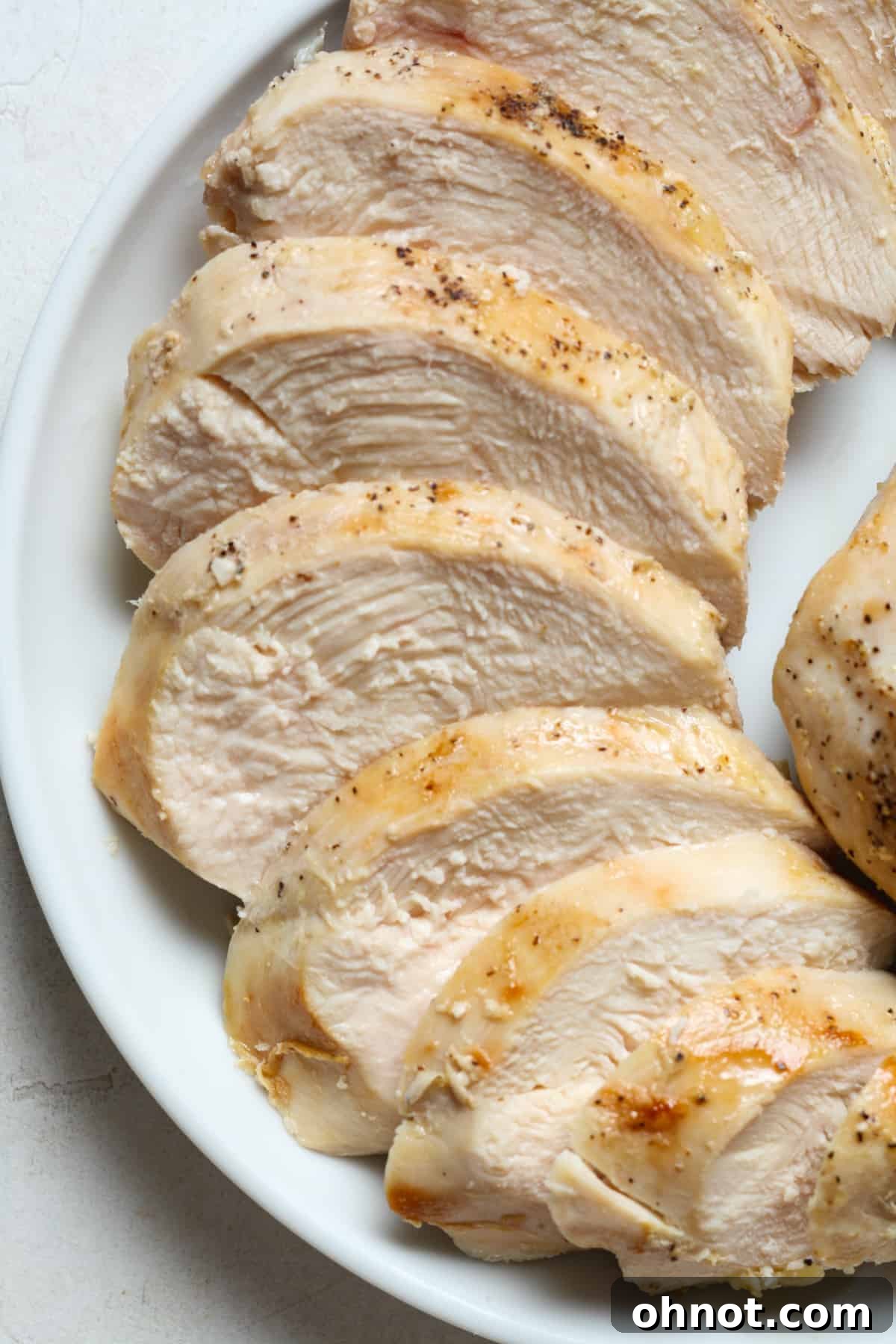
Experience the culinary magic of sous vide with this incredible chicken breast recipe, guaranteeing the most tender, juicy, and perfectly cooked chicken every single time. This modern cooking method is not only remarkably easy but also largely hands-off and virtually foolproof, making it a superior choice to traditional grilling, frying, or boiling. Ideal for effortless meal prep, healthy weeknight dinners, and ensuring delicious leftovers, sous vide chicken breast will transform your kitchen routine and elevate your favorite dishes.
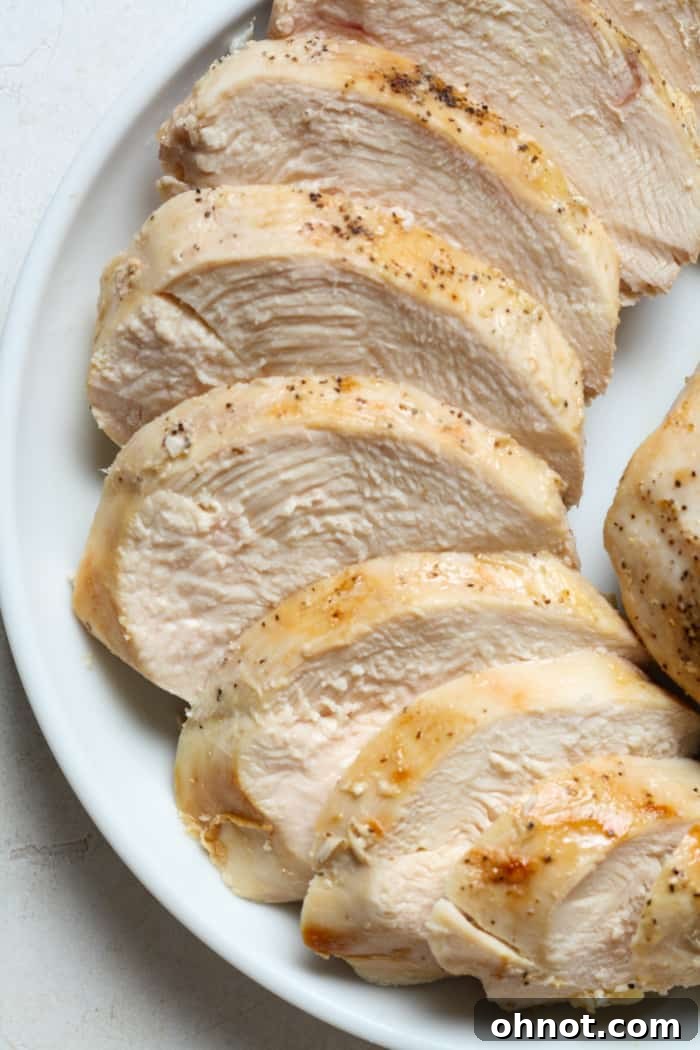
Why This Sous Vide Chicken Breast Recipe Will Become Your Favorite
Once you try sous vide chicken breast, you’ll wonder how you ever cooked chicken any other way. This recipe offers a multitude of benefits that make it an absolute must-try for home cooks and culinary enthusiasts alike.
- Unrivaled Moisture and Tenderness: The precise temperature control of the sous vide method ensures that your chicken breast remains incredibly moist, juicy, and tender from edge to edge, avoiding the common pitfalls of dry or tough chicken.
- Eliminates Overcooking: Say goodbye to guesswork! The sous vide machine maintains a consistent water temperature, making it impossible to overcook your chicken, guaranteeing perfect results every time.
- Effortless and Hands-Off Cooking: After a minimal amount of prep, the sous vide machine does all the heavy lifting, freeing you up to focus on other tasks or simply relax. No constant monitoring of ovens, grills, or skillets is required.
- Incredibly Versatile: This perfectly cooked chicken breast can be used in an endless array of recipes. Slice it for salads, shred it for tacos, cube it for stir-fries, or serve it whole as a main course.
- Perfect for Meal Prep and Leftovers: Cook a batch of chicken breasts at the beginning of the week for quick and healthy meals throughout. The even cooking also means leftovers reheat beautifully without drying out.
- Diet-Friendly: This recipe is naturally Whole30 compliant, Paleo, Keto, gluten-free, dairy-free, nut-free, sugar-free, and low-carb, making it suitable for a wide range of dietary needs and preferences.
- Gourmet Quality at Home: Achieve restaurant-quality chicken breast in your own kitchen with minimal effort. The precision and consistency of sous vide elevate ordinary chicken to an extraordinary dining experience.
Understanding Sous Vide: The Secret to Culinary Perfection
Sous vide, a French term meaning “under vacuum,” is a cooking method that has revolutionized the way chefs and home cooks approach food preparation. It involves cooking food, typically vacuum-sealed in a bag, in a precisely controlled water bath at a consistent temperature. This technique ensures that your food is cooked evenly to an exact doneness, without the risk of overcooking.
Unlike traditional cooking methods such as grilling, roasting, or pan-frying, which apply heat from the exterior, often leading to uneven cooking and dry spots, sous vide gently brings the entire piece of food to a target internal temperature. For chicken breast, this means the meat from the very center to the outer edges will be perfectly cooked to the same, desired temperature, locking in juices and flavor that are often lost with conventional high-heat methods. The controlled environment of the water bath prevents moisture loss, resulting in meat that is consistently tender, succulent, and full of natural flavor.
The beauty of sous vide extends beyond just precision. It offers incredible flexibility, allowing you to prepare ingredients ahead of time and hold them at their optimal temperature until you’re ready to serve. This “set it and forget it” aspect makes it ideal for entertaining or busy weeknights. While traditionally using vacuum-sealed bags, modern sous vide cooking is also easily achievable with high-quality zippered bags, utilizing the water displacement method to remove air.
Essential Ingredients & Smart Substitutions for Sous Vide Chicken Breast
Crafting the perfect sous vide chicken breast starts with high-quality ingredients and a thoughtful approach to seasoning. Here’s a closer look at what you’ll need and how you can adapt the recipe to your taste.
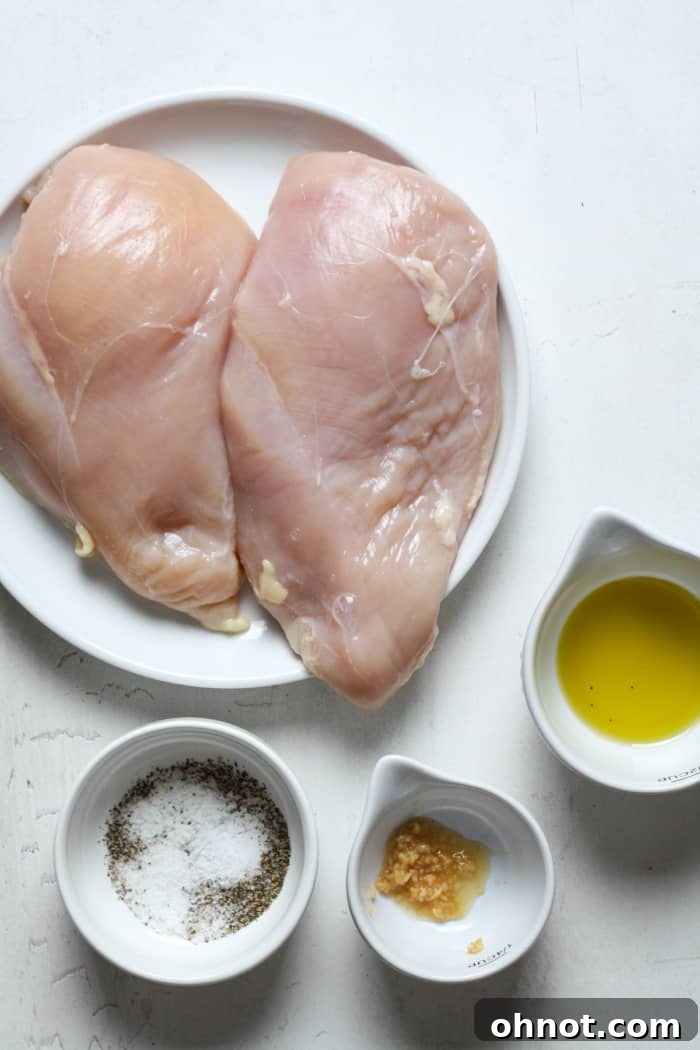
The star of this recipe is fresh chicken breast. For the best flavor and texture, we highly recommend opting for free-range, organic chicken breasts. Their superior quality will truly shine through with the gentle cooking of the sous vide method. While frozen chicken breasts can be used, they will require additional cooking time to ensure they reach the proper temperature evenly.
Minced garlic is added to infuse a subtle yet distinct savory flavor into the chicken. For convenience, you can substitute garlic powder (about ½ teaspoon per clove of minced garlic) or, if you prefer, omit the garlic entirely for a simpler profile. Fresh garlic, however, provides a more aromatic and robust taste.
A touch of olive oil in the cooking bag helps tenderize the chicken and prevents it from sticking, while also serving as a fantastic medium for searing the cooked chicken afterward. This crucial post-sous vide step adds a beautiful golden-brown crust and a burst of flavor. If olive oil isn’t your preference, avocado oil, melted butter, or even ghee are excellent alternatives, each contributing its unique nuance to the final taste.
Simple sea salt and black pepper are fundamental for enhancing the chicken’s natural taste. These basic seasonings allow the quality of the chicken to stand out. However, don’t hesitate to experiment with additional spices to customize your flavor experience. Consider adding a pinch of cumin for warmth, cayenne powder for a touch of heat, dried basil or oregano for an herbaceous note, or lemon pepper seasoning for a bright, zesty twist. The sealed bag environment is perfect for infusing flavors deeply into the meat.
Achieving Unmatched Taste & Texture with Sous Vide Chicken
Prepare to redefine your expectations for chicken breast! This sous vide method produces a chicken that tastes like a truly classic, perfectly prepared chicken breast, but with an unparalleled refinement. The foundational flavor is savory and hearty, serving as an ideal canvas for whatever spices and seasonings you choose to incorporate. Whether you prefer a simple salt and pepper profile or a bold blend of herbs, the chicken absorbs those flavors beautifully during the gentle cooking process.
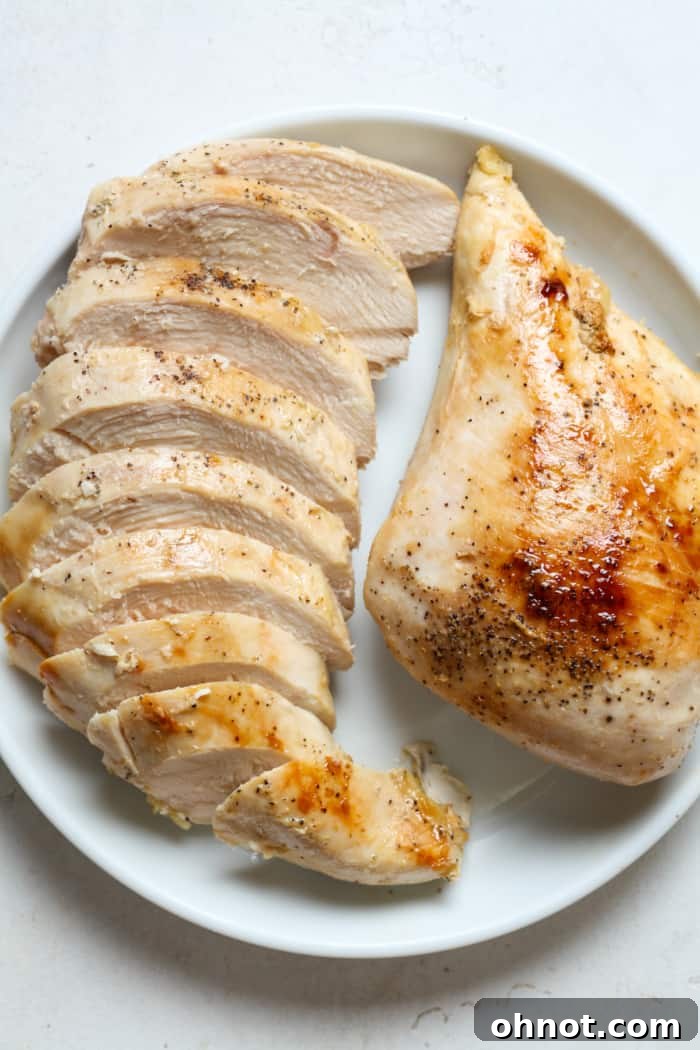
What truly sets this recipe apart, however, is the texture. We guarantee that this will be the most juicy, tender, and succulent chicken breast you have ever experienced. The precision cooking ensures every bite is meltingly tender, without any hint of dryness or toughness. It’s a texture that rivals, and often surpasses, chicken served in high-end gourmet restaurants, delivering a consistently delightful mouthfeel that will have you coming back for more.
Step-by-Step Guide to Perfect Sous Vide Chicken Breast
Making perfectly tender and juicy sous vide chicken breast is a straightforward process that yields consistently delicious results. Follow these simple steps for an effortless cooking experience:
Step 1: Preheat Your Water Bath
Begin by filling a large pot or a dedicated sous vide container with water. Attach your sous vide immersion circulator and set the temperature to 145 degrees Fahrenheit (63 degrees Celsius). Allow the water to come to the set temperature before proceeding, ensuring an accurate and consistent cooking environment.
Step 2: Prepare the Chicken Breasts
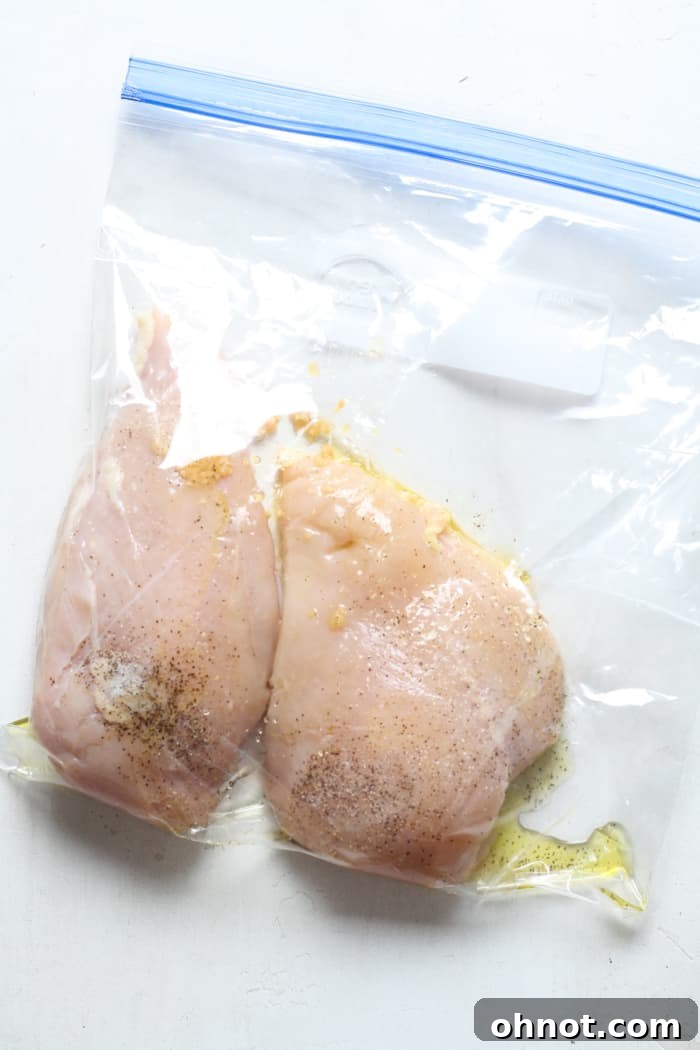
While the water is heating, pat your chicken breasts thoroughly dry with paper towels. This important step helps seasonings adhere better and can contribute to a better sear later. Place the dried chicken breasts into a vacuum-sealable bag or a large, high-quality zippered freezer bag. Add all your desired seasonings – minced garlic, olive oil, sea salt, and black pepper – into the bag with the chicken.
Step 3: Seal and Submerge the Chicken
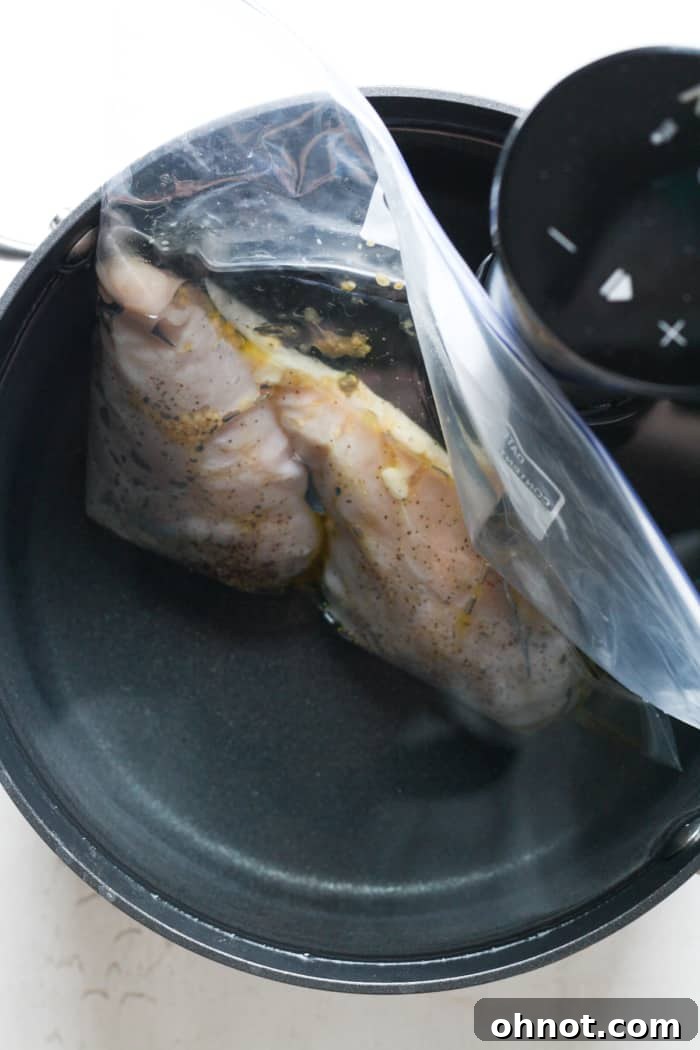
Once the water bath has reached its target temperature, it’s time to seal and submerge your chicken. If using a vacuum sealer, seal the bag according to your machine’s instructions, ensuring all air is removed, then carefully lower the sealed bag into the preheated water bath until fully submerged. If using a zippered bag (and no vacuum sealer), use the water displacement method: close the zipper almost completely, leaving a small gap. Slowly lower the bag into the water bath, allowing the water pressure to push the air out through the small opening. Once most of the air has been expelled, fully seal the bag and submerge it completely.
Step 4: Cook to Perfection
Set your sous vide circulator’s timer for 90 minutes. During this time, the chicken will gently cook to the perfect internal temperature, pasteurizing and tenderizing without any risk of overcooking. This extended, low-temperature cooking is what delivers the incredibly juicy results.
Step 5: Remove from Water Bath
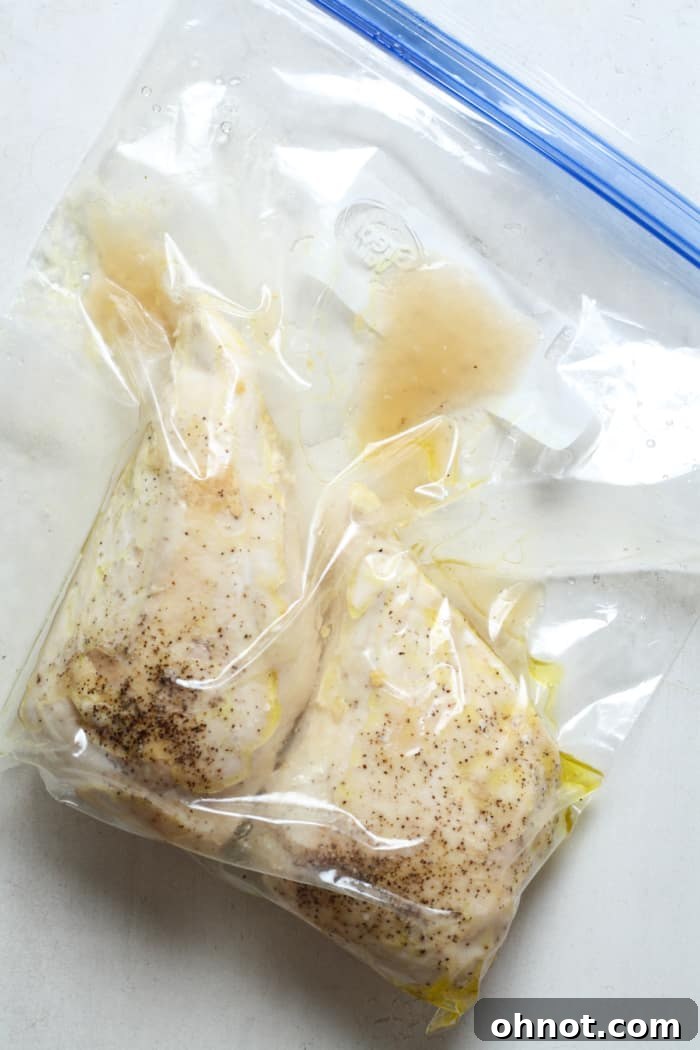
Once the timer signals that cooking is complete, carefully remove the bag from the hot water bath. Be gentle as the bag and its contents will be hot. You can immediately proceed to the next step or, if preparing ahead, plunge the bag into an ice bath to rapidly cool, then refrigerate for later use.
Step 6: Achieve a Golden Sear (Highly Recommended)
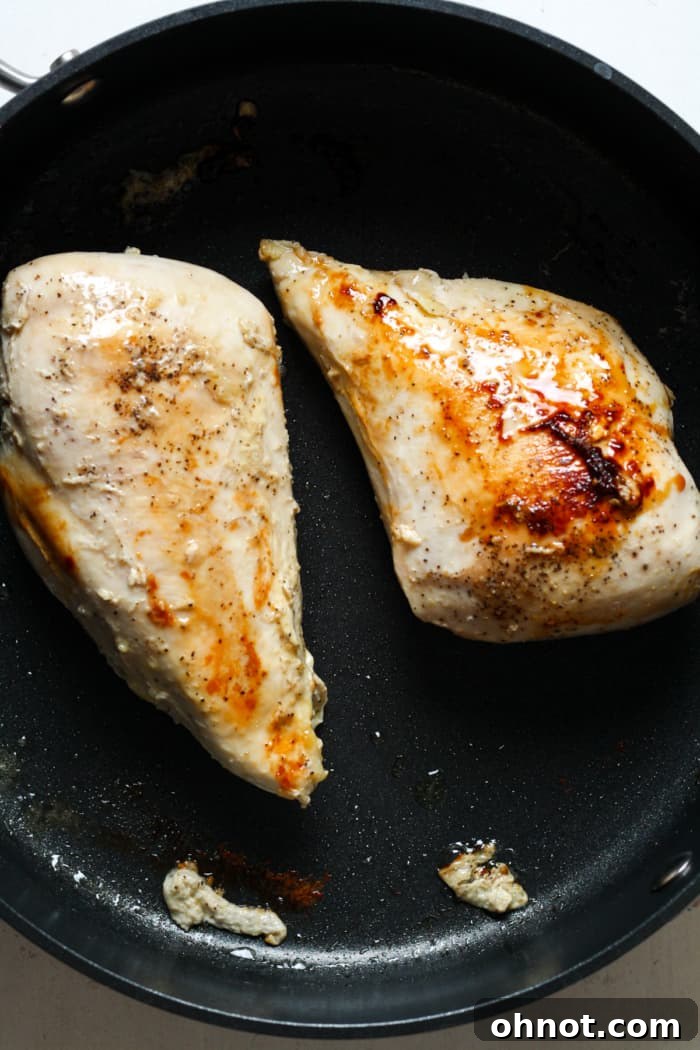
For a truly restaurant-quality finish, heat a drizzle of olive oil (or your preferred cooking oil) in a skillet over medium-high heat. Once the oil is shimmering, carefully add the cooked chicken breasts to the pan. Sear each side for just 1 to 2 minutes, or until a beautiful golden-brown crust forms. This step adds incredible flavor and texture to the exterior without cooking the interior further.
Step 7: Rest and Serve
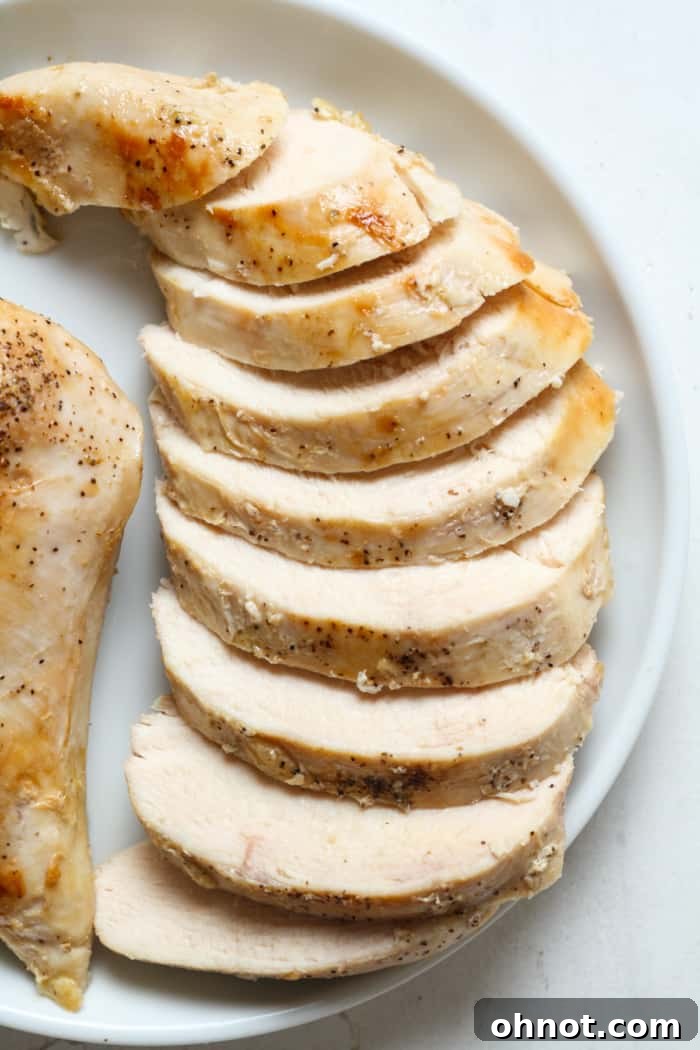
Once seared, remove the chicken breasts from the pan. Allow them to rest on a cutting board for 5 to 10 minutes before slicing or serving. Resting allows the juices to redistribute throughout the meat, ensuring maximum tenderness and flavor. Then, slice and serve this exquisite sous vide chicken breast recipe with your favorite sides.
Expert Tips for Sous Vide Success
Achieving perfection with sous vide chicken breast is simple, but a few expert tips can make your experience even better:
- Quality Matters: Always start with the best chicken you can find. Free-range, antibiotic-free, and organic chicken breasts will yield the most flavorful and tender results, as their natural quality is preserved by the gentle cooking method.
- Season Generously and Creatively: The sealed environment of sous vide is excellent for flavor infusion. Don’t be shy with your seasonings! Beyond salt, pepper, and garlic, consider fresh herbs like thyme or rosemary, a slice of lemon, a dash of smoked paprika, or a sprinkle of your favorite spice blend directly in the bag.
- Master the Water Displacement Method: If you don’t own a vacuum sealer, the water displacement method with a zippered bag is your best friend. After adding your chicken and seasonings, partially zip the bag, then slowly lower it into the water bath. The water pressure will naturally force the air out. Once nearly all air is expelled, fully seal the bag and submerge it. This creates a tight seal comparable to a vacuum seal.
- Don’t Skip the Sear: While the sous vide process cooks the chicken perfectly, a quick post-sous vide sear is highly recommended. This step, often called the “Maillard reaction,” creates a delicious browned crust and adds a depth of savory flavor that cannot be achieved with sous vide alone.
- Sear Quickly and Efficiently: When searing, the goal is to develop color and flavor on the exterior, not to cook the chicken further. Use a hot skillet with a thin layer of oil and sear for just 1 to 2 minutes per side. Over-searing will negate the tender benefits of sous vide cooking.
- Boneless, Skinless for Best Results: This recipe is optimized for boneless, skinless chicken breasts, which cook uniformly. If using bone-in chicken breasts, you may need to increase the cooking time slightly to ensure the meat near the bone reaches the correct pasteurization.
- Ensure Full Submersion: It’s crucial that your chicken bag remains fully submerged in the water bath for even cooking. If the bag floats, you can use a heavy plate or a rack to weigh it down.
The Science Behind Sous Vide: Time & Temperature Explained for Food Safety
The precise control of time and temperature is the cornerstone of sous vide cooking, particularly when it comes to chicken. After extensive testing, cooking boneless, skinless chicken breasts at 145 degrees Fahrenheit (63 degrees Celsius) for 90 minutes consistently yields perfectly tender and juicy results. This temperature might seem lower than conventional recommendations for chicken, which often suggest an internal temperature of 165 degrees Fahrenheit (74 degrees Celsius), but there’s a crucial scientific reason why it’s not only safe but also optimal for tenderness and moisture.
Food safety guidelines account for both the temperature at which food is cooked and the duration it maintains that temperature. While traditional methods rely on higher temperatures to rapidly kill harmful bacteria, sous vide employs a pasteurization process that achieves the same level of safety through a longer, more gentle cook. This is similar to how milk is pasteurized at lower temperatures over a longer period. For chicken, maintaining an internal temperature of 145°F for 90 minutes effectively pasteurizes the meat, eliminating pathogens like salmonella and other bacteria to a level deemed safe by food safety authorities. The longer cooking time at this precise temperature breaks down connective tissues without denaturing muscle proteins as aggressively as high-heat cooking, which is often the cause of dry, tough chicken.
The benefit of this method is twofold: safety is assured, and the chicken retains significantly more moisture and achieves an incredibly tender texture. By understanding the science of time and temperature, you can confidently prepare exceptionally delicious and safe sous vide chicken every time, knowing that the precision of the method is working in your favor to deliver a superior culinary experience.
Serving Suggestions & Storage Solutions
Once your sous vide chicken breast is beautifully pan-seared and rested, it’s ready to be the star of your meal. The brief resting period is vital, as it allows the juices to redistribute throughout the meat, guaranteeing that every slice is as succulent as possible. This perfectly cooked chicken is incredibly versatile and pairs well with a myriad of dishes.
For a complete and satisfying meal, consider serving it alongside creamy sous vide potatoes, vibrant roasted cauliflower and asparagus, or classic French fries for a comforting touch. Its mild, savory flavor also makes it an excellent candidate for various condiments; try it with your favorite ketchup, a tangy mustard, smoky BBQ sauce, spicy buffalo sauce, or even a bold Korean BBQ Sauce to elevate the experience.
Beyond being a main dish, this versatile chicken can be sliced or shredded and incorporated into a wide array of recipes, including hearty soups, comforting stews, family-favorite casseroles, vibrant tacos, flavorful burritos, and classic sandwiches. Its tender texture makes it ideal for almost any application. For storage, any leftover sous vide chicken breast can be kept in an airtight container in the refrigerator for up to 4 days, making it perfect for meal prep throughout the week. If you need to store it longer, the chicken freezes beautifully. Simply thaw it completely before reheating and enjoying.
Creative Ways to Enjoy Leftover Sous Vide Chicken
The beauty of sous vide chicken breast isn’t just in its perfect initial cook, but also in its incredible versatility for leftovers. Its tender texture and even cooking make it ideal for transforming into a myriad of delicious and quick meals. Here are some fantastic ideas to breathe new life into your cooked chicken:
- Elevated Salads: Dice or shred the chicken and add it to your favorite greens for a protein-packed lunch. It’s fantastic in a classic Caesar salad, a vibrant Cobb salad, or a refreshing Greek salad.
- Hearty Casseroles: Incorporate shredded chicken into baked casseroles for an extra layer of flavor and protein. It’s a perfect fit for creamy chicken and rice, pasta bakes, or even a comforting pot pie filling.
- Quick Stir-Fries: Slice the chicken thinly and toss it into a colorful vegetable stir-fry with your favorite sauce for a healthy and speedy dinner.
- Delicious Chicken Salad: Transform your leftovers into an amazing chicken salad sandwich or wrap. Mix diced chicken with mayonnaise, celery, onions, and your preferred seasonings. Try this Whole30 Chicken Salad recipe for inspiration.
- Buffalo Chicken Creations: Shred the chicken and toss it with buffalo sauce for a spicy kick. Use it in Buffalo Chicken Pasta, Buffalo Chicken Fries, or as a topping for nachos or baked potatoes.
- Nourishing Soups and Stews: Add cubed or shredded chicken to simmering soups or stews during the last few minutes of cooking to boost protein and flavor without drying out the meat. Explore recipes like this Whole30 Chicken Soup.
- Tacos, Burritos, and Enchiladas: Shredded sous vide chicken is a dream filling for Mexican-inspired dishes. It absorbs flavors beautifully and adds a juicy component to any wrap or tortilla.
Frequently Asked Questions About Sous Vide Chicken Breast
Here are answers to some common questions about cooking chicken breast using the sous vide method:
How long should I cook chicken in a sous vide?
For perfectly tender and juicy boneless, skinless chicken breasts, sous vide them at 145 degrees Fahrenheit (63 degrees Celsius) for 90 minutes. This time and temperature ensure proper pasteurization and an ideal texture.
What temperature is best for sous vide chicken?
A temperature of 145 degrees Fahrenheit (63 degrees Celsius) is highly recommended for sous vide chicken breast. This lower temperature, combined with a longer cooking time, results in an incredibly moist and tender product while still being food-safe due to pasteurization.
How do I know when the chicken is done cooking?
With sous vide, the chicken is fully cooked and pasteurized once it has been held at the target temperature of 145 degrees Fahrenheit for the recommended 90 minutes. There’s no need to check the internal temperature manually after the sous vide bath, as the method guarantees even cooking.
What if I don’t have a vacuum sealer?
No problem at all! You can use a high-quality zippered freezer bag and employ the water displacement method. Simply place your chicken and seasonings in the bag, zip it almost completely shut (leaving a small gap), and slowly lower it into the water bath. The water pressure will push out the air, creating a tight seal. Once submerged, fully zip the bag.
Will sous vide chicken breast really be tender and juicy?
Absolutely! This is one of the biggest advantages of sous vide cooking. The precise temperature control prevents the chicken from drying out or becoming tough. You can expect exceptionally moist, juicy, and tender chicken breast every time, far surpassing results from traditional cooking methods.
Explore More Delicious Sous Vide and Chicken Recipes
If you loved the ease and delicious results of this sous vide chicken breast, you’ll want to try these other fantastic recipes:
- Sous Vide Chicken Thighs
- Instant Pot Whole Chicken
- Sous Vide Flank Steak
- Dutch Oven Roasted Chicken
- Sous Vide Pork Tenderloin
Get the Recipe: Sous Vide Chicken Breast Recipe
This sous vide chicken breast recipe yields the most tender and juicy chicken breast! This method of cooking is easy, hands-off, and foolproof. Great for meal prep, leftovers, and family dinners.
Pin Recipe
Ingredients
- 2 chicken breasts
- 1 tsp minced garlic
- 1 tbsp olive oil
- ½ tsp sea salt
- ½ tsp black pepper
- drizzle olive oil, optional
Instructions
- First, fill a large pot with water. Use sous vide to preheat water to 145 degrees Fahrenheit (63 degrees Celsius).
- Pat chicken breasts dry with paper towels. Then, add all ingredients to a vacuum sealable bag or large zippered bag.
- Once water has preheated, slowly lower bag into water. If using a vacuum sealed bag, submerge fully. If using a zippered bag, zip almost completely, then slowly lower bag into the water. Once the air has been squeezed out, zip shut and submerge completely (water displacement method).
- Set timer for 90 minutes.
- Once timer goes off, carefully remove bag from water bath.
- Add a drizzle of olive oil to a skillet over medium heat. Sear chicken breasts for 1 to 2 minutes each side until golden brown. This step is optional, but highly recommended for enhanced flavor and texture.
- Allow chicken to rest for 5 to 10 minutes before slicing into.
Notes
- This recipe calls for fresh chicken breasts. Frozen chicken breasts will require more time in the sous vide bath; add approximately 30-60 minutes to the cook time.
- When using a zippered bag (not a vacuum sealed bag), employ the displacement method: After adding contents to the bag, zip almost all the way shut. Slowly lower the bag into the water bath, allowing the water pressure to push out the air. Once most air is removed, zip shut and submerge fully.
- Feel free to add in any additional fresh or dried herbs and seasonings to the bag for extra flavor, such as thyme, rosemary, lemon slices, or a pinch of smoked paprika.
- Sear the chicken breasts for only 1 to 2 minutes each side after sous vide cooking. The goal is to create a beautiful crust and add flavor, not to cook them further. Over-searing can dry out the chicken.
- Store leftovers in an airtight container in the fridge for up to 4 days. Cooked sous vide chicken also freezes well; thaw completely before reheating.
Nutrition Information (per serving)
Carbohydrates: 1 g,
Protein: 48 g,
Fat: 13 g,
Saturated Fat: 2 g,
Polyunsaturated Fat: 2 g,
Monounsaturated Fat: 7 g,
Trans Fat: 1 g,
Cholesterol: 145 mg,
Sodium: 844 mg,
Potassium: 849 mg,
Fiber: 1 g,
Sugar: 1 g,
Vitamin A: 71 IU,
Vitamin C: 3 mg,
Calcium: 17 mg,
Iron: 1 mg
We hope you cherish this sous vide chicken breast recipe as much as we do! If you’re eager for more healthy meal inspiration, exclusive new recipes, and updates, you can sign up here for our newsletter. Follow us on Instagram, Facebook, and Pinterest to stay connected and discover more culinary adventures. For a broader range of ideas, explore our collection of Lunch and Dinner Recipes. Enjoy your journey to effortless and delicious cooking!