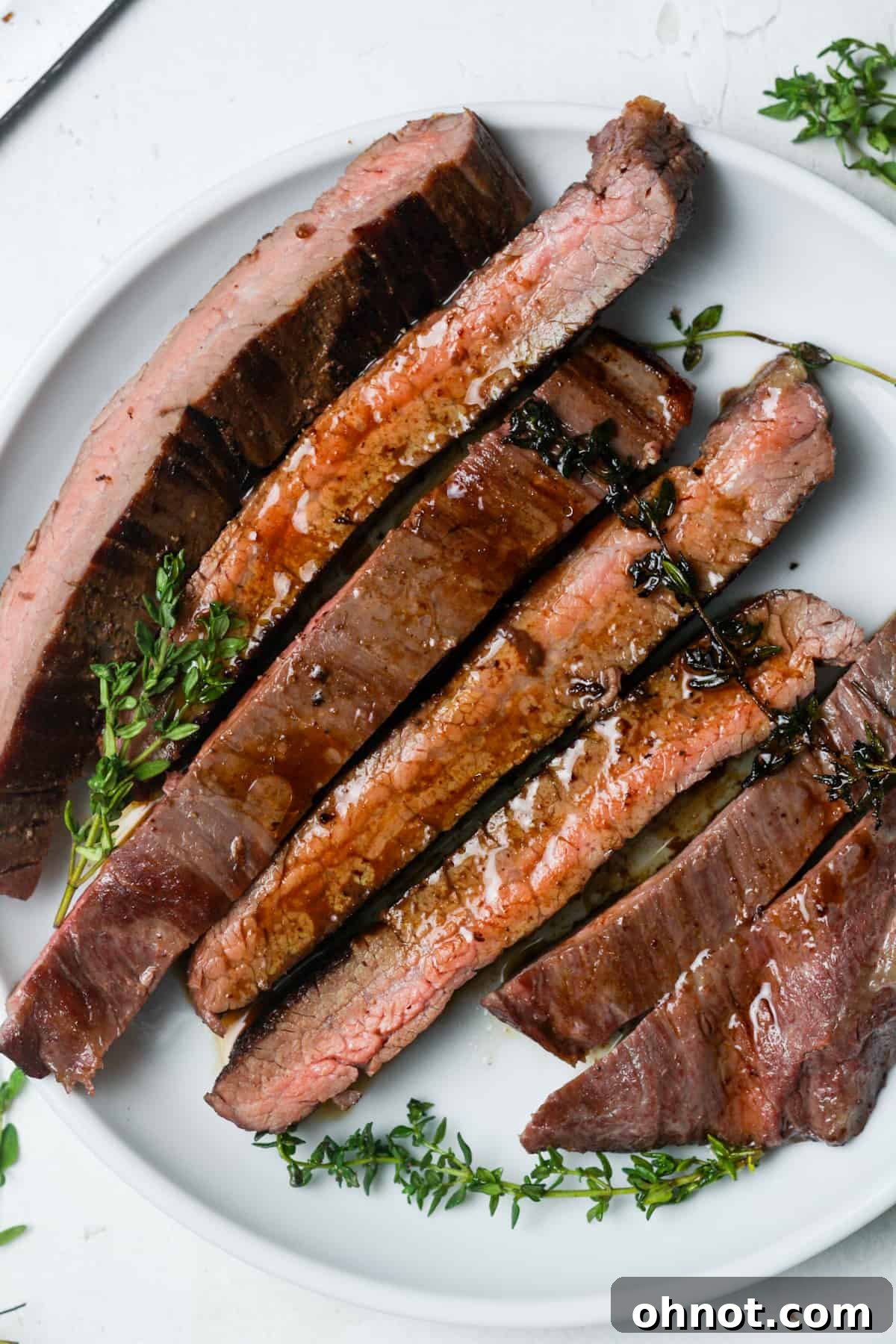
Unlock the secret to incredibly tender, flavorful flank steak every time with the sous vide method. This sophisticated yet surprisingly simple cooking technique transforms a lean, often challenging cut into a melt-in-your-mouth culinary masterpiece. Forget the guesswork of grilling or the oven's inconsistent heat; sous vide guarantees perfect doneness from edge to edge, followed by a quick sear for that irresistible crust. Ideal for impressing guests, elevating family dinners, or simply treating yourself to a restaurant-quality meal, this hands-off approach makes gourmet cooking accessible to everyone. Experience a level of precision and tenderness unmatched by traditional cooking methods.
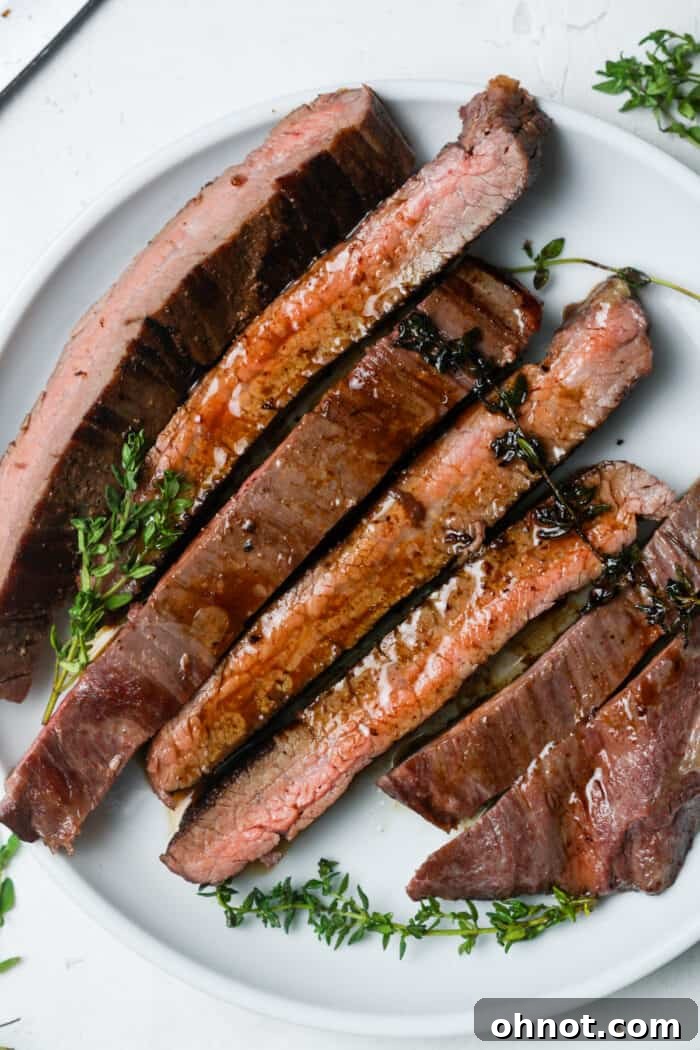
Why You’ll Love This Sous Vide Flank Steak Recipe
- Effortless & Hands-Off Perfection: One of the greatest advantages of sous vide cooking is its remarkable ease. Once your flank steak is in the water bath, it cooks to perfection with minimal supervision. This 'set it and forget it' approach frees you up to prepare side dishes, entertain, or simply relax, making it perfect for busy weeknights or elaborate special occasions.
- Flawless Doneness, Every Time: The precision of sous vide means you can achieve your desired level of doneness (from rare to well-done) with absolute accuracy, from the very center to the outer edges. This eliminates the risk of overcooking, a common challenge with traditional methods, ensuring a consistently juicy, tender steak that is never dry or tough.
- No Grill or Oven Required: Enjoy perfectly cooked steak without the need for an outdoor grill or heating up your kitchen with the oven. A simple water bath and a quick pan-sear are all you need, making this recipe suitable for any season, any kitchen setup, and even apartments without outdoor grilling access.
- Similar to Skirt Steak, But Better: Flank steak, when cooked sous vide, develops a texture and richness that rivals even the most beloved cuts like skirt steak. It absorbs flavors beautifully and maintains its natural juices, offering a truly satisfying and often more economical steak experience.
- Incredibly Versatile for Any Meal: This expertly prepared flank steak isn't just a standalone meal. It's a foundational component for countless delicious dishes. Slice it thinly against the grain for vibrant salads, hearty burritos, sizzling tacos, gourmet steak sandwiches, or even a robust stir-fry. Its tender texture and rich flavor make it adaptable to a wide array of culinary creations, making leftovers just as exciting.
- Unrivaled Tenderness & Flavor: The controlled, low-temperature environment of sous vide cooking slowly breaks down tough muscle fibers in the flank steak, resulting in an exceptionally tender cut. Unlike conventional methods that can strip meat of its moisture, sous vide locks in moisture and natural flavors, delivering a profoundly savory, juicy, and succulent steak that will impress even the most discerning palates.
- Dietary-Friendly & Healthy: This recipe naturally aligns with a variety of popular dietary preferences and restrictions, making it a fantastic healthy option for almost everyone. It is Whole30 compliant, Paleo, gluten-free, dairy-free, Keto, low-carb, and completely sugar-free. Enjoy a guilt-free gourmet meal that tastes incredible and fits seamlessly into your healthy lifestyle.
- Explore More Sous Vide Recipes: If you love the simplicity, consistency, and perfection of sous vide cooking, consider trying other cuts and recipes like our Sous Vide Chicken Thighs for another effortlessly delicious and perfectly cooked meal.
Ingredients & Thoughtful Substitutions
These are the core ingredients for crafting a sensational sous vide flank steak. Refer to the complete recipe card below for precise measurements and detailed instructions.
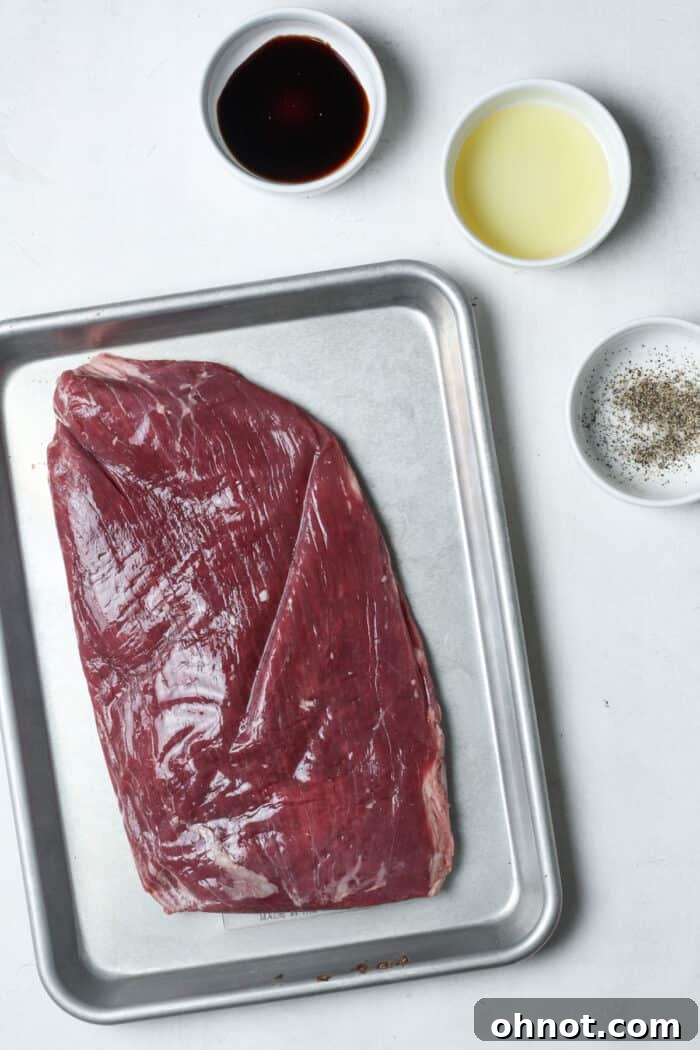
High-Quality Flank Steak: The foundation of this recipe is a premium flank steak. Look for a cut that exhibits an even thickness throughout, which is crucial for uniform cooking in the water bath. For the freshest flavor and best texture, we highly recommend using fresh steak. If using frozen flank steak, ensure it is completely thawed before you begin the cooking process. Alternatively, if flank steak isn't readily available, flap steak is an excellent and very similar cut that can be used interchangeably in this recipe, yielding comparable delicious results.
Sea Salt & Ground Pepper: For this recipe, simplicity is key to highlighting the steak's inherent quality. A generous seasoning of high-quality sea salt and freshly ground black pepper is the only seasoning truly needed. This minimal approach allows the natural, robust, and savory flavor of the flank steak to take center stage, creating a clean, pure taste experience. Feel free to use kosher salt if that is your preference.
Balsamic Vinegar: A touch of balsamic vinegar introduces a delightful layer of complexity to the steak. Its subtle sweetness, tangy acidity, and deep, dark fruit notes complement the rich beef flavor without overpowering it, adding a gourmet dimension. For alternative flavor profiles, red wine or red wine vinegar can be used as suitable substitutions to achieve a similar tart and robust essence.
Olive Oil: Extra virgin olive oil is indispensable for the crucial final searing step. It contributes to developing a beautiful, golden-brown crust on the steak, adding texture and depth of flavor. If you prefer, avocado oil is another excellent high-smoke-point option, or for a richer finish, butter or ghee can be substituted to impart a luxurious, nutty aroma and taste to your seared steak.
Fresh Thyme (for Garnish): Fresh thyme serves as more than just a garnish in this recipe; its aromatic, earthy notes subtly infuse into the steak during the searing process, adding a sophisticated touch. It also provides a lovely pop of color and freshness to the finished dish. While optional, it's highly recommended for an elevated presentation and a nuanced, enhanced flavor profile that complements the beef beautifully.
Mastering the Water Displacement Method for Sous Vide
The water displacement method is an ingenious and highly accessible technique for achieving a vacuum-like seal without the need for a dedicated vacuum sealer. This method is perfect for home cooks using standard zippered freezer bags, ensuring efficient heat transfer to your food and preventing the steak from floating in the water bath, which could lead to uneven cooking. This clever technique relies on the simple principle that water pressure will naturally push almost all the air out of the bag, creating a tight seal around your food.
Here’s how to master this essential sous vide technique:
- Prepare Your Food in the Bag: Carefully place your seasoned flank steak and any accompanying liquids (such as balsamic vinegar, as called for in this recipe) into a high-quality, sturdy zippered freezer bag. Ensure that there’s enough space in the bag for air to easily escape from the top.
- Slowly Submerge the Bag: Leave a small portion of the zipper open—approximately an inch—at the top of the bag. Slowly and steadily begin to lower the bag into your preheated sous vide water bath. As the bag descends into the water, the external water pressure will naturally compress the air out and around the food inside the bag.
- Seal It Tight: Once almost all the air has been forced out of the bag, and the water level reaches just below the unzipped portion, fully seal the bag. The flank steak should now be tightly encased with minimal air pockets, ready for its precise sous vide bath. Ensure the bag is completely sealed and the steak is fully submerged for even cooking.
Note: If you already own a vacuum sealer, you can simply vacuum seal your seasoned steak and place it directly into the preheated water bath for an even more robust seal.
Unforgettable Taste & Texture of Sous Vide Flank Steak
Prepare your palate for a truly exceptional culinary experience that defines the advantage of sous vide cooking. This sous vide flank steak is renowned for its deep, beefy, and intensely savory flavor profile that permeates every single bite. Unlike conventional cooking methods where precious flavors can sometimes escape or be diluted, the sealed environment of sous vide ensures that all those delicious natural juices and carefully chosen seasonings are locked within the meat. While the steak’s inherent, robust flavor shines brightly on its own, you always have the option to introduce a more complex sous vide steak marinade during the initial bagging process for an even more customized and profound taste adventure.
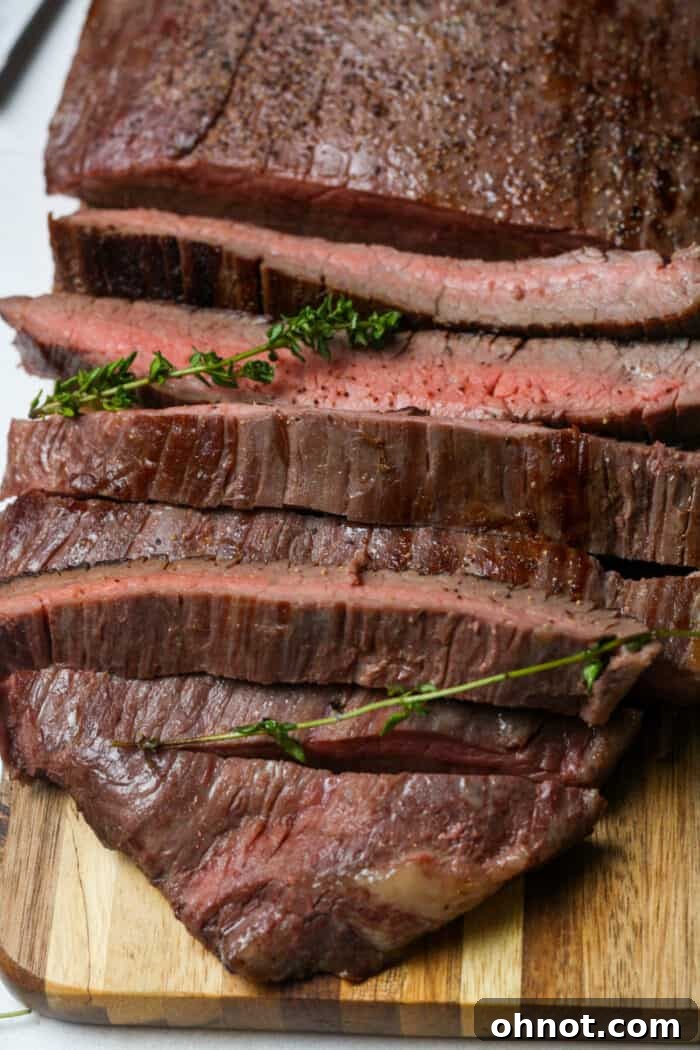
The texture of this steak is nothing short of miraculous. Expect an incredibly tender experience, almost defying expectations for a typically leaner and tougher cut like flank steak. It’s so succulent and juicy that it practically melts in your mouth, offering a delightful chew without any of the dryness or toughness often associated with overcooked beef. Each perfectly cooked slice reveals a consistently pink interior, cooked to your desired doneness from one end to the other, making every mouthful a moment to savor. This consistent tenderness and juiciness are the hallmarks of a perfectly executed sous vide flank steak.
How to Make Sous Vide Flank Steak: Step-by-Step Guide
Step 1: Prepare the Sous Vide Water Bath
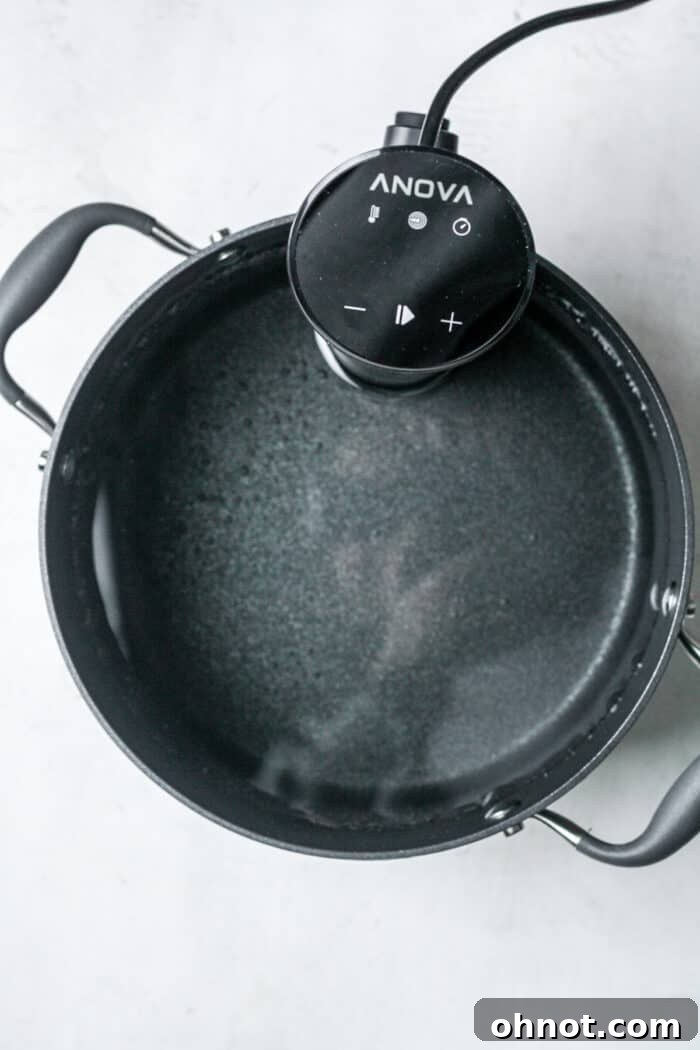
Begin by filling a large pot or a dedicated sous vide container with water. Insert your sous vide immersion circulator into the water. Set the precise temperature to 131°F (55°C) for a perfect medium-rare doneness, then allow the water bath to come up to its target temperature before proceeding. This preheating step ensures consistent cooking from the moment your steak enters the water.
Step 2: Season and Bag the Flank Steak
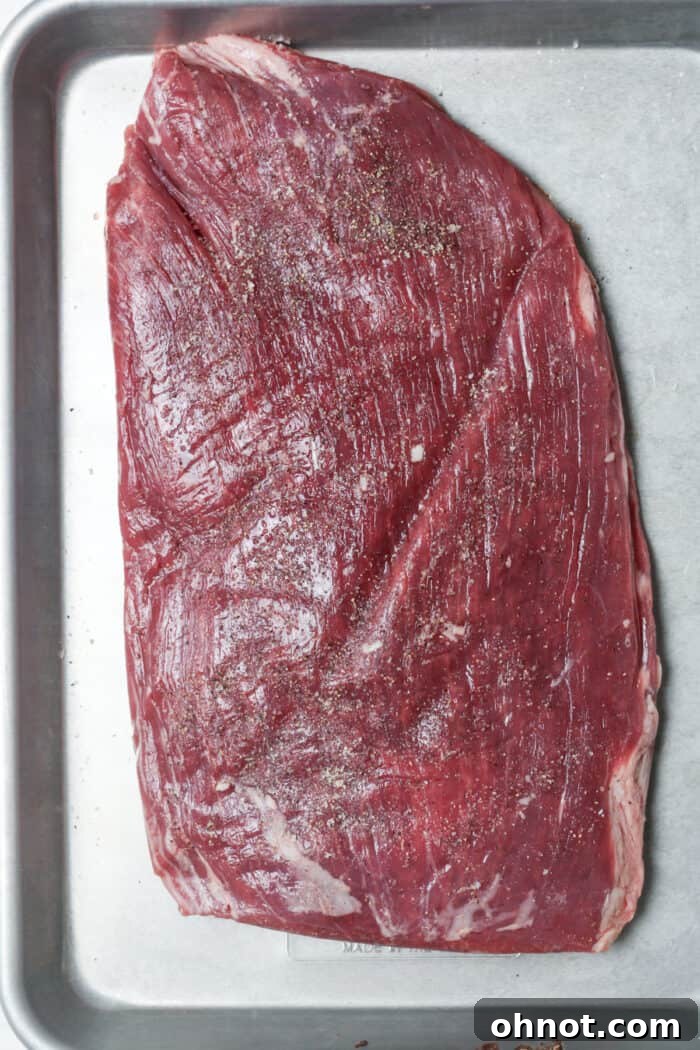
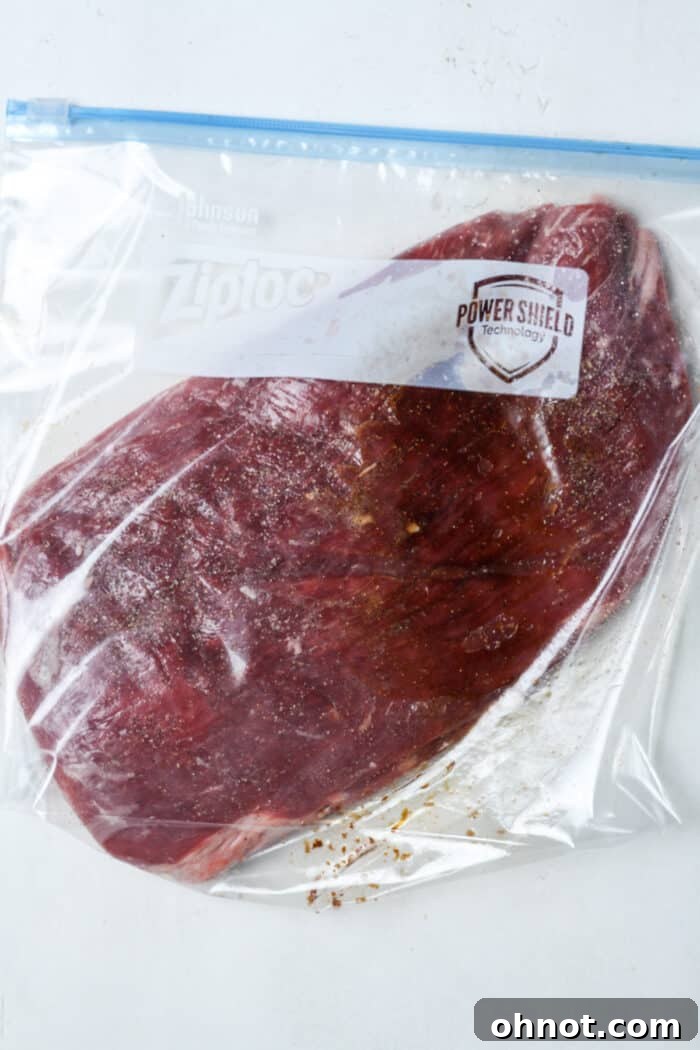
Generously season both sides of the flank steak with high-quality sea salt and freshly ground black pepper. Place the seasoned steak into a large, durable zippered bag. Pour the balsamic vinegar into the bag with the steak, ensuring it coats the meat evenly. The balsamic will infuse subtle flavors during the sous vide process.
Step 3: Seal the Bag Using Water Displacement
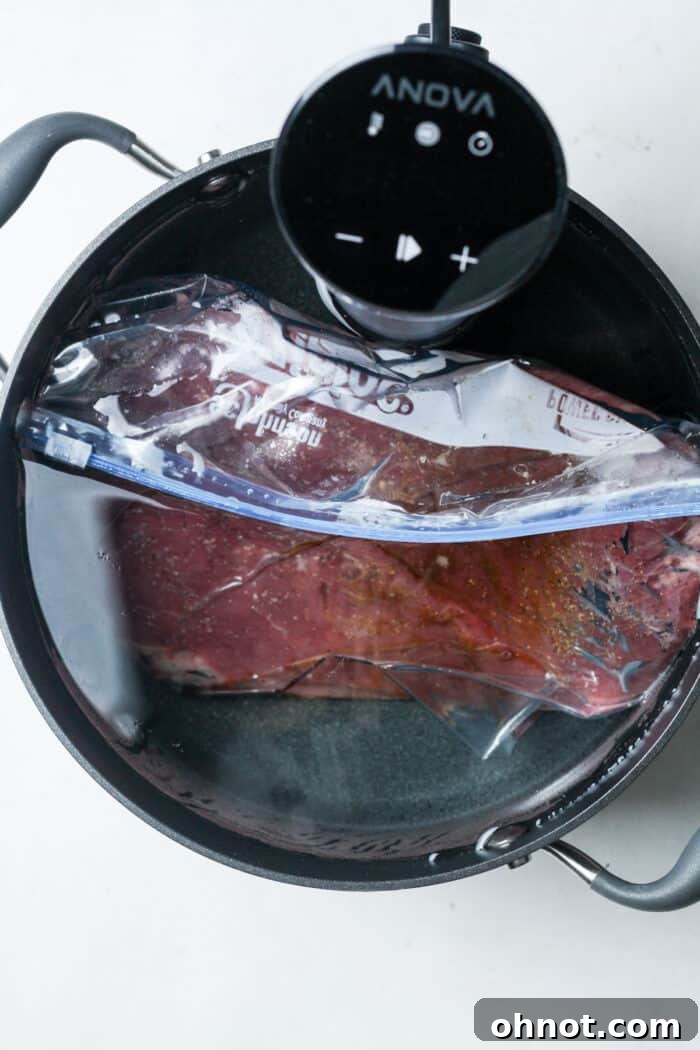
Leave the zippered bag mostly unzipped, with just about an inch open at the top. Once your water bath has heated to the precise 131°F temperature, slowly lower the bag into the water. As the bag submerges, the water pressure will naturally push the air out. Once nearly all the air is expelled and the water level reaches just below the zipper, fully seal the bag. Ensure the steak is completely submerged; use a weight if necessary.
Step 4: Sous Vide Cook the Steak
Set a timer for 90 minutes. Allow the flank steak to cook undisturbed in the precisely temperature-controlled water bath for the full duration. This time is crucial for both cooking the steak to its ideal internal temperature and tenderizing the meat.
Step 5: Remove and Pat Dry
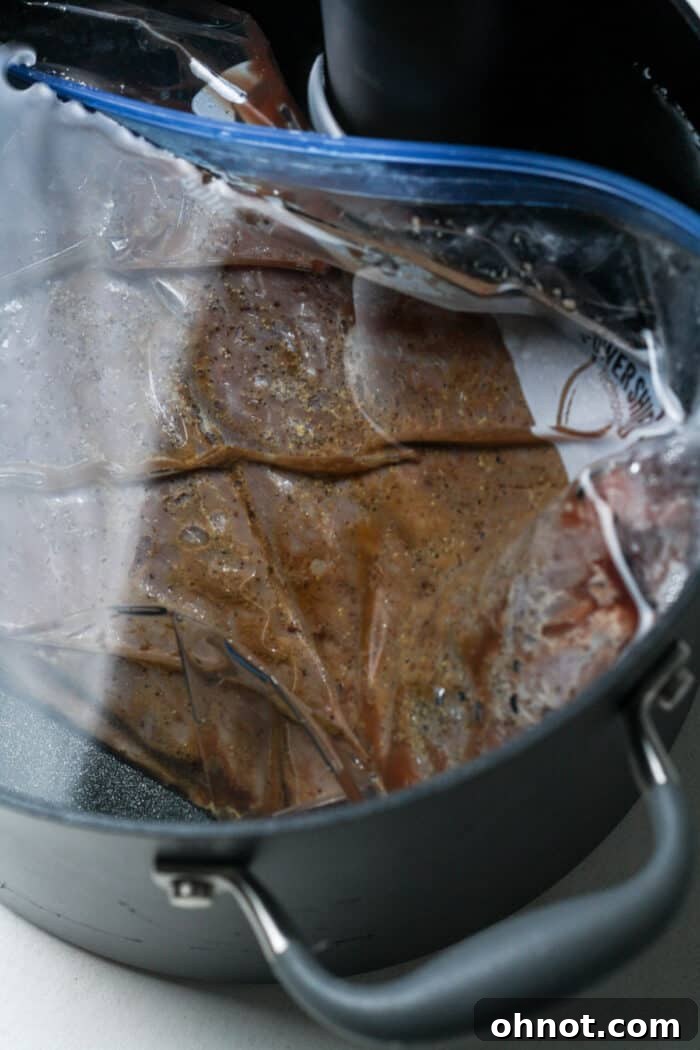
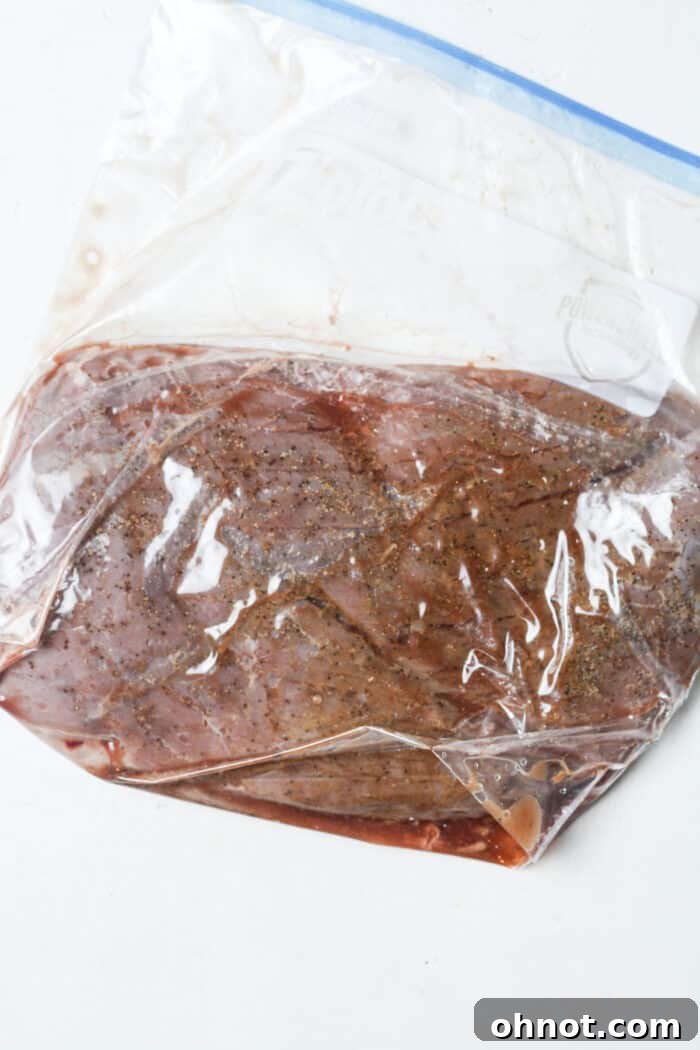
After the timer goes off, carefully remove the bag from the water bath. Extract the cooked steak from the bag, discarding any accumulated liquid. This next step is critical: thoroughly pat the steak dry on all sides using paper towels. A very dry surface is essential for achieving a perfect, flavorful crust during the searing process.
Step 6: Preheat Skillet for Searing
Heat a large, heavy-bottomed skillet (a cast iron skillet works exceptionally well for this) over medium-high heat. Add the olive oil to the hot skillet and allow it to get shimmering hot, just to the point where it might begin to smoke slightly. A properly hot pan is the secret to a quick, effective sear.
Step 7: Sear for a Golden Crust
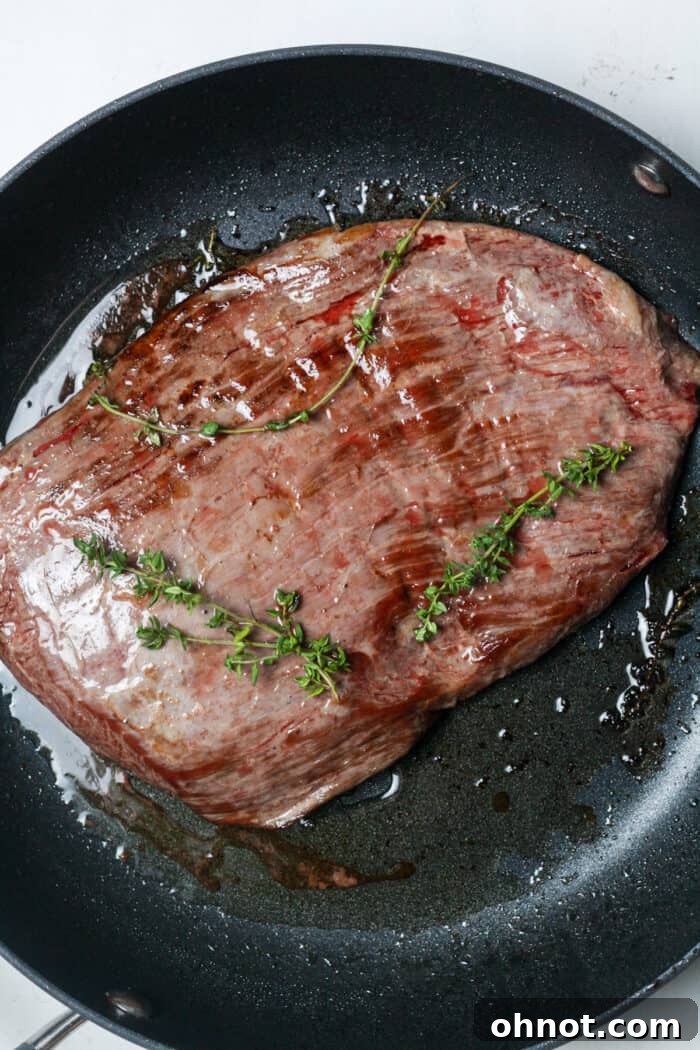
Once the oil is hot and shimmering, carefully place the thoroughly dried sous vide flank steak, along with any fresh thyme sprigs, into the skillet. Sear each side for precisely 2 minutes. The goal here is to develop a rich, brown crust (the Maillard reaction) and add texture, not to cook the interior further, as it is already perfectly cooked from the sous vide bath.
Step 8: Rest the Steak for Juiciness
Immediately transfer the beautifully seared steak to a clean cutting board. Allow it to rest undisturbed for 5 to 10 minutes. This critical resting period allows the meat fibers to relax and reabsorb the juices that have migrated to the center during cooking, ensuring maximum tenderness, juiciness, and flavor throughout the entire steak. Do not skip this step!
Step 9: Slice and Serve
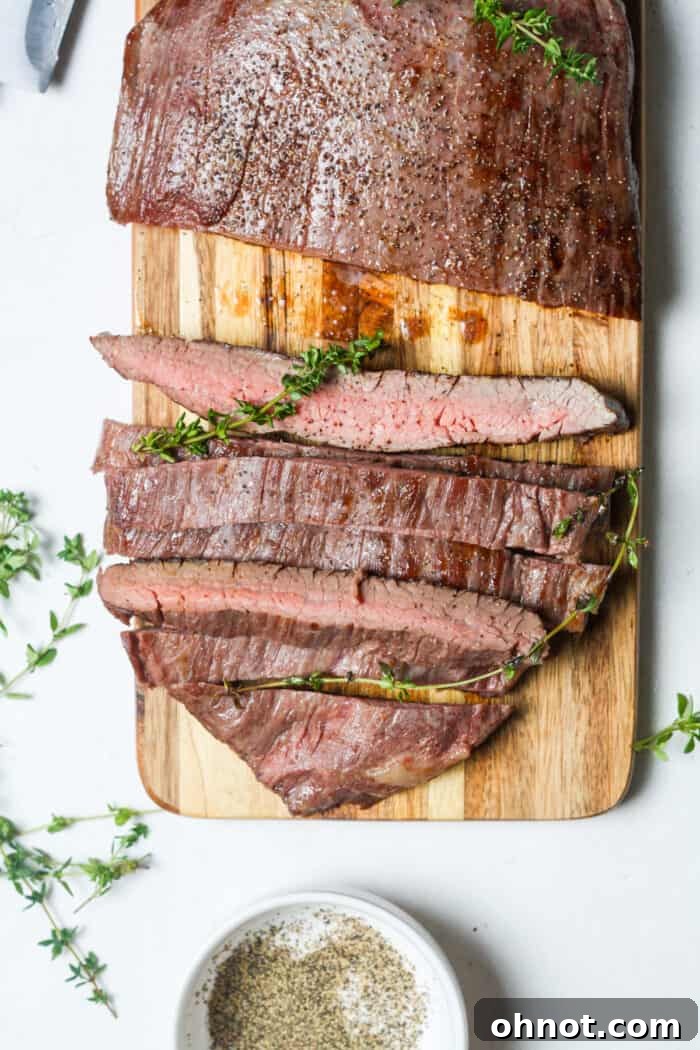
Finally, carefully slice the sous vide flank steak thinly against the grain. This is absolutely essential for tenderness, as it shortens the long muscle fibers. Arrange the slices on a platter, garnish with more fresh thyme if desired for added aroma and visual appeal, and serve immediately to enjoy this perfectly cooked masterpiece.
Expert Tips & Tricks for the Perfect Sous Vide Flank Steak
Achieving the perfect sous vide flank steak is surprisingly simple, but a few expert tips can elevate your results from great to truly extraordinary:
- Embrace Natural Flavor: Flank steak, particularly when cooked sous vide, boasts a remarkable natural beefy flavor. A simple seasoning of salt and pepper allows this inherent deliciousness to truly shine. Avoid over-seasoning or complex marinades unless you specifically desire a different flavor profile; often, less is more with sous vide as the method locks in existing flavors so effectively.
- The Golden Rule of Searing: Never skip the searing step! While sous vide cooks the steak perfectly internally, searing is what develops that irresistible, rich, browned crust known as the Maillard reaction. This adds a crucial layer of flavor, aroma, and texture that instantly elevates the entire dish, transforming it from merely cooked to culinary art.
- Quick & Hot Sear is Key: The objective of searing is solely to create a beautiful brown exterior and not to continue cooking the steak. Ensure your skillet and oil are incredibly hot before the steak goes in. A quick, intense sear of 1 to 2 minutes per side is ample to achieve a fantastic crust without overcooking the perfectly tenderized interior. Look for a smoking hot pan to ensure instant browning.
- Precision Cooking Parameters: The recommended temperature of 131°F (55°C) for 90 minutes is carefully chosen to yield a medium-rare flank steak with exceptional tenderness. While sous vide is forgiving, sticking closely to these time and temperature guidelines will ensure consistent, perfect results every time. If you prefer a different doneness, always consult a reliable sous vide temperature chart for adjustments.
- Rest for Ultimate Juiciness: Allowing the steak to rest for 5 to 10 minutes after searing is a non-negotiable step. This pause enables the meat fibers to relax and reabsorb the juices that have migrated to the center during cooking, resulting in an incredibly juicy and tender final product. Slicing too soon will cause those precious juices to run out onto your cutting board instead of remaining in the steak.
- Slicing Against the Grain for Tenderness: Flank steak has very noticeable, long muscle fibers, or "grain." Always slice thinly against the grain to shorten these fibers. This crucial technique makes each bite significantly more tender and enjoyable, transforming what can be a tough cut into a truly luxurious eating experience.
- Proper Thawing if Frozen: If you are using frozen flank steak, ensure it is completely thawed before seasoning and placing it in the sous vide bath. While it *can* be cooked from frozen, it requires a significantly longer cooking time (at least an extra hour), which can sometimes impact the ultimate texture and tenderness.
- Ensure Proper Bag Sealing: Whether you're using a dedicated vacuum sealer or the water displacement method, ensure your bag is sealed with as little air as possible. Any air pockets can cause the bag to float in the water bath, leading to uneven cooking. If floating occurs, use a ceramic plate or other heat-safe weights to keep the bag fully submerged.
Mastering the Sear: A Crucial Finishing Touch
As previously emphasized, searing the sous vide flank steak is an absolutely essential step that provides a beautiful, deeply colored crust and adds immense flavor and texture that truly completes the dish. While the sous vide method perfectly cooks the interior, the sear brings that restaurant-quality finish. Here are some key considerations and safety tips to keep in mind when searing your perfectly cooked flank steak:
- Get the Oil Smoking Hot: This is arguably the most important element for a successful sear. Ensure your skillet (preferably cast iron or heavy stainless steel) and the olive oil are incredibly hot before you introduce the steak. You want the oil to be shimmering, just at the point where it might begin to smoke slightly. A hot pan produces a better color and crust in a much shorter time, preventing the interior from cooking further.
- Sear Quickly and Efficiently: The primary goal of searing is to develop that rich, brown exterior (the Maillard reaction), not to continue cooking the steak's interior. Since your steak is already perfectly cooked by the sous vide, sear it for only 1 to 2 minutes on each side. This brief, high-heat exposure is all it takes to achieve a fantastic crust without overcooking the tender, juicy core.
- Safety First with Hot Oil: Be extremely cautious during this step. The hot oil can splatter, so ensure you have a splatter guard if possible. Gently place the steak into the pan, laying it away from you to minimize splashing. Keep children and pets away from the stove during searing, and always have oven mitts or heat-resistant gloves ready.
- Pat Dry, Pat Dry, Pat Dry: We can't stress this enough. Any moisture on the surface of the steak will cause it to steam rather than sear, hindering the formation of a crisp, flavorful crust. Patting the steak thoroughly dry with paper towels after removing it from the sous vide bag is non-negotiable for an optimal sear.
How to Serve & Store Your Sous Vide Flank Steak
This tender and flavorful sous vide flank steak is incredibly versatile and pairs wonderfully with a myriad of sides and culinary applications:
- Classic Pairings: Serve this exquisite flank steak with beloved classic accompaniments. It’s magnificent alongside creamy mashed potatoes (or our Whole30 Mashed Potatoes for a compliant option), crisp and vibrant roasted vegetables like cauliflower and asparagus, or a fresh, verdant side salad with a light vinaigrette. For an extra touch of gourmet richness, consider a simple pan sauce made from the searing drippings with a splash of beef broth or red wine.
- Keto & Low-Carb Options: For those adhering to a keto or low-carb diet, focus on pairing the steak with non-starchy vegetables. Excellent choices include steamed green beans, sautéed spinach with garlic, grilled asparagus, or a flavorful cauliflower rice. A generous side salad topped with a healthy fat dressing also makes for an excellent and satisfying option.
- Creative Culinary Uses: Beyond a simple steak dinner, this incredibly tender flank steak is a culinary chameleon. Thinly sliced, it makes phenomenal flank steak tacos or burritos, especially when nestled in warm tortillas with fresh salsa, creamy avocado, and tangy pickled onions. It can also be chopped for a hearty and satisfying steak salad, served over a bed of quinoa or rice for a more substantial meal, or even incorporated into a savory breakfast hash with eggs.
- Storage Instructions: Store any leftover sous vide flank steak in an airtight container in the refrigerator for up to 3-4 days. For the best possible results when reheating, gently warm it in a skillet over low heat until just heated through, or use a microwave on a low setting, being careful not to overcook it and lose its tender texture.
Frequently Asked Questions About Sous Vide Flank Steak
How long does it take to sous vide a flank steak?
For a perfectly tender medium-rare flank steak, the ideal cooking time is 90 minutes in a 131°F (55°C) water bath. This duration allows for both proper cooking to the desired internal temperature and effective tenderization of this lean cut, followed by a quick 2-minute sear per side to develop a beautiful crust.
Do I need to marinate flank steak before sous vide?
No, it is not strictly necessary to marinate flank steak before sous vide cooking. The sous vide method itself inherently tenderizes the meat beautifully and locks in its natural flavors. This recipe opts for simple seasoning with salt, pepper, and a touch of balsamic vinegar to truly highlight the steak's natural taste. However, if you desire a specific complex flavor profile, a marinade can certainly be used before bagging, adding depth without compromising the steak's tenderness.
Can I sous vide frozen flank steak?
Yes, you can absolutely sous vide frozen flank steak directly from the freezer. However, you will need to significantly increase the cooking time. For a 1.5-pound frozen flank steak, you should add at least 1 hour to the standard cooking time, making the total sous vide duration approximately 2.5 to 3 hours at 131°F (55°C) to ensure it reaches the target temperature safely and effectively.
Can I use another cut of steak with the sous vide method?
Absolutely! While flank steak is fantastic, the sous vide method excels with many different cuts of beef. Popular choices include ribeye, sirloin, chuck, and tenderloin. However, it's crucial to remember that cooking times and temperatures will vary significantly depending on the thickness and specific type of steak. For example, a thicker cut like a Sous Vide Tri-Tip will require a longer cooking duration. Always refer to a reliable sous vide temperature and time guide tailored for specific cuts.
What temperature should I sous vide flank steak for medium-rare?
For a classic medium-rare finish that is consistently juicy and tender, set your sous vide immersion circulator to 131°F (55°C). This temperature consistently delivers a beautiful, pink interior with optimal tenderness. If you prefer a different level of doneness, you can adjust slightly higher for medium (around 135°F/57°C) or medium-well (around 140°F/60°C).
You May Also Like These Recipes
- Sous Vide Pork Tenderloin
- Denver Steak
- Air Fryer Ribeye Steak
- Instant Pot Steak
- Cube Steak Recipe
Get the Recipe: Sous Vide Flank Steak
This sous vide flank steak is incredibly tender, bursting with flavor, and consistently perfect every time. It’s easy to make, savory, and hearty – a melt-in-your-mouth delight!
- Prep Time:
- 10 mins
- Cook Time:
- 1 hr 30 mins
- Searing Time:
- 5 mins
- Total Time:
- 1 hr 45 mins
Ingredients
- 1 ½ pound flank steak
- 1 tsp sea salt
- 1 tsp ground pepper
- 2 tbsp balsamic vinegar
- 1 tbsp olive oil
- Fresh thyme, to garnish
Instructions
- First, add water to a large pot or sous vide container and set your sous vide immersion circulator to 131 degrees Fahrenheit. Allow the water bath to come to temperature.
- Season the flank steak generously on both sides with sea salt and freshly ground pepper. Place the seasoned steak in a large, durable zippered bag. Add in the balsamic vinegar.
- Leave the bag partially unzipped (about an inch open). Once the water bath has heated to 131 degrees, slowly lower the bag into the water. As it lowers, the water pressure will naturally force the air out of the bag. Once almost all the air is out, zip lock the bag completely and ensure the steak is fully submerged.
- Set the sous vide timer for 90 minutes.
- After the timer goes off, carefully remove the bag from the water bath. Remove the steak from the bag, discard any liquid, and pat it thoroughly dry on all sides with paper towels. This step is crucial for a good sear.
- Heat olive oil in a large, heavy-bottomed skillet (like cast iron) over medium-high heat until it's shimmering and just about to smoke.
- Once the oil is hot, carefully place the dried steak and fresh thyme sprigs (if using) in the skillet. Sear on each side for precisely 2 minutes to develop a beautiful crust.
- Finally, transfer the seared steak to a cutting board. Allow it to rest undisturbed for 5 to 10 minutes to lock in juices and ensure maximum tenderness.
- Carefully slice the sous vide flank steak thinly against the grain and serve immediately. Garnish with more fresh thyme if desired.
Recipe Notes
- If using frozen flank steak, add at least 1 hour to the cooking time to ensure it reaches the target temperature.
- Searing the steak is a vital step that gives it a beautiful color and irresistible crust. We highly recommend not skipping this part of the process.
- Allow the steak to rest for 5 to 10 minutes after searing and before slicing into it. This yields an extra juicy, tender steak by allowing the juices to redistribute.
- Store any leftovers in an airtight container in the fridge for up to 4 days.
Nutrition Facts
| Nutrient | Amount |
|---|---|
| Calories | 273kcal |
| Carbohydrates | 2g |
| Protein | 37g |
| Fat | 12g |
| Saturated Fat | 4g |
| Polyunsaturated Fat | 1g |
| Monounsaturated Fat | 6g |
| Cholesterol | 102mg |
| Sodium | 841mg |
| Potassium | 587mg |
| Fiber | 1g |
| Sugar | 1g |
| Vitamin A | 3IU |
| Calcium | 38mg |
| Iron | 3mg |
Author: Addison LaBonte
Course: Main Course
Cuisine: American
If you make this homemade sous vide flank steak recipe, we would really appreciate you leaving a review! You can find us on Instagram, Facebook, and Pinterest. We would love for you to follow along for more culinary inspiration! For even more delicious ideas, check out our collection of Dinner Recipes.