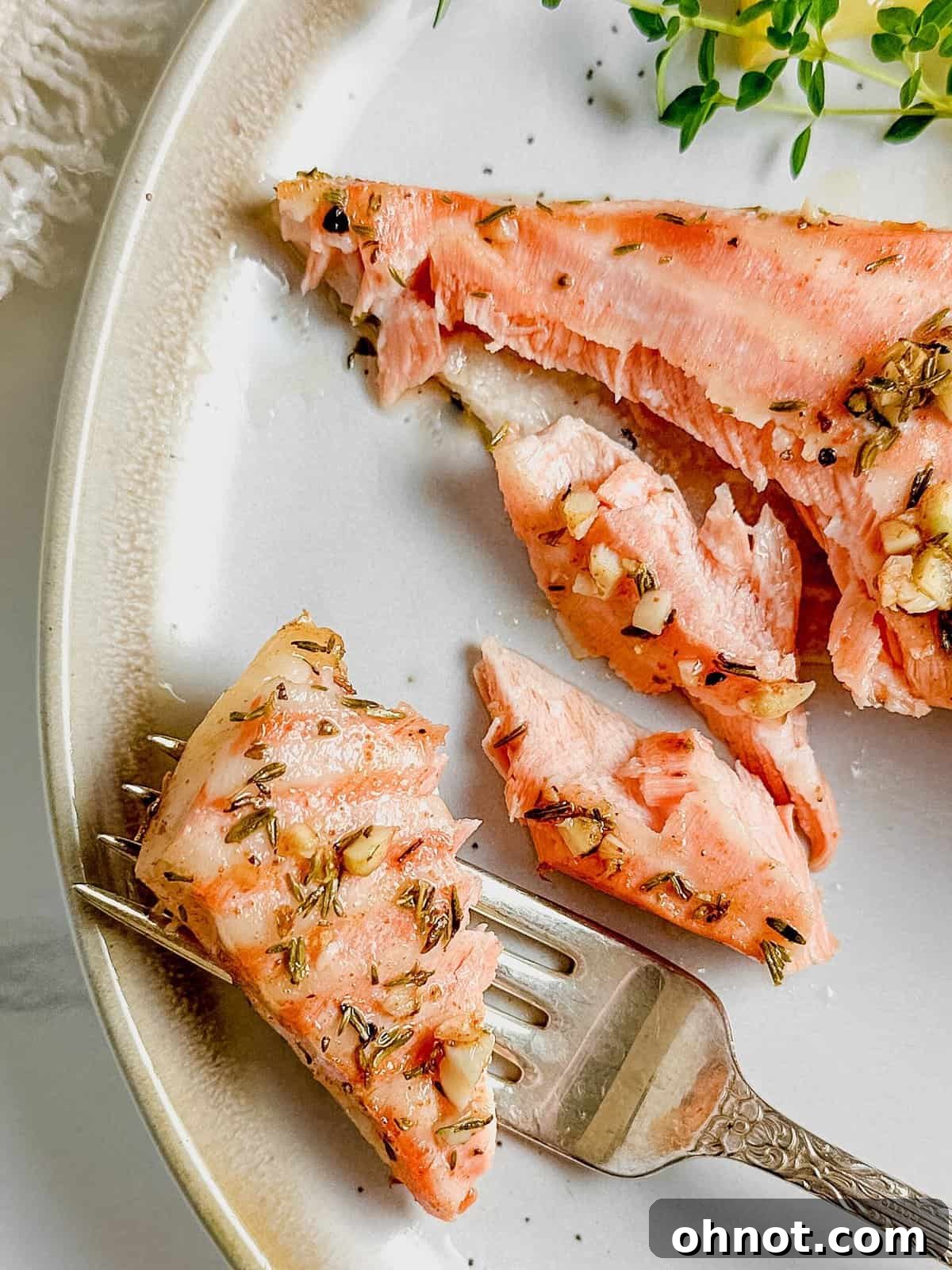
Embark on a culinary journey with this exceptional steelhead trout recipe, a dish that epitomizes healthy eating without sacrificing gourmet flavor. Perfect for a refreshing summer dinner, yet equally delightful any time of year, this recipe brings restaurant-quality taste directly to your table in under 30 minutes of active preparation. Steelhead trout, a magnificent anadromous fish native to the pristine waters of the Pacific Ocean and Alaska, is celebrated for its distinctive firm, flaky flesh and a wonderfully mild, subtly sweet flavor profile. Beyond its exquisite taste, steelhead trout is a nutritional powerhouse, generously providing essential protein, heart-healthy omega-3 fatty acids, and crucial vitamins D and B12. This recipe, crafted with wholesome, real food ingredients, ensures a delicious, nourishing, and effortlessly elegant meal for any occasion.
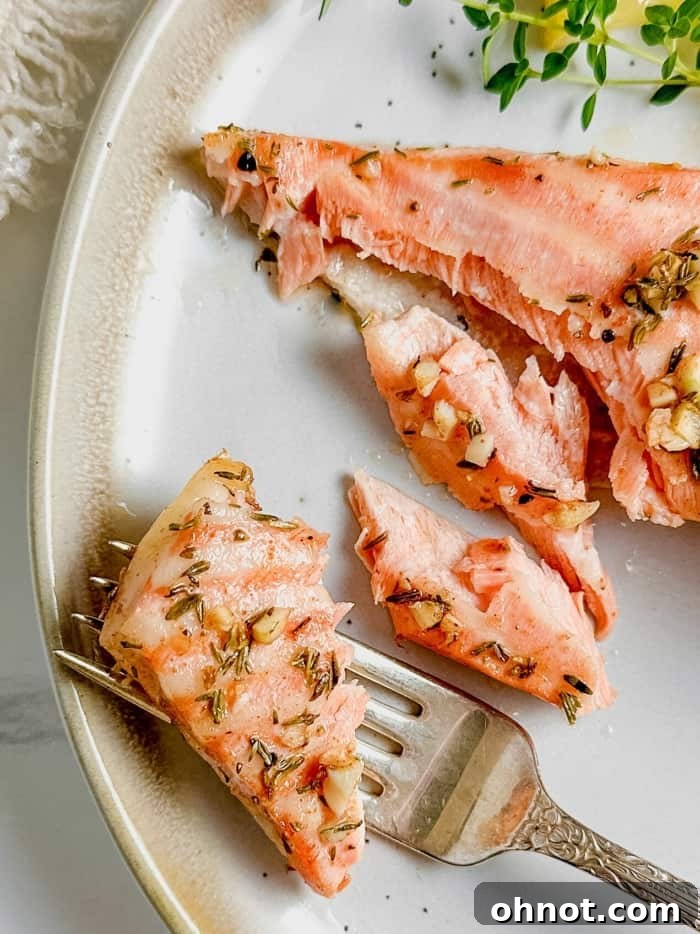
Why This Steelhead Trout Recipe Will Become Your New Favorite
Discover the myriad reasons why this steelhead trout recipe is destined to be a staple in your kitchen:
- Effortlessly Quick & Simple: This steelhead trout recipe is designed for maximum flavor with minimal effort, making it incredibly quick and easy to prepare, even on the busiest weeknights. You’ll be amazed at how such an elegant dish can come together so smoothly.
- Rapid Baking Time: Enjoy perfectly cooked fish in just 12-15 minutes in the oven. This swift cooking time ensures the trout remains succulent and prevents it from drying out, delivering tender, flaky results every time. If you appreciate speed, our Halibut recipe offers similar convenience.
- Flavorful Marinade: A simple yet potent marinade infuses the steelhead trout with incredible depth of flavor. The blend of fresh ingredients penetrates the fish, enhancing its natural sweetness and creating a truly memorable taste experience.
- Versatile & Healthy Choice: Steelhead trout is not only a delicious and healthy fish but also incredibly versatile. While perfect for a light summer dinner, its rich flavor and robust texture make it an excellent choice for any season, bringing a touch of gourmet to your everyday meals.
- Ideal for Weeknights: This recipe is an outstanding option for a quick, nutritious, and satisfying weeknight meal. It’s proof that healthy eating doesn’t require hours in the kitchen. For more speedy seafood solutions, try our Cast Iron Salmon or this vibrant Buffalo Shrimp.
- Natural Flavors Shine: The carefully selected simple seasonings – high-quality olive oil, bright lemon, and aromatic herbs – are chosen to complement and elevate the natural, delicate flavor of the fish, allowing it to truly shine.
- Adaptable Side Pairings: This steelhead trout recipe is wonderfully versatile, pairing beautifully with a wide array of side dishes. Whether you prefer classic roasted vegetables, fluffy rice, or gluten-free pasta, you can effortlessly customize your meal.
- Diet-Friendly: Catering to various dietary needs, this recipe is naturally Whole30 compliant, Paleo, gluten-free, dairy-free, egg-free, nut-free, sugar-free, Keto, and low carb. It’s a fantastic choice for anyone seeking a clean and wholesome meal.
- Explore More Seafood: If you’re a fan of exquisite seafood, be sure to check out this delicious Chilean Sea Bass Recipe for another beloved oceanic delight!
Understanding Steelhead Trout: A Culinary Gem
Steelhead trout (Oncorhynchus mykiss) is an anadromous form of rainbow trout, meaning it migrates between freshwater and saltwater environments. Unlike typical rainbow trout that spend their entire lives in freshwater, steelhead embark on epic journeys. They hatch in freshwater rivers and streams, migrate to the vast Pacific Ocean where they mature, and then return to their natal freshwaters to spawn. This incredible life cycle contributes significantly to their unique characteristics and superior culinary qualities.
Primarily found along the Pacific coasts of North America, from Alaska down to California, steelhead are a prized catch for anglers and gourmands alike. Their oceanic diet, rich in various marine organisms, gives them a distinct flavor and a vibrant, reddish-orange flesh that often leads them to be mistaken for salmon. Indeed, they are closely related to Pacific salmon species, sharing many of the same healthy fats and robust flavors.
Steelhead trout is renowned for its mild, subtly sweet flavor that is often described as a delicate cross between salmon and rainbow trout. It offers the richness of salmon but with a gentler, less “fishy” taste, making it incredibly appealing even to those who are typically hesitant about seafood. Its flesh is firm, yet tender and beautifully flaky, holding up well to various cooking methods while retaining its moistness.
Beyond its delicious taste and texture, steelhead trout is a nutritional powerhouse. It’s an excellent source of lean protein, making it ideal for muscle building and satiety. It’s particularly rich in omega-3 fatty acids, including EPA and DHA, which are vital for heart health, brain function, and reducing inflammation. Furthermore, it provides significant amounts of essential vitamins D and B12, crucial for bone health, immune function, and energy production. Incorporating steelhead trout into your diet is a fantastic way to enjoy both health and exquisite flavor.
Essential Ingredients & Smart Substitutions
Crafting this delectable steelhead trout recipe requires only a handful of fresh ingredients, ensuring the natural flavors of the fish truly shine. Below you’ll find a detailed breakdown of what you need and flexible substitution options. For the precise measurements, please refer to the comprehensive recipe card located further down the page.
- Steelhead Trout Fillets: The star of our dish! Aim for fresh steelhead trout fillets whenever possible for the best flavor and texture. Look for bright, clear flesh without any strong odors. If fresh isn’t available, high-quality frozen trout can be used, but ensure it is fully thawed in the refrigerator overnight before you begin this easy recipe. Thawing properly helps maintain the fish’s integrity and prevents a watery result.
- Olive Oil: Extra virgin olive oil is preferred for its robust flavor and healthy monounsaturated fats. It serves as the base of our marinade, helping to tenderize the fish and carry the flavors of the herbs and spices. As an excellent alternative, feel free to use avocado oil, which boasts a neutral flavor and a high smoke point, making it suitable for baking.
- Lemon Juice: Freshly squeezed lemon juice is paramount! Its bright, acidic notes not only enhance the fish’s natural flavors but also contribute to tenderizing the flesh through a gentle marination process. Bottled lemon juice can be used in a pinch, but fresh offers a far superior taste.
- Minced Garlic: Freshly minced garlic adds an irresistible aromatic and savory depth to the marinade. For a quick alternative, garlic powder can be used; use about ½ teaspoon of garlic powder for every clove of fresh garlic. Granulated garlic also works well.
- Dried Thyme: This earthy, slightly floral herb beautifully complements seafood. If you don’t have dried thyme, fresh thyme leaves (use about three times the amount of dried) or other Mediterranean herbs like dried oregano or a touch of rosemary can provide a similar aromatic quality.
- Smoked Paprika (Optional): While optional, smoked paprika introduces a subtle, sweet, and smoky note that adds a fantastic layer of complexity to the dish. Regular sweet paprika can be used for color and mild flavor without the smoke.
- Salt and Pepper: Essential for seasoning, these pantry staples bring out the best in all the other ingredients. Always season to taste, adjusting quantities based on your preference and the size of your fillets. Sea salt or kosher salt are recommended for their clean flavor.
- Lemon Slices & Fresh Thyme Sprigs (for garnish): These garnishes are not just for aesthetics; they add a final burst of freshness and aroma, elevating the overall presentation and taste. Don’t skip them if you desire a truly restaurant-quality finish!
Unveiling the Exquisite Taste & Texture of Steelhead Trout
Steelhead trout offers a truly delightful culinary experience, characterized by a unique balance of flavor and texture that makes it a favorite among seafood lovers. Its taste is wonderfully mild and inherently sweet, a characteristic that often draws comparisons to salmon, but with a more delicate and less intensely “fishy” profile. This subtle sweetness makes it incredibly versatile and appealing to a broad palate, even for those who might typically shy away from stronger seafood flavors.
The texture of steelhead trout is equally impressive. The flesh is notably firm and robust, yet incredibly tender, flaking apart effortlessly with a fork. When cooked properly, it achieves a buttery, melt-in-your-mouth quality that is utterly satisfying. This desirable texture is a testament to the fish’s active life in both fresh and saltwater environments, contributing to well-developed muscle fibers and a healthy fat content that keeps it moist and rich.
One of the greatest attributes of steelhead trout is its adaptability in the kitchen. Its firm flesh and exquisite flavor lend themselves beautifully to a myriad of cooking methods. Whether you choose to bake, grill, pan-fry, broil, or even poach it, steelhead trout consistently delivers impressive results. Each method brings out slightly different nuances in its flavor and texture, allowing for endless culinary creativity.
This particular baked steelhead trout recipe highlights the fish’s best qualities. Baking gently cooks the fillets, preserving their natural moisture and allowing the delicate flavors of the marinade to fully infuse. The result is a dish that is not only easy and healthy but also bursts with vibrant flavor, making it a perfect showcase for this magnificent fish.
Step-by-Step Guide: How to Make Perfect Steelhead Trout
Follow these simple steps to prepare a mouth-watering steelhead trout dish that tastes like it came from a fine dining establishment. Precision and a little patience will ensure the best results.
Step 1: Preheat Your Oven
Begin by preheating your oven to 400°F (200°C). Allowing the oven to reach the correct temperature beforehand is crucial for even cooking and achieving that perfect flaky texture for your trout fillets.
Step 2: Prepare the Flavorful Marinade
In a small bowl, combine the olive oil, fresh lemon juice, minced garlic, dried thyme, smoked paprika (if you’re using it for that extra smoky touch), salt, and freshly ground black pepper. Whisk these ingredients together until they are thoroughly combined, creating a harmonious and aromatic marinade that will infuse your trout with delicious flavor.
Step 3: Marinate the Steelhead Trout
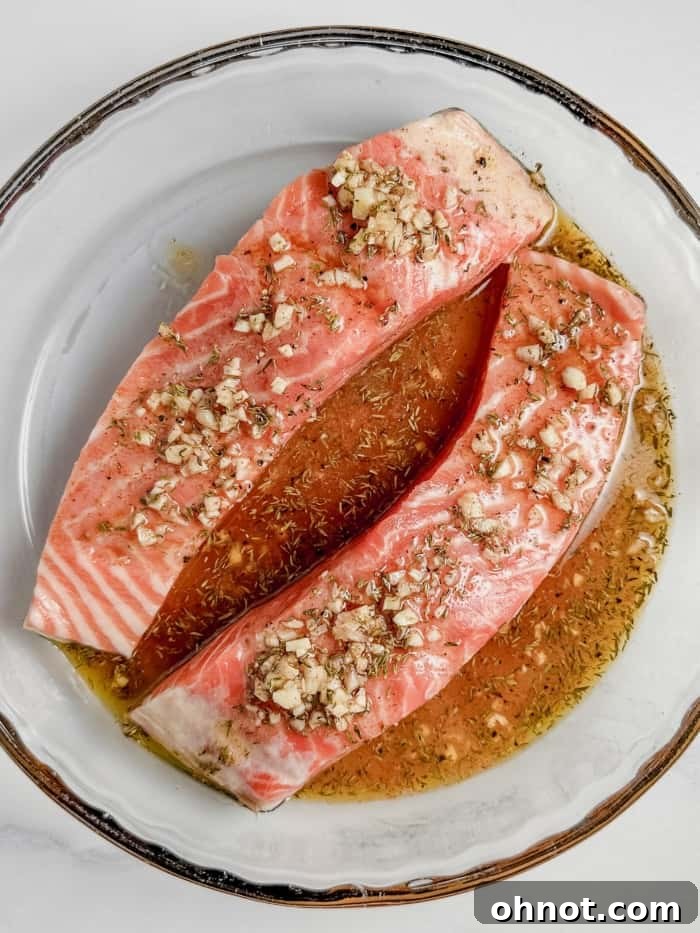
Carefully place the steelhead trout fillets into a shallow baking dish or a resealable plastic bag. Pour the prepared marinade evenly over the fillets, ensuring each piece is well-coated. Gently massage the marinade into the fish if using a bag. Place the dish or bag in the refrigerator and let the fillets marinate for approximately 15 to 20 minutes. This short marinating time is perfect for infusing flavor without over-acidifying the delicate fish. If you’re pressed for time, even a 5-minute marinade will impart some wonderful taste.
Step 4: Prepare the Baking Pan
While your steelhead trout is marinating, take a moment to lightly grease a baking pan. This crucial step prevents the fish from sticking to the pan, ensuring easy removal and maintaining the beautiful presentation of your fillets. You can use a small amount of olive oil, avocado oil, or cooking spray.
Step 5: Arrange Fillets for Baking
Once the marinating time is complete, carefully remove the steelhead trout fillets from the marinade. Allow any excess marinade to drip off, then place the fillets skin-side down (if applicable) in a single layer on the prepared baking pan. Ensure there is some space between each fillet for even cooking.
Step 6: Bake to Perfection
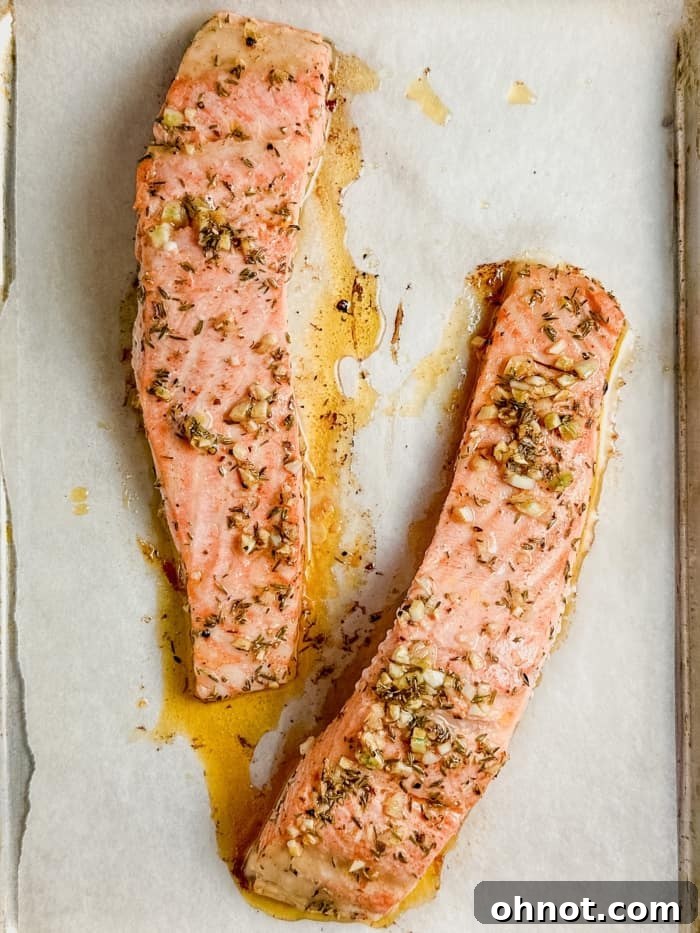
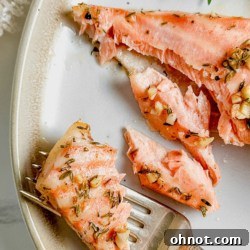
Transfer the baking pan to your preheated oven. Bake the steelhead trout for approximately 12 to 15 minutes. The exact cooking time will vary depending on the thickness of your fillets. A good indicator of doneness is when the trout turns opaque throughout and flakes easily with a fork at its thickest part. Avoid overcooking to keep the fish moist and tender.
Step 7: Rest the Fish
Once the trout is perfectly baked, remove the pan from the oven. It’s important to let the fish rest for a minute or two before serving. This allows the juices to redistribute throughout the fillet, resulting in an even more succulent and flavorful experience.
Step 8: Garnish and Serve
For a finishing touch that enhances both appearance and taste, garnish the steelhead trout with fresh lemon slices and a few sprigs of fresh thyme, if desired. Serve immediately and enjoy the exquisite flavors of this simple yet elegant dish!
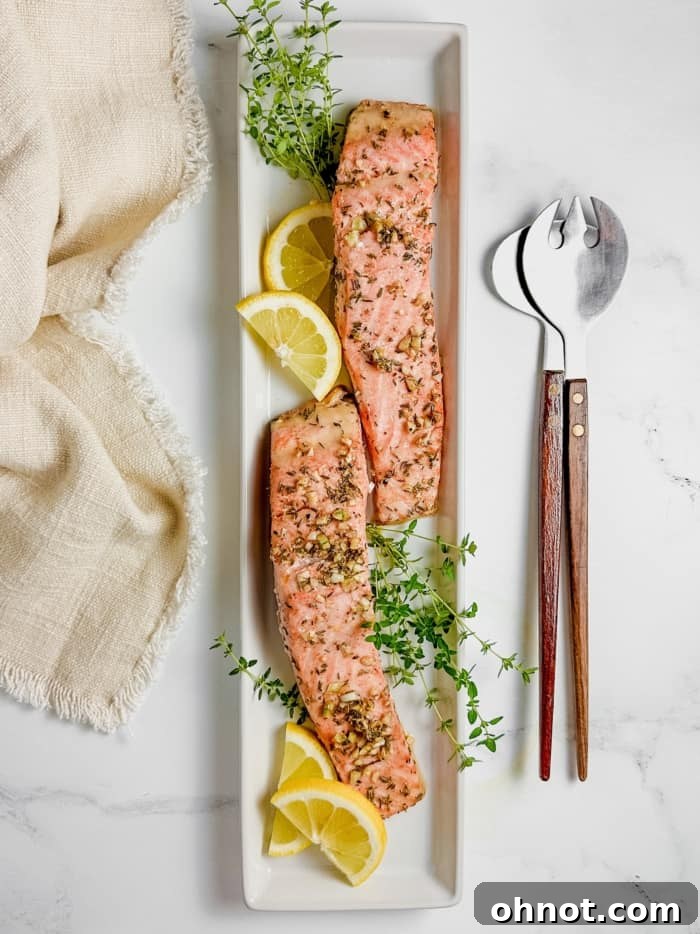
Mastering Your Steelhead Trout: Expert Tips for Success
Achieving perfectly cooked, flavorful steelhead trout is surprisingly easy with these expert tips. Follow these guidelines to elevate your culinary results and ensure a consistently delicious meal:
- Temperature is Key for Doneness: The most reliable way to ensure your steelhead trout is cooked to perfection without overcooking is to use a high-quality meat thermometer. Insert it into the thickest part of the fillet. The fish is done when the internal temperature reaches 145°F (63°C). At this temperature, the flesh will be opaque throughout and will flake easily.
- Don’t Shy Away from Seasoning: While steelhead trout has a naturally delicious flavor, a generous hand with spices and seasonings is crucial. The marinade, salt, pepper, and herbs truly amplify its taste, transforming a good piece of fish into an extraordinary one. Feel free to adjust quantities to your preference.
- Grilling Steelhead Trout: For a smoky BBQ flavor, grilling steelhead trout is an excellent option. Preheat your grill to medium-high heat. Lightly oil the grill grates to prevent sticking. Cook the fish for approximately 6 to 8 minutes per side, or until it’s cooked through and flakes easily. Ensure the skin side goes down first to help crisp it up.
- Poaching for Delicacy: Poaching is a gentle cooking method that results in incredibly tender and moist steelhead trout. To poach, bring a pot of water (or a flavorful broth with white wine and aromatics) to a gentle simmer (not a rolling boil) with a tablespoon of salt. Carefully place the trout fillets into the simmering liquid and poach for about 6 to 8 minutes, or until the fish is opaque throughout. This method preserves the delicate texture beautifully.
- Pan-Frying for a Crispy Skin: If you enjoy a delicious, crispy skin, pan-frying is the way to go. Heat a tablespoon of olive oil or butter in a non-stick pan over medium-high heat. Once the oil is shimmering, add the steelhead trout fillets, skin-side down. Cook for about 4 to 6 minutes on the skin side until the skin is golden and crispy, then flip and cook for another 2-3 minutes on the flesh side, or until cooked through.
- Selecting Fresh Fish: When purchasing steelhead trout, look for fillets with bright, translucent flesh. Avoid any fish that appears dull, discolored, or has a strong “fishy” odor. Fresh trout should smell clean, like the ocean.
- Pat Dry Before Marinating: For optimal flavor absorption and to promote a better sear or crispier skin (if not baking), always pat your fish fillets completely dry with paper towels before marinating or seasoning. Excess moisture can dilute flavors and hinder browning.
Creative Flavor Variations & Delicious Add-Ins
This steelhead trout recipe serves as a fantastic foundation, but its versatility truly shines when you start exploring different flavor profiles and add-ins. Here are some delicious ways to customize your dish and keep things exciting:
- Herb & Spice Boost: Experiment with different herb and spice blends. Beyond thyme and smoked paprika, consider adding dried dill for a classic seafood pairing, a pinch of cayenne pepper for a subtle kick, or some garlic powder and onion powder for an umami boost. Fresh herbs like parsley, cilantro, or chives, finely chopped and mixed into the marinade or sprinkled as a garnish, can also brighten the flavors.
- Citrus Infusion: While lemon juice is paramount, don’t limit yourself! A squeeze of fresh orange or lime juice can introduce different aromatic notes. You can also add thin slices of citrus directly into the baking dish with the fish, allowing the flavors to infuse as it bakes.
- Sauce It Up: Elevate your steelhead trout with a complementary sauce. A vibrant lemon-dill sauce (made with fresh dill, lemon juice, Greek yogurt or sour cream, and a touch of mustard) or a zesty chipotle-lime sauce (mixing adobo sauce from canned chipotles with lime juice, mayo, and a hint of honey) can add incredible moisture and depth. For a creamy option, a simple beurre blanc or a garlic-herb butter sauce drizzled over the top just before serving is divine.
- Roasted Vegetable Medley: Turn your main course into a complete sheet pan meal by roasting vegetables alongside the steelhead trout. Toss asparagus, broccoli florets, cherry tomatoes, bell peppers, or sliced zucchini with a little olive oil, salt, and pepper, and roast them on the same pan. Ensure they are cut into similar sizes for even cooking, and add them to the oven partway through the fish’s cooking time, depending on how quickly they cook. This creates a balanced, nutritious, and easy-to-clean-up dinner.
- Mediterranean Twist: Incorporate Mediterranean flavors by adding chopped Kalamata olives, sun-dried tomatoes, and crumbled feta cheese to the baking dish during the last few minutes of cooking. A drizzle of balsamic glaze or a sprinkle of fresh oregano can complete this profile.
- Asian Inspired: For an Asian-inspired flair, swap the lemon juice for lime juice, add a dash of soy sauce or tamari, a tiny bit of sesame oil, and freshly grated ginger to the marinade. Garnish with chopped green onions and a sprinkle of sesame seeds.
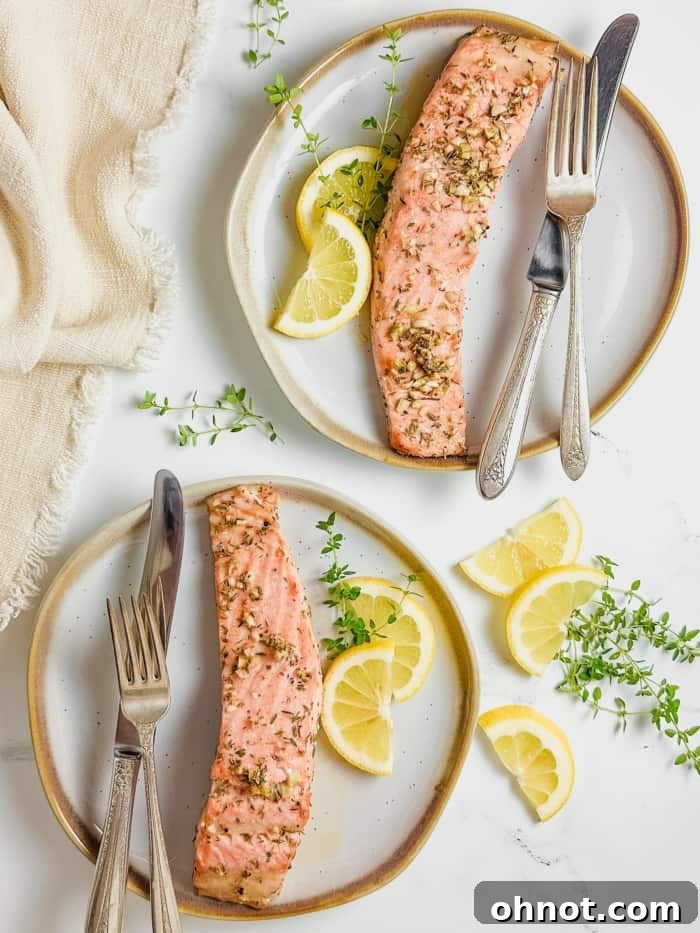
Serving Suggestions & Storage Best Practices
Once your delicious steelhead trout is cooked, the possibilities for serving and enjoying it are endless. Here’s how to best serve and store your culinary creation:
- Serve it Hot or Cold: This steelhead trout recipe is incredibly versatile and can be savored either warm, fresh out of the oven, or chilled as part of a refreshing meal. Its robust flavor holds up beautifully, whether hot or cold.
- Classic Side Pairings: For a comforting and complete meal, I especially love pairing this trout with creamy vegan mashed potatoes and vibrant roasted veggies. The smooth texture of the potatoes provides a wonderful contrast to the flaky fish, while the roasted vegetables add essential nutrients and earthy flavors.
- Light & Fresh Options: For a lighter meal, serve your steelhead trout alongside a fresh green salad with a light vinaigrette, quinoa pilaf, or steamed green beans. A side of couscous or a simple rice blend also works beautifully to absorb the delicious juices.
- Creative Culinary Uses: Don’t limit steelhead trout to just a main dish! Flaked leftovers can be transformed into gourmet salads, adding a protein boost to your greens. It’s also excellent in wraps or sandwiches for a quick and healthy lunch. You can even create delightful fish tacos or turn it into a flavorful fish dip.
- Optimal Storage for Freshness: To maintain the best quality and ensure food safety, place any leftover cooked steelhead trout in an airtight container. Store it in the refrigerator for up to 3 days. This prevents the fish from absorbing other odors and keeps it moist.
- Freezing for Longer Preservation: For longer storage, steelhead trout can be frozen. Wrap individual cooked fillets tightly in plastic wrap, then place them in a freezer-safe bag or container. It can be stored in the freezer for up to 3 months. When ready to enjoy, thaw overnight in the refrigerator and gently reheat in the oven or microwave, being careful not to overcook.
Steelhead Trout vs. Rainbow Trout: Unpacking the Differences
Steelhead trout and rainbow trout are two captivating types of fish that are often a source of confusion due to their close genetic relationship and similar appearances. Both are members of the species Oncorhynchus mykiss, yet they represent distinct life histories and culinary experiences. Understanding these key differences can enhance your appreciation and selection of each fish.
The most significant distinction lies in their migratory patterns. Rainbow trout are typically freshwater residents, spending their entire lives in rivers, lakes, and streams. Steelhead trout, on the other hand, are anadromous – they begin their lives in freshwater, migrate to the vast expanse of the ocean where they mature and grow, and then return to freshwater to spawn. This oceanic journey significantly influences their physical characteristics and flavor profile.
Physically, steelhead trout tend to be larger and more elongated than rainbow trout, often reaching impressive sizes due to their time in the rich ocean environment. Their flesh typically has a deeper, more vibrant pink or reddish-orange hue, a result of their diet of crustaceans and other marine organisms. Rainbow trout, being freshwater dwellers, generally have lighter pink or white flesh. From a culinary perspective, steelhead trout offers a richer, more pronounced flavor and a firmer texture, often likened to salmon, while rainbow trout possesses a milder, more delicate taste and a softer texture.
Economically, steelhead trout is generally more expensive than rainbow trout, reflecting its migratory lifestyle, larger size, and often more complex fishing and aquaculture practices. Both are delicious and healthy choices, but their distinct attributes make them suitable for different culinary applications and preferences. Be sure to explore this vibrant Rainbow Trout recipe and this general Healthy Trout recipe to taste the differences for yourself.
Here is a table summarizing the key differences between steelhead trout and rainbow trout:
| Characteristic | Steelhead Trout | Rainbow Trout |
| Life Cycle | Anadromous (migrates to ocean) | Freshwater resident |
| Size | Larger, more elongated | Smaller, stockier |
| Flesh Color | Deeper pink/red-orange | Lighter pink/white |
| Flavor Profile | Richer, salmon-like, subtly sweet | Milder, more delicate |
| Texture | Firm, flaky | Softer, fine flakes |
| Habitat | Pacific Ocean (matures), freshwater (spawns) | Freshwater (rivers, lakes) |
| Price | Generally more expensive | Generally less expensive |
Frequently Asked Questions (FAQs) About Steelhead Trout
The primary distinction lies in their migratory behavior. Steelhead trout are anadromous, meaning they spend most of their adult lives in the ocean before returning to freshwater to spawn. Rainbow trout, conversely, are freshwater-resident and complete their entire life cycle in rivers, lakes, or streams.
Absolutely! Steelhead trout is highly nutritious. It’s an excellent source of high-quality protein, rich in beneficial omega-3 fatty acids (EPA and DHA), and provides essential vitamins such as D and B12. It’s also naturally low in calories and saturated fat, making it a heart-healthy addition to any diet.
You can usually find steelhead trout fillets at most well-stocked grocery stores, particularly those with a good seafood counter, and specialty fish markets. It is often available both fresh and frozen. Canned versions are less common but can sometimes be found.
Steelhead trout has a mild, subtly sweet flavor that is often compared to salmon, but it is generally less intensely “fishy.” It has a clean, fresh taste that makes it very appealing and versatile for various culinary preparations.
Trout is a versatile fish that lends itself to many cooking methods. Beyond baking, popular options include grilling (for a smoky char), pan-searing (for crispy skin), poaching (for a delicate, moist texture), broiling (for quick caramelization), and even air frying for a convenient, crispy result.
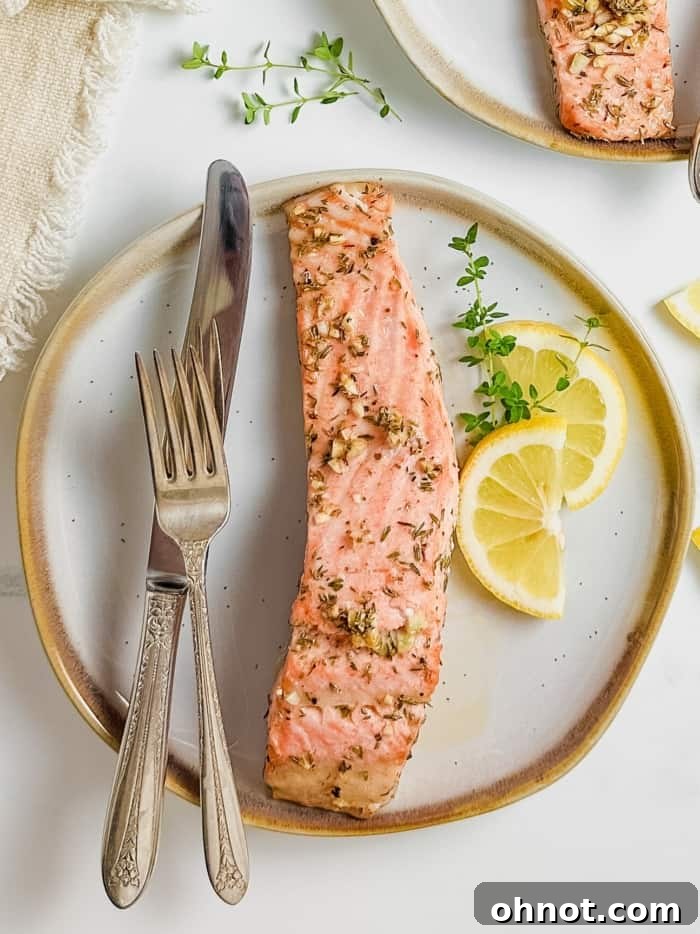
Essential Equipment for Your Steelhead Trout Recipe
To prepare this delicious steelhead trout, you’ll need a few basic kitchen tools. These will ensure a smooth cooking process and optimal results:
- Baking Dish: A sturdy baking dish is essential for roasting the trout fillets evenly and catching any flavorful juices. Glass or ceramic dishes are excellent choices for consistent heat distribution.
- Small Mixing Bowl: Perfect for whisking together the marinade ingredients before coating the fish.
- Whisk or Fork: For blending the marinade components thoroughly.
- Meat Thermometer: Highly recommended for accurately checking the internal temperature of the fish to prevent overcooking and ensure food safety (target 145°F / 63°C).
- Cutting Board & Sharp Knife: For mincing garlic and slicing lemons for garnish.
- Measuring Spoons & Cups: For precise ingredient measurements.
- Parchment Paper or Aluminum Foil (Optional): Lining your baking dish can make cleanup significantly easier.
More Delicious Seafood Recipes to Explore
If you loved this steelhead trout recipe, you’re in for a treat! Discover more healthy, easy, and flavorful seafood dishes from our collection:
- Royal Red Shrimp Recipe
- Baked Halibut Recipe
- Fried Lobster Tails
- Cod Fish Recipe
- Blackened Mahi Mahi
We hope you cherish this healthy steelhead trout recipe as much as we do! If you prepare this dish, we would genuinely appreciate your feedback and a review. You can connect with us on Instagram, Facebook, and Pinterest. Join our exclusive Facebook Group for a behind-the-scenes look and to share your culinary creations. We’d love for you to follow along on our journey! For more inspiration and meal ideas, explore our wide range of Lunch and Dinner Recipes. Happy cooking!
Get the Recipe:
Steelhead Trout Recipe
Pin Recipe
Save Recipe
Ingredients
- 2 steelhead trout fillets, about 6 to 8 ounces each
- 2 tbsp olive oil
- 2 tbsp fresh lemon juice
- 2 cloves garlic, minced
- 1 tsp dried thyme
- ½ tsp smoked paprika, optional, for added flavor
- salt, to taste
- pepper, to taste
- lemon slices, for garnish (optional)
- fresh thyme sprigs, for garnish (optional)
Instructions
-
First, preheat your oven to 400°F (200°C).
-
In a small bowl, mix together the olive oil, lemon juice, minced garlic, dried thyme, smoked paprika (if using), salt, and pepper to create a marinade.
-
Place the steelhead trout fillets in a baking dish or a resealable plastic bag. Pour the marinade over them. Make sure the fillets are coated evenly. Let them marinate in the refrigerator for about 15 to 20 minutes. If you are in a hurry, even a 5 minute marinade will add some flavor.
-
While the steelhead trout is marinating, lightly grease a baking pan to prevent sticking.
-
After marinating, take the steelhead trout fillets out of the marinade and place them in the prepared baking pan.
-
Bake the steelhead trout in the preheated oven for approximately 12 to 15 minutes, depending on the thickness of the fillets. The trout should be cooked through and easily flake with a fork.
-
Once the trout is done baking, remove it from the oven and let it rest for a minute or two.
-
Finally, garnish the steelhead trout with lemon slices and fresh thyme sprigs if desired.
Notes
- For optimal flavor and texture, use fresh trout when possible.
- If using frozen trout, ensure it is fully thawed in the refrigerator before preparing the recipe to prevent a watery outcome and ensure even cooking.
- Do not hesitate to season generously with the specified ingredients; they are crucial for enhancing the fish’s natural deliciousness.
- Always use a meat thermometer to accurately check the internal temperature of the fish, aiming for 145°F (63°C) at its thickest part.
- Crucially, avoid overcooking the trout. Overcooked fish becomes dry and tough, losing its delicate texture.
- Store any leftover cooked trout in an airtight container in the refrigerator for up to 3 days to maintain freshness and safety.