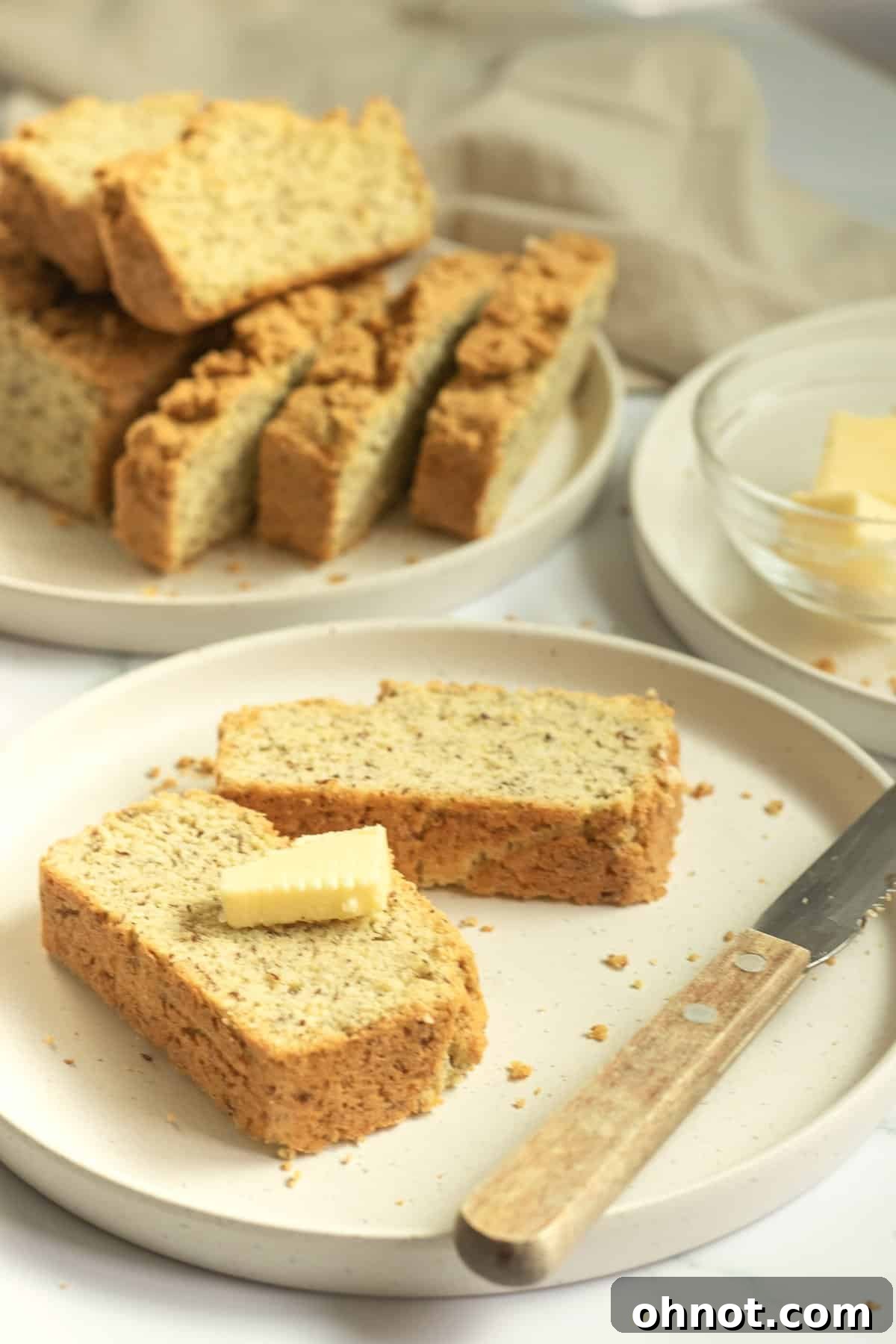
Embark on a culinary journey to rediscover the joy of bread with this phenomenal Keto bread recipe. Crafted to be incredibly soft, delightfully fluffy, and utterly delicious, this homemade loaf brings warmth and comfort back to your low-carb lifestyle. Experience the perfect texture and a subtly rich flavor that makes it indistinguishable from traditional wheat bread, but without the carb load. Best of all, this recipe is remarkably quick and easy to prepare, relying on just six core ingredients that are likely already in your pantry. Imagine fresh, warm slices ready for your favorite sandwiches, crispy toast, gooey grilled cheese, or as a wholesome accompaniment to any meal. This Keto bread is more than just an alternative; it’s a staple that elevates your ketogenic diet, proving that healthy eating doesn’t mean sacrificing taste or satisfaction. Dive into this simple recipe and transform your low-carb meals with a versatile, homemade bread that’s genuinely a game-changer.
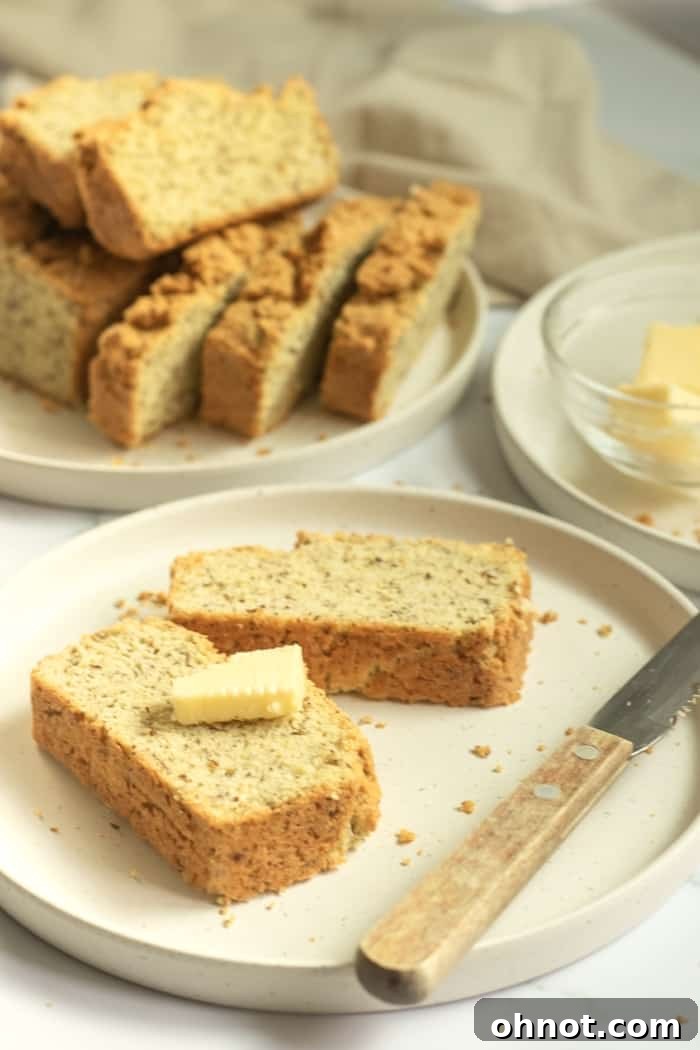
Why This Keto Bread Will Become Your Go-To Recipe
There are countless reasons to adore this homemade keto bread, making it a beloved addition to any low-carb kitchen. This isn’t just a good keto bread; it’s widely considered the best for its authentic texture and taste.
- Naturally Gluten-Free & Grain-Free: Perfect for those with gluten sensitivities or anyone avoiding grains, this bread offers a delicious solution without compromising on flavor or texture.
- Low in Carbs, High in Healthy Fats: Aligning perfectly with ketogenic and low-carb dietary principles, each slice is designed to support your macros, helping you stay in ketosis while enjoying a satisfying treat.
- Packed with Protein and Fiber: Beyond being low-carb, this bread contributes significant protein and dietary fiber, promoting satiety, aiding digestion, and contributing to overall well-being.
- Effortless Preparation: Forget complicated techniques or specialized gadgets. This recipe is incredibly easy to make, requiring minimal equipment beyond your oven, making it accessible even for novice bakers.
- Simple, Wholesome Ingredients: Using only a handful of readily available pantry staples, you can create a wholesome loaf free from obscure additives found in store-bought alternatives.
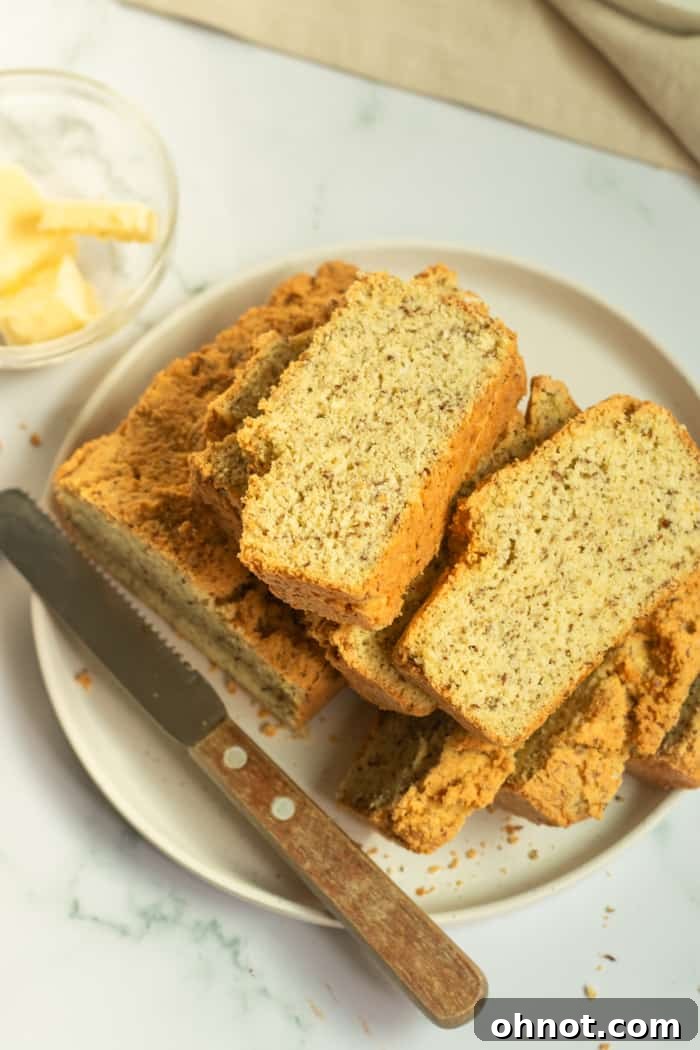
- Light, Fluffy & Versatile: Its light and airy crumb, coupled with a delightful flavor profile, makes it an ideal canvas for a myriad of culinary creations. Use it for sandwiches, toast, grilled cheese, or as a delicious side. When toasted, it achieves a wonderful crispy exterior, mimicking regular bread perfectly.
- Just 3 Net Carbs per Serving: With such a low net carb count, you can indulge in a slice (or two!) without derailing your diet. For another fantastic low-carb breakfast option, don’t miss our Keto Pancakes.
- Excellent for Meal Prep: Prepare a loaf (or two) in advance, slice, and store for quick and easy meals throughout the week. It’s perfect for busy lifestyles.
- Dietary Friendly: This recipe adheres to multiple dietary needs, being Paleo, gluten-free, grain-free, dairy-free, and refined sugar-free. It’s a truly inclusive bread option.
- Explore More Healthy Bread Options: If you enjoy this, you might also love our Paleo Bread or this Gluten Free Bread for other wholesome, delectable alternatives!
Essential Ingredients & Smart Substitutions for Low-Carb Bread
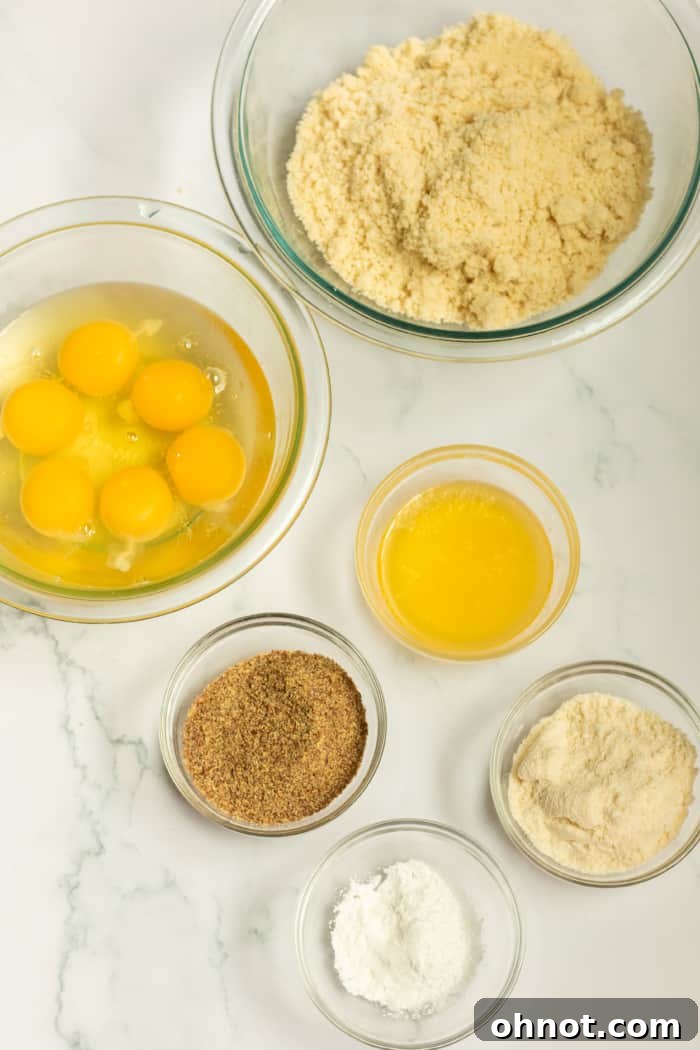
Crafting the perfect low-carb bread requires specific ingredients that contribute to its unique texture and flavor. Below are the main components and important notes regarding substitutions. For the complete list with precise measurements, please refer to the recipe card further down.
Almond Flour: This is the cornerstone of our keto bread. Always opt for super fine, blanched almond flour. Blanched means the skins have been removed, resulting in a finer texture and a lighter color. Its low-carb profile, nutrient density, and slightly sweet flavor make it an excellent grain-free alternative to traditional wheat flour. Do not substitute with almond meal, which is coarser and includes the skins, as it will drastically alter the texture of your bread.
Eggs: Eggs are crucial for providing structure, moisture, and acting as a vital binding agent in this recipe. They help the bread rise and prevent it from crumbling. Due to their specific properties in keto baking, it is strongly advised not to substitute them with chia eggs, flax eggs, or any commercial vegan egg replacers, as these will not yield the desired soft and fluffy texture.
Coconut Flour: A small amount of coconut flour plays a significant role in improving the bread’s overall texture. It’s highly absorbent, helping to create a bread that is moist yet firm. This ingredient works in synergy with almond flour to balance the crumb structure. Its unique properties mean it cannot be directly substituted with other flours in the same quantity.
Ground Flaxseed: Ground flaxseed is a gluten-free marvel that provides essential stickiness and structural integrity to the dough. It helps bind the ingredients together, adding a slight nutty flavor and boosting the fiber content. Ensure it is ground for optimal binding and nutrient absorption.
Refined Coconut Oil or Unsalted Butter: These fats contribute to the bread’s moisture, tenderness, and rich flavor. Refined coconut oil is recommended as it has a neutral taste, ensuring no unwanted coconut flavor permeates your bread. If using unrefined (virgin) coconut oil, be aware it will impart a subtle coconut essence. Unsalted butter is an excellent alternative for those who prefer a classic buttery flavor.
Baking Powder: This leavening agent is essential for helping the bread rise, creating that coveted fluffy texture. It reacts with moisture and heat to produce carbon dioxide bubbles, lifting the dough. It is imperative not to substitute baking powder with baking soda, as they are chemically distinct and require different acidic components to activate properly, leading to very different results.
Salt: A pinch of sea salt is all it takes to enhance and balance the flavors of the keto bread. It deepens the nutty notes from the flours and prevents the bread from tasting bland. Even a small amount makes a significant difference.
Optional Toppings: For an extra layer of flavor and texture, consider sprinkling the top of your loaf with keto-friendly seeds before baking. Sesame seeds offer a slightly savory, nutty crunch, while poppy seeds provide a delicate, earthy note. Feel free to experiment with other favorites like everything bagel seasoning for an added kick!
Understanding Keto Bread: A Low-Carb Revolution
Keto bread represents a remarkable innovation in the world of baking, specifically designed to fit within the stringent guidelines of a ketogenic or low-carb diet. Unlike traditional bread, which is heavily reliant on refined wheat flours and starches that are high in carbohydrates, keto bread prioritizes ingredients that support ketosis – a metabolic state where the body burns fat for fuel instead of carbs.
Typically, this revolutionary bread is crafted from a thoughtful blend of almond flour, coconut flour, and ground flaxseed meal. These ingredients are naturally low in carbohydrates and high in beneficial fats and fiber. To provide structure, moisture, and flavor, other wholesome components such as eggs, butter or coconut oil, and a selection of keto-friendly seeds are often incorporated. The careful combination of these ingredients results in a bread that, despite its unconventional composition, astonishingly mimics the taste and texture of regular bread. The primary difference lies in its significantly reduced carbohydrate content, making it a perfect choice for those monitoring their carb intake, without having to give up the simple pleasure of a good slice of bread.
Unveiling the Taste and Texture of Our Keto Bread
One of the most appealing aspects of this keto bread is its delightful flavor and satisfying texture, offering a genuinely enjoyable eating experience that often surprises first-timers. The primary use of almond flour imparts a mild, subtly nutty flavor that is both pleasant and versatile, pairing well with a wide range of sweet and savory toppings.
Regarding texture, keto bread tends to be denser and more moist than its traditional wheat-based counterparts. This isn’t a flaw but a characteristic derived from its unique blend of flours and high-fat content. Despite this slight difference, the bread holds together beautifully, making it perfectly suitable for all the ways you would typically enjoy bread. Whether you’re constructing a hearty sandwich, crisping it up in the toaster, or dipping it into a warm soup, its robust structure and moist crumb ensure a satisfying bite every time.
Top Keto Baking Tips for Flawless Results
Achieving the perfect keto bread, soft and fluffy every time, often comes down to a few key techniques. Follow these expert tips for flawless results:
- Avoid Overmixing the Batter: Overmixing can develop gluten in traditional baking, but in keto baking, it can lead to a dense, tough texture. Instead, gently fold the ingredients until they are just combined, and no dry streaks remain. A smooth, homogeneous batter is ideal without excessive agitation.
- Beat Eggs Thoroughly: The eggs are critical for lift and structure. Use a stand mixer with a whisk attachment or a hand mixer to beat the eggs until they are light, frothy, and slightly increased in volume. This incorporates air, which contributes to the bread’s fluffiness.
- Allow the Batter to Rest: After combining all ingredients, let the batter sit for at least 5 minutes. This crucial resting period allows the highly absorbent coconut flour and ground flaxseed to fully soak up the moisture, preventing a dry or crumbly final product and ensuring a perfectly moist crumb.
- Don’t Underbake: Keto bread often requires a longer baking time than traditional bread due to the different flour properties. Underbaking is a common pitfall that can result in a wet, gummy, and sunken center. Always ensure a toothpick inserted into the center comes out clean before removing it from the oven.
- Avoid Overbaking Too: While underbaking is a concern, overbaking can lead to a dry, hard, and overly browned loaf. Once the toothpick test indicates doneness and the top is golden brown, remove the bread promptly. Trust the toothpick and visual cues!
- Ensure Room Temperature Eggs: Using room temperature eggs helps them incorporate more easily into the batter and contributes to a smoother, more uniform consistency. This also allows the batter to rise more effectively.
- Use a Loaf Pan with Parchment Paper: Lining your loaf pan with parchment paper is a simple but effective trick for easy removal and cleanup. Leave an overhang on the sides to create “handles” for lifting the bread out once baked.
- Measure Precisely: Keto baking is more scientific than traditional baking due to the unique properties of low-carb flours. Use accurate measuring cups and spoons, especially for the flours and leavening agents, to ensure the right balance.
Step-by-Step Guide: How to Bake Your Own Keto Bread
Baking delicious, low-carb keto bread at home is a straightforward process when you follow these clear steps. Get ready to enjoy the aroma of fresh bread filling your kitchen!
Step 1: Prepare Your Oven and Pan
Begin by preheating your oven to 350 degrees Fahrenheit (175 degrees Celsius). While the oven heats, prepare a standard loaf pan by lining it completely with parchment paper. This step is essential for easy removal of the baked bread and hassle-free cleanup.
Step 2: Combine Wet Ingredients
In a medium-sized mixing bowl, crack your room temperature eggs and beat them thoroughly until they are well blended and slightly frothy. This aeration is key to a lighter loaf. Next, add the melted coconut oil or butter to the beaten eggs and mix well until everything is smoothly incorporated.

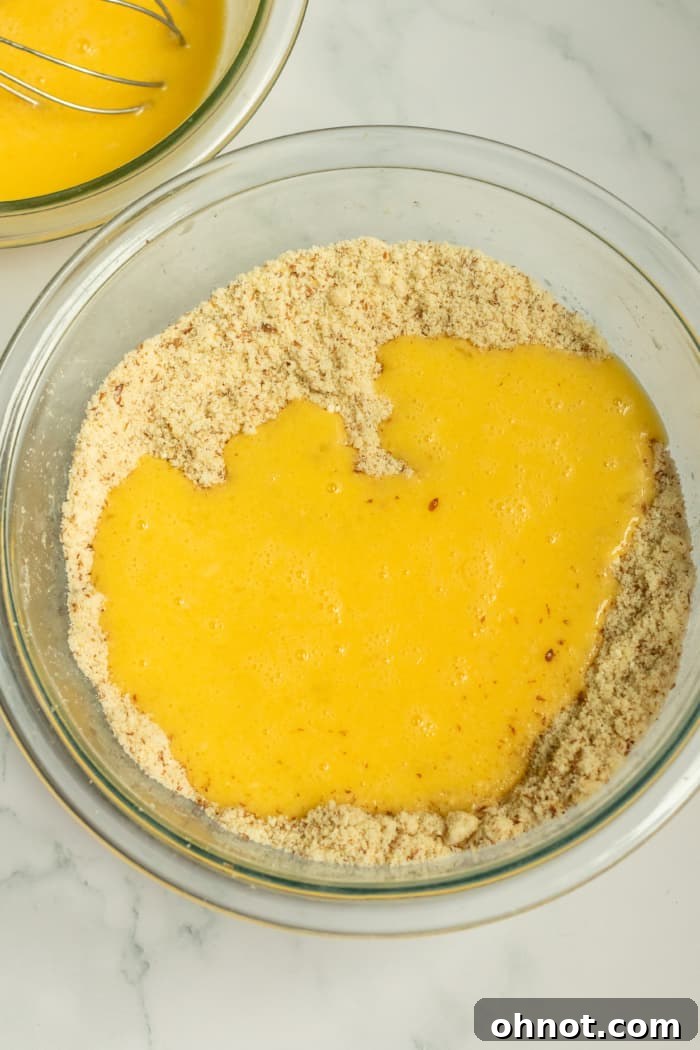
Step 3: Mix Wet and Dry Ingredients and Rest
In a separate, larger bowl, combine all your dry ingredients: almond flour, coconut flour, ground flaxseed, baking powder, and a pinch of sea salt. Whisk them together to ensure they are evenly distributed. Then, pour the prepared wet ingredients into the dry ingredients. Stir gently until the batter is smooth and all ingredients are well combined, being careful not to overmix. Once combined, let the batter sit undisturbed for at least 5 minutes. This allows the coconut flour and flaxseed to absorb moisture, which is vital for the bread’s texture.
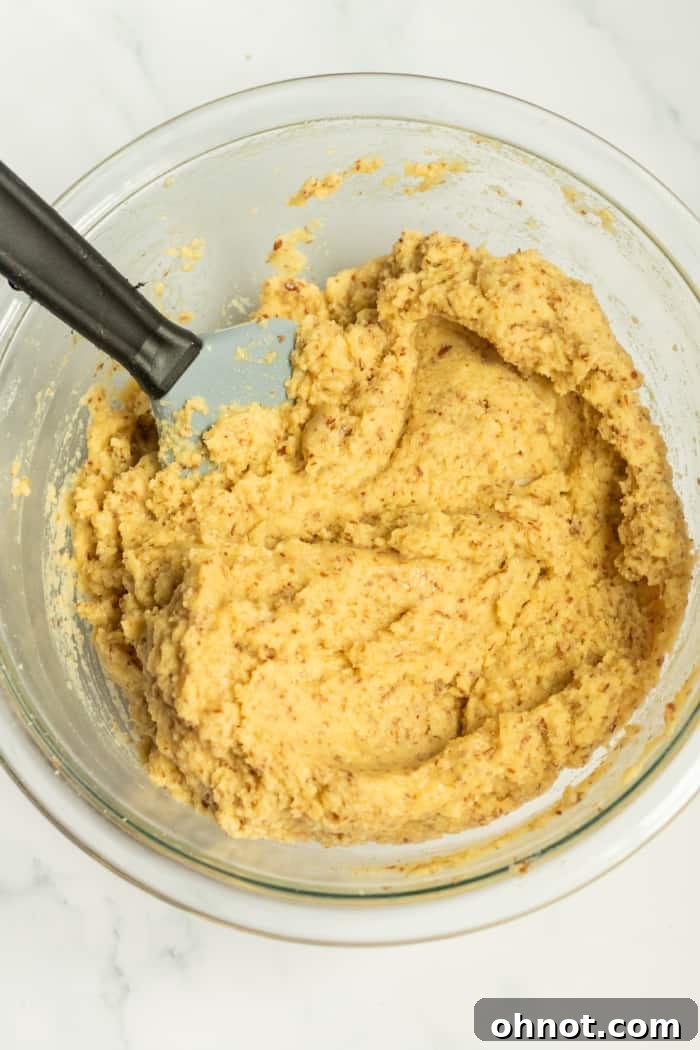
Step 4: Fill the Loaf Pan
Carefully transfer the bread batter into your parchment-lined loaf pan. Use a spatula to spread the batter into an even layer, ensuring it fills the pan uniformly. This promotes even baking and a beautifully shaped loaf.
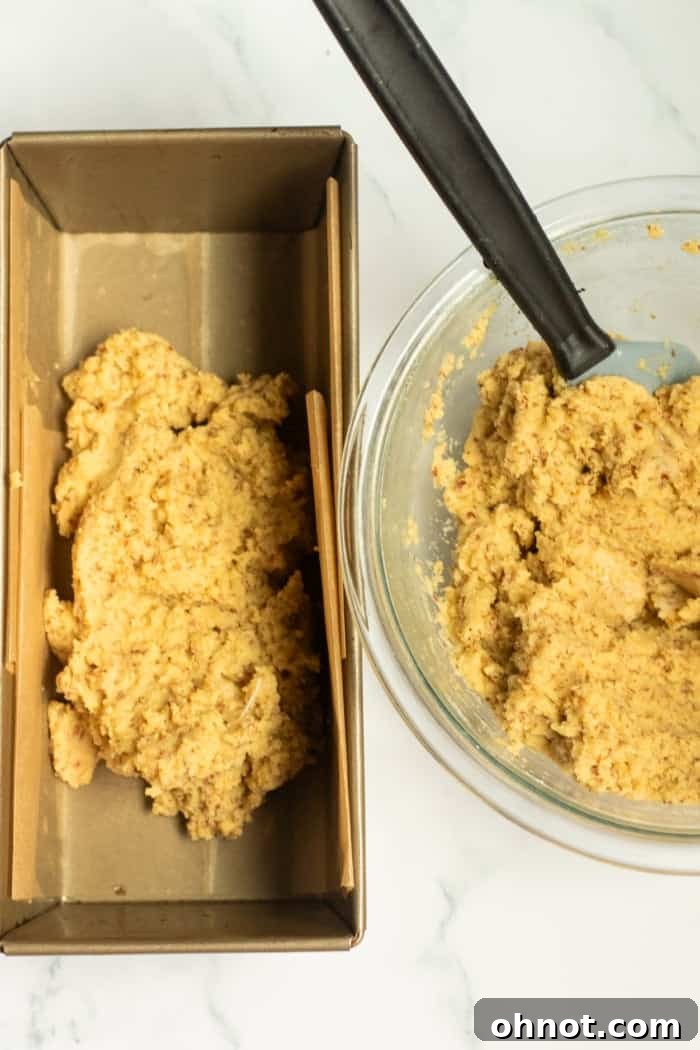
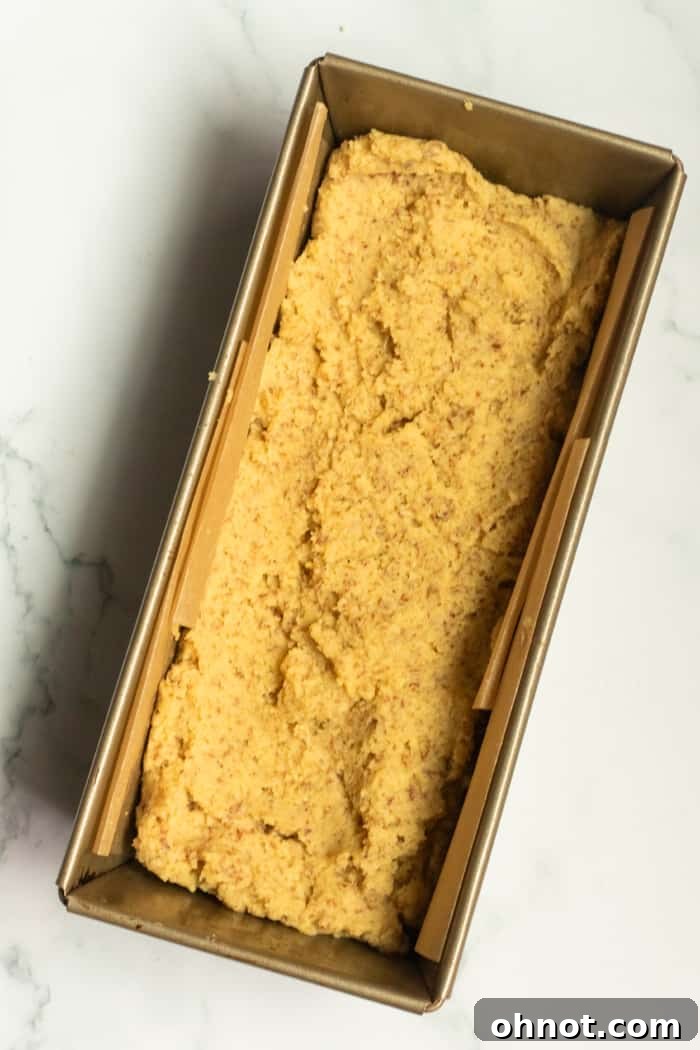
Step 5: Add Optional Toppings
If you desire, gently sprinkle the top of the bread batter with sesame seeds, poppy seeds, or a mixture of both. This adds a lovely visual appeal, a hint of extra flavor, and a pleasant textural crunch to the crust.
Step 6: Bake to Golden Perfection
Place the loaf pan in your preheated oven and bake for approximately 45 to 50 minutes. The bread is done when the top is beautifully golden brown, and a wooden toothpick inserted into the very center of the loaf comes out completely clean, indicating it’s cooked through.
Step 7: Cool and Rest
Once baked, remove the keto bread from the oven. Let it cool in the loaf pan for about 10-15 minutes. This initial cooling helps it firm up. Then, carefully lift the bread out of the pan using the parchment paper overhangs and transfer it to a wire rack to cool completely. Cooling completely is crucial for the bread to set properly and prevent a gummy texture.
Step 8: Slice and Serve
Finally, once the bread has cooled entirely to room temperature (patience is key here!), use a sharp serrated knife to slice it into your desired thickness. Now it’s ready to be enjoyed! Serve it fresh, toast it, or transform it into your favorite low-carb meal.
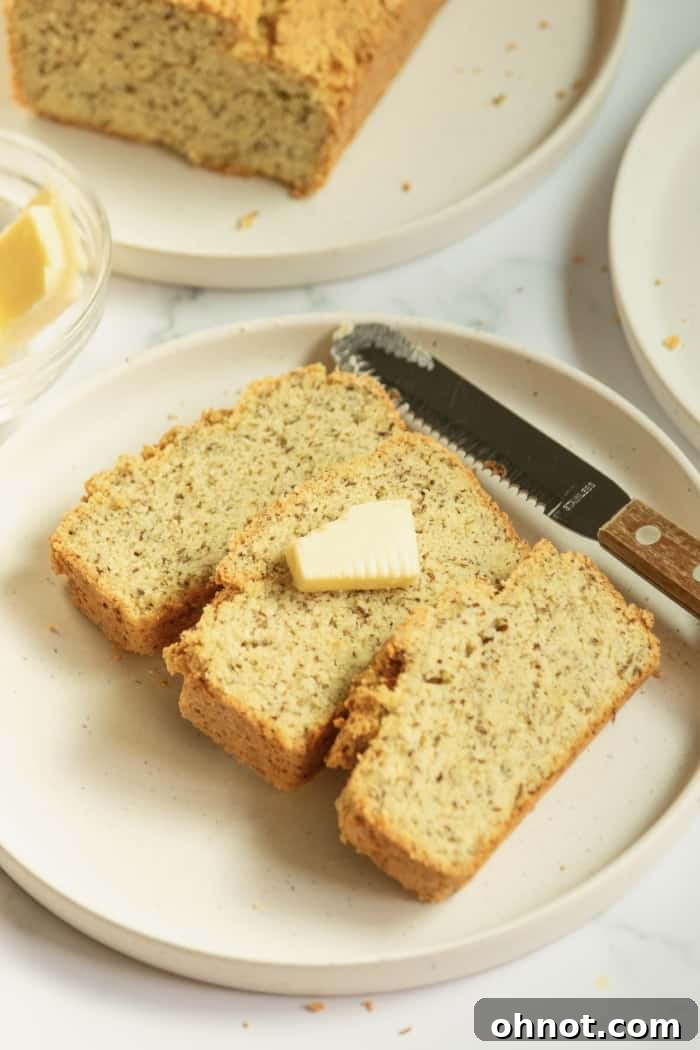
Versatile Ways to Enjoy Your Homemade Keto Bread
This homemade keto bread is incredibly versatile, making it the perfect foundation for countless keto and low-carb meals. Say goodbye to carb cravings and hello to a world of delicious possibilities at any time of day!
- Classic Toast: The simplest pleasure! Toast slices to golden perfection and slather with butter, cream cheese, avocado, or your favorite keto-friendly nut butter.
- Savory Open-Faced Toasts: Elevate your toast game with toppings like mashed avocado and everything bagel seasoning, smoked salmon and cream cheese, or scrambled eggs and a sprinkle of chives.
- Sweet Keto French Toast: For a delightful breakfast or brunch, dip slices of this bread into a mixture of beaten eggs, cinnamon, a splash of unsweetened almond milk, and a low-carb sweetener. Cook on a griddle until golden, then top with sugar-free syrup and berries.
- Hearty Sandwiches: Reintroduce sandwiches into your diet! Assemble with crisp lettuce, creamy mayonnaise, thinly sliced roast beef, turkey, or grilled chicken. Add cheese, pickles, or a slice of tomato for extra flavor.
- Comforting Grilled Cheese: Create the ultimate comfort food with a gooey grilled cheese sandwich. Use your favorite keto-friendly cheese and grill until golden brown and melted. Pair it with a bowl of low-carb tomato soup.
- Soup and Salad Companion: Serve slices as a side with a vibrant green salad, a hearty low-carb soup, or a flavorful main dish. Its sturdy texture makes it perfect for dipping.
- Mini Pizzas: Use slices as a base for quick and easy mini keto pizzas. Top with sugar-free marinara, mozzarella, and your preferred low-carb toppings like pepperoni, mushrooms, or bell peppers, then bake until bubbly.
- Bruschetta Alternative: Lightly toast small pieces, then top with fresh diced tomatoes, basil, garlic, and a drizzle of olive oil for a low-carb appetizer.
Optimal Serving & Storage Practices for Freshness
To maintain the delicious taste and perfect texture of your homemade keto bread, proper serving and storage are key. Follow these guidelines to keep your loaf fresh for as long as possible:
- Refrigeration for Short-Term Storage: For enjoyment within a week, it’s best to store your keto bread in the refrigerator. First, wrap the entire loaf tightly in parchment paper. Then, place the wrapped loaf into an airtight container or a large, sealable plastic bag. This dual protection helps prevent it from drying out and absorbing odors.
- Slice As Needed: To maximize freshness, avoid slicing the entire loaf at once. Instead, slice only the portions you intend to consume immediately. Exposed cut surfaces can dry out quickly.
- Avoid Direct Plastic Contact in Fridge: Do not store the bread directly in a plastic container without parchment paper, as this can trap moisture, potentially making the bread soggy or promoting mold growth. The parchment paper acts as a breathable barrier.
- Freezing for Long-Term Preservation: Keto bread freezes exceptionally well, making it ideal for meal preparation and ensuring you always have a low-carb option on hand. For freezing, it’s highly recommended to slice the loaf first. This allows you to grab individual slices as needed, without having to thaw the entire loaf.
- Freezer Storage Method: Once sliced, arrange the slices in a single layer on a baking sheet and freeze for about 30 minutes until firm. This prevents them from sticking together. Then, wrap each slice individually in parchment paper or divide them into serving portions and wrap them. Place the wrapped slices in a freezer-safe bag or airtight container. Properly stored, your keto bread can remain fresh in the freezer for up to 6 months.
- Reheating from Frozen: When you’re ready to enjoy a slice, simply remove it from the freezer and toast it directly from frozen in a toaster, toaster oven, or conventional oven until warmed through and lightly crispy. This method provides the best texture.
Frequently Asked Questions About Keto Bread
Traditional bread, made from refined wheat, is naturally very high in carbohydrates, making it unsuitable for a ketogenic or low-carb diet. However, many delicious and satisfying keto-friendly alternatives exist. This homemade keto bread recipe, made with almond and coconut flour, is an excellent choice. Other popular options include protein bread, Ezekiel bread (in moderation, depending on carb goals), and light, airy cloud bread which uses eggs and cream cheese.
Yes, in many aspects, keto bread is considered a healthier alternative to regular wheat bread, especially for individuals managing blood sugar levels or following a low-carb lifestyle. It boasts significantly lower carbohydrate and sugar content, while being packed with beneficial fiber and healthy fats from ingredients like almond flour and flaxseed. This nutritional profile can contribute to better blood sugar control, improved satiety, and support overall cardiovascular health. It’s also often naturally gluten-free.
This particular keto bread recipe is crafted from a precise blend of super fine blanched almond flour, coconut flour, and ground flaxseed meal, which form its low-carb base. It also incorporates essential ingredients such as eggs for structure and moisture, melted coconut oil or butter for richness, baking powder for lift, and a pinch of sea salt to enhance the flavors. Optional additions like sesame or poppy seeds can be sprinkled on top for extra texture and taste.
Absolutely! The market for keto-friendly products has expanded significantly, and several brands now offer pre-made keto bread in major grocery stores. Popular brands include Sola Keto, Arnold, and Keto Culture. However, it is crucial to always read the nutritional labels carefully. Check the ingredients list for hidden sugars or non-keto additives, and verify the actual net carb count per serving to ensure it aligns with your dietary goals.
For this specific recipe and to ensure it remains keto-compliant and achieves the desired texture, it is critical to use both almond flour and coconut flour as specified. These flours have unique properties that are essential for the bread’s success in a keto context. Almond flour provides a rich, nutrient-dense, low-carb base, while coconut flour, with its high absorbency, contributes to the bread’s texture and moisture. Substituting either of these with other flours, especially wheat-based ones, will fundamentally alter the recipe’s carb count and structural integrity, yielding an entirely different and likely unsuccessful result.
Yes, this keto bread recipe is indeed naturally gluten-free. All the primary ingredients—almond flour, coconut flour, and ground flaxseed—are inherently free of gluten. This makes it an excellent choice for individuals with celiac disease, gluten sensitivity, or anyone simply looking to reduce their gluten intake while still enjoying delicious, satisfying bread.
Recommended Equipment for Effortless Keto Baking
Having the right tools can make all the difference in your keto baking experience. Here are some essential pieces of equipment that will help you achieve perfect results with this keto bread recipe:
- Hand Mixer: A reliable hand mixer is invaluable for thoroughly beating the eggs, ensuring they are light and airy, which is crucial for the bread’s fluffy texture.
- KitchenAid Stand Mixer: While not strictly necessary, a stand mixer is a fantastic investment for all your baking endeavors. Its powerful motor and various attachments make mixing large batches or denser batters a breeze.
- Pre-Cut Parchment Paper Sheets: Simplify cleanup and ensure easy removal of your baked loaf by lining your pan with pre-cut parchment paper sheets. They fit perfectly and make baking effortless.
- Pyrex 3 Glass Mixing Bowls: A set of durable glass mixing bowls in various sizes is essential for combining ingredients. Pyrex bowls are sturdy, easy to clean, and perfect for both wet and dry ingredients.
- Pyrex Glass Measuring Cups: Accurate measurements are vital in keto baking. A set of glass measuring cups ensures precise liquid measurements, contributing to consistent results every time.
- Standard Loaf Pan: A 9×5 inch loaf pan is ideal for this recipe, allowing the bread to rise beautifully and cook evenly.
- Wire Cooling Rack: Essential for allowing the bread to cool completely and evenly, preventing condensation and a soggy bottom.
You May Also Savor These Keto & Paleo Delights
- Keto Chocolate Chip Cookies: Indulge your sweet tooth guilt-free with these incredible low-carb cookies.
- Paleo Chocolate Chip Banana Bread: A wholesome, grain-free take on a classic comfort food.
- Keto Waffles: Start your day with fluffy, low-carb waffles perfect for any topping.
- Keto Banana Bread: All the flavor of traditional banana bread, without the carbs.
- Paleo Double Chocolate Banana Bread: A rich, decadent, and healthy treat for chocolate lovers.
If you try this delightful homemade low-carb bread recipe, your review would be deeply appreciated! Connect with us and share your baking journey on Instagram, Facebook, and Pinterest. For exclusive behind-the-scenes content and a vibrant community, join our special Facebook Group. We’d love for you to follow along!
Get the Recipe:
Keto Bread
Rated 5 out of 5 stars by 55 users.
Pin Recipe
Ingredients
- 1 ½ cups almond flour
- ¼ cup coconut flour
- ¼ cup ground flaxseed
- 2 tsp baking powder
- pinch sea salt
- 6 eggs, room temperature
- ¼ cup melted coconut oil, or butter
- sesame seeds or poppy seeds, optional
Instructions
-
First, preheat your oven to 350 degrees Fahrenheit (175 degrees Celsius) and line a loaf pan with parchment paper.
-
In a separate bowl, beat the eggs until well blended. Add the melted coconut oil or butter to the eggs and mix well.
-
Pour the wet ingredients into the dry ingredients and stir until the batter is smooth and well combined. Let the batter sit for a few minutes to allow the coconut flour and flaxseed to absorb the moisture.
-
Transfer the batter to the lined loaf pan and spread it evenly.
-
If desired, sprinkle the top of the bread with sesame seeds or poppy seeds for added flavor and texture.
-
Bake the bread in the preheated oven for 45 to 50 minutes, or until the top is golden brown and a toothpick inserted into the center comes out clean.
-
Remove the keto bread from the oven and let it cool in the pan for a few minutes. Then, transfer it to a wire rack to cool completely.
-
Lastly, once the bread has cooled, slice it into desired thickness and serve.
Notes
- Do not substitute for the flour. Both almond flour and coconut flour are very important for the texture and carb count.
- Allow the bread batter to rest for 5 minutes after mixing. This allows the coconut flour and flaxseed to soak up the moisture, which is crucial for the final texture.
- If desired, add sesame seeds or poppy seeds to the top of the bread before baking for extra flavor and crunch.
- This bread is done baking when a toothpick inserted into the center comes out clean, indicating it’s thoroughly cooked.
- Allow the bread to fully cool before slicing and serving. Slicing warm bread can lead to a gummy texture.
Love this healthy keto bread? You can sign up here to receive healthy meal plans, exclusive new recipes, and updates directly to your inbox!