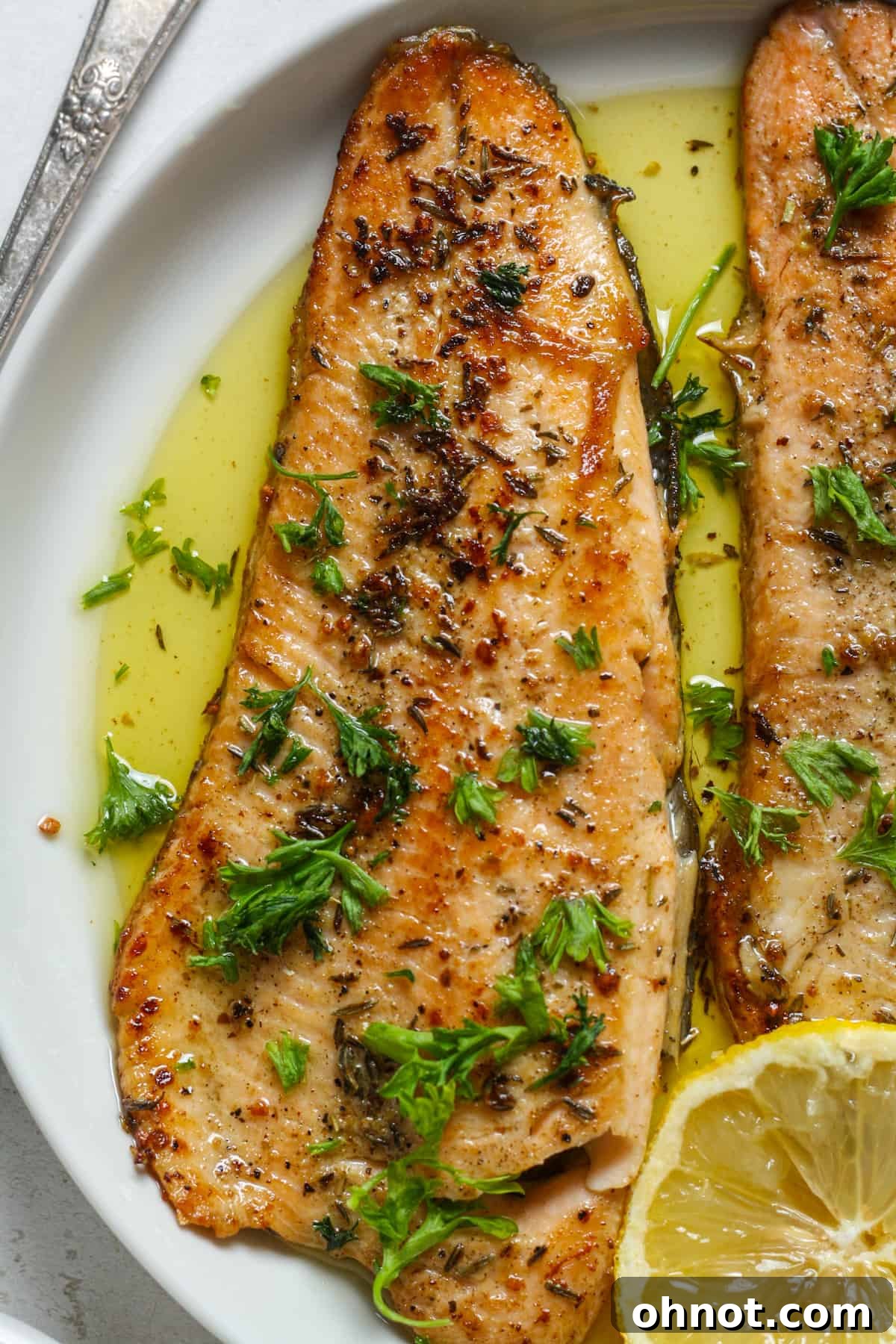
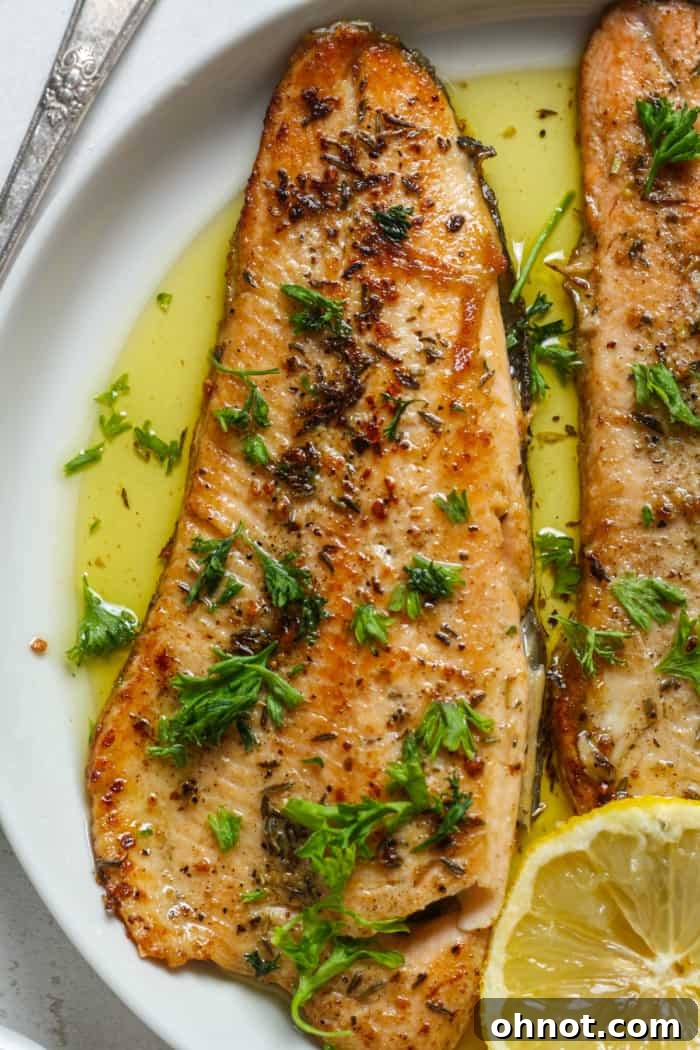
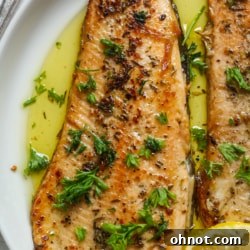
Discover the ultimate pan-seared trout recipe – a culinary delight that promises incredible flavor in under 15 minutes! This straightforward method yields perfectly flaky, juicy, and tender fish, making it an ideal choice for healthy weeknight dinners or impressive holiday gatherings. Infused with the rich notes of butter, zesty lemon, and aromatic herbs, this trout preparation is guaranteed to become a family favorite. Whether you’re planning a quick meal, a special occasion, or simply seeking a nutritious and delicious seafood option, this recipe delivers on all fronts, offering gourmet taste with minimal effort.
Why You’ll Love This Easy Trout Recipe
This pan-seared trout recipe isn’t just another fish dish; it’s a game-changer for anyone looking for a quick, healthy, and exceptionally tasty meal. Here’s why you’ll find yourself reaching for this recipe again and again:
- Unbelievably Fast: From prep to plate, this recipe takes less than 15 minutes. It’s perfect for busy evenings when you crave a homemade meal but are short on time.
- Effortlessly Simple: Requiring minimal culinary skill, this recipe is incredibly easy to follow, even for beginner cooks. You’ll be amazed at the professional results you can achieve.
- Healthy and Wholesome: Trout is packed with essential nutrients, making this a smart and delicious choice for the entire family. For more healthy fish options, explore our Halibut recipe.
- One-Skillet Wonder: Everything cooks in a single skillet, which means less cleanup and more time to enjoy your meal.
- No Special Equipment Needed: Forget about needing a smoker, oven, or grill. This recipe utilizes a simple skillet, making it accessible to any home kitchen.
- Nutritional Powerhouse: Trout is naturally high in protein and very low in carbohydrates, supporting a balanced diet and satiety.
- Excellent for Meal Prep: Cook a larger batch and enjoy delicious leftovers for lunch or dinner throughout the week. Its flavors hold up beautifully.
- Dietary Friendly: This versatile recipe is naturally Whole30 friendly, Paleo, Keto, gluten-free, sugar-free, nut-free, and low carb, catering to a wide range of dietary needs.
- Expand Your Seafood Repertoire: If you love this, you’ll also enjoy our Pan Seared Chilean Sea Bass or this vibrant Sockeye Salmon recipe!
Essential Ingredients & Smart Substitutions for Pan-Seared Trout
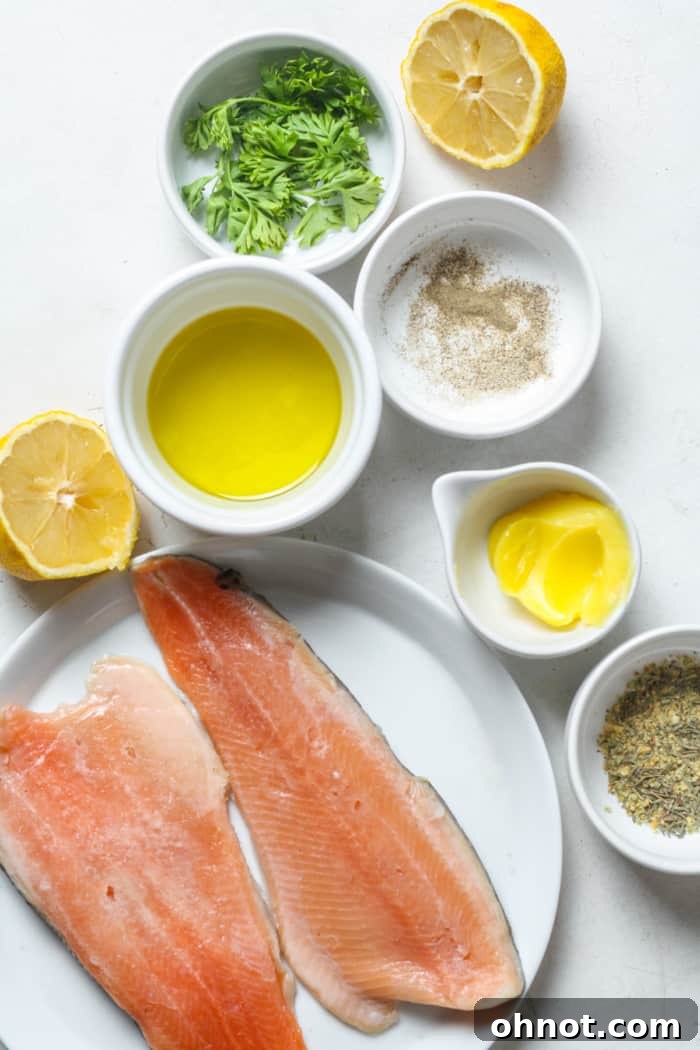
Crafting the perfect pan-seared trout begins with a few fresh, high-quality ingredients. Below are the key components and helpful substitution tips to ensure your dish is both delicious and tailored to your preferences. A full, detailed ingredients list can be found in the recipe card at the bottom of this article.
Trout Fillets: You can use either fresh or frozen trout fillets for this recipe. If opting for frozen, ensure they are thoroughly thawed before cooking to promote even searing and avoid excess moisture. For alternative cooking methods, consider our Baked Rainbow Trout Recipe or the robust Steelhead Trout preparation.
Garlic: Minced fresh garlic adds a pungent, aromatic depth that beautifully complements the mildness of trout. If fresh garlic isn’t available, a good quality garlic powder can be used as a convenient substitute, ensuring that delicious garlicky flavor permeates every bite. Garlic and fish are a classic pairing for a reason!
Black Pepper & Sea Salt: These fundamental seasonings enhance the natural taste of the fish without overpowering it. Always use freshly ground black pepper for the best flavor. When it comes to salt, remember that trout can be naturally salty, so start with a modest pinch of sea salt and adjust to your taste preferences as you cook.
Oregano: Dried oregano is a Mediterranean herb that introduces a warm, slightly earthy, and subtly sweet flavor profile. It pairs wonderfully with both fish and lemon, adding an authentic touch to your dish. Ensure your dried oregano is fresh for maximum potency.
Thyme: Dried thyme offers a gentle, minty, and peppery note that adds an additional layer of complexity to the seasoning blend. Together with oregano, it creates a harmonious herbal symphony that elevates the trout’s natural flavors.
Olive Oil & Butter: The combination of olive oil and butter is key to achieving both a crispy exterior and a rich, buttery interior. Olive oil helps in searing the fish to a beautiful golden-brown crisp, while butter imparts an unparalleled depth of flavor. Using both cooking fats creates a superior taste and texture. If necessary, you can use all olive oil or all butter. For a dairy-free alternative, simply use olive oil or avocado oil.
Lemon Juice: A squeeze of fresh lemon juice is non-negotiable! It introduces a bright, zesty freshness that cuts through the richness of the butter and enhances the overall flavor of the fish. Always use fresh lemon for the best results.
Fresh Parsley: A final garnish of chopped fresh parsley not only adds a pop of vibrant green color but also contributes a clean, herbaceous note that brightens the entire dish before serving. It’s the perfect finishing touch.
Understanding Trout: A Delicious Freshwater Fish
Trout are fascinating and highly sought-after freshwater fish belonging to the Salmonidae family, which also includes salmon and char. These agile fish thrive in cool, clear, and oxygen-rich lakes and rivers across various continents. Their adaptability allows them to be found in diverse aquatic environments, from pristine mountain streams to expansive freshwater lakes.
There are several popular species of trout, each with unique characteristics. Common types include Lake Trout, known for their larger size and fatty flesh; Steelhead Trout, an anadromous (sea-run) form of rainbow trout often mistaken for salmon due to its migratory patterns and richer flavor; and Rainbow Trout, arguably the most prevalent and commercially farmed variety, recognized by its distinctive iridescent stripe. Given their close genetic relationship, trout share many similarities with salmon, particularly in their flesh color – which can range from pale pink to orange-red – and their generally mild, delicate flavor profile.
Compared to many saltwater fish, trout typically possess a milder flavor profile. This makes them incredibly versatile and appealing to a broad audience, including those who might find stronger-tasting fish less palatable. Many culinary experts and home cooks agree that the taste of trout is quite similar to that of salmon, offering a delicate, slightly nutty, and clean flavor that readily absorbs the seasonings it’s cooked with. After cooking, the flesh transforms into a beautiful light color, becoming wonderfully flaky and tender.
The trout you most commonly encounter in grocery stores and restaurants, whether whole or filleted, is typically Rainbow Trout. Its consistent quality, mild taste, and relatively easy availability make it a prime choice for a wide variety of preparations, including this simple yet elegant pan-seared method.
The Exquisite Taste and Texture of Pan-Seared Trout
Prepare your taste buds for a truly delightful experience with this pan-seared trout recipe. The resulting dish is a harmonious blend of garlicky richness, buttery indulgence, and bright, fresh citrus notes. The fish itself possesses a wonderfully mild flavor, acting as a perfect canvas for the vibrant seasonings. The primary flavors that shine through are the savory blend of herbs and garlic, the luxurious taste of butter, and a refreshing hint of lemon that elevates every bite.
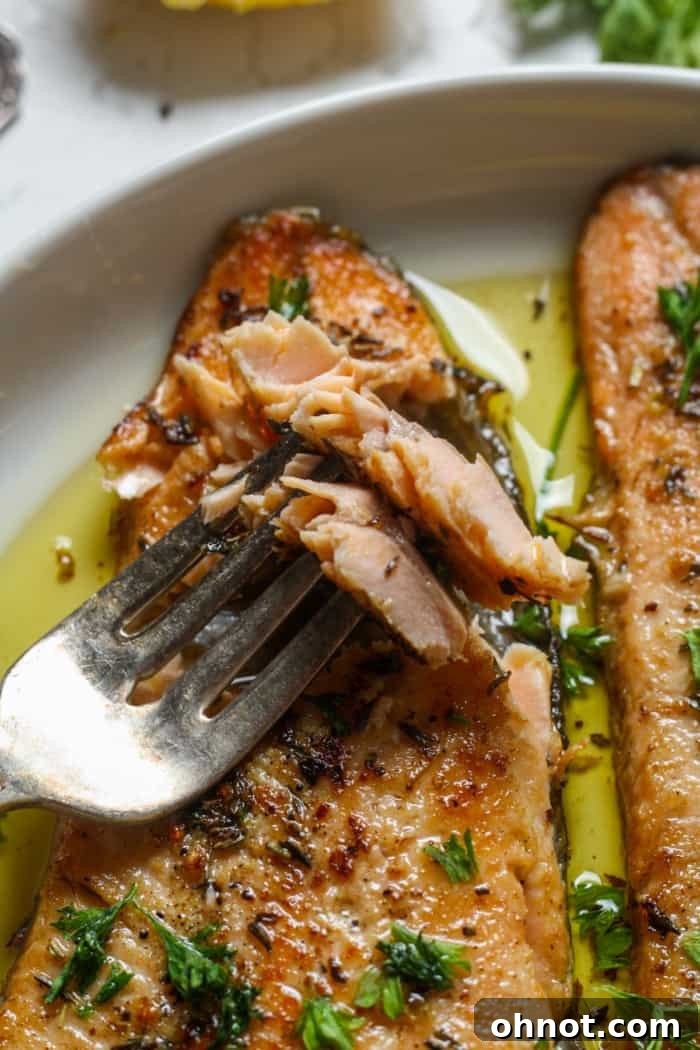
Beyond its incredible flavor, the texture of this trout is equally appealing. The flesh becomes beautifully flaky, effortlessly separating with a fork. It’s remarkably moist and juicy, a testament to proper cooking techniques that prevent it from drying out. You can expect a tender, succulent fish that is anything but dry or bland, making for a truly satisfying and memorable meal.
Step-by-Step: How to Master Pan-Seared Trout
Achieving perfectly cooked, flavorful trout is simpler than you might imagine. Follow these easy steps to prepare a restaurant-quality meal right in your own kitchen.
Step 1: Season the Trout Fillets
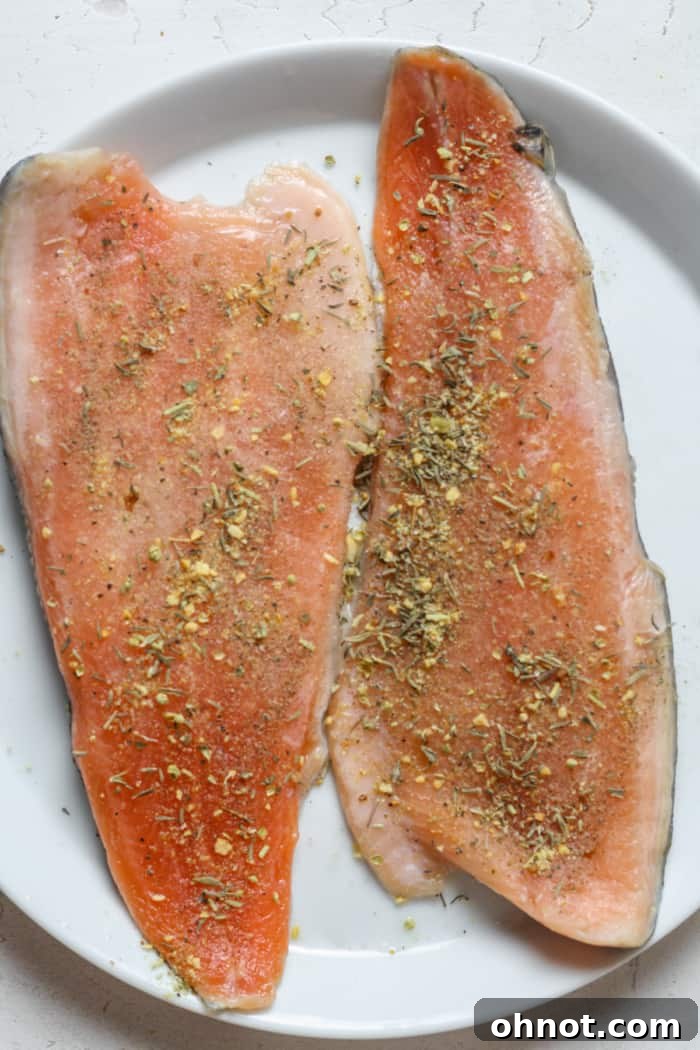
Begin by preparing your trout fillets. Pat them thoroughly dry with paper towels; this crucial step helps achieve a beautiful sear. Generously season the flesh side of each trout fillet with minced garlic (or garlic powder), freshly ground black pepper, a pinch of sea salt, dried oregano, and dried thyme. Distribute the seasonings evenly to ensure every part of the fish absorbs these delicious flavors. There’s no need to season the skin side.
Step 2: Heat the Skillet and Sear the Fish
Place a large skillet over medium heat. Add the olive oil and butter to the skillet. Allow the oil to heat up until it shimmers and the butter to melt completely and start to foam slightly, but do not let it smoke. Once the cooking fats are hot, carefully place the seasoned trout fillets into the skillet, flesh side down (skin side facing up). This ensures the seasoned side gets a fantastic sear.
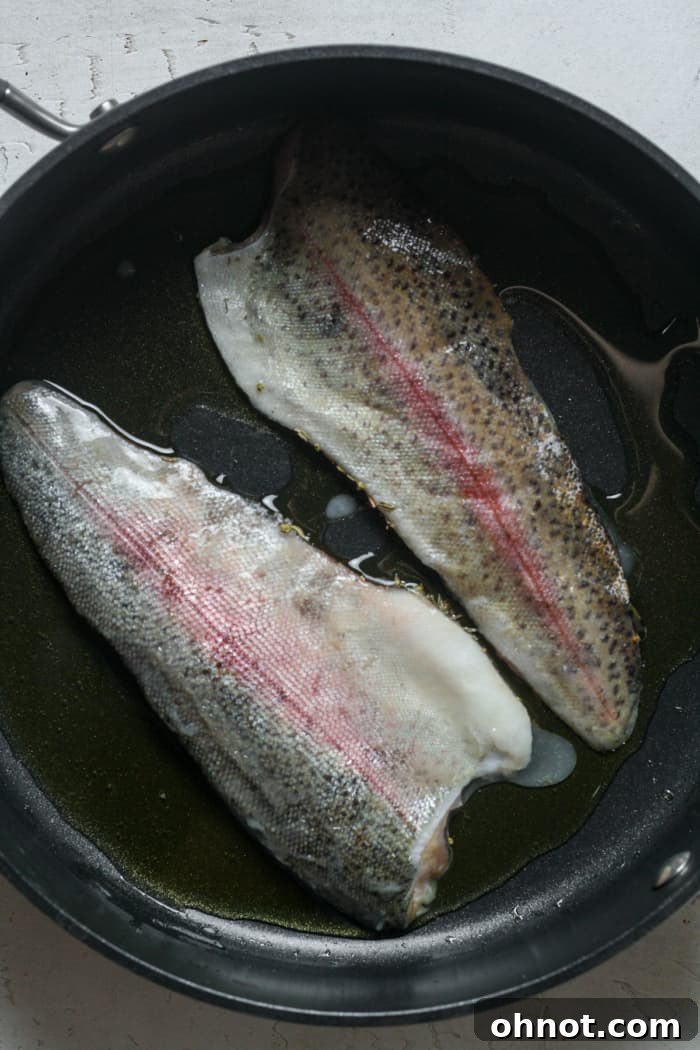
Step 3: Flip and Add Lemon
Allow the trout to cook undisturbed for exactly 3 minutes. This duration is usually perfect for achieving a golden-brown crust on the flesh side. After 3 minutes, carefully and gently flip each fish fillet using a thin spatula. Immediately after flipping, squeeze fresh lemon juice generously over the top of the fillets, allowing the vibrant citrus to infuse the fish as it finishes cooking.
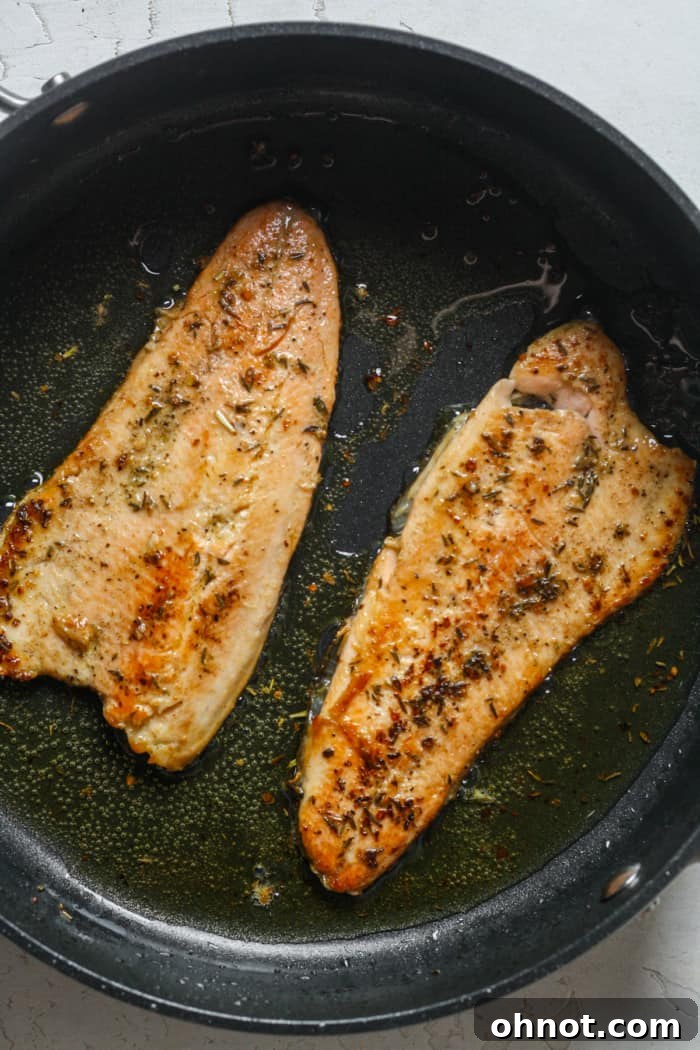
Step 4: Finish Cooking
Continue cooking the trout for another 3 minutes on the skin side. Trout cooks quickly due to its thinness, so this short cooking time is sufficient. The fish should be opaque throughout and flake easily with a fork when done. Once cooked to perfection, remove the skillet from the heat to prevent overcooking.
Step 5: Garnish and Serve
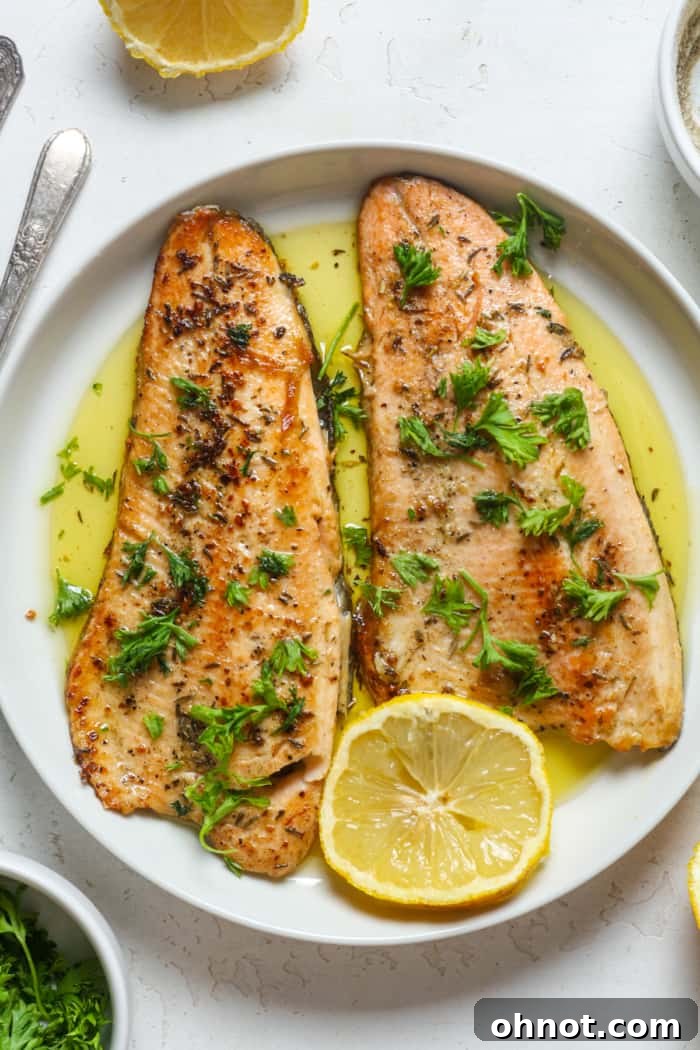
For an extra touch of freshness and color, top your pan-seared trout with freshly chopped parsley, if desired. Before serving, spoon the flavorful pan juices from the skillet directly over the fish fillets. These juices are packed with all the delicious flavors of the butter, olive oil, lemon, and herbs, and will keep your trout wonderfully moist. Serve immediately and enjoy your perfectly cooked, healthy, and flavorful meal!
Expert Tips & Tricks for Perfect Pan-Seared Trout
Achieving the perfect pan-seared trout is simple, but a few expert tips can elevate your dish from good to extraordinary. Keep these pointers in mind for a consistently delicious result:
Thaw Frozen Fish Completely: If you’re using frozen trout fillets, it is absolutely crucial to thaw them completely before you begin cooking. Excess moisture from partially thawed fish will steam rather than sear, preventing you from getting that desirable crispy skin and tender flesh. Pat them dry with paper towels after thawing.
Don’t Skimp on Seasoning: Trout has a naturally mild flavor, which means the seasonings truly have a chance to shine and define the dish. Be generous with the minced garlic, black pepper, oregano, and thyme. These aromatics are essential for building layers of outstanding flavor in this recipe.
Taste and Adjust: As you cook and prepare your dish, don’t be afraid to taste the pan juices or even a small piece of the cooked fish to gauge the seasoning level. You can always add a little more salt or pepper if needed, ensuring the flavor profile is perfectly balanced to your liking.
Master the Heat: Heat your olive oil and butter until the oil shimmers and the butter foams, indicating it’s hot enough, but be careful not to let it smoke. The goal is to create a hot surface that quickly forms a beautiful, golden-brown sear on the flesh side of the fish without burning the butter or herbs. A medium-high heat is typically ideal.
Avoid Overcooking: Trout fillets are naturally quite thin, which means they cook very quickly. Overcooking is the most common mistake when preparing fish, leading to dry, rubbery results. Stick to the recommended 3 minutes per side. The fish is done when it’s opaque throughout and flakes easily with a fork. When in doubt, it’s better to undercook slightly and remove it from the heat, as it will continue to cook for a minute or two from residual heat.
Utilize Pan Juices: Don’t let those delicious pan juices go to waste! Spooning them over the cooked fish before serving is a simple yet effective way to add extra moisture and concentrate all the wonderful flavors of the butter, lemon, and herbs back into your trout. This step ensures every bite is incredibly flavorful and succulent.
The Abundant Health Benefits of Incorporating Trout into Your Diet
Beyond its delightful taste and ease of preparation, trout is a powerhouse of essential nutrients, offering a wide array of health benefits that make it an excellent addition to a balanced diet. This lean protein source is packed with vitamins and minerals vital for optimal bodily functions.
First and foremost, trout is an exceptional source of high-quality protein, which is crucial for muscle repair and growth, enzyme production, and overall cellular health. Alongside its protein content, trout is renowned for its high levels of Omega-3 fatty acids, particularly EPA (eicosapentaenoic acid) and DHA (docosahexaenoic acid). These “good fats” are well-known for their profound anti-inflammatory properties and their significant role in supporting heart health, brain function, and reducing the risk of chronic diseases.
Trout also contains an impressive amount of Niacin, also known as Vitamin B3. Niacin plays a critical role in converting the food we eat into usable energy, helping to maintain healthy cholesterol levels and supporting nervous system function. Furthermore, the presence of Vitamin B12 in trout is vital for the formation of red blood cells, which are responsible for delivering oxygen throughout our bodies, preventing fatigue and supporting neurological health.
Other notable nutrients found in trout include Vitamin D, which is essential for bone health and immune function, and various minerals such as phosphorus, selenium, and potassium, all contributing to overall well-being. Regular consumption of trout can contribute to a healthier lifestyle, offering a delicious way to meet your nutritional needs.
When purchasing trout, always prioritize freshness and safety. Fresh trout should have a mild, clean smell, reminiscent of the ocean or a fresh stream. Avoid any fish that emits a strong, “fishy,” moldy, or off-putting odor, as this indicates spoilage and is not safe for consumption. Visually, safe-to-eat trout should appear bright, moist, and firm, with clear eyes if buying whole. There should be no signs of sliminess, discoloration, or dullness on the skin or flesh.
In conclusion, incorporating trout into your diet is a smart choice for both flavor and health. This healthy fish is not only loaded with lean protein and beneficial Omega-3s but also provides a wealth of essential vitamins and nutrients, all while being remarkably low in carbohydrates.
Serving Suggestions & Storage Tips for Your Trout Recipe
This pan-seared trout recipe is best enjoyed hot and fresh, straight from the skillet. Its versatility means it pairs beautifully with a variety of side dishes, allowing you to customize your meal to suit any occasion or dietary preference.
Serving Suggestions:
- For a low-carb and nutrient-dense meal, serve your trout with fluffy cauliflower rice or a medley of roasted vegetables.
- If you’re craving comforting classics, it pairs wonderfully with crispy French fries or creamy mashed potatoes.
- For a lighter and incredibly fresh option, a vibrant green salad with a simple vinaigrette offers a refreshing contrast to the richness of the fish.
- Don’t forget to spoon those flavorful pan juices over the fish and any accompanying sides. This ensures maximum flavor and keeps everything wonderfully moist.
- Experiment with a squeeze of extra lemon or a sprinkle of chili flakes for an added kick.
- Looking for another fantastic seafood dish? Be sure to try our exquisite Swordfish Recipe!
Storage and Reheating:
To ensure freshness and safety, store any leftover pan-seared trout in an airtight container in the refrigerator for up to 4 days. While best served fresh, leftovers can be gently reheated. For optimal results, reheat in a skillet over low-medium heat for a few minutes until warmed through, or in a microwave on a low setting to avoid drying out the fish. A little extra squeeze of lemon juice can help revive its freshness upon reheating.
Frequently Asked Questions About Trout
Trout has a very mild and delicate flavor, often described as subtly nutty or earthy. Many find its taste similar to that of salmon, but typically less intense.
No, trout is generally not considered “fishy.” Its mild flavor makes it a popular choice for those who are sensitive to stronger fish tastes. When fresh and properly cooked, it has a clean and pleasant aroma.
Trout is most similar to salmon in both coloration (pinkish-orange flesh) and flavor profile, though it tends to be milder. It also shares textural similarities with other flaky white fish like cod or tilapia when cooked.
Yes, this recipe is naturally gluten-free as it uses whole trout fillets and a seasoning blend free from gluten-containing ingredients.
Absolutely! If using frozen trout, it’s essential to thaw the fillets completely in the refrigerator beforehand. Attempting to cook frozen or partially frozen fish in a skillet will lead to uneven cooking and a less desirable texture. Pat them very dry before seasoning.
Trout is fully cooked when its flesh is opaque throughout and flakes easily with a fork. Be careful not to overcook, as it can become dry. A food thermometer inserted into the thickest part of the fillet should read 145°F (63°C).
Explore More Delicious Seafood Recipes
- Baked Halibut Recipe
- Baked Tilapia Recipe
- Royal Red Shrimp Recipe
- Fried Lobster Tails
- Blackened Mahi Mahi
We hope you adore this pan-seared trout recipe as much as we do! If you prepare this dish, we would genuinely appreciate your feedback and a review. You can connect with us and share your culinary creations on Instagram, Facebook, and Pinterest. We love hearing from you and seeing your delicious results! For more inspiring meal ideas, explore our collection of Dinner Recipes.
5 mins
6 mins
11 mins
Get the Recipe:
Pan-Seared Lemon Herb Trout
Pin Recipe
Ingredients
- 2 trout fillets
- 1 tsp minced garlic, or garlic powder
- ½ tsp black pepper
- pinch sea salt
- 1 tsp dried oregano
- ½ tsp dried thyme
- 1 tbsp olive oil
- 1 tbsp butter
- 1 tbsp fresh lemon juice
- fresh parsley, chopped, to garnish
Instructions
-
First, pat the trout fillets dry. Season generously with minced garlic, pepper, sea salt, oregano, and thyme on the flesh side.
-
In a large skillet, add olive oil and butter over medium heat. Once oil is hot and butter is melted (not smoking), place trout flesh side down (skin side up).
-
Cook for 3 minutes until golden brown. Then carefully flip the fish. Squeeze fresh lemon juice on top of the fillets.
-
Cook for another 3 minutes, or until the fish is opaque and flakes easily. Remove from heat.
-
Top with chopped fresh parsley if desired. Spoon the flavorful juices from the skillet over the fish. Serve hot!
Notes
- If using frozen fish, ensure it is completely thawed and patted dry before cooking.
- There’s no need to season the skin side of the trout.
- Heat the skillet until the oil shimmers and butter melts, but avoid smoking, which can burn the fats.
- Trout is thin and cooks quickly; aim for 3 minutes per side to prevent overcooking and keep it moist.
- Always taste and adjust seasonings as you cook to achieve your desired flavor balance.
- Store any leftovers in an airtight container in the refrigerator for up to 4 days.
Calories:
271
kcal
,
Carbohydrates:
2
g
,
Protein:
71
g
,
Fat:
35
g
,
Saturated Fat:
9
g
,
Polyunsaturated Fat:
6
g
,
Monounsaturated Fat:
18
g
,
Trans Fat:
0.2
g
,
Cholesterol:
212
mg
,
Sodium:
223
mg
,
Potassium:
1264
mg
,
Fiber:
1
g
,
Sugar:
0.3
g
,
Vitamin A:
399
IU
,
Vitamin C:
5
mg
,
Calcium:
174
mg
,
Iron:
6
mg
Addison LaBonte
Main Course
American
Love this easy pan-seared trout recipe? You can sign up here to receive healthy meal plans, exclusive new recipes, and exciting updates directly to your inbox!