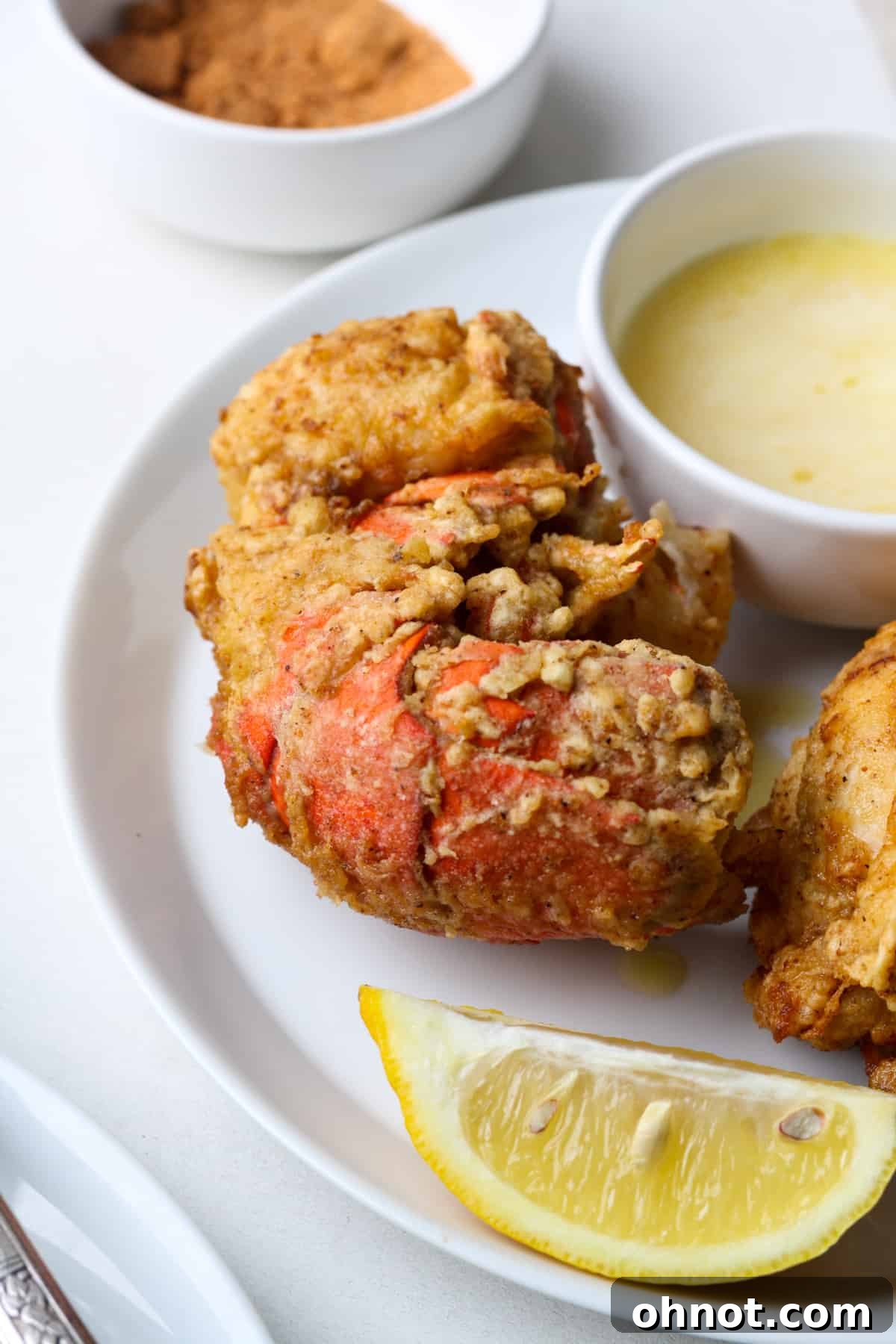
Discover how to create golden, crispy, and utterly delicious fried lobster tails right in your kitchen. This impressive dish looks like it came from a gourmet restaurant, yet it’s incredibly quick and easy to prepare, taking only about 20 minutes from start to finish. Featuring fresh, succulent lobster meat encased in a perfectly seasoned crust and served with a rich, flavorful garlic butter sauce, this recipe is guaranteed to impress your family and friends without the fuss.
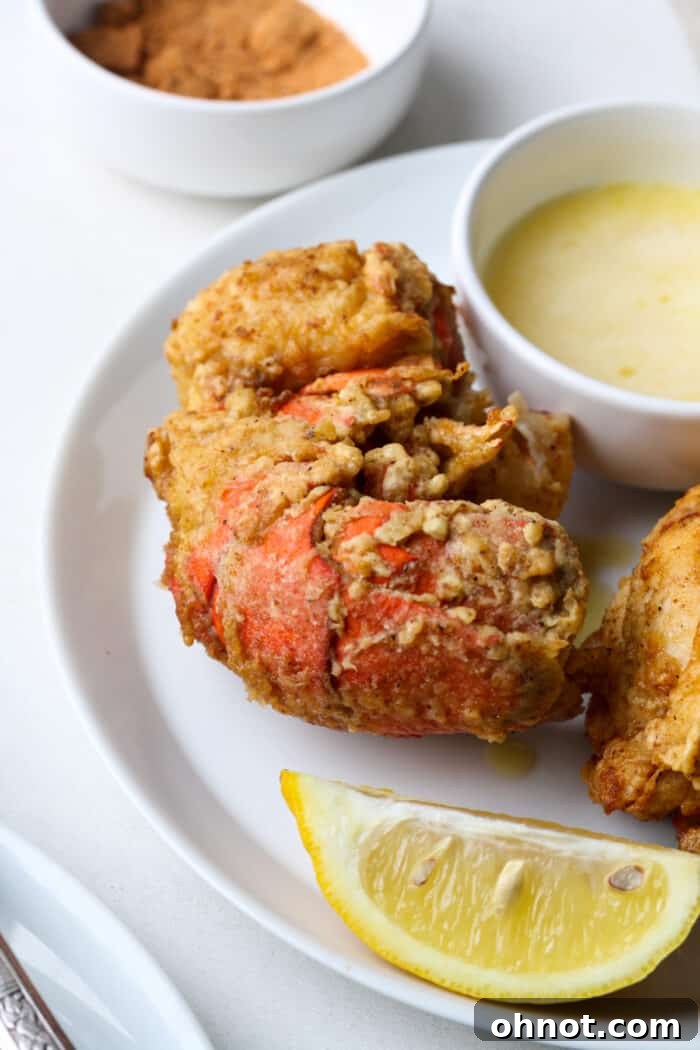
Why These Fried Lobster Tails Are Your Next Must-Try Recipe
- **Effortlessly Elegant:** Despite their sophisticated appearance, these fried lobster tails are surprisingly quick and straightforward to make, proving that gourmet dining doesn’t have to be complicated.
- **Impressive & Memorable:** Prepare to “wow” your guests! This dish is a showstopper, perfect for special occasions, holidays, or simply elevating a family dinner.
- **Explosive Flavor Profile:** Each bite offers a delightful burst of fresh, sweet lobster flavor, perfectly complemented by a savory, seasoned breading.
- **Unmatched Crispiness:** Experience the satisfying crunch of a perfectly golden-brown crust, giving way to tender, juicy lobster meat. For another crispy delight, try our Gluten-Free Fried Chicken.
- **A Beloved Delicacy:** Lobster tails are a true culinary treat, cherished by seafood lovers everywhere. As a native of Maine, I can attest to their status as a family favorite!
- **Flexible Preparation:** Whether you have fresh or frozen lobster tails, this recipe works beautifully. Simply ensure frozen tails are thawed overnight in the refrigerator before use.
- **Diet-Friendly Option:** Easily adaptable for specific dietary needs, this recipe is naturally gluten-free when using gluten-free 1-to-1 flour and is completely nut-free.
- **Explore More Seafood:** If you’re a seafood enthusiast, don’t miss our Pan Seared Chilean Sea Bass for another exquisite culinary adventure!
Essential Ingredients & Smart Substitutions for Perfect Fried Lobster
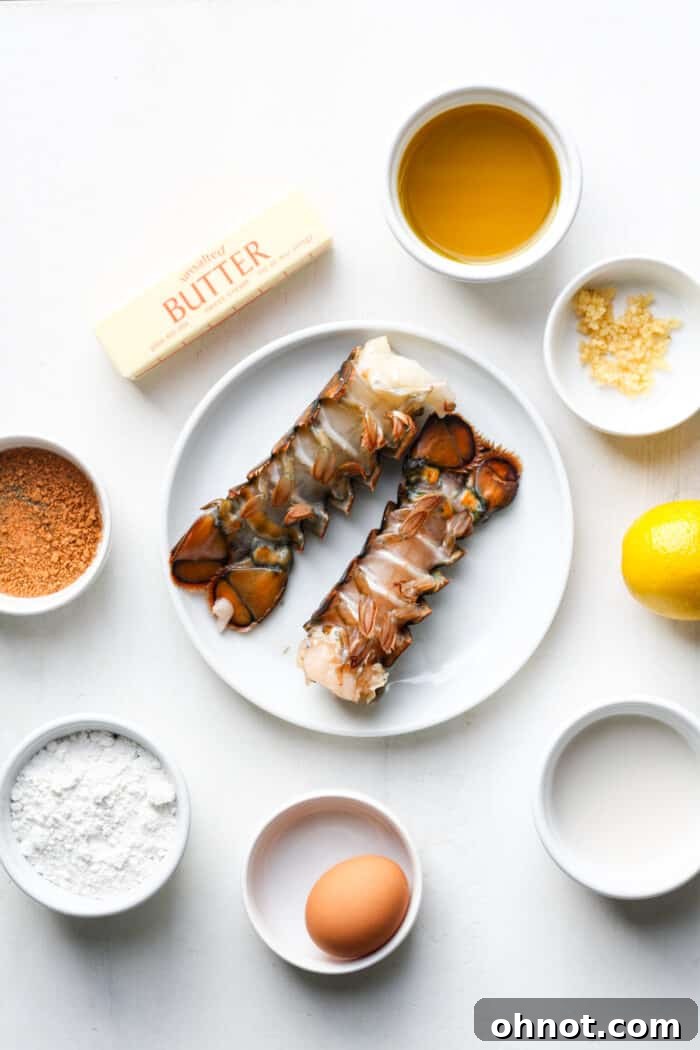
Crafting delicious fried lobster tails starts with quality ingredients. Here’s a breakdown of what you’ll need, along with helpful substitution tips. For a complete list of ingredients and detailed instructions, please refer to the recipe card below.
Selecting Your Lobster Tails: Fresh vs. Frozen
Both fresh and frozen lobster tails yield excellent results for this recipe. If you opt for frozen tails, remember to thaw them thoroughly in the refrigerator overnight before preparation. Properly thawed lobster ensures even cooking and optimal texture. For more insights on choosing the best lobster, consult our detailed buying tips section further down this page. Should you find yourself with extra lobster meat, consider transforming it into a luxurious Lobster Ravioli Sauce.
Choosing the Right Frying Oil
The type of oil you use significantly impacts the crispiness and flavor of your fried lobster. Oils with high smoke points are ideal for deep frying, as they can withstand high temperatures without burning. Excellent choices include canola oil, corn oil, peanut oil, and olive oil. I personally prefer olive oil for its delicate flavor, which complements the lobster beautifully.
Flour for the Crispy Breading
For the breading, both gluten-free 1-to-1 flour and standard all-purpose flour work wonderfully. As I follow a gluten-free diet, I consistently use a high-quality gluten-free blend to ensure my fried lobster tails are safe for my dietary needs without compromising on texture or taste.
The Distinctive Flavor of Old Bay Seasoning
Old Bay seasoning is a classic choice for seafood, offering a unique blend of spices including celery salt, red pepper flakes, ground pepper, paprika, and other proprietary herbs. This seasoning infuses the breading with a complex and savory flavor. If Old Bay isn’t available, you can create a simplified homemade version using a mix of black pepper and paprika, or experiment with other seafood-friendly spice blends to suit your taste preferences.
If you’re looking for a baked alternative to frying, be sure to check out our Baked Lobster Tail Recipe for a different, yet equally delicious, preparation method.
Navigating the Market: Expert Tips for Buying the Best Lobster
Choosing high-quality lobster tails is crucial for an exceptional dining experience. Here are some essential tips to guide you, whether you’re purchasing fresh or frozen:
Hard Shell Lobsters vs. Soft Shell Lobsters
- **Hard Shell Lobsters:** These lobsters have fully matured into their shells, meaning they contain a greater quantity of meat per tail. Their robust shells also make them ideal for shipping, preserving their freshness and integrity during transit. Hard shell lobsters typically offer a firmer, more substantial texture.
- **Soft Shell Lobsters:** These lobsters have recently molted, shedding their old shells and beginning to grow into new ones. During this transition, their softer shells can allow more water to penetrate, sometimes resulting in a slightly less firm texture. Soft shell lobsters are best enjoyed locally, as they do not ship as well as their hard shell counterparts.
Male vs. Female Lobsters
While the difference between male and female lobsters is often unnoticeable once cooked, female lobsters may contain roe (eggs). These small, black eggs, which turn bright red when cooked, are considered a delicacy by many and can add a unique flavor and texture to your dish.
Cold Water Lobsters vs. Warm Water Lobsters
- **Cold Water Lobsters (e.g., Maine, Canada):** Lobsters from colder waters, such as those found off the coast of Maine, are renowned for their exceptionally white, sweet, and firm meat. This texture makes them easier to work with and provides a truly premium eating experience. Their distinct flavor and superior texture are why they are often highly prized.
- **Warm Water Lobsters (e.g., Florida, Caribbean):** These lobsters tend to contain more meat, but it can sometimes be softer or even slightly mushy compared to their cold-water counterparts. While still delicious, their texture differs considerably.
The Irresistible Taste & Texture of Perfect Fried Lobster
Prepare your palate for an extraordinary sensory experience! These fried lobster tails perfectly marry the natural sweetness and delicate flavor of fresh lobster with the satisfying crunch of expertly fried food. The moment you add a squeeze of fresh lemon juice, a bright, zesty note awakens the flavors, cutting through the richness beautifully.
But the experience doesn’t end there. Our homemade garlic butter sauce serves as the ultimate dipping accompaniment, adding a layer of savory richness and aromatic garlic that elevates every bite to gourmet status. The contrast in textures is equally captivating: a perfectly crispy and golden-brown breading gives way to incredibly tender, succulent lobster meat that practically melts in your mouth. It’s a symphony of flavors and textures that will leave you craving more.
Mastering the Art of Butterflying Lobster Tails for Elegant Presentation
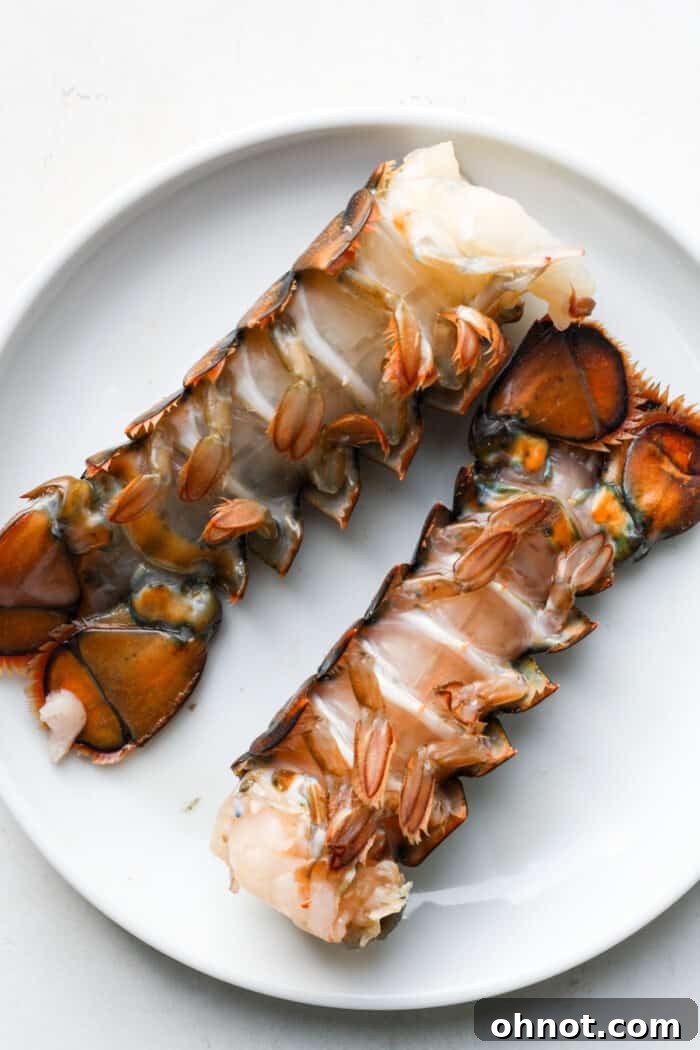
Butterflying lobster tails not only allows for a beautiful presentation but also ensures even cooking and makes the meat easier to enjoy. Follow these simple steps to perfectly butterfly your lobster:
- **Position the Lobster:** Place the lobster tails shell-side up on a cutting board, with the tail fan facing away from you.
- **Make the Cut:** Using sturdy kitchen scissors or shears, carefully cut straight down the center of the top shell, starting from the thickest part and extending almost to the tail fin. Be careful not to cut through the meat or the bottom shell.
- **Loosen the Meat:** Gently flip the lobster tail over. Using your fingers, carefully run them between the shell and the meat, loosening the meat from the inside of the shell. Ensure the meat remains attached at the very end of the tail section.
- **Lift and Position:** Finally, gently lift the loosened lobster meat and position it on top of the cut shell, creating an elevated, elegant presentation that’s characteristic of butterflied lobster.
Step-by-Step Guide: How to Craft Your Golden Fried Lobster Tails
Step 1: Prepare the Lobster Tails
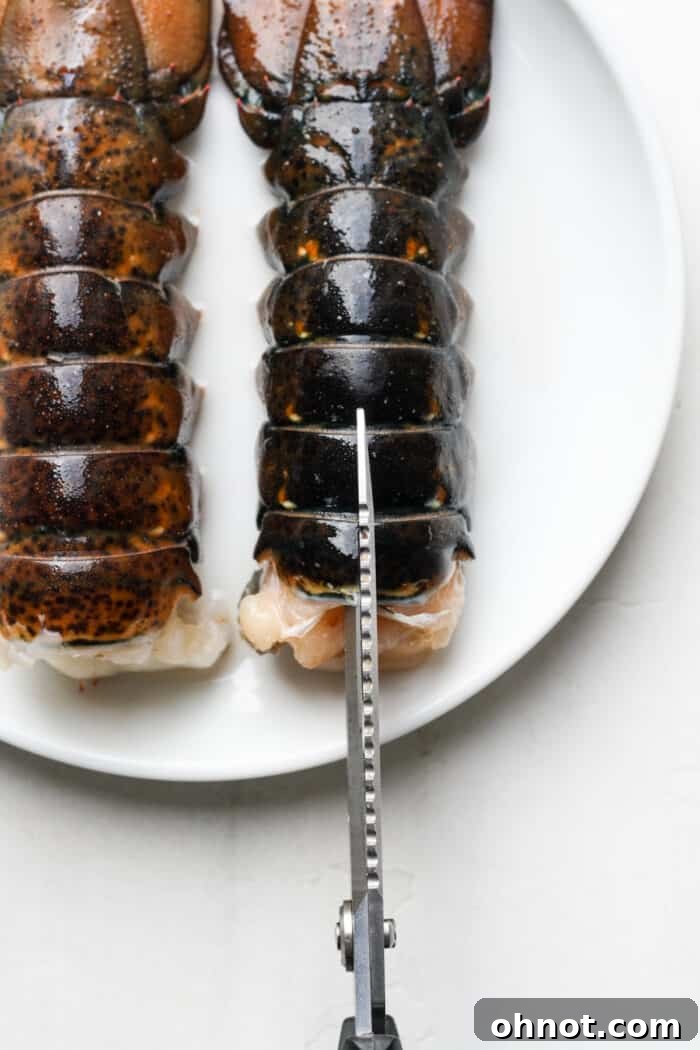
Begin by butterflying your lobster tails. With the lobster tails positioned away from you, use sharp kitchen shears to cut through the center of the top shell in a straight line, stopping just before the tail fin.
Step 2: Expose the Meat
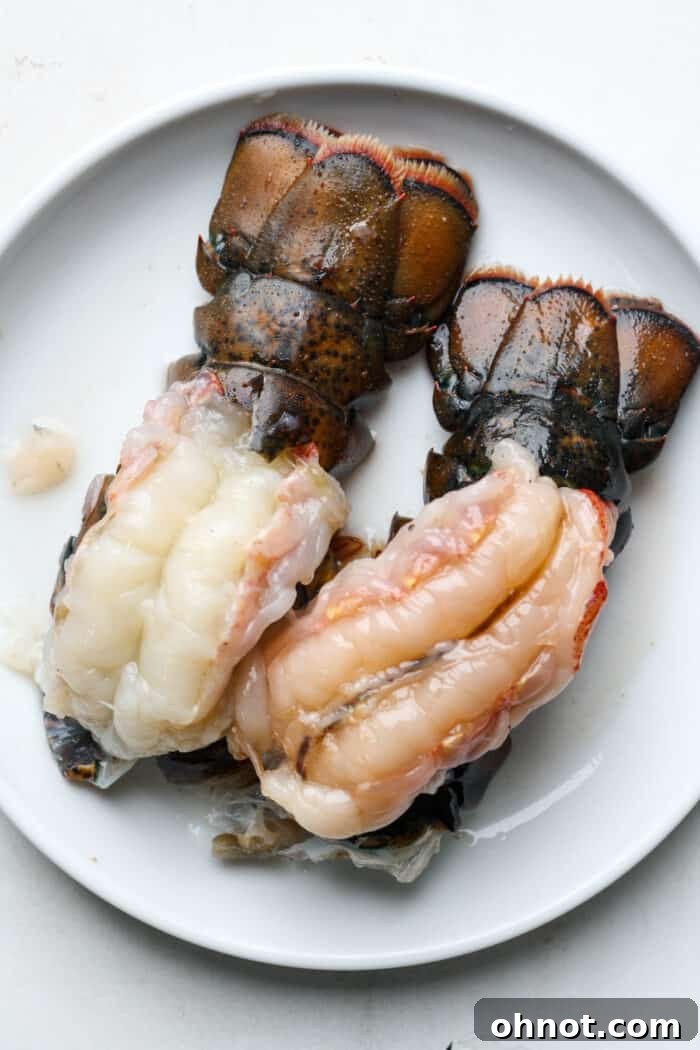
Carefully use your hands to gently pull the lobster meat upwards, settling it nicely on top of the opened lobster shell. Exercise caution, as lobster shells can be quite sharp!
Step 3: Set Up Your Breading Stations
Once the lobster meat is perfectly settled on top of its shells, proceed to prepare your wet egg wash and dry flour mixture for breading.
Step 4: Mix the Breading Components
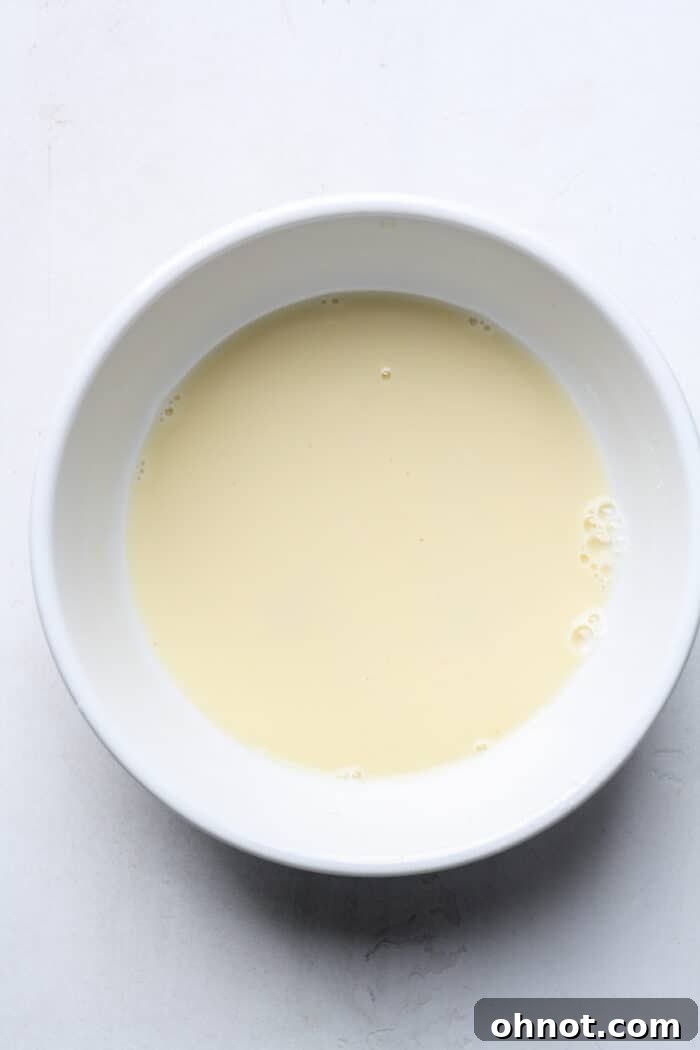
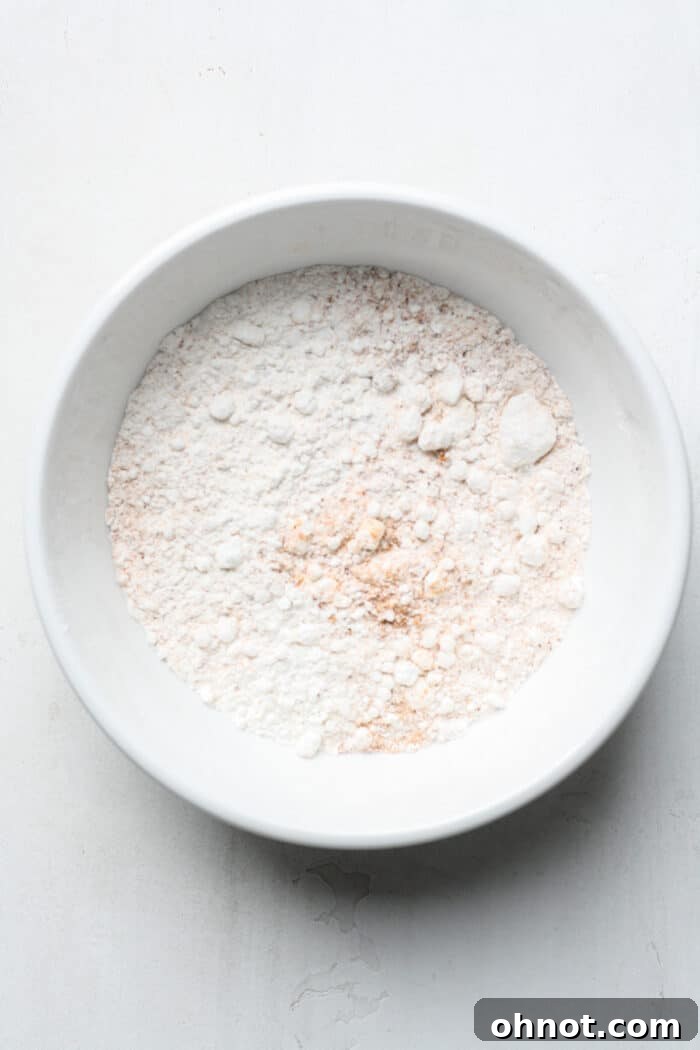
In one shallow bowl, whisk together the milk and egg until thoroughly combined. In a separate shallow bowl, stir together your chosen flour (all-purpose or gluten-free) and the Old Bay seasoning until evenly mixed.
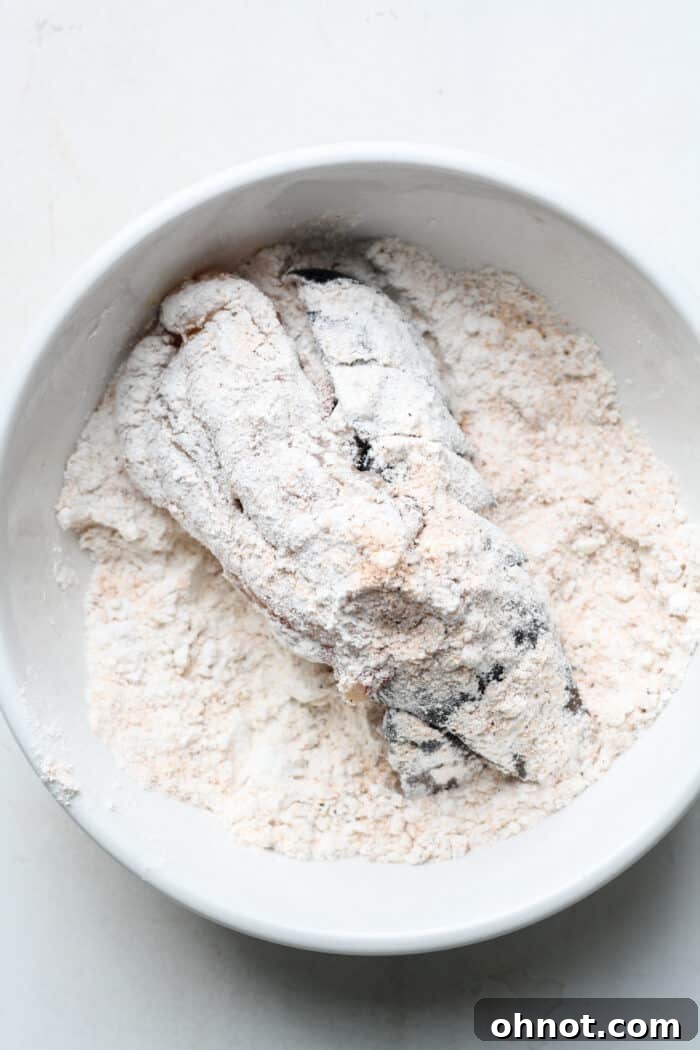
Step 5: First Dry Coat
Dip each butterflied lobster tail thoroughly into the dry flour mixture. Ensure all sides of the exposed lobster meat and any part of the shell you want coated are completely covered.
Step 6: Wet Coat for Adhesion
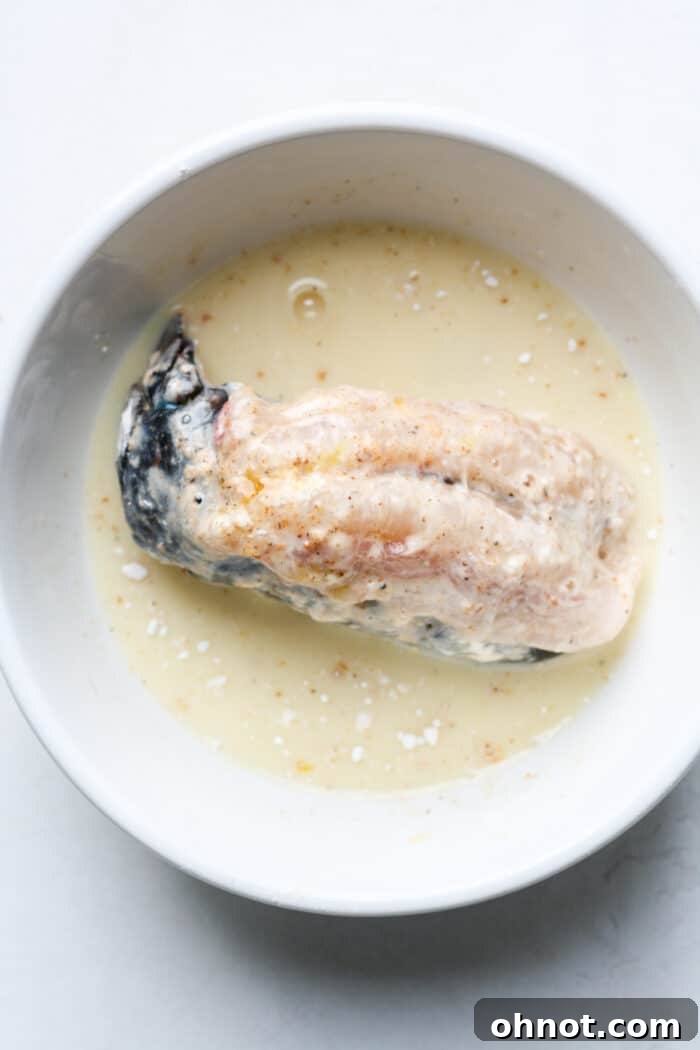
Next, carefully transfer each flour-dusted lobster tail into the egg wash mixture. Coat the tail completely, allowing any excess to drip off gently.
Step 7: Second Dry Coat for Maximum Crispiness
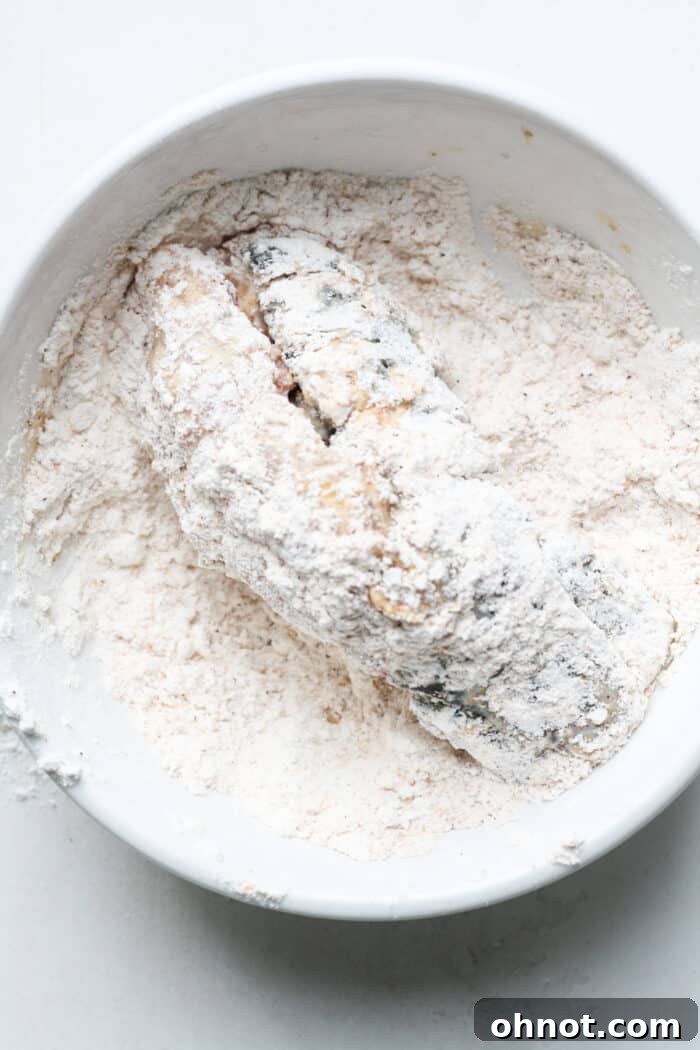
Finally, dip each tail back into the dry flour mixture for a second coating. This double-breading technique is key to achieving that extra crispy, golden-brown crust.
Step 8: Heat the Oil and Begin Frying
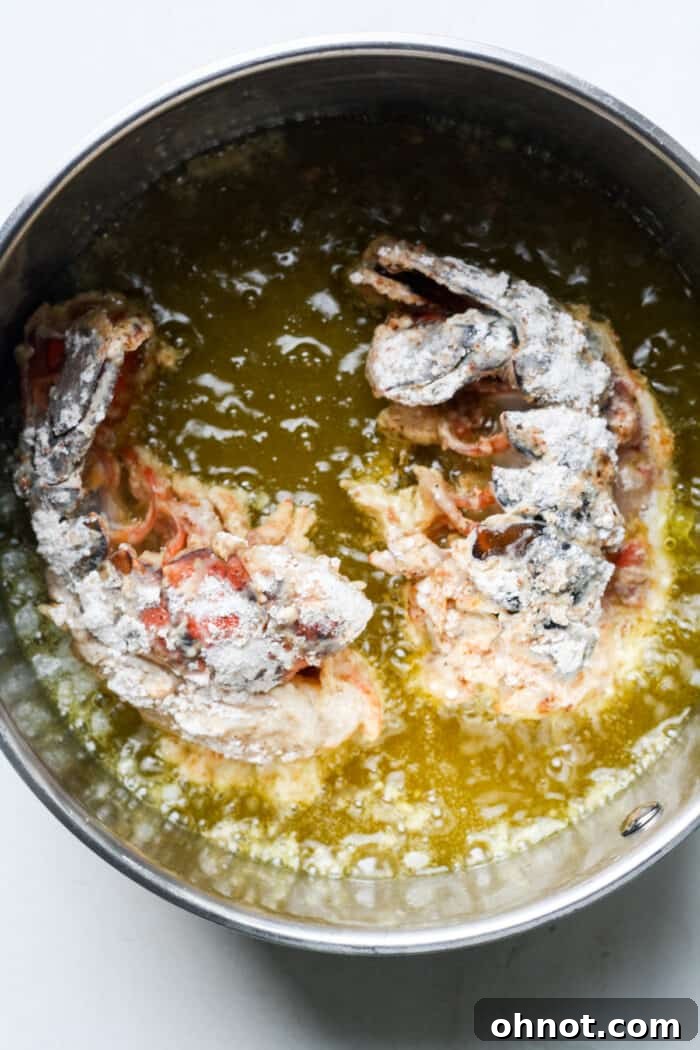
In a deep pot or Dutch oven, heat your chosen frying oil on the stovetop until it reaches approximately 350 degrees Fahrenheit (175°C). Once the oil is at temperature, use tongs or a slotted spoon to carefully lower the prepared lobster tails into the hot oil.
Step 9: Fry to Golden Perfection
Fry the lobster tails for about 4 to 5 minutes, or until their shells turn a vibrant red and the lobster meat becomes opaque and cooked through. The breading should be beautifully golden brown and crispy.
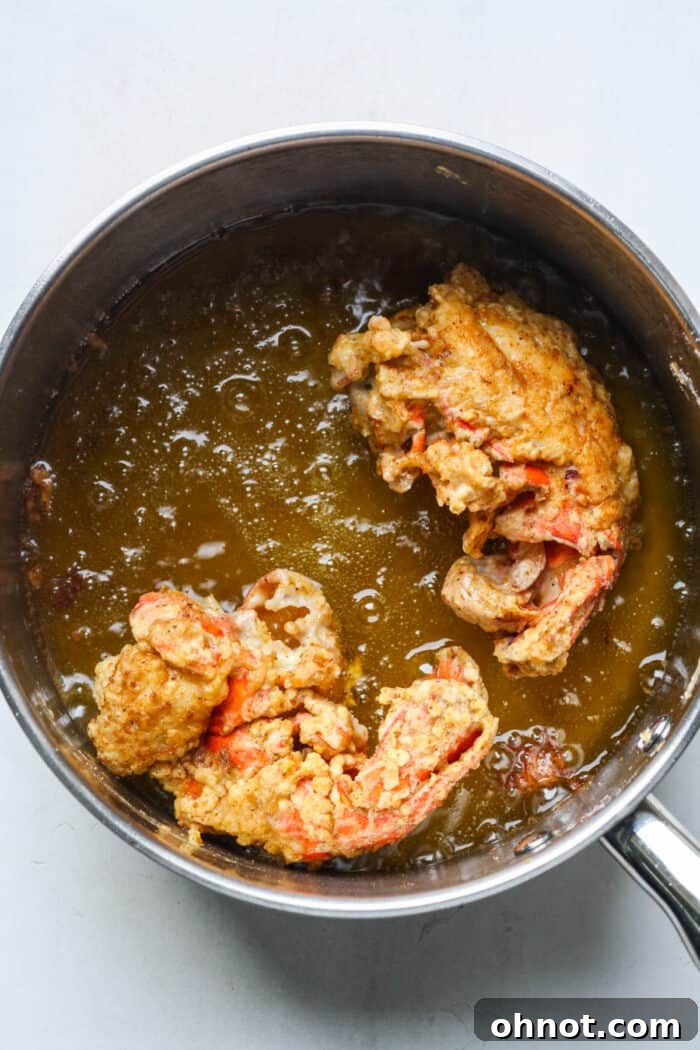
Step 10: Craft the Garlic Butter Sauce
Once cooked, use a slotted spoon to carefully remove the fried lobster tails from the oil and transfer them to a plate lined with paper towels to drain any excess oil. Meanwhile, prepare your decadent garlic butter by simply stirring together melted butter and finely minced garlic.
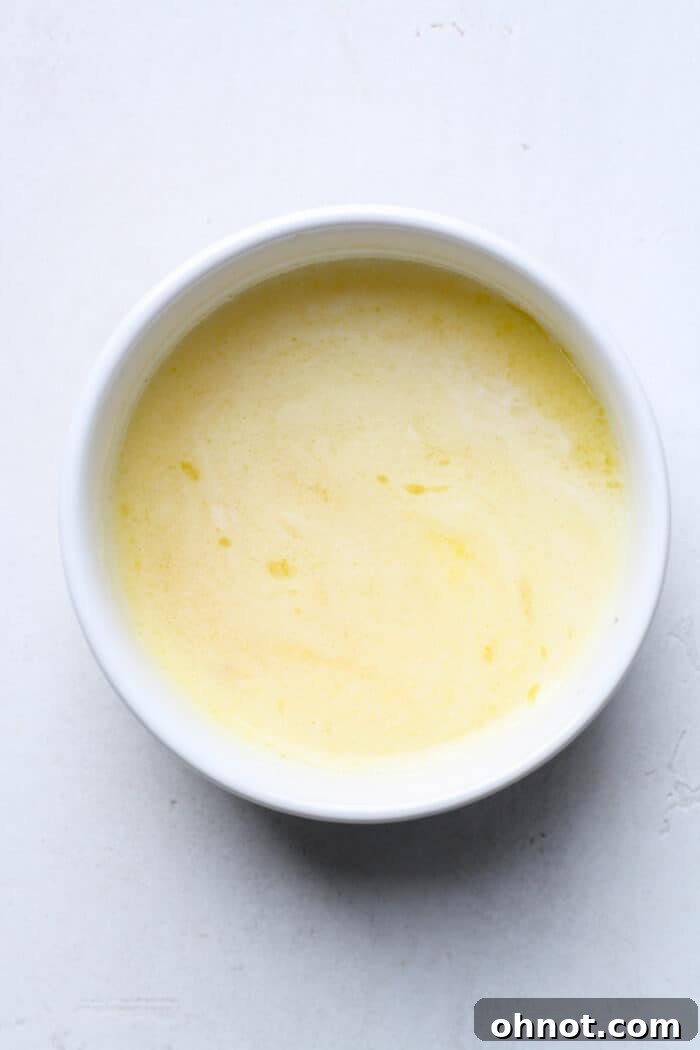
Step 11: Serve and Savor
Finally, arrange your crispy fried lobster tails on a serving platter and serve immediately with the aromatic garlic butter sauce and fresh lemon wedges for a truly unforgettable meal.
Insider Tips & Tricks for the Best Fried Lobster Ever
Achieve consistently perfect fried lobster tails by incorporating these expert tips into your cooking process:
- **Flawless Presentation:** Revisit our guide on how to butterfly lobster tails. This technique not only makes the lobster easier to eat but also creates a stunning, restaurant-quality presentation that will surely impress.
- **Maximize Crispiness:** Don’t skip the double-breading step! Fully coating the lobster tails first in the dry mixture, then the egg wash, and finally again in the dry mixture creates a robust, extra-crispy crust that’s truly irresistible.
- **Maintain Optimal Oil Temperature:** Precision in oil temperature is crucial. Always heat your frying oil to approximately 350 degrees Fahrenheit (175°C) before adding the lobster. This ensures the breading crisps up quickly and prevents the lobster from absorbing too much oil, resulting in a greasy texture.
- **Ensure Even Cooking:** If your lobster tails are not fully submerged in the oil during frying, carefully flip them over halfway through the cooking time. This simple step ensures that all sides cook evenly and develop that desirable golden-brown crispness. A slotted spoon is an excellent tool for safely handling the hot fried lobster tails.
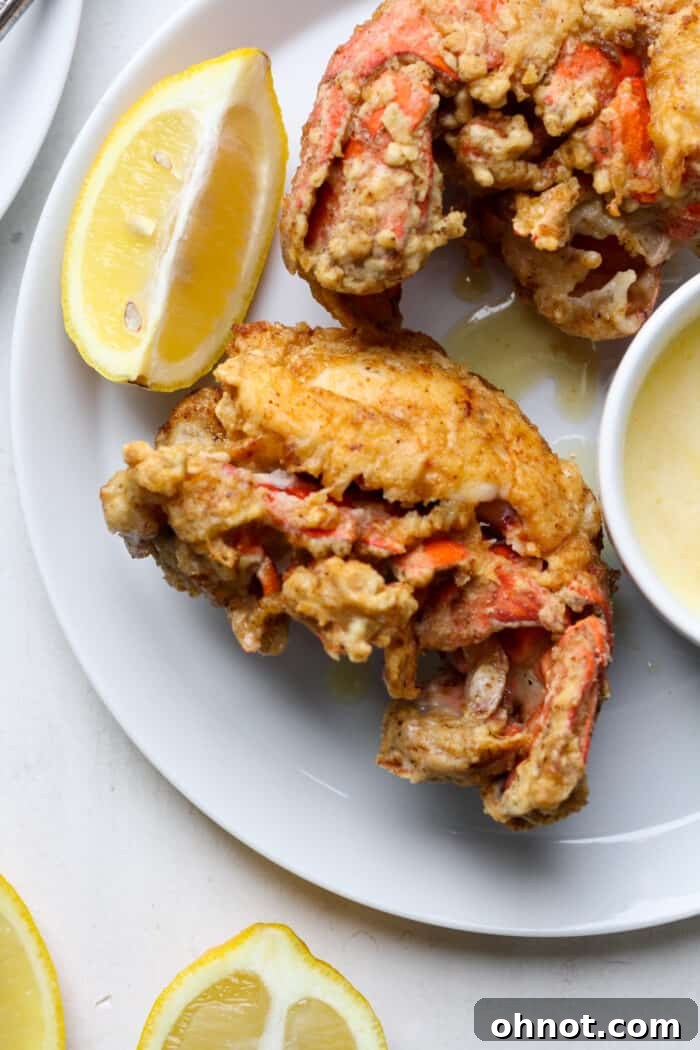
Essential Home Frying Safety and Best Practices
Frying at home can be safe and enjoyable with the right precautions and techniques:
- **Choose the Right Oil:** Opt for oils with a high smoke point, such as canola, corn, peanut, or olive oil. These oils can handle the high temperatures required for deep frying without breaking down or producing undesirable flavors.
- **Preheat Thoroughly:** Always ensure your oil is fully preheated to the recommended temperature (around 350°F / 175°C) *before* adding any food. Dropping food into oil that isn’t hot enough will result in a greasy, soggy product, as the food absorbs the oil instead of crisping up immediately.
- **Invest in a Thermometer:** For the most accurate results and optimal safety, use a deep-fry thermometer. This tool helps you maintain a consistent temperature, which is key to perfectly fried food.
- **Use Sufficient Oil:** Ensure you use enough oil to at least halfway submerge the food. While full submersion is often ideal, ensuring at least half the food is covered allows for more even cooking.
- **Safety First: Gentle Placement:** Never drop or throw food into hot oil. Always gently lower food using tongs or a slotted spoon to prevent dangerous splashes of hot oil, which can cause severe burns.
Serving Suggestions & Storage Guidance for Fried Lobster Tails
How to Serve
Fried lobster tails are best enjoyed immediately after frying, while they are still piping hot and at their peak crispiness. Serve them as a luxurious appetizer or a show-stopping main course. Here are some serving ideas:
- **Classic Accompaniments:** A side of rich garlic butter or simple drawn butter, alongside fresh lemon wedges, is the quintessential pairing.
- **Elevated Dipping:** For an extra layer of flavor, consider serving with our creamy Garlic Aioli.
- **Make it a Feast:** Turn your meal into an unforgettable surf and turf experience by pairing your fried lobster with a perfectly cooked Air Fryer Steak.
- **Ultimate Indulgence:** For the true lobster enthusiast, combine these crispy tails with a rich and creamy Lobster Mac and Cheese.
How to Store
Should you have any delectable leftovers, store them in an airtight container in the refrigerator for up to 3 days. While they are best fresh, reheating them gently in an oven or air fryer can help restore some of their crispiness.
Frequently Asked Questions (FAQ) About Fried Lobster Tails
Can you air fry lobster tails?
Yes, absolutely! You can prepare lobster tails in the same butterflied and breaded manner as this recipe. Preheat your air fryer to 400 degrees Fahrenheit (200°C) and lightly spray the basket or pan with nonstick spray. Air fry for approximately 5 to 7 minutes, or until the shells turn red and the lobster flesh is opaque and cooked through.
How do you clean lobster tails before frying?
To clean lobster tails, simply place them in a bowl of cold water and gently toss them around to dislodge any debris. Then, rinse the lobster tails thoroughly under running cold water. Lay them out on paper towels and pat them completely dry before proceeding with butterflying and breading.
What does fried lobster taste like?
Fried lobster offers a delightful combination of sweet, tender lobster meat with a wonderfully crispy, savory, and seasoned breading. The frying process enhances the natural sweetness of the lobster, creating a rich and satisfying flavor profile.
How do I know when they are done cooking?
Lobster tails are done cooking when their shells turn a vibrant red and the meat inside becomes opaque (no longer translucent). The internal temperature of the thickest part of the meat should reach 140-145°F (60-63°C).
Can I fry other seafood this way?
Yes! This breading and frying method is highly versatile and can be applied to many other types of seafood, such as shrimp, scallops, or firm white fish fillets, for equally delicious crispy results.
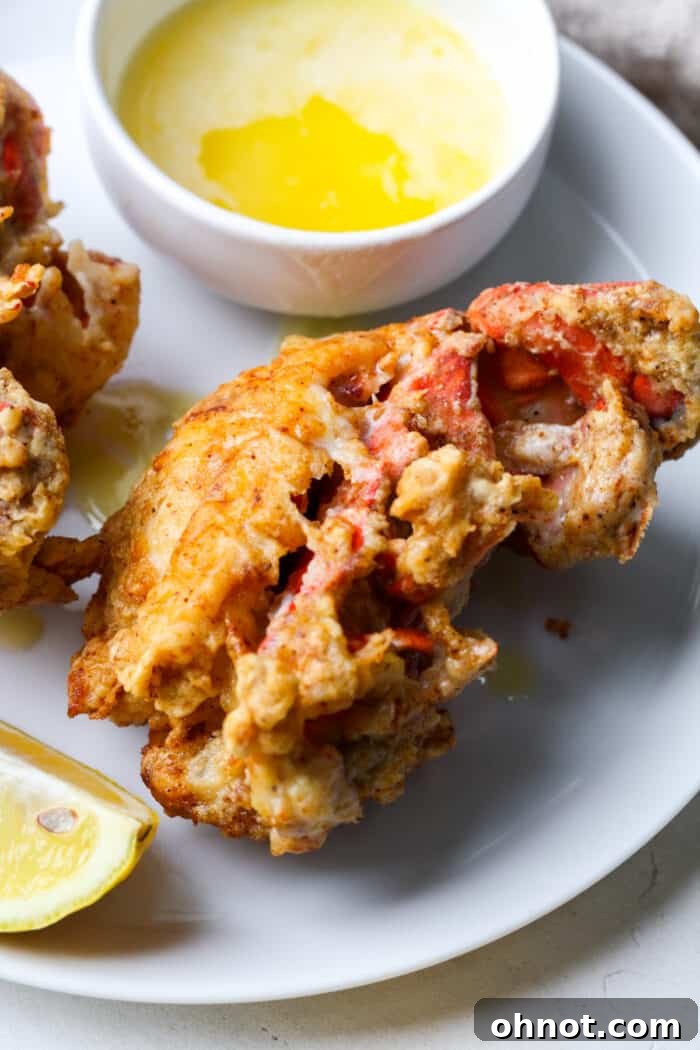
Discover More Seafood & Delicious Recipes You May Also Like
- Crispy Paleo Fried Chicken (Whole30)
- Blackened Mahi Mahi
- Pan Seared Chilean Sea Bass
- Candied Salmon
- Instant Pot Steak
If you create this incredible fried lobster tails recipe, I would be absolutely thrilled to hear your feedback! Please consider leaving a review. You can also connect with me on Instagram, Facebook, and Pinterest. I love sharing culinary inspiration and would be delighted for you to follow along! For more meal ideas, explore our collection of Lunch and Dinner Recipes.

Prep Time: 15 mins
Cook Time: 5 mins
Total Time: 20 mins
Get the Recipe: Fried Lobster Tails
These fried lobster tails are gourmet and fancy, yet surprisingly easy to make! They are crispy, golden, and incredibly flavorful. Perfect for entertaining, holidays, or a special family dinner.
Pin Recipe
Ingredients
Instructions
- First, butterfly the lobster tails. Using kitchen shears with the lobster tails facing away from you, cut through the lobster shell in a straight line, stopping before the tail fin.
- Carefully use your hands to pull the lobster meat up on top of the lobster shell. Lobster shells are sharp, so please be careful!
- Once the lobster meat is nicely settled on top of the lobster shells, prepare the egg wash and flour mixture.
- In a shallow bowl, add milk and egg. Whisk until combined. In another bowl, stir together flour and Old Bay seasoning.
- Dip each tail first into the dry mixture, ensuring it’s completely coated on all sides.
- Then, dip each tail into the egg wash mixture, coating it completely.
- Dip each tail back into the dry mixture for a second coating, ensuring it’s completely covered for extra crispiness.
- Once the lobster is prepared, heat oil in a pot on the stovetop. Once the oil has reached about 350 degrees Fahrenheit (175°C), use tongs or a slotted spoon to carefully place the lobster tails in the oil.
- Fry for 4 to 5 minutes, or until the shells turn red and the lobster meat is opaque and cooked through.
- Use a slotted spoon to remove the fried lobster tails to a plate lined with paper towels to drain excess oil.
- To make garlic butter, stir together melted butter and minced garlic.
- Finally, serve the fried lobster tails immediately with the garlic butter and a fresh lemon wedge.
Notes
- Refer to the blog post above for step-by-step photos for visual guidance.
- Ensure lobster tails are fully coated in the dry mixture, then the wet mixture, and finally fully coated again in the dry mixture for the crispiest results.
- I used olive oil for frying, as it’s my favorite, but corn oil, canola oil, and peanut oil all work well too due to their high smoke points.
- If your lobster tails are not fully submerged in the oil, use a slotted spoon to gently “flip” them after a few minutes of cooking to ensure all sides are cooked evenly and become crispy.
- Since I am gluten-free, I used gluten-free 1-to-1 flour. All-purpose flour is a suitable alternative if you do not have dietary restrictions.
- Please note that the provided nutrition facts do not include the garlic butter sauce.
Nutrition Label
Calories: 394kcal
Carbohydrates: 15g
Protein: 15g
Fat: 31g
Saturated Fat: 3g
Polyunsaturated Fat: 8g
Monounsaturated Fat: 19g
Trans Fat: 1g
Cholesterol: 124mg
Sodium: 297mg
Potassium: 212mg
Fiber: 1g
Sugar: 2g
Vitamin A: 164IU
Vitamin C: 1mg
Calcium: 116mg
Iron: 2mg
Author: Addison LaBonte
Course: Main Course
Cuisine: American
Love these fried lobster tails? You can sign up here to receive healthy meal plans, exclusive new recipes, and updates directly to your inbox!