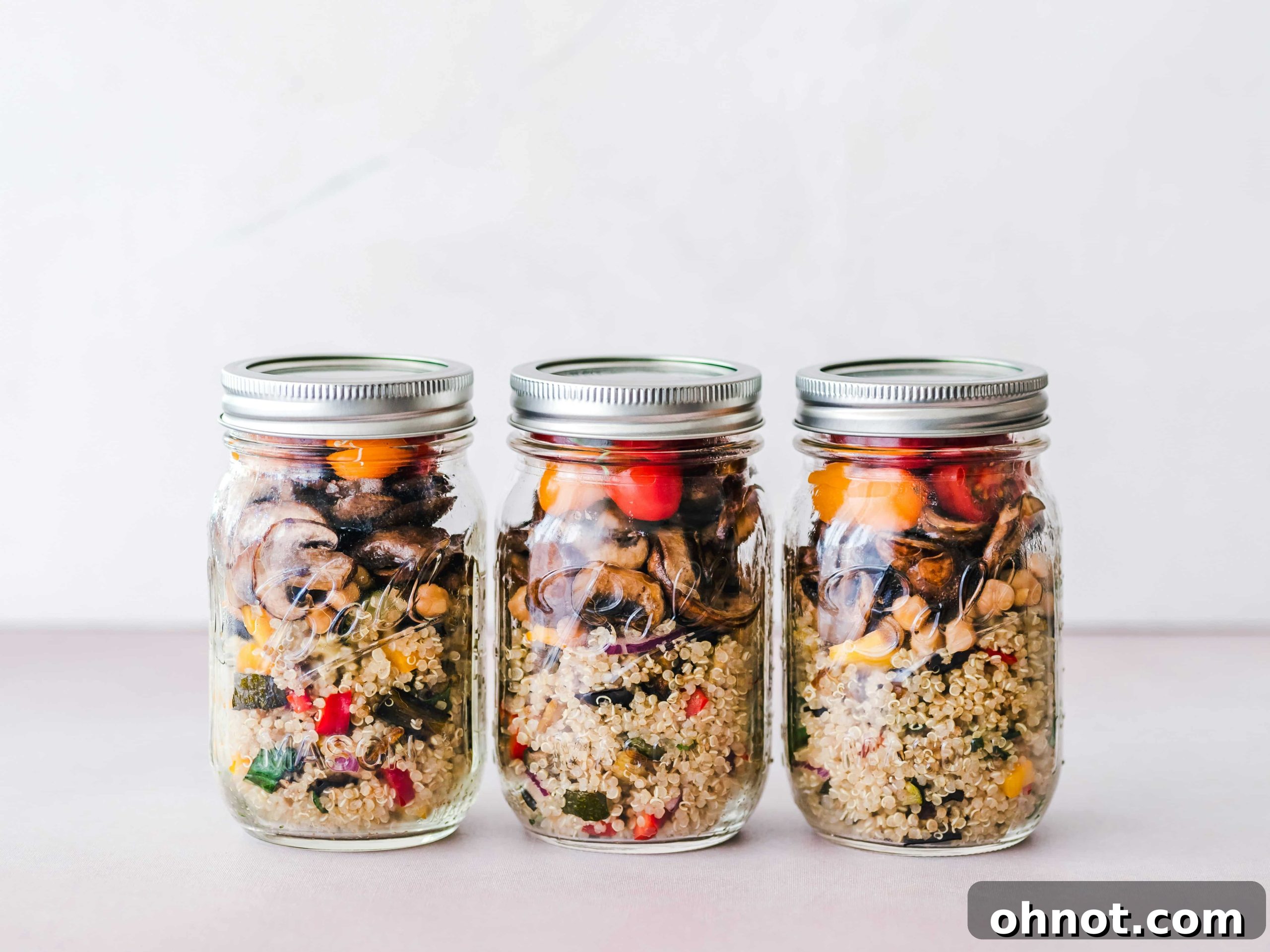
Is Quinoa Gluten-Free? Unveiling the Truth About This Ancient Superfood
In today’s ever-evolving landscape of health and wellness, gluten-free diets have transitioned from a niche requirement to a widespread dietary choice. This shift isn’t solely driven by medical necessity, such as celiac disease, but also by growing awareness of non-celiac gluten sensitivity, wheat allergies, and a general pursuit of perceived health benefits. As more individuals explore gluten-free living, the search for nutritious and versatile alternatives to traditional grains intensifies. Amidst this quest, ancient grains, or more accurately, “pseudo-grains” like quinoa, often emerge as frontrunners. But for those meticulously navigating a gluten-free lifestyle, one critical question frequently arises: Is quinoa truly gluten-free?
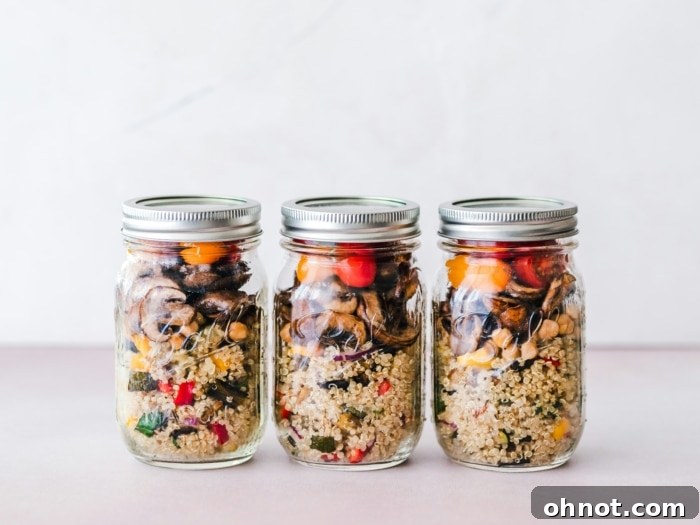
What is Quinoa? A Nutritional Powerhouse Explained
Before delving into its gluten status, it’s crucial to truly understand what quinoa is. Pronounced ‘keen-wah’, quinoa (Chenopodium quinoa) is not actually a grain, but rather a seed from a plant related to spinach, beets, and chard. For culinary purposes, however, it’s treated as a whole grain, hence often referred to as a “pseudo-grain.” Originating from the Andean region of South America, where it has been a staple food for over 5,000 years, quinoa was revered as “the mother of all grains” by the Incas, who recognized its incredible nutritional value.
Quinoa has earned its reputation as a “superfood” for good reason. It boasts an impressive nutritional profile, making it a cornerstone for healthy eating, especially within a gluten-free framework. It stands out as one of the few plant-based foods that provide all nine essential amino acids, making it a complete protein. This is a significant advantage for vegetarians, vegans, and anyone looking to optimize their protein intake. Beyond protein, quinoa is an excellent source of dietary fiber, which aids digestion, promotes satiety, and helps regulate blood sugar levels. Furthermore, it’s packed with vital micronutrients, including magnesium, potassium, iron, manganese, phosphorus, zinc, copper, and B vitamins, contributing to overall well-being and cellular function.
Learn more about Is Buckwheat Gluten Free? and Gluten Free Cereal!
What Exactly Is Gluten? An In-Depth Look
To fully grasp the gluten-free status of any food, we must first understand what gluten is. Gluten is a general term encompassing a family of proteins naturally found in certain cereal grains, primarily wheat, barley, rye, and triticale (a hybrid of wheat and rye). These proteins, chiefly gliadin and glutenin, are responsible for the elastic texture of dough and give baked goods their characteristic chewiness and ability to rise. Think of gluten as the “glue” that holds foods together.
Gluten is pervasive in the modern diet, forming the structural backbone of countless staple foods. It is prominently found in products made from the aforementioned grains, including a vast array of items such as bread, pasta, cereals, pizza, pastries, cookies, and even beer. However, gluten’s binding and textural properties also lead to its inclusion in many less obvious products. It can hide in sauces, marinades, salad dressings, processed meats (like sausages and deli meats), soups, spices, condiments, and even some medications and cosmetics. For individuals with celiac disease or severe gluten sensitivities, this widespread presence necessitates meticulous label reading and careful food choices.
There are several conditions associated with adverse reactions to gluten:
- Celiac Disease: An autoimmune disorder where ingesting gluten leads to damage in the small intestine, impairing nutrient absorption. It requires a strict, lifelong gluten-free diet.
- Non-Celiac Gluten Sensitivity (NCGS): Individuals experience symptoms similar to celiac disease (digestive issues, fatigue, headaches) but without the autoimmune response or intestinal damage characteristic of celiac disease.
- Wheat Allergy: An allergic reaction to proteins found in wheat, which can trigger symptoms ranging from mild hives to life-threatening anaphylaxis. This is distinct from gluten sensitivity or celiac disease.
Check out Is Baking Soda Gluten Free?
Is Quinoa Gluten-Free? The Definitive Answer
The straightforward and resounding answer is: yes, quinoa is naturally gluten-free. As established, gluten is a protein complex found exclusively in wheat, rye, barley, and their direct derivatives. Since quinoa is a seed and belongs to a completely different botanical family, it inherently does not contain these specific proteins. This makes it an invaluable and safe food choice for individuals adhering to a gluten-free diet due to celiac disease, non-celiac gluten sensitivity, or wheat allergy.
However, while quinoa is naturally free of gluten, it’s essential to be aware of a few critical considerations, especially for those with severe sensitivities or celiac disease:
Cross-Contamination: A Real Concern
Even though quinoa itself is gluten-free, the risk of cross-contamination is a significant factor to consider. This occurs when gluten-containing grains (like wheat, barley, or rye) are processed, handled, or stored in the same facilities or on the same equipment as quinoa. For instance, if quinoa is packaged in a factory that also processes wheat flour, small traces of gluten could inadvertently mix with the quinoa. For individuals with celiac disease, even minute amounts of gluten (as little as 20 parts per million, the international standard for “gluten-free”) can trigger an adverse reaction and cause intestinal damage. Therefore, vigilance is key when purchasing quinoa.
The Importance of Gluten-Free Certification
To mitigate the risk of cross-contamination, always look for products that carry a “gluten-free certification” label when purchasing pre-packaged quinoa. This certification, typically issued by third-party organizations, indicates that the product has been rigorously tested and verified to contain less than 20 ppm of gluten. It ensures that the quinoa has been processed, packaged, and handled in facilities that follow strict protocols to prevent contamination from gluten-containing ingredients. For those with severe gluten sensitivities or celiac disease, certified gluten-free quinoa is the safest choice.
Saponins and Potential Reactivity
Quinoa naturally produces compounds called saponins, which form a bitter, soap-like coating on its outer layer. While saponins are entirely unrelated to gluten and do not pose a gluten-related health risk, some individuals might experience digestive discomfort or an unpleasant taste if the quinoa is not properly rinsed before cooking. The symptoms, though different in origin, might sometimes be misinterpreted as a “gluten reaction.” It’s crucial to always rinse quinoa thoroughly under cold running water before cooking to remove most of these saponins, ensuring a better taste and easier digestion for everyone.
Unlocking the Power: Benefits of Including Quinoa in a Gluten-Free Diet
Integrating quinoa into a gluten-free diet offers a wealth of benefits that extend beyond simply replacing gluten-containing grains. Its unique nutritional profile makes it a standout choice for enhancing overall health and dietary diversity:
1. A Complete Protein Source
For individuals following plant-based diets or those struggling to find complete protein sources in a gluten-free regimen, quinoa is a game-changer. It contains all nine essential amino acids, which are the building blocks of protein that the body cannot produce on its own. This makes it an excellent option for muscle repair, growth, and overall bodily function, often surpassing the protein quality of many other plant foods.
2. High in Dietary Fiber
Quinoa is rich in both soluble and insoluble fiber. Dietary fiber is crucial for maintaining a healthy digestive system, preventing constipation, and promoting regular bowel movements. For those on a gluten-free diet, who might inadvertently miss out on the fiber found in whole wheat products, quinoa helps fill this nutritional gap. Fiber also contributes to feelings of fullness, aiding in weight management, and helps stabilize blood sugar levels.
3. Packed with Essential Micronutrients
Beyond protein and fiber, quinoa is a treasure trove of vitamins and minerals. It’s particularly high in magnesium, which plays a role in over 300 enzymatic reactions in the body, including muscle and nerve function, blood glucose control, and blood pressure regulation. It also provides significant amounts of iron (essential for oxygen transport), zinc (for immune function and wound healing), manganese (an antioxidant and co-factor for various enzymes), phosphorus (for bone health), and folate (important for cell growth and function).
4. Rich in Antioxidants
Quinoa contains several powerful antioxidants, including quercetin and kaempferol. These compounds help combat oxidative stress in the body by neutralizing free radicals, which can reduce the risk of chronic diseases and support overall cellular health.
5. Versatility in the Kitchen
Quinoa’s mild, slightly nutty flavor and fluffy texture make it incredibly versatile. It can effortlessly adapt to a wide range of dishes, from savory to sweet. Use it as a base for salads, a side dish, a thickener for soups and stews, a breakfast cereal, or even as a binder in vegetarian patties. This adaptability prevents dietary boredom, a common challenge in restrictive diets.
6. Sustained Energy Release
As a source of complex carbohydrates, quinoa provides a steady release of energy, avoiding the sharp spikes and crashes associated with refined carbohydrates. This sustained energy makes it an excellent choice for athletes or anyone needing consistent fuel throughout the day.
Mastering Quinoa: Essential Tips for Enjoying This Pseudo-Grain
Quinoa, the versatile and nutrient-rich pseudo-grain, has cemented its place in the pantheon of superfoods. To ensure you fully harness its benefits and enjoy its delicious potential, here are essential aspects to consider when incorporating quinoa into your meals:
1. Always Rinse Thoroughly Before Cooking
As mentioned, quinoa seeds are naturally coated with saponins. These bitter, soap-like compounds are a natural defense mechanism for the plant. Failing to rinse can result in a soapy, bitter, or even astringent taste in your cooked quinoa. To properly rinse, place the quinoa in a fine-mesh strainer and rinse under cold running water for at least 30 seconds, or until the water runs clear. You might even rub the grains gently with your hands while rinsing.
2. Master the Cooking Ratio and Time
Generally, the ideal cooking ratio is two parts liquid (water or broth) to one part quinoa. This ratio typically yields a perfectly fluffy and tender texture. For example, for one cup of quinoa, use two cups of liquid. Bring the liquid to a boil, add the rinsed quinoa, reduce heat to low, cover, and simmer for about 15 minutes. The quinoa is done when all the liquid is absorbed and the germ (a small white “tail”) separates from the seed. Overcooking can lead to a mushy texture, so keep an eye on the pot!
3. Explore the Different Quinoa Varieties
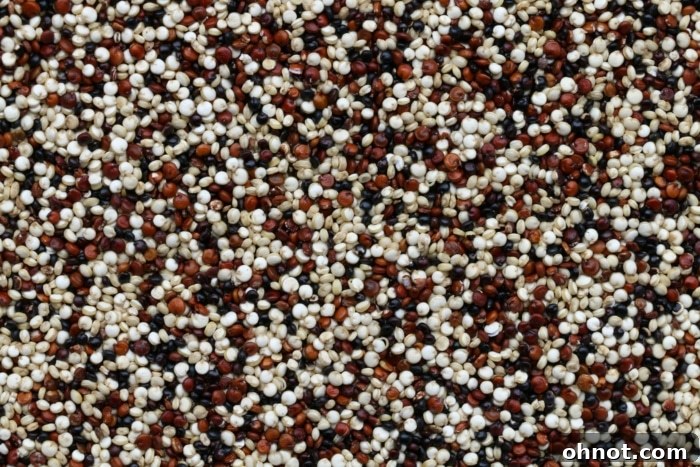
Quinoa comes in various colors, most commonly white, red, and black, as well as multicolored blends. Each variety offers subtle differences in taste and texture:
- White Quinoa: The most common, it has the mildest flavor and the fluffiest texture.
- Red Quinoa: Holds its shape better after cooking, making it ideal for salads where you want individual grains. It has a slightly chewier texture and nuttier flavor.
- Black Quinoa: Has the strongest, earthiest flavor and the chewiest texture. It also holds its shape well.
Experimenting with these varieties can add excitement and visual appeal to your dishes.
4. Season for Optimal Flavor
Quinoa has a relatively mild, slightly nutty taste on its own, making it an excellent canvas for various flavors. Don’t hesitate to get creative with seasonings. Cook it in vegetable or chicken broth instead of water for added depth. Incorporate herbs, spices, garlic, onion, a squeeze of lemon juice, or a dash of tamari (gluten-free soy sauce) to enhance its natural deliciousness.
5. Be Mindful of Portion Sizes
While quinoa is incredibly nutritious, it is also calorie and carbohydrate-dense. A standard serving size is typically about 1/2 cup cooked. Being mindful of your portion sizes will help maintain a balanced diet, especially if weight management or carbohydrate intake is one of your health goals.
6. Prioritize Certified Gluten-Free Options
For individuals with celiac disease or high gluten sensitivity, re-emphasizing the need for certified gluten-free quinoa is crucial. Always check product labels for “gluten-free” certification logos to ensure minimal risk of cross-contamination during processing and packaging.
7. Unlock Its Culinary Versatility
Quinoa’s adaptability is one of its greatest strengths. Think beyond just side dishes:
- Breakfast: Cook it with milk (dairy or plant-based) and top with fruits, nuts, and a drizzle of honey for a hearty breakfast bowl.
- Salads: A fantastic base for cold or warm salads, adding texture and protein.
- Soups and Stews: Use it to add body and nutrients.
- Meat Substitute: A great binder and filler for veggie burgers, meatballs, or stuffed vegetables.
- Baking: Quinoa flour (made from ground quinoa) is an excellent gluten-free alternative for baking, though it often works best in combination with other gluten-free flours.
8. Proper Storage
Uncooked quinoa should be stored in an airtight container in a cool, dark place, where it can last for several months. Cooked quinoa can be stored in an airtight container in the refrigerator for 3-5 days and can also be frozen for up to 1-2 months, making it excellent for meal prepping.
Frequently Asked Questions (FAQs) About Quinoa and Gluten
Many grains and pseudo-grains are naturally gluten-free, offering a wide variety for your diet. Some popular examples include rice (brown, white, wild), corn, millet, sorghum, teff, amaranth, and buckwheat (despite its name, buckwheat is not related to wheat and is naturally gluten-free). Always ensure packaged products are certified gluten-free to avoid cross-contamination. Check out Is Cornbread Gluten Free?
Quinoa is naturally gluten-free, so it does not contain gluten. However, it is a carbohydrate-rich food, primarily composed of complex carbohydrates, which are an excellent source of sustained energy. It also provides a significant amount of dietary fiber and protein.
Yes, both quinoa and rice (including white, brown, and wild rice) are naturally gluten-free. They are safe options for individuals following a gluten-free diet. As with any packaged product, it’s always advisable to look for a “gluten-free” certification on the label to minimize the risk of cross-contamination, especially if you have celiac disease or severe sensitivities.
Absolutely, yes. Quinoa is naturally free of gluten and is considered a safe and highly nutritious food for individuals with celiac disease. However, it is crucial to purchase quinoa that is explicitly labeled as “certified gluten-free” to ensure it has not been cross-contaminated during processing or packaging in facilities that also handle gluten-containing grains.
Both quinoa and rice are excellent gluten-free staples, and “better” often depends on individual nutritional needs and preferences. Quinoa stands out for being a complete protein (containing all nine essential amino acids) and generally having a higher fiber content than most types of rice. It also offers a broader spectrum of micronutrients like magnesium, iron, and zinc. Brown rice is also nutritious, but quinoa typically has a slight edge in protein and micronutrient density.
You May Also Like These Gluten-Free Resources
- Are Reese’s Gluten Free?
- Gluten Free Tortillas
- Gluten Free Cupcakes
- Are Sprinkles Gluten Free?
- Gluten Free Bread Recipe
- Is Peanut Butter Gluten Free?
If you found this comprehensive guide on whether quinoa is gluten-free helpful, I would truly appreciate a review or a share! Your feedback helps us continue providing valuable content. You can connect with me on Instagram, Facebook, and Pinterest. Additionally, consider joining my exclusive Facebook Group for behind-the-scenes insights, tips, and a supportive community.