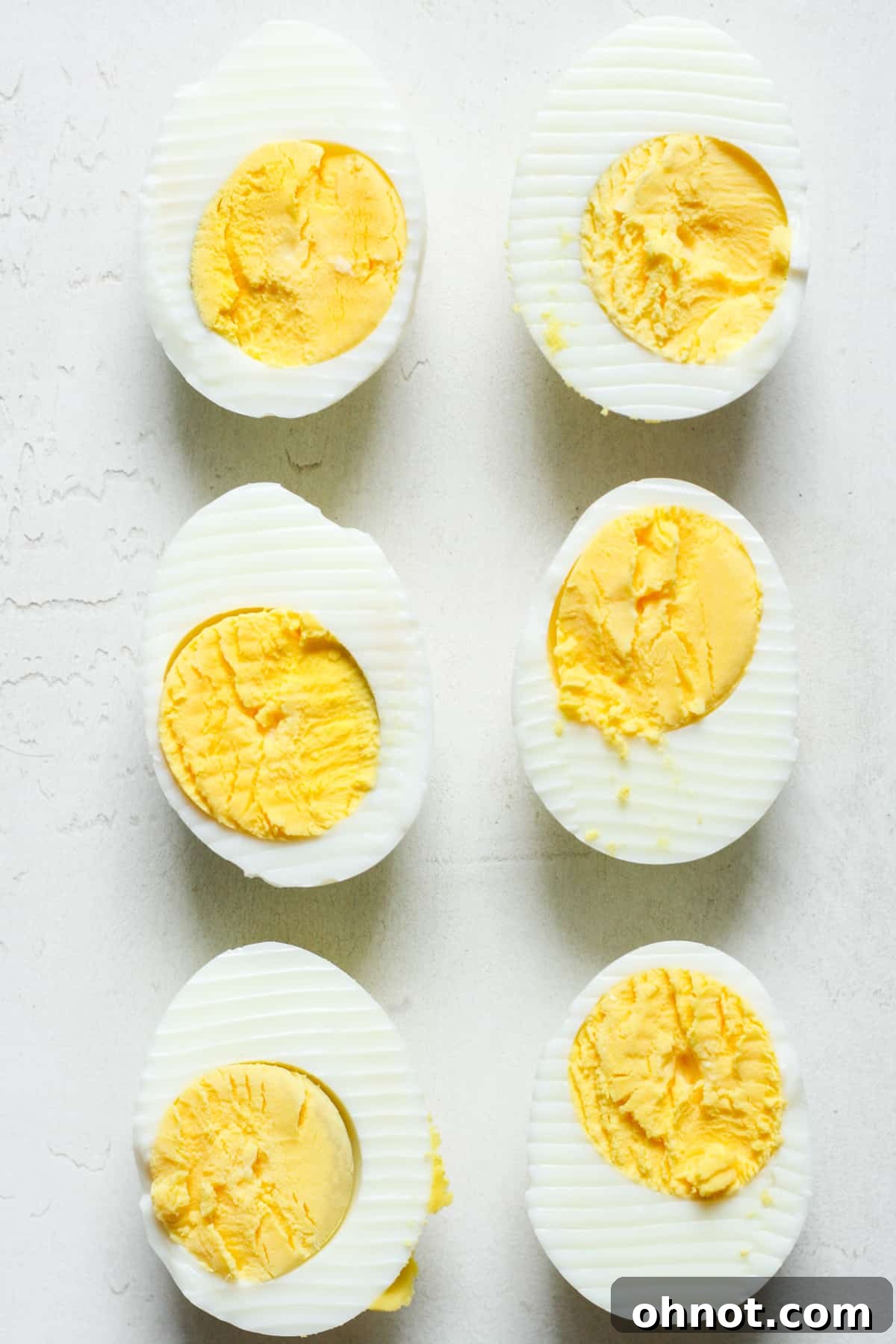
Tired of the traditional stovetop method for hard-boiled eggs? Discover the ultimate kitchen hack for busy mornings and meal prep: perfectly hard-boiled eggs made right in your microwave! This innovative method is incredibly fast, astonishingly simple, and requires no boiling water, no heavy pots, and minimal cleanup. Whether you’re a student in a dorm, traveling in an RV, or simply seeking a quicker way to prepare a nutritious snack, these microwave hard-boiled eggs deliver a consistently smooth, creamy, and fully cooked yolk every time. They’re ideal for healthy breakfasts, satisfying snacks, quick additions to salads, or preparing larger batches for the week ahead.
A note on safety: While this method is convenient, please exercise extreme caution when handling the eggs and the hot bowl. Every microwave varies in power, so initial cooking times may need slight adjustments. Safety is paramount!
Why This Microwave Hard-Boiled Egg Recipe Will Revolutionize Your Kitchen
This microwave hard-boiled egg recipe isn’t just a convenience; it’s a game-changer for anyone looking for efficiency without sacrificing quality. Here’s why you’ll fall in love with this method:
- Effortless & Lightning-Fast: Say goodbye to waiting for water to boil. This entire process, from start to finish, takes less than 15 minutes, making it perfect for last-minute meal additions or hurried mornings.
- Minimal Ingredients: You only need three basic items: fresh eggs, a pinch of salt, and water. No fancy equipment or obscure ingredients required!
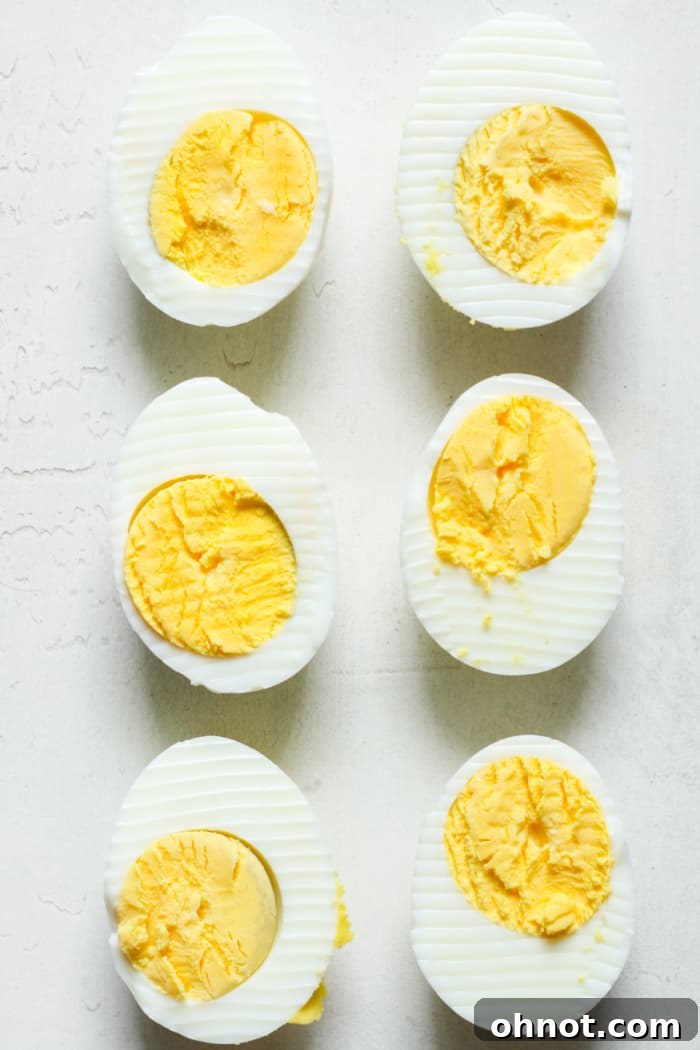
- Perfectly Cooked Yolks: Achieve consistently creamy, fully cooked yolks without any gray-green rings often associated with overcooked stovetop eggs.
- No Stovetop, No Mess: This innovative approach eliminates the need for pots, pans, or a hot stove, significantly reducing cleanup and kitchen clutter. It’s a safer alternative, especially in homes with young children, by removing the hazard of boiling water.
- Dietary Friendly: Naturally Whole30 compliant, Paleo, Keto, and low carb, these eggs are also high in protein, low in sugar, nut-free, oil-free, gluten-free, and dairy-free. They fit seamlessly into almost any healthy eating plan.
- Versatile & Healthy: A fantastic foundation for countless dishes, from simple snacks to elaborate salads, providing a nutritious boost to any meal.
- Explore More Egg Recipes: If you enjoy quick egg preparations, also check out our guide for Over Hard Eggs. For air fryer enthusiasts, our Air Fryer Hard Boiled Eggs recipe offers another convenient method.
Essential Ingredients & Expert Tips for Success
Making hard-boiled eggs in the microwave is incredibly straightforward, relying on just a few simple ingredients. Here’s what you’ll need and some crucial advice for the best results:
Eggs: For optimal results, use fresh large eggs. While size and color don’t impact the cooking process itself, fresher eggs tend to hold up better and yield a firmer texture. However, slightly older eggs (a week or two old) are often easier to peel, a common challenge with any hard-boiled egg method.
Salt: This is a non-negotiable ingredient for microwave hard-boiled eggs. Adding salt to the water is vital for preventing the eggs from cracking or exploding during the microwaving process. The salt helps stabilize the water’s boiling, creating a more uniform cooking environment around the egg. As a general rule, use ½ teaspoon of salt for each egg. So, if you’re cooking two eggs, use 1 teaspoon of salt; for four eggs, use 2 teaspoons. Don’t worry, the eggs won’t taste overly salty!
Water: Ensure you use enough cold water to fully submerge the eggs in your microwave-safe bowl. This ensures even cooking and helps regulate the temperature throughout the process.
Egg Nutrition: A Powerhouse of Health Benefits
Eggs are often hailed as one of nature’s most perfect foods, and for good reason! They are incredibly nutrient-dense, offering a wide array of health benefits that support overall well-being. Incorporating hard-boiled eggs into your diet is an excellent way to boost your nutritional intake.
Each medium-sized egg is a fantastic source of high-quality protein, providing approximately 6 grams. This complete protein contains all nine essential amino acids necessary for muscle repair, growth, and overall bodily function. Beyond protein, eggs are naturally sugar-free and very low in carbohydrates, making them a staple for Keto, Paleo, and Whole30 diets. With around 70 calories and 5 grams of healthy fats, they offer sustained energy and satiety, helping to keep hunger at bay.
Moreover, eggs are packed with crucial vitamins and minerals. They are an excellent source of Vitamin D, essential for bone health and immune function, and Vitamin B12, vital for nerve health and energy production. You’ll also find good amounts of calcium, selenium, and choline. Choline, in particular, is an often-overlooked nutrient critical for brain development, memory, and liver function.
From supporting muscle mass to enhancing cognitive function and promoting strong bones, eggs are a versatile and delicious way to fuel your body with essential nutrients. And with this microwave method, enjoying these nutritional powerhouses has never been easier!
Unbeatable Microwave Advantages: Why This Method Wins
While traditional stovetop hard-boiling has its place, the microwave method offers a compelling list of advantages that make it a superior choice for many. Its convenience and unique benefits set it apart as a true kitchen innovation.
Firstly, it’s a lifesaver for anyone without access to a stovetop. This makes it incredibly convenient for college students living in dorms, road-trippers in RVs, or individuals staying in hotels equipped with microwaves but lacking cooking ranges. It opens up healthy eating options that would otherwise be unavailable.
Secondly, speed and simplicity are at the core of this method. There’s no lengthy wait for a pot of water to come to a rolling boil, which can feel like an eternity on a busy morning. These eggs are perfectly cooked in under 15 minutes, allowing you to quickly prepare a nutritious meal or snack without significant time investment. This also means less energy consumption compared to heating a large pot of water on the stove.
Beyond speed, the microwave approach eliminates the need for any special equipment like pots or pans, simplifying both the cooking process and subsequent cleanup. All you need is a microwave-safe bowl. This reduces dishwashing and keeps your kitchen tidier, a welcome bonus for any home cook.
Perhaps one of the most significant advantages, especially for families, is the enhanced safety. By removing boiling water from the equation, you eliminate the risk of accidental spills, burns, or steam injuries often associated with stovetop cooking. This provides a safer environment, particularly when young children or pets are present in the kitchen.
Finally, the precise control offered by microwaving, coupled with the salt and ice bath technique, results in consistently cooked eggs. You’re less likely to end up with undercooked whites or rubbery, discolored yolks, ensuring a pleasant eating experience every time.
Authentic Taste & Perfect Texture, Every Time
One might wonder if microwaving eggs compromises their taste or texture. Rest assured, these hard-boiled eggs in the microwave deliver the classic, familiar taste you expect. There are absolutely no surprises here – just pure, delicious hard-boiled egg flavor.
The texture is also spot-on, perfectly mimicking traditionally prepared hard-boiled eggs. The egg whites are firm and tender, while the yolk is consistently cooked through, boasting a smooth, creamy texture without any dryness or chalkiness. You’ll achieve that ideal golden yellow center, free from the dreaded greenish-gray ring that can sometimes appear with conventional overcooking. This method ensures a consistently pleasant eating experience for all your culinary needs.
Step-by-Step Guide: How to Make Microwave Hard-Boiled Eggs
Achieving perfectly hard-boiled eggs in the microwave is incredibly simple when you follow these easy steps. Pay close attention to the details, especially regarding salt and the ice bath, for the best results.
Step 1: Prepare Your Eggs and Bowl
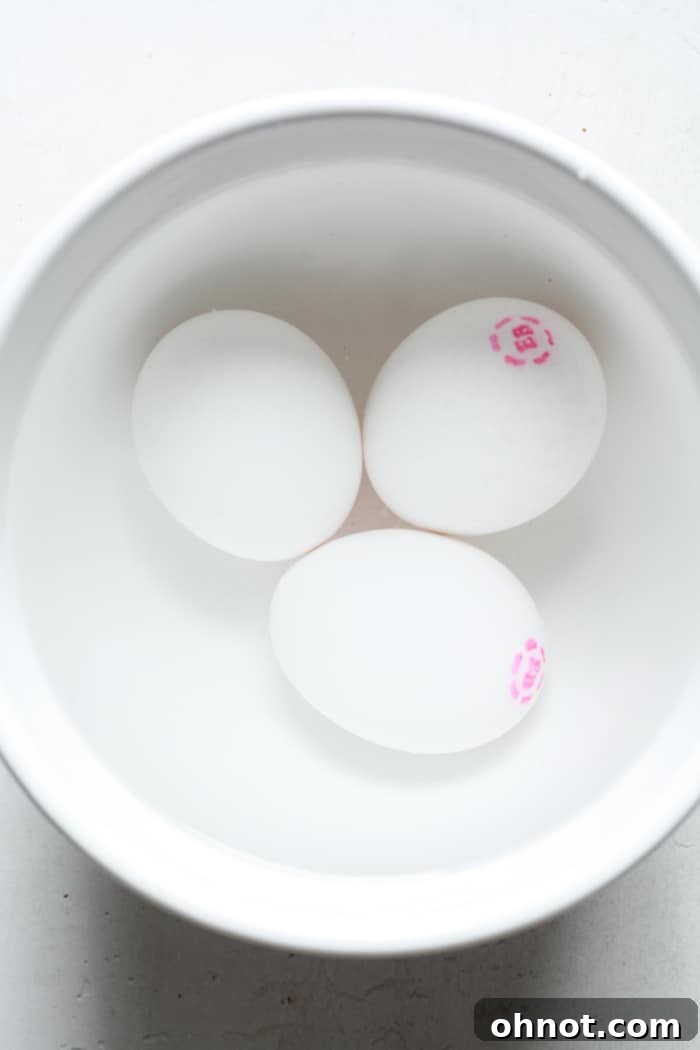
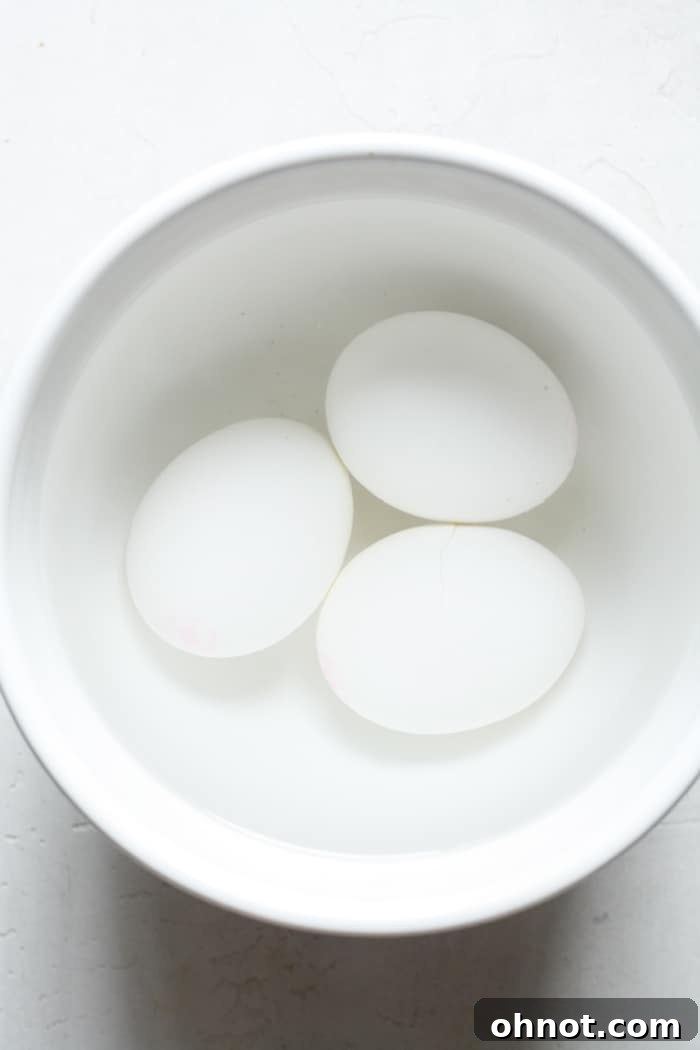
Carefully place your desired number of eggs (up to 4 at a time is ideal for even cooking) into a microwave-safe bowl. Choose a bowl that is fairly deep to accommodate the eggs and sufficient water without overflowing. Now, add the salt – remember ½ teaspoon per egg. Finally, pour enough cold water into the bowl to ensure the eggs are completely submerged, with at least an inch of water above them.
Step 2: First Microwave Interval
Place the bowl with eggs, salt, and water into your microwave. Microwave on high for 4 minutes. This initial burst of energy begins the cooking process. Once the 4 minutes are up, do NOT remove the bowl or cover. Simply let the eggs sit in the hot water inside the microwave for 1 minute. This resting period allows the heat to distribute evenly and continue cooking gently.
Step 3: Second Microwave Interval
After the 1-minute rest, microwave the eggs for another 4 minutes on high. This second cooking phase ensures the yolks are fully set and creamy. Keep an eye on the water, ensuring it doesn’t boil over. (Note: Cooking times can vary slightly based on microwave wattage. An 1100-watt microwave was used for these timings.)
Step 4: The Crucial Ice Bath
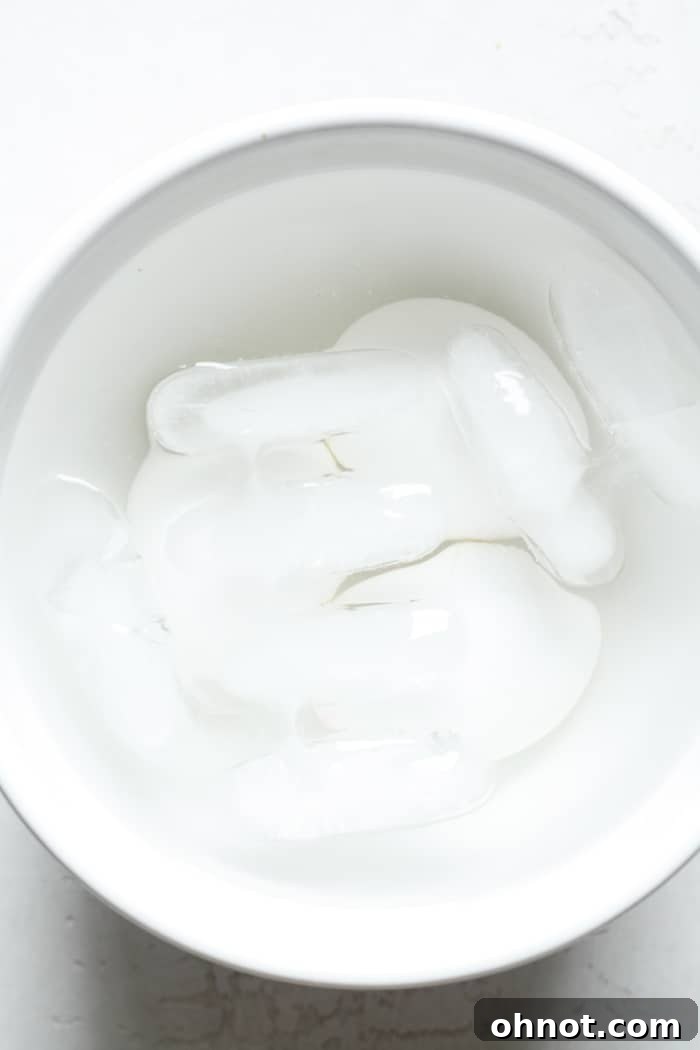
This step is critical for both stopping the cooking process and making the eggs easier to peel. Very carefully, using oven mitts or a thick towel, remove the hot bowl of eggs from the microwave. Immediately add a generous handful of ice cubes directly into the bowl, creating an instant ice bath. The rapid temperature change helps the egg whites contract away from the shell.
Step 5: Allow Eggs to Cool
Let the eggs remain in the ice bath for at least 4 minutes. This cooling period is essential for fully halting the cooking and setting them up for effortless peeling. If you’re cooking more than a couple of eggs, you might want to extend this time slightly to ensure they cool down sufficiently.
Step 6: Prepare for Peeling
Once cooled, carefully remove all but about 1 tablespoon of water from the bowl, leaving just a tiny bit at the bottom. Now, gently shake the bowl back and forth, allowing the eggs to bump against each other and the sides of the bowl. This action creates tiny cracks all over the eggshells, making them incredibly easy to remove.
Step 7: Peel and Serve!
With the shells gently cracked, you’ll find peeling these microwave hard-boiled eggs remarkably easy. The shells should come off in larger pieces, often with minimal effort. Peel your eggs, and they’re ready to be enjoyed immediately or stored for later!
Expert Tips & Smart Troubleshooting for Microwave Eggs
While making hard-boiled eggs in the microwave is simple, a few expert tips can ensure consistently perfect results and enhance safety:
- Salt is Non-Negotiable: Never omit the salt from the water. The salt increases the water’s boiling point and creates a more stable heating environment, crucial for preventing eggs from cracking or exploding due to uneven pressure buildup.
- Choose the Right Bowl: Always use a microwave-safe bowl that is deep enough to fully submerge the eggs and still have ample space (at least an inch) above the water line. This prevents water from bubbling over and creating a mess.
- Submerge Eggs Completely: Ensure all eggs are fully covered by water. Any exposed parts of the egg may cook unevenly or cause issues.
- Know Your Microwave’s Wattage: Microwave cooking times can vary significantly based on wattage. This recipe was developed using an 1100-watt microwave. If your microwave has a lower wattage (e.g., 700-900 watts), you may need to increase the cooking time by 30-60 seconds per interval. Conversely, a higher wattage microwave might require slightly less time. Start with the recommended time and adjust slightly if needed.
- Handle with Extreme Care: The bowl and water will be incredibly hot after microwaving. Always use oven mitts, heat-resistant gloves, or a thick towel when removing the bowl to prevent burns.
- Scale the Salt: For each additional egg you cook, remember to add an extra ½ teaspoon of salt to the water. This maintains the crucial salt-to-egg ratio for safety and consistent results.
- The Ice Bath is Key: Don’t skip the immediate ice bath. It stops the cooking process dead in its tracks, preventing overcooked, rubbery eggs, and it’s essential for achieving easy-to-peel shells.
- For Soft-Boiled Eggs: While this recipe is for hard-boiled, you *can* experiment with soft-boiled in the microwave. Reduce the second microwave interval to 2-3 minutes, then proceed with the ice bath. Results can be less predictable, so proceed with caution.

The Secret to Effortlessly Peeling Hard-Boiled Eggs
Peeling hard-boiled eggs can often feel like a frustrating chore, but with the right technique, it becomes incredibly simple. After years of trying various methods, I’ve found a consistent trick that works wonders every time, especially with microwave-cooked eggs.
The magic happens immediately after the eggs have enjoyed their 4-minute ice bath. This rapid cooling helps the egg white shrink and separate from the inner membrane of the shell. Once they’re cool to the touch, drain almost all of the water from the bowl, leaving only about 1 tablespoon (a very small amount) at the bottom.
Now for the game-changer: gently but firmly shake the bowl back and forth several times. Let the eggs gently collide with each other and the sides of the bowl. This action creates a multitude of tiny, hairline fractures across the entire surface of each eggshell. These small cracks allow water to seep between the egg and the membrane, making the shell incredibly easy to detach.
Once sufficiently cracked, remove the eggs from the bowl. You’ll find that the shells come off in large pieces, often sliding right off with minimal effort. This method truly makes peeling a breeze, saving you time and preventing those annoying bits of shell from sticking to your perfectly cooked eggs. You can visualize this technique by searching for “how to peel hard boiled eggs shaking method” on video platforms.
Creative Ways to Serve & Optimal Storage Solutions
Once peeled, your microwave hard-boiled eggs are ready for endless culinary possibilities. They are incredibly versatile and can elevate a wide range of meals and snacks.
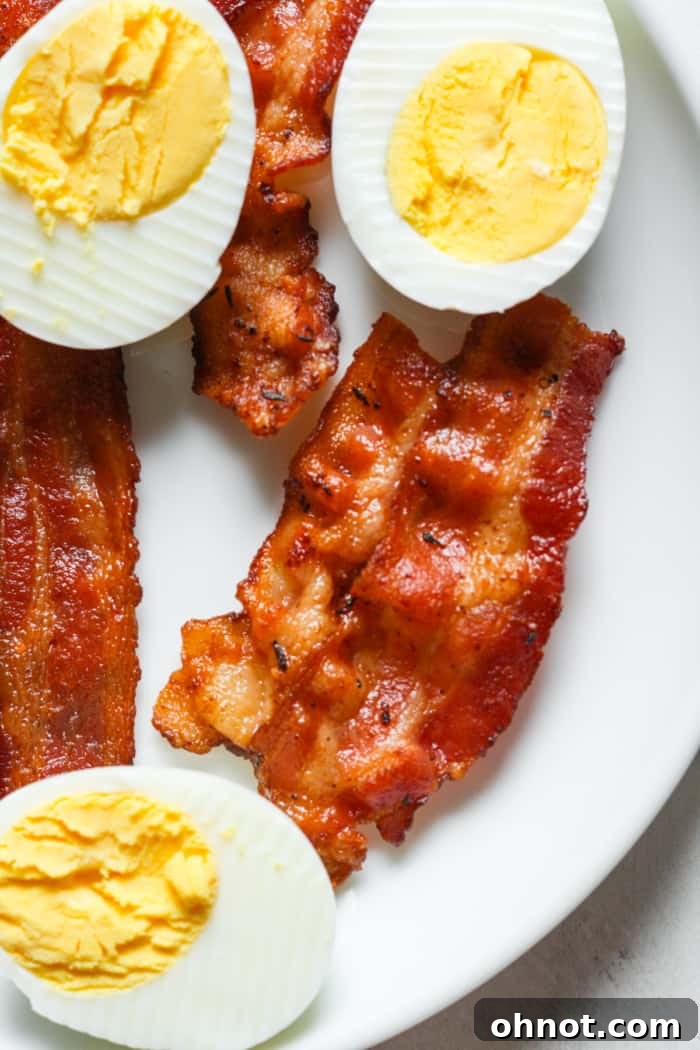
Serving Suggestions: Enjoy them plain for a quick, protein-packed snack, or dress them up with a dash of your favorite hot sauce or a dollop of creamy guacamole. For a delightful appetizer or side dish, transform them into Keto Deviled Eggs. They are also a fantastic addition to hearty Cobb salads, adding texture and nutrition. Consider incorporating them into a flavorful Whole30 Egg Salad for a delicious sandwich filling or serve on lettuce wraps. For a trendy and nutritious breakfast, slice them onto avocado toast with a sprinkle of red pepper flakes. Pair them with crispy Instant Pot Bacon for a complete and satisfying meal.
Storage: Store your peeled hard-boiled eggs in an airtight container in the refrigerator for up to 7 days. For optimal flavor and freshness, I recommend consuming them within 3 to 5 days. If you prefer to store them unpeeled, they will also last up to 7 days in the fridge. Peeling them just before serving can sometimes maintain their freshness slightly longer, but for convenience, peeling them all at once is often preferred for meal prep.

Frequently Asked Questions About Microwave Hard-Boiled Eggs
Yes, absolutely! This method is a quick, easy, and highly convenient way to achieve perfectly hard-boiled eggs without a stovetop or boiling water.
The key to preventing eggs from exploding in the microwave is to add salt to the water. Salt helps stabilize the heating process and creates a more even cooking environment, reducing the pressure buildup that can cause explosions. Always use ½ teaspoon of salt per egg.
Yes, eggs are naturally gluten-free, making them a safe and healthy food choice for individuals with gluten sensitivities or celiac disease.
Yes, this microwave hard-boiled egg recipe is fully compliant with Keto, Paleo, and Whole30 dietary guidelines, as well as being low carb and high in protein.
Always use a deep, microwave-safe bowl made of glass or ceramic. Ensure there’s enough space for the eggs to be fully submerged in water with a little room to spare at the top to prevent boiling over.
While this recipe focuses on hard-boiled, you can experiment with reducing the second microwave interval to 2-3 minutes for a softer yolk. However, results for soft-boiled can be less consistent than for hard-boiled, so it may take some trial and error with your specific microwave.
You May Also Like These Related Recipes
- Over Hard Eggs
- Whole30 Cobb Salad
- Air Fryer Toast
- Kale Crunch Salad
- Whole30 Chicken Salad
If you try this incredible microwave hard-boiled eggs recipe, please consider leaving a review below! Your feedback is invaluable. You can also connect with me on Instagram, Facebook, and Pinterest for more healthy eating inspiration and updates. For a wider selection of delicious morning meals, explore our Breakfast Recipes collection.

Prep Time: 0 mins
Cook Time: 8 mins
Ice Bath: 4 mins
Total Time: 12 mins
Get the Recipe:
Hard Boiled Eggs in Microwave
These microwave hard-boiled eggs are quick, easy, and simple to make. This recipe is perfect for meal prep, healthy breakfasts, and satisfying snacks. The egg yolks are always perfectly cooked through and creamy.
Ingredients
Yields: 3 servings (based on 3 eggs)
- 3 eggs
- 1 ½ tsp salt
- Enough water to fully submerge eggs
Instructions
- First, place eggs in a microwave-safe bowl. Add in the salt and enough water on top to fully submerge the eggs.
- Microwave on high for 4 minutes. Then, let the eggs rest in the hot water inside the microwave for 1 minute (do not open the microwave door).
- Microwave for another 4 minutes on high.
- Carefully remove the bowl of eggs from the microwave using oven mitts. Immediately add a generous handful of ice cubes to the bowl to create an ice bath.
- Allow eggs to remain in the ice bath for 4 minutes.
- Finally, remove all but 1 tablespoon of water from the bowl. Shake the bowl back and forth several times to gently break the egg shells.
- This shaking method makes peeling the eggs super easy. Peel and serve!
Notes
- All microwaves vary in wattage and performance; cooking times provided are based on an 1100-watt microwave.
- Please be extremely careful when handling the eggs and the hot bowl. They are extremely hot. Please proceed at your own risk with caution.
- The salt is crucial for preventing the eggs from exploding in the microwave. Do not omit the salt.
- For each additional egg you cook, add ½ teaspoon of salt to the bowl.
- Use a microwave-safe bowl that is fairly deep to prevent water from bubbling over.
- Store peeled hard-boiled eggs in an airtight container in the fridge for up to 7 days. For best freshness and flavor, consume within 3-5 days.
Nutrition Information (per egg)
Calories: 63kcal, Carbohydrates: 1g, Protein: 6g, Fat: 4g, Saturated Fat: 1g, Polyunsaturated Fat: 1g, Monounsaturated Fat: 2g, Trans Fat: 1g, Cholesterol: 164mg, Sodium: 62mg, Potassium: 61mg, Sugar: 1g, Vitamin A: 238IU, Calcium: 25mg, Iron: 1mg
Author: Addison LaBonte
Course: Breakfast, Snack
Cuisine: American
Loved learning how to make these incredibly easy microwave hard-boiled eggs? Don’t miss out on future healthy meal plans, exclusive new recipes, and valuable updates! You can sign up for our newsletter here.