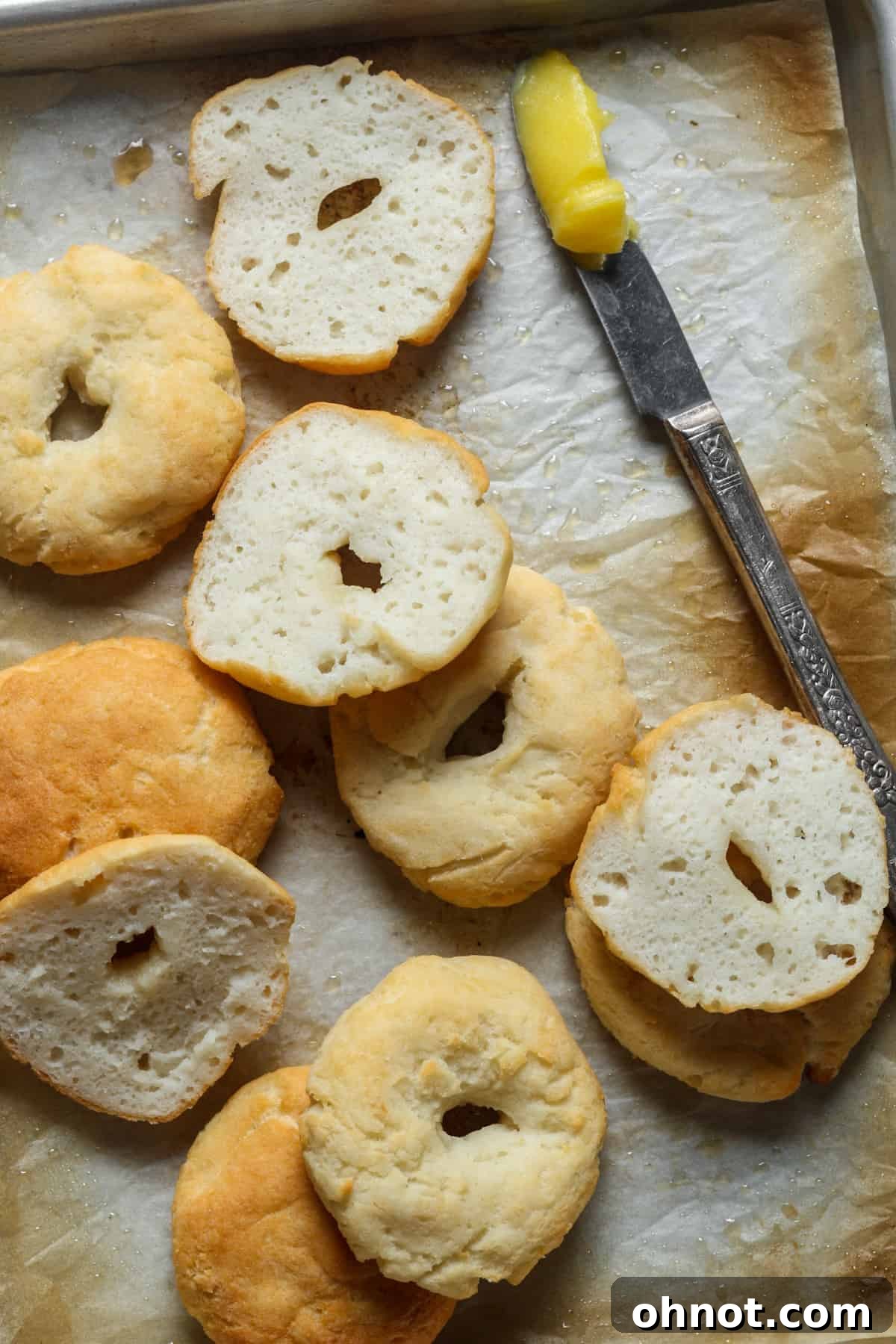
Effortless 2-Ingredient Gluten-Free Bagels: Your New Breakfast Obsession
Discover the simplest way to bake unbelievably delicious gluten-free bagels right in your own kitchen! Forget complex recipes, yeast, and endless rising times. These homemade bagels require just two main ingredients, are packed with protein, and are ready in under 30 minutes. Perfect for a quick breakfast, a healthy snack, or a base for your favorite breakfast sandwich, these bagels are a game-changer for anyone seeking a healthier, gluten-free lifestyle without compromising on taste or texture. Prepare to be amazed by their authentic chewiness and golden crust!
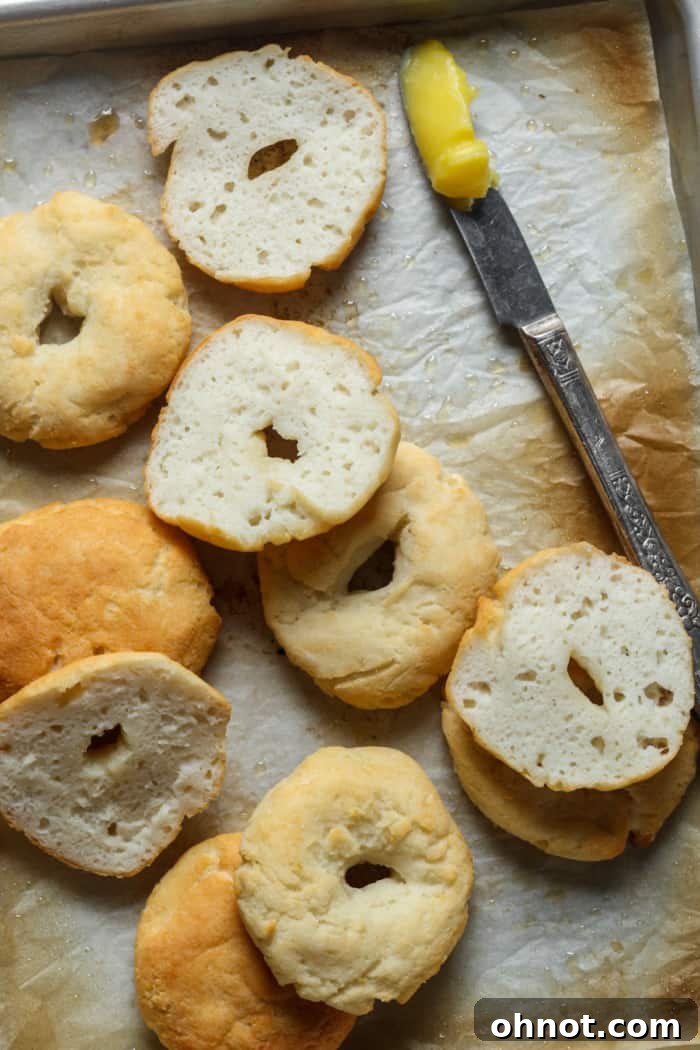
Why You’ll Fall in Love with This Easy Bagel Recipe
If you’ve been searching for a straightforward and healthy bagel recipe, look no further! These gluten-free bagels are designed to simplify your baking routine while delivering exceptional flavor and texture. Here’s why this recipe will quickly become a cherished favorite:
- Unbelievably Quick & Easy: Forget lengthy processes! This recipe comes together in minutes, making it ideal for busy mornings or spontaneous baking sessions. With minimal hands-on time, you’ll have fresh bagels cooling on your rack before you know it.
- Minimal Ingredients, Maximum Flavor: You only need two core ingredients, plus a few pantry staples, to create these fantastic bagels. The simplicity ensures that the natural flavors shine through.
- No Yeast, No Waiting: The biggest hurdle for many home bakers is working with yeast and waiting for dough to rise. This recipe completely bypasses that, meaning no proofing time and no complicated techniques. It’s truly a beginner-friendly approach to bagel making.
- Healthier Alternative: Unlike traditional bagels often loaded with refined sugars and processed flours, these homemade versions are sugar-free and gluten-free. The Greek yogurt base also adds a significant protein boost, keeping you fuller for longer and making them a smart choice for a balanced diet.
- Versatile for Any Meal: These bagels aren’t just for breakfast. They’re perfect for lunch sandwiches, healthy snacks, or even a light dinner side. Their robust structure holds up beautifully to all your favorite fillings and spreads.
- Perfectly Toastable: One of the best qualities of a good bagel is how well it toasts. These gluten-free bagels achieve a delightful crisp exterior when toasted, while remaining soft and chewy on the inside, just like their traditional counterparts.
- Dietary Friendly: This recipe is naturally gluten-free, nut-free, egg-free (if using nonstick spray instead of egg wash), and sugar-free, catering to a variety of dietary needs and preferences.
- Authentic Taste & Texture: Despite their simplicity, these bagels offer that signature chewy texture and classic bagel taste that will satisfy even the most discerning bagel connoisseurs. You might even fool a few New Yorkers!
- Beyond Bagels: While you’re enjoying these, don’t miss out on other delectable breakfast options like this Egg Avocado Toast or these delicious Gluten-Free Donuts!
Essential Ingredients & Smart Substitutions for Your Bagels
Crafting these exceptional gluten-free bagels requires just a few key components. Here’s a detailed look at what you’ll need and how to make the best choices for perfect results. Remember to scroll down to the full recipe card for precise measurements.
The Stars of the Show: Greek Yogurt & Gluten-Free Flour
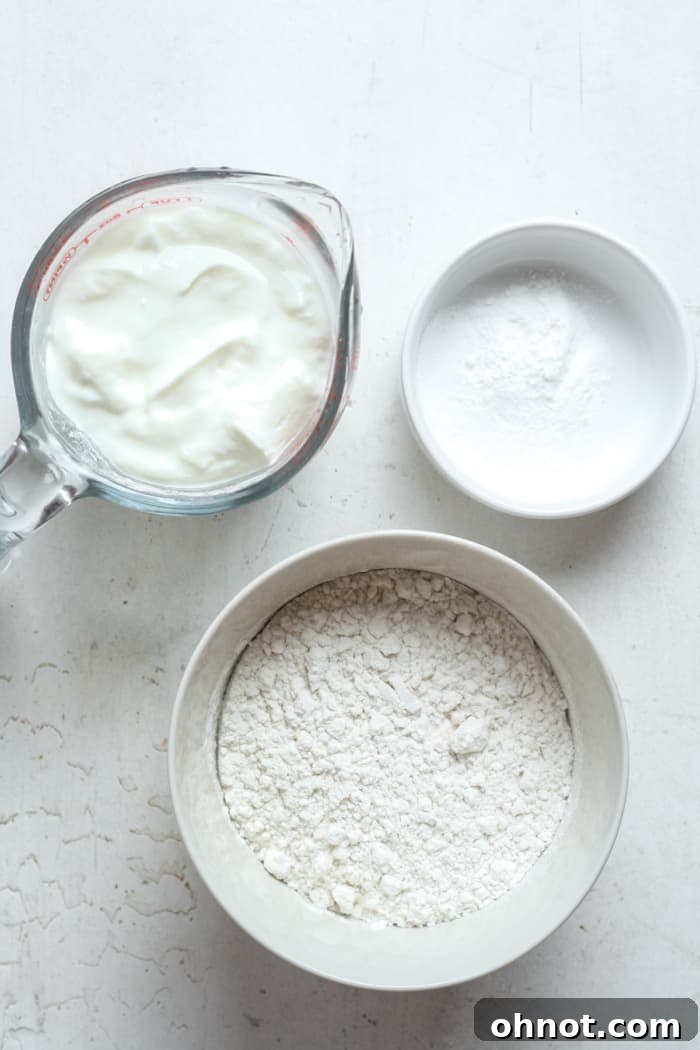
Unsweetened Greek Yogurt: This is the cornerstone of our two-ingredient bagel recipe, providing moisture, structure, and a tangy flavor. Crucially, you must use unsweetened, thick Greek yogurt. Any added flavorings or sugar will drastically alter the taste of your bagels, making them sweet rather than savory. Avoid runny, thin yogurts as they contain too much water, which will throw off the dough consistency. Brands like Fage Total 0% or Chobani Plain Greek Yogurt are excellent choices due to their thick texture and neutral flavor profile. While I haven’t personally experimented with dairy-free yogurt yet, thick coconut cream yogurt or almond-based Greek yogurt alternatives might work, but results may vary.
Gluten-Free 1-to-1 Flour Blend: The second essential ingredient is a high-quality gluten-free 1-to-1 (or “cup-for-cup”) flour blend. These blends are specifically formulated to substitute traditional wheat flour in recipes, usually containing a mix of rice flour, potato starch, tapioca starch, and xanthan gum. The xanthan gum is important as it provides the elasticity that gluten would normally offer. I’ve had great success with popular brands like King Arthur Flour Gluten-Free Measure for Measure Flour and Bob’s Red Mill Gluten-Free 1-to-1 Baking Flour. Using other types of gluten-free flour (e.g., almond flour, coconut flour) will not yield the same results due to their different absorption rates and protein structures, so stick to a 1-to-1 blend for this recipe.
Supporting Ingredients for the Perfect Bagel
Baking Powder: A little baking powder is vital for giving these bagels their slight rise and airy texture, compensating for the absence of yeast. It reacts with the acidity in the Greek yogurt to create carbon dioxide bubbles, which lighten the dough. Ensure your baking powder is fresh for optimal leavening.
Sea Salt: A small pinch of fine sea salt enhances the overall flavor of the bagels, balancing the tang from the yogurt and complementing any toppings you choose to add. It’s an optional but highly recommended addition that elevates the taste.
Nonstick Spray or Egg Wash: Before baking, applying a coating is key to achieving that desirable golden-brown and slightly crispy exterior. Nonstick sprays made with avocado oil or coconut oil are excellent, healthy options. Alternatively, brushing the bagels with an egg wash (one whisked egg with a splash of water) will give them a beautiful sheen and a more pronounced golden crust. This step is crucial, as without it, your bagels may turn out pale and less appealing.
Unveiling the Authentic Taste & Irresistible Texture
Prepare your palate for an experience that truly mimics traditional bagels, despite their simplified ingredients and preparation. These gluten-free bagels are engineered to deliver a remarkably authentic taste and a crave-worthy texture that will have you reaching for more.
When it comes to taste, these bagels boast a subtle tang from the Greek yogurt, which is beautifully balanced by the slight salinity. The key is to use unsweetened yogurt; this ensures a neutral canvas that allows the classic bagel flavor to shine through. Once you add your favorite toppings, the bagels will perfectly complement those flavors, whether it’s savory everything bagel seasoning or sweet cinnamon-sugar. Seriously, New York bagel shops, watch out – these homemade wonders are legitimate!
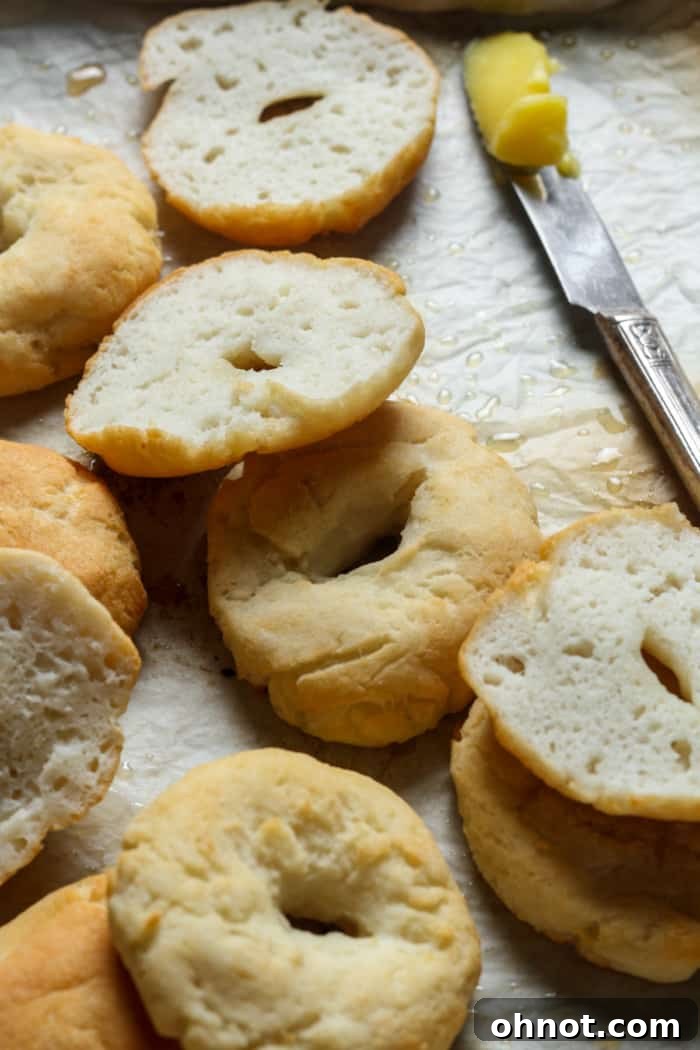
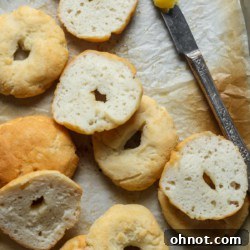
The texture is where these bagels truly excel. They capture that signature chewy interior that bagel lovers adore, while developing a wonderfully golden and slightly crispy crust during baking. They are neither dry nor bland; instead, each bite offers a satisfying resilience that makes them perfect for toasting and slathering with cream cheese. You’ll find them delightfully soft on the inside, providing that perfect contrast to the exterior. It’s a harmonious blend of textures that makes these bagels incredibly satisfying.
Step-by-Step Guide: How to Bake Your Homemade Gluten-Free Bagels
Making these bagels is surprisingly straightforward. Follow these simple steps for perfectly baked, delicious gluten-free bagels every time.
Step 1: Prepare Your Oven and Pan
Begin by preheating your oven to 350 degrees Fahrenheit (approximately 175 degrees Celsius). While the oven heats up, line a baking pan with parchment paper. This prevents sticking and makes for easy cleanup.
Step 2: Combine the Dough Ingredients
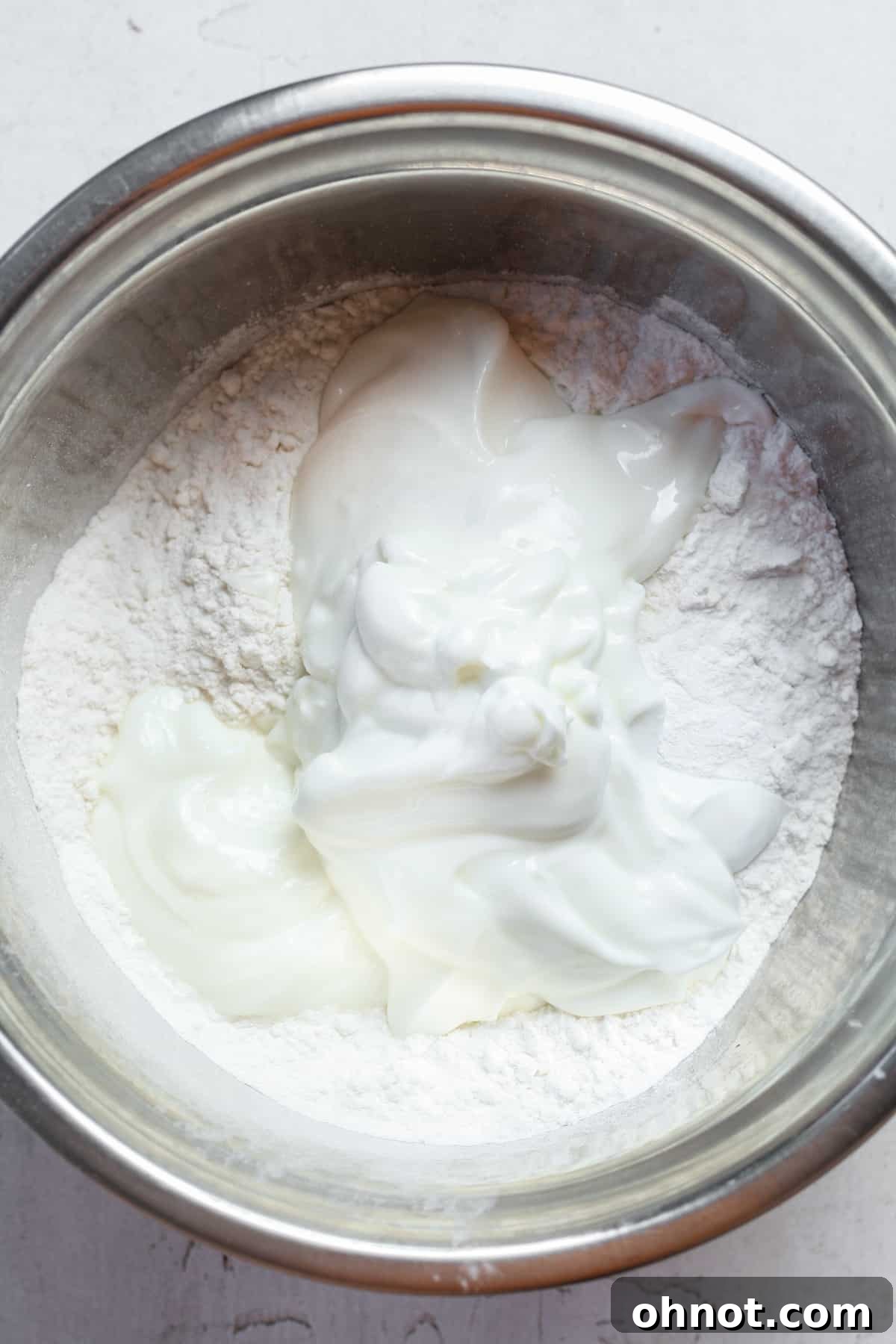
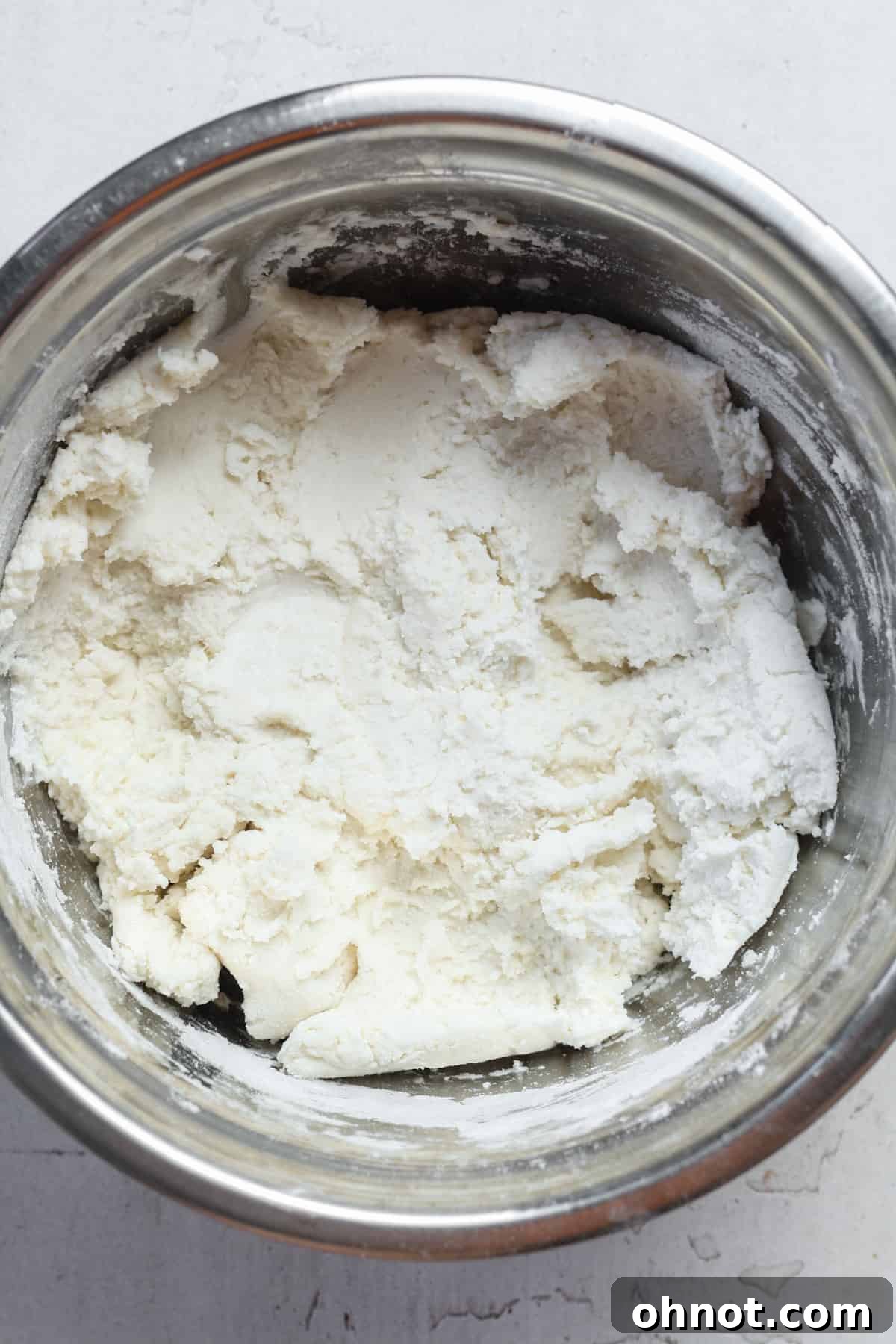
In a medium-sized mixing bowl, add the unsweetened Greek yogurt, gluten-free 1-to-1 flour, baking powder, and a pinch of sea salt. Using a sturdy spoon or spatula, stir all the ingredients together until they fully combine and form a cohesive dough. Continue stirring until the mixture comes together and resembles a soft, slightly sticky pizza dough. It should be firm enough to handle.
Step 3: Shape the Dough Ball and Disc
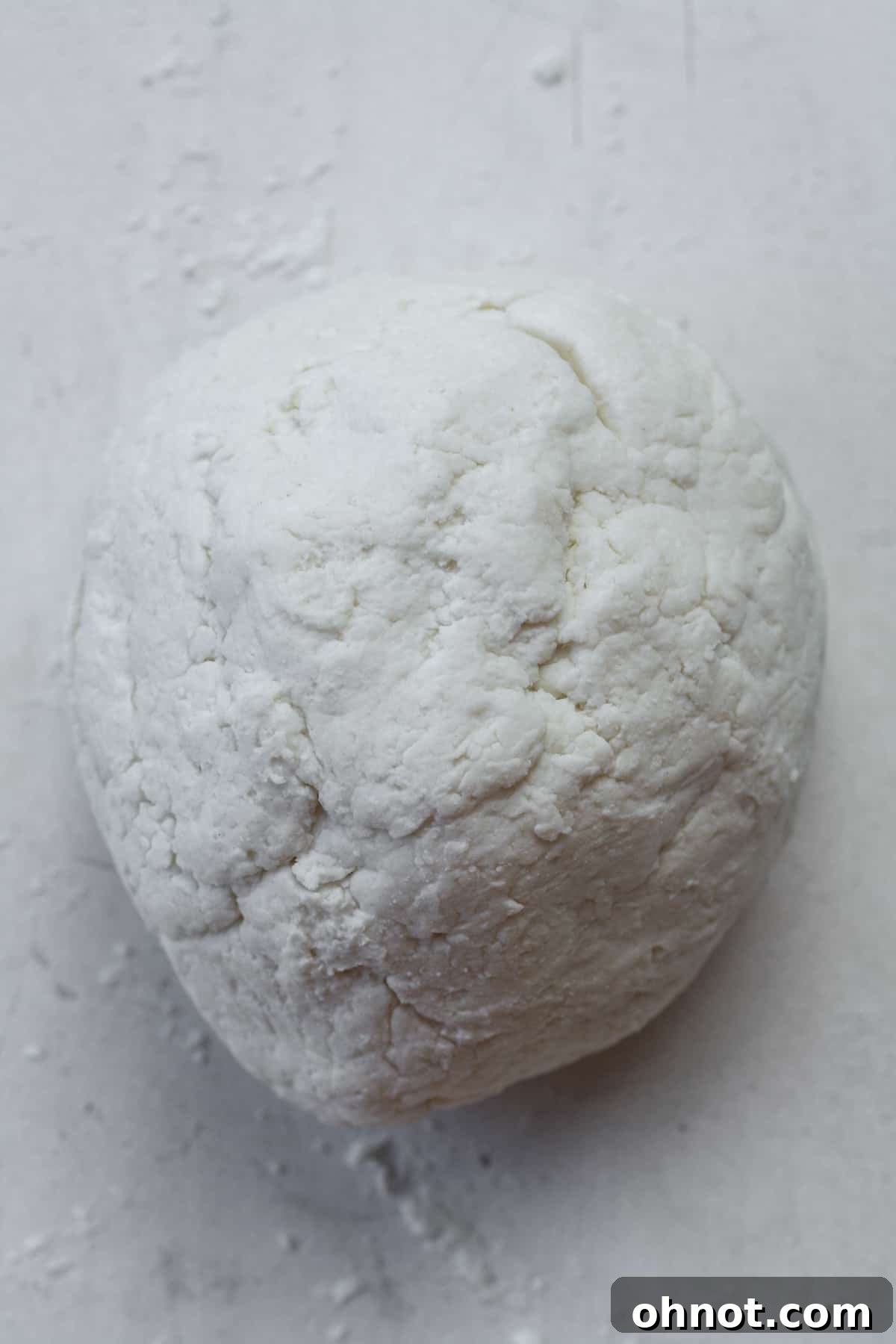
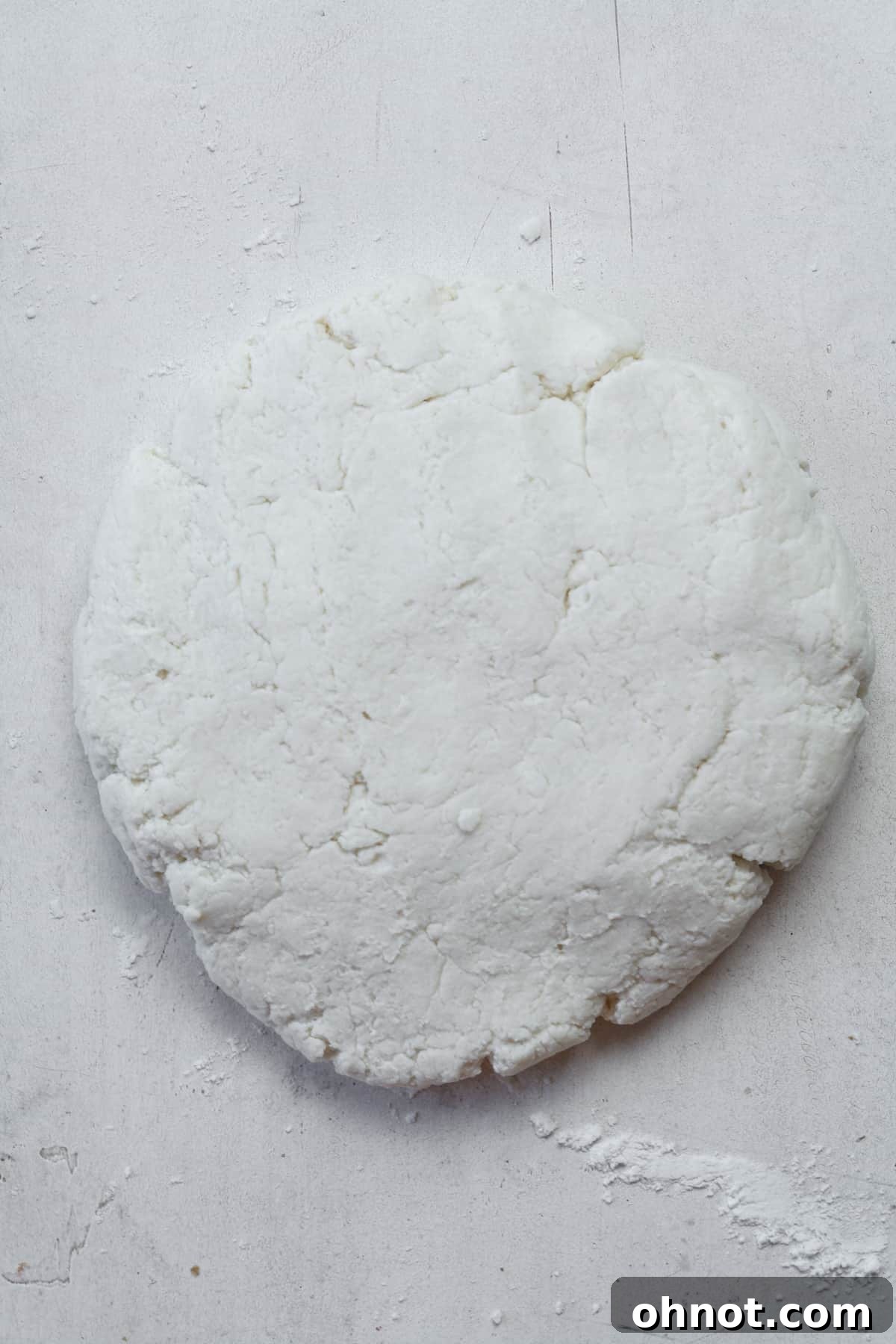
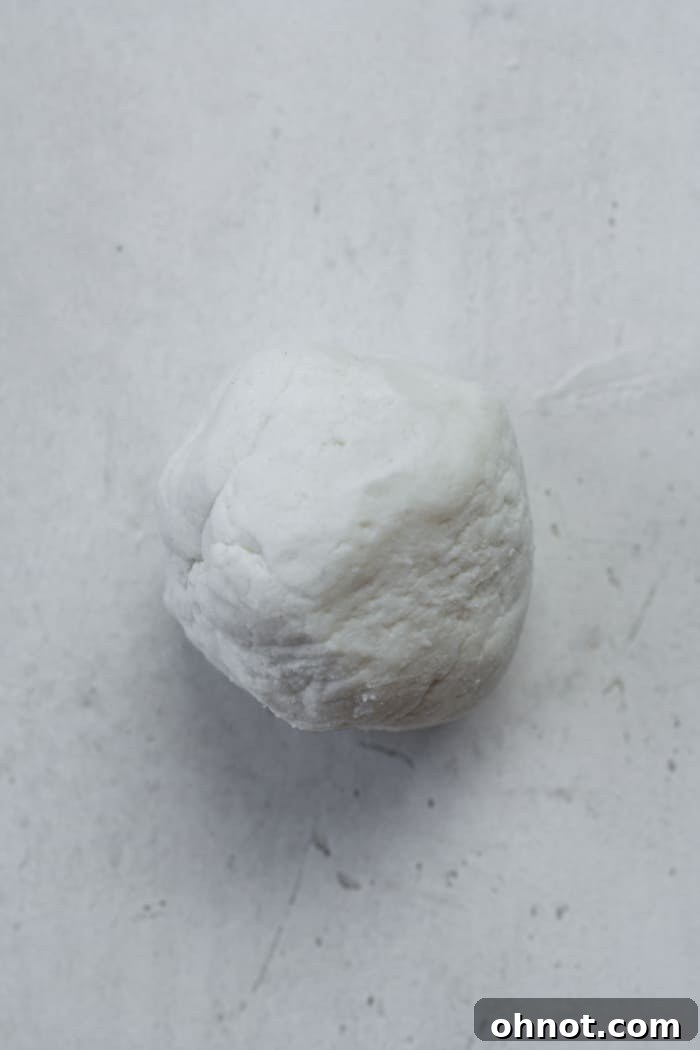
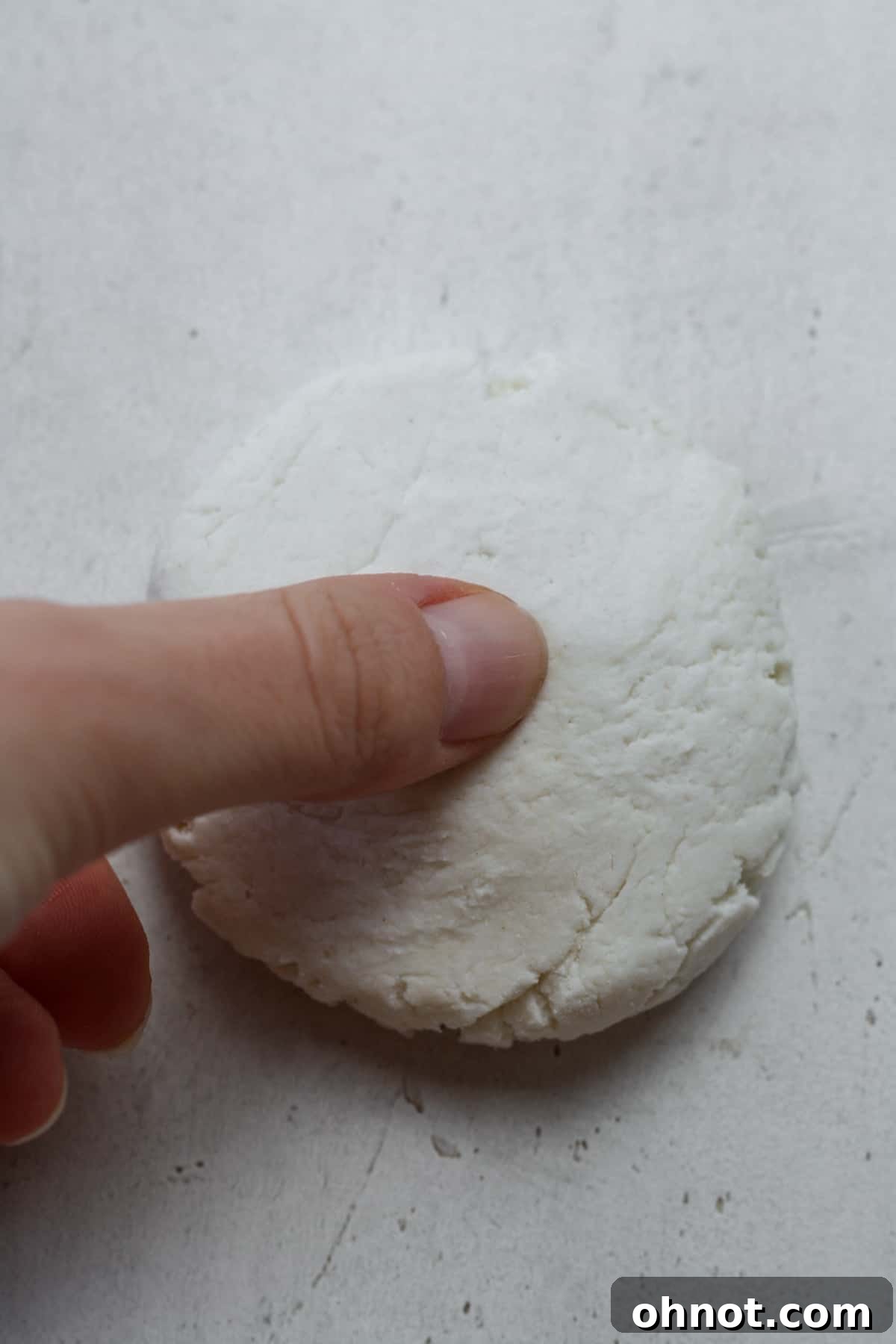
Lightly flour your hands and a clean work surface. Transfer the dough from the bowl to the floured surface. Gently roll the entire dough into a large, smooth ball. Then, using the palm of your hand, press the ball down to form a flat disc, about 1 inch thick.
Step 4: Divide the Dough
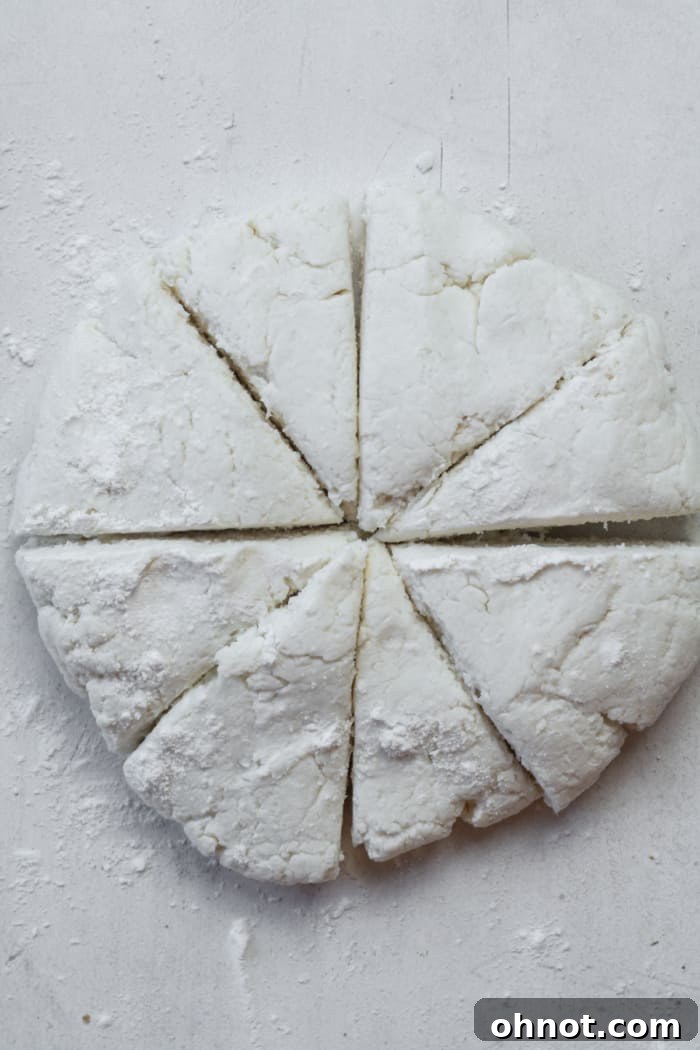
Using a sharp knife that has also been lightly floured, slice the dough disc into 8 equal portions. For smaller, mini bagels, cutting into 8 pieces is ideal. If you prefer larger, more traditional-sized bagels, divide the dough into 4 equal pieces instead. Adjust baking time accordingly for larger bagels.
Step 5: Form Individual Bagel Shapes
Take each sliced portion of dough and roll it into a small ball between your floured palms. Once you have a smooth ball, gently press it down into a disc shape again. This helps create a uniform base for your bagels.
Step 6: Create the Signature Bagel Hole
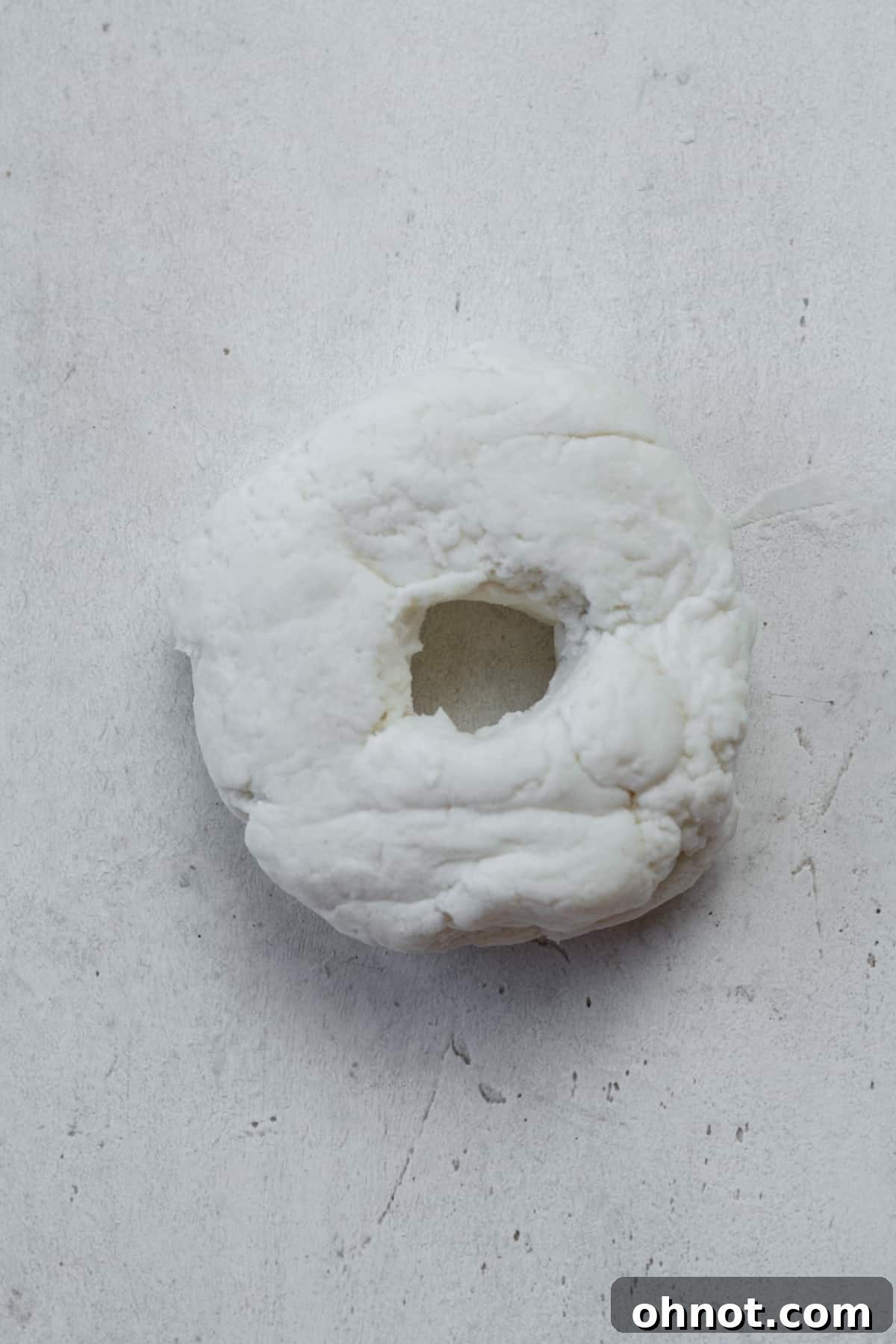
Now, for the iconic bagel shape! Using your index finger, gently poke a hole through the center of each dough disc. Once the hole is made, carefully stretch and pull the dough outwards around the hole until it is approximately 1 inch in size. This ensures the hole remains visible after baking.
Step 7: Arrange on Baking Sheet
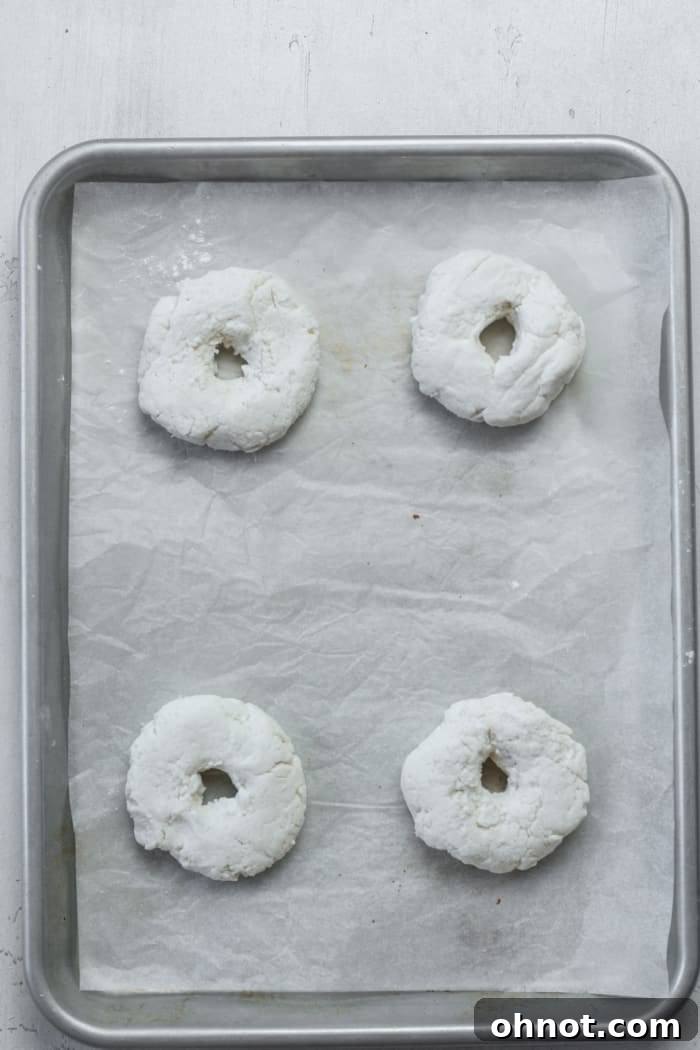
Repeat the shaping process for all the remaining dough portions. Once all your bagels are shaped, carefully place them onto the parchment-lined baking sheet, ensuring there is a little space between each one to allow for slight expansion during baking.
Step 8: Prepare for Golden Perfection
To achieve that coveted golden-brown and slightly crispy crust, generously spray the tops of the bagels with nonstick spray. Alternatively, whisk one egg with a tablespoon of water to create an egg wash, and brush it evenly over each bagel. This step is crucial for both appearance and texture.
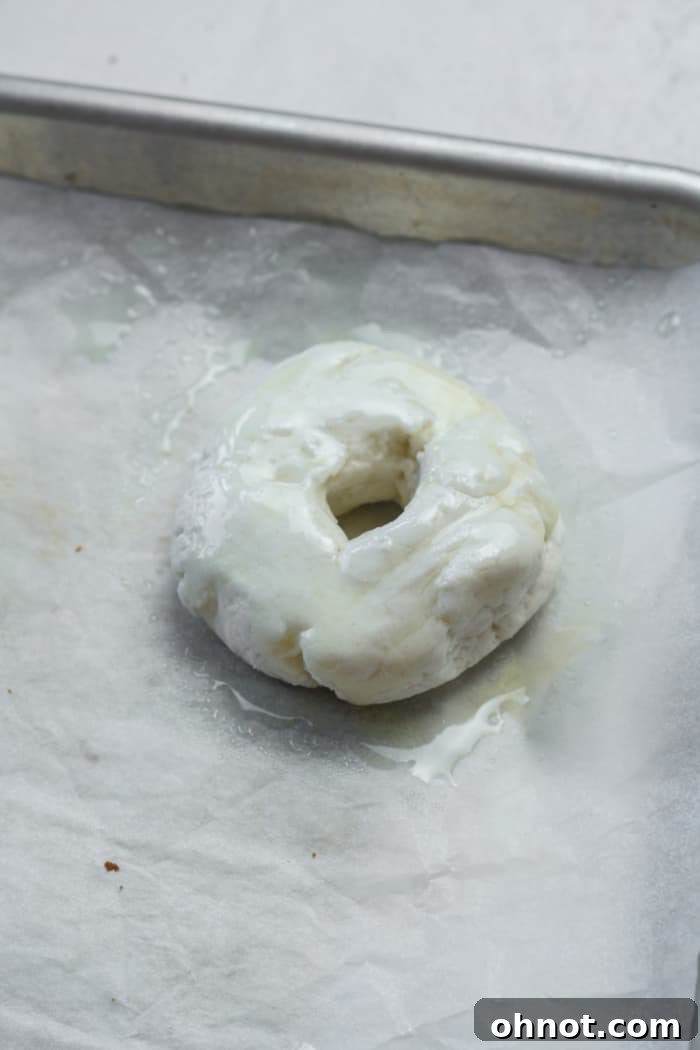
Step 9: Bake to Golden Perfection
Place the baking sheet in your preheated oven and bake for 25 to 27 minutes. Keep an eye on them, removing them once they are beautifully golden brown on top. Avoid overbaking, as this can lead to a dry texture. The baking time might slightly vary depending on your oven and the size of your bagels.
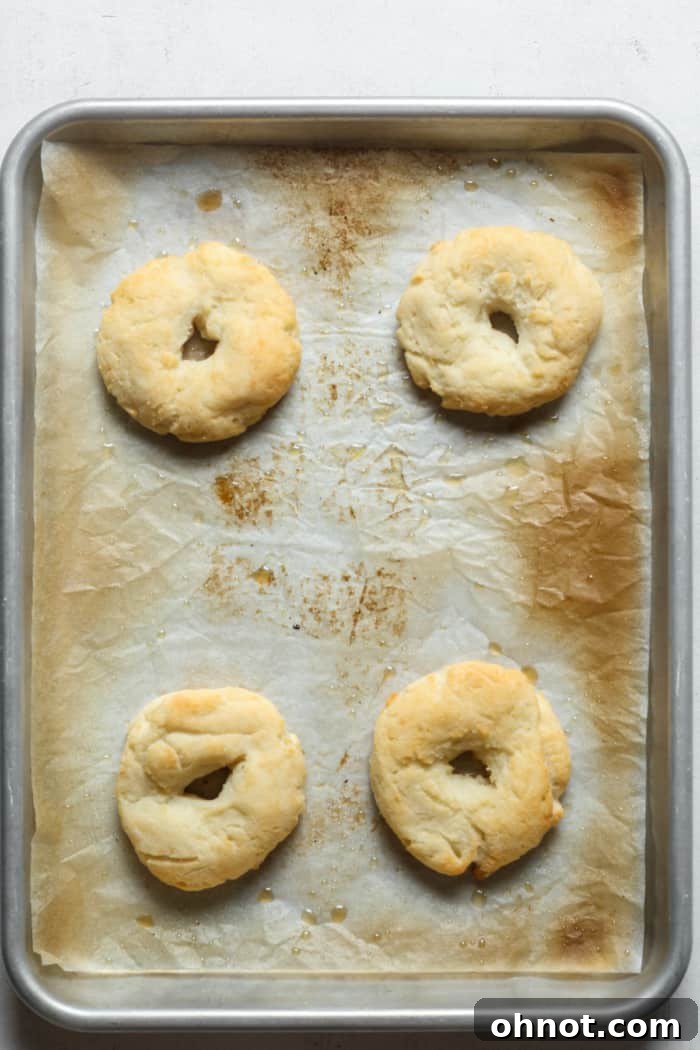
Step 10: Cool and Enjoy!
Once baked, carefully remove the pan from the oven. Allow your freshly made gluten-free bagels to cool on the baking sheet for at least 10 minutes before slicing, serving, or toasting. This cooling period is important for the texture to set properly.
Expert Tips & Tricks for Flawless Gluten-Free Bagels
Achieving bakery-quality gluten-free bagels at home is entirely possible with a few insider tips:
- Yogurt Quality Matters: Always opt for unsweetened Greek yogurt that is notably thick. Brands like Fage or Chobani are ideal. Thin, runny yogurts will result in a wet, unmanageable dough and a less desirable texture.
- Stick to 1-to-1 Gluten-Free Flour: This recipe is specifically developed for gluten-free 1-to-1 (or cup-for-cup) flour blends, which contain binders like xanthan gum. Substituting with other gluten-free flours (e.g., almond, coconut, oat flour) will likely alter the dough consistency and final texture significantly. The only direct substitute would be regular all-purpose flour, but that would no longer be gluten-free.
- Perfect Dough Consistency: Your dough should be slightly sticky but still firm enough to handle and shape. It should resemble a soft pizza dough. If it’s too sticky, add a tiny bit more flour; if too dry, a tiny splash of water or yogurt.
- Prevent Sticking with Flour: Gluten-free dough can sometimes be stickier than wheat-based dough. Lightly flour your hands, your working surface, and even the knife you use for slicing to prevent the dough from adhering.
- Consistent Sizing: Try to cut your dough into equally sized portions. This ensures even baking and consistent results across all your bagels.
- Shape with Care: While forming the bagel shape, remember they don’t have to be absolutely perfect. The charm of homemade lies in their slight imperfections! Gently stretching the hole to about 1 inch helps it stay open during baking.
- Achieve that Golden Crust: Don’t skip the nonstick spray or egg wash! A generous coating is essential for a beautiful golden-brown, slightly crispy exterior. Without it, your bagels will be pale and lack that appealing finish.
- Don’t Rush the Cooling: Allowing the bagels to cool for at least 10 minutes is crucial. This helps them firm up and allows the internal structure to set, resulting in the best possible chewy texture.
- Customization is Key: Feel free to add your favorite seasonings or mix-ins directly before baking. Everything bagel seasoning, poppy seeds, or sesame seeds are popular choices.
Where to Find the Best Store-Bought Gluten-Free Bagels
While making your own bagels is incredibly rewarding, sometimes convenience calls. Thankfully, the market for gluten-free products has expanded dramatically, and many grocery stores now offer excellent gluten-free bagel options. Here are some top brands and places to look:
- Whole Foods Market (365 Brand): Whole Foods’ own 365 brand often carries a delicious gluten-free bagel that many find to be a high-quality alternative. They’re usually found in the bakery or specialty bread aisle.
- Canyon Bakehouse: A very popular and widely available brand, Canyon Bakehouse offers several varieties of gluten-free bagels, known for their soft texture and good flavor. You can typically find them in the bread aisle.
- Udi’s Gluten-Free: Udi’s is a pioneer in gluten-free baking and their bagels are a freezer-aisle staple in many supermarkets. They offer classic plain and sometimes other flavors like cinnamon raisin.
- Trader Joe’s: This beloved specialty grocery store frequently stocks its own brand of gluten-free bagels, which are often praised for their taste and value. Check their bread section.
- Unbun Foods: For those looking for an even more specialized option, Unbun makes “Unbagels” which are not only gluten-free but also grain-free and keto-friendly, providing a lower-carb alternative. These are often found in the freezer section of natural food stores.
- Local Bakeries: Many local gluten-free bakeries are now producing fresh bagels. A quick online search for “gluten-free bakeries near me” might yield some excellent local finds.
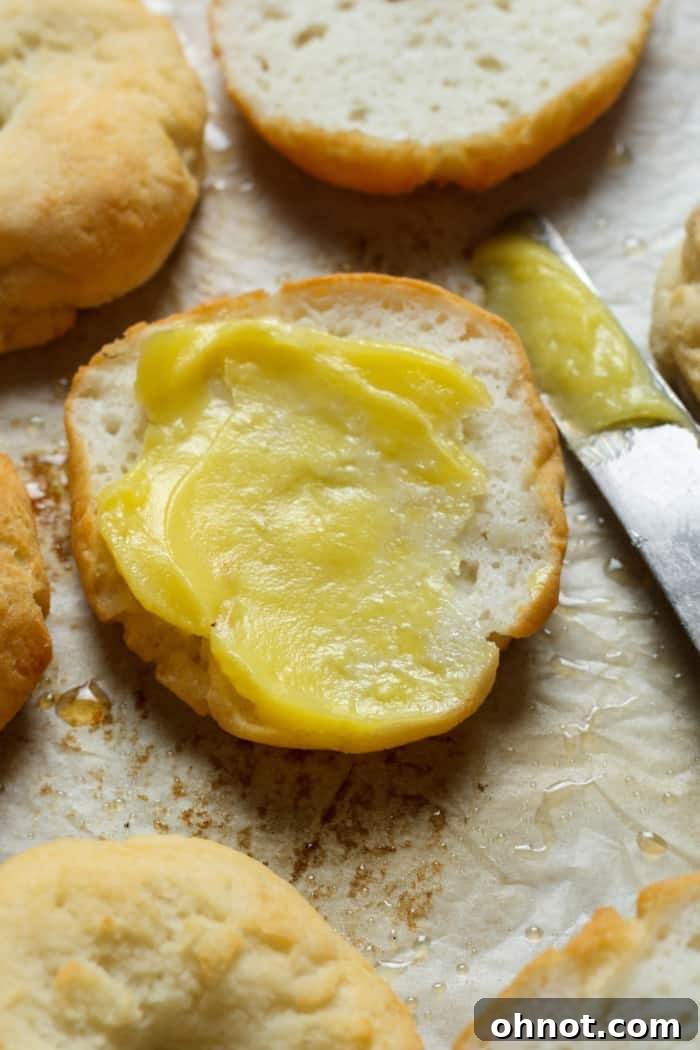
Delicious Toppings & Creative Flavor Variations
One of the best parts about bagels is their versatility! These gluten-free bagels serve as the perfect canvas for an endless array of toppings and flavor combinations. Get creative and customize them to your heart’s desire:
Savory Enhancements:
- Everything Bagel Seasoning: The ultimate classic! Sprinkle a generous amount of everything bagel seasoning on top of the bagels before baking for that iconic savory crunch and flavor.
- Sesame Seeds or Poppy Seeds: For a simpler, yet equally delicious, touch, sprinkle either sesame seeds or poppy seeds (or both!) over the egg wash or nonstick spray before they go into the oven.
- Garlic or Onion Powder: Mix a small amount of garlic powder or onion powder into the dough itself, or sprinkle on top before baking, for an extra aromatic kick.
- Cheese: For a cheesy delight, top with shredded cheddar or mozzarella during the last few minutes of baking, or mix some into the dough.
- Herb Infusion: Add dried herbs like oregano, basil, or chives to the dough for a Mediterranean-inspired bagel.
Sweet Sensations:
- Cinnamon Raisin: Fold in a tablespoon of ground cinnamon and a quarter cup of raisins into the dough mixture for a sweet and comforting bagel.
- Mini Chocolate Chips: Transform your bagels into a sweet treat by incorporating a handful of mini chocolate chips into the dough before shaping.
- Sweet Glaze: After baking and cooling, drizzle with a simple glaze made from powdered sugar and a touch of milk or lemon juice.
Classic Spreads & Fillings:
- Cream Cheese: The timeless partner! From plain to flavored cream cheese (strawberry, chive, veggie), the possibilities are endless.
- Nut Butters: Spread with peanut butter, almond butter, cashew butter, or even a decadent hazelnut spread like Nutella for a satisfying and protein-rich topping.
- Jelly, Jam, or Preserves: A fruity spread is always a fantastic choice, adding a burst of sweetness to your bagel.
- Butter or Margarine: Sometimes, simplicity is best. A warm, toasted bagel with melting butter is pure comfort.
How to Serve & Properly Store Your Homemade Bagels
These gluten-free bagels are best enjoyed fresh out of the oven, but they also store well for future enjoyment. Here’s how to make the most of them:
Serving Suggestions:
Serve these bagels hot and fresh for the ultimate experience! Their warm, chewy interior and slightly crisp exterior are perfect with any of the toppings mentioned above.
- Classic Breakfast: Pair them with your morning coffee, a refreshing glass of orange juice, a warm cup of tea, or a comforting hot chocolate for a complete breakfast.
- Hearty Snack: For a satisfying and energizing snack, slice a bagel, toast it, and spread with peanut butter, then top with slices of fresh banana or apple.
- Lunchtime Sandwich: These bagels make excellent bases for sandwiches! Fill them with scrambled eggs, cheese, and bacon for a breakfast sandwich, or turkey, avocado, and lettuce for a wholesome lunch.
- Soup & Salad Companion: Toast a half bagel and serve it alongside your favorite soup or salad for a light and filling meal.
Storage Best Practices:
Proper storage is key to maintaining the freshness and texture of your homemade bagels:
- Room Temperature: Store cooled bagels in an airtight container or a sealed plastic bag at room temperature for up to 48 hours. Beyond this, they can start to lose their optimal texture.
- Refrigeration: While not strictly necessary for short-term storage, if you live in a humid climate or wish to extend their freshness by an extra day, you can refrigerate them in an airtight container for up to 3-4 days. Note that refrigeration can sometimes make gluten-free baked goods a bit firmer, so toasting is recommended.
- Freezing for Longer Storage: For longer preservation, bagels freeze beautifully! Once completely cooled, slice them in half (if desired for easier toasting later), wrap each bagel tightly in plastic wrap, and then place them in a freezer-safe bag or container. They will keep well in the freezer for up to 1 month.
- Reheating Frozen Bagels: When ready to enjoy a frozen bagel, simply remove it from the freezer. You can toast it directly from frozen in a toaster or toaster oven. If you prefer a softer interior, you can microwave it for 30-60 seconds before toasting.
Frequently Asked Questions About Gluten-Free Bagels
Are bagels typically gluten-free?
No, traditional bagels are generally not gluten-free. They are primarily made from wheat flour, which contains gluten. Therefore, individuals with celiac disease or gluten sensitivity need to seek out specially formulated gluten-free bagels or recipes like this one.
Where can I buy gluten-free bagels?
Gluten-free bagels are becoming increasingly available. You can find them in most major grocery stores, often in the dedicated gluten-free section, the bakery aisle, or the freezer section. Retailers like Walmart, Target, Whole Foods, and Trader Joe’s usually stock several brands. Specialty health food stores are also a great resource.
Which type of yogurt should I use for this recipe?
For the best results, always use unsweetened, full-fat or low-fat Greek yogurt. The thickness of Greek yogurt is crucial for achieving the right dough consistency and the tangy flavor profile. Avoid regular runny yogurt or any flavored/sweetened varieties, as they will alter the texture and taste significantly.
Which brand of gluten-free flour works best?
I have had consistent success with gluten-free 1-to-1 baking blends from reputable brands such as King Arthur Flour Gluten-Free Measure for Measure Flour and Bob’s Red Mill Gluten-Free 1-to-1 Baking Flour. These blends are specifically designed to be swapped equally for wheat flour in most recipes and contain the necessary binders like xanthan gum for gluten-free baking.
Can I make these bagels dairy-free?
While I have not personally tested dairy-free yogurt in this recipe, some readers have reported success using thick, unsweetened dairy-free Greek yogurt alternatives (e.g., coconut cream yogurt, almond-based Greek yogurt). Ensure the dairy-free yogurt is very thick and unsweetened. Results may vary slightly in texture and flavor.
Why didn’t my bagels rise much?
These bagels rely on baking powder, not yeast, so they won’t have the dramatic rise of traditional bagels. However, if they are particularly flat, ensure your baking powder is fresh and active. Also, using a thick Greek yogurt and a good quality 1-to-1 gluten-free flour blend will contribute to a better, slightly risen texture.
Can I boil these bagels before baking like traditional bagels?
No, this recipe is specifically designed to be a no-boil method. The Greek yogurt and baking powder create the desired texture without the need for boiling. Attempting to boil them may negatively affect their structure and consistency.
Explore More Delicious Gluten-Free Recipes
If you loved these easy gluten-free bagels, be sure to check out these other fantastic recipes:
- Gluten Free Chocolate Chip Muffins
- Trader Joe’s Gluten Free Products
- Eggless Banana Bread
- Almond Flour Banana Bread
- Cream Cheese Banana Bread
We hope you cherish this homemade gluten-free bagel recipe as much as we do! Your feedback means the world to us, so please consider leaving a review. For more healthy meal plans, exclusive new recipes, and updates, you can sign up for our newsletter here. Connect with us on Instagram, Facebook, and Pinterest to follow along with our latest creations! Don’t forget to explore more Breakfast Recipes for endless inspiration.
Get the Recipe: Gluten Free Bagels
These gluten-free bagels are made from only 2 main ingredients! They are high in protein and low in calories, quick and easy to make. No yeast, no boiling, and no dough rising. They are fantastic toasted and topped with your favorite spreads!
Pin Recipe
Ingredients
- 1 cup unsweetened Greek yogurt
- 1 cup gluten free 1 to 1 flour
- 1 ½ tsp baking powder
- pinch sea salt
- nonstick spray or 1 whisked egg for egg wash
Instructions
- First, preheat oven to 350 degrees Fahrenheit (175°C). Line a baking pan with parchment paper.
- In a mixing bowl, combine Greek yogurt, gluten-free flour, baking powder, and sea salt. Stir until a cohesive dough forms, resembling pizza dough.
- Lightly flour your hands and a clean work surface. Roll the dough into a ball, then press it into a disc shape.
- Use a sharp, lightly floured knife to slice the dough disc into 8 equal portions for mini bagels (or 4 for regular-sized bagels).
- Roll each slice into a small ball, then press it into a disc.
- Poke a hole in the middle of each disc with your finger. Gently stretch and pull the dough until the hole is almost 1 inch in size.
- Repeat the shaping process for all dough portions. Place the shaped bagels on the lined baking sheet.
- Spray generously with nonstick spray or brush with whisked egg wash on top of the bagels.
- Bake for 25 to 27 minutes, or until golden brown on top. Ensure they do not burn.
- Finally, remove from the oven. Allow the bagels to cool for 10 minutes before slicing, serving, or toasting.
Notes
- Use unsweetened, thick Greek yogurt. Sweetened yogurt will add too much sugar and alter the flavor.
- Use a gluten-free 1-to-1 flour blend. Brands like King Arthur Flour or Bob’s Red Mill work well.
- The dough will be slightly sticky, similar to pizza dough. Lightly flour your hands, knife, and work surface to prevent sticking.
- Don’t worry if your bagels aren’t perfectly uniform; homemade charm is part of the appeal!
- For larger bagels, divide the dough into 4 pieces and adjust baking time as needed.
- Generously spray with nonstick spray or use an egg wash to achieve a beautiful golden crust.
- Feel free to add toppings like Everything Bagel seasoning before baking.
- Store cooled bagels in an airtight container at room temperature for up to 2 days, or freeze for up to 1 month.
Nutrition Information (per mini bagel)
Calories: 89kcal,
Carbohydrates: 17g,
Protein: 4g,
Fat: 0.4g,
Saturated Fat: 0.1g,
Polyunsaturated Fat: 0.1g,
Monounsaturated Fat: 0.1g,
Trans Fat: 0.001g,
Cholesterol: 1mg,
Sodium: 89mg,
Potassium: 51mg,
Fiber: 0.5g,
Sugar: 1g,
Vitamin A: 1IU,
Calcium: 74mg,
Iron: 0.2mg