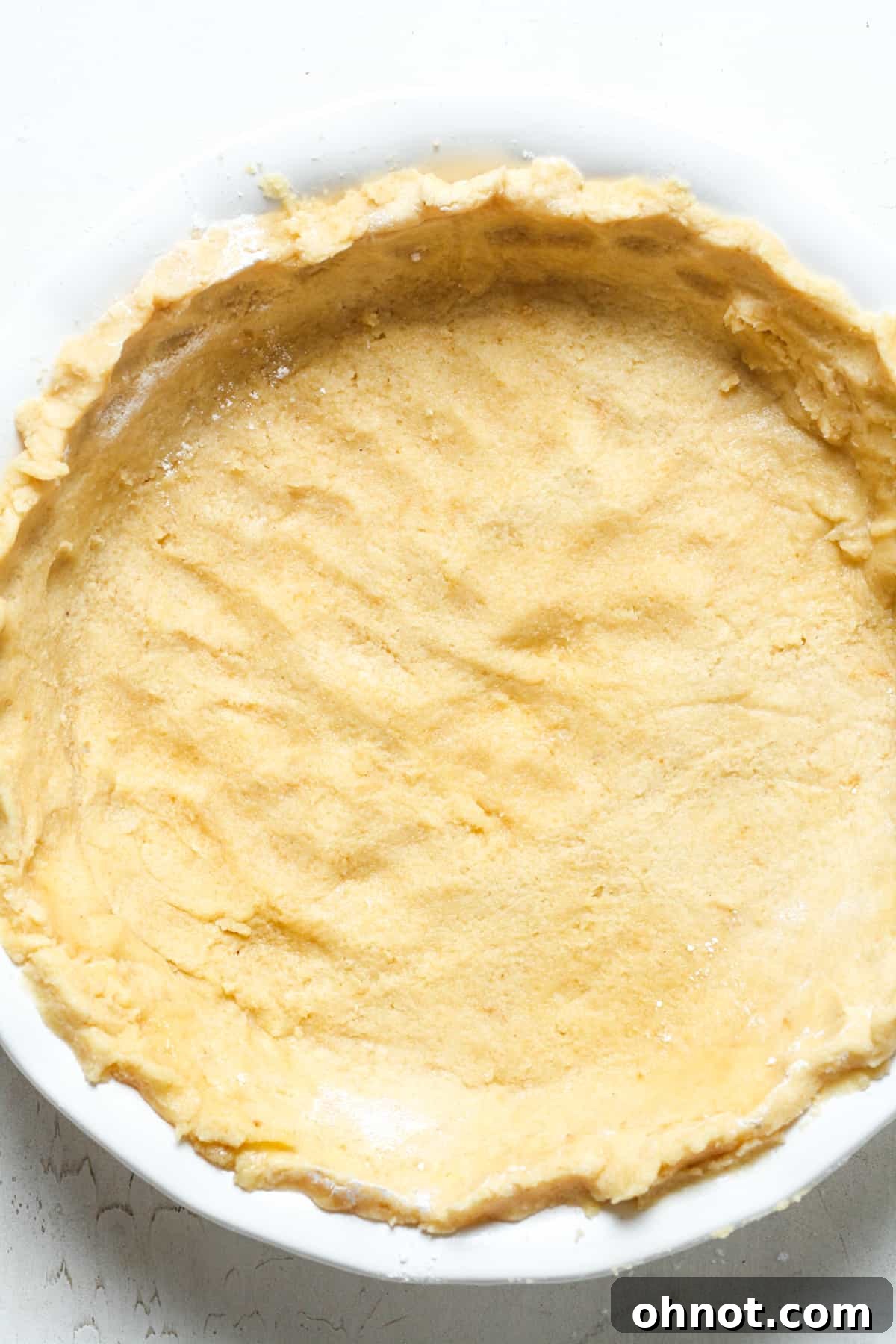
The Ultimate Flaky Paleo Pie Crust: Your Go-To Gluten-Free & Grain-Free Recipe
Prepare to revolutionize your baking with this exceptional Paleo pie crust recipe, meticulously crafted to meet your holiday and everyday baking demands. This remarkable crust offers the authentic flavor and delicate texture of a traditional pie pastry, yet it’s entirely made from wholesome, natural ingredients. Its preparation is surprisingly quick and simple, utilizing a food processor to minimize effort and maximize efficiency. Whether you’re preparing for a grand Thanksgiving feast, a festive Christmas gathering, a special birthday celebration, or simply craving a comforting homemade pie, this versatile and healthy option promises to deliver a delightful experience. It’s the perfect foundation for any pie, ensuring every bite is both delicious and dietary-friendly.
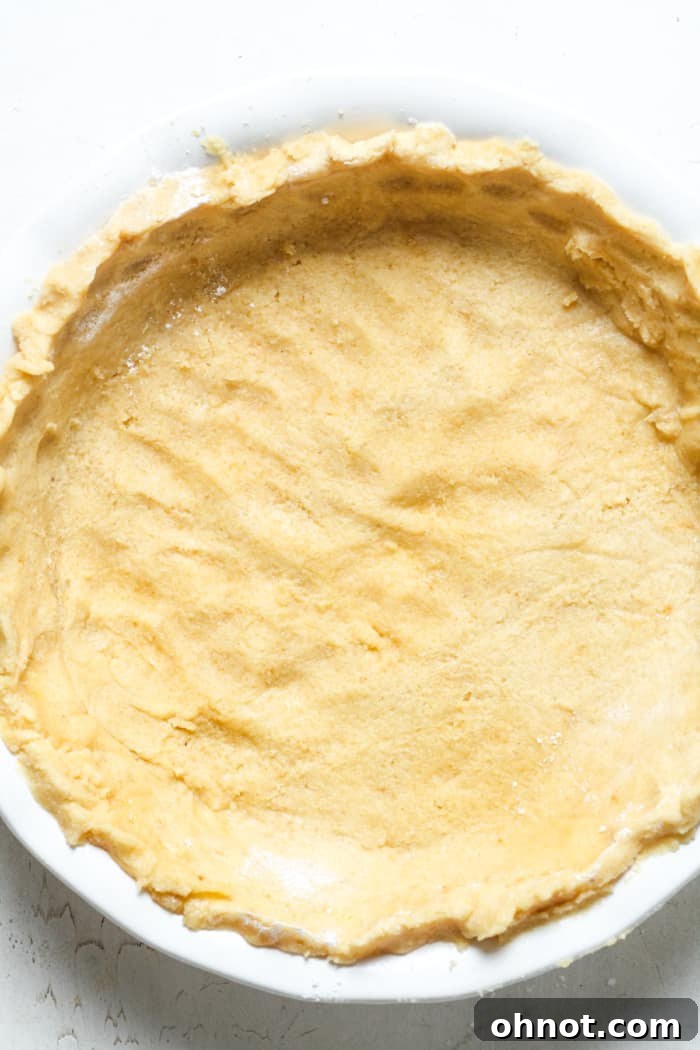
Why This Paleo Pie Crust Recipe Will Become Your New Favorite
This isn’t just another recipe; it’s a testament to how healthy eating can be incredibly delicious and convenient. Here are compelling reasons why this Paleo pie crust is a must-try for every baker:
- Effortless Food Processor Preparation: Say goodbye to arduous kneading and messy countertops. This entire Paleo pie crust dough comes together swiftly and seamlessly in a food processor. This method ensures uniform mixing and a consistent texture with minimal hands-on time, making it perfect for busy schedules.
- Simple, Wholesome Ingredients: With a concise list of only 6 core ingredients, this recipe keeps things refreshingly simple. You won’t encounter any obscure or hard-to-find items, making it accessible for everyone. These wholesome components ensure a clean, natural taste and align perfectly with a Paleo lifestyle.
- Remarkable Versatility for Any Pie: This crust is a true chameleon, adapting beautifully to both sweet and savory fillings. Its balanced flavor profile means it can enhance a rich apple pie as easily as it can support a robust quiche. Simply adjust or omit the sweeteners based on your chosen filling.
- Perfect Foundation for Beloved Recipes: This crust has been taste-tested and proven to be an exceptional base for our fan-favorite Sweet Potato Pie and our festive Healthy Pumpkin Pie. Its texture and flavor perfectly complement these holiday staples.
- Robust Structure for Hearty Fillings: Unlike some gluten-free crusts that can crumble under pressure, this Paleo pie crust is crafted to be sturdy and reliable. It bravely holds up to heavy, gooey, or moist fillings without becoming soggy, ensuring your pie maintains its integrity from first slice to last.
- Naturally Flaky and Buttery: Despite being grain-free and refined sugar-free, this recipe achieves that coveted, melt-in-your-mouth flaky and buttery texture. It truly mimics the experience of a classic pie crust, satisfying cravings without dietary compromise.
- Inclusive Dietary Benefits: This recipe is a triumph for those with specific dietary needs, being strictly Paleo, grain-free, gluten-free, and refined sugar-free. It allows more people to enjoy the comforting delight of homemade pie, free from common allergens and processed sugars.
- Explore More Healthy Options: For those who love options, we also encourage you to explore our Gluten-Free Pie Crust Recipe, another fantastic choice for holiday baking and beyond.
Embrace the joy of baking again with a pie crust that is not only healthier but also incredibly easy and delicious. This Paleo pie crust is more than just an ingredient; it’s an invitation to create culinary magic.
Essential Ingredients & Savvy Substitutions for Your Paleo Pie Crust
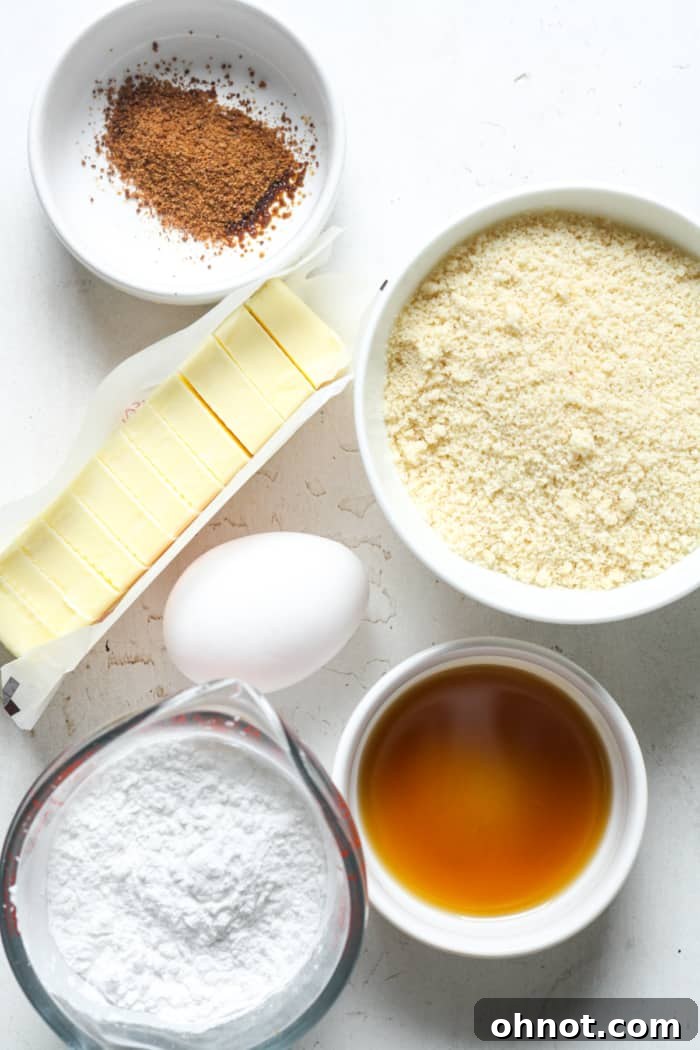
The success of this Paleo pie crust hinges on selecting the right ingredients and understanding their roles. Here’s a detailed look at what you’ll need and how to handle potential substitutions. For precise measurements, please refer to the comprehensive recipe card below.
Blanched Almond Flour: The Cornerstone of a Delicate Crust
The star of our dry ingredients is blanched almond flour. This fine flour is produced from almonds that have been briefly blanched to remove their skins, resulting in a much smoother and lighter texture compared to almond meal (which retains the skins). Its delicate consistency is absolutely vital for achieving a light, tender, and non-gritty pie crust. Using regular almond meal or homemade almond flour will yield a coarser, denser crust that lacks the desired flakiness. Always invest in high-quality, super-fine blanched almond flour for the best structural and textural results.
Tapioca Flour: Enhancing Elasticity and Structure
Tapioca flour, also known as tapioca starch, serves a crucial role in balancing the properties of almond flour. While almond flour provides richness, it can sometimes be crumbly on its own. Tapioca flour, derived from the cassava root, introduces much-needed elasticity and binding power to the dough. This ensures the crust holds together during rolling and baking, contributing significantly to its overall structure and flaky texture. Excellent direct substitutes for tapioca flour include arrowroot powder or, if you’re not strictly Paleo, cornstarch, both of which offer similar thickening and binding capabilities.
A Single Egg: The Unifying Binder
One large egg is an indispensable component in this recipe, acting as the primary binder that brings all the ingredients into a cohesive, workable dough. The egg’s proteins help emulsify the fats and liquids, ensuring that the dough holds its shape and structure throughout the baking process. For this specific recipe, using an egg replacement such as a flax egg or chia egg is not recommended. These alternatives do not provide the exact binding and structural properties required for a flaky, rollable pie crust and could lead to a crumbly or dense outcome.
Maple Syrup: A Whisper of Natural Sweetness
A tablespoon of maple syrup infuses the crust with a subtle, natural sweetness that enhances its overall flavor profile without making it overly sugary. Beyond its taste, the liquid consistency of maple syrup also contributes to the dough’s hydration. If maple syrup isn’t available, an equal amount of honey can be used as a suitable substitute. However, if your pie will be savory, such as a quiche or a savory tart, it is crucial to omit both the maple syrup and coconut sugar completely to ensure the crust’s flavor remains appropriate for the filling.
Cold Butter: The Secret to Supreme Flakiness
The golden rule for truly flaky pie crusts, whether Paleo or traditional, is the use of ice-cold butter. It must be cut into small cubes directly from the refrigerator. As these tiny, cold pieces of butter melt in the hot oven, they release steam, which pushes apart the layers of dough, creating those coveted pockets of air that result in an incredibly flaky and tender texture. It is vital that the butter remains cold throughout the mixing process. We do not recommend substituting with ghee or coconut oil in this recipe, as their different fat compositions and melting points will significantly alter the crust’s texture, preventing the desired flakiness.
Coconut Sugar: Earthy Sweetness for Balanced Flavor (Optional)
A teaspoon of coconut sugar adds an additional layer of gentle, unrefined sweetness with a subtle caramel note, beautifully complementing the maple syrup in sweet pie applications. As a Paleo-friendly sweetener, it contributes to the crust’s depth of flavor. Similar to maple syrup, coconut sugar must be omitted entirely if you are preparing a savory pie. This ensures the crust provides a perfectly neutral or savory base for fillings like vegetables, cheeses, or meats.
Unveiling the Perfect Taste & Texture of Our Paleo Pie Crust
Often, the biggest challenge with healthy or alternative baking is ensuring the final product genuinely satisfies both the palate and the desire for proper texture. This Paleo pie crust rises to the occasion, promising an exceptional sensory experience that rivals its traditional counterparts.
Taste Profile: Prepare for a truly delightful experience as this Paleo pie crust delivers a wonderfully buttery flavor that is strikingly similar to a classic, traditional pastry. It’s crafted to be not overly sweet, meaning it provides a perfect, harmonious complement to a vast array of fillings, allowing their individual flavors to shine. For savory creations, the option to easily omit the maple syrup and coconut sugar transforms it into an ideal, neutral base, ensuring your chicken pot pies or quiches are perfectly balanced.
Texture Excellence: Achieving a genuinely flaky texture in a grain-free crust is a culinary feat, and this recipe masters it. The crust boasts delicate, distinct layers that contribute to a satisfyingly flaky mouthfeel. It is engineered to have the ideal thickness – substantial enough to offer a satisfying bite without being overly dense or heavy. Crucially, its robust structure means it holds up magnificently to even the most indulgent and voluminous fillings, such as the gooey richness of an apple pie or the creamy density of a pumpkin custard. You can confidently bake knowing your pie will have a beautiful, intact crust.
Step-by-Step Guide: How to Master Your Paleo Pie Crust
Crafting this delicious and healthy Paleo pie crust is a straightforward process, especially with the convenience of a food processor. Follow these detailed steps carefully, referencing the accompanying images, to achieve a perfect, flaky crust every single time.
Step 1: The Initial Blend for a Crumbly Foundation
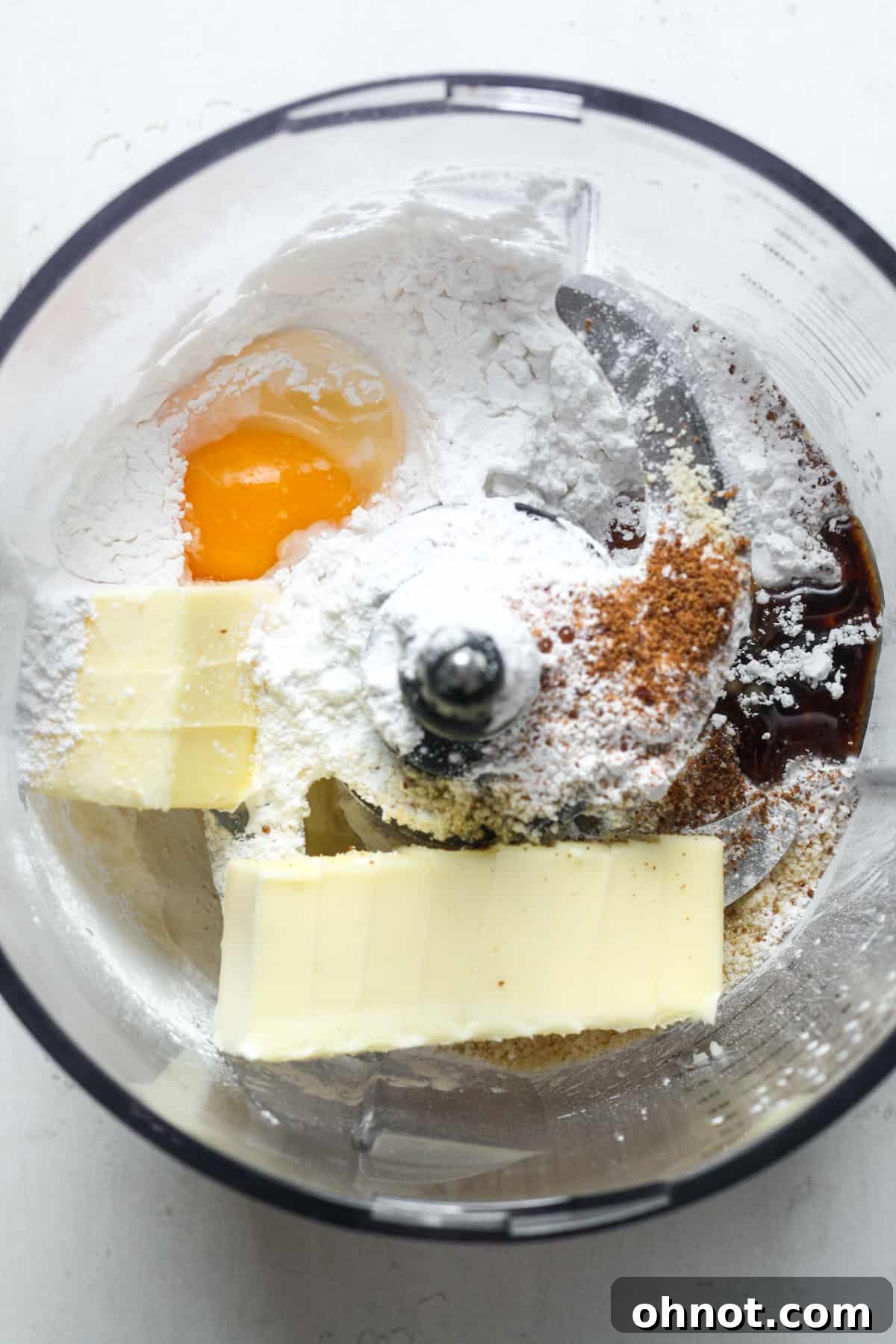
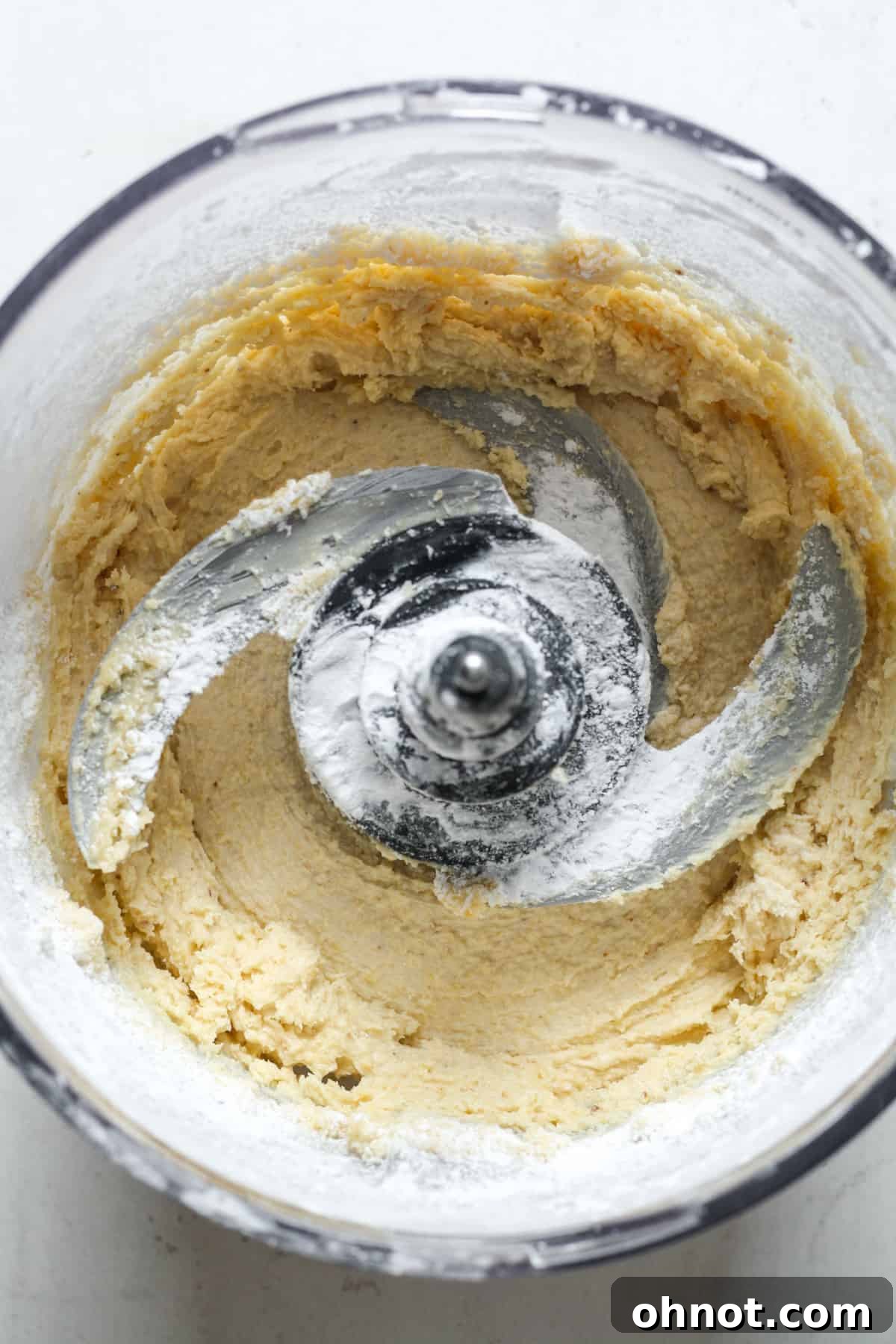
Begin by cutting your cold grass-fed butter into small, uniform ½-inch cubes. This step is critical; cold butter is the secret to a flaky crust. Place all your precisely measured ingredients—blanched almond flour, tapioca flour, the egg, maple syrup, the cubed cold butter, and coconut sugar (if making a sweet pie)—into the bowl of your food processor. Pulse the ingredients in short bursts, typically 10-15 times, until the mixture transforms into coarse crumbs. The ideal consistency is achieved when a small pinch of the mixture, pressed between two fingers, sticks together to form a cohesive clump. Be cautious not to over-process, as prolonged blending can warm the butter, compromising the flakiness.
Step 2: Chilling for Optimal Workability
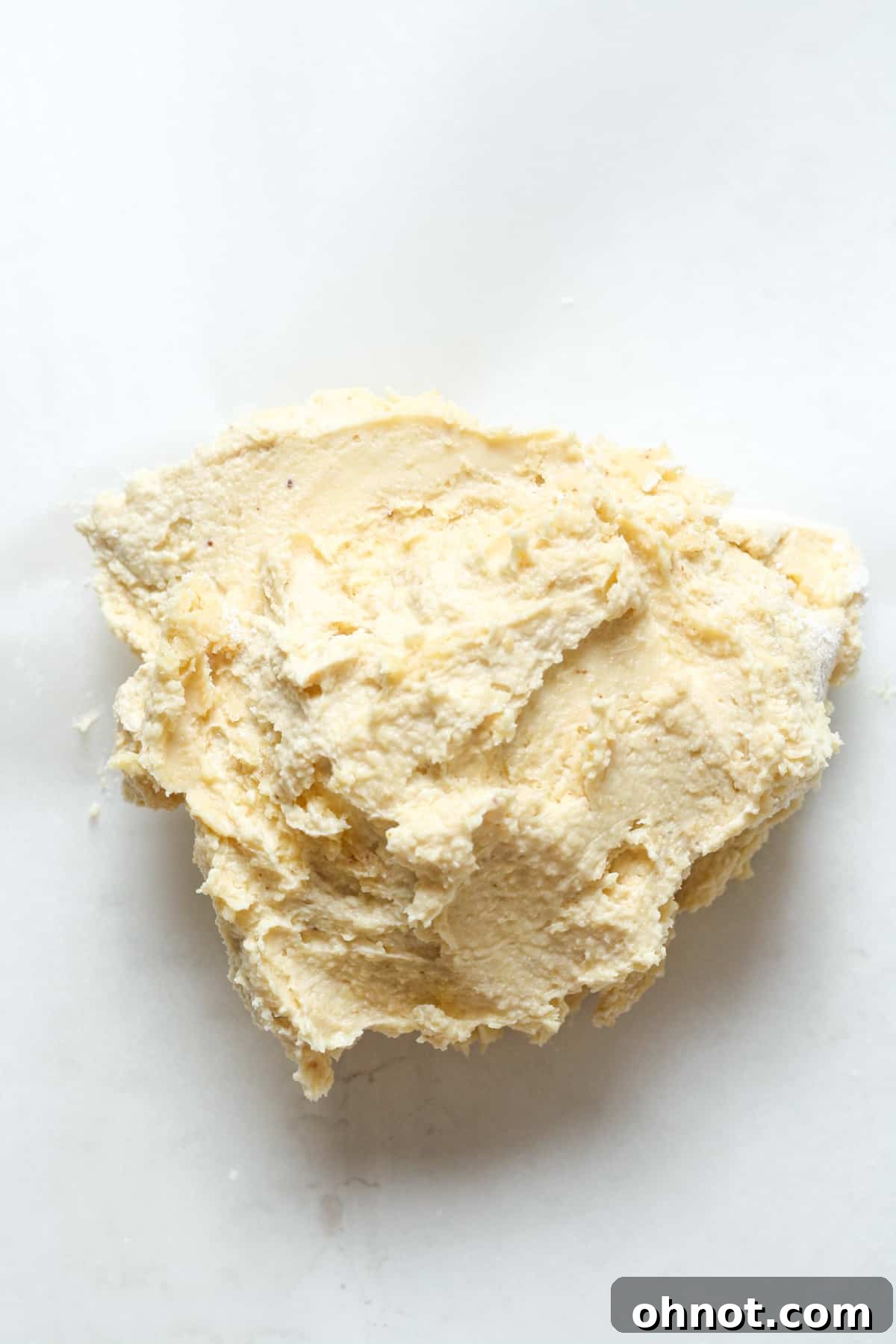
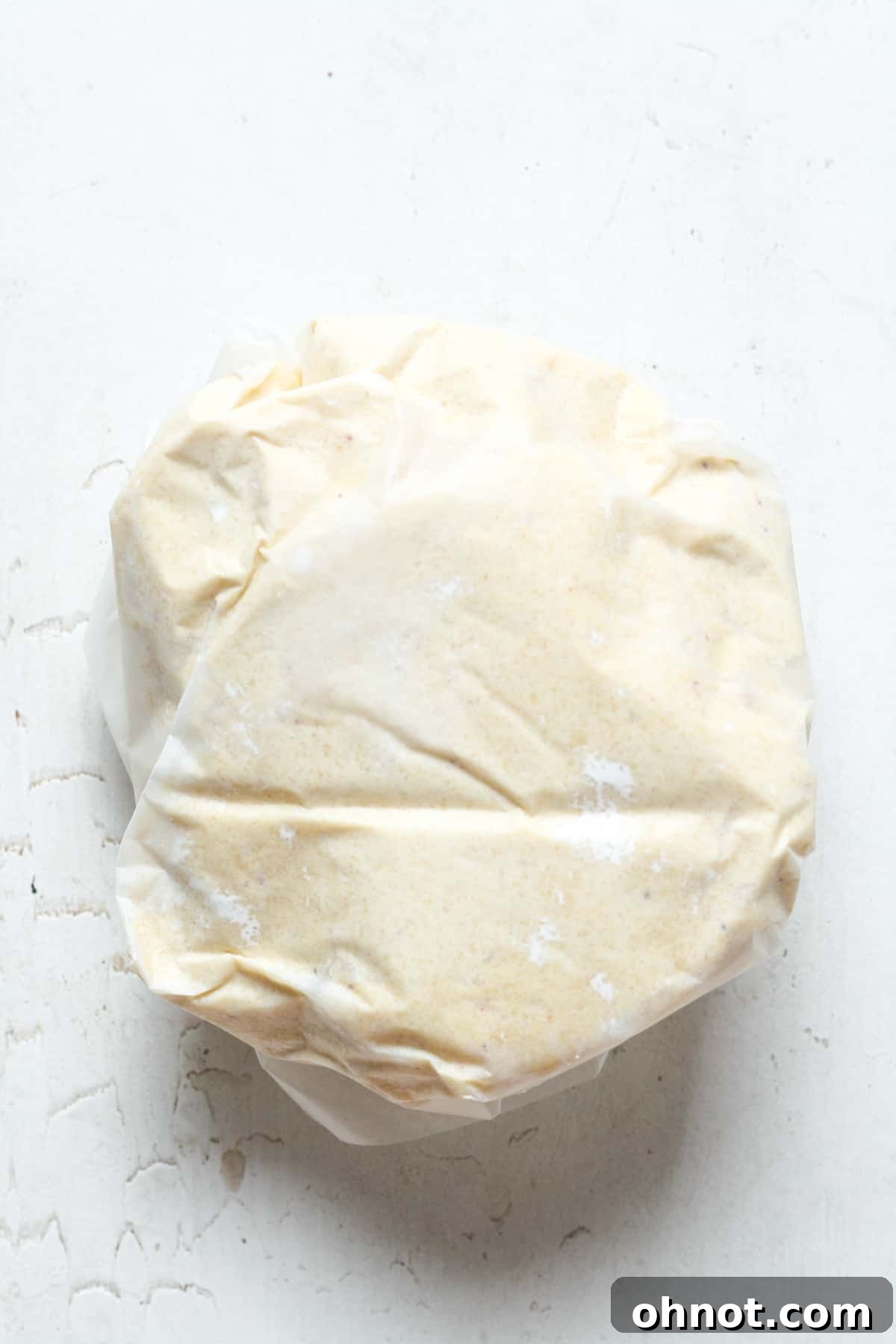
Once your mixture has reached the desired crumbly consistency, gently transfer it from the food processor to a clean surface. Using your hands, carefully gather the crumbs and form them into a large, smooth ball. Avoid overworking the dough with the warmth of your hands, as this can melt the butter. Tightly wrap the dough ball in cling film, ensuring there are no exposed areas to prevent it from drying out in the refrigerator. Place the wrapped dough in the fridge and chill for a minimum of 2 hours. For superior flakiness and considerably easier handling, chilling the dough overnight is highly recommended. This allows the butter to solidify completely and the flours to fully hydrate, resulting in a more stable and pliable dough.
Step 3: Prepping Your Workspace for Rolling
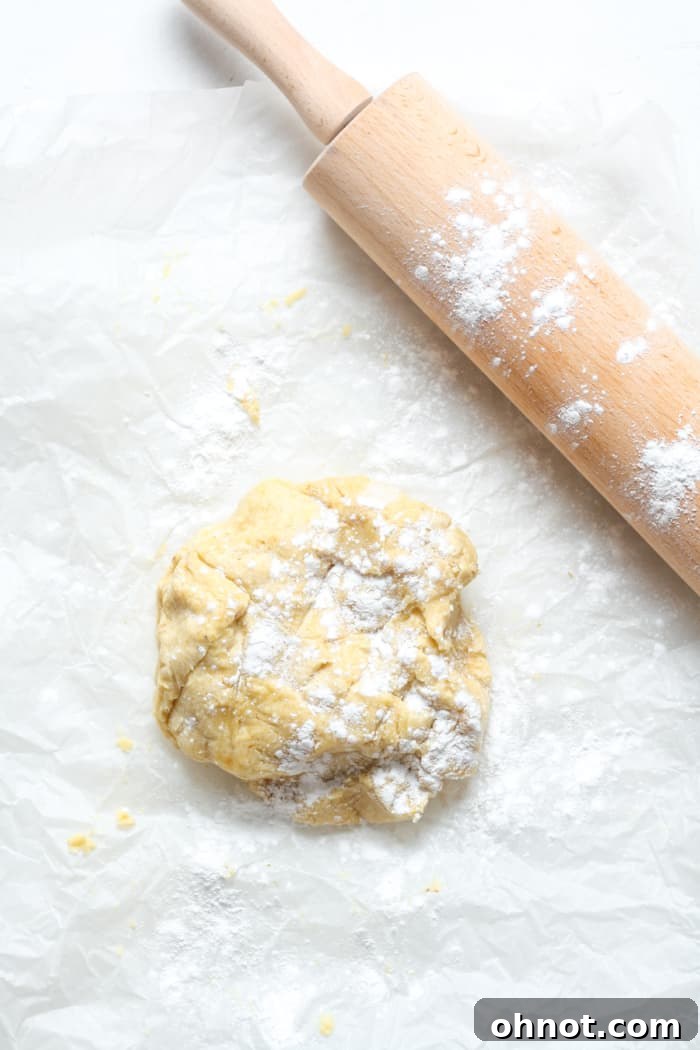
When you’re ready to bake your pie, retrieve the chilled dough from the refrigerator and unwrap it. The dough will be quite firm, which is exactly what we want. To prevent any sticking during the rolling process, generously sprinkle a little extra tapioca flour directly onto the dough ball. Additionally, coat a large piece of parchment paper with a good layer of tapioca flour – this will be your primary rolling surface. Don’t forget to lightly dust your rolling pin with tapioca flour too. This ample flouring creates a non-stick barrier, allowing the delicate dough to glide smoothly. If your dough was chilled overnight, let it rest at room temperature for approximately 15-20 minutes before rolling; this slight softening will make it more pliable.
Step 4: Gently Rolling Out the Dough
Carefully begin rolling out the dough on your tapioca-floured parchment paper. Apply even pressure from the center outwards, rotating the dough frequently to ensure it forms an even, circular shape. Aim for a diameter of approximately 10 inches, which provides sufficient coverage for a standard 9-inch pie dish, with a slight overhang for crimping. This grain-free dough can be more delicate than traditional pastry, so patience is key. If the dough cracks or tears at any point, do not fret! Simply use your fingers to gently press the torn edges back together. This dough is remarkably forgiving and will not taste overworked after repair.
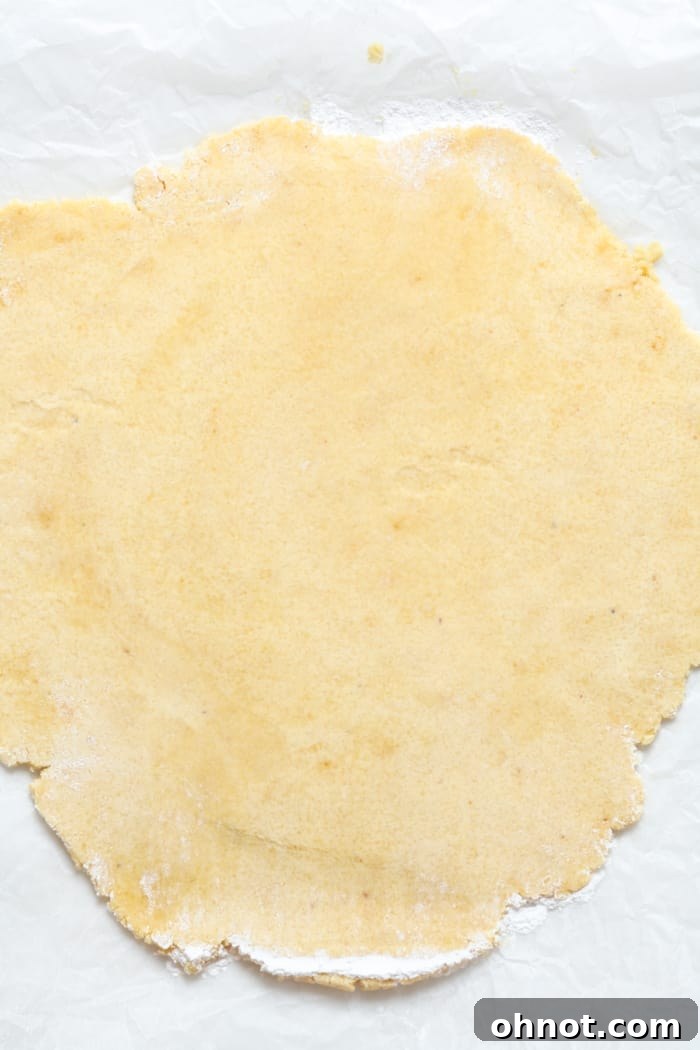
Step 5: Seamless Transfer to the Pie Dish
Once your dough is perfectly rolled out, it’s time for the transfer – a technique designed to minimize handling and prevent tears. Place your empty pie dish upside down directly on top of the rolled-out crust, carefully centering it. With a confident and swift motion, invert the pie dish and the parchment paper simultaneously. The crust should gently and smoothly settle into the pie plate. Then, carefully and slowly peel off the top layer of parchment paper, leaving your beautifully formed crust nestled securely in its new home. This method ensures a stress-free transfer, preserving the delicate structure of the dough.
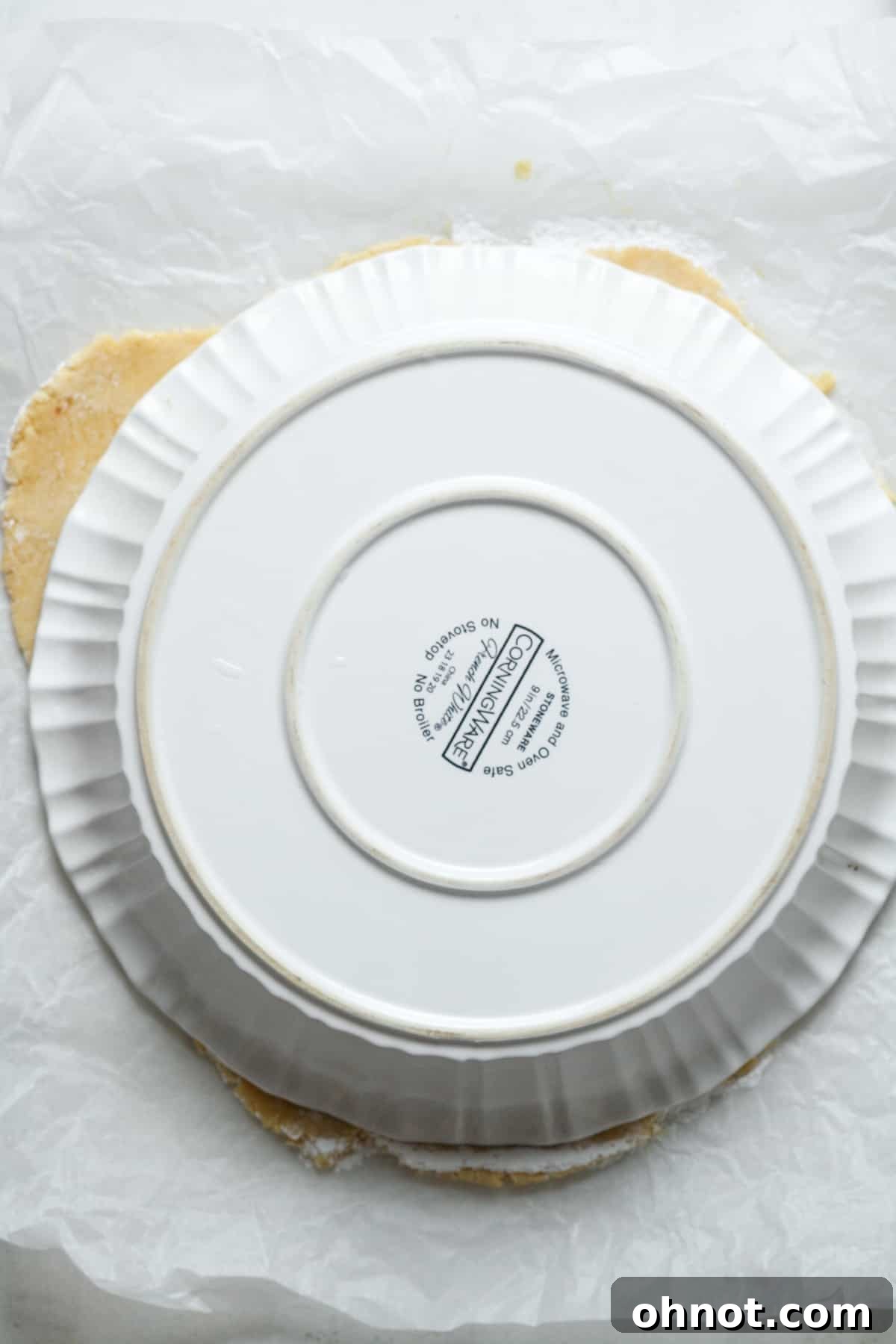
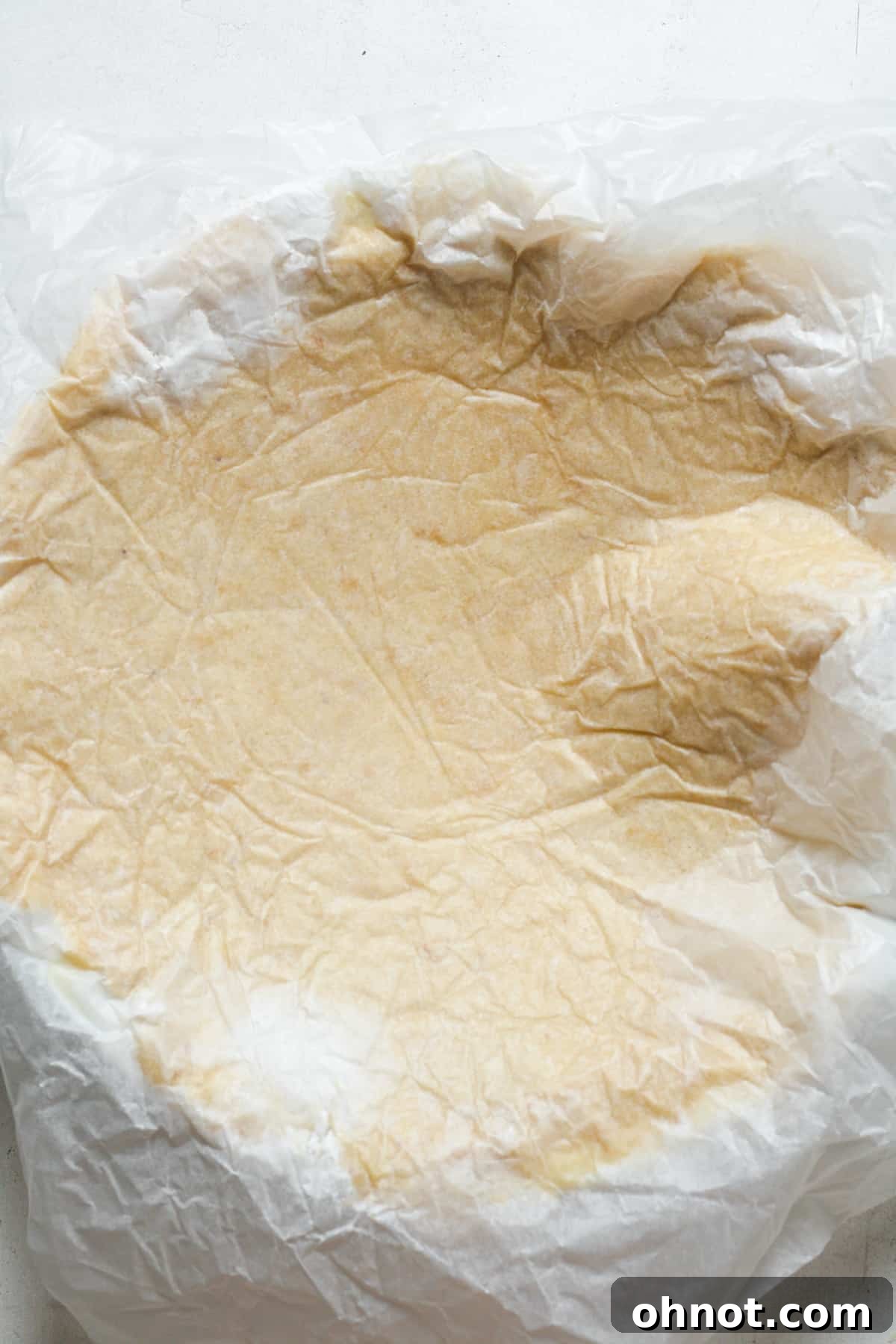
Step 6: The Finishing Touch – Smoothing and Crimping
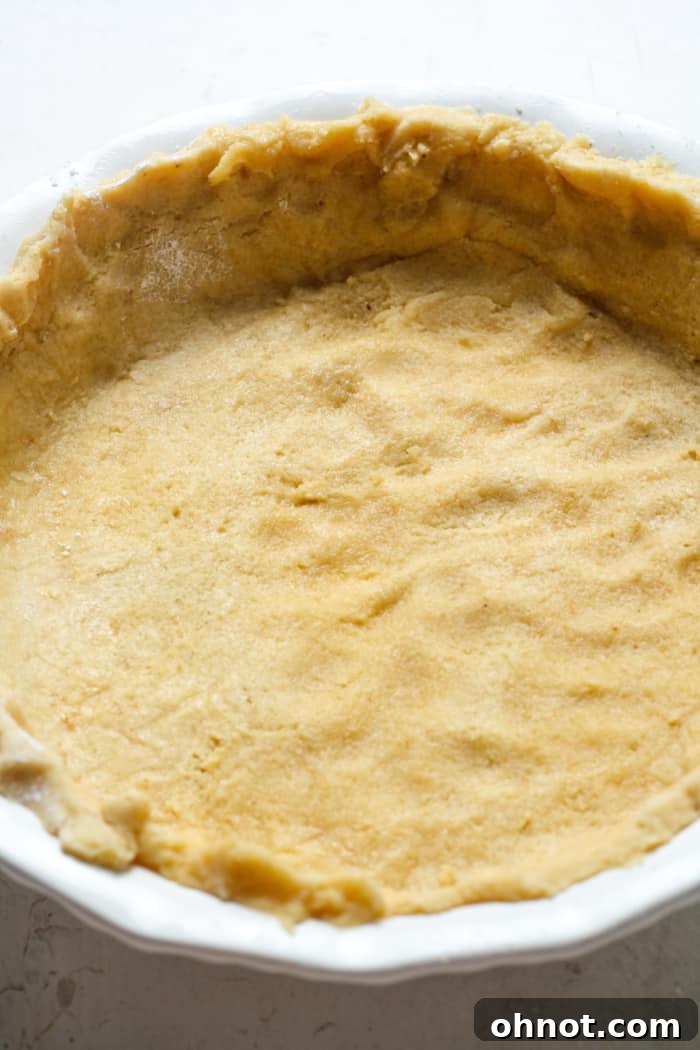
Once the crust is comfortably in the pie dish, take a moment to gently smooth out any tiny cracks or imperfections that may have occurred during the transfer. This dough is very cooperative and can be easily mended with a light touch of your fingers. Next, it’s time to add a beautiful, professional finish by crimping the edges of your pie crust. This not only enhances its visual appeal but also helps to contain the filling and prevent the edges from slumping down during baking. You can use your fingers, a fork, or specialized crimping tools to create your desired pattern. Refer to the accompanying photos for visual guidance on achieving a classic crimped edge.
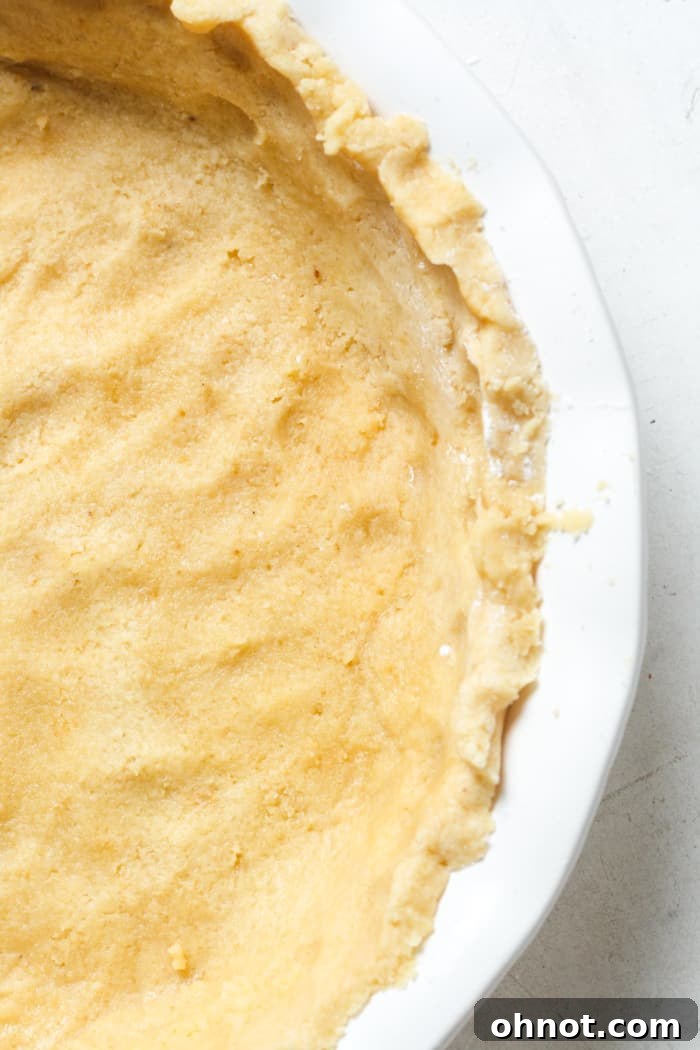
Step 7: Fill and Bake Your Culinary Masterpiece
With your Paleo pie crust perfectly prepared and delicately crimped, it is now ready to receive its star attraction! Proceed to fill it with your chosen sweet filling, whether it’s a luscious apple, a creamy pumpkin, or a rich pecan mixture. Alternatively, for savory culinary adventures, this crust is an excellent candidate for a hearty quiche or a comforting chicken pot pie. Once filled, bake your pie according to the specific instructions provided in your chosen filling recipe. This versatile crust is engineered to bake beautifully, holding its shape, achieving a golden-brown hue, and providing the perfect, flaky foundation for your finished dish.
Expert Tips & Tricks for the Ultimate Paleo Pie Crust
Achieving a consistently perfect and delicious Paleo pie crust is easier than you think when armed with these expert tips and tricks. Pay close attention to these details to ensure your baking success every time.
- Precision in Measuring: Baking is a science, and accuracy is paramount. Always measure all your ingredients carefully, especially the flours. Even slight variations can significantly impact the dough’s consistency and the final texture of your crust. For best results, use a kitchen scale to measure dry ingredients.
- Leverage Visual Guides: To fully grasp the desired dough consistency and shaping techniques, make sure to refer to the step-by-step photos provided throughout this article. Visual cues can often clarify details that written instructions alone might miss, guiding you to perfection.
- Blanched Almond Flour is a Must: As emphasized, always opt for high-quality blanched almond flour. Homemade almond flour, or coarser almond meal, simply won’t yield the fine, delicate texture required for this particular recipe. The quality of your almond flour is directly correlated with the elegance of your crust.
- Cold Butter: The Cornerstone of Flakiness: This is arguably the most crucial tip for any flaky pie crust. Ensure your butter is ice-cold, straight from the refrigerator, and cut into small cubes. These tiny cold pockets of butter are essential for creating steam during baking, which separates the dough into those coveted flaky layers. Never use softened or melted butter; it will result in a dense, cookie-like crust.
- Understanding Dough Consistency: After processing, the Paleo pie crust dough will appear distinctly crumbly – this is entirely normal and desired. To verify its readiness, pinch a small amount between two fingers; it should stick together easily. If it feels too dry, you can add a tiny amount (½ to 1 teaspoon) of ice-cold water until it reaches this pliable consistency.
- Optimize Chilling Time: While a minimum of 2 hours chilling is sufficient, chilling the dough overnight will yield superior results. Extended chilling allows the ingredients to fully hydrate, the flavors to meld, and the butter to firm up completely, making the dough much easier to roll and significantly enhancing its flakiness. If chilled overnight, allow the dough to sit at room temperature for about 15-20 minutes before rolling to make it slightly more pliable.
- Conquer Stickiness with Tapioca Flour: Grain-free doughs, including this Paleo version, can be slightly stickier than traditional wheat-based doughs. To prevent frustrating sticking, generously dust your rolling pin, the parchment paper, and the dough itself with extra tapioca flour before you begin rolling it out. This creates an effective non-stick barrier.
- Embrace and Repair Tears: It’s quite common for this delicate dough to crack or tear slightly during the rolling process. Do not worry at all! This dough is incredibly forgiving. Simply use your fingers to gently press the torn pieces back together. The repairs will be virtually undetectable after baking, and the crust will not become tough or overworked.
Serving Suggestions & Thoughtful Storage Solutions for Your Paleo Pie Crust
Once your exquisite Paleo pie crust is filled and baked to golden perfection, it’s ready to be savored. This versatile crust is a fantastic accompaniment to a wide range of fillings, making it suitable for various occasions and meals. Here’s how to best serve and store your culinary creation:
- Endless Serving Possibilities: This exceptional crust performs beautifully with classic dessert pies like rich pecan pie, creamy pumpkin pie, or comforting apple pie. Its neutral-to-subtly-sweet flavor profile also makes it an ideal candidate for savory dishes, such as a hearty quiche or a satisfying chicken pot pie. Allow the crust to cool slightly before serving to fully appreciate its flaky texture.
- Make-Ahead Dough Convenience: For effortless holiday prep or busy weeknights, you can prepare the dough ball in advance and store it, tightly wrapped in cling film, in the refrigerator for up to 24 hours. This allows you to get a significant head start on your baking, reducing stress on the day of serving.
- Freezing Raw Dough (Use with Caution): While we have not thoroughly tested freezing the raw dough, some bakers report success. If you choose to freeze it, ensure the dough ball is wrapped extremely tightly in multiple layers of cling film, followed by aluminum foil, to prevent freezer burn. Thaw the dough slowly in the refrigerator overnight before attempting to roll it out. Be aware that the texture or workability might be slightly altered after freezing. Generally, this crust is best used fresh after refrigeration.
- Storing Baked Pies: Once your pie is baked with its filling, storage instructions will depend entirely on the nature of the filling. Fruit pies can typically be stored at room temperature for 1-2 days, while custard, cream, or meat-filled pies require refrigeration. Always cover any leftover pie loosely with plastic wrap or aluminum foil to maintain freshness.
- Complementary Paleo Desserts: Extend your healthy dessert spread by serving slices of your delicious pie alongside other delightful treats like our Paleo Cookies. These pairings ensure everyone has a guilt-free indulgence to enjoy.
Frequently Asked Questions About Our Paleo Pie Crust
For this particular Paleo pie crust recipe, we wholeheartedly recommend using cold butter. Butter imparts an unparalleled, rich, and classic buttery flavor that shortening simply cannot replicate. Furthermore, butter is instrumental in achieving the distinctive flaky texture that makes this crust so exceptional. While shortening can also create some flakiness, it often lacks the depth of taste and the wholesome ingredient profile that quality butter (especially grass-fed) provides.
Yes, absolutely! This recipe is meticulously crafted to be 100% gluten-free. It exclusively uses blanched almond flour and tapioca flour, both of which are naturally free from gluten. This makes it a perfectly safe and delicious option for individuals with gluten sensitivities, celiac disease, or those simply choosing to avoid gluten in their diet.
This Paleo pie crust is incredibly versatile and compatible with a wide array of fillings, catering to both sweet and savory preferences. For sweet delights, consider classic fruit fillings like apple, cherry, or blueberry, creamy pumpkin pie, rich pecan pie, or elegant tarts. If your culinary leanings are savory, this crust makes a superb base for quiches, hearty chicken pot pies, savory vegetable tarts, or even a deconstructed shepherd’s pie. Just remember to omit the maple syrup and coconut sugar from the crust recipe when preparing a savory dish to maintain flavor balance.
It’s a common characteristic of grain-free doughs, including this Paleo pie crust, to occasionally tear or crack slightly during the rolling process. There’s no need to worry at all! This dough is exceptionally forgiving and easy to mend. Simply use your clean fingers to gently press the torn edges back together. The repairs are virtually undetectable once the crust is baked, and the taste and texture of your final pie will not be compromised.
This specific recipe relies heavily on cold butter for its distinct flaky texture and rich flavor. While it is theoretically possible to experiment with a high-quality, solid dairy-free butter alternative, we have not extensively tested this substitution and cannot guarantee identical results. Dairy-free butter alternatives often have different fat compositions and melting points, which can significantly impact the crust’s structure and flakiness. For optimal results and the exact texture described, we recommend sticking with real butter for this recipe.
You May Also Love These Healthy & Delicious Recipes
If you’ve enjoyed mastering this fantastic Paleo pie crust, we’re confident you’ll adore these other healthy and equally delicious recipes from our curated collection. Expand your repertoire of wholesome baking:
- Gluten-Free Pumpkin Pie: A delightful and comforting pumpkin pie, perfect for autumn festivities, completely free from gluten.
- Paleo Pumpkin Pie: For the purists, a wholesome, creamy, and spiced pumpkin pie that aligns seamlessly with your Paleo dietary preferences.
- Paleo Maple Pecan Cookies: Indulge in these chewy, sweet, and nutty cookies, offering a satisfying and guilt-free treat for any time of day.
- Sweet Potato Blondies: Discover a surprisingly moist and naturally sweet dessert that’s both gluten-free and incredibly satisfying, packed with wholesome goodness.
- Vegan Snickerdoodles: A beloved classic cinnamon-sugar cookie, thoughtfully reimagined for a vegan diet, without sacrificing any of its comforting taste or delightful texture.
If you create this flaky Paleo pie crust recipe, we would be absolutely thrilled to receive your feedback! Please consider leaving a review directly on our website – your insights and experiences are invaluable to our community of healthy bakers. You can also connect with us and share your beautiful creations on Instagram, Facebook, and Pinterest. We love seeing your culinary adventures! For even more inspiring and healthy culinary ideas that cater to various dietary needs, be sure to explore our extensive collection of Dessert Recipes.
Paleo Pie Crust Recipe
Prep Time: 10 mins
Cook Time: 15 mins
Chill Time: 2 hrs (up to overnight for best results)
Total Time: 2 hrs 25 mins
Yield: 1 pie crust (fits a standard 9-inch pie plate)
This buttery, flaky, and absolutely delicious Paleo pie crust is a game-changer for anyone seeking a grain-free, gluten-free, and refined sugar-free alternative. Mixed effortlessly in a food processor, it’s the perfect sturdy and flavorful foundation for both sweet and savory pies, making it an ideal choice for Thanksgiving, Christmas, birthdays, and any special occasion.
Ingredients
- 1 cup blanched almond flour
- 1 cup tapioca flour (or arrowroot powder, cornstarch as alternatives)
- 1 large egg
- 1 tbsp maple syrup (omit for savory pies)
- ½ cup cold grass-fed butter, cut into small ½-inch cubes
- 1 tsp coconut sugar (omit for savory pies)
Instructions
- Prepare the Dough: Begin by cutting your cold grass-fed butter into small ½-inch cubes. Add all measured ingredients (almond flour, tapioca flour, egg, maple syrup, cold butter, coconut sugar) into the bowl of a food processor. Pulse in short bursts until the mixture forms coarse crumbs and sticks together when pressed between two fingers.
- Chill the Dough: Transfer the crumbly dough mixture to a clean surface and form it into a large, cohesive ball. Wrap the dough ball tightly in cling wrap, ensuring it’s completely sealed. Refrigerate for at least 2 hours, or ideally overnight, for optimal flakiness and easier handling.
- Prepare for Rolling: When you’re ready to bake, unwrap the chilled dough. Generously dust the dough ball, a piece of parchment paper (for your rolling surface), and your rolling pin with extra tapioca flour to prevent any sticking. If chilled overnight, let the dough sit at room temperature for 15-20 minutes to soften slightly.
- Roll Out the Crust: Carefully roll out the dough on the floured parchment paper, working from the center outwards and rotating frequently. Aim for a circle approximately 10 inches in diameter. If the dough cracks or tears, gently mend it back together with your fingers; this dough is very forgiving.
- Transfer to Pie Dish: Place your empty pie dish upside down directly on top of the rolled-out crust. With a confident motion, invert the pie dish and the parchment paper simultaneously so the crust lands perfectly inside the pie plate. Carefully peel off the top layer of parchment paper.
- Finish the Crust: Gently smooth out any minor cracks or imperfections on the crust with your fingers. Then, crimp the edges of the pie crust using your fingers or a fork for a beautiful, decorative finish and to help hold the filling.
- Fill and Bake: Your perfectly prepared Paleo pie crust is now ready to be filled with your desired sweet (e.g., apple, pumpkin, pecan) or savory (e.g., quiche, chicken pot pie) filling. Bake according to the specific instructions of your chosen pie recipe.
Recipe Notes
- For clear visual guidance at each stage of preparation, please refer to the step-by-step photos provided earlier in this blog post.
- Always ensure you use blanched almond flour for the finest texture and best results. Coarser almond meal or homemade almond flour will not provide the same delicate consistency.
- Tapioca flour is key for adding elasticity to the dough. If needed, you can substitute it with arrowroot powder or cornstarch, though cornstarch is not strictly Paleo.
- The absolute secret to a flaky crust is to use ice-cold butter. Avoid using softened or melted butter at all costs, as this will result in a dense, cookie-like texture.
- Don’t be alarmed if the dough appears crumbly initially after processing; this is normal. The essential chilling time helps bring it together and makes it workable.
- Be generous with tapioca flour when dusting your rolling surface, rolling pin, and the dough itself to prevent sticking, as this grain-free dough can be slightly sticky.
- Minor cracks or tears are a common occurrence with this type of dough and are easily repaired. Simply press the dough gently back together with your fingers; it will not taste overworked or tough.
- The nutrition facts provided below are calculated for the entire pie crust before any filling has been added.
Nutrition Information (Per Entire Pie Crust)
Calories: 1945kcal | Carbohydrates: 145g | Protein: 27g | Fat: 150g | Saturated Fat: 63g | Polyunsaturated Fat: 4g | Monounsaturated Fat: 25g | Trans Fat: 4g | Cholesterol: 326mg | Sodium: 771mg | Potassium: 127mg | Fiber: 12g | Sugar: 19g | Vitamin A: 2955IU | Calcium: 297mg | Iron: 6mg
Author: Addison LaBonte
Course: Dessert (also highly versatile for savory applications)
Cuisine: American
Pin Recipe