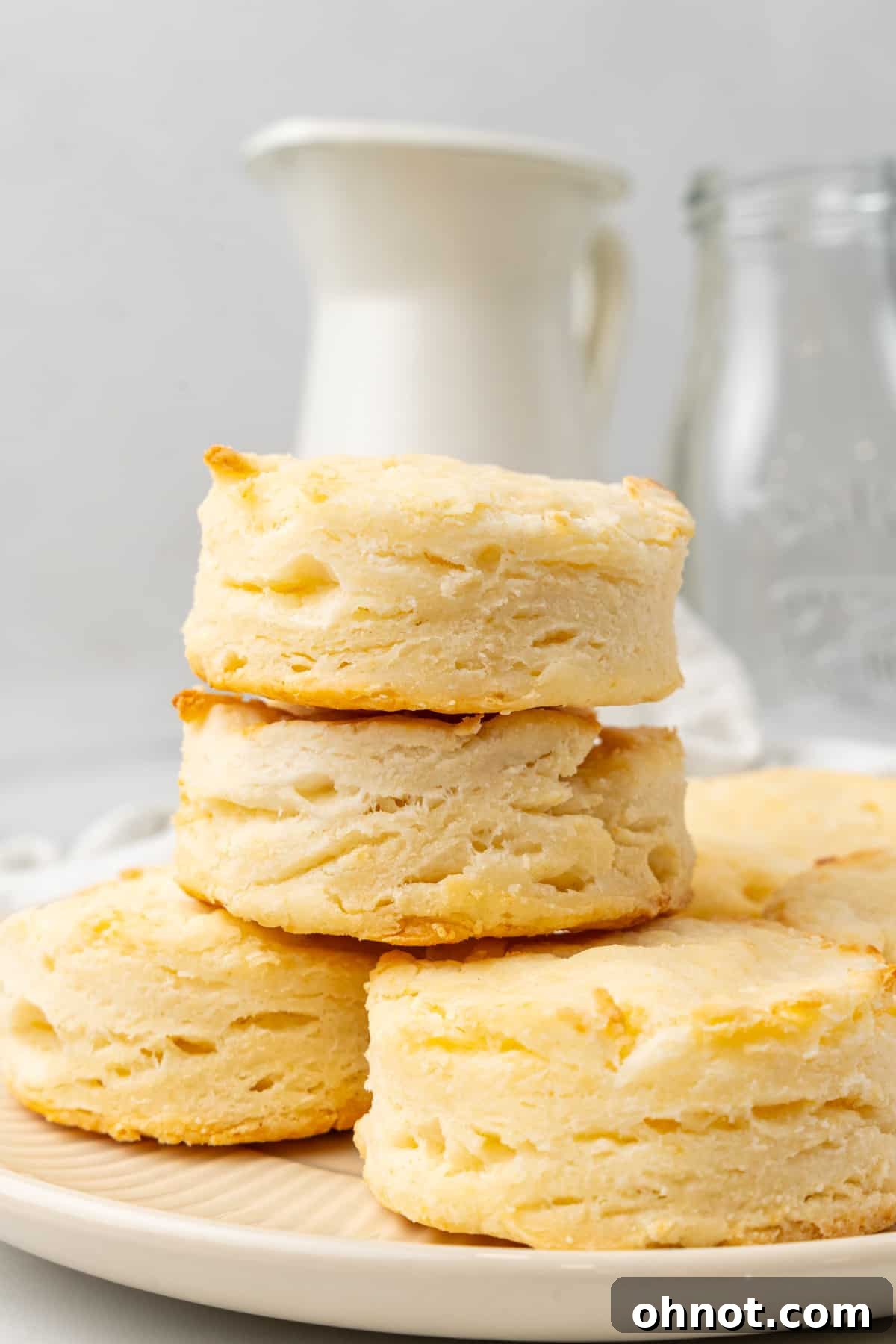
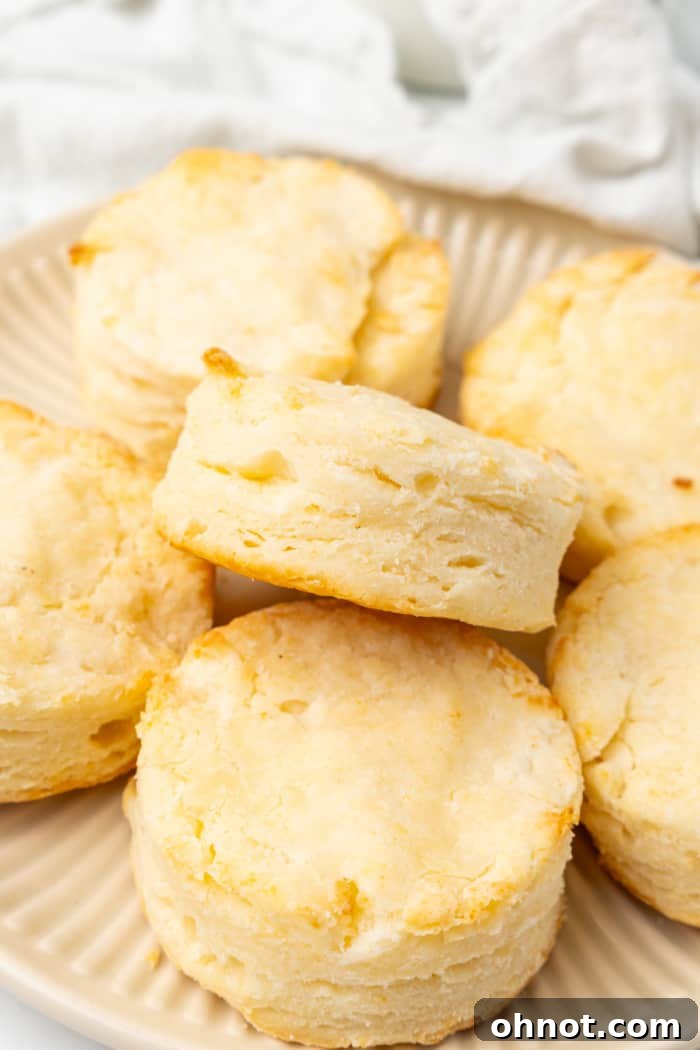
Indulge in the ultimate comfort food with our incredibly delicious gluten-free biscuits. These aren’t just any biscuits; they’re a revelation! Prepare to be amazed by their buttery, irresistibly soft, and wonderfully tender texture, boasting a delightful flakiness with every bite. Crafted specifically for those navigating a gluten-free lifestyle, whether due to gluten intolerance, Celiac disease, or personal dietary choices, this recipe ensures everyone can enjoy classic comfort without compromise. Serve them warm with a rich gluten-free gravy, as a perfect side dish to any meal, or simply slathered with butter or your favorite jam for a truly unforgettable experience.
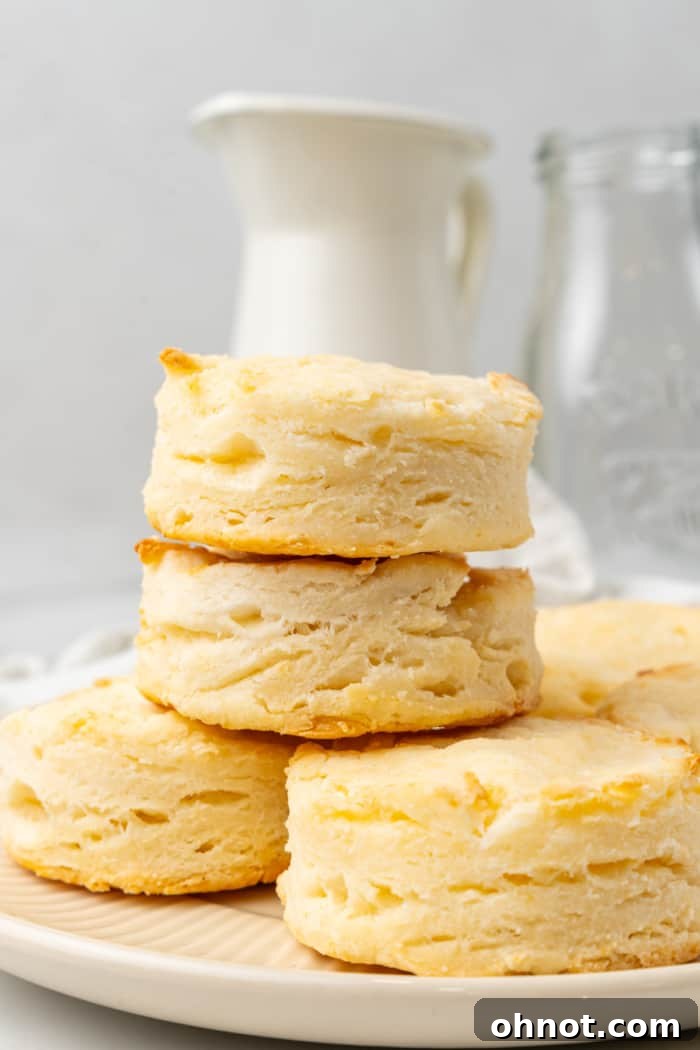
Why These Gluten-Free Biscuits Will Become Your New Favorite
Discover why this gluten-free biscuit recipe is an absolute must-try. We’ve perfected the art of creating biscuits that are not only safe for gluten-sensitive individuals but also incredibly delicious, appealing to every palate. Here’s what makes them truly special:
- Effortlessly Easy & Quick: Don’t let the idea of homemade biscuits intimidate you. This recipe is designed for simplicity, allowing you to whip up a batch of warm, fluffy biscuits in no time, even on busy weeknights.
- Achieve Perfect Flakiness & Tenderness: Experience the signature texture of a classic biscuit – golden on the outside, incredibly flaky layers within, and a melt-in-your-mouth tender interior. Each bite is a testament to careful gluten-free baking.
- Taste indistinguishable from traditional biscuits: Prepare to fool even the most discerning palates! These biscuits boast the rich, buttery flavor and satisfying texture of their gluten-containing counterparts, often surprising even non-gluten-free family and friends.
- Versatile for Any Occasion: From elevating your everyday weeknight dinners to gracing your holiday tables, these biscuits are a flexible addition. They pair wonderfully with a variety of meals or can be enjoyed as a delightful snack.
- Endless Customization Options: Get creative in the kitchen! This adaptable recipe serves as a fantastic base for incorporating your favorite sweet or savory flavors and add-ins, allowing you to personalize each batch.
- Minimal Pantry Staples Required: You’ll only need 6 basic ingredients that are likely already stocked in your kitchen. This simplicity makes spontaneous biscuit baking a breeze.
- Dietary-Friendly: This recipe is naturally gluten-free, egg-free, nut-free, and sugar-free, catering to a wide range of dietary needs and preferences without sacrificing flavor or texture.
- Easily Adaptable to Dairy-Free: With simple swaps like dairy-free milk and dairy-free butter sticks, you can effortlessly transform these into delicious dairy-free biscuits, ensuring everyone can partake in this comforting treat.
- Explore More Gluten-Free Goodness: If you love these biscuits, be sure to try our Paleo Bread for a wholesome loaf or these delightful Gluten Free Cinnamon Rolls for a sweet indulgence.
Essential Ingredients for Perfect Gluten-Free Biscuits & Smart Substitutions
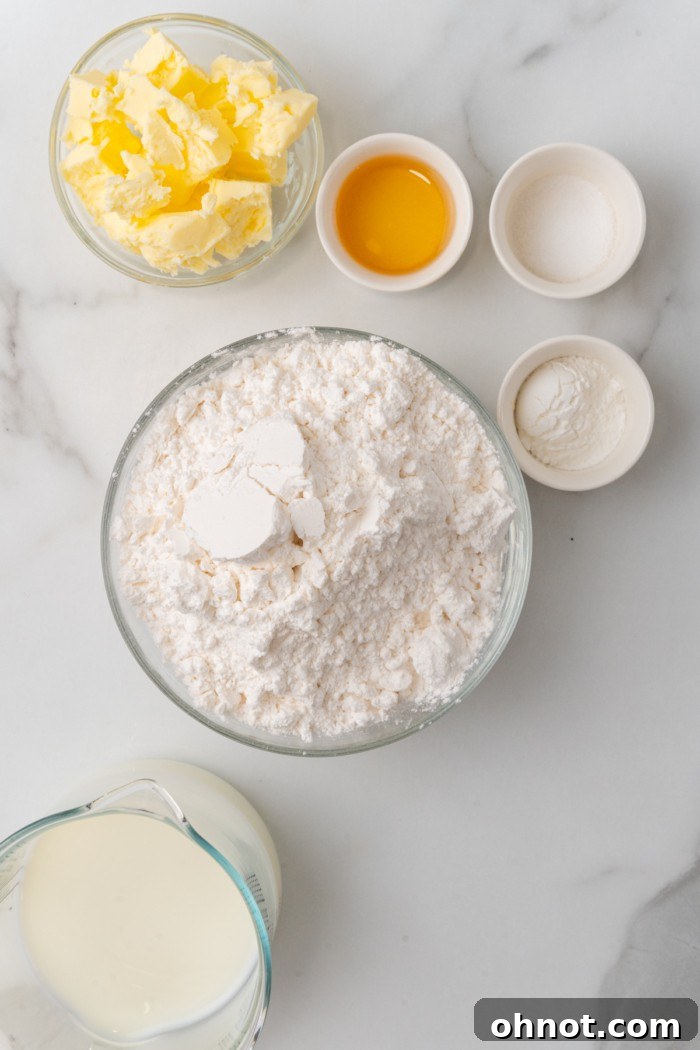
Crafting the perfect gluten-free biscuit begins with selecting the right ingredients. Each component plays a vital role in achieving that coveted soft, flaky, and tender texture. Below, we detail the key ingredients and offer helpful insights for substitutions. For precise measurements, please refer to the complete recipe card further down the page.
The Foundation: Premium Gluten-Free Flour Blend
The cornerstone of any successful gluten-free baked good is the flour. For the absolute best results, we highly recommend using a high-quality gluten-free all-purpose flour blend that specifically contains xanthan gum. Xanthan gum is crucial in gluten-free baking as it acts as a binder, mimicking the elasticity and structure that gluten provides in traditional flours. This prevents your biscuits from being crumbly and dry, instead contributing to a wonderfully cohesive and tender biscuit. Brands like King Arthur Flour’s gluten-free all-purpose blend are fantastic choices, as they are formulated to perform beautifully in recipes like this. Avoid single-ingredient gluten-free flours unless specifically instructed, as they lack the balanced blend necessary for optimal texture.
Leavening Agent: The Role of Baking Powder
Baking powder is our primary leavening agent, responsible for giving these biscuits their impressive rise and airy, fluffy internal structure. It reacts when combined with liquid and heat, creating carbon dioxide bubbles that expand the dough. Ensure your baking powder is fresh, as old or inactive powder can lead to flat, dense biscuits. To test its freshness, simply add a teaspoon to a small bowl of hot water; if it fizzes vigorously, it’s good to go!
Seasoning: A Pinch of Salt
While seemingly minor, a pinch of salt is essential. It doesn’t just add flavor; it balances the sweetness (or lack thereof, as these aren’t overly sweet) and enhances the overall taste of the biscuits, making them more savory and well-rounded. Use fine sea salt or table salt for even distribution.
The Key to Flakiness: Super Cold Unsalted Butter
This is a non-negotiable ingredient for flaky biscuits! Using very cold, unsalted butter, cut into small cubes, is paramount. As the butter melts during baking, the water content in it turns to steam, creating pockets of air that result in those desirable flaky layers. If the butter is too warm, it will incorporate too smoothly into the flour, leading to a denser, cake-like texture rather than a light, flaky one. We recommend using unsalted butter to control the salt content in the recipe. For a dairy-free alternative, opt for high-quality, solid dairy-free butter sticks, ensuring they are also very cold.
Liquid Component: Milk (Dairy or Non-Dairy)
Milk provides the necessary liquid to bring the dough together. You can use regular dairy milk or your preferred non-dairy milk alternative, such as almond milk, soy milk, or oat milk. For best results, ensure the milk is also cold, which helps keep the butter firm and contributes to flakiness. The type of milk can slightly alter the richness, but the overall structure and taste will remain consistent.
The Secret Ingredient for Fluffiness: Apple Cider Vinegar
Apple cider vinegar might seem like an unusual addition, but it’s a critical component for achieving light and fluffy biscuits. When combined with the milk, it curdles, effectively creating a homemade buttermilk substitute. This acidity then reacts with the baking powder, producing a more vigorous leavening action. This reaction is what ultimately gives these biscuits their signature rise and airy texture. Do not skip this step!
Unforgettable Taste & Texture: What to Expect from These Biscuits
These gluten-free biscuits deliver a taste and texture profile that is truly a delight. They are designed to embody the classic biscuit experience, even without gluten.
Taste: Expect a rich, buttery flavor that is incredibly satisfying. While they aren’t overtly sweet, there’s a subtle undertone of sweetness, making them versatile for both savory and slightly sweet pairings. The natural flavors of the high-quality ingredients truly shine through, creating a comforting and familiar taste.
Texture: The texture is where these biscuits truly excel. They are remarkably soft to the touch, breaking apart into distinct, delicate flakes when pulled apart. This flakiness is complemented by an overall tender crumb that melts in your mouth without any dryness or gumminess often associated with gluten-free baked goods. They offer a perfect balance of crisp exterior and fluffy interior, making each bite a pleasure.
Step-by-Step Guide: How to Bake Perfectly Fluffy Gluten-Free Biscuits
Follow these detailed instructions to create a batch of incredibly light and flaky gluten-free biscuits. Precision and attention to detail, especially regarding ingredient temperature, will ensure your success.
Step 1: Prepare Your Workspace and Oven
Begin by preheating your oven to a precise 425°F (220°C). This high temperature is crucial for encouraging a rapid rise and creating those desired flaky layers. While the oven heats, line a large baking sheet with parchment paper. This simple step prevents sticking and makes for easy cleanup, ensuring your biscuits can be effortlessly removed once baked.
Step 2: Combine the Dry Ingredients
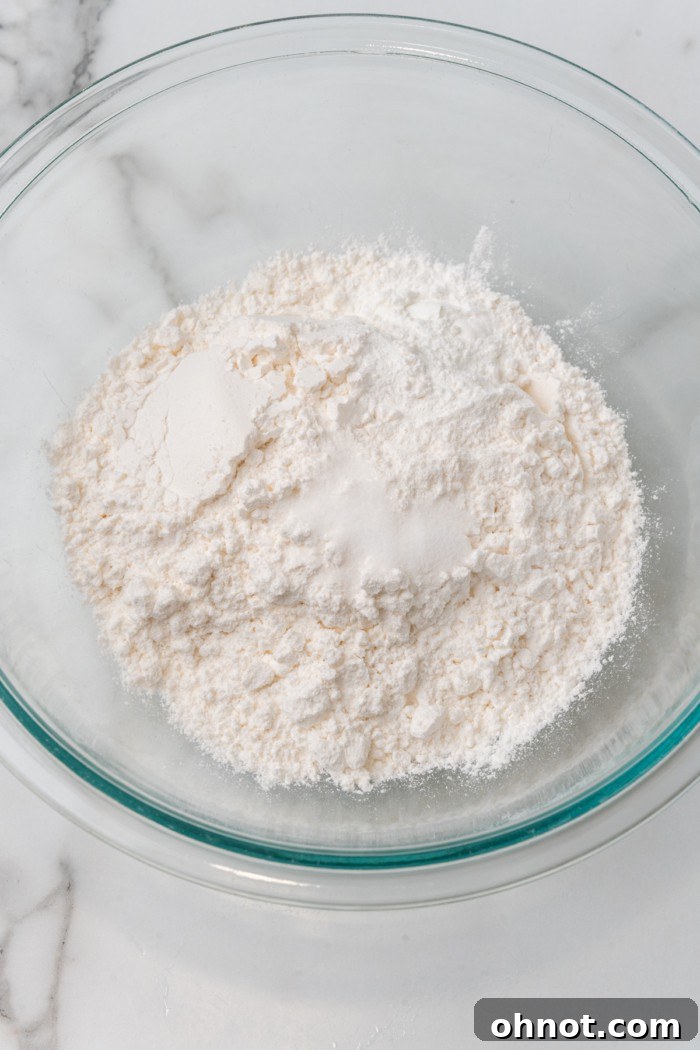
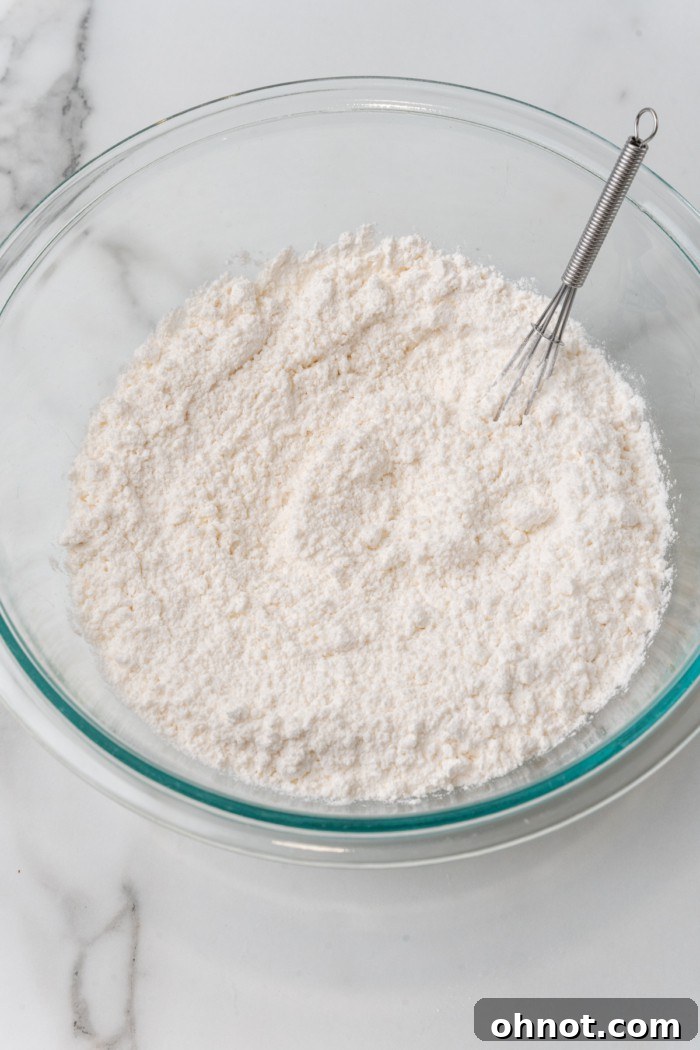
In a spacious mixing bowl, measure out your gluten-free all-purpose flour, baking powder, and a pinch of salt. Using a whisk, thoroughly combine these dry ingredients. It’s important to ensure they are well-integrated to guarantee even leavening and flavor distribution throughout your biscuits. Whisking also helps to aerate the flour, contributing to a lighter texture.
Step 3: Incorporate the Cold Butter
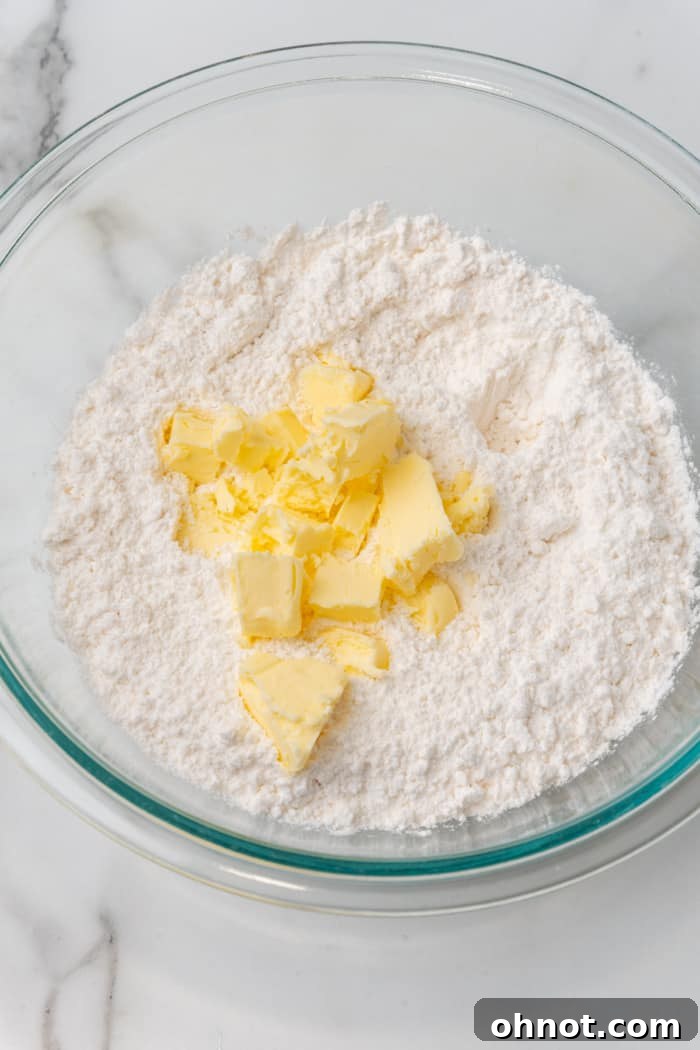
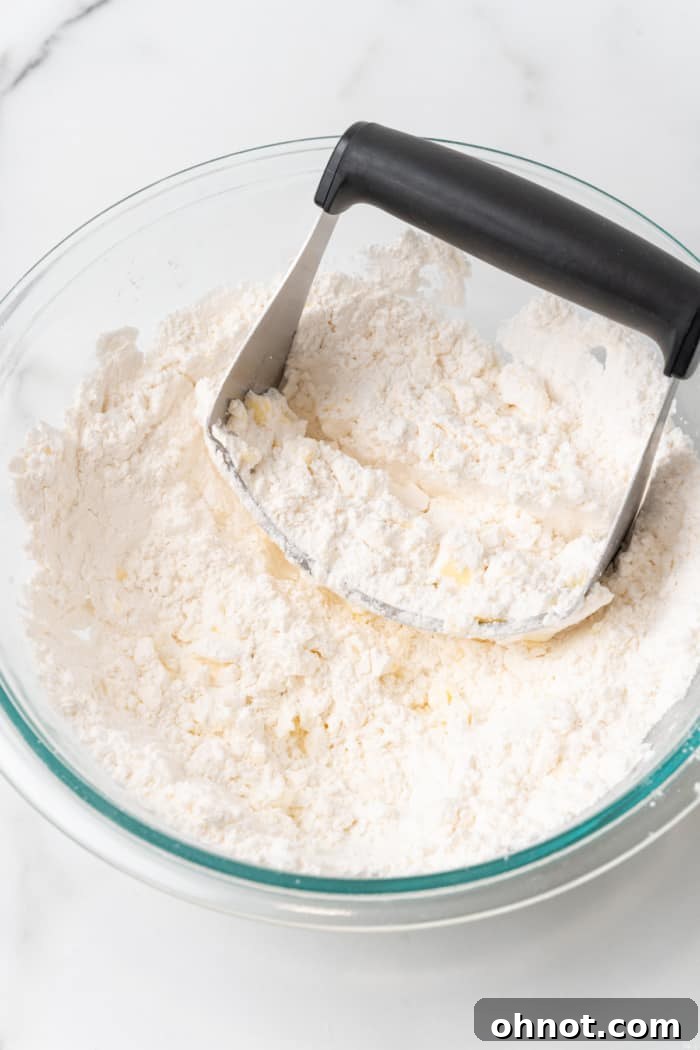
Add the pre-cubed, super cold unsalted butter directly into your dry flour mixture. Now, it’s time to “cut” the butter into the flour. You can achieve this using a pastry cutter, two forks, or even your fingertips. The goal is to work quickly, keeping the butter as cold as possible, until the mixture resembles coarse crumbs, with some pieces of butter still visible, ranging in size from peas to small almonds. Alternatively, for a quicker method, pulse the ingredients briefly in a food processor until this crumbly texture is achieved. Avoid over-processing, as this will warm the butter and prevent flakiness.
Step 4: Prepare the Buttermilk Substitute
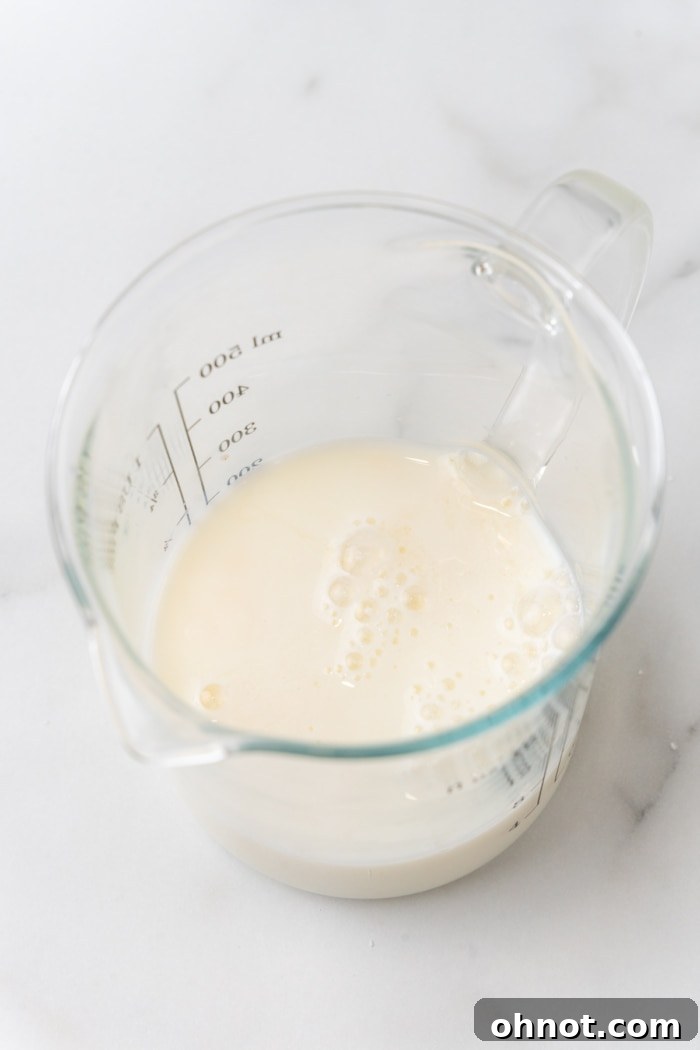
In a separate, small bowl, combine the cold milk (dairy or non-dairy) and apple cider vinegar. Give it a gentle stir and let it sit undisturbed for approximately 1-2 minutes. During this brief period, the acidity of the vinegar will react with the milk, causing it to curdle slightly. This creates a homemade buttermilk, which is vital for the tender texture and chemical reaction with the baking powder, ensuring a high, fluffy rise.
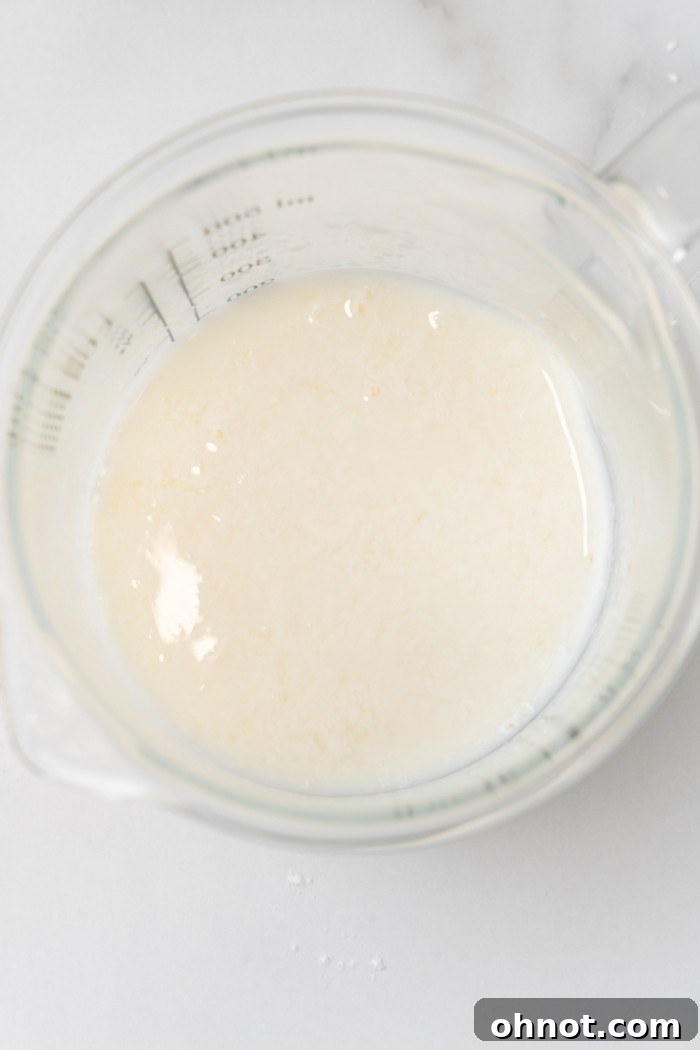
Step 5: Combine Wet and Dry Ingredients to Form Dough
Pour the prepared milk and apple cider vinegar mixture into the large bowl containing your flour and butter crumbs. Using a spatula or your hands, gently stir the ingredients until they just come together to form a cohesive dough. It’s crucial not to overmix at this stage; overworking gluten-free dough can still lead to a tougher biscuit, even without gluten. The dough may feel a bit sticky, but it should hold its shape well. A few dry streaks are acceptable.
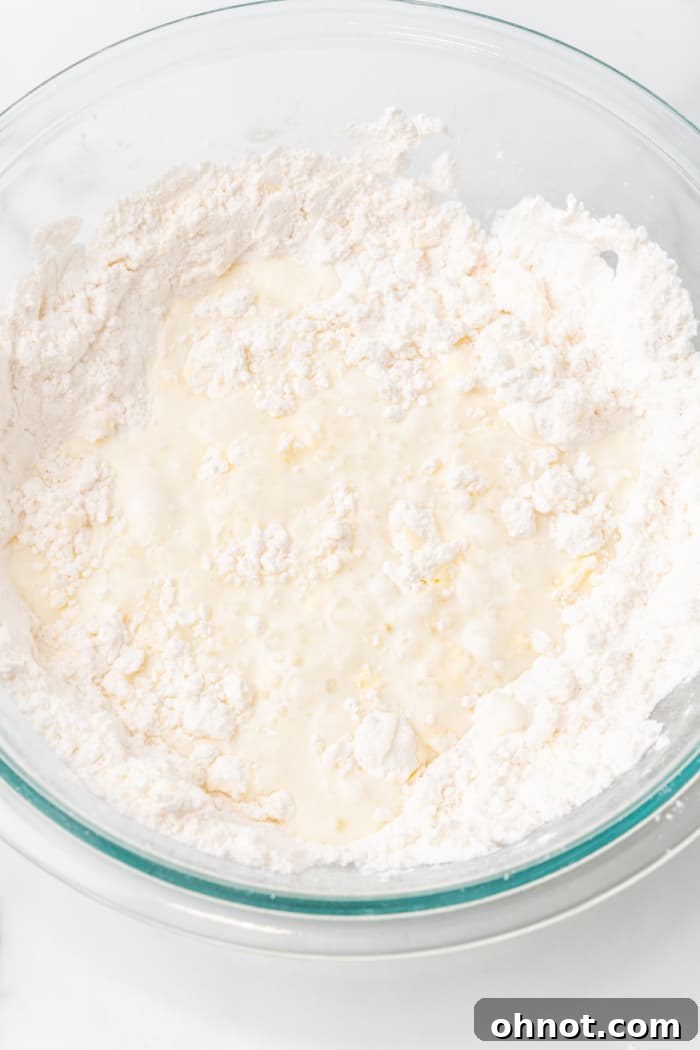
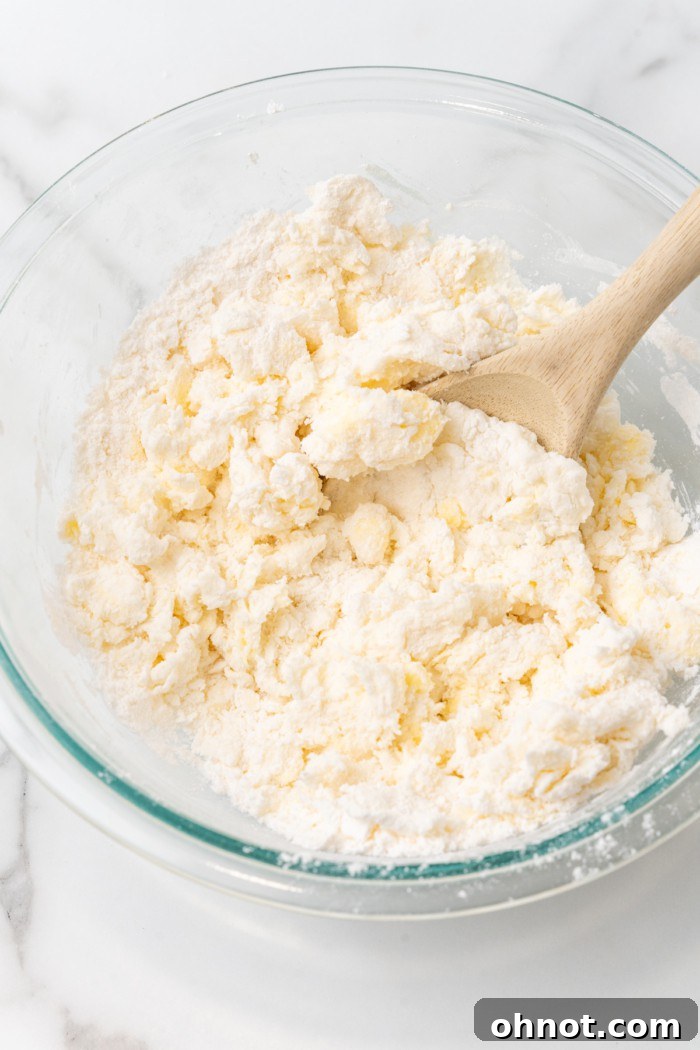
Step 6: Lightly Knead the Dough
Lightly dust a clean, flat surface (such as a countertop or large cutting board) with a small amount of extra gluten-free flour. Transfer the sticky dough onto this floured surface. Gently knead the dough a few times – no more than 5-8 quick folds and presses. This minimal kneading helps to bring the dough fully together, smooth it out slightly, and create a more uniform texture without developing toughness. The goal is to make it just pliable enough for rolling.
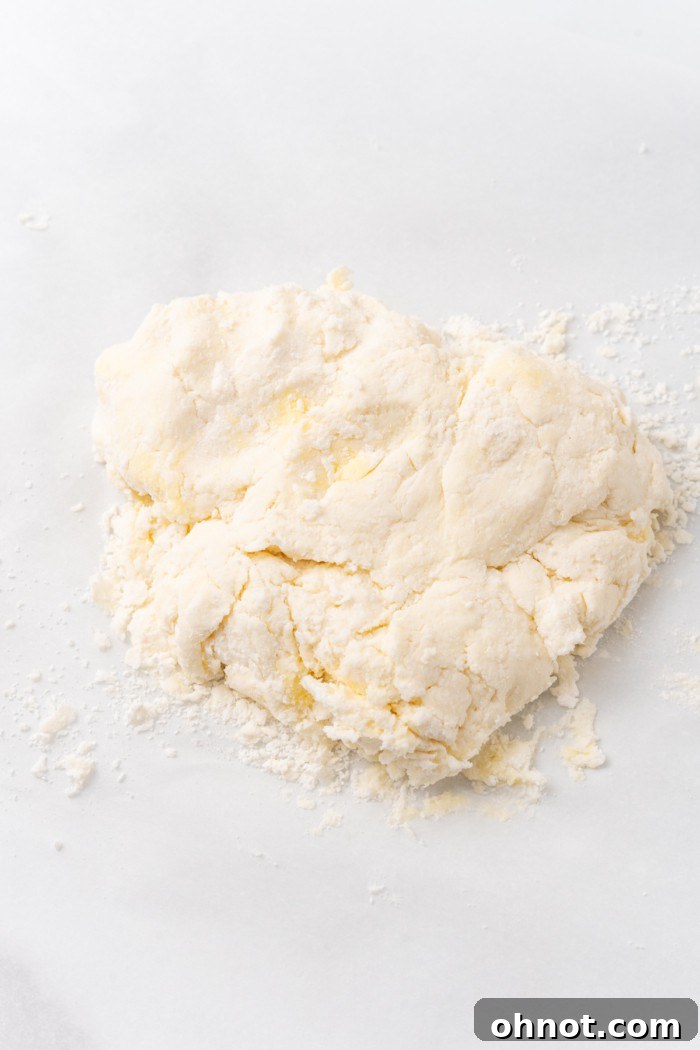
Step 7: Roll Out the Dough
Using a rolling pin, carefully roll out the dough to a consistent thickness of approximately ¾ inch (about 2 cm). This specific thickness is important for achieving substantial, well-risen biscuits. If the dough is too thin, the biscuits will be flat and dry; if too thick, they may not cook through properly. Lightly dust your rolling pin with gluten-free flour if the dough begins to stick.
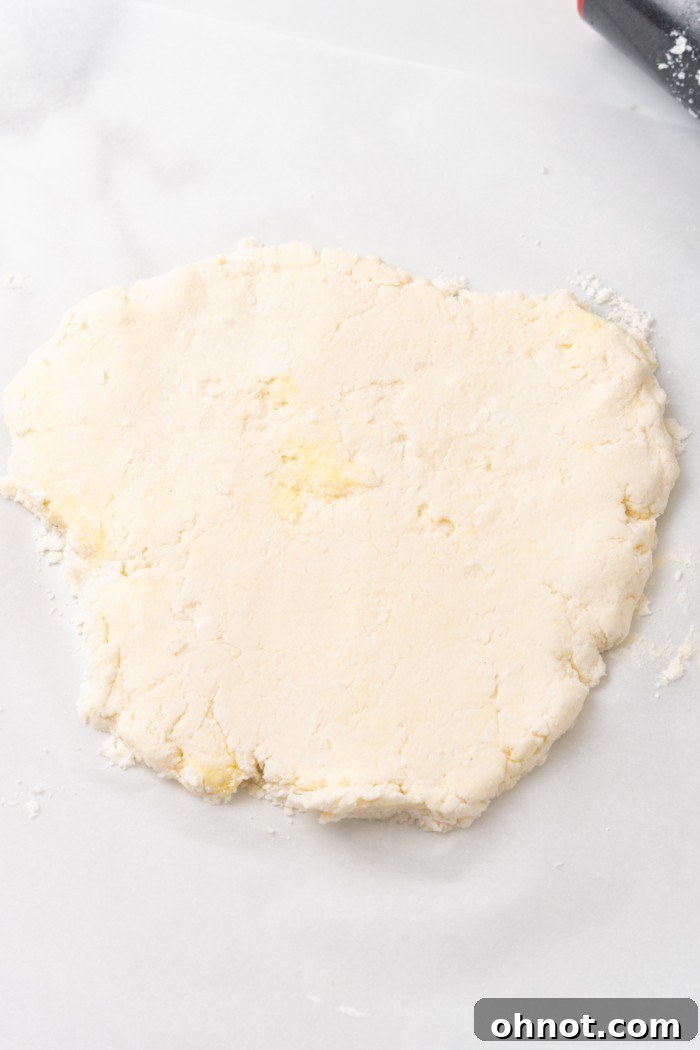
Step 8: Cut the Biscuits
Now for the fun part! Take your biscuit cutter (a 2.5-inch or 6 cm round cutter is ideal) or a similarly sized round glass, and firmly press straight down into the rolled dough to cut out individual biscuits. Avoid twisting the cutter, as this can seal the edges and inhibit the biscuits from rising properly and forming flaky layers. Carefully transfer the cut biscuits to your prepared baking sheet, ensuring they are spaced about 1 inch (2.5 cm) apart to allow for even baking and expansion.
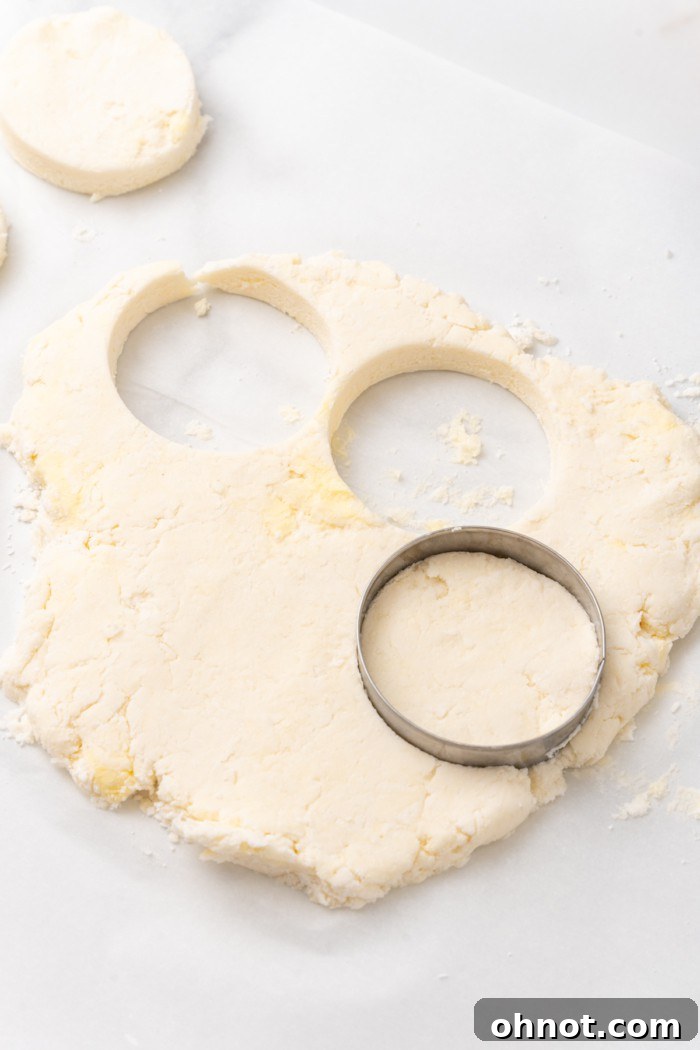
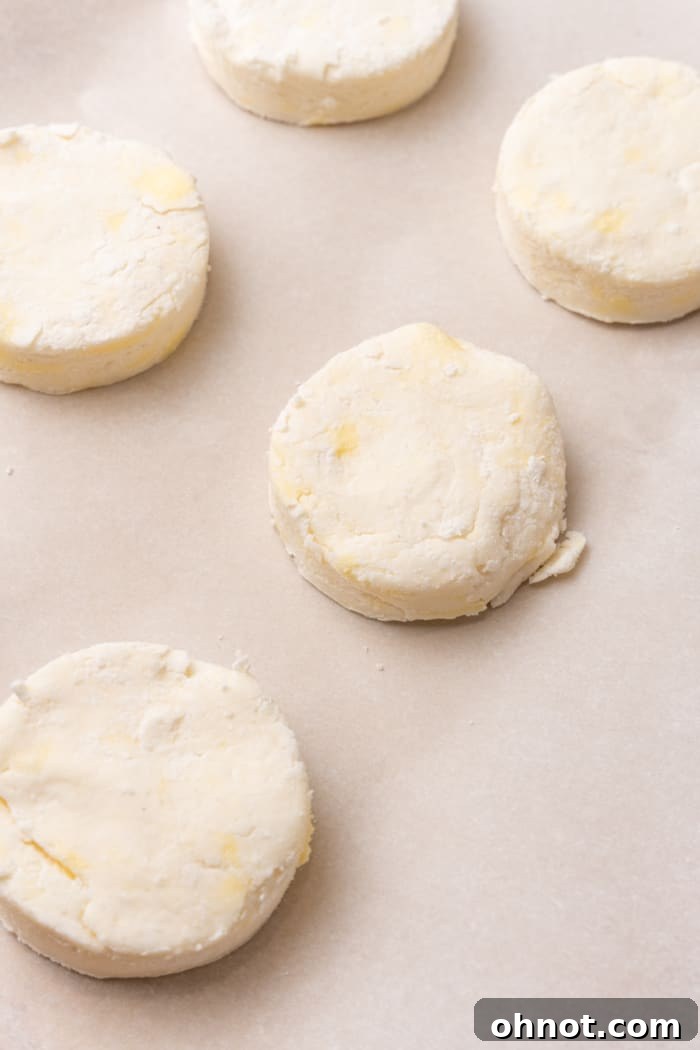
Step 9: Utilize Dough Scraps
Don’t let any dough go to waste! Gather the remaining dough scraps together, gently press them into a ball, and re-roll to the same ¾-inch thickness. Cut out additional biscuits until all the dough has been used. Keep in mind that biscuits from the second roll might be slightly less flaky due to the butter being worked more, but they will still be delicious.
Step 10: Bake to Golden Perfection
Carefully place the baking sheet into your preheated oven. Bake the biscuits for approximately 12 to 15 minutes. The precise baking time may vary slightly depending on your oven, so keep an eye on them. They are perfectly baked when their tops turn a beautiful golden brown and they feel firm to the touch. Avoid the temptation to open the oven door too frequently during baking, as this can cause them to deflate.
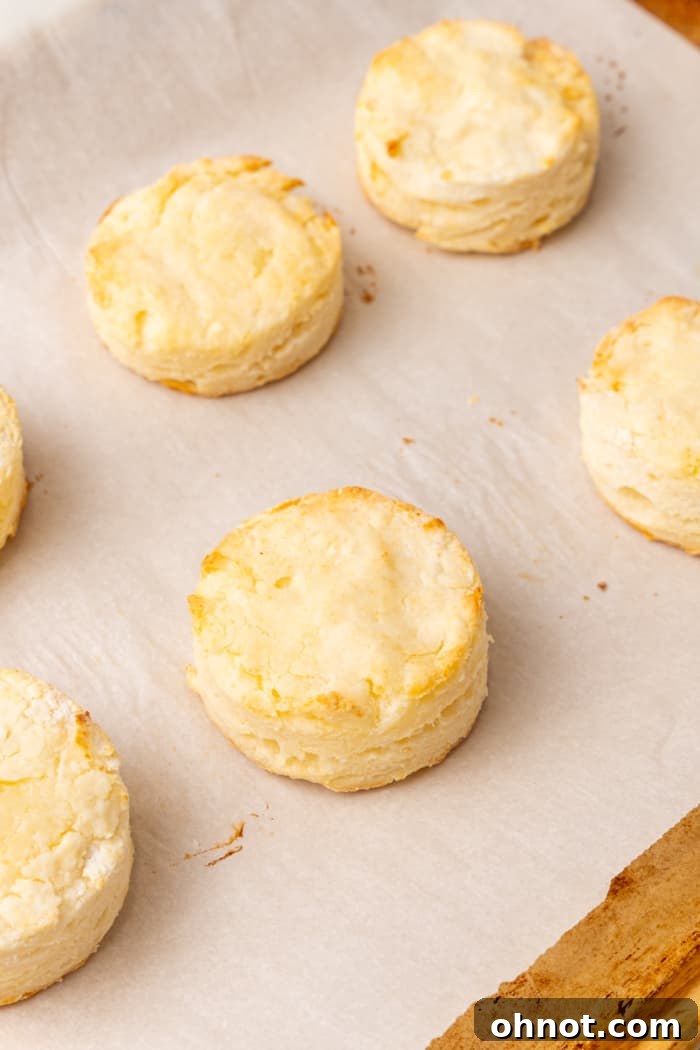
Step 11: Cool Slightly Before Serving
Once baked, carefully remove the baking sheet from the oven. Allow the biscuits to cool slightly on the baking sheet for about 5 minutes. This brief cooling period helps them firm up and makes them easier to handle. After this initial cooling, transfer them to a wire rack to cool completely, or serve them warm and fresh from the oven for the most delightful experience.
Step 12: Enjoy Your Homemade Gluten-Free Biscuits!
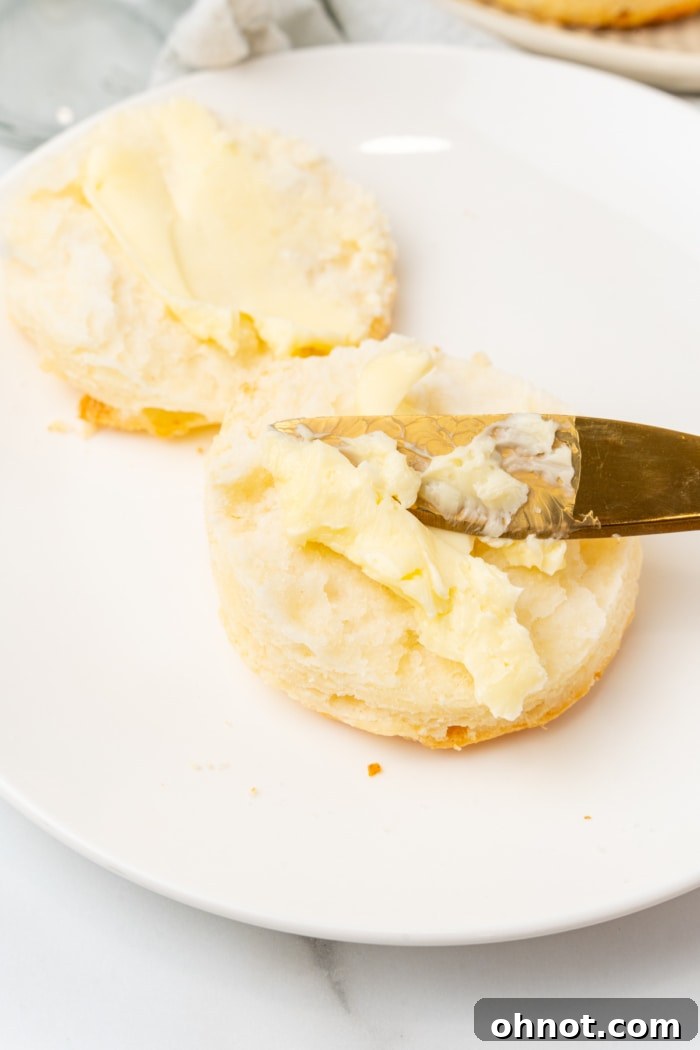
The moment you’ve been waiting for! Serve these exquisite gluten-free biscuits warm. They are absolutely divine with a generous smear of butter, a dollop of your favorite fruit jam, a drizzle of golden honey, or even alongside a hearty breakfast or dinner. Enjoy the fruits of your labor!
Expert Tips for Gluten-Free Biscuit Baking Success
Achieving perfect gluten-free biscuits is easier than you think with a few insider tricks. Follow these expert tips for consistent success and outstanding results every time:
- Choose a Quality Gluten-Free Flour Blend: Not all gluten-free flours are created equal. As mentioned, a blend specifically designed as a “1-to-1” or “cup-for-cup” replacement with added xanthan gum is crucial. Poor quality blends can lead to a gritty texture or cause your biscuits to fall apart. Investing in a reputable brand like King Arthur Flour will make a significant difference.
- Maintain Cold Ingredients: This is perhaps the most critical tip for flaky biscuits. Ensure your butter and milk are as cold as possible, straight from the refrigerator. Cold ingredients prevent the butter from fully melting into the dough too early, allowing it to create steam pockets and those desirable layers during baking.
- Do Not Overmix the Dough: While gluten-free dough doesn’t develop gluten, overmixing can still lead to a tough or dense texture. Mix just until the ingredients are combined and the dough barely comes together. A few dry patches are better than an overmixed, gummy dough.
- Work Quickly and Gently: When cutting in butter or kneading the dough, try to work efficiently to minimize the transfer of heat from your hands to the ingredients. Gentle handling ensures the dough remains tender.
- Avoid Twisting the Biscuit Cutter: When cutting out biscuits, press straight down and lift straight up. Twisting the cutter seals the edges of the biscuit, which can prevent it from rising fully and achieving its signature flaky layers.
- Bake Until Golden Brown: Don’t underbake your biscuits. They need to achieve a beautiful golden-brown color on top to ensure they are cooked through and have a crisp exterior while remaining soft inside. Overbaking, however, will dry them out. Keep an eye on them, especially during the last few minutes.
- Proper Dough Thickness is Key: Rolling the dough to approximately ¾ inch (2 cm) ensures your biscuits have enough substance to rise impressively and develop those desirable internal layers without being too thin or dense.
Exciting Flavor Variations & Delicious Add-Ins for Your Biscuits
This versatile gluten-free biscuit recipe is a fantastic canvas for culinary creativity. Here are some delightful ways to customize your batch, whether you’re craving something sweet or savory:
Sweet Indulgences:
- Cinnamon Spice: For a warm, inviting flavor, add ½ teaspoon of ground cinnamon to the dry ingredients. You can also roll the cut biscuits in a mixture of granulated sugar and cinnamon before baking for a sweet, crunchy topping. A pinch of nutmeg or allspice can further enhance the aroma.
- Fruit Burst: Fold in ¼ cup of fresh or frozen (not thawed) berries like blueberries, raspberries, or chopped strawberries into the dough just before the final knead. This adds a burst of fruity flavor and moisture. Ensure fruit pieces are small to distribute evenly.
- Lemon Zest: Incorporate 1 tablespoon of fresh lemon zest into the dry ingredients for a bright, citrusy note that pairs wonderfully with sweet toppings.
- Sweet Glaze: After baking and cooling slightly, drizzle your warm biscuits with a simple glaze made from powdered sugar and a touch of milk or lemon juice for an extra treat.
Savory Sensations:
- Cheesy Goodness: Stir in ¼ cup of shredded cheese (such as sharp cheddar, Gruyere, or a blend of your favorites) into the dry ingredients along with the butter. This creates wonderfully savory, cheesy biscuits perfect for pairing with soup or chili.
- Herb Infusion: Add 1-2 tablespoons of finely chopped fresh herbs like chives, rosemary, thyme, or parsley to the flour mixture. These aromatic additions transform the biscuits into an elegant accompaniment for savory meals.
- Garlic & Herb: Mix in 1 teaspoon of garlic powder and 1 tablespoon of dried Italian herbs for a flavorful twist. You can also brush the tops with melted garlic butter after baking.
- Spicy Kick: A pinch of cayenne pepper or finely diced jalapeño (remove seeds for less heat) can add a delightful kick, especially great with fried chicken or chili.
Serving Suggestions & Storage Tips for Your Gluten-Free Biscuits
These homemade gluten-free biscuits are a versatile delight, perfect for any meal or snack. Knowing how to serve and store them properly will ensure you enjoy their deliciousness for as long as possible.
Serving Your Warm Biscuits:
- Classic Comfort: Serve them immediately after baking for the ultimate experience! A pat of softened butter melting into the warm, flaky layers is pure bliss.
- Savory Pairings: These biscuits are the ideal companion for a variety of savory dishes. Enjoy them with our gluten-free gravy for a traditional breakfast, alongside roasted chicken, beef stew, or a hearty bowl of chili. They also make an excellent side for eggs, bacon, or sausage.
- Sweet Indulgences: For those with a sweet tooth, top your biscuits with a variety of spreads. Think Nutella, your favorite fruit jam or jelly, creamy peanut butter, or a generous drizzle of honey. They also make a fantastic base for a strawberry shortcake!
- Mini Sandwiches: Split them open and fill with scrambled eggs and cheese for a quick breakfast sandwich, or with thinly sliced deli meat and a slice of tomato for a light lunch.
Storing Leftover Biscuits:
- Room Temperature: For short-term storage, allow the biscuits to cool completely before placing them in an airtight container. They will maintain their freshness and best texture at room temperature for up to 3 days.
- Refrigeration: If you need to store them for a slightly longer period, refrigerate them in an airtight container for up to 5 days.
- Freezing for Later: Biscuits freeze exceptionally well! To freeze, wrap each cooled biscuit individually in plastic wrap, then place them in a freezer-safe bag or container. They can be frozen for up to 3 months. This is perfect for meal prepping or always having a quick biscuit on hand.
-
Reheating Instructions:
- From Room Temperature/Refrigerated: Reheat in a preheated oven at 350°F (175°C) for 5-10 minutes, or until warmed through and lightly crisp on the outside. You can also toast them lightly in a toaster oven.
- From Frozen: Place frozen biscuits on a baking sheet and reheat in a preheated oven at 350°F (175°C) for 15-20 minutes, or until thoroughly heated. There’s no need to thaw them first, though thawing overnight in the refrigerator can slightly reduce reheating time.
Frequently Asked Questions (FAQs) About Gluten-Free Biscuits
Absolutely! These gluten-free biscuits are fantastic for making ahead. You can prepare and bake them, then store them at room temperature for up to 3 days, or refrigerate for up to 5 days. For longer storage, freezing is an excellent option. To freeze, wrap each cooled biscuit individually in plastic wrap, then place them in a freezer-safe bag or container. They will keep well for up to 3 months. When you’re ready to enjoy them, simply thaw overnight in the refrigerator (if desired, though not strictly necessary) and reheat in a 350°F (175°C) oven for 10-20 minutes, depending on whether they are thawed or still frozen.
Yes, many grocery stores now offer gluten-free biscuit options, both in mixes and ready-to-bake forms in the freezer section. Brands like Simple Mills often have excellent gluten-free baking mixes, and Schar provides a variety of certified gluten-free bread products, including some biscuit-like items. Always be diligent about checking ingredient labels for certified gluten-free seals and to ensure they meet any other dietary needs you may have. However, homemade often tastes best and allows for customization!
The original Bisquick baking mix is not gluten-free as it contains wheat flour, which is a primary source of gluten. However, Betty Crocker does produce a dedicated gluten-free Bisquick product, often clearly labeled as “certified gluten-free” by organizations like the Gluten-Free Certification Organization (GFCO). If you’re looking for a quick, convenient gluten-free baking mix, always ensure you’re purchasing the specifically labeled gluten-free version.
The primary difference lies in the dough consistency and preparation method. Drop biscuits are made with a much wetter, stickier dough that is simply “dropped” or spooned onto a baking sheet, resulting in a more rustic, craggy appearance. They tend to have a softer, fluffier, and more cake-like texture. Rolled biscuits, like those in this recipe, use a drier, more workable dough that is rolled out and cut into distinct shapes. This method, combined with cold butter, creates those desirable flaky layers and a slightly denser, yet still tender, texture. Both are delicious, but offer different experiences.
The flakiness in these gluten-free biscuits primarily comes from two key factors: using very cold butter and the method of incorporating it. When cold butter is cut into the flour, it creates small, distinct pieces within the dough. As the biscuits bake at a high temperature, the water in these butter pieces turns to steam, pushing apart the layers of dough and creating those desirable flaky pockets. Avoiding overmixing also ensures these layers aren’t compressed, allowing them to expand beautifully.
Apple cider vinegar plays a crucial role in enhancing the rise and tenderness of these biscuits. When added to milk, it creates a homemade buttermilk substitute by causing the milk to curdle slightly. This acidified milk then reacts with the baking powder, producing more carbon dioxide bubbles than baking powder alone would. This powerful leavening action results in lighter, fluffier biscuits with a more tender crumb.
Essential Equipment for Gluten-Free Biscuit Making
Having the right tools can make all the difference in your biscuit-baking journey. These are the key pieces of equipment you’ll need to create perfect gluten-free biscuits:
- Food Processor (Optional but Recommended): While you can cut butter into flour by hand, a food processor makes this step incredibly quick and efficient, ensuring the butter stays cold.
- Pastry Cutter (Alternative to Food Processor): If you prefer to work by hand, a sturdy pastry cutter is indispensable for incorporating cold butter into the dry ingredients to achieve that coarse, crumbly texture.
- Large Mixing Bowl: Essential for comfortably combining your dry ingredients and then forming the dough without spills.
- Small Mixing Bowl: Perfect for preparing your milk and apple cider vinegar mixture.
- Baking Pan & Parchment Paper: A reliable baking sheet ensures even heat distribution, and parchment paper prevents sticking and makes cleanup a breeze.
- Rolling Pin: For evenly rolling out your biscuit dough to the perfect thickness.
- Biscuit Cutter (or Round Glass): To cut uniform biscuits, ensuring they bake consistently. A 2.5-inch cutter is a standard size.
- Whisk & Spatula: Basic tools for mixing and scraping the bowl.
Explore more of my kitchen favorites for other essential baking and cooking tools!
More Gluten-Free Delights You’ll Love
If you enjoyed baking these fantastic gluten-free biscuits, we’re sure you’ll love exploring some of our other popular gluten-free recipes:
- Flaky Gluten-Free Pie Crust Recipe: Perfect for all your sweet and savory pie needs.
- Fun Puff Pastry Christmas Trees: A delightful and festive gluten-free treat.
- The Best Paleo Pie Crust: A wholesome and delicious alternative for specific dietary requirements.
- Homemade Gluten-Free Pizza Crust: Enjoy pizza night without compromise.
- Fluffy Gluten-Free Pancakes: Start your day with a stack of delicious, light pancakes.
We hope you adore this easy gluten-free biscuit recipe! Your feedback truly brightens our day, so if you make them, please consider leaving a review. You can connect with us and share your creations on Instagram, Facebook, and Pinterest. For exclusive behind-the-scenes content and a vibrant community, join our exclusive Facebook Group. We’d love for you to follow along! For more culinary inspiration, explore our extensive collection of Breakfast Recipes.
The Ultimate Recipe:
Gluten-Free Biscuits
Pin Recipe
Ingredients
- 2 cups gluten free 1 to 1 flour
- 1 tbsp baking powder
- ½ tsp salt
- ¼ cup cold unsalted butter, cubed
- ¾ cup milk, dairy or non-dairy (cold)
- 1 tbsp apple cider vinegar
Instructions
-
First, preheat the oven to 425°F (220°C). Line a baking sheet with parchment paper.
-
In a large mixing bowl, whisk together the gluten-free flour, baking powder, and salt until well combined.
-
Add the cold cubed butter to the flour mixture. Use a pastry cutter or your fingers to cut the butter into the flour until the mixture resembles coarse crumbs. This can also be done in a food processor by pulsing the ingredients together briefly.
-
In a separate bowl, mix together the milk and apple cider vinegar. Let it sit for a minute or two to curdle slightly.
-
Pour the milk mixture into the flour mixture. Stir gently until the dough just comes together. It may be slightly sticky but should hold together well. Avoid overmixing.
-
Dust a clean surface with gluten-free flour. Transfer the dough onto the surface and gently knead it a few times (3-5 times) until it becomes smooth enough to roll.
-
Roll out the dough to a thickness of about ¾ inch (2 cm).
-
Use a biscuit cutter or a round glass to cut out biscuits from the rolled dough. Press straight down without twisting. Place the biscuits onto the prepared baking sheet, spacing them about 1 inch (2.5 cm) apart.
-
Gather the dough scraps, gently re-roll, and cut out additional biscuits until all the dough is used.
-
Bake the biscuits in the preheated oven for about 12 to 15 minutes, or until they are golden brown on top and cooked through.
-
Remove the biscuits from the oven and let them cool slightly on the baking sheet for about 5 minutes before transferring them to a wire rack to cool completely.
-
Finally, serve the gluten-free biscuits warm with your favorite spreads, such as butter, jam, or honey, or alongside a savory meal.
Notes
- I have had the most success using King Arthur Flour gluten-free flour in this recipe.
- The biscuit dough may be slightly sticky; this is normal for gluten-free dough.
- Use a little extra gluten-free flour on your work surface and rolling pin to help prevent sticking.
- Do not roll the dough thinner than ¾ inch in thickness for optimal rise and texture.
- The biscuits are done baking when they are beautifully golden brown on top.
- Store at room temperature in an airtight container for up to 3 days, or freeze for longer storage.
Nutrition Information (per biscuit):
- Calories: 212 kcal
- Carbohydrates: 34 g
- Protein: 3 g
- Fat: 7 g
- Saturated Fat: 4 g
- Polyunsaturated Fat: 0.4 g
- Monounsaturated Fat: 2 g
- Trans Fat: 0.2 g
- Cholesterol: 18 mg
- Sodium: 314 mg
- Potassium: 68 mg
- Fiber: 1 g
- Sugar: 1 g
- Vitamin A: 214 IU
- Calcium: 122 mg
- Iron: 0.3 mg