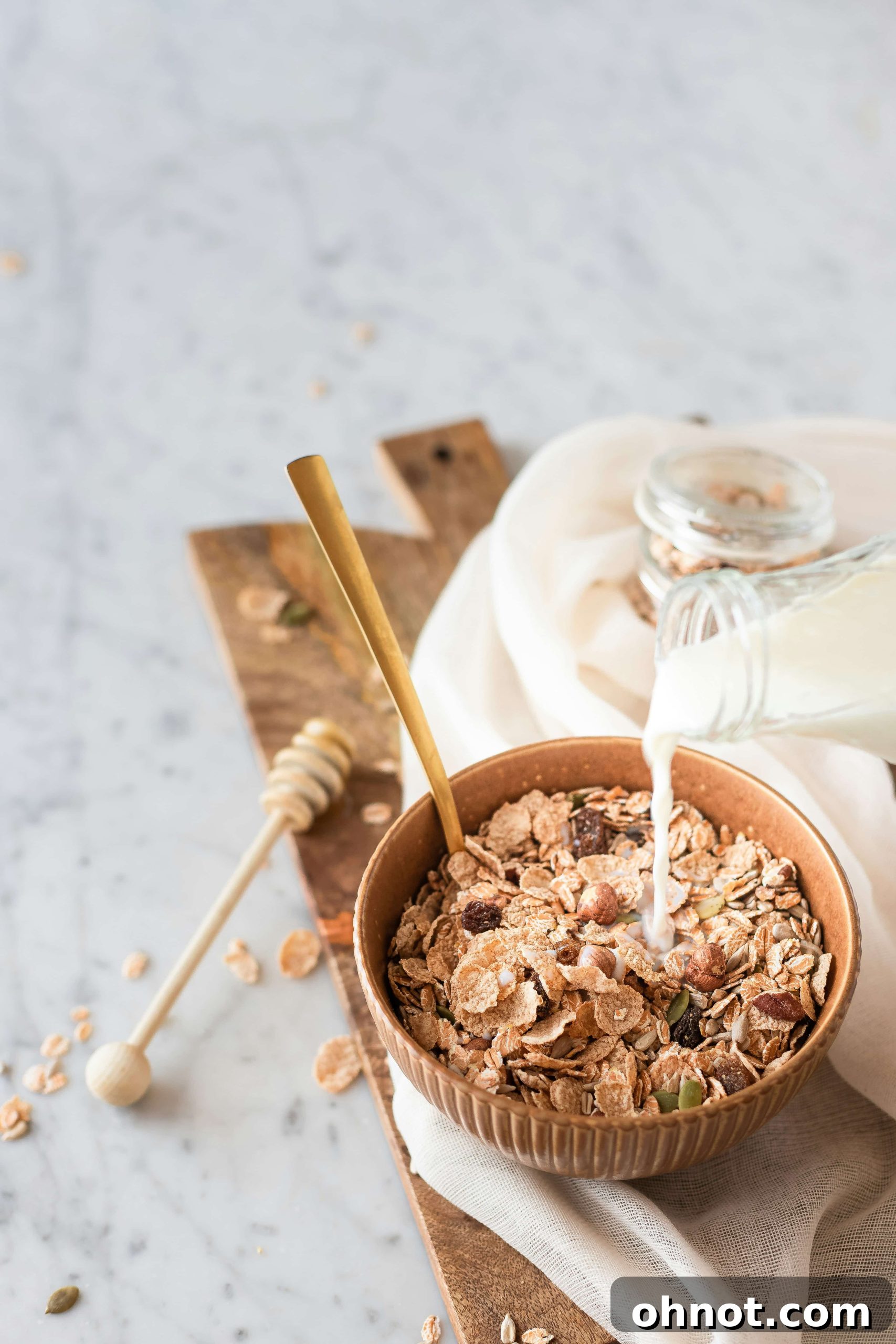
Starting your day with a nourishing and energizing breakfast is essential. It provides the fuel your body needs to tackle the morning and sets a positive tone for the rest of your day. However, for individuals navigating Celiac disease, gluten sensitivity, or adhering to a gluten-free diet, the simple act of choosing a morning cereal can become a complex challenge. Many traditional cereals contain wheat, barley, or rye, making them off-limits. Fortunately, the market for gluten-free products has exploded, offering a diverse array of delicious and safe options. This comprehensive guide is designed to empower you with the knowledge to confidently select the perfect gluten-free cereal, ensuring you can enjoy a wholesome and satisfying start every day.

Discovering Safe and Delicious Gluten-Free Cereals for Your Diet
The landscape of gluten-free cereals has expanded dramatically, offering an abundance of choices for those avoiding gluten. What was once a niche market now features many mainstream and specialty brands committed to producing safe and delicious options. While variety is great, it’s always crucial to double-check product labels for specific gluten-free certifications and ingredient lists, as formulations can change. Below, we explore a wide range of cereals that are commonly recognized as gluten-free, providing you with a solid foundation for your breakfast choices.
1. Pure Oats Cereal: A Versatile Gluten-Free Staple
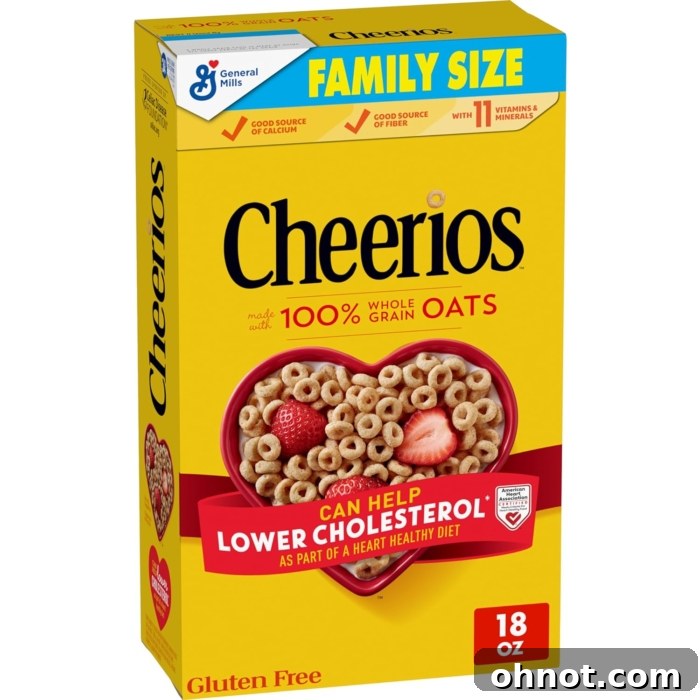
Oats are naturally gluten-free, but they are often processed in facilities that also handle wheat, barley, and rye, leading to potential cross-contamination. This is why it’s imperative to choose oats that are specifically labeled as “Certified Gluten-Free.” Brands like Bob’s Red Mill, GF Harvest, and even popular options such as Cheerios (many varieties) offer certified gluten-free oat cereals. These oats are grown, harvested, and processed in dedicated gluten-free environments or through purity protocols to ensure they meet strict gluten-free standards. Whether you prefer old-fashioned rolled oats for a warm breakfast, quick oats for convenience, or oat-based cold cereals, certified gluten-free options provide a hearty and fiber-rich start to your day. They are an excellent source of soluble fiber, which can help lower cholesterol and regulate blood sugar.
2. Rice-Based Cereals: Light, Crispy, and Naturally Gluten-Free
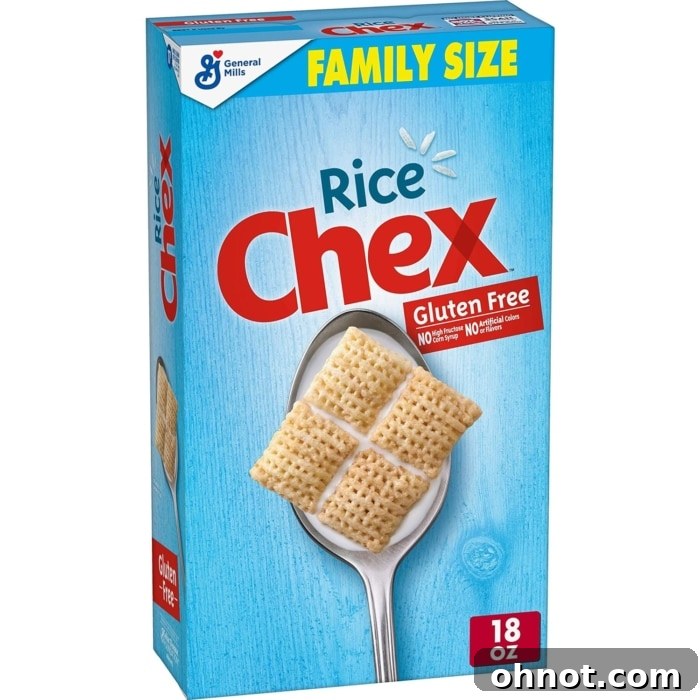
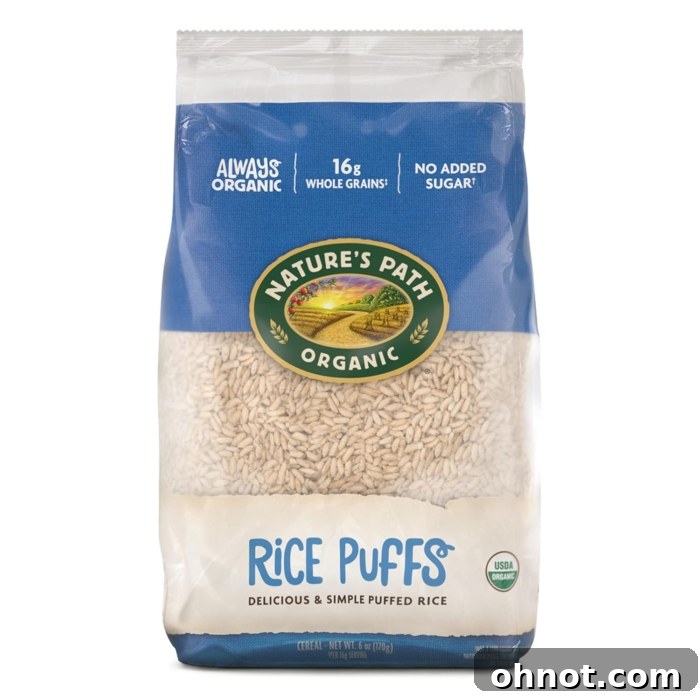
Rice is a naturally gluten-free grain that forms the base of many popular cereals. Its mild flavor and versatile texture make it a favorite for both hot and cold breakfast options. General Mills offers several varieties of Rice Chex, which are certified gluten-free and have been a staple for many on a gluten-free diet for years. They offer a satisfying crunch and are excellent with milk or as an ingredient in gluten-free recipes. For a simpler, often unsweetened option, Nature’s Path Rice Puffs are a fantastic choice. These light and airy puffs are perfect for those who want to avoid added sugars and prefer to customize their cereal with fresh fruits, nuts, or a touch of honey. Rice-based cereals are generally easy to digest and provide a good source of energy without the heavy feeling that some other grains might impart.
3. Corn-Based Cereals: A Sweet and Savory Gluten-Free Choice
Corn is another naturally gluten-free grain widely used in cereal production. Its distinct flavor and versatility allow for both sweet and savory cereal creations. Just like its rice counterpart, Corn Chex from General Mills is a popular gluten-free option, offering a satisfying crunch and a slightly sweeter profile than Rice Chex. These are perfect for making gluten-free Chex Mix or enjoying with your favorite milk. For those seeking organic and kid-friendly options, brands like EnviroKidz offer delicious corn-based cereals such as their Corn Puffs. These cereals are often fortified with vitamins and minerals, making them a nutritious and enjoyable breakfast for the whole family. Corn cereals can provide a source of B vitamins and dietary fiber, contributing to overall health.
4. Buckwheat Cereals: A Nutrient-Dense Pseudo-Grain
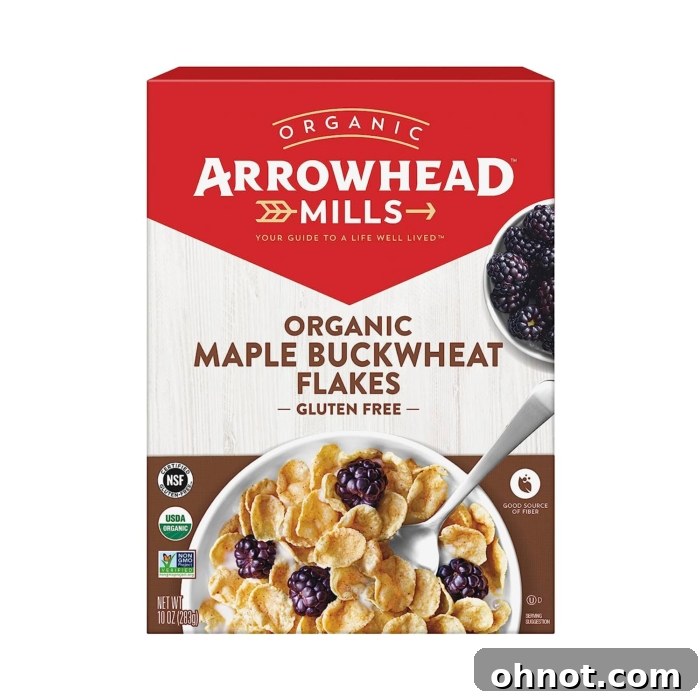
Despite its name, buckwheat is not related to wheat and is entirely gluten-free. It’s actually a pseudo-cereal, rich in protein, fiber, and essential minerals like magnesium and manganese. Buckwheat offers a unique, slightly nutty flavor that can be incredibly satisfying. Products like Arrowhead Mills Maple Buckwheat Flakes provide a crispy, flavorful cold cereal alternative. For a warm and comforting start, pure buckwheat hot cereal, often sold as “Cream of Buckwheat,” is an excellent alternative to oatmeal. It cooks quickly and can be customized with fruits, nuts, or sweeteners to your liking. Incorporating buckwheat into your diet can enhance nutritional intake and offer a pleasant textural change from more common gluten-free grains.
5. Quinoa Cereals: The Ancient Grain Powerhouse
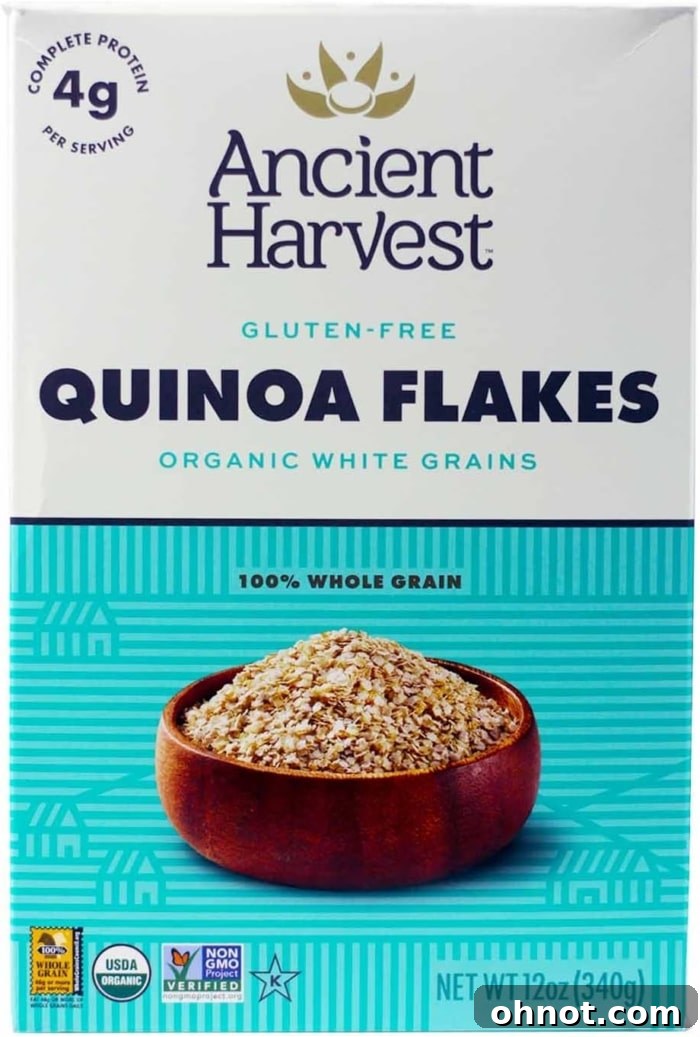
Quinoa, another popular pseudo-cereal, is celebrated for its impressive nutritional profile. It’s a complete protein, meaning it contains all nine essential amino acids, and is also rich in fiber, iron, and magnesium. Quinoa is naturally gluten-free and can be a fantastic addition to your breakfast routine. Ancient Harvest Quinoa Flakes are a convenient way to enjoy this superfood. They can be prepared quickly like instant oatmeal, offering a warm and nutritious meal. Alternatively, they can be sprinkled raw over yogurt, fruit, or other cereals to add a delightful crunch and a boost of nutrients. Quinoa cereals are an excellent choice for those looking to maximize their protein and nutrient intake in the morning.
6. Sorghum Cereals: Hearty and Wholesome Options
Sorghum is an ancient grain that is naturally gluten-free and highly nutritious. It’s known for being rich in antioxidants, fiber, and protein, making it a valuable component of a healthy diet. Sorghum grains have a slightly sweet and nutty flavor, and when puffed or flaked, they create a satisfying cereal texture. Brands like Nature’s Path offer various sorghum-based cereals, sometimes blended with other gluten-free grains to create unique flavor profiles and textures. Sorghum cereals can be enjoyed cold with milk or warmed up for a comforting breakfast. They are often a good alternative for those looking for less common grains in their gluten-free journey, providing sustained energy throughout the morning.
7. Millet-Based Cereals: Light and Easily Digestible
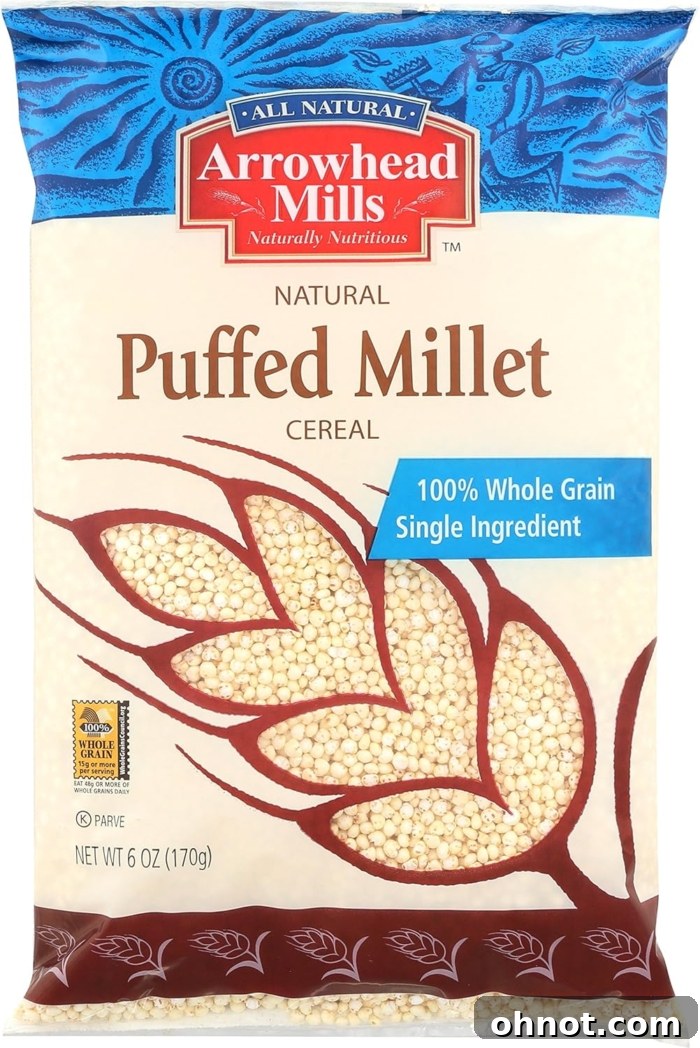
Millet is a small, round, naturally gluten-free grain that is easily digestible and boasts a good nutritional profile, including B vitamins, magnesium, and phosphorus. It has a mild, slightly sweet flavor. Millet Puffs are a popular form of millet cereal, available from various health food brands. These airy and crunchy puffs can serve as an excellent base for homemade gluten-free muesli, or simply enjoyed with milk and fresh fruit. Millet’s light texture makes it a pleasant alternative to heavier grains, and its nutrient content supports overall well-being. It’s a versatile grain that can be incorporated into a variety of breakfast preparations, offering a gentle yet fulfilling start to the day.
8. Certified Gluten-Free Granolas: Crunchy Goodness Without the Gluten
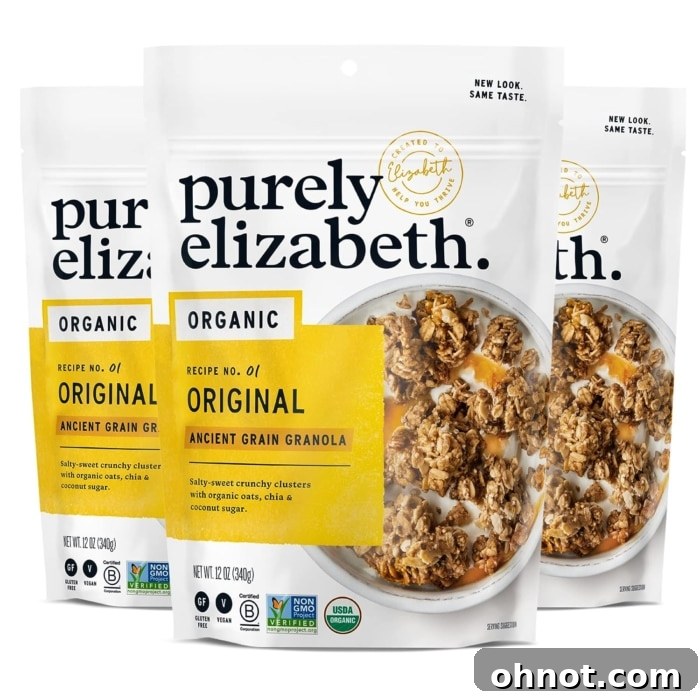
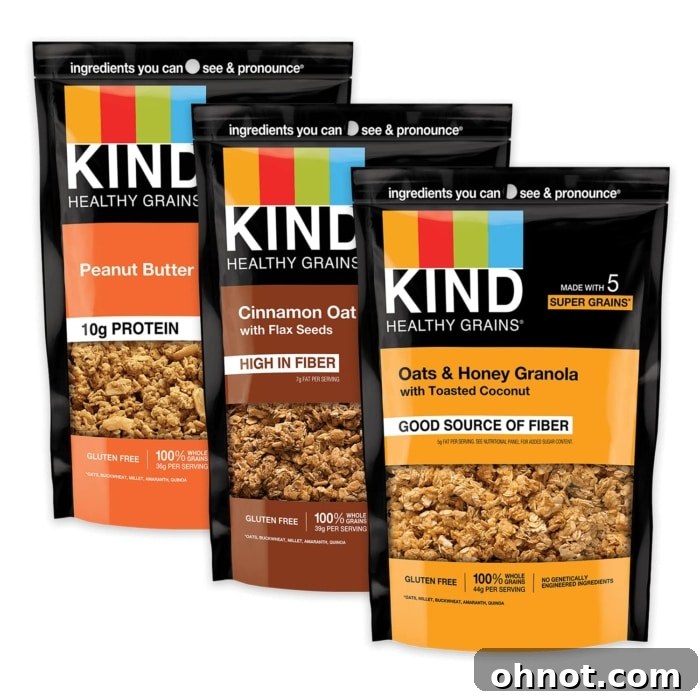
Granola is a beloved breakfast staple, but traditional versions often contain oats that are not certified gluten-free, or even wheat-based ingredients. Thankfully, many brands now offer delicious and safe certified gluten-free granolas. Purely Elizabeth is a leader in this category, offering a range of gluten-free granolas made with nutritious ingredients like organic oats, quinoa, chia seeds, and amaranth. These granolas are not only gluten-free but often feature lower sugar content and are packed with healthy fats and fiber. Similarly, Kind Snacks provides a variety of gluten-free granolas built on a base of certified gluten-free oats and ancient grains, often mixed with nuts and dried fruits for added flavor and texture. Granola is perfect for topping yogurt, adding to smoothie bowls, or simply enjoying with milk for a satisfyingly crunchy meal.
9. Gluten-Free Muesli: A Wholesome European Delight
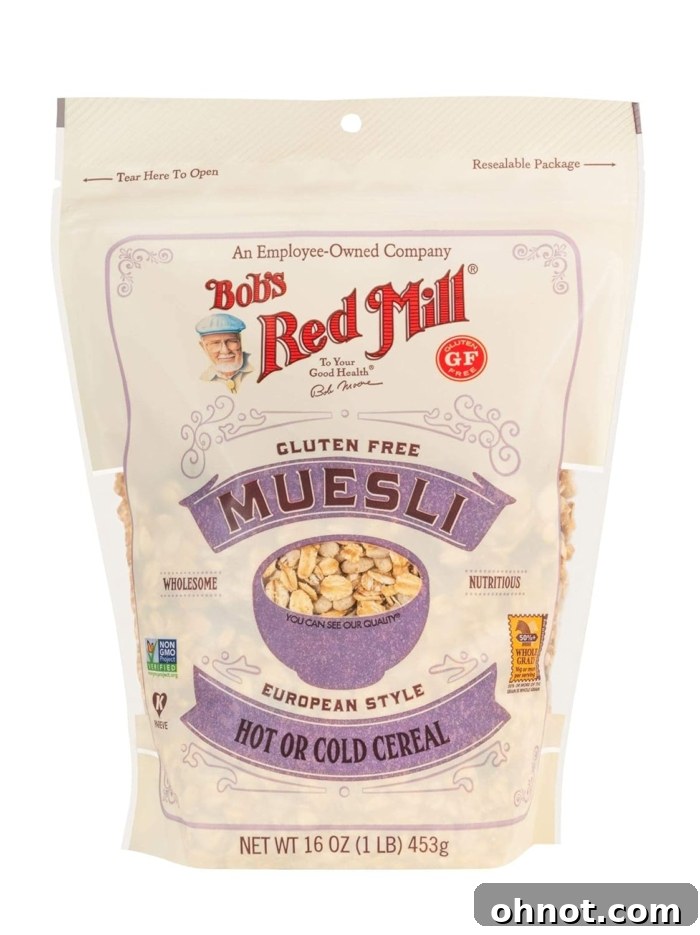
Muesli, a traditional Swiss breakfast food, is a blend of rolled oats, nuts, seeds, and dried fruits. While classic muesli often contains non-certified oats or other gluten-containing grains, many brands now offer explicitly gluten-free versions. Bob’s Red Mill Gluten Free Muesli is a prime example, carefully crafted to exclude gluten while retaining all the diverse textures and flavors that make muesli so appealing. Gluten-free muesli provides a nutrient-dense breakfast that can be enjoyed hot or cold. It’s an excellent source of fiber, plant-based protein, and healthy fats. You can soak it overnight in milk or yogurt for a creamy and convenient breakfast, or simply add hot water or milk for a warm, hearty meal. Muesli offers flexibility and a rich nutritional profile for a satisfying start to your day.
10. Specialized Gluten-Free Brands: Dedicated to Dietary Needs
Beyond general market offerings, several brands specialize exclusively in gluten-free products, providing a higher level of assurance for those with severe sensitivities. Brands like **Freedom Foods** offer a wide range of gluten-free cereals, including various flakes and muesli blends designed to cater to different tastes and preferences. **Erewhon** is another well-regarded brand known for its organic, wholesome cereals, many of which are certified gluten-free. These specialized brands often implement rigorous testing and production protocols to prevent cross-contamination, making them a trusted choice for many on a gluten-free diet. Their dedication to gluten-free integrity means consumers can often find innovative and delicious options that might not be available from mainstream manufacturers.
11. Other Naturally Gluten-Free Grains and Simple Options
For those who prefer minimalist options or enjoy creating their own blends, several single-ingredient, naturally gluten-free puffed cereals are available. **Puffed Amaranth, Puffed Millet, or Puffed Rice Cereals** are excellent choices. These cereals are typically unflavored and unsweetened, allowing you to control the additions. They are simple, light, and versatile, serving as a neutral base for a variety of toppings like fresh berries, nuts, seeds, cinnamon, or a drizzle of maple syrup. These options are particularly appealing for individuals with multiple dietary restrictions or those who prioritize whole, unprocessed foods.
Specialty and Organic Brands Committed to Gluten-Free
Many specialty and organic brands have made a strong commitment to providing high-quality gluten-free offerings, often focusing on wholesome ingredients and sustainable practices. These include, but are not limited to:
- Nature’s Path: A pioneer in organic cereals, with a vast selection of gluten-free options.
- Enjoy Life Foods: Known for products free from 14 common allergens, including gluten.
- Bakery On Main: Offers a range of delicious gluten-free granolas and oatmeal.
- Go Raw: Specializes in sprouted, organic, and gluten-free cereals and snacks.
How to Identify a Truly Gluten-Free Cereal: A Detailed Guide
Navigating the supermarket aisles to find genuinely gluten-free cereals requires diligence and an understanding of labeling standards. For individuals with Celiac disease or significant gluten sensitivity, ensuring a product is safe is paramount. Here’s a comprehensive approach to verifying if a cereal is gluten-free:
1. Scrutinize Certification Labels for Ultimate Assurance
The most reliable indicator of a gluten-free product is a recognized certification label from a reputable third-party organization. These certifications signify that the product has undergone independent testing and adheres to stringent standards for gluten content, often far below the general regulatory threshold. Look for these key labels:
- The Gluten-Free Certification Organization (GFCO) label: This widely recognized symbol certifies products to contain less than 10 parts per million (ppm) of gluten, a stricter standard than the FDA’s.
- The Celiac Support Association (CSA) seal: Products bearing this seal are recognized as gluten-free if they contain less than 5 ppm of gluten, offering one of the lowest thresholds for safety.
- The Gluten-Free Certification Program (GFCP) label: Often seen in partnership with the National Celiac Association (NCA) in the U.S. or the Canadian Celiac Association (CCA), this program also ensures products meet rigorous gluten-free criteria.
These labels are your strongest guarantee against gluten contamination.
2. Understand “Gluten-Free” Labeling Regulations
In many countries, including the United States, specific regulations govern the use of “gluten-free” labeling. In the U.S., the FDA mandates that any product labeled “gluten-free,” “no gluten,” “free of gluten,” or “without gluten” must contain less than 20 ppm of gluten. While this provides a legal standard, it’s important to note that the FDA regulates the labeling claim itself and does not provide certification or conduct product testing. Therefore, while helpful, the “gluten-free” label alone might not always carry the same weight as a third-party certification for those with extreme sensitivities.
3. Diligently Read the Ingredient List
Always meticulously read the ingredient list. Avoid cereals that list wheat, barley, rye, or triticale. Be vigilant for hidden sources of gluten such as malt (derived from barley), brewer’s yeast, wheat starch, or modified food starch if its origin isn’t specified (e.g., corn starch, potato starch). Pay particular attention to oats: unless they are explicitly labeled as “certified gluten-free oats,” standard oats carry a high risk of cross-contamination from shared harvesting and processing equipment with gluten-containing grains. Always opt for certified gluten-free oats to be safe.
4. Examine the Allergen Statement
Most food products include an allergen statement, typically located near or after the ingredient list, which highlights major allergens like wheat. While this is useful for identifying wheat, remember that barley and rye, which also contain gluten, are not legally required to be listed as major allergens in some regions (like the U.S.). Therefore, relying solely on the allergen statement is insufficient; you must cross-reference it with a careful read of the full ingredient list for all potential gluten sources.
5. Heed Cross-Contamination Warnings
Manufacturers sometimes include advisory statements about potential cross-contamination. Phrases such as “processed in a facility that also processes wheat,” “may contain traces of gluten,” or “produced on shared equipment with gluten-containing grains” are common. If you have Celiac disease or a serious non-Celiac gluten sensitivity, it is safest to avoid these products entirely, as even tiny amounts of gluten can trigger adverse reactions.
6. Research Company Information and Practices
Many conscientious food companies provide detailed information on their websites regarding their manufacturing practices, gluten-free protocols, and whether their facilities are dedicated gluten-free. A quick visit to the brand’s official website can offer valuable insights into their commitment to gluten-free safety and their testing procedures.
7. Utilize Third-Party Resources and Apps
Numerous third-party websites, blogs, and mobile applications are dedicated to guiding consumers through the gluten-free market. These resources often provide comprehensive lists of gluten-free products, user reviews, and even barcode scanning features that can instantly tell you if a product is considered gluten-free by their database. Always use such tools as a supplementary guide, not as a replacement for label scrutiny.
8. Contact Customer Service Directly
If you ever have lingering doubts or specific questions about a product’s gluten-free status, the most direct approach is to contact the manufacturer’s customer service department. They can provide the most current and detailed information regarding their ingredients, sourcing, and manufacturing processes.
In summary, while these steps significantly reduce risk, for those with Celiac disease or severe gluten intolerance, certified gluten-free labels offer the highest level of assurance. Always prioritize these labels and, when in doubt, consult with a healthcare professional or a registered dietitian who specializes in gluten-free diets.
Choosing Better-for-You Gluten-Free Cereals: Beyond Just “Gluten-Free”
When selecting a gluten-free cereal, it’s not enough to simply ensure it’s free from gluten. For optimal health, it’s vital to look beyond the “gluten-free” label and assess the overall nutritional content. Many gluten-free products can be high in sugar or refined starches. A truly “better-for-you” gluten-free cereal should contribute positively to your daily nutritional intake. Here’s what to consider when aiming for a healthier breakfast choice:
High in Fiber for Digestive Health
Fiber is crucial for a healthy digestive system, promoting regularity and contributing to feelings of fullness. Many naturally gluten-free grains are excellent sources of dietary fiber. Prioritize cereals that prominently feature whole grains, nuts, and seeds as their primary ingredients, such as:
- Buckwheat: A pseudo-cereal rich in soluble and insoluble fiber.
- Quinoa: An ancient grain that provides both fiber and protein.
- Amaranth: Another pseudo-cereal, known for its high fiber content.
- Chia seeds: Tiny powerhouses of soluble fiber and omega-3 fatty acids.
- Flaxseeds: Excellent for digestive health and healthy fats.
- Almonds and other nuts: Add fiber, healthy fats, and protein.
Emphasize Whole Grain Content
Whole grains are fundamental for a balanced diet, offering a wealth of nutrients including vitamins, minerals, and antioxidants. A whole grain contains all three parts: the bran, germ, and endosperm, providing more comprehensive nutrition than refined grains. Look for cereals where the first few ingredients are whole grains like:
- Brown rice: A wholesome alternative to white rice.
- Millet: A small, nutrient-dense grain.
- Teff: An ancient Ethiopian grain, rich in iron and calcium.
- Sorghum: High in antioxidants and often used in gluten-free blends.
- Certified gluten-free oats: An excellent source of beta-glucan fiber.
Prioritize Low Sugar Options
One of the most critical factors for a “better-for-you” cereal is its sugar content. Many cereals, including some gluten-free varieties, are laden with added sugars, which can negate other nutritional benefits. Aim for cereals with less than 5 grams of added sugar per serving. If you prefer a sweeter taste, opt for naturally sweet additions like fresh fruit (berries, sliced banana, diced apple), which also contribute natural fiber, vitamins, and antioxidants. A sprinkle of cinnamon or a dash of vanilla extract can also enhance flavor without added sugar.
Avoid Artificial Additives
For a truly wholesome option, choose cereals free from artificial colors, flavors, and preservatives. These synthetic ingredients offer no nutritional value and are best avoided. A shorter, recognizable ingredient list generally indicates a less processed and healthier product. Always read labels carefully to ensure you’re choosing a clean breakfast option.
Consider Nutrient Fortification
Some gluten-free cereals are fortified with essential vitamins and minerals, which can be particularly beneficial as gluten-free diets sometimes lack certain nutrients. Look for cereals that include fortification for:
- Iron: Important for energy and preventing anemia.
- B vitamins (such as folic acid, thiamine, riboflavin, and niacin): Crucial for metabolism and nervous system function.
- Vitamin D: Essential for bone health and immune function.
- Calcium: Vital for strong bones and teeth.
Include Healthy Fats for Satiety
Cereals that incorporate nuts and seeds provide healthy monounsaturated and polyunsaturated fats, which are beneficial for heart health and can help you feel full and satisfied for longer. This sustained satiety can be helpful for weight management and preventing mid-morning energy slumps. Ingredients like almonds, walnuts, pecans, pumpkin seeds, and sunflower seeds are excellent sources of healthy fats.
Boost Protein Content
A good protein content in your breakfast cereal can help with muscle maintenance and keep hunger at bay until your next meal. Look for cereals that naturally include protein-rich ingredients. Options containing quinoa, nuts, seeds, or even certain bean flours (like in some specialty blends) can significantly boost your protein intake in the morning.
Explore Organic and Non-GMO Options
For consumers who prioritize environmental considerations or wish to avoid genetically modified ingredients, there are many gluten-free cereals that are also certified organic and/or non-GMO. While these certifications don’t directly enhance nutrient content, they assure that ingredients were produced according to specific standards regarding pesticides, fertilizers, and genetic engineering, which can be important ethical and health considerations for many individuals.
Top Picks for “Better-for-You” Gluten-Free Cereals
Based on these criteria, here are a few examples of highly recommended healthier gluten-free cereals:
- Purely Elizabeth Ancient Grain Granola Cereal: This granola stands out for its use of organic quinoa, millet, and chia, offering a nutrient-dense crunch. It’s lightly sweetened with coconut sugar, a more natural alternative, and provides a significant boost of fiber and healthy fats.
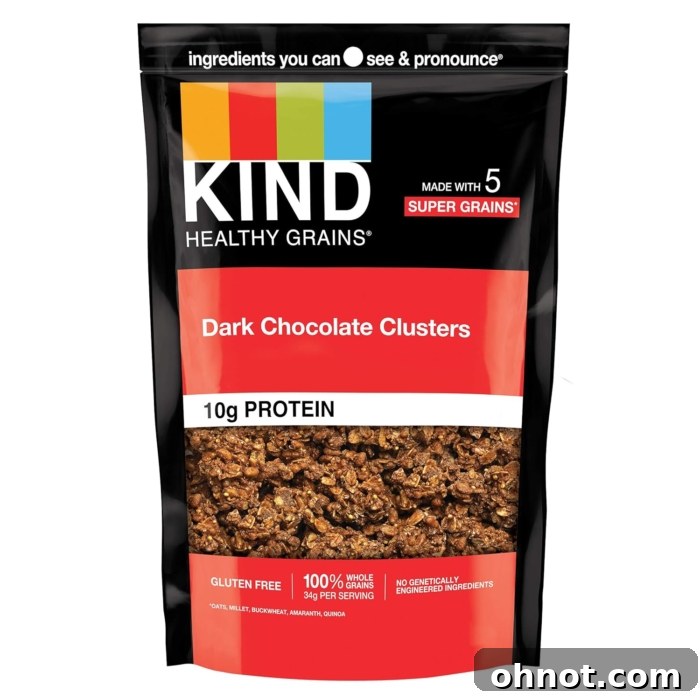
- Kind Healthy Grains Clusters: Available in a variety of delicious flavors, these clusters are celebrated for their rich mix of whole grains (like oats, buckwheat, millet, amaranth, and quinoa), nuts, and seeds. They offer substantial fiber and protein, ensuring sustained energy and a satisfying texture.
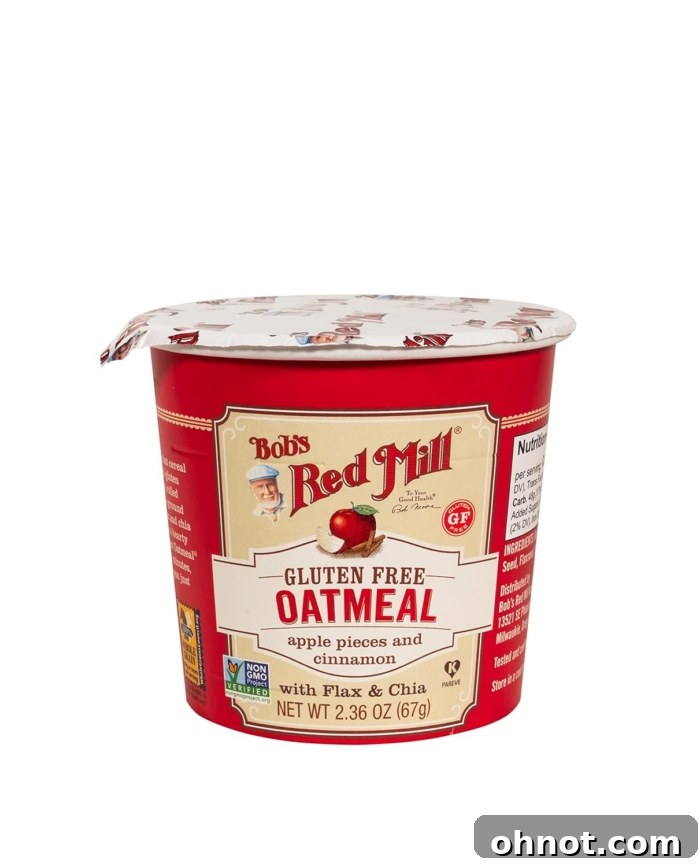
- Bob’s Red Mill Gluten Free Oatmeal Cups: For a warm and convenient option, these oatmeal cups are packed with certified gluten-free oats, flaxseeds, and chia seeds. This combination delivers an impressive amount of fiber and omega-3 fatty acids, making them a hearty and heart-healthy choice.
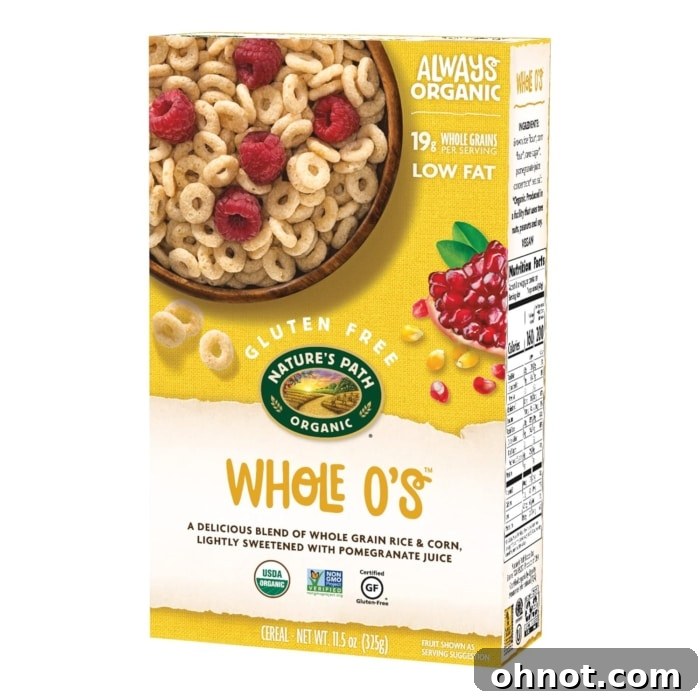
- Nature’s Path Organic Whole O’s: An excellent low-sugar option, this cereal is made from organic brown rice and corn. It mimics the classic “O” shape of popular cereals but with a wholesome, gluten-free twist, making it a good base for adding your own fruits and nuts.
The Ultimate Guide to the Best Gluten-Free Cereals for Every Palate
Defining the “best” gluten-free cereal is a subjective journey, influenced by individual taste preferences, dietary requirements, and the desired balance between flavor and nutritional value. However, certain cereals consistently rise to the top, lauded for their exceptional quality, delightful taste, and significant health benefits. Here’s a curated list of gluten-free cereals that have garnered widespread acclaim for striking this perfect balance, offering something for every breakfast lover.
Purely Elizabeth Ancient Grain Granola Cereal: Renowned for its gourmet quality, this granola is crafted with a blend of superfood grains like organic quinoa, amaranth, and chia. It’s lightly sweetened with coconut sugar, providing a delicate sweetness without excess. The rich texture and beneficial ingredients make it a favorite for those seeking a premium, nutrient-dense breakfast that’s great with yogurt, milk, or as a snack.
Bob’s Red Mill Gluten Free Oatmeal: A go-to for warmth and comfort, Bob’s Red Mill offers a range of certified gluten-free oatmeal, including convenient single-serve cups. These oatmeals are celebrated for their hearty texture and high fiber content, providing a satisfying and sustained energy release. They are perfect for customizing with your favorite fruits, nuts, and sweeteners for a truly personalized and nourishing start.
Kind Healthy Grains Clusters: These clusters are a triumph in texture and flavor, combining a variety of whole grains such as oats, buckwheat, millet, amaranth, and quinoa with nuts and seeds. The result is a delightfully crunchy and satisfying cereal that is also an excellent source of fiber. Available in numerous flavors, from vanilla blueberry to dark chocolate, there’s a Kind Cluster for every craving, ideal for a quick breakfast or a healthy snack.
Thrive Market Organic Coconut Flakes: For those looking for a grain-free option, these organic coconut flakes offer a unique and delicious alternative. Made simply from coconut meat and a touch of coconut sugar, they are naturally gluten-free and provide a tropical twist to breakfast. They can be enjoyed with milk, sprinkled over fruit, or used as a crunchy topping for smoothie bowls, offering healthy fats and a satisfying crispness.
When choosing the “best” for you, consider what you prioritize: perhaps it’s high protein, low sugar, maximum fiber, or a specific texture. Each of these options delivers on taste and quality, ensuring a truly enjoyable gluten-free breakfast experience.
Top Picks: Discovering the Most Popular Gluten-Free Cereals on the Market
When it comes to mass appeal and widespread availability, certain gluten-free cereals have captured the hearts of consumers. These popular choices often succeed by delivering familiar tastes and textures reminiscent of traditional cereals, making the transition to a gluten-free diet much easier and more enjoyable. Here’s a rundown of some of the most popular gluten-free cereals that regularly find their way into shopping carts:
Cheerios: A true household name, many varieties of Cheerios have successfully transitioned to certified gluten-free status, much to the delight of gluten-sensitive consumers. Flavors like the classic Original Cheerios, Honey Nut Cheerios, and Frosted Cheerios are now widely available with a gluten-free label. They use a proprietary sorting process to ensure oats are free from wheat, barley, and rye. This makes them an incredibly accessible and comforting choice for many seeking a familiar breakfast experience without the gluten.
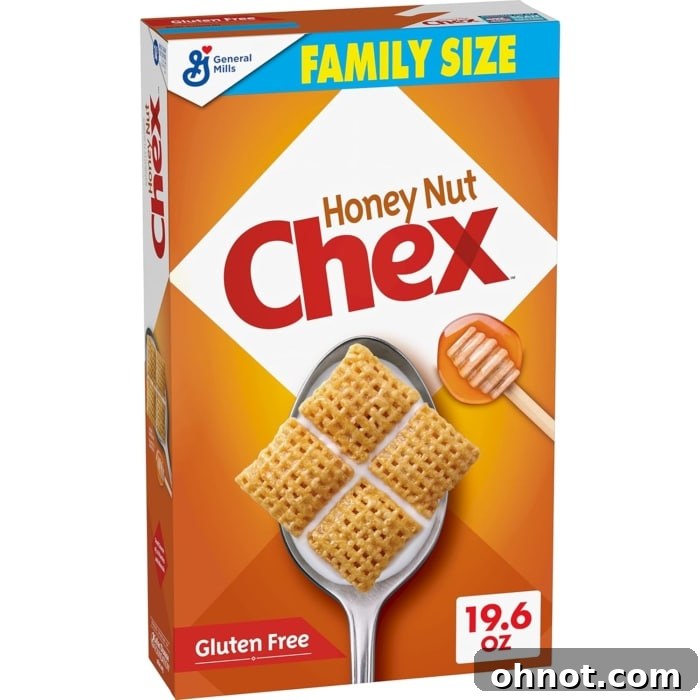
Chex: Another staple from General Mills, the majority of Chex cereals are naturally gluten-free and have been a long-standing favorite. Varieties such as Rice Chex and Corn Chex are excellent, crunchy options that stand up well in milk. For those with a sweet tooth, Chocolate Chex and Cinnamon Chex offer delightful flavor profiles while remaining gluten-free. Their versatility also makes them popular for recipes like gluten-free “Chex Mix” snacks, cementing their place as a go-to gluten-free grain cereal.
Nature’s Path Organic Cereals: This brand is a consistent winner for those seeking both gluten-free and organic options. Nature’s Path offers an extensive range of popular gluten-free cereals, including fan favorites like Crunchy Vanilla Sunrise, Mesa Sunrise Flakes, and Whole O’s. Their commitment to organic ingredients and delicious, wholesome recipes has earned them a loyal following, providing diverse choices for different taste preferences and nutritional needs.
Lucky Charms: Surprise! This iconic, magical cereal is also gluten-free. Its beloved marshmallow shapes and sweetened oat pieces make it a nostalgic and fun option for kids and adults alike on a gluten-free diet. The fact that a classic, fun cereal like Lucky Charms is accessible is a huge win for many. If you’re a fan, you might even enjoy trying these Lucky Charms Cookies!
Exploring Additional Gluten-Free Cereal Options for Diverse Tastes
Beyond the mainstream and widely recognized gluten-free cereals, the market offers a treasure trove of other options catering to specific tastes, nutritional goals, and unique dietary preferences. These cereals provide even more variety for those looking to diversify their gluten-free breakfast choices and explore new flavors and textures.
Arrowhead Mills Organic Maple Buckwheat Flakes: As mentioned earlier, buckwheat is a versatile, naturally gluten-free grain. Arrowhead Mills leverages this with their organic maple buckwheat flakes, providing a hearty, flavorful, and slightly sweet cold cereal option. It’s perfect for those who appreciate a wholesome, robust flavor in their morning bowl.
Kay’s Naturals Protein Cereal: For individuals focused on increasing their protein intake, Kay’s Naturals offers a range of protein-packed cereals. These are excellent for supporting muscle health and ensuring greater satiety throughout the morning, making them a smart choice for athletes or anyone seeking a more protein-rich start to their day. They often come in various shapes and flavors, providing a satisfying crunch.
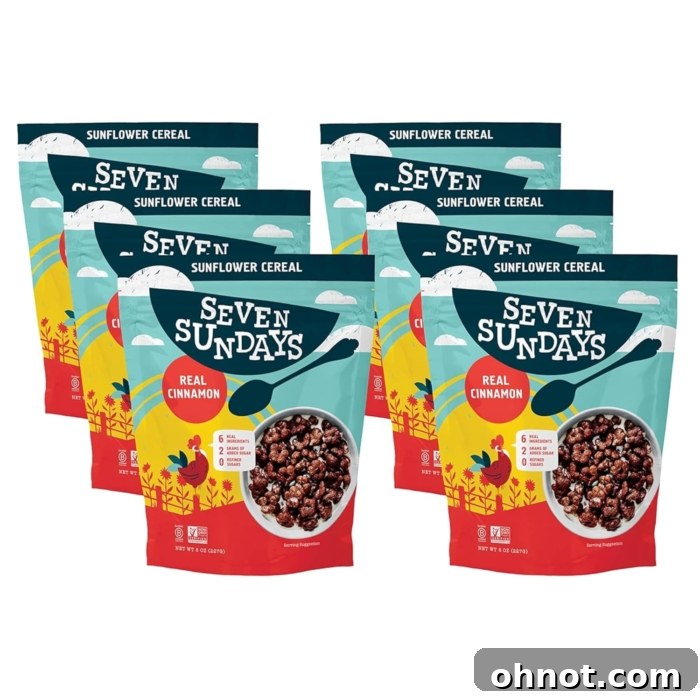
Seven Sundays Cereal: This brand has gained popularity for its commitment to real, wholesome ingredients and delicious, crunchy gluten-free cereals. Seven Sundays offers unique flavor combinations and textures, often incorporating ingredients like oats, nuts, and seeds, providing a delightful and nutritious breakfast experience that stands out from the crowd.
Freedom Foods: While perhaps not as globally recognized as some American brands, Freedom Foods is an Australian-based company that provides a dedicated line of gluten-free cereals. Their offerings often include a variety of flakes, puffs, and muesli blends, such as their Tropico’s and Crafted Blends. They are known for their commitment to allergen-friendly foods and are an excellent option if available in your region.
Exploring these options can open up new possibilities for your gluten-free breakfast routine, ensuring you never get bored and always have a nutritious and delicious start. For more inspiring meal ideas, be sure to check out these other Gluten Free Breakfast Ideas!
Essential Knowledge: What Cereals to Strictly Avoid on a Gluten-Free Diet
Adhering to a gluten-free diet, especially for those with Celiac disease or significant gluten sensitivities, means being acutely aware of which foods contain gluten. This is particularly critical for cereals, as many traditional breakfast favorites are primarily made from gluten-containing grains. Gluten is a protein found in wheat, barley, rye, and triticale (a hybrid of wheat and rye), and in products derived from these grains. Avoiding these ensures your safety and well-being. Here’s a comprehensive list of cereals and ingredients to steer clear of:
Wheat-Based Cereals: The Primary Culprits
Wheat is the most common source of gluten in cereals. Be vigilant for any products listing these ingredients:
- Wheat Bran: A common additive in high-fiber cereals for digestive health, it is unequivocally wheat-derived.
- Wheat Germ: Often included for its nutritional benefits, wheat germ is also a direct source of wheat gluten.
- Farina: A form of milled wheat, this ingredient is most frequently found in hot cereals, such as Cream of Wheat.
- Durum Wheat: A hard wheat variety, sometimes used in cereals or pasta for its texture and protein content.
- Spelt: While considered an ancient grain and often marketed as a healthier alternative, spelt is a species of wheat and contains gluten.
- Wheat Flakes: Similar to corn flakes but made from wheat, these are a clear source of gluten.
- Graham Flour: A coarse-ground whole wheat flour, found in some traditional granola or cookie-piece cereals.
Barley and Rye: Hidden Gluten Sources
These grains are often overlooked but are significant sources of gluten that must be avoided:
- Malted Barley / Malt Extract / Malt Syrup: This is a very common hidden source of gluten, frequently used as a sweetener, flavoring agent, or coloring in many cereals. Always check for “malt” in the ingredient list.
- Barley Flakes: Can be present in various muesli and granola-style cereals, contributing to their texture and bulk.
- Rye Flakes / Rye Flour: Less common in American cereals but can be found in specialty or European-style mueslis and dark bread cereals.
Oats: The Critical Cross-Contamination Risk
While oats are naturally gluten-free, their processing environment poses a significant risk:
- Non-Certified Gluten-Free Oats: Standard oats are frequently harvested, transported, and processed on equipment shared with wheat, barley, and rye. This leads to a high likelihood of cross-contamination. Unless oats are explicitly labeled as “certified gluten-free,” they should be avoided by individuals with Celiac disease or significant gluten sensitivity.
Cereals with Gluten-Containing Add-Ins
Be wary of cereals that include other components which might introduce gluten:
- Granolas with Malted Ingredients: Many traditional granola mixes use malted barley as a sweetener or binder, so always check labels.
- Cereals with Cookie Pieces, Brownie Bites, or Cereal Marshmallows (if not explicitly gluten-free): Cereals marketed to children or as “dessert for breakfast” often contain components made with wheat flour.
Cereals with Undisclosed Wheat By-Products
Some ingredients can be derived from wheat without it being immediately obvious:
- Dextrin / Maltodextrin: While maltodextrin is typically corn-derived and gluten-free, dextrin can sometimes be wheat-based unless specified otherwise. When in doubt, avoid or verify.
- Food Starch / Modified Food Starch: If the source of the starch is not clearly labeled (e.g., corn, potato, rice, tapioca), there’s a possibility it could be derived from wheat.
Common Breakfast Cereals to Steer Clear Of:
To summarize, here are some widely known cereals that contain gluten and should be avoided unless a certified gluten-free version is specifically indicated:
- Regular Cheerios: While many varieties are now gluten-free, the original formulation before the gluten-free claim and any unmarked boxes should be avoided due to potential wheat traces.
- All-Bran: As the name suggests, this cereal is made directly from wheat bran.
- Muesli (Traditional): Unless explicitly labeled “gluten-free,” traditional muesli typically contains rolled wheat, barley, or rye flakes.
- Frosted Mini-Wheats: Clearly made with whole grain wheat.
- Shredded Wheat: Composed entirely of whole wheat, making it a definite no-go.
- Wheaties: This iconic cereal is famously made from whole-grain wheat.
- Grape-Nuts: Contains malted barley flour, a source of gluten.
- Any Rye or Barley-Based Cereal: Often found in health food stores, these are unsuitable for a gluten-free diet.
Many brands now offer certified gluten-free cereals. Popular options include most Chex varieties (except Wheat Chex), certified gluten-free Cheerios, Nature’s Path gluten-free lines, and many granolas from brands like Purely Elizabeth or Kind Snacks. Naturally gluten-free grains like rice, corn, oats (certified GF), quinoa, buckwheat, and millet form the base of many safe options.
Cereals made from wheat, barley, or rye grains contain gluten. This includes common cereals like Frosted Mini-Wheats, Shredded Wheat, Wheaties, All-Bran, traditional Muesli (unless certified GF), and many granolas that use non-certified oats or contain malted barley. Always check ingredient lists for wheat, barley, rye, and malt.
Nestlé offers specific gluten-free cereal options in some markets, such as Nestlé’s GoFree Corn Flakes and GoFree Coco Rice. Always look for explicit “gluten-free” labeling on the packaging as product availability and formulations can vary by region.
Many brands produce gluten-free corn flakes. Nature’s Path Organic Corn Flakes are a well-known gluten-free option. When purchasing corn flakes, ensure the packaging explicitly states “gluten-free” to confirm they are safe from cross-contamination.
Disclaimer: Food manufacturers frequently update their ingredient lists and processing methods. It is absolutely essential to double-check the ingredient labels and look for gluten-free certification on every product package before consumption to ensure you are selecting a safe gluten-free cereal.
Explore More Gluten-Free Insights and Recipes
- Are Reese’s Gluten Free? – Uncover the truth about this popular candy.
- Gluten Free Tortillas – Find the best options for your next taco night.
- Gluten Free Cupcakes – Delicious recipes for sweet gluten-free treats.
- Are Sprinkles Gluten Free? – A surprisingly complex question answered.
- Gluten Free Bread Recipe – Bake your own perfect gluten-free loaf at home.
- Is Peanut Butter Gluten Free? – Get the facts on this pantry staple.
We hope this comprehensive guide has empowered you to make informed and delicious gluten-free cereal choices. If you found this post helpful, we would truly appreciate your feedback and a review! Connect with us on Instagram, Facebook, and Pinterest for more gluten-free living tips and recipes. Additionally, join our exclusive Facebook Group for a behind-the-scenes look and community support. For a plethora of delightful ideas, explore our extensive collection of Dessert Recipes.