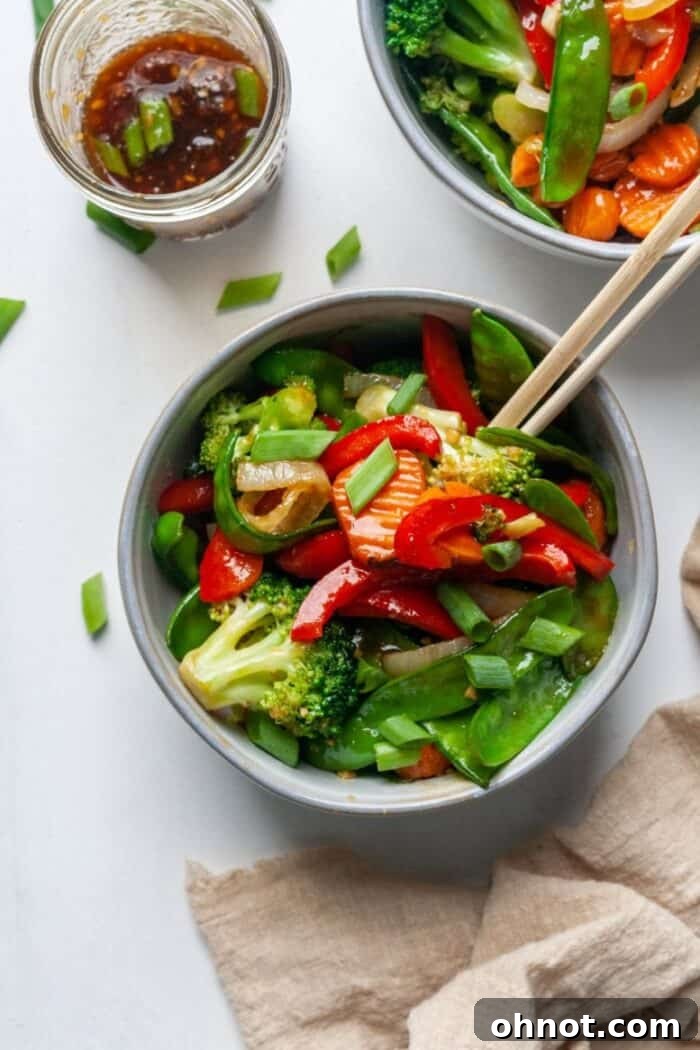
Welcome to a culinary journey that promises vibrant flavors, incredible freshness, and utmost ease: our **Pad Pak Thai (Stir-Fried Vegetables)** recipe. This remarkable dish transcends mere sustenance, offering a sensory delight that is both invigorating and deeply satisfying. Perfect for those busy weeknights or a wholesome meal prep solution, this recipe brings the best of Thai-inspired stir-fries right into your kitchen in under 30 minutes.
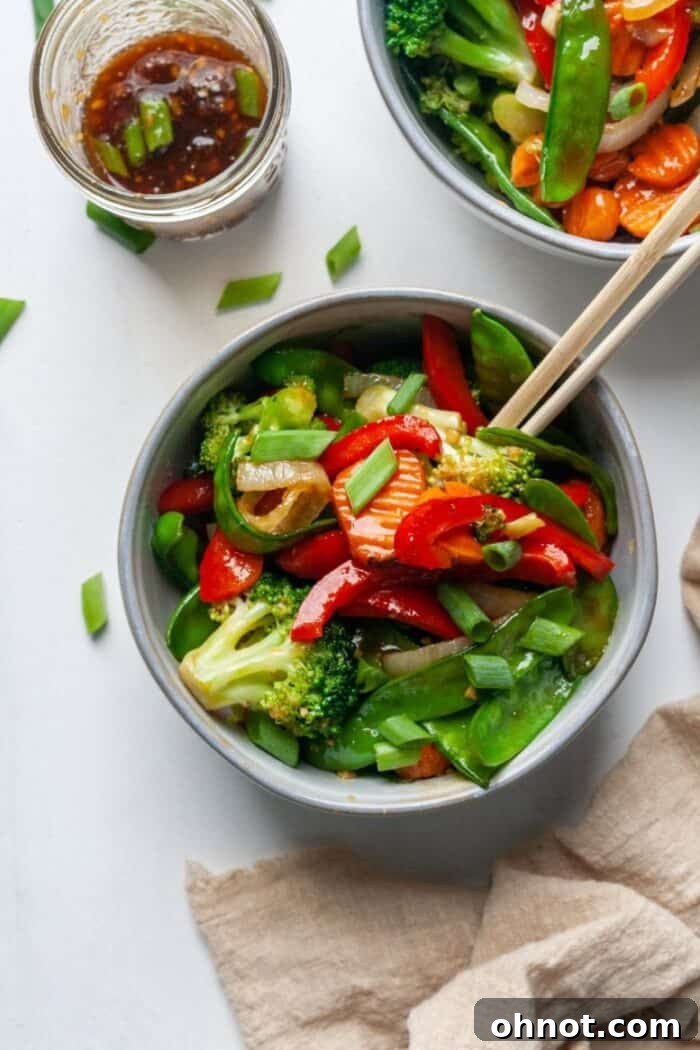
In a world where healthy eating often feels complicated, this Pad Pak Thai stands out as a beacon of simplicity and nutrition. It’s brimming with crisp, colorful vegetables, coated in a homemade, bold sauce that strikes the perfect balance of savory, sweet, and tangy notes. Whether you’re a seasoned chef or a kitchen novice, you’ll appreciate how straightforward it is to create a meal that tastes like it came from your favorite Thai restaurant, yet fits perfectly into a health-conscious lifestyle.
Beyond its quick preparation, this Thai vegetable stir-fry is a powerhouse of essential nutrients, making it an ideal choice for a light lunch, a fulfilling dinner, or a fantastic component of your weekly meal plan. Its naturally gluten-free, dairy-free, nut-free, and vegan characteristics make it suitable for a wide range of dietary needs, including Whole30 and Paleo lifestyles. Prepare to fall in love with a dish that doesn’t just nourish your body, but also excites your palate with every bite.
Why This Pad Pak Thai Recipe is a Must-Try
Discover the myriad reasons why this Pad Pak Thai stir-fry will become a cherished recipe in your cooking repertoire:
- Lightning-Fast Preparation: Say goodbye to long hours in the kitchen! This Thai-inspired dish comes together incredibly fast, making it the ultimate solution for quick dinners after a busy day. From chopping to simmering, you’ll be enjoying a delicious, wholesome meal in less than 30 minutes.
- Effortlessly Delicious Leftovers: Unlike many dishes that lose their appeal the next day, this Pad Pak Thai tastes even better as leftovers. The flavors meld and deepen overnight, providing a convenient and tasty option for lunch or dinner the following day. It’s perfect for efficient meal prepping.
- A Celebration of Vegetables: If you’re looking for enjoyable ways to incorporate more vegetables into your diet, this is it! Bursting with a colorful array of fresh produce, this stir-fry makes eating your greens (and reds, and oranges!) a joyful experience. Each bite delivers a delightful crunch and a wealth of vitamins and minerals.
- Customizable to Your Liking: The beauty of a stir-fry lies in its versatility. This recipe serves as an excellent base, allowing you to easily customize it with your favorite vegetables or whatever you have on hand. Feel free to add mushrooms, baby corn, water chestnuts, or even different types of bell peppers to make it uniquely yours.
- Dietary-Friendly Excellence: We understand the importance of catering to various dietary requirements. This Pad Pak Thai recipe is thoughtfully crafted to be Whole30 approved, Paleo, Gluten-Free, Dairy-Free, and Vegan. It’s also naturally nut-free, ensuring it’s accessible and enjoyable for nearly everyone without compromising on flavor.
- Flavorful, Wholesome Sauce: The heart of any great stir-fry is its sauce, and ours is no exception. Based on a Sugar-Free Stir Fry Sauce, it’s crafted with wholesome ingredients that deliver authentic Thai-inspired flavors without any added sugars or artificial additives. It coats every vegetable beautifully, ensuring a harmonious taste profile.
- Freezer-Friendly Option: If using frozen vegetables, simply thaw them completely before adding them to the skillet. This ensures even cooking and maintains the desired texture, making this dish adaptable to fresh or frozen ingredients.
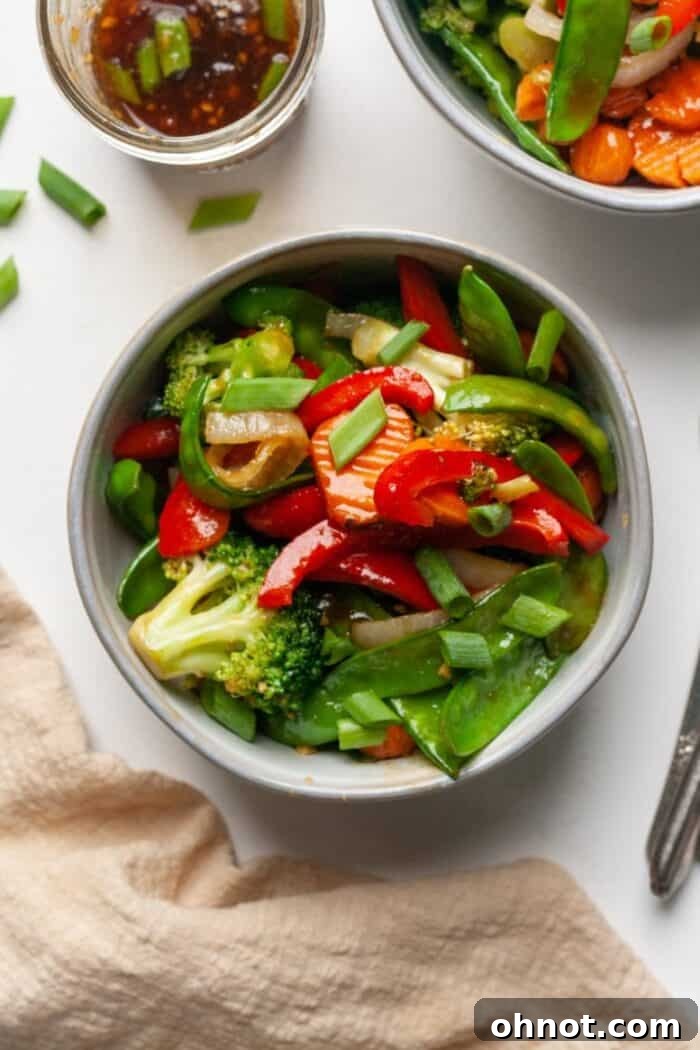
Unveiling Pad Pak: A Taste of Thai Stir-Fry Culture
To truly appreciate this incredible dish, let’s delve into the origins and essence of “Pad Pak.” In Thai cuisine, “Pad Pak” literally translates to “stir-fried vegetables.” It’s a testament to the simplicity and culinary genius often found in traditional Asian cooking. This dish exemplifies a popular Chinese cooking technique that has been embraced and adapted across various Asian cultures, most notably in Thailand.
At its core, a Pad Pak dish involves quickly cooking an assortment of vegetables in a hot wok or skillet, typically with a savory sauce. While traditional variations might incorporate various meats or fish, our recipe celebrates the vibrant medley of vegetables, making it a perfectly wholesome and satisfying vegan meal. This approach not only caters to plant-based diets but also highlights the natural deliciousness of fresh produce, allowing you the flexibility to add protein if you wish.
The flavor profile of Pad Pak is distinctively aromatic and deeply satisfying. It’s characterized by the pungent warmth of fresh garlic and often enhanced by the subtle spice of ginger. The sauce, similar to a classic stir-fry sauce, plays a crucial role, binding all the ingredients together with its rich, umami, and slightly tangy notes. This creates a symphony of flavors that is both comforting and exhilarating.
It’s important to distinguish Pad Pak from its more widely known cousin, Pad Thai. While both are quintessential Thai dishes, they are quite different. Pad Thai is famous for its flat rice noodles, often featuring a blend of egg, fish sauce, peanuts, and bean sprouts, creating a unique sweet-sour-savory balance. Pad Pak, on the other hand, puts vegetables firmly in the spotlight, offering a lighter, often healthier alternative without the noodles or a heavy reliance on animal products.
This Thai vegetable stir fry, therefore, offers a fantastic opportunity to explore the depths of Thai culinary traditions through a simple, healthy, and incredibly flavorful lens. It’s a versatile dish that can be enjoyed on its own, paired with rice, or integrated into a larger meal, always delivering a burst of authentic taste.
Gather Your Essentials: Ingredients & Smart Substitutions
Crafting the perfect Pad Pak Thai begins with selecting high-quality ingredients. Here’s a breakdown of what you’ll need, along with useful tips and substitutions to make this recipe your own. For precise measurements, please refer to the full recipe card below.
Essential Oils for Flavor and Cooking:
- Sesame Oil: This is a cornerstone of Asian cooking, imparting a distinctive nutty aroma and deep umami flavor to the stir-fry. When selecting, opt for toasted sesame oil, and always check the label to ensure it’s free from added sugars, especially if adhering to Whole30 or Paleo guidelines.
- Olive Oil: Used alongside sesame oil, olive oil provides a higher smoke point for sautéing the vegetables while adding a subtle fruitiness. For a neutral flavor and high heat cooking, avocado oil is an excellent alternative and works beautifully in this recipe.
The Star of the Show: Fresh Vegetables:
- Bell Peppers: Red bell peppers are specified for their vibrant color and sweet flavor, which complements the savory sauce. Feel free to use a mix of colors – yellow, orange, or even green bell peppers – for a diverse visual appeal and slightly varied taste.
- Carrots: Sliced into rounds, carrots add a touch of natural sweetness and a satisfying crunch. Ensure they are cut to a similar thickness as other vegetables for even cooking.
- Broccoli: Fresh broccoli florets are a stir-fry staple, contributing texture and a wealth of nutrients. Cut them into bite-sized pieces so they cook quickly and absorb the sauce effectively.
- Snow Peas: These tender-crisp pods add a delicate sweetness and unique texture. They cook very quickly, so add them with the other vegetables and avoid overcooking to maintain their snap.
- Onion: Sliced onion forms an aromatic base, caramelizing slightly to add depth of flavor to the entire dish. Yellow or white onions work best here.
- Customizable Veggies: This recipe is incredibly adaptable. Consider adding sliced mushrooms for an earthy touch, tender baby corn, or crunchy water chestnuts for extra texture and authenticity.
Aromatic Powerhouses:
- Minced Garlic: Fresh garlic is non-negotiable for this dish! It provides a pungent, irresistible aroma and flavor that defines the stir-fry experience. Use freshly minced garlic for the best results.
- Fresh Ginger (Optional, but Recommended): A teaspoon of freshly grated ginger adds a warm, spicy zing that elevates the overall flavor profile. If you love ginger, don’t skip this!
Seasoning and Garnish:
- Salt and Pepper: Simple seasonings to enhance the natural flavors of the vegetables. Adjust to your personal taste.
- Chopped Green Onions: A fresh garnish that provides a mild oniony bite, vibrant color, and a final flourish of freshness. Add just before serving.
The Signature Sauce Ingredients:
- Coconut Aminos: This is the hero ingredient for our soy-free and gluten-free stir-fry sauce. It’s a fantastic alternative to soy sauce, offering a similar umami depth with a slightly sweeter, milder flavor profile, making it perfect for Whole30 and Paleo diets.
- Rice Vinegar: Adds a crucial tang and acidity to balance the richness of the other ingredients, brightening the overall flavor of the sauce.
- Chili Paste (Optional, but Highly Recommended): For those who enjoy a little heat, a teaspoon of chili paste (like sriracha or sambal oelek, ensure Whole30 compliant if needed) adds a wonderful kick. It can be adjusted to your preferred spice level.
- Lemon Juice (Optional, but Highly Recommended): A small splash of fresh lemon juice at the end can truly enhance the flavors, adding a bright, zesty finish that lifts the entire dish.
By carefully selecting and preparing these ingredients, you’re well on your way to creating a Pad Pak Thai that is not only healthy and compliant with various diets but also incredibly flavorful and satisfying.
Step-by-Step Guide: Crafting Your Perfect Pad Pak Thai
Creating this flavorful Thai vegetable stir-fry is incredibly straightforward. Follow these steps for a perfect meal every time:
Step 1: Precision Vegetable Preparation
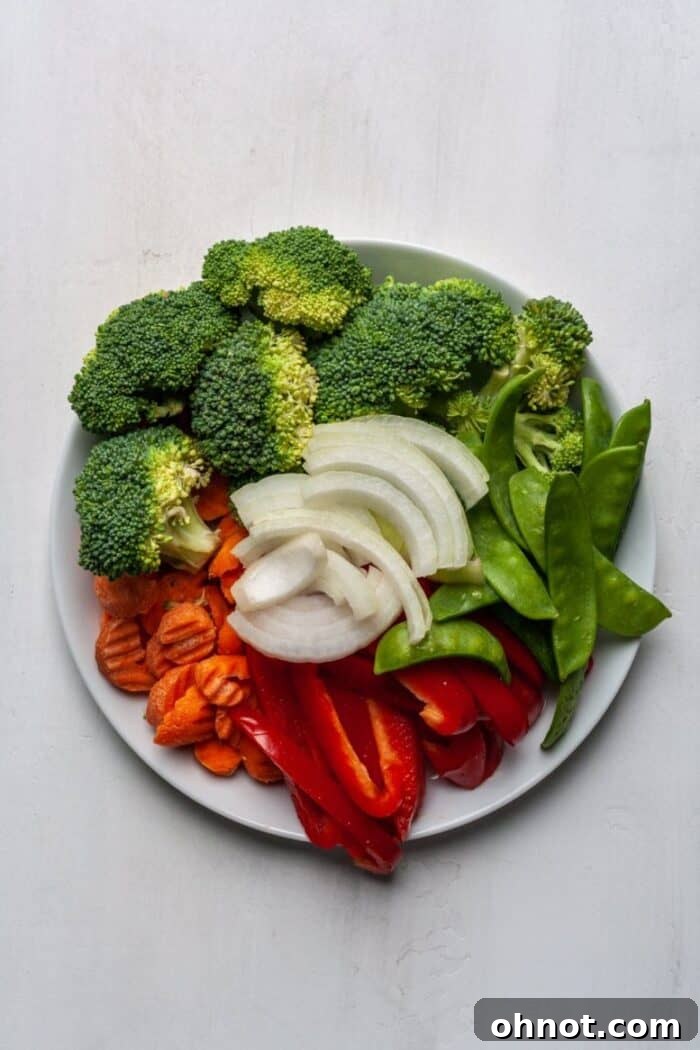
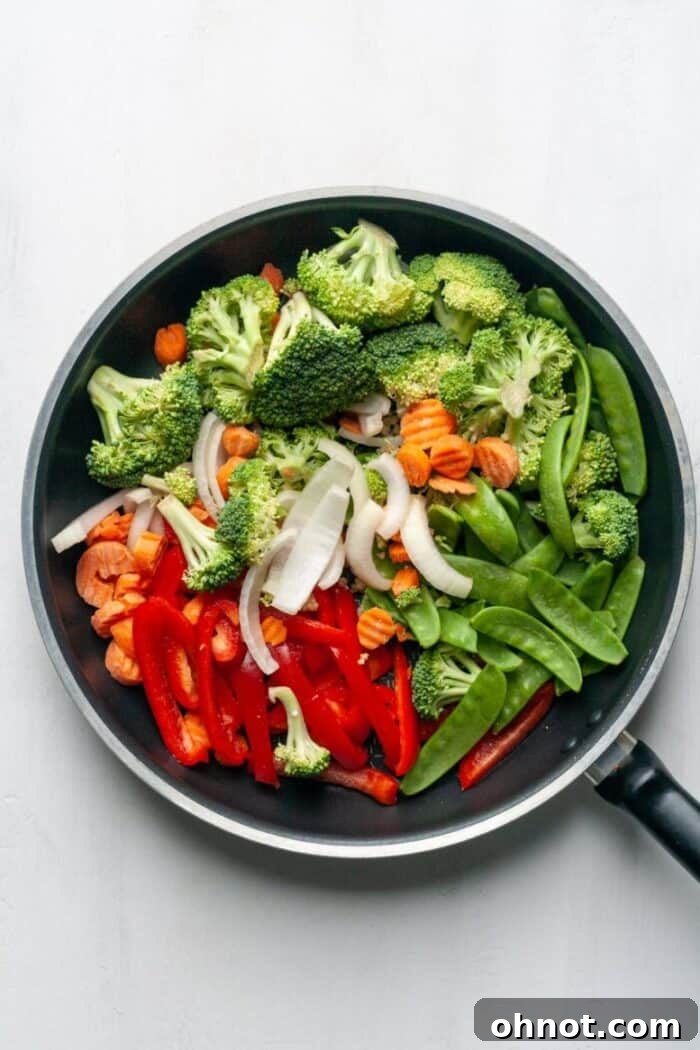
Begin by meticulously preparing all your fresh vegetables. This initial step is crucial for an efficient stir-fry. Chop the bell peppers, carrots, and onion into uniform, bite-sized pieces, ideally around 1 inch. Uniformity ensures that all vegetables cook evenly and at roughly the same rate, preventing some from becoming overcooked while others remain raw. For carrots, slicing them into thin rounds works best.
Step 2: Heat the Oils
Place a large skillet or wok over medium heat. Once heated, add both the olive oil and sesame oil. Allow them to warm up for about 30 seconds to a minute, ensuring the pan is adequately hot but not smoking. The oils provide the perfect medium for cooking and infuse the vegetables with their distinct flavors.
Step 3: Introduce the Vegetables and Aromatics
Carefully add all the chopped vegetables (bell peppers, carrots, onion, broccoli, and snow peas) to the hot skillet. Now, introduce the minced garlic and fresh ginger (if using) into the pan. Season generously with a pinch of sea salt and ground pepper. This combination of fresh produce and powerful aromatics forms the delicious foundation of your Pad Pak Thai.
Step 4: Sauté to Perfection
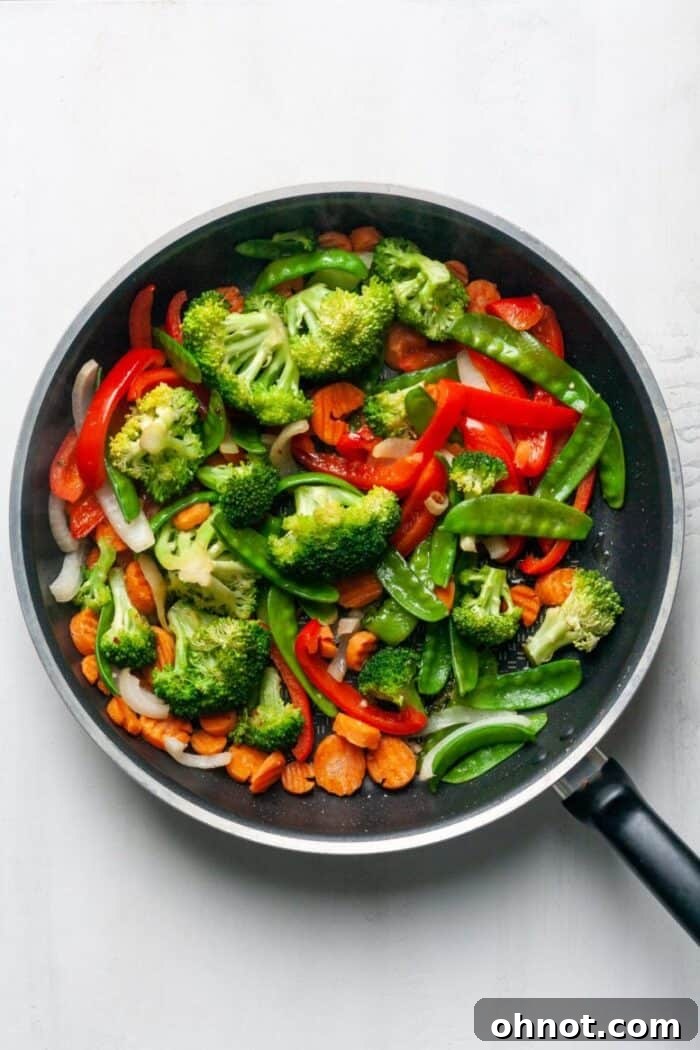
Sauté the vegetables for 6 to 7 minutes over medium heat, stirring frequently. The goal here is to achieve tender-crisp vegetables – they should be soft enough to bite through easily but still retain a slight crunch. Avoid overcooking, as this can make them mushy and diminish their vibrant color and nutritional value. Keep an eye on the broccoli and carrots, as they typically take the longest to soften.
Step 5: Incorporate the Flavorful Sauce
Once your vegetables have reached the desired tenderness, it’s time to introduce the star of the dish: the sauce. Pour in the coconut aminos, rice vinegar, chili paste (if using), and lemon juice (if using). Stir well to ensure all the vegetables are thoroughly coated in this delicious mixture. The sauce will immediately begin to infuse the vegetables with its rich, savory, and tangy notes.
Step 6: Simmer and Thicken
Reduce the heat to low. Allow the Pad Pak Thai to simmer gently for 5 to 7 minutes. During this simmering period, the flavors will deepen and meld together beautifully. The sauce will also begin to thicken slightly, clinging to the vegetables and creating that luscious, restaurant-quality coating. Stir occasionally to prevent sticking and ensure even distribution of the sauce.
Step 7: Serve and Garnish
Finally, remove the skillet from the heat. Your Pad Pak Thai is ready to be enjoyed! Transfer the stir-fried vegetables to serving bowls. For an added touch of freshness, color, and a mild oniony flavor, garnish generously with freshly chopped green onions. Serve immediately and savor the incredible blend of flavors and textures.
Serving Suggestions & Storage Best Practices
Once your Pad Pak Thai is perfectly cooked and the vegetables have achieved that ideal tender-crisp texture, it’s ready to be served and enjoyed immediately. Its versatility makes it a fantastic meal on its own or paired with a variety of complements.
Ways to Serve Your Delicious Pad Pak Thai:
- Standalone Meal: This vegetable stir-fry is hearty and satisfying enough to be a complete meal on its own, especially for a light lunch or dinner.
- With Grains:
- White or Brown Rice: A classic pairing, the rice acts as a neutral canvas, absorbing the flavorful sauce and providing a comforting base.
- Cauliflower Rice: For a lower-carb or Whole30 compliant option, cauliflower rice is an excellent substitute that keeps the meal light and nutritious.
- Quinoa: Adds a protein boost and a slightly nutty flavor that complements the stir-fry beautifully.
- With Noodles:
- Rice Noodles: For a more traditional Thai noodle experience, rice noodles are a fantastic addition. Cook them separately and toss with the stir-fry just before serving.
- Zucchini Noodles or Spaghetti Squash: Excellent gluten-free and low-carb alternatives that add volume and a fresh element.
- Add Protein: While this recipe is vegan, it’s incredibly easy to incorporate your favorite protein.
- Chicken or Beef: Cook sliced chicken breast or beef strips first until browned, then set aside. Reintroduce to the skillet with the vegetables and sauce during the simmering stage.
- Shrimp: Add raw shrimp during the last 2-3 minutes of sautéing, before adding the sauce, as they cook very quickly.
- Tofu or Tempeh: Press and dice firm tofu or tempeh, then pan-fry or bake until golden and crispy. Add it to the stir-fry along with the sauce.
Storage and Reheating for Convenience:
Pad Pak Thai makes excellent leftovers, making it ideal for meal prep throughout the week. Proper storage ensures its freshness and flavor are maintained.
- Refrigeration: Store any leftover Pad Pak Thai in an airtight container in the refrigerator for up to 3 to 5 days. This keeps the vegetables crisp and the sauce flavorful.
- Freezing (Optional): While best enjoyed fresh or refrigerated, you can freeze this stir-fry. Place cooled leftovers in a freezer-safe container for up to 1-2 months. Note that some vegetables, particularly those with high water content, may become softer upon thawing.
- Reheating: For best results, reheat Pad Pak Thai gently on the stovetop.
- Add the desired portion to a skillet over low to medium heat with a tiny drizzle of olive oil or water to prevent sticking.
- Stir frequently until warmed through. Avoid high heat, which can overcook the vegetables and dry out the sauce.
- You can also microwave it, but the stovetop method generally yields better texture.
- Meal Prep Perfection: Prepare a large batch at the beginning of the week and divide it into individual portions. This guarantees healthy, delicious, and ready-to-eat meals throughout your busy schedule.
Frequently Asked Questions (FAQs) About Pad Pak Thai
Absolutely! Pad Pak Thai is inherently a very healthy dish. It primarily consists of a vibrant assortment of fresh vegetables, which are rich in vitamins, minerals, and fiber. Our recipe uses a wholesome, sugar-free stir-fry sauce, further enhancing its health benefits. While some traditional versions may include meat or fish, this particular recipe is vegan, making it an excellent plant-based option. It’s a fantastic way to boost your daily vegetable intake.
The beauty of stir-fries is their versatility, meaning there are no “bad” vegetables for them! However, some vegetables truly shine in a stir-fry due to their texture and ability to absorb flavors. Popular choices include bell peppers, carrots, broccoli, onions, snow peas, mushrooms, baby corn, and water chestnuts. The key is to cut them into similar, bite-sized pieces to ensure even cooking and a consistent texture throughout the dish.
This recipe features a quick and easy homemade sauce that is reminiscent of a traditional stir-fry sauce, made with wholesome ingredients like coconut aminos and rice vinegar. The great news is that any stir-fry sauce you enjoy can work! If you prefer a store-bought option, ensure it aligns with your dietary preferences (e.g., sugar-free, gluten-free, Whole30 compliant if necessary) for the healthiest outcome.
Yes, absolutely! While this recipe is intentionally vegan to highlight the fresh vegetables, adding meat or another protein is a fantastic way to make it even heartier. We recommend cooking your chosen protein (such as chicken, beef, or shrimp) first in the skillet until it’s nearly done, then removing it and setting it aside. Proceed with cooking the vegetables, and then add the cooked protein back into the pan when you introduce the sauce to simmer together. For tofu or tempeh, press and pan-fry them until crispy before adding them to the sauce.
Storing leftovers is simple and ensures you can enjoy this delicious meal for days. Allow the Pad Pak Thai to cool completely, then transfer it to an airtight container. It can be safely stored in the refrigerator for up to 3 to 5 days. For reheating, gently warm it in a skillet over low heat with a splash of water or oil to maintain moisture and prevent overcooking, or use a microwave for convenience.
Yes, this recipe is specifically designed to be Whole30 Approved and Paleo-friendly. It’s also naturally Gluten-Free, Dairy-Free, and Vegan. We achieve this by using ingredients like coconut aminos as a soy-free alternative and avoiding any added sugars or grains. Always double-check your individual ingredients (like chili paste) to ensure they meet your specific dietary compliance standards.
You certainly can! Using frozen vegetables is a convenient option, especially when fresh produce isn’t readily available. For the best results, it’s important to thaw frozen vegetables completely before adding them to the skillet. This prevents excess water from releasing into your stir-fry, which can dilute the sauce and make your dish watery. Once thawed, pat them dry if necessary before cooking.
Explore More Delicious & Healthy Recipes
If you’ve enjoyed the fresh flavors and ease of this Pad Pak Thai, we invite you to discover more healthy, Whole30, and Paleo-friendly recipes that will tantalize your taste buds and simplify your meal planning:
- Chicken and Veggie Stir Fry: A hearty and flavorful stir-fry packed with lean protein and an abundance of vegetables.
- Chinese Garlic Sauce: Master the art of homemade stir-fry sauces with this versatile and aromatic garlic sauce recipe.
- Whole30 Chicken Stir Fry: Another fantastic Whole30 compliant option for a quick and satisfying chicken and vegetable meal.
- Paleo Asian Meatloaf: A unique twist on classic meatloaf, infused with delicious Asian-inspired flavors, perfect for Paleo diets.
- Whole30 Orange Chicken: Enjoy the vibrant taste of orange chicken, made healthy and compliant with Whole30 standards.
- Gluten Free Orange Chicken: A delicious and accessible version of this popular dish for those avoiding gluten.
We hope these recipes inspire you to continue your journey toward healthy and flavorful eating. We’re passionate about making nutritious meals accessible and enjoyable for everyone!
Prep Time: 15 mins
Cook Time: 15 mins
Total Time: 30 mins
Get the Recipe:
Pad Pak Thai (Stir Fried Vegetables)
This Pad Pak Thai is bursting with bold flavors! These easy stir fried vegetables are easy, healthy and delicious. This recipe is great for a light lunch or dinner, or healthy meal prep. It is Whole30 approved and Paleo.
Pin Recipe
Ingredients
Yields: 4 servings
- 1 tbsp sesame oil
- 1 tbsp olive oil
- 2 red bell peppers, sliced
- 2 large carrots, sliced into rounds
- 3 cups broccoli
- 1 cup snow peas
- 1 onion, sliced
- 2 tbsp minced garlic
- 1 tsp fresh ginger, optional
- pinch sea salt
- pinch ground pepper
- ¼ cup green onions, chopped
Sauce
- ½ cup coconut aminos (see note below for substitutions)
- 1 tbsp rice vinegar
- 1 tsp chili paste, optional
- ¼ tsp lemon juice, optional
Instructions
- First, prepare vegetables. Chop peppers, carrots and onion into similar sized pieces (about 1 inch).
- Then, add sesame oil and olive oil to a skillet over medium heat.
- Add chopped veggies, broccoli, snow peas, garlic, ginger, sea salt and pepper to the skillet.
- Sauté on medium for 6 to 7 minutes or until veggies have softened.
- Then, add in sauce ingredients. Turn heat to low.
- Simmer for 5 to 7 minutes or until sauce has slightly thickened.
- Finally, remove from heat and serve. Garnish with chopped green onions if desired.
Notes
- Chop veggies into bite-sized, similar sized pieces to ensure even cooking.
- If you don’t have sesame oil, replace with olive oil. In that case, 2 tablespoons total of olive oil will be used.
- Sauté until veggies have softened.
- Simmer veggies with sauce until sauce has coated veggies and slightly thickened.
- Store leftovers in an airtight container in the fridge for up to 3 days.
- To reheat, add Pad Pak to a skillet with a drizzle of olive oil. Heat on low until warmed.
- Some Pad Pak recipes include water chestnuts, baby corn, and mushrooms. Add to the skillet if desired.
Nutrition Information (per serving):
- Calories: 178kcal
- Carbohydrates: 24g
- Protein: 4g
- Fat: 8g (Saturated Fat: 1g, Polyunsaturated Fat: 2g, Monounsaturated Fat: 4g)
- Sodium: 728mg
- Potassium: 568mg
- Fiber: 5g
- Sugar: 8g
- Vitamin A: 7716IU
- Vitamin C: 158mg
- Calcium: 76mg
- Iron: 2mg
Author: Addison LaBonte
Course: Main Course
Cuisine: Thai
We hope you cherish this delicious and easy Pad Pak Thai recipe as much as we do. If you create this amazing dish, we’d love to see it! Share your culinary creations with us on Instagram, Facebook, and Pinterest. Follow along for more healthy meal inspiration!
For a treasure trove of healthy eating ideas, be sure to check out our dedicated Whole30 Recipes page. Don’t forget to sign up here to receive our exclusive healthy meal plans and be the first to know about new recipes!