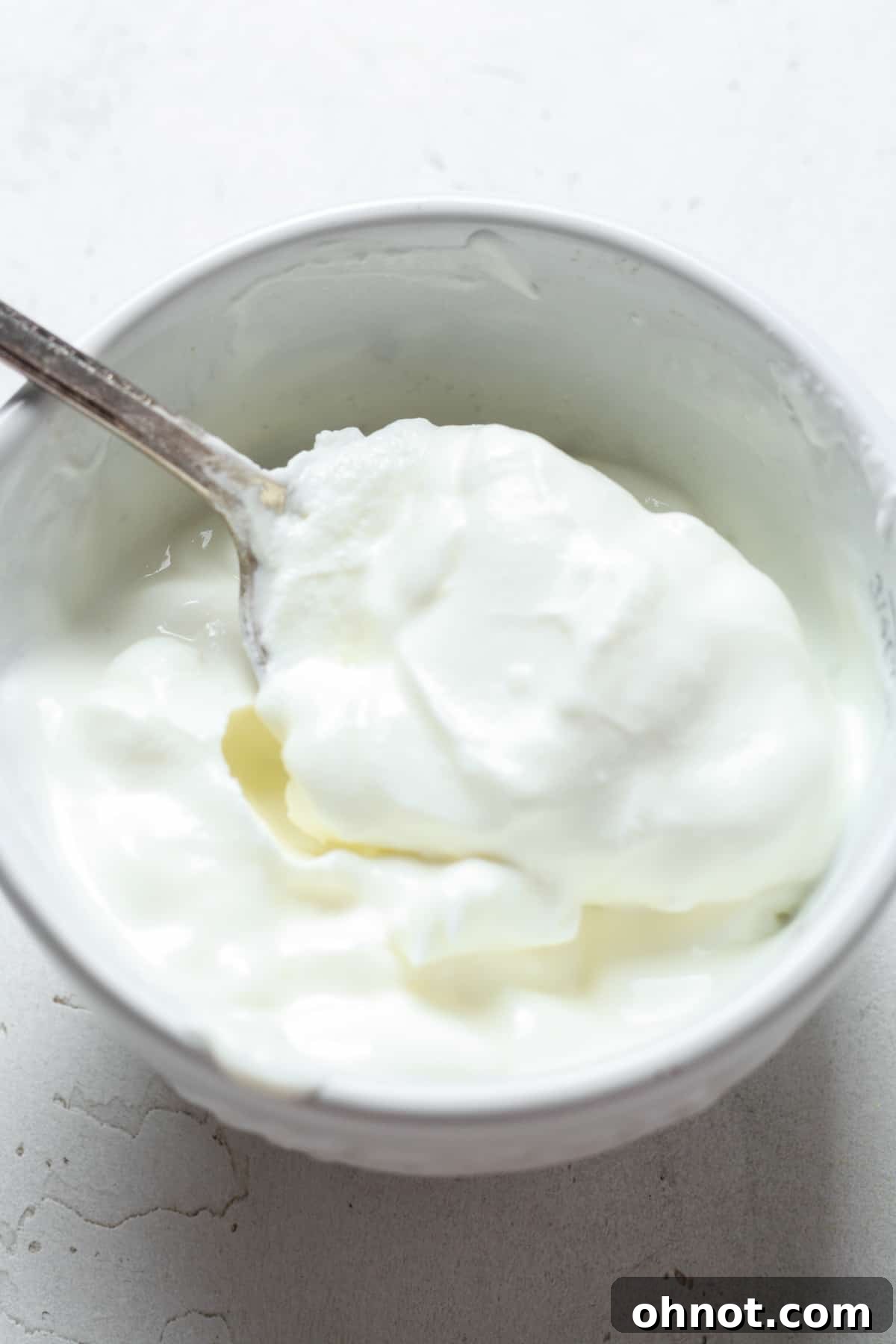
Discover the ultimate solution for a smooth, creamy, and incredibly flavorful dairy-free sour cream that comes together in under 5 minutes with just 4 simple ingredients. Forget complicated processes or the need for cashews – this recipe offers the best plant-based sour cream alternative, perfect for transforming your favorite meals. Whether you’re topping savory tacos, enriching a hearty bowl of chili, adding a tangy swirl to burritos, elevating homemade pizza, or finishing off a loaded plate of nachos, this versatile recipe is your new kitchen essential. It’s not just dairy-free; it’s a game-changer for anyone seeking a delicious, convenient, and allergy-friendly condiment.
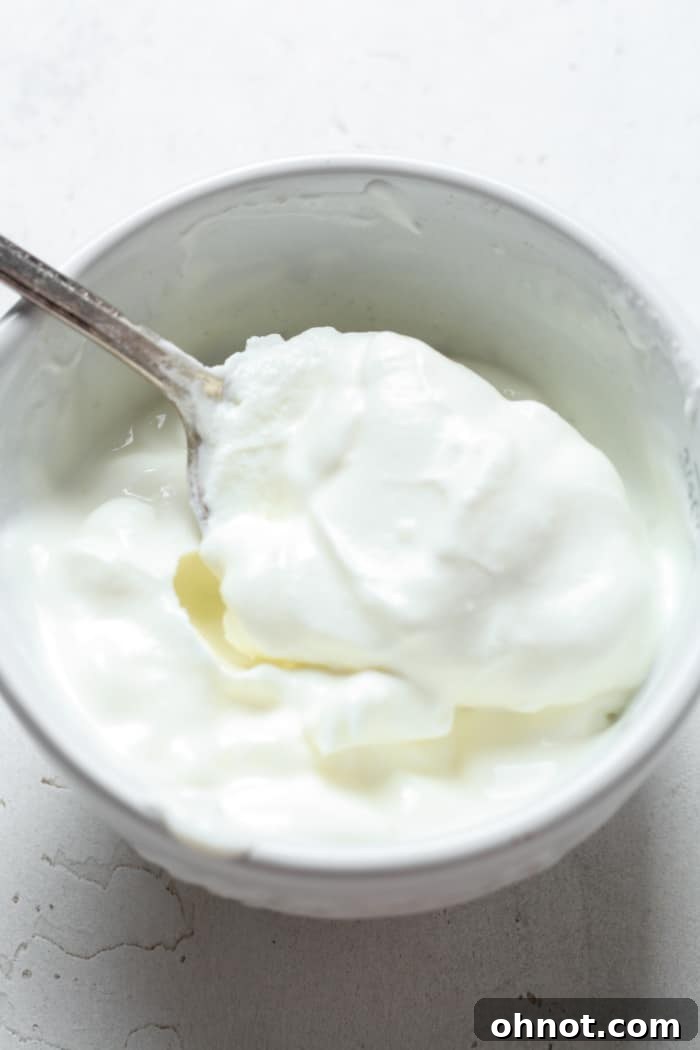
Why This Dairy-Free Sour Cream Will Become Your Go-To Recipe
Embracing a dairy-free lifestyle doesn’t mean sacrificing the rich, tangy taste of sour cream. This recipe offers a fantastic alternative that stands out for several compelling reasons:
- Effortlessly Quick & Easy: Life is busy, and your kitchen shouldn’t add to the stress. This recipe requires minimal effort and time, making it perfect for last-minute meal prep or a spontaneous craving.
- Minimal Ingredients: With only 4 core ingredients, you likely already have everything you need in your pantry. No obscure items, just straightforward, accessible components.
- Nut-Free & Allergy-Friendly: A common concern with many dairy-free alternatives is the reliance on nuts, particularly cashews. This recipe completely bypasses nuts, making it a safe and delicious option for those with nut allergies.
- One-Bowl Convenience: Say goodbye to excessive cleanup! All ingredients are mixed in a single bowl, simplifying the process from start to finish.
- Incredibly Versatile: From savory mains to unexpected sweet applications, this sour cream alternative is wonderfully adaptable, enhancing a wide array of dishes.
- Dietary Inclusive: As written, this recipe naturally aligns with a multitude of dietary preferences and requirements. It is Whole30 compliant, Paleo, Keto, gluten-free, dairy-free, Vegan, nut-free, sugar-free, and low-carb, ensuring everyone can enjoy its deliciousness.
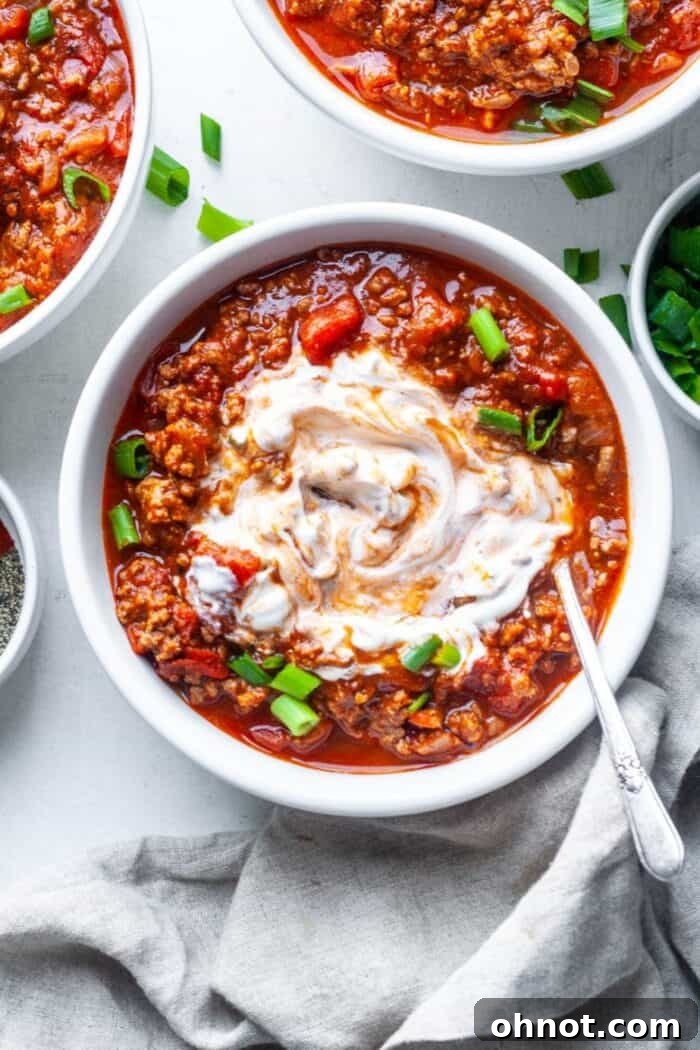
- Perfect Pairing: Imagine this luscious sour cream topping a hearty bowl of No Bean Chili or drizzled over your favorite taco salad. It adds a layer of depth and creaminess that elevates any dish.
Essential Ingredients & Smart Substitutions
Crafting the perfect dairy-free sour cream begins with understanding the role of each ingredient. Below, you’ll find a detailed guide to the main components and their ideal substitutes. For a comprehensive list and step-by-step instructions, please refer to the recipe card below.
Chilled Coconut Cream: The Foundation of Creaminess
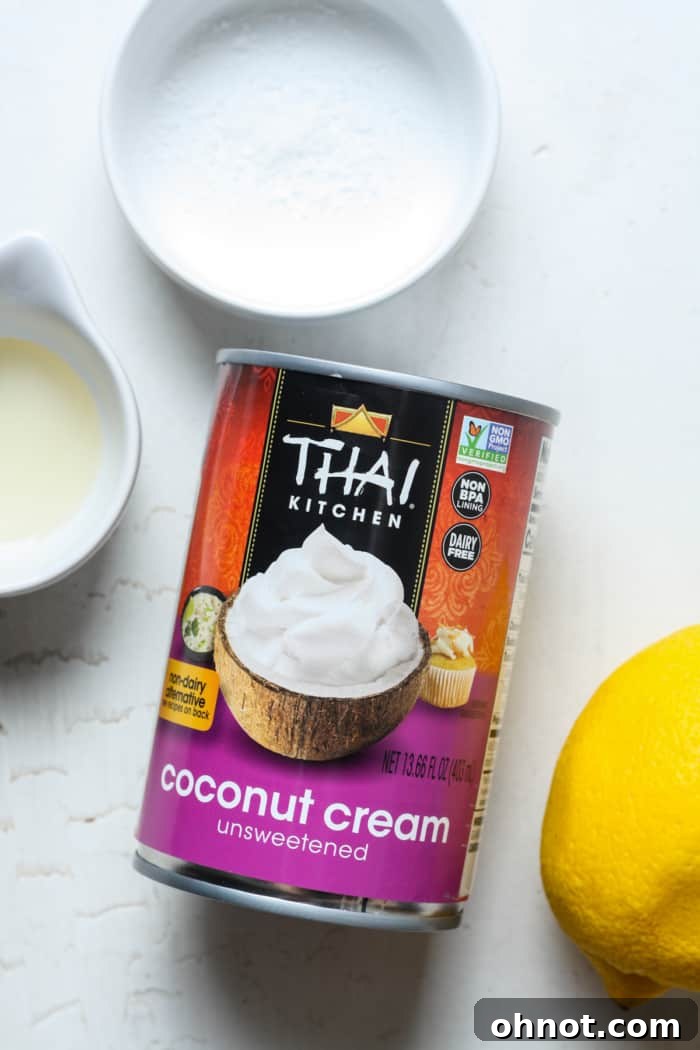
The star of this recipe is chilled coconut cream. It’s crucial to use full-fat coconut cream, not coconut milk, as the cream has a higher fat content essential for achieving the desired thick, rich texture. For best results, place your can of full-fat coconut cream in the refrigerator for at least 2 hours, or ideally overnight. This chilling process allows the solid, thick coconut fat to separate from the thinner coconut water. When you open the can, you’ll find a thick, hardened layer at the top; this is precisely what you need. Scoop it out carefully, leaving any coconut water behind. This ensures your sour cream is not only perfectly thick but also delightfully chilled and ready to enjoy immediately. Using a good quality, unsweetened coconut cream brand like “Thai” is recommended for its consistent texture and neutral flavor profile.
While coconut cream is highly recommended for its superior texture and authentic mouthfeel, an unflavored dairy-free yogurt can be used as a substitute if absolutely necessary. Opt for a full-fat, unsweetened variety. Be aware, however, that this substitution may result in a slightly runnier consistency, and the flavor profile might differ slightly from the coconut cream version.
Apple Cider Vinegar: The Tangy Kick
A single drop of apple cider vinegar (ACV) plays a significant role in mimicking the characteristic tangy flavor of traditional sour cream. ACV introduces a subtle fermented note, crucial for achieving that authentic “sour” taste. Its robust flavor means a little goes a long way, so it’s best to add it cautiously, one drop at a time, and adjust to your preference. If you desire a more pronounced tang, feel free to add an additional drop or two, tasting as you go. Beyond flavor, raw, unfiltered apple cider vinegar also brings potential health benefits.
Lemon Juice: Brightness and Acidity
Freshly squeezed lemon juice is vital for adding a bright, zesty tartness that complements the tanginess of the apple cider vinegar. It provides a sharp “bite” that cuts through the richness of the coconut cream, creating a well-rounded flavor profile identical to traditional sour cream. Always use fresh lemon juice for the best taste; bottled lemon juice often lacks the vibrancy of fresh and can sometimes have an artificial aftertaste.
Sea Salt: The Flavor Enhancer
A tiny pinch of sea salt is added to balance and enhance all the flavors, bringing out the best in the coconut cream, apple cider vinegar, and lemon juice. It’s an optional but highly recommended addition that rounds out the taste beautifully. Start with a small pinch and add more if you feel the mixture needs further seasoning or a slight boost in overall flavor.
Understanding Traditional Sour Cream
Before diving deeper into its dairy-free counterpart, let’s briefly understand what traditional sour cream is. Traditionally, sour cream is a dairy product made by fermenting regular cream with a bacterial culture, typically lactic acid bacteria. This bacteria consumes the lactose (sugar) in the cream, producing lactic acid. The lactic acid then thickens the cream and gives it its distinctive tangy, slightly sour flavor.
Its flavor profile is characterized by a mild tartness and a rich, creamy mouthfeel, making it a versatile ingredient in both savory and sweet applications. The fermentation process also slightly preserves the cream.
Sour cream is most commonly celebrated as a versatile topping for a wide variety of savory dishes. It’s an indispensable accompaniment for classics like loaded nachos, hearty baked potatoes, spicy chilis, and comforting bowls of soup. Its cooling, tangy presence beautifully balances the richness or spiciness of these dishes. It also frequently finds its way into burritos, tacos, and various Mexican-inspired meals, providing a creamy counterpoint. Beyond toppings, sour cream is a popular ingredient in dips, salad dressings, and as a binding agent in casseroles, adding moisture and depth of flavor.
However, sour cream’s utility extends far beyond savory applications. It is a surprisingly popular ingredient in baking, particularly in sweet dishes like cheesecakes, muffins, and coffee cakes. When incorporated into batters, it imparts an incredible moistness, tenderness, and a subtle tang that enhances the overall flavor without being overtly sour. Its acidity also helps activate baking soda, contributing to a lighter, fluffier texture in baked goods. This makes it a secret weapon for achieving delicious, moist results in a variety of sweet treats.
Experience the Authentic Taste & Silky Texture
One of the most remarkable aspects of this dairy-free sour cream recipe is its authentic taste. Despite using coconut cream as its base, the final product miraculously tastes like classic sour cream, completely devoid of any overwhelming coconut flavor. The combination of apple cider vinegar and lemon juice perfectly mimics the fermented tang and bright acidity that define traditional sour cream, ensuring a genuinely satisfying flavor experience that will fool even the most discerning palates.
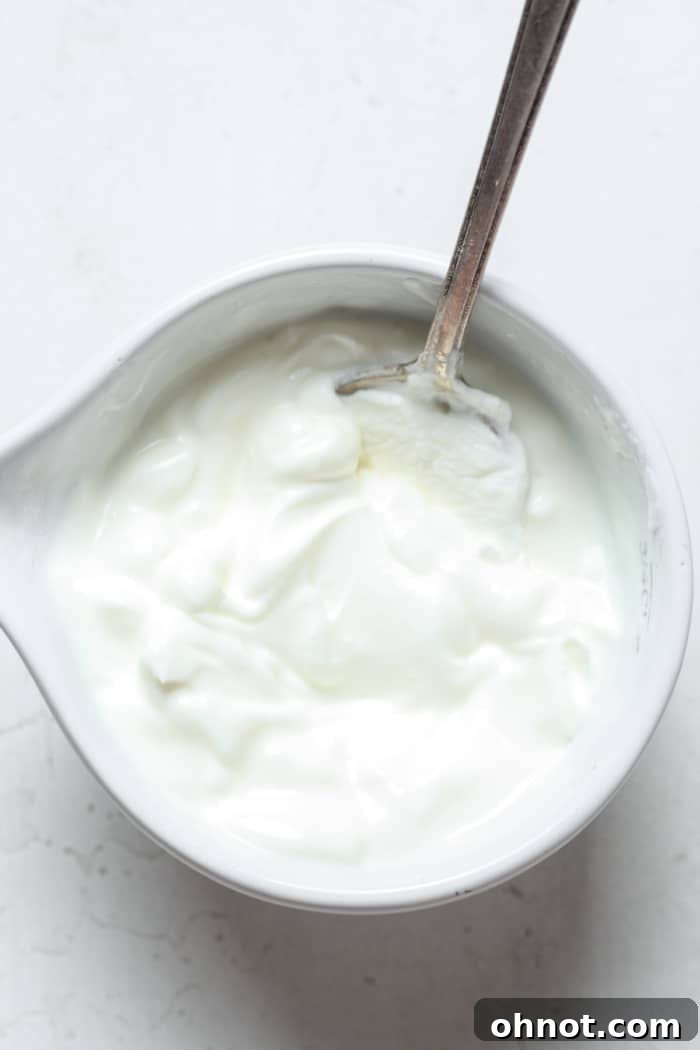
Equally impressive is the texture. This recipe delivers a consistency that is exquisitely smooth, wonderfully creamy, and remarkably thick, mirroring the lush mouthfeel of conventional sour cream. It holds its shape beautifully, making it ideal for dolloping, spreading, or stirring into your favorite dishes without becoming watery or thin. It truly is the perfect dairy-free alternative that doesn’t compromise on either taste or texture.
Simple Steps to Homemade Dairy-Free Sour Cream
Creating this dairy-free sour cream is astonishingly simple. Follow these straightforward steps to achieve a perfect batch every time:
Step 1: Gather Your Ingredients
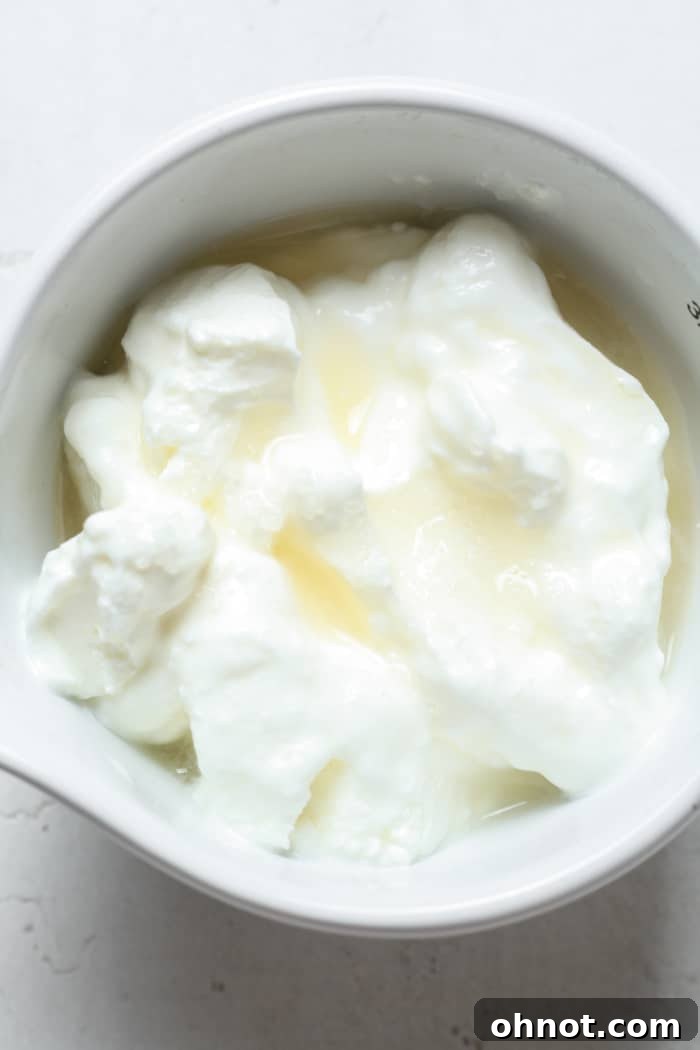
Before you begin, ensure your coconut cream has been thoroughly chilled in the refrigerator. Open the can of chilled coconut cream and carefully scoop out the thick, hardened cream from the top. Discard any thin coconut water found at the bottom of the can (or save it for smoothies!). Add this solid coconut cream to a medium-sized mixing bowl. Then, add the single drop of apple cider vinegar, the half teaspoon of fresh lemon juice, and a pinch of sea salt to the same bowl.
Step 2: Combine Thoroughly
Using a spoon or a small whisk, stir all the ingredients together vigorously. Continue stirring until the mixture is completely smooth and creamy, with no lumps of coconut cream remaining. The goal is a uniform, luscious consistency.
Step 3: Taste and Adjust
This is a crucial step for customization. Taste a small amount of your freshly made dairy-free sour cream. Does it have enough tang? Is it bright enough? If you prefer a stronger sour note, add another drop of apple cider vinegar. For more tartness, squeeze in a bit more lemon juice. If you feel it needs more depth or balance, add another tiny pinch of sea salt. Adjust until it perfectly suits your palate.
Step 4: Serve and Enjoy
Once you’ve achieved your desired flavor, your homemade dairy-free sour cream is ready to be served! Dollop it generously on your favorite dishes and savor the creamy, tangy goodness.
Expert Tips & Tricks for the Best Dairy-Free Sour Cream
Achieving dairy-free sour cream perfection is simple with a few insider tips:
- Chill Your Coconut Cream Effectively: The absolute key to a thick, creamy texture is to use very cold, full-fat coconut cream. Place the can in the fridge for at least 2 hours, but overnight is ideal. When you open the can, you should see a thick, solid layer of cream on top, with clear coconut water beneath. Only scoop out this thick cream. The coconut water can be saved for smoothies or discarded; it’s too thin for this recipe and will make your sour cream watery.
- Coconut Cream vs. Coconut Milk: It’s a common mistake, but this recipe specifically calls for coconut cream, not coconut milk. Coconut cream has a much higher fat content, which is essential for the desired thickness and richness. Coconut milk, even full-fat versions, will be too thin.
- Taste and Customize: Don’t be afraid to adjust the quantities of apple cider vinegar, lemon juice, and sea salt. These ingredients are what give the sour cream its signature tang and balance. Start with the recommended amounts, then taste and add more in small increments (a drop of ACV, a tiny squeeze of lemon, another pinch of salt) until it perfectly matches your personal preference. Everyone’s palate is different!
- Whip for Extra Fluff: If you desire a slightly fluffier, airier texture, you can use an electric hand mixer instead of a spoon or whisk. Beat the ingredients on medium-high speed for 30 seconds to a minute until light and smooth. This is particularly good if you plan to use it as a dollopable topping.
- Troubleshooting Thin Consistency: If your sour cream turns out too thin, it’s likely due to using coconut water instead of cream, or not chilling the coconut cream adequately. To thicken it, try chilling it again for a longer period. If it’s still too thin, you can try adding a tiny bit of arrowroot powder or tapioca starch (1/4 teaspoon at a time) and whisking thoroughly, then chilling. However, the best preventative measure is proper chilling of the coconut cream from the start.
- High-Quality Ingredients: While simple, the quality of your ingredients matters. Opt for a good brand of full-fat coconut cream known for its high cream content. Fresh lemon juice will always yield a brighter, more vibrant flavor than bottled.
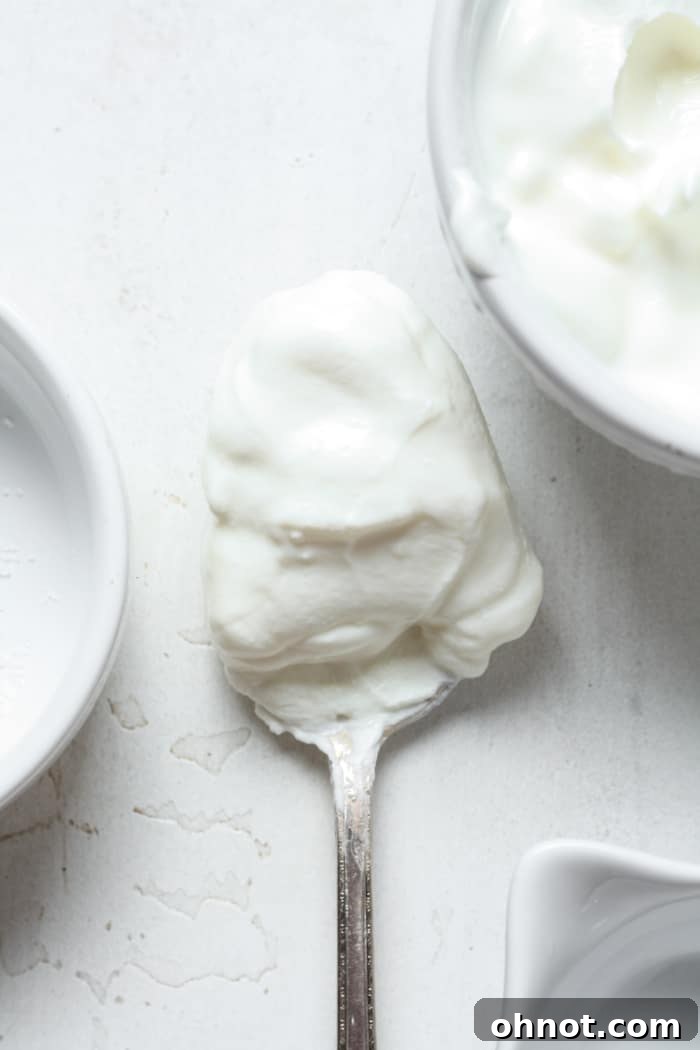
How to Serve & Store Your Homemade Dairy-Free Sour Cream
Once your homemade dairy-free sour cream is mixed to perfection and seasoned to your liking, it’s ready to elevate a multitude of dishes!
Serving Suggestions:
This versatile vegan sour cream is perfect for countless applications:
- Mexican Cuisine: A classic pairing! Dollop generously on tacos, burritos, enchiladas, fajitas, quesadillas, and of course, a mountain of nachos. It’s also fantastic stirred into a taco salad for an extra layer of creamy flavor.
- Comfort Food Topping: Garnish baked potatoes, sweet potatoes, chili, creamy soups, and stews. It adds a refreshing contrast to rich and hearty dishes.
- Dips and Spreads: Serve it as a base for creamy dips with fresh vegetables, chips, or crackers. You can easily stir in herbs, spices, or even a little onion powder and garlic powder for a quick veggie dip.
- Salad Dressings: Thin it slightly with a touch of plant-based milk or water to create a creamy, tangy salad dressing.
- Savory Pancakes/Waffles: A surprising but delicious pairing with savory pancakes, potato pancakes (latkes), or even with smoked salmon on blinis.
- Beyond the Savory: While primarily used in savory dishes, its neutral, tangy profile can even enhance some fruit tarts or as a side to fruit salads, similar to how traditional sour cream is used in certain desserts.
Storage Guidelines:
Proper storage ensures your dairy-free sour cream remains fresh and delicious:
- Refrigeration: Always store your homemade sour cream in an airtight container in the refrigerator. This will keep it fresh for up to 5 days.
- Do Not Freeze: It is strongly recommended not to freeze this dairy-free sour cream. Freezing and thawing can cause the coconut cream to separate and become grainy or watery, significantly altering its smooth, creamy texture. It will not return to its original consistency.
- Check for Freshness: Before using, always give it a quick sniff and check its appearance. If it develops an off-odor, changes color, or shows any signs of mold, it’s best to discard it.
Frequently Asked Questions About Dairy-Free Sour Cream
For consistent quality and a reliably thick, neutral-flavored coconut cream, I highly recommend the Thai brand. It’s widely available and can typically be found in the baking aisle, international foods section, or Asian food aisle of most major grocery stores. Look for full-fat, unsweetened coconut cream in a can.
Yes, another viable dairy-free substitute for sour cream is unflavored, full-fat dairy-free yogurt. Options like soy yogurt, almond yogurt, or oat yogurt can work. However, be mindful that the consistency might be thinner and the flavor profile slightly different depending on the brand and base. It’s a good alternative if coconut cream isn’t an option, but for the closest taste and texture, coconut cream is preferred.
No, Daisy sour cream is a traditional dairy product made from cultured cream and is not dairy-free. Always check ingredient labels for any brand if you need a dairy-free option.
I strongly advise against using light coconut cream or any form of coconut milk (even full-fat coconut milk) for this recipe. Light coconut cream has less fat, which means it won’t yield the thick, creamy texture essential for sour cream. Coconut milk is also too thin. The success of this recipe relies on the high fat content and solid separation of full-fat coconut cream when chilled.
Many homemade dairy-free sour cream recipes rely on soaked cashews for creaminess. However, this recipe intentionally avoids cashews to offer a nut-free alternative for individuals with nut allergies. It also simplifies the process by eliminating the need for soaking and blending, making it quicker and more accessible.
When stored in an airtight container in the refrigerator, this homemade dairy-free sour cream will stay fresh and delicious for up to 5 days. It’s best to consume it within this timeframe for optimal taste and texture.
Yes, this dairy-free sour cream can absolutely be used in baking! Its creamy texture and tangy flavor can contribute moisture and a subtle richness to recipes like dairy-free muffins, cakes, or even quick breads where traditional sour cream is called for. Its acidity also works well with baking soda to help with leavening, creating a tender crumb in baked goods.
You May Also Love These Related Recipes
If you enjoyed making and tasting this dairy-free sour cream, you’re sure to love these other delicious and wholesome recipes that perfectly complement a healthy, plant-based lifestyle:
- Whole30 Garlic Aioli: A flavorful, creamy condiment that’s perfect for dipping, spreading, or dressing.
- Paleo Taco Skillet: An easy, one-pan meal that’s packed with savory taco flavors, ideal for a quick weeknight dinner.
- Whole30 Taco Stuffed Peppers: Bell peppers filled with a delicious taco mixture, making a colorful and satisfying meal.
- Easy Whole30 Taco Soup: A hearty and comforting soup brimming with robust taco spices and wholesome ingredients.
- Whole30 Taco Salad: A fresh and vibrant salad that brings all the classic taco flavors into a lighter, healthier bowl.
We hope this dairy-free sour cream recipe becomes a staple in your kitchen! If you make it, we would truly appreciate a review and your feedback. You can connect with us and share your creations on Instagram, Facebook, and Pinterest. We’d love for you to follow along for more healthy eating ideas and inspiration! For a wider range of culinary ideas, explore our collection of Dairy Free Recipes.
Get the Recipe:
Dairy Free Sour Cream
Ingredients
- ½ cup chilled coconut cream, see note
- 1 drop apple cider vinegar
- ½ tsp lemon juice
- pinch sea salt
Instructions
-
First, add all ingredients to a bowl.
-
Stir to combine thoroughly until smooth.
-
Taste and add more apple cider vinegar, lemon juice, or sea salt if needed to achieve your desired flavor.
-
Finally, serve immediately and enjoy!
Notes
- Use full-fat coconut cream, not coconut milk. Ensure it is well-chilled in the fridge for at least 2 hours (preferably overnight) before making this recipe, allowing the cream to harden and separate.
- Carefully scoop out only the hardened, thick part of the coconut cream from the top of the can. Any coconut water should be left behind or saved for other uses.
- If coconut cream is absolutely unavailable, unflavored, full-fat dairy-free yogurt can be used, but it may result in a thinner consistency.
- Feel free to slightly adjust the quantities of apple cider vinegar, lemon juice, and sea salt to best suit your personal taste preferences.
- Store your homemade dairy-free sour cream in an airtight container in the refrigerator for up to 5 days. Do not freeze, as it will affect the texture.
Love this homemade Vegan sour cream? Don’t miss out on more healthy eating inspiration! You can sign up here to receive exclusive new recipes, healthy meal plans, and updates directly to your inbox!