In the ever-evolving landscape of health and nutrition, the conversation around gluten and gluten-free lifestyles has become increasingly prominent. Driven by a rise in gluten intolerance, sensitivities, and diagnosed conditions like Celiac Disease, more individuals are meticulously scrutinizing their diets. Amidst this nutritional shift, one particular ingredient often sparks confusion and frequent questions: buckwheat. While its name suggests a connection to wheat, the crucial query for many is: “Is buckwheat gluten free?” This comprehensive guide will delve into everything you need to know about buckwheat, its gluten-free status, remarkable health benefits, versatile culinary uses, and how it stands apart from traditional wheat.
What Exactly is Buckwheat? Understanding This Gluten-Free Pseudocereal
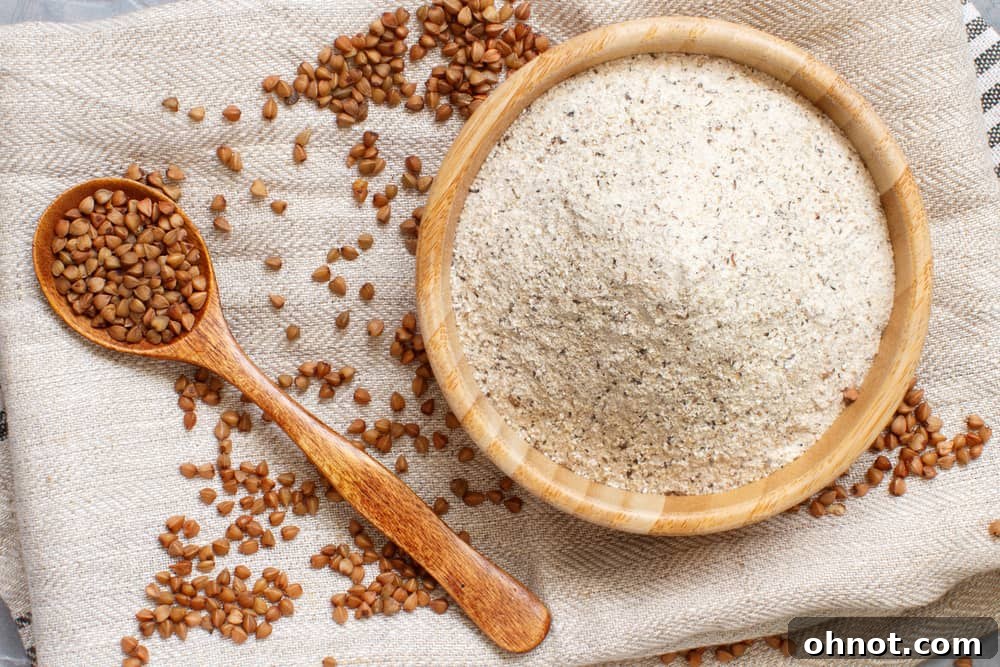
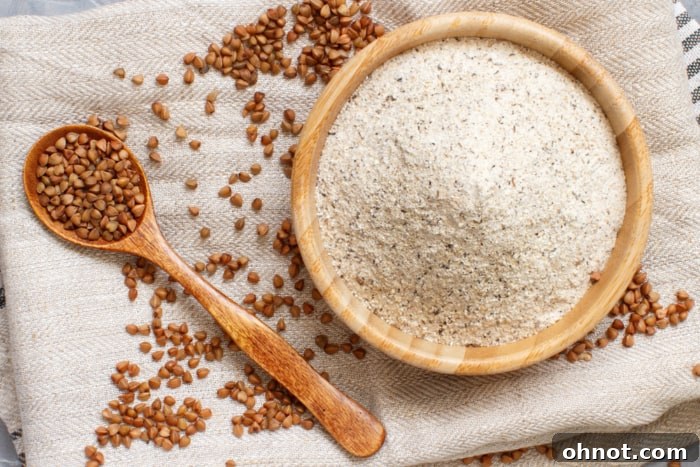
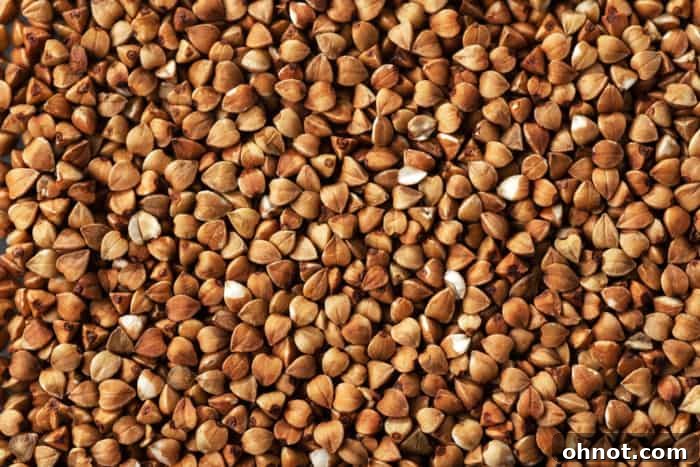
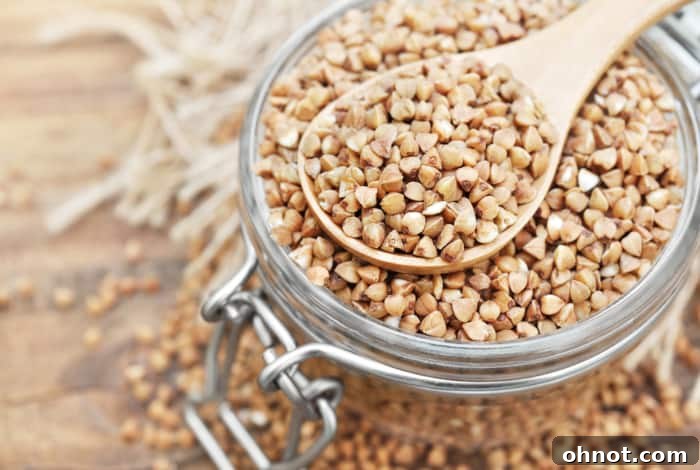
Despite its somewhat misleading name, buckwheat has no botanical relation to wheat whatsoever. In fact, it isn’t even a true cereal grain. Botanically, buckwheat (Fagopyrum esculentum) is classified as a pseudocereal, which means it’s a seed that is consumed and prepared in much the same way as grains. Other popular examples of pseudocereals include nutrient-dense quinoa and tiny, power-packed chia seeds. Buckwheat belongs to the Polygonaceae family, making it related to plants like rhubarb and sorrel, rather than grasses like wheat, barley, or rye. Its triangular-shaped kernels, known as groats, are harvested and used whole or ground into flour. This distinction is paramount for anyone navigating a gluten-free diet, as it immediately clarifies its inherent gluten-free nature, offering a safe and delicious alternative for those with dietary restrictions.
Having personally followed a gluten-free diet for over seven years, I can attest to buckwheat’s easy digestibility and versatility. It has consistently been a staple in my kitchen without causing any digestive discomfort. However, individual experiences can vary, and it is always advisable to consult with your doctor or a registered dietitian if you have specific health concerns or before making significant dietary changes.
Unlocking the Culinary Potential: Diverse Gluten-Free Uses for Buckwheat
Buckwheat is a true culinary marvel, celebrated for its robust, earthy flavor and remarkable versatility. Its naturally gluten-free status has propelled it to the forefront as an indispensable alternative for countless individuals, extending its culinary reach far beyond the familiar buckwheat pancake. From hearty breakfast bowls to sophisticated main courses and delightful snacks, buckwheat’s unique profile can elevate a multitude of dishes. Here are some inspiring and practical ways to incorporate this nutritious pseudocereal into your gluten-free repertoire:
1. Wholesome Breakfast Staples
Kickstart your day with a nourishing buckwheat-based breakfast. The groats cook up beautifully, providing a satisfying texture and a wealth of nutrients.
Buckwheat Porridge: A comforting and hearty option, buckwheat porridge is made by simmering buckwheat groats in your choice of milk (dairy or plant-based) or water until tender. Enhance its natural flavor with fresh fruits, a sprinkle of nuts, a dash of cinnamon, or a drizzle of maple syrup for a truly filling and wholesome morning meal.
Buckwheat Granola: For a crunchy start, combine raw buckwheat groats with gluten-free oats, a variety of nuts and seeds, honey or agave, and your favorite dried fruits. Bake until golden and crisp, creating a healthy, homemade granola that’s perfect with yogurt or milk.
2. Irresistible Baked Goods
Buckwheat flour, with its distinct flavor, brings a wonderful depth to baked goods. While it lacks gluten, it pairs exceptionally well with other gluten-free flours.
Buckwheat Muffins: Infuse your muffins with an earthy, nutty flavor by incorporating buckwheat flour. They are particularly delicious when paired with vibrant blueberries, sweet bananas, or rich chocolate chips, offering a unique twist on a classic treat.
Buckwheat Banana Bread: Elevate the classic comfort of banana bread by replacing a portion of your regular flour (or mixing with other gluten-free flours) with buckwheat flour. This substitution adds a richer texture and a more complex flavor profile.
For more insights into gluten-free baking, check out our guide on Is Baking Soda Gluten Free?
3. Satisfying Main Courses
Buckwheat’s versatility shines in savory dishes, where it can act as a base, a binder, or a flavorful component.
Soba Noodles: These iconic Japanese noodles are predominantly made from buckwheat flour, known for their firm texture and nutty taste. They are incredibly versatile, perfect for enjoying in warming broths, chilled salads, or stir-fries.
Buckwheat Stuffed Peppers: For a nutrient-dense and satisfying meal, stuff bell peppers with a flavorful mixture of cooked buckwheat groats, an assortment of finely chopped vegetables, herbs, and your preferred protein (lentils, ground meat, tofu). This creates a well-rounded and delicious main course.
Buckwheat Risotto: Reimagining traditional Italian risotto, using buckwheat groats instead of arborio rice offers a delightful twist. It provides a unique, slightly chewy texture and a richer, more profound flavor to this creamy, comforting dish.
4. Flavorful Sides and Salads
Buckwheat groats are excellent for adding body, texture, and nutrition to salads and side dishes.
Buckwheat Tabbouleh: A fresh and vibrant take on the traditional Middle Eastern salad, simply replace bulgur wheat with cooked buckwheat groats for a delicious and naturally gluten-free version. Mix with fresh parsley, mint, tomatoes, cucumber, lemon juice, and olive oil.
Buckwheat and Veggie Salad: Toss cooled, cooked buckwheat groats with an array of fresh, chopped vegetables (e.g., bell peppers, zucchini, red onion), a generous drizzle of extra virgin olive oil, a squeeze of fresh lemon juice, and plenty of fresh herbs for a light yet satisfying salad.
5. Healthy Snacks and Light Bites
Looking for nutritious snack options? Buckwheat offers interesting textures and flavors.
Buckwheat Crackers: Craft your own gluten-free crackers using buckwheat flour. These robust crackers are perfect companions for cheese boards, hummus, or various dips, and can be seasoned endlessly to suit your taste.
Buckwheat Popcorn (Puffed Buckwheat): Puffed buckwheat groats offer a light, crunchy snack similar to popcorn but with a distinct, slightly earthy flavor and a unique, airy texture. Enjoy them plain or lightly seasoned.
6. Innovative Drinks and Refreshments
Buckwheat’s versatility extends to beverages, offering unique and healthy options.
Buckwheat Smoothie Bowl: For a thick and nutrient-packed breakfast or snack, blend soaked (or cooked) buckwheat groats with your favorite fruits, yogurt (dairy or non-dairy), and a touch of honey or sweetener. Top with seeds, nuts, and additional fruit for an aesthetically pleasing and wholesome smoothie bowl.
Buckwheat Tea (Soba Cha): Brewed from lightly roasted buckwheat kernels, Soba Cha is a naturally caffeine-free tea. It boasts a distinct, nutty aroma and a soothing flavor, making it a perfect warm beverage at any time of day.
What Is Gluten? Demystifying This Common Protein
Gluten is not a single substance but a collective term for a group of proteins found naturally in certain cereal grains, primarily wheat, barley, and rye. It serves a crucial role in baking, acting as a binder that provides elasticity, strength, and a chewy texture to doughs and batters. Without gluten, breads wouldn’t rise as effectively, and many baked goods would lack their characteristic structure and mouthfeel. It’s also frequently added to processed foods as a thickening agent, stabilizer, or to enhance texture and flavor, often in surprising products.
The structural integrity of gluten comes from two main types of proteins: **prolamins** and **glutelins**. Prolamins are largely responsible for gluten’s remarkable elasticity and the chewy texture found in items like fresh bread. Glutelins, on the other hand, contribute to gluten’s overall strength and structural framework, allowing dough to hold its shape during fermentation and baking. When water is added to flour and kneaded, these proteins form a complex, interconnected network that traps gases, leading to the light, airy texture of many baked goods.
Understanding where gluten hides in the typical diet is essential for those adhering to a gluten-free lifestyle. It can be found in a surprisingly wide array of foods, including:
- Grains: Wheat (and all its varieties like spelt, farro, durum, semolina, kamut), barley, rye, triticale (a hybrid of wheat and rye).
- Baked Goods: Breads, cakes, cookies, muffins, pastries, pie crusts, donuts, croissants, and most conventional baked treats.
- Pasta and Noodles: Standard spaghetti, macaroni, lasagna, ramen noodles, and most other pasta products.
- Breakfast Cereals: Many conventional breakfast cereals, often containing wheat, barley malt, or other gluten-derived ingredients. Learn more about common cereals like Are Corn Flakes Gluten Free?
- Processed Foods: Pizza dough, crackers, breadcrumbs, croutons, malted milk products, some vegetarian meat substitutes (like seitan), and certain snack foods.
- Beverages: Most beers, malted beverages, and some flavored alcoholic drinks.
- Condiments and Sauces: Soy sauce (unless specifically labeled gluten-free tamari), gravies, marinades, salad dressings, some ketchup, and spice blends often contain hidden gluten as a thickener or filler.
- Meats: Processed meats such as hot dogs, sausages, deli meats, and pre-marinated proteins may contain gluten-containing fillers or binders.
For individuals navigating a gluten-free diet, diligent label reading is paramount. Many foods that might seem innocuous, such as certain processed meats, sauces, candies, and even some medications or supplements, can contain hidden gluten. Always look for clear “gluten-free” certifications or ingredient lists that confirm the absence of wheat, barley, rye, and their derivatives.
Should Everyone Avoid Gluten? A Balanced Perspective on Gluten-Free Diets
In recent years, gluten has transformed from an obscure protein to a widely discussed, often controversial, topic in nutrition and wellness circles. While a gluten-free diet is a medical necessity for some, it has also gained traction as a popular dietary choice for those seeking perceived health benefits. This raises a critical question: is avoiding gluten truly beneficial for everyone, or is it only necessary for specific individuals? Let’s explore the nuances of this dietary decision.
1. Who Absolutely Needs to Avoid Gluten? (Medical Necessity)
For certain groups, avoiding gluten is not a choice but a critical medical requirement to prevent severe health consequences:
Celiac Disease Sufferers: Celiac disease is a serious autoimmune disorder triggered by the consumption of gluten. In individuals with celiac disease, gluten ingestion leads to an immune response that damages the lining of the small intestine (villi), impairing nutrient absorption. This damage can result in a wide range of symptoms, including digestive issues (diarrhea, constipation, bloating, abdominal pain), fatigue, anemia, skin rashes, bone density loss, and neurological problems. For these individuals, a strict, lifelong gluten-free diet is the only effective treatment to heal the intestine and prevent long-term complications.
Wheat Allergy Patients: A wheat allergy is an immune reaction to proteins found in wheat, which can include gluten but also other wheat proteins. Symptoms can manifest rapidly and range from mild (hives, nausea, stomach cramps) to severe (anaphylaxis). While not all wheat-allergic individuals react solely to gluten, avoiding all gluten-containing wheat products is typically recommended to prevent allergic reactions.
Non-Celiac Gluten Sensitivity (NCGS): This condition is characterized by individuals experiencing symptoms similar to celiac disease (e.g., digestive upset, fatigue, headaches, joint pain, “brain fog”) after consuming gluten, even though they have tested negative for both celiac disease and wheat allergy. While the exact mechanisms of NCGS are still being researched, many individuals find significant symptom relief by adopting a gluten-free diet. Unlike celiac disease, NCGS does not cause intestinal damage.
2. Gluten-Free as a Dietary Choice (Perceived Benefits)
Beyond medical necessity, many individuals opt for a gluten-free diet based on personal belief or perceived benefits. Some common reasons include:
Perceived Health Benefits: Some individuals report feeling more energetic, experiencing weight loss, or noticing a reduction in inflammation after eliminating gluten from their diet. While anecdotal evidence is plentiful, robust scientific studies consistently supporting these general health benefits for the broader population (without diagnosed conditions) are limited.
Digestive Comfort: Even without a formal diagnosis of celiac disease or NCGS, some people find that reducing or eliminating gluten can alleviate symptoms like bloating, gas, stomach cramps, or irregular bowel habits. This could be due to other components in gluten-containing grains, such as FODMAPs (fermentable oligosaccharides, disaccharides, monosaccharides, and polyols), rather than gluten itself.
Following Health Trends: The gluten-free movement has gained significant popularity, fueled by endorsements from celebrities, influencers, and widespread media attention. This trendiness can lead some individuals to adopt a gluten-free lifestyle based on social influence rather than specific health needs or medical advice.
3. Potential Drawbacks of Unnecessary Gluten Avoidance
While a gluten-free diet can be life-changing for those with specific medical conditions, adopting it without necessity can carry its own set of potential drawbacks:
Nutritional Deficits: Whole grains that naturally contain gluten, such as whole wheat, barley, and rye, are excellent sources of essential nutrients. These include dietary fiber, iron, calcium, B vitamins (thiamine, riboflavin, niacin, folate), and magnesium. Eliminating these grains from the diet without carefully planned replacements can lead to deficiencies in these vital nutrients, potentially impacting overall health.
Increased Expense: Gluten-free specialty products often come with a significantly higher price tag compared to their gluten-containing counterparts. This can make adhering to a strict gluten-free diet an expensive endeavor for many households.
False Sense of Health and Unhealthy Choices: The “gluten-free” label can sometimes be misinterpreted as inherently healthier. However, many gluten-free processed foods are often high in sugar, unhealthy fats, refined starches, and calories to compensate for the absence of gluten and improve palatability. Opting for these processed gluten-free items over naturally gluten-free whole foods can lead to a less healthy diet overall.
Social and Psychological Impact: Navigating social situations, dining out, and adhering to a strict diet can be challenging and isolating. For those without a medical need, this burden might outweigh any perceived benefits.
4. The Importance of Professional Consultation
If you suspect you might be reacting to gluten or are considering adopting a gluten-free diet, it is crucial to consult with a healthcare professional, such as a doctor or a registered dietitian. Self-diagnosing and initiating a gluten-free diet without proper medical testing can complicate diagnosis for conditions like celiac disease, as gluten needs to be present in the diet for accurate testing. A healthcare provider can help determine the underlying cause of your symptoms and guide you toward the most appropriate and nutritionally sound dietary approach.
Buckwheat vs. Wheat: A Comprehensive Comparison
While their names might sound similar, buckwheat and wheat are distinct in almost every aspect – from their botanical origins to their nutritional profiles and culinary applications. Understanding these differences is key, especially for those managing gluten-related dietary needs. Here’s a detailed comparison:
1. Botanical Classification and Origin:
Buckwheat: As previously established, buckwheat is a pseudocereal, not a true grain. It originates from the seeds of a broadleaf plant (Fagopyrum esculentum) and is part of the Polygonaceae family, which also includes knotweed, rhubarb, and sorrel. This ancient crop has been cultivated for thousands of years, particularly in Asia and Eastern Europe.
Wheat: Wheat is a true cereal grain belonging to the grass family (Poaceae). It is one of the most widely cultivated crops globally, forming a foundational component of diets worldwide. There are many varieties, including durum (used for pasta), hard red (for bread), soft red (for cakes), hard white, and soft white wheats, each with unique characteristics and uses.
2. Gluten Content:
Buckwheat: Critically, buckwheat is naturally and entirely gluten-free. This makes it an ideal and safe choice for individuals diagnosed with celiac disease, those with non-celiac gluten sensitivity, or anyone simply choosing to follow a gluten-free diet for personal health reasons.
Wheat: Wheat is the primary source of gluten in the human diet. Gluten, a complex protein composite, is responsible for the elasticity and structure of wheat-based doughs. Its presence is the very reason why wheat is problematic for individuals with celiac disease, wheat allergies, or gluten sensitivities.
3. Nutritional Profile:
Buckwheat: Buckwheat is a nutritional powerhouse. It is particularly rich in essential minerals such as magnesium (important for muscle and nerve function), manganese (an antioxidant and metabolic aid), and copper (crucial for red blood cell formation). It’s also an excellent source of dietary fiber, potent antioxidants (including rutin and quercetin), and high-quality protein containing all nine essential amino acids, making it a complete protein source, which is rare for plant-based foods.
Wheat: Whole wheat is also highly nutritious, offering a substantial amount of B vitamins (thiamine, niacin, riboflavin, folate), iron (for oxygen transport), calcium, magnesium, phosphorus, and dietary fiber. The nutritional value is significantly higher in whole wheat, which retains the bran, germ, and endosperm, compared to refined wheat flour that primarily consists of the endosperm.
4. Culinary Uses:
Buckwheat: Buckwheat is incredibly versatile. Its groats are used in porridges, salads, and as a rice substitute. Buckwheat flour is a popular choice for making distinct pancakes (like French galettes), Japanese soba noodles, and certain types of gluten-free bread. It also finds its way into various traditional Eastern European dishes.
Wheat: Wheat is a dietary staple globally and forms the basis for an astonishing array of products. It’s used to produce virtually all types of bread, pasta, pastries, cakes, cookies, breakfast cereals, couscous, and is a key ingredient in brewing beer and many other processed foods.
5. Taste and Texture:
Buckwheat: Buckwheat possesses a distinct, assertive, earthy, and sometimes slightly bitter flavor profile, especially when using roasted groats (kasha). Its texture can range from soft and somewhat creamy when cooked as a porridge, to firm and grainy when used as flour in baked goods. The unroasted groats have a milder taste.
Wheat: Wheat generally has a milder, often described as nutty or subtly sweet, flavor compared to buckwheat. Its texture is highly dependent on its preparation: the soft, airy crumb of a baguette, the firm bite of al dente pasta, or the flaky layers of a pastry.
6. Potential Health Benefits:
Buckwheat: Scientific studies have highlighted several health benefits associated with buckwheat consumption. It is known to help in managing blood sugar levels, making it particularly beneficial for individuals with diabetes or insulin resistance. Its compounds are also linked to improved heart health, including the reduction of LDL (“bad”) cholesterol and supporting healthy blood pressure due to its rutin content.
Wheat: The consumption of whole wheat (not refined) is strongly associated with numerous health advantages. It has been linked to a reduced risk of chronic diseases such as heart disease, type 2 diabetes, and certain types of cancer. The high fiber content in whole wheat plays a significant role in promoting digestive health and maintaining bowel regularity.
Mastering Buckwheat Flour: Practical Tips for Gluten-Free Baking and Cooking
Buckwheat flour, with its distinct earthy flavor and impressive nutritional profile, is a valuable asset in any gluten-free kitchen. Its unique properties require a slightly different approach than traditional wheat flour, but once mastered, it opens up a world of delicious possibilities. Here’s a detailed guide on how to effectively use buckwheat flour in your cooking and baking endeavors:
1. Versatility in Baked Goods:
Buckwheat flour can impart a wonderful richness and depth to a variety of baked items, though it often performs best when combined with other flours.
Breads: Because buckwheat flour lacks gluten, it cannot create the elastic structure that traditional wheat flour does in yeast breads. For best results in gluten-free bread making, it’s advisable to substitute only a portion (e.g., 25-50%) of your total flour blend with buckwheat flour. This will add a darker hue, a richer flavor, and a denser crumb. You’ll often need binders like xanthan gum or psyllium husk in gluten-free bread recipes.
Pancakes and Crepes: Buckwheat flour is a classic for a reason! It’s famously used for traditional French “galettes” (savory crepes) and hearty pancakes. A simple batter often consists of buckwheat flour, a pinch of salt, water or milk, and an egg. Fry in a hot, lightly oiled skillet for delicious results.
Muffins and Cakes: Incorporating buckwheat flour into muffins and cakes adds a distinctive, earthy note and a slightly coarser texture. You can replace a quarter to half of the total flour content with buckwheat. Be mindful that it can make baked goods denser, so adjust leavening agents or consider lighter gluten-free flours in your blend.
2. Crafting Pasta and Noodles:
Buckwheat flour is a staple in many noodle traditions, offering a unique flavor and chew.
Soba Noodles: These beloved Japanese noodles are traditionally made from a blend of buckwheat flour and wheat flour, though 100% buckwheat soba (juwari soba) is available. They can be served hot in broths or chilled with a dipping sauce, offering a versatile gluten-free option.
Homemade Gluten-Free Pasta: For entirely gluten-free pasta, buckwheat flour can be combined with other gluten-free flours (like rice or tapioca) and suitable binders (such as eggs or xanthan gum) to create homemade noodles with a satisfying bite.
3. As a Thickening Agent:
Buckwheat flour can effectively thicken liquids without the use of gluten.
Sauces, Gravies, and Soups: Use buckwheat flour as a reliable gluten-free alternative to wheat flour (roux) for thickening gravies, stews, and soups. Create a slurry by mixing it with cold liquid before adding to hot dishes to prevent lumps.
4. Unique Breakfast Dishes:
While whole groats are more common for porridge, buckwheat flour can also be adapted.
Buckwheat Flour Porridge: Though less common than groat-based porridge, you can cook buckwheat flour with water or milk to create a smooth, creamy porridge. Customize with fruits, nuts, and sweeteners for a nutritious start to your day.
5. Coatings and Batters:
Its distinctive flavor and texture make it excellent for coatings.
Frying and Dredging: Use buckwheat flour as a crispy coating for fried foods like chicken or fish, or incorporate it into light batters for tempura-style vegetables. It adds a lovely nutty flavor and a satisfying crunch.
6. Functioning as a Binding Agent:
Buckwheat flour can help hold ingredients together in gluten-free recipes.
Veggie Burgers or Meatballs: The flour can act as an effective binder in recipes that require ingredients to cohere, such as homemade vegetable patties, meatless loaves, or meatballs, preventing them from crumbling.
Essential Tips for Successful Buckwheat Flour Use:
Blending with Other Flours: For optimal results in gluten-free baking, especially for items requiring some structure, buckwheat flour is often best used in combination with other gluten-free flours. A blend might include rice flour, oat flour, almond flour, tapioca starch, or potato starch, balancing flavor and texture.
Adjusting Liquid Ratios: Buckwheat flour can absorb liquids differently than wheat flour, sometimes requiring more moisture. Be prepared to adjust the liquid quantities in your recipe slightly to achieve the desired dough or batter consistency. Start with the recipe’s liquid amount, then add more gradually if the mixture seems too dry.
Storage Practices: Due to its higher oil content compared to some other flours, buckwheat flour can become rancid more quickly. To preserve its freshness and flavor, store it in an airtight container in a cool, dark pantry. For extended shelf life, especially in warmer climates or if buying in bulk, consider refrigerating or freezing the flour.
Creative Recipe Ideas to Replace Buckwheat in Your Cooking
While buckwheat is a fantastic gluten-free option, you might occasionally need or want to substitute it in a recipe, either due to taste preference, availability, or to vary your diet. Fortunately, there are many excellent alternatives that can help you maintain the desired texture and flavor profile of your dishes. Here are some effective replacements based on typical buckwheat applications:
1. Replacing Buckwheat Groats in Breakfast Porridge:
If you’re looking for a hearty, warm breakfast alternative to buckwheat groats, several delicious gluten-free options are available:
Quinoa Porridge: Quinoa is another fantastic pseudocereal that makes an excellent porridge base. Cook it with water, milk, or a plant-based milk until fluffy and creamy. Top with fresh berries, sliced almonds, a drizzle of maple syrup, or a sprinkle of cinnamon for a satisfying meal rich in protein and fiber.
Oats (Gluten-Free Certified): A classic and beloved breakfast choice, gluten-free certified steel-cut oats or rolled oats offer a wonderfully creamy texture. Ensure they are certified gluten-free to avoid cross-contamination for those with celiac disease or severe sensitivities. Prepare them with your preferred liquid and add toppings like nuts, seeds, fruit, and honey.
Millet Porridge: Millet is a naturally gluten-free grain that cooks into a soft, fluffy porridge. It has a mild flavor and can be prepared similarly to quinoa or oats, offering another nutritious hot breakfast option.
2. Alternatives for Buckwheat-based Soba Noodles:
For noodle dishes where soba might be the original choice, these alternatives can work well:
Rice Noodles: Widely available and quick-cooking, rice noodles come in various thicknesses and are naturally gluten-free. They are perfect for stir-fries, hot soups (like pho), or chilled Asian-inspired salads, providing a delicate texture.
Gluten-Free Spaghetti/Pasta: Many brands now offer excellent gluten-free pasta made from corn, rice, quinoa, or lentil flours. These can be used as a direct substitute for soba in most recipes, offering a familiar texture.
Zucchini Noodles (Zoodles): For a low-carb, vegetable-based alternative, spiralized zucchini offers a fresh and light “noodle” option, especially good in cold salads or lightly sautéed dishes.
3. Substitutions for Buckwheat Flour in Baking:
When baking, the best substitute for buckwheat flour often depends on the specific recipe and whether you need a gluten-free option.
Almond Flour: An excellent gluten-free alternative, almond flour offers a delicate nutty flavor and a moist texture to baked goods. It’s high in protein and healthy fats, making it a popular choice for cookies, cakes, and muffins.
Coconut Flour: Another popular gluten-free option, coconut flour is highly absorbent and has a slight sweetness. When using it, remember that you’ll need significantly less coconut flour (often 1/4 to 1/3 of the amount of other flours) and much more liquid to avoid a dry or crumbly result.
Oat Flour (Gluten-Free Certified): You can easily make oat flour by grinding certified gluten-free rolled oats in a blender or food processor. It provides a mild flavor and works beautifully in pancakes, muffins, quick breads, and cookies, adding a touch of tenderness.
Rice Flour (Brown or White): Rice flour is a versatile gluten-free flour. Brown rice flour offers more nutrients and a slightly coarser texture and nutty flavor, while white rice flour is finer and more neutral. They are good bases for gluten-free baking blends.
4. Replacing Buckwheat Flour for Thickening Soups and Sauces:
If using buckwheat flour as a thickener, these gluten-free alternatives are readily available:
Cornstarch: A common and highly effective gluten-free thickener. Always mix cornstarch with a small amount of cold water to create a slurry before adding it to hot liquids to prevent lumps. It provides a clear finish.
Arrowroot Powder: A natural, neutral-flavored, and gluten-free thickener. Similar to cornstarch, it should be mixed with cold liquid first. Arrowroot provides a glossy finish and is more stable at acidic pH levels and prolonged cooking times than cornstarch.
Tapioca Starch (or Flour): This gluten-free starch creates a slightly chewy texture and a glossy finish, making it excellent for thickening fruit pies, sauces, and gluten-free baked goods.
5. Pancakes and Crepes Alternatives (when not using buckwheat flour):
For delicious pancakes and crepes without buckwheat:
All-Purpose Gluten-Free Flour Blend: The easiest solution for gluten-free pancakes or crepes is to use a pre-made gluten-free all-purpose flour blend. These blends are designed to mimic the properties of wheat flour for diverse baking needs.
A Custom Blend of Gluten-Free Flours: You can create your own blend using a combination of rice flour, tapioca starch, and potato starch for a texture that closely resembles traditional pancakes and crepes.
6. Crusts and Breadcrumbs Replacements:
For crunchy crusts or binding agents, consider these:
Almond Meal or Almond Flour: Works exceptionally well for gluten-free pie crusts, tart shells, or as a flavorful breadcrumb alternative for coating proteins or binding veggie burgers.
Ground Flaxseed or Chia Seed: When combined with other gluten-free flours or meals, these seeds can add a nutty flavor, extra nutrition, and beneficial binding properties to crusts or as a thickener.
Gluten-Free Breadcrumbs: Many brands offer gluten-free breadcrumbs made from rice or other gluten-free flours, perfect for coating foods or as a binder.
Beyond Gluten-Free: Exploring the Remarkable Health Benefits of Buckwheat
Buckwheat is far more than just a gluten-free alternative; it’s a nutrient-dense food with a remarkable array of health benefits that have been cherished in various cultures for centuries. Its inclusion in a balanced diet can contribute significantly to overall well-being. Here’s a deeper look into the primary health advantages of this impressive pseudocereal:
1. Packed with Essential Nutrients and Powerful Antioxidants:
Buckwheat is a veritable treasure trove of vital nutrients. It contains an impressive profile of vitamins and minerals, including:
- Manganese: Essential for bone health, metabolism, and antioxidant defense.
- Magnesium: Crucial for muscle and nerve function, blood sugar control, and blood pressure regulation.
- Phosphorus: Important for bone and tooth formation, and energy metabolism.
- Niacin (Vitamin B3): Supports healthy skin, nerves, and digestion.
- Zinc: Vital for immune function and wound healing.
- Iron: Essential for red blood cell production and oxygen transport.
- Folate (Vitamin B9): Important for cell growth and function, especially during pregnancy.
Beyond these, buckwheat is exceptionally rich in antioxidants such as rutin, quercetin, vitexin, and D-chiro-inositol, alongside other beneficial polyphenols. These compounds play a critical role in combating oxidative stress and inflammation within the body, which are implicated in the development of numerous chronic diseases.
2. Robust Support for Heart Health:
Regular consumption of buckwheat has been consistently linked to improved cardiovascular health. Several mechanisms contribute to this benefit:
- Lowers Cholesterol: Studies indicate that buckwheat can help reduce levels of harmful LDL (“bad”) cholesterol while potentially increasing beneficial HDL (“good”) cholesterol, thereby lowering the overall risk of heart disease and atherosclerosis.
- Rutin’s Role: The potent flavonoid rutin, found abundantly in buckwheat, is well-known for its ability to strengthen blood vessels, improve capillary permeability, and enhance overall circulation, contributing to better blood flow and reduced risk of blood clots.
- Blood Pressure Regulation: Its magnesium content also aids in relaxing blood vessels, which can contribute to healthy blood pressure levels.
3. Significant Improvement in Blood Sugar Control:
Buckwheat is an excellent food choice for individuals looking to manage blood sugar levels, including those with diabetes or insulin resistance. Its low glycemic index means it causes a slower, more gradual rise in blood glucose compared to many other grains.
- Resistant Starch: Buckwheat contains resistant starch, a type of carbohydrate that behaves similarly to soluble fiber. It passes through the small intestine undigested and ferments in the large intestine, improving gut health and significantly enhancing insulin sensitivity.
- D-chiro-inositol: This unique compound, present in buckwheat, has been specifically studied for its beneficial effects on lowering blood sugar levels and assisting in the management of type 2 diabetes by mimicking insulin’s action.
4. High Dietary Fiber Content for Digestive Wellness:
Buckwheat is an excellent source of dietary fiber, crucial for a healthy digestive system.
- Digestive Regularity: The insoluble fiber in buckwheat adds bulk to stool, facilitating smooth bowel movements and effectively preventing constipation. The soluble fiber forms a gel-like substance, slowing digestion and promoting nutrient absorption.
- Promotes a Healthy Gut Microbiome: The resistant starch and fiber feed beneficial gut bacteria, contributing to a diverse and healthy gut microbiome, which is essential for overall health.
- Enhanced Satiety: Foods rich in fiber, like buckwheat, contribute to feelings of fullness and satiety, which can naturally help reduce overall calorie intake and support healthy weight management efforts.
5. Naturally Gluten-Free for Dietary Needs:
For those with gluten-related disorders, this is perhaps its most vital benefit.
Safe for Celiac Disease and Gluten Sensitivity: Being inherently gluten-free, buckwheat serves as an invaluable and safe grain alternative for individuals who must avoid gluten due to celiac disease, non-celiac gluten sensitivity, or a wheat allergy. It allows for dietary diversity without compromising health.
6. Contributes to Weight Management:
Buckwheat can be a valuable component of a weight management diet due to its composition.
- High in Protein: As a complete protein source, buckwheat is relatively high in protein for a plant-based food. Protein is known to increase feelings of fullness and reduce appetite, which can help in controlling food intake.
- Lower in Calories (compared to some grains): While nutrient-dense, buckwheat can be lower in calories than some other grains when prepared simply, making it a favorable option for those monitoring their caloric intake.
7. Potential Anti-Inflammatory Properties:
The rich array of phytonutrients and antioxidants in buckwheat may offer anti-inflammatory benefits, helping to mitigate chronic inflammation that underlies many modern diseases.
8. Supports Healthy Skin:
Buckwheat contains nutrients vital for skin health, including zinc and niacin (Vitamin B3). Zinc is important for skin repair and immunity, while niacin improves skin elasticity, reduces redness, and promotes an even skin tone.
Essential Tips for Successful Gluten-Free Cooking with Buckwheat
Embracing buckwheat in your gluten-free kitchen is a rewarding culinary journey. This versatile pseudocereal brings a distinctive earthy flavor, a unique texture, and a wealth of health benefits to your table. To ensure the best results and truly harness its potential, consider these practical tips for cooking and baking with buckwheat:
1. Start with Whole Buckwheat Groats for Basics:
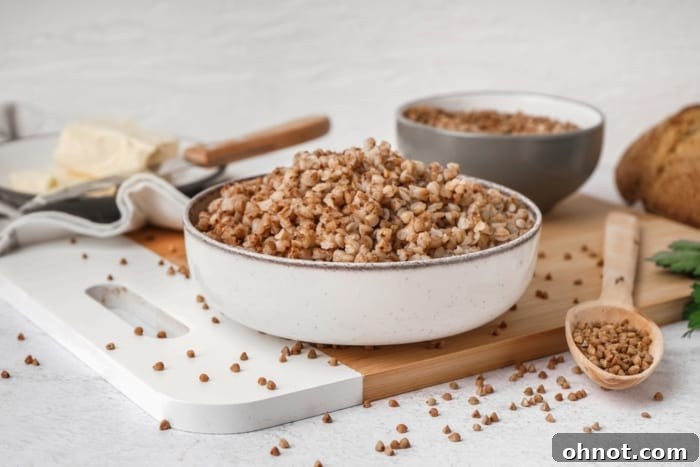
Whole buckwheat groats are an excellent entry point. They are incredibly easy to cook, much like rice or quinoa. Simply rinse them thoroughly under cold water to remove any dust or debris, then simmer them in a 1:2 ratio of groats to water or broth until they are tender and the liquid is absorbed (typically 15-20 minutes). Cooked groats have a pleasant, slightly chewy texture and can be used as a base for salads, a flavorful pilaf, a nutritious side dish, or a gluten-free substitute for rice.
2. Understand the Different Forms of Buckwheat:
Buckwheat is available in several forms, each suited for different culinary applications:
- Whole Groats: These are the raw, unhulled kernels, ideal for porridges, salads, and as a grain substitute.
- Kasha (Roasted Buckwheat Groats): These are groats that have been lightly toasted, giving them a more intense, nutty flavor and a firmer texture when cooked. Kasha is popular in Eastern European cuisine.
- Buckwheat Flour: Ground from the groats, this flour is used for baking, making noodles, and thickening. It comes in light and dark varieties, with dark flour having a stronger flavor due to containing more of the hull.
Choosing the correct form for your recipe is crucial for achieving the desired taste and texture.
3. Master Blending Flours for Gluten-Free Baking:
Because buckwheat flour is naturally gluten-free, it lacks the elasticity and binding properties that gluten provides. For most baked goods, especially those requiring structure like bread or cakes, it’s highly beneficial to blend buckwheat flour with other gluten-free flours. A good gluten-free flour blend might include a base (like rice flour or oat flour), a starchy binder (like tapioca starch or potato starch), and buckwheat flour to add flavor and nutrition. This creates a more balanced texture and prevents baked goods from being too dense or crumbly.
4. Pay Attention to Hydration Levels:
Buckwheat flour tends to be quite absorbent, often requiring more liquid than traditional wheat flour. When adapting recipes or creating new ones, be prepared to adjust the liquid quantities. It’s often best to start with the recommended amount of liquid and then gradually add more until you reach the desired consistency for your dough or batter.
5. Prevent Cross-Contamination for Strict Gluten-Free Diets:
For individuals with celiac disease or severe gluten sensitivity, preventing cross-contamination is paramount. Ensure that your buckwheat products are certified gluten-free to guarantee they haven’t been processed on shared equipment with wheat, barley, rye, or other gluten-containing grains. Always use dedicated gluten-free utensils, cutting boards, and cooking surfaces when preparing gluten-free meals.
6. Experiment with Traditional Buckwheat Dishes:
Explore traditional recipes where buckwheat is a star ingredient. Dishes like Russian blinis (thin pancakes), Ukrainian kasha, or French galettes offer authentic ways to familiarize yourself with buckwheat’s unique properties and flavor profiles. These traditional preparations often inherently understand how to best work with buckwheat’s characteristics.
7. Enhance Flavor Through Toasting:
Toasting buckwheat groats (especially if they are unroasted) before cooking can significantly deepen and enhance their naturally earthy and nutty flavor. Simply spread them on a dry skillet over medium heat and toast for a few minutes until fragrant, being careful not to burn them.
8. Utilize Buckwheat Flour as a Binding Agent:
Beyond baking, buckwheat flour can serve as an effective binding agent in savory dishes. Use it to help hold together ingredients in recipes like homemade veggie burgers, meatless loaves, or meatballs, providing structure and preventing them from falling apart.
9. Monitor Cooking Times for Groats:
When cooking whole buckwheat groats, be mindful of the cooking time. Overcooking can lead to mushy results. It’s always best to check them a few minutes before the suggested cooking time is up to ensure they achieve a firm yet tender, al dente texture.
10. Proper Storage is Key to Freshness:
Buckwheat flour, due to its natural oils, can go rancid more quickly than some other flours. To maintain its freshness, flavor, and nutritional value, store buckwheat flour in an airtight container in a cool, dark, dry pantry. For extended shelf life, particularly in warmer climates or if you don’t use it frequently, consider storing it in the refrigerator or even the freezer.
Frequently Asked Questions (FAQs) about Buckwheat and Gluten
Absolutely, buckwheat is considered a highly healthy and nutritious food. It is an excellent source of plant-based protein, dietary fiber, essential minerals like magnesium and manganese, and a rich array of antioxidants. Its naturally gluten-free nature makes it an outstanding choice for individuals with celiac disease, gluten sensitivity, or those simply seeking to incorporate more nutrient-dense, whole foods into their diet.
Many delicious and versatile grains are naturally gluten-free, providing safe options for those avoiding gluten. These include rice (brown, white, wild), quinoa, millet, amaranth, sorghum, teff, and corn. Buckwheat, while a pseudocereal, is also a staple in the gluten-free category. When purchasing processed products made from these grains, it is always crucial to check for “certified gluten-free” labels to ensure there has been no cross-contamination during processing.
Yes, cooked buckwheat remains entirely gluten-free. Buckwheat is a pseudocereal, derived from the seed of a flowering plant, and is not related to gluten-containing grains like wheat, barley, or rye. Its gluten-free status is inherent to its botanical composition and does not change through cooking. However, as with any gluten-free food, ensure that it hasn’t been cooked or processed in facilities or with utensils that have come into contact with gluten to avoid cross-contamination.
Certainly! Six widely recognized and nutritious gluten-free grains/pseudocereals are Quinoa, Rice, Millet, Buckwheat, Amaranth, and Sorghum. These offer a fantastic variety of textures and flavors for diverse culinary uses in a gluten-free diet.
Explore More Gluten-Free Insights and Recipes
If you’re delving deeper into the world of gluten-free living, we have more helpful resources and delicious recipes to guide you:
- Are Reese’s Gluten Free? Unwrapping Your Favorite Candy
- Perfectly Pliable Gluten Free Tortillas Recipe
- Delightfully Decadent Gluten Free Cupcakes
- Are Sprinkles Gluten Free? A Sweet Guide
- Your Guide to a Delicious Gluten Free Bread Recipe
- Is Peanut Butter Gluten Free? The Sticky Truth
We hope this comprehensive guide has illuminated the truth about buckwheat and empowered you on your gluten-free journey. If you found this post valuable, a quick review or share would be greatly appreciated! Connect with us on social media for more gluten-free tips, recipes, and behind-the-scenes content. You can find us on Instagram, Facebook, and Pinterest. Join our exclusive Facebook Group for an inside look and to connect with a supportive community. We’d love for you to follow along! For even more culinary inspiration, especially if you have a sweet tooth, explore our vast collection of Gluten-Free Dessert Recipes.