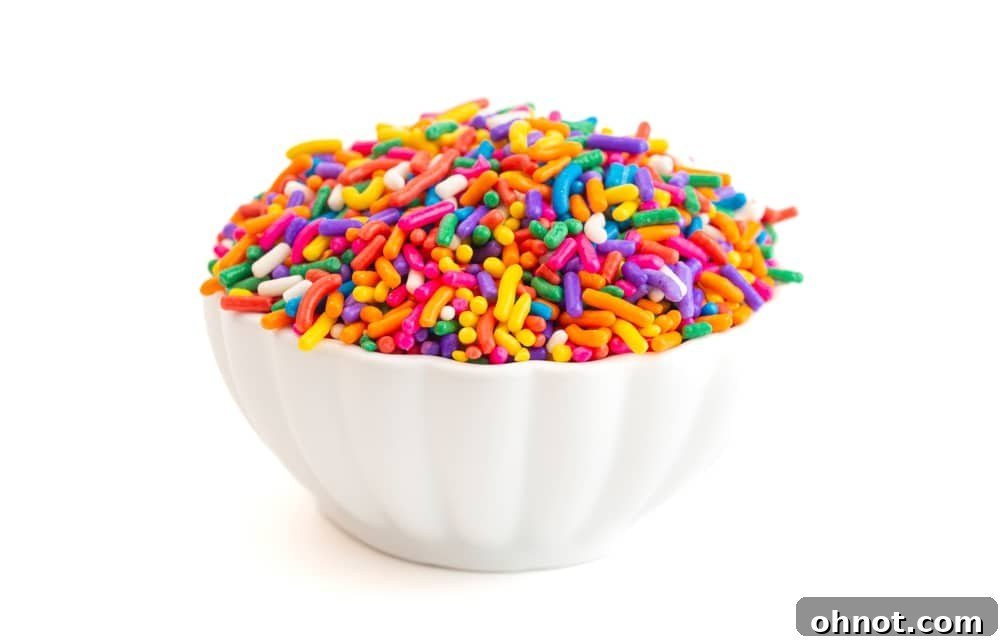
For many, sprinkles are more than just a topping; they’re a celebration of joy, a vibrant burst of color and sweetness that elevates any dessert. From birthday cakes to everyday ice cream cones, these tiny confectionery gems have a special place in our hearts and on our plates. However, for individuals navigating a gluten-free diet, a common and crucial question often arises: Are sprinkles gluten-free?
Living with celiac disease, gluten sensitivity, or simply adhering to a gluten-free lifestyle demands meticulous attention to ingredient labels, even for seemingly innocuous items. The hidden world of food additives and manufacturing processes can sometimes conceal gluten in unexpected places, making it imperative to understand the composition of every component in your meal – including those cheerful little sprinkles.
Before we delve deeper into the gluten status of sprinkles, you might find these related articles helpful for your gluten-free journey: learn if Rice Krispies are gluten-free, discover the truth about baking soda and gluten, and explore whether peanut butter is naturally gluten-free.
A World of Sweet Confetti: Different Types of Sprinkles
Sprinkles are far from a monolithic category. They come in an astonishing array of shapes, sizes, textures, and colors, each designed to add a unique touch to your culinary creations. Understanding these varieties is the first step in appreciating their charm and, ultimately, scrutinizing their ingredients for gluten content.
- Jimmies: Perhaps the most iconic type, jimmies are slender, rod-shaped sprinkles, usually brightly colored. They are a beloved staple for decorating donuts, cupcakes, and ice cream sundaes, providing a subtle crunch and a burst of color.
- Nonpareils: Known as “hundreds and thousands” in many parts of the world, nonpareils are tiny, spherical balls of sugar. Their delicate size and vibrant hues make them perfect for adding a fine, textural detail to cookies, truffles, and cake pops.
- Dragees: These small, often metallic-colored spheres (think gold or silver) bring an elegant, sometimes luxurious, touch to desserts. They can range from tiny beads to larger, decorative balls. While visually stunning, it’s particularly important to ensure dragees are explicitly labeled “edible” rather than just “decorative,” as some contain hard centers or non-food grade coatings.
- Sequins (or Quins): These flat, disc-shaped sprinkles come in a wide variety of themed shapes, such as stars, hearts, flowers, or seasonal motifs like snowflakes and pumpkins. They offer a broader surface area for color and shape, making them ideal for holiday or party-themed treats.
- Sanding Sugar: This isn’t your typical granulated sugar. Sanding sugar is characterized by larger, coarser crystals than regular sugar but is finer than crystal sugar. It’s often colored and adds a beautiful sparkle and a delightful crunchy texture to baked goods like cookies, muffins, and pastries.
- Crystal Sugar: Similar to sanding sugar but with even larger, often clear or vividly colored crystals. Crystal sugar provides a more pronounced crunch and a brilliant, glistening finish, making it a favorite for enhancing the visual appeal of muffins and cookies.
- Pearl Sugar: Distinct from other sugar sprinkles, pearl sugar consists of opaque, irregularly shaped white sugar pearls that hold their shape and don’t melt during baking. It’s a hallmark of traditional Scandinavian baking, often seen adorning Swedish cinnamon buns or Belgian waffles, adding a unique texture and subtle sweetness.
- Confetti Sprinkles: Larger than nonpareils, these flat, round discs come in a rainbow of colors. They create a playful, festive look, often used on birthday cakes and cupcakes for a burst of fun.
- Candy Beads: These spherical sprinkles are generally larger than nonpareils and feature a slightly harder, candy-shell exterior. They provide a satisfying crunch and a more substantial texture. If you’re a fan of playful desserts, check out these Cosmic Brownies for inspiration!
- Edible Glitter: Often made from sugar, gum arabic, and food-grade colorings, edible glitter is flat and fine, designed to add a shimmering, glamorous finish to desserts. It can be brushed on or lightly dusted for an ethereal effect.
- Shaped Sprinkles: Beyond the simple quins, many manufacturers offer an extensive selection of unique sprinkle shapes – from tiny animals to letters, numbers, or intricate designs – perfect for custom themes and special occasions.
- Edible Flowers: While not “sprinkles” in the traditional sense, edible dried flowers are increasingly popular for sophisticated cake and pastry decoration. They offer natural beauty and often a subtle floral aroma or flavor.
Regardless of the type, when selecting sprinkles for a gluten-free diet, especially decorative ones like dragees or shaped sprinkles, always double-check whether they are truly edible and not just meant for ornamental purposes. Each variety contributes distinct texture, aesthetic, and sometimes flavor, empowering bakers to unleash their creativity!
Ready to put your gluten-free sprinkles to good use? Try making these festive Funfetti Cookies!
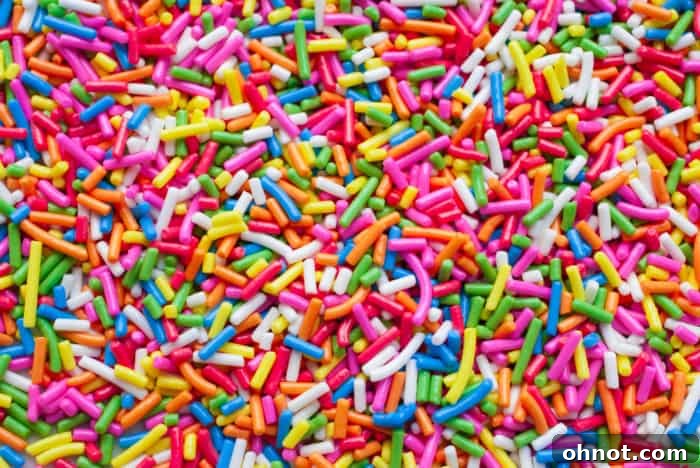
Decoding the Sweet Stuff: Ingredients in Sprinkles
Sprinkles, affectionately known by regional names like “jimmies” or “hundreds and thousands,” are a cherished topping for a myriad of desserts. While their simple appearance might suggest a straightforward ingredient list, the exact composition can vary significantly based on the brand, type, and even country of origin. However, most traditional sprinkles share a core set of ingredients:
- Sugar: Unsurprisingly, sugar is the primary component of sprinkles, providing their inherent sweetness and forming the foundational structure of these tiny treats.
- Cornstarch: This ingredient plays a crucial role in giving sprinkles their firm structure, preventing them from melting too easily, and ensuring they retain their distinct shapes. It also contributes to their overall texture.
- Hydrogenated Palm Kernel Oil: Fats like hydrogenated oils are essential for imparting firmness and a smooth mouthfeel to sprinkles. Hydrogenation helps solidify the oil, making the sprinkles more stable at room temperature.
- Soy Lecithin: As an emulsifier, soy lecithin is vital for stabilizing the blend of ingredients, ensuring a consistent texture, and helping the sprinkles maintain their shape without breaking apart.
- Dextrin: This carbohydrate, derived from starch (often corn or tapioca), acts as a binder and thickener, further contributing to the sprinkle’s structure and texture. It’s important to note that dextrins *can* sometimes be wheat-derived, which is a key consideration for gluten-free diets.
- Tapioca Starch: Another starch frequently used to provide structure and stability, tapioca starch is naturally gluten-free and often found in “cleaner” label sprinkles.
- Colors: The vibrant appeal of sprinkles largely comes from their coloring agents. These can be artificial food dyes (like Red 40, Blue 1, Yellow 5, and Yellow 6) or natural colorings derived from plants (e.g., spirulina, turmeric, beet juice).
- Confectioner’s Glaze: This ingredient gives sprinkles their characteristic shiny, glossy appearance, making them sparkle on desserts.
- Natural and Artificial Flavors: While many sprinkles are primarily sweet, some may incorporate subtle flavor notes, such as vanilla, to enhance their taste profile. These flavors can be natural extracts or artificial compounds.
- Salt: Used in minuscule quantities, salt helps to balance the sweetness and can subtly enhance the overall flavor of the sprinkles.
- Carnauba Wax: Often used as a glazing agent, especially on nonpareils, carnauba wax provides a protective, glossy finish and helps prevent sticking.
- Gum Arabic: Acting as a natural gum, gum arabic serves as a stabilizer and binding agent, contributing to the sprinkles’ integrity.
It’s crucial to acknowledge that the market for sprinkles has diversified considerably. Beyond traditional formulations, you can now find all-natural versions, vegan sprinkles, and options specifically made without artificial colors or flavors. Due to these variations and the potential for shared manufacturing lines, meticulously reading the ingredient list and allergen statements is paramount for anyone with specific dietary restrictions or health concerns.
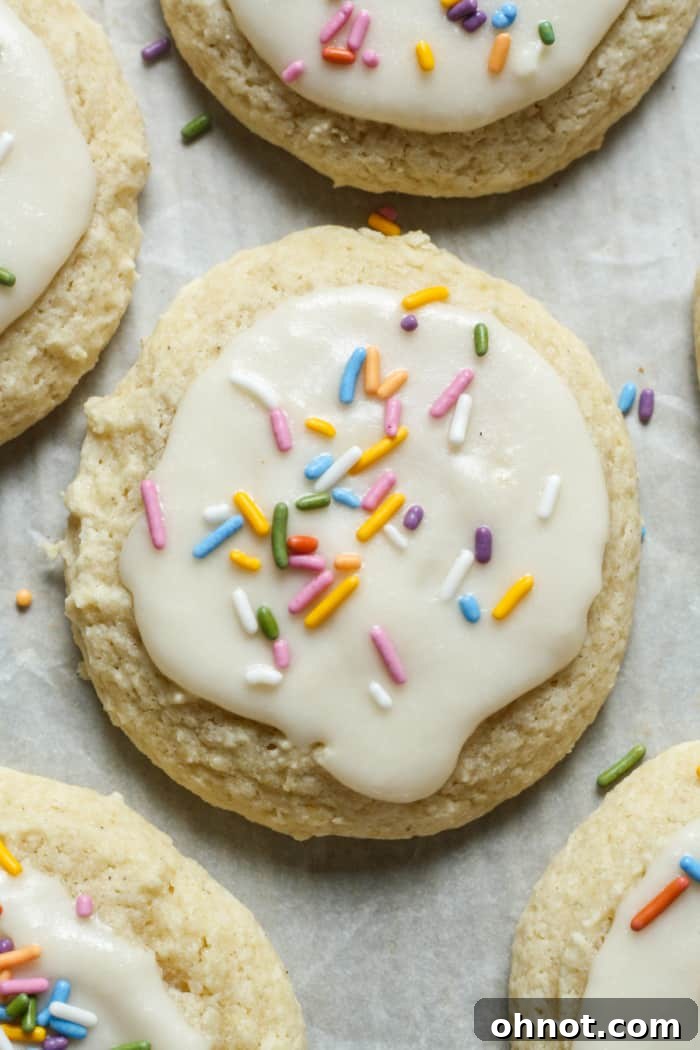
While you’re checking labels, why not bake up a batch of these comforting Sour Cream Cookies?
Navigating the Label: What to Look Out For in Sprinkles
When purchasing or using sprinkles, careful consideration of their ingredients and manufacturing processes is vital, especially for individuals with dietary restrictions, allergies, or particular health philosophies. The seemingly simple act of adding sprinkles can become complicated without proper vigilance.
Allergens and Hidden Gluten:
The primary concern for many is the presence of allergens, particularly gluten:
- Gluten: While many sprinkles are inherently gluten-free, some brands might use wheat-derived ingredients like wheat starch or malt, or they could be processed on shared equipment with gluten-containing products. Always look for “gluten-free” certification or clear labeling. The term “dextrin” can sometimes be derived from wheat, so if a product isn’t certified gluten-free, this ingredient warrants caution.
- Dairy: Certain sprinkle formulations may include milk derivatives, often as part of flavorings or glazes. This is a crucial consideration for those with dairy allergies or lactose intolerance.
- Soy: Soy lecithin is a very common ingredient, used as an emulsifier to maintain texture and stability. Individuals with soy allergies must carefully check for its presence.
Artificial Additives and Health Concerns:
Beyond major allergens, other ingredients might raise concerns:
- Artificial Colors: A significant portion of sprinkles use artificial food dyes (e.g., Red 40, Blue 1, Yellow 5). Some individuals and parents choose to avoid these due to personal health beliefs, sensitivities, or concerns about their potential effects on behavior.
- Artificial Flavors: While many brands use natural vanilla or other extracts, some sprinkles rely on artificial flavorings. For those seeking a “cleaner” ingredient list, natural flavors are preferred.
- Trans Fats: Hydrogenated oils, commonly found in traditional sprinkles, can be a source of trans fats. These have been linked to various health concerns, including cardiovascular disease. Opting for sprinkles made with non-hydrogenated oils is a healthier choice.
Vegan, Vegetarian, and Ethical Considerations:
Dietary choices extend beyond allergies to ethical and religious considerations:
- Confectioner’s Glaze: This ingredient, responsible for the shiny coating on many sprinkles, is often derived from shellac, a resin secreted by lac insects. This makes sprinkles containing confectioner’s glaze unsuitable for strict vegans. Vegan alternatives typically use plant-based glazes like carnauba wax or gum arabic.
- Gelatin: While less common in standard sprinkles, some specialized sprinkles, particularly those with a softer, gel-like texture or certain shapes, might contain gelatin, an animal-derived protein. This is a definite no-go for vegetarians and vegans.
- Kosher/Halal: For those adhering to kosher or halal dietary laws, certification is essential. Sprinkles may contain animal-derived ingredients (like gelatin or non-kosher/halal confectioner’s glaze) or alcohol-based flavorings that render them unsuitable without proper certification.
Other Important Considerations:
- GMOs: Genetically Modified Organisms (GMOs) are a concern for some consumers. Ingredients like cornstarch or soy lecithin, if not explicitly labeled as non-GMO, might come from genetically modified crops. Look for non-GMO certifications if this is important to you.
- Cross-Contamination: Even if a sprinkle’s primary ingredients are safe for your dietary needs, there’s a significant risk of cross-contamination if they are manufactured in facilities that also process major allergens like nuts, dairy, or gluten on shared equipment. Always look for statements like “processed in a facility that also handles…” or “may contain…” This is especially critical for those with severe allergies or celiac disease. You can learn more about this vital topic in our article: Are Corn Flakes Gluten Free?
- Shelf Life and Storage: While sprinkles have a relatively long shelf life, they can become stale, lose their vibrant color, or absorb moisture and become sticky over time. Always check expiration dates and store them in airtight containers in a cool, dry place to maintain their quality.
- Origin: Some consumers prefer products made in specific countries due to concerns about ingredient sourcing, manufacturing practices, or differing regulatory standards regarding food additives and allergens.
- Price: Specialty sprinkles, such as all-natural, organic, or allergen-free versions, typically come with a higher price tag compared to conventional options.
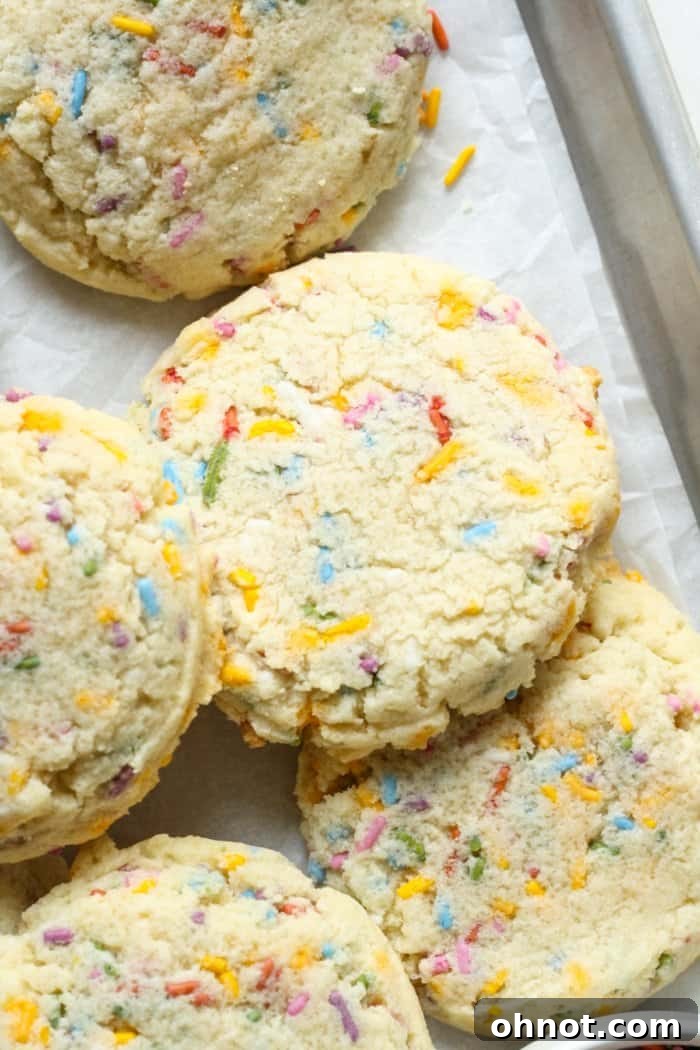
Speaking of delicious desserts, you absolutely must try these delightful Sprinkle Sugar Cookies!
Top Picks: Best Gluten-Free Sprinkles Brands
The good news for gluten-free bakers and dessert enthusiasts is that a growing number of brands are dedicated to producing sprinkles that are safe and delightful. These brands often specialize in allergen-free products, ensuring minimal risk of cross-contamination and transparent labeling. Here’s a curated list of reliable gluten-free sprinkle brands:
1. Supernatural
Supernatural is a pioneer in the natural sprinkle market. They offer vibrant, plant-based sprinkles made without artificial dyes, soy, dairy, or other major allergens, making them an excellent choice for multiple dietary restrictions, including gluten-free and vegan diets.
2. Sweets Indeed
Known for their imaginative and colorful sprinkle mixes, Sweets Indeed provides a wide range of gluten-free options. They clearly label their products and cater to various themes and holidays, ensuring a safe and festive touch for any occasion.
3. Wilton
A household name in baking supplies, Wilton has expanded its product line to include several gluten-free sprinkle options. While not all Wilton products are gluten-free, they do offer clearly labeled choices, so always check the specific product packaging.
4. Fancy Sprinkles
Fancy Sprinkles boasts an extensive and visually stunning collection of sprinkle blends. Many of their creative mixes are certified gluten-free, and their website features convenient filters to help you easily find allergen-friendly options.
5. Sweetapolita
Sweetapolita is celebrated for its whimsical and often extravagant sprinkle mixes. They prioritize clear ingredient listings and allergen information on their website, allowing customers to easily identify their many gluten-free offerings.
6. India Tree
For those who prefer a more natural approach, India Tree offers naturally colored and crafted sprinkles that are reliably gluten-free. Their commitment to using plant-derived colorings makes them a popular choice for health-conscious bakers.
7. ColorKitchen
ColorKitchen focuses on providing vibrant, artificial dye-free options. Their sprinkles are not only gluten-free but also plant-based, making them suitable for a broad spectrum of dietary needs.
8. The Gourmet Baking Co.
This brand is known for its sophisticated and unique sprinkle blends. The Gourmet Baking Co. offers several gluten-free options that can add an elegant touch to any dessert, often with premium ingredients.
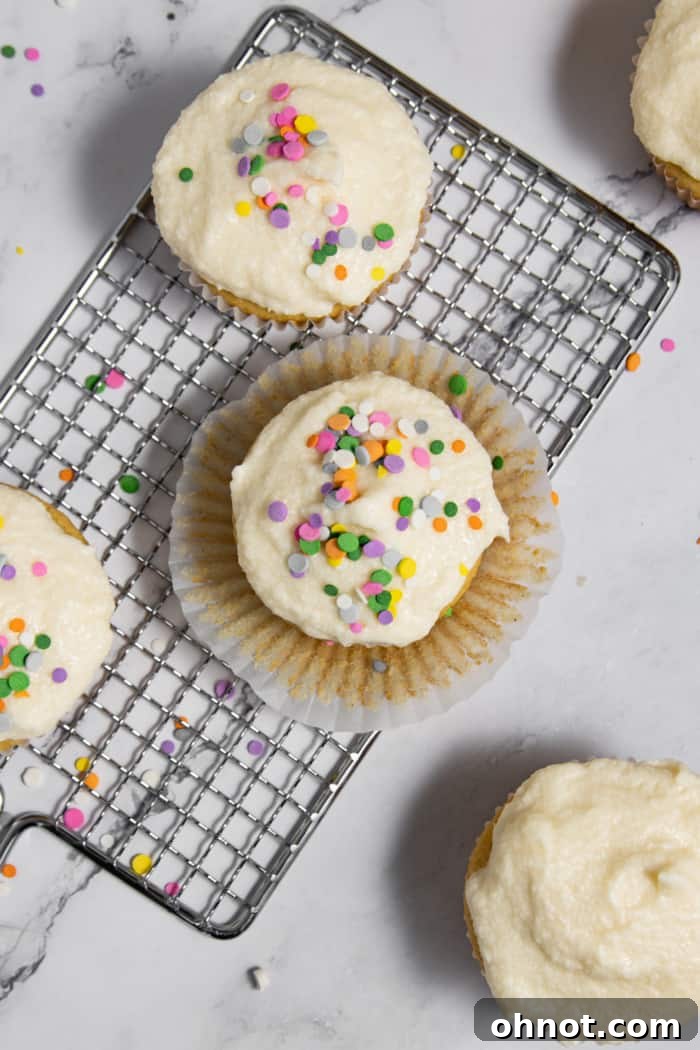
Pair your gluten-free sprinkles with these delightful Gluten-Free Cupcakes for a truly special treat!
Finding Gluten-Free Sprinkles at Your Local Grocery Store
While specialty brands offer dedicated gluten-free options, many mainstream grocery stores now carry their own private label or store-brand sprinkles, some of which may be gluten-free. Availability can fluctuate based on your geographical location and the specific inventory of your local store. The key is always to scrutinize the ingredient labels and allergen statements on any product you consider. Here are some major grocery store brands that might offer gluten-free sprinkles:
1. Kroger (Kroger Brand)
Kroger’s extensive store brand range often includes a variety of baking supplies. Check the labels on their generic brand sprinkles in the baking aisle for specific gluten-free claims or certifications.
2. Walmart (Great Value)
Walmart’s Great Value brand is known for its affordability and wide selection of everyday essentials. They frequently offer various baking ingredients, so keep an eye out for “gluten-free” labeling on their sprinkle products.
3. Target (Good & Gather)
Target’s Good & Gather line emphasizes quality ingredients and often caters to specific dietary needs. You might find gluten-free sprinkles among their seasonal or year-round baking offerings, usually with clear labeling.
4. Whole Foods Market (365 Everyday Value)
Whole Foods Market is a reliable source for healthier, organic, and allergen-friendly products. Their 365 Everyday Value brand is a strong contender for gluten-free and often naturally-colored sprinkles, aligning with their health-conscious ethos.
5. Trader Joe’s
Trader Joe’s is famous for its unique and curated selection of private-label goods. While their inventory can be seasonal, they often offer specialty baking items, and gluten-free sprinkles might appear among their holiday or regular stock. Always check current labels.
6. Safeway/Albertsons (Signature SELECT)
The Signature SELECT brand, found at Safeway, Albertsons, and affiliated stores, includes a comprehensive range of pantry staples. Look for gluten-free sprinkles under this label, particularly during baking seasons.
7. Publix (Publix Brand)
Publix’s own brand products are a common sight in their stores. While their offerings may vary, it’s worth checking their baking aisle for sprinkles that explicitly state “gluten-free.”
8. ALDI (Baker’s Corner)
ALDI’s Baker’s Corner brand focuses specifically on baking ingredients. They frequently introduce seasonal items, and you might find gluten-free sprinkles in their assortment, especially around major holidays.
Remember that ingredient formulations can change, so even if a product was gluten-free in the past, it’s always best practice to re-check the label every time you purchase. Look for certified gluten-free symbols for the highest assurance.
Frequently Asked Questions (FAQs) About Gluten-Free Sprinkles
No, not all rainbow sprinkles are automatically gluten-free. While many are made primarily from sugar and starches, some may contain wheat-derived ingredients or be produced in facilities that handle gluten-containing products, leading to cross-contamination. Always check the ingredient list and look for explicit “gluten-free” labeling or certification.
Typically, traditional sprinkles are sugar-based and do not primarily contain wheat flour. However, some sprinkles may include wheat starch, wheat dextrin, or other wheat-derived components as binders or fillers. Furthermore, sprinkles can be manufactured on shared equipment with wheat products, posing a cross-contamination risk. Therefore, it’s crucial to always read the ingredient labels carefully for specific ingredients and allergen warnings.
Some cake make sprinkles are indeed gluten-free, but this is not universally true for all products from all brands. The term “cake make sprinkles” likely refers to sprinkles intended for cake decorating. As with any food item for a gluten-free diet, it is essential to thoroughly examine the product’s label for gluten content and any warnings regarding shared manufacturing facilities to assess cross-contamination risks.
Sprinkles are primarily made from sugar, cornstarch, hydrogenated vegetable oil (like palm kernel oil), soy lecithin (an emulsifier), waxes (such as carnauba wax), and various natural or artificial colors and flavors. Other ingredients might include dextrin, tapioca starch, gum arabic, and salt. The exact composition can vary significantly by brand and type, with some brands offering all-natural or vegan versions.
Many Betty Crocker sprinkles do not contain gluten as direct ingredients and are often considered safe for individuals following a gluten-free diet. However, for those with celiac disease, it’s vital to look for “gluten-free” labeling on the specific Betty Crocker sprinkle product you choose, as formulations can change, and cross-contamination in shared facilities is always a potential concern for severe sensitivities.
The most reliable way to ensure sprinkles are truly gluten-free is to look for products that are explicitly labeled “certified gluten-free” by a reputable third-party organization. This certification indicates that the product has been tested and meets strict gluten-free standards (typically less than 20 parts per million of gluten) and is produced in a facility that minimizes cross-contamination risk.
Yes, it is possible to make your own gluten-free sprinkles at home. Homemade sprinkles typically involve mixing powdered sugar, water or milk, vanilla extract, and food coloring, then piping the mixture into thin lines or dots and allowing them to dry. This method gives you complete control over the ingredients, ensuring they are free from gluten and other unwanted additives.
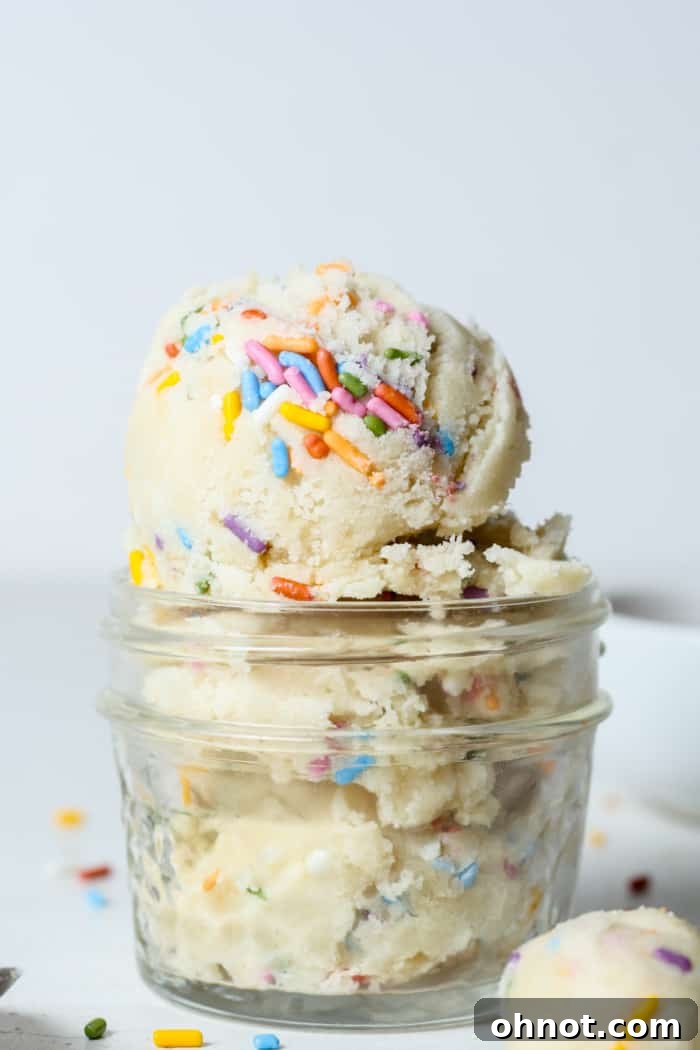
For a truly sweet and safe treat, whip up this Edible Sugar Cookie Dough, perfect for topping with your favorite gluten-free sprinkles!
You May Also Like These Gluten-Free Resources
Continuing your journey towards a delicious and safe gluten-free lifestyle, explore more of our insightful guides and recipes:
- Are Reese’s Gluten Free?
- Your Guide to Gluten-Free Tortillas
- Delicious Gluten-Free Cupcakes
- Indulgent Homemade Snickers Bars (often gluten-free friendly!)
- The Best Gluten-Free Bread Recipe
- Is Buckwheat Gluten Free? Unpacking the Truth
Finding gluten-free sprinkles requires diligence and label-reading, but the vibrant world of sweet decorations remains accessible for everyone. By understanding the different types, common ingredients, and crucial watch-outs, you can confidently choose sprinkles that align with your dietary needs and bring that extra dash of joy to your gluten-free desserts.
If you found this post helpful in your gluten-free journey, I would truly appreciate a review or a share! You can connect with me and find more inspiration on Instagram, Facebook, and Pinterest. Join my exclusive Facebook Group for behind-the-scenes content and community support. I’d love for you to follow along! For even more delectable ideas, explore these Gluten-Free Dessert Recipes.