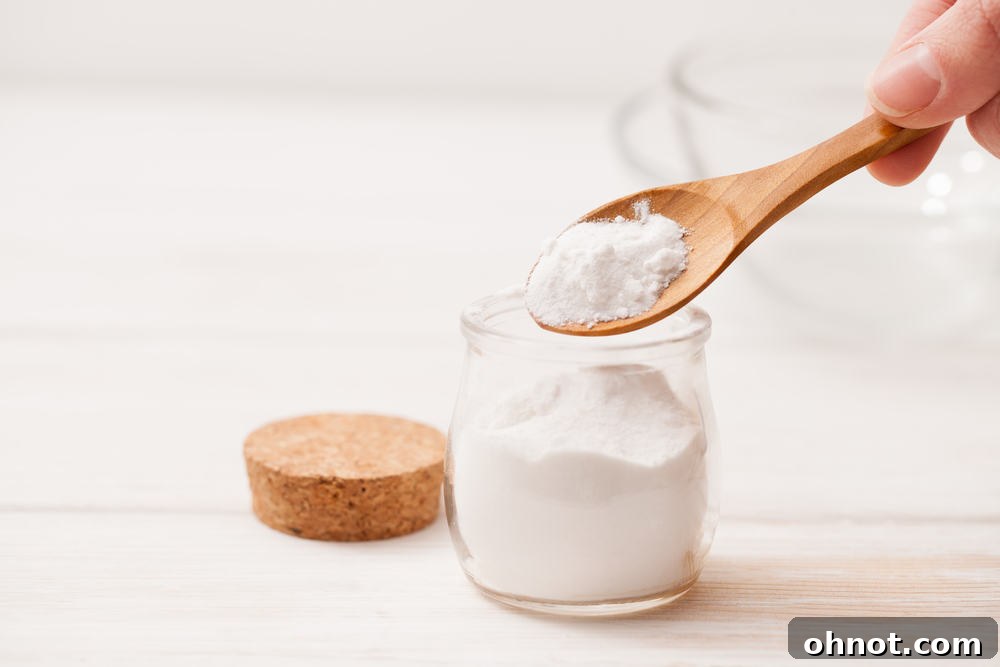
For individuals navigating the complexities of a gluten-free lifestyle, meticulous attention to every ingredient is not just a preference, but a necessity. Whether managing Celiac Disease, experiencing gluten sensitivity, or adhering to a gluten-free diet by choice, scrutinizing food labels and understanding ingredient sources is paramount. This diligent approach often leads to questions about seemingly innocuous pantry staples. One such common query that frequently arises in kitchens and online forums alike is: “Is baking soda gluten-free?” This comprehensive guide aims to unpack this question, delve into the nuances of cross-contamination, explore practical uses of baking soda, and provide essential tips for ensuring your baking soda is safe for gluten-free consumption.
What is Baking Soda? Unveiling Sodium Bicarbonate
Baking soda, chemically known as sodium bicarbonate (NaHCO₃), is a fundamental leavening agent revered in the culinary world. This crystalline salt is a natural compound with a distinct alkaline profile. Its primary function in baking stems from its ability to react with acids. When combined with an acidic ingredient—such as buttermilk, yogurt, lemon juice, or vinegar—baking soda undergoes a chemical reaction that produces carbon dioxide gas. These tiny gas bubbles become trapped within the dough or batter, causing it to expand and rise. This process results in the light, airy, and tender texture characteristic of many baked goods, from fluffy cakes and quick breads to crispy cookies and pancakes.
Beyond its role as a leavener, baking soda is a remarkably versatile substance. It has been utilized for centuries not only in food preparation but also in cleaning, personal hygiene, and even certain health remedies, owing to its mild abrasive, deodorizing, and pH-balancing properties. Understanding its basic chemical nature is key to appreciating why its gluten-free status is generally straightforward, yet warrants careful consideration.
Is Baking Soda Gluten-Free? The Straightforward Answer and Hidden Concerns
The direct and reassuring answer is yes, pure baking soda is inherently gluten-free. Sodium bicarbonate is a mineral compound. It is not derived from wheat, barley, rye, or any other gluten-containing grain. It does not contain the proteins (gliadin and glutenin) that form gluten, nor does it contain any grains at all. Therefore, in its purest form, baking soda is perfectly safe for individuals with Celiac Disease, non-Celiac gluten sensitivity, or a wheat allergy.
However, the journey to a truly gluten-free diet is often fraught with hidden challenges, and baking soda is no exception. The concern for those meticulously avoiding gluten frequently shifts from the primary ingredient itself to the potential for cross-contamination. This risk factor is precisely why vigilance is crucial, even with naturally gluten-free products.
For those dedicated to a gluten-free lifestyle, exploring the gluten status of other common ingredients is essential. You might be interested in verifying if buckwheat is gluten-free or understanding if corn flakes are a safe choice for your diet.
Cross-Contamination Concerns: A Closer Look
Cross-contamination is the transfer of gluten from gluten-containing foods or surfaces to gluten-free foods. For individuals with Celiac Disease, even trace amounts of gluten can trigger a severe autoimmune response, leading to intestinal damage and a range of debilitating symptoms. This makes preventing cross-contamination absolutely critical.
In the context of baking soda, cross-contamination can occur at various stages of production and packaging. For instance:
- Shared Facilities: If baking soda is processed or packaged in facilities that also handle wheat, barley, rye, or other gluten-containing grains, airborne particles or residual traces on shared equipment can inadvertently transfer to the baking soda.
- Shared Production Lines: Even within a single facility, if the same production lines are used for both gluten-free and gluten-containing products without thorough cleaning protocols in between, contamination can occur.
- Storage and Handling: Less common for commercially packaged baking soda, but in bulk settings or certain smaller operations, improper storage or handling can also introduce gluten.
Fortunately, awareness of gluten sensitivities and Celiac Disease has grown significantly. Many reputable manufacturers now recognize the importance of dedicated facilities or stringent cleaning procedures for their gluten-free products. However, it’s always advisable to go beyond assumptions. The best practice for anyone avoiding gluten is to consistently read product labels, look for explicit gluten-free claims or certifications, and when in doubt, contact the manufacturer directly to inquire about their processing methods and cross-contamination prevention measures.
Why Gluten-Free Matters: Understanding the Impact
For many, a gluten-free diet isn’t a trend but a medical necessity. Understanding the core conditions it addresses helps underscore the importance of label reading and avoiding cross-contamination:
- Celiac Disease: An autoimmune disorder where consuming gluten leads to damage in the small intestine, impairing nutrient absorption. Even tiny amounts of gluten can trigger a reaction.
- Non-Celiac Gluten Sensitivity (NCGS): Individuals experience symptoms similar to Celiac Disease (digestive issues, fatigue, brain fog, etc.) after consuming gluten, but without the intestinal damage or autoimmune markers of Celiac Disease.
- Wheat Allergy: An allergic reaction to proteins found in wheat. While separate from Celiac Disease and NCGS, it also necessitates avoiding wheat, which is a major source of gluten.
For all these conditions, strict adherence to a gluten-free diet is the only effective treatment, making the integrity of every ingredient vital.
Ensuring Safety: Gluten-Free Baking Soda Brands
While pure baking soda is naturally gluten-free, choosing brands that explicitly ensure its safety from cross-contamination is paramount for those with Celiac Disease or severe gluten sensitivities. These brands often take extra steps in their manufacturing processes to prevent any gluten exposure.
Here are a few well-regarded baking soda brands known for being gluten-free or offering certified gluten-free options:
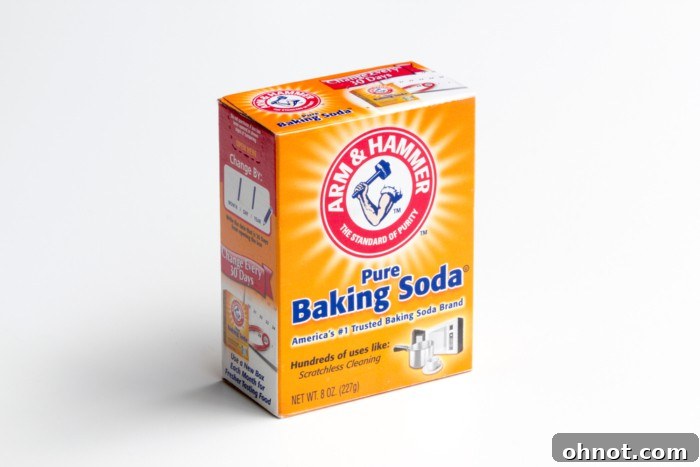
- Arm & Hammer: As one of the most recognizable names in baking soda, Arm & Hammer generally offers a product that is naturally gluten-free. While they don’t always carry specific “gluten-free certified” labels on all packaging, their sodium bicarbonate is a single ingredient. For absolute peace of mind regarding cross-contamination, checking their current product labels or directly contacting the company for their latest allergen statements is always a prudent step.
- Bob’s Red Mill: This brand is a consistent leader in the gluten-free market. Bob’s Red Mill specifically offers a baking soda that is labeled gluten-free and often processed in a dedicated gluten-free facility or on dedicated lines. This makes it a highly reliable choice for those with strict gluten-free requirements, as their commitment to preventing cross-contamination is a cornerstone of their brand.
- Frontier Co-op: Known for its organic and natural products, Frontier Co-op offers baking soda that is generally considered gluten-free. Like other brands, it’s always recommended to check their specific product certifications or contact them if you have particular concerns about facility shared lines.
- Pure Organic Ingredients: This brand often highlights its commitment to purity, and many of their baking soda products are certified gluten-free, offering an extra layer of assurance for consumers.
- Ener-G: Specializing in gluten-free and allergen-friendly products, Ener-G often provides baking soda substitutes or pure baking soda designed with the needs of those avoiding gluten in mind. Their focus on allergen control makes them a trustworthy option.
**Important Best Practices for Gluten-Free Shopping:**
- Read Labels Religiously: Manufacturing processes and ingredient sourcing can change. Always check the label every single time you purchase a product, even if it’s a brand you’ve used for years.
- Look for Certification Seals: Seek out third-party certification seals from organizations like the Gluten-Free Certification Organization (GFCO) or similar bodies. These certifications indicate that the product has met rigorous standards for gluten-free status, usually below 10 or 20 parts per million (ppm) of gluten, and that the facilities are regularly audited.
- Contact Manufacturers: If a product doesn’t explicitly state “gluten-free” but you suspect it should be, or if you have any doubts about cross-contamination, reach out to the manufacturer directly. Most companies have dedicated consumer relations departments that can provide detailed information.
The increasing demand for gluten-free products has spurred many brands to prioritize safety and transparency for this consumer group. Nevertheless, personal diligence remains your best defense against accidental gluten exposure.
Beyond Baking: The Multifaceted Uses of Baking Soda
Baking soda’s utility extends far beyond its leavening power in the kitchen. Its unique chemical properties make it an invaluable, natural, and cost-effective solution for a myriad of tasks around the home and for personal care. Here’s an expansive look at its diverse applications:
1. Baking and Cooking Essentials
- Powerful Leavening Agent: As discussed, baking soda reacts with acidic ingredients (like sour cream, molasses, honey, brown sugar, or even cocoa powder) to produce carbon dioxide, creating lift and aeration in baked goods. It’s essential for recipes where these acidic components are present.
- Acidity Neutralizer and pH Balancer: In cooking, it can be used to temper overly acidic sauces or dishes, bringing a more balanced flavor profile. It can also tenderize certain foods by breaking down tough fibers.
2. Eco-Friendly Cleaning and Deodorizing
- Gentle Abrasive Cleaner: Mixed with a little water to form a paste, baking soda is an excellent non-toxic scrub for cleaning sinks, countertops, stovetops, and even bathtubs. Its mild abrasive quality helps lift grime without scratching surfaces.
- Natural Odor Absorber: Its unique chemical structure allows it to neutralize odors rather than just masking them. A box in the refrigerator or freezer absorbs food smells. Sprinkling it on carpets or upholstery before vacuuming can eliminate stale odors. It’s also effective in smelly shoes or garbage cans.
- Drain Cleaner and Freshener: A combination of baking soda followed by vinegar can create a fizzing reaction that helps break down minor clogs and refresh drains.
- Laundry Booster: Adding half a cup to your laundry cycle can boost detergent performance, whiten whites, brighten colors, and reduce odors.
3. Personal Care and Hygiene
- DIY Toothpaste and Mouthwash: Baking soda is a classic ingredient in natural toothpastes due to its ability to gently remove plaque and surface stains. A solution of baking soda in water also makes an effective, refreshing mouthwash.
- Natural Deodorant: Applied directly to the underarms or mixed with a little water, its odor-neutralizing properties make it an effective, chemical-free alternative to commercial deodorants.
- Soothing Bath Soak: Adding half a cup of baking soda to a warm bath can help soothe irritated skin, relieve sunburn, and alleviate general discomfort, leaving skin feeling soft.
- Hair Clarifier: A small amount mixed with your shampoo can help remove product buildup, leaving hair feeling cleaner and lighter.
4. Health and Wellness Remedies
- Antacid for Heartburn Relief: Baking soda is a well-known home remedy for indigestion and heartburn. Its alkaline nature helps to neutralize stomach acid, providing quick relief.
- Relief for Insect Bites and Itches: A paste made from baking soda and water can be applied to insect bites, stings, or itchy rashes to help reduce discomfort and inflammation.
5. Emergency Fire Extinguisher
- Smothering Small Grease Fires: In the event of a small grease fire on a stovetop, a generous amount of baking soda can be thrown onto the flames. It releases carbon dioxide when heated, which helps to cut off the oxygen supply to the fire, effectively smothering it. (Note: Always use caution and prioritize safety in fire emergencies.)
6. Garden Care and Pest Control
- Natural Pesticide and Fungicide: A diluted solution of baking soda can be sprayed on plants to deter common garden pests like ants, slugs, and certain fungal diseases, offering an organic alternative to harsh chemicals.
- Soil pH Adjustment: While less common, in specific situations, baking soda can be used in small amounts to slightly adjust the pH of overly acidic soil for certain plants that prefer more alkaline conditions.
7. Cooking Aids and Food Preparation
- Meat Tenderizer: A light dusting of baking soda on cuts of meat, followed by a rinse and pat dry, can help break down protein fibers, resulting in more tender meat, particularly useful for stir-fries.
- Fruit and Vegetable Scrub: Its mild abrasive nature makes it perfect for scrubbing away dirt, wax, and pesticide residues from fresh produce without leaving a harsh chemical taste.
- Preserving Vegetable Color: A pinch of baking soda added to water when boiling green vegetables can help them retain their vibrant color.
This extensive list merely scratches the surface of baking soda’s capabilities, underscoring its status as a true household hero.
How to Test if Baking Soda is Still Good: Ensuring Potency
While baking soda is remarkably stable, its leavening power doesn’t last indefinitely. Over time, especially if exposed to moisture or air, sodium bicarbonate can lose its reactivity. Using expired or inactive baking soda in your recipes can lead to disappointing results—flat cakes or dense cookies that fail to rise. Fortunately, there’s a quick and simple test to determine if your baking soda is still potent and ready for action.
Understanding the Science Behind the Test
The test works by mimicking the acid-base reaction that occurs in your baked goods. When active baking soda comes into contact with an acid, it vigorously produces carbon dioxide gas. A strong fizz indicates that the baking soda is still chemically reactive and potent. A weak or absent reaction suggests that it has mostly degraded and will no longer effectively leaven your food.
Materials Needed for the Freshness Test
- Your container of baking soda
- A small bowl or cup
- An acidic liquid, such as white vinegar or lemon juice
- Measuring spoons
Steps to Test Baking Soda Freshness
Follow these easy steps to check your baking soda’s potency:
- Prepare the Acid: Pour approximately one tablespoon (15 ml) of white vinegar or lemon juice into a clean bowl or cup. Ensure the acidic liquid is fresh and not expired, as its own potency can affect the test results.
- Add the Baking Soda: Carefully measure out a half teaspoon (about 2-3 grams) of the baking soda you intend to test. Add this baking soda directly into the bowl or cup containing the acidic liquid.
- Observe the Reaction: Immediately after adding the baking soda, watch closely for a reaction. Active baking soda will produce an instant, vigorous fizzing and bubbling. You should see a noticeable amount of foam and hear a slight effervescent sound.
- Evaluate the Potency:
- Strong, Immediate Fizz: If the reaction is robust and immediate, your baking soda is fresh, potent, and perfectly suitable for baking.
- Weak or No Fizz: If the reaction is sluggish, barely bubbles, or is entirely absent, it indicates that your baking soda has lost its leavening power. It’s time to replace it for baking purposes.
Tips and Considerations for Storage and Use
- Storage is Key: To prolong its shelf life, store baking soda in an airtight container in a cool, dry place. Moisture and exposure to air can accelerate its degradation.
- Don’t Waste Weak Baking Soda: Even if your baking soda is no longer potent enough for leavening, it still retains its abrasive and odor-absorbing qualities. It can be repurposed for cleaning, deodorizing refrigerators, scrubbing surfaces, or even as a bath soak.
- Check Expiration Dates: While the freshness test is reliable, always pay attention to the “best by” or expiration date on the package as a general guideline.
By performing this simple test, you can ensure that your baking soda is always in top condition, guaranteeing consistently successful results in your gluten-free baking endeavors.
Baking Soda Substitutes: What to Use When You’re Out
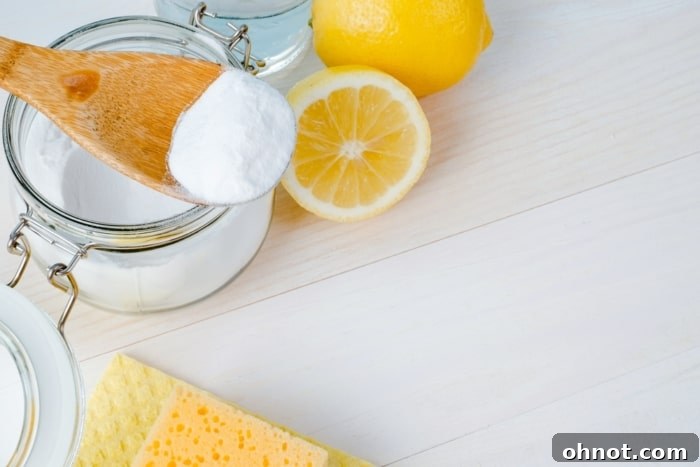
Finding yourself in the middle of a recipe only to realize you’re out of baking soda can be frustrating. Thankfully, several ingredients can step in as substitutes, depending on the specific needs of your recipe and what you have available. It’s crucial to remember that baking is a science, and substitutions can affect the final texture, taste, and appearance of your baked goods.
Here are some effective alternatives, along with their suggested substitution ratios and considerations:
1. Baking Powder
Baking powder is perhaps the most common and direct substitute for baking soda. It’s a complete leavening agent because it already contains both an alkaline component (baking soda) and an acid (typically cream of tartar), along with a starch to absorb moisture and prevent premature reaction. Most baking powders are double-acting, meaning they react once with liquid and again with heat.
- Substitution Ratio: For every 1 teaspoon of baking soda required, use 3 teaspoons of baking powder.
- Considerations: Since baking powder contains its own acid, you might not need the additional acidic ingredients often paired with baking soda (like buttermilk). However, using this much baking powder can sometimes impart a slightly metallic or bitter taste, especially if not offset by other strong flavors in the recipe. Ensure your chosen baking powder is gluten-free, as some brands may use wheat starch.
2. Potassium Bicarbonate
Potassium bicarbonate is a very close chemical relative to sodium bicarbonate, offering a direct substitution without the sodium content. This makes it an excellent choice for those on sodium-restricted diets or who prefer to reduce their sodium intake.
- Substitution Ratio: Use a 1:1 ratio. For every 1 teaspoon of baking soda, use 1 teaspoon of potassium bicarbonate.
- Considerations: Like baking soda, potassium bicarbonate requires an acidic ingredient in the recipe to activate and produce carbon dioxide. It functions almost identically to baking soda in terms of leavening.
3. Club Soda
Club soda is carbonated water that often contains added minerals, including sodium bicarbonate, which gives it its characteristic fizz. This bicarbonate can contribute to the leavening in baked goods.
- Usage: Replace some or all of the liquid in your recipe with club soda.
- Considerations: This substitute is best for recipes that don’t rely heavily on a strong leavening action, such as pancakes or waffles, where a little extra lightness is desired. It’s not suitable for recipes that require a significant rise, like cakes, as the amount of bicarbonate is much lower than in pure baking soda.
4. Yogurt (Plain)
Plain yogurt is acidic and can react with other leavening agents present in the recipe or substitute for the acidic component that would normally activate baking soda. Its acidity helps create carbon dioxide.
- Substitution Ratio: For every 1 teaspoon of baking soda, use 2 teaspoons of plain yogurt.
- Considerations: Remember to reduce the other liquids in your recipe accordingly to maintain the desired consistency. Yogurt will also add a tangy flavor and moisture to your baked goods.
5. Buttermilk
Similar to yogurt, buttermilk is an acidic dairy product. Its tanginess makes it an excellent substitute in recipes where baking soda would typically react with an acid and a slightly tart flavor is welcome.
- Substitution Ratio: For every 1 teaspoon of baking soda, use 1/2 cup (120ml) of buttermilk.
- Considerations: As with yogurt, significantly reduce other liquids in your recipe. Buttermilk is ideal for biscuits, quick breads, and certain pancakes.
6. Vinegar (White or Apple Cider)
Vinegar is a strong acid that can readily react with an alkaline component in your recipe (or a small amount of residual baking soda if the recipe originally called for it). It’s best used when paired with a very small amount of another leavener if the recipe heavily relies on rise.
- Substitution Ratio: Use 1 teaspoon of vinegar for every 1/2 teaspoon of baking soda.
- Considerations: Vinegar has a strong flavor, so it’s usually best for recipes where its taste won’t be overpowering, or where other strong flavors can mask it. It’s often used in combination with another leavening agent if the recipe needs significant lift.
7. Lemon Juice
Like vinegar, lemon juice is a potent acid. It can replace the acidic component that would normally react with baking soda to create lift and is often a good choice in lighter, fruitier recipes.
- Substitution Ratio: Use 2 teaspoons of lemon juice for every 1 teaspoon of baking soda.
- Considerations: Lemon juice will impart its characteristic citrus flavor, which may or may not be desirable depending on your recipe. Adjust other liquids accordingly.
Key Considerations When Substituting
- Recipe Balance: Baking soda works in conjunction with acids. If you substitute baking soda with an ingredient that is also acidic (like yogurt, buttermilk, vinegar, or lemon juice), ensure the recipe’s overall acid-alkaline balance isn’t thrown off too drastically.
- Moisture Content: Liquid substitutes like club soda, yogurt, or buttermilk will add moisture to your recipe. You may need to reduce other liquid components to maintain the correct batter or dough consistency.
- Flavor Impact: Each substitute carries its own flavor profile. Consider how this will integrate with the existing flavors in your recipe.
- Desired Rise: Some substitutes provide a lighter rise than others. For recipes requiring a significant lift, baking powder is generally the most reliable alternative.
Experimentation is key in baking, and understanding the role of each ingredient will help you make the best substitution choices when you’re in a pinch.
Frequently Asked Questions (FAQs) About Gluten-Free Baking Soda
Yes, pure baking soda (sodium bicarbonate) is naturally gluten-free and therefore safe for individuals with Celiac Disease. However, it is critically important to choose brands that are certified gluten-free or explicitly state their product is free from cross-contamination to avoid any accidental exposure to gluten during processing or packaging.
All pure baking soda is inherently gluten-free because it is a mineral compound, not derived from grains. The key distinction lies in manufacturing practices. For assurance, look for baking soda brands that are specifically labeled “gluten-free” or bear a third-party gluten-free certification seal. This indicates that the product has been processed in a way that minimizes or eliminates the risk of cross-contamination with gluten-containing ingredients.
Pure baking soda is indeed gluten-free. Baking powder, however, is a mixture that typically contains baking soda, an acid (like cream of tartar), and a starch. While the baking soda and acid components are naturally gluten-free, the starch used can sometimes be derived from wheat. Therefore, always check the label of baking powder to ensure it specifies “gluten-free” and uses a gluten-free starch (such as corn starch or potato starch).
Yes, baking soda is inherently vegan. It is a simple inorganic chemical compound (sodium bicarbonate) derived from naturally occurring mineral deposits or produced synthetically. It contains no animal products or by-products and is not typically processed with animal-derived ingredients.
Absolutely! Even if baking soda has lost its leavening power and is no longer suitable for baking (as indicated by a weak or absent fizz test), its abrasive and odor-absorbing qualities remain intact. It can still be effectively used for a wide range of cleaning tasks, such as scrubbing surfaces, deodorizing refrigerators, or freshening carpets.
Explore More Gluten-Free Resources
Navigating a gluten-free lifestyle opens up a world of culinary discovery and careful ingredient selection. If you found this guide helpful, we encourage you to explore our other comprehensive resources to continue your journey towards a delicious and safe gluten-free diet:
- Are Reese’s Gluten Free?
- Gluten Free Tortillas
- Gluten Free Cupcakes
- Is Peanut Butter Gluten Free?
- Are Sprinkles Gluten Free?
- Gluten Free Bread Recipe
We hope this article has provided clarity and confidence in your gluten-free journey. Your trust in accurate information is invaluable. If this post was helpful, we would be incredibly grateful for a review or a share with your community. You can connect with us and find daily inspiration on Instagram, Facebook, and Pinterest. For a deeper dive and exclusive content, consider joining our private Facebook Group. We’d love to have you follow along for more delicious and healthy insights! For a broader selection of culinary delights, don’t forget to check out our extensive collection of Dessert Recipes.