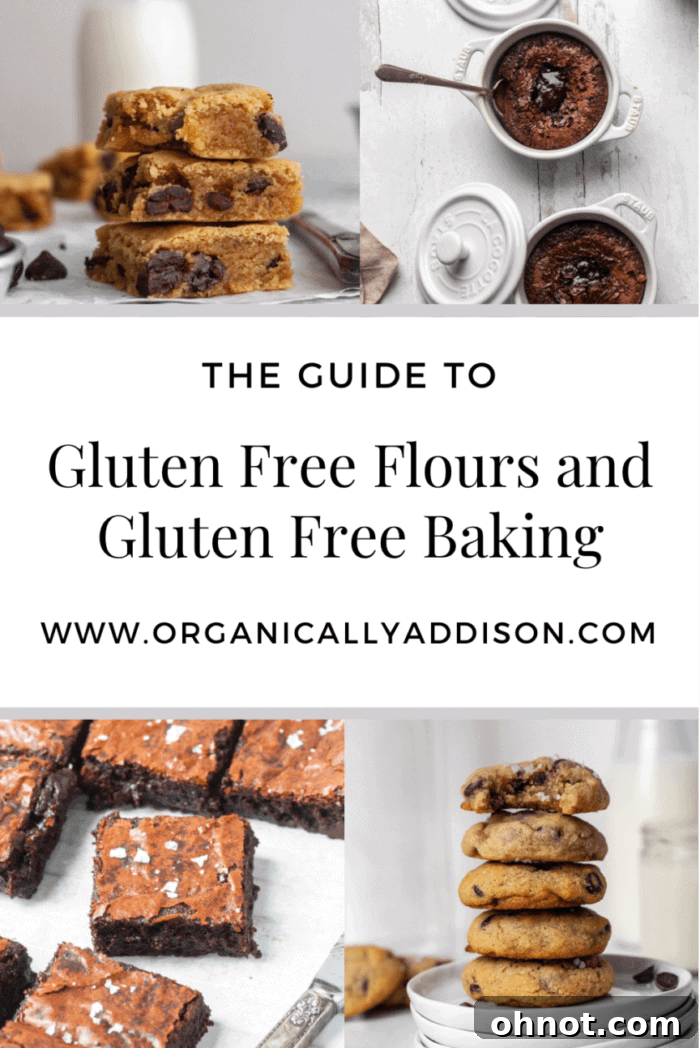
Welcome to the ultimate guide for mastering gluten-free flours and achieving spectacular results in your gluten-free baking and cooking! Embarking on a gluten-free lifestyle, whether by choice or necessity, opens up a world of culinary exploration. After navigating this path for over five years, I’ve gathered invaluable insights into selecting the right ingredients and techniques to create delicious, satisfying gluten-free meals and treats. This comprehensive resource will demystify gluten-free flours, illuminate suitable sweeteners, and introduce you to the best fats and oils for your kitchen. You’ll find practical advice, essential tips, and some of my most cherished recipes sprinkled throughout, designed to build your confidence in gluten-free culinary arts.
Disclaimer: This guide offers general information and personal experience. I am not a medical professional. Please consult your doctor or a registered dietitian before making any significant dietary or lifestyle changes, especially if you have a medical condition such as Celiac disease or suspect gluten intolerance.
What Does Gluten-Free Mean? A Comprehensive Overview
A gluten-free diet is centered around consuming foods that are entirely free from gluten. Gluten is a family of proteins naturally found in certain grains, primarily wheat, barley, rye, and triticale (a hybrid of wheat and rye). Its unique properties are responsible for the elasticity of dough, giving baked goods their characteristic chewy texture and structural integrity. Essentially, gluten acts as a “binder” that holds foods together. Therefore, a gluten-free diet necessitates strictly avoiding all foods that contain these grains or any derivatives. This includes common staples like bread, pasta, cereals, and many processed foods where gluten might be hidden as an additive or filler. Understanding what gluten is and where it lurks is the first crucial step to successfully adopting a gluten-free lifestyle.
Why Do People Choose a Gluten-Free Lifestyle? Exploring the Reasons
The decision to go gluten-free can stem from various health considerations and dietary choices. The most prevalent and medically significant reason is the diagnosis of Celiac disease, an autoimmune disorder where consuming gluten leads to damage in the small intestine. For individuals with Celiac disease, a strict, lifelong gluten-free diet is the only effective treatment to prevent serious health complications. Beyond Celiac disease, many people experience non-Celiac gluten sensitivity (NCGS) or gluten intolerance, where gluten consumption triggers uncomfortable symptoms such as bloating, abdominal pain, fatigue, and headaches, even without the intestinal damage seen in Celiac disease. For these individuals, removing gluten from their diet can significantly alleviate discomfort and improve overall well-being.
Additionally, some individuals adopt a gluten-free diet for perceived health benefits, such as reducing inflammation, improving digestive health, or boosting energy levels, even without a formal diagnosis of Celiac disease or gluten sensitivity. Popular dietary approaches like the Paleo diet or Whole30 also naturally exclude gluten, contributing to its widespread adoption. Whatever the reason, embracing a gluten-free diet can lead to a positive transformation in one’s health and dietary habits.
The Best Gluten-Free Flours for Baking and Cooking: Your Essential Guide
Baking without gluten can initially feel daunting, as gluten is a crucial component that provides structure and elasticity in traditional baked goods. However, the world of gluten-free flours is rich and diverse, offering incredible alternatives that can produce equally delicious, if not more interesting, textures and flavors. The key often lies in using a combination of different gluten-free flours to mimic the properties of wheat flour, balancing moisture, structure, and binding capabilities. Let’s dive into some of the most popular and versatile gluten-free flours, exploring their unique characteristics and best applications.
Gluten-Free 1-to-1 Flour Blends: The All-Purpose Solution
What it is:
Gluten-Free 1-to-1 Flour, often labeled as “all-purpose gluten-free flour blend,” is designed to be a direct substitute for traditional all-purpose wheat flour in many recipes. These blends are meticulously formulated by combining several gluten-free flours and starches to replicate the taste and texture of wheat flour as closely as possible. Typical components include white rice flour, brown rice flour, potato starch, tapioca starch, and often xanthan gum. The precise ratio of these ingredients can vary between brands, influencing the final outcome of your baked goods. These blends aim to simplify gluten-free baking by offering a convenient, pre-mixed option that requires minimal adjustments in existing recipes.
What is Xanthan Gum? The Gluten-Free Binder
Xanthan gum is a crucial ingredient frequently added to gluten-free flour blends. It’s a polysaccharide, a type of sugar-based polymer, produced through the fermentation of sugar by the bacterium Xanthomonas campestris. In gluten-free baking, xanthan gum serves as a powerful thickening and binding agent. Since gluten provides elasticity and structure, xanthan gum steps in to mimic these properties, preventing baked goods from crumbling. It helps to improve the texture, elasticity, and overall structure of gluten-free doughs and batters, providing a more satisfying mouthfeel that closely resembles traditional baked goods. A small amount goes a long way, and its inclusion in 1-to-1 blends eliminates the need to add it separately.
Pros:
The primary advantage of Gluten-Free 1-to-1 Flour is its ease of use. In most recipes, it can directly replace all-purpose wheat flour cup-for-cup, simplifying the conversion process for traditional recipes. This convenience makes it an excellent choice for beginner gluten-free bakers or for those who prefer straightforward ingredient lists. It eliminates the need to experiment with multiple individual flours and starches, offering a consistent and reliable result.
Cons:
While convenient, 1-to-1 blends do have some drawbacks. They are typically not suitable for Paleo or grain-free diets, as they often contain rice flour and potato starch. If overused or if the blend is not balanced properly for a specific recipe, the final product can sometimes be dense, dry, or have a slightly gritty texture. Additionally, the flavor can vary between brands, and some blends may impart a noticeable aftertaste. It’s always wise to test different brands to find one that best suits your palate and baking style.
Recommended Brands and Uses:
While my blog often focuses on Paleo and grain-free recipes, I occasionally incorporate Gluten-Free 1-to-1 Flour when baking for friends and family who don’t follow such strict dietary guidelines. For a reliable and consistent result, I highly recommend Bob’s Red Mill Gluten-Free 1-to-1 Baking Flour and King Arthur Gluten-Free Measure for Measure Flour. They perform exceptionally well in cookies, muffins, quick breads, and even some cakes, offering a texture remarkably similar to their gluten-containing counterparts.
Almond Flour: A Versatile Grain-Free Staple
What it is:
Almond flour is arguably one of the most popular and widely used grain-free and gluten-free flours. It is made by finely grinding blanched almonds (almonds with their skins removed), resulting in a light, finely textured flour. It’s important to distinguish it from almond meal, which is made from ground whole almonds (with skins) and has a coarser texture, often better suited for rustic baked goods or breading rather than delicate pastries. Almond flour is naturally low in carbohydrates and rich in nutrients, making it a favorite in Paleo, keto, and low-carb diets.
Pros:
Almond flour boasts an impressive nutritional profile, being high in protein, healthy monounsaturated fats, fiber, and Vitamin E. This makes it a healthier alternative to traditional flours and contributes to a feeling of fullness. When used in baking, it imparts a wonderfully moist, tender crumb and a subtle, nutty flavor that enhances both sweet and savory dishes. It’s relatively easy to work with once you understand its unique properties, and its fine texture makes it ideal for delicate cakes, cookies, and pastries. Plus, it’s naturally grain-free, aligning with specific dietary preferences.
Cons:
One of the main challenges with almond flour is its lower density and absorbency compared to wheat flour. This means you often need a larger quantity of almond flour in recipes, which can make it more expensive to use. It also doesn’t provide the same elasticity as gluten, so recipes often require additional binders (like eggs or xanthan gum) to achieve structure. Those with nut allergies must, of course, avoid it. While it lends moisture, excessive use can sometimes result in a dense or overly moist texture if not properly balanced with other ingredients.
Conversion and Baking Tips:
Almond flour absorbs less liquid than traditional wheat flour or GF 1-to-1 blends. A general rule of thumb when substituting almond flour for all-purpose flour is to use approximately double the amount of almond flour, and often an additional egg or binding agent to compensate for the lack of gluten. For example, if a recipe calls for 1 cup of all-purpose flour, you might start with 2 cups of almond flour. However, remember that baking with gluten-free flours, especially almond flour, is often an experiment. Each recipe is unique, and minor adjustments to liquid and binder ratios might be necessary to achieve the desired consistency and texture. Always refer to recipes specifically developed for almond flour for the best results.
Delicious Almond Flour Recipes:
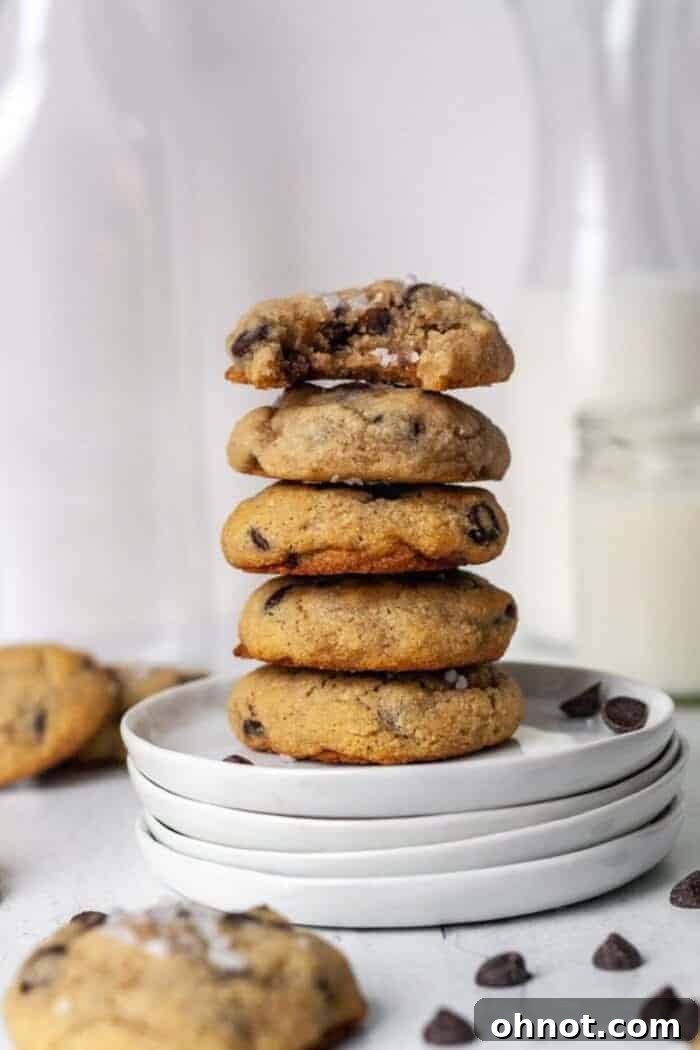
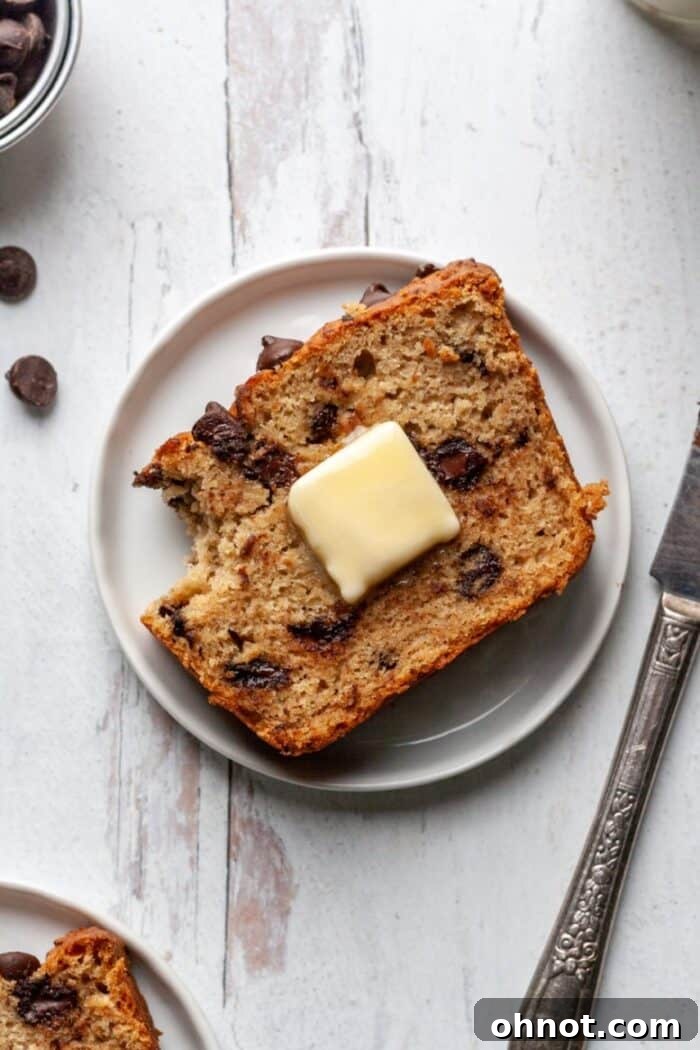
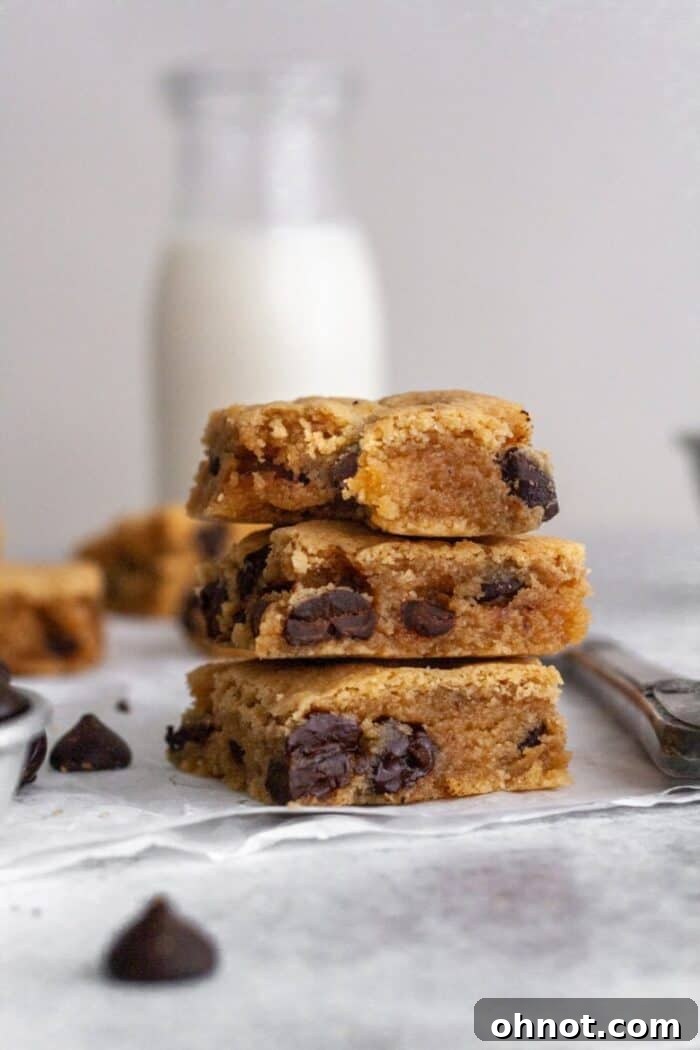
Almond flour is a cornerstone in my kitchen, particularly for sweet treats. Many of my most popular recipes rely on its fantastic texture and flavor. You’ll love my Paleo Chocolate Chip Cookies, Paleo Blonde Brownies, and my incredibly popular Paleo Chocolate Chip Banana Bread, all crafted with almond flour. It’s truly a versatile flour for creating an array of wholesome and decadent desserts.
Coconut Flour: The Ultra-Absorbent Nut-Free Option
What it is:
Coconut flour is another excellent grain-free and gluten-free baking flour, celebrated for its unique properties. It is derived from the dried, defatted meat of coconuts. After coconut milk has been extracted, the remaining coconut pulp is dried at a low temperature and then ground into a fine, soft powder. This process leaves a flour that is incredibly high in dietary fiber and relatively low in carbohydrates, making it a favorite for those seeking nutrient-dense and gluten-free alternatives. Its distinct processing method also makes it naturally nut-free, a great advantage for those with nut allergies.
Pros:
Coconut flour’s exceptional absorbency means a little goes a long way, making it a cost-effective choice in the long run despite its initial price. It imparts a subtle, natural sweetness to baked goods, enhancing their flavor without an overpowering coconut taste. Its high fiber content contributes to satiety and digestive health. When strategically combined with other flours like almond flour, it can create a beautifully balanced texture in desserts, adding a lightness and unique crumb. As a naturally nut-free option, it’s invaluable for creating allergen-friendly recipes.
Cons:
The biggest challenge with coconut flour is its extreme absorbency. This characteristic, while making it economical, also means it can be tricky to work with. If not used correctly, it can lead to very dry, dense, or crumbly baked goods. The learning curve for baking with coconut flour can be steep, as it often requires a significantly higher ratio of liquids and eggs compared to other flours to achieve a desirable texture and prevent dryness.
Conversion and Baking Tips:
Due to its high absorbency, coconut flour cannot be directly substituted for other flours in equal amounts. When replacing almond flour with coconut flour, a general guideline is to use about 1/3 to 1/4 the amount of coconut flour, and typically add an extra egg for moisture and binding. For example, if a recipe calls for 1 cup of almond flour, you might use 1/3 cup of coconut flour plus an additional egg or two. When substituting for all-purpose wheat flour, use an even smaller quantity, often around 1/4 cup of coconut flour for every cup of wheat flour, and increase the liquid and egg content significantly. While these are starting points, every recipe is different, and experimentation is crucial to mastering baking with coconut flour. Recipes specifically designed for coconut flour will yield the best results.
Must-Try Coconut Flour Recipes:
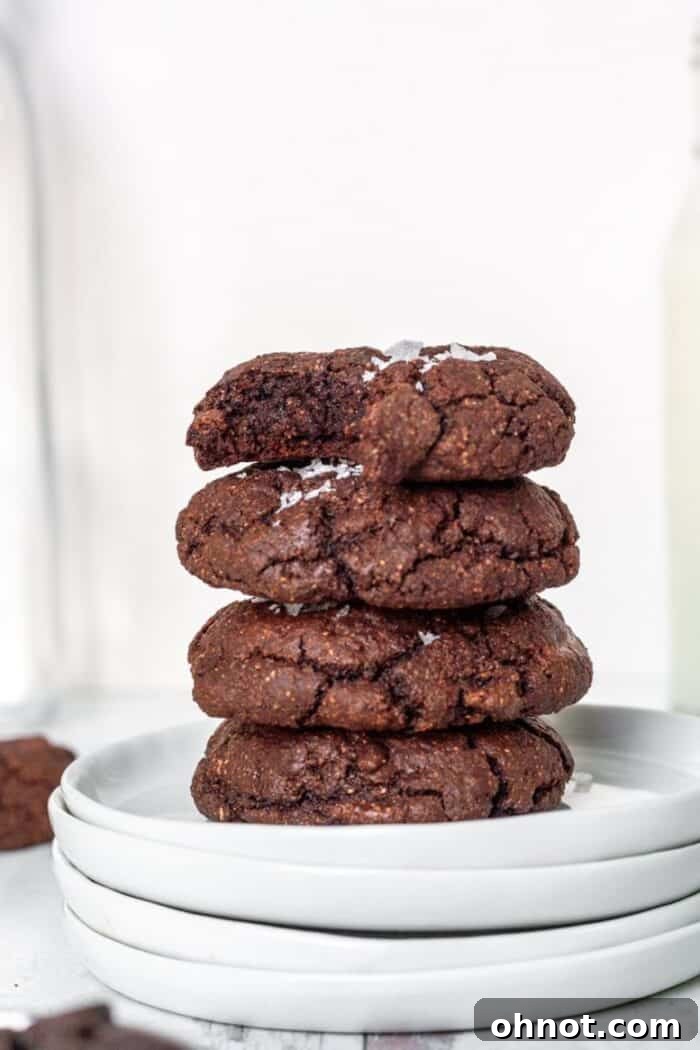
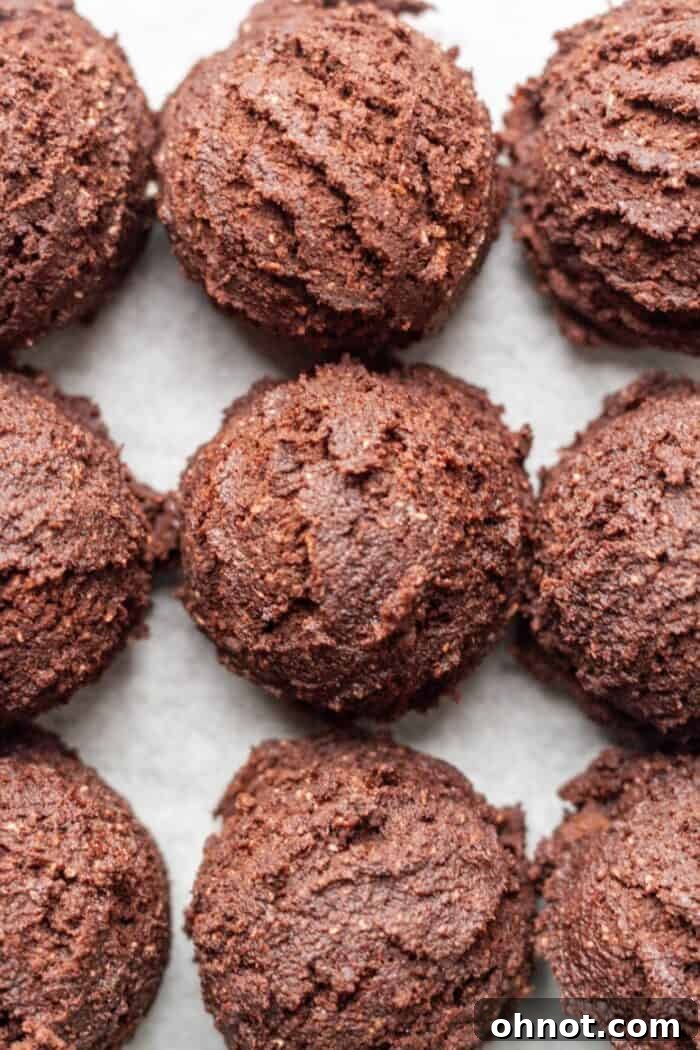
For an unforgettable treat that showcases the best of coconut flour, my Paleo Brownie Cookies are an absolute favorite. They are perfectly chewy, rich, and demonstrate how wonderfully this unique flour performs in baking.
Arrowroot Starch & Tapioca Flour: The Paleo-Friendly Thickeners
What it is:
Arrowroot starch (or flour) and tapioca flour (or starch) are very similar in their properties and uses. Arrowroot starch is extracted from the roots of the arrowroot plant, while tapioca flour is derived from the starchy cassava root. Both are fine, white powders that function primarily as thickening agents and binders. They are often considered superior to cornstarch in many culinary applications, particularly for those following Paleo or Whole30 diets, as corn is not typically compliant with these eating plans. These starches dissolve easily and create clear, glossy sauces and gravies, distinguishing them from grain-based thickeners which can sometimes result in cloudiness.
Pros:
Arrowroot and tapioca starches are highly valued for their neutral taste, ensuring they don’t alter the flavor of your dishes. They are incredibly effective at thickening soups, stews, sauces, and gravies, providing a silky, smooth consistency. In baking, they contribute to a lighter, chewier texture and can help bind ingredients, preventing crumbly results, especially when used in combination with other gluten-free flours. They also impart a desirable crispness to fried foods, making them excellent for breading. Furthermore, their Paleo and Whole30 compliance makes them versatile ingredients for a wide range of restrictive diets.
Cons:
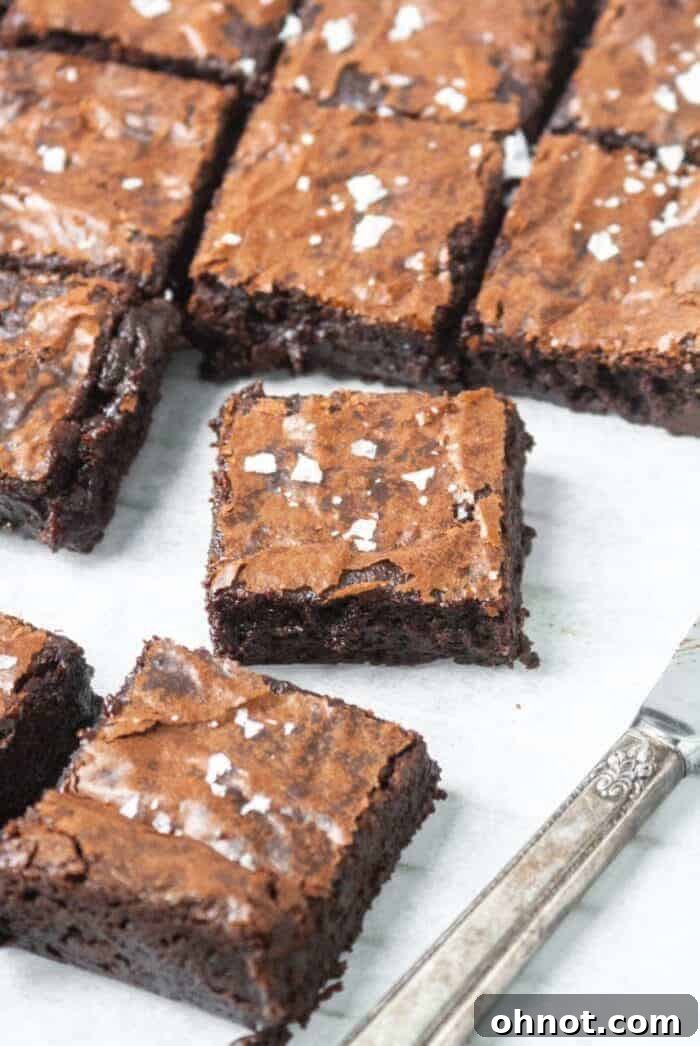
While excellent thickeners and textural enhancers, arrowroot and tapioca flours are generally not suitable as standalone flours for baking, as they lack protein and fat necessary for structure. They are best used in combination with other flours. If overused in baking, they can lead to a gummy or overly chewy texture. It’s crucial to use them in the correct proportions, typically as a small component of a flour blend, to achieve the desired balance. My Fudgy Paleo Brownies are a delicious exception where tapioca flour plays a starring role!
Conversion:
A significant advantage of arrowroot starch and tapioca flour is their direct substitutability for cornstarch in recipes. You can typically use the same amount of either arrowroot or tapioca flour wherever cornstarch is called for, whether it’s for thickening a sauce or contributing to the texture of a baked good. This makes them incredibly convenient for adapting existing recipes to be Paleo or Whole30 compliant.
Versatile Recipes Featuring Tapioca Flour:
Tapioca flour is a secret ingredient in many of my favorite recipes for achieving just the right texture. Discover its magic in my Fudgy Paleo Brownies, the delightful Paleo Orange Cranberry Muffins, and my comforting Vegan Blackberry Apricot Cobbler. These recipes highlight its versatility in both sweet and fruit-based desserts.
Cornstarch: A Common Gluten-Free Thickener (With Alternatives)
Cornstarch is indeed a naturally gluten-free ingredient and a widely used thickener in many kitchens. It’s highly effective for creating smooth sauces, gravies, and pie fillings, and can contribute to a crisp texture in fried foods. However, for those following specific dietary paths like Paleo or Whole30, or simply preferring grain-free alternatives, I often opt for arrowroot starch or tapioca flour instead (as discussed above). These alternatives offer similar thickening capabilities without being derived from corn, aligning with a broader range of dietary preferences.
Rice Flour: The Foundation of Many Gluten-Free Blends
Rice flour, derived from finely milled rice, is a staple in the gluten-free world. It comes in two main forms: white rice flour and brown rice flour. White rice flour is made from polished white rice, resulting in a fine, delicate texture and a neutral flavor, ideal for lighter baked goods. Brown rice flour, made from whole grain brown rice, offers a slightly coarser texture, a nuttier flavor, and higher nutritional value due to its fiber content. Both are incredibly versatile and are frequently used as a base in commercial gluten-free flour blends, contributing structure without the gluten. Rice flour is well-suited for both sweet and savory applications, from crisp coatings for fried foods to delicate Asian pastries and noodles. While it can be a bit dry and gritty on its own, when blended with other starches and flours, it provides an excellent foundation for a wide array of gluten-free recipes.
Oat Flour: A Wholesome Gluten-Free Grain Option
Oat flour is made by grinding rolled oats into a fine powder. It’s an increasingly popular gluten-free flour, offering a slightly sweet, mild flavor and a soft, tender texture to baked goods. It’s a fantastic source of soluble fiber, which can contribute to heart health and digestive regularity. For oat flour to be considered truly gluten-free, it is crucial to purchase products specifically labeled “certified gluten-free oat flour.” This is because oats are often processed in facilities that also handle wheat, leading to cross-contamination. Alternatively, you can make your own gluten-free oat flour by processing certified gluten-free rolled oats in a food processor or high-speed blender until a fine powder is achieved. Oat flour adds a lovely chewiness and moisture to muffins, pancakes, cookies, and quick breads, making it a wonderful addition to your gluten-free baking pantry.
Cassava Flour: The Closest to Wheat in Texture
Cassava flour is derived from the entire cassava root, a starchy tuber native to South America. Unlike tapioca flour, which is just the starch extracted from the cassava root, cassava flour uses the whole, peeled, and dried root, ground into a fine powder. This distinction is important because cassava flour behaves quite differently, absorbing a lot of moisture and possessing a texture remarkably similar to wheat flour. It’s naturally gluten-free and completely nut-free, making it an excellent choice for allergen-friendly baking. Cassava flour has a subtly nutty and earthy flavor that is quite neutral, allowing it to adapt well to a variety of recipes. Its comparable density and texture to white wheat flour have made it a rapidly growing favorite in the gluten-free community, enabling the creation of soft, fluffy, and tender baked goods without complex flour blends. I especially love using it to create satisfying savory dishes as well as sweet treats.
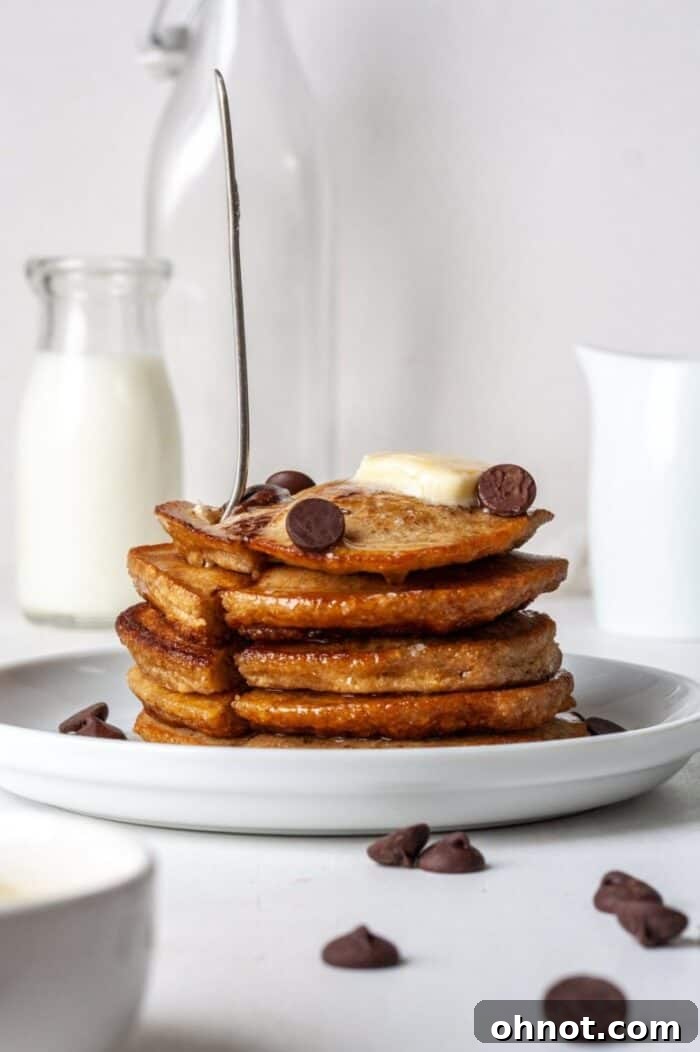
Explore the incredible versatility of cassava flour with my delightful Cassava Flour Brownies, fluffy Cassava Flour Pancakes, easy Cassava Flour Waffles, and my comforting Cassava Flour Banana Bread! These recipes truly showcase its fantastic performance.
Tigernut Flour: An Ancient Root, a Modern Gluten-Free Star
Tigernut flour is an exciting and increasingly popular gluten-free and nut-free alternative that’s gaining traction in the health food world. Despite its name, tiger nuts are not actually nuts but small, fiber-rich root vegetables native to Africa. This makes tigernut flour an excellent option for those with nut allergies or those following strict Paleo and AIP (Autoimmune Protocol) diets. The flour has a slightly sweet, earthy, and mildly nutty flavor profile, reminiscent of coconut or almonds, yet distinctly unique. It’s high in resistant starch, which acts as a prebiotic, supporting gut health. Tigernut flour works wonderfully in cookies, muffins, and other baked goods, providing a pleasant texture and a unique flavor dimension. As a low-carb, high-fiber flour, it’s quickly becoming a go-to for many gluten-free bakers looking for novel and healthful alternatives. Try my Tigernut Butter recipe for a delicious, nut-free spread that tastes remarkably similar to almond butter!
Crafting Perfection: Combining Gluten-Free Flours for Optimal Baking and Cooking
Achieving the ideal texture and flavor in gluten-free baking often requires the strategic combination of two or more different flours. Each gluten-free flour brings unique properties to the table – some offer structure, others provide moisture, and some contribute binding power or elasticity. By blending them, we can mimic the complex characteristics of wheat flour and create truly outstanding results. Understanding how to combine these flours for specific types of baked goods and dishes is key to unlocking your gluten-free culinary potential.
Cookies: The Perfect Blend for Chewy Delights
For cookies, a popular and highly effective gluten-free flour combination is almond flour and coconut flour. This duo works synergistically to replicate the moist, chewy texture of traditional cookies. Almond flour provides a rich, tender base and healthy fats, while coconut flour, with its high absorbency, helps bind the ingredients and contributes a subtle sweetness and a delicate crumb. This blend prevents cookies from becoming too crumbly or too dense. For those with nut allergies, I’ve specifically developed nut-free recipes, such as my acclaimed Paleo Brownie Cookies, which rely solely on coconut flour to achieve a fantastic texture and flavor.
Brownies: From Fudgy to Cakey Perfection
When it comes to brownies, the choice of flour can drastically influence the final texture. For a truly classic fudgy brownie, starches like tapioca flour or cornstarch are often key, contributing to that dense, moist, and wonderfully chewy consistency. These starches provide minimal structure, allowing for a rich, gooey interior. For those who prefer a slightly more cake-like brownie, a blend of almond flour and coconut flour can be used, offering a balance of tenderness and a bit more lift. The combination ensures a moist crumb while providing enough structure to hold its shape.
Bars: Achieving Moisture and Stability
Bar recipes, whether for sweet treats like Paleo Blonde Brownies or rich desserts like Paleo Pecan Pie Bars, typically feature almond flour as their primary base. Almond flour excels in bar recipes because its healthy fats and fine texture contribute significantly to moisture and a tender crumb, preventing the bars from drying out. Occasionally, a small amount of coconut flour might be added to absorb excess moisture and further enhance the texture. The inherent richness of almond flour makes it a perfect foundation for creating substantial, satisfying bars that hold their shape beautifully.
Breads: Structuring Your Gluten-Free Loaves
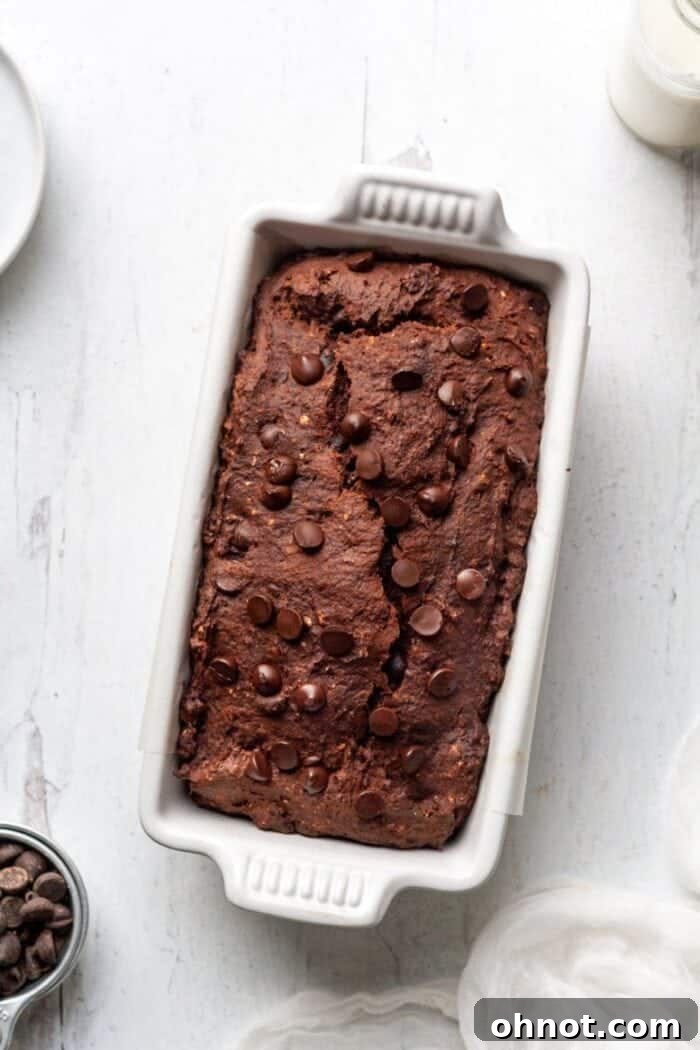
Gluten-free bread recipes often require a thoughtful combination of flours to achieve the desired rise, texture, and moisture. The specific blend depends on the type of bread and its intended characteristics. For instance, my Paleo Chocolate Chip Zucchini Bread relies solely on almond flour for a tender, moist crumb. In contrast, my Paleo Double Chocolate Banana Bread benefits from a blend of almond and tapioca flour, where the tapioca adds a desirable chewiness. For a more complex structure, my Paleo Chocolate Zucchini Bread uses a triumvirate of almond, coconut, and tapioca flours, each contributing to the perfect balance of moisture, binding, and texture. These meticulously tested combinations ensure optimal results, delivering delicious and well-structured gluten-free loaves every time.
Muffins: Light, Fluffy, and Flavorful
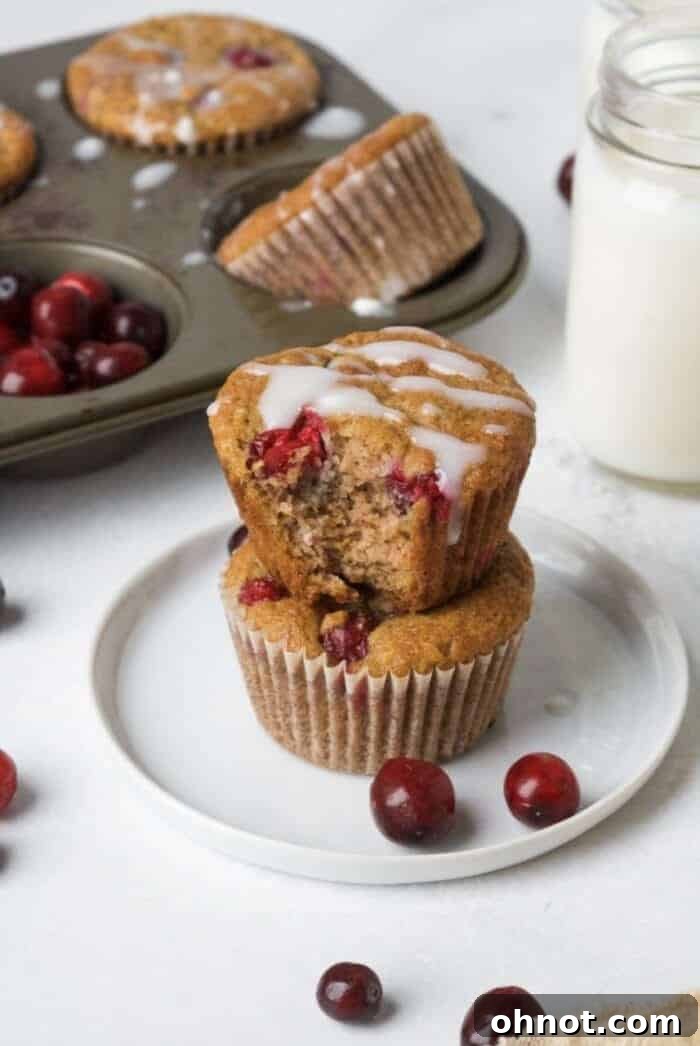
Just like with breads, crafting perfect gluten-free muffins often involves a blend of flours, each chosen for a specific purpose. The most common and effective combinations typically feature almond, coconut, and tapioca flours. Almond flour contributes richness and moisture, coconut flour helps absorb excess liquid and provides a delicate crumb, and tapioca flour adds elasticity and a subtle chewiness, preventing a dry or crumbly texture. This strategic blending results in muffins that are light, fluffy, and incredibly flavorful. My Paleo Orange Cranberry Muffins are a prime example of how these flours can come together to create a beautifully textured and delicious muffin.
Cakes: The Art of Delicate Gluten-Free Crumbs
Baking a truly exceptional gluten-free cake can be a complex yet highly rewarding endeavor, as it requires careful attention to flour ratios to achieve that perfect delicate crumb. For rich, moist, and tender cakes, a combination of almond, coconut, and tapioca flour often delivers the best results. Almond flour provides the bulk, richness, and fine texture, while coconut flour adds essential moisture absorption and contributes to a lighter feel. Tapioca flour acts as a crucial binder and adds a touch of elasticity, preventing the cake from becoming too dense or crumbly. My Paleo Carrot Cake and Paleo Hummingbird Cake are stellar examples of how these flours harmonize to create show-stopping gluten-free desserts with an exquisite texture that rivals traditional cakes.
Soups, Stews, and Sauces: Natural Thickening Solutions
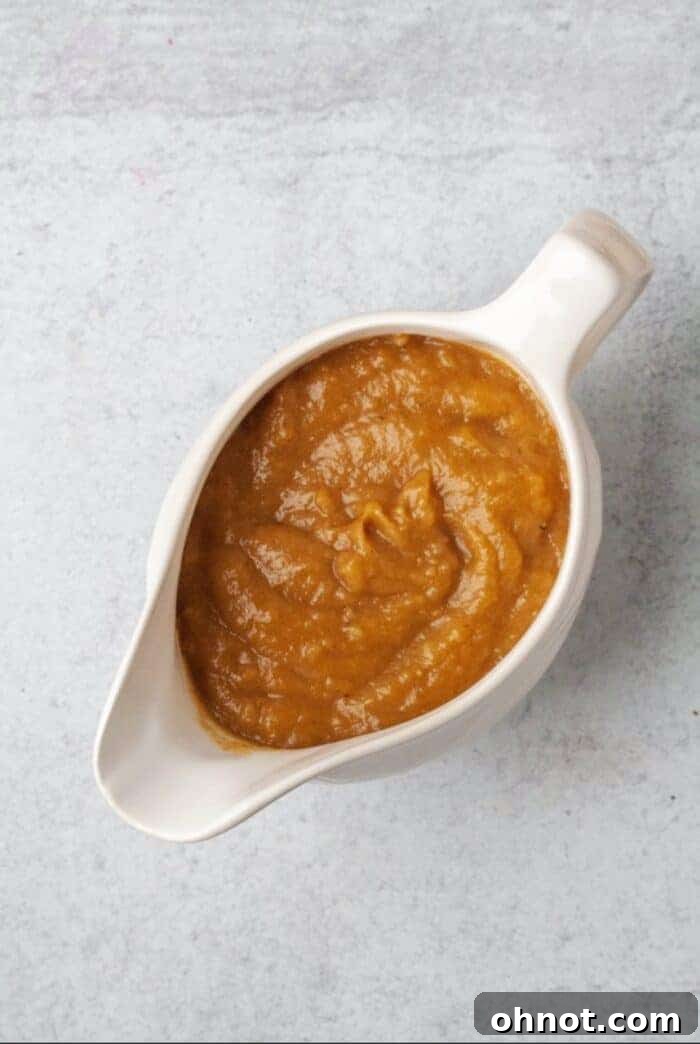
For perfectly thickened soups, hearty stews, and luscious sauces, tapioca flour or arrowroot starch are your best allies in a gluten-free kitchen. These naturally gluten-free starches provide a smooth, glossy finish without the cloudiness or floury taste that can sometimes accompany wheat-based thickeners. Their neutral flavor ensures the true taste of your ingredients shines through. Remember, a little goes a very long way with these potent thickeners; they should be mixed with a small amount of cold water (a “slurry”) before being whisked into hot liquids to prevent clumping. I frequently use them to thicken delicious recipes like my Whole30 Gravy, and they are indispensable in many of my gluten-free soup recipes.
Breading and Frying: Achieving That Signature Crispness
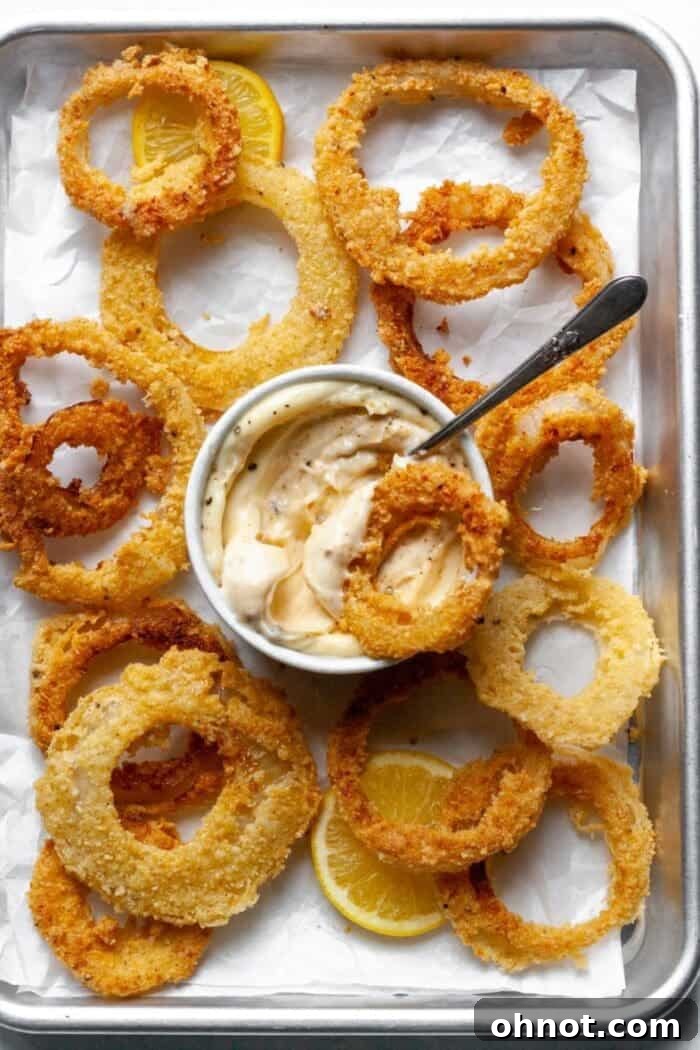
When it comes to creating that irresistible crispy coating for breaded and fried dishes, gluten-free flours can perform exceptionally well. Tapioca flour and arrowroot starch, with their similarity to cornstarch, are outstanding choices for achieving a light, crispy crust. A small amount of almond flour can also be incorporated to add a richer flavor and slightly more substantial coating. The combination of these flours creates a perfect texture that adheres well to proteins and vegetables, delivering that satisfying crunch. My Whole30 Chicken Parmesan and Whole30 Onion Rings brilliantly utilize these gluten-free flours to achieve a mouthwatering, signature breading texture without any gluten.
Meatballs: Binding and Flavor Without Breadcrumbs
For perfectly formed and flavorful gluten-free meatballs, both tapioca flour and almond flour are excellent substitutes for traditional breadcrumbs. Tapioca flour acts as a fantastic binder, helping to hold the meatballs together and preventing them from falling apart during cooking. Almond flour contributes a tender texture and a subtle richness, effectively mimicking the role of breadcrumbs by adding moisture and bulk without any gluten. This combination ensures your meatballs are juicy, well-bound, and delicious, whether baked, pan-fried, or simmered in sauce.
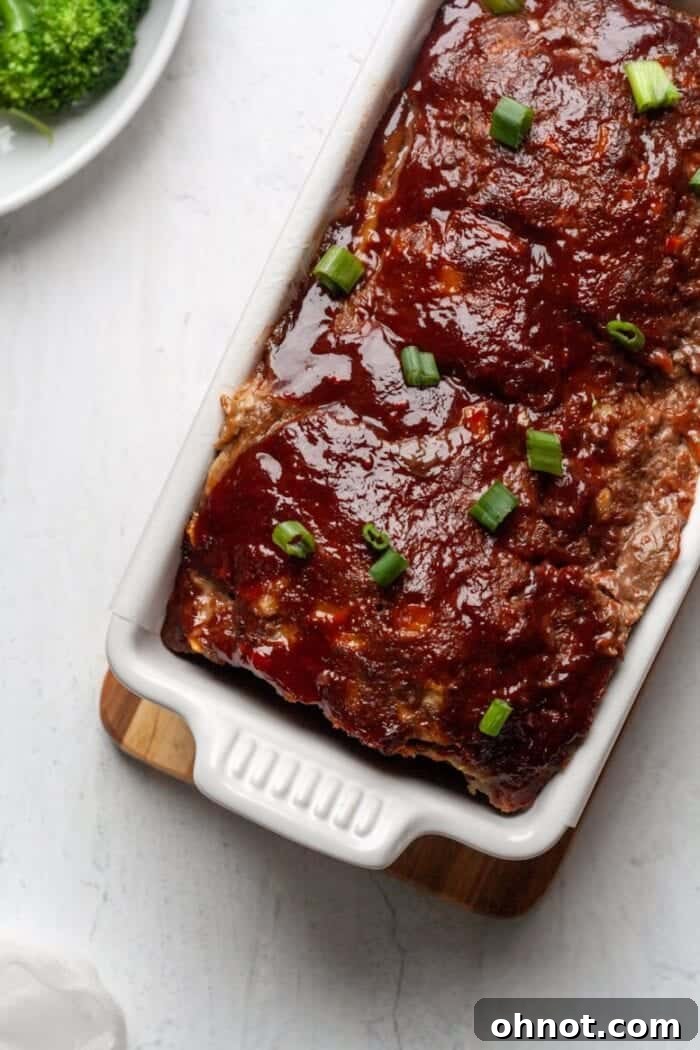
Meatloaf: Creating a Hearty, Gluten-Free Comfort Food
Similar to meatballs, achieving a cohesive and moist gluten-free meatloaf relies on the intelligent use of gluten-free flours. Almond flour and tapioca flour again prove to be the superior choice. Almond flour provides the necessary bulk and tenderness, replacing breadcrumbs effectively while adding healthy fats. Tapioca flour steps in as a binding agent, ensuring the meatloaf holds its shape beautifully and doesn’t crumble. This dynamic duo guarantees a hearty, flavorful, and perfectly structured meatloaf that everyone will love, making it an ideal choice for a comforting, gluten-free family meal.
Sweeteners: Naturally Gluten-Free Options for Delicious Treats
When baking gluten-free, selecting the right sweetener is just as important as choosing the right flour. Thankfully, many popular sweeteners are naturally gluten-free, offering a wide array of flavors and textures to enhance your culinary creations. Beyond traditional white sugar and brown sugar (which are inherently gluten-free), you have a wealth of unrefined and natural options available, including nutrient-rich coconut sugar, earthy maple sugar, liquid delights like maple syrup and honey, sweet agave nectar, and whole fruit options like dates. Each brings its own unique characteristics, contributing not only sweetness but also influencing the moisture, texture, and color of your final product.
Maple Syrup vs. Honey: Liquid Sweetener Showdown
Maple syrup and honey are both fantastic, naturally gluten-free liquid sweeteners, each with distinct flavor profiles and uses. Maple syrup, with its rich, caramel-like notes, is my preferred choice for many recipes due to its unique depth of flavor that complements a wide range of baked goods. It’s also a vegan-friendly option, making it suitable for a broader audience. Honey, on the other hand, offers a more floral and intense sweetness. Both add essential moisture to baked goods, contributing to a softer, chewier texture. When substituting one for the other, be mindful of their differing sweetness levels and moisture contributions, as minor adjustments to other liquids in the recipe might be necessary.
Granulated Sweeteners vs. Liquid Sweeteners: Making the Right Choice
The choice between a granulated sweetener (like coconut sugar or maple sugar) and a liquid sweetener (such as maple syrup or honey) can significantly impact the final characteristics of your gluten-free baked goods. Coconut sugar and maple sugar are excellent natural alternatives to white and brown sugars, and can often be used cup-for-cup. However, their darker color means your baked goods might appear slightly darker than if made with white sugar, adding a rustic appeal. These granulated options provide structure and a crispier texture in certain applications.
There isn’t a universally “better” or “healthier” choice between granulated and liquid sweeteners; rather, the optimal selection depends on the specific recipe and desired outcome. When developing recipes, I consider factors such as other ingredients, the type of baked good, and the overall flavor profile. For cookies, I typically lean towards granulated sweeteners, as they align with traditional cookie textures. For breads, muffins, or cakes where I aim for maximum moisture and tenderness, liquid sweeteners are often my go-to. Understanding these nuances empowers you to make informed decisions and achieve culinary excellence in your gluten-free kitchen.
Essential Gluten-Free Cooking and Baking Fats and Oils: Fueling Your Kitchen
Just as important as choosing the right flours and sweeteners are the fats and oils you incorporate into your gluten-free cooking and baking. These ingredients contribute richness, moisture, flavor, and play a critical role in texture. The great news is that many commonly used fats and oils are naturally gluten-free, offering a versatile palette for any culinary adventure. Let’s explore some of the best options to keep in your pantry.
Grass-Fed Butter: Rich Flavor and Golden Goodness
Grass-fed butter is an exceptional fat for both cooking and baking, renowned for its superior flavor profile and nutritional benefits. Derived from cows that primarily graze on grass, it typically has a richer, more complex taste and a higher content of beneficial nutrients like Omega-3 fatty acids and Vitamin K2 compared to conventional butter. Its distinct creamy flavor makes it a fantastic base for sautéeing vegetables, enriching sauces, and creating incredibly tender and flavorful baked goods. While butter is inherently gluten-free, always check labels to ensure no unexpected additives, though this is rare.
Ghee: The Clarified Butter for Dairy-Sensitive and Paleo Diets
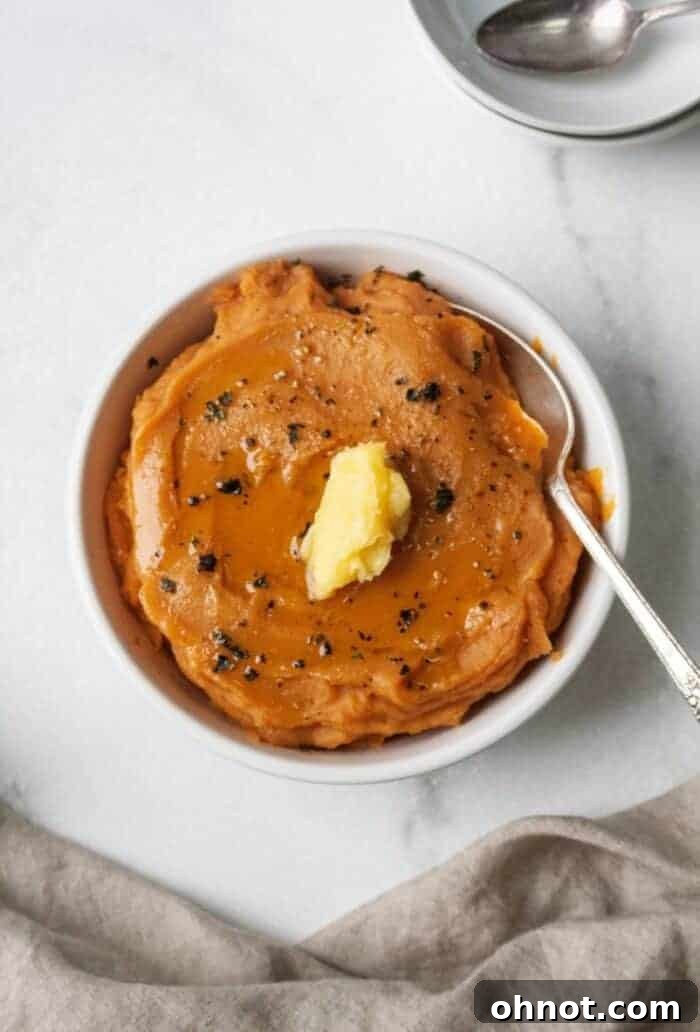
What is ghee? Ghee, often referred to as clarified butter, is made by simmering butter until the water evaporates and the milk solids separate and caramelize. These milk solids are then skimmed off, leaving behind a pure butterfat. This process removes casein and lactose, making ghee a suitable option for many individuals who are sensitive to dairy but still want that signature buttery flavor. It’s also a highly prized fat in Paleo and Whole30 diets due to its purity and high smoke point, which makes it ideal for high-heat cooking and baking. Ghee imparts a rich, nutty flavor that is often more intense than regular butter, adding depth to dishes like my creamy Whole30 Mashed Sweet Potatoes!
Coconut Oil: A Versatile Plant-Based Powerhouse
Coconut oil, extracted from the meat, kernels, and milk of coconuts, is an incredibly versatile and naturally gluten-free fat. It’s a staple in Vegan, Paleo, and Whole30 kitchens. Coconut oil is unique in its consistency, remaining solid at room temperature and becoming liquid when gently warmed, much like butter. This property makes it excellent for both baking, where it can provide structure and richness, and for sautéing. It has a moderate smoke point of 350 degrees Fahrenheit (177°C), making it suitable for most everyday cooking tasks. It’s important to note the distinction between refined coconut oil, which has a neutral flavor and aroma, and unrefined (virgin) coconut oil, which retains a distinct coconut flavor and is best used when that tropical note is desired.
Olive Oil: The Mediterranean Gold Standard for Sautéing
Olive oil, a cornerstone of Mediterranean cuisine for centuries, is a naturally gluten-free liquid fat extracted from olives. It is celebrated for its distinctive fruity, sometimes peppery, flavor and its array of health benefits, primarily from its monounsaturated fatty acids and antioxidants. With a smoke point of approximately 410 degrees Fahrenheit (210°C), olive oil is an excellent choice for moderate-heat cooking methods such as sautéing, pan-frying, and roasting. It also shines in salad dressings, marinades, and as a finishing oil, adding a gourmet touch to countless savory dishes. While less common in baking for its flavor, it can be used in some recipes that call for a liquid oil and benefit from its unique taste.
Gluten-Free Flours and Baking: Embracing a World of Flavor and Possibility
In conclusion, embracing a gluten-free lifestyle, particularly in the realm of baking, is far from a compromise on flavor or texture. It is, in fact, an exciting journey into a diverse world of ingredients that can elevate your cooking to new heights. While there might be a learning curve initially, understanding the unique properties of various gluten-free flours, sweeteners, and fats empowers you to create delicious, satisfying, and wholesome meals and treats.
Today, the market is brimming with fantastic gluten-free products, innovative recipes, and a wealth of helpful tips designed to make your gluten-free journey successful and enjoyable. From the versatile 1-to-1 blends to the nutrient-rich almond and coconut flours, and the unique capabilities of cassava and tigernut flours, you have an incredible arsenal at your fingertips. By experimenting with these ingredients and following the guidance in this comprehensive guide, you’ll soon be tackling any gluten-free recipe with confidence and creativity. Remember, gluten-free eating is about expanding your culinary horizons, not limiting them. Happy baking and cooking!