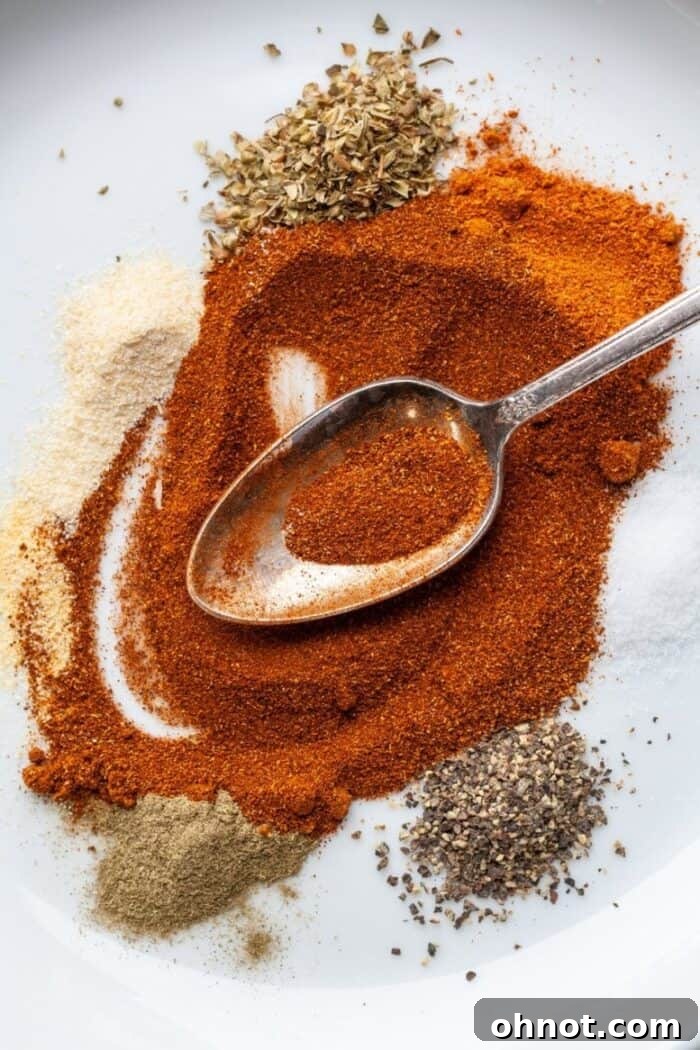
Unlock a world of vibrant flavor with this incredible homemade Gluten-Free Cajun Seasoning blend. Far superior to anything you’ll find on store shelves, this simple recipe transforms ordinary dishes into culinary masterpieces in just 5 minutes. Crafted from everyday pantry staples, it delivers an authentic taste of Louisiana’s iconic cuisine, making it an essential addition to any spice rack.
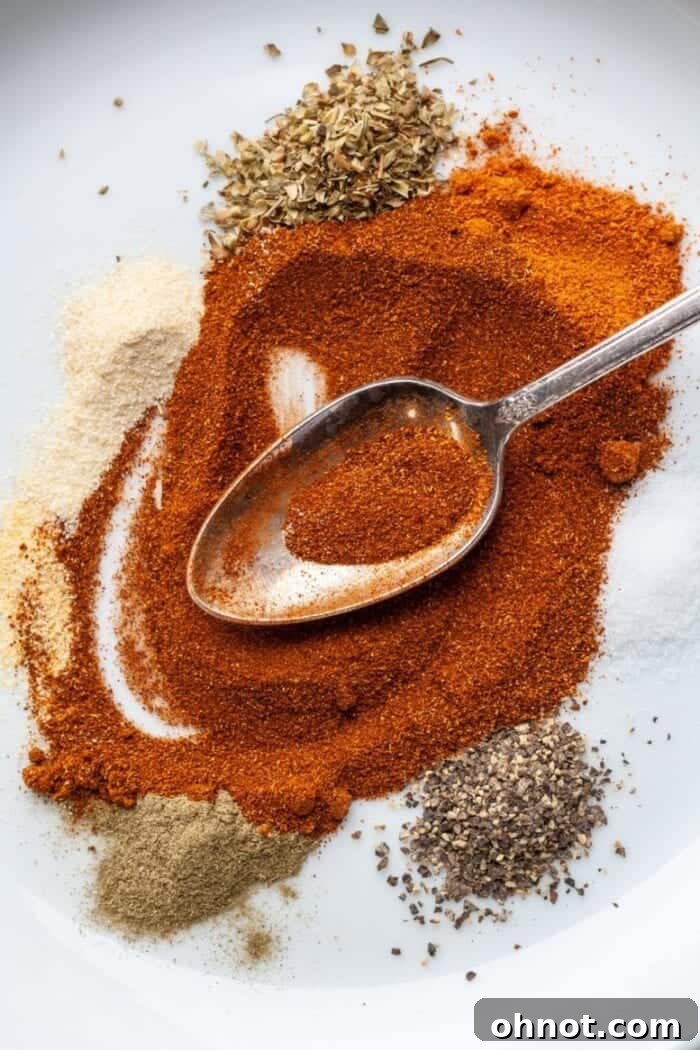
Why You’ll Love This Homemade Cajun Seasoning
There’s an undeniable magic in creating your own spice blends, and this Whole30 Cajun seasoning is a perfect example. Moving beyond the limitations of store-bought versions, here are compelling reasons why this homemade recipe will become your go-to:
- Complete Ingredient Control: Unlike many commercial blends that can hide unnecessary fillers, anti-caking agents, or excessive sodium, making your own ensures you know exactly what goes into your food. This transparency is crucial for health-conscious cooking.
- Pure and Wholesome: Say goodbye to added sugars, artificial preservatives, and obscure additives. Our recipe is naturally free from MSG, providing a clean flavor that truly enhances your ingredients without masking them.
- Unmatched Versatility: Cajun seasoning is a powerhouse of flavor that elevates an astonishing array of dishes. From delicately seasoned fish and crispy homemade fries to succulent grilled meats, roasted vegetables, and hearty stews, its applications are virtually endless.
- Customizable to Your Palate: Whether you prefer a milder warmth or a fiery kick, this Gluten-Free Cajun seasoning recipe allows for easy adjustments. Tailor the spice level to your personal preference, ensuring every dish is seasoned to perfection.
- Dietary Compliance Made Easy: This blend is a dream come true for those following specific dietary regimens. It’s proudly Whole30 approved, Paleo, Keto, Low Carb, Sugar-Free, Grain-Free, and of course, Gluten-Free. It’s a flavor bomb that fits seamlessly into a healthy lifestyle.
- Superior Freshness and Aroma: Spices begin to lose their potency over time. By mixing your own blend just before use or in small batches, you guarantee maximum freshness, delivering a more vibrant and aromatic experience than pre-packaged options.
What is Cajun Seasoning and Its Rich Heritage?
Cajun seasoning is more than just a mix of spices; it’s a culinary emblem of Louisiana, deeply rooted in the vibrant culture and history of the Acadian descendants who settled in the bayous. This iconic seasoning blend is celebrated for its bold, earthy, and often spicy character, a reflection of the region’s hearty, rustic cooking style.
At its heart, traditional Cajun seasoning features a robust combination of paprika, various peppers (often cayenne and black pepper), and aromatic elements like garlic and onion powder. The exact composition can vary from one household to another, but the defining characteristics remain consistent: a spicy, savory, and incredibly flavorful profile that truly stands out.
Historically, Cajun cuisine developed out of necessity, utilizing local ingredients and simple techniques. The seasoning reflects this, favoring readily available spices that create a profound depth of flavor. While commonly associated with classic dishes like gumbo, jambalaya, and étouffée, its versatility extends to seasoning shrimp, chicken, pork, fish, and even vegetables, making it a cornerstone of Southern cooking.
The distinctive flavors of Cajun cuisine are known for harmonizing with indigenous ingredients, particularly the “holy trinity” of bell peppers, onions, and celery. While this seasoning blend typically doesn’t include celery, it perfectly complements dishes that do, creating an authentic taste experience.
Mastering Your Homemade Cajun Seasoning: Recipe Steps
Creating this flavorful Cajun seasoning is remarkably straightforward. Follow these simple steps to bring a taste of Louisiana to your kitchen.
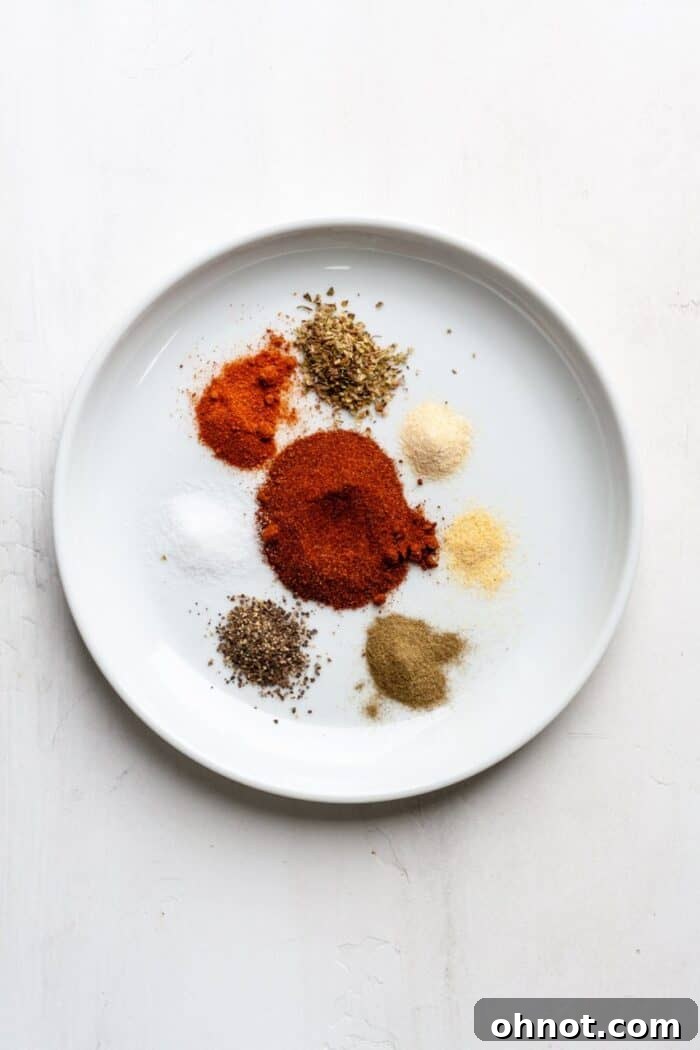
Step 1: Gather and Combine
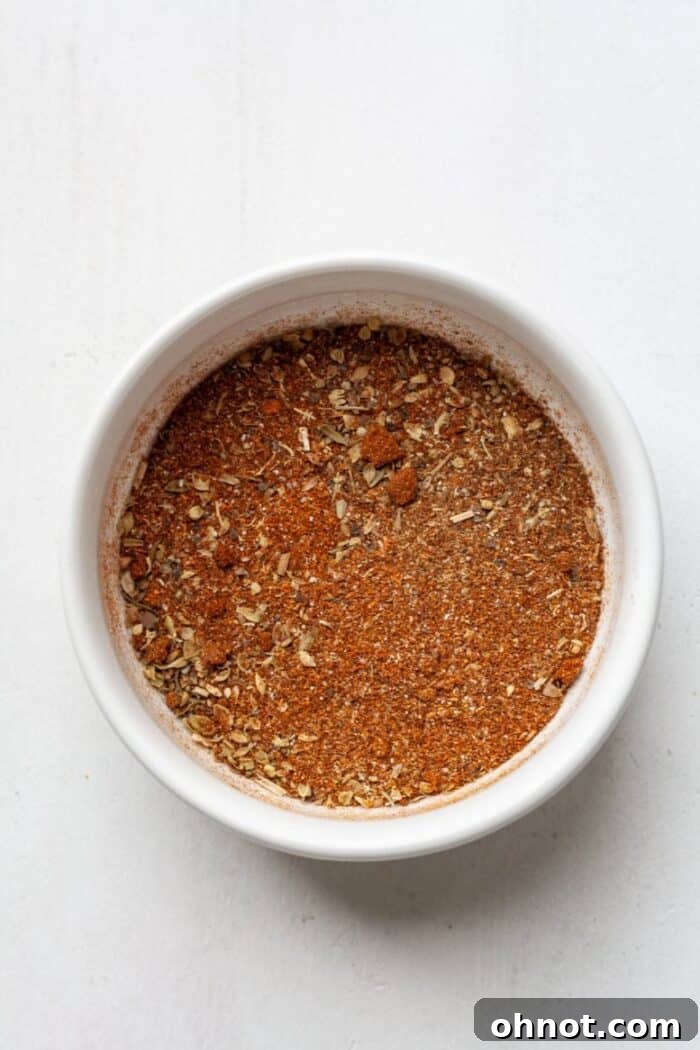
Begin by carefully measuring all the individual spice ingredients. Add them into a small, clean mixing bowl. Ensure your measuring spoons are level for accuracy, though remember, this recipe is forgiving and can be tweaked to your personal taste.
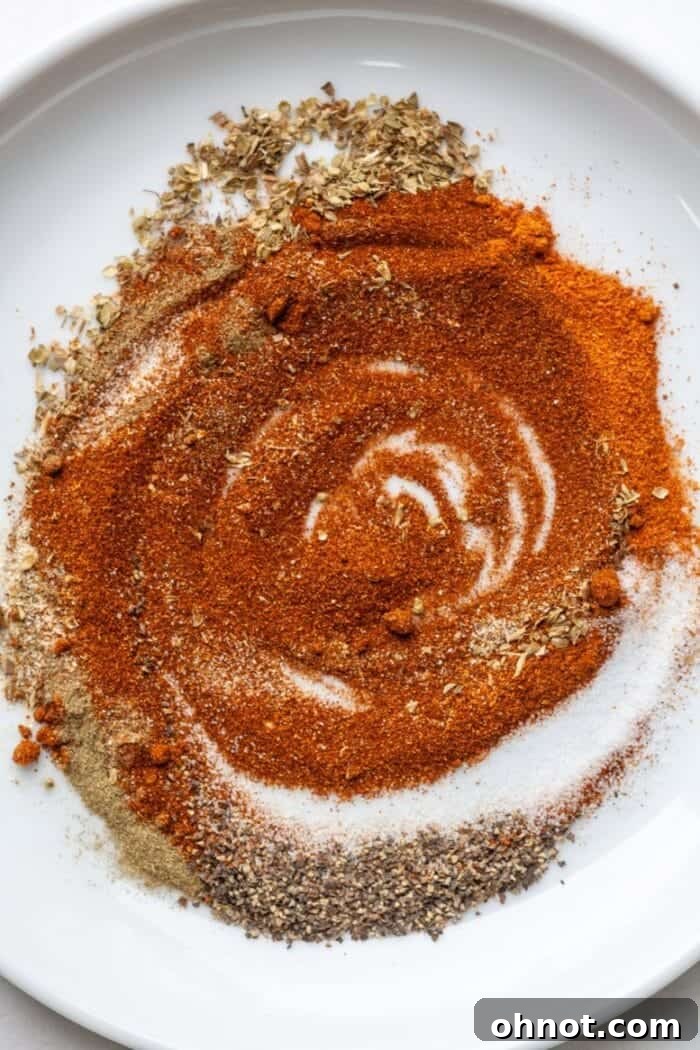
Step 2: Thoroughly Mix
Using a spoon or a small whisk, stir all the spices together until they are thoroughly combined. The goal is to ensure an even distribution of each spice, so every pinch of your blend delivers a consistent flavor profile.
Step 3: Store Properly
Transfer your freshly made Cajun seasoning into a sealable jar, an airtight container, or a spice shaker. Proper storage is key to maintaining its potency and freshness over time. A glass jar with a tight-fitting lid is ideal.
Step 4: Maintain Freshness
Store your homemade seasoning in a cool, dark place away from direct sunlight and heat, such as a pantry or a spice cabinet. When stored correctly, this blend will retain its peak flavor and aroma for up to 6 months, though it’s often best used within the first 3-4 months for optimal potency.
Frequently Asked Questions About Cajun Seasoning
Homemade Cajun seasoning, like this recipe, is inherently gluten-free as it consists solely of individual spices which are naturally gluten-free. However, when purchasing store-bought blends, it’s always advisable to carefully check the ingredient labels. Some commercial products might contain anti-caking agents or other additives that could include gluten-containing ingredients, or they may be processed in facilities that handle gluten, leading to cross-contamination.
Making Cajun seasoning from scratch is incredibly simple and rewarding. It involves combining a precise blend of ground spices such as paprika, cayenne pepper, black pepper, oregano, thyme, garlic powder, and onion powder, along with sea salt. The process typically requires just a few minutes of measuring and stirring to achieve a homogeneous mixture. This recipe provides exact quantities and step-by-step instructions to create your perfect homemade blend.
Cajun seasoning is a unique blend, making a direct single-spice substitute difficult. However, its most prominent flavor components come from cayenne pepper and paprika. Cayenne provides the characteristic heat, while paprika contributes a rich color and earthy, slightly sweet notes. A combination of these two, along with garlic powder and black pepper, would offer the closest approximation in a pinch, but for true Cajun flavor, a complete blend is essential.
While both Cajun and Creole seasonings are foundational to Louisiana cuisine and share many common ingredients, they possess distinct characteristics. Cajun seasoning, originating from rural Acadian communities, tends to be more rustic and spice-forward, emphasizing heat and a simpler flavor profile. Creole seasoning, on the other hand, evolved in urban New Orleans kitchens, reflecting a more cosmopolitan influence. It typically includes a broader array of herbs such as parsley, thyme, basil, and bay leaf, often resulting in a slightly milder and more complex, herbaceous flavor than its Cajun counterpart.
This is a common point of confusion. “Blackened seasoning” isn’t strictly a unique spice blend like Cajun or Creole. Instead, “blackening” refers to a cooking technique where food (most famously fish) is coated in a spice mixture (often Cajun or Creole seasoning) and then cooked in a super-hot cast-iron skillet with butter until a dark, crusty sear forms. The seasoning itself is often a robust blend similar to Cajun, possibly with more reliance on paprika and less on the spiciest peppers, positioning it flavor-wise somewhere between Cajun and Creole—spicier than Creole but often less intensely fiery than some Cajun blends, with the defining characteristic being the cooking method rather than a specific ingredient list.
Absolutely! One of the greatest advantages of making your own Cajun seasoning is the ability to customize its heat. The primary source of spiciness in this blend is cayenne pepper. If you prefer a milder seasoning, start with half the recommended amount of cayenne and add more gradually to taste. For an extra kick, feel free to increase the cayenne pepper or even add a pinch of chili powder.
For this Cajun seasoning, standard sweet paprika (also known as Hungarian paprika) is generally recommended. It provides a beautiful color and a mild, earthy sweetness that balances the other spices. If you enjoy a smoky undertone, you could experiment with a small amount of smoked paprika, but be mindful that it has a very distinct flavor that can dominate if used in large quantities.
How to Use Your Homemade Cajun Seasoning
Once you have your vibrant homemade Cajun seasoning, the culinary possibilities are endless! Its bold flavor profile makes it incredibly versatile, suitable for a wide range of dishes across various cuisines. Here are just a few ideas to get you started:
- Protein Powerhouse: Rub it generously on chicken, pork chops, steaks, or fish before grilling, baking, or pan-searing for an instant flavor boost. It’s particularly fantastic on shrimp, creating a quick and delicious weeknight meal. Mix it into ground meat for burgers, meatballs, or a spicy chili.
- Vegetable Transformation: Sprinkle it over roasted vegetables like potatoes, sweet potatoes, broccoli, or bell peppers for a smoky, spicy kick. It’s also excellent on corn on the cob, green beans, or even mixed into a creamy coleslaw dressing.
- Soups, Stews, and Grains: This seasoning is a non-negotiable for classic Creole and Cajun dishes such as gumbo, jambalaya, and étouffée. Add it to your favorite lentil soup, bean chili, or even plain rice and quinoa for an instant upgrade.
- Snacks and Appetizers: Give your popcorn a gourmet twist with a sprinkle of Cajun seasoning. Mix it into mayonnaise for a spicy dip for fries, or blend it into cream cheese for a flavorful spread for crackers and bagels.
- Marinades and Dressings: Combine it with olive oil, lemon juice, and a touch of vinegar for a zesty marinade for poultry or seafood. Whisk it into your salad dressings for an unexpected depth of flavor.
- Eggs and Breakfast Dishes: A dash of Cajun seasoning can elevate scrambled eggs, omelets, or even breakfast potatoes, adding a savory and slightly spicy note to your morning routine.
Experiment with different amounts and applications to discover your favorite ways to incorporate this dynamic seasoning into your everyday cooking. A little goes a long way to infuse warmth and complex flavor!
You May Also Like These Flavorful Recipes
- Paleo Garlic Herb Turkey Burgers
- Whole30 Everything But The Bagel Chicken
- Whole30 Truffle Fries
- Chicken Jambalaya
5 mins
0 mins
5 mins
Get the Recipe:
Gluten Free Cajun Seasoning (Whole30 & Paleo)
Pin Recipe
Ingredients
4 servings
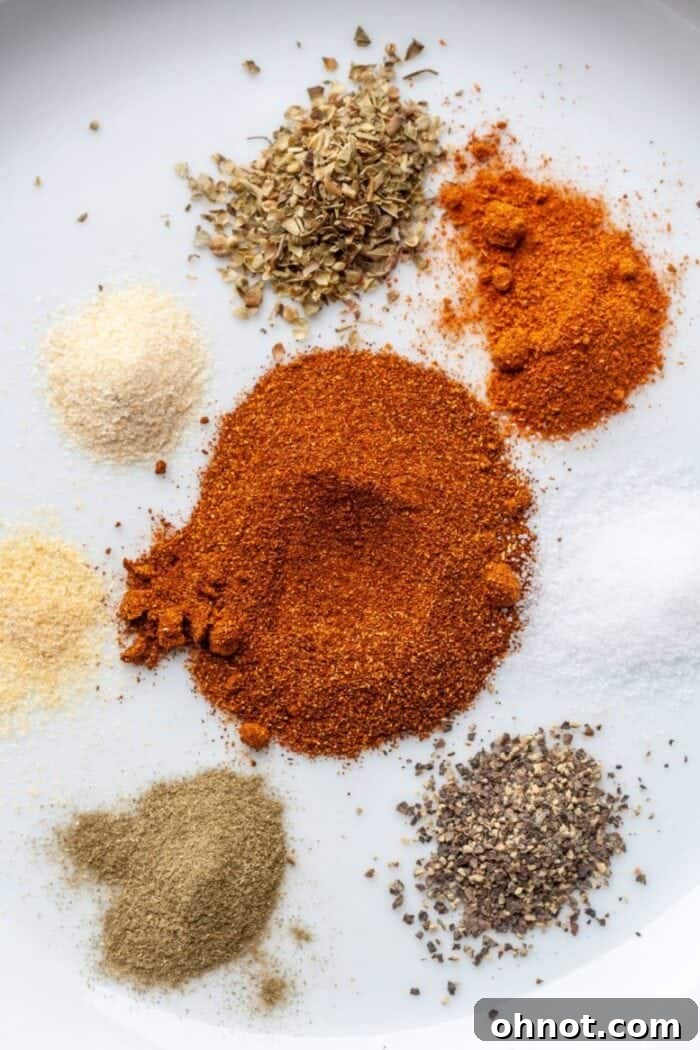
- 1 tbsp paprika
- 1 tsp oregano
- 2 tsp ground cayenne pepper, use less for a milder seasoning
- 1/2 tsp sea salt
- 1 tsp ground black pepper
- 3/4 tsp ground thyme
- 1/2 tsp garlic powder
- 1 tsp onion powder
Instructions
-
First, add all the measured spice ingredients to a small mixing bowl.
-
Stir well with a spoon or whisk until thoroughly combined and the mixture has a uniform color.
-
Transfer the prepared spice mix into a sealable jar or an airtight container. Store at room temperature for up to 6 months for best flavor.
Notes
- Adjusting Spice Level: For a slightly less spicy mix, reduce the amount of ground cayenne pepper to 1 teaspoon or even 1/2 teaspoon. For extra heat, add a bit more cayenne.
- Customization: The measurements provided are a fantastic starting point, but feel free to slightly tweak them to match your personal taste preferences. A little more garlic powder for an umami punch, or extra thyme for herbal notes, can make it uniquely yours.
- Salt Preference: While sea salt is preferred for its mineral richness and texture, regular table salt works perfectly fine in this recipe. Just ensure it’s finely ground for even distribution.
- Optimal Storage: Always store your homemade Cajun seasoning in an airtight container in a cool, dark pantry. This prevents moisture and air from degrading the spices, preserving their vibrant flavor and aroma.
- Longevity: While the mix can last up to 6 months, it is best used within the first 3-4 months to enjoy the spices at their peak potency and flavor. Consider making smaller batches more frequently if you don’t use it often.
- Freshness Matters: For the most intense flavor, use fresh spices. Old, stale spices will result in a dull seasoning blend.
Addison LaBonte
Main Course, Seasoning
Cajun, American
Ready for more healthy and delicious meal inspiration? Sign up for my free newsletter to receive wholesome meal plans, exclusive cooking tips, and brand-new recipes delivered directly to your inbox. You can sign up here to stay connected! Also, explore my Whole30 Recipes page for a treasure trove of compatible dishes, and delve into my Ultimate Guide to Whole30 for comprehensive meal planning and lifestyle insights. Follow along on Instagram, Facebook, and Pinterest to join our vibrant community!