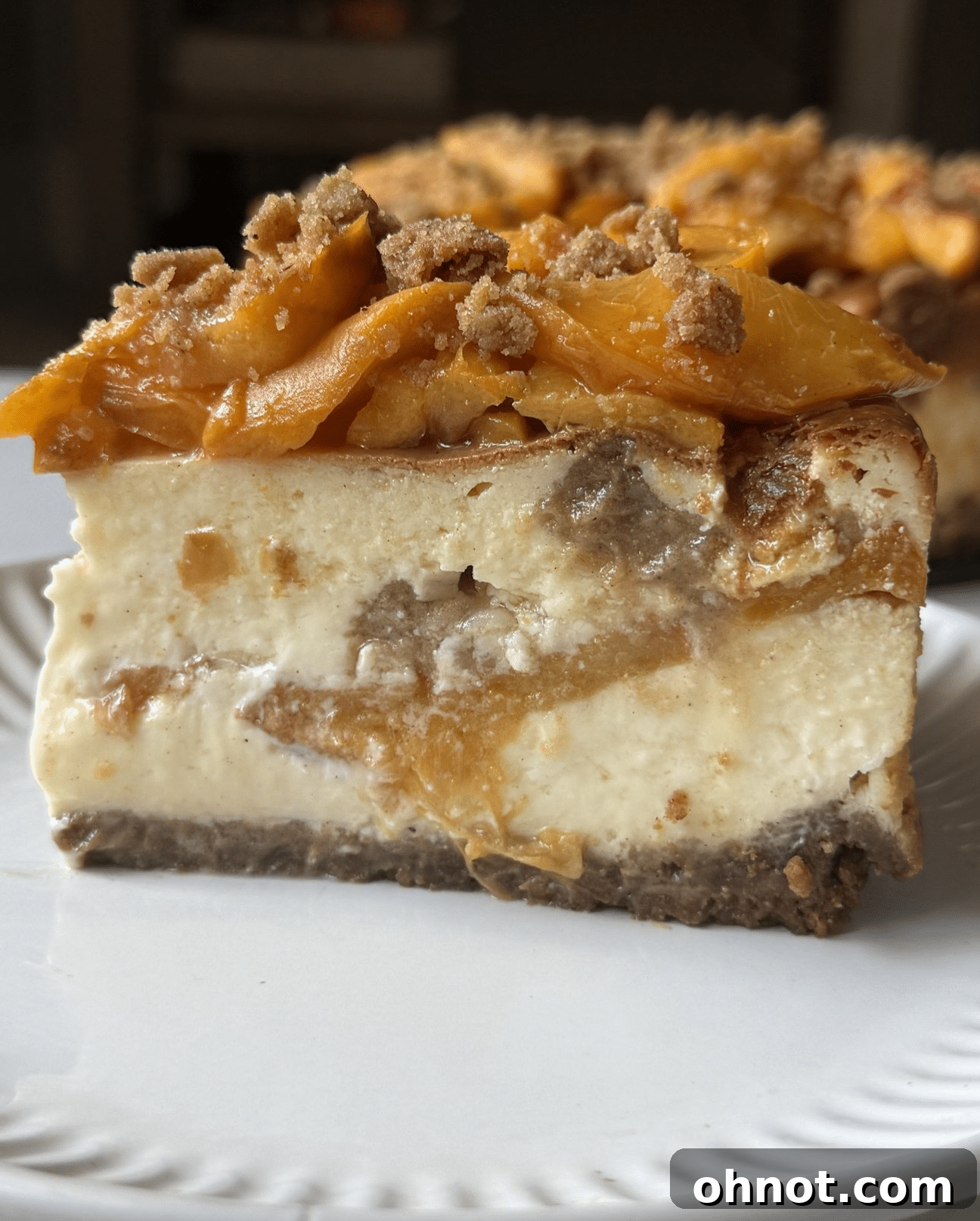
This Peach Cobbler Cheesecake is rich, creamy, and incredibly smooth, with a warm layer of cinnamon-sautéed peaches baked into the center. A buttery graham cracker crust holds the filling, while arrowroot powder and either full-fat Greek yogurt or sour cream keep the cheesecake stable and resistant to cracks. The crust is gluten free when made with gluten free graham crackers, so this dessert is naturally suitable for those avoiding gluten without compromising flavor or texture.
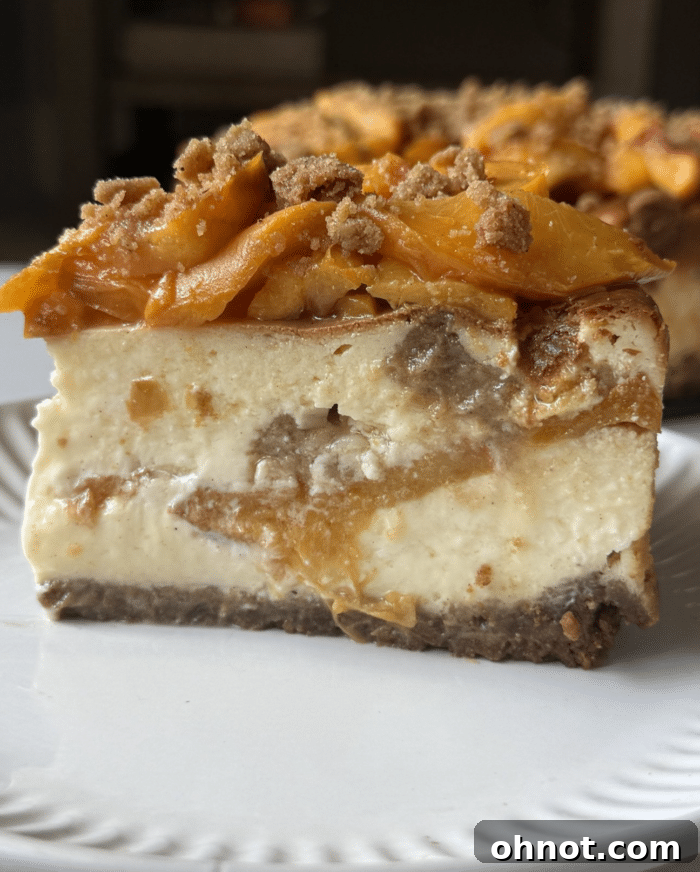
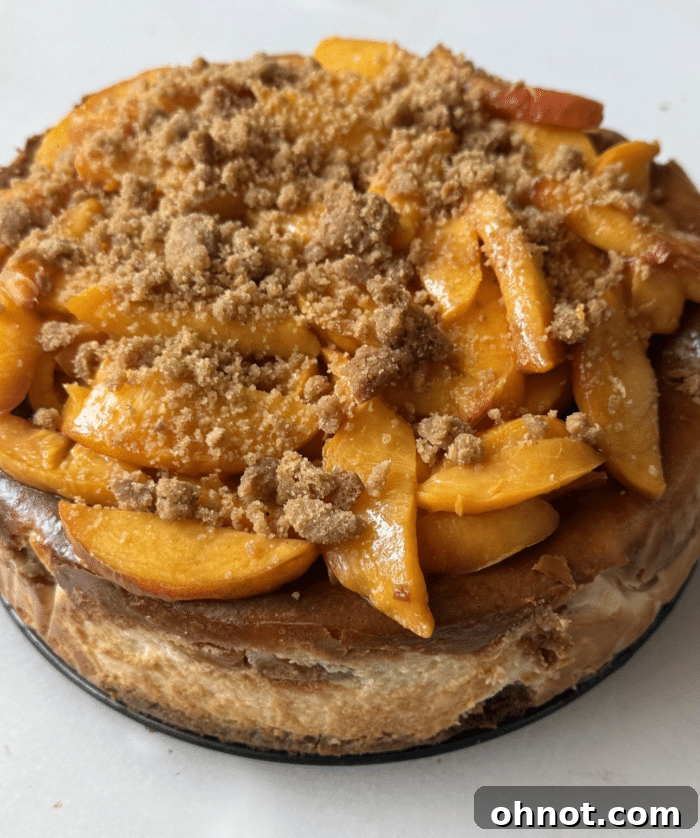
Half of the peaches are sautéed and folded into the cheesecake filling so their warm, spiced flavor is baked into the center. The remaining peaches are sautéed fresh just before serving to ensure the topping stays bright, juicy, and visually appealing.
What is Peach Cobbler Cheesecake?
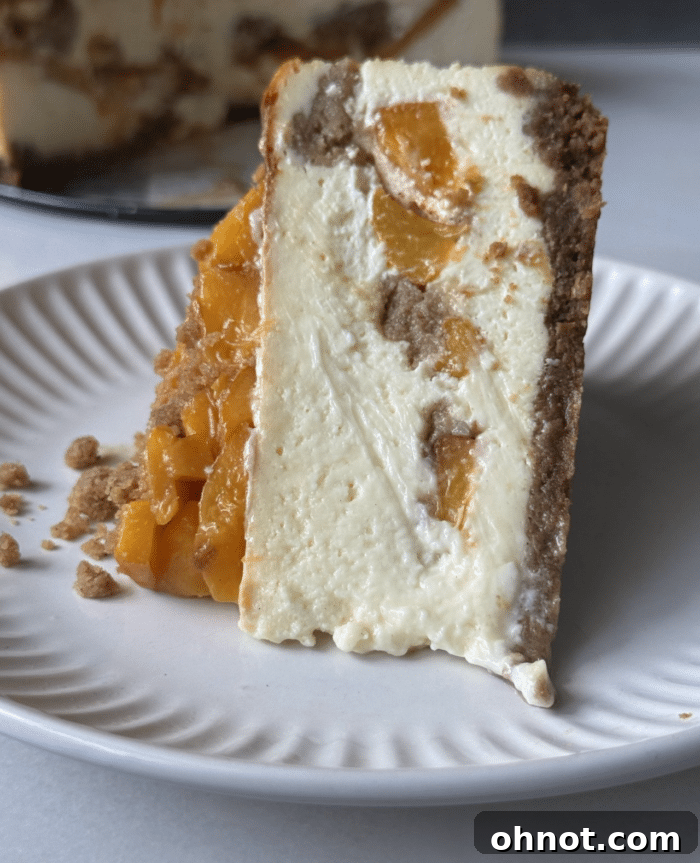
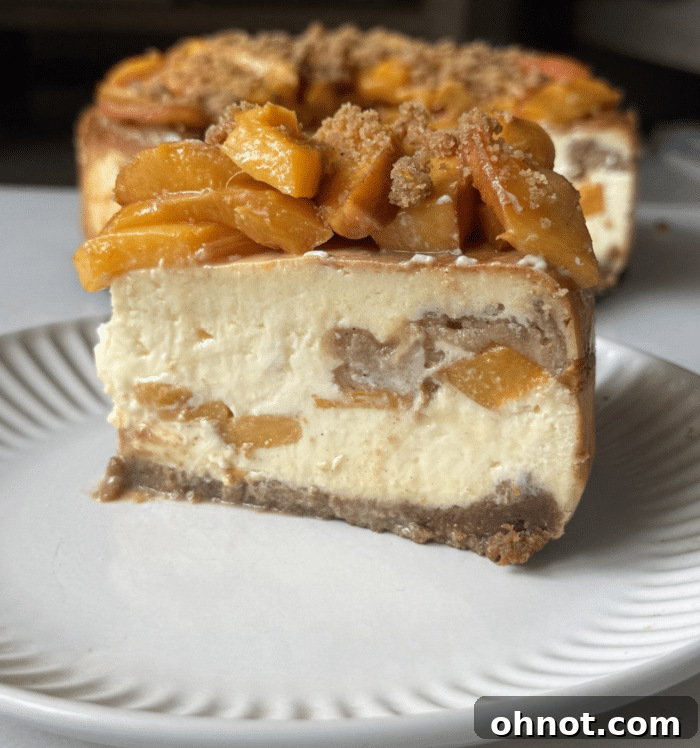
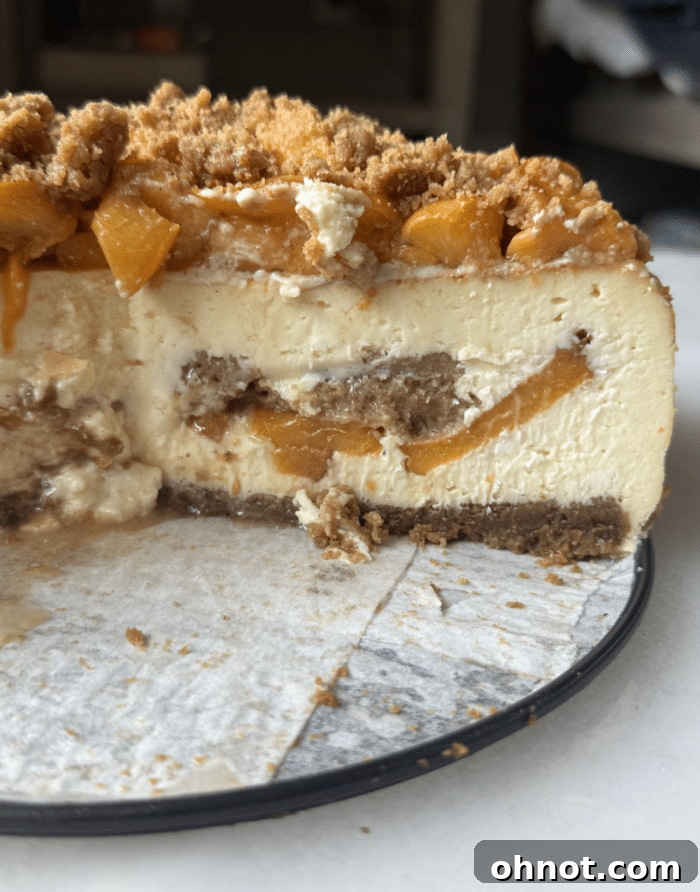
Peach Cobbler Cheesecake merges the silky richness of traditional baked cheesecake with the homey, cinnamon-spiced fruit of a cobbler. Slices of sautéed peaches are layered within the filling and more are added on top before serving, giving each bite a balance of creamy richness and warm fruit. This version emphasizes a crack-resistant filling and a naturally gluten free crust option.
Ingredients
Sautéed peaches
- 8 fresh ripe peaches, divided
- ¼ cup coconut sugar or granulated sugar
- 1 tsp ground cinnamon
- ¼ tsp nutmeg
Graham cracker crust
- 3 cups gluten free graham crackers (or regular graham crackers if not gluten free)
- 1 stick unsalted butter, melted
Cheesecake filling
- 32 ounces cream cheese, room temperature
- 4 large eggs, room temperature
- 1 ⅓ cups granulated sugar or coconut sugar
- ⅔ cup full-fat Greek yogurt or sour cream
- 1 tsp vanilla extract
- 2 tsp arrowroot powder or tapioca starch
What each ingredient does
Room temperature cream cheese and eggs
Using room temperature cream cheese and eggs is essential for a smooth batter and to avoid lumps. Cold ingredients lead to uneven mixing, require more beating, and increase the risk of incorporating air that causes cracks in the final cheesecake.
Greek yogurt or sour cream
Both dairy options add tang and creaminess. Sour cream gives a slightly richer, more classic texture; full-fat Greek yogurt provides a similar tang with a marginally lighter consistency. Use a thick, full-fat variety for best results.
Arrowroot powder and gluten free graham crackers
Arrowroot powder or tapioca starch stabilizes the filling and helps it set evenly without the need for wheat flour. The graham cracker crust, made from processed gluten free graham crackers and melted butter, creates a crisp, buttery base. Cinnamon-flavored gluten free graham-style cookies work especially well for added depth.
How to make Peach Cobbler Cheesecake, step by step
Preheat the oven to 350°F (175°C). Begin by sautéing half of the peaches: slice 4 peaches and add them to a skillet with the sugar, cinnamon, and nutmeg over medium-low heat. Stir frequently for 3–4 minutes until the peaches are coated and slightly softened. Remove from heat and set aside.
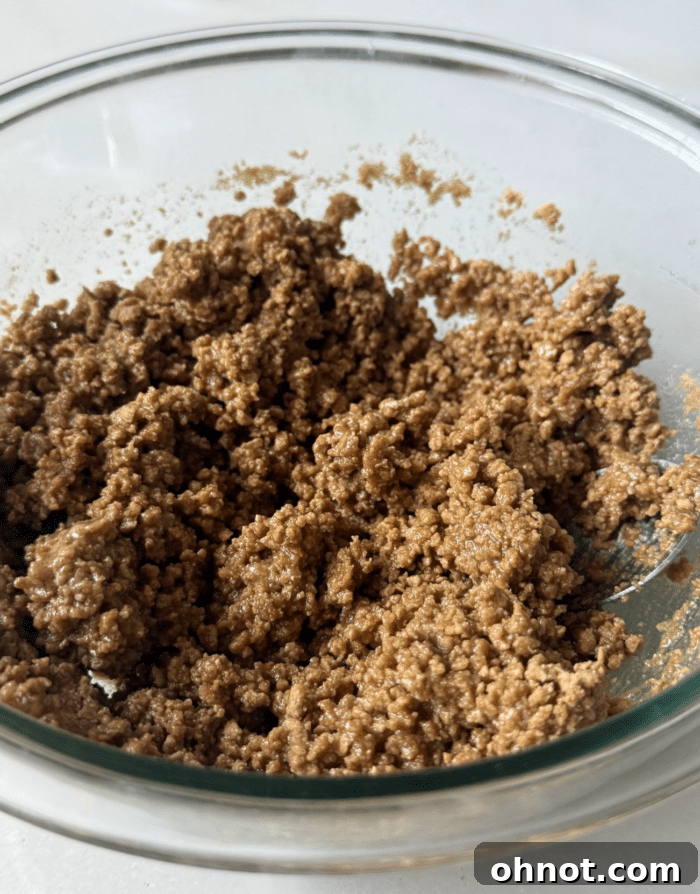
Prepare the crust by processing the graham crackers until fine crumbs form. Stir in the melted butter until the mixture resembles wet sand. Press the crumbs into a lined 8-inch springform pan, reserving about 2 tablespoons for sprinkling on top after baking. Bake the crust at 350°F for 10 minutes, then remove from the oven.
While the crust bakes, start boiling about 4 cups of water for a water bath (use an oven-safe pot). Prepare the cheesecake filling by beating room-temperature cream cheese until smooth. Add the eggs one at a time, mixing only until barely combined to avoid over-aerating the batter. Fold in the sugar, Greek yogurt or sour cream, vanilla, and arrowroot powder until just combined.
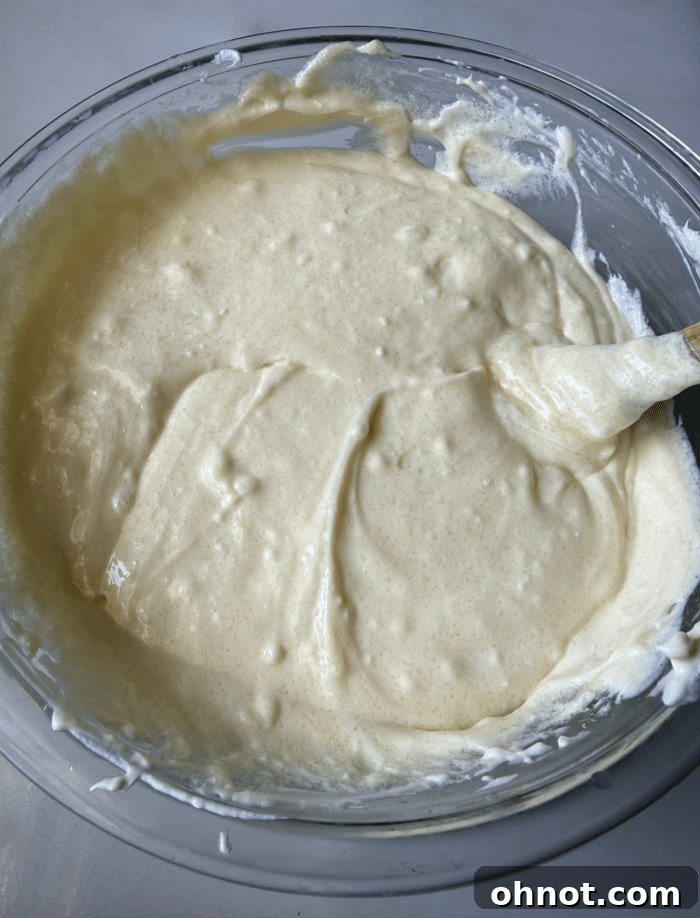
Pour half of the batter over the cooled crust, spread the sautéed peaches evenly, then pour the remaining batter on top and smooth the surface. Place the pot of boiling water on the lowest oven rack and the cheesecake on the rack just above it—this gentle steam bath reduces cracking.
Bake for about 1 hour and 30 minutes, or until the center is slightly jiggly. Turn the oven off, crack the oven door open, and leave the cheesecake inside for 1 hour to cool slowly. Afterward, transfer to the refrigerator and chill for at least 4 hours, preferably overnight for optimal texture.
Just before serving, sauté the remaining peaches briefly on the stovetop and spoon them over each slice. Finish with a sprinkle of reserved graham cracker crumbs if desired.
Why the water bath and gradual cooling prevent cracks
Cheesecakes crack when egg proteins set too quickly, typically because of a dry oven or sudden temperature changes. The water bath introduces humidity and slows the baking process so the eggs set gently. Gradual cooling—turning off the oven and leaving the door slightly open—helps the cheesecake relax and cool evenly, minimizing the chance of cracks.
Tips for the best result
Use fresh peaches, not frozen
Fresh peaches hold their shape and deliver concentrated flavor. Frozen fruit typically releases extra water when thawed, which can make the sautéed mixture watery and affect the texture of the filling.
Do not overmix once the eggs go in
Overmixing incorporates air that expands during baking and leads to cracks. Mix only until the eggs are just incorporated.
Let the cheesecake cool gradually
Rapid cooling almost always causes cracks. The hour of slow cooling with the oven turned off and the door slightly ajar is an important step to preserve a smooth surface.
Chill overnight for the best texture
An overnight chill yields a firmer, more sliceable cheesecake and allows the flavors to meld fully. Whenever possible, prepare this cheesecake a day ahead of serving.
Substitutions
If you do not need a gluten free crust, regular graham crackers can be used in place of gluten free ones. Sour cream can substitute for Greek yogurt in equal amounts for a slightly richer texture. Tapioca starch works interchangeably with arrowroot powder. Coconut sugar can be swapped 1:1 with granulated sugar for a more neutral sweetness.
Storage
Refrigerator: Store covered in the refrigerator for up to 5 days.
Freezer: Freeze undecorated slices or the whole cheesecake tightly wrapped for up to 90 days. Thaw overnight in the refrigerator before serving and add the fresh peach topping just before serving.
Frequently Asked Questions
Fresh peaches are strongly recommended. Frozen peaches tend to release a lot of water when thawed, which can make the sautéed mixture watery and affect how the filling sets around the fruit.
Common causes include overmixing after adding the eggs, skipping the water bath, or cooling the cheesecake too quickly after baking. Follow the water bath and gradual cooling steps to minimize cracking.
Yes. Use sour cream in a 1:1 substitution for Greek yogurt. Sour cream yields a slightly richer, more traditional texture while Greek yogurt creates a marginally lighter result.
Yes. The cheesecake benefits from chilling at least 4 hours and ideally overnight. Prepare it a day ahead and add the fresh sautéed peach topping right before serving for best results.
You May Also Like
- Paleo Mini Cobblers
- Peach Cobbler Cookies
- Peach Cobbler in a Jar
- Gluten Free Blueberry Cobbler
- Paleo Apple Cobbler
If you try this Peach Cobbler Cheesecake, feedback is always appreciated. Experiment with the toppings and crust to suit dietary needs, and remember that fresh peaches and slow, careful baking make the biggest difference in the final result.