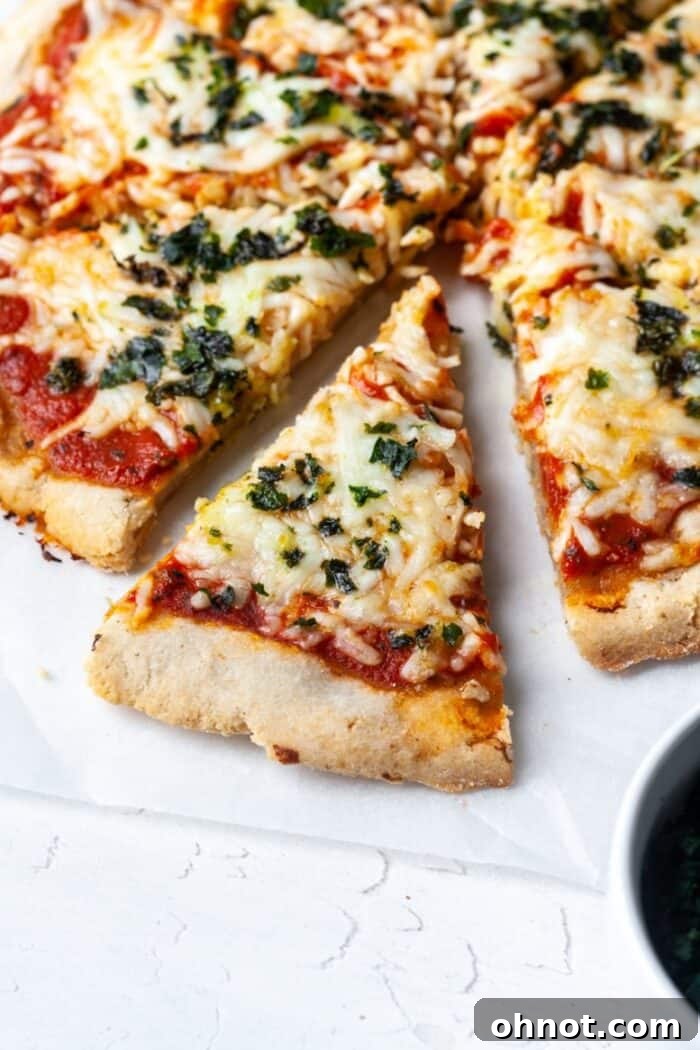
Craving a truly delicious pizza that aligns with your dietary goals? Look no further! This recipe delivers the **best Paleo pizza crust** you’ll ever sink your teeth into. Imagine a crust that’s perfectly crispy on the outside, yet wonderfully chewy in the middle – a textural dream for any pizza lover. What makes this crust truly special is its incredible versatility and health-conscious composition. It’s a **gluten-free and dairy-free pizza crust** that’s surprisingly easy to whip up, requiring only a handful of wholesome ingredients. Say goodbye to carb-heavy, inflammatory ingredients and hello to a vibrant, grain-free base ready for all your favorite toppings. Get ready to transform your pizza night into a guilt-free, gourmet experience!
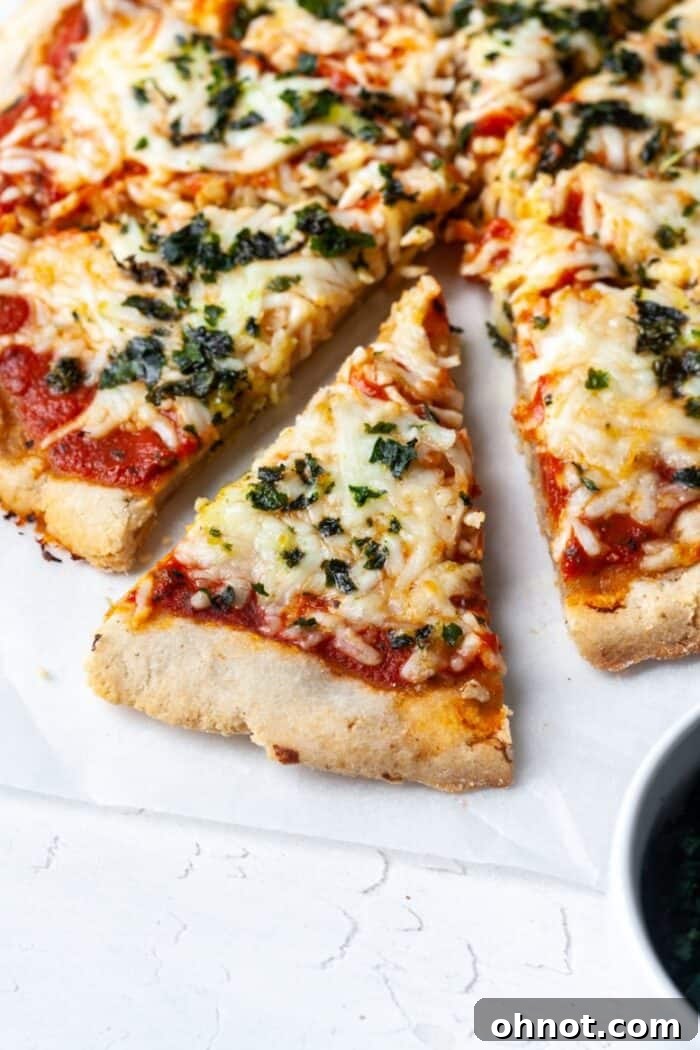
This post is proudly sponsored by Bona Furtuna, renowned for their premium, organic ingredients. All thoughts and recipe developments are my own, and I genuinely appreciate your support for this blog.
Why This Paleo Pizza Crust Will Become Your New Favorite
For those following a Paleo, gluten-free, or dairy-free lifestyle, finding a truly satisfying pizza can often feel like an impossible quest. But this recipe changes everything, bringing the joy of homemade pizza back to your kitchen without compromise. Here’s why you’re going to adore this easy and delicious Paleo pizza crust:
- **Healthy Pizza Made Simple:** Who says pizza can’t be good for you? This recipe allows you to indulge in a classic comfort food while adhering to a clean, nourishing diet. It’s a fantastic way to enjoy your favorite flavors without the usual guilt associated with traditional pizza.
- **Quick and Effortless Preparation:** You don’t need to be a seasoned baker to master this Paleo pizza crust. It comes together quickly with minimal fuss, making it perfect for busy weeknights or impromptu gatherings. No complicated steps, just simple mixing and baking.
- **Just 7 Wholesome Ingredients:** Simplicity is key to healthy eating. This crust boasts a minimal ingredient list of only seven staple items, ensuring you’re using natural, identifiable components free from unnecessary additives.
- **A Canvas for Your Creativity:** This versatile crust serves as the perfect base for any and all pizza toppings your heart desires. Whether you’re a fan of classic pepperoni, loaded veggies, or unique gourmet combinations, this crust can handle it all.
- **Free from Common Allergens and Grains:** Unlike many other gluten-free crusts, this recipe is uniquely crafted without almond flour, without coconut flour, and without yeast. This makes it an ideal choice for those with nut allergies or sensitivities to yeast, offering a broader dietary appeal.
- **Strictly Paleo-Friendly:** This recipe adheres to strict Paleo guidelines, making it entirely grain-free, gluten-free, dairy-free, and sugar-free. It’s a clean eating dream come true, supporting your wellness journey without sacrificing flavor.
- **Explore More Grain-Free Delights:** Looking for other creative, healthy meal ideas? Don’t miss these amazing Whole30 Pizza Potato Skins for a fun twist, or check out our popular Gluten Free Pizza Crust recipe if you’re exploring other gluten-free options.
Essential Ingredients & Expert Substitutions
Crafting the perfect Paleo pizza crust begins with understanding the role of each ingredient. This recipe relies on specific flours and binders to achieve its remarkable texture and flavor, so thoughtful substitutions are crucial.
**Cassava Flour:** This incredible gluten-free, grain-free, and nut-free flour is the star of our Paleo pizza crust. Derived from the cassava root, it closely mimics the texture, flavor, and color of traditional all-purpose wheat flour, making it an excellent substitute in many baking applications. Its fine, powdery consistency helps create a tender yet structured crust. **It’s imperative not to substitute cassava flour with any other flour** as its unique properties are key to the success of this recipe. For a deeper dive into this versatile ingredient, refer to our comprehensive guide: Cassava Flour: Everything You Need to Know.
**Tapioca Flour (or Arrowroot Starch):** Tapioca flour, also known as tapioca starch, is extracted from the cassava root and is essential for giving this Paleo pizza crust its signature chewy texture and elasticity. It helps bind the ingredients and contributes to the crust’s flexibility, preventing it from becoming too brittle. If tapioca flour is unavailable, **arrowroot starch** can be used as a direct 1:1 substitute. While cornstarch might seem like an option due to similar thickening properties, it is **not Paleo-friendly** and should be avoided in this recipe.
**Sea Salt and Garlic Powder:** These seasonings are more than just flavor enhancers; they elevate the overall taste profile of the crust. Sea salt provides essential mineral content and balances the flavors, while garlic powder infuses a subtle, savory depth that perfectly complements pizza toppings. Feel free to experiment with additional aromatic spices like onion powder or a pinch of dried oregano or Italian seasoning to customize the flavor further to your liking.
**Egg:** The egg plays a critical role as the primary binder in this dough, holding all the ingredients together and contributing to the crust’s structure and rise. **Do not attempt to use a flax egg, chia egg, or any other vegan egg replacement** in this specific recipe. The unique binding and emulsifying properties of a regular egg are essential for achieving the desired consistency and texture of this Paleo crust. Without it, the dough may not hold together properly.
**Olive Oil:** A high-quality olive oil, such as the exquisite varieties from our sponsor Bona Furtuna, contributes significantly to both the hearty flavor and delightful crispy texture of the pizza crust. It helps create a golden-brown finish and adds richness to the dough. As an alternative, **avocado oil** can be used in its place, offering a similar neutral flavor and high smoke point suitable for baking.
**Warm Water:** The temperature of the water is important. Using **lukewarm water** helps the dough come together smoothly and easily, creating a pliable consistency that’s easier to work with. Avoid using cold water, which can make the dough stiff, or hot water, which could inadvertently cook the egg.
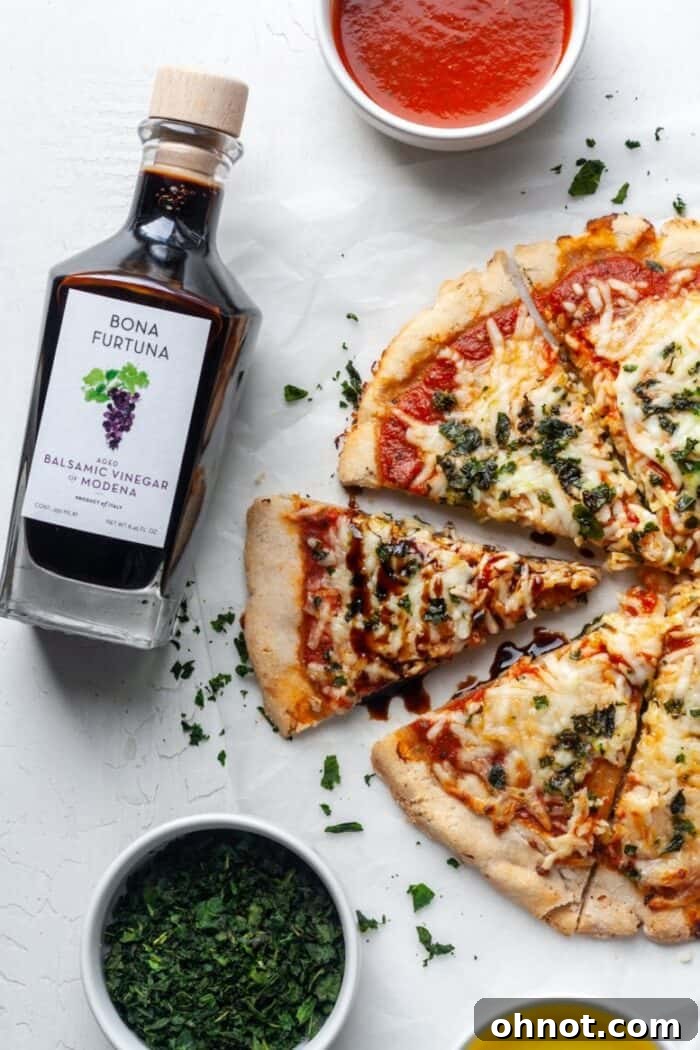
**Your Favorite Toppings:** The beauty of pizza lies in its endless customization! While I opted for a classic combination of rich pizza sauce, creamy dairy-free cheese, fragrant fresh basil, and a finishing drizzle of balsamic vinegar, the possibilities are truly limitless. Consider your favorite Paleo-friendly meats, a rainbow of vegetables, or even a unique pesto base. This crust is designed to be topped with whatever your culinary imagination desires!
For those days when you’re looking for an even quicker, crustless option without sacrificing flavor, check out these amazing Pizza Bowls!
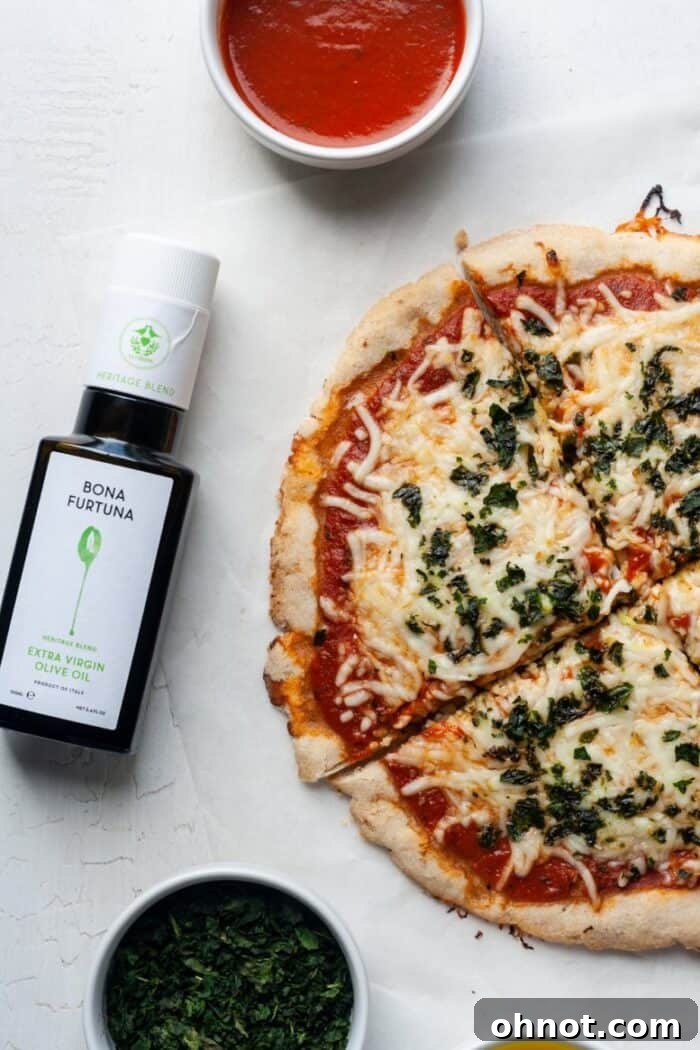
Unveiling the Perfect Taste & Texture of Our Paleo Pizza
Prepare to be amazed! This cassava flour pizza crust defies expectations, offering a flavor profile and texture that truly rivals classic, traditional wheat-based pizza. The dough itself is remarkably light and soft, providing a tender foundation for your toppings. It possesses a subtle, savory flavor that doesn’t overpower, instead enhancing the overall pizza experience.
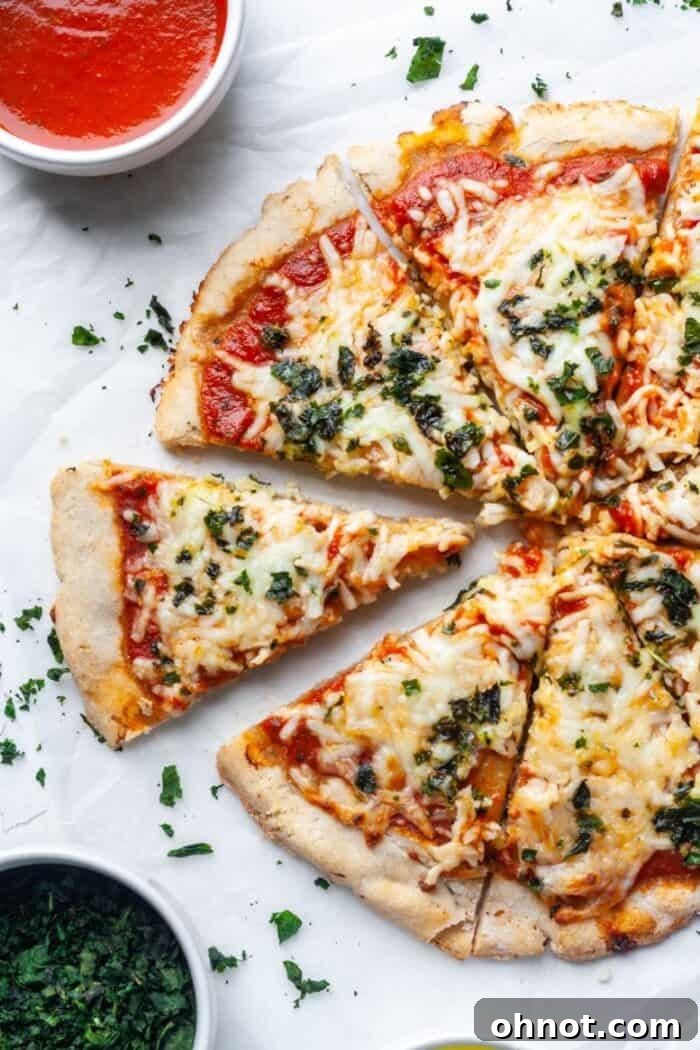
The true magic, however, lies in its dual texture. The edges of the crust bake up beautifully thin, achieving an irresistible crispiness and satisfying crunch with every bite. Moving towards the center, the crust transitions into a slightly softer, more pliable, and delightfully chewy consistency. This combination ensures a dynamic and enjoyable eating experience from edge to center. While the crust itself is flavorful, the ultimate taste of your Paleo pizza will largely depend on the harmonious blend of the delicious, wholesome toppings you choose to add.
Achieving the Ultimate Crispy Paleo Pizza Crust
Do you prefer your pizza crust extra crispy? This gluten-free and dairy-free crust is highly adaptable, allowing you to achieve various levels of crispness. Here are several tried-and-true methods to ensure your Paleo pizza crust reaches its peak crispiness:
- **Press the Dough Thinner:** The simplest way to achieve a crispier crust is to roll or press your dough into a thinner circle. A thinner crust means less moisture and more surface area for that delightful crunch. Aim for approximately ¼ inch thickness for maximum crispiness.
- **Brush with Extra Olive Oil:** Before the initial bake, lightly brush the entire surface of the pressed dough with an additional teaspoon of olive oil. The oil helps to fry the crust slightly as it bakes, creating a golden, crunchy exterior.
- **Extend Pre-Baking Time:** Baking the pizza dough longer *without* toppings during the initial phase allows more moisture to evaporate, resulting in a drier, crispier base. Add an extra 2-3 minutes to the recommended pre-bake time, keeping a close eye to prevent burning.
- **Increase Post-Topping Bake Time:** Once your toppings are added, consider baking the pizza for a few extra minutes beyond the recommended time. This gives the crust more time to crisp up underneath the toppings. Watch for the cheese to be bubbly and the edges of the crust to turn a deep golden brown.
- **A Quick Broil Finish:** For an intensely crispy, almost charred effect on the crust edges and melted, slightly browned cheese, briefly broil the pizza on high heat for 1 to 2 minutes at the very end of cooking. Keep a very close watch, as broilers can burn quickly!
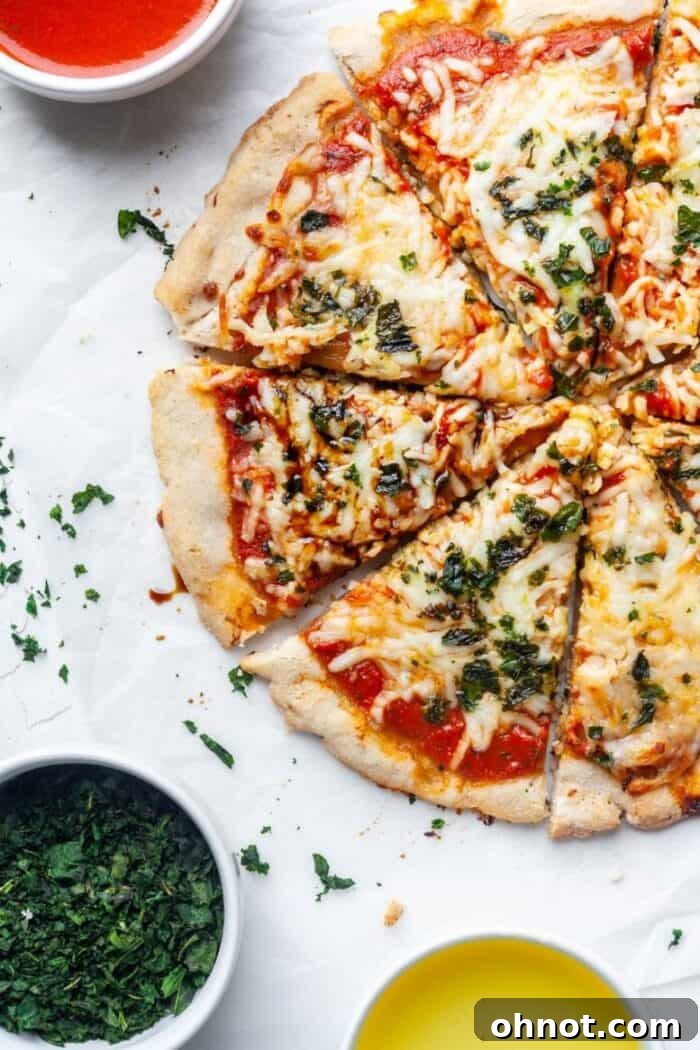
Mastering a Chewier, More Doughy Paleo Pizza Crust
If your preference leans towards a softer, more substantial, and satisfyingly chewy pizza crust, this recipe can be easily adjusted to achieve that delightful texture. Here are a couple of straightforward tips to guide you:
- **Form a Thicker Crust:** Instead of pressing the dough thinly, aim for a slightly thicker crust, around ¾ to 1 inch thick. A more substantial dough will retain more moisture during baking, resulting in a softer, more dough-like interior.
- **Adhere to Recommended Baking Times:** To preserve the doughy texture, stick closely to the baking times listed in the recipe instructions. Avoid adding extra minutes to the baking process, especially during the initial crust-only bake. Over-baking will inevitably lead to a crispier, drier crust, moving away from your desired chewy outcome.
Step-by-Step Guide: How to Make Your Paleo Pizza Crust
Making this healthy and delicious Paleo pizza crust is a straightforward process. Follow these simple steps for a perfect result every time:
Step 1: Prepare Your Oven and Pan
Begin by preheating your oven to a precise 425 degrees Fahrenheit (218 degrees Celsius). This ensures the oven is at the optimal temperature for even baking as soon as your pizza is ready. While the oven preheats, prepare your pizza pan. Line it generously with a sheet of parchment paper. Parchment paper is crucial for preventing sticking and makes transferring the pizza a breeze. You may also lightly dust the parchment paper with a tablespoon of tapioca flour to further ensure a non-stick surface.
Step 2: Combine Dry Ingredients
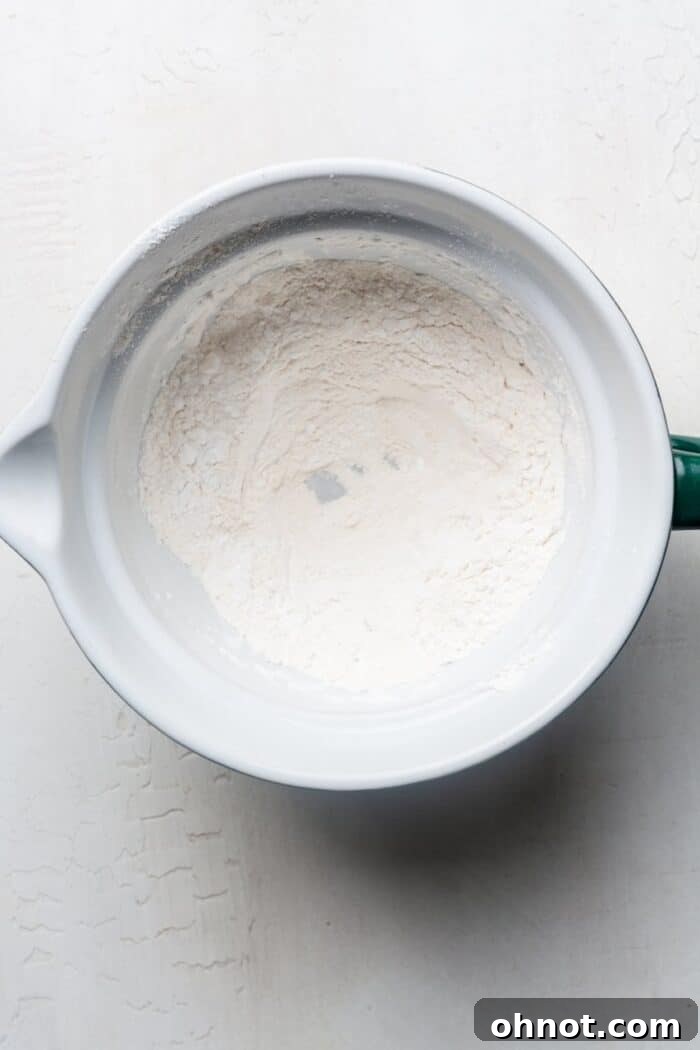
In a spacious mixing bowl, combine all the dry ingredients for your crust. Add the ¾ cup of cassava flour, ½ cup of tapioca flour, 1 teaspoon of sea salt, and ½ teaspoon of garlic powder. Using a whisk or a spoon, stir these ingredients thoroughly until they are well combined and uniformly distributed. This step is important for ensuring an even flavor throughout the crust.
Step 3: Mix Wet Ingredients and Rest the Dough
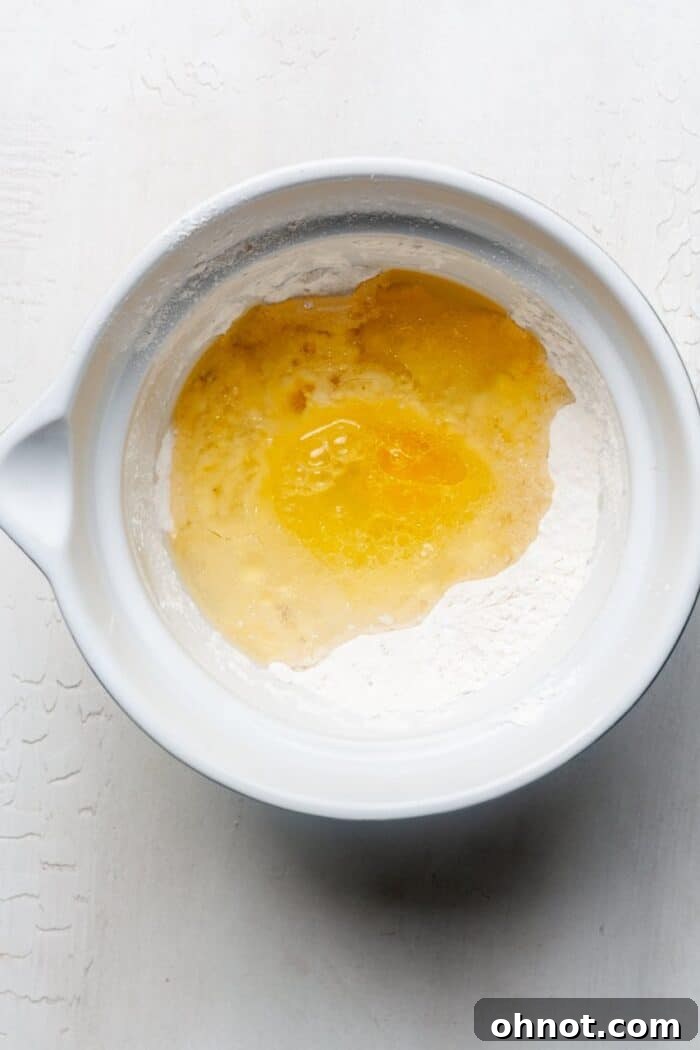
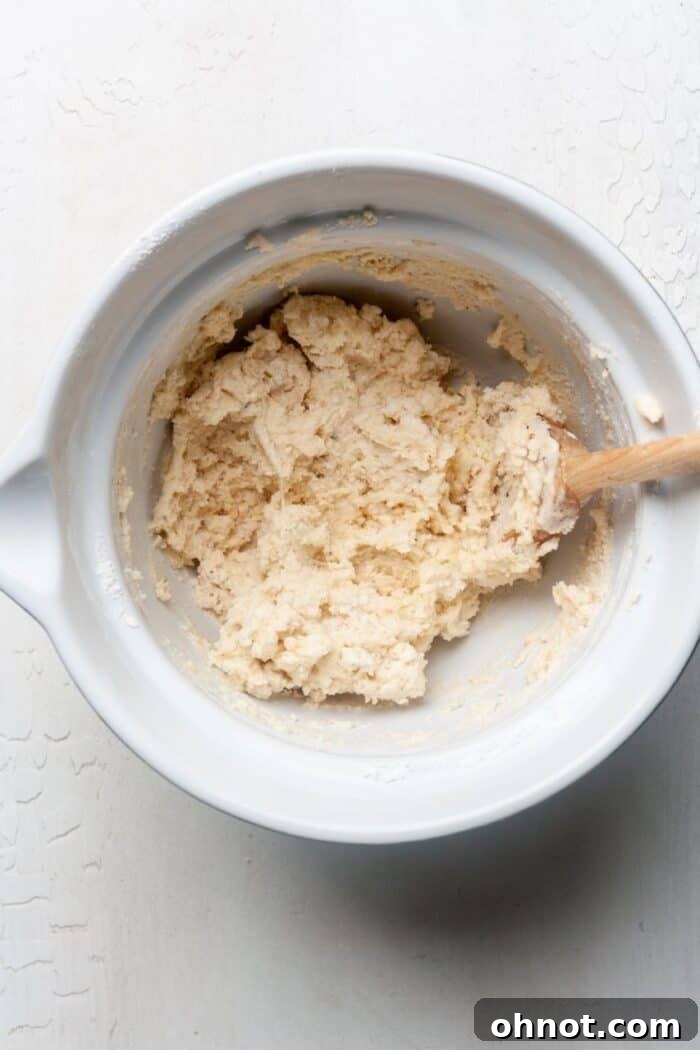
Now, it’s time to introduce the wet ingredients. Add the single egg, ¼ cup of olive oil, and ½ cup of warm water to the bowl with the dry mixture. Stir everything vigorously, either with a sturdy spoon or your hands, until a thick, somewhat sticky dough begins to form. The dough might feel a little tacky, which is perfectly normal for a gluten-free crust. Once the dough comes together, cover the bowl and allow the dough to rest at room temperature for at least 10 minutes. This resting period allows the flours to fully hydrate, resulting in a more pliable and easier-to-handle dough.
Step 4: Prepare for Shaping
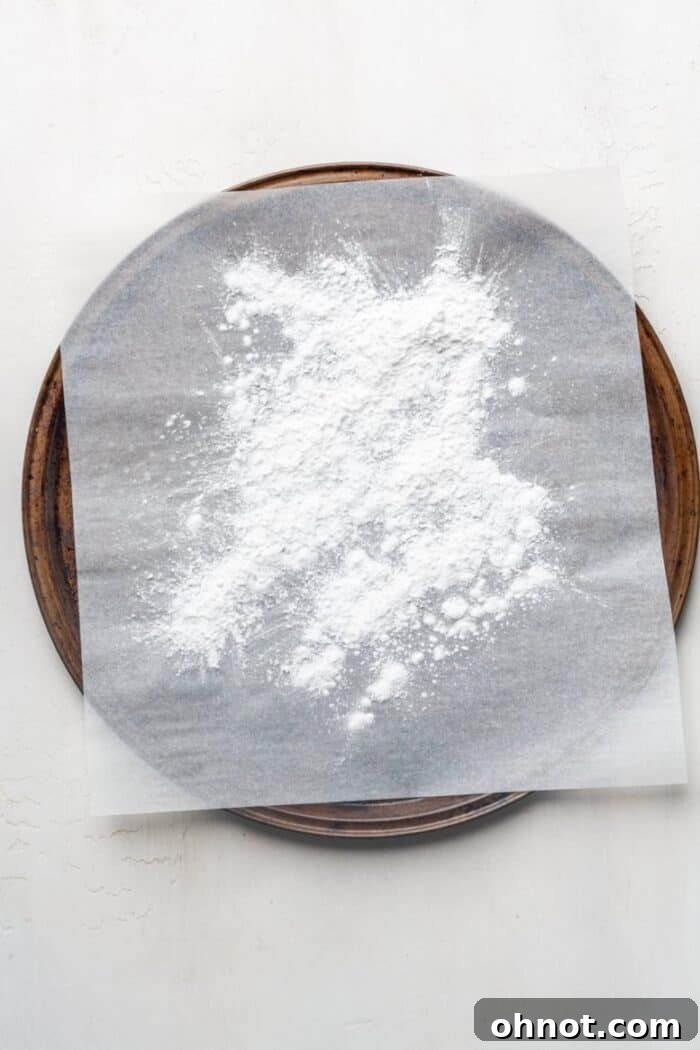
To prevent the dough from sticking, which is common with gluten-free formulations, lightly coat both your hands and the parchment-lined pizza pan with a generous dusting of tapioca flour. This creates a non-stick barrier that will make handling and shaping the dough much easier. Take the rested dough from the bowl and form it into a large, cohesive ball directly on the prepared pan.
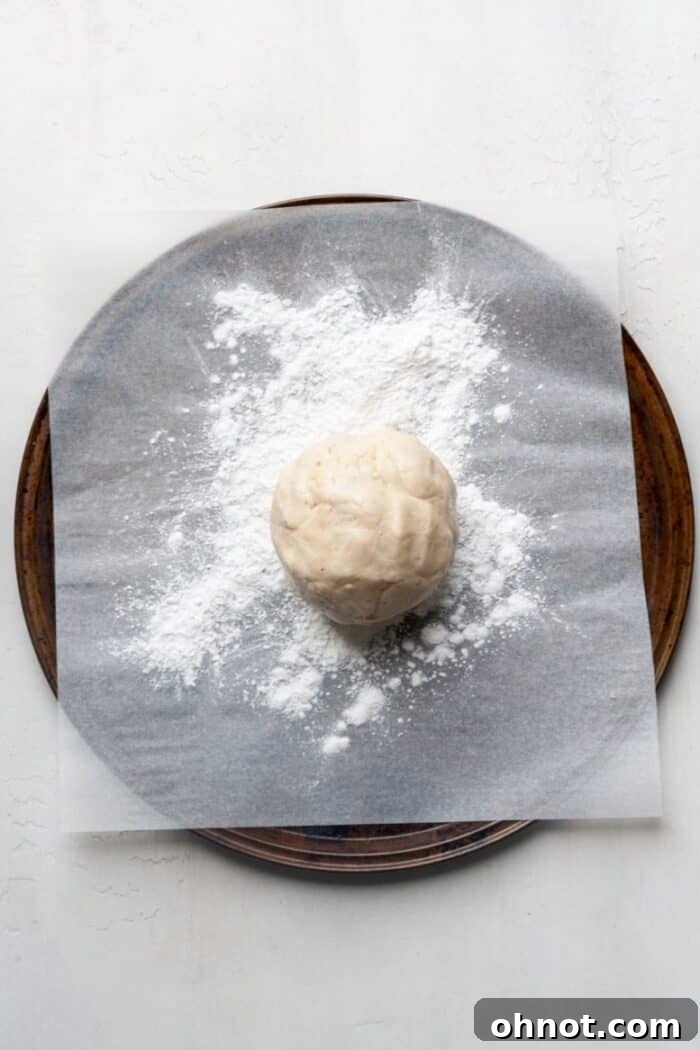
Step 5: Shape the Pizza Crust
With your tapioca flour-dusted hands, begin to gently press and spread the dough outwards from the center, forming a large, even circle. Aim for a crust that is approximately 10 inches in diameter and about ½ inch thick. Work patiently to create a uniform thickness, as this will ensure even baking. Once you’ve achieved your desired shape and thickness, lightly wipe off any excess tapioca flour from the surface of the crust. This prevents any raw flour taste and helps achieve a cleaner bake.
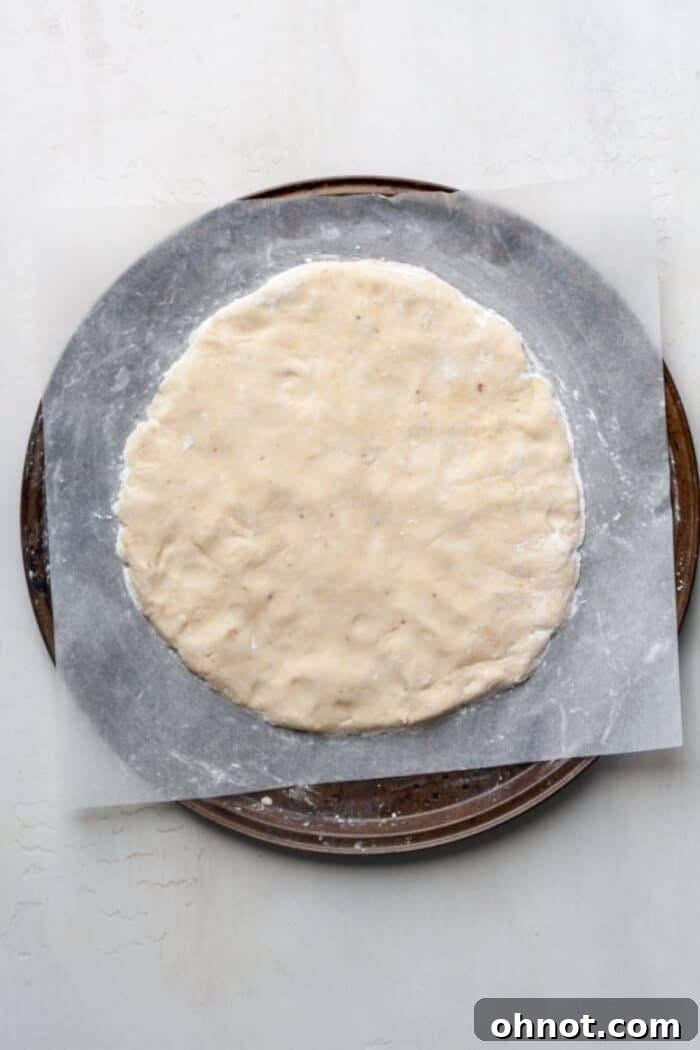
Step 6: Pre-Bake the Crust
For an extra crispy crust, lightly brush the entire surface of the shaped dough with a small amount of olive oil – no more than about 1 teaspoon in total. This step is optional but highly recommended for superior texture. Carefully transfer the pizza pan with the bare Paleo pizza crust to your preheated oven. Bake the crust without any toppings for 15 minutes. This initial bake is crucial for setting the crust, evaporating excess moisture, and giving it that desired crispiness before toppings are added.
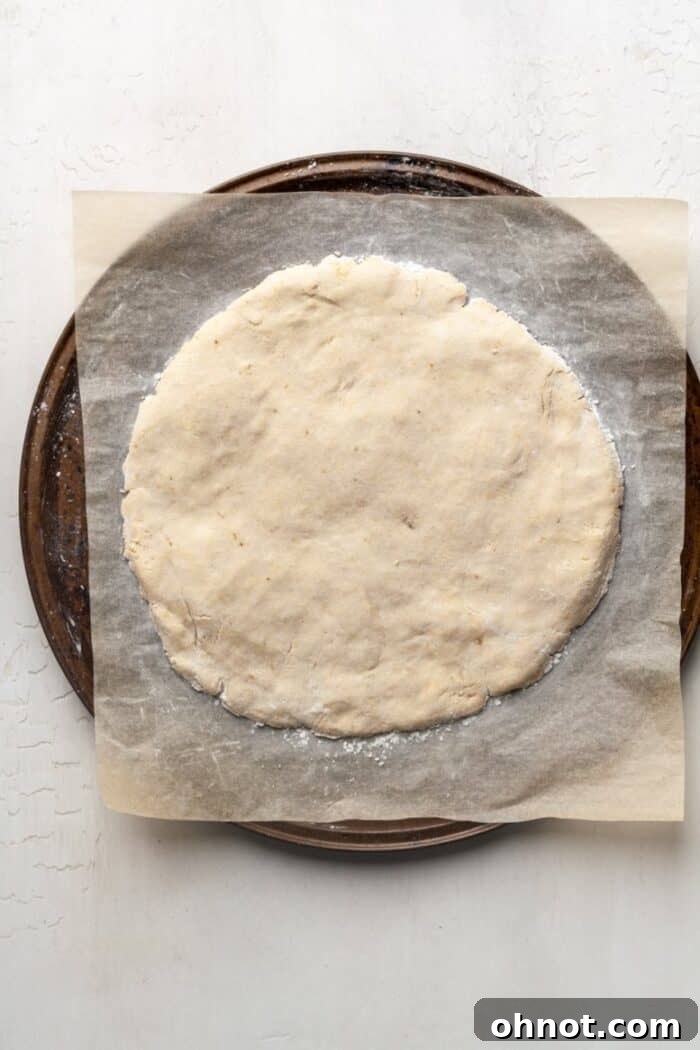
Step 7: Add Toppings and Final Bake
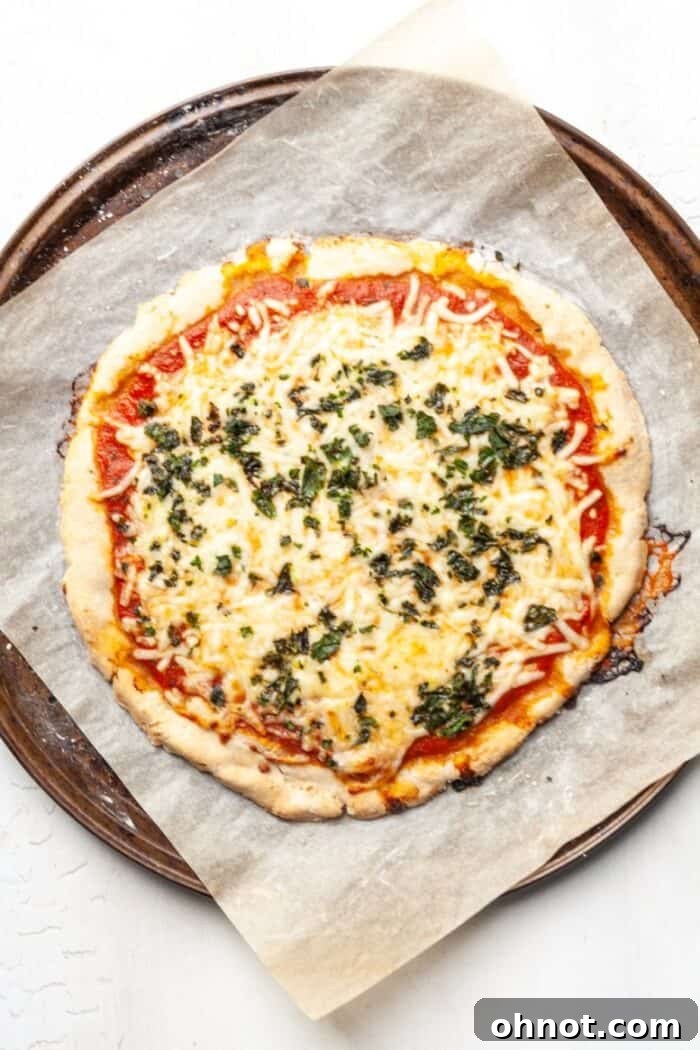
After 15 minutes, carefully remove the partially baked crust from the oven. Now is the time to get creative! Generously spread your favorite pizza sauce over the crust, leaving a small border for the edges. Then, add your chosen dairy-free cheese and any other desired Paleo-friendly toppings. Once adorned, return the pizza to the oven for an additional 7 to 8 minutes. Keep an eye on it – you want the cheese to be melted and bubbly, and the crust to achieve a beautiful golden-brown color and ultimate crispiness.
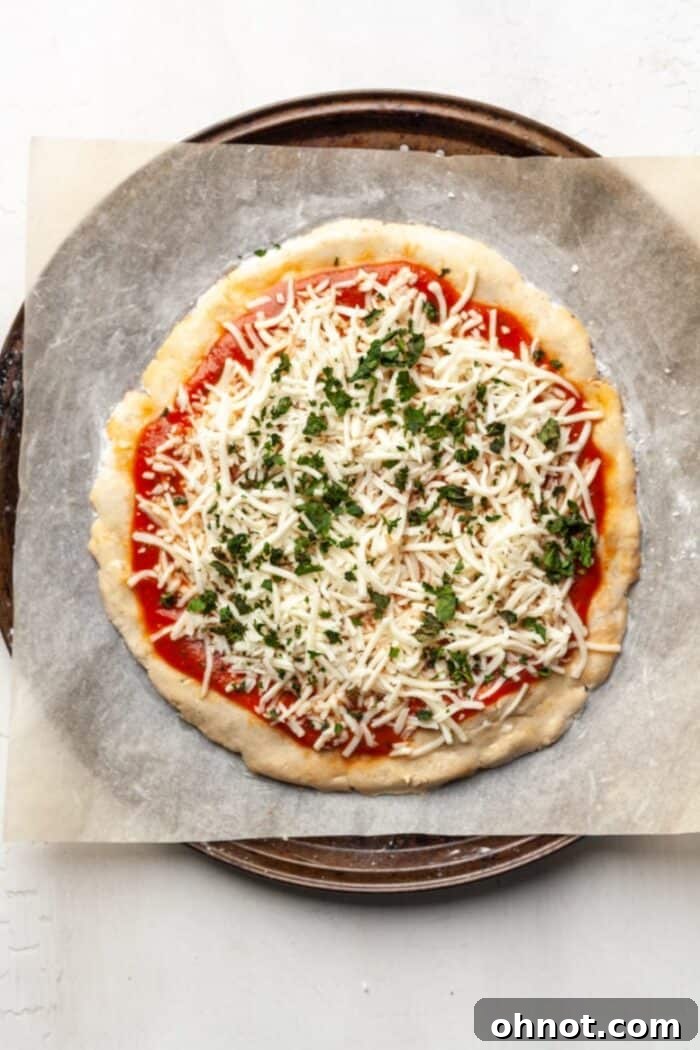
Step 8: Garnish and Serve
Once baked to perfection, carefully remove the pizza from the oven. For an extra touch of freshness and gourmet flavor, consider garnishing with freshly chopped basil, a sprinkle of red pepper flakes for a hint of spice, and a decadent drizzle of balsamic vinegar. Slice, serve immediately, and enjoy your incredible homemade Paleo pizza!
Expert Tips & Tricks for Paleo Pizza Perfection
Achieving a consistently excellent Paleo pizza crust is easy when you keep a few expert tips in mind. These insights will help you navigate common challenges and ensure your crust turns out perfectly every time:
- **Precision is Key:** For the best results, it is highly recommended to follow this recipe exactly as written, especially concerning ingredient measurements and ratios. Paleo baking, particularly with alternative flours, can be sensitive to changes.
- **Embrace Tapioca Flour for Non-Stick:** Gluten-free doughs, especially those using cassava, can be quite sticky. Generously coating both your hands and the pizza pan (or parchment paper) with tapioca flour is your secret weapon against sticking. After the pizza has been formed to your desired shape, gently wipe off any visible excess tapioca flour from the crust to prevent a raw flour taste after baking.
- **The Olive Oil Secret for Crispiness:** Don’t skip brushing the crust with a little olive oil before its initial bake without toppings. This simple step helps the crust achieve a beautiful golden-brown color and significantly contributes to a deliciously crispy texture.
- **Bake Until Golden and Bubbly:** Pay close attention to your pizza during the final baking stage with toppings. The goal is for the dairy-free cheese to be fully melted and slightly bubbly, and for the visible edges of the crust to turn a rich, golden hue. This indicates perfect doneness and optimal crispiness.
- **Consider a Pizza Stone or Steel:** For an even crispier bottom crust, consider preheating a pizza stone or steel in your oven during the preheating phase. Carefully transfer the parchment-lined pizza onto the hot stone/steel for baking. This provides direct, intense heat to the crust, mimicking traditional pizza oven results.
- **For a Quick Weeknight Option:** When time is short, and you need a pizza fix even faster, try this delightful Tortilla Pizza, using a Paleo almond flour tortilla as a shortcut base!
Serving Suggestions & Storage Solutions
This Paleo pizza is best enjoyed piping hot, fresh from the oven! The flavors are most vibrant and the crust texture at its peak right after baking. For a complete and satisfying meal, consider serving your pizza alongside a fresh, crisp side salad. My personal favorites to pair with this pizza include a refreshing Kale Crunch Salad or a hearty Whole30 Brussels Sprouts Salad. Both offer a wonderful contrast in texture and flavor, rounding out your meal perfectly.
If you have any delicious leftovers, you can store slices of this Paleo pizza in an airtight container in the refrigerator for up to 4 days. For longer storage, individual slices can be carefully wrapped and frozen for up to 1 month. To reheat, simply warm slices in your oven at 350°F (175°C) or in an air fryer until they are hot and the crust has regained some of its crispness. Avoid microwaving, as it can make the crust soggy.
Looking to expand your pizza repertoire? You might also enjoy our recipe for a savory Sourdough Pizza Crust for another delicious homemade option.
Delicious & Diverse Paleo Pizza Toppings
One of the most exciting aspects of making your own Paleo pizza is the freedom to customize with a wide array of delicious, compliant toppings. Here’s a comprehensive guide to what you can pile onto your amazing Paleo crust:
- **Proteins (All Meats):** Enjoy a variety of compliant meats to make your pizza hearty and satisfying. Options include grilled or shredded chicken, lean pork sausage, crispy bacon, thinly sliced steak, turkey pepperoni, or even ground beef. Ensure any processed meats are sugar-free and free from non-Paleo additives.
- **Vegetables Galore (All Veggies):** Load up on nutrient-dense vegetables for flavor and color. Think vibrant bell peppers (red, yellow, orange), sweet onions (red or white), earthy mushrooms, fresh spinach or kale, sliced black olives, tangy jalapeños, sun-dried tomatoes, or even roasted broccoli florets. The more colorful, the better!
- **Flavorful Sauces:** Beyond traditional red pizza sauce (ensure it’s sugar-free), explore other Paleo-friendly options like our homemade AIP Pesto, a zesty buffalo sauce (check ingredients), or a smoky BBQ sauce (ensure no added sugars or non-compliant ingredients).
- **Healthy Fats & Aromatics:** Don’t forget the finishing touches! Fresh garlic cloves, a drizzle of high-quality olive oil, a splash of tangy balsamic vinegar, and an assortment of fresh or dried herbs and spices like oregano, basil, thyme, or red pepper flakes can elevate your pizza to gourmet status.
- **Dairy-Free Cheese Alternatives:** While traditional dairy cheese isn’t Paleo, many excellent dairy-free cheese alternatives are available that melt beautifully. Look for options made from nuts or other plant-based ingredients that align with your dietary preferences.
Frequently Asked Questions About Paleo Pizza
Traditional pizza, with its grain-based crust, dairy cheese, and often processed toppings, is generally not allowed on a strict Paleo diet. However, this recipe offers a fantastic Paleo-compliant alternative by utilizing grain-free flours, an egg binder, healthy fats, and dairy-free options for toppings, allowing you to enjoy pizza while staying true to your dietary principles.
Absolutely! This recipe is a prime example of a delicious pizza that is both gluten-free and dairy-free. By using flours like cassava and tapioca, and opting for dairy-free cheese alternatives, it’s entirely possible to create a pizza that caters to these specific dietary needs without sacrificing taste or texture. You can enjoy all the classic pizza flavors without the common allergens.
Yes, yeast is generally considered Paleo. It’s a single-celled fungus, not a grain, and is naturally occurring. However, this particular Paleo pizza crust recipe does not call for yeast. It relies on the egg and the properties of cassava and tapioca flour to achieve its structure and texture, making it a yeast-free option for those who might prefer it or have sensitivities.
This crust is Paleo-compliant because it strictly avoids grains (like wheat, corn, rice), legumes, dairy, and refined sugars. Instead, it utilizes cassava and tapioca flours, which are derived from the cassava root and are acceptable on a Paleo diet. It uses eggs as a natural binder and healthy fats like olive oil, aligning with ancestral eating principles.
While the dough is best used after its 10-minute rest, you can pre-bake the crust without toppings and store it. Once cooled, wrap the pre-baked crust tightly in plastic wrap and refrigerate for up to 2-3 days, or freeze for up to a month. When ready to use, simply thaw (if frozen), add toppings, and bake as directed.
Cassava flour can absorb liquids differently based on brand and humidity. If your dough is too sticky to handle, add a very small amount (1 tablespoon at a time) of tapioca flour until it’s more manageable. If it’s too dry and crumbly, add warm water, also 1 tablespoon at a time, until a cohesive, slightly sticky dough forms. The key is to add slowly and mix thoroughly between additions.
You May Also Love These Recipes
If you enjoyed this Paleo pizza crust, you’ll surely love exploring more of our wholesome and delicious recipes designed for a healthy lifestyle:
- Whole30 Pizza Potato Skins: A creative and satisfying take on pizza, perfect for Whole30 and Paleo diets.
- Cassava Flour Brownies (Paleo & Nut Free): Indulge in rich, fudgy brownies that are both Paleo-friendly and suitable for those with nut allergies.
- Cassava Flour Cookies (Nut Free & Paleo): Delicious and chewy cookies made with cassava flour, perfect for a guilt-free sweet treat.
- Whole30 Turkey Meatballs: A versatile and flavorful recipe for healthy, protein-packed meatballs that fit your Whole30 plan.
- AIP Meatballs: Specially crafted meatballs suitable for the Autoimmune Protocol (AIP) diet, made without eggs.
We hope you cherish this Paleo pizza crust recipe as much as we do! If you make it, we would absolutely love for you to leave a review and share your experience. You can also connect with us and see more behind-the-scenes on Instagram, Facebook, and Pinterest. Your support helps this blog continue to grow, and we would be thrilled to have you follow along!

Get the Recipe:
Paleo Pizza Crust (Gluten Free, Dairy Free)
Pin Recipe
Ingredients
Paleo Pizza Crust
- ¾ cup cassava flour
- ½ cup tapioca flour, or arrowroot starch
- 1 tsp sea salt
- ½ tsp garlic powder
- 1 egg
- ¼ cup olive oil
- ½ cup warm water
Toppings
- 1 cup pizza sauce
- 1 cup dairy free cheese
- chopped basil, optional
- red pepper flakes, optional
- drizzle balsamic vinegar, optional
Instructions
-
First, preheat oven to 425 degrees Fahrenheit (218°C). Line a pizza pan with parchment paper, optionally dusting it lightly with tapioca flour.
-
In a large mixing bowl, combine the cassava flour, tapioca flour, sea salt, and garlic powder. Stir these dry ingredients thoroughly until well mixed.
-
Next, add in the egg, olive oil, and warm water. Stir until a thick, sticky dough forms. Allow the pizza dough to rest at room temperature for 10 minutes to hydrate the flours.
-
Spread about 2 tablespoons of tapioca flour onto your parchment-lined pan. Also, lightly coat your hands with tapioca flour to prevent sticking.
-
On the prepared pan, form a large ball with the dough. Use your hands to press the dough outwards into a large, even circle, approximately 10 inches wide and ½ inch thick. Wipe off any excess tapioca flour from the crust surface. Brush a little olive oil (about 1 tsp) all over the crust for extra crispiness.
-
Bake the bare pizza crust (without toppings) in the preheated oven for 15 minutes.
-
Remove the partially baked pizza crust from the oven. Evenly add your chosen pizza sauce, dairy-free cheese, and any other desired toppings. Return the pizza to the oven for another 7 to 8 minutes, or until the cheese has melted and the crust is golden and crispy.
-
Finally, remove the pizza from the oven. Garnish with fresh chopped basil, a sprinkle of red pepper flakes, and a balsamic drizzle if desired. Slice and serve immediately.
Notes
- For visual guidance, refer to the step-by-step photos included within the blog post above.
- I strongly advise against substituting cassava flour in this recipe. It has unique properties crucial for the crust’s texture and will not work well with almond flour or coconut flour, which behave very differently.
- The egg is a vital binding agent in this recipe, contributing significantly to the crust’s structure and consistency. Please do not attempt to replace it with a vegan egg alternative, as the results will likely not be satisfactory.
- To effectively prevent the dough from sticking, generously coat both your hands and the parchment paper lining the pizza pan with tapioca flour. This makes handling and shaping much easier.
- Continue baking the pizza (after adding toppings) until the dairy-free cheese is fully melted and bubbly, and the crust has achieved your preferred level of crispiness and a golden-brown color.
- To freeze individual portions, slice the baked pizza into individual servings once completely cooled. Wrap each slice tightly in plastic wrap, then place in a freezer-safe bag or container for up to 1 month. Reheat from frozen in the oven or air fryer.
- For dairy-free cheese, I’ve had the best success and flavor with Vevan Vegan cheese, but please feel free to use your favorite brand that aligns with your dietary needs.
Love this Paleo pizza crust recipe and want more healthy meal ideas delivered straight to your inbox? You can sign up here to receive exclusive new recipes, healthy meal plans, and updates directly from the blog! Join our community of wellness-focused food lovers today.