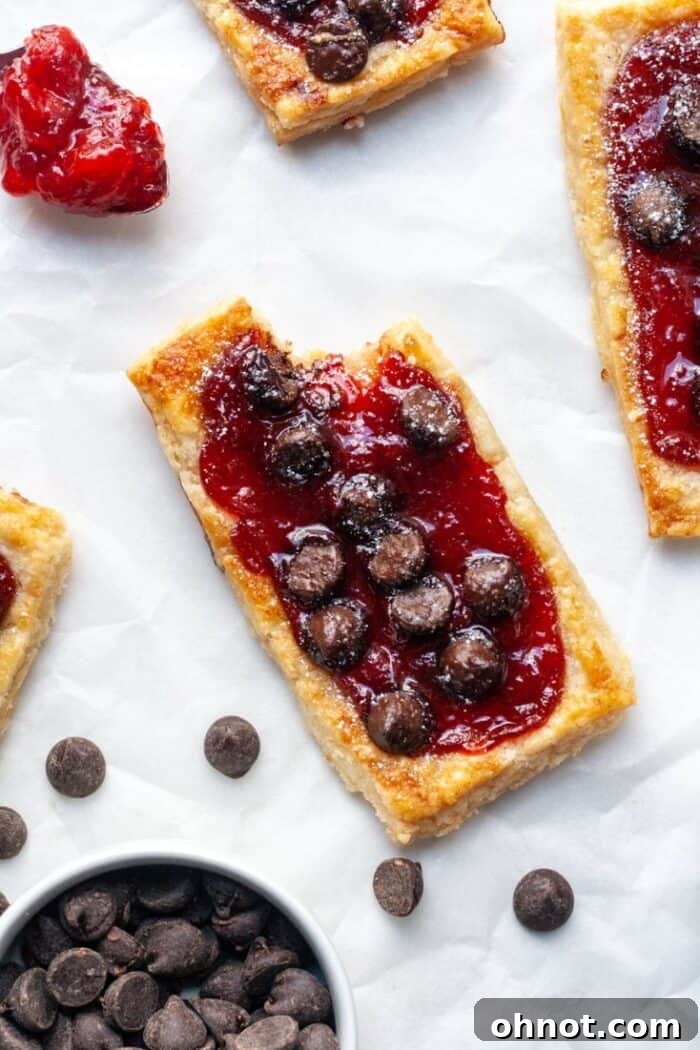
Homemade Gluten-Free Puff Pastry: Your Ultimate Guide to Flaky Perfection
Imagine golden, flaky layers of pastry, light as air and rich with buttery flavor, all made from scratch and completely gluten-free. This isn’t just a dream – it’s the reality you can create with our incredible gluten-free puff pastry recipe! Whether you’re craving sweet delights or savory masterpieces, this versatile dough is your secret weapon for baking impressive treats that will captivate everyone, especially during holidays and special gatherings. Say goodbye to the struggle of finding quality gluten-free puff pastry in stores and hello to homemade perfection.
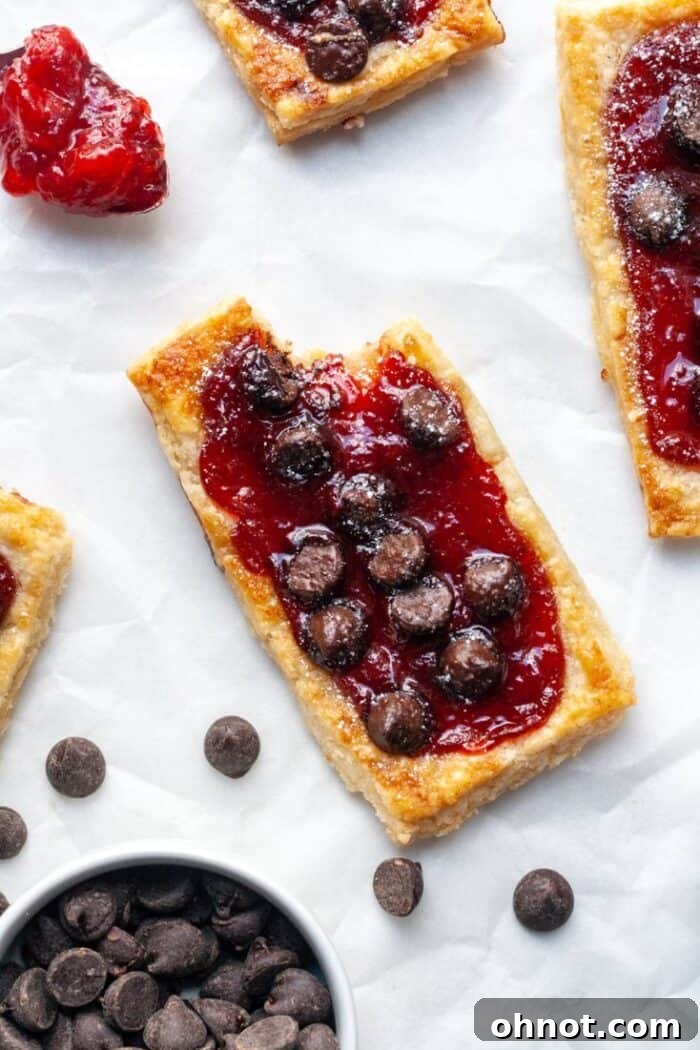
Why You’ll Adore This Gluten-Free Puff Pastry
Crafting homemade gluten-free puff pastry might sound intimidating, but this recipe is designed for success and delivers results that will make you wonder why you ever bought it. Here’s why this recipe will become a staple in your kitchen:
- Unparalleled Buttery Richness: Each bite bursts with a luxurious, deep butter flavor that is simply irresistible. This is not just any pastry; it’s a truly indulgent experience.
- Magnificent Flaky Texture: The magic lies in the countless delicate layers that puff up beautifully during baking, creating a light, airy, and crispy texture that melts in your mouth.
- Perfect for Festive Occasions: Whether it’s for holiday breakfasts, elegant desserts, or special entertaining, this puff pastry elevates any dish. It’s as impressive as our Gluten Free Pie Crust, but with its own unique charm.
- Incredibly Versatile: From sweet fruit tarts and turnovers to savory quiches and appetizer bites, this dough is a blank canvas for your culinary imagination.
- Effortless Food Processor Method: Forget the tedious hand-mixing! This dough comes together quickly and efficiently in your food processor, making the process much simpler than traditional methods.
- Naturally Gluten-Free: Specifically developed for those with gluten sensitivities or preferences, ensuring everyone can enjoy these delightful treats.
- Sugar-Free Dough Base: The dough itself is made without added sugar, providing a neutral foundation that can be adapted for both sweet and savory fillings without competing flavors.
- Creative Filling Opportunities: Explore endless possibilities for fillings. For a sweet treat, try this homemade Sugar Free Jelly or melted dark chocolate.
Essential Ingredients & Key Substitutions Insights
Achieving the perfect gluten-free puff pastry relies on a precise balance of ingredients and strict adherence to the recipe. For this reason, I strongly advise against making any substitutions for the core dough components.
Very Cold Butter: The Heart of Flakiness
The secret to puff pastry’s signature flaky texture begins with very cold butter. Cold butter helps create distinct layers within the dough by preventing it from fully incorporating with the flour. As the pastry bakes, the water content in the butter turns to steam, pushing the layers apart and creating that incredible puff. Ensure your butter is sliced directly from the fridge into small cubes. For optimal results, I do not recommend using dairy-free or vegan butter substitutes, as their different fat content and melting points can significantly alter the dough’s structure and flakiness.
Gluten-Free 1-to-1 Flour: The Right Foundation
For gluten-free baking, a high-quality 1-to-1 gluten-free flour blend is essential. These blends are specifically formulated to mimic the properties of all-purpose flour and often contain xanthan gum, which acts as a binder, providing elasticity and structure usually supplied by gluten. If you are not gluten-free, traditional all-purpose flour will work perfectly. Always check that your chosen gluten-free flour blend includes xanthan gum for the best texture and structure in your puff pastry.
A Pinch of Salt: Enhancing Flavor
Salt plays a small but significant role, enhancing the overall flavor of the pastry and balancing the richness of the butter. If you are using salted butter, you might only need to add a small pinch, or omit it altogether, depending on your preference. However, if using unsalted butter, the specified amount of salt is crucial for a well-rounded taste.
Icy Cold Water: Binding and Steaming Agent
Just like cold butter, very cold water is critical for this dough. It helps keep the butter solid during mixing and contributes to the steam that creates those beautiful layers. To guarantee your water is sufficiently cold, I recommend placing an ice cube in a measuring cup with the desired amount of water. Let it sit for a few minutes, then remove the ice cube before measuring out exactly ¼ cup of water to add to your food processor. This simple step ensures maximum flakiness.
The Egg Wash: For a Golden, Crispy Finish
The final touch before baking is an egg wash, which is paramount for achieving a beautifully golden-brown and crispy exterior. This step should not be skipped. The egg wash not only adds color but also contributes to the pastry’s enticing sheen and texture. If your pastries are destined for a sweet filling, consider sprinkling a little granulated sugar on top of the egg wash before baking to add an extra layer of sweetness and sparkle.
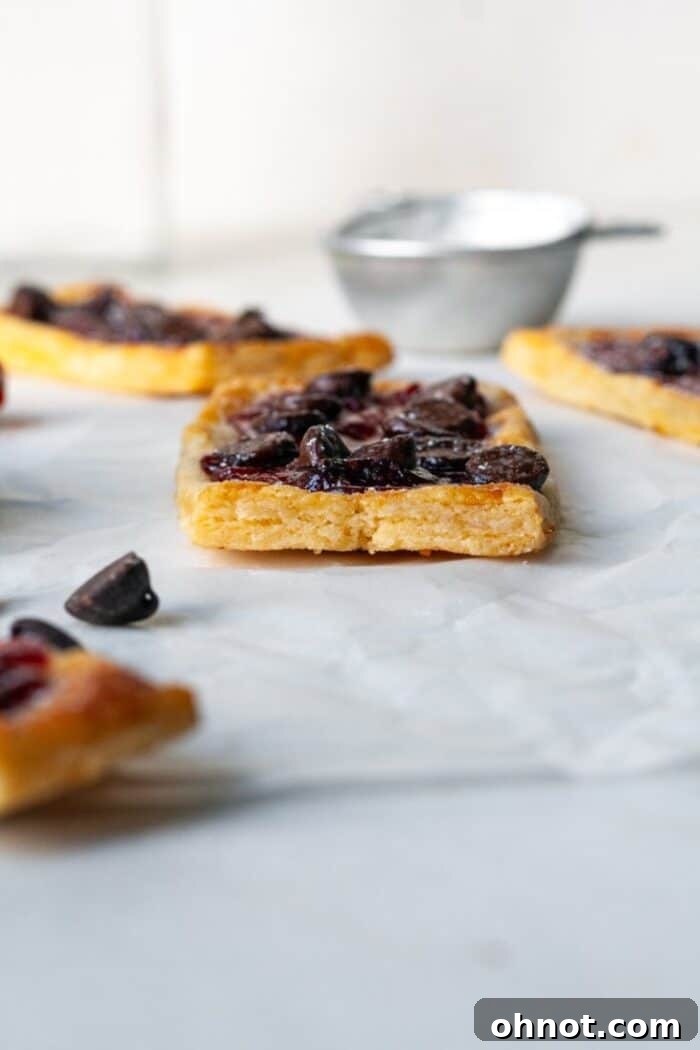
Taste & Texture Profile of Our Gluten-Free Puff Pastry
This homemade gluten-free puff pastry delivers a robust, rich buttery flavor that forms the perfect foundation for any filling. While the pastry itself is undeniably delicious, its primary purpose is to complement and enhance the flavors of whatever sweet or savory ingredients you choose to pair it with. For instance, when filled with vibrant jelly or decadent dark chocolate, these become the dominant flavor notes, beautifully encased within a rich, tender pastry.
The texture is where this puff pastry truly shines. It boasts an exquisitely flaky and light quality, characterized by numerous delicate layers of dough that separate and crisp up during baking. This creates a satisfying crunch on the outside, giving way to a soft, airy interior, making every bite an absolute pleasure.
What Exactly is Puff Pastry? Understanding the Magic
Puff pastry, known as pâte feuilletée in French, is a light, flaky, unleavened pastry made through a meticulous process of lamination. Essentially, it’s a delicate dough intertwined with layers of butter, repeatedly folded and rolled out to create hundreds of distinct, thin layers.
The magic happens during baking. As the pastry heats in the oven, the water content in the butter layers turns into steam. This steam becomes trapped between the dough layers, causing them to lift and separate dramatically, creating those characteristic “puffed” spaces. The result is an incredibly airy, crispy, and utterly delicious pastry that is neither sweet nor savory on its own, making it wonderfully adaptable to a myriad of culinary applications.
Unlike other pastries that use leavening agents like yeast or baking powder, puff pastry relies solely on steam to achieve its rise and volume. This unique process produces a texture that is simultaneously tender and crisp, dissolving delicately on the palate with a rich, buttery aftertaste.
How to Make Homemade Gluten-Free Puff Pastry: A Detailed Guide
Making puff pastry at home is a rewarding experience, especially when you achieve those beautiful, golden layers. This recipe simplifies the process using a food processor while maintaining the authentic flaky texture.
Step 1: Combine Dry Ingredients and Cold Butter
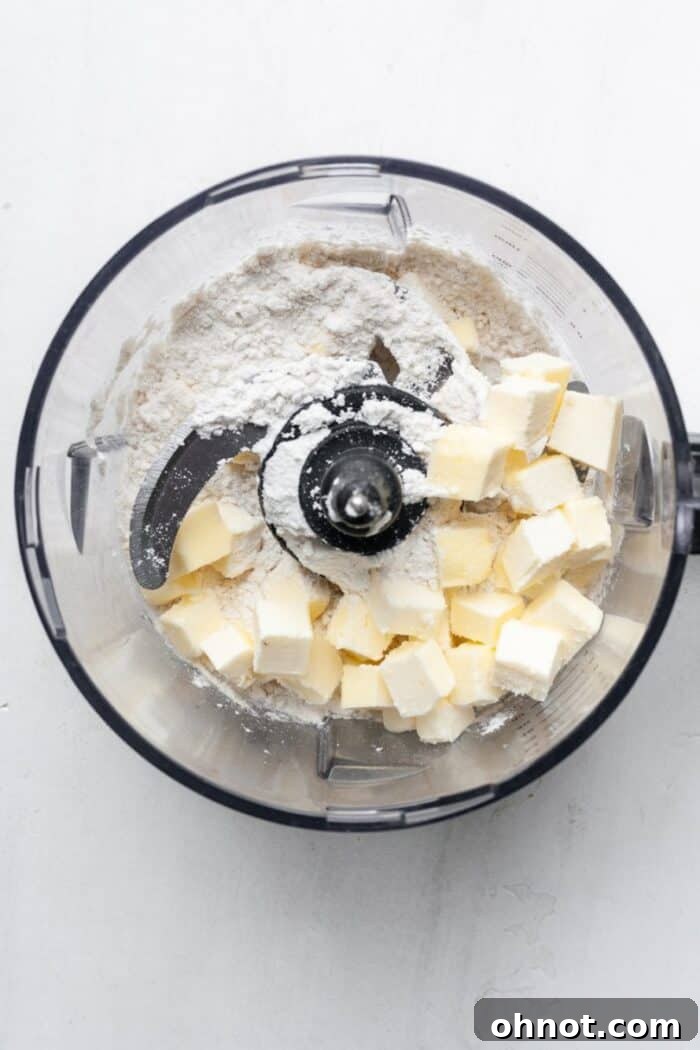
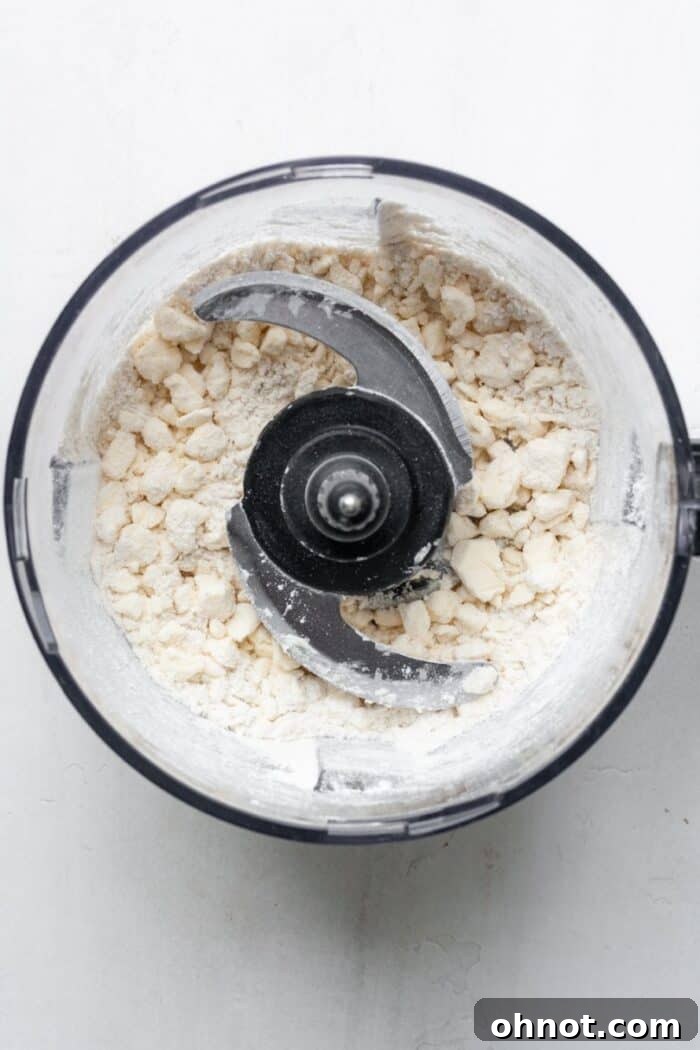
Begin by adding your very cold, cubed butter, gluten-free 1-to-1 flour, and salt into the bowl of your food processor. It’s crucial that the butter is as cold as possible to prevent it from fully blending with the flour, which is key for creating distinct layers. Pulse the mixture 4 to 5 times. You’re looking for a crumbly texture where the butter pieces are roughly pea-sized, distributed throughout the flour. Avoid over-processing at this stage; we want distinct pieces of butter, not a smooth mixture.
Step 2: Incorporate Icy Cold Water
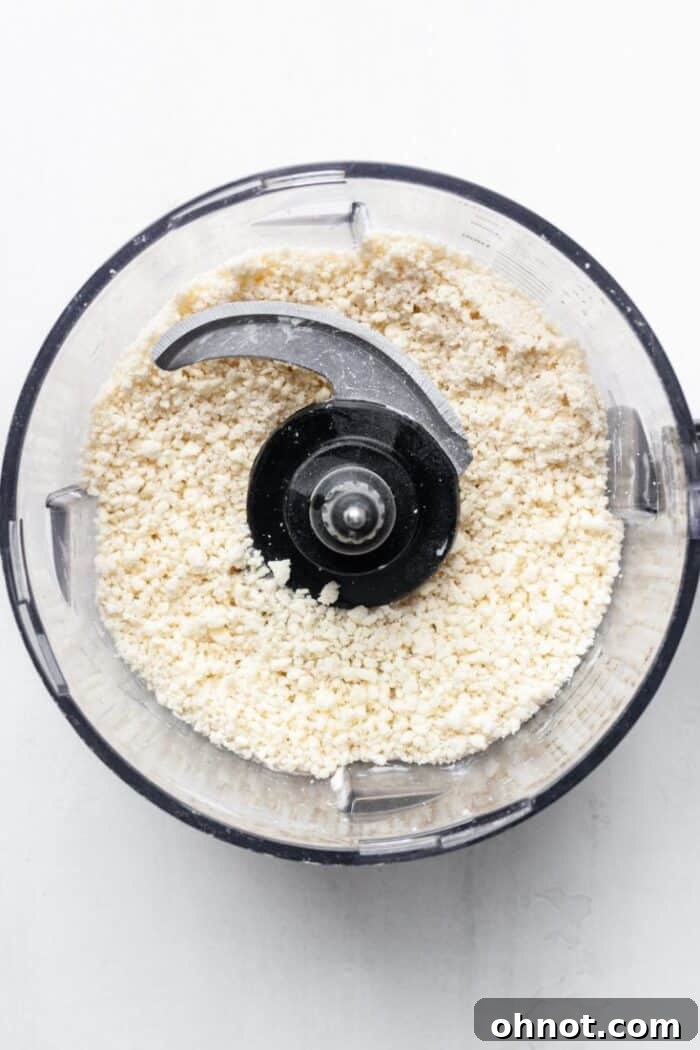
Next, carefully add the icy cold water to the food processor. Cold water further helps to keep the butter from melting and develops a shaggy, crumbly dough. Pulse another 4 to 5 times. The mixture should still be very crumbly, but you should notice it starting to come together into a more cohesive, albeit loose, mass. Do not overmix; we’re not aiming for a smooth dough yet.
Step 3: Form the Dough Ball
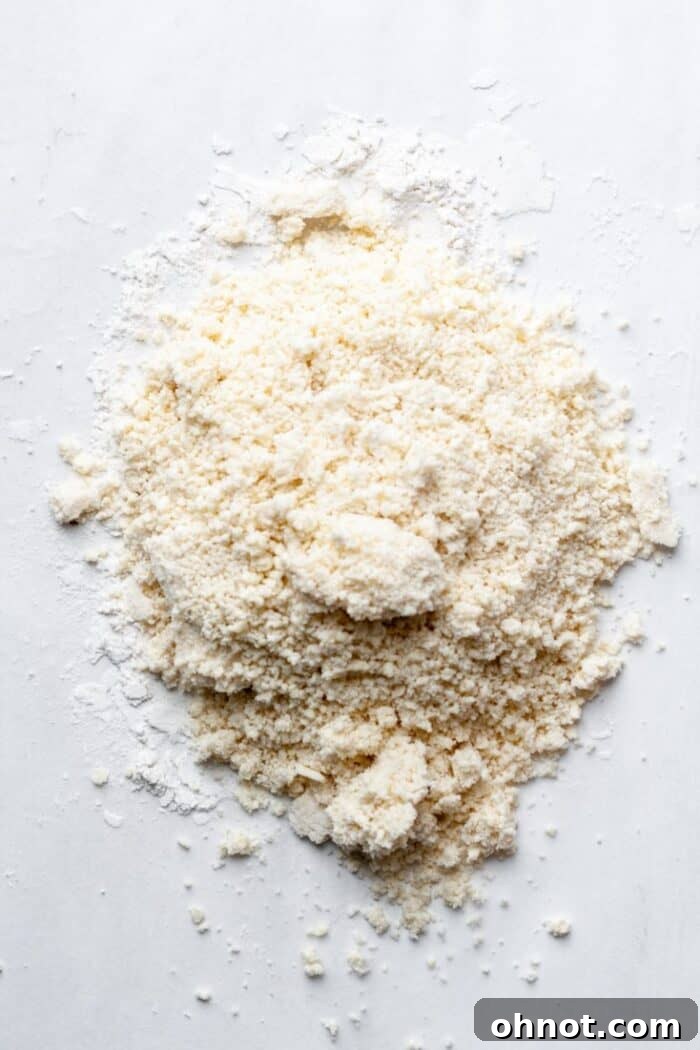
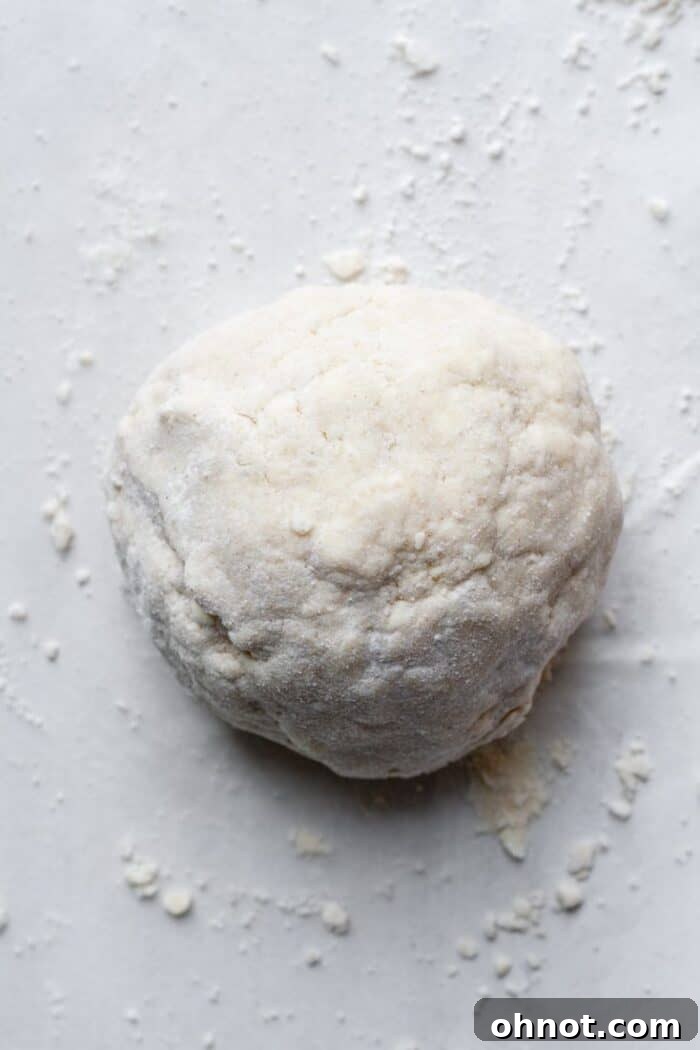
Lightly flour a clean countertop or a large pastry mat and your rolling pin. Carefully pour the crumbly dough mixture onto the floured surface. Using your hands, gently press and gather the crumbles together to form one large, cohesive ball of dough. This process should be quick, using the warmth of your hands minimally to avoid melting the butter. The dough might still appear slightly shaggy, but it should hold its shape.
Step 4: The Initial Folds and Lamination
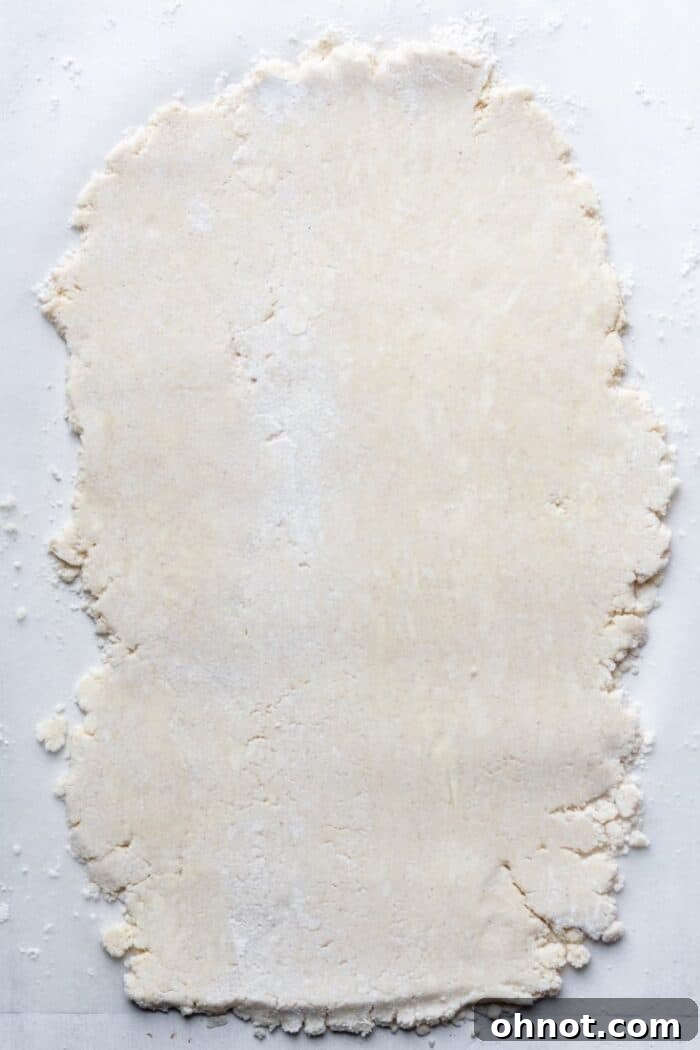
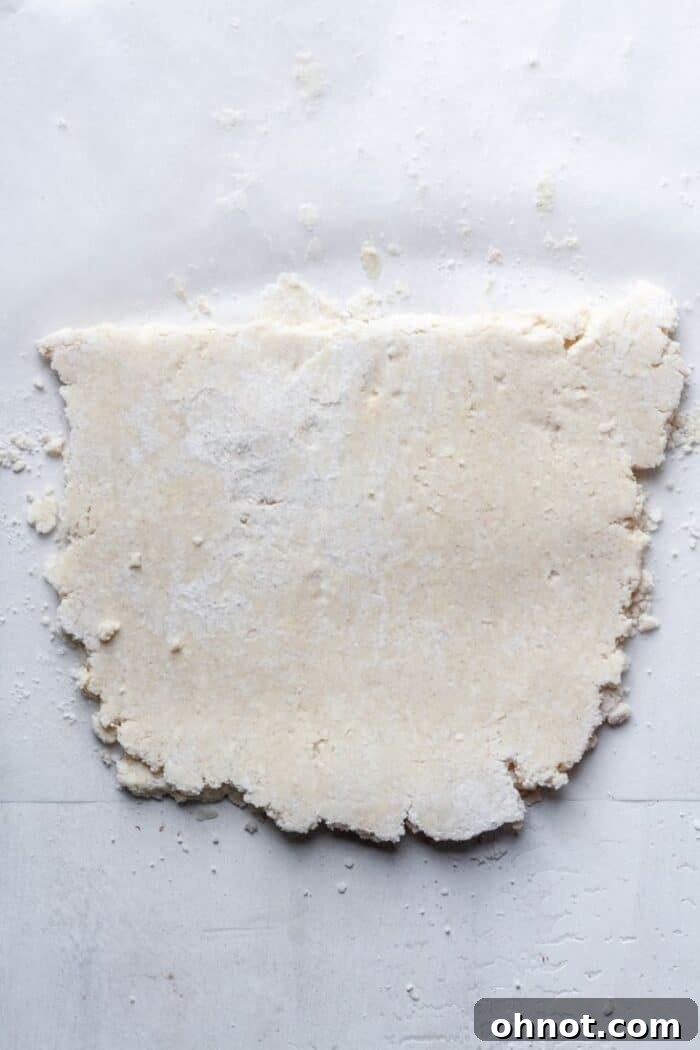
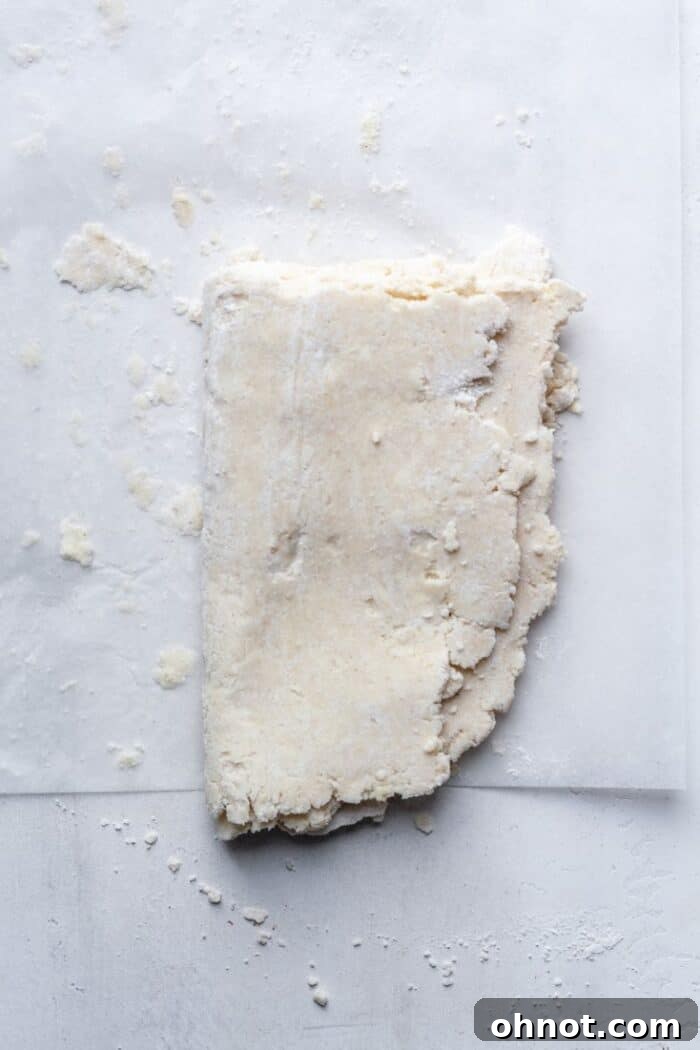
Using your floured rolling pin, roll the dough out into a rectangle, approximately ¼ to ½ inch thick. Work quickly to keep the butter cold. Once you have your rectangle, perform the first series of folds: fold the dough in half lengthwise, bringing one short end to meet the other. Then, fold it in half again, bringing the folded edge to meet the opposite edge. This process helps to create the initial layers that will become the signature puff. Don’t worry if it’s not perfectly neat; the chilling step will help.
Step 5: Chill the Dough
Carefully wrap the folded dough tightly in plastic wrap. Place it in the refrigerator and chill for at least 2 hours. This chilling period is crucial: it allows the butter to re-solidify, the gluten-free flour to hydrate, and the dough to relax, making it easier to roll out without tearing.
Step 6: Prepare for Baking
After the dough has chilled, remove it from the fridge. Preheat your oven to 375 degrees Fahrenheit (190 degrees Celsius). While the oven preheats, line a large baking sheet with parchment paper. This prevents sticking and ensures even baking.
Step 7: Temper and Roll the Dough
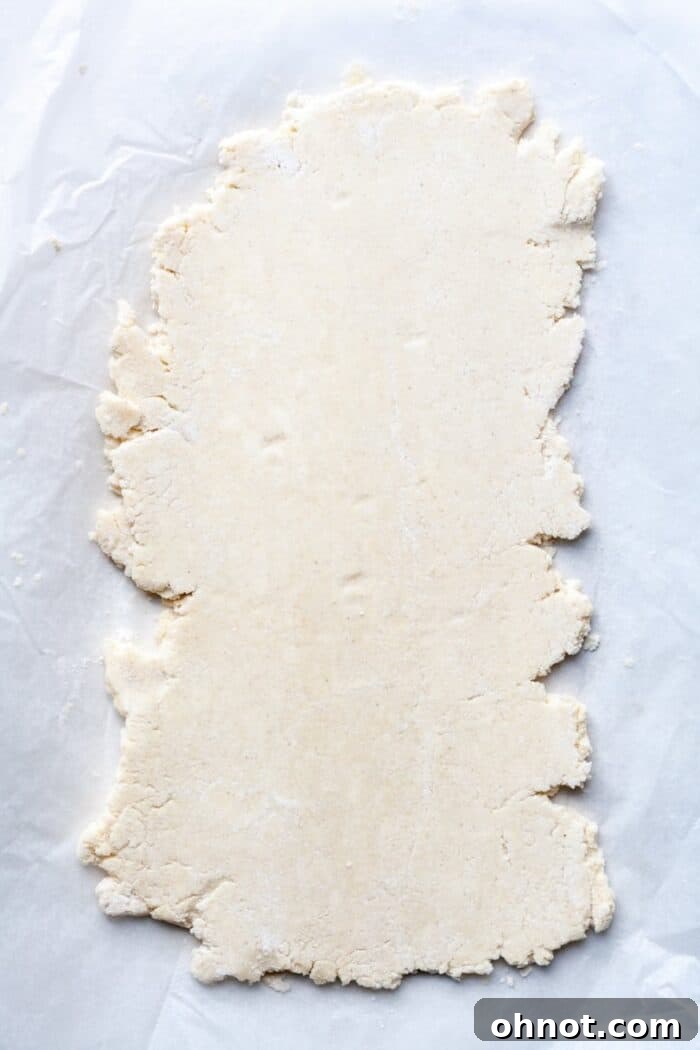
Allow the chilled dough to sit at room temperature for approximately 20 minutes before attempting to roll it out. This “tempering” step makes the dough more pliable. Lightly flour your countertop and rolling pin again. Roll out the dough into a large rectangle. If the dough resists or starts to break and crack significantly, it’s still too cold. Let it rest for another 10 to 15 minutes at room temperature, then try rolling again. Patience is key here for a smooth roll and beautiful layers.
Step 8: Shape Your Pastries
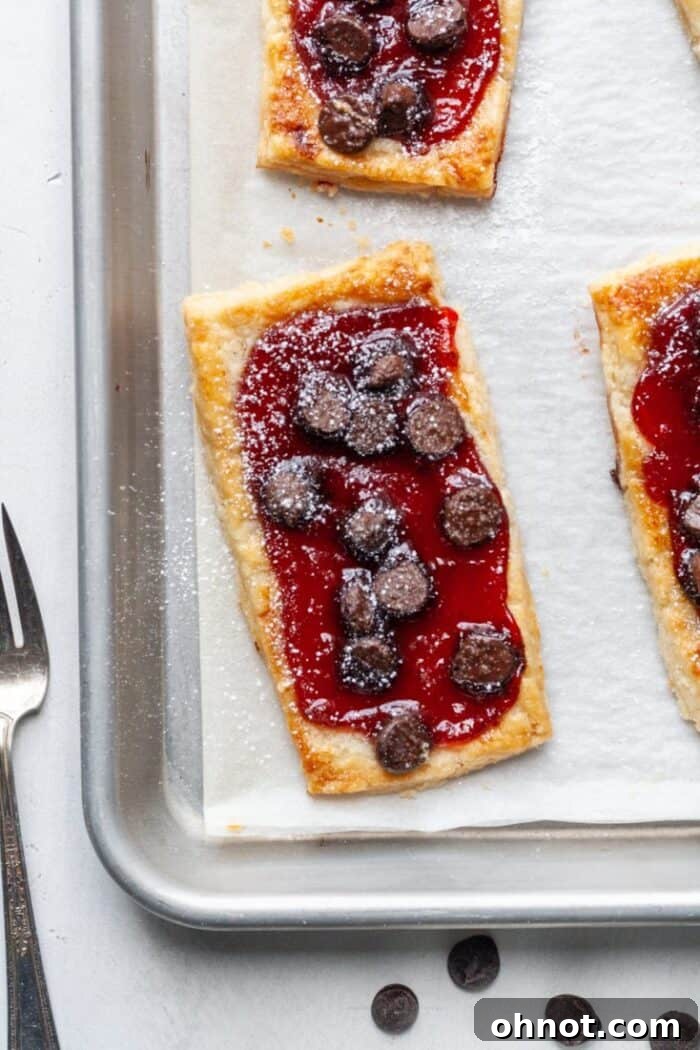
Once the dough is rolled out to your desired large rectangle, it’s time to cut it into your chosen shapes. For smaller pastries, a pizza cutter works exceptionally well for clean, straight edges. I opted for smaller rectangles for this demonstration. Carefully transfer your cut pastry shapes onto the parchment-lined baking pan, ensuring they are spaced adequately to allow for puffing.
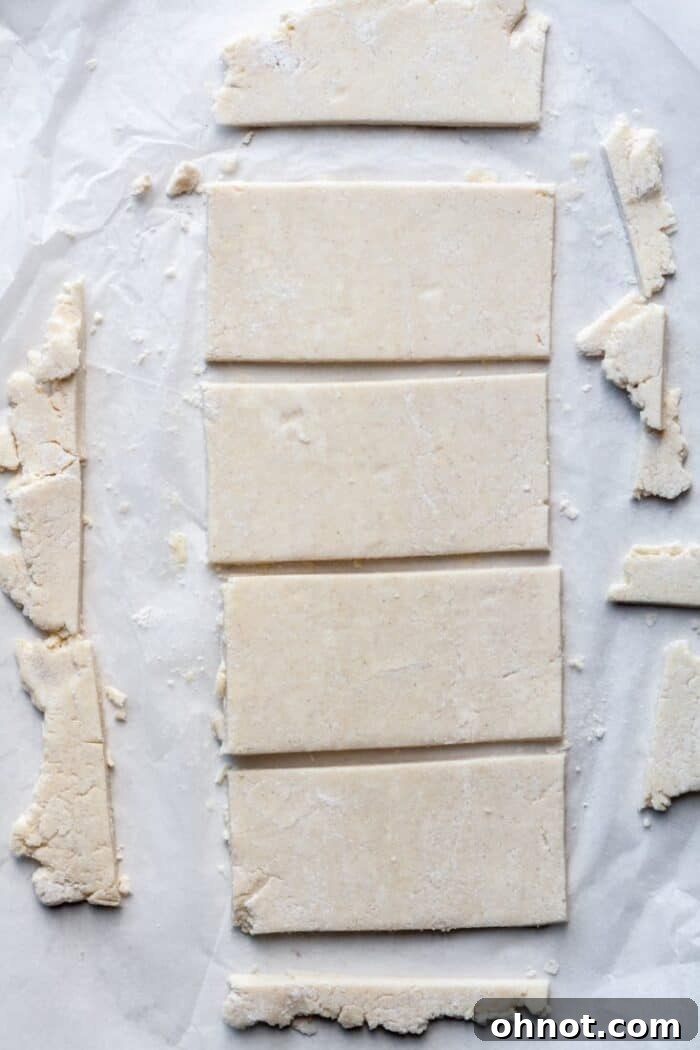
Step 9: Add Desired Fillings/Toppings
Now for the fun part! Add your desired sweet or savory fillings and toppings to the center of each pastry. Be sure to leave approximately ½ inch clear space around the edges. This border is essential for applying the egg wash and allows the pastry edges to puff up without hindrance, creating a beautiful frame for your filling.
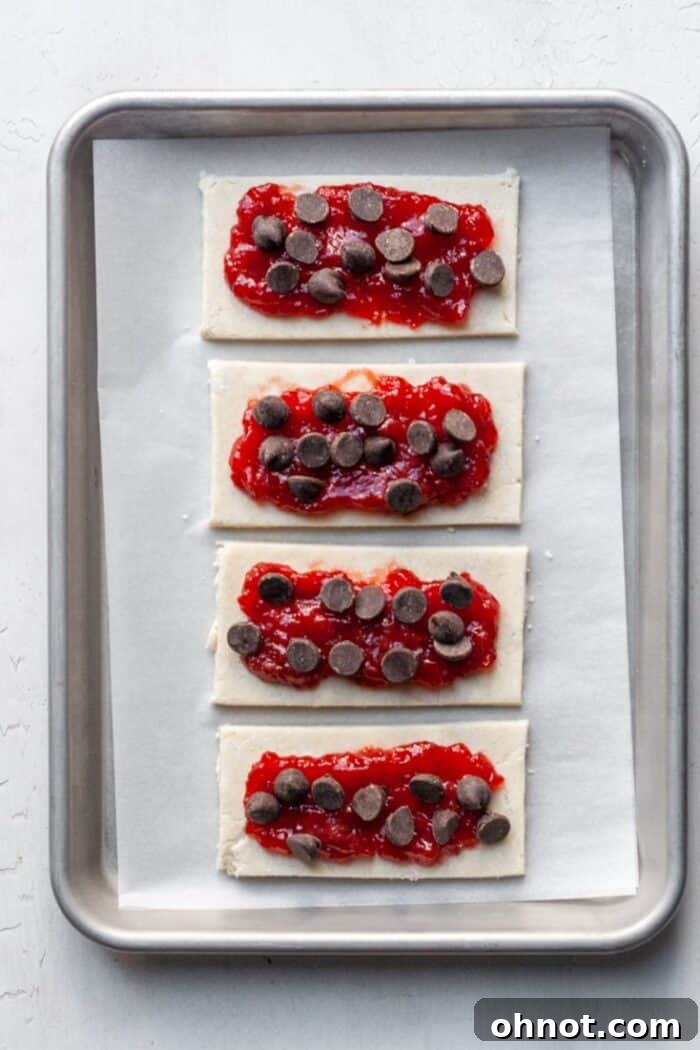
Step 10: Apply the Egg Wash
In a small bowl, whisk one egg until thoroughly combined. This is your egg wash. Using a pastry brush, gently brush the egg wash onto the ½ inch border around the edges of each pastry. This step is key for achieving that beautiful golden-brown, crispy crust. If you’re making sweet pastries, feel free to sprinkle a light dusting of granulated sugar over the egg-washed edges for an extra sweet crunch and sparkle.
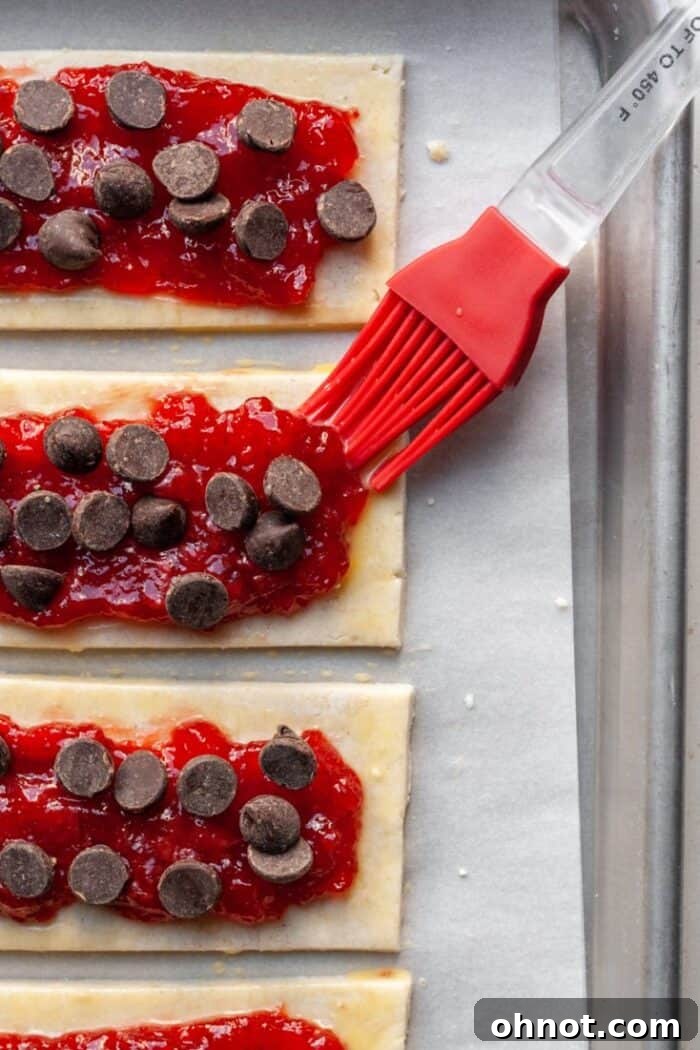
Step 11: Bake to Golden Perfection
Place the baking sheet with your pastries into the preheated oven. Bake for 16 to 18 minutes. The exact baking time may vary slightly depending on the size and thickness of your pastry shapes, as well as your specific oven. Bake until the edges are beautifully golden brown and crispy, and the pastry has visibly puffed up. Keep a close eye on them during the final minutes to prevent over-browning.
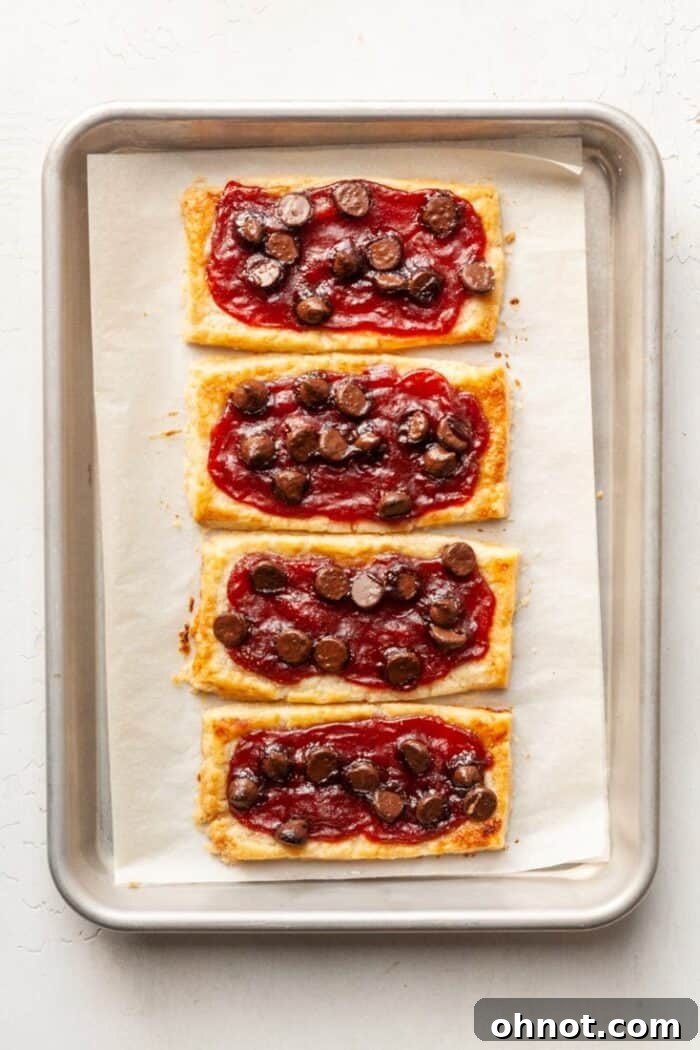
Step 12: Cool and Serve
Once baked, carefully remove the pastries from the oven. Allow them to cool on the baking sheet for at least 10 minutes before transferring them to a wire rack or serving. This cooling period helps them set and prevents them from collapsing, ensuring their delicate structure is maintained. Serve warm or at room temperature, and enjoy your delicious homemade gluten-free puff pastry!
Expert Tips & Tricks for Flawless Gluten-Free Puff Pastry
Mastering homemade puff pastry, especially gluten-free, involves a few key techniques. Follow these expert tips for the best possible results:
- Stick to the Recipe: For optimal flakiness and texture, avoid making substitutions to the core dough ingredients. The ratios are carefully balanced to achieve the desired result.
- Temperature is Everything: Always use very cold butter and very cold water. This is arguably the most critical tip. Cold ingredients prevent the butter from fully incorporating into the flour too early, which is essential for creating distinct layers that puff up during baking.
- Don’t Be Shy with Flour: When rolling out the dough, generously sprinkle your countertop and rolling pin with additional gluten-free flour. This prevents the dough from sticking, allowing you to roll it out smoothly without tearing.
- Patience During Tempering: After chilling, the dough will be quite firm. Allow it to sit at room temperature for 20 to 30 minutes before attempting to roll. If you start rolling too soon and the dough immediately cracks or breaks, simply let it rest longer. A properly tempered dough will be pliable and easier to work with, yielding better layers.
- Achieving Clean Cuts: For professional-looking pastries with crisp edges, use a pizza cutter or a very sharp knife to slice the dough into desired shapes. A dull knife can drag the dough and compress the layers.
- Repairing Tears: If the dough tears at any point during rolling, don’t panic! Simply use your fingers to gently press the torn edges back together. The slight repair won’t significantly impact the final flakiness.
- The Importance of Chilling: The two-hour chill time after the initial folds is non-negotiable. It allows the butter to firm up and the gluten-free flour to fully hydrate, which is vital for the dough’s structure and elasticity.
- Even Thickness: Strive for an even thickness when rolling out the dough. Inconsistent thickness can lead to uneven baking and puffing.
How to Serve & Store Your Gluten-Free Puff Pastries
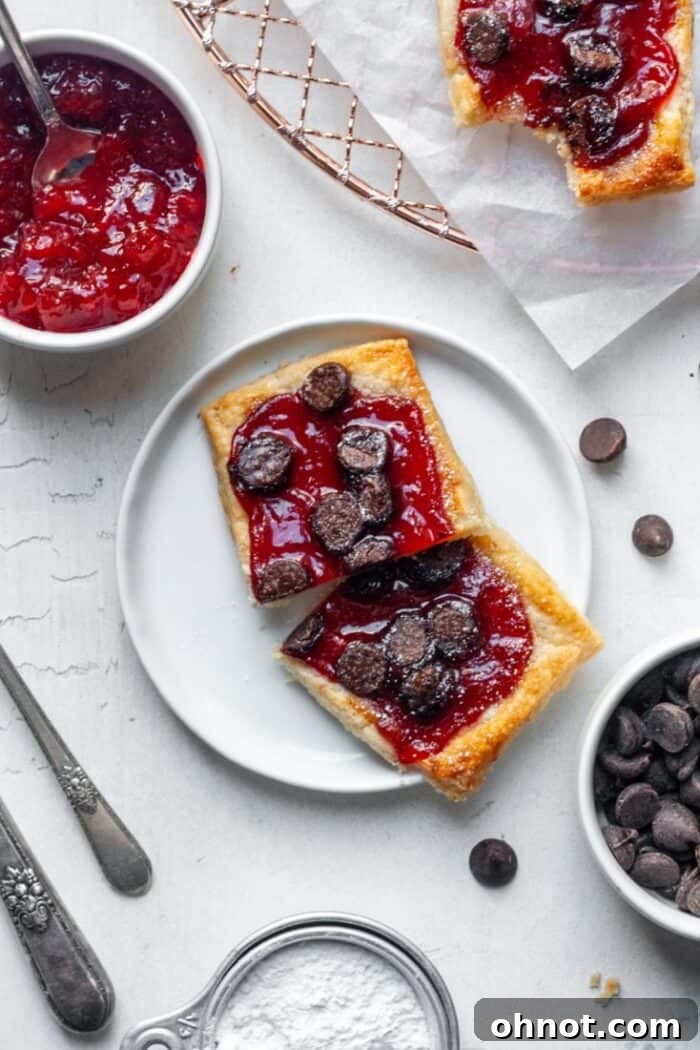
Once your gluten-free puff pastries are baked to a golden crisp, allow them to cool for about 10 minutes on the baking sheet before serving. This brief cooling period helps the internal structure set and prevents them from collapsing. They are best enjoyed warm or at room temperature, straight from the oven, when their flakiness and buttery aroma are at their peak.
Storing Leftovers: Any leftover baked puff pastries can be stored in an airtight container in the refrigerator for up to 4 days. For best results, gently reheat them in a toaster oven or a regular oven at a low temperature (around 300°F or 150°C) for a few minutes to restore some of their crispiness. Avoid reheating in a microwave, as this can make them soggy.
Freezing Baked Pastries: To freeze baked puff pastries, allow them to cool completely. Arrange them in a single layer on a baking sheet and freeze until solid. Once frozen, transfer them to a freezer-safe bag or container, separating layers with parchment paper to prevent sticking. They can be stored for up to 1 month. Reheat from frozen in a preheated oven until warmed through and crispy.
Freezing Unbaked Dough: You can also prepare the dough up to step 5 (after the initial folds and chilling). Wrap the dough tightly in plastic wrap, then place it in a freezer-safe bag. It can be frozen for up to 2-3 months. When ready to use, thaw in the refrigerator overnight, then allow to temper at room temperature before rolling and shaping as directed in the recipe.
Sweet Gluten-Free Puff Pastry Ideas to Inspire Your Baking
This versatile gluten-free puff pastry dough is a dream for creating an array of sweet treats. Its buttery, flaky layers provide the perfect contrast to sweet fillings. Here are some delectable ideas to get your creativity flowing:
- Homemade Pop Tarts: Fill with your favorite fruit jam (like raspberry or blueberry), seal, bake, and drizzle with a simple glaze for an elevated breakfast classic.
- Fruit Hand Pies: Small, portable pies filled with spiced apples, berries, or peaches, perfect for on-the-go desserts.
- Elegant Fruit Tarts: Line small tart pans with puff pastry, fill with pastry cream and fresh seasonal fruits for a sophisticated dessert.
- Rustic Fruit Galettes: Roll out the dough, pile fresh fruit (like plums, peaches, or berries) in the center, fold the edges loosely, and bake for a beautiful, free-form dessert.
- Classic Tarte Tatin: A caramelized apple (or other fruit) tart baked upside down, with the puff pastry forming the glorious crust.
- Sweet Turnovers: Fill with fruit compote, chocolate and nuts, or sweet cream cheese mixtures, fold into triangles or squares, and bake until golden.
- Chocolate Croissants (Pain au Chocolat): Wrap pieces of dark chocolate in strips of puff pastry for a truly indulgent breakfast or dessert.
- Cinnamon Twists: Sprinkle rolled-out dough with cinnamon sugar, twist, and bake for a quick, delightful snack.
Savory Gluten-Free Puff Pastry Creations for Every Occasion
Beyond sweet treats, this gluten-free puff pastry truly shines in savory applications. Its neutral flavor and incredible texture make it an excellent base for hearty meals and elegant appetizers. Consider these ideas for your next savory endeavor:
- Hearty Chicken Pot Pie: Use a sheet of puff pastry as a glorious, flaky topping for a comforting chicken and vegetable filling.
- Classic Pigs in a Blanket: Wrap miniature sausages or hot dogs in strips of puff pastry, bake, and serve with your favorite dipping sauces for a crowd-pleasing appetizer.
- Cheesy Puffs: Fill small squares of pastry with cheese, herbs, or even caramelized onions for quick, savory bites.
- Savory Tarte Tatin: Caramelize onions, tomatoes, or other vegetables, top with puff pastry, and bake for a unique savory tart.
- Flavorful Empanadas: Fill small pastry circles with savory mixtures like seasoned ground meat, cheese, or vegetables, then fold and crimp the edges.
- Asparagus and Prosciutto Bundles: Wrap asparagus spears and prosciutto in strips of puff pastry, brush with egg wash, and bake for an elegant appetizer.
- Spinach and Feta Rolls: A simple yet delicious filling for a savory roll, perfect for brunch or as a side dish.
- Mini Quiches: Line small muffin tins with puff pastry, fill with egg mixture and your choice of fillings (bacon, cheese, mushrooms), and bake.
Where to Buy Store-Bought Gluten-Free Puff Pastry
While making homemade gluten-free puff pastry is incredibly rewarding, there are times when convenience is key. Finding ready-made gluten-free puff pastry in conventional grocery stores can still be a challenge, but a few brands have stepped up to offer excellent options. Here are a couple you might want to look for:
- Gee Free: This brand is well-regarded for its high-quality gluten-free products, and their puff pastry is a standout. You can often find Gee Free puff pastry sheets available for order directly through their online store, which is a convenient option if it’s not carried locally.
- Schar: A very popular and widely available gluten-free brand, Schar also produces a gluten-free puff pastry dough. While it might not be listed directly on their website for purchase, you can typically find Schar products, including their puff pastry, at select health food stores, specialty grocery stores, or larger supermarkets with a dedicated gluten-free aisle. Check their website for a store locator to find a retailer near you.
Always double-check the ingredient list and certifications to ensure any store-bought option meets your dietary needs.
Frequently Asked Questions About Gluten-Free Puff Pastry
What brand of puff pastry is gluten-free?
For store-bought options, both Gee Free and Schar are reputable brands that offer gluten-free puff pastry dough. Availability may vary by region and store, so it’s always a good idea to check their websites or use store locators.
Are puff pastries inherently gluten-free?
No, traditional puff pastries are not gluten-free. They are typically made with wheat flour, which contains gluten. Therefore, if you require a gluten-free diet, it’s essential to use a specifically formulated gluten-free puff pastry dough, whether homemade or store-bought.
Can I make this recipe dairy-free or vegan?
This particular recipe relies heavily on the specific fat content and properties of dairy butter to achieve its signature flakiness and texture. Therefore, I do not recommend using dairy-free butter or vegan butter substitutes for this recipe, as the results will likely be significantly different and may not yield the desired puff and flakiness.
What is the best gluten-free flour to use for puff pastry?
A high-quality 1-to-1 gluten-free all-purpose flour blend that contains xanthan gum is ideal for this recipe. Blends like King Arthur Flour’s 1-to-1 Gluten-Free Flour work exceptionally well because they are designed to mimic the properties of wheat flour in baking.
Can I prepare the dough in advance?
Absolutely! You can prepare the dough up to the point of wrapping and chilling (Step 5). The dough can be stored in the refrigerator for up to 2-3 days, or frozen for up to 2-3 months. Just remember to thaw frozen dough in the fridge overnight and allow it to temper at room temperature before rolling.
Gluten Free Puff Pastry
This easy homemade gluten-free puff pastry is incredibly buttery, beautifully flaky, and absolutely delicious! It’s simple to make with just 4 main ingredients and offers amazing versatility for both sweet and savory recipes. Perfect for impressive baking without the gluten.
Prep Time: 10 mins
Cook Time: 16 mins
Chill Time: 2 hrs
Total Time: 2 hrs 26 mins
Servings: 4 small pastries
Ingredients
Puff Pastry Dough
- 10 tbsp cold butter, cut into small cubes
- 1 cup gluten free 1 to 1 flour
- ¼ tsp salt
- ¼ cup cold water (see notes for preparation)
Egg Wash
- 1 egg, whisked
Suggested Fillings (Optional)
- ½ cup jam or jelly
- ⅓ cup dark chocolate chips
Instructions
- Combine cold butter cubes, gluten-free flour, and salt in a food processor. Pulse 4-5 times until crumbly with pea-sized butter pieces.
- Add icy cold water and pulse another 4-5 times until the mixture is very crumbly but starts to come together.
- Lightly flour your countertop and rolling pin. Pour the crumbly dough onto the floured surface and use your hands to gently form a single ball.
- Roll the dough out into a rectangle, ¼ to ½ inch thick. Fold the dough in half, then fold it in half again.
- Wrap the folded dough tightly and refrigerate for 2 hours.
- Remove dough from the fridge. Preheat oven to 375°F (190°C). Line a baking sheet with parchment paper.
- Let the dough sit at room temperature for about 20 minutes to soften slightly. Roll out the dough on a floured surface. If it cracks, let it rest longer.
- Roll the dough into a large rectangle. Slice into your desired shapes (e.g., smaller rectangles) and place them on the prepared baking pan.
- Add your chosen filling or toppings to the center of each pastry, leaving about ½ inch clear space around the edges for the egg wash.
- Whisk the egg in a small bowl to create an egg wash. Brush this onto the clear edges of your pastries. Optionally, sprinkle a little granulated sugar on the egg-washed edges for sweet pastries.
- Bake for 16 to 18 minutes, or until the pastry edges are golden brown and crispy. Baking time may vary with pastry size.
- Remove from oven and let the pastries cool for 10 minutes on the baking sheet before serving.
Notes
- I used King Arthur Flour 1 to 1 gluten-free flour with excellent results. I do not recommend other types of gluten-free flours (like almond or coconut flour) as they behave differently. All-purpose flour can be used if you are not gluten-free.
- Always use very cold butter straight from the fridge to ensure maximum flakiness.
- For very cold water, add ¼ cup water and a few ice cubes to a measuring cup. Let it sit, then remove the ice cubes before measuring the ¼ cup of water. This ensures it’s truly icy.
- If, after chilling, your dough breaks apart excessively while rolling, let it rest at room temperature for an additional 10-15 minutes. The dough will roll out easily once it reaches the correct pliable temperature.
- Refer to the blog post above for an extensive list of sweet and savory puff pastry filling ideas.
- This recipe typically yields 4 pastries, each approximately 6 inches long and 2 inches wide.
- Nutrition facts provided are for the puff pastry dough only and do not include any fillings.
Nutrition Facts (per serving, dough only)
Calories: 405kcal
Carbohydrates: 32g
Protein: 3g
Fat: 29g
Saturated Fat: 18g
Polyunsaturated Fat: 1g
Monounsaturated Fat: 8g
Trans Fat: 1g
Cholesterol: 96mg
Sodium: 403mg
Potassium: 46mg
Fiber: 1g
Sugar: 1g
Vitamin A: 904IU
Calcium: 16mg
Iron: 1mg
Author: Addison LaBonte
Course: Breakfast, Dessert
Cuisine: American
You May Also Enjoy These Gluten-Free Recipes:
- Almond Flour Oatmeal Cookies
- Paleo Pecan Pie Bars
- Gluten Free Whoopie Pies
- Paleo Bread
- Levain Chocolate Chip Cookies