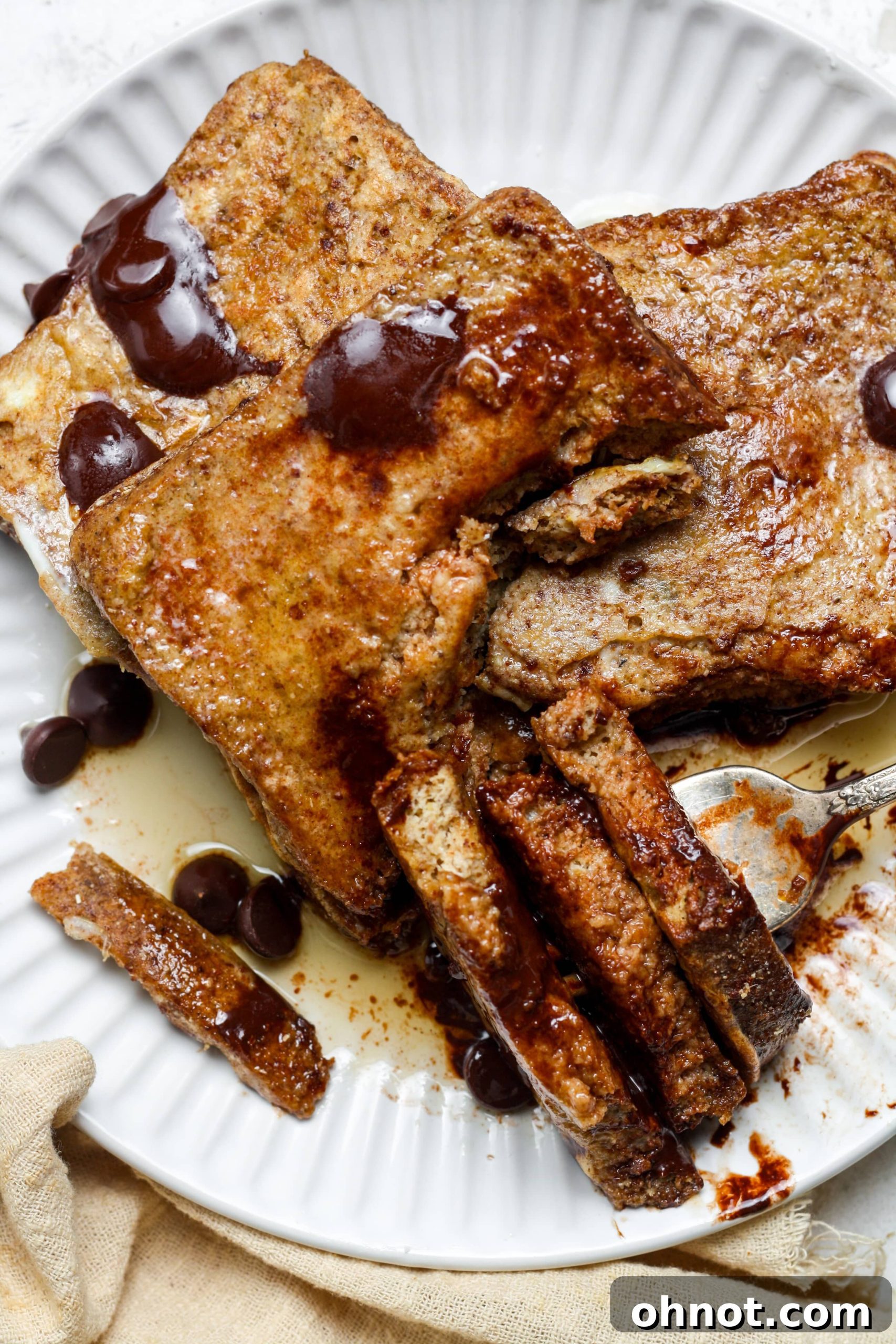
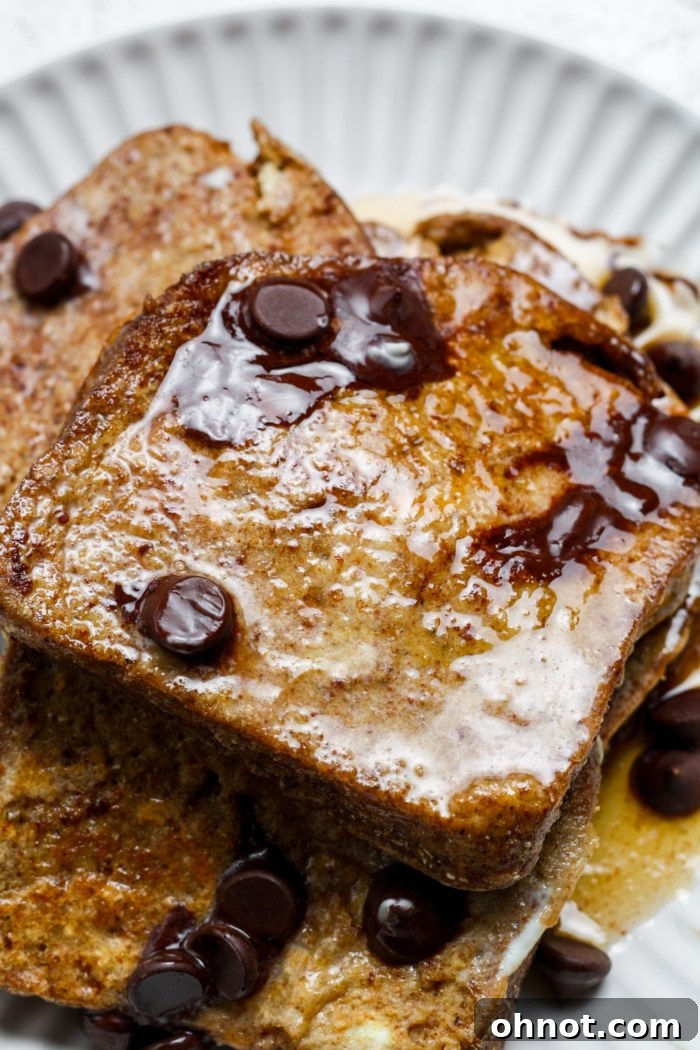
Prepare to elevate your breakfast game with what truly is the ultimate gluten-free French toast experience! This incredible recipe is not only bursting with flavor but also incredibly fast to prepare, taking less than 15 minutes from start to finish. Imagine sinking your teeth into tender gluten-free bread, perfectly soaked in a deliciously sweetened, warm cinnamon-spiced mixture. The result is pure culinary bliss: a flawlessly fluffy, soft interior encased in a crisp, inviting golden exterior.
This quick and easy gluten-free French toast recipe is an absolute dream come true for those leisurely weekend breakfasts and celebratory brunches. And if you’re a fan of breakfast for dinner, like many of us are, then this homemade delight will undoubtedly become a new favorite in your culinary repertoire. The process is wonderfully straightforward: simply choose your favorite sturdy gluten-free bread, give it a loving dunk in our expertly crafted egg mixture infused with aromatic cinnamon and nutmeg, then cook it to a mouthwatering golden-brown perfection. It’s comfort food reimagined, proving that gluten-free doesn’t mean compromising on taste or texture.
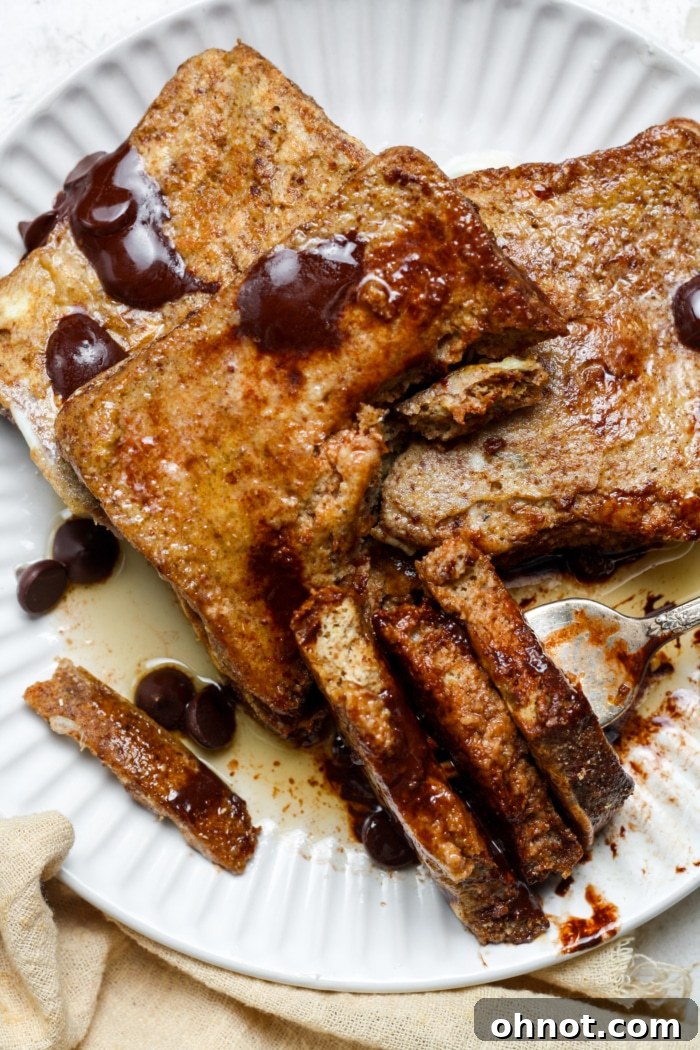
Discover Why You’ll Adore This Gluten-Free French Toast Recipe
This isn’t just another French toast recipe; it’s a culinary revelation for anyone seeking a delightful, quick, and dietary-friendly option. Here’s a deeper dive into why this particular recipe is destined to become your new favorite:
- Unbelievably Fast Preparation: In today’s fast-paced world, finding a recipe that delivers gourmet taste in minimal time is a treasure. This gluten-free French toast can be ready in under 15 minutes, making it ideal for bustling weekday mornings, spontaneous weekend treats, or when you need a comforting meal in a flash. Spend less time in the kitchen and more time savoring every bite.
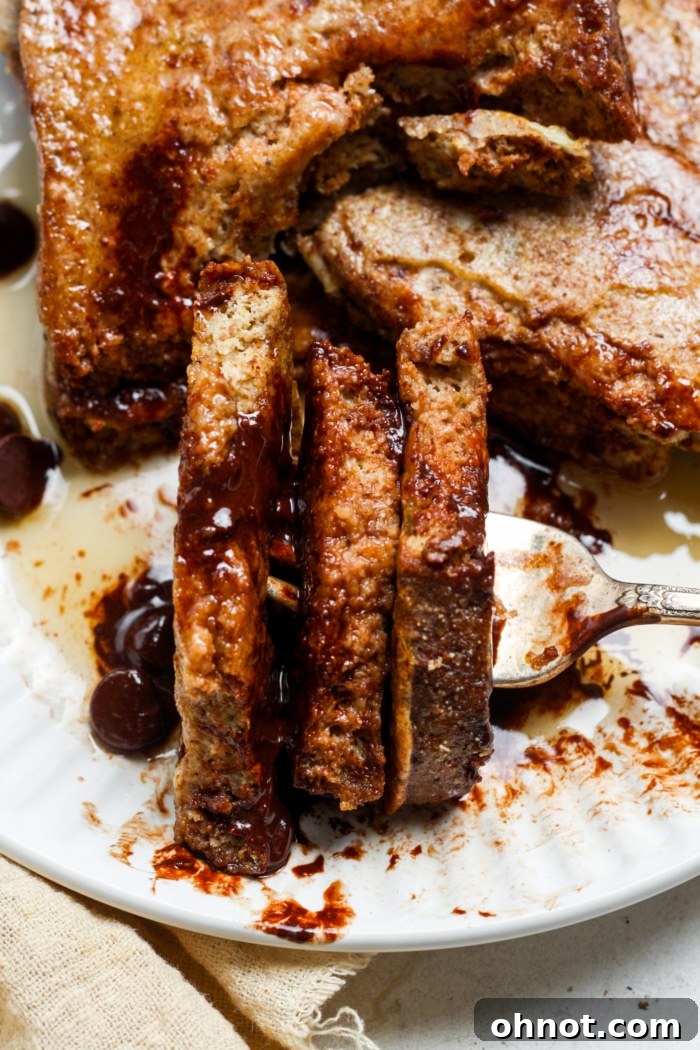
- Achieve Flawless Crispy-Soft Texture: The dread of soggy French toast is a thing of the past with this recipe. We’ve perfected the technique to ensure you get golden, irresistibly crispy edges that provide a delightful crunch, perfectly contrasting with the incredibly soft, fluffy, and melt-in-your-mouth center. Each forkful is a harmonious balance of textures that will leave you completely satisfied.
- Endlessly Customizable with Your Favorite Toppings: The beauty of French toast lies in its versatility, and this gluten-free version is no exception. While divine on its own, it truly transforms with your personal touch. I personally love to load mine with rich, decadent dark chocolate chips that melt slightly and a generous pour of pure maple syrup. But don’t hesitate to get creative! Consider vibrant fresh berries like juicy strawberries or plump blueberries, a luxurious dollop of whipped cream (dairy or non-dairy), a smear of creamy peanut butter for an added protein boost, or a golden drizzle of honey. The possibilities are endless for making it uniquely yours.
- A Family Favorite That Kids Adore: This recipe is a guaranteed crowd-pleaser for all ages. Its comforting warmth, sweet spiced flavor, and inviting texture make it an instant hit with children and adults alike. It’s a fantastic way to gather the family around the breakfast table, ensuring happy faces and full tummies.
- Versatile for Any Meal of the Day: While traditionally a breakfast and brunch staple, this gluten-free French toast is wonderfully adaptable for any meal. It makes for a speedy and satisfying lunch, or a fun and unexpected dinner when you’re craving something warm and comforting. Looking for more morning meal inspiration? Don’t miss our comprehensive collection of Gluten-Free Breakfast Ideas for a host of delicious options.
- Thoughtfully Designed for Dietary Needs: This recipe is a blessing for those on a gluten-free diet, being naturally free from gluten. Moreover, it offers easy modifications to cater to other dietary requirements: simply swap in your preferred dairy-free milk and butter alternative to make it completely dairy-free. It’s also inherently nut-free and contains no refined sugar, making it a healthier and more inclusive option that doesn’t compromise on the indulgent taste you crave.
- Explore More Gluten-Free Breakfast Delights: If this recipe hits the spot, you’ll be thrilled to discover my other gluten-free breakfast creations. Be sure to check out these irresistible Gluten-Free Pancakes and these perfectly fluffy Gluten-Free Waffles for more ways to start your day deliciously!
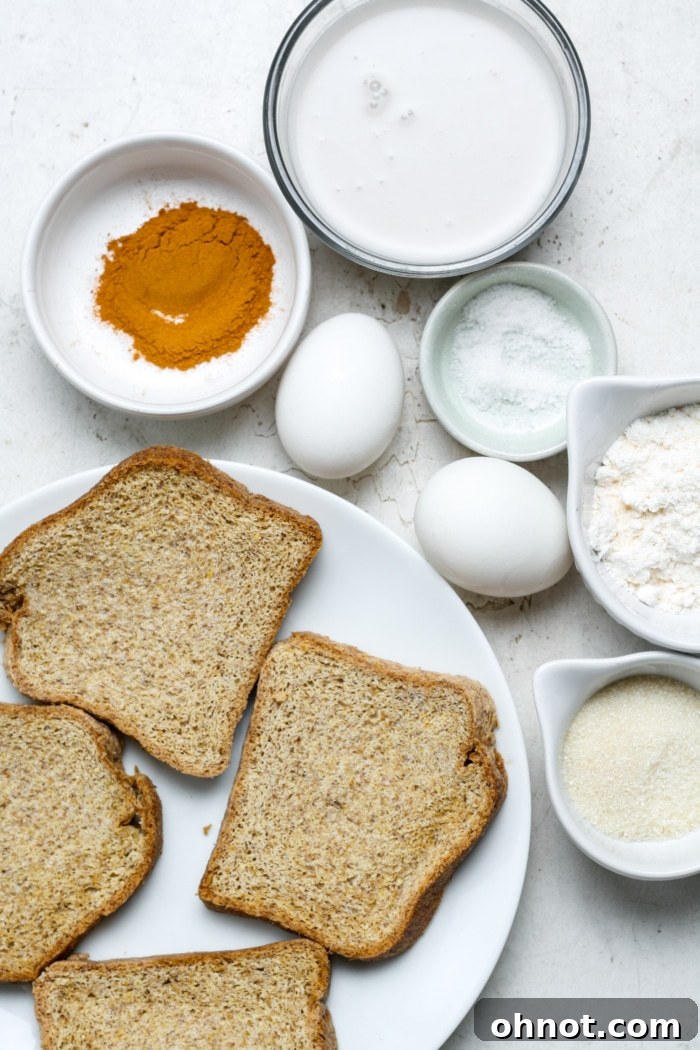
Essential Ingredients & Smart Substitutions for the Perfect Gluten-Free French Toast
Crafting truly outstanding gluten-free French toast relies on a handful of simple, high-quality ingredients. Here, we’ll break down each component, explaining its role and offering intelligent substitutions to help you tailor the recipe to your preferences and dietary needs.
The Heart of the Batter:
- Eggs (2 large): These are undeniably the cornerstone of your French toast batter. Eggs emulsify with the milk, creating that rich, creamy base that coats the bread so beautifully. They provide structure, a richer flavor, and contribute significantly to the golden-brown crust. For optimal results and texture, it is strongly recommended not to substitute the eggs in this recipe.
- Milk (⅓ cup): Milk is vital for adding a luscious, creamy texture to the batter and helping the bread absorb moisture evenly. You have the flexibility to use either regular dairy milk (whole milk often provides the richest flavor) or any dairy-free milk alternative you prefer, such as almond milk, oat milk, soy milk, or coconut milk, making this recipe easily adaptable for those with dairy sensitivities or preferences.
- Gluten-Free All-Purpose Flour (¼ cup): This is a key ingredient for preventing soggy French toast. A small amount of gluten-free flour, when whisked into the batter, creates a light “breading” effect. This subtle coating helps the bread become more durable, preventing it from absorbing too much liquid too quickly and maintaining its structure during cooking, resulting in that desirable crispy exterior.
- Sea Salt (pinch): A small pinch of sea salt might seem insignificant, but it plays a crucial role. It perfectly balances the sweetness of the dish and acts as a flavor enhancer, bringing out the best in the cinnamon and nutmeg. Don’t omit this!
- Cinnamon (1 tsp) & Nutmeg (¼ tsp): These warm, aromatic spices are what give French toast its signature comforting flavor profile. Cinnamon contributes a sweet, fragrant warmth, while nutmeg adds a subtle, earthy depth and complexity. Together, they create an irresistible aroma and taste that is synonymous with classic French toast. For an extra boost of flavor, freshly grated nutmeg can make a noticeable difference.
The Foundation & Cooking Medium:
- Gluten-Free Bread (4 slices): The type and condition of your bread are paramount to non-soggy French toast. The best choice is gluten-free bread that is slightly stale, ideally a day or two old. Stale bread has less moisture content, which allows it to absorb the custard-like batter without becoming overly saturated and falling apart. If your bread is fresh, you can achieve a similar effect by lightly toasting the slices for a few minutes in a toaster or oven to dry them out slightly. Excellent gluten-free brands known for their sturdy texture that hold up well include Base Culture, Trader Joe’s (their dedicated gluten-free options), and Canyon Bakehouse. Avoid very soft or thin slices.
- Butter (1 tbsp, for the skillet): Used to generously coat the cooking surface of your skillet. Butter not only prevents sticking but also contributes significantly to the rich flavor and the beautiful, golden-brown, crispy crust of your French toast. You can use either regular dairy butter or any dairy-free butter alternative to suit your dietary needs.
Optional Toppings and Garnishes for an Elevated Experience:
While this gluten-free French toast is delectable on its own, it truly becomes an unforgettable meal when adorned with your favorite toppings. Here are some inspiring ideas:
- Dark Chocolate Chips: My personal go-to! They melt beautifully, adding a rich, slightly bittersweet dimension that perfectly complements the spiced bread.
- Pure Maple Syrup: The classic, indispensable French toast companion. Its natural sweetness and smooth texture create a delightful glaze.
- Fresh Berries: A vibrant mix of strawberries, blueberries, raspberries, or a medley of seasonal berries adds a burst of freshness, natural sweetness, and a pop of color.
- Whipped Cream: A cloud of fluffy whipped cream, whether dairy or a plant-based alternative, adds a luxurious and indulgent touch.
- Nut Butters: For a hearty and protein-rich topping, a dollop of creamy peanut butter, almond butter, or cashew butter can be incredibly satisfying (if not adhering to a nut-free diet).
- Honey: A delightful alternative to maple syrup, offering its unique floral sweetness.
- Lemon Zest: A bright, unexpected twist! A sprinkle of fresh lemon zest can cut through the sweetness and add an invigorating citrus note.
- Powdered Sugar: A simple, elegant finishing touch that adds a subtle sweetness and a beautiful visual appeal.
Unforgettable Taste & Perfect Texture: What to Expect from This Recipe
Prepare your senses for a truly exceptional experience, as this gluten-free French toast faithfully replicates and even enhances the beloved characteristics of the classic breakfast staple. Every bite is designed to be a delightful journey through balanced flavors and satisfying textures.
Taste Profile: The moment it touches your tongue, you’ll be greeted by a wonderfully warm and inviting spice blend, dominated by the comforting aroma and distinct sweetness of cinnamon. A subtle whisper of nutmeg adds an earthy depth, creating a complex yet familiar flavor profile. The inherent sweetness is perfectly calibrated, ensuring it’s neither cloyingly sugary nor bland. Moreover, this French toast acts as an exquisite canvas for your chosen toppings. For example, when topped with dark chocolate chips, it introduces a delightful bittersweet counterpoint that beautifully complements the spiced bread, adding another layer of indulgence.
Texture Profile: The true magic of this homemade gluten-free French toast lies in its masterful interplay of textures. You can anticipate delightfully crispy, golden-brown edges that offer a satisfying and audible crunch with every bite. This firm exterior provides a perfect contrast to what lies within: an incredibly soft, tender, and fluffy center that literally melts in your mouth. Crucially, this recipe ensures your French toast remains light and tender, completely free from any hint of sogginess. This delightful textural harmony guarantees a superior French toast experience, unequivocally proving that gluten-free cooking can be just as, if not more, delicious and texturally satisfying as its traditional counterparts!
Step-by-Step Guide: How to Make Irresistible Gluten-Free French Toast
Follow these precise, easy-to-understand steps to consistently achieve perfectly cooked, beautifully golden, and utterly delicious gluten-free French toast every single time. Precision in preparation ensures a non-soggy, perfectly textured result.
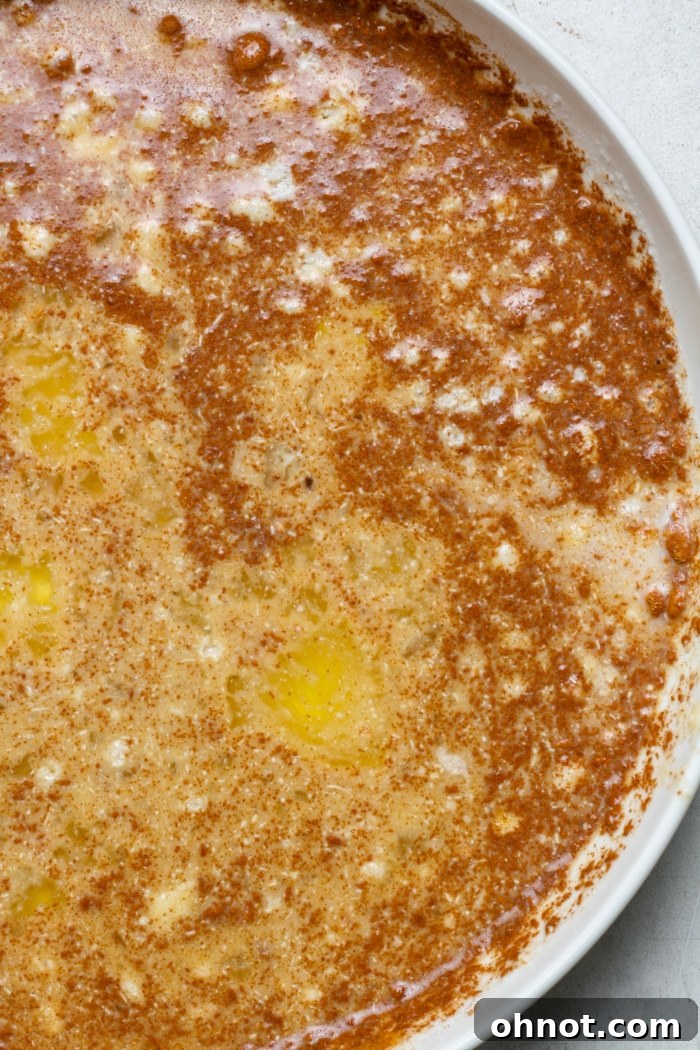
Step 1: Prepare the Flavorful Batter
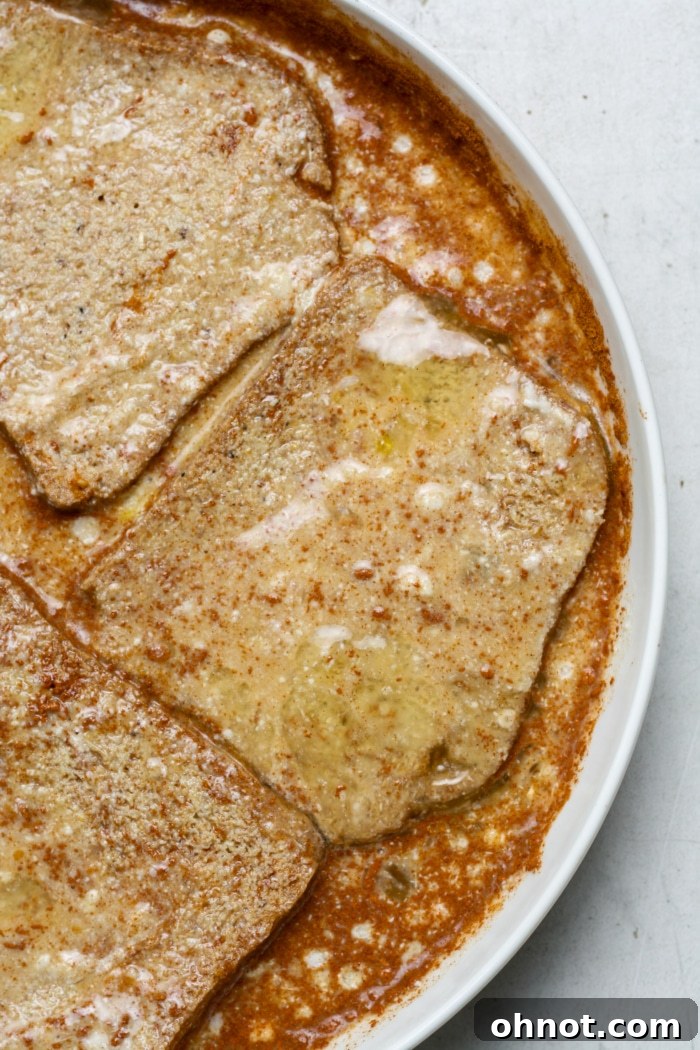
Begin by selecting a shallow bowl or a pie plate; these shapes are ideal as they facilitate easy and even dipping of your bread slices. Into this, crack your eggs, pour in the milk (whether dairy or your preferred dairy-free alternative), add the gluten-free flour, a crucial pinch of sea salt, the aromatic cinnamon, and the subtle warmth of nutmeg. Take your whisk and thoroughly combine all the ingredients. Whisk vigorously until the mixture is completely smooth, lump-free, and appears uniformly creamy. This ensures every piece of bread gets an even coating of flavor.
Step 2: Expertly Dip the Gluten-Free Bread
Carefully take each slice of your slightly stale (or lightly toasted) gluten-free bread. Gently dip it into the prepared egg mixture, ensuring that both sides are fully and evenly coated. This step is critical: while you want full coverage, it’s equally important to avoid letting the bread soak for too long. Over-soaking can lead to a soggy, undesirable texture. A quick, decisive dip of just a few seconds per side is all that’s needed for the bread to absorb just the right amount of liquid, keeping its structural integrity intact.
Step 3: Begin Cooking in a Hot Skillet
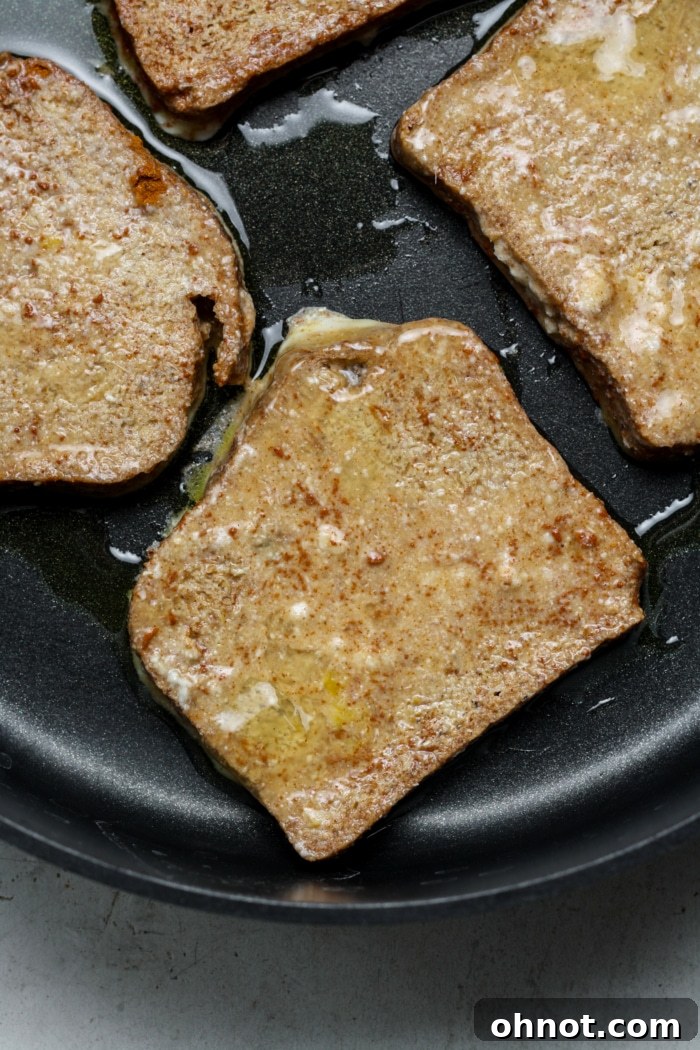
Place a large nonstick skillet over medium heat on your stovetop. Add the butter (using either regular dairy butter or your chosen dairy-free alternative). Allow the butter to melt completely, swirling the pan to ensure the bottom surface is evenly coated. Once the butter is fully melted and begins to shimmer slightly, indicating it’s hot enough, carefully place the coated bread slices into the skillet. Be mindful not to overcrowd the pan; if necessary, cook your French toast in batches to ensure even cooking and optimal browning.
Step 4: Achieve Golden-Brown Perfection
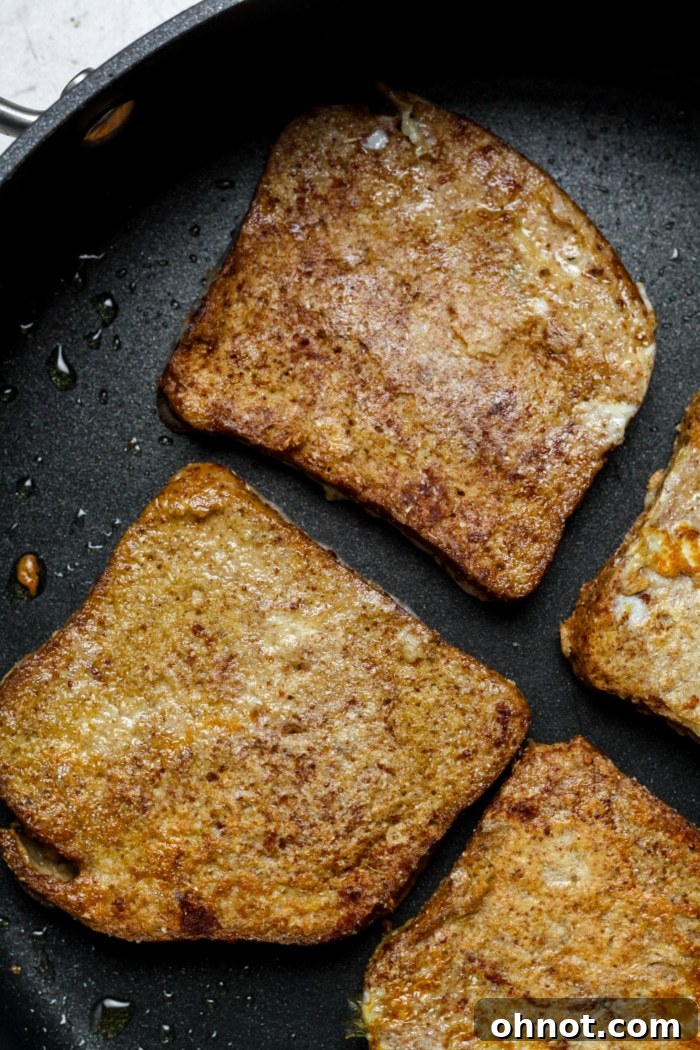
Allow the French toast to cook for approximately 3 to 4 minutes on each side. During this time, observe for the development of a beautiful, rich golden-brown color and the emergence of delightfully crispy edges. The precise cooking time might vary slightly based on your specific stove, the heat setting, and the thickness of your bread, so rely on visual cues. The ultimate objective is a deeply golden exterior, indicative of a perfectly cooked, fluffy interior.
Step 5: Serve Warm with Your Favorite Toppings
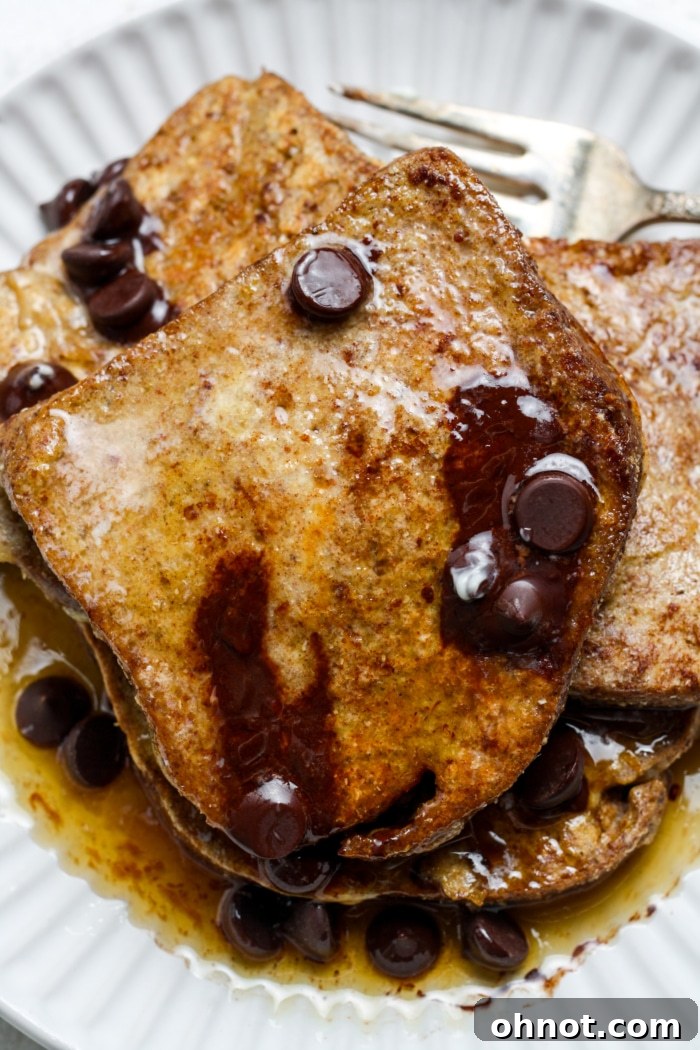
Once your gluten-free French toast has reached its peak golden-brown perfection, carefully remove it from the skillet. Transfer the cooked slices to a serving plate. This is the moment to personalize your creation: if desired, immediately garnish with your preferred toppings, such as a scattering of rich dark chocolate chips and a generous, glistening drizzle of pure maple syrup. Serve your homemade gluten-free French toast warm and prepare to indulge in its comforting deliciousness!
Expert Tips & Tricks for Mastering Gluten-Free French Toast
To ensure your gluten-free French toast is nothing short of spectacular every single time – perfectly crispy, gloriously golden, and never soggy – embrace these expert tips and tricks. These small adjustments can make a world of difference in achieving that ideal texture and flavor.
- The Bread Matters Immensely: The single most important tip is to choose the right kind of gluten-free bread in the right condition. Always opt for bread that is slightly stale or at least a day or two old. Stale bread has naturally less moisture, which allows it to absorb the custard batter without becoming oversaturated and breaking down. If you only have fresh gluten-free bread, don’t despair! You can mimic staleness by lightly toasting the slices in a toaster or oven for a few minutes (just enough to dry them out, not to brown them) before dipping. This pre-treatment is key to preventing sogginess.
- Avoid Too Soft or Thin Slices: When selecting your gluten-free bread, steer clear of varieties that are excessively soft, flimsy, or very thinly sliced. These types are particularly prone to crumbling or turning into a mushy consistency once they hit the wet batter. Firmer, slightly thicker slices will hold their shape beautifully, providing a much more satisfying and robust French toast experience.
- The “Don’t Over-Soak” Golden Rule: This is a critical commandment for preventing soggy French toast. Dip each slice of bread quickly and evenly, ensuring both sides are coated but under no circumstances should the bread be left to soak for an extended period. The goal is to lightly coat and allow for absorption, not saturation. A swift dip of just a few seconds per side is generally ample. Any longer, and you risk a heavy, unappetizing result.
- Mastering Pan Temperature: The heat of your skillet is crucial. Always cook your French toast over medium heat. If the heat is too high, the exterior will brown (or even burn) too quickly before the interior has a chance to cook through and become fluffy. Conversely, if the heat is too low, the bread will tend to dry out, absorb too much butter, or become greasy. Medium heat allows for a gradual, even cook, producing that desired beautiful golden crust and a perfectly tender, cooked interior.
- Cook Until Visibly Golden and Crispy: Keep a vigilant eye on your French toast as it cooks. You’re looking for unmistakable signs of perfection: edges that are wonderfully crispy and a surface that boasts a rich, appealing golden-brown hue. This usually translates to about 3-4 minutes of cooking time per side, but always trust your visual cues. While avoiding burning, ensure it’s cooked long enough to develop that desirable crispness and fully set the batter.
- Invest in a Quality Nonstick Skillet: A good nonstick skillet is your most valuable asset when making French toast. It guarantees even heat distribution, prevents the delicate gluten-free bread from sticking, and makes flipping effortless. This smooth cooking experience ensures your slices remain intact and beautifully formed.
- Consider Freshly Grated Nutmeg: For an enhanced depth of flavor and an extra layer of warm, inviting aroma, consider freshly grating a small amount of whole nutmeg directly into your batter. The difference in pungency and complexity compared to pre-ground nutmeg is surprisingly significant and will add a gourmet touch to your French toast.
Serving Suggestions & Storage Tips for Your Gluten-Free French Toast
This versatile gluten-free French toast is perfect for any meal and designed for both immediate enjoyment and convenient storage for later. Here’s how to serve it up deliciously and keep any leftovers fresh.
Serving Your French Toast:
For the most exquisite experience, serve your gluten-free French toast piping hot and fresh, straight from the skillet! While it’s absolutely delightful on its own, here are numerous ways to garnish and pair it for an unforgettable meal:
- Classic Toppings: Embrace tradition with a delicate dusting of powdered sugar, adding a subtle sweetness and an elegant finish. Or, for timeless appeal, drench it in a generous pour of pure maple syrup.
- Unleash Your Creativity: Don’t limit your imagination! Elevate your French toast with various textures and flavors. Try a melting pat of butter (dairy or dairy-free), an assortment of vibrant fresh berries (such as sweet strawberries, tart raspberries, or plump blueberries), thinly sliced banana for natural sweetness, a rich dollop of creamy peanut butter or almond butter (if not avoiding nuts), a cloud of whipped cream (dairy or plant-based), or a sprinkle of finely chopped nuts for crunch.
- Perfect Pairings for a Complete Meal: Transform your French toast into a hearty breakfast or brunch spread by accompanying it with savory side dishes. Excellent choices include crispy Air Fryer Sausage Links, perfectly cooked crispy bacon, a fluffy scramble of eggs, or a refreshing bowl of seasonal fresh fruit.
Storing Leftovers for Future Enjoyment:
While fresh is best, this gluten-free French toast holds up well as leftovers, making meal prep a breeze:
- Refrigeration: Allow any remaining cooked French toast slices to cool completely to room temperature. Once cooled, place them in an airtight container and store them in the refrigerator for up to 3 days. This helps maintain their quality and prevents them from drying out.
- Freezing for Extended Freshness: For longer-term storage, freezing is an excellent option. To prevent sticking, arrange cooled French toast slices in a single layer on a baking sheet and freeze until they are firm (this usually takes 1-2 hours). Once frozen solid, transfer the slices to a freezer-safe bag or container, using parchment paper between layers to prevent them from freezing together. Properly stored, they will keep beautifully for up to 1 month.
- Best Reheating Methods: To regain some of that delightful crispness, reheating in a toaster oven is highly recommended. Simply toast until the slices are warm through and the edges have crisped up again. Alternatively, you can use a microwave for a quicker reheat, though the texture might be softer. For frozen French toast, you can reheat it directly from frozen in a toaster oven or conventional oven until thoroughly warmed through.
Frequently Asked Questions About Gluten-Free French Toast
Here you’ll find comprehensive answers to some of the most common questions regarding the preparation, ingredients, and enjoyment of gluten-free French toast, ensuring you have all the information you need for success.
What is the absolute best bread for French toast?
For traditional French toast, denser, slightly stale bread varieties like challah, brioche, or even good quality, thick-cut sandwich bread are typically considered superior. The key is their ability to absorb the rich custard without disintegrating. For gluten-free French toast, the principle remains the same: select a sturdy, robust gluten-free bread that has some body to it. Crucially, using bread that is a day or two old or lightly toasted to remove excess moisture will prevent it from becoming overly soft or mushy during soaking and cooking. Avoid very soft, fluffy, or thinly sliced gluten-free breads.
What are the best gluten-free bread brands to use for French toast?
The gluten-free bread market has expanded significantly, offering many excellent options. For French toast, where a bread that holds its structure well is essential, I particularly recommend popular and widely available brands such as Base Culture, Trader Joe’s (look for their specific gluten-free bread options), and Canyon Bakehouse. These brands often produce loaves with a texture that is firm enough to withstand the batter without falling apart, resulting in a superior French toast. Don’t be afraid to experiment with different brands to discover which one you prefer for texture and flavor!
Where can I easily purchase gluten-free bread?
Gluten-free bread is now incredibly accessible, making it easier than ever to enjoy this dietary-friendly option. You can typically find a wide selection at most major grocery stores, often located in a dedicated “free-from” aisle, in the regular bread aisle, or sometimes in the freezer section. Additionally, large mass retailers suchating, baking and, of course, delicious breakfast and brunch items. stores like Walmart, Costco, and Target consistently stock various brands and types of gluten-free bread.
How can I ensure my French toast is never soggy?
Preventing soggy French toast, especially with gluten-free varieties, boils down to a few critical techniques:
- The Right Bread Condition: Start with gluten-free bread that is slightly stale or a day or two old. If using fresh bread, lightly toast it for a couple of minutes to dry it out slightly before dipping. This reduces the initial moisture content, allowing for better absorption without oversaturation.
- Avoid Over-Soaking: This is paramount. Dip each slice of bread quickly and evenly into the egg mixture. Ensure both sides are coated, but do not let the bread sit submerged in the batter for more than a few seconds. The goal is a thorough coating, not a heavy soak.
- Proper Cooking Technique: Cook your French toast over medium heat. Too low, and it will absorb too much fat and dry out; too high, and it will burn on the outside while remaining uncooked inside. Cook each side for sufficient time (usually 3-4 minutes) until it achieves a beautiful golden-brown color and the edges are distinctly crispy. This indicates that the internal batter has properly cooked and set.
Does regular French toast contain gluten?
Yes, traditional French toast, which is typically prepared using standard wheat-based bread, does contain gluten. Gluten is a protein found in wheat, barley, and rye. However, this particular recipe is thoughtfully crafted to be entirely gluten-free by utilizing gluten-free bread, allowing individuals with gluten sensitivities or celiac disease to safely enjoy this classic and beloved breakfast dish!
Essential Equipment for Your Gluten-Free French Toast Journey
You’ll be pleased to know that making this delightful gluten-free French toast requires only a few basic kitchen tools. These essential items will ensure your cooking process is smooth, efficient, and yields perfect results every time.
- Spatula: An indispensable tool for any French toast endeavor. A wide, thin spatula is ideal for gently lifting, flipping your delicate bread slices in the pan, and smoothly transferring them to a plate once cooked. This helps prevent tearing and maintains the beautiful shape of your French toast.
- Nonstick Skillet: A good quality large nonstick skillet is highly recommended. It ensures even heat distribution, which is crucial for achieving uniform golden-brown perfection, and prevents the French toast from sticking to the surface. This makes the cooking and flipping process effortless, a significant advantage, especially with gluten-free bread which can sometimes be more delicate.
- Shallow Bowl or Pie Plate: This seemingly simple item is incredibly functional. Its wide and shallow design is perfectly suited for mixing your French toast batter and, more importantly, for easily dipping your bread slices to ensure they are thoroughly and evenly coated without unnecessary mess.
- Whisk: A standard kitchen whisk is essential for properly combining all the ingredients in your batter. It ensures that the eggs, milk, flour, and spices are perfectly incorporated, creating a smooth, lump-free mixture that will evenly coat your bread.
For more of my personally tested and approved kitchen tools and gadgets that simplify cooking and baking, explore my comprehensive collection of kitchen favorites!
Discover More Delicious Recipes You May Enjoy
If you’ve thoroughly enjoyed creating and savoring this incredible gluten-free French toast, I’m confident you’ll love exploring some of my other popular breakfast and brunch recipes. Each one is crafted with flavor and dietary considerations in mind, promising another delightful culinary adventure:
- Keto Waffles: A fantastic low-carb option for those following a ketogenic lifestyle, without sacrificing on taste or texture.
- Gluten-Free Waffles: Fluffy, crispy, and utterly delicious – the perfect gluten-free alternative to a classic breakfast favorite.
- Gluten-Free Monkey Bread: A fun, pull-apart treat that’s perfect for sharing, made entirely gluten-free.
- Sourdough Pancakes: Experience the unique tang and incredible texture of homemade sourdough pancakes.
- Bananas Foster Pancakes: Indulgent and flavorful, these pancakes bring a gourmet dessert experience to your breakfast table.

At a Glance:
- Prep Time: 5 mins
- Cook Time: 6 mins
- Total Time: 11 mins
Get the Recipe: Gluten Free French Toast
This gluten-free French toast is warm, soft, crispy, and bursting with flavor! The bread achieves beautiful crispness along the edges while remaining incredibly soft and tender in the center. This quick and easy recipe is perfect for weekend brunch and breakfast, offering a simple yet satisfying meal that you’ll want to make again and again!
Pin Recipe
Ingredients
Yields: 4 slices
- 2 large eggs
- ⅓ cup milk (use dairy-free for a dairy-free option)
- ¼ cup gluten-free all-purpose flour
- Pinch of sea salt
- 1 tsp ground cinnamon
- ¼ tsp ground nutmeg
- 4 slices gluten-free bread (preferably slightly stale or lightly toasted)
- 1 tbsp butter (or dairy-free butter, to coat the pan)
- Dark chocolate chips (for garnish, optional)
- Pure maple syrup (for garnish, optional)
Instructions
- First, in a shallow bowl or pie plate, combine the eggs, milk, gluten-free flour, sea salt, cinnamon, and nutmeg. Whisk together vigorously until the mixture is completely smooth and lump-free.
- Dip each slice of gluten-free bread into this prepared mixture, ensuring both sides are fully coated. Be careful not to over-soak the bread, as this can lead to a soggy texture. A quick, even dip is sufficient.
- Add the butter to a large nonstick skillet and place it over medium heat. Allow the butter to melt completely, swirling to coat the bottom of the pan. Once the butter is shimmering, carefully place the coated bread slices into the skillet. Cook in batches if necessary to avoid overcrowding.
- Cook the French toast for 3 to 4 minutes on each side, or until both sides are beautifully golden brown and the edges appear deliciously crispy.
- Finally, remove the cooked French toast from the heat. Transfer to a plate and, if desired, top immediately with dark chocolate chips, a generous drizzle of pure maple syrup, or any other favorite garnishes. Serve warm and enjoy!
Notes
- For the best results and to prevent sogginess, always use gluten-free bread that is slightly stale (a day or two old). If using fresh bread, lightly toast it for a few minutes to dry it out before dipping.
- Ensure the egg and milk mixture is whisked until perfectly creamy and free of any flour lumps for an even coating.
- This recipe is versatile; feel free to use either regular dairy milk or any preferred dairy-free milk alternative (e.g., almond, oat, soy).
- Coat each piece of bread thoroughly, but avoid prolonged soaking in the batter to maintain the bread’s structure and prevent a mushy texture.
- Cook until the French toast achieves a rich golden-brown color and has crispy edges for the ideal texture and flavor.
- Store any cooled leftover French toast in an airtight container in the refrigerator for up to 3 days.
- To reheat, place the slices in a toaster oven or microwave until warmed through. A toaster oven will help restore some crispness, while a microwave will result in a softer texture.
- For additional kitchen gadget recommendations that enhance your cooking experience, explore my full list of kitchen favorites!
Nutrition Information (per serving, approximate)
- Calories: 189kcal
- Carbohydrates: 22g
- Protein: 6g
- Fat: 8g
- Saturated Fat: 3g
- Polyunsaturated Fat: 1g
- Monounsaturated Fat: 2g
- Trans Fat: 0.1g
- Cholesterol: 98mg
- Sodium: 177mg
- Potassium: 64mg
- Fiber: 2g
- Sugar: 4g
- Vitamin A: 316IU
- Vitamin C: 0.02mg
- Calcium: 86mg
- Iron: 1mg
(Nutrition values are estimated and may vary based on specific ingredients, brands, and serving sizes used.)
Author: Addison LaBonte
Course: Breakfast
Cuisine: American
If you’ve loved preparing and savoring this utterly delicious gluten-free French toast recipe, your feedback means the world to me! I would be incredibly grateful for your review and any comments you might have, as they help me continue to create recipes that you and your family will cherish. To stay connected and receive healthy meal plans, exclusive new recipes, and the latest updates directly in your inbox, be sure to sign up for our newsletter here. You can also find me and join our wonderful community on Instagram, Facebook, and Pinterest for daily inspiration. For an even more exclusive look behind the scenes and to connect with fellow food enthusiasts, I invite you to join our private Facebook Group. For a broader array of delightful morning meal ideas, don’t forget to explore all our Breakfast Recipes.