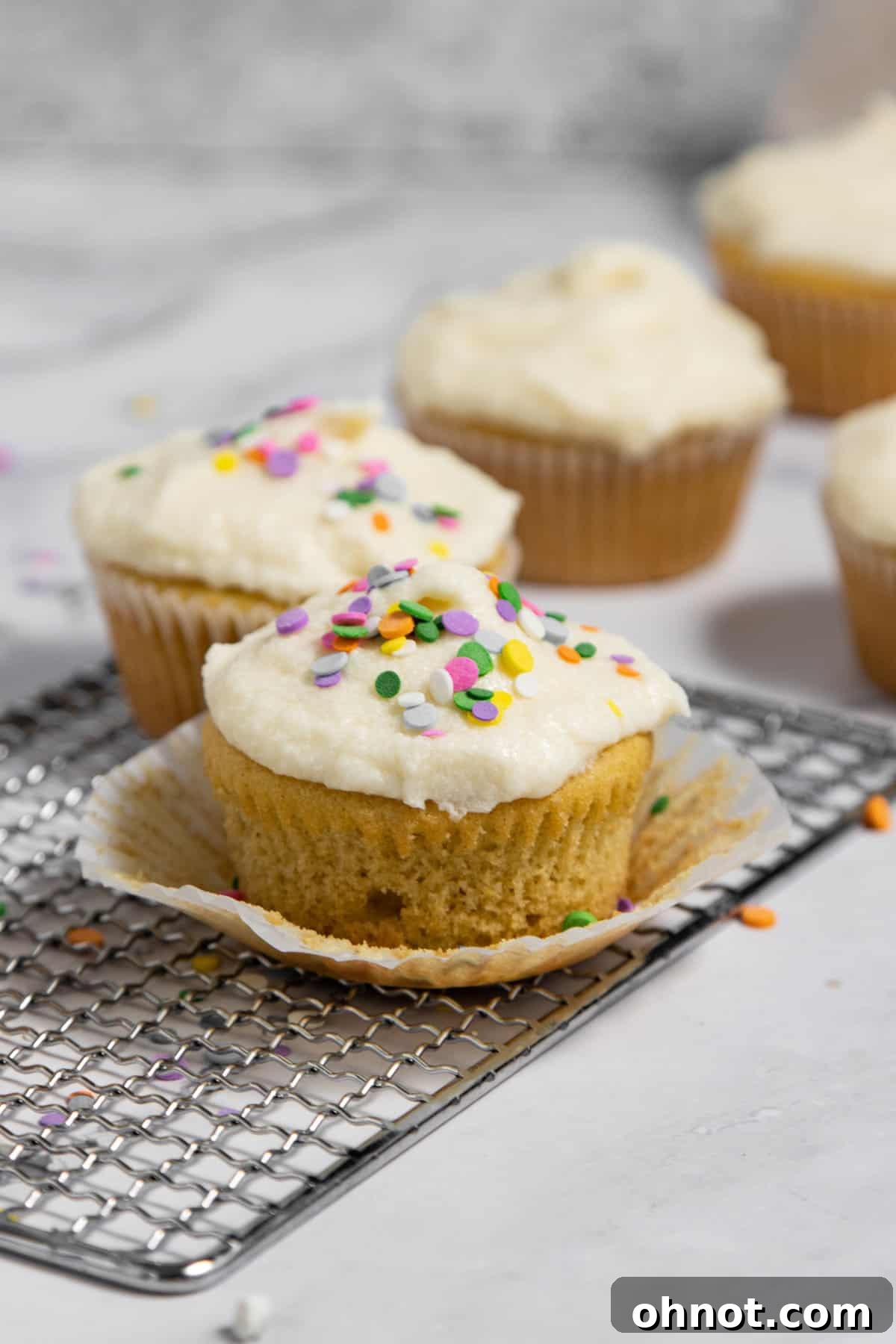
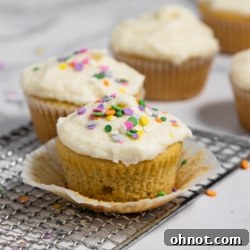
Welcome to the ultimate guide for creating the most delightful gluten-free vanilla cupcakes you’ll ever taste! These aren’t just any cupcakes; they are a celebration of flavor and texture, proving that going gluten-free doesn’t mean compromising on deliciousness. Imagine sinking your teeth into a remarkably soft and fluffy vanilla cupcake, generously topped with a luscious, creamy homemade buttercream frosting. This recipe delivers exactly that, making it a perfect treat for any occasion – from joyous birthday celebrations and festive holidays to memorable milestones, or simply as a comforting homemade delight. Both kids and adults will adore this allergy-friendly dessert, and with our customizable options, you can easily tailor them to your unique preferences. Get ready to bake a batch of happiness!
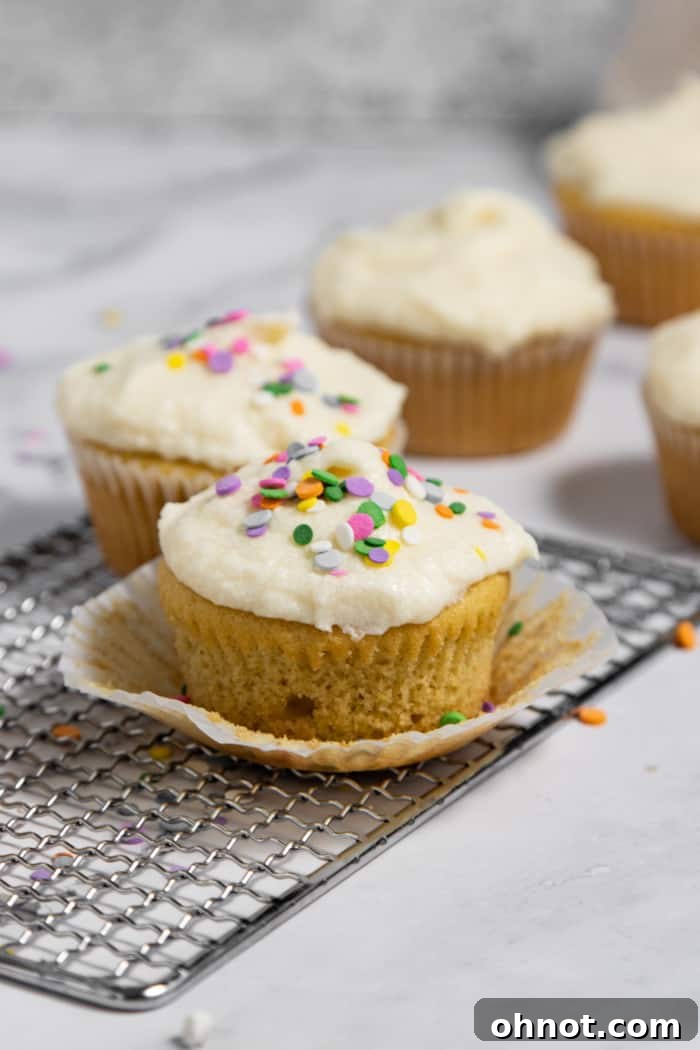
Why You’ll Adore Our Gluten-Free Vanilla Cupcake Recipe
There are countless reasons why this recipe for gluten-free cupcakes will quickly become a cherished favorite in your kitchen. We’ve meticulously crafted it to ensure an exceptional baking and tasting experience.
- Unbelievably Soft and Fluffy Texture: Despite being entirely gluten-free, these cupcakes boast an incredibly tender, moist, and airy crumb. Forget dry, crumbly gluten-free baked goods – these redefine expectations!
- Authentic Classic Vanilla Flavor: These cupcakes deliver that timeless, warm vanilla flavor everyone loves. Many describe them as tasting indistinguishable from traditional wheat-based cupcakes, making them a delightful surprise for all palates.
- Perfect for Any Occasion: Their versatility shines through for any event. Whether you’re planning a birthday party, a festive holiday gathering, a casual weekend treat, or simply craving something sweet, these homemade cupcakes fit the bill perfectly.
- Allergy-Friendly & Inclusive: This recipe is a fantastic option for individuals with gluten allergies, sensitivities, or intolerances, ensuring everyone can enjoy a delicious dessert without worry. Plus, it’s also naturally nut-free, catering to another common allergen.
- Easily Customizable: While classic vanilla is always a hit, this recipe serves as an excellent base for various flavor combinations and frosting types. You can personalize them to your heart’s content, adding different extracts, zest, or even dairy-free alternatives.
- Fun and Festive: Cupcakes inherently bring joy, and these are no exception. Decorate them with colorful gluten-free sprinkles, edible flowers, or themed toppers to match any celebration.
- Simple and Straightforward: We believe delicious baking should be accessible. This recipe is designed to be easy to follow, even for novice bakers, ensuring a successful outcome every time.
- A Reliable Go-To: Once you try these, they will undoubtedly become your go-to recipe for gluten-free cupcakes, guaranteed to impress friends and family alike.
If you enjoy this recipe, you might also love our Crepe Cake, Flourless Chocolate Torte, or a rich Gluten-Free Chocolate Cake for more delicious dessert ideas!
Essential Ingredients & Smart Substitutions
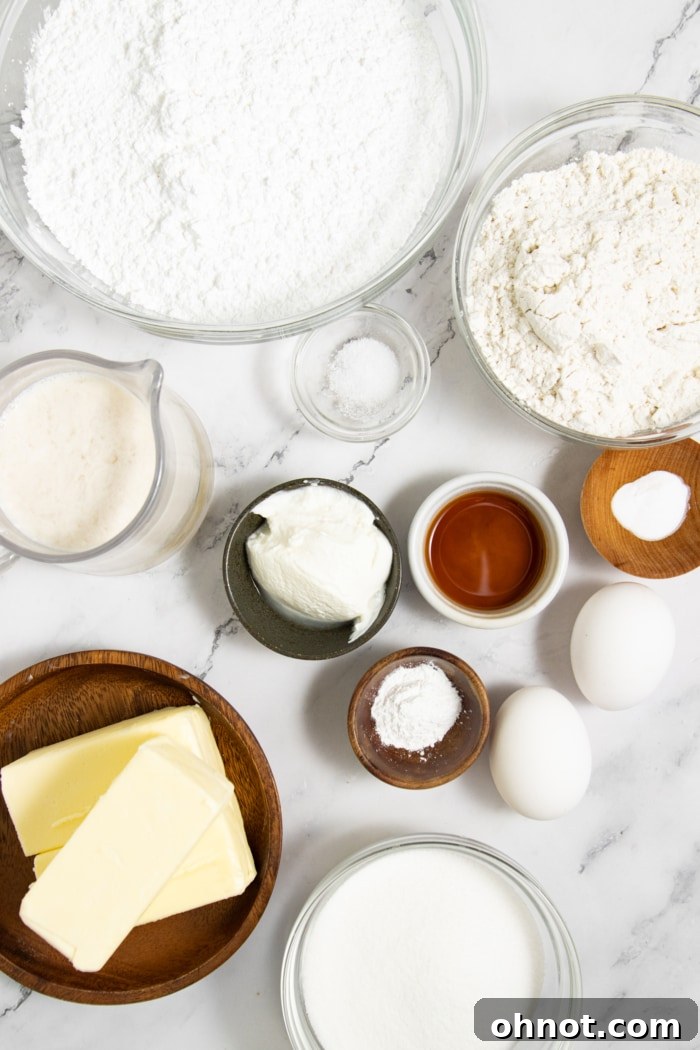
Crafting the perfect gluten-free cupcake starts with understanding each ingredient and its role. Below, we detail the key components for both the cupcakes and the velvety buttercream, along with helpful substitution notes. Remember to refer to the full recipe card for precise measurements and detailed instructions.
For the Gluten-Free Vanilla Cupcakes:
- Gluten-Free 1-to-1 Flour Blend: This is the cornerstone of our cupcakes. A high-quality 1-to-1 gluten-free flour blend is crucial for achieving the desired texture. Look for brands that already contain xanthan gum, as it acts as a binder in gluten-free baking, mimicking the elasticity of gluten. We highly recommend King Arthur Gluten-Free Measure for Measure Flour or Bob’s Red Mill Gluten-Free 1-to-1 Baking Flour for consistently excellent results. Using different blends may slightly alter the final texture, so stick to a trusted brand.
- Baking Powder & Baking Soda: These leavening agents are vital for giving the cupcakes their signature rise and airy structure. Ensure they are fresh for maximum effectiveness.
- Salt: A small pinch of salt enhances all the other flavors, balancing the sweetness and adding depth to the vanilla notes.
- Granulated Sugar: Provides sweetness and helps create a tender crumb. We have not tested this recipe with liquid sweeteners like maple syrup or alternative granular sugars like coconut sugar, so we advise against those substitutions to maintain the intended texture and sweetness balance.
- Unsalted Butter, Softened: Essential for both the cupcakes and the frosting. Softened butter creams beautifully with sugar, incorporating air and contributing to a light, fluffy texture. If you only have salted butter, simply omit the additional salt called for in the cupcake batter.
- Large Eggs, Room Temperature: Eggs add structure, moisture, and richness, contributing to the cupcakes’ light and airy consistency. Room temperature eggs emulsify better with other ingredients, leading to a smoother batter. We have not tested this recipe to be fully vegan.
- Vanilla Extract: The star flavor! Use a good quality pure vanilla extract for the best, warmest, and most aromatic vanilla taste.
- Buttermilk: Adds moisture, a delicate tang, and reacts with the baking soda to further enhance the rise. If you don’t have buttermilk, you can easily make your own by mixing ¾ cup of regular milk (dairy or non-dairy) with 1 teaspoon of lemon juice or white vinegar. Let it sit for 5-10 minutes until it slightly curdles before adding to the batter.
- Plain Greek Yogurt: An incredible secret ingredient for extra moisture and richness, resulting in an exceptionally tender crumb. We recommend using a thick, full-fat Greek yogurt. Dairy-free plain yogurt can be used for a dairy-free version.
For the Creamy Vanilla Buttercream Frosting:
- Unsalted Butter, Softened: The base of any good buttercream. Ensure it’s perfectly softened but not melted for a smooth, creamy consistency.
- Powdered Sugar (Confectioners’ Sugar): Provides the sweetness and fine texture necessary for a smooth frosting. Sifting it can help prevent lumps.
- Vanilla Extract: Again, pure vanilla extract is key for a truly delicious vanilla buttercream.
- Milk (or Dairy-Free Milk): Used to thin out the frosting to your desired spreadable consistency. Start with a small amount and add more gradually. Both regular dairy milk and dairy-free alternatives (like almond milk or oat milk) work beautifully. If you’re exploring dairy-free options, check out our Dairy-Free Cupcakes recipe!
Unforgettable Taste & Texture Experience
These gluten-free cupcakes truly stand out in terms of their sensory experience. Each bite promises a harmonious blend of flavor and texture that will make you forget they’re gluten-free.
The cupcakes themselves are renowned for their incredibly soft, light, and fluffy crumb. They are perfectly moist and tender, a direct result of carefully balanced ingredients like buttermilk and Greek yogurt. You won’t find any dryness or grittiness here – just a delicate, melt-in-your-mouth texture that rivals any traditional cupcake.
Complementing this exquisite base is the homemade vanilla buttercream frosting. It’s whipped to a light, airy, and wonderfully creamy perfection. It’s sweet without being cloying, with a rich vanilla essence that perfectly marries with the cupcake’s classic vanilla flavor profile. Together, they create a classic, comforting, and utterly delicious dessert that appeals to everyone.
Step-by-Step Guide to Baking Perfect Gluten-Free Cupcakes
Follow these detailed steps to create your own batch of irresistible gluten-free vanilla cupcakes. Precision and care at each stage ensure the best possible results.
Step 1: Prepare Your Oven and Pan
Begin by preheating your oven to 350°F (175°C). While the oven heats, line a standard 12-cup muffin or cupcake pan with paper liners. This preparation ensures even baking and easy removal.
Step 2: Combine Dry Ingredients
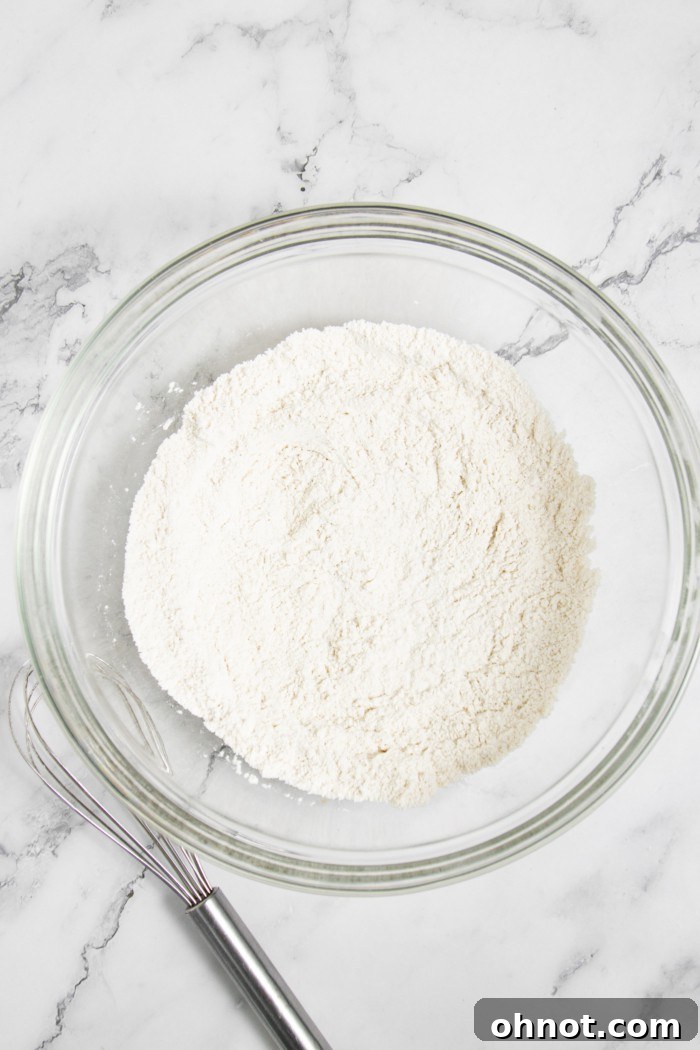
In a medium-sized bowl, whisk together the gluten-free 1-to-1 flour, baking powder, baking soda, and salt. Make sure these ingredients are thoroughly combined to ensure they are evenly distributed throughout the batter, contributing to a consistent rise.
Step 3: Cream Butter and Sugar
In a large mixing bowl, using an electric mixer (stand mixer with paddle attachment or a hand mixer), cream together the softened unsalted butter and granulated sugar. Beat on medium-high speed for 2-3 minutes until the mixture is light, fluffy, and pale in color. This step is crucial for incorporating air, which helps create a light cupcake.
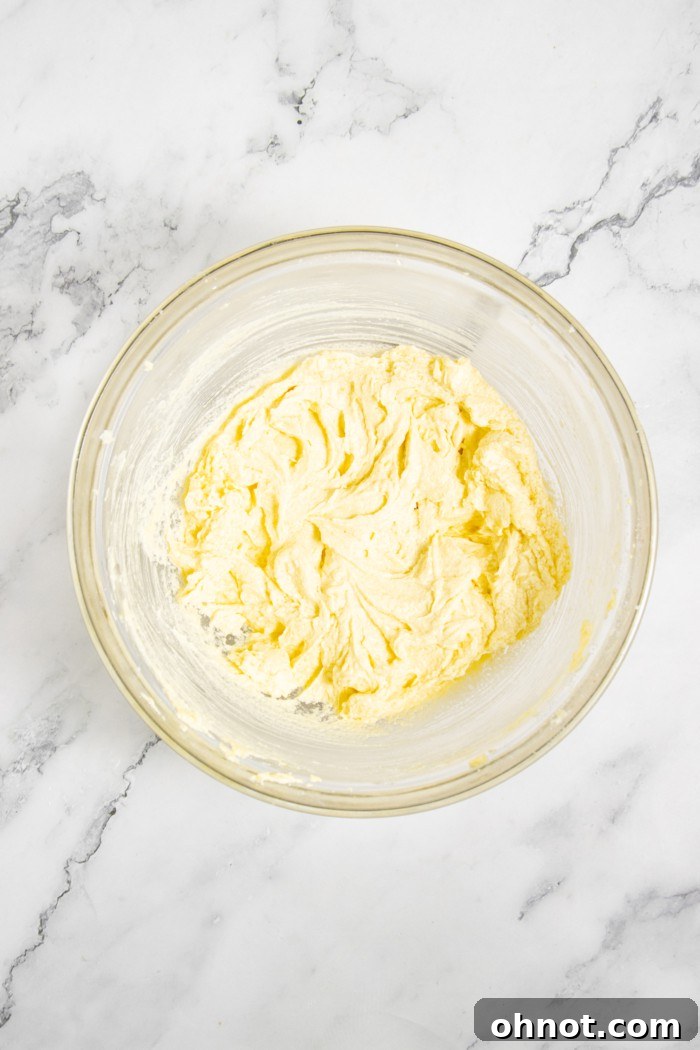
Step 4: Incorporate Eggs and Vanilla
Add the large eggs to the creamed mixture one at a time, beating well after each addition until fully incorporated. Scrape down the sides of the bowl as needed. Once the eggs are mixed in, beat in the vanilla extract until just combined. Overmixing at this stage can toughen the cupcakes.
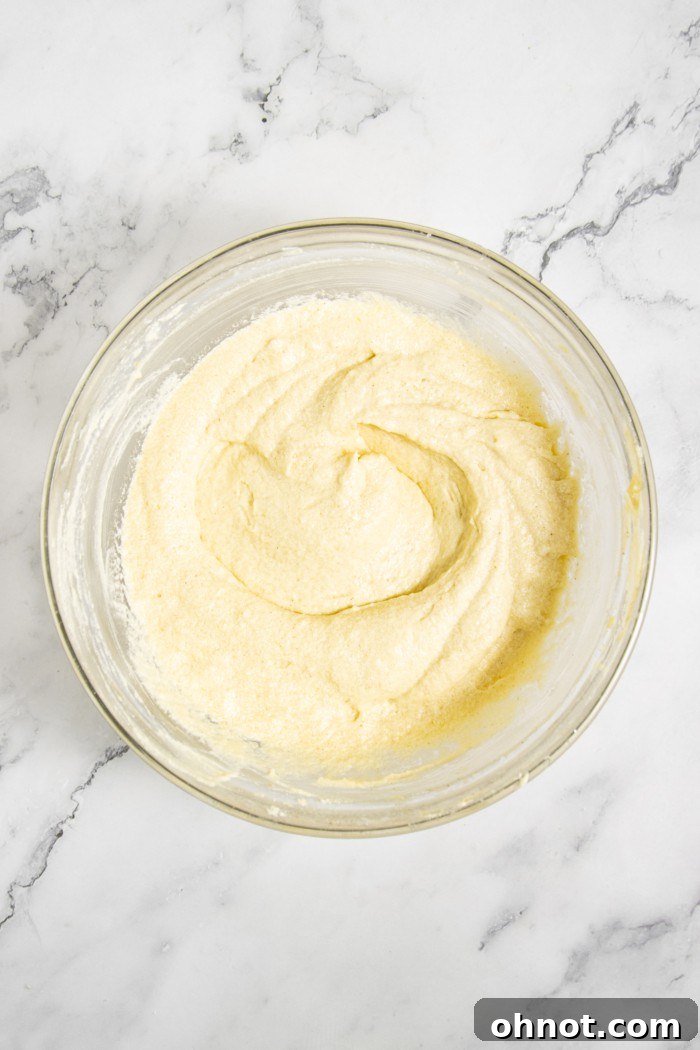
Step 5: Alternate Dry and Wet Ingredients
With the mixer on low speed, gradually add the dry ingredients to the wet ingredients, alternating with the buttermilk. Begin and end with the dry ingredients. Mix only until just combined, being careful not to overmix. Overmixing develops gluten (even in gluten-free flour, which can lead to a tougher texture) and can deflate the air you’ve incorporated.
Step 6: Fold in Greek Yogurt
Gently stir in the plain Greek yogurt until the batter is smooth and uniformly blended. The Greek yogurt contributes significantly to the cupcakes’ moisture and tender crumb. Use a spatula for this step to avoid overmixing.
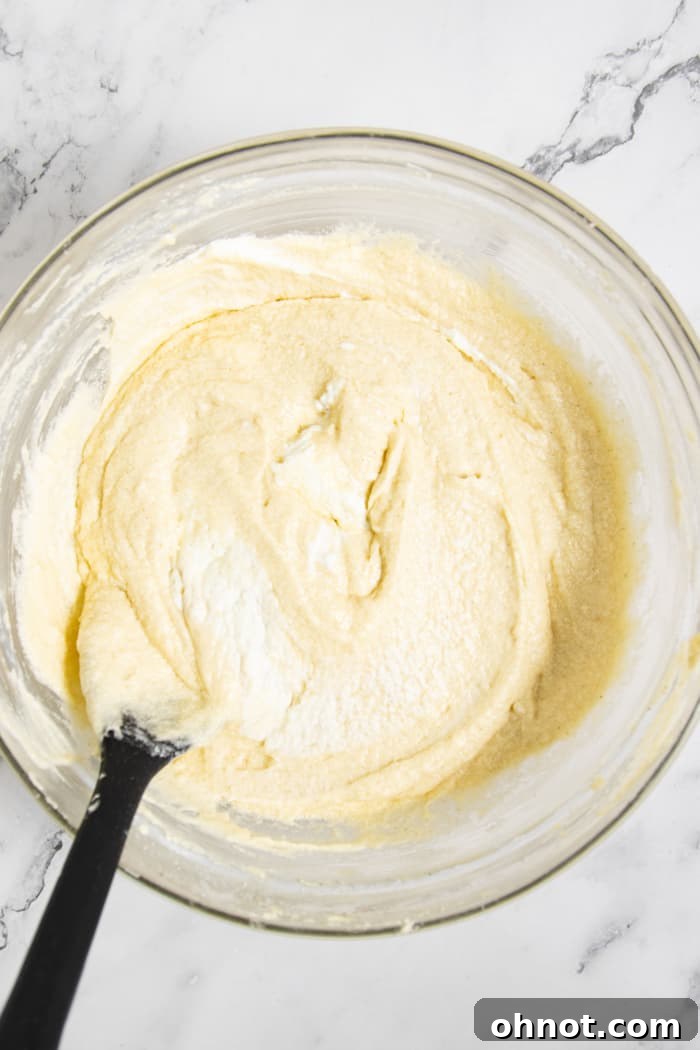
Step 7: Fill Cupcake Liners
Divide the cupcake batter evenly among the prepared cupcake liners, filling each about two-thirds full. This allows room for the cupcakes to rise without overflowing. A spring-loaded scoop can help achieve consistent sizes.
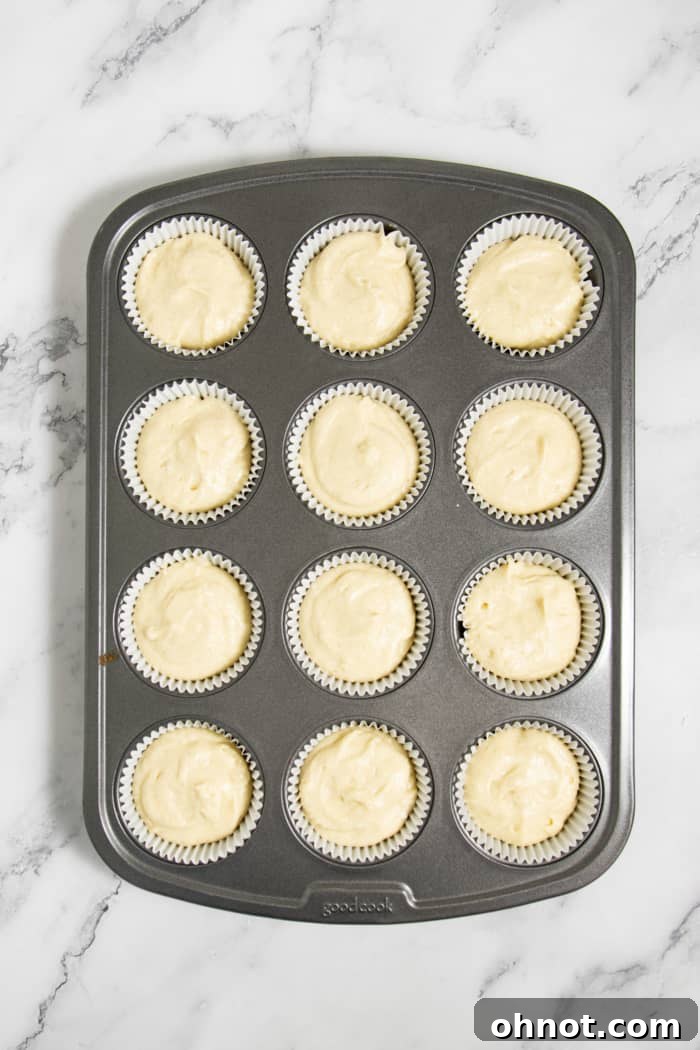
Step 8: Bake to Perfection
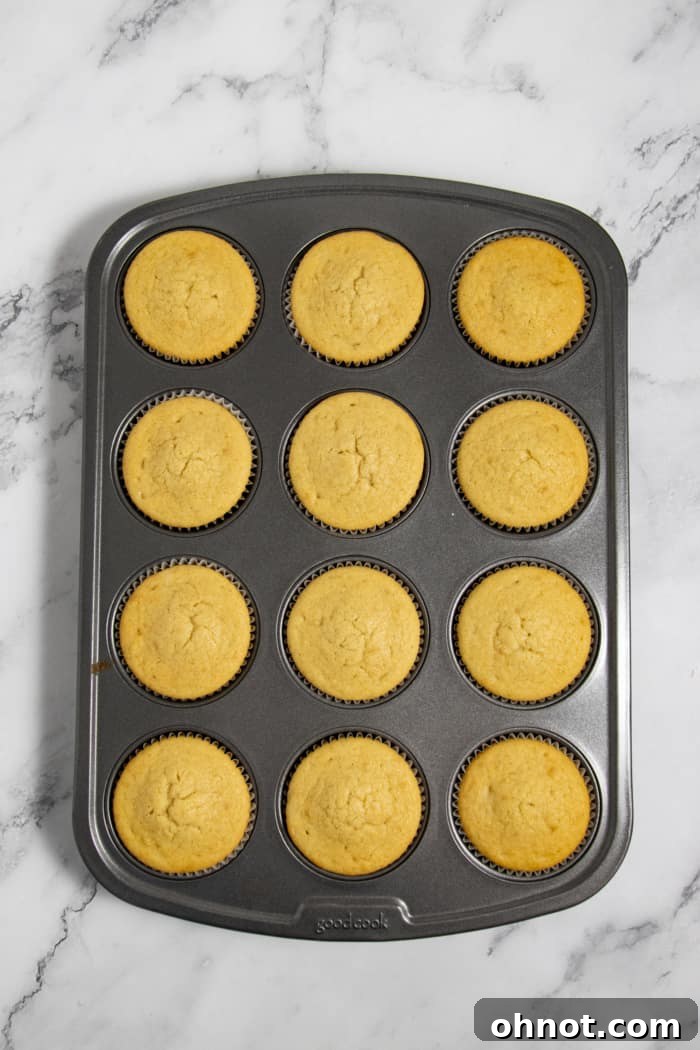
Bake the cupcakes in your preheated oven for 18 to 20 minutes. Baking times can vary, so keep an eye on them. The cupcakes are done when a toothpick inserted into the center of one comes out clean or with a few moist crumbs attached, but no wet batter.
Step 9: Cool the Cupcakes
Once baked, remove the cupcake pan from the oven and let the cupcakes cool in the pan for a few minutes. Then, carefully transfer them to a wire rack to cool completely. It’s crucial for the cupcakes to be entirely cool before frosting to prevent the frosting from melting.
Step 10: Begin the Buttercream Frosting
While the cupcakes cool, prepare the vanilla buttercream frosting. In a large mixing bowl, beat the softened butter with an electric mixer until it is smooth and creamy. This takes a few minutes and ensures a light base for your frosting.
Step 11: Add Powdered Sugar
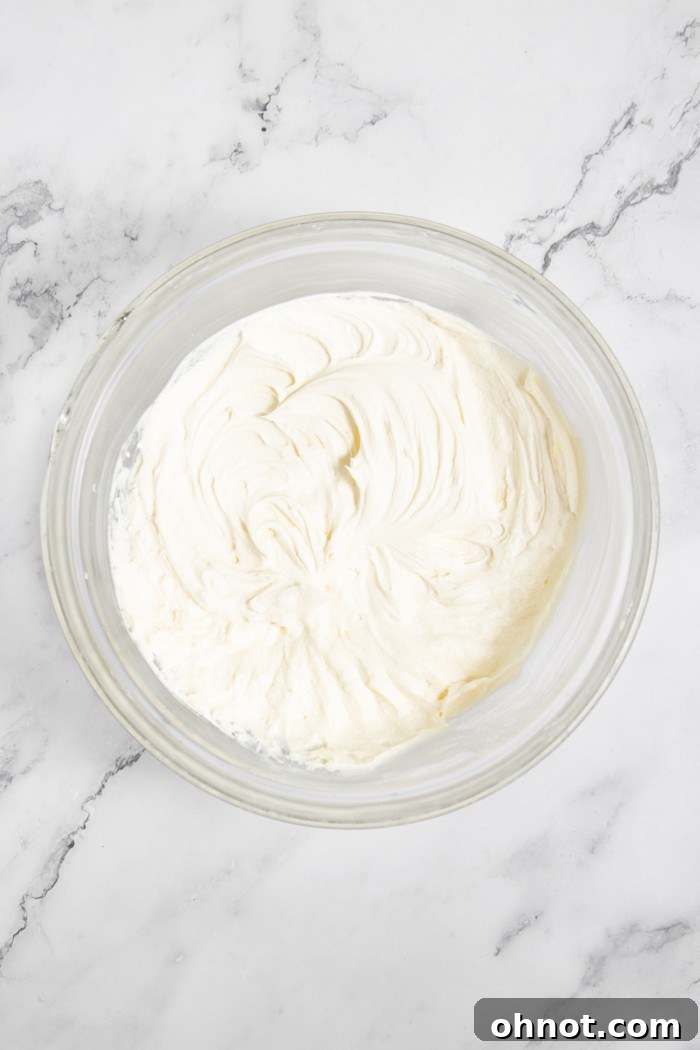
Gradually add the powdered sugar to the beaten butter, one cup at a time, mixing on low speed until combined, then increasing to medium-high. Continue beating until the frosting is fluffy, light, and well combined. Sifting your powdered sugar beforehand can prevent lumps.
Step 12: Mix in Vanilla Extract
Beat in the vanilla extract until it’s fully incorporated and the frosting is fragrant with vanilla. Again, good quality vanilla makes a noticeable difference here.
Step 13: Adjust Frosting Consistency
Add the milk, one tablespoon at a time, beating until you reach your desired consistency. The frosting should be smooth, spreadable, and easy to pipe. If it’s too thick, add a tiny bit more milk; if too thin, beat in a little more powdered sugar.
Step 14: Frost the Cooled Cupcakes
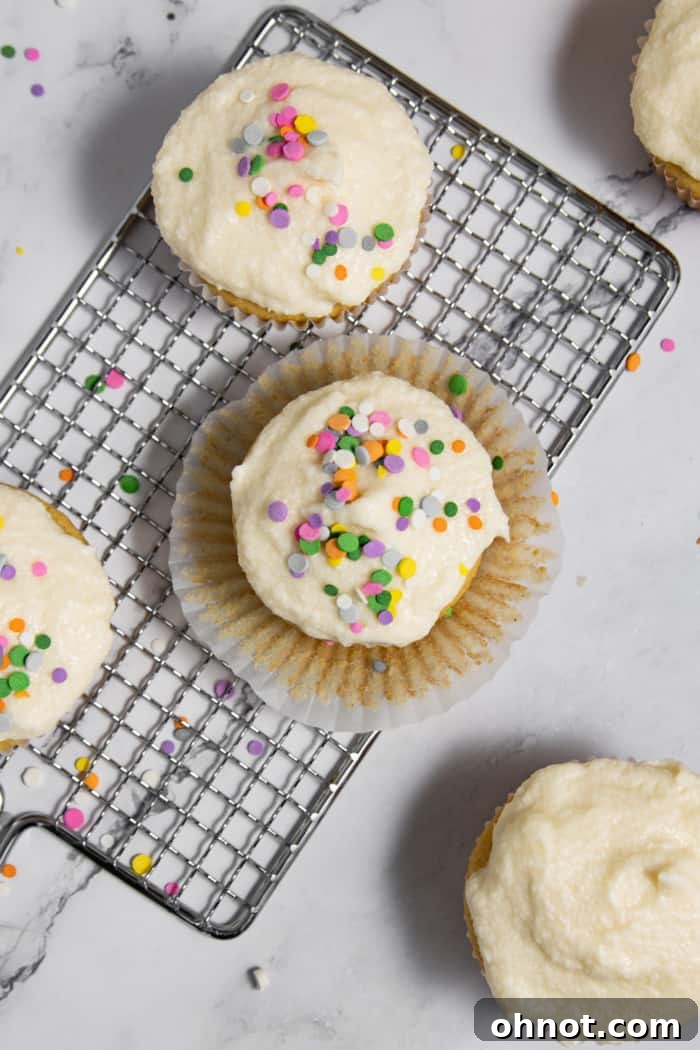
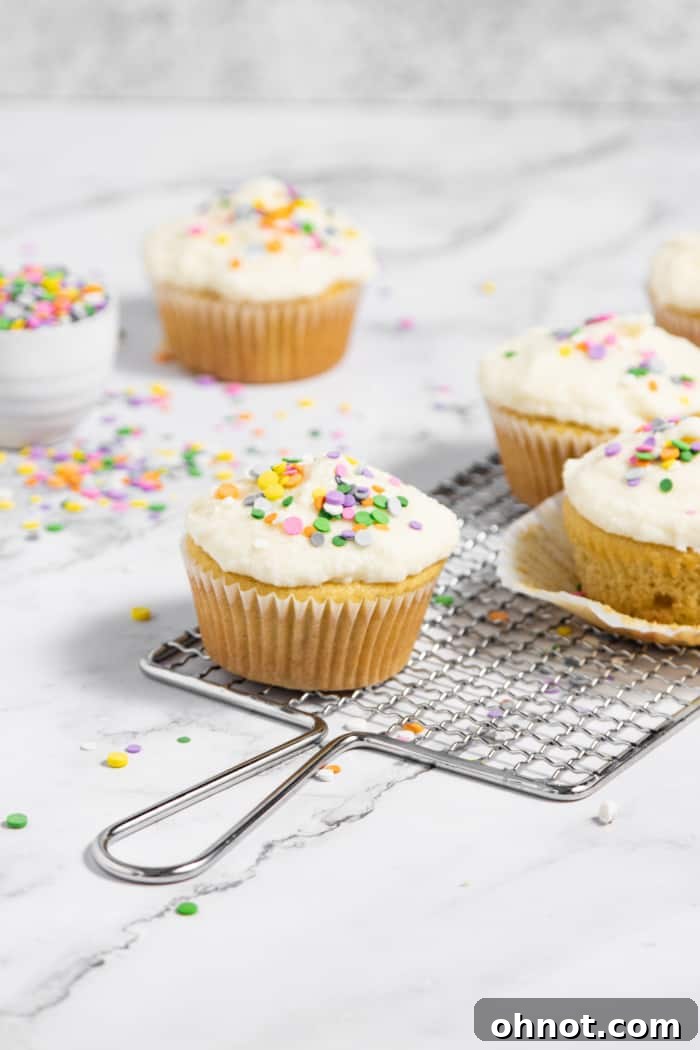
Once the cupcakes are completely cooled, it’s time to frost them! Transfer the vanilla buttercream frosting to a piping bag fitted with your favorite tip, or simply use a spatula or knife to spread it generously over each cupcake.
Step 15: Decorate and Serve!
Finally, unleash your creativity! Decorate the frosted cupcakes with festive gluten-free sprinkles, elegant edible flowers, fresh berries, or any other toppings of your choice to add a personal and celebratory touch. Serve immediately and enjoy your delicious homemade gluten-free treats!
Exciting Frosting and Flavor Variations
While our classic vanilla gluten-free cupcakes with vanilla buttercream are undeniably delicious, this recipe provides an excellent foundation for endless creative variations. Don’t hesitate to experiment with different frostings and cupcake flavors to suit any preference or occasion!
Inspiring Frosting Ideas:
- Classic Vanilla Buttercream: The timeless choice featured in this recipe, offering a creamy texture and universally loved flavor that pairs perfectly with the tender vanilla cake.
- Rich Cream Cheese Frosting: For a delightful tangy counterpoint and a richer, creamier texture, a cream cheese frosting is an excellent choice. Its slight tartness beautifully balances the sweetness of the cupcake.
- Decadent Chocolate Frosting: A classic pairing! A smooth, dark chocolate buttercream provides a delicious contrast to the lightness of the vanilla cupcakes. Consider a rich ganache for an extra luxurious touch.
- Lemon Zest Frosting: Add finely grated lemon zest and a hint of lemon juice to your vanilla buttercream for a bright, refreshing, and citrusy frosting that’s particularly wonderful for spring and summer.
- Peanut Butter or Nut Butter Frosting: For those who love the combination of sweet and nutty flavors (and if not nut-free is a concern), a creamy peanut butter or almond butter frosting can be a delightful and rich addition.
- Berry Infused Buttercream: Puree fresh raspberries, strawberries, or blueberries and gently fold them into your buttercream for a naturally colored and fruity frosting. Be mindful of moisture content.
Creative Gluten-Free Cupcake Flavor Variations:
- Zesty Lemon Cupcakes: To achieve a vibrant, citrusy flavor, gently fold in 1-2 tablespoons of fresh lemon zest and a teaspoon of lemon extract into your cupcake batter. These are incredibly refreshing, especially with a lemon or cream cheese frosting.
- Rich Chocolate Gluten-Free Cupcakes: Transform these into chocolate delights by replacing about ¼ cup of the gluten-free flour with unsweetened cocoa powder, and possibly adding a bit more liquid to maintain moisture. These are decadent and perfect for chocolate lovers.
- Subtle White Chocolate Cupcakes: For a more elegant and subtly sweet option, gently fold in ½ cup of melted and cooled white chocolate into the batter. This adds a unique richness and delicate flavor that pairs wonderfully with a simple vanilla or white chocolate ganache frosting.
- Almond or Coconut Cupcakes: Introduce an almond or coconut extract for a distinct flavor profile. You could also fold in some shredded coconut or finely ground almonds (if not nut-free) into the batter for added texture.
- Spiced Cupcakes: During autumn or winter, consider adding warming spices like cinnamon, nutmeg, and a pinch of cloves to the dry ingredients for a cozy, spiced cupcake experience.
Expert Tips for Gluten-Free Cupcake Perfection
Achieving outstanding gluten-free cupcakes requires a few key insights. Here are our expert tips to ensure your baking success every single time:
- Choose the Right Gluten-Free Flour Blend: This is arguably the most critical tip. Always opt for a high-quality 1-to-1 gluten-free all-purpose flour blend that explicitly states it contains xanthan gum. Xanthan gum is essential for providing structure and elasticity that gluten typically offers. Brands like King Arthur Gluten-Free Measure for Measure Flour and Bob’s Red Mill Gluten-Free 1-to-1 Baking Flour are consistently reliable choices.
- Avoid Overmixing the Batter: Just like with traditional baking, overmixing gluten-free batter can lead to tough, dense cupcakes. Mix only until the ingredients are just combined and no streaks of flour remain. A few small lumps are perfectly fine.
- Ensure Room Temperature Ingredients: Butter, eggs, and buttermilk should all be at room temperature. This allows them to emulsify properly, creating a smooth, uniform batter that traps air more effectively, resulting in lighter, fluffier cupcakes.
- Accurate Measuring: Especially with gluten-free flour, accurate measurement is crucial. We recommend using a kitchen scale for flour (weighing is more precise than volumetric cups) or using the “spoon and level” method: spoon flour into your measuring cup, then level it off with a straight edge, rather than scooping directly from the bag.
- Don’t Skimp on Paper Liners: Always line your cupcake or muffin pan with paper liners. This prevents sticking, ensures easy removal, and contributes to a tidier presentation.
- Bake Just Until Done: Overbaked cupcakes, whether gluten-free or not, will be dry and crumbly. Begin checking for doneness at the lower end of the recommended baking time.
- Use the Toothpick Test: The most reliable way to check for doneness is the toothpick test. Insert a toothpick into the center of a cupcake; if it comes out clean or with a few moist crumbs attached, the cupcakes are ready. If it has wet batter, bake for a few more minutes.
- Cool Completely Before Frosting: This cannot be stressed enough! Attempting to frost warm cupcakes will result in melted, messy frosting. Allow the cupcakes to cool entirely on a wire rack before even thinking about applying frosting.
- Adjust Frosting Consistency: Buttercream consistency is key for easy piping and spreading. If your frosting seems too thick, add milk (dairy or non-dairy) one teaspoon at a time until it reaches the desired smoothness. If it’s too thin, slowly beat in more powdered sugar until it stiffens.
- Invest in a Good Mixer: A stand mixer or a powerful hand mixer will make the creaming of butter and sugar, as well as frosting preparation, significantly easier and more effective.
Creative Flavor Variations & Delicious Add-Ins
The beauty of these gluten-free vanilla cupcakes lies in their versatility. They serve as a perfect canvas for a myriad of flavor variations and exciting add-ins, allowing you to customize them for any craving or event. The possibilities for toppings and flavor enhancements are truly endless!
- Alternate Frosting Flavors: Beyond vanilla, consider topping your cupcakes with chocolate buttercream, raspberry cream cheese frosting, a rich coffee frosting, or a bright lemon glaze for a refreshing twist.
- Chocolate Chip Surprise: Fold ½ cup of mini chocolate chips or regular chocolate chips directly into the cupcake batter just before filling the liners. This adds pockets of melty chocolate goodness.
- Garnish with Mini Chocolate Chips: After frosting, sprinkle a handful of mini chocolate chips over the top of each cupcake for a delightful visual and textural contrast.
- Nutty Crunch (if not nut-free): For those without nut allergies, gently fold finely chopped walnuts, pecans, or almonds into the batter or sprinkle them generously over the frosting for an added crunch and nutty flavor.
- Funfetti Celebration: Transform these into festive Funfetti cupcakes by folding ¼ cup of colorful gluten-free sprinkles into the batter, and then adding more sprinkles on top of the frosting.
- Citrus Zest Burst: Enhance the vanilla flavor or add a complementary note by folding in the zest of one lemon, orange, or lime into the batter. This adds a bright, aromatic lift.
- Cocoa Powder Swirl: For a marble effect, take a portion of the batter, mix in a tablespoon of unsweetened cocoa powder, and then swirl it into the vanilla batter before baking.
- Caramel Drizzle: After frosting, add a decadent drizzle of homemade or store-bought caramel sauce, perhaps with a sprinkle of sea salt for a salted caramel cupcake.
- Fresh Fruit Toppings: Crown your frosted cupcakes with fresh berries (strawberries, raspberries, blueberries) or thin slices of kiwi for a burst of color and natural sweetness.
Serving and Storage Recommendations
To ensure your gluten-free cupcakes remain as delicious as possible, proper serving and storage are key. Follow these guidelines for optimal freshness and enjoyment:
Serving:
- Gluten-free cupcakes are always best enjoyed fresh, ideally on the day they are baked. The flavors are most vibrant and the texture is at its peak immediately after baking and frosting.
- Ensure the cupcakes are completely cooled before applying frosting. If you frost them while they are still warm, the buttercream will melt, creating a messy and unappealing result.
Storage (Short Term):
- At Room Temperature: If your kitchen is cool (below 70°F or 21°C) and the frosting does not contain perishable ingredients like cream cheese, these frosted cupcakes can be stored in an airtight container at room temperature for up to 2 days. Keep them away from direct sunlight or heat.
- In the Refrigerator: For longer storage or if your kitchen is warm, place the frosted cupcakes in an airtight container and store them in the refrigerator for up to 3 days. Before serving, allow them to come to room temperature for about 15-30 minutes for the best flavor and texture, especially for the buttercream.
- Unfrosted Storage: If you plan to make the cupcakes ahead of time, it’s best to store the unfrosted cupcakes separately. Place them in an airtight container at room temperature for up to 2-3 days, or refrigerate for up to 5 days. Prepare the frosting fresh and frost just before serving for the freshest taste and appearance.
Freezing (Long Term):
- Unfrosted Cupcakes: To freeze, ensure the cupcakes are completely cooled. Wrap each unfrosted cupcake individually in plastic wrap, then place them in a freezer-safe bag or airtight container. They can be frozen for up to 2 months.
- Thawing Unfrosted Cupcakes: To thaw, simply transfer the wrapped cupcakes to the refrigerator overnight, or leave them at room temperature for a few hours. Once thawed, you can frost them as desired.
- Frosted Cupcakes (with buttercream): If you must freeze frosted cupcakes, make sure the buttercream is stable (like our vanilla buttercream). Place the frosted cupcakes on a baking sheet and freeze until the frosting is firm (about 1-2 hours). Then, individually wrap them tightly in plastic wrap and place them in an airtight container or freezer bag. This prevents the frosting from sticking to the wrap. They can be frozen for up to 1 month.
- Thawing Frosted Cupcakes: To thaw frosted cupcakes, unwrap them (this prevents condensation from clinging to the frosting) and let them sit at room temperature for several hours or overnight until fully defrosted.
Frequently Asked Questions (FAQs) about Gluten-Free Cupcakes
Dry cupcakes are often a result of overbaking or incorrect ingredient ratios. First, ensure you’re not overmixing the batter, as this can develop toughness. Next, check the oven temperature for accuracy with an oven thermometer. If your cupcakes consistently come out dry, try adding an extra tablespoon or two of buttermilk or Greek yogurt to the batter next time. Also, make sure your gluten-free flour blend includes xanthan gum, or add ½ teaspoon per cup of flour if it doesn’t.
Achieving the right frosting consistency is easy to fix! If your frosting is too thin or runny, gradually add more powdered sugar, about ¼ cup at a time, beating well after each addition until it reaches your desired thickness. If the frosting is too thick or stiff, add milk (dairy or dairy-free) one teaspoon at a time, mixing until it becomes smooth and spreadable. Always adjust slowly to avoid overcorrecting.
Making your cupcakes festive is all about creative decoration! Beyond colorful gluten-free sprinkles, consider adding edible glitter, fresh seasonal berries, miniature candies, chocolate shavings, or small edible flowers. You can also use different piping tips to create various frosting designs, or add a few drops of food coloring to your frosting for vibrant hues.
For consistent and excellent results in gluten-free baking, I always recommend using a high-quality 1-to-1 gluten-free all-purpose flour blend that contains xanthan gum. My personal go-to brands for many years have been King Arthur Gluten-Free Measure for Measure Flour and Bob’s Red Mill Gluten-Free 1-to-1 Baking Flour. They consistently deliver superior texture and flavor.
Not with this recipe! One of the greatest compliments these cupcakes receive is that nobody can tell they’re gluten-free. They are designed to have the same soft, moist, and delicious taste and texture as traditional vanilla cupcakes. The key is using the right flour blend and precise baking techniques.
Absolutely! This recipe can easily be adapted to be dairy-free. Simply substitute unsalted butter with a high-quality dairy-free butter stick (like Miyoko’s Kitchen or Earth Balance baking sticks). For the buttermilk, combine a dairy-free milk (almond, oat, or soy) with 1 teaspoon of lemon juice. Use a plain dairy-free Greek yogurt, and for the frosting, use dairy-free milk to adjust consistency. The results are just as delicious!
Yes, you can easily adapt this recipe for mini cupcakes! Use a mini muffin pan lined with mini paper liners. Fill each liner about two-thirds full. The baking time will be significantly shorter, typically 10-14 minutes. Keep a close eye on them and use the toothpick test for doneness.
Essential Equipment for Gluten-Free Baking
Having the right tools can make all the difference in your baking process. Here’s a list of equipment that will help you achieve perfect gluten-free cupcakes:
- Pyrex Glass Measuring Cups: These sturdy glass measuring cups are incredibly useful for accurately measuring liquids and for microwaving ingredients when needed.
- Muffin/Cupcake Pan: A good quality non-stick muffin pan is essential for baking cupcakes evenly and ensuring they don’t stick. We recommend a 12-cup standard size.
- Electric Mixer (Stand or Handheld): Crucial for creaming butter and sugar and whipping up fluffy buttercream. A stand mixer offers hands-free convenience, while a powerful hand mixer is a versatile alternative.
- Mixing Bowls (various sizes): You’ll need at least one medium bowl for dry ingredients and a large bowl for wet ingredients and batter mixing. Stainless steel or glass bowls are excellent choices.
- Rubber Spatulas: Indispensable for scraping down the sides of bowls, folding ingredients gently, and ensuring all batter is incorporated.
- Wire Rack: Essential for cooling your cupcakes completely after baking. Proper cooling prevents sogginess and ensures the frosting doesn’t melt.
- Cupcake Liners: Paper liners prevent sticking and make for easy serving.
- Whisk: For thoroughly combining dry ingredients.
- Measuring Spoons & Dry Measuring Cups: For accurate measurement of all ingredients.
- Piping Bag and Tips (Optional): For beautifully decorated cupcakes, a piping bag and a star or round tip are excellent additions for applying frosting professionally.
Explore more of my favorite baking and kitchen essentials on my dedicated kitchen favorites page!
More Delicious Gluten-Free Dessert Recipes
If you loved these gluten-free cupcakes, be sure to explore some of our other fantastic gluten-free dessert creations:
- Berry Cake: A vibrant and fruity cake perfect for any season.
- Mini Cheesecakes: Individual portions of creamy, delightful cheesecake.
- Vegan Pound Cake: A rich and dense cake, entirely plant-based.
- Brownie Cake: For the ultimate chocolate indulgence, combining the best of brownies and cake.
- Gluten Free Cheesecake: A classic dessert made accessible for those avoiding gluten.
If you make this scrumptious gluten-free cupcake recipe, we would be thrilled to hear your thoughts and appreciate a review! You can connect with us and share your creations on Instagram, Facebook, and Pinterest. Join our exclusive Facebook Group for behind-the-scenes content and more recipe inspiration. We’d love for you to follow along!
For even more delicious ideas, don’t forget to check out our comprehensive collection of Dessert Recipes.
15
mins
20
mins
1
hr
1
hr
35
mins
Get the Recipe:
Gluten Free Cupcakes
Metric
Pin Recipe
Ingredients
12
cupcakes
Vanilla Cupcakes:
- 1 ½ cups gluten-free 1 to 1 flour
- 1 ½ tsp baking powder
- ½ tsp baking soda
- ¼ tsp salt
- ¾ cup granulated sugar
- ½ cup unsalted butter, softened
- 2 large eggs, at room temperature
- 1 tsp vanilla extract
- ¾ cup buttermilk, see note
- ¼ cup plain Greek yogurt, or dairy-free yogurt
Vanilla Buttercream Frosting
- 1 cup unsalted butter, softened
- 4 cups powdered sugar
- 1 tsp vanilla extract
- 2 to 3 tbsp milk, or dairy-free milk
Instructions
-
First, preheat your oven to 350°F (175°C). Line a cupcake pan with paper liners.
-
In a medium bowl, whisk together the gluten-free flour, baking powder, baking soda, and salt.
-
In a large mixing bowl, cream together the softened butter and granulated sugar until light and fluffy.
-
Beat in the eggs one at a time, followed by the vanilla extract.
-
Gradually add the dry ingredients to the wet ingredients, alternating with the buttermilk, mixing until just combined.
-
Stir in the plain Greek yogurt until the batter is smooth and well blended.
-
Fill each cupcake liner about two-thirds full with the cupcake batter.
-
Bake the cupcakes in the preheated oven for 18 to 20 minutes, or until a toothpick inserted into the center of a cupcake comes out clean.
-
Remove the cupcakes from the oven and let them cool in the pan for a few minutes before transferring them to a wire rack to cool completely.
-
Next, make the vanilla buttercream frosting. In a large mixing bowl, beat the softened butter until smooth and creamy.
-
Gradually add the powdered sugar, one cup at a time, and continue beating until the frosting is fluffy and well combined.
-
Mix in the vanilla extract.
-
Add the milk, one tablespoon at a time, until you reach your desired consistency. The frosting should be smooth and easy to spread.
-
Once the cupcakes are completely cooled, frost them with the vanilla buttercream frosting using a piping bag or a spatula.
-
Optionally, you can decorate the cupcakes with sprinkles, edible flowers, or any other toppings of your choice for a fun and festive touch. Finally, serve!
Notes
- I always use King Arthur Flour gluten-free flour or Bob’s Red Mill gluten-free baking flour for the best results.
- If you do not have buttermilk, combine ¾ cup milk with 1 teaspoon lemon juice. Mix and let this sit for 5 minutes to curdle slightly.
- Do not overmix the cupcake batter. This will yield dry and tough cupcakes.
- Bake the cupcakes until just baked through. Avoid overbaking, as this will lead to dryness.
- Use a toothpick to determine if the cupcakes are fully baked. If a toothpick inserted comes out clean, then the cupcakes are done.
- Let the cupcakes cool completely before frosting them. Otherwise, the frosting will melt into the warm cupcakes.
- If your frosting is too thin, slowly add slightly more powdered sugar, a few tablespoons at a time, and beat well.
- If the frosting is too thick, add a tablespoon or so of milk, one teaspoon at a time, until you reach the desired consistency.
- Store at room temperature in an airtight container for up to 2 days, or in the refrigerator for up to 3 days.
Calories:
441
kcal
,
Carbohydrates:
70
g
,
Protein:
3
g
,
Fat:
25
g
,
Saturated Fat:
15
g
,
Polyunsaturated Fat:
1
g
,
Monounsaturated Fat:
6
g
,
Trans Fat:
1
g
,
Cholesterol:
90
mg
,
Sodium:
180
mg
,
Potassium:
64
mg
,
Fiber:
0.5
g
,
Sugar:
53
g
,
Vitamin A:
778
IU
,
Calcium:
68
mg
,
Iron:
0.3
mg
Addison LaBonte
Dessert
American
Love these homemade gluten-free cupcakes? You can sign up here to receive healthy meal plans, exclusive new recipes, and updates directly to your inbox!