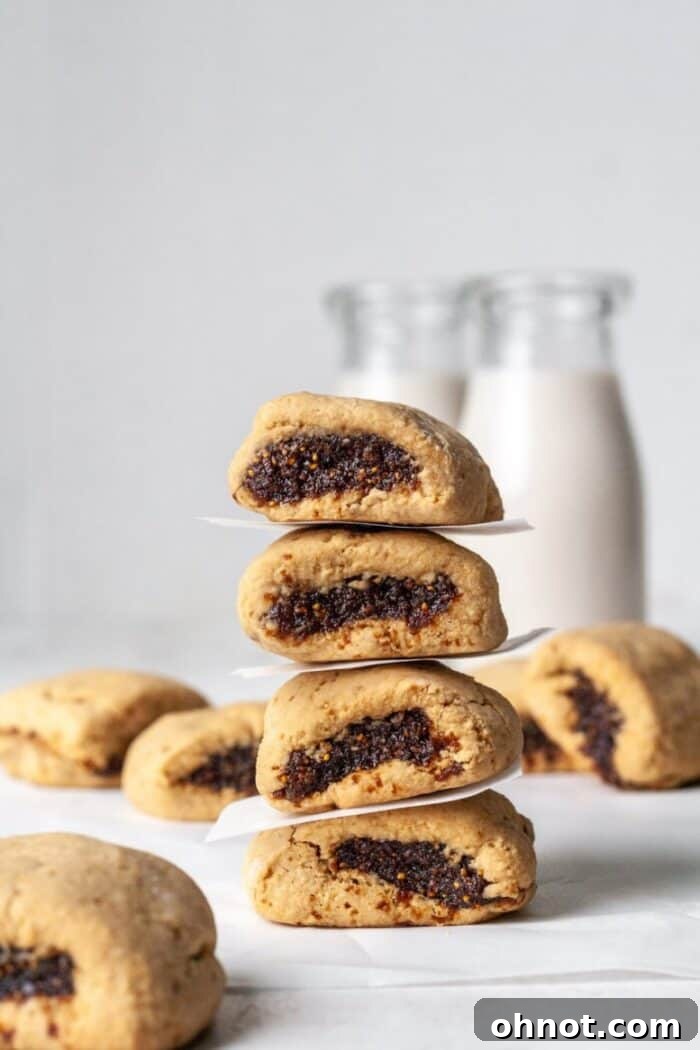
Step into a delightful journey back to childhood with these incredible homemade Gluten-Free Fig Newtons! This recipe isn’t just about recreating a classic snack; it’s about crafting a healthier, equally delicious version that caters to modern dietary needs without sacrificing an ounce of that beloved nostalgic flavor. Imagine a soft, pillowy, cake-like crust perfectly encasing a naturally sweet, rich fig filling – each bite promises a comforting blend of textures and tastes. These Paleo-friendly, grain-free, and dairy-free fig bars are ideal for a wholesome back-to-school treat, a cozy rainy-day baking project, or simply as an anytime snack that both kids and adults will adore. Ditch the store-bought varieties, often laden with artificial ingredients and gluten, and embrace the joy of baking your own wholesome, irresistible fig newtons from scratch.
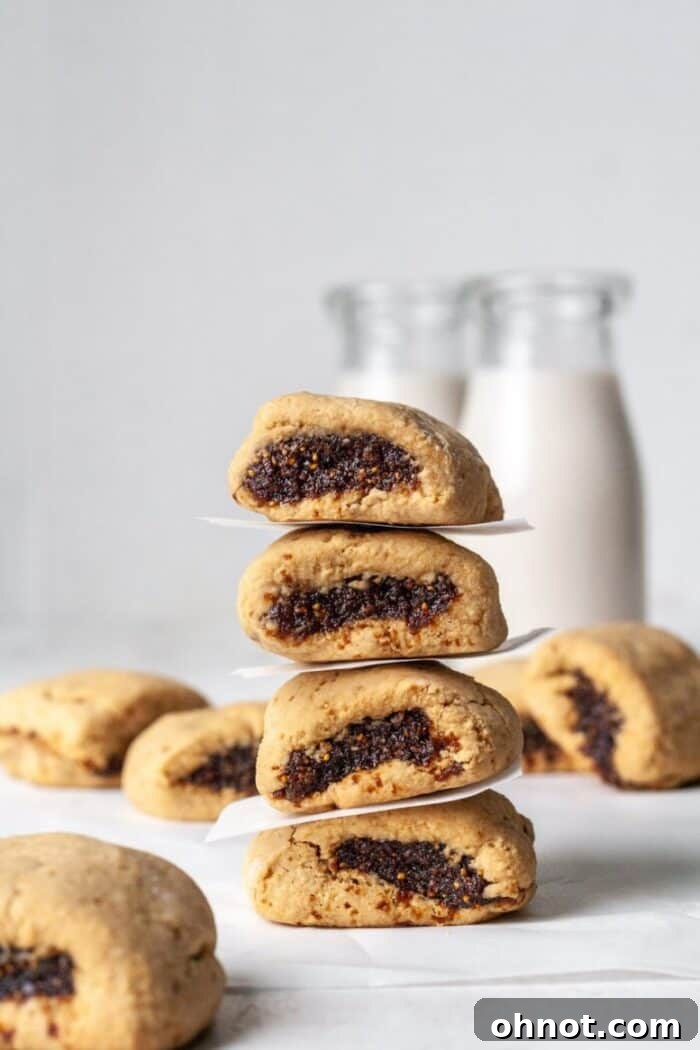
Why You’ll Fall in Love with This Gluten-Free Fig Newton Recipe
There are countless reasons why these homemade Gluten-Free Fig Newtons will quickly become a cherished recipe in your kitchen:
- Unmatched Homemade Flavor: Forget the bland, overly processed taste of commercial fig bars. Our recipe delivers a depth of flavor that only homemade treats can offer, bringing back the authentic, old-fashioned taste you remember from your youth.
- Perfect Texture Combination: The crust is truly special – soft, pillowy, and delightfully cakey, reminiscent of a delicate pie crust. It perfectly complements the naturally sweet and jammy fig filling, creating a harmonious texture in every bite.
- Health-Conscious & Allergen-Friendly: This recipe is a dream come true for those with dietary restrictions. It’s completely Paleo, Grain-Free, Gluten-Free, and Dairy-Free, making it a safe and delicious option for almost everyone. You can enjoy these classic treats without any guilt or discomfort.
- Nutrient-Rich Ingredients: Figs are not only delicious but also incredibly healthy! They are packed with fiber, essential minerals like potassium, calcium, and iron, and provide a natural source of sweetness. Using dried figs ensures a concentrated flavor and ideal texture for the filling.
- A Fun & Rewarding Baking Project: Whether you’re an experienced baker or just starting, making these fig newtons is a rewarding activity. It’s a wonderful way to spend a lazy afternoon, involving the whole family, and the delicious outcome is well worth the effort.
- Versatile Snacking Solution: These fig newtons are incredibly versatile. They make an excellent healthy snack for school lunches, a satisfying mid-day pick-me-up, a delightful dessert, or a comforting treat with your morning coffee or tea.
The Sweet History of Fig Newtons: A Classic American Treat
The story of Fig Newtons is as rich and comforting as the cookies themselves, deeply intertwined with American culinary history and even early health advice. These iconic cookies first emerged in 1891, born from the ovens of the F.A. Kennedy Steam Bakery in Newton, Massachusetts. This historical detail is significant, as it’s from the town of Newton that these popular bars derived half of their memorable name.
In the 19th century, before processed foods dominated the market, many physicians advocated for diets rich in whole grains, fruits, and simple biscuits to aid digestion and combat common ailments like constipation. Fig Newtons, with their wholesome biscuit-like exterior and fruit-filled center, perfectly aligned with these dietary recommendations, offering a delicious remedy that was both enjoyable and beneficial. It’s fascinating to consider that what we now enjoy as a nostalgic treat once held a place in health-conscious diets!
The innovation behind the Fig Newton truly began when British immigrants brought their fruit-filled biscuit traditions to the United States. However, it was a Philadelphia baker named Charles Roser who revolutionized the concept. Roser ingeniously developed a method for injecting a thick fig paste into a soft dough, creating a cookie with a tender crust that prevented the fruit filling from drying out during baking. This innovative design was a game-changer.
Recognizing the immense potential of Roser’s creation, the Kennedy Biscuit Company (which later became part of Nabisco) purchased his unique recipe. They began mass-producing these fruit-filled cookies, marketing them as “Fig Newtons,” a nod to the company’s New England origins. The cookie’s distinctive shape, often rectangular with rounded edges, was designed to protect the delicate fig filling and make it easily recognizable. From their humble beginnings as a digestive aid, Fig Newtons rapidly grew into a household staple, becoming a beloved childhood snack and a symbol of comfort and nostalgia for generations.
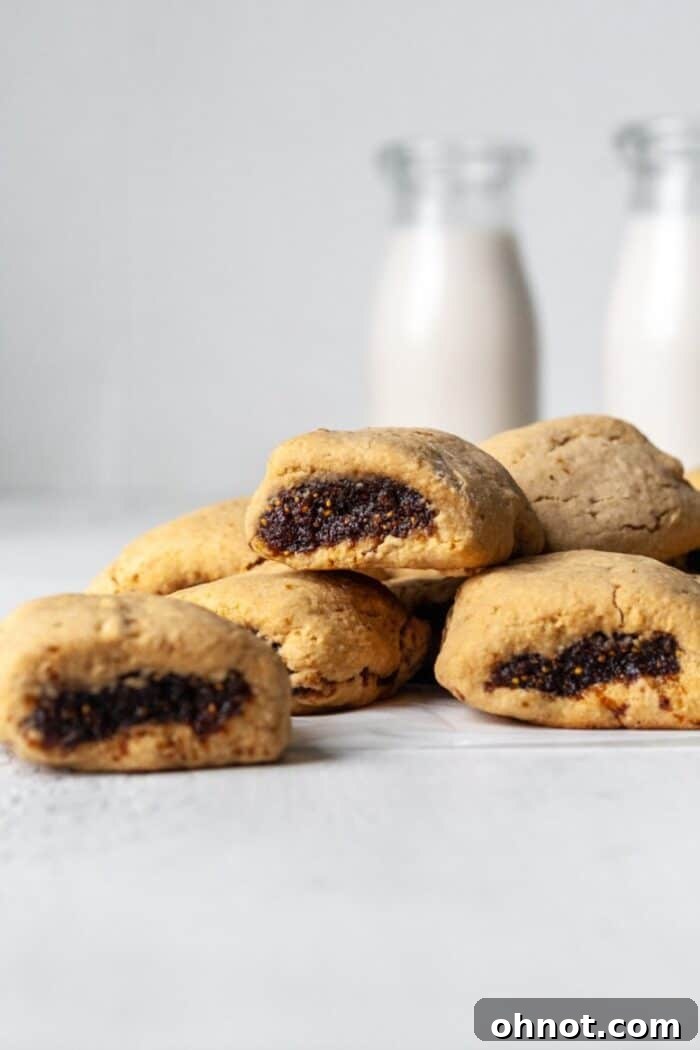
How to Make Perfect Gluten-Free Fig Newtons at Home
Creating these delightful Gluten-Free Fig Newtons is a straightforward and enjoyable process. Follow these detailed steps to achieve a batch of perfectly soft, sweet, and satisfying fig bars.
Step 1: Prepare Your Baking Environment
Before you begin mixing ingredients, ensure your oven is ready. Preheat your oven to 350 degrees Fahrenheit (175 degrees Celsius). Line a standard baking sheet with parchment paper. This crucial step prevents sticking and makes cleanup a breeze, especially with a tender gluten-free dough.
Step 2: Craft the Delicious Fig Filling
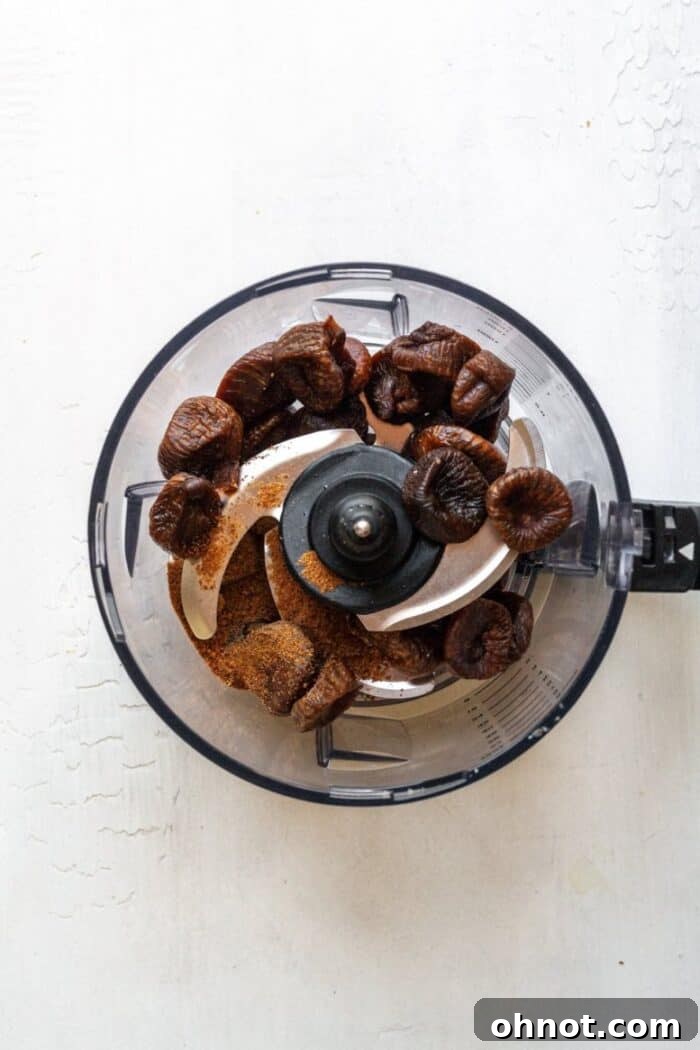
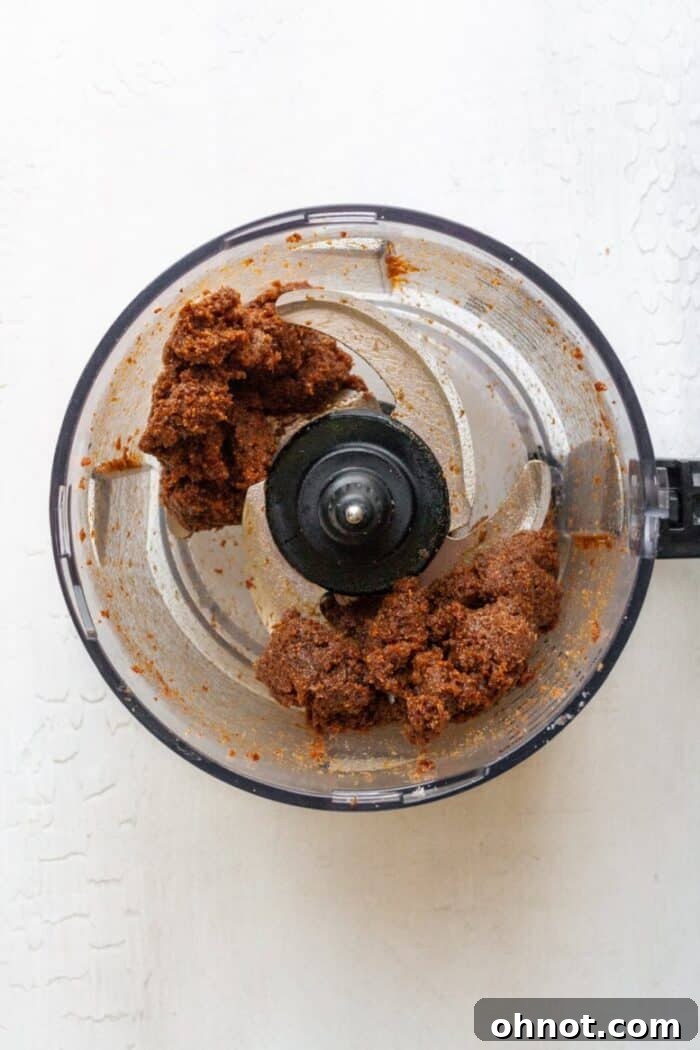
The heart of a Fig Newton is its rich, sweet fig filling. To prepare it, gather your fig filling ingredients and add them to a food processor or a high-powered blender. Process the mixture until it transforms into a thick, sticky, and relatively smooth paste. You might need to pause and scrape down the sides a few times to ensure everything is well combined. The consistency should be thick enough to hold its shape when spooned. Once complete, transfer the fig paste to a small bowl and set it aside while you prepare the crust.
Step 3: Prepare the Soft, Gluten-Free Crust Dough
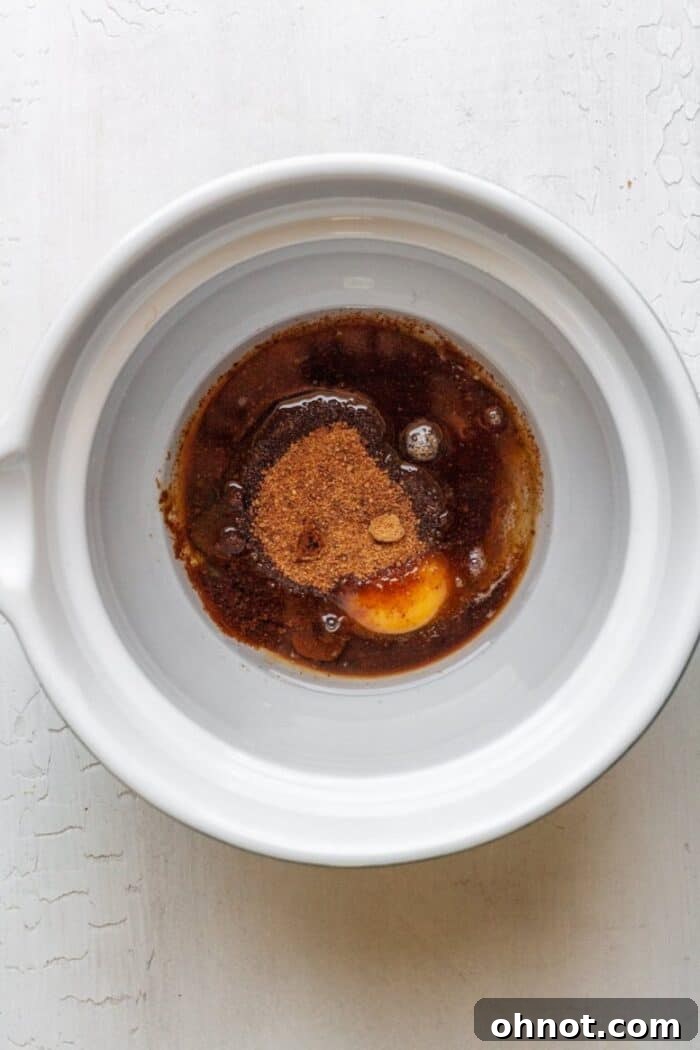
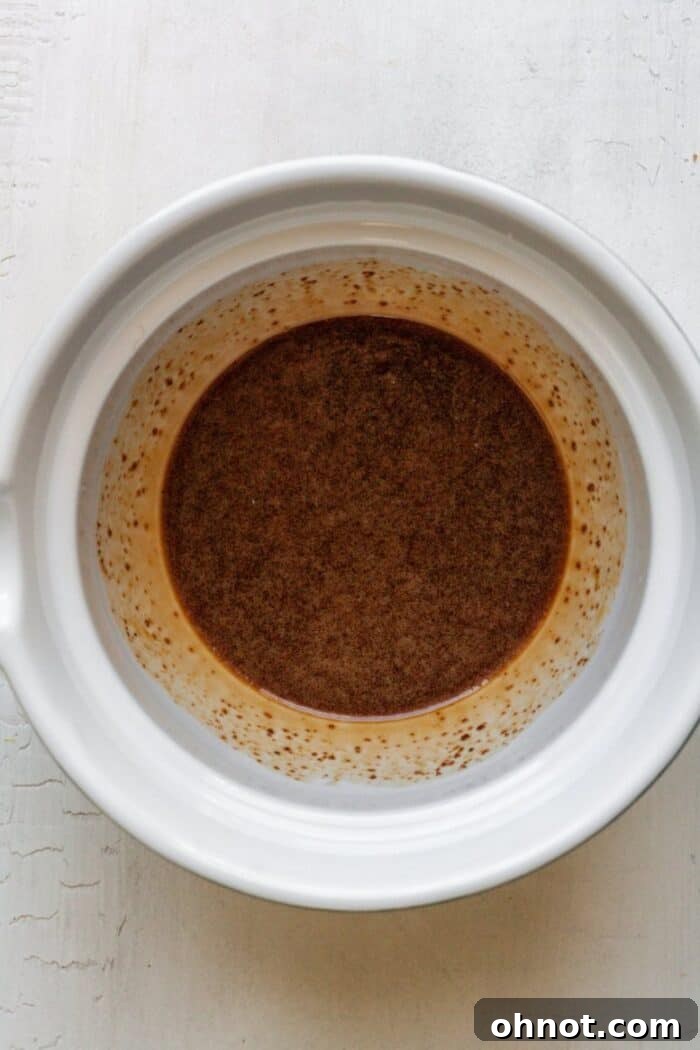
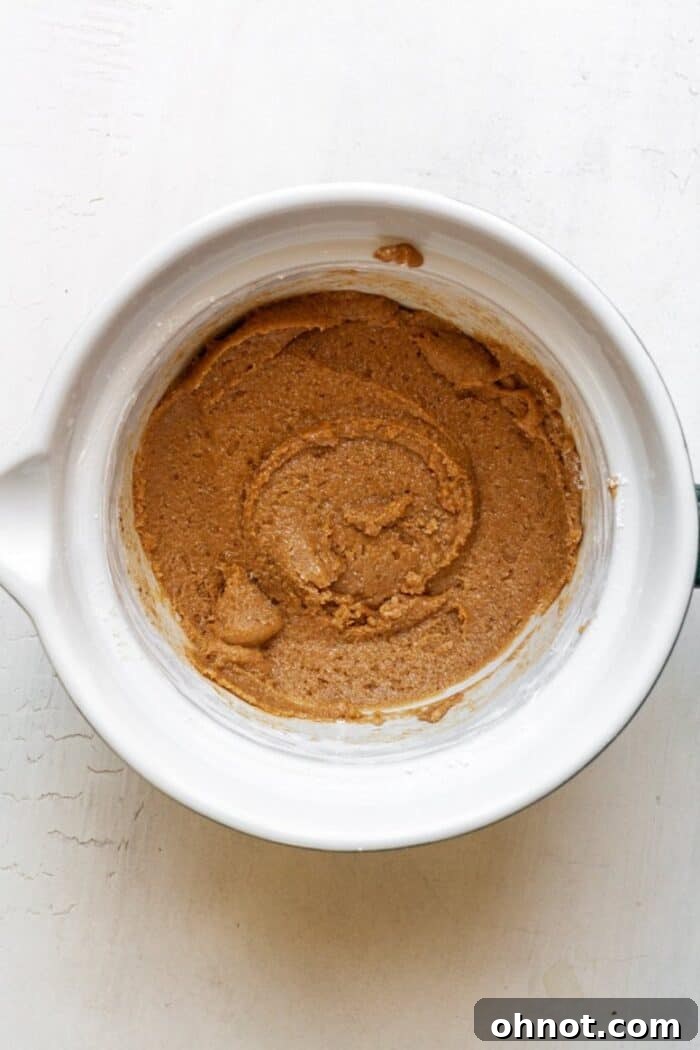
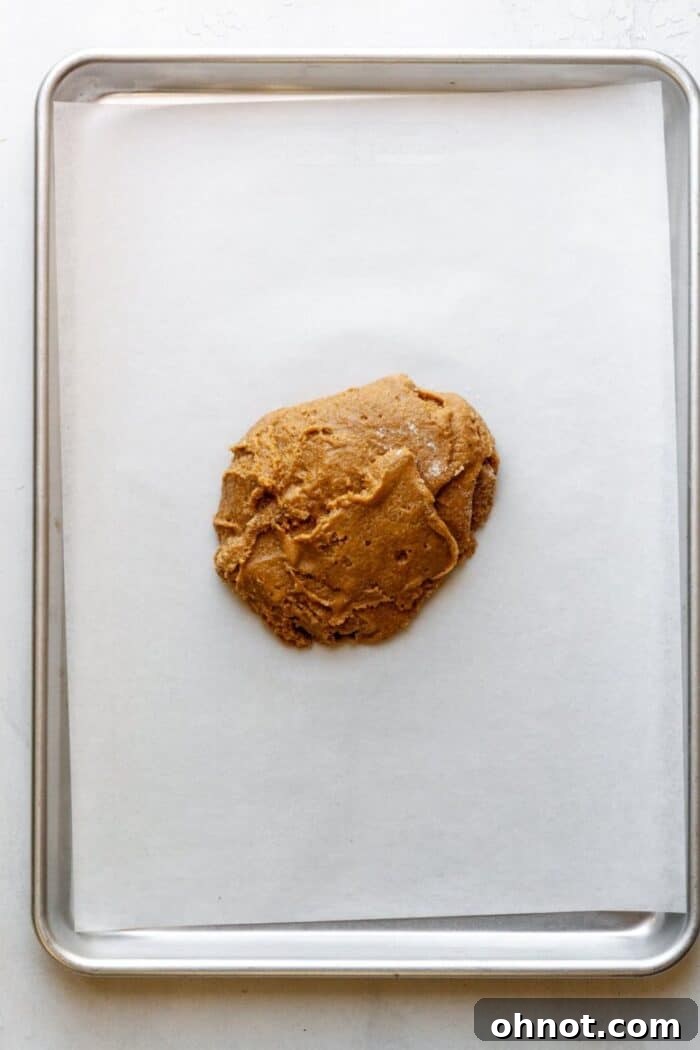
Now, it’s time to create the tender crust that will envelop your fig filling. In a large mixing bowl, combine the coconut sugar and egg. Whisk these two ingredients together vigorously for about one minute until they are well incorporated and slightly lighter in color. This helps to aerate the mixture and ensures a tender crumb for your crust. Next, add the remaining crust ingredients: baking soda, melted coconut oil, and maple syrup. Stir everything together until a cohesive, thick dough begins to form. Finally, add the almond flour, tapioca flour, and coconut flour. Mix until a uniform dough, similar in consistency to a soft pie crust, is achieved. Form the dough into a single ball.
Step 4: Roll Out the Dough into a Rectangle
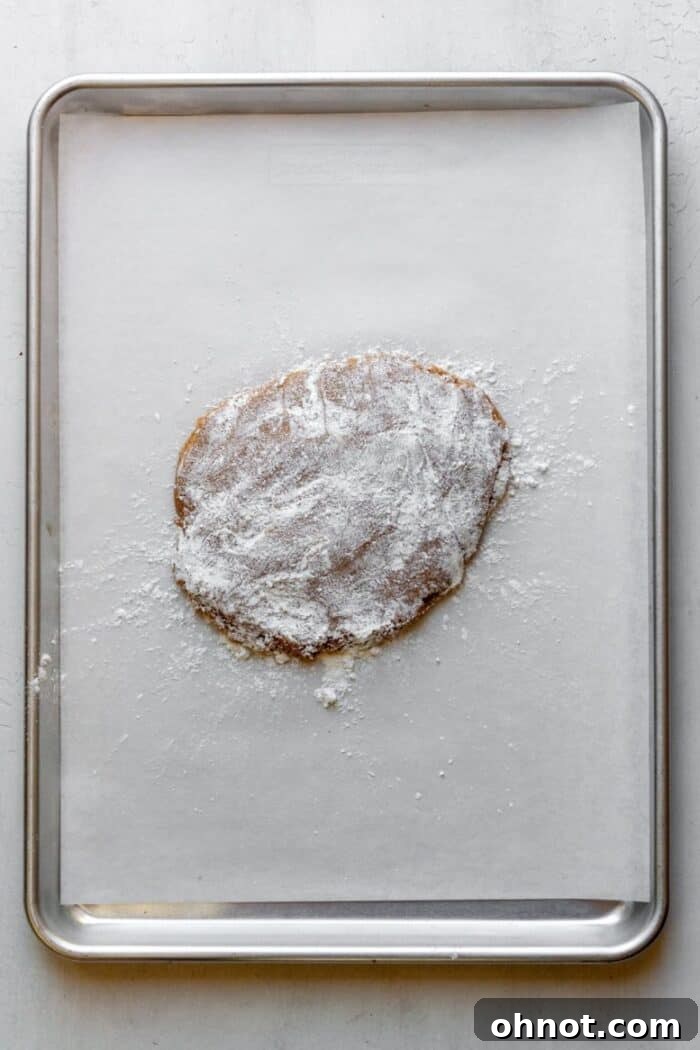
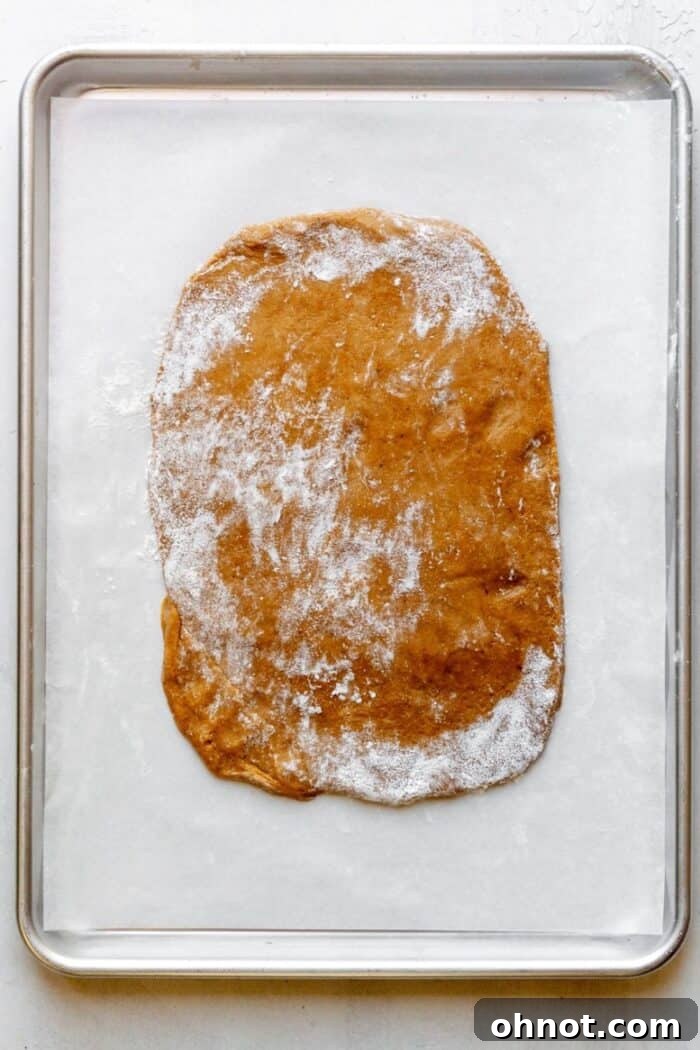
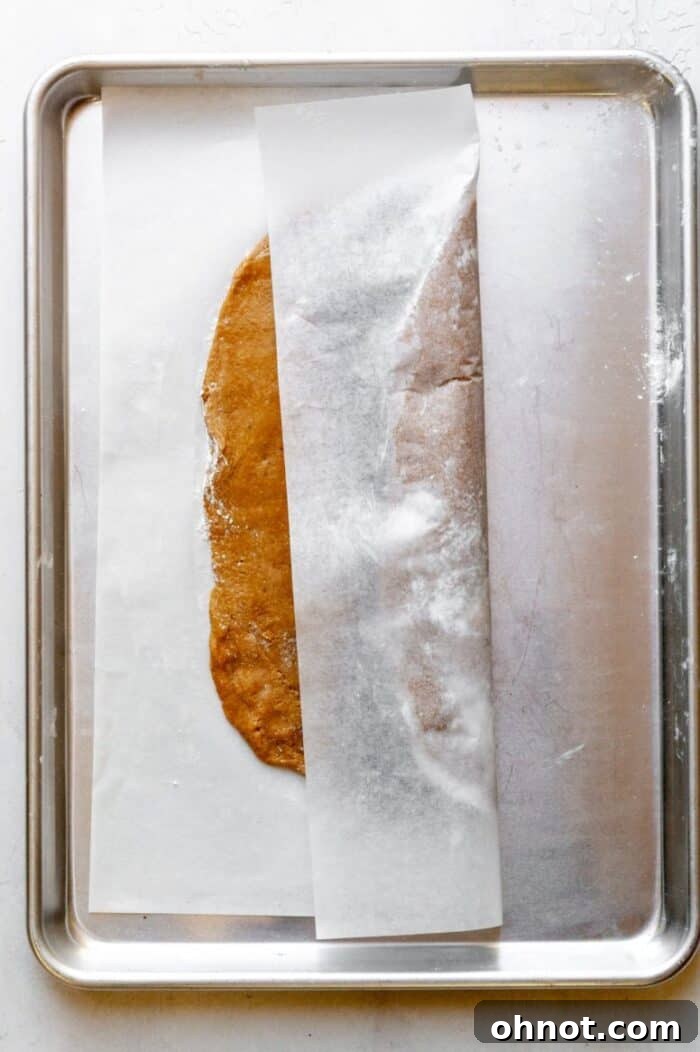
Take the ball of dough and place it directly onto the parchment-lined baking sheet. Lightly sprinkle the top of the dough with a little tapioca flour. This helps prevent sticking and makes rolling easier. Place another sheet of parchment paper over the dough ball. Using a rolling pin, carefully roll the dough into a large rectangle. Aim for dimensions of approximately 12 inches (30 cm) high by 6 inches (15 cm) wide. The top sheet of parchment paper will prevent the dough from sticking to your rolling pin and ensures an even thickness.
Step 5: Fill and Fold the Fig Newtons
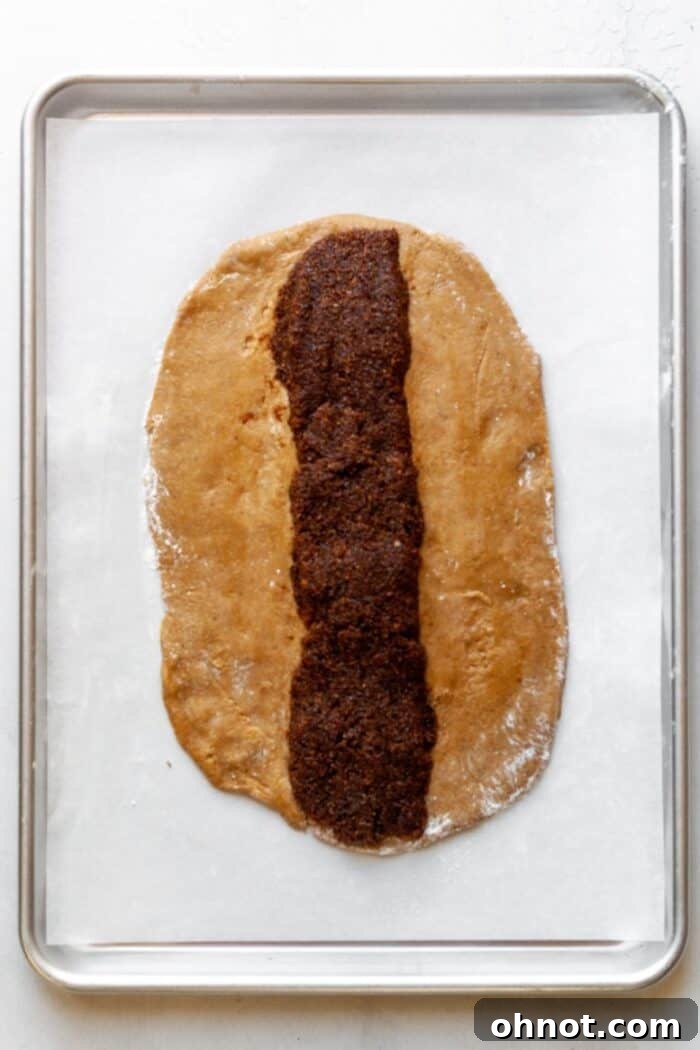
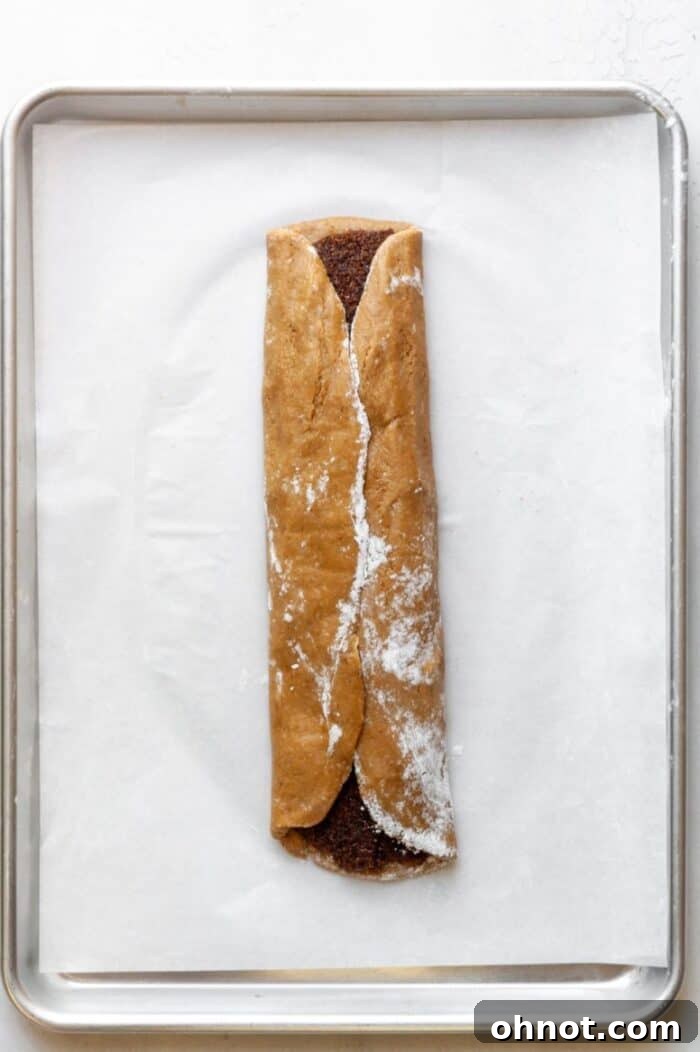
Once your dough rectangle is ready, carefully remove the top layer of parchment paper. Spoon the prepared fig filling down the middle of the dough rectangle, creating a strip approximately 2 inches (5 cm) wide. Now, using the bottom parchment paper to assist you, gently fold both long edges of the dough over the fig filling, meeting in the middle. Press lightly to seal the seam, forming a log-like shape with the filling fully enclosed by the crust.
Step 6: Slice and Shape Your Fig Newtons
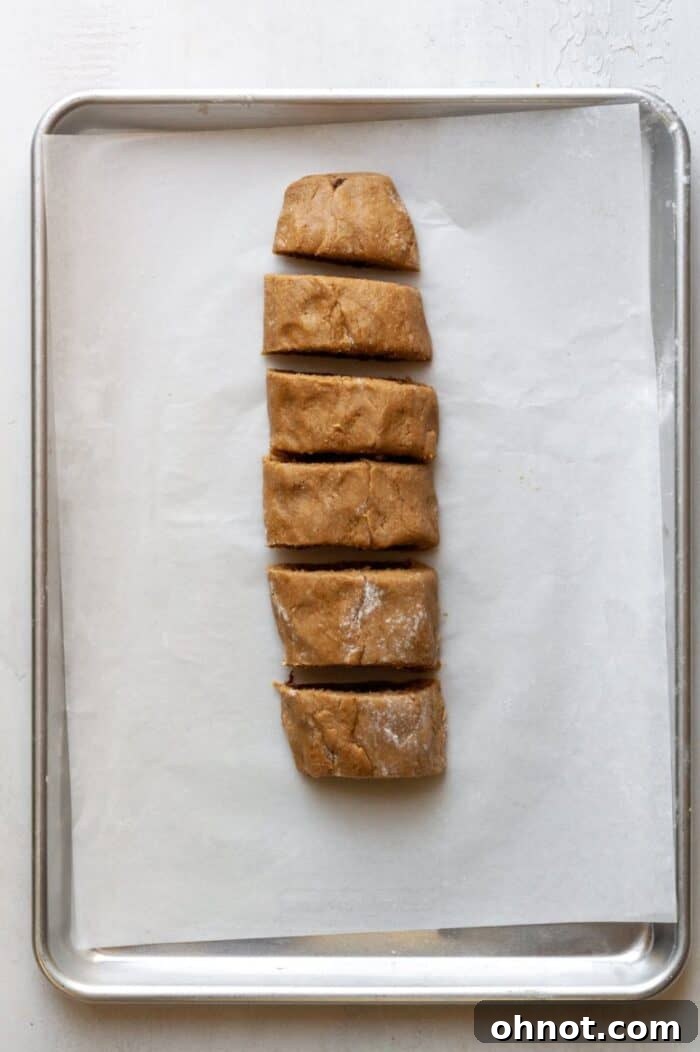
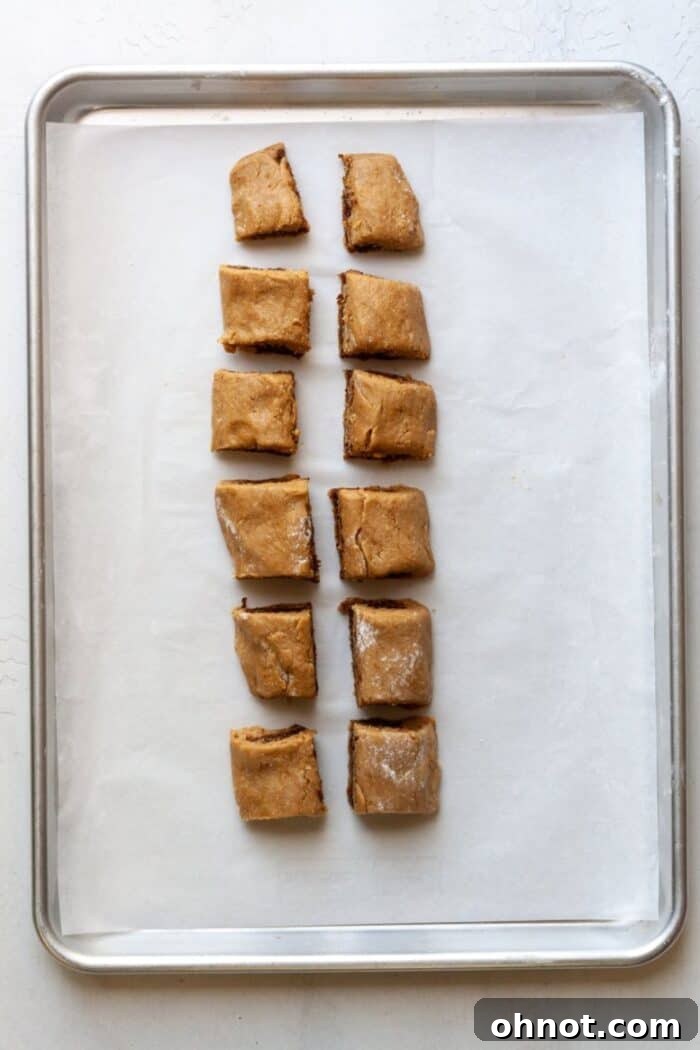
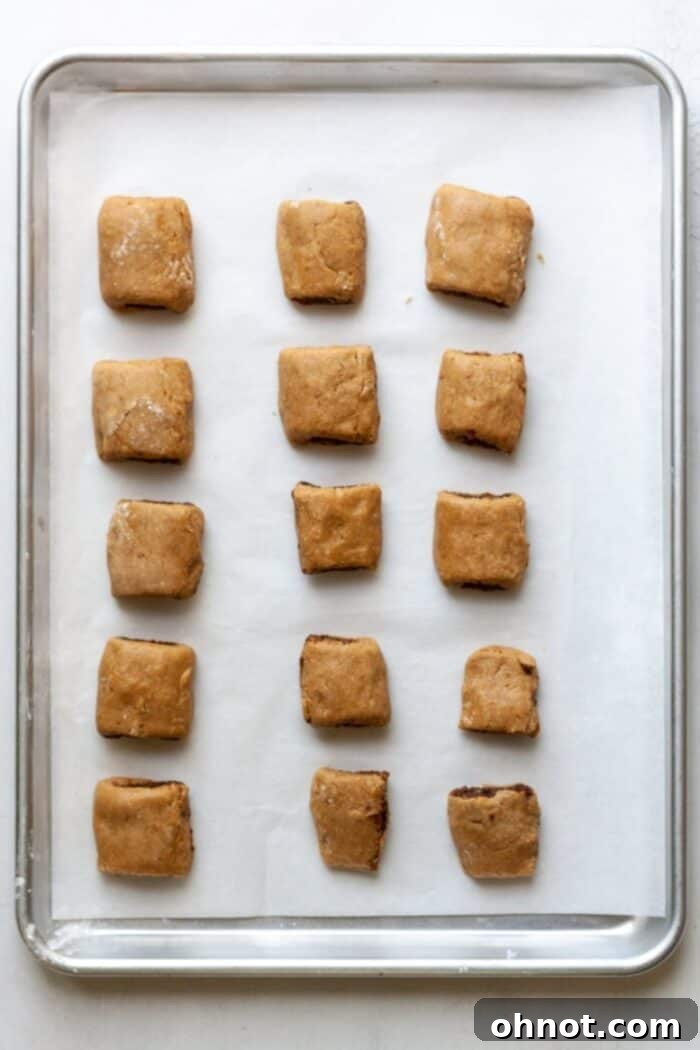
With the fig filling securely wrapped in dough, it’s time to cut your fig newtons. Using a pizza cutter or a sharp knife, slice the dough log into individual pieces, approximately 1 inch (2.5 cm) wide. Then, take each 1-inch piece and slice it in half lengthwise, creating two smaller, square-like bars. This gives them the classic fig newton shape. As you work with the gluten-free dough, feel free to use your fingers to gently mend and shape any edges that might have separated or look uneven. Arrange the newly formed fig newtons on your parchment-lined baking sheet, ensuring they are spaced a few inches apart to allow for even baking.
Step 7: Bake Until Golden and Cool
Place the baking sheet with your arranged fig newtons into the preheated oven. Bake for approximately 12 to 14 minutes, or until the crust begins to turn a very light golden brown around the edges. Keep a close eye on them, as baking times can vary slightly depending on your oven. Once baked, remove the pan from the oven and allow the fig newtons to cool on the baking sheet for about 5 minutes. This brief cooling period helps them firm up before you move them. Then, carefully transfer them to a wire rack to cool completely. Enjoy these warm or at room temperature!
Expert Tips & Tricks for Perfect Gluten-Free Fig Newtons
Achieving the ideal Gluten-Free Fig Newtons is simple with a few insider tips:
- Embrace Dried Figs: For the most authentic flavor and optimal texture in your filling, always opt for dried figs. They are naturally sweeter and provide a more concentrated fig flavor, which is crucial for that classic Fig Newton taste. While fresh figs might sound appealing, they contain too much moisture and can result in a runny filling that doesn’t set properly.
- Don’t Fear the Gluten-Free Dough: Unlike traditional wheat-based doughs that can become tough when overworked, gluten-free dough is much more forgiving. Feel free to handle and mend the crust with your fingers as needed, especially when shaping and sealing the bars. It won’t develop gluten, so you don’t have to worry about overworking it. Its flexibility is an asset!
- Smart Substitutions for Success: While this recipe is carefully balanced, some substitutions can be made. For the coconut sugar, you can successfully use brown sugar or maple sugar. Both will provide a similar sweetness and a lovely caramel note. If tapioca flour isn’t available, cornstarch or arrowroot powder are excellent alternatives for achieving the desired dough consistency. Avoid major changes to the flour blend to ensure the crust maintains its soft, pillowy texture.
- Achieving the Ideal Filling Consistency: When processing the fig filling, if it seems too dry and isn’t forming a sticky paste, add a teaspoon of water or a little extra maple syrup at a time until you reach the desired consistency. Conversely, if it’s too wet, you can add a tiny bit of almond flour to thicken it.
- Rolling with Ease: The trick to rolling out gluten-free dough smoothly is using two sheets of parchment paper. One sheet underneath and one on top prevents sticking to the rolling pin and allows for uniform thickness. Lightly flouring the top of the dough with tapioca flour before placing the second parchment sheet also helps.
- Proper Storage for Lasting Freshness: Store your homemade Gluten-Free Fig Newtons in an airtight container at room temperature for up to 4 days. If you prefer them firmer or need to store them longer, refrigeration is an option, but be aware that they will harden. Allow them to come to room temperature or gently warm them before eating for the best texture.
- Freezing for Future Enjoyment: These fig newtons freeze beautifully! Once completely cooled, place them in a single layer on a baking sheet to freeze solid, then transfer them to a freezer-safe bag or container for up to 2-3 months. Thaw at room temperature when you’re ready to enjoy a taste of nostalgia.
Frequently Asked Questions About Gluten-Free Fig Newtons
Are traditional Fig Newtons gluten-free?
No, unfortunately, traditional Fig Newtons (like those made by Nabisco) are not gluten-free. They are typically made with wheat flour, which contains gluten. This homemade recipe is specifically designed to provide a delicious gluten-free alternative for those with sensitivities or dietary preferences.
Where can I buy gluten-free Fig Newtons?
While homemade is always best for fresh flavor and control over ingredients, you can often find gluten-free fig newtons or fig bars in most major grocery stores or health food markets. Popular brands known for producing gluten-free fig bar alternatives include Nature’s Bakery and Pamela’s Products. Always check the labels carefully to ensure they meet your dietary requirements.
Are Nabisco Fig Newtons gluten-free?
No, Nabisco Fig Newtons are not gluten-free. They contain wheat flour as a primary ingredient, making them unsuitable for individuals following a gluten-free diet. This is precisely why developing a homemade gluten-free version is so valuable!
Do Fig Newtons actually have figs in them?
Yes, absolutely! Figs are the star ingredient in Fig Newtons. The delicious, sweet, and sticky filling that gives these bars their distinctive flavor is made primarily from figs, usually dried figs for a concentrated sweetness and ideal texture.
Are Fig Newtons considered good for you?
While traditional Fig Newtons can be high in sugar and processed ingredients, figs themselves are incredibly nutritious. Figs are an excellent source of dietary fiber, which aids digestion and can help alleviate constipation. They also provide essential minerals like potassium, calcium, and iron. This homemade Paleo and Gluten-Free Fig Newton recipe maximizes these health benefits by using natural sweeteners and whole, unprocessed flours, making them a much healthier alternative to their commercial counterparts.
What are Fig Newtons named after?
Fig Newtons received their name from the place where they were first baked. They were originally created in 1891 at the F.A. Kennedy Steam Bakery, located in Newton, Massachusetts. The town of Newton lent its name to these now-famous fruit-filled cookies.
Can I use fresh figs instead of dried figs for the filling?
It is generally not recommended to use fresh figs for this recipe. Fresh figs contain a much higher water content, which can result in a runny filling that doesn’t bake properly or maintain its texture. Dried figs, on the other hand, offer a concentrated sweetness and a thicker, jam-like consistency that is essential for the classic Fig Newton filling.
How can I make the fig filling smoother?
To achieve an extra smooth fig filling, ensure your food processor or blender is powerful enough. You can also add a tablespoon or two of hot water to the dried figs and let them soak for about 10-15 minutes before processing. This will soften them further and help them break down into a silkier paste. Just be mindful not to add too much liquid, which could make the filling too thin.
You May Also Like These Paleo & Gluten-Free Delights
If you’re a fan of these delightful Gluten-Free Fig Newtons, you’ll surely enjoy exploring more healthy and delicious recipes from our collection. Discover other paleo-friendly and gluten-free treats that are perfect for any occasion:
- The Best Paleo Pie Crust
- Paleo Pumpkin Pie
- Cherry Bars (Paleo)
- Paleo Strawberry Rhubarb Pie
- Paleo Chocolate Chip Cookies

Get the Recipe:
Gluten Free Fig Newtons
Pin Recipe
Save Recipe
Ingredients
Fig Filling
- 1 cup dried figs, not fresh
- 2 tbsp maple syrup
- ¼ cup coconut sugar, or other granulated sugar
Crust
- ¼ cup coconut sugar
- 1 egg
- 1 tsp baking soda
- ¼ cup coconut oil, melted
- 1 tbsp maple syrup
- 1 cup almond flour
- ¾ cup tapioca flour, or cornstarch
- 2 tbsp coconut flour
Instructions
- First, preheat oven to 350 degrees Fahrenheit (175 C). Line a baking sheet with parchment paper.
- Make fig filling. Add filling ingredients to a food processor or blender. Process until a sticky paste forms. Set aside.
- Then, make the crust. Add coconut sugar and egg to a large mixing bowl. Whisk for 1 minute until combined and slightly aerated.
- Once combined, add in baking soda, melted coconut oil, and maple syrup. Stir thoroughly to combine all wet ingredients.
- Then, add in almond flour, tapioca flour, and coconut flour. Stir until a thick dough, similar to pie crust in consistency, is formed. Gather the dough into a cohesive ball.
- Place the dough ball onto the parchment-lined baking sheet. Sprinkle the top of the dough lightly with tapioca flour to prevent sticking.
- Place another sheet of parchment paper over the dough ball. Use a rolling pin to roll out the dough into a large rectangle, approximately 12 inches (30 cm) long and 6 inches (15 cm) wide.
- Carefully remove the top parchment paper. Place the fig filling down the middle of the rolled crust dough, creating a strip about 2 inches (5 cm) wide.
- Using the bottom parchment paper to assist you, gently fold both long edges of the crust over the fig filling, meeting in the middle to seal. Press lightly to secure the seam.
- Then, use a pizza cutter or a sharp knife to cut the dough log into individual pieces, slicing down every 1 inch (2.5 cm). Next, slice each small piece of dough in half lengthwise to create two bars.
- Use your fingers to gently mend any edges of the fig newtons, shaping them to perfection.
- Spread the shaped fig newtons evenly over the lined baking sheet, ensuring they are a few inches apart.
- Then, bake for 12 to 14 minutes or until the crust begins to turn a very lightly golden brown.
- Finally, remove from oven. Allow the fig newtons to cool on the pan for 5 minutes before carefully transferring them to a wire rack to finish cooling completely.
Notes
- Refer to the step-by-step pictures provided further up in this blog post. Following them closely is highly recommended for best results!
- Brown sugar or maple sugar can be used as a 1:1 replacement for coconut sugar in both the filling and the crust.
- Cornstarch or arrowroot powder can replace tapioca flour in the crust in equal measure.
- This recipe specifically uses dried figs. If your dried figs have stems, be sure to de-stem them before processing.
- If your fig filling mixture appears too dry after processing, add maple syrup one teaspoon at a time until a sticky, spreadable paste is achieved.
- The gluten-free crust dough is very similar to a traditional pie crust in its workability; it’s easy to mend and shape.
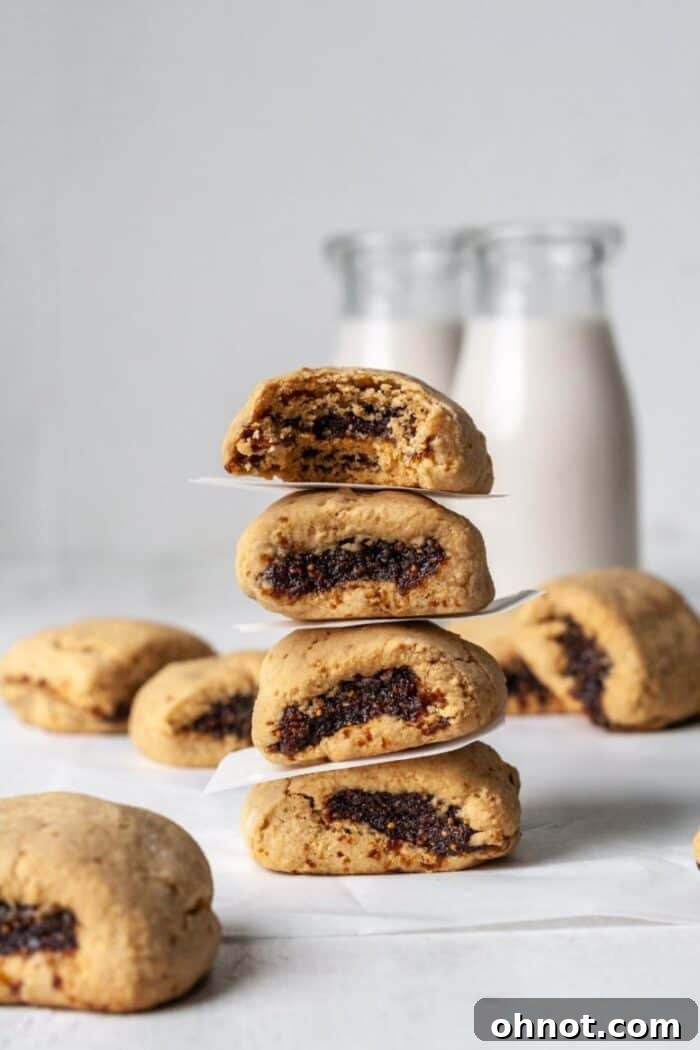
- These homemade gluten-free fig newtons have a soft, slightly cakey crust and a moist filling, tasting remarkably like the classic store-bought version.
- Store any leftover fig newtons loosely covered at room temperature for up to 4 days for optimal softness.
- Refrigerating these bars will cause them to harden slightly. For a softer texture, allow them to thaw to room temperature before eating, or gently warm them.
If you make this delightful Gluten-Free Fig Newtons recipe, we would absolutely love to hear from you! Please consider leaving a review on our blog to share your experience and help other bakers. You can also connect with us and share your creations on Instagram, Facebook, and Pinterest. Follow along for more healthy meal plans, new recipes, and inspiring culinary adventures!
Don’t miss out on future recipes and healthy eating tips! Sign up here to receive our newsletter directly in your inbox, packed with wholesome meal ideas and exciting new dishes just like these fantastic fig newtons.