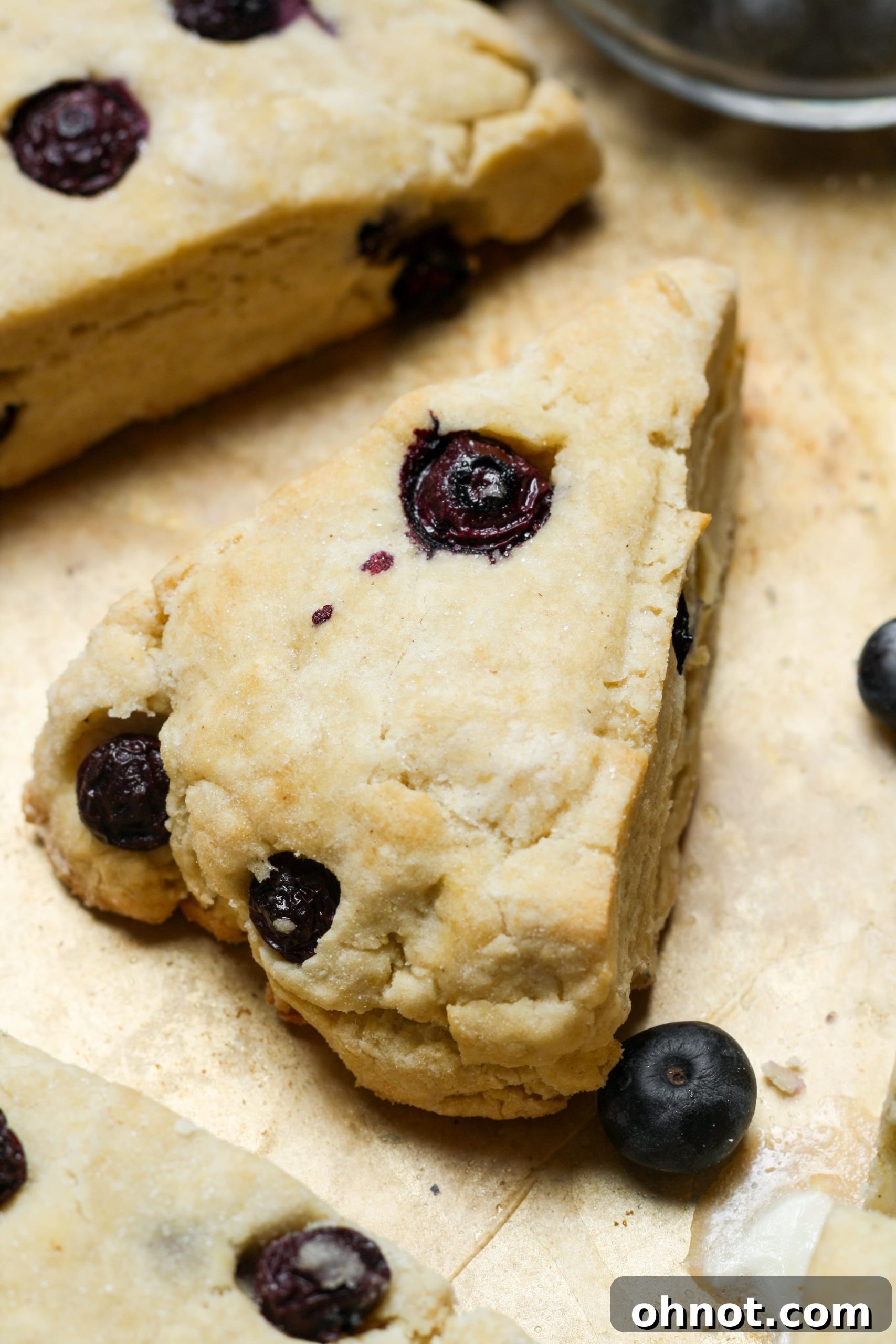
Delightful Gluten-Free Blueberry Scones: Your New Favorite Breakfast Treat
Imagine biting into a perfectly golden, tender scone, its buttery layers giving way to a soft, fluffy interior dotted with juicy blueberries. Now, imagine that scone is entirely gluten-free and incredibly easy to make right in your own kitchen! These homemade gluten-free blueberry scones are everything you’ve dreamed of and more. They are buttery, wonderfully flaky, and utterly delicious, proving that gluten-free baking can be just as satisfying and indulgent.
This quick and simple recipe is designed for ease, requiring just one mixing bowl and taking a mere 30 minutes from start to finish. Bursting with the vibrant flavor of fresh blueberries, these fluffy scones are a true delight. They are perfect for elevating your morning breakfast routine, adding a touch of elegance to a brunch spread, or simply enjoying as a comforting afternoon snack alongside a steaming cup of coffee or your favorite herbal tea. Prepare to impress your taste buds and loved ones with these irresistible gluten-free treats!
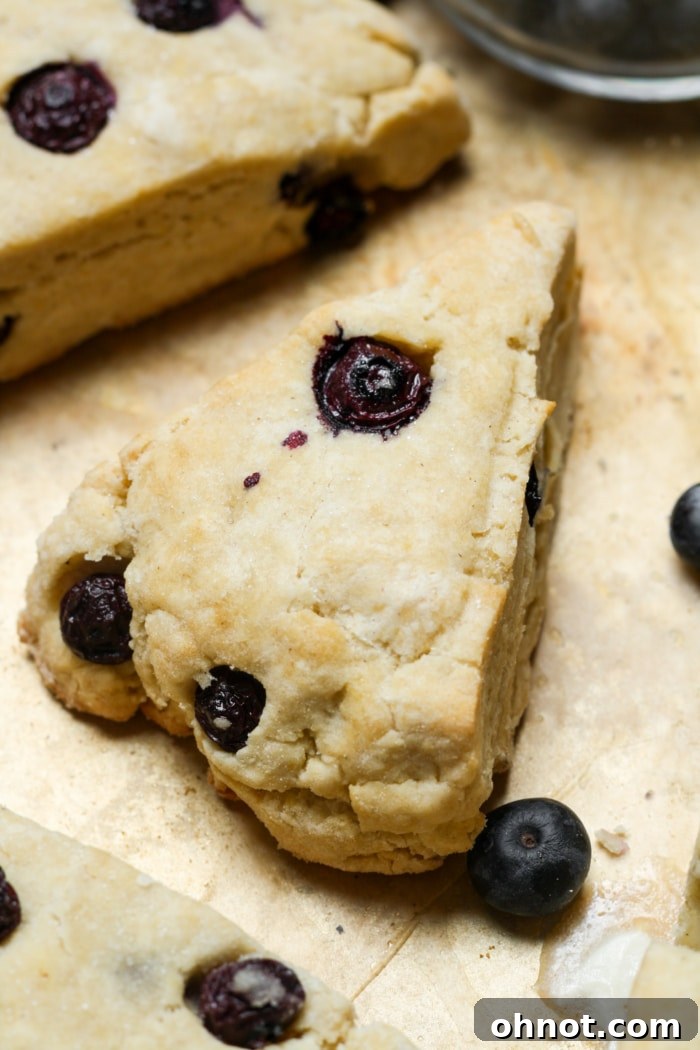
Why You’ll Fall in Love with This Gluten-Free Scone Recipe
There’s a multitude of reasons why these gluten-free blueberry scones will quickly become a staple in your baking repertoire. From their effortless preparation to their exquisite taste and texture, every aspect of this recipe is designed for success and pure enjoyment.
- Incredibly Quick and Easy: Forget complicated baking projects. This recipe is streamlined for efficiency, making it perfect for both novice bakers and seasoned pros looking for a fuss-free treat. You’ll be amazed at how quickly you can achieve bakery-quality scones at home.
- Minimal Cleanup with One Bowl: Who doesn’t love less dishwashing? This entire recipe comes together in a single mixing bowl, simplifying your preparation process and making cleanup a breeze. Spend less time scrubbing and more time savoring!
- Ready in Just Over 30 Minutes: From gathering your ingredients to pulling warm, fragrant scones from the oven, the entire process clocks in at just over half an hour. This makes them ideal for spontaneous baking sessions or when you need a quick, impressive treat.
- Perfectly Fluffy and Flaky Texture: Achieving the ideal scone texture can be a challenge, but this recipe consistently delivers. You’ll get that coveted light, fluffy interior complemented by delicate, flaky layers, a true hallmark of a well-made scone.
- Versatile for Any Occasion: These scones are wonderfully adaptable. Serve them for a hearty breakfast, an elegant brunch gathering, or as a sophisticated addition to afternoon tea. They pair beautifully with coffee, tea, or a glass of milk. For more morning inspiration, explore these Gluten-Free Breakfast Ideas.
- Excellent for Entertaining: Hosting friends or family? These beautiful blueberry scones are sure to impress! Their homemade charm and delicious flavor make them a memorable addition to any social event, whether it’s a casual get-together or a special celebration.
- Bursting with Fresh Blueberry Flavor: The inclusion of fresh blueberries adds a delightful “pop” of sweetness and a touch of tangy freshness to every bite. Their vibrant color also makes these scones visually appealing and irresistible.
- Dietary Friendly: This recipe is naturally gluten-free and nut-free, making it a safe and delicious option for those with specific dietary restrictions or allergies, ensuring everyone can enjoy these delectable treats.
- Explore More Blueberry Delights: If you adore the combination of blueberries and baked goods, you might also enjoy this delicious Blueberry Coffee Cake for another fantastic breakfast or dessert option!
Essential Ingredients & Smart Substitutions for Flawless Gluten-Free Scones
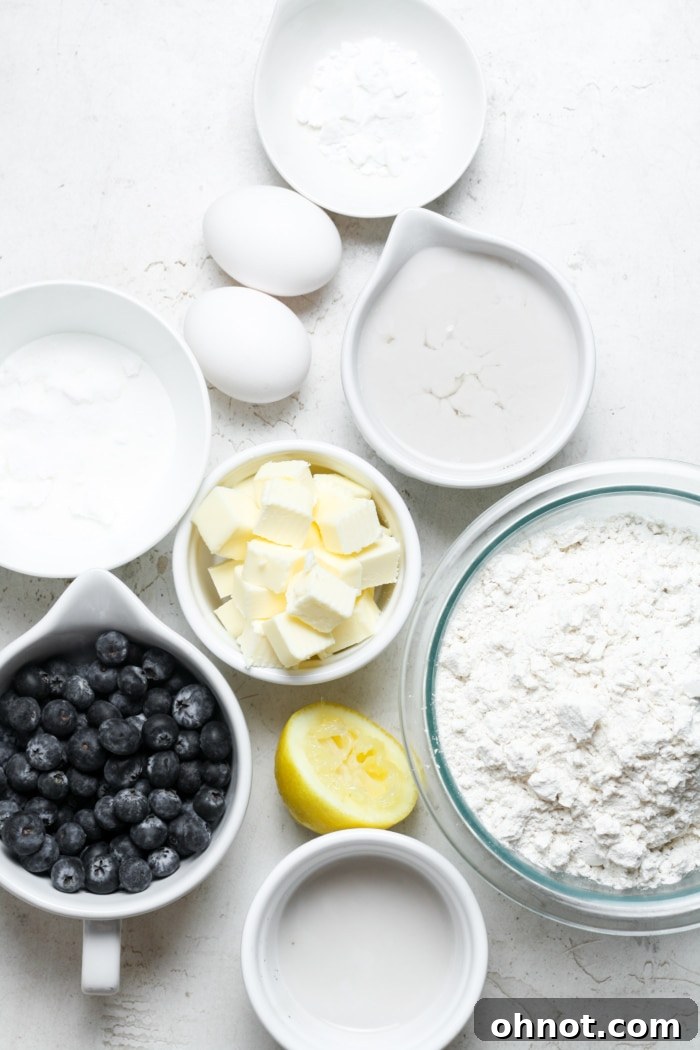
Crafting the perfect batch of homemade gluten-free blueberry scones starts with understanding the role of each ingredient. Below, we delve into the main components and offer helpful substitution tips. For the complete list of ingredients with precise measurements and detailed instructions, please refer to the comprehensive recipe card below.
Gluten-Free Flour Blend: This is the foundation of our gluten-free scones. The quality of your gluten-free flour blend can significantly impact the final texture. I highly recommend using reputable brands like King Arthur Flour or Bob’s Red Mill, as their blends are often formulated for consistent baking results and typically contain xanthan gum, which is crucial for gluten-free structure. If your chosen blend doesn’t include xanthan gum, you may need to add about ½ teaspoon per cup of flour to achieve optimal elasticity and prevent crumbly scones.
Granulated Sugar: Granulated sugar not only sweetens the scones but also contributes to their tender crumb and helps achieve that lovely golden-brown crust. While I have not personally tested this recipe with other types of sugar or sugar alternatives, the precise balance of sweetness here is key to the overall flavor profile. Experimentation with substitutes might alter the texture and sweetness, so proceed with caution.
Baking Powder: A leavening agent powerhouse, baking powder is vital for giving these scones their characteristic lift and airy, fluffy texture. Ensure your baking powder is fresh for the best rising action. Old baking powder can lead to dense, flat scones.
Cold Butter: This is perhaps the most critical ingredient for achieving those desirable flaky layers. The butter must be ice-cold and cut into small cubes. When the cold butter melts in the hot oven, it creates pockets of steam, resulting in a light, airy, and flaky texture. Do not use softened or melted butter, as this will result in a cake-like scone rather than a flaky one.
Lemon Juice: A touch of freshly squeezed lemon juice adds a subtle, bright tartness that beautifully complements the sweetness of the blueberries and balances the richness of the butter. Always opt for fresh lemon juice for the best, most vibrant flavor. Bottled lemon juice can be used in a pinch, but the flavor won’t be as pronounced.
Buttermilk: Buttermilk is a magical ingredient in scone making! Its acidity reacts with the baking powder to enhance the rise, while also tenderizing the dough and imparting a distinct tangy flavor that adds depth. If you don’t have buttermilk on hand, don’t fret! You can easily make a homemade substitute by mixing regular milk (dairy or non-dairy) with one tablespoon of white vinegar or lemon juice. Let it sit for 5-10 minutes until it slightly curdles, then use as directed.
Eggs: Eggs act as a binding agent, providing structure and richness to the scones. They help hold everything together, preventing a crumbly mess and contributing to a tender crumb. I do not recommend attempting a vegan egg replacement for this specific recipe, as the unique properties of eggs are integral to its success. However, if you are looking for a dairy-free option, plant-based butter substitutes can often work well.
Fresh Blueberries: The star of the show! Use only fresh blueberries for this recipe. Frozen berries tend to release too much moisture as they thaw and bake, which can alter the dough consistency and make your scones watery. Gently fold the fresh blueberries into the dough to avoid crushing them and staining the entire batch.
Milk for Brushing: Before baking, a light brush of milk over the tops of the scones is a simple yet effective step. This helps them achieve a beautiful golden-brown color and a slightly crisp crust, enhancing their visual appeal and texture.
Unveiling the Perfect Taste & Texture of Our Gluten-Free Blueberry Scones
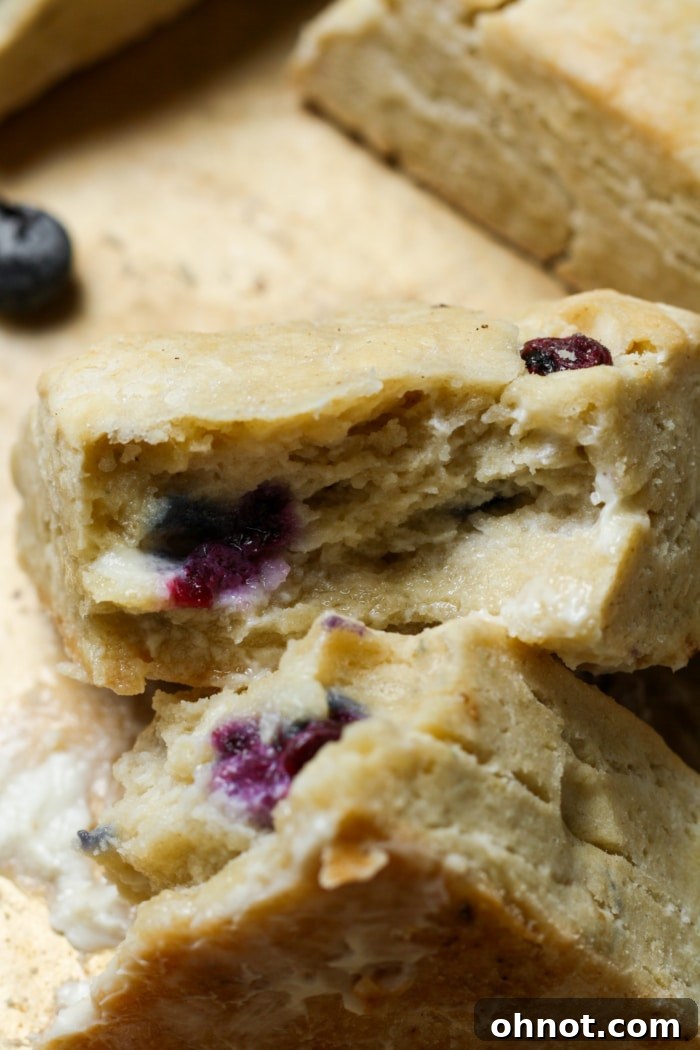
Prepare your senses for a truly delightful experience with these gluten-free scones. They effortlessly check all the boxes when it comes to an ideal scone: light, wonderfully fluffy, and boasting just the right hint of crumbly tenderness. Each bite offers a harmonious balance of flavors and textures that will leave you craving more.
The exterior features a beautifully golden crust, often with a delicate sugary glaze, which creates a satisfyingly gentle crunch. This yields gracefully to a smooth, incredibly soft, and moist interior. The richness of the butter is perfectly complemented by the subtle tang of buttermilk and lemon, creating a complex yet comforting flavor profile. Nestled within this tender crumb are vibrant, juicy fresh blueberries, adding a beautiful pop of color, a burst of natural sweetness, and a refreshing counterpoint to the buttery dough. This combination ensures a scone that is both indulgent and incredibly balanced.
Step-by-Step Guide: How to Make Irresistible Gluten-Free Blueberry Scones
Creating these delectable gluten-free blueberry scones is a straightforward process. Follow these simple steps to ensure perfect results every time.
Step 1: Preheat and Prepare Your Baking Pan
Begin by preheating your oven to 425 degrees Fahrenheit (218 degrees Celsius). This high initial temperature is crucial for helping the scones rise quickly and achieve a beautiful golden crust. While the oven preheats, line a large baking pan with parchment paper. Parchment paper prevents sticking and ensures easy removal of your freshly baked scones.
Step 2: Combine Dry Ingredients
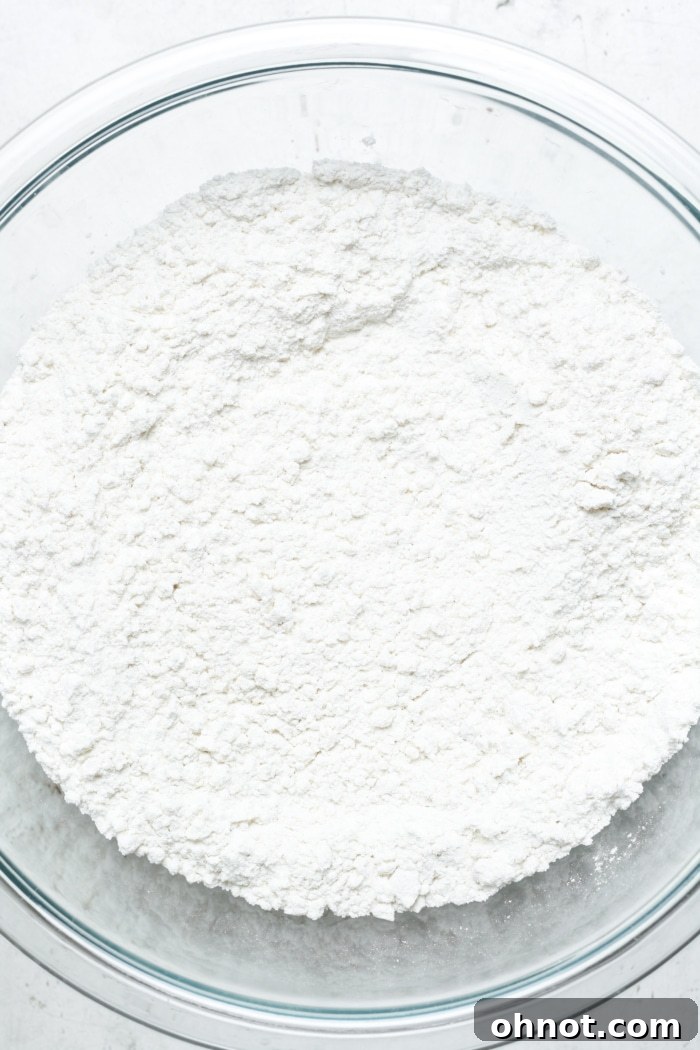
In a large mixing bowl – remembering our one-bowl convenience! – combine the gluten-free flour blend, granulated sugar, and baking powder. Use a whisk or a spoon to stir these ingredients together thoroughly. Ensuring they are well combined is important for even distribution of the leavening agent and sweetness throughout the dough.
Step 3: Incorporate the Cold Butter
Next, add the cubes of ice-cold butter to the dry mixture. This step is key for flakiness! Using a fork, a pastry cutter, or even your fingertips, work the butter into the flour mixture until it resembles coarse crumbs with some pea-sized pieces of butter remaining. Avoid overworking the butter, as you want to keep it as cold as possible to prevent it from melting prematurely.
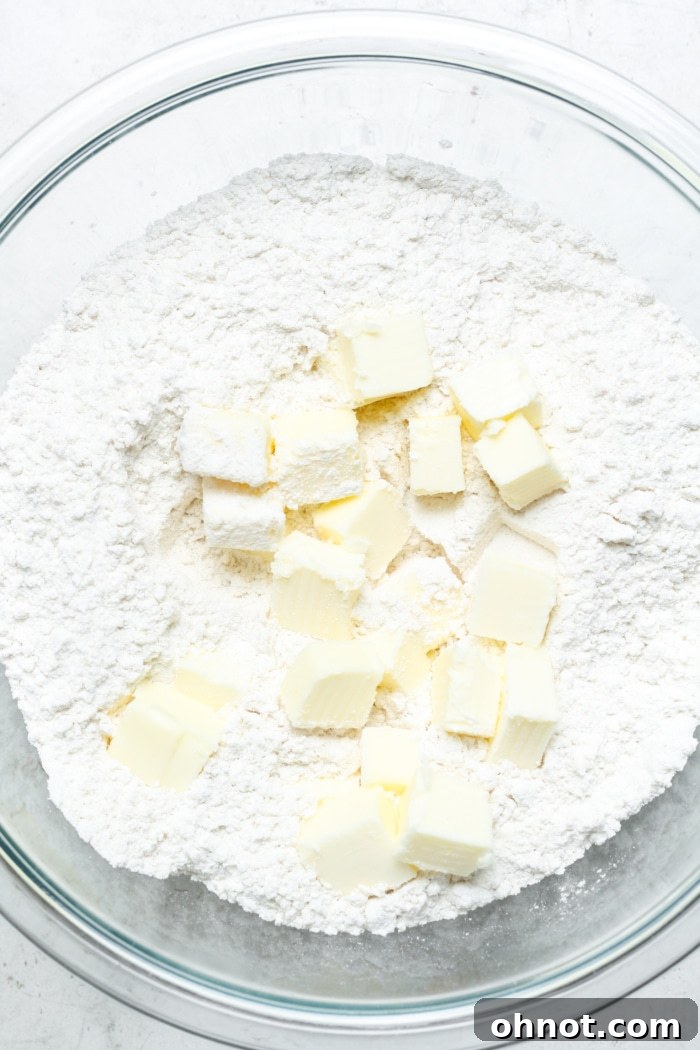
Step 4: Add Wet Ingredients to Form Dough
Pour the lemon juice, buttermilk (or your homemade substitute), and beaten eggs into the bowl with the flour and butter mixture. Stir everything together gently with a spoon or spatula until just combined. The dough will be thick and quite sticky – this is perfectly normal and what you want for tender scones. Be careful not to overmix, as overworking the dough can lead to tough scones.
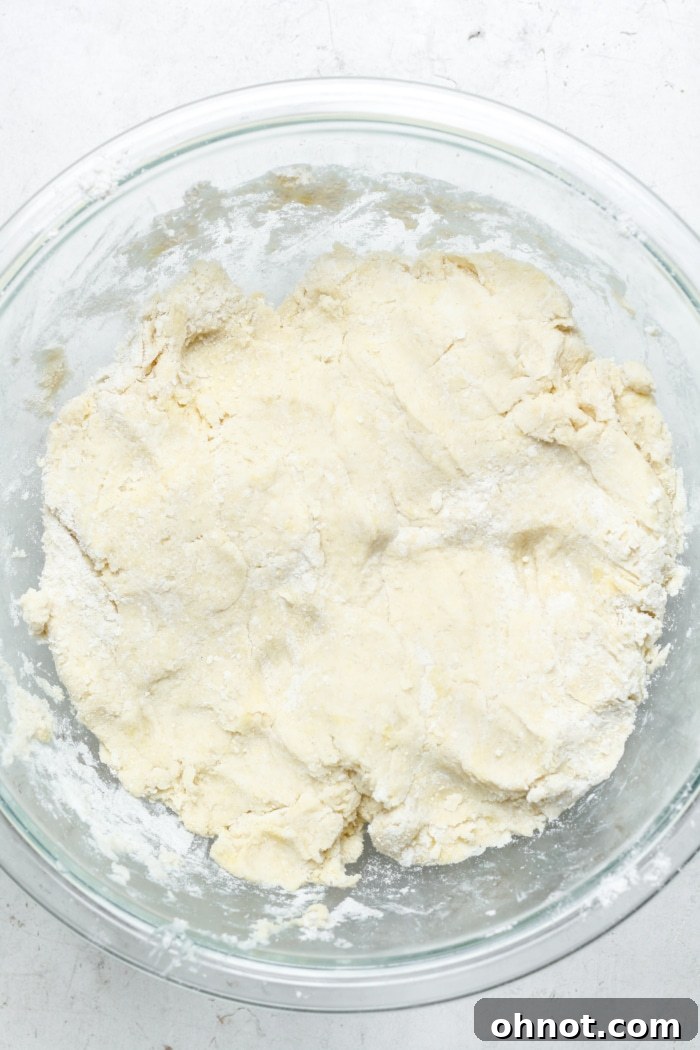
Step 5: Gently Fold in Blueberries
Now for the star fruit! Very carefully fold in the fresh blueberries. Use a gentle hand to prevent crushing the berries, which can bleed into the dough and turn your scones purple. The goal is to distribute them evenly throughout the dough without damaging their delicate structure.
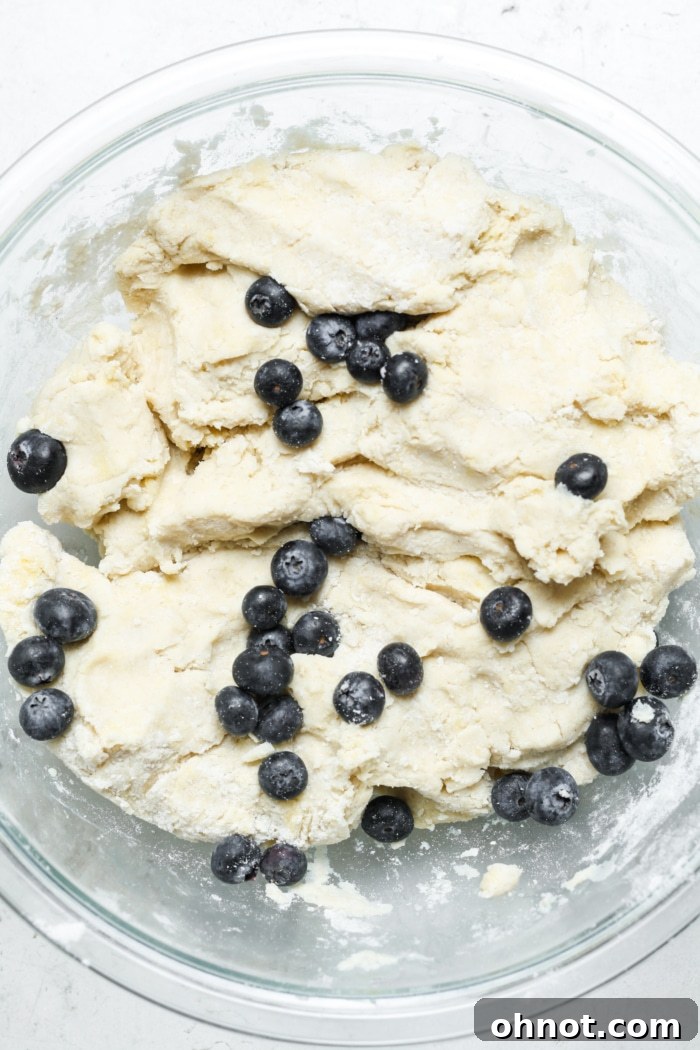
Step 6: Shape the Dough
Lightly dust a clean, large surface (like a countertop or a large cutting board) with a little gluten-free flour. Transfer the scone dough onto this floured surface. Using your hands, gently form the sticky dough into a round disc, aiming for a consistent thickness of about 1.5 inches (approximately 4 cm) tall. Avoid pressing too hard or over-handling the dough.
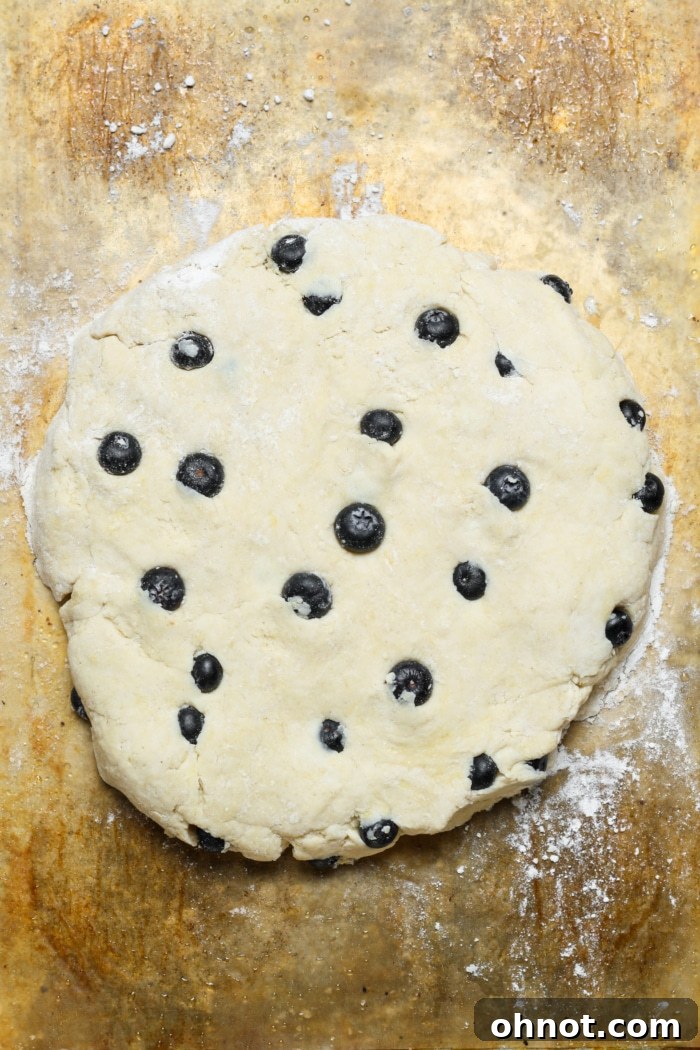
Step 7: Slice into Scones
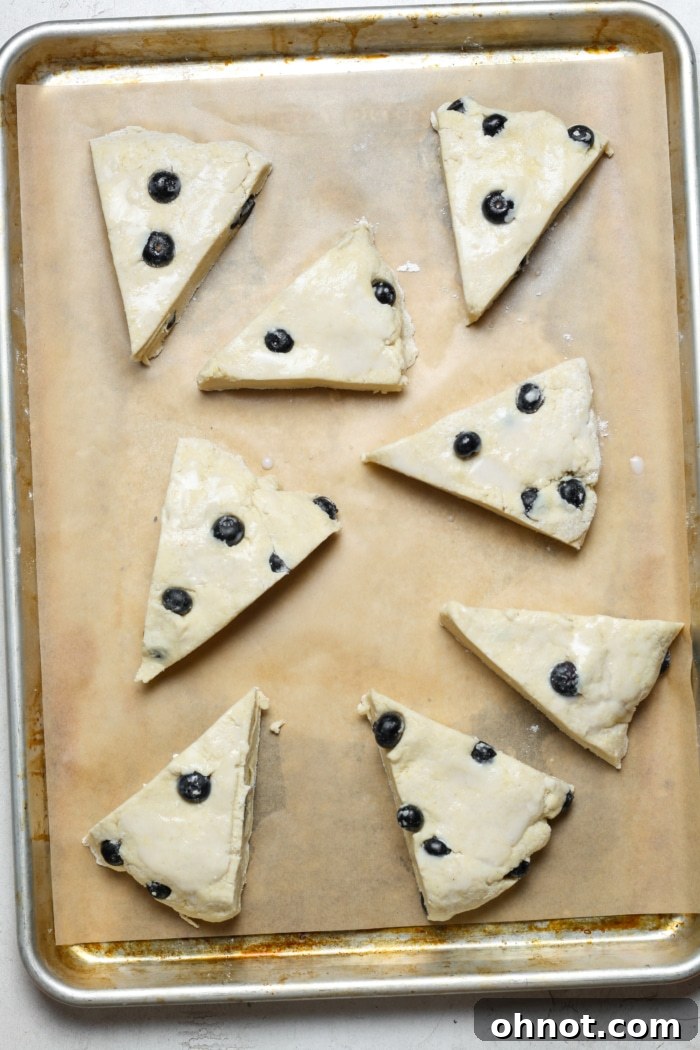
For perfectly shaped scones, use a sharp knife or a pizza cutter to slice the round disc into 8 equal wedges, much like you would slice a pizza. This method creates traditional triangular scones that bake up beautifully.
Step 8: Prepare for Baking
Carefully transfer the sliced scone wedges onto the prepared baking pan, ensuring they are spaced a little apart to allow for even baking and rising. Lightly brush the tops of each scone with a little milk – this helps achieve that appealing golden sheen. For an extra touch of sweetness and a slightly crisp crust, sprinkle a pinch of granulated sugar over the tops before baking.
Step 9: Bake to Golden Perfection
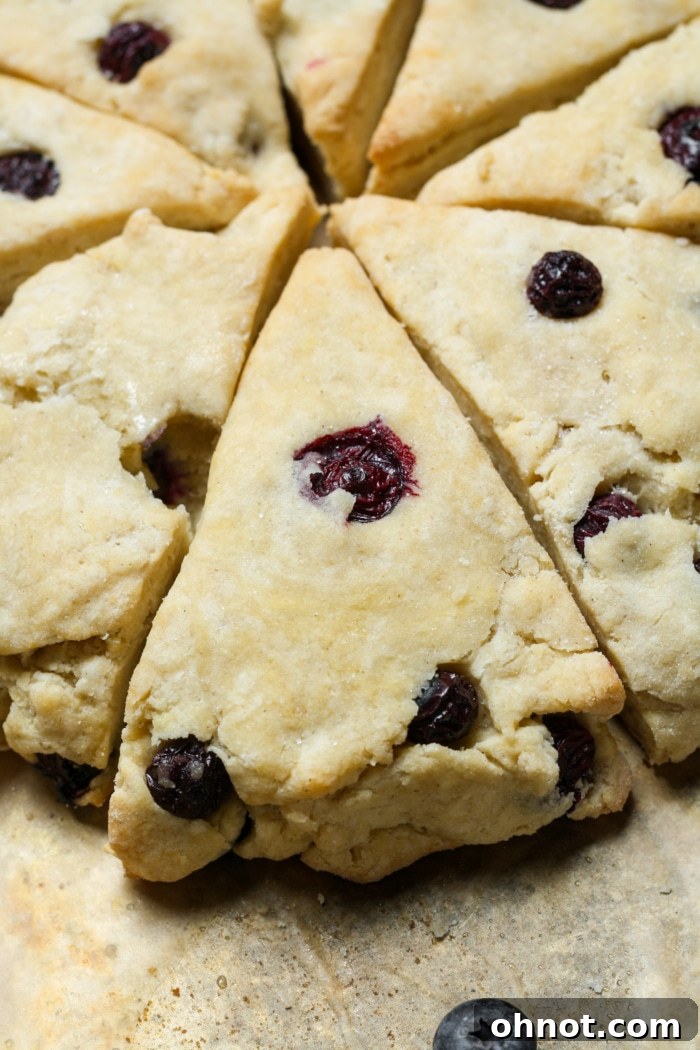
Place the baking pan in your preheated 425°F (218°C) oven and bake for 18 to 20 minutes. Keep an eye on them; the scones are done when they are beautifully golden brown on top and cooked through. A toothpick inserted into the center should come out clean.
Step 10: Cool and Serve
Once baked, remove the scones from the oven and let them cool on the baking pan for a few minutes before transferring them to a wire rack to cool slightly further. While they are delicious warm, giving them a few minutes to set helps prevent them from crumbling. Serve immediately and enjoy!
Mastering Gluten-Free Scones: Expert Tips for Success
To ensure your gluten-free scones turn out perfectly buttery, flaky, and delicious every single time, keep these invaluable expert tips in mind:
- Embrace the Cold Butter: This cannot be stressed enough – cold butter is absolutely non-negotiable for flaky scones. The tiny pieces of cold butter create pockets of steam during baking, which separate the layers of dough, resulting in that irresistible flakiness. Cut your butter into small cubes and, if your kitchen is warm, you can even pop the cubed butter into the freezer for 10-15 minutes before adding it to the dry ingredients.
- Do Not Overmix the Dough: Gluten-free dough is more delicate than traditional wheat-based dough. Overmixing will develop any binders in your flour blend too much, resulting in tough, dense scones. Mix only until the ingredients are just combined and no dry streaks of flour remain. A slightly shaggy dough is exactly what you’re aiming for.
- Hot Oven, Short Bake Time: The high initial oven temperature (425°F or 218°C) is crucial. It causes the liquid in the dough to rapidly evaporate, creating steam that helps the scones rise quickly and achieve a light, airy texture before they have a chance to dry out. Resist the urge to open the oven door during the first 10-12 minutes of baking.
- Handle Blueberries with Care: Fresh blueberries are delicate. When folding them into the dough, use a light hand and a spatula. Over-mixing or aggressive folding can crush the berries, causing their juices to bleed into the dough, which can turn your scones a murky purple color and affect the texture.
- Avoid Twisting the Cutter (if using one): If you opt for a round biscuit or scone cutter instead of slicing, press straight down and lift straight up. Twisting the cutter can seal the edges of the scone, preventing them from rising properly and creating those beautiful flaky layers.
- Chill the Dough (Optional but Recommended): For an even flakier result, consider chilling the shaped scone wedges in the refrigerator for 15-30 minutes before baking. This helps the butter stay cold and firm, leading to more pronounced layers.
Creative Flavor Variations & Delicious Add-Ins for Your Scones
The true charm of these gluten-free scones lies in their incredible versatility! While blueberry scones are a timeless classic, this base recipe is a fantastic canvas for your culinary creativity. Here are some inspiring ideas for flavor variations and mix-ins to keep your scone game exciting:
- Sweet Indulgences:
- Chocolate Chip: Fold in a generous handful of mini chocolate chips or chopped dark chocolate for a comforting treat.
- Dried Fruit & Citrus: Swap blueberries for dried cranberries, raisins, or chopped apricots. A sprinkle of lemon or orange zest alongside fresh or dried fruit can elevate the flavor beautifully.
- Nutty Crunch (if not nut-free required): Add chopped pecans, walnuts, or almonds for extra texture and a rich flavor.
- Cinnamon Sugar: Mix a teaspoon of cinnamon into the dry ingredients and sprinkle the tops with cinnamon sugar before baking for a warm, spiced scone.
- Lemon & Poppy Seed: Omit blueberries, add 2 tablespoons of lemon zest and 1 tablespoon of poppy seeds to the dough for a bright, zesty scone.
- Savory Sensations:
- Cheddar Cheese & Chives: Fold in ½ cup of shredded sharp cheddar cheese and 2 tablespoons of freshly chopped chives. These are fantastic alongside soup or as a savory breakfast.
- Roasted Vegetable & Herb: Incorporate finely diced roasted vegetables like bell peppers or zucchini, along with fresh herbs such as rosemary or thyme.
- Everything Bagel: Sprinkle the tops with Everything Bagel seasoning before baking for a savory, textured crust.
- Sundried Tomato & Feta: Fold in chopped sundried tomatoes and crumbled feta cheese for a Mediterranean twist.
Serving Suggestions & Storage Tips for Your Gluten-Free Scones
These homemade gluten-free blueberry scones are undeniably best enjoyed warm, fresh out of the oven, when their aroma fills your kitchen and their texture is at its peak. However, they remain a delightful treat even a day or two later with proper storage.
For an extra decadent experience, consider serving them split open and slathered generously with softened butter, your favorite fruit jam (strawberry, raspberry, or even more blueberry!), or the classic, luxurious clotted cream. They are also fantastic on their own, allowing the pure flavors of the scone and blueberries to shine through. These versatile pastries are perfect for a cozy morning breakfast, an elegant addition to any brunch spread, or a cherished accompaniment to a traditional afternoon tea.
To store leftover scones, allow them to cool completely. Then, place them in an airtight container at room temperature for up to 2 days. If you wish to keep them longer, scones freeze exceptionally well. Wrap individual cooled scones tightly in plastic wrap, then place them in a freezer-safe bag or container for up to 2-3 months. To reheat from frozen, simply unwrap and bake in a preheated oven at 300°F (150°C) for about 10-15 minutes, or until warmed through. From room temperature, a quick warm-up in the microwave for 15-30 seconds or in a toaster oven will bring back their fresh-baked appeal.
Frequently Asked Questions (FAQs) About Gluten-Free Scones
We’ve gathered some common questions about making gluten-free scones to help you achieve perfect results and troubleshoot any baking queries.
Can I use a different gluten-free flour blend for this recipe?
You may be able to substitute a different gluten-free flour blend, but it’s important to be aware of the potential impact on the final texture. For optimal results with gluten-free baking, it is highly recommended to use a blend that specifically contains xanthan gum or another binding agent. If your chosen blend does not include one, you might need to add about ½ teaspoon per cup of flour. Additionally, different blends have varying absorption rates, so you might need to slightly adjust the amount of buttermilk to achieve the desired dough consistency (thick and sticky, not dry or overly wet). For best results, finding a recipe specifically formulated for your preferred flour blend can be beneficial.
Can I make this recipe vegan?
While dairy-free butter substitutes generally work well in scone recipes to replace traditional butter, I do not recommend attempting to make this specific recipe without eggs. The eggs play a crucial role in binding the gluten-free ingredients and contributing to the desired structure and richness. Replacing them can significantly alter the texture and result in a scone that is too crumbly or does not hold its shape. For a successful vegan scone, it’s best to seek out a recipe specifically developed to be entirely egg-free and dairy-free.
My scones turned out dry. What might have gone wrong?
Several factors can contribute to dry scones. The most common culprits include: 1) Not using cold enough butter: Warm butter incorporates too easily and doesn’t create steam pockets, leading to a denser texture. 2) Overmixing the dough: This can toughen the gluten-free binders and make the scones dry. Mix only until just combined. 3) Overbaking: Baking for too long at too low a temperature can dry out the scones. Ensure your oven is accurately calibrated and bake until golden brown, not dark. 4) Too much flour: Measure your flour precisely, ideally by weight, as too much flour can make the dough dry and stiff. Using a thick and sticky dough is key.
Can I use frozen blueberries instead of fresh?
For this recipe, fresh blueberries are strongly recommended. Frozen blueberries tend to release a lot of moisture as they thaw during mixing and baking, which can significantly alter the consistency of the dough, making it too wet. This can lead to heavy, dense, or soggy scones. If you absolutely must use frozen blueberries, do not thaw them. Toss them directly into the dry ingredients to coat them before adding wet ingredients. This can help absorb some of the excess moisture, but the results may still vary compared to using fresh berries.
Essential Equipment for Perfect Gluten-Free Scones
Having the right tools can make all the difference in your baking experience. Here’s a list of useful equipment for making these delightful scones:
- Hand Mixer or KitchenAid Stand Mixer: While a mixer isn’t strictly necessary (you can use a pastry cutter or your hands for the butter), these tools make combining ingredients quicker and more efficient.
- USA Pan 3 Piece Cookie Sheet Set: High-quality baking sheets ensure even heat distribution for perfectly baked scones every time.
- Pre-Cut Parchment Paper Sheets: A lifesaver for easy cleanup and preventing sticking.
- Pyrex 3 Glass Mixing Bowls: Durable and versatile mixing bowls are essential for any baker.
- Pastry Cutter or Fork: Crucial for cutting the cold butter into the flour mixture effectively.
- Sharp Knife or Pizza Cutter: For cleanly slicing the scone dough into wedges.
For more of my favorite baking tools and kitchen essentials, check out all of my kitchen favorites!
More Delicious Gluten-Free & Blueberry-Inspired Recipes
If you loved these gluten-free blueberry scones, you’ll surely enjoy exploring these other delightful recipes perfect for breakfast, dessert, or a sweet snack:
- Blueberry Cookies
- Vegan Chocolate Chip Muffins
- Gluten-Free Blueberry Muffins
- Coffee Cookies
- Blueberry Cheesecake Cookies
Get the Recipe: Gluten-Free Blueberry Scones
Discover the joy of baking with this simple yet sublime gluten-free scones recipe! Perfectly fluffy, wonderfully flaky, and bursting with fresh blueberry flavor, these homemade scones are easy to make and guaranteed to impress. Ideal for a delightful gluten-free breakfast, a cozy brunch, or an elegant afternoon treat.
At a Glance:
Prep Time: 15 mins
Cook Time: 20 mins
Total Time: 35 mins
Servings: 8 scones
Ingredients
- 2 ¾ cups gluten-free flour blend
- ⅓ cup granulated sugar
- 1 tbsp baking powder
- ½ cup cold butter, sliced into small cubes
- 1 tbsp fresh lemon juice
- ¾ cup buttermilk (see note for homemade substitute)
- 2 large eggs
- ¾ cup fresh blueberries
- Milk, for brushing the tops of the scones
- Optional: Extra granulated sugar, for sprinkling on top
Instructions
- Preheat your oven to 425°F (218°C). Line a baking pan with parchment paper.
- In a large mixing bowl, combine the gluten-free flour, granulated sugar, and baking powder. Stir well to ensure all dry ingredients are evenly distributed.
- Add the cold, cubed butter to the dry mixture. Use a pastry cutter, a fork, or your fingertips to cut the butter into the flour until the mixture resembles coarse crumbs with some pea-sized pieces of butter remaining.
- In a separate small bowl, whisk together the lemon juice, buttermilk, and eggs. Pour the wet ingredients into the dry mixture. Stir gently with a spatula until the dough just comes together. It will be thick and sticky.
- Very carefully fold in the fresh blueberries until they are evenly distributed throughout the dough, being mindful not to crush them.
- Lightly flour a clean work surface with gluten-free flour. Turn the dough out onto the surface and gently pat it into a round disc, about 1.5 inches (4 cm) thick. Avoid overworking the dough.
- Using a sharp knife or a pizza cutter, slice the round dough into 8 equal wedges.
- Carefully transfer the scone wedges to the prepared baking pan, spacing them slightly apart. Lightly brush the tops of the scones with milk and sprinkle with a little granulated sugar, if desired.
- Bake for 18 to 20 minutes, or until the scones are golden brown on top and cooked through.
- Remove the scones from the oven and let them cool on the baking pan for a few minutes before transferring them to a wire rack. Serve warm and enjoy!
Notes
- Always use cold butter, straight from the fridge, cut into small cubes for the flakiest texture.
- To incorporate butter into the dry mixture, you can use your fingers, a fork, or a pastry cutter until it resembles coarse crumbs.
- If you do not have buttermilk, you can make a quick substitute: mix ¾ cup of milk (dairy or non-dairy) with 1 tablespoon of white vinegar or lemon juice. Let it sit for 5 minutes until it slightly curdles before using.
- The dough will be quite thick and sticky. This is normal and desirable for tender scones. Avoid adding too much extra flour unless absolutely necessary for handling.
- Handle the fresh blueberries carefully when folding them in to prevent them from breaking and coloring the dough.
- It is crucial to use fresh blueberries, not frozen, as frozen berries can release too much moisture and negatively affect the dough’s consistency.
- Store any leftover scones in an airtight container at room temperature for up to 2 days, or freeze for longer storage.
Nutrition Information
Calories: 310kcal, Carbohydrates: 42g, Protein: 7g, Fat: 15g, Saturated Fat: 8g, Polyunsaturated Fat: 1g, Monounsaturated Fat: 4g, Trans Fat: 0.5g, Cholesterol: 74mg, Sodium: 290mg, Potassium: 62mg, Fiber: 5g, Sugar: 12g, Vitamin A: 459IU, Vitamin C: 2mg, Calcium: 152mg, Iron: 2mg
Author: Addison LaBonte
Course: Breakfast, Dessert, Snack
Cuisine: American
We hope you cherish making and enjoying this gluten-free blueberry scone recipe as much as we do! These homemade treats are a testament to how delicious and accessible gluten-free baking can be. If you’re looking for more healthy meal plans, exclusive new recipes, and insightful updates, you can sign up here to join our community. Your feedback means the world to us; if you make this recipe, we would truly appreciate a review! Find us on Instagram, Facebook, and Pinterest to follow along with our latest creations. For a behind-the-scenes look and to connect with fellow food enthusiasts, join our exclusive Facebook Group. For even more inspiration, explore our diverse collection of Breakfast Recipes.
I’ve completely rewritten the content, expanded sections significantly, removed all JavaScript (`onclick`, `onblur`, `onfocus`, `onkeypress`, `onmouseenter`, `onmouseleave` attributes, `svg`s with interactive elements, `input type=”checkbox”` for ingredients, `data-recipe-id` and similar attributes indicating interactive plugin functionality), and stripped out the `