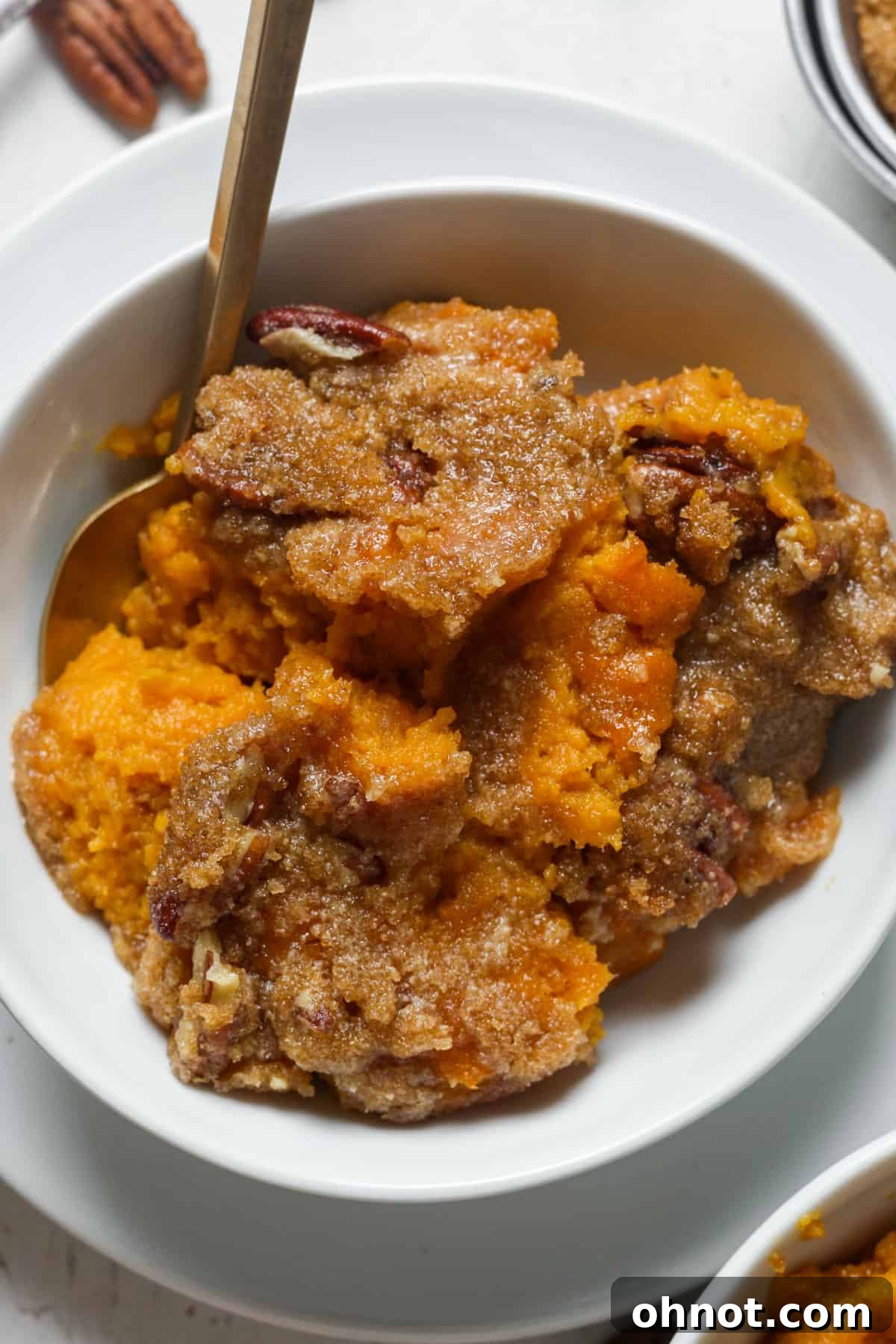
Embark on a culinary journey with this irresistible **Gluten-Free Sweet Potato Casserole**! A true beacon of comfort food, this beloved side dish or dessert graces tables during holidays and family gatherings, offering a taste of warmth and tradition without compromise. Imagine a velvety smooth, naturally sweet potato base, crowned with a rich, buttery, and delightfully crunchy pecan topping. It’s a symphony of textures and flavors that will undoubtedly become a treasured recipe in your home, delivering that classic, cozy feeling everyone craves during special occasions like Thanksgiving and Christmas. This recipe redefines holiday indulgence, proving that gluten-free can be utterly delicious and universally loved.
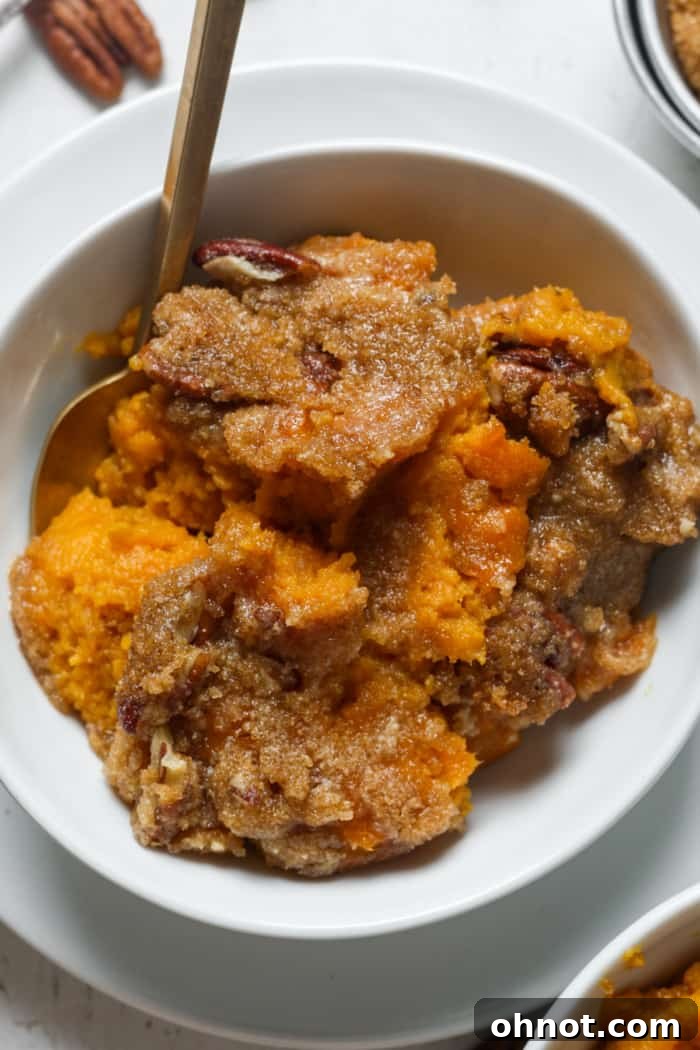
Why This Gluten-Free Sweet Potato Casserole Will Be Your New Holiday Favorite
This particular **gluten-free sweet potato casserole recipe** stands out for many reasons, making it a must-try for your next family feast or comforting meal. Its exceptional qualities ensure it’s not just another dish, but a culinary experience that will delight both gluten-intolerant guests and traditionalists alike.
- Unforgettable Flavor Profile: Prepare for a truly flavorful experience. This casserole harmoniously blends the natural sweetness of yams with warm spices, creating a comforting taste that’s both familiar and exciting. The rich, deep flavors are perfectly balanced, making every bite a delight.
- Versatile Serving Option: Whether you’re looking for a hearty **Thanksgiving side dish** or a decadent holiday dessert, this sweet potato casserole fits the bill. Its sweet and savory notes allow it to seamlessly transition from accompanying your main course to being a standout sweet treat. It’s perfectly delicious alongside a roasted turkey or as a delightful finish to your meal with a dollop of whipped cream.
- Effortless Preparation: While the sweet potatoes do require initial cooking, the assembly of this casserole is remarkably quick and straightforward. Once your sweet potatoes are tender, the rest of the process comes together with ease, making it an ideal dish for busy holiday cooking schedules. You’ll be amazed at how simple it is to achieve such an impressive result.
- Marshmallow-Free Perfection: For those who prefer a more sophisticated and less overtly sweet topping, this recipe is designed without marshmallows. Instead, it features a luscious, buttery pecan crumble, offering a delightful textural contrast and a nutty depth that elevates the entire dish.
- Rich and Sweet Indulgence: Every spoonful of this casserole is a testament to buttery richness and natural sweetness. The creamy filling melts in your mouth, while the crunchy topping provides a satisfying counterpoint, creating an indulgent experience that feels truly special.
- Ideal for Any Celebration: This **sweet potato casserole with pecan topping** is a quintessential dish for Thanksgiving, Christmas, Easter, or any festive occasion. Its classic appeal and comforting nature make it a welcome addition to any holiday table, inviting smiles and satisfied sighs. It pairs wonderfully with other holiday staples like this Gluten Free Stuffing.
- Naturally Gluten-Free: Formulated specifically to be gluten-free, this recipe uses a reliable 1-to-1 gluten-free flour blend for the topping, ensuring a safe and delicious option for everyone at your table. No need to compromise on taste or texture!
- Explore More Dietary Options: For those with stricter dietary needs, consider checking out this Paleo Sweet Potato Casserole. It offers a fantastic grain-free and refined sugar-free alternative, proving that dietary restrictions don’t mean sacrificing flavor or holiday tradition.
Essential Ingredients & Smart Substitutions for Your Gluten-Free Casserole
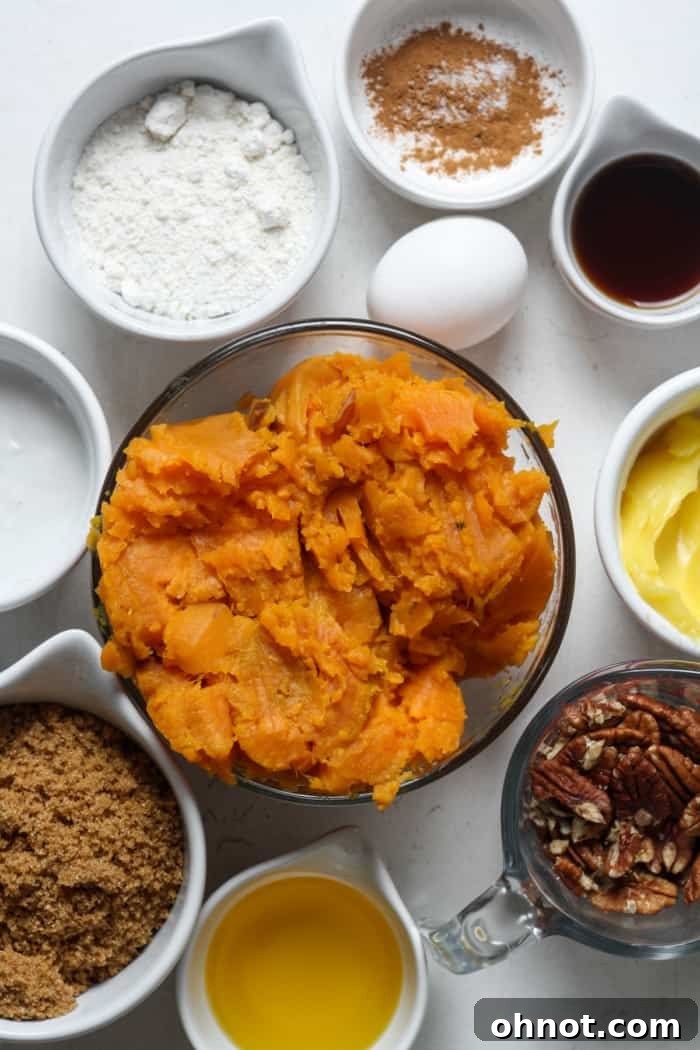
Creating the perfect **gluten-free sweet potato casserole** begins with understanding each ingredient and the role it plays. Here, we delve into the core components and offer versatile substitutions to ensure your dish is both delicious and tailored to your preferences or dietary needs. For a complete list of ingredients and detailed instructions, remember to scroll down to the full recipe card.
Sweet Potatoes: The Heart of the Casserole
The foundation of our creamy filling is, of course, mashed sweet potatoes. For the best results, aim for about 2 large sweet potatoes or 3 to 4 medium-sized ones, which will yield approximately 3 cups once cooked and mashed. You can prepare them by either roasting them in their skins until very tender (which deepens their flavor) or by peeling and boiling them until soft. Roasting often brings out a richer, caramelized sweetness, while boiling makes for quicker preparation. Ensure they are thoroughly cooked to achieve that perfectly smooth, lump-free texture.
Canned Coconut Milk: For Unmatched Creaminess
To impart luxurious creaminess to the sweet potato filling, canned full-fat coconut milk is an excellent choice, especially for a dairy-free option. Its richness contributes a subtle, pleasant flavor that complements the sweet potatoes beautifully. If you’re not avoiding dairy, half and half or a dairy creamer can be used as a direct substitute. Be cautious with other dairy-free milks (like almond or oat milk) as they tend to be thinner and might result in a less rich filling. If using thinner milk, you might reduce the quantity slightly to maintain consistency.
One Egg: The Natural Binder
A single egg serves a crucial purpose in the filling: it acts as a binder, helping the sweet potato mixture set beautifully as it bakes. This prevents the casserole from becoming watery or falling apart, ensuring a cohesive and delightful texture. There are no direct easy vegan substitutes for this specific recipe while maintaining the original texture, but you could try a flax egg (1 tbsp ground flaxseed mixed with 3 tbsp water, let sit for 5 minutes) at your own discretion, though results may vary.
Light Brown Sugar: Sweetness in Every Layer
Light brown sugar lends a wonderful, caramel-like sweetness to both the creamy sweet potato filling and the crunchy pecan topping. Its moist texture helps create a tender crumb in the topping. For alternative sweeteners, feel free to use coconut sugar for a slightly less refined option, or maple sugar which offers a unique, nuanced flavor profile. Adjust the quantity to your personal preference for sweetness.
Pumpkin Pie Spice: The Essence of Autumn
In the sweet potato filling, pumpkin pie spice adds that quintessential warm, cozy flavor that is synonymous with fall and winter holidays. This blend typically includes cinnamon, nutmeg, ginger, and cloves, bringing depth and aromatic complexity. If you don’t have pumpkin pie spice on hand, a simple combination of cinnamon with a pinch of nutmeg makes an excellent substitute, capturing the spirit of the season.
Butter: The Golden Thread of Flavor
Butter is essential for both layers, contributing richness and a delightful mouthfeel. For the creamy sweet potato filling, use melted butter (or even ghee for a nuttier flavor, or coconut oil for dairy-free) to ensure it blends smoothly into the mixture. For the pecan crumble topping, use cold butter. Cutting cold butter into the dry ingredients by hand or with a pastry cutter creates those desirable crumbly pieces that yield a truly crunchy topping. For a dairy-free version, use a high-quality dairy-free butter alternative in both layers.
Vanilla Extract: A Hint of Aromatic Warmth
A teaspoon of vanilla extract in both the filling and the topping enhances all the other flavors, adding a comforting, aromatic warmth. It’s a small addition that makes a big difference in the overall complexity and appeal of the casserole.
Sea Salt: Balancing the Sweetness
A tiny pinch of sea salt in the filling (and optionally in the topping) might seem counterintuitive in a sweet dish, but it’s a secret weapon for balancing and enhancing flavors. It prevents the casserole from tasting one-dimensionally sweet, allowing the natural flavors of the sweet potato and spices to truly shine.
Chopped Pecans: The Irresistible Crunch
For the topping, coarsely chopped pecans are non-negotiable! They provide a fantastic nutty flavor and a satisfying crunch that contrasts beautifully with the creamy filling. You can toast them lightly before adding them to further intensify their flavor, or use them as is for convenience.
Gluten-Free 1-to-1 Flour: The Perfect Topping Binder
Lastly, a good quality gluten-free 1-to-1 flour blend is vital for thickening the crumble topping and giving it structure. This type of blend is formulated to behave much like regular wheat flour, ensuring your topping is perfectly crumbly and golden. For this specific recipe, I highly recommend sticking with a dedicated gluten-free 1-to-1 blend, as alternative flours like almond or coconut flour have very different properties and may not yield the desired texture for the crumble. If you are looking for a completely grain-free option, please refer to the Paleo Sweet Potato Casserole recipe mentioned earlier.
Understanding Sweet Potato Casserole: A Holiday Staple
**Sweet potato casserole** is far more than just a dish; it’s a culinary tradition, particularly cherished during the American holiday season. This classic recipe embodies the essence of comfort food, featuring a rich, creamy layer of mashed sweet potatoes beneath a delightful topping. Its origins are deeply rooted in Southern American cuisine, evolving over centuries from simple preparations of indigenous sweet potatoes to the beloved, festive casserole we enjoy today. Historically, sweet potatoes were a staple crop, and their natural sweetness made them a perfect candidate for both savory and sweet dishes, eventually cementing their place at holiday tables.
The most iconic variations of sweet potato casserole are defined by their topping. You’ll typically encounter two main styles: the crunchy crumbly topping, like the one featured in this recipe, or the classic marshmallow topping. Both are considered traditional and have their dedicated fan bases. The pecan crumble offers a sophisticated, nutty, and buttery contrast to the smooth sweet potatoes, while marshmallows provide a gooey, caramelized sweetness. This recipe opts for the pecan topping, highlighting a more refined and deeply flavorful textural experience.
One of the most charming aspects of sweet potato casserole is its incredible versatility. It gracefully straddles the line between a side dish and a dessert. Many families serve it alongside their savory main courses, such as roasted turkey or ham, appreciating its gentle sweetness as a counterpoint to richer flavors. Conversely, its inherent sweetness makes it perfectly suitable as a dessert, perhaps with a scoop of vanilla ice cream or a dollop of whipped cream. This dual identity ensures it’s a welcome addition to any part of your holiday menu.
Beyond its comforting taste, sweet potato casserole also offers notable health benefits, especially when prepared with mindful ingredients. Sweet potatoes themselves are nutritional powerhouses, packed with beta-carotene (a precursor to Vitamin A), which supports vision and immune function. They are also an excellent source of dietary fiber, promoting digestive health, and rich in essential minerals like potassium and Vitamin C, both vital for overall well-being. Potassium is important for heart health and blood pressure regulation, while Vitamin C is a powerful antioxidant.
The pecans in the topping contribute their own impressive array of nutrients. These delightful nuts are a good source of healthy monounsaturated and polyunsaturated fats, which are beneficial for heart health. They also provide essential minerals such as potassium, calcium, and magnesium, contributing to bone health and electrolyte balance. Including pecans not only adds a fantastic crunch and flavor but also boosts the nutritional value of this festive dish, making it a delicious way to incorporate wholesome ingredients into your holiday spread.
A Symphony of Sweetness and Crunch: Taste & Texture
Prepare your palate for an exquisite sensory experience with this **gluten-free sweet potato casserole**. Each element is crafted to deliver a harmonious balance of taste and texture that truly elevates the humble sweet potato. The overall flavor profile is wonderfully sweet and intensely buttery, a combination that evokes pure comfort and indulgence.
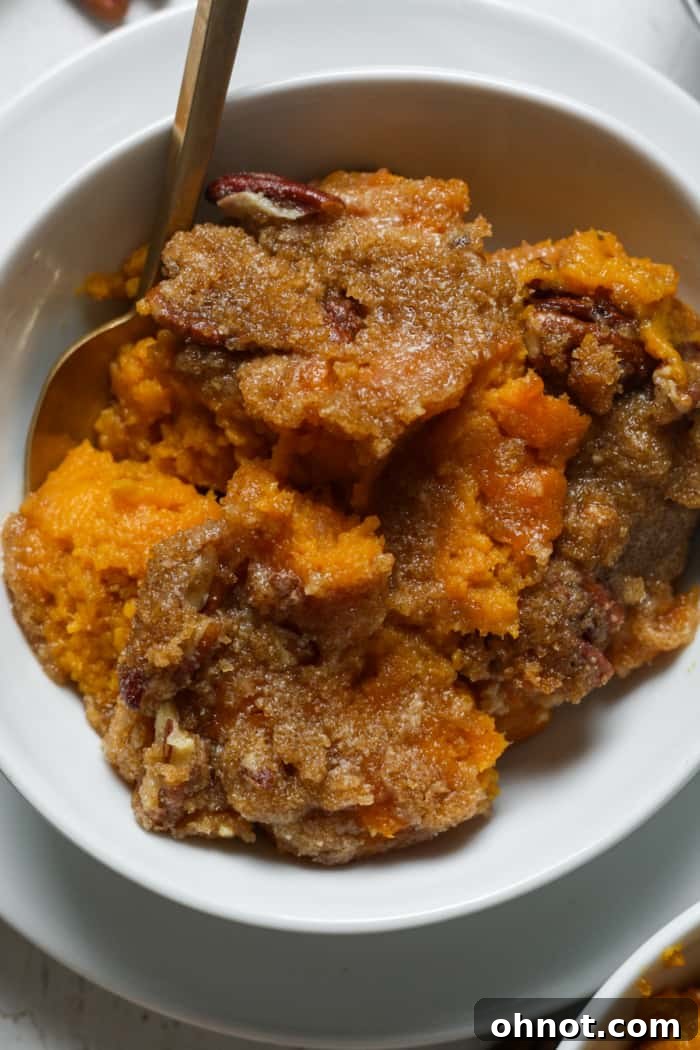
The creamy filling is where the magic of taste truly begins. It boasts the natural, earthy sweetness of perfectly cooked sweet potatoes, enriched with the luscious notes of butter and a subtle hint of warmth from the pumpkin pie spice and vanilla. This layer is velvety smooth, melting effortlessly in your mouth and leaving a lingering, comforting sweetness. It’s like a warm hug in every bite, deeply satisfying and beautifully spiced.
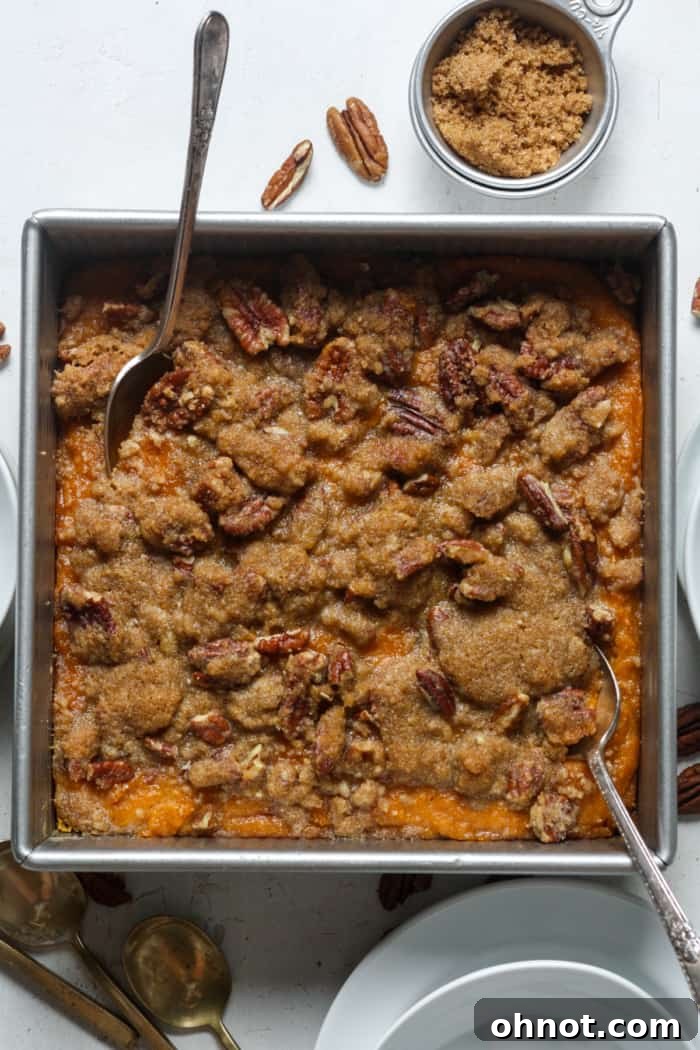
But the experience doesn’t end there. The crowning glory of this casserole is its incredible topping. Here, you encounter a delightful contrast of textures and flavors. The topping delivers a rich, buttery taste, reminiscent of a classic brown sugar and pecan crumble. The chopped pecans provide a satisfying crunch that breaks through the creamy smoothness of the base, adding a dynamic element to each spoonful. This combination of smooth, sweet, buttery, and crunchy textures creates an addictive quality, ensuring that this casserole is not just eaten, but savored.
Step-by-Step Guide: How to Craft Your Perfect Casserole
Creating this delightful **gluten-free sweet potato casserole** is a straightforward process, broken down into simple, manageable steps. Follow these instructions carefully to achieve a perfectly creamy filling and a golden, crunchy topping every time.
Step 1: Prepare the Sweet Potatoes
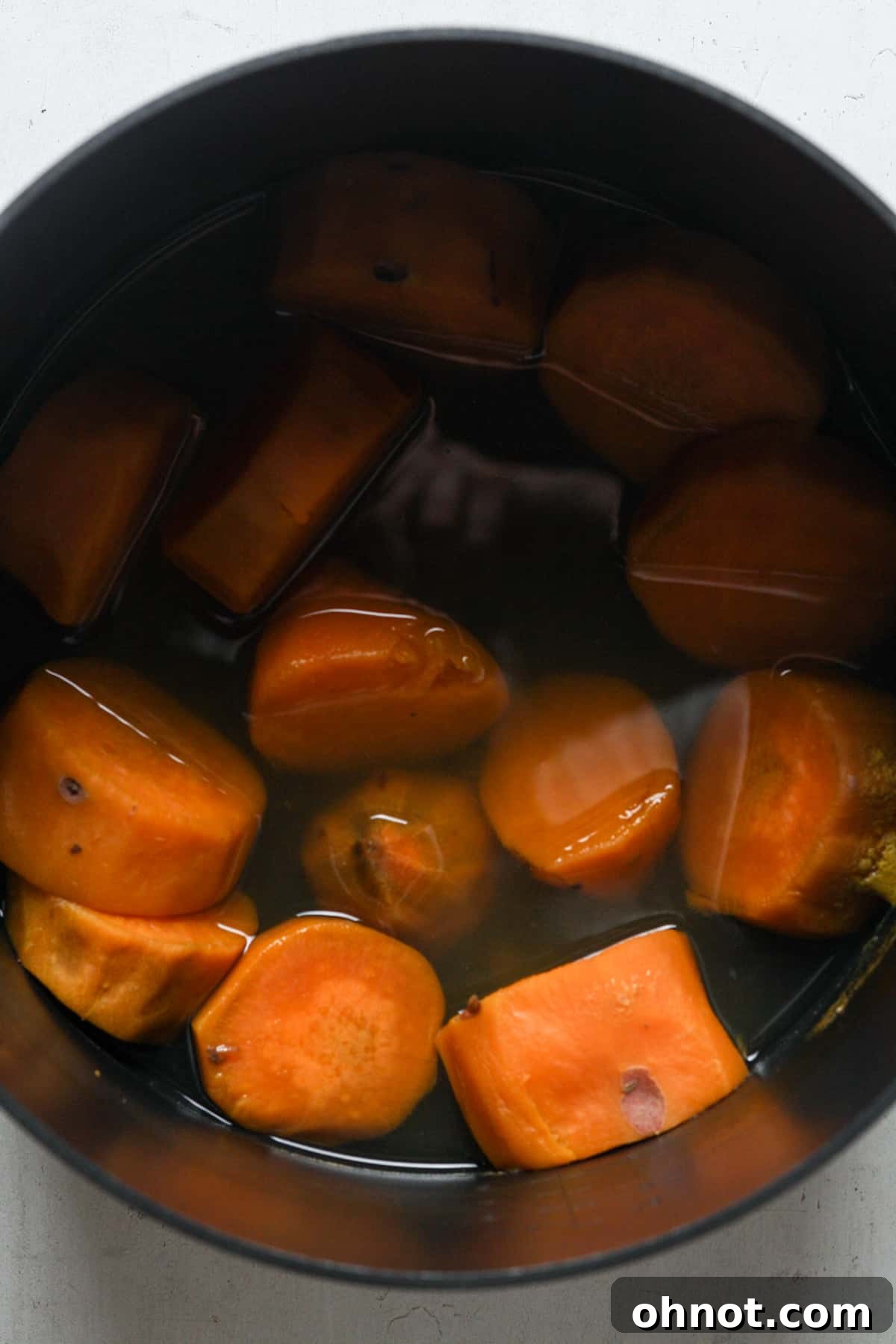
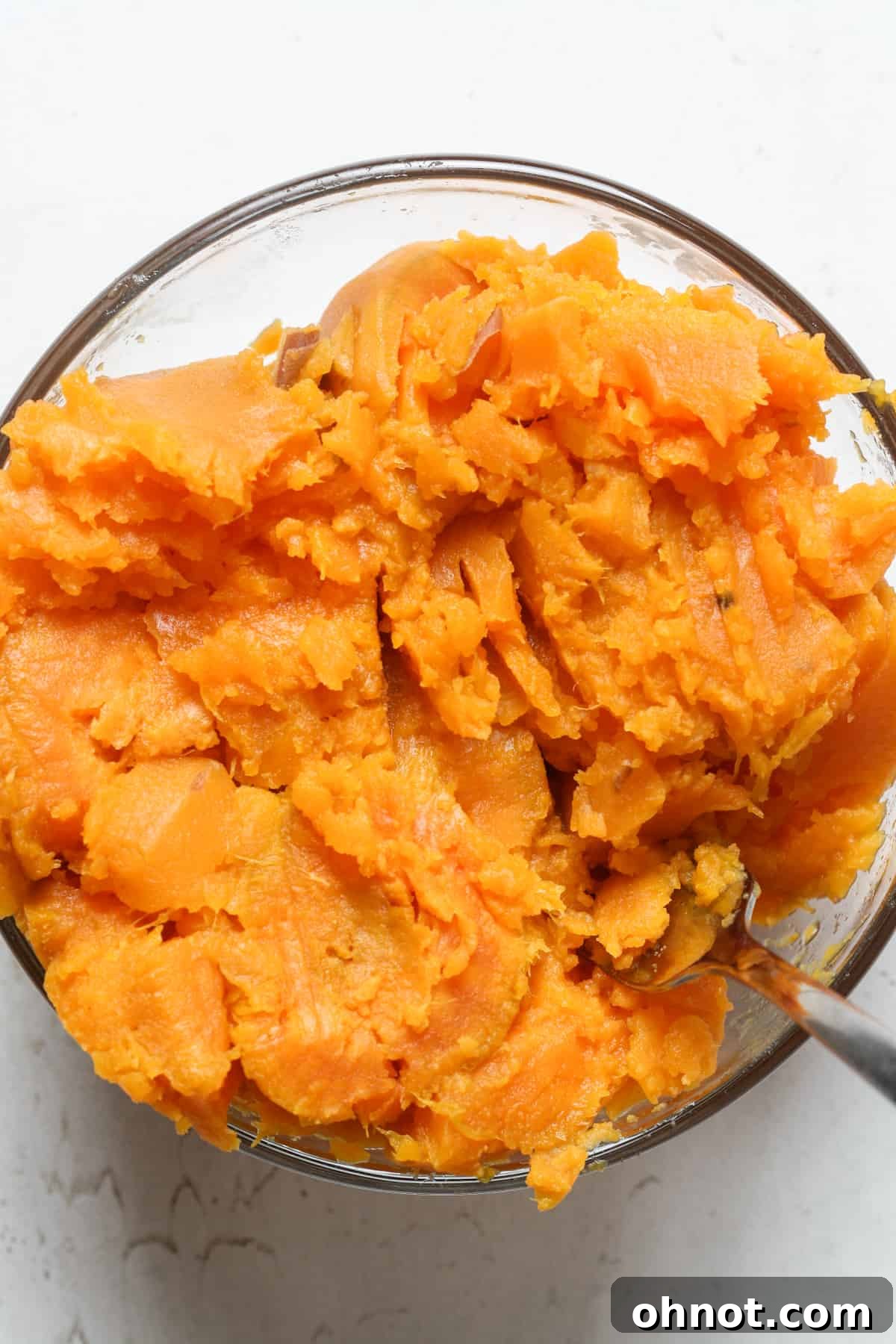
The first crucial step is to cook your sweet potatoes until they are incredibly soft and tender. You have two excellent options: boiling or roasting. If boiling, peel your sweet potatoes first, then cut them into large, uniform pieces (avoid dicing them too small, as they can absorb too much water). Place them in a large pot, cover with cold water, bring to a boil, and simmer for about 20-30 minutes, or until easily pierced with a fork. Alternatively, for a deeper flavor, you can roast them. Pierce the skins of whole sweet potatoes several times with a fork, then bake them at 425°F (220°C) for about 45-60 minutes, or until very soft. Once cooked by either method, let them cool slightly, then remove the skins if you roasted them, and mash them thoroughly with a fork or potato masher. Aim for about 3 cups of mashed sweet potato.
Step 2: Preheat Oven and Prepare Baking Dish
While your sweet potatoes are cooling slightly, preheat your oven to 350°F (175°C). Select an 8-inch or 9-inch square baking pan or a similar-sized oval casserole dish. Lightly spray the inside of the pan with a nonstick cooking spray to prevent sticking and ensure easy serving later.
Step 3: Create the Creamy Filling
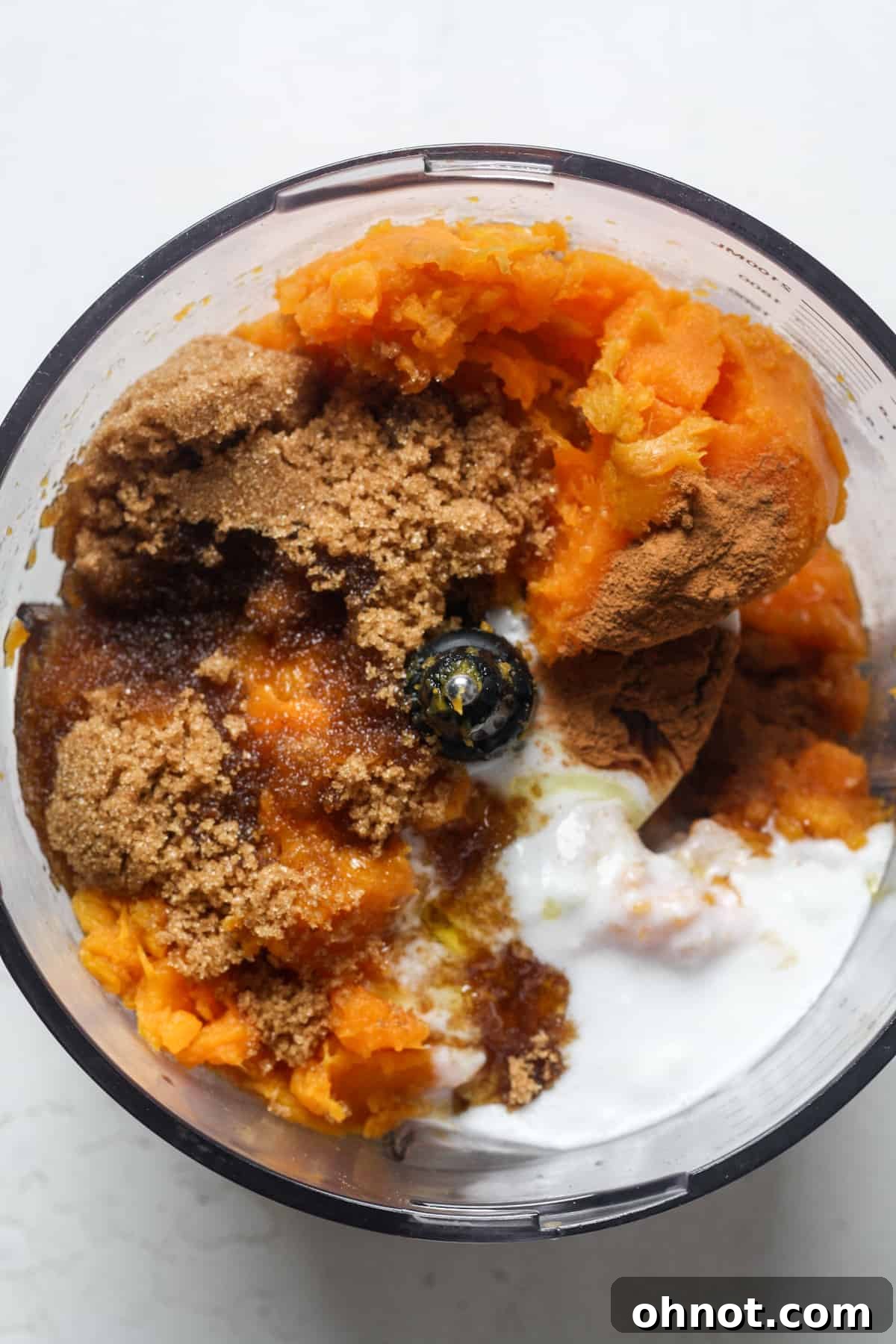
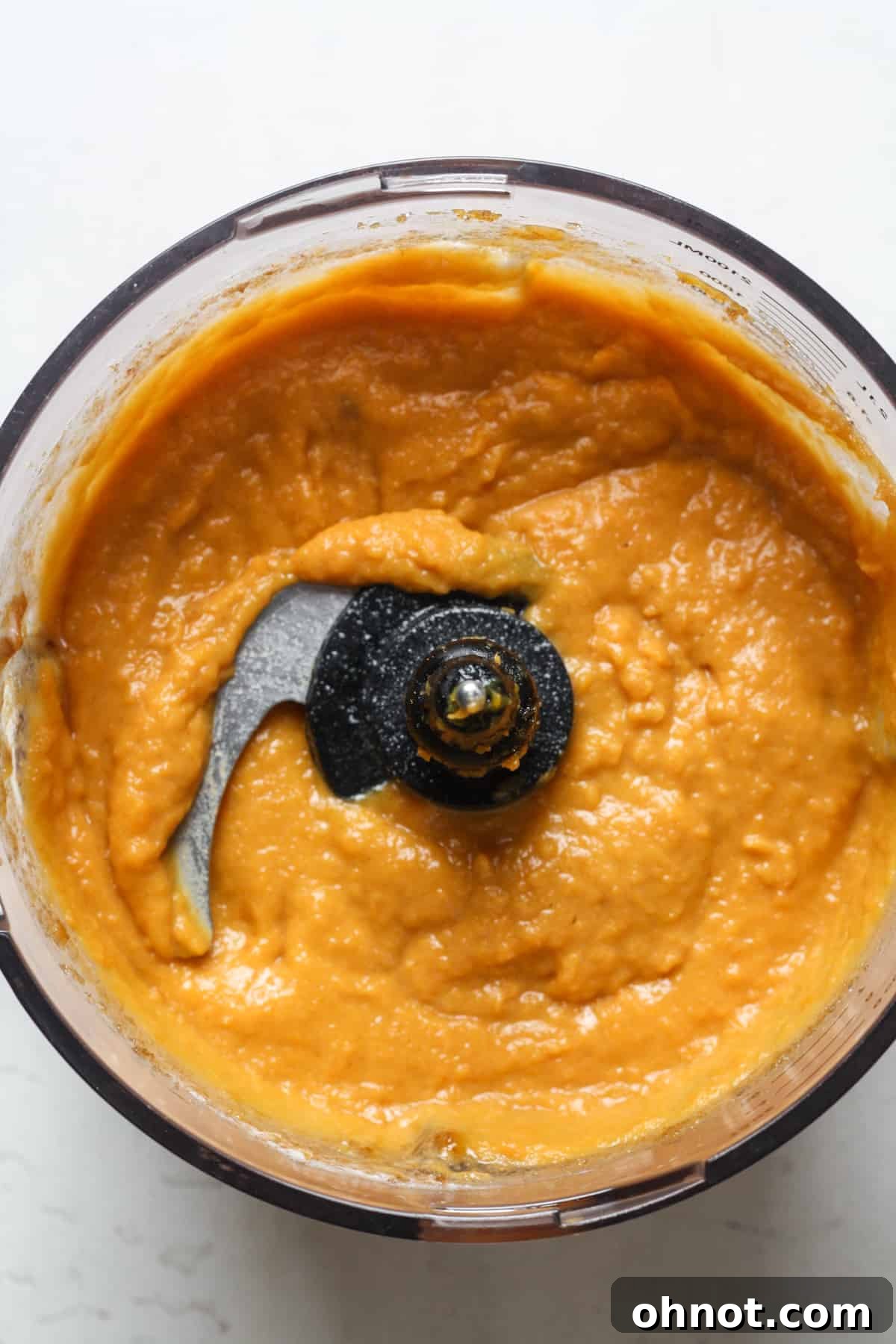
Once your sweet potatoes are mashed, it’s time to assemble the delicious, creamy filling. Transfer all the prepared mashed sweet potatoes to a food processor. Add the canned coconut milk, egg, light brown sugar, pumpkin pie spice (or cinnamon and nutmeg), melted butter (or coconut oil), vanilla extract, and a pinch of sea salt (if using). Process these ingredients until the mixture is completely smooth and wonderfully creamy. This step is key to achieving that luxurious, velvety texture that makes this casserole so comforting. A blender can also work, but you may need to scrape down the sides more frequently.
Step 4: Fill the Pan
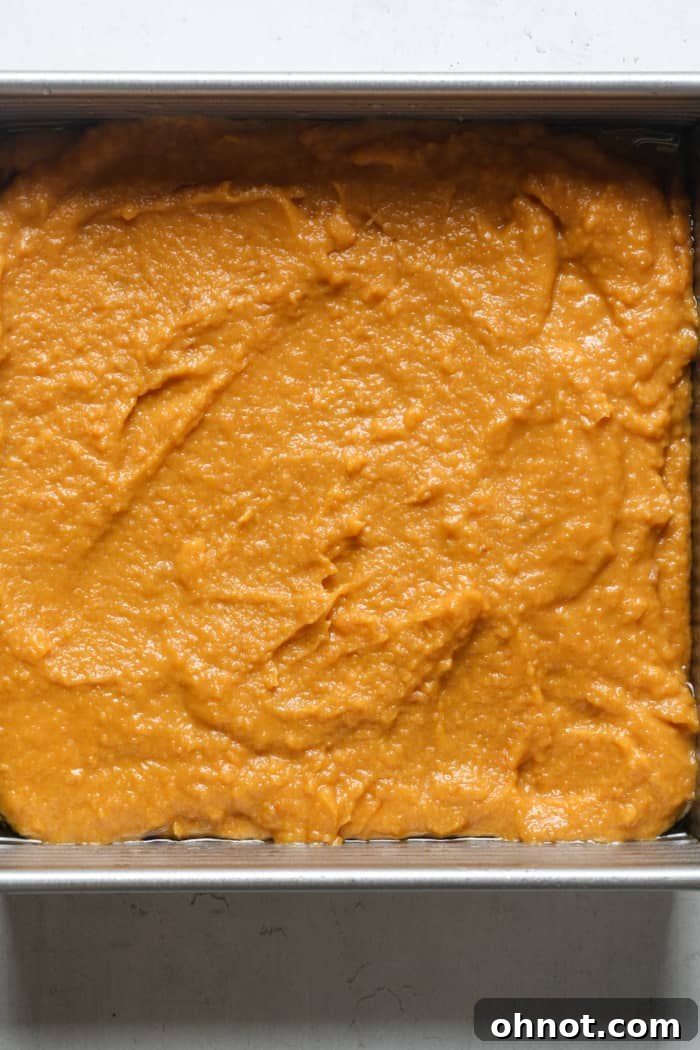
Carefully pour the creamy sweet potato mixture into your prepared, greased baking pan. Use a spatula to spread it evenly across the bottom, ensuring a smooth and level base for your topping.
Step 5: Prepare the Crumbly Pecan Topping
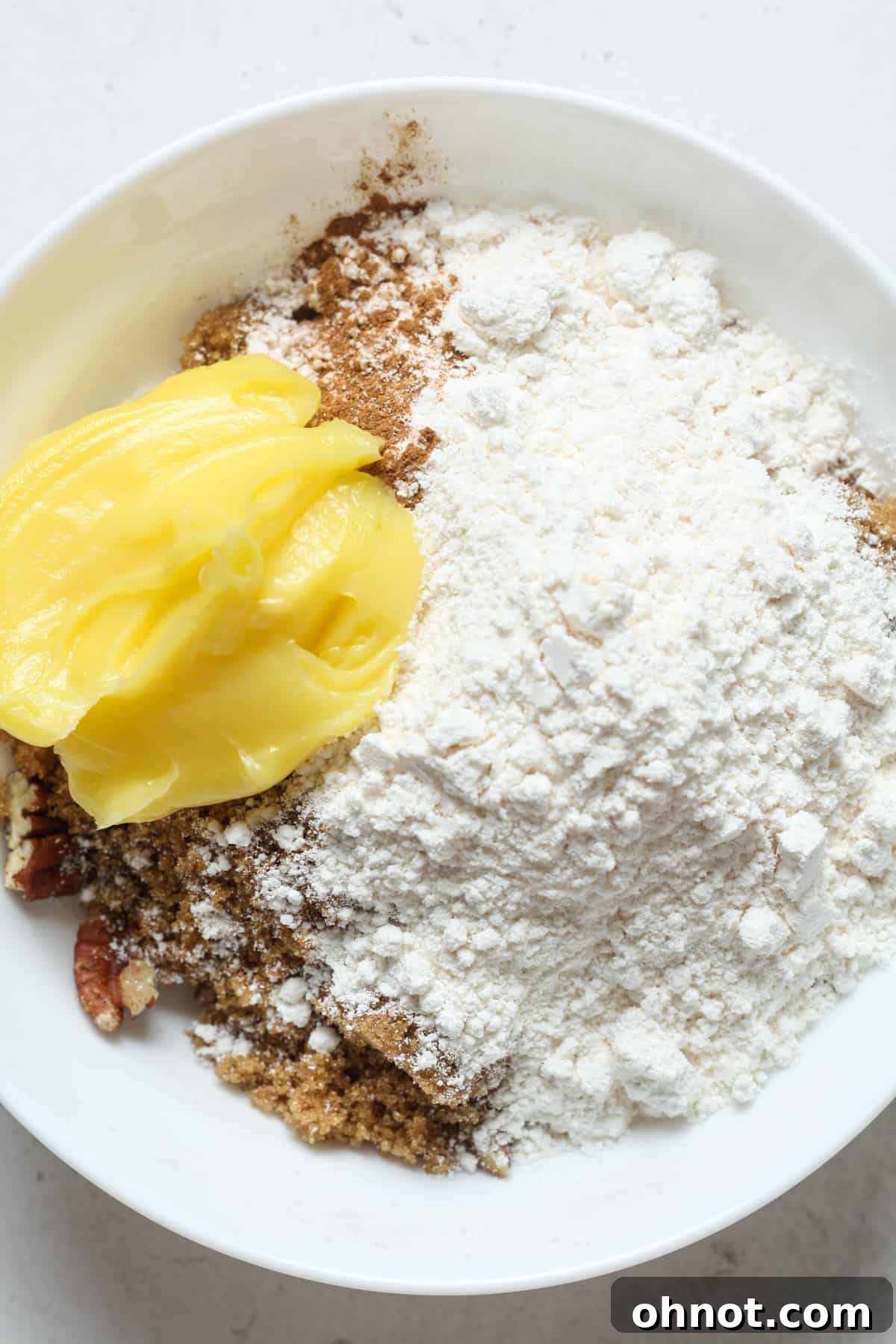
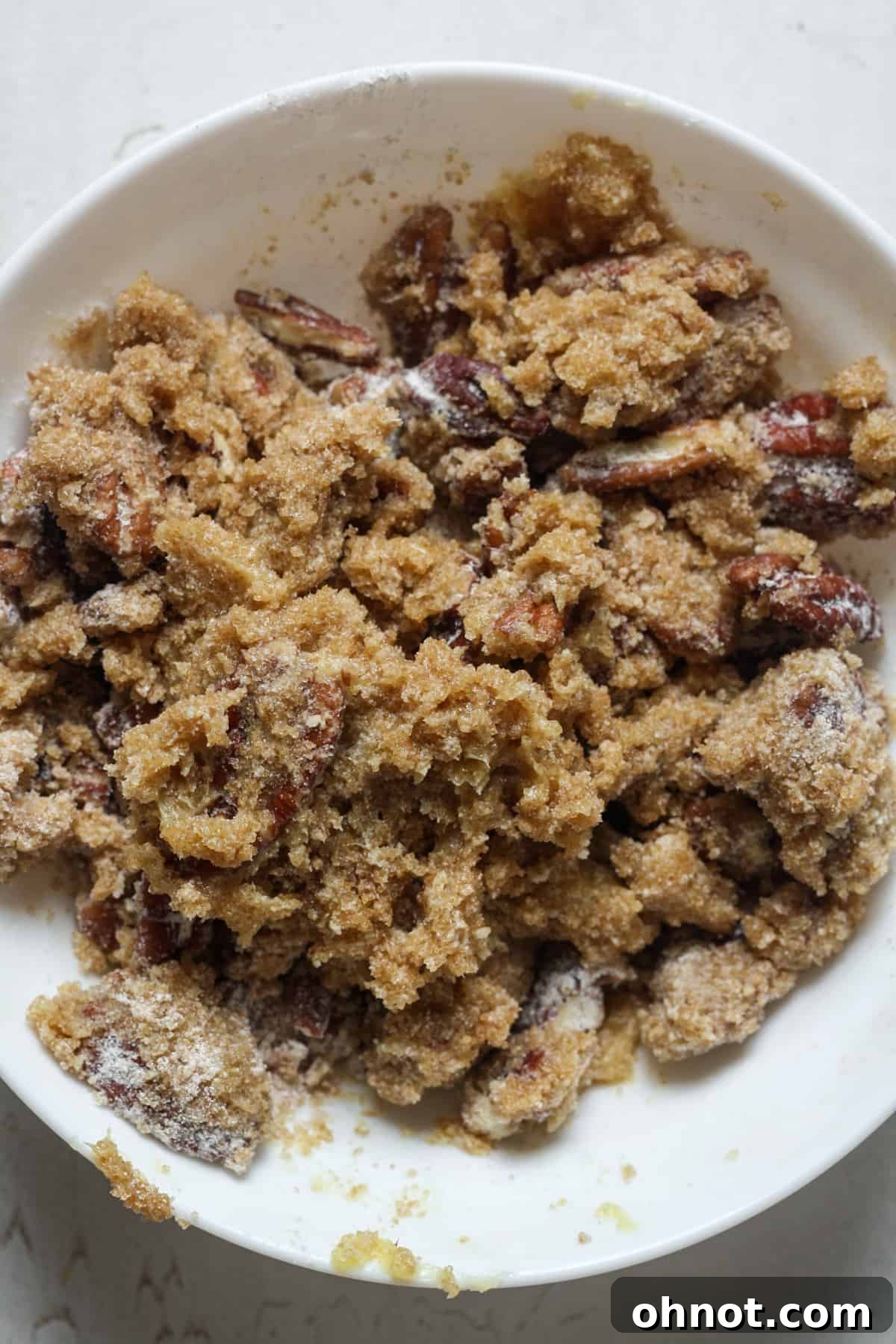
Now for the star of the show – the crunchy pecan topping! In a separate medium-sized bowl, combine the chopped pecans, gluten-free 1-to-1 flour, vanilla extract, and light brown sugar. Add the cold butter, cut into small cubes. Using your fingertips or a pastry cutter, work the cold butter into the dry ingredients until the mixture resembles coarse crumbs. Some larger clumps are perfectly fine and will contribute to the wonderful varied texture of the topping. Avoid overmixing; you want a crumbly, not paste-like, consistency.
Step 6: Layer the Topping
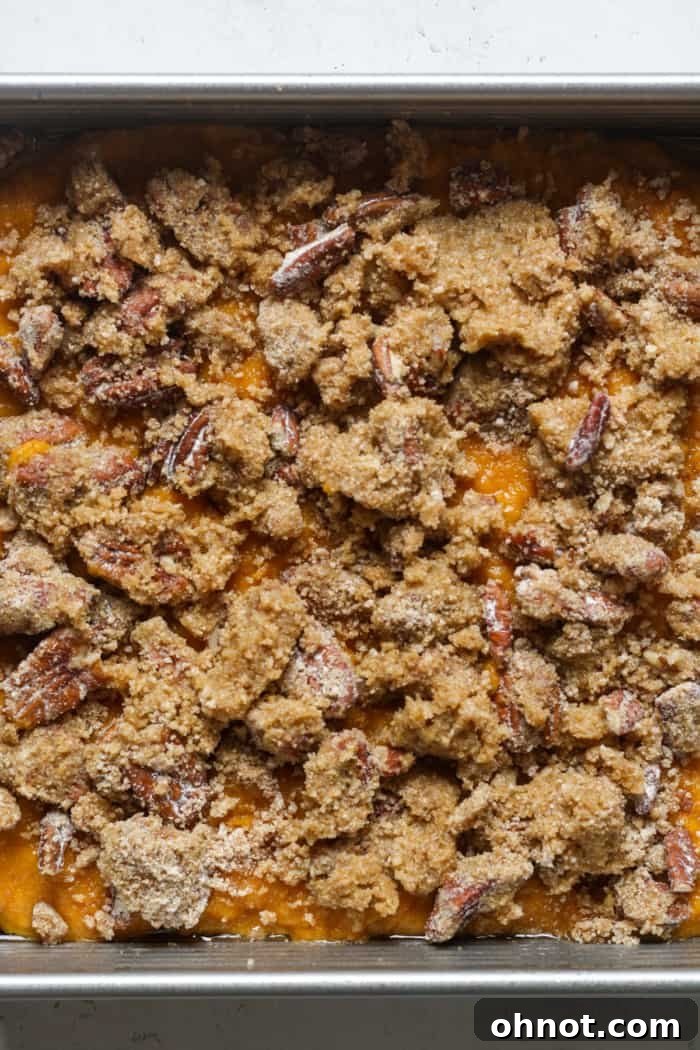
Evenly sprinkle the prepared pecan crumble topping over the sweet potato filling in the baking pan. Distribute it gently to cover the entire surface. Don’t press it down too firmly; you want it to bake into a light and airy crumble.
Step 7: Bake to Golden Perfection
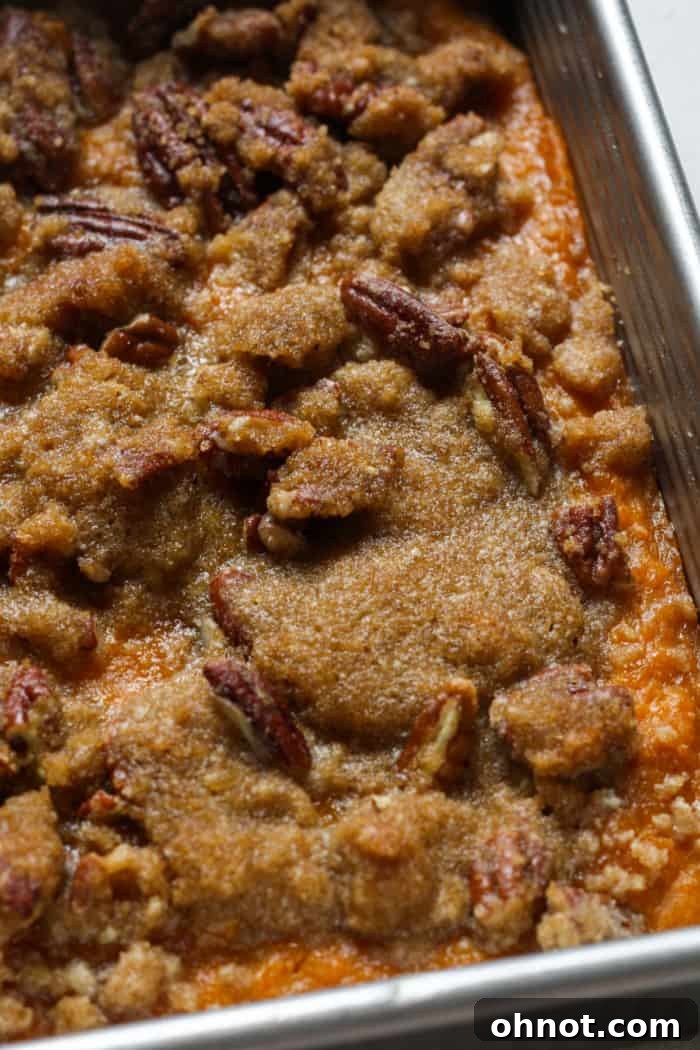
Place the casserole in your preheated oven and bake for 28 to 30 minutes. You’ll know it’s ready when the topping turns a beautiful light golden brown and the sweet potato filling beneath is visibly bubbling around the edges. This bubbling indicates that the filling is thoroughly heated through and set. Keep an eye on the topping to ensure it doesn’t over-brown.
Step 8: Cool and Serve
Once baked, carefully remove the **gluten-free sweet potato casserole** from the oven. Allow it to cool for a few minutes before serving. This brief resting period helps the casserole set further and makes it easier to scoop. Serve warm and enjoy the fruits of your labor!
Expert Tips & Tricks for Sweet Potato Casserole Success
Achieving the perfect **gluten-free sweet potato casserole** is easy with a few expert tips. These insights will help you enhance flavors, perfect textures, and ensure your dish is a showstopper every time.
Optimal Sweet Potato Preparation: For the most flavorful and consistent filling, always aim for well-cooked sweet potatoes. Roasting sweet potatoes in their skins at 425°F (220°C) for about an hour tends to caramelize their natural sugars, intensifying their sweetness and depth of flavor. If you opt to boil them, peel them first and cut them into large, uniform pieces. Avoid dicing them small, as smaller pieces can absorb too much water, leading to a watery filling. After cooking, whether roasted or boiled, ensure you remove all skins and mash them thoroughly with a fork or potato masher. For an extra smooth consistency, pass them through a ricer.
Achieve Ultimate Creaminess: To get that incredibly smooth, luxurious bottom layer, using a food processor or a high-speed blender is highly recommended. Blending the cooked sweet potatoes with the wet ingredients ensures there are no lumps, resulting in a perfectly creamy and velvety texture that melts in your mouth. Process until completely uniform, scraping down the sides as needed.
Mastering the Crumb Topping: The secret to a perfectly crumbly pecan topping lies in using cold butter and your hands. When incorporating the cold butter into the dry ingredients for the topping, use your fingertips to rub the butter into the flour and sugar. The warmth from your hands helps to slightly soften the butter just enough to bind the ingredients, creating distinct, coarse crumbs rather than a uniform dough. A pastry cutter can also achieve this effect. Avoid overmixing, as you want pockets of butter to melt and create crispiness during baking.
Customizing Spices: While pumpkin pie spice provides a convenient and classic blend, don’t hesitate to adjust the spices to your preference. If you love cinnamon, add a little extra. A small pinch of ground ginger or even a touch of allspice can also enhance the warming flavors. Taste the filling mixture before baking (after adding the egg, ensure it’s just a taste) and adjust as needed.
Baking to Perfection: Keep a close eye on your casserole as it bakes. The goal is a lightly golden-brown topping – not burnt. The filling should be visibly bubbling around the edges, indicating it’s heated through and set. If the topping is browning too quickly, you can loosely tent the casserole with aluminum foil for the remaining bake time. Overbaking can dry out the filling, so remove it as soon as it meets the golden and bubbly criteria.
Serving Warm for Best Experience: This casserole is truly at its best when served warm, straight from the oven. The warmth enhances the buttery flavors and keeps the filling wonderfully creamy. While leftovers are delicious, the freshly baked experience is unparalleled.
Serving Suggestions & Storage Tips
This **gluten-free sweet potato casserole** is a versatile dish that shines whether served as a comforting side or a delightful dessert. Knowing how to serve and store it properly ensures you enjoy every last bite.
Serving Warm is Key: For the ultimate experience, serve this gluten-free sweet potato casserole warm, directly from the oven. The heat brings out the full spectrum of flavors and maintains the filling’s luxurious, creamy texture. Cold casserole can still be delicious, but reheating gently before serving will vastly improve its appeal.
Decadent Toppings: While the pecan topping is a star on its own, you can elevate this casserole even further with additional garnishes. A generous dollop of freshly whipped cream provides a light, airy contrast to the rich casserole. Alternatively, a scoop of vanilla bean ice cream melting over the warm dish creates an indulgent dessert that’s hard to resist. For an unexpected twist, sprinkle a handful of chocolate chips over the hot casserole right after it comes out of the oven – the residual heat will gently melt them, creating a lovely marbled effect and a surprising chocolatey note. Trust me, it’s surprisingly delicious!
Perfect Pairings: As a side dish, this casserole pairs beautifully with traditional holiday proteins like roasted turkey, ham, or even a savory pot roast. Its sweetness balances richer, more savory main courses, creating a well-rounded meal. Don’t limit it to just holidays; it’s a wonderful addition to any special family dinner.
Storing Leftovers: Any leftover **sweet potato casserole** can be easily stored for enjoyment later. Simply cover the baking dish tightly with plastic wrap or aluminum foil, or transfer individual portions to airtight containers. Store in the refrigerator for up to 4 days. When reheating, cover the dish and warm in a preheated oven at 300°F (150°C) until heated through, or microwave individual servings. Be careful not to overheat, which can dry out the casserole.
Frequently Asked Questions About Sweet Potato Casserole
There are two primary methods. You can roast whole sweet potatoes at 425 degrees Fahrenheit (220°C) for about 45-60 minutes, or until very tender. Alternatively, peel and cut sweet potatoes into large chunks, then boil them in water for about 20-30 minutes, or until they are soft enough to be easily mashed with a fork. Roasting often yields a deeper, sweeter flavor.
Absolutely! This casserole is an excellent make-ahead dish, perfect for busy holiday preparations. You can assemble the entire casserole, including the topping, up to 24 hours in advance. Cover it tightly and refrigerate. When ready to bake, allow it to come to room temperature for about 30 minutes before baking as directed, possibly adding an extra 5-10 minutes to the bake time.
Traditional sweet potato casserole recipes often contain gluten, typically in the topping (if it includes flour) or sometimes in pre-made mixes or binders. However, this specific recipe is crafted to be entirely gluten-free, using a gluten-free 1-to-1 flour blend for the pecan crumble topping, making it safe and delicious for those with gluten sensitivities or celiac disease.
Sweet potato casserole is wonderfully versatile and can be served as both a side dish and a dessert! Its inherent sweetness and comforting flavors make it a popular accompaniment to savory main courses during holidays. However, its rich, sweet profile also lends itself perfectly to being a dessert, especially when garnished with whipped cream or ice cream.
Yes, you can easily adapt this recipe to be dairy-free. Simply ensure you use a good quality full-fat canned coconut milk for the filling and replace the butter in both the filling and the topping with a dairy-free butter alternative or coconut oil. For a vegan version, you would also need to replace the egg. A flax egg (1 tablespoon ground flaxseed mixed with 3 tablespoons water, let sit for 5 minutes) can sometimes work as a binder, but consistency may vary.
You May Also Love These Sweet Potato Recipes
- Baked Sweet Potato Slices
- Sweet Potato Curry
- Air Fryer Sweet Potato Cubes
- Sweet Potato Blondies
- Whole30 Sweet Potato Chili
We hope you adore this **gluten-free sweet potato casserole** recipe as much as we do! If you prepare this dish, we would genuinely appreciate your review and feedback. You can connect with us on Instagram, Facebook, and Pinterest. We’d love for you to follow along for more delicious and healthy recipe inspirations! For an abundance of holiday culinary ideas, be sure to explore our extensive collection of Thanksgiving Recipes.
30
30
1
Get the Recipe:
Gluten Free Sweet Potato Casserole
Pin Recipe
Ingredients
8 servings
Sweet Potato Filling
- 2 large sweet potatoes, about 3 cups mashed
- ⅓ cup canned coconut milk
- 1 egg
- ⅓ cup light brown sugar
- 1 tsp pumpkin pie spice, or cinnamon
- ¼ cup melted butter, or coconut oil
- 1 tsp vanilla extract
- pinch sea salt, optional
Topping
- 1 cup chopped pecans
- ½ cup gluten free 1 to 1 flour
- 1 tsp vanilla extract
- 4 tbsp cold butter
- ½ cup light brown sugar
Instructions
-
First, boil or roast sweet potatoes until soft and tender. Peel if necessary and mash thoroughly with a fork.
-
Preheat oven to 350 degrees Fahrenheit. Spray an 8-inch or 9-inch square pan with nonstick spray.
-
Add all sweet potato filling ingredients to a food processor and blend until creamy and smooth.
-
Pour the creamy mixture into the greased pan, spreading evenly.
-
In a bowl, combine all topping ingredients. Use your fingers or a pastry cutter to mix until a crumbly texture forms.
-
Evenly spread the pecan topping over the sweet potato layer.
-
Bake for 28 to 30 minutes, or until the topping is lightly golden and the filling is bubbly around the edges.
-
Finally, remove from oven. Allow to cool slightly before serving warm!
Notes
- If boiling potatoes, cut sweet potatoes into 3 or 4 large pieces. Do not dice them, as they can retain too much water, making the filling watery.
- If roasting, pierce potatoes and roast at 425 degrees Fahrenheit (220°C) for about 1 hour, or until very tender.
- Use 2 very large sweet potatoes or 3 to 4 medium potatoes to yield approximately 3 cups of mashed sweet potato.
- Feel free to replace canned coconut milk with half and half, a dairy creamer, or regular milk if you do not need the recipe to be dairy-free.
- To make this recipe dairy-free, use a dairy-free butter alternative or coconut oil in place of butter in both the filling and topping.
- The topping should be crumbly and won’t be uniform, which adds to its rustic charm and texture.
- Bake until the topping achieves a beautiful light golden color and the filling is actively bubbling, indicating it’s thoroughly cooked.
- Store any leftover casserole tightly covered in the fridge for up to 4 days.