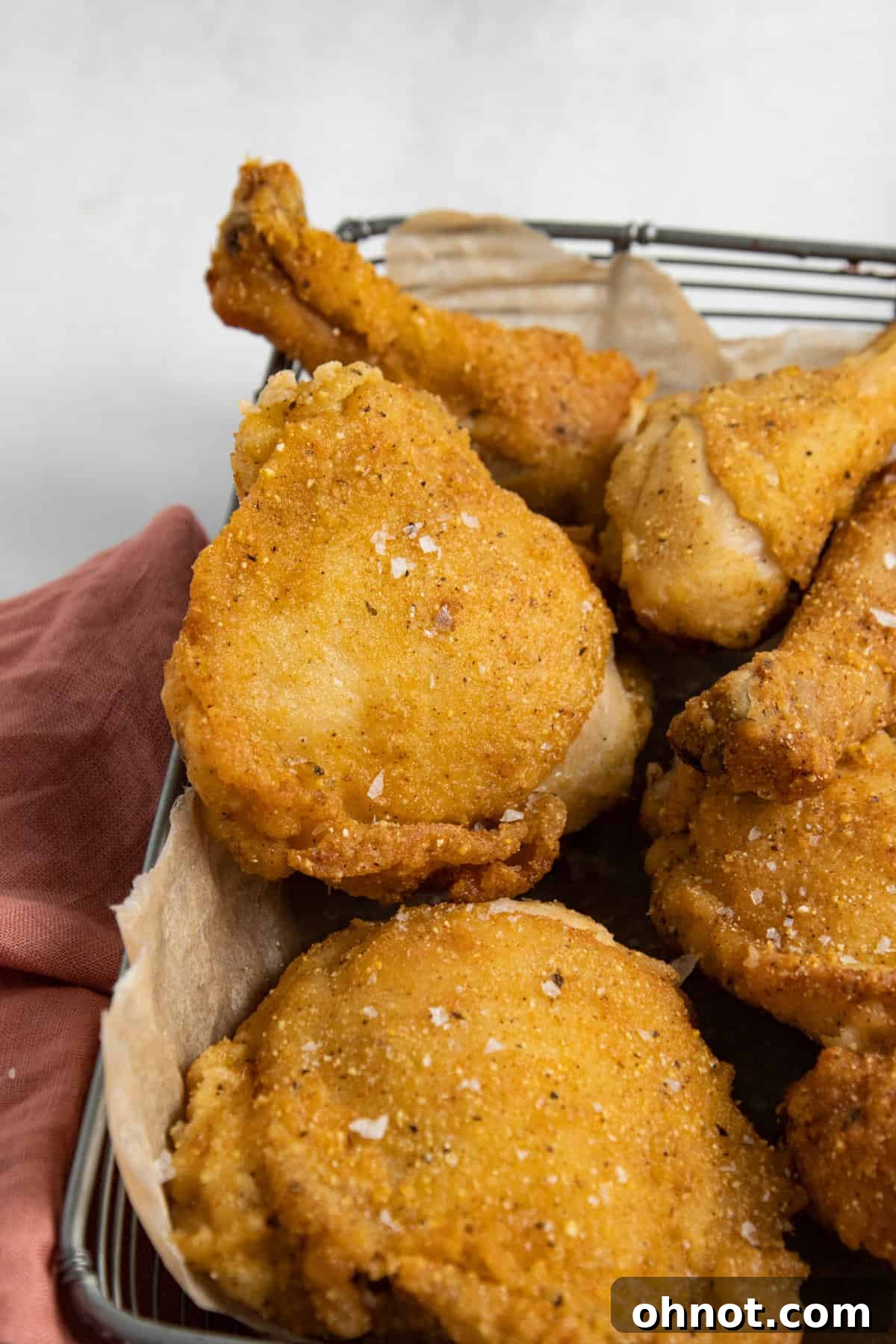
Indulge in the ultimate comfort food with this incredibly golden, crispy, and utterly delicious gluten-free fried chicken recipe. Perfect for a cozy family dinner or entertaining guests, this dish brings restaurant-quality flavor and texture right into your kitchen. Say goodbye to dry, bland chicken and embrace tender, juicy perfection encased in an extra-crispy, gluten-free breading that stays put. Whether served on its own, tucked into a sandwich, topping a fresh salad, or as a crowd-pleasing appetizer, this homemade fried chicken promises to satisfy every palate, even the most discerning ones. Get ready to transform your gluten-free cooking experience!
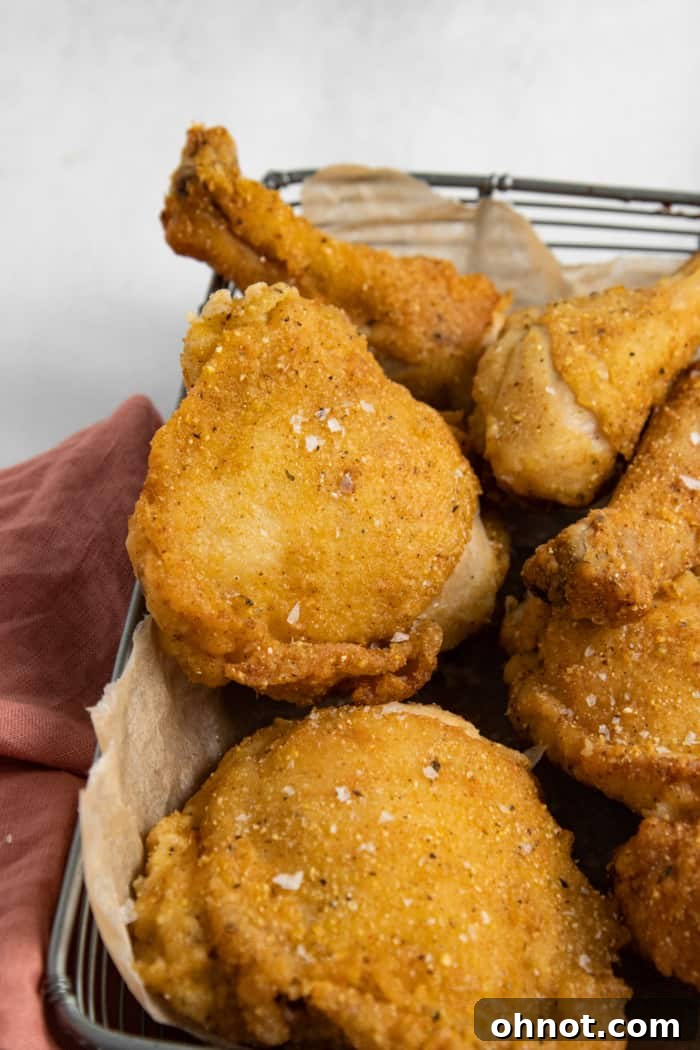
Why This Gluten-Free Fried Chicken Recipe Will Become Your New Favorite
This isn’t just another gluten-free recipe; it’s a game-changer for anyone craving classic fried chicken without the gluten. Here are compelling reasons why this particular recipe stands out and is bound to become a staple in your culinary repertoire:
- Authentic Flavor, No Gluten Taste: Forget what you think you know about gluten-free alternatives. This fried chicken delivers the familiar, rich, and savory taste of traditional fried chicken. The carefully selected blend of spices and the superb gluten-free breading ensure that it tastes anything but “gluten-free.”
- Family-Friendly Favorite: This recipe is a guaranteed hit with everyone at the table, including children and even the pickiest eaters. Its classic appeal and irresistible texture make it an easy choice for family dinners, ensuring happy faces all around.
- Flavorful and Delicious: Every bite bursts with incredible flavor. The marination process deeply infuses the chicken, while the seasoned coating adds an aromatic, savory crunch that’s truly delicious.
- Superior Breading Adhesion: One of the biggest challenges with gluten-free fried chicken can be getting the coating to stick. Our specially formulated breading adheres beautifully to the chicken, creating a consistently crispy crust that doesn’t flake or fall off, even after cooking.
- Restaurant-Quality at Home: Achieve a taste and texture reminiscent of your favorite fast-food fried chicken, often compared to popular chains like KFC. For another delightful option, try our Gluten-Free Popcorn Chicken too!
- A Healthier Alternative: Unlike many deep-fried versions, this recipe offers a much healthier way to enjoy fried chicken without sacrificing flavor or crispiness. Pan-frying uses less oil, making it a better choice than conventional takeout.
- Irresistible Texture Contrast: The perfect harmony of a golden, crunchy exterior and unbelievably tender, juicy chicken interior creates a sensory experience that is simply irresistible.
- Versatile Serving Options: This chicken is incredibly versatile. Serve it as a hearty main course with your favorite sides, slice it up for a protein-packed salad, or enjoy it in a wrap or sandwich.
- Pairs with Any Sauce: Elevate your meal with a variety of dipping sauces. Whether you prefer classic ranch, tangy honey mustard, sweet ketchup, or smoky barbecue, this chicken provides the perfect canvas.
- Diet-Friendly: This recipe is naturally gluten-free and sugar-free, making it suitable for those with specific dietary needs or health goals, including gluten allergies or intolerances.
Essential Ingredients & Smart Substitutions for Perfect Gluten-Free Fried Chicken
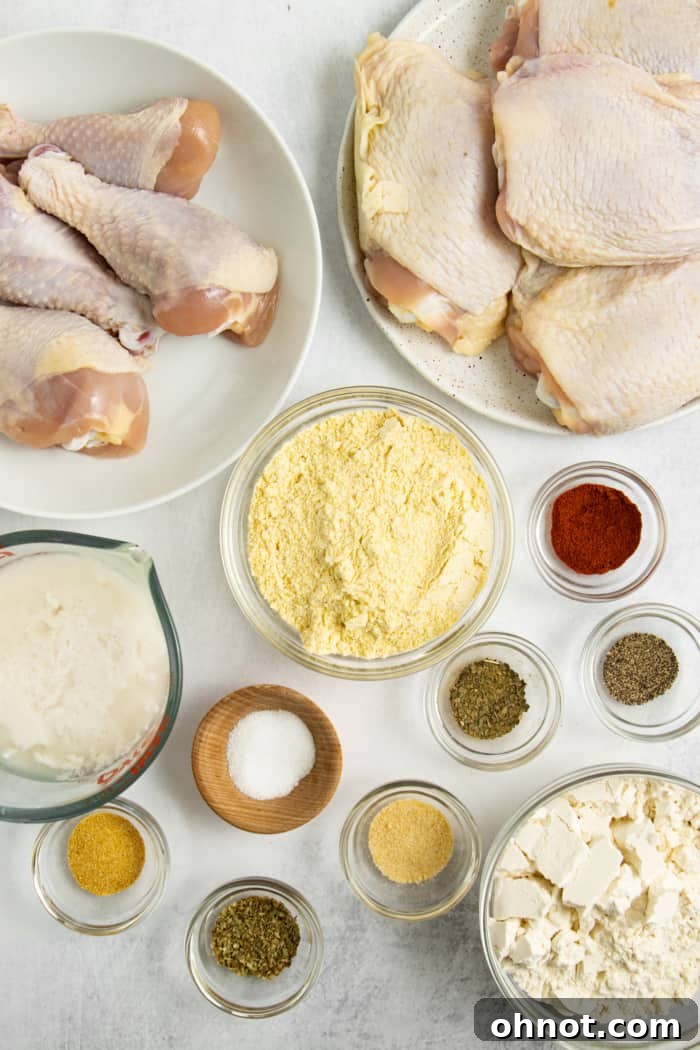
Crafting the perfect gluten-free fried chicken requires a thoughtful selection of ingredients. Below is a detailed look at the key components and how you can make smart substitutions to suit your needs. For the complete list and precise instructions, remember to check the full recipe card at the end of this article.
Choosing the Right Chicken Cuts
For the most satisfying results, a mix of chicken thighs and drumsticks is highly recommended. These cuts are naturally more forgiving and tend to remain exceptionally juicy and tender throughout the frying process. Chicken breasts, while popular, can dry out more quickly due to their leaner nature. If using chicken breasts, consider cutting them into smaller, uniform pieces to ensure even cooking and prevent over-drying. Boneless and bone-in options both work wonderfully, with bone-in pieces often offering a richer flavor profile.
Buttermilk for Tenderness and Flavor
Buttermilk is a hero ingredient in fried chicken for a reason. Its mild acidity works to tenderize the chicken meat, breaking down tough fibers and ensuring a succulent texture. It also helps the breading adhere better, creating a superior crust. If you don’t have buttermilk on hand, don’t worry! You can easily create a homemade substitute: simply combine regular milk (dairy or non-dairy) with a tablespoon of white vinegar or lemon juice. Let it sit for 5-10 minutes until it slightly curdles, and then use it just as you would store-bought buttermilk.
The Gluten-Free Flour Blend
The foundation of our crispy gluten-free coating is a high-quality gluten-free flour blend. I highly recommend King Arthur Flour’s gluten-free all-purpose flour for this recipe. Its unique composition, which often includes xanthan gum, is crucial for achieving that desirable extra-crispy texture and ensuring the breading sticks effectively. Xanthan gum acts as a binder, mimicking the properties of gluten and preventing the coating from crumbling off during frying. If your chosen gluten-free flour blend doesn’t contain xanthan gum, consider adding about ½ teaspoon per cup of flour.
The Magic of Cornmeal
Cornmeal is a secret weapon for achieving an unbelievably crispy crust. With a higher starch content than standard flour, cornmeal excels at absorbing moisture from the chicken’s surface. This absorption is key to creating a truly crunchy coating that maintains its crispiness long after the chicken is cooked. It also adds a subtle texture and a beautiful golden hue to the finished product. Fine or medium-ground cornmeal works best for this recipe.
Our Signature Seasoning Mix
A robust and well-balanced seasoning mix is what elevates this dish beyond just “breaded chicken.” Our blend of paprika, garlic powder, onion powder, thyme, oregano, salt, and pepper creates a classic, savory profile that’s incredibly flavorful. This combination is so authentic that you’d never guess this fried chicken is gluten-free. Feel free to adjust the ratios to your personal taste or add a pinch of cayenne pepper for a subtle kick.
Frying Oil Selection
The choice of oil plays a significant role in the overall flavor and crispiness. Olive oil is a great option for pan-frying due to its relatively high smoke point and distinct flavor contribution. I’ve also had excellent success using avocado oil, which boasts an even higher smoke point and a neutral flavor, making it perfect for achieving a consistently golden, crispy crust without imparting unwanted taste. Ensure you use an oil suitable for medium-high heat cooking.
The Unforgettable Taste & Texture Experience
Prepare your senses for an extraordinary culinary experience with this gluten-free fried chicken. It’s a masterpiece of contrasting textures and harmonious flavors that will leave you wanting more.
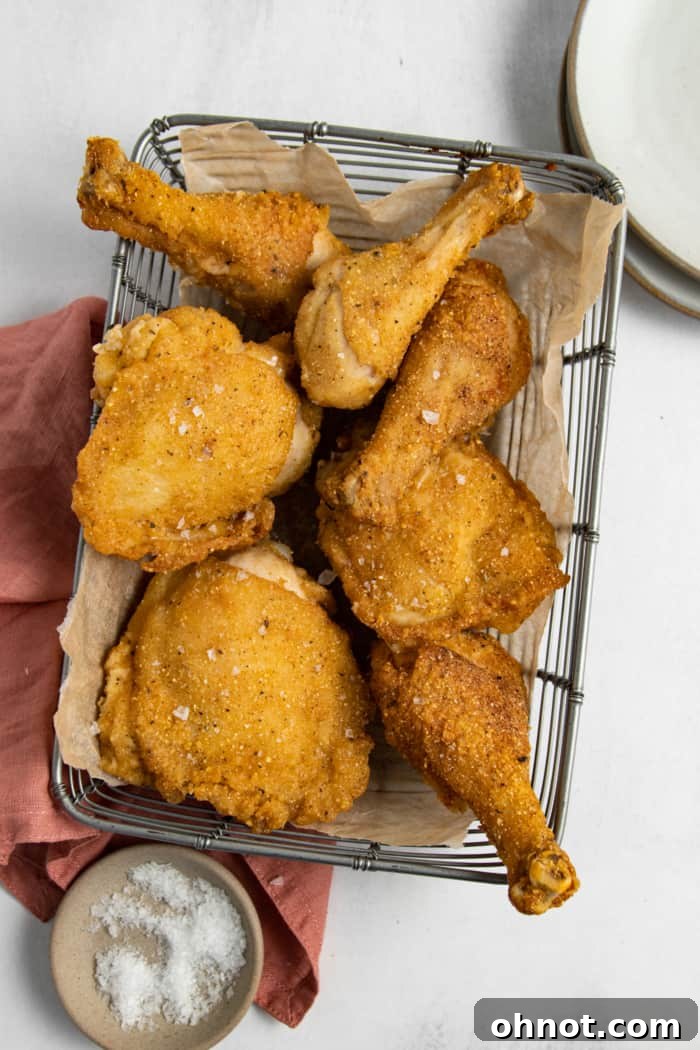
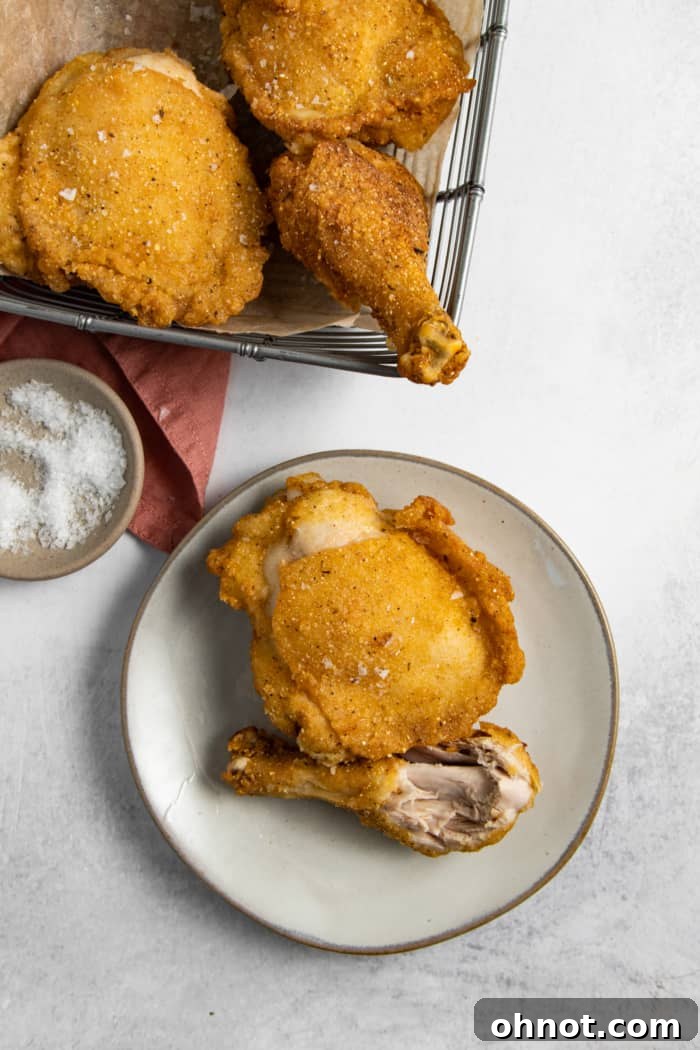
From the very first bite, you’ll encounter an incredibly crispy and crunchy exterior. This golden coating, expertly crafted with our unique gluten-free flour blend and cornmeal, forms a beautiful, shatteringly crisp crust that consistently adheres to the chicken. It’s designed to stay delightfully crunchy, even after resting, ensuring every piece delivers that satisfying audible crunch that is synonymous with great fried chicken.
Beneath this magnificent crust lies a haven of tender, juicy chicken. Thanks to the buttermilk marinade, the meat is incredibly succulent and moist, never dry or tough. Each bite reveals tender fibers that practically melt in your mouth, offering a delightful counterpoint to the crispy outer layer. The chicken is cooked to a perfect golden brown, indicating not only a beautiful appearance but also a thoroughly cooked interior.
Flavor-wise, this recipe delivers the quintessential taste of classic restaurant-style fried chicken. The thoughtful blend of spices permeates both the chicken and the breading, creating a rich, savory, and aromatic profile. It’s a nostalgic taste experience that proves going gluten-free doesn’t mean compromising on deliciousness. You’ll savor the seasoned, comforting flavors that make fried chicken a beloved comfort food, without any hint of it being a dietary adaptation.
Exploring Different Cooking Methods for Gluten-Free Fried Chicken
While our primary recipe focuses on pan-frying for a healthier twist, it’s helpful to understand the various methods available for cooking gluten-free fried chicken. Each method offers a unique set of benefits and results, allowing you to choose the best option for your preferences and equipment.
-
Deep Frying: The Classic Approach
This is the traditional method that delivers the most intensely crispy and richly flavored fried chicken. Deep frying involves submerging the chicken entirely in hot oil. The key to success is maintaining a consistent oil temperature, typically between 350-375°F (175-190°C), and using a high-heat oil like vegetable, canola, or peanut oil. While it produces an undeniably authentic texture, it requires a significant amount of oil and careful handling. -
Pan Frying: Our Recommended Method
Pan frying strikes an excellent balance between crispiness and health consciousness. This method involves cooking the chicken in about ½ to 1 inch of hot oil in a large skillet or frying pan. It’s less messy than deep frying and uses considerably less oil, making cleanup easier and the meal lighter. Pan frying still yields a wonderfully golden and crispy exterior, along with a juicy interior, especially when done correctly with proper oil temperature and adequate batch cooking. -
Air Frying: The Healthiest Option
Air frying has gained popularity as a healthier alternative, using circulating hot air with minimal oil to achieve a crispy texture. While air-fried gluten-free chicken will be crispy and certainly a lighter choice, it typically won’t achieve the same deep, rich crispiness and golden-brown perfection as pan-frying or deep-frying. It’s an excellent option if you prioritize health and convenience, but expect a slightly different texture profile. Ensure you don’t overcrowd the air fryer basket for the best results. -
Oven Baking: For Minimal Oil Use
Although not traditionally called “fried chicken,” baking can also produce a delicious and very healthy crispy chicken. For this method, you would typically spray the breaded chicken lightly with oil and bake it at a higher temperature (e.g., 400°F/200°C) until golden and cooked through, often flipping halfway. While it won’t have the “fried” taste, it can still be a satisfying gluten-free alternative for those avoiding frying altogether.
Step-by-Step Guide: How to Make Irresistible Gluten-Free Fried Chicken
Making perfect gluten-free fried chicken at home is simpler than you might think. Follow these detailed steps to achieve a golden, crispy crust and tender, juicy chicken every time.
Step 1: The Buttermilk Marinade – Infusing Flavor and Tenderness
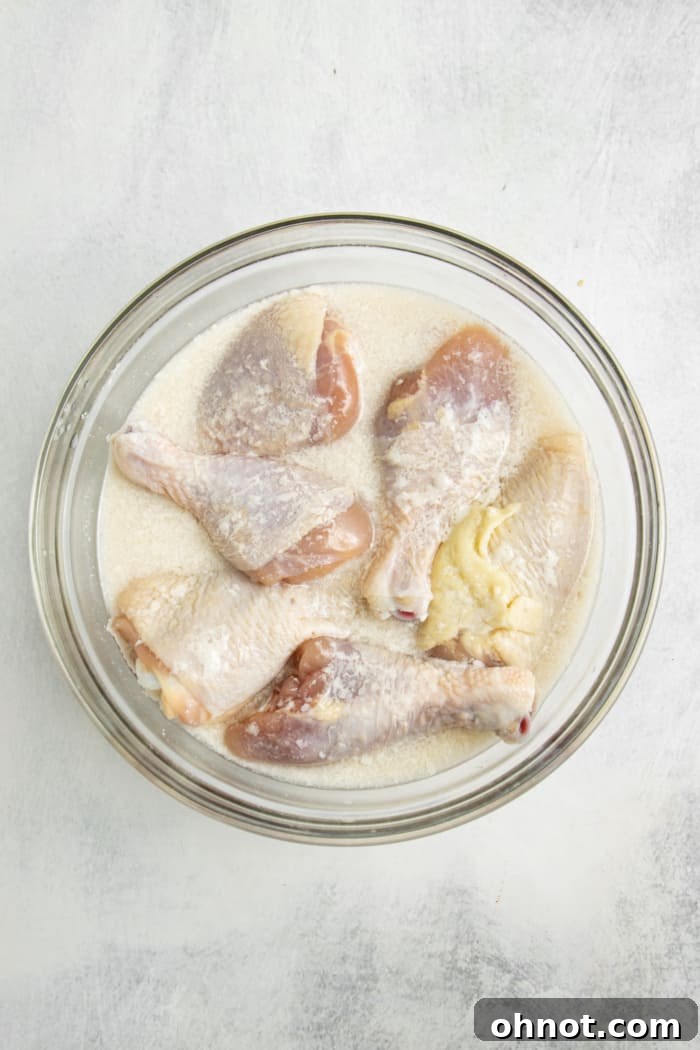
Begin by preparing your chicken. In a spacious mixing bowl, combine all your chosen chicken pieces (thighs and drumsticks are ideal) with the buttermilk. Ensure that each piece of chicken is thoroughly coated in the buttermilk. This crucial step tenderizes the meat and allows the flavors to penetrate deeply. Once coated, cover the bowl tightly and refrigerate for at least 1 hour, or ideally, overnight. Marinating overnight yields the most tender and flavorful results, so plan ahead if possible!
Step 2: Crafting the Crispy Coating Mixture
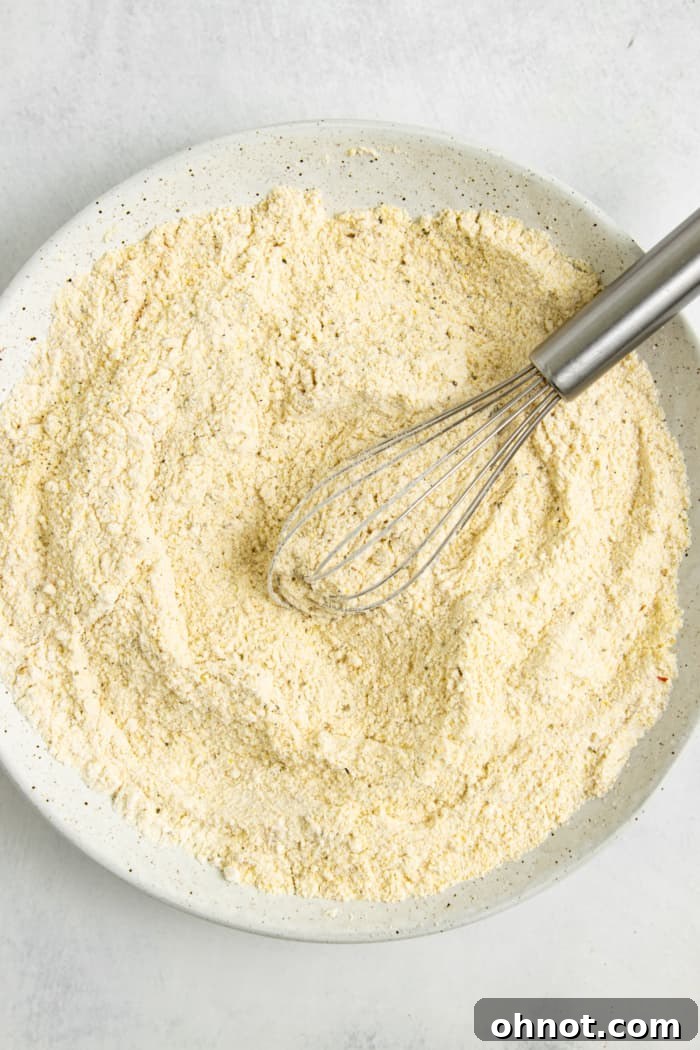
While your chicken is marinating, prepare the dry coating mixture. In a separate, shallow dish (a pie plate or a large, flat container works well for dredging), combine the gluten-free flour, cornmeal, paprika, garlic powder, onion powder, thyme, oregano, sea salt, and black pepper. Use a whisk or fork to thoroughly mix all these ingredients together until they are well combined and uniformly distributed. This ensures that every part of the coating is packed with flavor.
Step 3: Preparing Chicken for Dredging
Once the marinating time is complete, remove the chicken from the refrigerator. Before coating, gently lift each piece of chicken from the buttermilk, allowing any significant excess liquid to drip off. You want the chicken to be moist enough for the breading to adhere, but not so saturated that it makes the coating soggy.
Step 4: The Art of Dredging – Achieving Maximum Crispiness
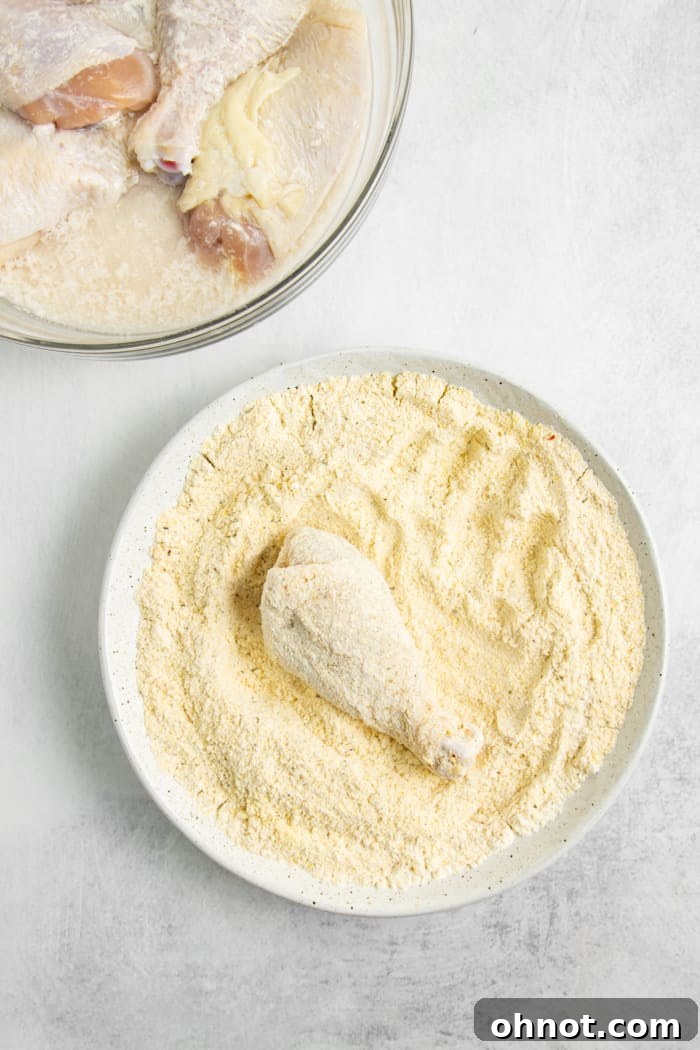
Now, it’s time to coat the chicken. Take each piece of marinated chicken and thoroughly dredge it in the prepared coating mixture. Press the breading firmly onto all surfaces of the chicken, ensuring a thick and even layer. This firm pressing is key to achieving that extra-crispy crust that stays on during frying. Place the coated chicken pieces on a clean plate or wire rack while you coat the rest.
Step 5: Heating the Frying Oil
In a large, heavy-bottomed skillet or frying pan (cast iron works wonderfully for even heat), pour about ½ inch (approximately 1.3 cm) of olive oil or avocado oil. Place the skillet over medium-high heat. Allow the oil to heat thoroughly.
Step 6: The Frying Process – First Batch
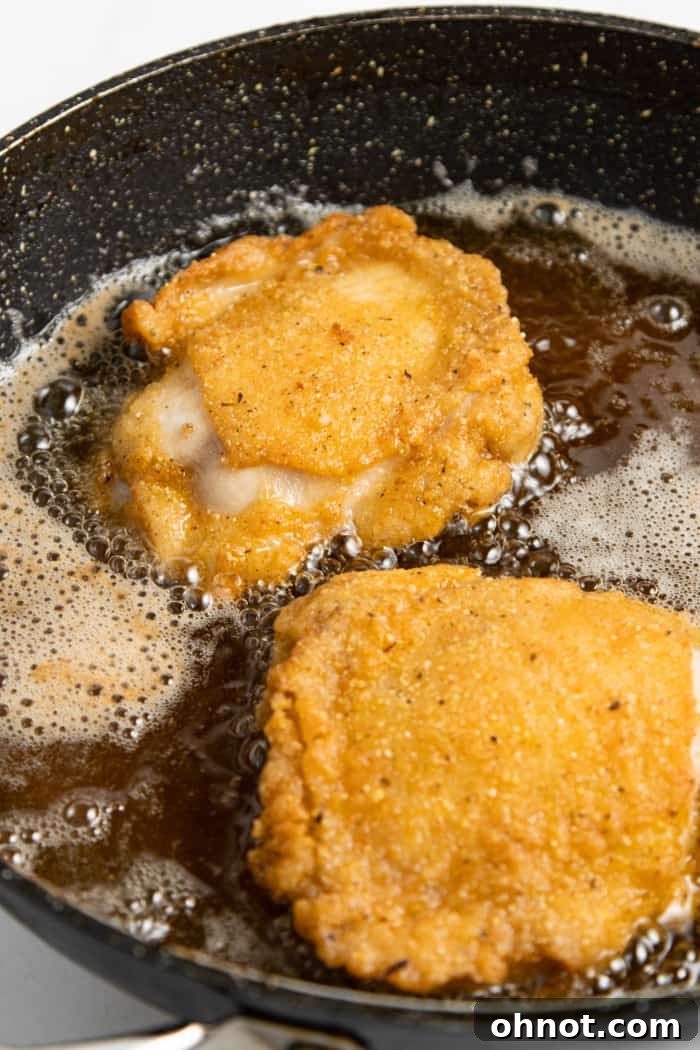
The oil is ready when it reaches approximately 350 degrees Fahrenheit (175°C). You can test it by dropping a tiny pinch of flour into the oil; if it sizzles gently, the oil is ready. Carefully place the coated chicken pieces into the hot oil. Crucially, avoid overcrowding the pan. Frying too many pieces at once will lower the oil temperature, leading to greasy, less crispy chicken. Fry in batches if necessary, giving each piece enough space to cook evenly and crisp up properly.
Step 7: Achieving Golden Perfection
Fry each side of the chicken for 4 to 6 minutes. The exact timing will depend on the size and thickness of your chicken pieces. Use tongs to carefully turn the chicken to ensure all sides cook evenly and develop that beautiful golden-brown color. Continue cooking until the coating is perfectly golden and crispy, and, most importantly, the internal temperature of the thickest part of the chicken reaches 165 degrees Fahrenheit (74°C). A meat thermometer is your best friend here to ensure safety and doneness without overcooking.
Step 8: Draining Excess Oil for Ultimate Crispiness
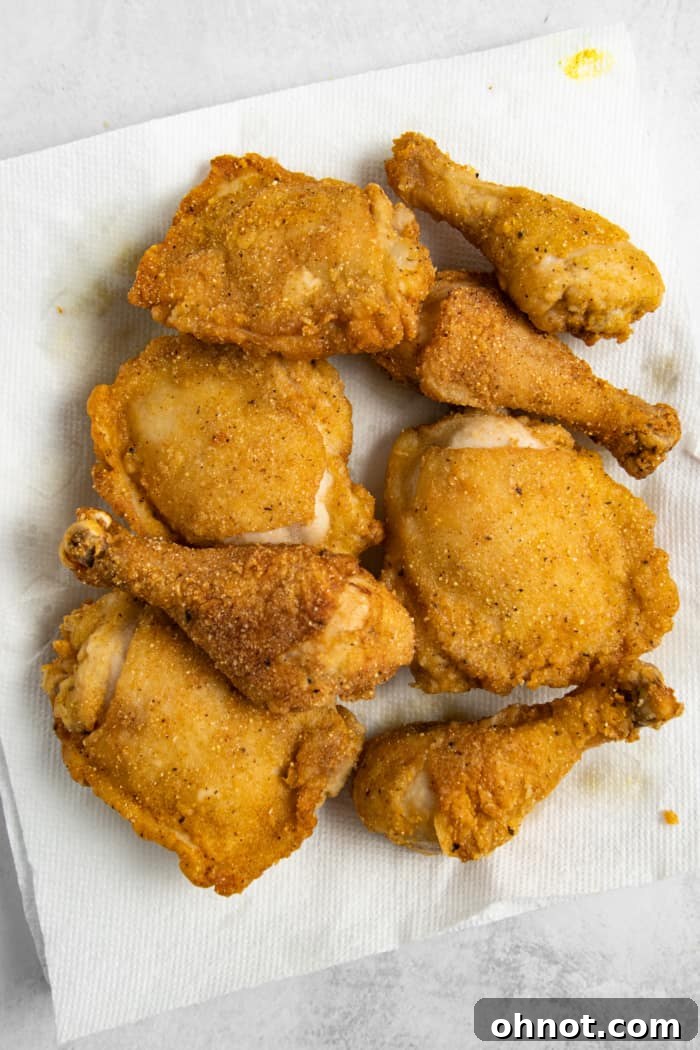
Once the chicken is cooked to perfection, carefully remove it from the hot oil using tongs. Transfer the fried chicken pieces to a plate lined with paper towels or, even better, a wire rack set over a baking sheet. This allows any excess oil to drain off, preventing sogginess and preserving the chicken’s incredible crispiness.
Step 9: Serving Your Delicious Homemade Fried Chicken
Repeat the frying process with any remaining coated chicken pieces, always ensuring you don’t overcrowd the pan. Once all the chicken is cooked, serve immediately while it’s hot and at its crispiest. Enjoy your golden, tender, and incredibly flavorful gluten-free fried chicken!
Expert Tips & Tricks for Gluten-Free Fried Chicken Mastery
Achieving perfect gluten-free fried chicken is an art, and these expert tips and tricks will help you master it, ensuring your chicken is consistently golden, crispy, and juicy every time.
- Choose the Right Gluten-Free Flour Blend: The quality of your gluten-free flour blend makes a significant difference. Opt for a blend specifically designed for baking or all-purpose use that contains xanthan gum. Xanthan gum acts as a binder, crucial for creating a cohesive breading that adheres well and contributes to that desirable crispy texture, preventing the coating from falling off during frying.
- Marinate for Maximum Tenderness and Flavor: Don’t skip the buttermilk marinade! Marinating for at least an hour, or even better, overnight, allows the buttermilk’s enzymes to tenderize the chicken and ensures the meat is deeply flavored. This step is key to juicy results.
- Ensure Optimal Oil Temperature: Preheat your frying oil to the correct temperature before adding the chicken. The ideal temperature for pan-frying chicken is around 350-375°F (175-190°C). If the oil is too cool, the chicken will absorb too much oil and become greasy. If it’s too hot, the exterior will burn before the interior cooks through. Use a kitchen thermometer to monitor the oil temperature accurately.
- Avoid Overcrowding the Pan: This is a critical rule for perfectly fried chicken. When frying, always cook in batches and ensure there’s enough space between each piece of chicken in the pan. Overcrowding rapidly drops the oil’s temperature, leading to uneven cooking, steaming instead of frying, and a less crispy, potentially greasy result. Patience is key!
- Firmly Press the Breading: When dredging the chicken in the flour mixture, take the time to firmly press the coating onto each piece. This helps the breading adhere better and creates a thicker, more robust crust that will become extra crispy during frying.
- Use a Meat Thermometer: To guarantee your chicken is cooked through and safe to eat, always use a reliable meat thermometer. The internal temperature of the thickest part of the chicken (without touching bone) should reach 165°F (74°C). This prevents both undercooked chicken and overcooked, dry chicken.
- Proper Draining for Crispiness: After frying, transfer the cooked chicken to a wire rack set over a baking sheet, rather than directly onto paper towels on a flat plate. This allows air to circulate around all sides, preventing the bottom from steaming and becoming soggy, thus maintaining maximum crispiness.
- For Air Frying (if applicable): If you choose to air fry, ensure you don’t overcrowd the air fryer basket. Cook in single layers, leaving space for hot air to circulate freely around each piece, which is essential for achieving an even and crispy texture. A light spray of oil can also enhance browning.
How to Serve & Store Your Delicious Gluten-Free Fried Chicken
Once you’ve mastered this gluten-free fried chicken, knowing how to serve it perfectly and store any leftovers properly will ensure you maximize its deliciousness.
Serving Suggestions
This gluten-free fried chicken is best enjoyed fresh and warm, straight from the pan. Its golden crispiness and juicy interior are at their peak when just cooked. For a complete and satisfying meal, consider pairing it with classic comfort food sides:
- Crispy French Fries: A timeless combination! Serve alongside our Whole30 French Fries for a healthier option.
- Creamy Mashed Potatoes: The perfect counterpoint to the crispy chicken. Try our Dairy-Free Mashed Potatoes for a velvety smooth side.
- Fresh Side Salad: For a lighter touch and a burst of freshness, a simple green salad with a zesty vinaigrette works wonderfully.
- Roasted Vegetables: Add some nutritious greens to your plate with our Roasted Cauliflower and Asparagus.
- Coleslaw: A creamy, tangy coleslaw offers a refreshing crunch that complements the rich chicken.
- Corn on the Cob: Sweet and simple, corn on the cob is a classic pairing for fried chicken.
Don’t forget the dipping sauces! This chicken is fantastic with a variety of condiments. Offer a selection of ketchup, mustard, smoky BBQ sauce, spicy buffalo sauce, or creamy mayonnaise to let everyone customize their experience.
Storing Leftovers
If you happen to have any glorious leftovers, they can be stored in an airtight container in the refrigerator for up to 3 to 4 days. While the chicken will lose some of its initial crispiness in the fridge, the flavor remains delicious.
Reheating for Best Results
To bring your leftover gluten-free fried chicken back to its crispy glory, avoid the microwave, as it will make the breading soggy. Instead, opt for these methods:
- Oven Reheating: Preheat your oven to 350 degrees Fahrenheit (175°C). Place the chicken pieces on a wire rack set over a baking sheet (this helps air circulate and keeps it crispy). Reheat for 7 to 8 minutes, or until thoroughly heated through and the coating is crispy again.
- Air Fryer Reheating: For quick and efficient reheating, an air fryer works wonders. Place the chicken in a single layer in the air fryer basket (do not overcrowd) and air fry at 350 degrees Fahrenheit (175°C) for 5 to 7 minutes, or until hot and crispy.
Frequently Asked Questions About Gluten-Free Fried Chicken
No, if you need this recipe to be gluten-free, you must use a gluten-free flour blend. All-purpose wheat flour contains gluten and will not result in gluten-free fried chicken. Using regular flour would also likely change the texture of the breading in a gluten-free specific recipe.
Several factors can affect crispiness. Ensure your oil is hot enough (around 350-375°F or 175-190°C) before adding the chicken, and maintain this temperature throughout. Avoid overcrowding the pan, as this lowers the oil temperature and can lead to steaming instead of frying. You can also try double-coating the chicken in the breading mixture for an extra-thick and crispy crust, or pan-fry for a minute or two longer on each side (while carefully monitoring internal temperature).
This fried chicken recipe is already packed with delicious flavor, but you can always customize it! Consider adding a pinch of cayenne pepper or chili powder to the seasoning mix for a spicy kick. You could also experiment with different herbs like rosemary or sage in the breading. Serving with a variety of gourmet dipping sauces, such as a spicy aioli, a sweet and sour sauce, or a homemade honey mustard, can also enhance the flavor experience.
To achieve maximum crispiness, start with a generous and well-adhered layer of breading. Ensure your frying oil is properly preheated and maintained at the optimal temperature (around 350-375°F). Fry in small batches to prevent the oil temperature from dropping, which allows the breading to develop a beautiful golden-brown and extra-crunchy texture. Using a wire rack to drain after frying is also crucial, as it prevents the bottom from becoming soggy.
Absolutely! To make this fried chicken dairy-free, simply replace the buttermilk with 1 cup of your preferred dairy-free milk (such as almond milk or soy milk) combined with 1 tablespoon of white vinegar or lemon juice. Let it sit for 5-10 minutes until it curdles slightly, and then use it as your marinade. This substitution will yield delicious gluten-free and dairy-free fried chicken.
Yes, you can use boneless chicken thighs or breasts. Boneless thighs are generally recommended for their tenderness. If using boneless breasts, consider slicing them into thinner cutlets to ensure even cooking and prevent them from drying out. Adjust cooking times accordingly, as boneless chicken will cook faster than bone-in pieces.
For pan-frying, olive oil and avocado oil are excellent choices due to their relatively high smoke points and either neutral or complementary flavors. Avocado oil is particularly good for higher heat. Other high-smoke-point oils like canola, vegetable, or peanut oil can also be used, especially if deep-frying.
Recommended Equipment for Perfect Fried Chicken
Having the right tools can make all the difference in achieving perfectly cooked and crispy gluten-free fried chicken. Here are a few essential pieces of equipment that will elevate your cooking experience:
- Tongs: A sturdy pair of tongs is indispensable for safely turning chicken pieces in hot oil and transferring them once cooked. Look for tongs with silicone tips to avoid scratching your pans.
- Nonstick Skillet or Cast Iron Pan: A large, heavy-bottomed skillet is crucial for even heat distribution, which is key to consistent frying. A nonstick skillet makes cleanup easier, while a cast iron pan offers excellent heat retention for superior crisping.
- Instant-Read Meat Thermometer: This is your best friend for ensuring the chicken is cooked to a safe internal temperature of 165°F (74°C) without overcooking and drying it out.
- Wire Rack and Baking Sheet: Essential for draining excess oil after frying. Placing the cooked chicken on a wire rack allows air to circulate underneath, keeping the crust crisp and preventing sogginess.
- Shallow Dish or Pie Plate: Ideal for holding the breading mixture, making it easy to dredge and coat the chicken pieces evenly.
Explore all my kitchen favorites here to equip your kitchen for delicious gluten-free creations!
More Delicious Recipes You May Also Like
If you loved this gluten-free fried chicken recipe, we’d be thrilled to hear about it! Please consider leaving a review to share your experience. You can also connect with us on Instagram, Facebook, and Pinterest for more culinary inspiration and updates. Join our exclusive Facebook Group for behind-the-scenes content and a vibrant community. For more fantastic meal ideas, be sure to explore our collection of Lunch and Dinner Recipes.

5 mins
1 hr 15 mins
1 hr 20 mins
Get the Recipe:
Gluten-Free Fried Chicken
This gluten-free fried chicken is ultra crispy! The gluten-free breading adds a golden, crunchy exterior while the chicken remains tender and juicy. It tastes just like classic Southern fried chicken, making this comfort food perfect for family dinners!
Pin Recipe
Ingredients
- 4 chicken thighs
- 4 chicken drumsticks
- 1 cup buttermilk
- 1 cup gluten-free flour
- 1 cup cornmeal
- 1 tsp paprika
- 1 tsp garlic powder
- 1 tsp onion powder
- 1 tsp dried thyme
- 1 tsp dried oregano
- 1 tsp sea salt
- ½ tsp black pepper
- olive oil, for frying
Instructions
-
First, in a large mixing bowl, combine the chicken and buttermilk. Ensure the chicken is fully coated. Then, cover the bowl and refrigerate for 1 hour up to overnight.
-
In a separate shallow dish, prepare the coating mixture. Combine the gluten-free flour, cornmeal, paprika, garlic powder, onion powder, thyme, oregano, salt, and pepper. Mix until well combined.
-
Take the marinated chicken out of the fridge. Allow the excess buttermilk to drip off each piece before coating.
-
Dredge each piece of chicken in the coating mixture, pressing it onto the chicken.
-
Heat about ½ inch (1.3 cm) of olive oil in a large skillet or frying pan over medium-high heat.
-
Once the oil is hot (about 350 degrees Fahrenheit), carefully place the coated chicken pieces in the pan. Do not overcrowd the pan. Fry in batches if necessary.
-
Fry the chicken for 4 to 6 minutes per side, depending on the size of the chicken pieces. Use tongs to turn the chicken. Cook until the coating becomes golden and the internal temperature reaches 165 degrees Fahrenheit.
-
Then, remove the fried chicken from the oil. Place it on a plate lined with paper towels (or a wire rack) to drain excess oil.
-
Finally, repeat the frying process with the remaining chicken. Serve immediately!
Notes
- Both boneless and bone-in chicken thighs work well.
- If needed, replace the buttermilk with 1 cup milk (dairy or non-dairy) and 1 tablespoon vinegar or lemon juice. Let it sit for 5-10 minutes.
- Use gluten-free flour that contains xanthan gum for the crispiest, best-adhering coating.
- Do not overcrowd the frying pan; this is essential for even cooking and crispiness.
- Always use a meat thermometer to ensure chicken is cooked through to 165 degrees Fahrenheit internally.
- Store leftovers in an airtight container in the fridge for up to 4 days. Reheat in the oven or air fryer for best crispiness.
Calories: 560kcal
Carbohydrates: 53g
Protein: 39g
Fat: 30g
Saturated Fat: 8g
Polyunsaturated Fat: 7g
Monounsaturated Fat: 12g
Trans Fat: 0.1g
Cholesterol: 182mg
Sodium: 766mg
Potassium: 571mg
Fiber: 7g
Sugar: 2g
Vitamin A: 197IU
Vitamin C: 2mg
Calcium: 65mg
Iron: 4mg
Love this homemade gluten-free fried chicken? Don’t miss out on more delicious and healthy recipes! You can sign up here to receive exclusive healthy meal plans, new recipe updates, and behind-the-scenes content directly in your inbox. Join our community and elevate your gluten-free cooking journey!