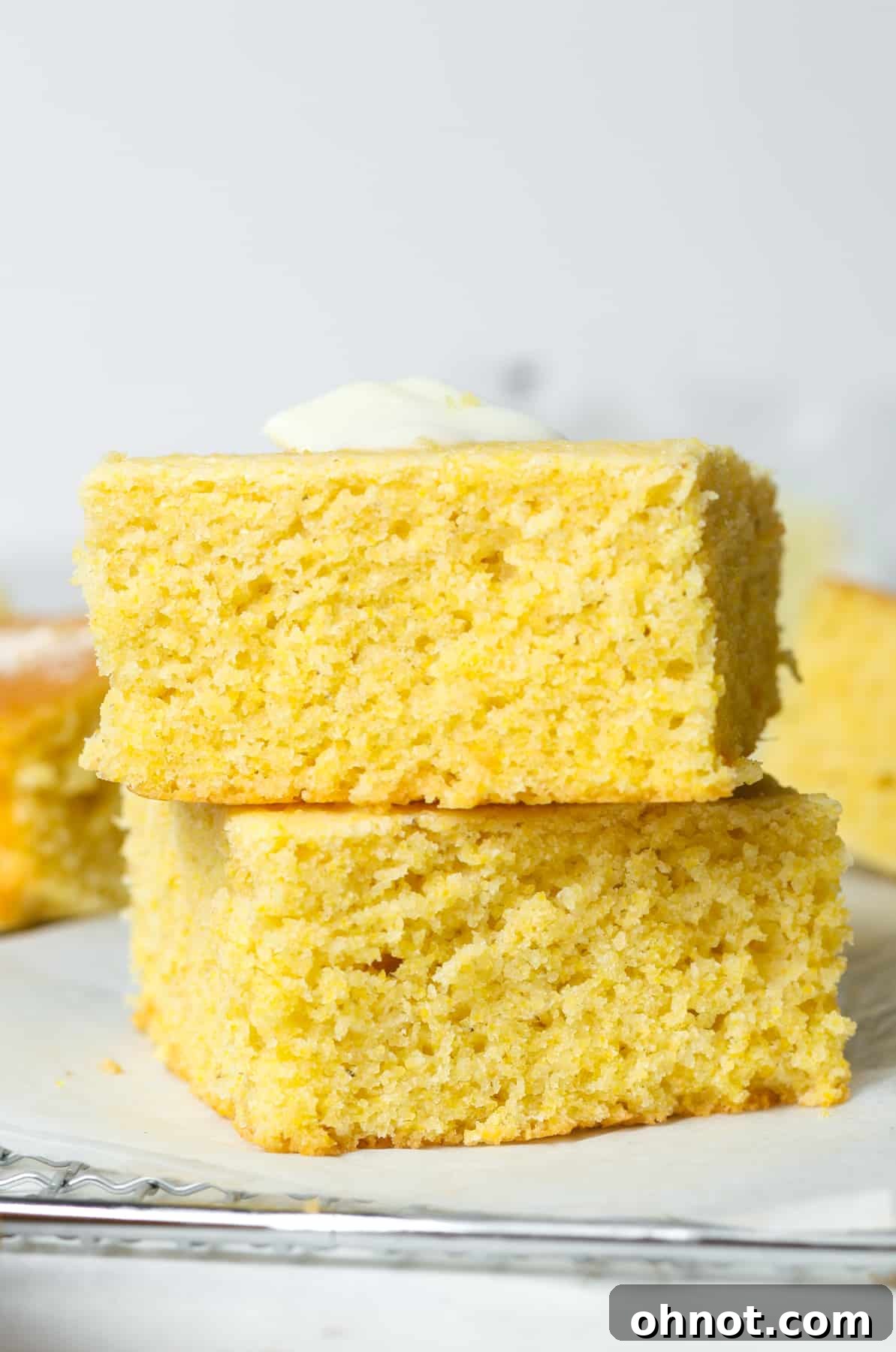
Say goodbye to dry, crumbly cornbread with this revolutionary gluten-free cornbread recipe! Prepare to be amazed by its incredibly soft, fluffy, and moist texture that truly rivals any traditional recipe. Bursting with the most delicious, authentic corn flavor and a hint of sweetness, this cornbread is an instant crowd-pleaser. Whether you’re serving it alongside succulent pork, juicy chicken, or a perfectly seared steak at lively family gatherings, festive Fourth of July barbecues, heartwarming holiday dinners, or even during those busy weeknights, it’s guaranteed to impress. Best of all, it comes together in a mere 30 minutes from start to finish. You won’t believe it’s gluten-free – and neither will anyone else!
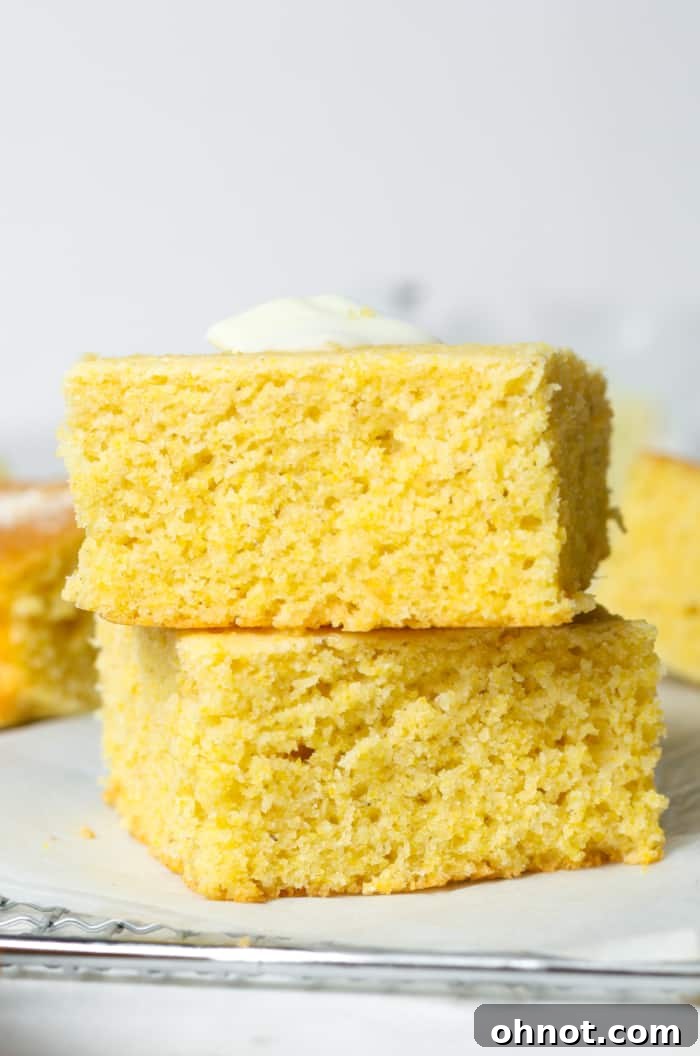
Irresistibly Moist Gluten-Free Cornbread: Your New Go-To Recipe
For many, finding a gluten-free cornbread recipe that delivers on taste, texture, and ease can feel like a quest. Often, gluten-free baked goods can turn out dry, dense, or lack that familiar comfort food quality. But your search ends here! This recipe is specifically crafted to overcome those common hurdles, ensuring every bite of your gluten-free cornbread is as delightful and satisfying as its traditional counterpart. It’s a versatile side dish that complements almost any meal, transforming ordinary dinners into extraordinary feasts with its comforting presence. Prepare to bake a masterpiece that redefines gluten-free baking for your entire family and friends.
Why This Gluten-Free Cornbread Will Become a Family Favorite
This isn’t just another gluten-free recipe; it’s a culinary triumph designed to earn a permanent spot in your recipe collection. Here’s why you’ll absolutely adore making and sharing this incredible cornbread:
- Effortlessly Quick & Easy: With just 10 minutes of active prep time and 20 minutes in the oven, you can whip up this delicious side dish even on the busiest of days. It’s perfect for spontaneous gatherings or when you need a quick addition to dinner.
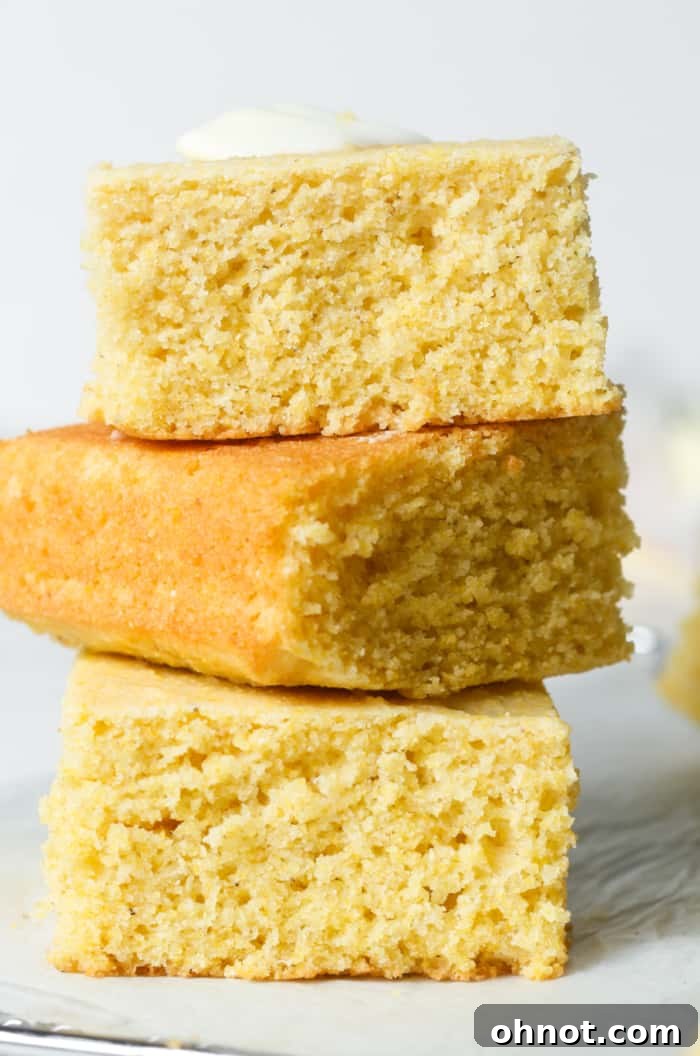
- Unbeatable Texture: Experience a cornbread that is truly soft, wonderfully fluffy, and consistently moist. Unlike many gluten-free alternatives, this recipe promises a tender, never-dry crumb that melts in your mouth, defying all expectations.
- Authentic & Comforting Flavor: It delivers that beloved classic cornbread taste – a perfect balance of subtle sweetness from the cornmeal and sugar, enhanced by rich buttery notes. It’s pure comfort food that tastes just like grandma used to make.
- Remarkably Versatile: This cornbread is an ideal companion for a wide array of main courses. Serve it with hearty chili, savory stews, slow-cooked pulled pork, crispy fried chicken, or grilled steak. Its versatility makes it a staple for any meal.
- Perfect for Any Occasion: From casual weeknight meals to grand holiday feasts, Fourth of July cookouts, and special family celebrations, this cornbread fits right in. It’s impressive enough for guests yet simple enough for everyday enjoyment.
- Truly Gluten-Free, Without Compromise: The magic of this recipe lies in its ability to taste and feel exactly like traditional cornbread. Even those who regularly eat gluten won’t be able to tell the difference, making it a stress-free option for mixed dietary needs.
- Adaptable for Dietary Needs: With simple substitutions, this recipe can easily accommodate dairy-free diets without sacrificing flavor or texture.
- Ideal Pairing Partner: Elevate your meal by serving this cornbread with other Southern-inspired delights. Consider pairing it with a creamy, rich Southern Mac and Cheese for the ultimate comfort food experience!
Key Ingredients and Smart Substitutions for the Best Gluten-Free Cornbread
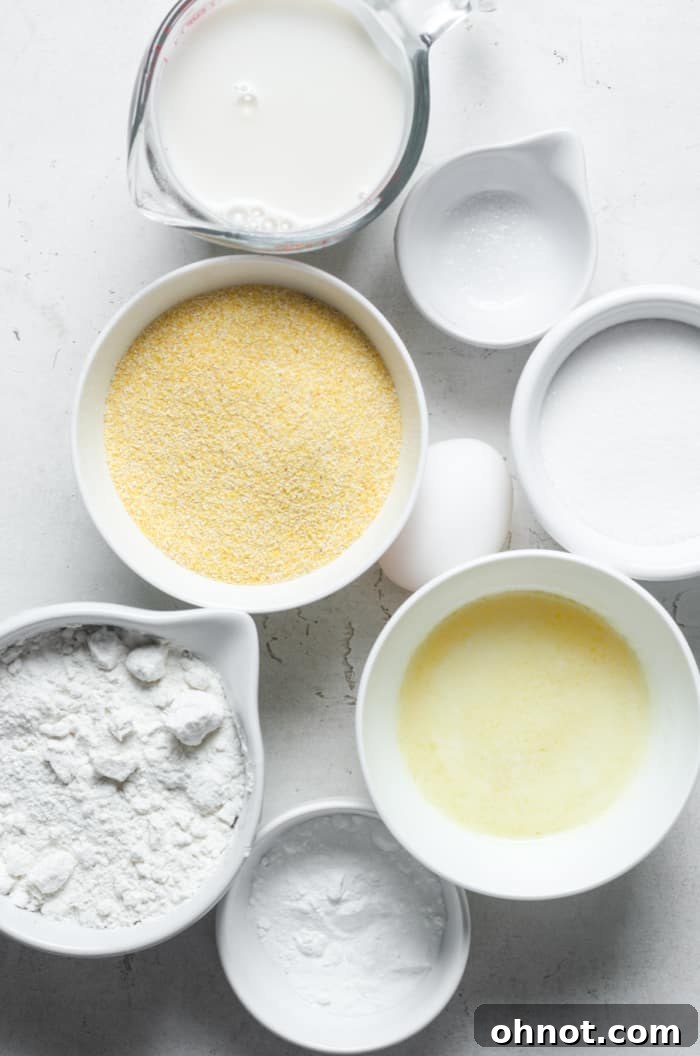
Crafting perfect gluten-free cornbread starts with understanding your ingredients. Each component plays a vital role in achieving that sought-after flavor and texture. Here’s a detailed look at what you’ll need and how to make smart substitutions:
Flour Power: Choosing the Right Gluten-Free Blend
The foundation of any baked good, especially gluten-free, is the flour. For this recipe, it’s crucial to use a gluten-free 1-to-1 all-purpose flour blend. Brands like King Arthur Flour and Bob’s Red Mill offer excellent 1-to-1 blends that typically include xanthan gum, which is essential for providing structure and elasticity in gluten-free baking. Do not substitute with single-source alternative flours such as almond flour, oat flour, or coconut flour. These flours have vastly different absorbency rates and protein structures, which will drastically alter the outcome and prevent the cornbread from achieving its desired soft, fluffy consistency.
The Heart of Cornbread: Certified Gluten-Free Cornmeal
Cornmeal is what gives cornbread its characteristic flavor and gritty-yet-tender texture. While corn is naturally gluten-free, it’s incredibly important to use certified gluten-free cornmeal. Many brands process cornmeal on shared equipment with wheat, leading to cross-contamination. Always check for a “certified gluten-free” label to ensure your cornbread is safe for those with celiac disease or gluten sensitivity. The fine to medium grind cornmeal works best here for a smooth yet distinct texture.
Sweetness & Leavening: Sugar, Baking Powder, and Salt
These seemingly small additions make a big impact. Granulated sugar provides that quintessential slight sweetness that balances the corn flavor without making the cornbread overly dessert-like. It also contributes to moisture and browning. Baking powder is your primary leavening agent, responsible for the impressive rise and airy, fluffy texture of this cornbread. Ensure your baking powder is fresh for the best results. A small pinch of sea salt enhances all the other flavors, making them pop and preventing the cornbread from tasting bland.
Richness & Moisture: Butter, Buttermilk, and Egg
These wet ingredients contribute significantly to the cornbread’s rich taste and desirable moist texture. Use unsalted melted butter for a deep, cozy buttery flavor. Melting the butter helps it integrate seamlessly into the batter, ensuring even distribution of moisture. Buttermilk is a secret weapon in Southern cornbread, adding a creamy tang and incredible tenderness. The acidity in buttermilk also reacts with the baking powder, boosting the leavening. If you don’t have buttermilk, you can easily substitute it with regular milk (dairy or dairy-free) mixed with a tablespoon of lemon juice or white vinegar, letting it sit for 5 minutes before using. Lastly, one large egg binds all the ingredients together, providing structure and additional moisture. For this specific recipe, I do not recommend using flax eggs, chia eggs, or other vegan egg replacers, as they can alter the delicate balance of moisture and structure needed for this fluffy texture.
Unforgettable Taste and Texture: What to Expect
Prepare your taste buds for a truly authentic experience! This gluten-free cornbread perfectly captures the essence of classic cornbread, delivering a delightful flavor profile that is both comforting and familiar. You’ll immediately notice the wholesome, golden corn flavor, beautifully complemented by a subtle, balanced sweetness – never overpoweringly sugary, but just enough to highlight the natural flavors of the corn. It’s the kind of taste that evokes warm memories of home-cooked meals.
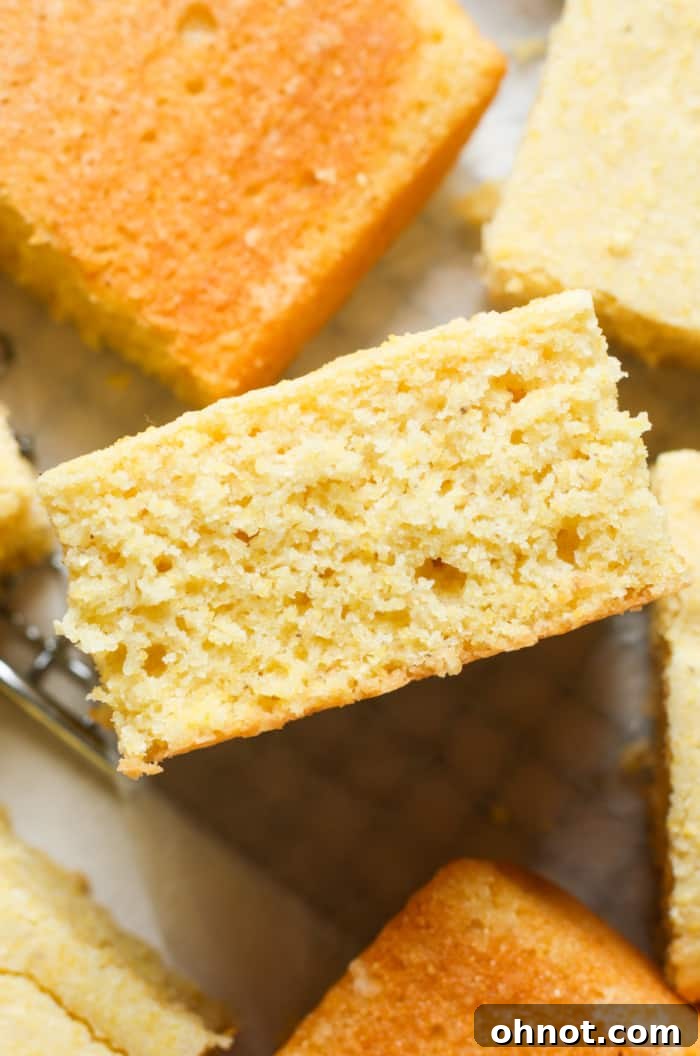
Beyond its incredible taste, the texture is where this recipe truly shines. Forget about dry, crumbly, or dense gluten-free baked goods. This cornbread boasts an ultra-soft, wonderfully fluffy, and consistently moist crumb from edge to center. As it bakes, it rises beautifully, creating an airy structure that feels light rather than heavy. Each bite is tender and yields easily, proving that gluten-free can absolutely achieve that perfect, comforting texture you crave. This is a cornbread that will surprise and delight even the most discerning palates.
Easy Step-by-Step Guide to Baking Perfect Gluten-Free Cornbread
Follow these simple steps to create a show-stopping gluten-free cornbread that’s perfect every time:
Step 1: Prep Your Oven and Pan for Success
Before you begin mixing, preheat your oven to 400 degrees Fahrenheit (200°C). This ensures the oven is at the correct temperature when the cornbread goes in, which is crucial for a proper rise. Next, lightly spray a 9×9 inch (23×23 cm) baking pan with nonstick cooking spray. Alternatively, you can grease it generously with butter or line it with parchment paper for easy removal. A properly prepared pan prevents sticking and ensures your cornbread comes out beautifully intact.
Step 2: Combine Dry Ingredients for Fluffy Results
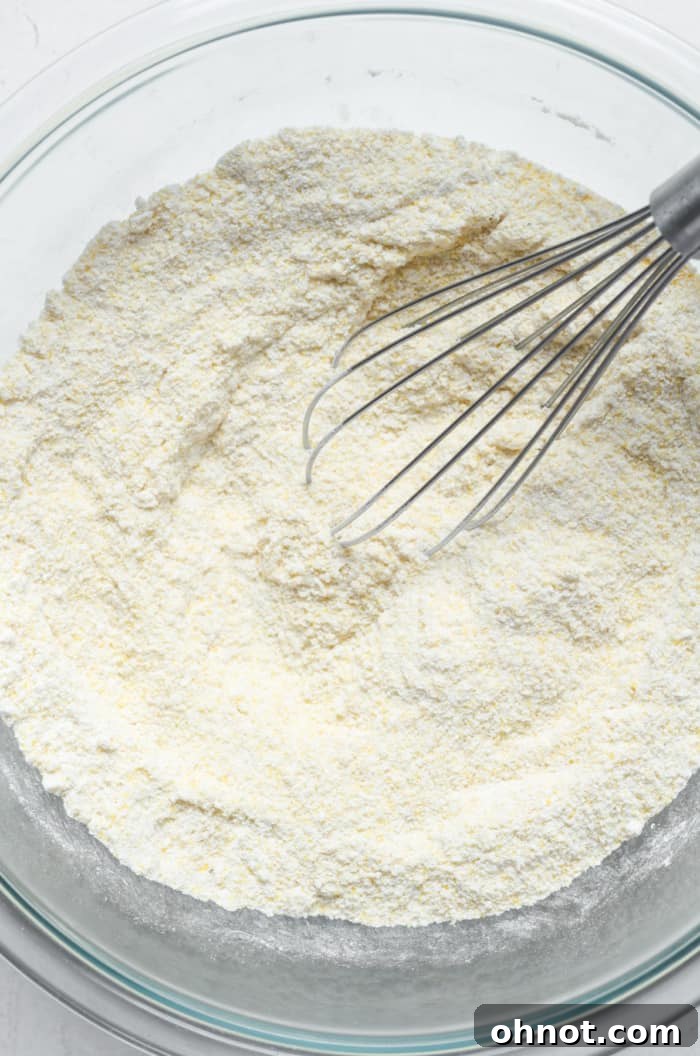
In a large mixing bowl, combine all your dry ingredients: the gluten-free 1-to-1 flour, certified gluten-free cornmeal, granulated sugar, baking powder, and a pinch of sea salt. Using a whisk, stir these ingredients together thoroughly until they are well combined and there are no visible lumps. Even distribution of the leavening agents is key to achieving that perfectly fluffy and even texture.
Step 3: Integrate Wet Ingredients Smoothly
Once your dry ingredients are mixed, add the remaining wet ingredients to the bowl: the unsalted melted butter, buttermilk, and one egg. Using a spatula or spoon, stir everything together gently until just combined. It’s important not to overmix; overmixing can develop gluten (even in gluten-free flours to some extent) and result in a tougher texture. The batter will be noticeably thick but pourable. A few small lumps are perfectly fine.
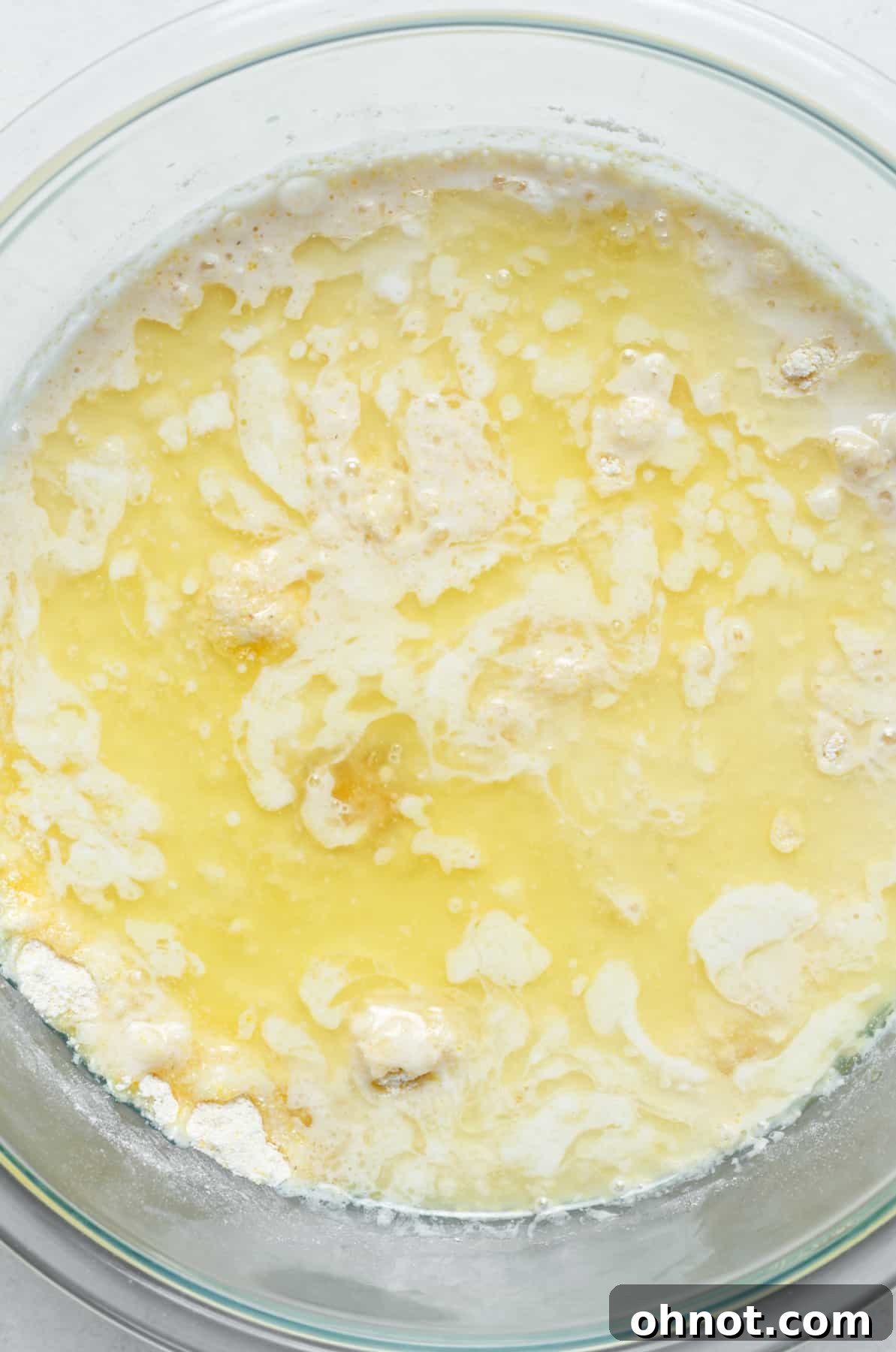
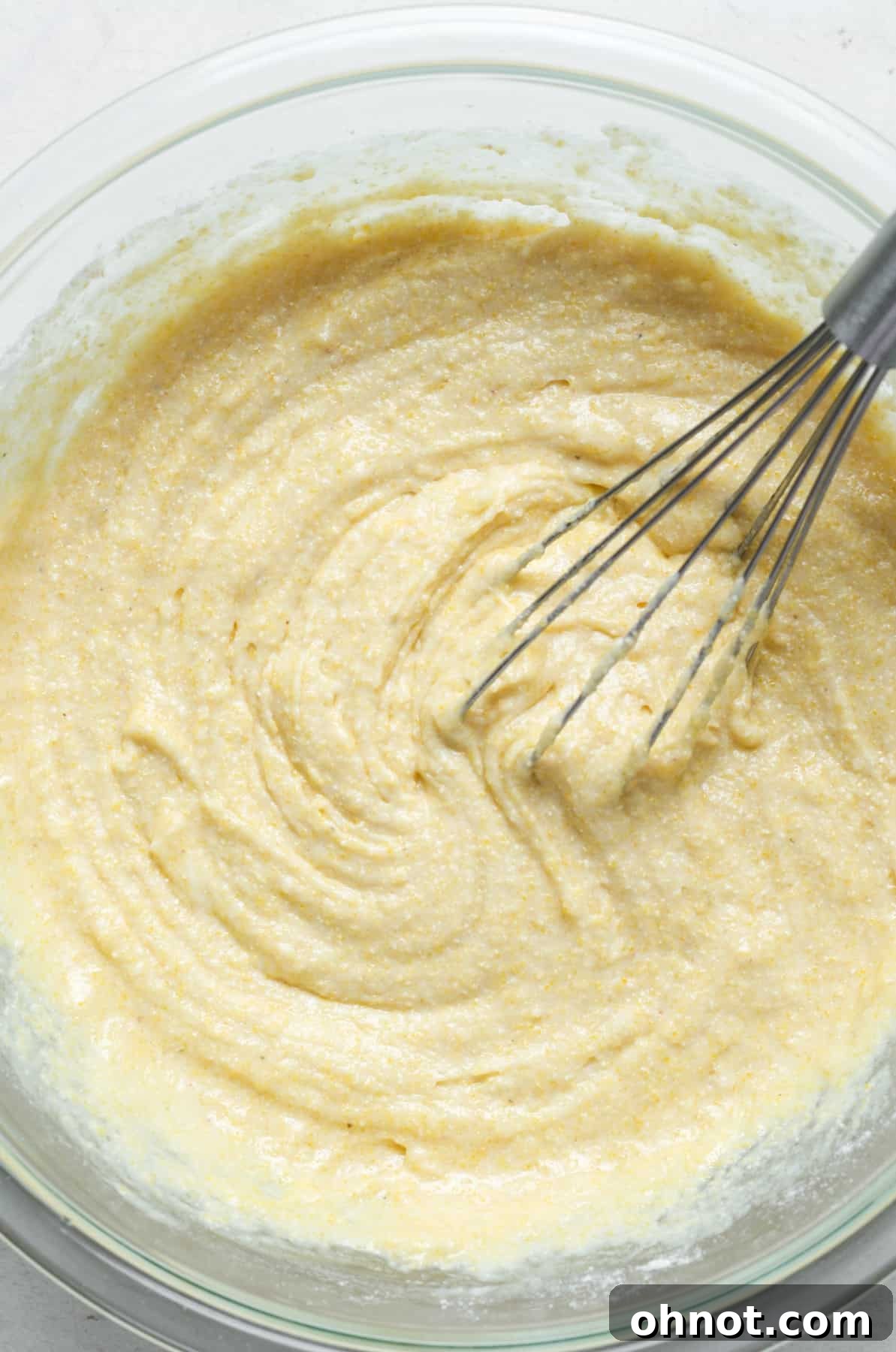
Step 4: Pour and Prepare for Baking
Carefully transfer the thick cornbread batter into your prepared 9×9 inch baking dish. Use a spatula to spread the batter evenly across the bottom of the pan, ensuring uniform thickness. This step is important for consistent baking and an even rise, guaranteeing every piece of cornbread is equally delicious.
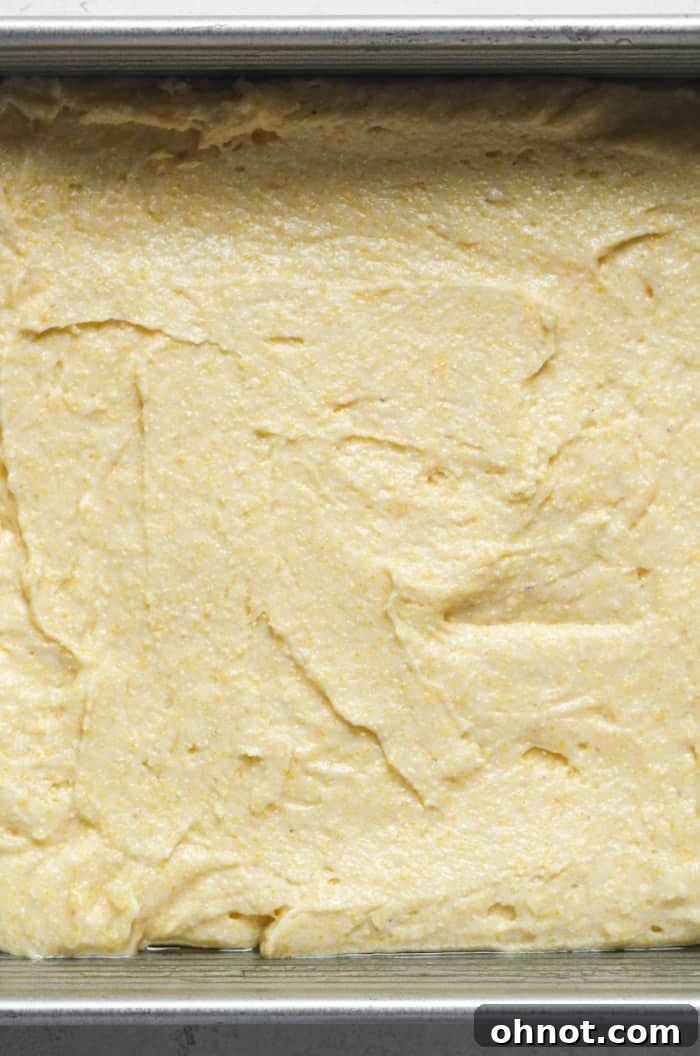
Step 5: Bake to Golden Perfection
Place the baking dish into your preheated oven and bake for 20 to 22 minutes. Baking times can vary slightly depending on your oven, so it’s always best to use a visual cue and the toothpick test. The cornbread is done when the top is golden brown and a wooden toothpick inserted into the center comes out clean, with no wet batter attached. Be careful not to overbake, as this is the key to maintaining its signature moist and tender texture.
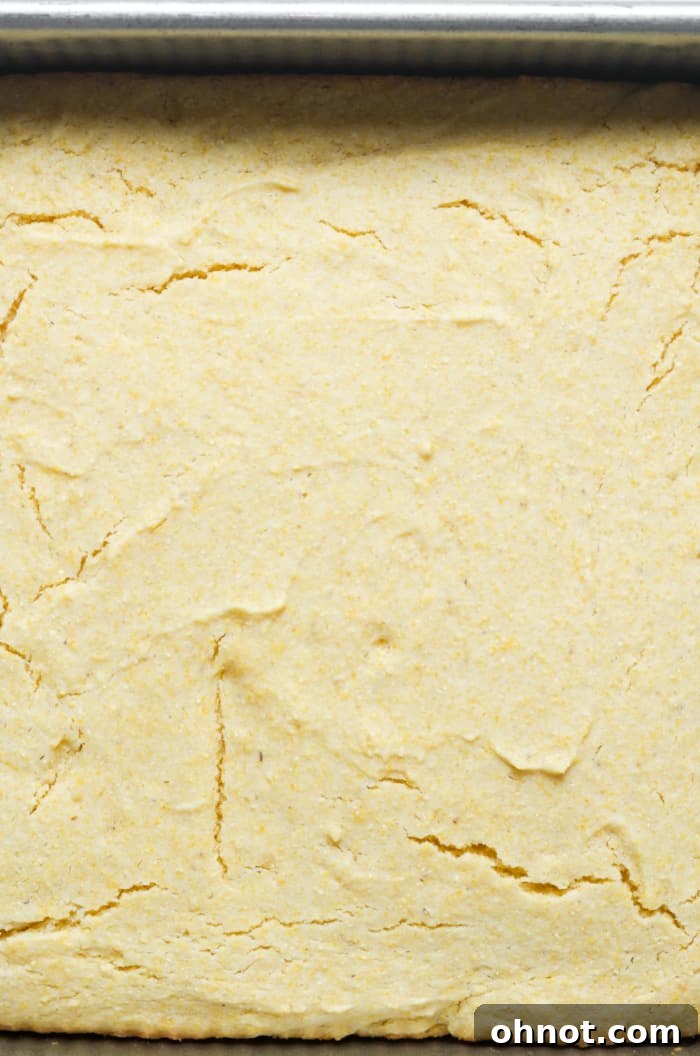
Step 6: Cool, Slice, and Serve
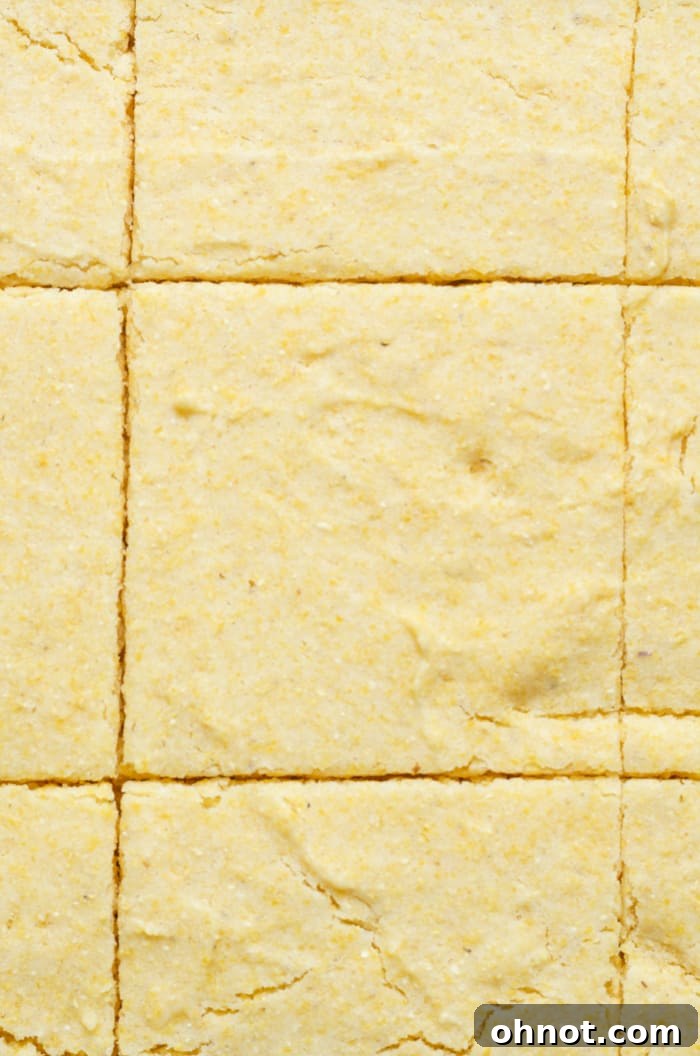
Once baked, carefully remove the gluten-free cornbread from the oven. Allow it to cool in the pan for about 5-10 minutes before slicing. This brief cooling period helps the cornbread set, making it easier to slice cleanly and ensuring it retains its tender structure. Slice into squares or wedges and serve warm. Enjoy its incredible softness and flavor!
Expert Tips and Tricks for Flawless Gluten-Free Cornbread Every Time
Achieve cornbread perfection with these insightful tips and clever tricks:
- Choose the Right Gluten-Free Flour: Always opt for a gluten-free 1-to-1 all-purpose flour blend that contains xanthan gum. Popular and reliable choices include King Arthur Flour Gluten-Free Measure for Measure Flour or Bob’s Red Mill Gluten Free 1-to-1 Baking Flour. These blends are formulated to mimic wheat flour as closely as possible, ensuring the best texture.
- Prioritize Certified Gluten-Free Cornmeal: This cannot be stressed enough! While corn is naturally gluten-free, many cornmeal brands are susceptible to cross-contamination during processing. Look for a “certified gluten-free” label on your cornmeal packaging to ensure it’s safe for a gluten-free diet.
- Understand Batter Consistency: Don’t be alarmed if your cornbread batter appears slightly thick. This is normal for gluten-free recipes and contributes to the final moist and fluffy texture. Resist the urge to add more liquid, as this could thin the batter too much.
- Buttermilk Substitutions Made Easy: If you don’t have buttermilk on hand, you can easily make a homemade version. Simply add 1 tablespoon of white vinegar or lemon juice to a measuring cup, then fill the rest of the cup with regular milk (dairy or dairy-free) until it reaches the 1-cup mark. Let it sit for 5-10 minutes until it slightly curdles before adding to your recipe.
- Avoid the Dryness Trap: Don’t Overbake! The key to moist cornbread is precise baking. Begin checking for doneness at the 20-minute mark. Bake only until a toothpick inserted into the center comes out clean. Even a minute or two of overbaking can lead to dry cornbread.
- Embrace the Cast Iron Skillet: For a deliciously crispy crust and authentic Southern feel, consider baking this recipe in a preheated 9-inch cast iron skillet. Generously grease the skillet with butter or oil before adding the batter, and you’ll achieve a beautifully browned, rustic exterior.
- Scale Up for a Crowd: This recipe can easily be doubled to fit a 9×13 inch (23×33 cm) baking pan. If doubling, increase the baking time by approximately 10 minutes, or until the toothpick test comes out clean.
- Muffin Magic: Transform your cornbread into convenient individual servings by baking them as muffins. Grease a standard muffin pan heavily with nonstick spray or use paper liners. Reduce the baking time to 14 to 16 minutes, or until golden brown and a toothpick comes out clean.
- Customize Your Flavor:
- For Sweeter Cornbread: You can increase the granulated sugar by another 1/4 cup if you prefer a noticeably sweeter profile, or add a drizzle of honey or maple syrup to the batter.
- For Savory Cornbread: Incorporate mix-ins like 1/2 cup shredded cheddar cheese and 1-2 finely diced jalapeños (seeds removed for less heat) into the batter for a delightful savory kick. Chopped fresh chives or green onions also make a wonderful addition.
- Add More Corn: For an extra burst of corn flavor and texture, fold in 1/2 cup of fresh or thawed frozen corn kernels into the batter before baking.
How to Serve, Store, and Enjoy Your Gluten-Free Cornbread
Once your delicious gluten-free cornbread is out of the oven, the enjoyment is just beginning! Here’s how to best serve, store, and even freeze it to savor every last crumb.
Serving Suggestions: More Than Just a Side!
This versatile cornbread is truly best served warm, fresh from the oven, but it’s also fantastic at room temperature. For an extra touch of indulgence, slather a warm slice with a generous pat of butter, or drizzle it with golden honey or rich maple syrup. Beyond a simple side, this cornbread is the perfect companion for a variety of hearty dishes. Pair it with a steaming bowl of chili, robust stews, tender pulled pork, crispy fried chicken, succulent BBQ ribs, or any of your favorite holiday roasts. You can also crumble it into soups for added texture and flavor, or use it as a base for a unique gluten-free stuffing.
Storing Leftovers for Lasting Freshness
If you happen to have any leftovers (which is a rare occurrence!), proper storage is key to maintaining its wonderful texture. Once the cornbread has cooled completely to room temperature, transfer it to an airtight container. It will stay fresh and moist for up to 3 days when stored at room temperature on your countertop.
Freezing for Future Enjoyment
Yes, you can absolutely freeze this gluten-free cornbread for future enjoyment! To freeze, ensure the cornbread is completely cool. Slice it into individual squares or wedges, then wrap each piece tightly in plastic wrap, followed by a layer of aluminum foil. Place the wrapped pieces in a freezer-safe bag or container. It will keep well in the freezer for up to 1 month. When you’re ready to enjoy, simply thaw at room temperature or gently reheat in the microwave or oven until warm.
Looking for more delightful gluten-free baking? You will also enjoy this incredible Gluten Free Sandwich Bread!
Frequently Asked Questions About Gluten-Free Cornbread
Traditional cornbread is most often made with a combination of cornmeal and wheat flour, which means it is generally not gluten-free. This is why specialized recipes like this one are so important for those avoiding gluten. For a deeper dive, check out our article: Is Cornbread Gluten Free?
Unfortunately, Jiffy cornbread mix is not gluten-free. It contains wheat flour as one of its primary ingredients.
Absolutely! This recipe adapts beautifully into gluten-free cornbread muffins. Simply grease a muffin pan well (or use liners) and fill the wells about two-thirds full with batter. Bake for 14 to 16 minutes, or until a toothpick inserted into the center of a muffin comes out clean. This is a fantastic option for individual servings or meal prepping.
Yes, cornmeal itself is naturally gluten-free. However, the concern arises from potential cross-contamination during processing. Many brands process corn on shared equipment with wheat, barley, or rye. To ensure your cornbread is truly gluten-free, always look for cornmeal that is clearly labeled “certified gluten-free.”
Yes, cornbread freezes exceptionally well! Once completely cooled, wrap individual slices tightly in plastic wrap, then an additional layer of aluminum foil. Store them in a freezer-safe bag or container for up to 1 month. Thaw at room temperature or reheat gently in the oven or microwave.
Several factors contribute to its incredible moisture. The combination of melted butter and buttermilk provides rich fat and tenderizing acidity. Using the correct 1-to-1 gluten-free flour blend with xanthan gum helps retain moisture, and crucially, avoiding overbaking ensures the cornbread doesn’t dry out.
Yes, you can easily adapt this recipe to be dairy-free. Simply substitute the melted butter with a dairy-free butter alternative (like Earth Balance vegan butter sticks) and replace the buttermilk with a dairy-free milk alternative (such as unsweetened almond milk or soy milk) mixed with a tablespoon of apple cider vinegar or lemon juice to create a “dairy-free buttermilk.”
Essential Equipment for Gluten-Free Cornbread Baking
Having the right tools can make your baking experience much smoother and more enjoyable. Here are a few essential pieces of equipment that will help you create perfect gluten-free cornbread:
- Pyrex 3 Glass Mixing Bowls: A set of sturdy mixing bowls in various sizes is indispensable for baking. Glass bowls are durable, easy to clean, and allow you to see your ingredients clearly.
- Pyrex Glass Measuring Cups: Accurate measurements are crucial in baking, especially with gluten-free flours. A good set of liquid measuring cups will ensure you get precise amounts every time.
- Whisk: A simple whisk is essential for thoroughly combining your dry ingredients, ensuring an even distribution of leavening agents for a consistent rise.
- 9 Inch Square Pan: This is the ideal size for this cornbread recipe, providing enough surface area for a beautiful crust while maintaining a moist interior. This pan bakes evenly and releases beautifully.
- Cast Iron Skillet (Optional but Recommended): For those who love a rustic, crispy-edged cornbread, a 9-inch cast iron skillet can elevate your baking. It conducts heat exceptionally well, leading to a perfect golden-brown crust.
- Avocado Oil Spray: A reliable nonstick spray is excellent for greasing your baking pan quickly and efficiently, ensuring your cornbread slides out easily after baking.
More Delicious Gluten-Free Recipes to Try
If you loved this gluten-free cornbread, you’re in for a treat! Explore more mouthwatering gluten-free dishes that are packed with flavor and won’t leave you feeling like you’re missing out:
- Gluten Free Mac and Cheese
- Lobster Mac and Cheese
- Buffalo Chicken Pasta
- Healthy Buffalo Chicken Dip
- Healthy Hamburger Helper
We hope this homemade gluten-free cornbread recipe becomes a cherished part of your culinary repertoire. If you make it, we would truly appreciate a review – your feedback helps our community! You can connect with us on Instagram, Facebook, and Pinterest. For an exclusive behind-the-scenes look and to join our growing community of gluten-free enthusiasts, consider joining our private Facebook Group. We’d love for you to follow along and discover even more delicious Gluten Free Recipes!
Get the Recipe:
Gluten Free Cornbread
Pin Recipe
Ingredients
- 1 cup gluten free 1 to 1 flour
- 1 cup gluten free cornmeal
- ½ cup granulated sugar
- 3 tsp baking powder
- pinch sea salt
- ⅓ cup melted butter
- 1 cup buttermilk
- 1 egg
Instructions
-
First, preheat oven to 400 degrees Fahrenheit. Spray a 9 inch by 9 inch pan with nonstick spray.
-
In a mixing bowl, combine gluten free flour, gluten free cornmeal, sugar, baking powder and sea salt. Stir together.
-
Then, add in remaining ingredients. Stir to combine. Batter will be slightly thick.
-
Transfer batter to the greased baking dish.
-
Bake for 20 to 22 minutes or until toothpick inserted comes out clean.
-
Finally, remove from oven. Slice and serve.
Notes
- Use gluten free 1 to 1 flour with xantham gum in it. I love King Arthur Flour or Bob’s Red Mill.
- Make sure cornmeal is certified gluten free. Not all cornmeal is gluten free.
- The batter will be a little thick.
- If needed, replace buttermilk with regular milk.
- Bake until toothpick inserted comes out clean. Do not bake too long.
- Serve warm or room temperature. Great with butter on top.
- This recipe can be made in a 9 inch cast iron skillet as well. Grease with butter before adding batter.
- To make this into cornbread muffins, grease muffin pan. Bake for only 14 to 16 minutes.
- Store leftovers in an airtight container for up to 3 days.
- Freeze individual squares for up to 1 month.