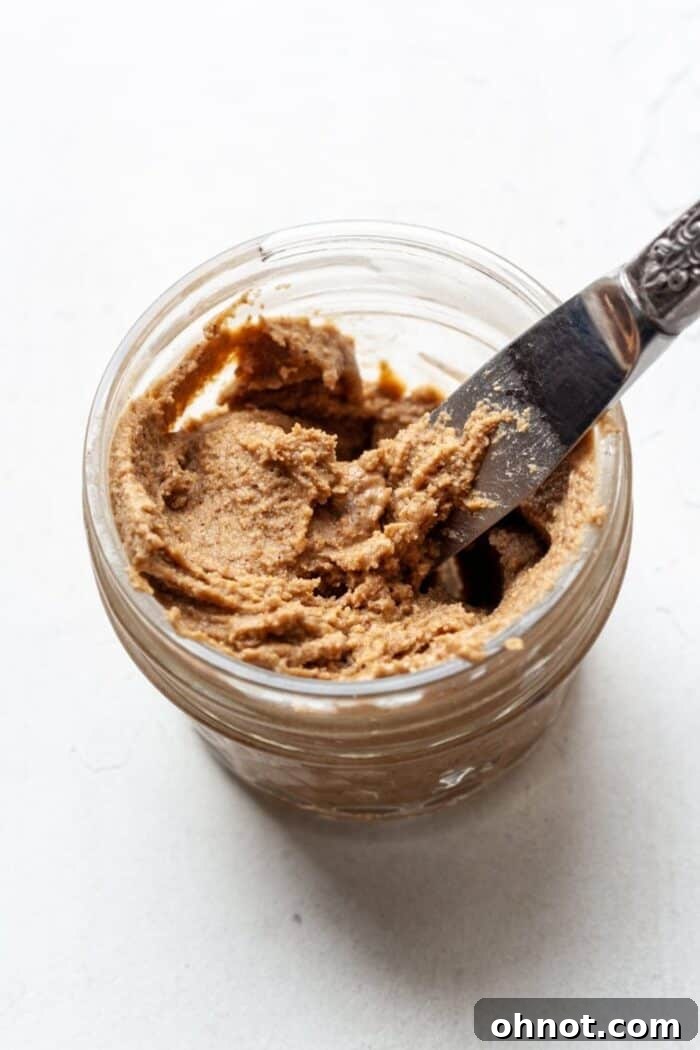
Unlock the secret to a delicious, allergy-friendly spread with this incredibly easy homemade Tigernut Butter. Boasting a luxuriously smooth and creamy texture, this recipe requires just two simple ingredients and comes together in a matter of minutes. Whether you follow a Paleo, AIP (Autoimmune Protocol), Whole30, or simply seek a healthy, nut-free alternative to traditional spreads, this Tigernut Butter is a game-changer. It’s naturally free from common allergens and packed with wholesome goodness, making it an ideal choice for a nutritious snack or a versatile ingredient in your favorite dishes. Prepare to be amazed by its earthy, subtly sweet flavor and delightful consistency!
Why You’ll Love This Tigernut Butter Recipe
There are countless reasons why this homemade Tigernut Butter will quickly become a staple in your pantry, offering a perfect blend of simplicity, nutrition, and incredible flavor. This recipe is designed to cater to diverse dietary needs without compromising on taste or texture.
Effortless Preparation with Minimal Ingredients
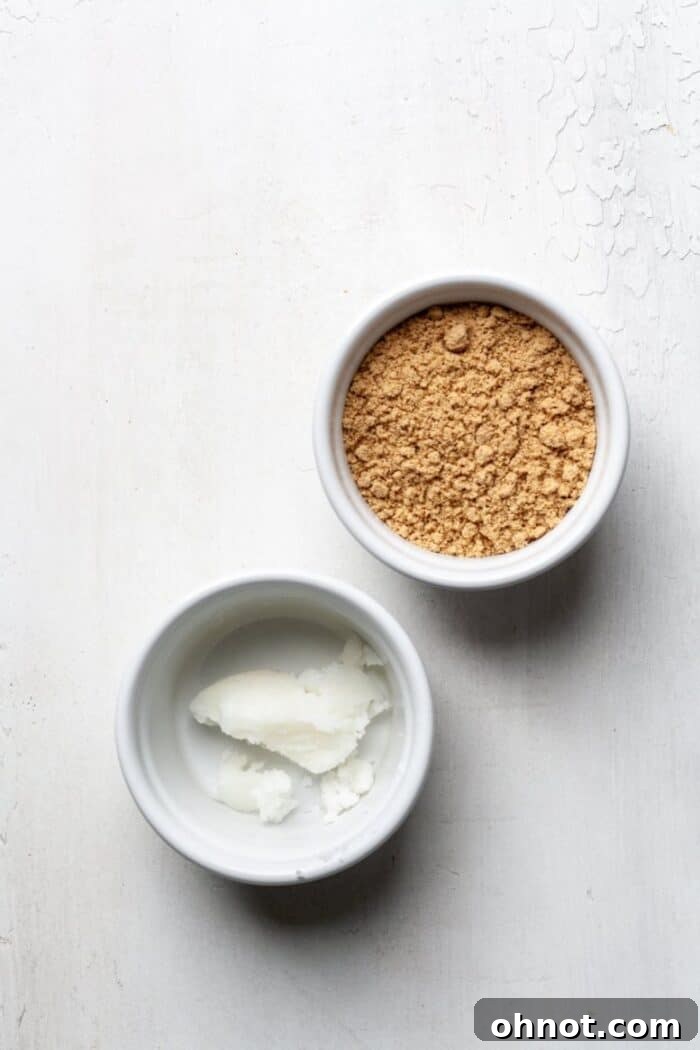
Forget complicated recipes or long ingredient lists. This tigernut butter is truly a marvel of minimalism, requiring only two core ingredients: tigernut flour and coconut oil. It’s incredibly quick to prepare, needing just a few minutes in a high-speed blender or food processor. This makes it an ideal option for busy individuals looking for a healthy, homemade spread without the fuss. The straightforward process means anyone, regardless of their cooking experience, can achieve perfect results every time.
The Ultimate Allergy-Friendly Spread
For those managing nut allergies or sensitivities, finding a truly delicious and versatile spread can be a challenge. This Tigernut Butter is an absolute lifesaver. Despite its name, tigernuts are not nuts but rather small root vegetables, making this butter inherently nut-free. This characteristic positions it as a safe and delightful alternative to almond, peanut, or cashew butter, opening up a world of culinary possibilities for individuals with dietary restrictions.
Perfect for Specialized Diets: AIP, Paleo, Whole30, and More
This recipe is a dream come true for anyone following specific dietary protocols. It seamlessly fits into the Autoimmune Protocol (AIP), Paleo, and Whole30 diets, adhering to their strict guidelines for whole, unprocessed foods. Furthermore, it is naturally grain-free, gluten-free, dairy-free, and vegan, making it an inclusive option for nearly every lifestyle choice. It eliminates common inflammatory ingredients, providing a clean and nourishing spread that supports overall well-being.
Rich Flavor and Creamy Texture
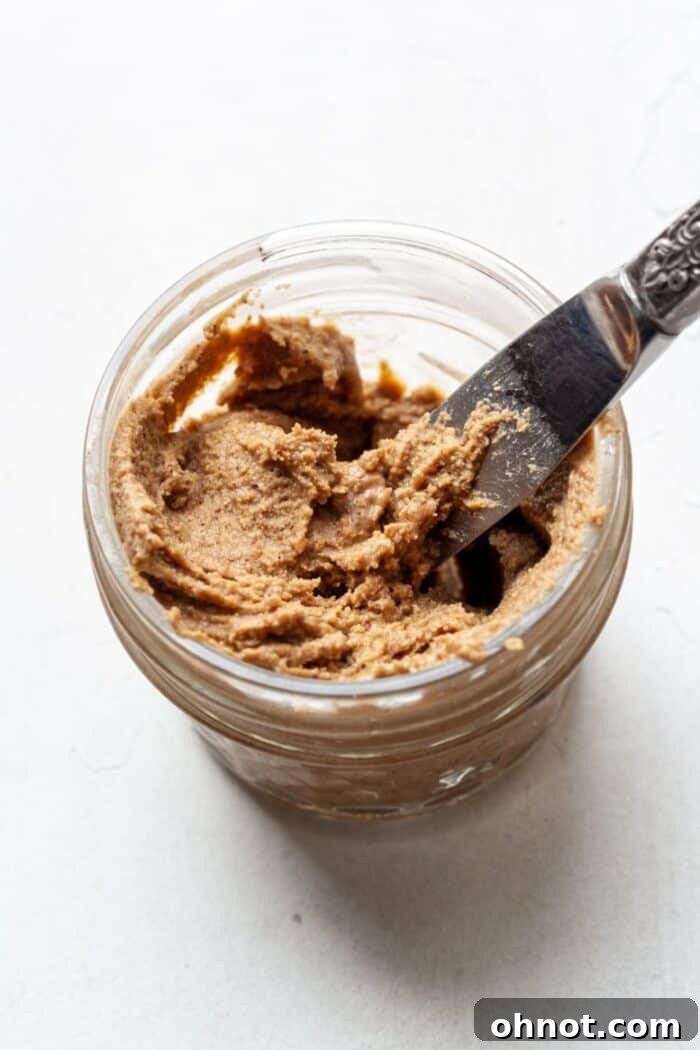
Expect a spread that’s hearty, rich, and incredibly smooth. Its texture is remarkably similar to a creamy, natural almond or cashew butter, yet it possesses a unique flavor profile that is subtly sweet and distinctly earthy. It avoids the overwhelming sweetness found in many commercial spreads, allowing the natural goodness of the tigernuts to shine through. This makes it a fantastic peanut butter alternative that’s both allergy-friendly and deeply satisfying. You can even personalize it with a touch of cinnamon for a slightly sweeter twist, or a pinch of sea salt to enhance its natural depth.
Clean Ingredients You Can Trust
Unlike many store-bought nut butters that often contain undesirable additives, this homemade version is free from added sugars, palm oil, and lectins. By making it yourself, you have complete control over the quality of ingredients, ensuring you’re consuming a pure, wholesome product. This commitment to clean eating aligns perfectly with a health-conscious lifestyle, making every spoonful a guilt-free pleasure.
Understanding Tigernuts: The Powerhouse Root Vegetable
Despite their misleading name, tigernuts are not actually nuts, but rather small, wrinkled tubers (root vegetables) native to regions of Africa and the Mediterranean. These ancient superfoods have been cultivated for thousands of years and are gaining popularity in modern health circles due to their impressive nutritional profile and versatility. Understanding what tigernuts are and their benefits will help you appreciate this unique spread even more.
A Root Vegetable with a Nutty Personality
Tigernuts, scientifically known as Cyperus esculentus, are grown underground, similar to potatoes or sweet potatoes. Their classification as a root vegetable is crucial, as it makes them a safe option for individuals with tree nut or peanut allergies. When dried and ground, they produce a fine flour that is naturally paleo, gluten-free, and, importantly, nut-free. This unique characteristic makes tigernut flour an indispensable ingredient for those adhering to restrictive diets or managing food sensitivities, offering a bridge to many recipes that would otherwise be off-limits.
A Rich Source of Essential Nutrients
Beyond their allergy-friendly nature, tigernuts are nutritional powerhouses. They are an excellent source of dietary fiber, particularly resistant starch, which acts as a prebiotic. This means it feeds the beneficial bacteria in your gut, supporting a healthy digestive system and potentially improving overall gut health. In addition to fiber, tigernuts provide a significant boost of essential minerals including potassium, magnesium, and iron. Potassium is vital for blood pressure regulation and muscle function, magnesium supports nerve and muscle function, and iron is crucial for oxygen transport in the blood. They also contain beneficial healthy fats, similar to olive oil, contributing to heart health.
Subtle Sweetness with an Earthy Undertone
While tigernuts naturally contain some sugar, their flavor is predominantly earthy and nutty, with just a hint of natural sweetness. This makes them incredibly versatile, suitable for both sweet and savory applications. When transformed into butter, this unique flavor profile shines, offering a delightful alternative to traditional spreads. The taste can be likened to a mild, earthy pecan or almond, but with its own distinct character that is both satisfying and intriguing.
Versatile Beyond Butter
Tigernut flour isn’t just for making delicious butter. Its mild flavor and gluten-free properties make it an excellent ingredient for baking. It can be used in combination with other gluten-free flours to create wholesome breads, muffins, cookies, and pancakes. Its fibrous nature can add a pleasant texture to baked goods and nutritional density. Exploring the broader uses of tigernut flour reveals its potential as a true superfood for health-conscious kitchens.
Crafting Your Own Tigernut Butter: A Simple Step-by-Step Guide
Making your own tigernut butter is surprisingly simple and quick, requiring minimal effort for maximum reward. Follow these straightforward steps to achieve a perfectly smooth and creamy spread.
Step 1: Combine Ingredients in a Food Processor or Blender
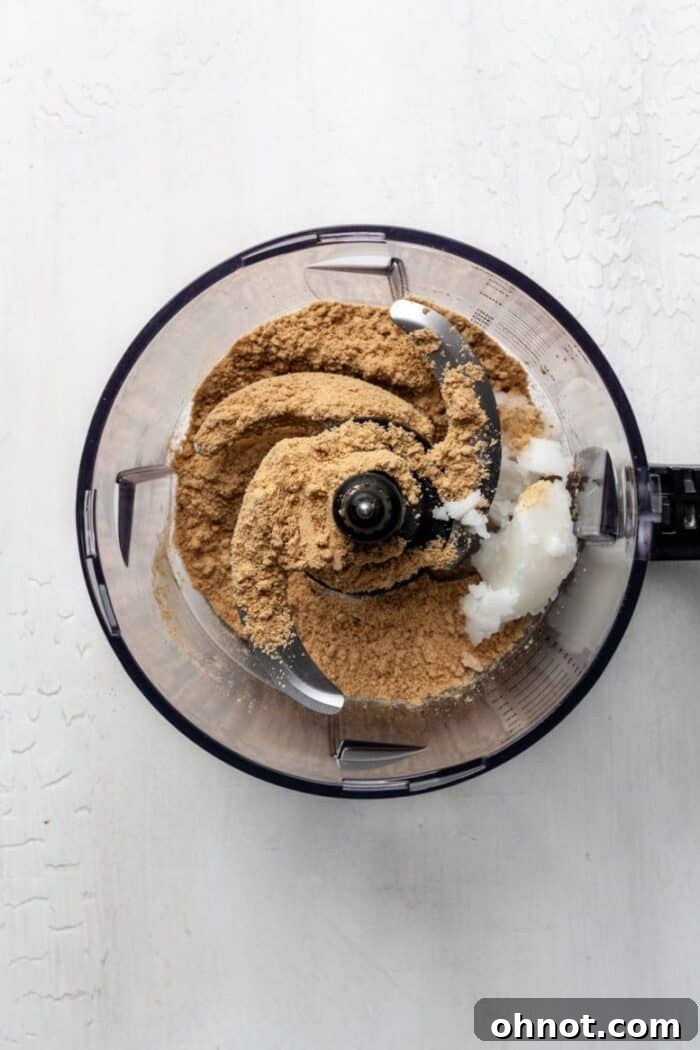
Begin by measuring out your tigernut flour and coconut oil. For the best results, ensure your food processor or high-speed blender is clean and completely dry. Add the measured tigernut flour and coconut oil directly into the bowl of your food processor or blender. The quality of your equipment can impact the final texture, so a powerful machine is recommended for achieving optimal creaminess.
Step 2: Initial Blend and Scrape
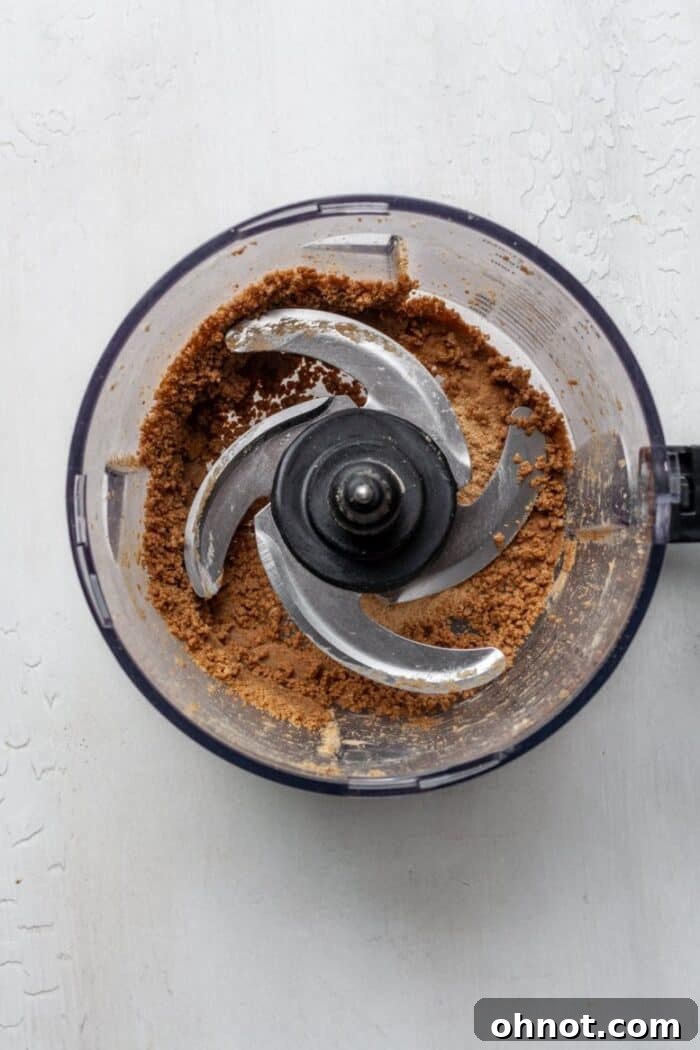
Secure the lid and process the mixture on high speed for approximately one minute. During this initial stage, the tigernut flour and coconut oil will start to combine, forming a coarse, crumbly mixture. It’s perfectly normal for it to look dry at this point. Stop the processor and use a rubber spatula or spoon to scrape down the sides of the bowl. This ensures all ingredients are evenly incorporated and prevents any dry spots from remaining unblended.
Step 3: Achieve Smooth and Creamy Consistency
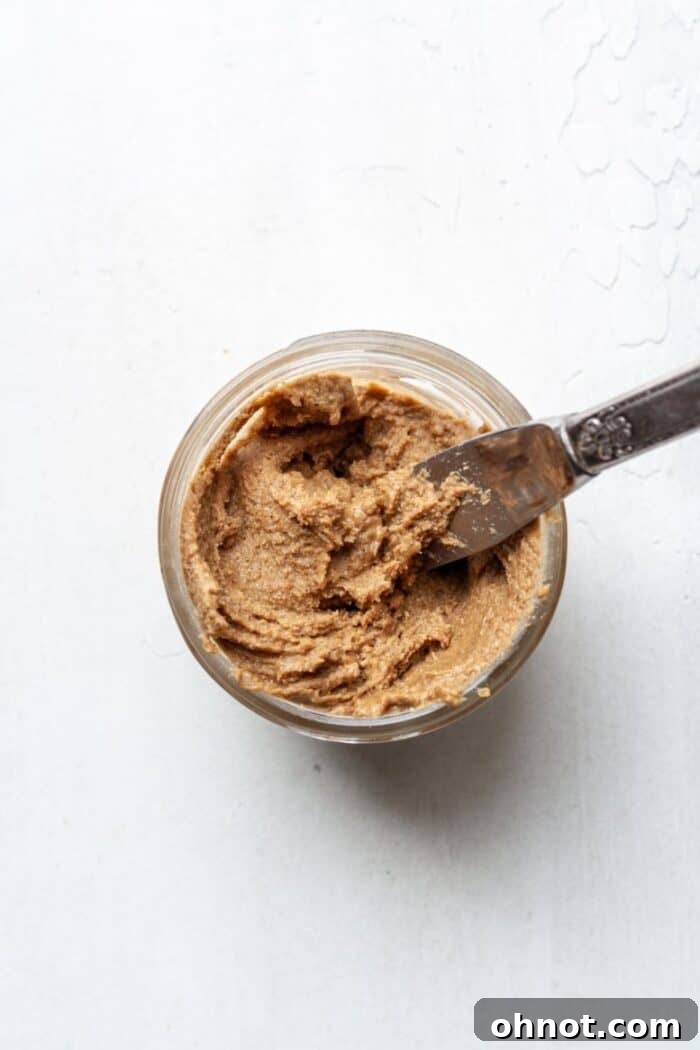
Continue processing for another minute, or longer if needed, until the mixture transforms into a smooth, creamy, and spreadable butter. The exact blending time can vary depending on the power of your appliance. Be patient, as the friction from blending will warm the ingredients, helping the coconut oil fully integrate and create that desired silky texture. Keep blending until all grainy bits have disappeared, and the butter flows smoothly. It should have a consistency similar to natural almond or peanut butter.
Step 4: Store Your Homemade Tigernut Butter
Once your tigernut butter has reached its ideal smooth and creamy consistency, carefully transfer it into a clean, airtight glass jar, such as a Mason jar. Ensure the lid is securely fastened to maintain freshness. Proper storage is key to enjoying your homemade spread for as long as possible. Refer to the ‘Tips for Perfection & Storage’ section below for detailed storage instructions.
Expert Tips for Perfect Homemade Tigernut Butter
Achieving the perfect consistency and flavor for your tigernut butter is simple, especially with a few expert tips. These suggestions will help you maximize the taste, texture, and shelf life of your homemade spread.
Choosing Your Coconut Oil Wisely
The type of coconut oil you choose can subtly influence the flavor of your tigernut butter. For a neutral taste that allows the earthy notes of the tigernut to shine without any coconut undertones, opt for refined coconut oil. If you enjoy a delicate hint of coconut, unrefined (virgin) coconut oil is an excellent choice that will add an extra layer of flavor complexity. Both types will work perfectly in terms of texture, so choose based on your preferred taste profile.
Patience is Key to Creaminess
While this recipe is quick, achieving that ultra-smooth and creamy consistency requires a little patience with your food processor or blender. The mixture will go through several stages: from a dry flour to a crumbly texture, then a thicker paste, and finally, a silky-smooth butter. Don’t be tempted to stop blending too early. Continue processing, scraping down the sides as needed, until there are no discernible grainy bits and the butter is completely uniform and flowing. A high-powered appliance will significantly speed up this process, often completing it in about two minutes total.
Optimal Storage for Freshness
Proper storage is essential for maintaining the quality and extending the shelf life of your homemade tigernut butter. Store it in an airtight jar with a lid at room temperature for up to two weeks. If you prefer to keep it longer, you can refrigerate it for up to a month. Due to the coconut oil content, the butter will firm up considerably when chilled. If refrigerated, allow it to thaw at room temperature for a bit before using, or gently warm it until it reaches your desired spreadable consistency. Always stir the butter before each use, as some natural oil separation can occur.
Flavor Variations and Enhancements
While delicious on its own, tigernut butter is also incredibly adaptable to flavor enhancements. Before blending, consider adding a small pinch of sea salt to elevate its natural sweetness and earthy notes. For a warmer, spiced flavor, a dash of ground cinnamon can transform it into a delightful treat. You might also experiment with a tiny amount of vanilla extract for added depth, or if your diet allows, a drizzle of maple syrup or honey for extra sweetness.
Troubleshooting Tips
- Too thick/dry? If your butter seems too thick or isn’t blending smoothly, you can add another teaspoon or two of coconut oil (or a neutral oil like avocado oil) at a time, blending until the desired consistency is achieved.
- Oil separation? This is natural! Simply stir the butter vigorously before using to recombine the oils with the solids.
Delicious Ways to Enjoy Your Homemade Tigernut Butter
Once you’ve whipped up a batch of this delightful homemade Tigernut Butter, the possibilities for enjoying it are endless. Its unique flavor and creamy texture make it a versatile ingredient for both sweet and savory applications, fitting seamlessly into various dietary lifestyles.
Classic Spreads and Toppings
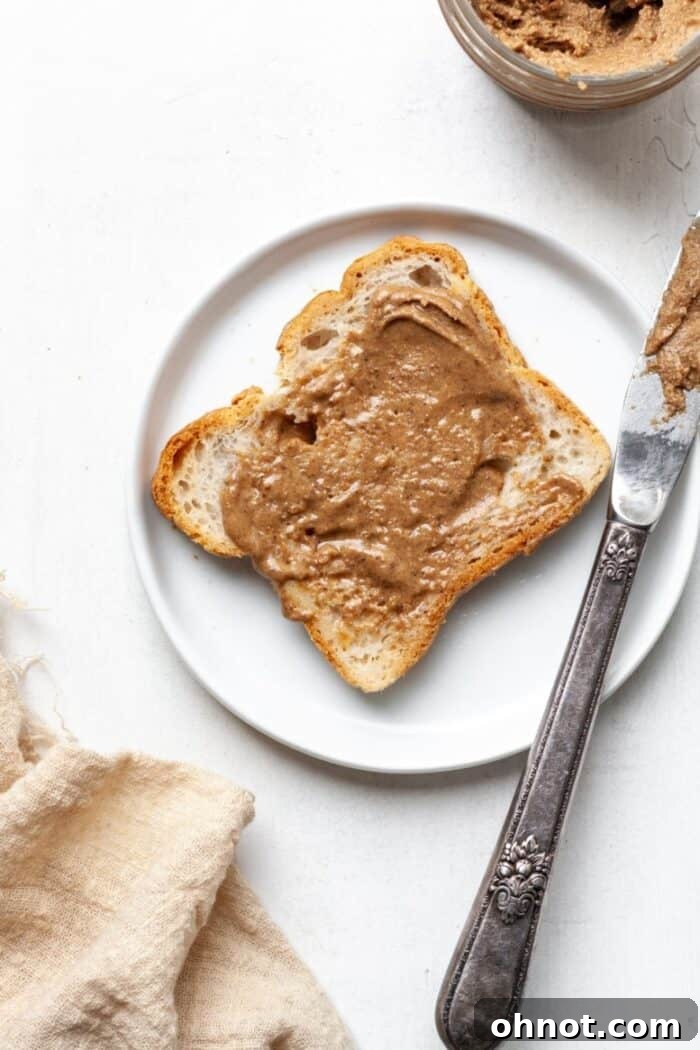
The most straightforward way to enjoy Tigernut Butter is as a spread. Slather it generously on AIP-friendly toast, gluten-free crackers, or even slices of crisp apple and celery for a quick, satisfying snack. Its creamy nature makes it an excellent accompaniment to fresh fruit, providing a boost of healthy fats and fiber.
Boost Your Smoothies and Bowls
Add a tablespoon or two of Tigernut Butter to your morning smoothie for an extra dose of healthy fats, fiber, and protein. It lends a wonderful creaminess and helps to keep you feeling full longer. It’s also a fantastic swirl-in for oatmeal, chia puddings, or yogurt (if dairy is permitted in your diet), enhancing both flavor and nutritional value.
Baking and Dessert Ingredient
Tigernut Butter can be a superb substitute for traditional nut butters in many baking recipes. Use it in energy bites, no-bake cookies, or as a base for AIP-friendly dessert bars. Its subtle sweetness and unique flavor profile will add a delightful dimension to your baked goods, especially for those seeking nut-free options.
Savory Applications and Dressings
Don’t limit this butter to sweet dishes! Tigernut Butter can be a wonderful emulsifier for savory sauces and dressings. Think about incorporating it into a unique AIP-friendly satay-style sauce for grilled chicken or vegetables, or blending it into a creamy salad dressing for a nutty, earthy flavor twist. It can also act as a thickening agent for soups and stews, adding richness without allergens.
Quick Energy Bites and Snacks
Combine Tigernut Butter with shredded coconut, a touch of maple syrup (if desired and diet permits), and a few seeds like pumpkin or sunflower for quick, nutrient-dense energy bites. These are perfect for pre-workout fuel, an afternoon pick-me-up, or a healthy dessert option.
Frequently Asked Questions (FAQs) About Tigernut Butter
Tigernut butter has a unique and appealing flavor profile that distinguishes it from traditional nut butters. It’s subtly sweet, with distinct earthy and nutty undertones, often described as a cross between an almond and a pecan, but with its own unique character. It’s smooth, creamy, and easily spreadable, making it a delightful addition to both sweet and savory dishes. It lacks the intense sweetness of many commercial spreads, allowing its natural, wholesome taste to truly shine.
Absolutely, tiger nuts are incredibly healthy and offer a wealth of nutritional benefits. They are minimally processed and packed with vitamins and minerals, including significant levels of iron, magnesium, and potassium. Most notably, they are an exceptional source of dietary fiber, especially resistant starch, which functions as a powerful prebiotic. This prebiotic fiber nourishes beneficial gut bacteria, promoting digestive health, aiding in blood sugar regulation, and potentially supporting overall immune function and heart health. Their healthy fat content further contributes to a balanced and nutritious diet.
The Autoimmune Protocol (AIP) diet is a specialized elimination diet designed to help individuals with autoimmune diseases reduce inflammation, alleviate symptoms, and support gut healing. It focuses on nutrient-dense, anti-inflammatory foods while temporarily removing common dietary triggers such as grains, legumes, nuts, seeds, nightshades, dairy, eggs, and refined sugars. The goal is to identify individual food sensitivities and promote gut integrity. Tigernuts and tigernut butter are considered AIP-compliant because they are a root vegetable, not a nut, and are free from other common allergens and inflammatory compounds, making them a valuable and safe food choice for those following the protocol.
Tigernut flour is becoming increasingly popular and is generally available at health food stores, specialty grocery stores, and online retailers. Many reputable organic food suppliers offer tigernut flour, making it accessible for purchase both locally and from the convenience of your home. Look for brands that specify “organic” and “gluten-free” for the highest quality product.
When stored properly in an airtight container, homemade tigernut butter can last for a good period. At room temperature, it typically remains fresh for up to 2 weeks. If you wish to extend its shelf life, refrigerating it can keep it fresh for up to a month. Remember that the coconut oil will cause it to firm up in the fridge, so allow it to soften at room temperature before using for easy spreading.
Explore More AIP & Paleo Delights
If you loved this Tigernut Butter recipe, you’ll surely enjoy these other healthy and delicious options:
- 3-Ingredient Cashew Butter Cookies
- Macadamia Nut Butter – Easy & Homemade
- Whole30 Almond Butter
- AIP Smoothie
- Paleo Pecan Pie Bars
Get the Recipe:Easy Tigernut Butter Recipe (Nut Free & Paleo)
Pin Recipe
Ingredients
- 1 cup tigernut flour
- 1/4 cup coconut oil
Instructions
-
First, add tigernut flour and coconut oil to a food processor or high-speed blender.
-
Process on high for 1 minute. Then, use a rubber spatula or spoon to scrape down the sides of the food processor to ensure even blending.
-
Then, process for another minute. Continue processing until the mixture is completely smooth, creamy, and spreadable.
-
Finally, store the tigernut butter in a clean, airtight Mason jar or similar jar with a lid.
Notes
- Use refined coconut oil for a neutral taste, or unrefined coconut oil for a slight coconut flavor.
- Continue processing until completely smooth and creamy. A high-powered food processor typically takes about 2 minutes total.
- Store in a jar with a lid at room temperature for up to 2 weeks, or in the fridge for up to a month.
- Stir before each use, as some natural oil separation may occur.
- Due to the coconut oil, this tigernut butter will become thick when refrigerated. Allow it to thaw or gently warm it before using if chilled.
- For enhanced flavor, add a pinch of sea salt or cinnamon before blending if desired.
Calories:
222
kcal
,
Carbohydrates:
25
g
,
Protein:
1
g
,
Fat:
14
g
,
Saturated Fat:
12
g
,
Sodium:
2
mg
,
Potassium:
6
mg
,
Fiber:
1
g
,
Sugar:
1
g
,
Vitamin C:
2
mg
,
Calcium:
45
mg
,
Iron:
2
mg
Addison LaBonte
Snack
American
Do you love easy, healthy snacks and want to explore more delicious AIP and Paleo-friendly recipes? You can sign up here to receive healthy meal plans, new recipes, and exclusive tips directly to your inbox. Stay connected and inspired on your journey to wholesome eating!