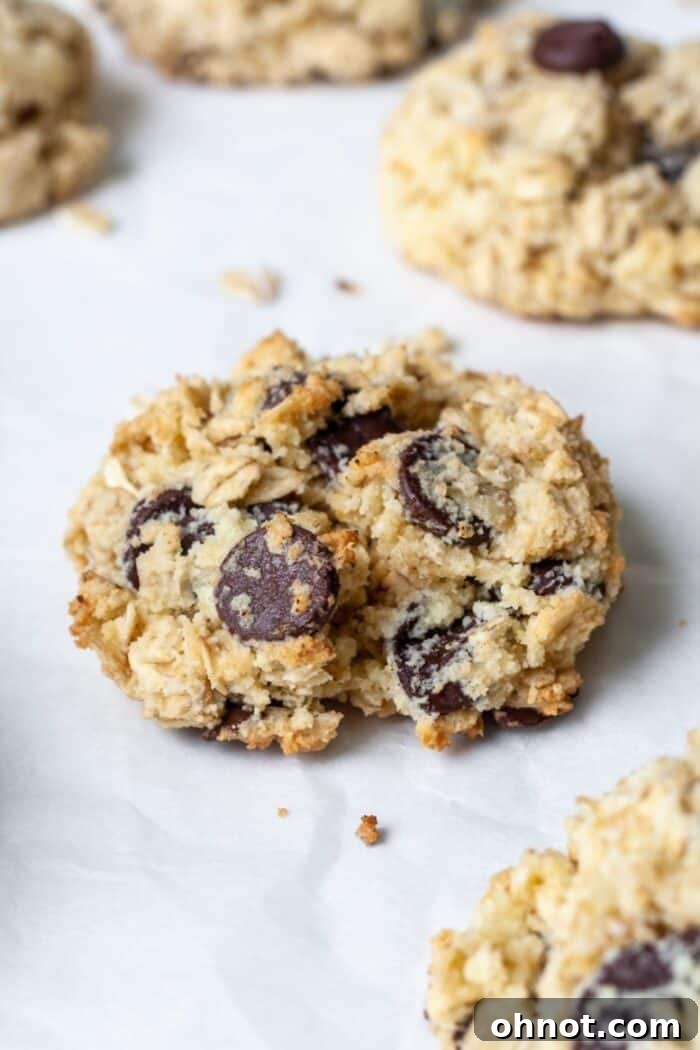
Welcome to your new favorite cookie recipe! These Coconut Flour Oatmeal Cookies are a delightful culinary creation, promising a taste experience that is both rich and satisfying. Imagine sinking your teeth into a cookie that's perfectly thick, wonderfully chewy, and generously studded with melty chocolate chips. What makes these cookies truly special is their incredible ease of preparation – from gathering your ingredients to pulling a fresh batch from the oven, you're looking at a mere 20 minutes. Not only are they quick and simple, but these gluten-free oatmeal cookies, made with the unique touch of coconut flour, are so irresistibly good that they will undoubtedly become a staple in your baking repertoire. Get ready to bake a batch that's truly crave-worthy!
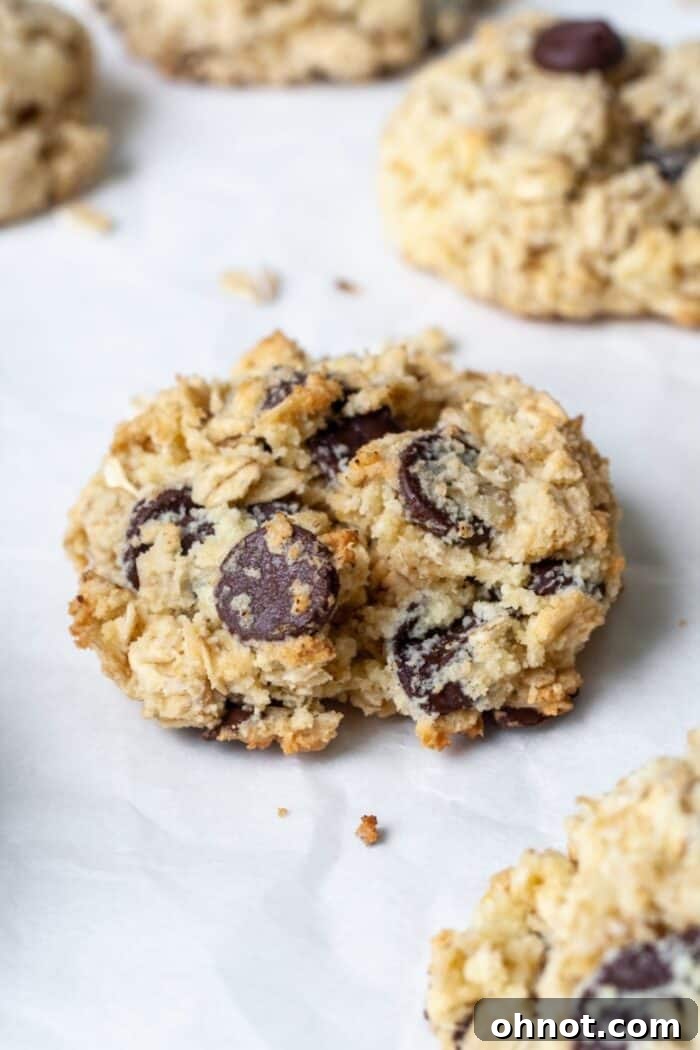
Why These Coconut Flour Oatmeal Cookies Are Irresistible
There are countless reasons to fall head over heels for this particular cookie recipe. It's not just a cookie; it's an experience designed for ease, flavor, and dietary considerations. Here's why these Coconut Flour Oatmeal Cookies will quickly become your go-to:
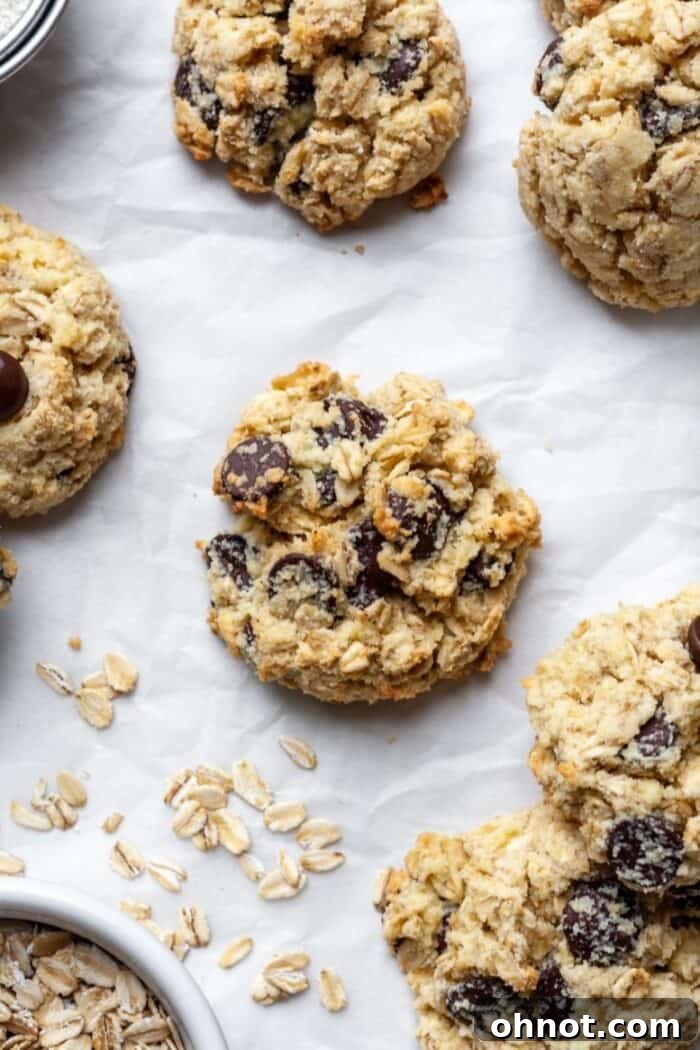
- Unforgettable Texture: The inclusion of gluten-free rolled oats provides an incredible depth of texture. Each bite offers a delightful contrast – a slightly crispy exterior yielding to a wonderfully chewy interior, punctuated by the soft oat flakes.
- Natural Sweetness & Chewiness from Coconut Flour: Coconut flour isn't just a gluten-free alternative; it’s a flavor and texture enhancer. It imparts a subtle, natural sweetness and contributes significantly to the cookies' satisfying chewiness, making them distinct from traditional flour cookies.
- Effortless One-Bowl Preparation: Say goodbye to multiple dirty dishes! This recipe is designed for maximum convenience, requiring just one mixing bowl from start to finish. This streamlines the baking process and makes cleanup a breeze, perfect for busy schedules.
- No Chilling Required: Impromptu cookie cravings? No problem! This recipe skips the often tedious dough chilling step, meaning you can mix, scoop, and bake without delay. Freshly baked cookies are just minutes away.
- Loaded with Dark Chocolate Chips: For the ultimate indulgence, these cookies are generously packed with rich dark chocolate chips. The dark chocolate perfectly complements the subtle sweetness of the coconut flour and oats, creating a balanced and decadent flavor profile.
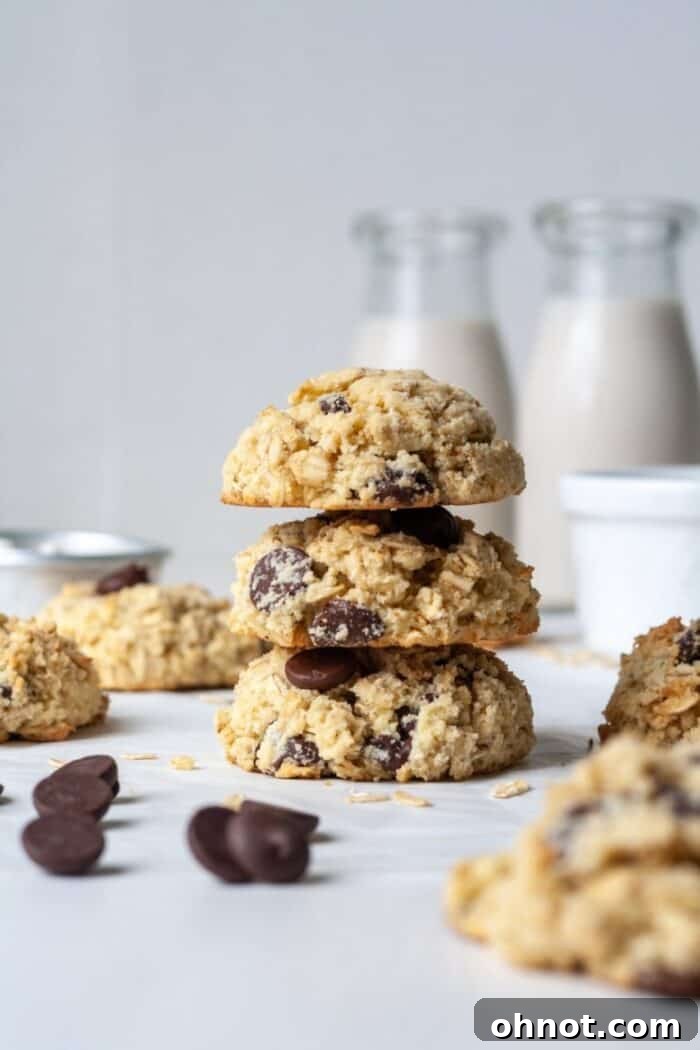
- Perfectly Thick and Chewy: These aren't flat, flimsy cookies. They boast a substantial thickness and a soft, chewy center that every cookie lover dreams of. They hold their shape beautifully, ensuring a satisfying bite every time.
- Dietary Friendly: Crafted to be both gluten-free and nut-free, these cookies are an excellent option for those with specific dietary needs or allergies. They allow more people to enjoy a delicious homemade treat without compromise.
- Versatile & Adaptable: While perfect as they are, these cookies also lend themselves well to customization. If you enjoy experimenting, you might also appreciate our Almond Flour Oatmeal Cookies for a similar but distinct texture, or dive into our Oat Flour Chocolate Chip Cookies for another delightful gluten-free option.
Essential Ingredients & Smart Substitutions
Crafting the perfect Coconut Flour Oatmeal Cookies starts with understanding each ingredient's role. Here’s a detailed look at what you’ll need and how you can adapt the recipe to suit different dietary preferences:
- Granulated Sugar & Butter: The foundation of classic cookie flavor. Granulated sugar provides sweetness and helps with browning and spread, while softened butter contributes a rich, incomparable flavor and tender crumb.
- **Dairy-Free Option:** For a delicious dairy-free version, room temperature coconut oil can be used as a direct substitute for butter. Ensure it’s soft but not melted, maintaining a similar consistency to softened butter for proper creaming.
- **Paleo Sweetener:** If you're following a Paleo diet, maple sugar is an excellent natural sweetener that can replace granulated sugar cup for cup, offering a subtle caramel note.
- Eggs: In this recipe, eggs are absolutely crucial, especially when working with coconut flour. Coconut flour is exceptionally absorbent, and eggs provide essential moisture, structure, and binding properties that prevent the cookies from becoming dry and crumbly. For this reason, an egg replacement simply will NOT yield the same successful results.
- Coconut Flour: This unique flour is the star of the show. It’s naturally gluten-free, high in fiber and protein, and lends a distinct texture and subtle coconut flavor.
- **Substitutions:** There are no perfect one-to-one replacements for coconut flour due to its extreme absorbency. However, if coconut flour isn't an option for you, consider trying our Almond Flour Oatmeal Cookies recipe, which offers a similar delicious outcome with a different flour base. We don't recommend direct substitutions in this specific coconut flour recipe, as it's formulated to work with its unique properties.
- Old Fashioned Rolled Oats: These oats are key for the desired chewy texture. They are thicker and heartier than instant oats and absorb liquid more slowly, contributing to a substantial cookie.
- **Important Note:** I strongly advise against using steel-cut oats. Steel-cut oats are much coarser and harder, and they will result in a significantly rougher and crunchier cookie texture that is not ideal for this recipe. Always ensure your oats are certified gluten-free if you are baking for someone with gluten sensitivities.
- Baking Soda: A leavening agent that helps the cookies rise and achieve their characteristic soft, chewy texture.
- Vanilla Extract: Enhances all the flavors in the cookie dough, adding warmth and depth.
- Dark Chocolate Chips: The ultimate finishing touch! Dark chocolate provides a lovely contrast to the sweetness of the cookies. Feel free to use your favorite type of chocolate chips – milk, semi-sweet, or even white chocolate – or experiment with other mix-ins like raisins, nuts (if not making nut-free), or dried cranberries.
Mastering the Art of Baking with Coconut Flour
Baking with coconut flour can be a unique experience, and it's essential to understand its distinct properties for successful results. As a popular choice in Paleo and Keto diets, coconut flour stands out due to its lower carbohydrate content compared to traditional flours, alongside its impressive levels of fiber and protein. However, its benefits come with a need for careful handling.
This grain-free and gluten-free flour is meticulously made from finely ground, dried coconut meat. Its most defining characteristic is its extraordinary absorbency – it can soak up a remarkable amount of liquid, far more than wheat flour or even most other gluten-free flours. This high absorbency is why using coconut flour in large quantities can quickly lead to dry, crumbly, or dense baked goods if the recipe isn't specifically formulated for it. It's a common pitfall for bakers unfamiliar with its nuances.
To achieve the best possible outcome when baking with coconut flour, precise measurement is paramount. Unlike other flours where a slight variance might be forgivable, with coconut flour, even a small excess can dramatically alter the texture of your final product. Always spoon and level the flour rather than scooping directly from the bag to ensure accuracy.
If you're eager to explore more delicious ways to incorporate this versatile flour into your baking, be sure to check out our Coconut Flour Banana Bread for another fantastic recipe that perfectly showcases its qualities. For an even deeper dive into the world of gluten-free baking and more recipes featuring this amazing ingredient, consult my comprehensive Guide to Gluten-Free Flours and Gluten-Free Baking. Understanding these principles will empower you to create consistently moist, flavorful, and perfectly textured baked goods every time.
Step-by-Step Guide: Crafting Your Coconut Flour Oatmeal Cookies
Step 1: Prepare Your Baking Environment
Begin by preheating your oven to 350 degrees Fahrenheit (175°C). While the oven heats, line a standard baking sheet with parchment paper. This crucial step prevents sticking and ensures easy removal of your delicate cookies.
Step 2: Cream Butter and Sugar
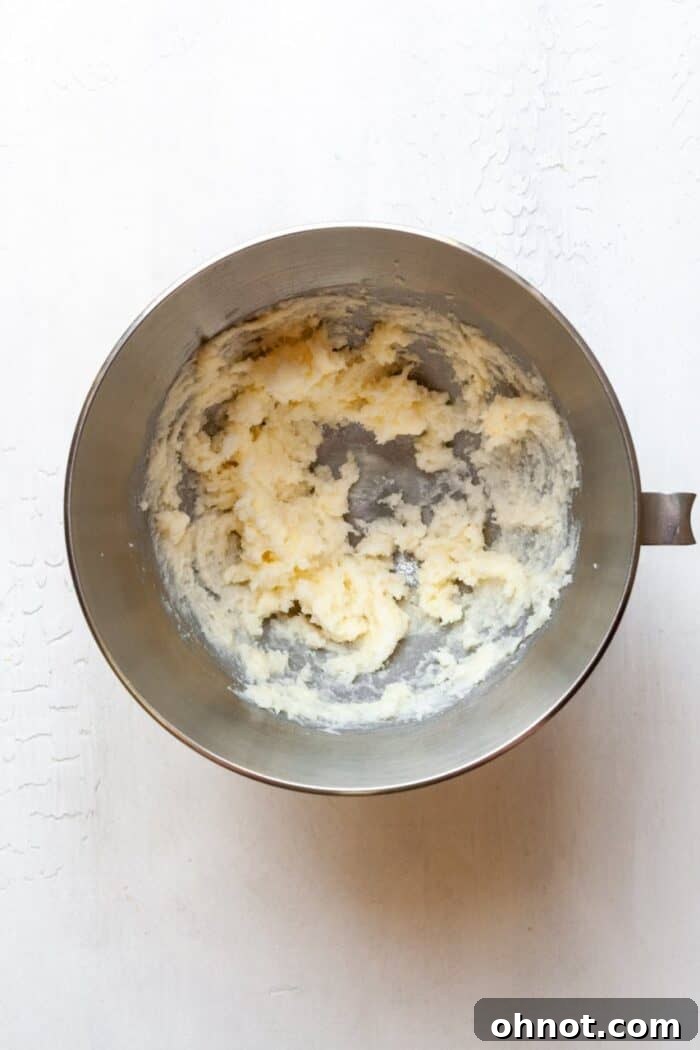
In a large mixing bowl, combine the granulated sugar and softened butter. Using an electric mixer (either a hand mixer or stand mixer), beat these two ingredients together on high speed for approximately 1 minute. The mixture should become light, fluffy, and pale in color, incorporating air for a tender cookie texture.
Step 3: Incorporate Wet Ingredients
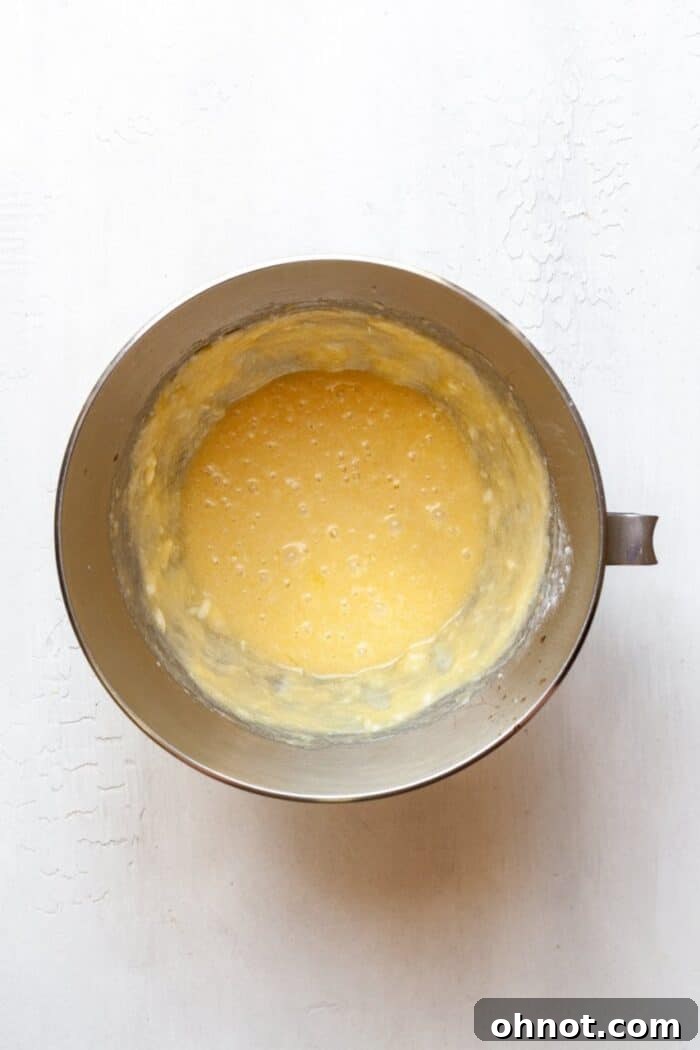
Next, crack in the two eggs and add the vanilla extract to the creamed butter and sugar mixture. Continue mixing on medium speed until all ingredients are well combined and the batter appears smooth and uniform.
Step 4: Add Dry Ingredients
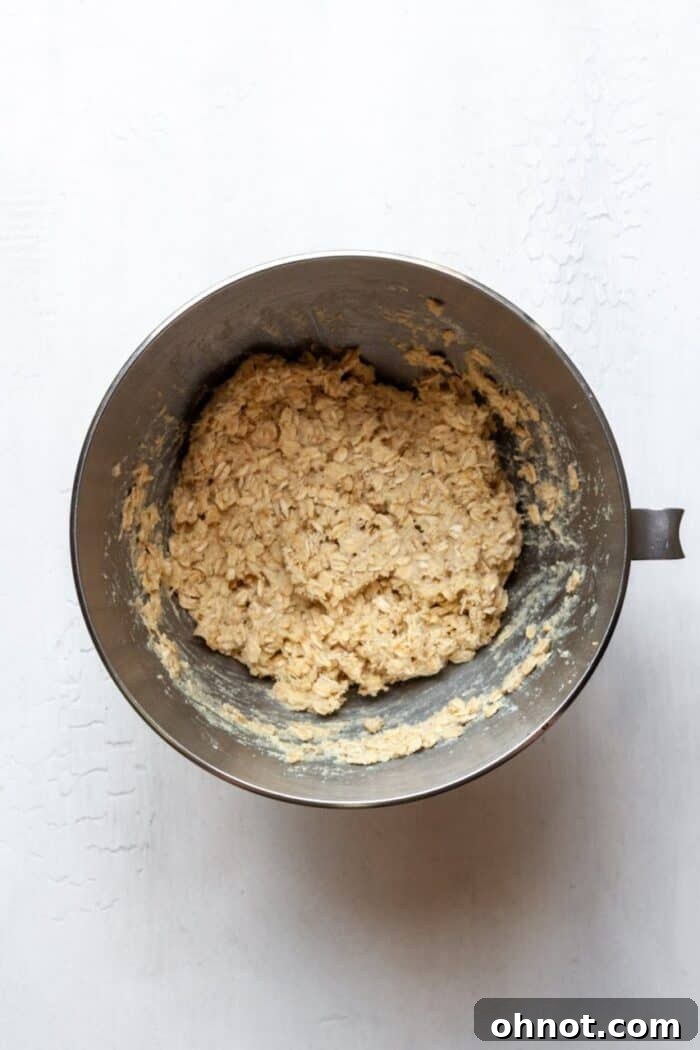
Now, it's time to introduce the dry components. Add the carefully measured coconut flour, baking soda, and old-fashioned rolled oats to the wet mixture. Stir gently with a spoon or spatula until just combined. Be careful not to overmix, as this can lead to tough cookies.
Step 5: Fold in Chocolate Chips
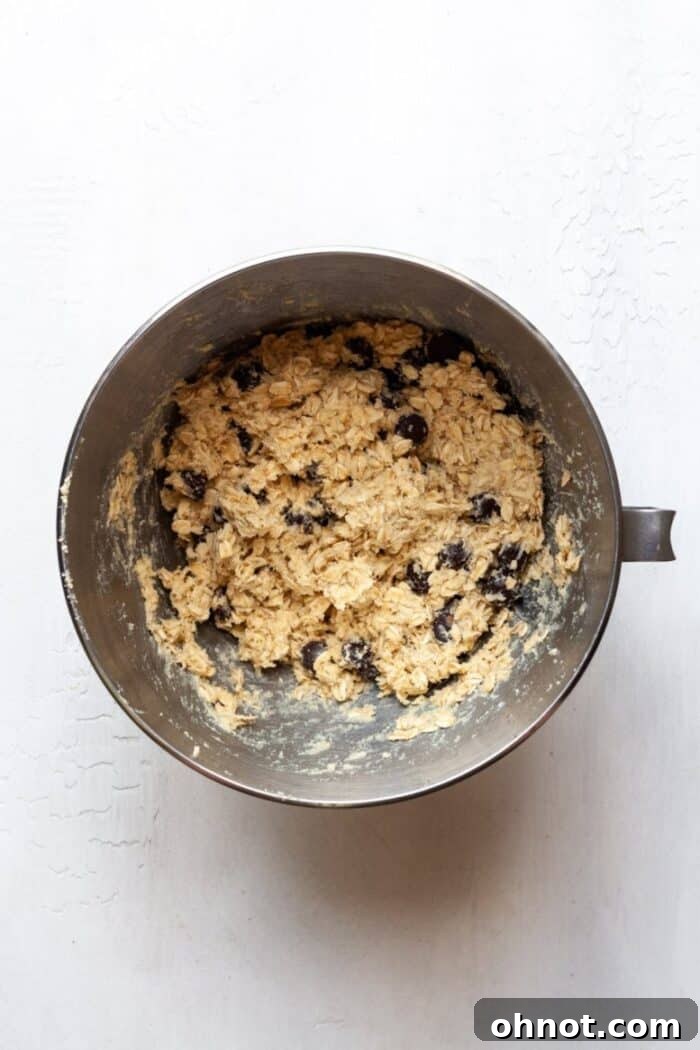
Finally, the best part! Gently fold in your chosen dark chocolate chips (or other desired mix-ins) using a spatula. Ensure they are evenly distributed throughout the thick cookie dough.
Step 6: Scoop and Space the Dough
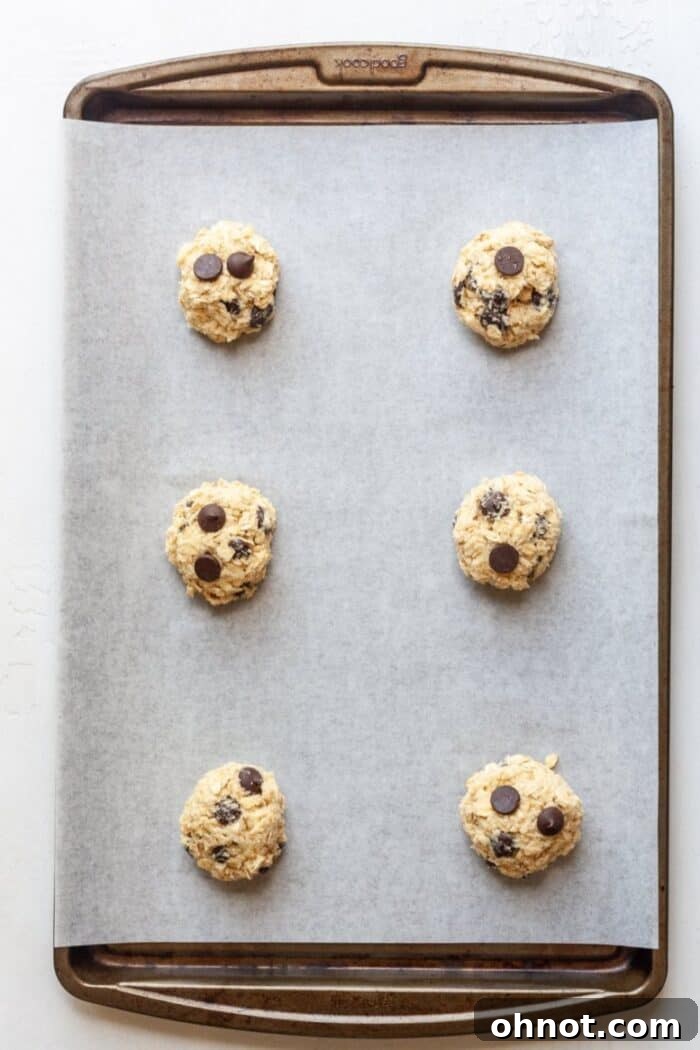
Using an ice cream scoop or a dedicated cookie scoop, portion out rounded balls of dough onto your prepared baking sheet. It’s important to leave at least 2 inches of space between each cookie to allow for proper spreading during baking.
Step 7: Initial Bake & The Pan-Banging Technique
Place the baking sheet in your preheated oven and bake for precisely 7 minutes. After this initial bake, carefully remove the pan from the oven. Gently but firmly bang the baking sheet on your countertop 2 to 3 times. This technique, known as "pan-banging," helps to release any trapped air bubbles, encourage a more even spread, and create those desirable crinkly edges and chewy centers.
Step 8: Final Bake to Perfection
Return the baking sheet to the oven and continue baking for another 3 to 5 minutes. Keep a close eye on them; the cookies are ready when their edges are lightly golden and the centers are just barely set. Remember, they will continue to firm up as they cool, so don't overbake!
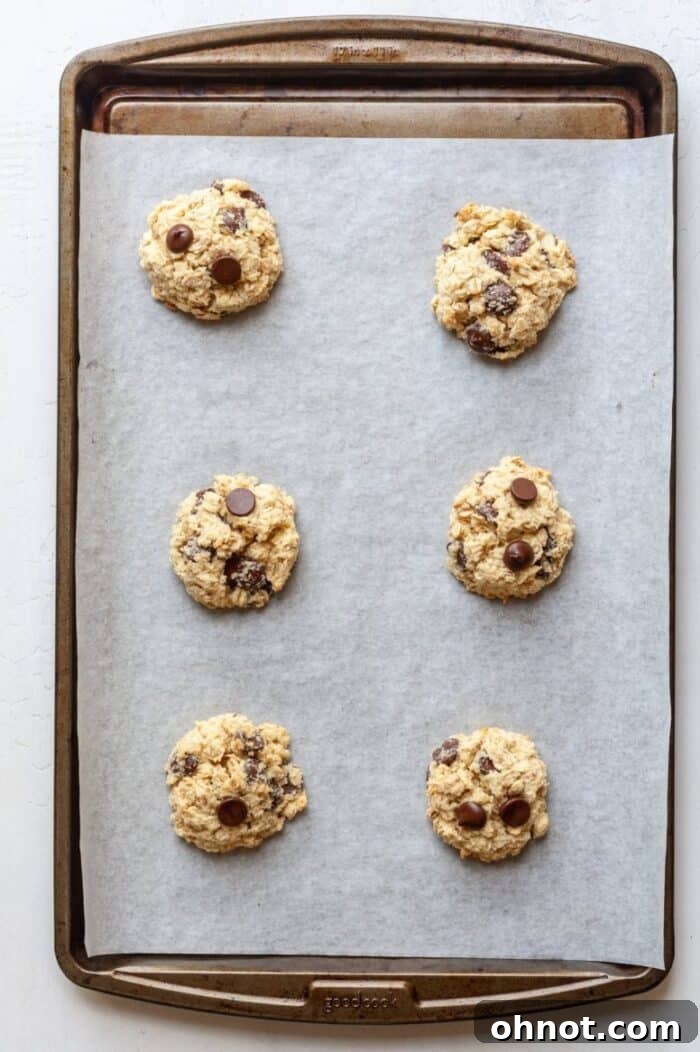
Step 9: Cool and Enjoy
Once baked, remove the pan from the oven. Allow the cookies to cool on the baking sheet for at least 5 minutes. They will be quite delicate at this stage. After 5 minutes, carefully transfer them to a wire rack to finish cooling completely. This allows air circulation, preventing the bottoms from becoming soggy and ensuring a perfectly chewy texture throughout. Indulge in your perfectly baked Coconut Flour Oatmeal Cookies!
Expert Tips & Tricks for Flawless Coconut Flour Oatmeal Cookies
Achieving cookie perfection, especially with a unique ingredient like coconut flour, often comes down to a few key insights. Here are some expert tips and tricks to ensure your Coconut Flour Oatmeal Cookies turn out absolutely flawless every time:
- Precision is Paramount with Coconut Flour: Coconut flour is notoriously tricky due to its extreme absorbency. Unlike other flours where slight variations might be forgiven, accurate measurement is absolutely critical here. Use a kitchen scale for the most precise results, or if measuring by volume, spoon the flour into your measuring cup and level it off carefully. Never scoop directly from the bag, as this can compact the flour and lead to excessive amounts.
- Opt for Old-Fashioned Rolled Oats: For the best texture in these cookies, old-fashioned rolled oats are the undisputed champion. Their larger, flatter flakes provide a delightful chewiness and absorb moisture steadily. Avoid quick-cooking or instant oats, which can become mushy, and steer clear of steel-cut oats, as their coarse texture will result in an unpleasantly hard and crunchy cookie.
- Butter for Unmatched Flavor: If your diet allows for dairy, I wholeheartedly recommend using softened butter over coconut oil. Butter imparts a rich, classic buttery flavor that truly elevates these cookies. While coconut oil is a fantastic dairy-free alternative, the depth of flavor from butter is simply unparalleled in this recipe.
- The Magic of the Pan-Banging Technique: Do NOT skip the step of banging the hot baking pan on the countertop! This might seem unconventional, but it's a game-changer for cookie texture. To execute it properly, after the initial 7-minute bake, carefully lift the hot pan a few inches off your countertop and gently but firmly drop it down 2 to 3 times. This action releases trapped air bubbles, encourages the cookies to spread slightly more, and creates those coveted crinkly edges and wonderfully chewy centers.
- Patience During Cooling: Freshly baked cookies are often fragile. These coconut flour oatmeal cookies are no exception, especially when warm. Resist the urge to handle them too quickly after removing them from the oven. Allow them to cool on the baking sheet for at least 5 minutes before attempting to transfer them to a wire rack. This cooling period allows them to set and firm up, preventing them from crumbling.
- Don't Overbake: Aim for cookies that are just barely set in the middle when you pull them from the oven. The residual heat from the pan will continue to cook them slightly as they cool, ensuring a perfectly moist and chewy interior. Overbaking can lead to dry and hard cookies.
Serving & Storing Your Delicious Cookies
Once your irresistible Coconut Flour Oatmeal Cookies are baked to perfection, there are a few considerations to ensure you enjoy them at their best and keep them fresh for as long as possible.
Serving Suggestions:
While it can be tempting to dive into these aromatic cookies right out of the oven, it's essential to allow them to cool completely. This cooling period allows their flavors to fully develop and their texture to firm up to that ideal thick and chewy consistency. Once cooled, these cookies are a versatile treat!
- Enjoy them simply as a delightful snack with a glass of cold milk or a warm cup of coffee or tea.
- Elevate them into a decadent dessert by serving them warm with a scoop of your favorite vanilla or caramel ice cream.
- Crumble them over yogurt or a smoothie bowl for a textural boost and a hint of sweetness.
- For another fantastic coconut-infused treat, you might also love our classic Coconut Cookies!
Storage Tips:
Proper storage is key to maintaining the freshness and deliciousness of your homemade cookies:
- Room Temperature: Store your cooled Coconut Flour Oatmeal Cookies in an airtight container at room temperature for up to 4 days. This will keep them soft and chewy.
- Refrigeration for Warm Climates: If you live in a particularly hot or humid environment, or if you prefer a firmer cookie, these can be stored in an airtight container in the refrigerator. Please note that chilling will make the cookies firmer in texture. Simply let them come to room temperature for a few minutes before enjoying if you prefer a softer bite.
- Freezing for Longer Storage: For longer preservation, these cookies freeze beautifully. Once completely cooled, arrange them in a single layer on a baking sheet and freeze until solid. Then, transfer the frozen cookies to a freezer-safe bag or container, separating layers with parchment paper to prevent sticking. They can be stored in the freezer for up to 3 months. Thaw at room temperature or gently warm in the microwave for a quick treat.
Frequently Asked Questions About Coconut Flour Oatmeal Cookies
Absolutely! This recipe is a perfect example that demonstrates how delicious and successful oatmeal cookies can be when made with coconut flour. The key is to follow a recipe specifically designed for coconut flour, as its unique properties require different liquid ratios and binding agents than traditional flours.
Unfortunately, no. Eggs are a vital component in recipes using coconut flour because of its extremely high absorbency. They provide essential moisture, bind the ingredients together, and give structure to the cookies, preventing them from becoming dry and crumbly. An egg replacement simply won't work in this particular formulation.
Certainly! While this recipe features dark chocolate chips, feel free to get creative with your mix-ins. Raisins are a classic choice for oatmeal cookies and would be a delicious addition. Other popular options include dried cranberries, chopped nuts (if not adhering to a nut-free diet), white chocolate chips, or even a sprinkle of cinnamon.
Coconut flour significantly affects baking due to its extraordinary absorbency. It acts like a sponge, soaking up a tremendous amount of liquid. This means you need much less coconut flour compared to wheat flour or other gluten-free flours. It also contributes a subtle coconut flavor, a good amount of fiber, and can create a denser, yet still moist and tender, texture if balanced correctly with liquids and fats. Using too much coconut flour without adequate hydration will result in very dry and crumbly baked goods.
For this specific recipe, direct substitution of coconut flour with another flour is not recommended, as the proportions of other ingredients (especially liquids) are carefully balanced around coconut flour's unique absorbency. If you're looking for an oatmeal cookie recipe with a different flour, I recommend checking out my Almond Flour Oatmeal Cookies recipe. It's specifically formulated for almond flour and will yield much better results than trying to substitute in this recipe.
You May Also Love These Recipes
- Chocolate Baked Oatmeal (Gluten Free)
- Almond Flour Oatmeal Cookies (Gluten Free)
- Gluten Free Dairy Free Cookies
- Cassava Flour Cookies (Nut Free & Paleo)
- 4 Ingredient Cookies
If you've had the pleasure of baking and enjoying this recipe, I would be incredibly grateful for your review! Your feedback helps others discover and love these cookies too. You can connect with me and share your culinary creations on Instagram, Facebook, and Pinterest. I love seeing what you bake, so please follow along!

Get the Recipe:
Coconut Flour Oatmeal Cookies
Pin Recipe
Save Recipe
Ingredients
- ¾ cup granulated sugar, see note
- ½ cup softened butter
- 2 eggs
- 1 tsp vanilla extract
- 1 tsp baking soda
- ⅓ cup coconut flour
- 2 cups gluten free old fashioned oats
- 1 cup dark chocolate chips
Instructions
-
First, preheat oven to 350 degrees Fahrenheit. Line a baking sheet with parchment paper.
-
In a large mixing bowl or stand mixer, beat sugar and butter for 1 minute.
-
Then, add in eggs and vanilla. Mix until combined.
-
Add in coconut flour, baking soda and oats. Stir to combine.
-
Then, fold in chocolate chips.
-
Use a cookie scoop or ice cream scoop to scoop rounded balls of dough onto baking sheet. Place cookies at least 2 inches away from each other on pan.
-
Bake for 7 minutes. Then remove pan from oven. Gently bang pan on countertop 2 to 3 times to remove any air bubbles from cookies.
-
Return pan to oven. Bake another 3 to 5 minutes or until cookies look just set in the middle.
-
Remove pan from oven. Allow cookies to cool on pan for 5 minutes. Then, carefully remove to a wire rack to finish cooling.
Notes
- Use maple sugar for Paleo, otherwise use white sugar.
- Room temperature coconut oil (slightly soft but not melted) can replace butter if necessary.
- If you prefer almond flour, see these Almond Flour Oatmeal Cookies.
- Old fashioned rolled oats are best for this recipe since they are larger than steel cut oats.
- I do NOT recommend using steel cut oats. They are too tough and crunchy.
- Cookie dough will be pretty thick.
- Use a cookie scoop or ice cream scoop to scoop dough. Make all the cookies roughly the same size for even baking.
- Banging the pan on the countertop helps get out any air bubbles and allows the cookies to spread a little more.
- Bake until cookies are just barely set in the middle. They will continue to firm up at room temperature.
- Store covered at room temperature for up to 4 days.
Have you signed up for my free newsletter? You can sign up here to receive healthy meal plans and new recipes directly in your inbox!