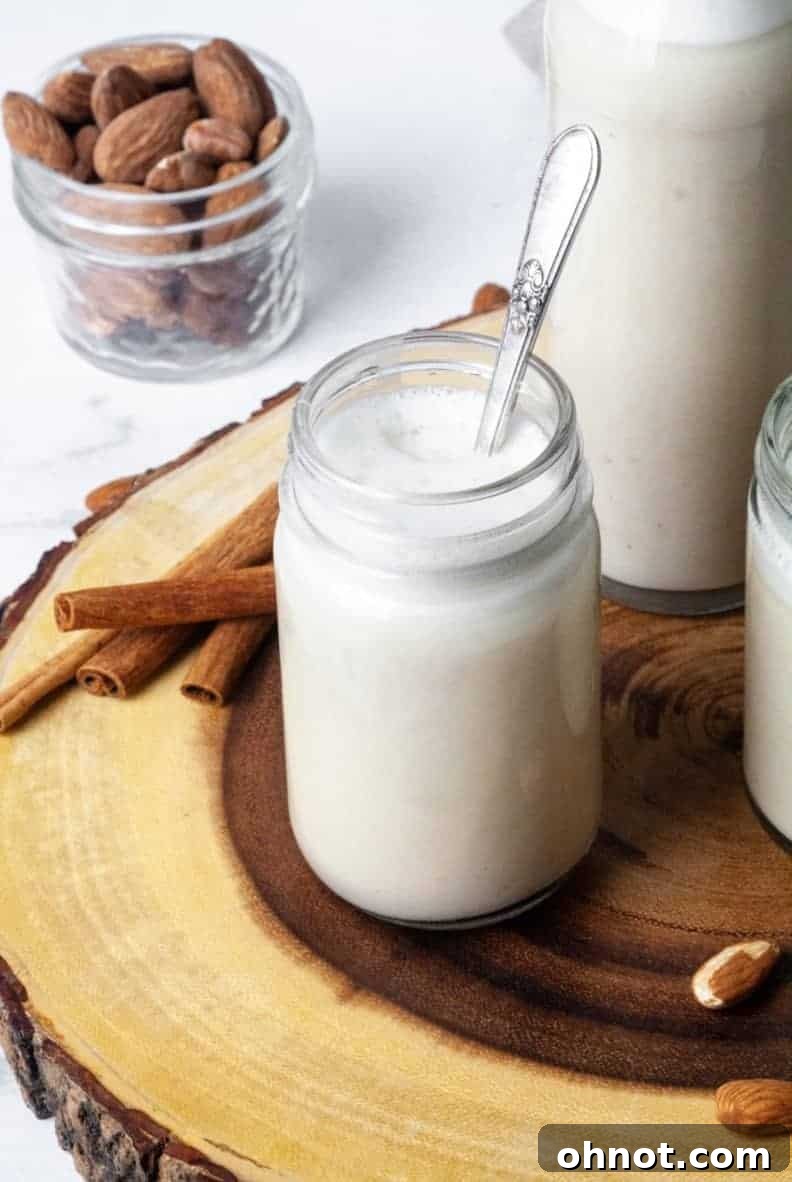
Effortlessly Craft Your Own Whole30, Paleo & Vegan Almond Milk in Minutes
Ditch the store-bought cartons and discover the unparalleled simplicity and pure deliciousness of homemade almond milk. This recipe makes crafting your own Whole30, Paleo, and Vegan-compliant almond milk easier than ever before. With just a handful of wholesome ingredients and a quick 5-minute blend, you’ll create a smooth, creamy, and healthy dairy-free alternative that truly surpasses anything you can find on supermarket shelves. Say goodbye to unwanted additives and hello to a fresh, customizable beverage that’s perfect for any lifestyle.
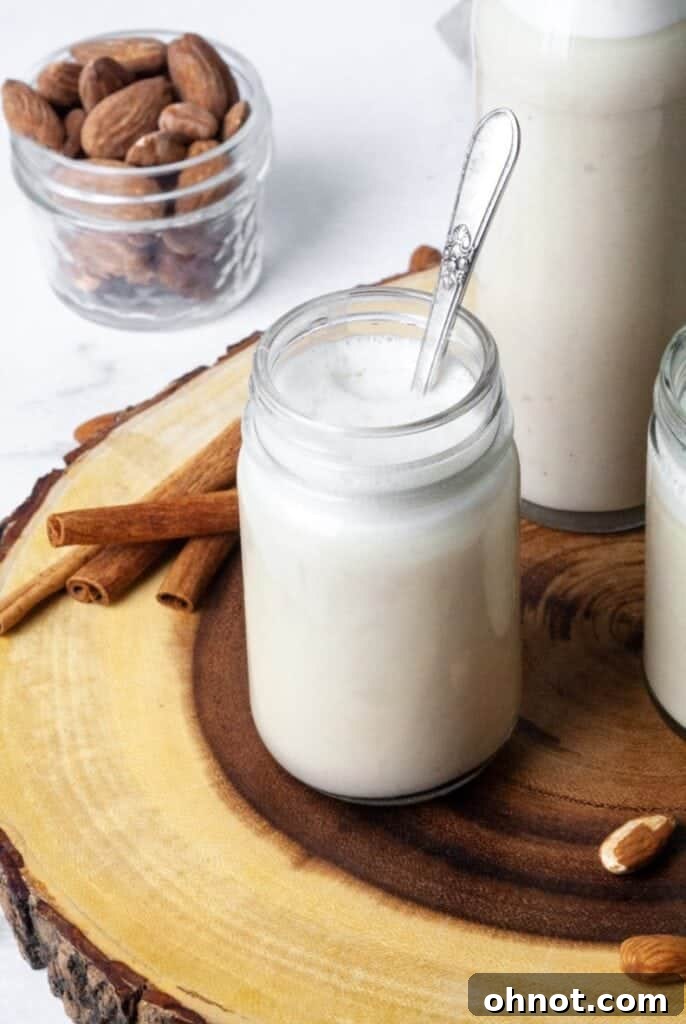
Why You’ll Love Making Your Own Almond Milk
Once you experience the ease and superior quality of homemade almond milk, you’ll likely never look back at store-bought varieties. Here’s a detailed look at why this recipe will become a staple in your kitchen:
Unmatched Health Benefits & Clean Ingredients
Many commercial almond milks, even those labeled “healthy,” often contain a surprising array of unnecessary ingredients like carrageenan, guar gum, gellan gum, emulsifiers, added sugars, and even sea salt. These additives are primarily used for texture, shelf-stability, and flavor enhancement, but they can be problematic for those with sensitive digestive systems or who are adhering to strict dietary guidelines like Whole30 or Paleo. Our homemade recipe eliminates these concerns entirely. You control every single ingredient, ensuring your almond milk is pure, wholesome, and free from anything artificial. It’s a truly clean and nourishing choice for your body.
Incredibly Easy & Quick Preparation
The thought of making your own nut milk might sound daunting, but this recipe redefines simplicity. Requiring only 4 ingredients and about 5 minutes of active preparation time, it’s a game-changer for busy individuals. Forget about soaking almonds overnight; this recipe utilizes almond flour (or blanched almond meal), which means you can whip up a fresh batch whenever the craving strikes. It’s truly a grab-and-blend process that fits seamlessly into any schedule.
Perfect for Various Dietary Needs
This homemade almond milk is a versatile option that caters to a wide range of dietary preferences and restrictions:
- Whole30 Compliant: Free from added sugars, grains, legumes, and common additives, making it fully approved for your Whole30 journey.
- Vegan & Dairy-Free: An excellent plant-based alternative to traditional dairy milk, ideal for those avoiding animal products or with lactose intolerance.
- Paleo & Gluten-Free: Aligns perfectly with the Paleo diet by being grain-free and minimally processed. Naturally gluten-free.
- Keto-Friendly: When made without dates, it’s a fantastic low-carb option.
It’s the ideal choice for anyone seeking a pure, unadulterated, and allergy-friendly milk substitute.
Customizable to Your Preferences
One of the greatest advantages of making your own almond milk is the ability to customize its texture and flavor. Want it thicker for your coffee? Just use a little less water. Prefer a lighter consistency for smoothies? Add a touch more. You can also adjust the sweetness level (if adding dates for a non-Whole30 version) and incorporate natural flavorings like a dash of vanilla extract or a pinch of cinnamon for a unique twist.
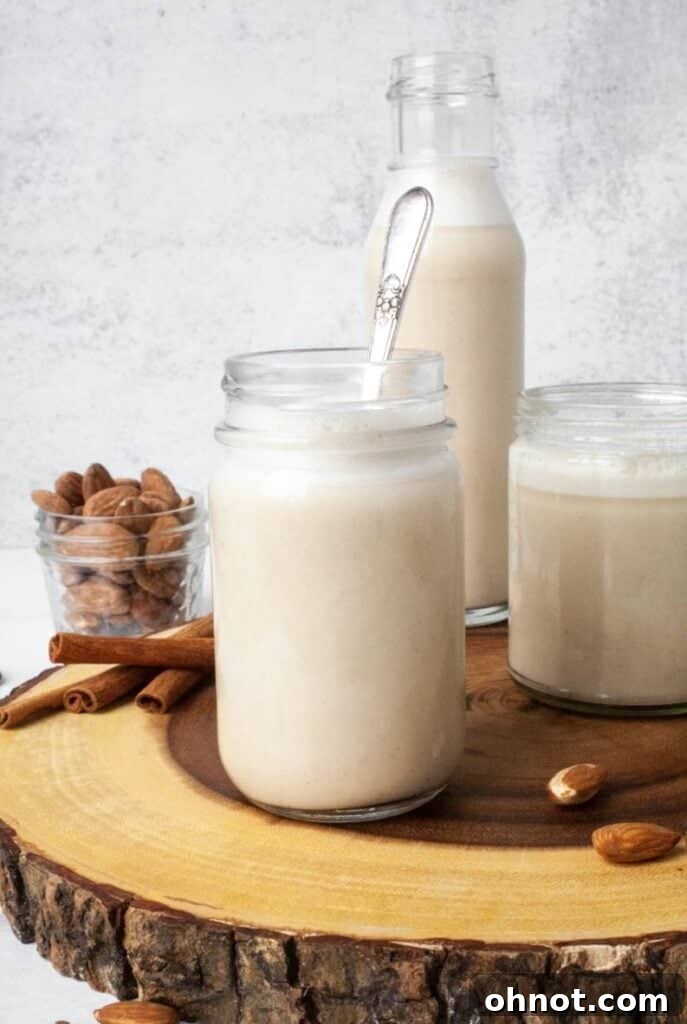
What Exactly is Almond Milk?
Almond milk is a popular plant-based beverage made from ground almonds and water. It’s often chosen as a dairy-free alternative due to its creamy texture and mild, nutty flavor. Unlike traditional dairy milks, almond milk is naturally lower in saturated fat and contains no lactose, making it easier to digest for many people. It’s also typically lower in calories and carbohydrates, especially the unsweetened varieties.
In its purest form, like the one we’re making today, it’s a simple emulsion of almond solids and water, providing a versatile liquid base for countless culinary applications. Its increasing popularity is a testament to its delicious taste and suitability for diverse diets. I personally love incorporating this fresh homemade almond milk into my Paleo Chocolate Banana Protein Smoothie and my Dairy-Free Mint Chocolate Smoothie, but its uses are truly endless!
Essential Ingredients for This Simple Recipe
The beauty of this recipe lies in its minimal ingredient list. You only need a few high-quality components to create a delicious and healthy beverage.
Almond Flour (or Almond Powder)
The star of our almond milk! We’re using almond flour or almond powder, which is essentially finely ground blanched almonds. This is key to our “no-soak” method, as the almonds are already broken down, allowing for quick extraction of flavor and nutrients without the overnight soaking step typically required for whole almonds. It also contributes to a smoother, less gritty texture in the final product. I find that Octonuts Almond Protein Powder also works wonderfully for an added protein boost!
Water Quality Matters
Since water makes up the majority of your almond milk, using filtered or purified water is highly recommended. This ensures a clean taste and avoids any unwanted flavors that might come from tap water. The ratio of water to almond flour is crucial for consistency, so we’ll start with 3 cups and adjust from there.
Optional Sweeteners & Flavorings (with Whole30 Notes)
- Pitted Dates: For a touch of natural sweetness (non-Whole30 compliant). Dates add a lovely caramel-like note and help create an even creamier texture. If you’re following Whole30, simply omit the dates.
- Cinnamon: A teaspoon of cinnamon provides a warm, comforting flavor that complements the almonds beautifully. It’s a fantastic addition for those who enjoy spiced lattes or a flavorful base for breakfast cereals.
- Vanilla Extract: (Not listed in original, but a common addition) A pure vanilla extract (ensure no added sugar for Whole30) can elevate the flavor profile.
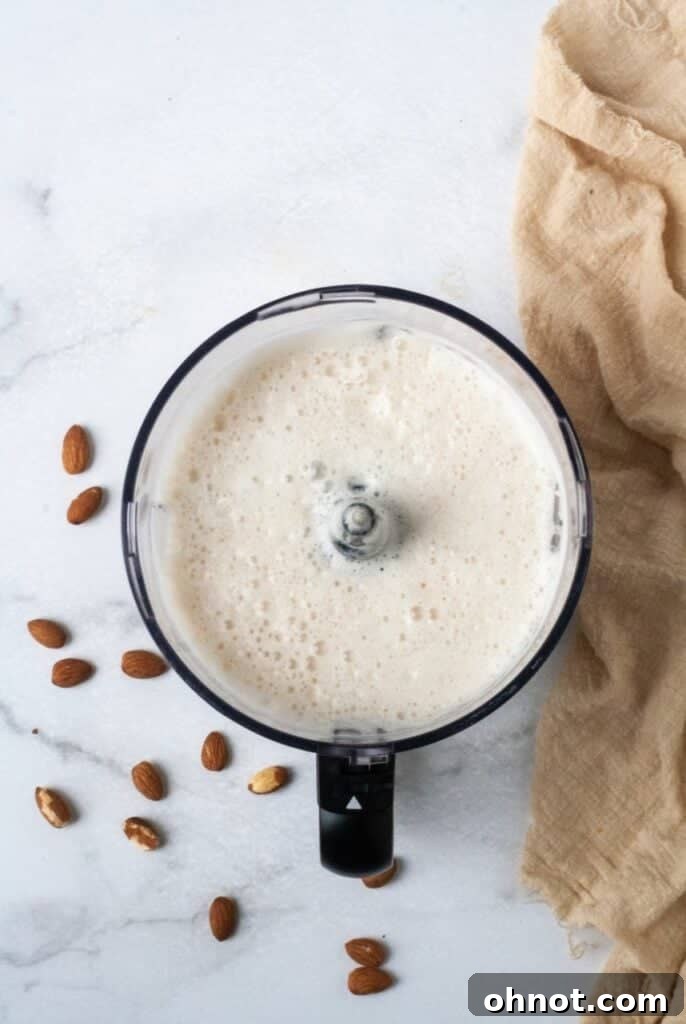
Step-by-Step Guide: Crafting Your Own Homemade Almond Milk
Making this dairy-free delight is incredibly straightforward. Follow these simple steps for perfect results every time:
Step 1: Blending for Perfection
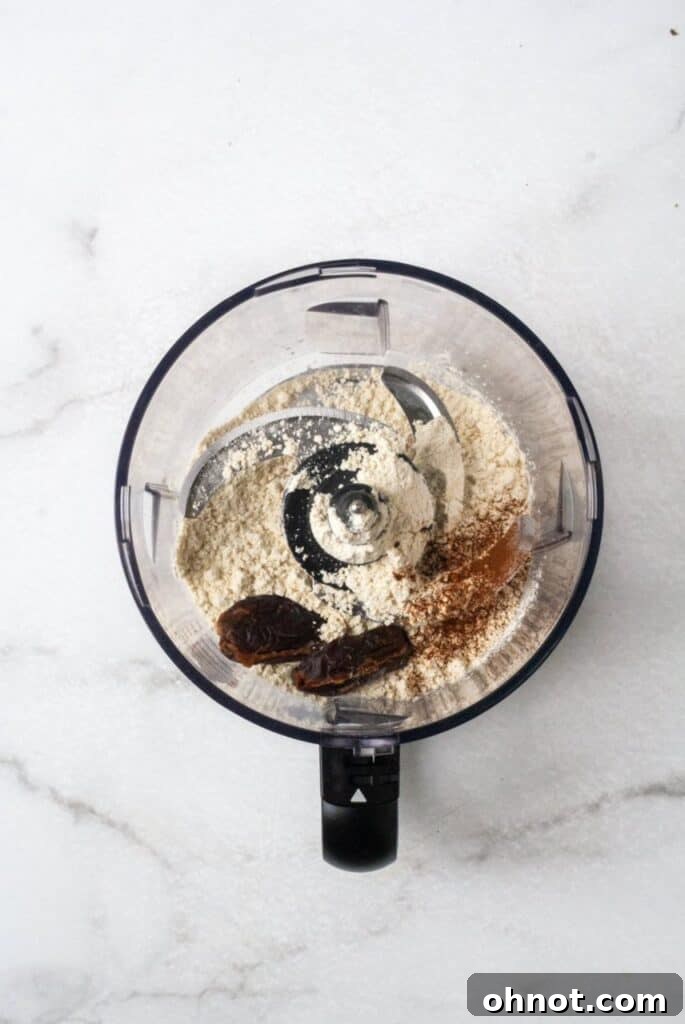
Begin by adding all your chosen ingredients — almond flour, water (start with 3 cups), optional pitted dates, and cinnamon — into a high-speed blender, such as a Vitamix. Secure the lid and blend on high speed for about 60-90 seconds, or until the mixture appears completely smooth and creamy. The powerful blades of a high-speed blender are crucial for thoroughly pulverizing the almond flour and emulsifying it with the water, creating that desirable velvety texture. If, after blending, you find the milk too thick for your liking, you can gradually add an additional 1/4 to 1 cup of water, blending briefly after each addition until you reach your desired consistency.
Step 2: The Straining Process: Achieving Silkiness
Once blended, the next crucial step is straining. Place a fine-mesh strainer, cheesecloth, or a specialized nut milk bag over a large bowl or pitcher. A nut milk bag will yield the smoothest result, but a fine strainer or double-layered cheesecloth also works effectively to separate the liquid from any remaining almond pulp.
Step 3: Pour and Strain
Carefully pour the blended almond milk mixture from the blender through your chosen straining device and into the prepared bowl or pitcher. If using a nut milk bag or cheesecloth, gently squeeze the bag or cloth to extract as much liquid as possible, ensuring you get every last drop of that creamy goodness. This step removes any residual solids, leaving you with a wonderfully smooth and silky almond milk.
Step 4: Save or Discard the Almond Pulp
After straining, you’ll be left with almond pulp in your strainer or bag. This pulp is still full of fiber and some nutrients! You can save it for various uses, such as adding to baked goods, smoothies, or even making almond pulp crackers. Alternatively, you can simply discard it, but consider its potential before tossing it out.
Step 5: Storage for Freshness
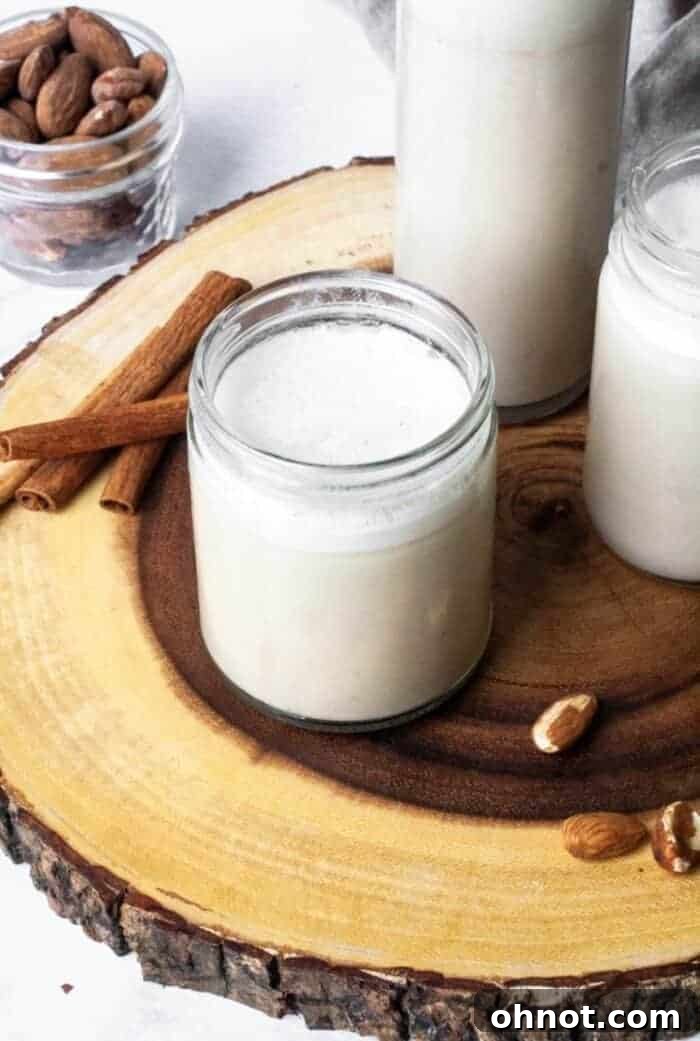
Transfer your freshly made almond milk into an airtight container or glass jar. Store it in the refrigerator. Homemade almond milk, being free of preservatives, is best enjoyed fresh and will typically last for up to 5 days. Remember to give it a good shake before each use, as some natural separation may occur.
Pro Tips for the Best Homemade Almond Milk
Elevate your homemade almond milk experience with these helpful tips:
Adjusting Consistency
The water-to-almond-flour ratio is flexible. For a thicker, richer milk (great for coffee or sauces), start with 3 cups of water. For a thinner, lighter milk (ideal for cereal or drinking), add up to 4 cups of water, or even a little more, in 1/4 cup increments until you achieve your preferred consistency. Remember to blend briefly after each addition.
Maximizing Flavor
While dates and cinnamon are excellent additions, don’t hesitate to experiment! A tiny pinch of pure vanilla extract (ensure no added sugar for Whole30) can round out the flavor profile beautifully. For a touch of natural sweetness that’s not from dates, you could consider a very small amount of maple syrup (not Whole30) or a few drops of stevia if you prefer. Always taste and adjust to your liking.
What to Do with Almond Pulp
Don’t let that leftover almond pulp go to waste! It’s a fantastic ingredient. You can:
- Add to Smoothies: Boost the fiber content of your next smoothie.
- Bake with it: Incorporate it into muffins, cookies, or bread for added moisture and fiber.
- Make Crackers: Dehydrate it with some seasonings for a crunchy, healthy snack.
- Compost it: If you’re not going to use it, it’s a great addition to your compost bin.
Serving Suggestions: How to Enjoy Your Homemade Almond Milk
Your freshly made almond milk is incredibly versatile. Here are some popular ways to enjoy it:
- Smoothies & Shakes: The perfect creamy base for your favorite fruit and protein smoothies.
- Coffee & Tea: A delicious dairy-free creamer for your morning brew. For best frothing results, gently warm it before whisking.
- Cereal & Oatmeal: Pour it over your breakfast cereals or cook your oatmeal with it for a nutty flavor.
- Baking & Cooking: Substitute dairy milk in most recipes, from pancakes and muffins to creamy soups and sauces.
- Overnight Oats & Chia Puddings: An excellent liquid for preparing healthy overnight breakfasts.
- Drinking Straight: Enjoy it chilled on its own for a refreshing, wholesome beverage.
Frequently Asked Questions About Homemade Almond Milk
Can you freeze almond milk?
While technically possible, freezing almond milk is generally not recommended. The consistency will be significantly altered. Upon thawing, the water and solids tend to separate, resulting in a grainy or watery texture that’s less palatable than fresh milk. If you must freeze it, consider doing so in ice cube trays for smaller portions to use in smoothies or cooking, where the texture change is less noticeable.
What milk is best for Paleo?
For those following a Paleo diet, unsweetened almond milk, cashew milk, and macadamia nut milk are excellent choices. These options are derived from nuts, which are generally considered Paleo-friendly as they are free from grains and legumes. Coconut milk (full-fat or light) is also a popular Paleo milk alternative, particularly for cooking and adding richness. I personally find almond milk to be the most versatile and enjoyable for everyday use due to its mild flavor.
Which almond milk is Whole30 compliant?
When selecting store-bought almond milk for Whole30, it’s crucial to read labels meticulously. Look for unsweetened varieties with a minimal ingredient list. Avoid any products containing added sugars (including natural sweeteners like maple syrup, honey, or agave), soy, MSG, sulfites, carrageenan, or other gums and additives like gellan gum or guar gum. Califia Farms Unsweetened Almond Milk and Malk Organics Unsweetened Almond Milk are often good choices, but always double-check the current ingredient list as formulations can change. Making it at home, as with this recipe, guarantees compliance!
Can you have unsweetened almond milk on Whole30?
Yes, unsweetened almond milk is fully compliant with the Whole30 program, provided that all its other ingredients are also Whole30 approved. This means no added sugars (natural or artificial), no carrageenan, no soy, and no other non-compliant additives. Our homemade recipe is designed to be perfectly compliant.
Can you froth almond milk?
Yes, you can absolutely froth almond milk! For best results, use fresh, cold homemade almond milk. Whole almonds generally produce a milk with a slightly higher fat content which can froth better than those made with almond flour. However, you can still achieve a nice foam with this recipe. Gently heat the milk on the stovetop or in the microwave until it’s warm (not boiling), then use a frothing wand, an espresso machine’s steam arm, a French press, or even a whisk to create a creamy foam for your lattes and cappuccinos.
What is the difference between almond milk and oat milk?
The primary difference lies in their base ingredients: almond milk is made from almonds, while oat milk is made from oats. Nutritionally and dietarily, they also differ significantly. Oat milk is NOT Paleo, grain-free, or Whole30 approved because oats are a grain. Oat milk often has a naturally sweeter taste and a creamier texture than almond milk, making it popular for coffee. However, it typically contains more carbohydrates and sugars (even unsweetened versions, due to the natural breakdown of starches during processing) compared to unsweetened almond milk.
What is the difference between almond milk and cashew milk?
Almond milk is derived from almonds, and cashew milk is made from cashews. Both are popular nut milks that share many similarities in taste, texture, and consistency, often being smooth and creamy. Cashew milk tends to be slightly richer and can sometimes have an even creamier mouthfeel than almond milk. Both are generally Paleo, Vegan, and (if unsweetened and additive-free) Whole30 compliant, offering excellent dairy-free alternatives.
More Healthy & Delicious Recipes You’ll Love
Looking for more ways to incorporate healthy, whole foods into your diet? Explore some of my other popular recipes:
- Dairy-Free Mint Chocolate Smoothie
- The Ultimate Guide to Whole30
- The Best Whole30 Approved Products
- Whole30 Meal Plan Week 1
- Paleo Chocolate Banana Protein Smoothie
If you make this recipe, I would love to see it! You can find me on Instagram, Facebook, and Pinterest. I would love for you to follow along! Check out my Whole30 Recipes page for even more Whole30 ideas and inspiration.
5 mins
0 mins
5 mins
Get the Recipe:
Homemade Whole30 Almond Milk in the Vitamix
Ingredients
- 1 cup almond flour, or almond powder
- 3 to 4 cups water, see notes
- 2 pitted dates, omit for Whole30
- 1 tsp cinnamon
Instructions
-
First, add all ingredients to Vitamix or high-speed blender.
-
Start with 3 cups of water, adding more if milk is too thick.
-
Blend on high until smooth and creamy.
-
Next, place a fine strainer, cheesecloth, or nut milk bag over a large bowl.
-
Pour the almond milk from the blender through the strainer into the bowl.
-
Save or discard any pulp left in strainer.
-
Lastly, store almond milk in airtight container in the fridge for up to 5 days.
Notes
- Use either almond flour or almond powder. I love the Octonuts Almond Protein powder.
- Start with only 3 cups of water in Vitamix. Add more water, 1/4 cup at a time if milk is too thick.
- Use a fine strainer, cheesecloth, or nut milk bag to strain milk.
- Store almond milk in the fridge for up to 5 days. It will go bad after that.
- Nutrition facts include both almond pulp and dates, which are mostly strained out. The actual calories in the final liquid milk are much lower.
Calories:
169kcal
,
Carbohydrates:
9g
,
Protein:
6g
,
Fat:
14g
,
Saturated Fat:
1g
,
Sodium:
9mg
,
Potassium:
25mg
,
Fiber:
4g
,
Sugar:
3g
,
Vitamin A:
2IU
,
Vitamin C:
1mg
,
Calcium:
70mg
,
Iron:
1mg
Addison LaBonte
Breakfast
American
Have you signed up for my free newsletter? You can sign up here to receive healthy meal plans and new recipes directly to your inbox!