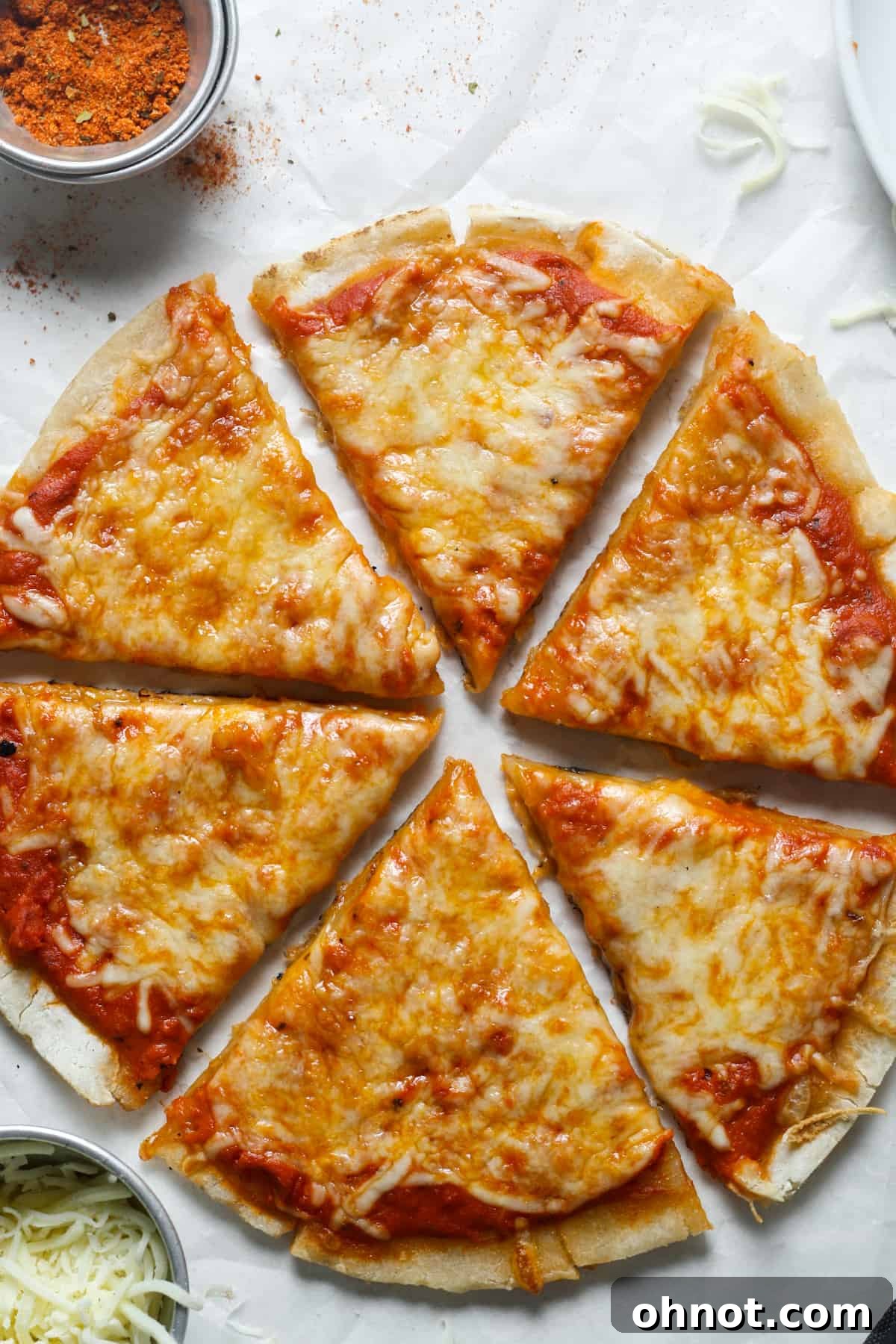
The Ultimate Sourdough Pizza Crust: Flavorful, Chewy, and Perfectly Homemade
Prepare to elevate your pizza night with this exceptional sourdough pizza crust! Boasting an incredibly delicious flavor and a satisfyingly chewy, doughy texture, this homemade crust is a game-changer. Forget mediocre store-bought options; our recipe transforms leftover sourdough discard into a culinary masterpiece. This comprehensive, step-by-step guide will walk you through creating a sourdough discard crust that’s not just good, but truly unforgettable.
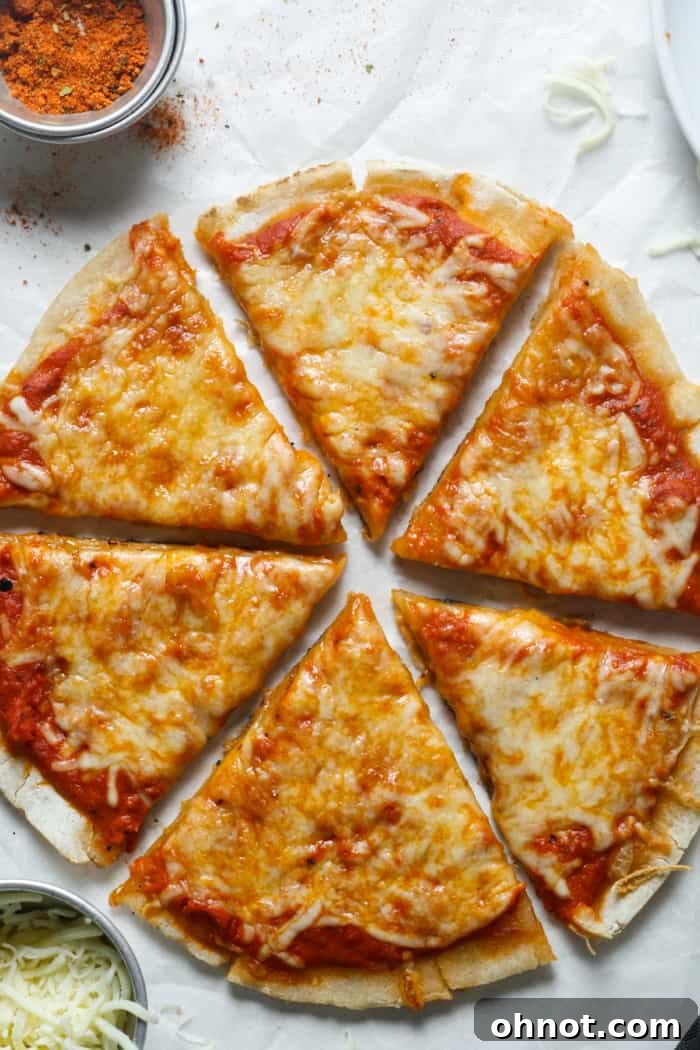
Why You’ll Love This Sourdough Pizza Crust Recipe
- Unrivaled Flavor: The inherent tang of sourdough combined with a slight sweetness creates a complex, irresistible flavor profile that far surpasses conventional pizza dough.
- Perfect Texture: Experience the ideal combination of a chewy interior, a wonderfully doughy core, and a delightfully crispy exterior, especially when cooked in a cast iron skillet.
- Naturally Leavened: This recipe harnesses the power of wild yeast present in your sourdough starter, eliminating the need for any added commercial yeast. This natural fermentation contributes to both flavor and digestibility.
- Enhanced by Cast Iron: Cooking the crust in a hot cast iron skillet imparts a unique, smoky flavor reminiscent of a wood-fired oven, adding an extra layer of gourmet appeal.
- Quick & Easy Assembly: Once your dough has completed its resting period, the actual pizza assembly and baking process is remarkably fast, making it perfect for weeknight dinners.
- Dietary Adaptability: Whether you prefer traditional ingredients or require a gluten-free option, this versatile recipe can be easily adapted to suit your needs and dietary preferences.
- Endless Customization: Serve as a blank canvas for all your favorite toppings, from classic pepperoni and cheese to gourmet vegetable combinations.
- Allergen-Friendly Base: This crust recipe is naturally free from nuts, eggs, and added sugar, making it a great choice for those with specific dietary restrictions.
- Explore More Crusts: For other delightful alternatives, don’t miss our Paleo Pizza Crust and Gluten Free Pizza Crust recipes.
Essential Ingredients & Smart Substitutions
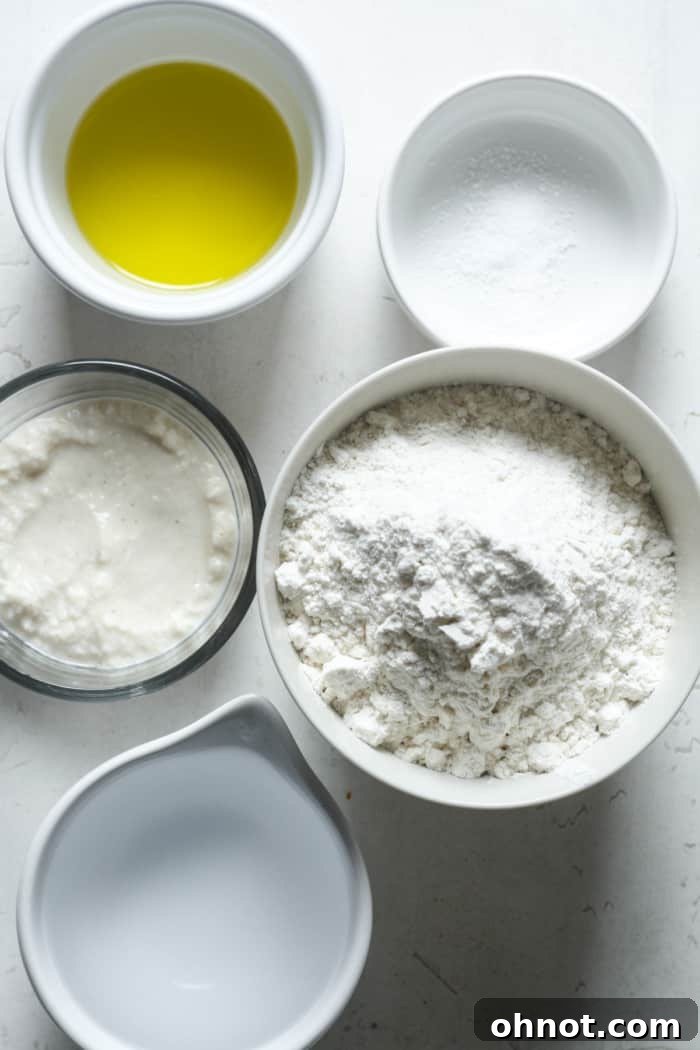
Crafting the perfect sourdough pizza crust begins with quality ingredients. Here’s a closer look at what you’ll need and potential substitutions to ensure success. For a complete list and detailed instructions, please refer to the recipe card below.
Sourdough Starter Discard: This recipe is an excellent way to utilize your sourdough discard. Both active sourdough starter and discard will work beautifully. For a gluten-free crust, ensure you use a gluten-free sourdough discard.
Flour: You have the flexibility to use either all-purpose flour or a 1-to-1 gluten-free flour blend. It’s crucial to select the correct type; do not use almond flour, coconut flour, oat flour, or any Keto-specific flour, as these have different absorbency rates and gluten structures (or lack thereof) that will not yield the desired pizza crust texture.
Olive Oil: A touch of olive oil adds essential moisture and a lovely richness to the dough. Avocado oil can be used as a suitable alternative if preferred.
Sea Salt: A pinch of sea salt is vital for enhancing the overall flavor of your crust, complementing the tang of the sourdough.
Water: Water is the binding agent that brings all the ingredients together, forming a cohesive and workable dough.
Toppings: Once your crust is prepared, the fun begins with your favorite pizza sauce, cheese, and an array of toppings. Consider classic pepperoni, cooked chicken, crispy bacon, savory ham, ground beef, vibrant peppers, sweet onions, fresh spinach, briny olives, aromatic pesto, or any other creative combinations your heart desires!
Unforgettable Taste & Texture Profile
The flavor of this sourdough pizza crust transcends that of typical pizza dough. It carries the familiar comforting taste of classic pizza, but with an added depth and subtle tang from the naturally fermented sourdough. This unique yeast flavor is distinct and incredibly satisfying. Furthermore, baking in a cast iron skillet infuses the crust with a desirable “wood-fired” essence, creating a rustic and authentic taste experience.
In terms of texture, this sourdough pizza crust truly shines. It strikes a harmonious balance, offering a delightful chewiness that yields to a soft, doughy interior, all while maintaining a pleasant crispness on the bottom and edges. Each bite offers a satisfying mouthfeel that makes this pizza a standout.
The Sourdough Secret: Harnessing Discard for Perfect Pizza
Sourdough discard, often seen as a byproduct of maintaining a sourdough starter, is actually a hidden gem for baking. Unlike an active, “fed” starter, discard refers to the portion of your starter that has passed its peak activity but still contains a wealth of flavor and dormant wild yeasts. Using discard in this pizza recipe is brilliant for several reasons:
- Waste Reduction: It’s an eco-friendly and economical way to use up what would otherwise be thrown away, making the most of your sourdough journey.
- Flavor Development: Even discard contributes to the signature sourdough tang. While it might not provide the same vigorous rise as an active starter, its fermented nature adds depth and complexity to the crust’s flavor.
- Easier Handling: Discard dough tends to be slightly less active, which can sometimes make it more manageable for those new to sourdough baking.
- Improved Digestibility: The prolonged fermentation process that sourdough undergoes can break down complex carbohydrates and gluten, potentially making the pizza crust easier to digest for some individuals, even if it’s not truly gluten-free.
Embracing sourdough discard in your pizza crust is a testament to sustainable baking and a shortcut to an incredibly flavorful meal.
Crafting Your Sourdough Pizza Crust: A Step-by-Step Guide
Follow these detailed steps to create a show-stopping sourdough pizza crust right in your own kitchen.
Step 1: Understand Your Ingredients
This recipe is incredibly adaptable, allowing for both gluten-free and regular ingredients. Be aware that the final results will differ slightly in terms of rise and texture depending on your choice of flour and sourdough discard. Gluten-free versions typically won’t rise as much as traditional wheat-based doughs.
Step 2: Mix the Dough by Hand
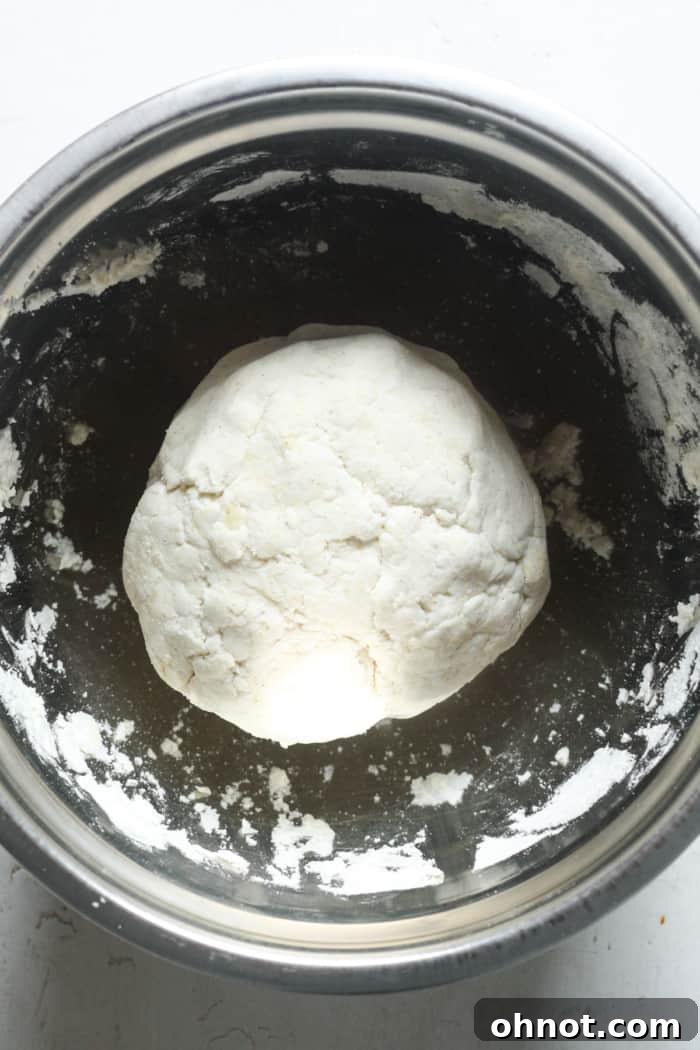
In a spacious mixing bowl, combine your sourdough discard, chosen flour (all-purpose or 1-to-1 gluten-free), olive oil, sea salt, and water. Crucially, use your hands to mix these ingredients. The warmth of your hands and direct contact will help the dough come together efficiently and allow you to feel its consistency. Continue mixing and kneading gently within the bowl until a cohesive ball of dough forms.
Step 3: The Overnight Rest for Flavor Development
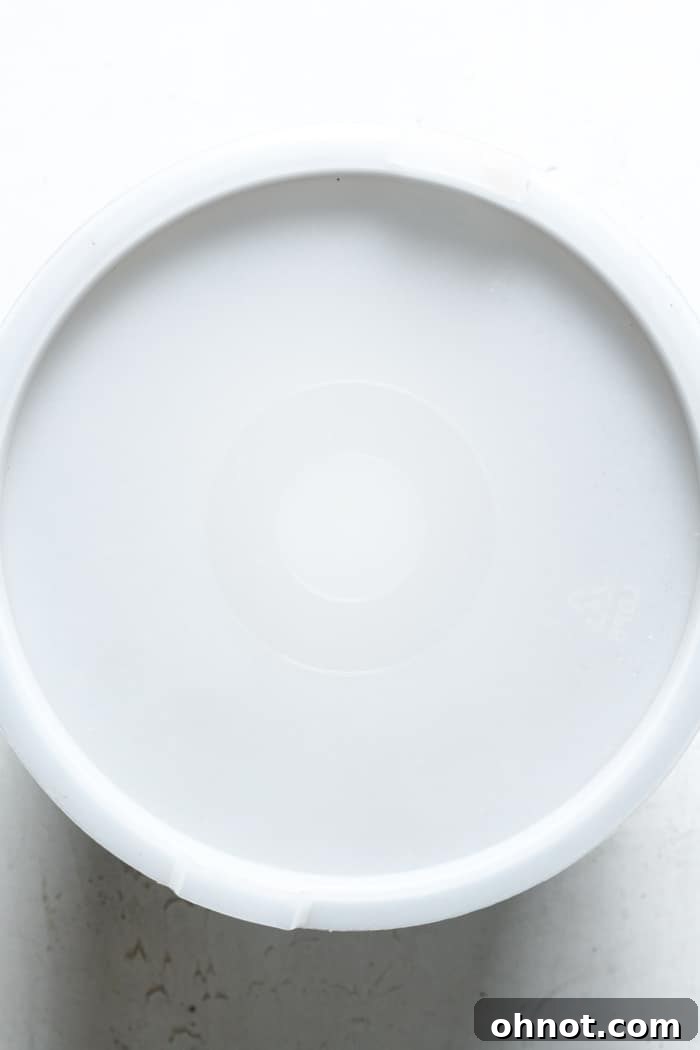
Once your dough ball is formed, cover the mixing bowl tightly with a lid or plastic wrap. Place the bowl at room temperature for a full 24 hours. This extended resting period allows the sourdough’s wild yeasts to slowly ferment the dough, developing its complex flavor and characteristic tang. This step is essential for the unique sourdough character.
Step 4: Preheat Oven & Prepare Cast Iron
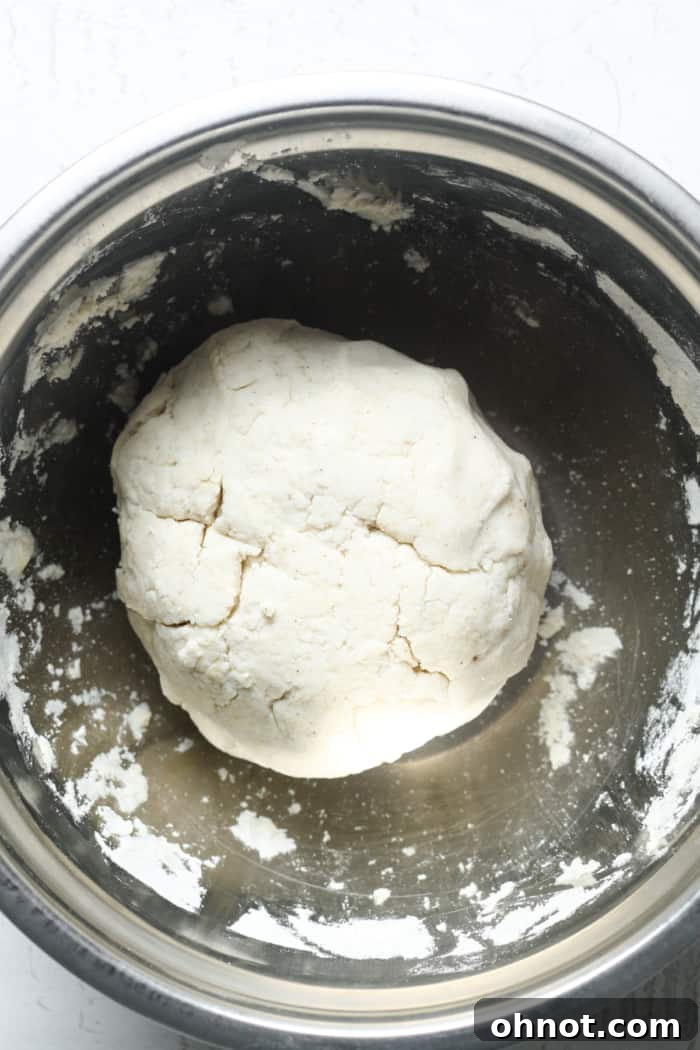
After 24 hours, you’ll observe differences in your dough: regular wheat dough will have visibly risen, while gluten-free dough will likely maintain a similar size. Now, preheat your oven to a high temperature of 500 degrees Fahrenheit (260 degrees Celsius). As the oven heats, place a large cast iron skillet inside to warm up thoroughly. A scorching hot skillet is key to achieving a crispy crust.
Step 5: Roll Out the Dough
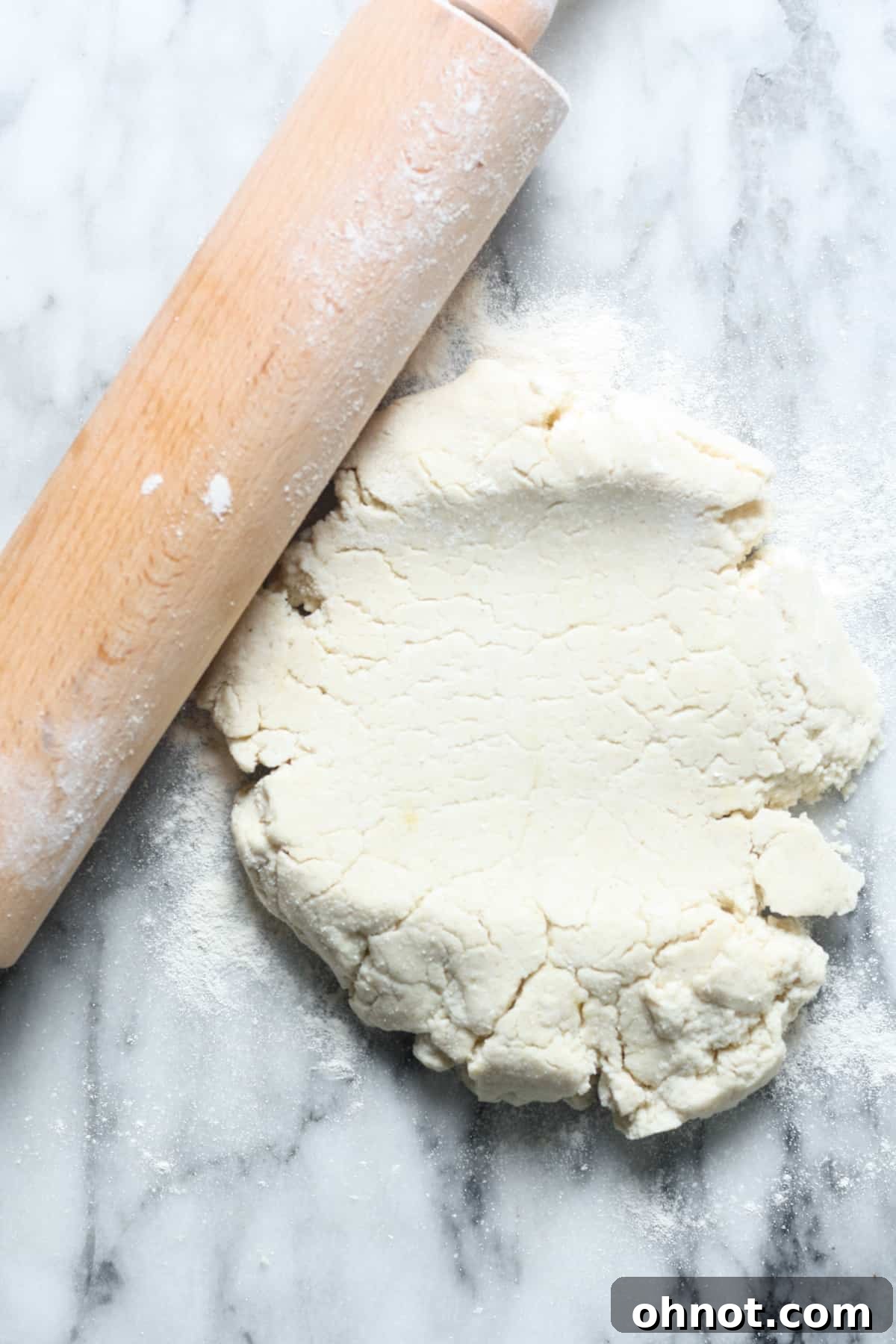
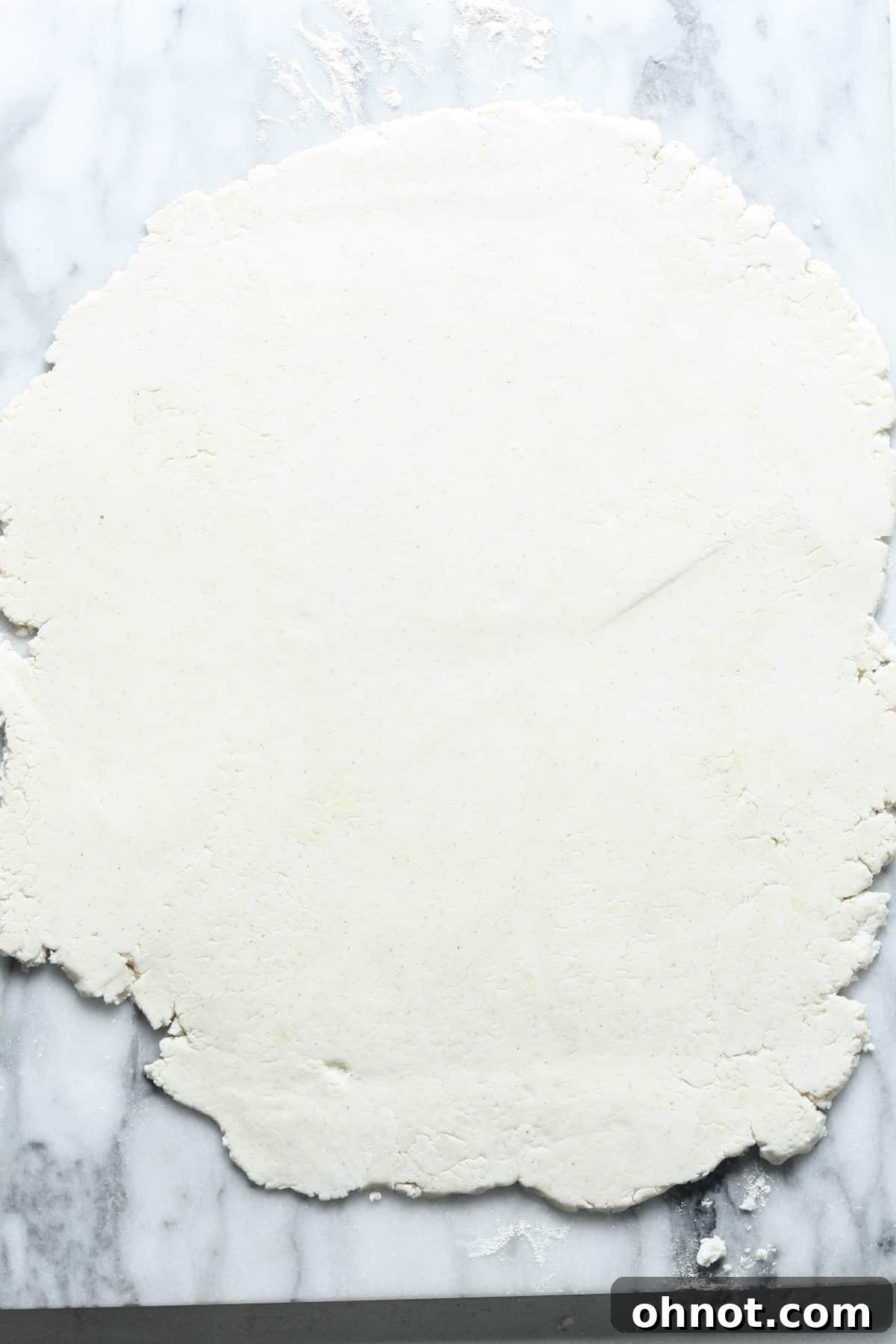
Lightly flour your clean working surface and your rolling pin. Carefully transfer the rested dough onto the floured surface. Gently roll out the pizza dough into a circular shape, aiming for an even thickness of approximately ¼ inch (0.6 cm). Ensure it’s large enough to fit comfortably in your cast iron skillet. If using gluten-free dough, handle it gently as it may be more prone to tearing.
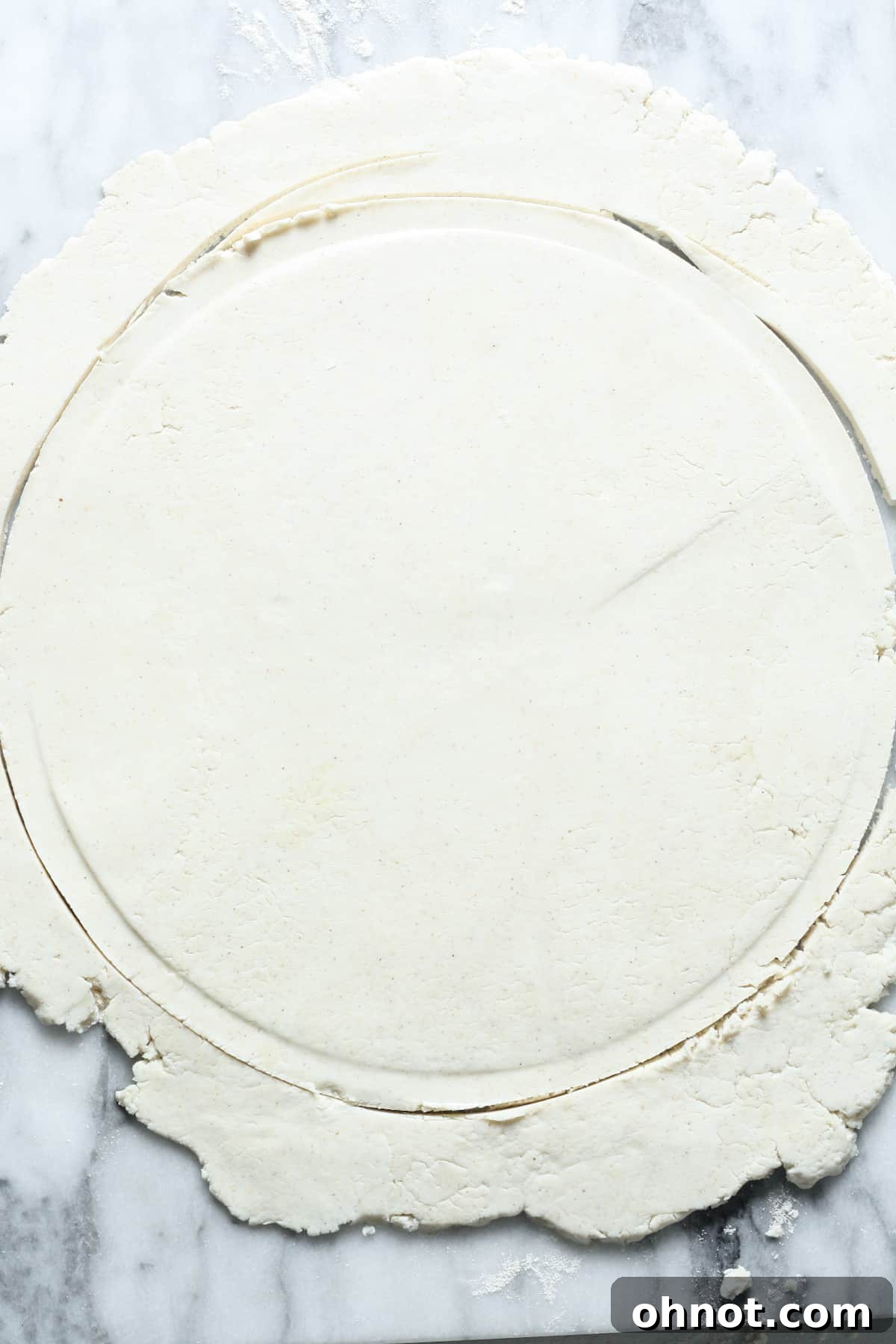
Step 6: Transfer to the Hot Skillet
Using oven mitts, carefully remove the scorching hot cast iron skillet from the preheated oven. Place it on a heat-safe surface. Then, with extreme caution, gently lay the rolled-out pizza dough into the hot skillet. The dough should immediately begin to sizzle slightly upon contact.
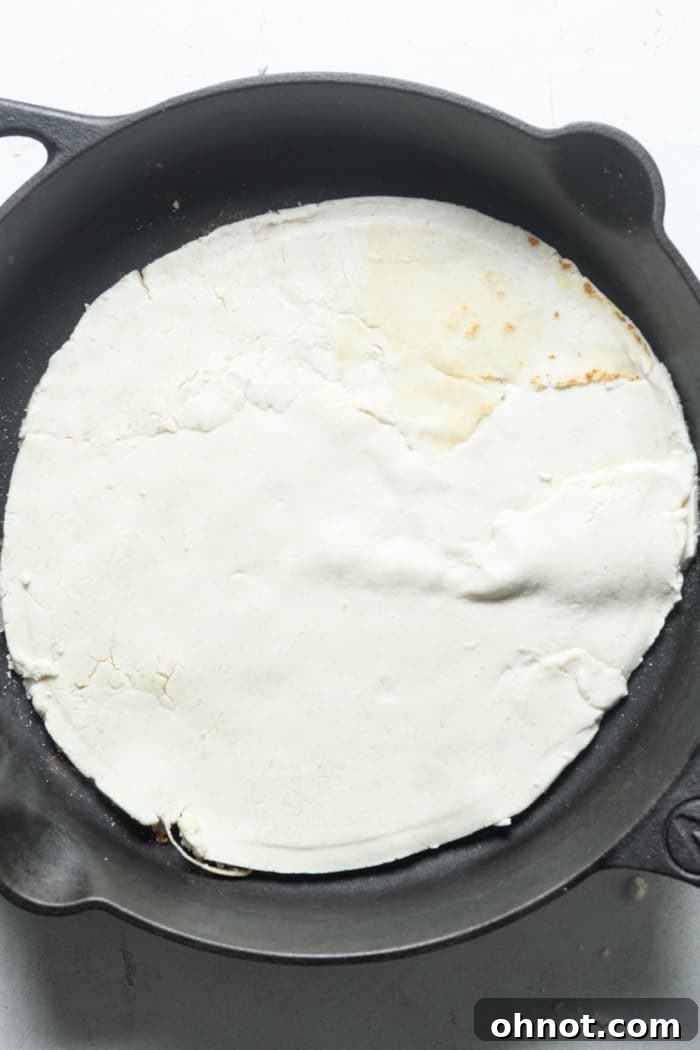
Step 7: Stovetop Searing for Crispness
Immediately place the hot skillet containing the dough onto your stovetop burner. Cook over medium heat for approximately 5 minutes. This crucial step pre-cooks the bottom of the crust, ensuring it becomes beautifully golden and crisp, preventing a soggy bottom. The crust should no longer appear wet when ready.
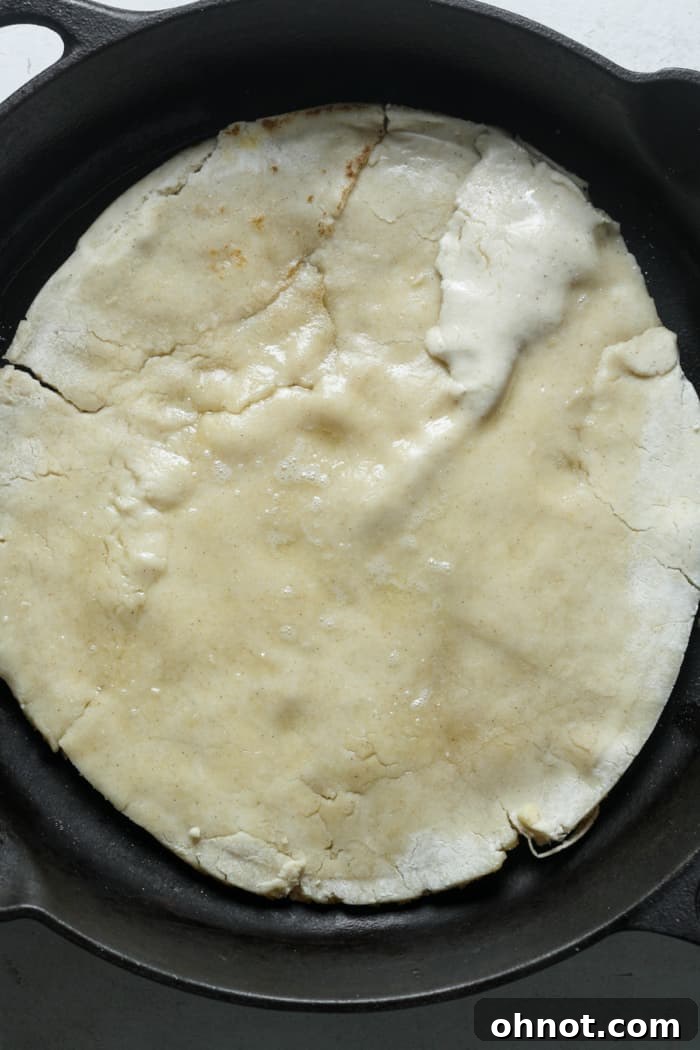
Step 8: Top It Up
Once the bottom crust is seared, turn off the stovetop heat. Now, swiftly add your favorite pizza sauce, sprinkle generously with cheese, and arrange your desired toppings over the crust. Work quickly to minimize heat loss from the skillet.
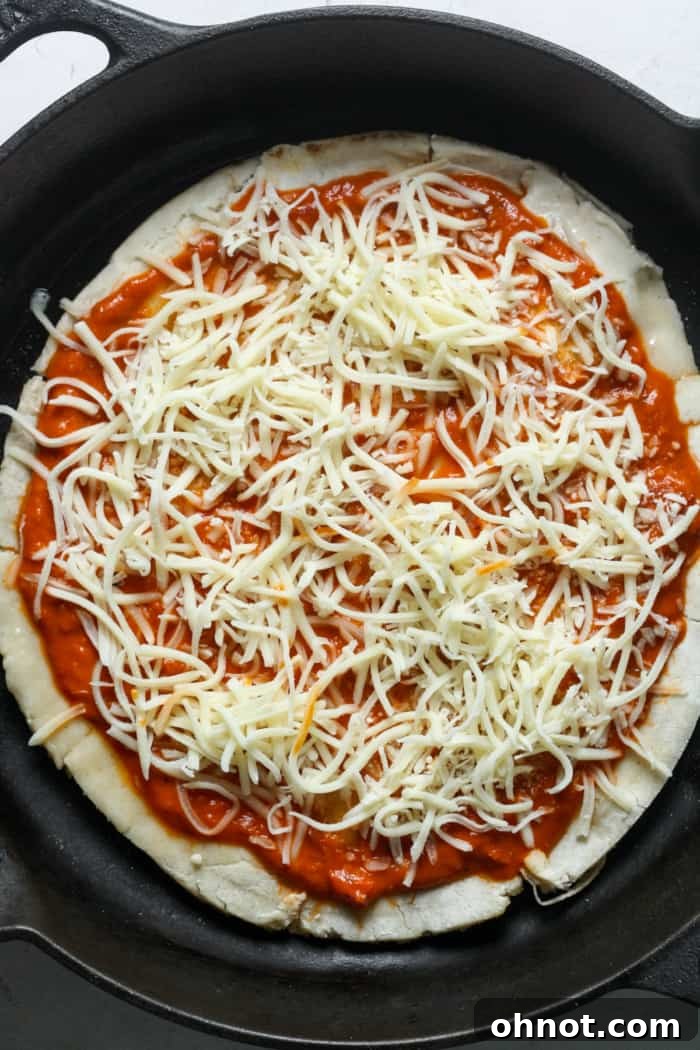
Step 9: Oven Baking to Perfection
Transfer the skillet with your topped pizza into the preheated 500 degrees Fahrenheit (260 degrees Celsius) oven. Bake for 5 to 10 minutes, or until the cheese is completely melted, bubbly, and the crust edges are golden brown. Keep a close eye on it to prevent burning.
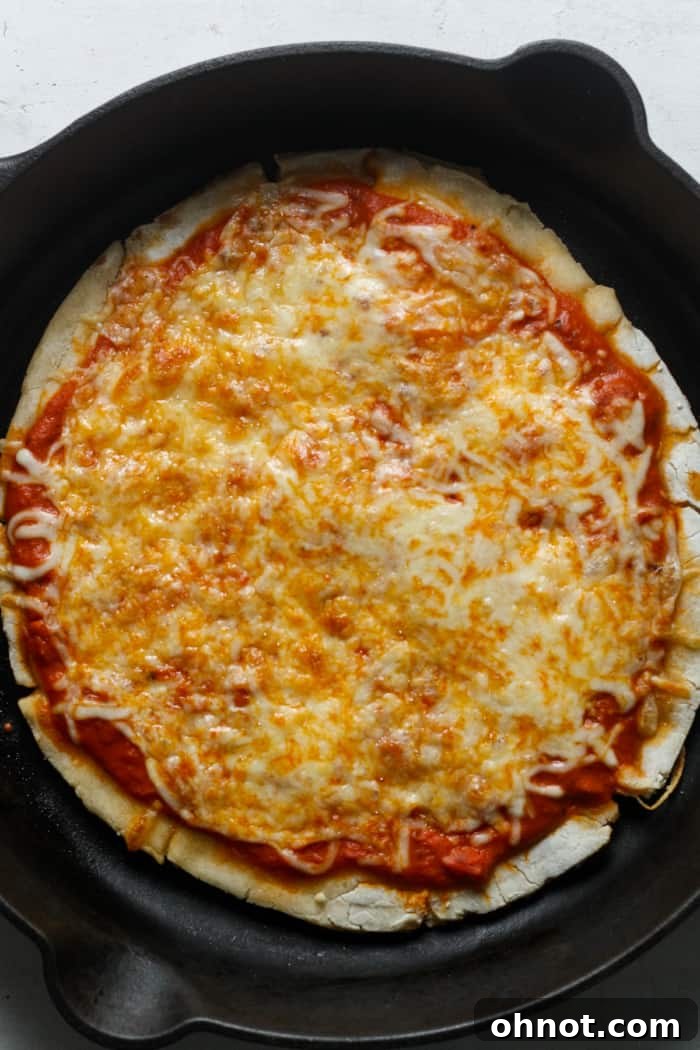
Step 10: Slice & Savor
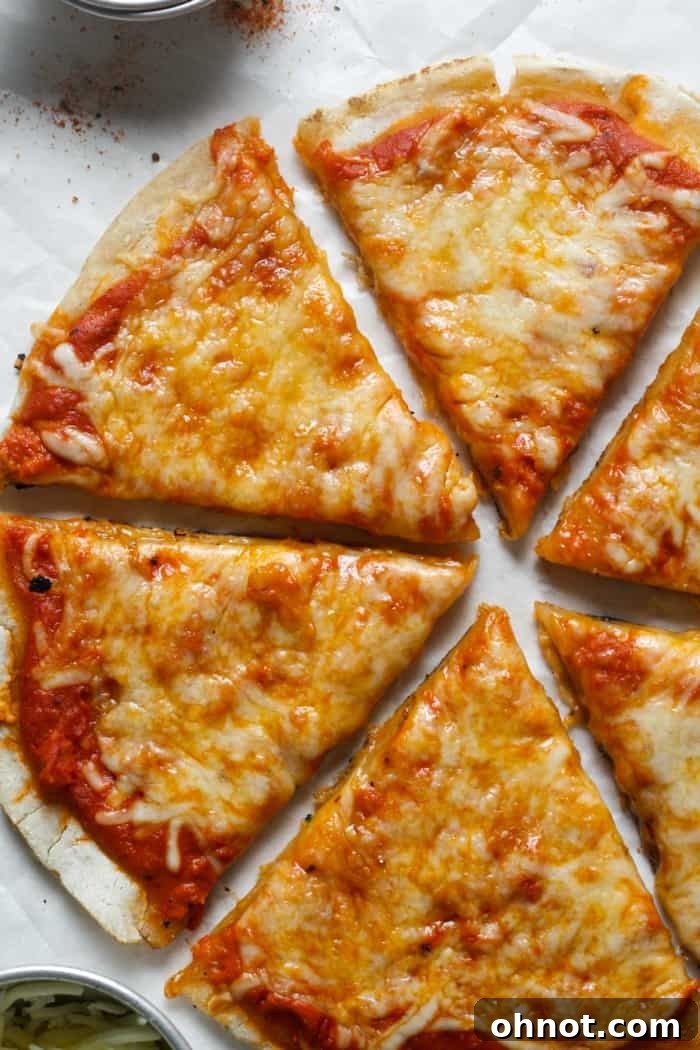
Carefully remove the piping hot sourdough pizza from the oven using oven mitts. Let it rest for a minute or two before slicing into wedges. Serve immediately and enjoy your homemade sourdough pizza masterpiece!
Expert Tips for Pizza Perfection
- Versatility is Key: This recipe is robust enough to yield fantastic results whether you opt for regular wheat flour and sourdough discard or their gluten-free counterparts.
- Dough Consistency: Strive for a dough that mirrors the texture of traditional pizza dough – supple, elastic, and not overly sticky. If it feels too wet, add a tiny bit more flour; too dry, a few drops of water.
- Ideal Thickness: Roll your pizza dough to a consistent ¼ inch (0.6 cm) thickness. Dough that is too thin might become brittle and burn easily, while excessively thick dough could result in an undercooked or overly dense center.
- Generous Flour for Rolling: Don’t be shy with flour when rolling out the dough. Lightly flour both your working surface and your rolling pin to prevent sticking, especially when working with gluten-free dough which can be tackier.
- Prevent Underbaked Dough: Ensuring the dough is rolled to the correct thickness and pre-cooked on the stovetop prevents the center from remaining raw or gummy.
- Cast Iron Caution: Always handle the cast iron skillet with extreme care, using thick oven mitts. It will become incredibly hot and retain heat for a long time.
- Monitor Oven Baking: While in the oven, keep a vigilant eye on your pizza. Ovens vary, and cheese can go from perfectly melted to burnt quickly. Bake until the cheese is beautifully golden and bubbling.
- Craving a Quicker Fix? If time is of the essence, consider whipping up this super fast and easy Tortilla Pizza for a simple meal.
Gluten-Free Sourdough Pizza: What to Expect
One of the fantastic aspects of this sourdough pizza crust recipe is its adaptability for both gluten-free and regular ingredients. While both versions deliver absolutely delicious pizza crusts, there are a few key differences you should be aware of:
- Rise Factor: The most noticeable difference lies in the rise. A regular dough, containing gluten, will typically experience a significant increase in size overnight as the yeast ferments. Gluten-free dough, lacking the protein structure of gluten, will show minimal to no change in size during the resting period. This is perfectly normal and expected.
- Handling & Tearing: Gluten provides elasticity and strength to dough. Consequently, gluten-free dough may be more delicate and prone to tearing when rolling it out. Don’t fret if this happens! Since there’s no gluten network to worry about “overworking,” you can simply patch up any tears and continue shaping.
- Preventing Gumminess: Gluten-free dough can sometimes have a stronger tendency to become gummy or dense if not cooked properly. It’s especially important to ensure you thoroughly cook the gluten-free dough in the cast iron skillet on the stovetop until the middle is no longer gooey or wet. This initial sear is critical for a pleasant texture.
- Dietary Benefits: The gluten-free version is an excellent option for individuals with Celiac disease, gluten sensitivities, or food allergies. It allows everyone to enjoy the incredible taste of homemade sourdough pizza!
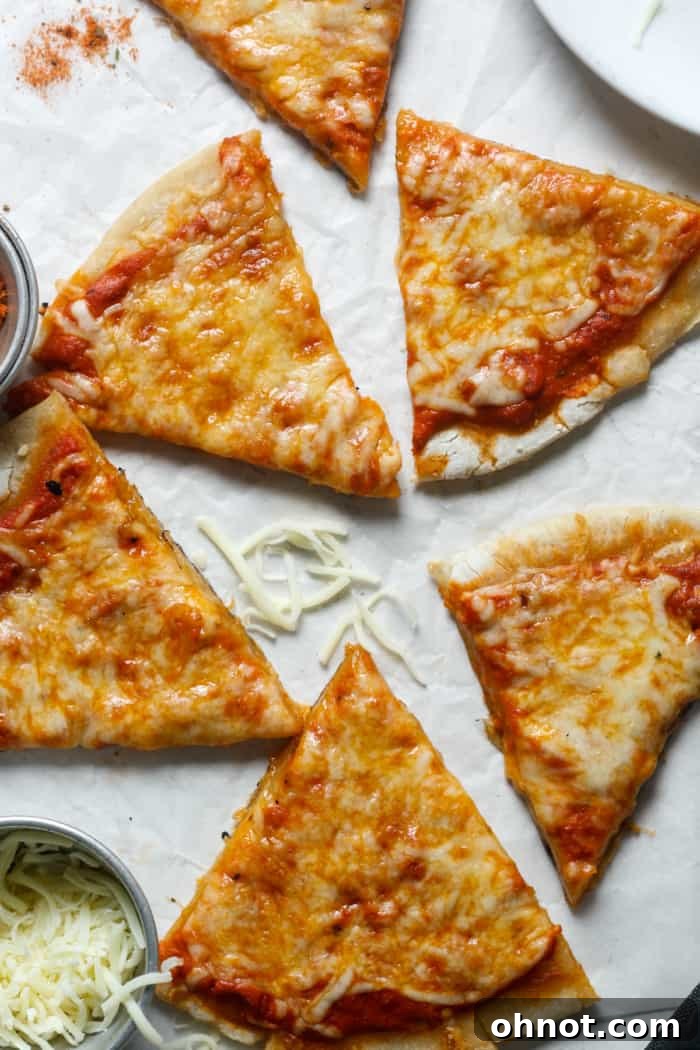
Serving Suggestions & Storage Secrets
This versatile sourdough pizza crust is best served hot, fresh from the oven, adorned with your chosen toppings. For a well-rounded meal, consider pairing it with a crisp side salad or a medley of roasted vegetables.
Should you have any delectable leftovers, store them in an airtight container in the refrigerator for up to 4 days. This ensures they remain fresh and ready for a quick reheat.
To reheat your sourdough pizza, simply bake it in an oven at 300 degrees Fahrenheit (150 degrees Celsius) until it’s warmed through and the cheese is slightly re-melted. Alternatively, for a quicker and crispier reheat, air fry slices at 300 degrees Fahrenheit (150 degrees Celsius) for 3 to 4 minutes.
Frequently Asked Questions About Sourdough Pizza
Absolutely! Sourdough is an excellent choice for pizza crust. Its natural fermentation process imparts a rich, complex flavor and a wonderfully chewy texture that many find superior to traditional doughs.
The primary difference lies in the leavening agent. Sourdough pizza dough relies on a sourdough starter, which contains naturally occurring wild yeasts and bacteria that ferment the dough over time. Normal pizza dough typically uses commercial instant or active dry yeast for leavening, resulting in a quicker rise and a milder flavor.
While “healthier” can be subjective, sourdough may offer some digestive benefits due to its fermentation process. The bacteria in sourdough break down carbohydrates and gluten, potentially making it easier to digest for some individuals. However, the overall healthfulness of any pizza largely depends on its toppings and portion size.
Yes, this recipe is designed to be adaptable! To make it gluten-free, simply use a gluten-free sourdough discard and a reliable 1-to-1 gluten-free flour blend. The texture and rise will differ slightly from a traditional wheat-based crust, but it will still be incredibly delicious.
More Delicious Recipes You’ll Love
- Sourdough Chocolate Chip Cookies
- Healthy Hamburger Helper
- Buffalo Chicken Casserole
- Pizza Bowls
- Buffalo Chicken Pasta
If you create this delicious sourdough pizza crust recipe, we would be incredibly grateful for your review! Share your culinary adventures with us on Instagram, Facebook, and Pinterest. We love seeing what you’re cooking! For more fantastic meal ideas, be sure to explore our collection of Dinner Recipes.
Don’t forget to sign up here to receive exclusive healthy meal plans, brand-new recipes, and exciting updates straight to your inbox!

10 mins
15 mins
1 day
1 day 25 mins
Get the Recipe:
Sourdough Pizza Crust
This sourdough pizza crust recipe has the most amazing flavor! The dough is soft with a strong sourdough flavor. Add your favorite toppings then bake to delicious perfection!
Pin Recipe
Ingredients
- ¼ cup sourdough discard
- 2 cups flour, all purpose flour or gluten free flour
- 1 tbsp olive oil
- 1 tsp sea salt
- ¾ cup water
- pizza sauce
- cheese
- toppings
Instructions
-
This can be made with gluten free ingredients or regular ingredients. Results will differ slightly.
-
First, combine sourdough discard, flour, olive oil, sea salt and water in a mixing bowl. Use your hands (not a whisk or spatula) to combine. Roll into a ball.
-
Once combined, put a lid on the mixing bowl. Store at room temperature for 24 hours.
-
After 24 hours, the dough will have risen (if using regular ingredients) and will have remained the same size (if using gluten free ingredients). Preheat oven to 500 degrees Fahrenheit. Place a large cast iron skillet in the oven to warm up.
-
Flour a surface and rolling pin. Carefully roll out dough into a ¼ inch thick circle.
-
Remove skillet from oven. Carefully place the circle of pizza dough in the hot cast iron skillet.
-
Place skillet on stovetop. Cook over medium heat for 5 minutes or until the bottom of the crust is lightly golden and no longer wet.
-
Turn heat off. Add sauce, cheese and desired toppings.
-
Bake at 500 degrees Fahrenheit for 5 to 10 minutes or until cheese has melted.
-
Finally, remove from oven. Slice and serve.
Notes
- This recipe makes approximately one 10 inch pizza.
- I made mine with gluten free sourdough starter discard and gluten free flour.
- Using regular discard and regular flour will yield a more fluffy, risen crust.
- The dough should resemble classic pizza dough. If using gluten free, it may be slightly more dense.
- Roll into ¼ inch thickness. Use enough flour to prevent sticking.
- The hot cast iron skillet will help cook the pizza dough.
- Please be very careful with the cast iron skillet. It gets very hot!
- Store leftovers in the fridge for up to 4 days.
- To reheat, bake at 300 degrees Fahrenheit until warm. Or, air fry.
- The nutrition facts are for ⅛ of the pizza crust without toppings.