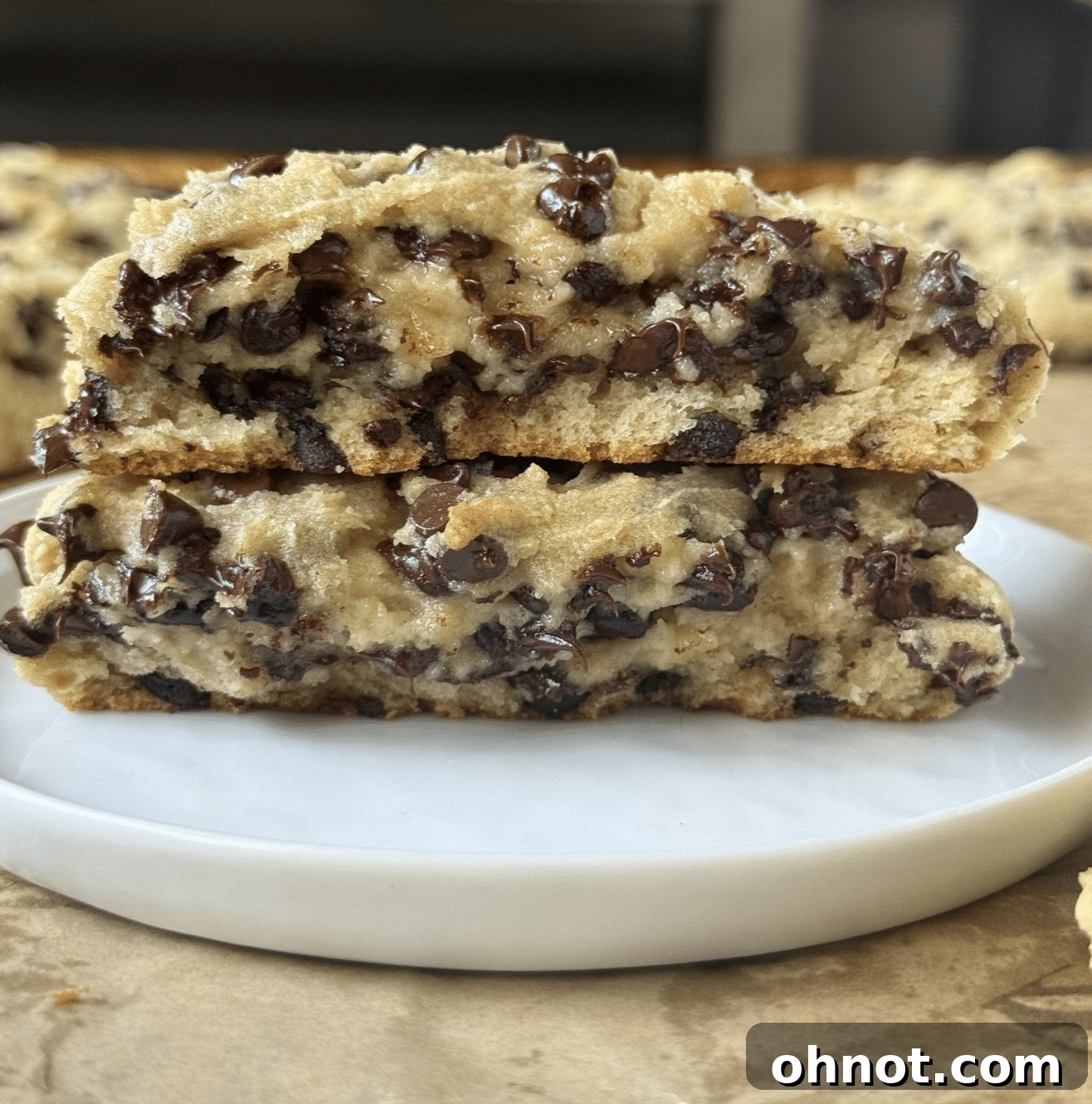
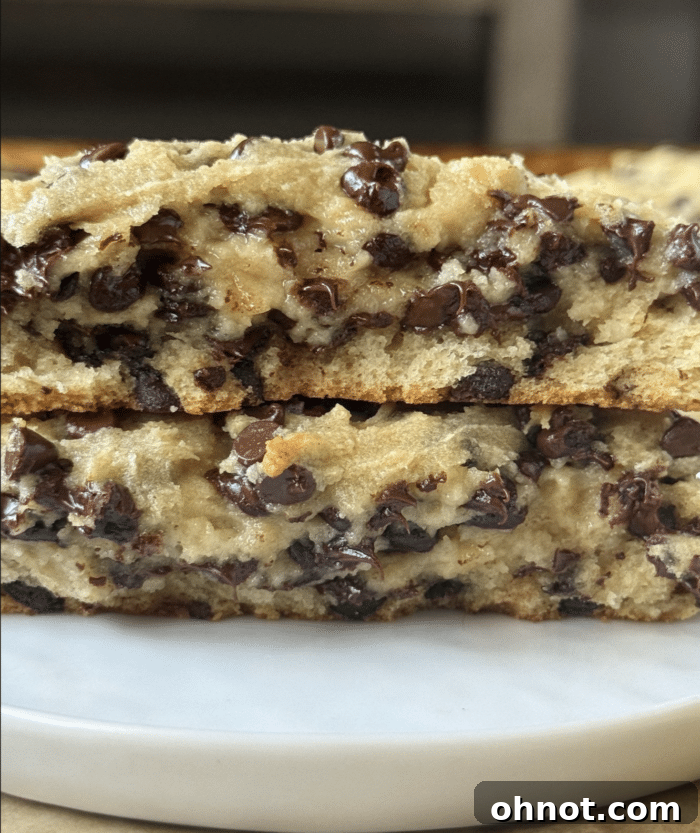
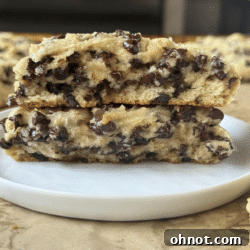
Step into the kitchen and discover the secret to incredibly soft, moist, and utterly delicious cookies: Greek yogurt! These Greek Yogurt Chocolate Chip Cookies redefine indulgence with their perfectly balanced texture—chewy edges, wonderfully fluffy centers, and a delightful richness that tastes truly homemade. Imagine sinking your teeth into a cookie bursting with luscious chocolate chips, each bite delivering a subtle tang and an irresistible melt-in-your-mouth experience. This recipe isn’t just about making cookies; it’s about elevating a classic treat into something extraordinary, all while being surprisingly simple to prepare.
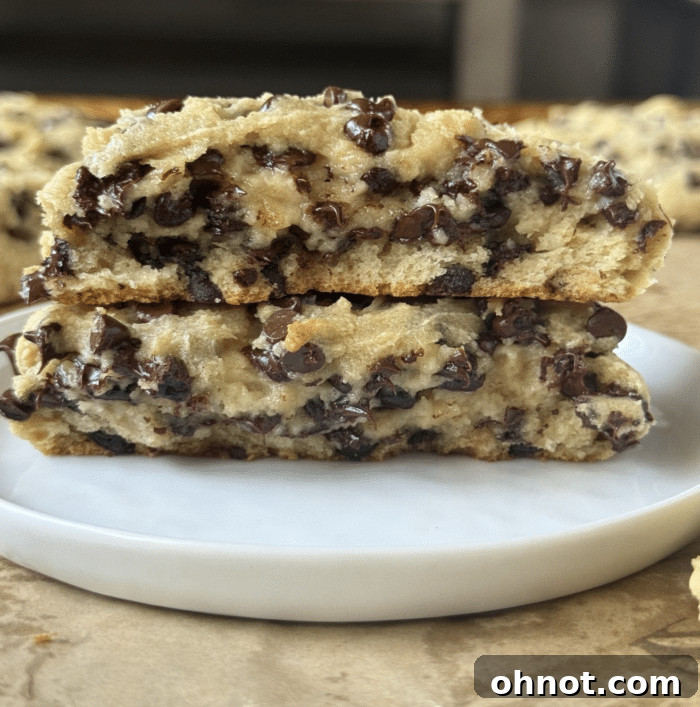
Our Greek yogurt cookies consistently bake up tall and tender, offering a delightful contrast between their lightly crisp edges and luxuriously soft interiors. The magic happens with just one bowl, streamlining your baking process, and calls for staple ingredients you likely already have on hand. Forget complicated techniques or obscure components; this recipe is designed for ease without compromising on flavor or texture. It’s perfect for both novice bakers and seasoned pros looking for a reliable, crowd-pleasing dessert.
If you’re a devoted fan of traditional chocolate chip cookies but yearn for a softer, more pillowy texture and an added nutritional boost, then this recipe is destined to become your new go-to favorite. The inclusion of Greek yogurt not only enhances the cookie’s moisture content but also subtly elevates its protein profile, making it a more satisfying treat. Get ready to impress your family and friends with a batch of these delectable, better-for-you cookies!
Why You Will Absolutely Love These Greek Yogurt Cookies
These Greek Yogurt Cookies aren’t just another dessert; they’re a revelation. Here’s why they’re poised to become a staple in your baking repertoire:
- Unbelievably Soft and Thick Texture: The star ingredient, Greek yogurt, works wonders in creating a cookie that’s exceptionally soft and wonderfully thick. Say goodbye to flat, overly crispy cookies and hello to a plush, satisfying chew with every bite.
- Naturally Moist Goodness: Thanks to the inherent moisture in Greek yogurt, these cookies remain incredibly moist for longer. This natural humectant ensures your cookies stay fresh and tender, day after day.
- Effortless One-Bowl Recipe: Who has time for endless dishes? This recipe keeps things blissfully simple, allowing you to mix all your ingredients in just one bowl. Minimal cleanup means more time to enjoy your delicious creations!
- Gluten-Free Option Included: We believe everyone deserves a great cookie. This versatile recipe offers a seamless gluten-free adaptation, ensuring those with dietary restrictions can still indulge in these delightful treats.
- Rich Chocolate in Every Bite: Generous amounts of dark chocolate chips are folded into the dough, guaranteeing a decadent burst of chocolatey flavor in every single mouthful. The slight tang from the yogurt perfectly complements the sweetness of the chocolate.
- Light and Fluffy Structure: Beyond moisture and tenderness, Greek yogurt contributes to a uniquely light and fluffy structure. It reacts with the baking soda, helping the cookies rise beautifully and achieve that coveted tall, airy texture without being cakey.
The Secret Ingredient: What Does Greek Yogurt Do in Cookies?
Greek yogurt is a culinary superhero in the world of baking, especially when it comes to cookies. It acts as a dual-purpose ingredient, significantly enhancing both the moisture and the overall texture of your baked goods. Unlike many traditional cookie recipes that rely heavily on butter or oil for moisture, Greek yogurt provides a healthier alternative while delivering superior results.
Its natural acidity is key to its magic. When combined with baking soda, this acidity creates a gentle chemical reaction that contributes to a softer, more tender cookie crumb. This reaction helps the cookies rise, giving them a delightful lift and preventing them from becoming dense. Furthermore, the thick, creamy consistency of Greek yogurt allows it to replace a portion of the fat typically found in cookie dough, reducing the overall fat content without sacrificing richness or flavor. It imparts a subtle, pleasant tang that beautifully balances the sweetness, adding a sophisticated depth to the cookie’s profile. Think of it as your secret weapon for achieving bakery-quality cookies right in your home kitchen.
Key Benefits of Greek Yogurt in Your Cookie Dough
Incorporating Greek yogurt into your cookie dough offers a multitude of advantages that go beyond just flavor:
- Extended Softness: Greek yogurt’s moisture content helps retain softness, keeping your cookies fresh and tender for a longer duration compared to traditional recipes. No more rock-hard cookies the day after baking!
- Balanced Sweetness with a Slight Tang: The inherent tartness of Greek yogurt provides a perfect counterpoint to the sweetness of the sugar and chocolate, creating a more complex and enjoyable flavor profile that prevents the cookies from being overly saccharine.
- Nutritional Boost: As a source of protein and calcium, Greek yogurt adds a touch of nutritional value, making these cookies a slightly healthier indulgence. It also contributes significant moisture without adding excessive calories or unhealthy fats.
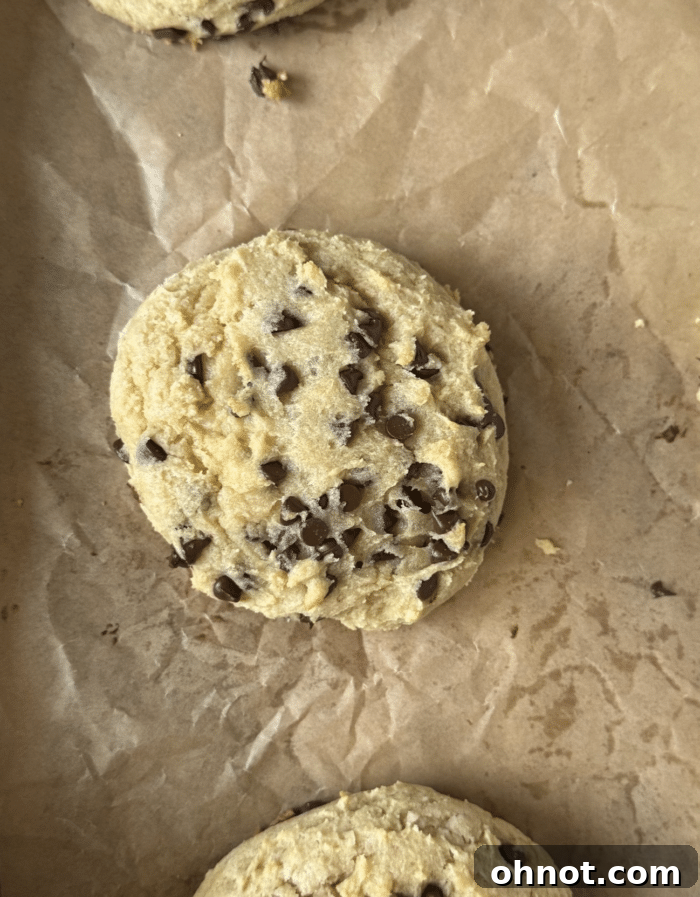
- Thick and Chewy Cookies: One of the most common baking frustrations is cookies spreading too much and becoming flat. Greek yogurt’s thick consistency helps the cookie dough maintain its shape during baking, resulting in beautifully thick, substantial cookies that are wonderfully chewy.
- Improved Crumb Structure: The acidity of the yogurt interacts with baking soda, creating a tender, fine crumb that enhances the overall mouthfeel of the cookie.
- Reduced Fat Content: By replacing some of the butter or oil, Greek yogurt helps create a lighter cookie without compromising on the rich, satisfying taste.
Gather Your Ingredients for Perfect Greek Yogurt Cookies
Crafting these delightful Greek Yogurt Cookies is a breeze with a handful of common kitchen ingredients. Each component plays a vital role in achieving their signature soft, thick, and flavorful profile. Before you begin, ensure you have these essentials ready to go, and remember that quality ingredients always yield the best results.
- 1 stick (½ cup) unsalted butter, melted
- ⅔ cup coconut sugar
- ½ cup unsweetened Greek yogurt (full-fat recommended for best texture)
- 2 tsp vanilla extract
- 1 large egg
- 1 ½ cups gluten-free flour blend (or all-purpose flour for non-GF)
- 1 tsp baking soda
- ½ tsp sea salt
- 1 cup mini dark chocolate chips
Ingredient Tips for Achieving Bakery-Style Cookies
The success of these Greek yogurt cookies hinges on a few key ingredient choices. Follow these tips to ensure your cookies turn out perfectly soft, chewy, and flavorful every single time.
Choosing the Right Greek Yogurt
The type of Greek yogurt you use makes a significant difference. Opt for a **thick, full-fat, plain, and unsweetened Greek yogurt**. Thicker yogurts, like those from Chobani or Oikos, have less liquid content, which is crucial for preventing your cookies from spreading too much and ensures a rich, moist crumb. Avoid thinner, regular yogurts or those with added sugars or flavors, as these can alter the dough’s consistency and the final taste. The full-fat variety also contributes to a richer mouthfeel and helps the cookies stay tender.
The Sweetness of Coconut Sugar
Coconut sugar is a fantastic choice for these cookies, offering more than just sweetness. It imparts a delightful, subtle caramel flavor that perfectly complements the rich notes of dark chocolate and the slight tang of Greek yogurt. This unrefined sugar also helps maintain a soft, chewy texture. While you can substitute with brown sugar for a similar depth of flavor, or white granulated sugar for crisper edges, coconut sugar provides a unique taste profile that we highly recommend for the authentic experience of this recipe.
Navigating Flour Choices
For those seeking a gluten-free option, a **1-to-1 gluten-free baking blend** is your best friend. These blends are specifically formulated to mimic the properties of all-purpose flour, ensuring consistent results in your baking. Popular brands often include a mix of rice flour, tapioca starch, and xanthan gum. If gluten is not a concern, feel free to use standard **all-purpose flour** (plain flour) in the same quantity. Regardless of your choice, make sure to measure your flour accurately, preferably by weight, or by spooning it into the measuring cup and leveling it off, to avoid a dry or dense cookie.
The Magic of Mini Chocolate Chips
While any chocolate chips will work, **mini dark chocolate chips** are specifically called for in this recipe for a reason. Their smaller size allows for a more even distribution of chocolate throughout each cookie. This means you get a harmonious blend of chocolatey goodness in every single bite, rather than large clumps that can dominate the flavor. Dark chocolate, in particular, balances the sweetness of the cookie and adds a sophisticated depth. Feel free to use milk or semi-sweet chocolate if you prefer, but the mini size is key for optimal distribution.
How to Make Delicious Greek Yogurt Cookies: A Step-by-Step Guide
Whipping up a batch of these soft and satisfying Greek Yogurt Cookies is incredibly straightforward. Follow these simple instructions to achieve perfect results every time.
- Prepare Your Baking Station: Begin by preheating your oven to 350 degrees Fahrenheit (175 degrees Celsius). This ensures your oven is at the correct temperature for even baking. Line a large baking sheet with parchment paper. Parchment paper is essential for preventing sticking and allowing for easy cleanup.
- Cream the Wet Ingredients (Part 1): In a spacious mixing bowl, combine the melted unsalted butter and coconut sugar. Stir these two ingredients together thoroughly until they are well combined and the mixture is smooth. The melted butter helps integrate the sugar completely, laying a smooth foundation for your dough.
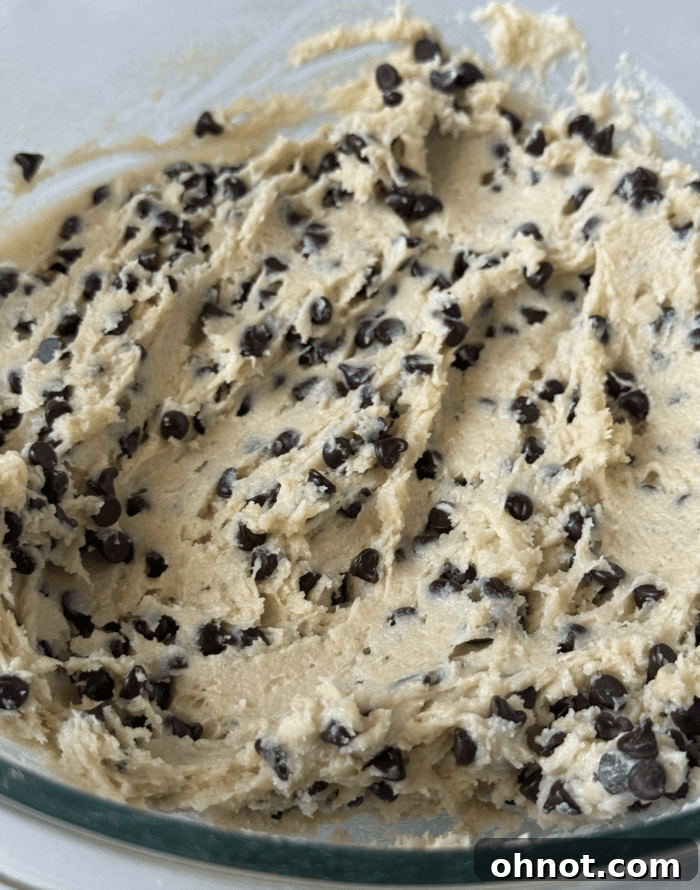
- Integrate the Wet Ingredients (Part 2): Next, add the unsweetened Greek yogurt, vanilla extract, and the egg to the butter-sugar mixture. Stir again until all these wet ingredients are fully incorporated. The mixture should appear homogenous and creamy. Don’t overmix, but ensure no streaks of egg or yogurt remain.
- Combine Dry Ingredients: Sift or whisk together the gluten-free flour blend (or all-purpose flour), baking soda, and sea salt in a separate small bowl. This ensures that the leavening agent and salt are evenly distributed throughout the dry mixture, which is crucial for consistent cookie texture.
- Add Dry to Wet: Gradually add the combined dry ingredients to the wet mixture in the large bowl. Stir until just combined. Be careful not to overmix the dough once the flour is added, as this can develop the gluten (even in gluten-free flour blends to an extent) and lead to tough cookies. The dough should come together and resemble typical, soft cookie dough.
- Fold in Chocolate Chips: Gently fold in the mini dark chocolate chips. Ensure they are evenly distributed throughout the dough. Avoid crushing them, but make sure every scoop will have a good amount of chocolate.
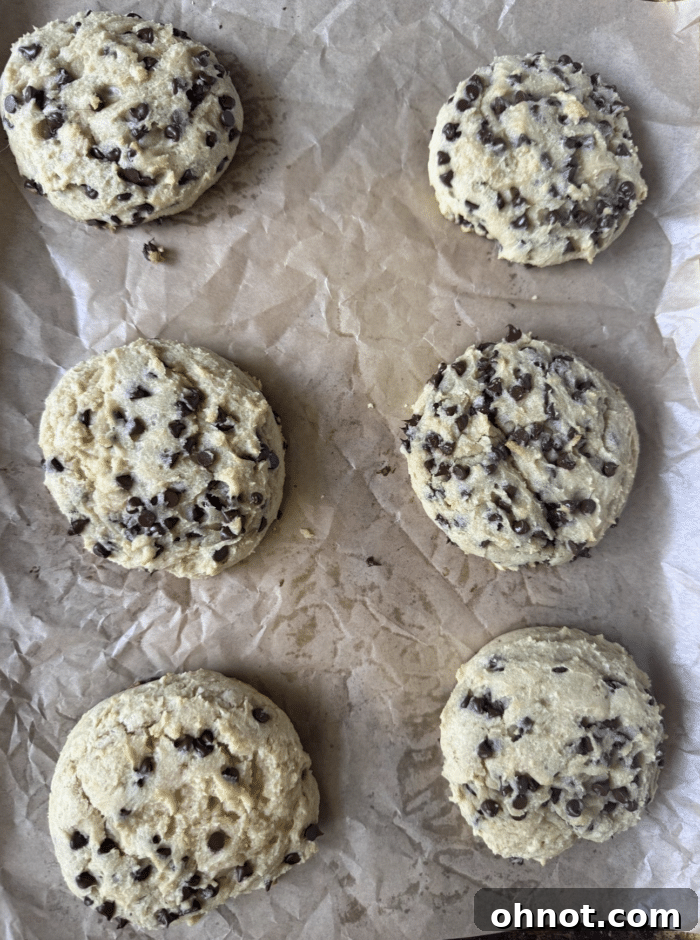
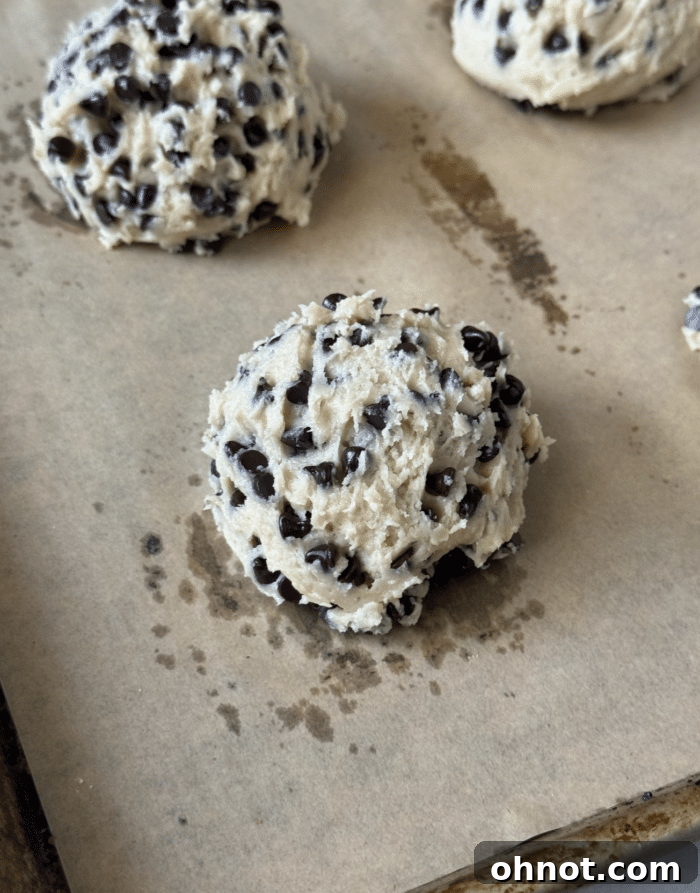
- Scoop and Space: Use a cookie scoop (a 1.5-inch scoop is ideal) to portion out uniform balls of dough. Place them onto the prepared baking sheet, leaving about 2 inches of space between each cookie to allow for slight spreading.
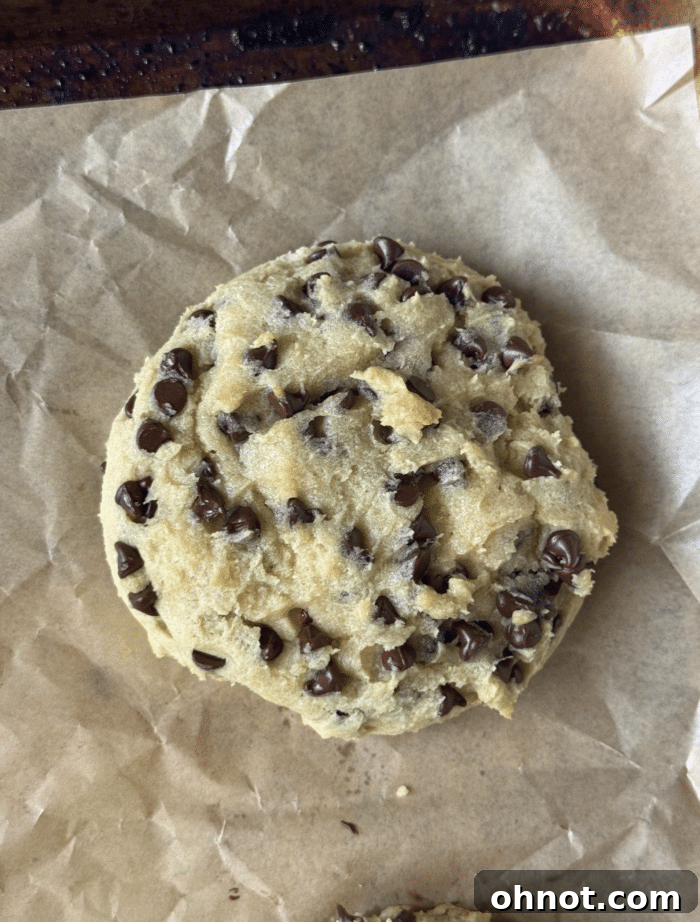
- Bake to Perfection: Transfer the baking sheet to the preheated oven and bake for 10 to 12 minutes. The cookies are ready when their edges are just very lightly golden brown, and the centers still look slightly soft or underbaked. This underbaking in the center is key to achieving that signature soft and chewy texture after cooling.
- Cool and Enjoy: Once baked, remove the cookies from the oven. Allow them to cool on the baking sheet for at least 15 minutes before attempting to transfer them to a wire rack. This cooling time on the hot pan allows them to set properly and prevents them from falling apart. Carefully move them to a wire rack to cool completely.
Understanding Cookie Texture: How Ingredients Impact Your Bake
The world of baking is a science, and understanding how different ingredients influence your cookie’s final texture can transform your results. This guide highlights the impact of key ingredient changes specifically for these Greek Yogurt Cookies, helping you fine-tune your batch to perfection.
| Ingredient Change | Cookie Texture Result | Explanation |
| Thick Greek yogurt | Soft, chewy, and thick cookies | The low water content and high fat of thick yogurt contribute to a rich, moist dough that holds its shape and prevents excessive spreading, resulting in a plush texture. |
| Thin yogurt (regular yogurt) | Cookies spread more, possibly thinner | Higher water content in thin yogurt thins the dough, leading to more spread during baking. This can result in flatter, crispier cookies. |
| Coconut sugar | Deep caramel flavor, soft texture | Coconut sugar imparts a unique caramel-like sweetness and helps keep the cookies soft and chewy due to its moisture content and crystal structure. |
| White granulated sugar | Crisper edges, slightly less chewy center | Granulated sugar caramelizes more readily, leading to crispier edges. It also absorbs less moisture, which can affect the overall softness of the cookie. |
| Gluten-free flour blend | Tender, soft, sometimes slightly crumbly | Specific gluten-free blends (like 1-to-1 baking flour) are designed to mimic all-purpose flour. They contribute to a tender texture but can sometimes be a bit more delicate than gluten-containing flours. |
| All-purpose flour | Chewy, classic cookie texture | All-purpose flour provides the traditional structure and chewiness expected in a chocolate chip cookie. It’s a reliable choice if you’re not baking gluten-free. |
Expert Baking Tips for Flawless Greek Yogurt Cookies
Achieving the perfect batch of Greek Yogurt Cookies is simple when you keep a few key baking principles in mind. These tips will help you consistently produce cookies that are soft, thick, and utterly delightful.
- Prioritize Thick Greek Yogurt: As mentioned, the consistency of your Greek yogurt is paramount. Using a thick, full-fat variety ensures the dough has enough structure to prevent excessive spreading, leading to taller, chewier cookies. Thin yogurt introduces too much moisture, making the cookies flatter and potentially crispier than desired.
- Do Not Overbake the Cookies: This is perhaps the most crucial tip for soft cookies. Overbaking is the quickest way to dry out your cookies and make them hard. Pull them from the oven when the edges are just barely golden, and the centers still look slightly soft, puffy, and perhaps a little underdone. They will continue to cook and set as they cool on the baking sheet.
- Allow Cookies to Cool on the Pan: Resist the urge to move your cookies immediately after taking them out of the oven. Letting them cool on the hot baking sheet for 10-15 minutes allows them to firm up and complete their baking process. This prevents them from breaking apart when you transfer them and helps them achieve their final, perfect texture.
- Always Use Parchment Paper: Lining your baking sheets with parchment paper is non-negotiable for easy release and consistent baking. It prevents sticking, ensures even browning on the bottoms, and makes cleanup a breeze. Silicone baking mats also work wonderfully.
- Mind the “Underbaked” Center: It bears repeating: your cookies should appear slightly underbaked in the center when you remove them from the oven. This visual cue is your best indicator for achieving that coveted soft, chewy interior. If they look fully golden and set, they are likely already overbaked.
- Measure Flour Accurately: For consistent results, especially with gluten-free flour, measure your flour by weight using a kitchen scale. If you don’t have one, use the “spoon and level” method: spoon the flour into your measuring cup and then level it off with a straight edge, rather than scooping directly from the bag, which compacts the flour and can lead to too much being added.
- Room Temperature Ingredients (Except Butter): While the butter is melted, ensure your Greek yogurt and egg are at room temperature. Room temperature ingredients emulsify more easily, leading to a smoother, more uniform dough and a better final texture.
Exciting Flavor Variations for Your Greek Yogurt Cookies
While the classic Greek Yogurt Chocolate Chip Cookie is undeniably delicious, this versatile base recipe lends itself beautifully to a myriad of flavor adaptations. Don’t be afraid to get creative and customize your batch to suit any craving or occasion!
Elevated Chocolate Chip Greek Yogurt Cookies
For the ultimate chocolate lover, elevate your classic chocolate chip experience by adding extra dark chocolate chunks alongside the mini chips. The varying sizes and textures of chocolate will create pockets of intense flavor and melty goodness, making each bite an adventure. A sprinkle of flaky sea salt on top before baking can also enhance the chocolate’s richness.
Bright and Fruity Blueberry Greek Yogurt Cookies
Infuse a burst of fruity freshness by gently folding in dried blueberries. Their chewiness and tart sweetness pair wonderfully with the tang of Greek yogurt. For a truly vibrant cookie, consider adding a touch of lemon zest to the dough as well, creating a delightful lemon-blueberry combination that feels both comforting and sophisticated.
Rich and Nutty Peanut Butter Greek Yogurt Cookies
For a nutty twist, add two tablespoons of creamy or crunchy peanut butter to the dough along with the Greek yogurt. This addition will create a wonderfully rich, dense cookie with a distinct peanut butter flavor. You can also mix in some peanut butter chips or a swirl of melted peanut butter on top of the baked cookies for an extra decadent touch. Almond butter or cashew butter would also work beautifully for different nutty profiles.
Zesty Lemon Greek Yogurt Cookies
Brighten up your cookies with a vibrant citrus kick. Add the zest of one or two lemons to the dough for a fragrant, tangy cookie that’s perfect for spring or summer. For an even more intense lemon flavor, you can also drizzle a simple lemon glaze (powdered sugar mixed with lemon juice) over the cooled cookies.
Oatmeal Raisin Greek Yogurt Cookies
Swap out some of the flour for rolled oats and fold in a generous amount of plump raisins for a wholesome, chewy cookie reminiscent of classic oatmeal raisin, but with the added benefits of Greek yogurt.
Spiced Greek Yogurt Cookies
For a warm and cozy treat, add 1/2 teaspoon of ground cinnamon, a pinch of nutmeg, and a dash of ground cloves to the dry ingredients. These spices pair beautifully with the caramel notes of coconut sugar, especially if you add some chopped nuts like pecans or walnuts.
Troubleshooting Your Greek Yogurt Cookies: Common Issues & Fixes
Even experienced bakers encounter challenges from time to time. If your Greek yogurt cookies aren’t quite hitting the mark, this troubleshooting guide will help you identify the problem and get back on track to baking perfection.
| Issue | Likely Cause | Recommended Fix |
| Cookies are too dry or crumbly | Too much flour was added, or cookies were overbaked. | Measure flour accurately, preferably by weight (spoon and level method if using cups). Reduce baking time by 1-2 minutes for the next batch, ensuring centers are slightly underbaked. |
| Cookies are too soft or doughy in the center (even after cooling) | Cookies were significantly underbaked, or humidity is very high. | Bake for an additional 1-2 minutes until edges are set and lightly golden. Allow them to rest longer on the warm baking sheet to continue setting. Ensure your oven temperature is accurate. |
| Cookies spread too much and are too thin | Butter was too soft (or melted too hot), Greek yogurt was too thin/watery, oven was too cool, or baking soda isn’t fresh. | Ensure butter is just melted, not hot. Use thick, full-fat Greek yogurt. Chill the dough for at least 20-30 minutes before baking to firm up the fat. Check oven temperature with an oven thermometer. Use fresh baking soda. |
| Cookies are not spreading enough and are too round/cakey | Dough is too cold, too much flour was added, or baking soda is old/inactive. | Allow dough to sit at room temperature for 10-15 minutes before scooping. Gently flatten the dough balls slightly with your palm or a fork before baking. Double-check flour measurement. Ensure baking soda is fresh. |
| Cookies are bland or lack flavor | Not enough vanilla extract or salt, or chocolate chips are not dark enough. | Ensure you’re using high-quality vanilla extract. Don’t skip the sea salt, as it enhances all the flavors. Try using darker chocolate chips for a more intense flavor contrast. |
Proper Storage for Long-Lasting Freshness
To keep your Greek Yogurt Cookies as fresh and delicious as possible, proper storage is key. Following these simple guidelines will ensure they remain soft and enjoyable for days.
Store baked cookies in an airtight container at room temperature. They will maintain their delightful softness and flavor for up to 3 days. To help them stay even softer, you can add a half-slice of bread to the container; the cookies will absorb moisture from the bread. Avoid refrigerating these cookies, as the cold can cause them to dry out and become firm.
Freezing Greek Yogurt Cookies for Later Indulgence
These Greek yogurt cookies freeze beautifully, making them perfect for meal prep or having a sweet treat on hand whenever a craving strikes. To freeze baked cookies, first allow them to cool completely. Then, place them in a single layer on a baking sheet and freeze for about an hour until firm. Once solid, transfer the cookies to a freezer-safe, airtight container or a heavy-duty freezer bag. Layer them with parchment paper to prevent sticking. They can be frozen for up to 3 months. When ready to enjoy, simply thaw them at room temperature for an hour or two, or gently warm them in the microwave for a few seconds for that freshly baked feel.
Frequently Asked Questions About Greek Yogurt Cookies
Absolutely! This recipe is incredibly versatile for gluten-free baking. Simply use a high-quality 1-to-1 gluten-free flour blend that is specifically designed for baking. Many excellent blends are available on the market and will work seamlessly in this recipe, yielding delicious gluten-free Greek yogurt cookies that are just as soft and flavorful as their traditional counterparts.
Greek yogurt cookies are naturally designed to be thick and resist spreading excessively, which is one of their desirable qualities. If your cookies didn’t spread at all, or remained very round and cakey, the dough might have been too cold, or you may have used slightly too much flour. To encourage a bit more spread, gently flatten the scooped dough balls with your palm or the back of a spoon before placing them in the oven for baking. Ensure your butter was melted and not just softened, as this also affects spread.
While you technically can, Greek yogurt is highly recommended for the best results. Greek yogurt is much thicker and has a lower liquid content compared to regular yogurt. Using regular yogurt will introduce more moisture into the dough, which can make it too soft and potentially cause the cookies to spread significantly more during baking, resulting in a flatter, less desirable texture. If regular yogurt is your only option, consider straining it through a coffee filter or cheesecloth for an hour or two to remove excess liquid before using.
Coconut sugar is preferred for its unique caramel notes and ability to keep the cookies soft. However, you can substitute it with an equal amount of light brown sugar for a similar depth of flavor and chewiness. If you use granulated white sugar, your cookies might have crisper edges and a slightly different texture, but they will still be delicious.
Yes, with a few modifications. You would need to use a plant-based Greek yogurt (like coconut or almond-based), a flax egg or other egg replacer, and ensure your chocolate chips are dairy-free. Plant-based butters can also be used, but ensure they have a similar fat content and melting properties to regular butter for best results.
You May Also Enjoy These Related Recipes
If you’ve loved making and tasting these Greek Yogurt Cookies, you might be excited to explore more delicious and wholesome recipes that incorporate the goodness of yogurt or offer similarly satisfying sweet treats:
- Refreshing Yogurt Bark
- Decadent Greek Yogurt Brownies
- Wholesome Paleo Vegan Coconut Yogurt Parfait
- Sweet Strawberry Bark
- Satisfying Vegan Protein Cookies
We hope you cherish every bite of this Greek yogurt cookie recipe! Your feedback is invaluable, so if you make these cookies, we would truly appreciate a review or a comment. Connect with us and share your baking journey on Instagram, Facebook, and Pinterest. For exclusive content, behind-the-scenes glimpses, and to join a vibrant community of fellow food enthusiasts, consider joining our exclusive Facebook Group. We’d love for you to follow along! For even more delightful sweet treats, don’t forget to check out our extensive collection of Dessert Recipes.
Get the Recipe:
Greek Yogurt Cookies
Pin Recipe
Ingredients
- 1 stick unsalted butter, melted
- ⅔ cup coconut sugar
- ½ cup unsweetened Greek yogurt
- 2 tsp vanilla extract
- 1 egg
- 1 ½ cups gluten free flour, see note
- 1 tsp baking soda
- 1/2 tsp sea salt
- 1 cup mini dark chocolate chips
Instructions
-
First, preheat your oven to 350 degrees Fahrenheit. Line a baking sheet with parchment paper.
-
In a large mixing bowl, add the melted butter and coconut sugar. Stir until combined.
-
Then, add in the Greek yogurt, vanilla extract, and egg. Stir until combined.
-
Mix in the gluten free flour, baking soda, and sea salt. Stir together. The dough should resemble normal cookie dough.
-
Fold in the chocolate chips.
-
Use a cookie scoop to scoop balls of dough onto the lined pan.
-
Bake for 10 to 12 minutes, or until the edges are just very barely light brown.
-
Finally, remove from the oven. Allow the cookies to cool on the pan for 15 minutes before carefully removing.
Notes
- If you are not gluten-free, feel free to use all-purpose flour.
- You can use melted butter or brown butter. For these photos, I used melted butter. Brown butter will add a nutty depth of flavor.
- I recommend a brand of Greek yogurt that is thicker in nature, such as Chobani or Oikos, to ensure optimal cookie texture.
- The cookie dough should have a consistency very similar to normal chocolate chip cookie dough – soft but manageable.
- These cookies are designed to stay tall and thick, not spread too much during baking.
- Store any leftover cookies for up to 3 days at room temperature in an airtight container to maintain freshness.