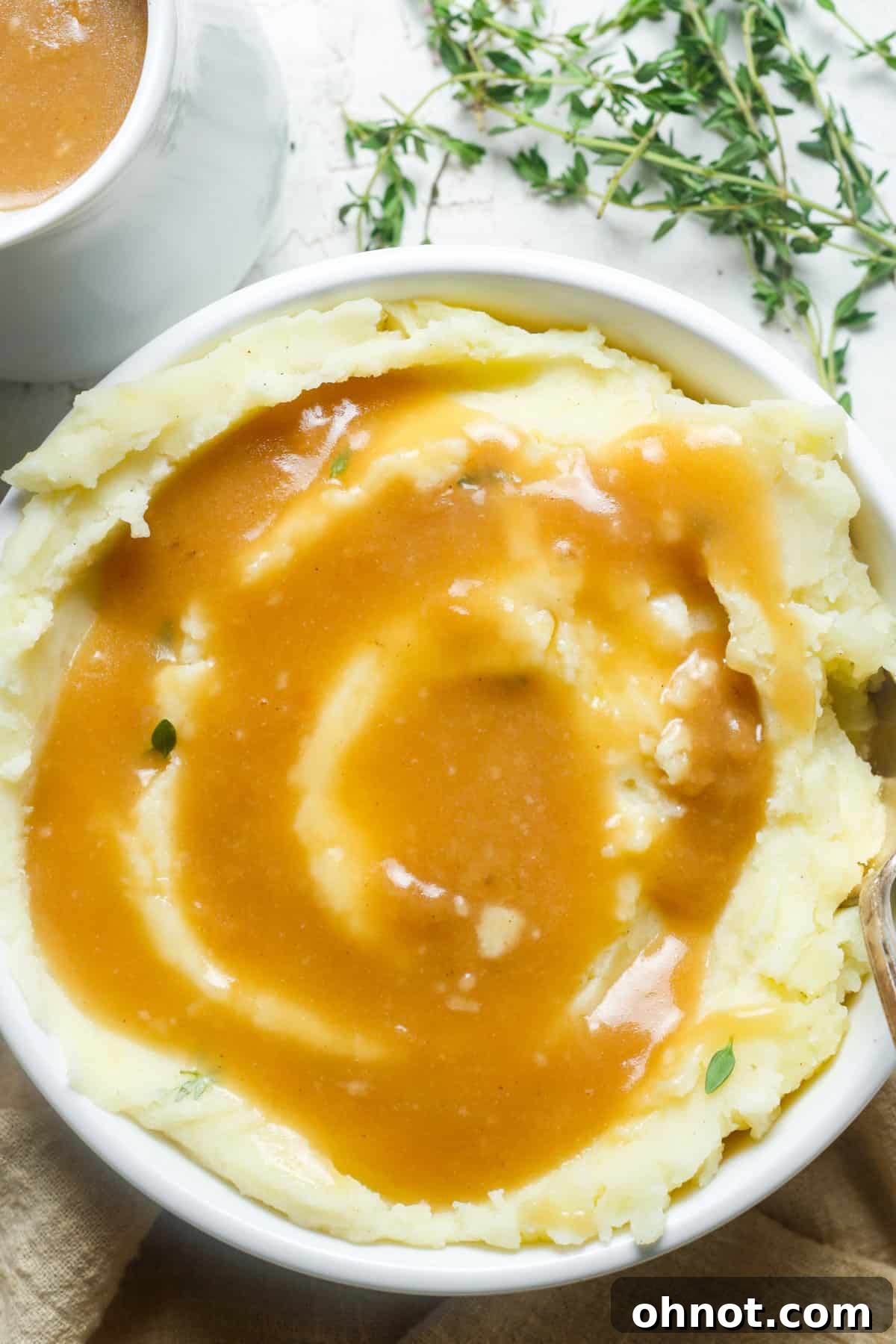
The Ultimate Guide to Flavorful & Easy Gluten-Free Gravy
Discover the secret to making an incredibly flavorful, rich, and creamy homemade gluten-free gravy that will impress everyone at your table. This quick and easy recipe requires just 10 minutes of your time and uses simple pantry staples, delivering that classic, comforting taste you crave without any gluten. Perfect for holiday feasts like Thanksgiving and Christmas, or to elevate your everyday meals, this versatile gravy pairs beautifully with everything from fluffy mashed potatoes to roasted chicken, succulent beef, tender pork, and juicy steak. Prepare to delight your family and guests with a gravy that’s not only delicious but also accommodating to dietary needs.
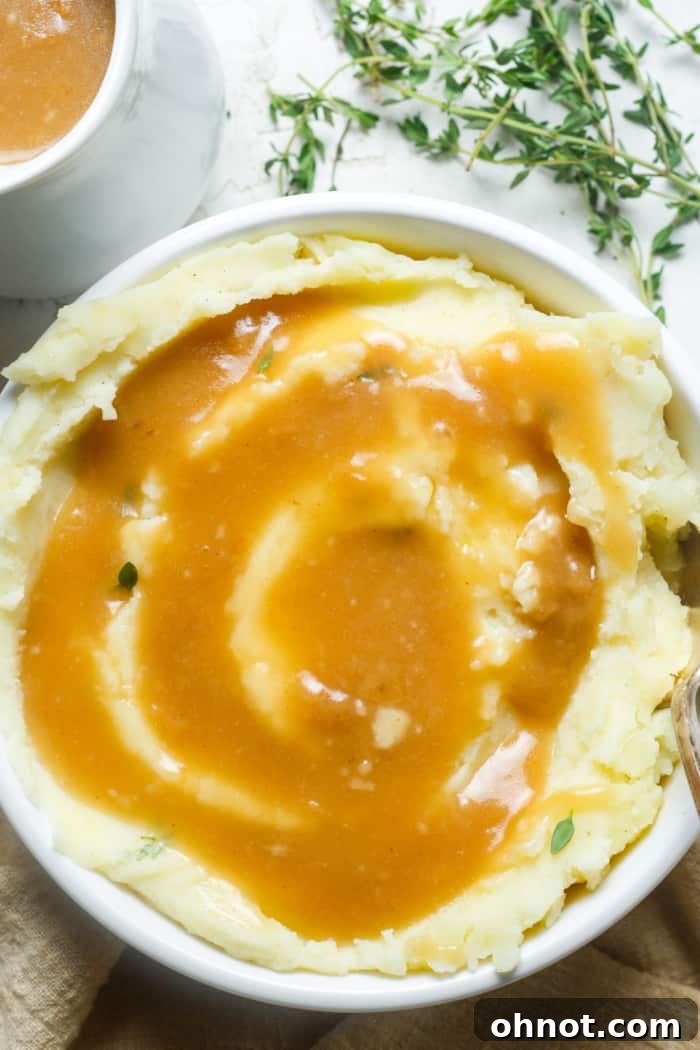
Why You’ll Adore This Gluten-Free Gravy Recipe
This gluten-free gravy isn’t just a dietary alternative; it’s a culinary triumph that offers unparalleled convenience and exceptional flavor. Here’s why this recipe will become a staple in your kitchen:
- Effortlessly Quick & Simple: Forget complicated techniques and endless stirring. This gravy comes together in a single skillet and is ready in just 10 minutes, making it ideal for busy weeknights and festive occasions alike.
- One-Skillet Wonder: Minimize cleanup with this efficient recipe. Everything is prepared in one pan, allowing you to focus more on enjoying your meal and less on washing dishes.
- Perfect for Any Occasion: Whether it’s the centerpiece of your Thanksgiving or Christmas dinner, a hearty addition to a family meal, or a way to transform leftovers, this gravy is incredibly versatile.
- Authentic Classic Flavor: Despite being gluten-free, this gravy delivers the rich, savory, and deeply satisfying taste of traditional gravy. Your guests won’t even guess it’s a gluten-free version!
- Versatile Serving Suggestions: While it’s heavenly with mashed potatoes, consider serving it alongside Gluten-Free Biscuits for a comforting meal, or over a variety of meats.
- Adaptable to Your Preferences: This recipe can be made using flavorful pan drippings for an intense depth, or simply with broth for a lighter yet equally delicious option. It’s fantastic either way!
- Made with Pantry Staples: You likely have most, if not all, the ingredients needed for this gravy in your kitchen right now, making it a spontaneous culinary possibility.
- Customizable Texture: Achieve your desired consistency—from a smooth, pourable sauce to a thicker, heartier gravy with delightful texture.
- Dietary Friendly: Beyond being gluten-free, this recipe is also nut-free and sugar-free, catering to a wider range of dietary needs without sacrificing taste.
- Explore More Holiday Favorites: For another wonderful holiday gravy option, check out this Whole30 Gravy, offering another healthy and delicious choice.
Essential Ingredients & Smart Substitutions
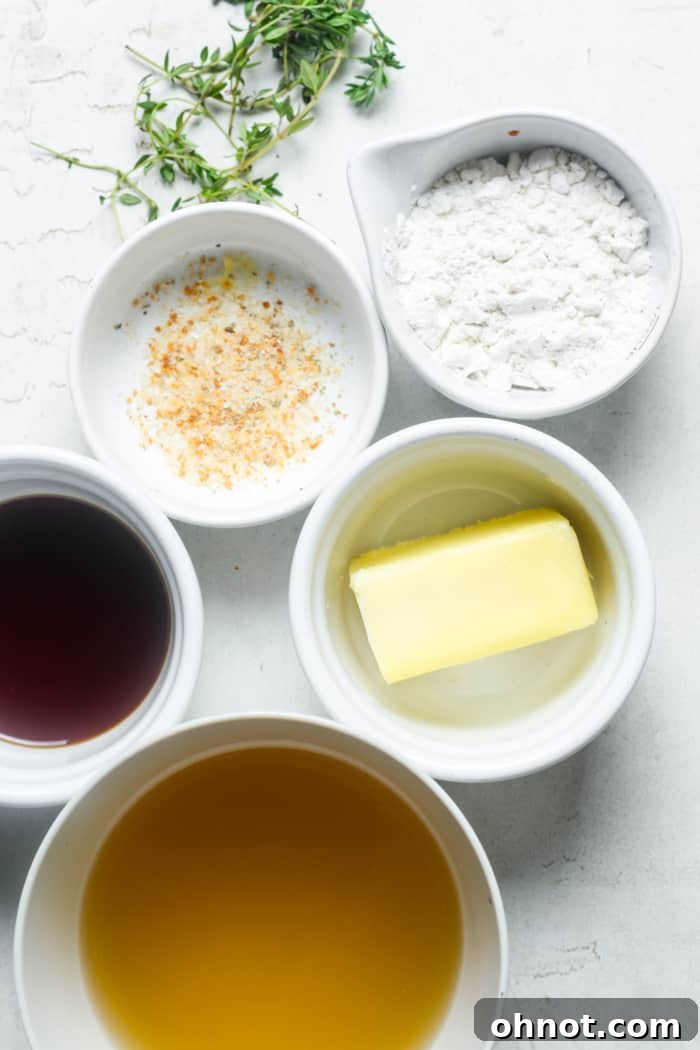
Crafting the perfect gluten-free gravy starts with a few key ingredients. Here’s a breakdown of what you’ll need and how to adapt them to your specific needs. For the precise measurements, please refer to the full recipe card below.
Butter: The Flavor Foundation
Butter provides the foundational richness and helps create the roux that thickens our gravy. Both unsalted and salted butter work beautifully; however, unsalted butter gives you more control over the final sodium content. If you’re looking for a dairy-free alternative, a high-quality dairy-free butter substitute, such as Earth Balance, works wonderfully and maintains the creamy texture and delicious taste.
Gluten-Free Flour: The Thickeners
The magic of gluten-free gravy lies in the choice of thickener. A good quality all-purpose gluten-free 1-to-1 flour blend is your primary choice, designed to mimic wheat flour in recipes. If you don’t have a blend, tapioca flour (also known as tapioca starch) is an excellent single-ingredient alternative that I highly recommend for achieving a smooth, clear, and perfectly thick gravy. Arrowroot powder is another fantastic gluten-free thickener, creating a similarly silky texture.
Broth or Pan Drippings: The Heart of the Flavor
The liquid component is where your gravy truly gets its character. You can use any type of broth—chicken, beef, or even vegetable broth—each imparting its unique flavor profile. For an unparalleled depth of flavor, incorporating pan drippings is highly recommended. These savory juices are left over after cooking meats like roasted chicken, pulled pork, or pot roast. Feel free to use a combination of broth and pan drippings to achieve a balanced yet intensely flavorful gravy.
Seasonings: Enhancing the Savory Profile
A simple yet effective trio of seasonings—sea salt, black pepper, and garlic powder—creates a beautifully balanced savory flavor that complements any dish. These essential spices bring out the best in your broth and drippings, ensuring a well-rounded and delicious gravy.
Coconut Aminos (Optional): A Secret Umami Boost
For an extra layer of savory depth and a hint of umami, consider adding a teaspoon of coconut aminos. This ingredient is entirely optional but can truly elevate the flavor profile, giving your gravy a richer, more complex taste without any soy.
Fresh Thyme (Optional Garnish): Aromatic Finish
To add a touch of fresh aroma and a beautiful visual appeal, a sprig of fresh thyme as a garnish is a lovely final touch. While purely aesthetic for serving, it can subtly enhance the overall experience.
Unveiling the Perfect Taste and Texture
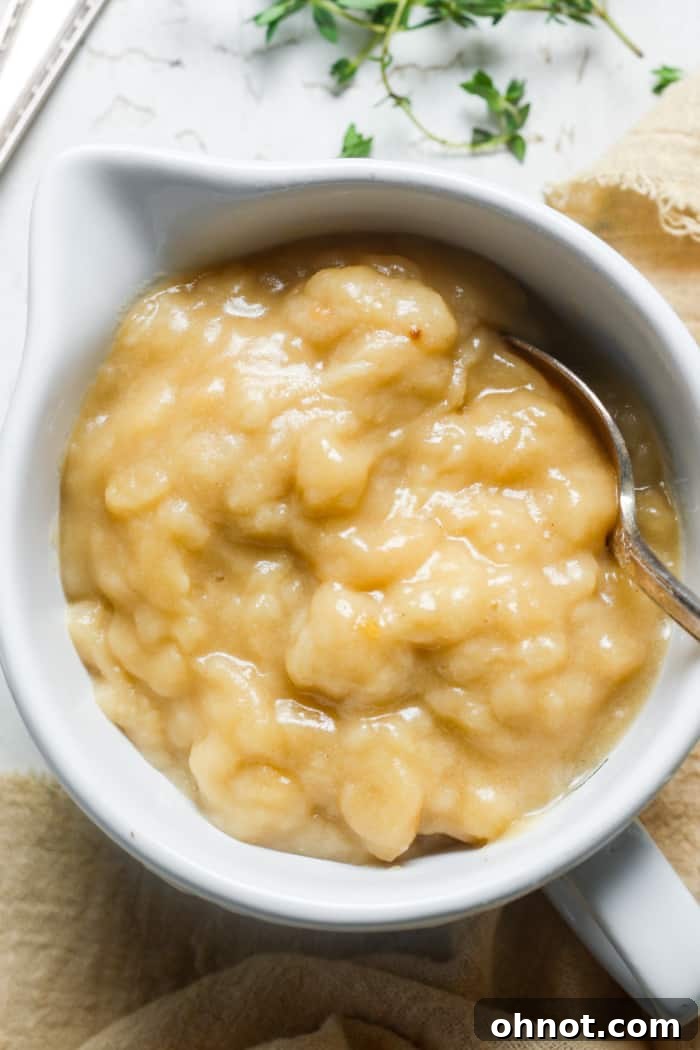
This gluten-free gravy is celebrated for its versatile taste and customizable texture. It’s designed to be rich, hearty, and profoundly savory, adaptable to your personal preference and the dish it accompanies.
A Symphony of Savory Flavors
The primary flavor profile of this gravy is deeply savory and robust. The exact nuances will largely depend on the type of broth or pan drippings you choose. A beef broth will yield a richer, darker gravy perfect for roasts, while chicken broth creates a lighter, more delicate flavor ideal for poultry. Vegetable broth offers a clean, earthy taste. Whichever you choose, the blend of butter, flour, and seasonings ensures a well-rounded, comforting taste that truly enhances any meal.
Achieving Your Desired Consistency
One of the best aspects of this recipe is the ability to control its texture. Do you prefer a thick, almost chunky gravy that clings beautifully to your food, or a velvety smooth, pourable sauce that elegantly coats every bite? Both are easily achievable:
- For a Thicker, Heartier Gravy: Simply continue cooking the gravy for an additional minute or two beyond the suggested time. As it simmers, the liquid will reduce further, and the flour will continue to thicken, resulting in a more substantial gravy. Continuous whisking is key here to prevent lumps and ensure even thickening.
- For a Velvety Smooth Sauce: For a silkier consistency, remove the gravy from the heat as soon as it reaches a gentle boil and begins to thicken slightly, typically around the one-minute mark. The residual heat will continue to thicken it subtly as it rests. For an ultra-smooth finish, you can also pass the gravy through a fine-mesh sieve before serving, removing any small clumps that may have formed.
The choice is yours, and either way, this gluten-free gravy promises a delightful culinary experience.
Step-by-Step Guide to Crafting Gluten-Free Gravy
Making this incredibly delicious gluten-free gravy is a straightforward process. Follow these simple steps to create a perfect batch every time.
Step 1: Create the Golden Roux
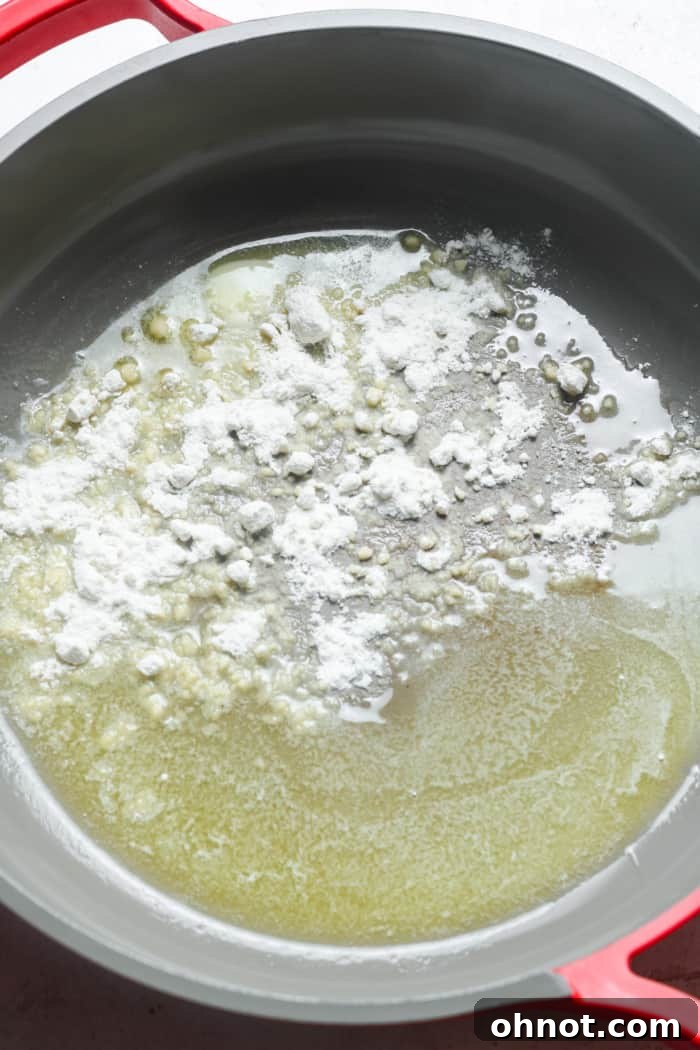
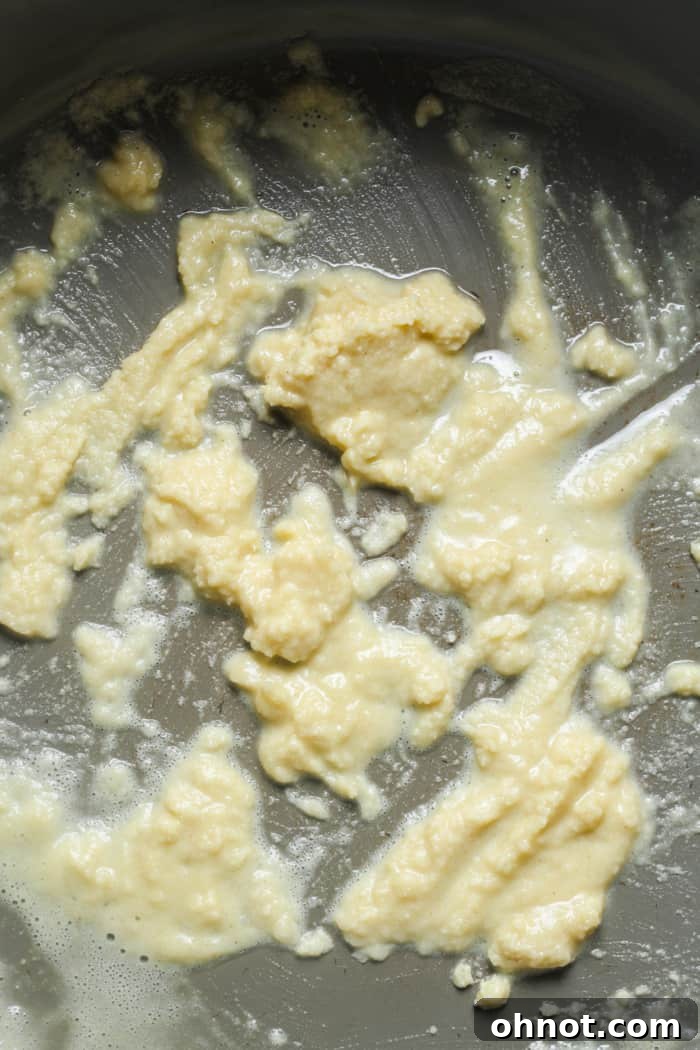
Begin by melting two tablespoons of butter in a large, sturdy skillet over medium heat. Ensure the butter is fully melted and shimmering but not browned. Once melted, evenly sprinkle in ¼ cup of your chosen gluten-free flour blend or tapioca flour. Immediately grab a whisk and continuously mix the butter and flour together. This creates a roux, which is essential for thickening. Continue whisking constantly for about 3 minutes, or until the mixture transforms into a beautiful golden hue. This cooking process helps to cook out the raw flour taste and adds a subtle nutty depth to your gravy.
Step 2: Whisk in Liquid and Thicken
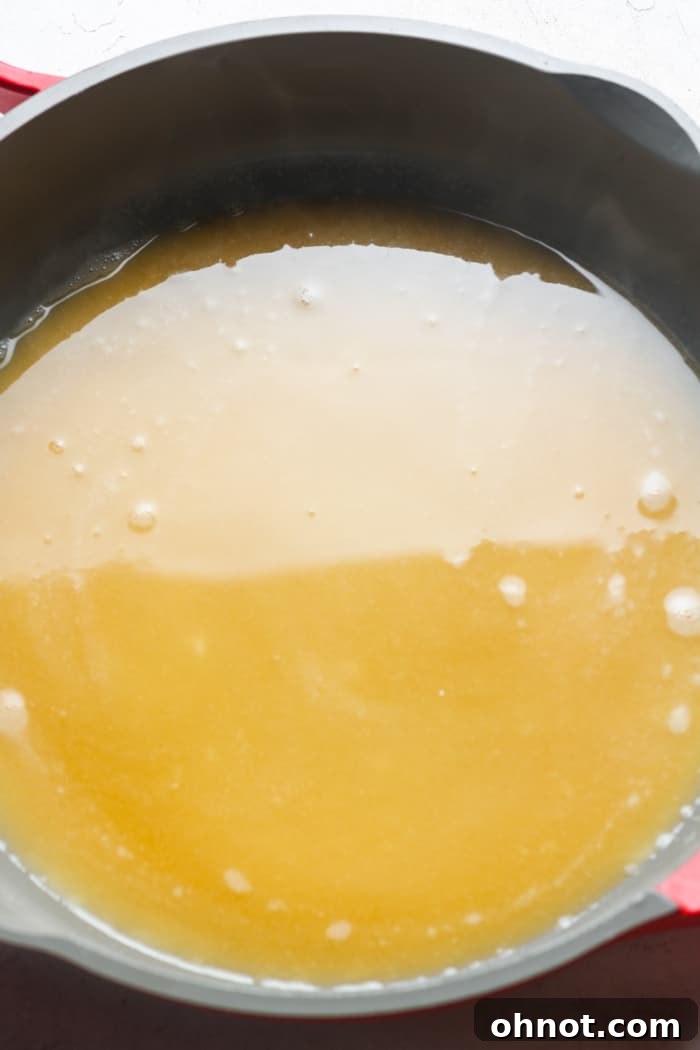
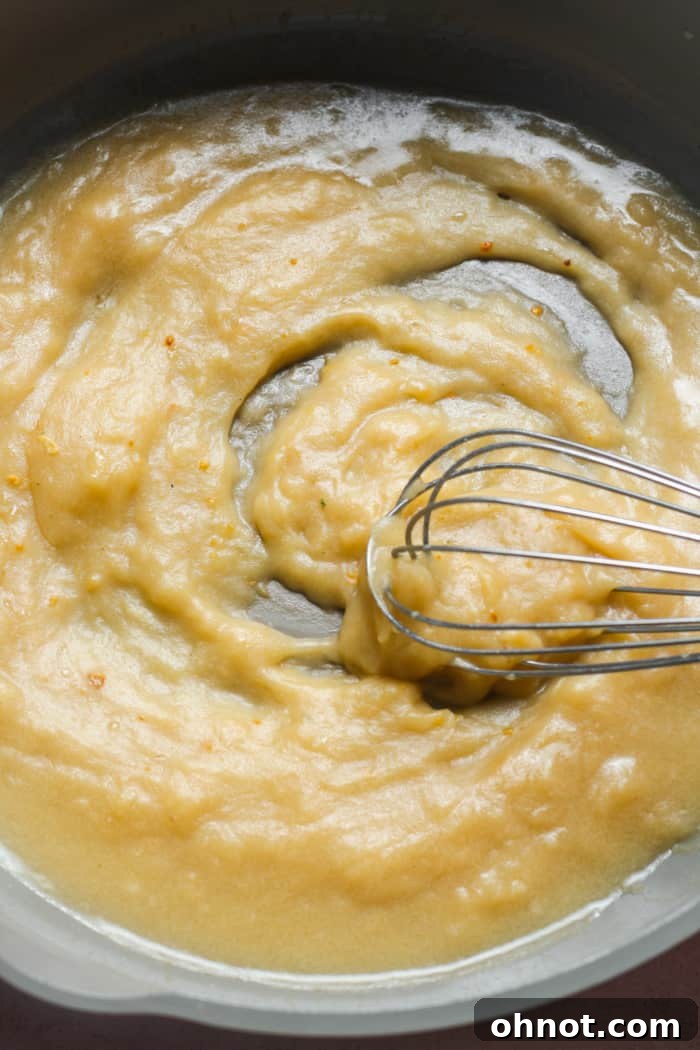
Next, carefully pour in 2 cups of your preferred broth or pan drippings into the roux in the skillet. Continue to whisk vigorously as you add the liquid to ensure a smooth incorporation and prevent any lumps from forming. Bring this mixture to a gentle, low boil. Allow it to lightly boil for approximately 1 minute, or until the gravy achieves your desired thickness. Remember to whisk constantly during this stage to prevent the gravy from sticking to the bottom of the pan and burning, and to maintain a smooth consistency. The longer it boils, the thicker it will become.
Step 3: Season and Enhance
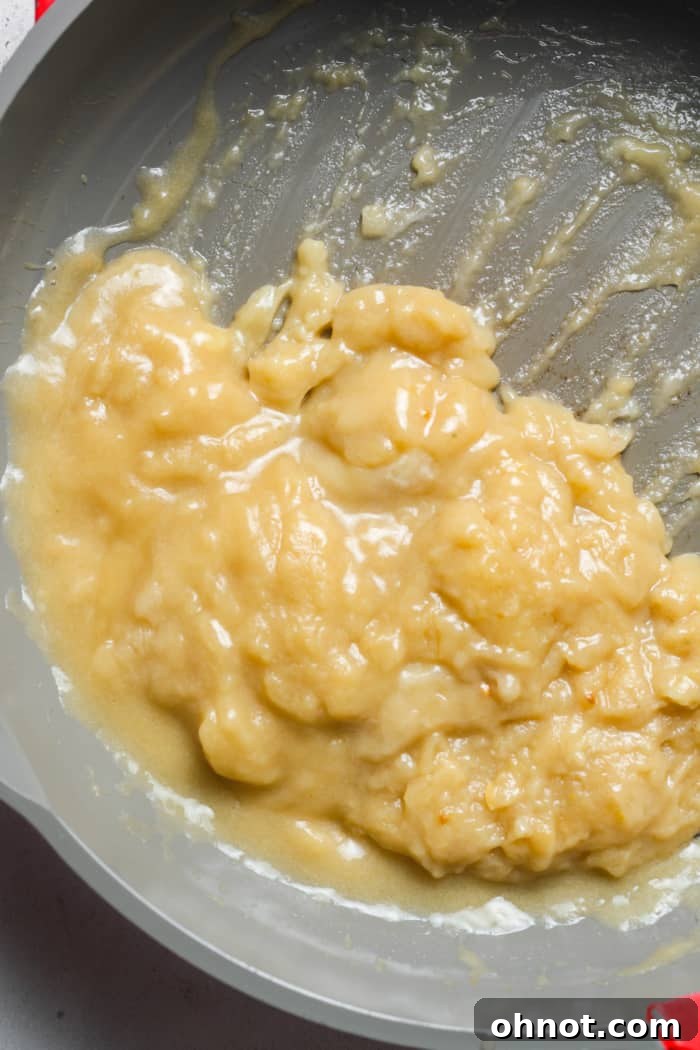
Once your gravy has reached the perfect thickness, remove the skillet from the heat. Stir in ¼ teaspoon of sea salt, ¼ teaspoon of black pepper, and ½ teaspoon of garlic powder. At this point, you can also add 1 teaspoon of coconut aminos if you desire a deeper, more complex umami flavor. Taste and adjust the seasonings as needed, ensuring it’s perfectly balanced to your palate. The residual heat will help these flavors meld beautifully into the gravy.
Step 4: Serve and Garnish
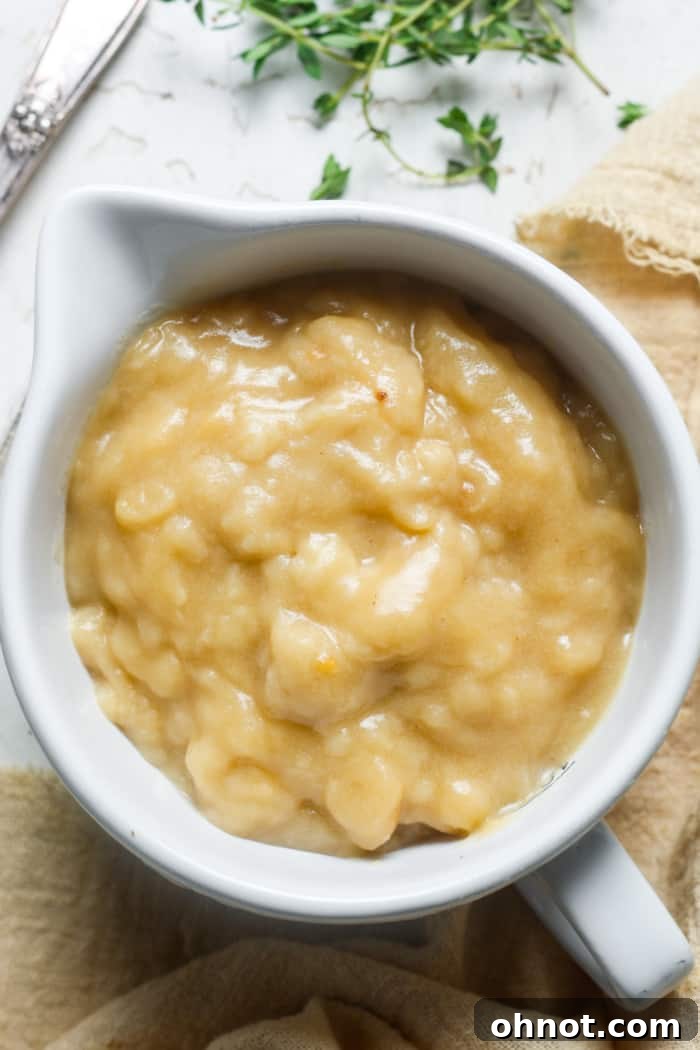
Finally, pour your freshly made gluten-free gravy into a elegant gravy boat, ready for serving. If you wish to add an aromatic and visually appealing touch, garnish with a few sprigs of fresh thyme. Serve immediately and watch it disappear!
Mastering Gluten-Free Gravy: Expert Tips
Achieving the perfect gravy every time is easier than you think with these simple, expert tips:
- Choosing the Right Thickener: While gluten-free 1-to-1 flour blends are convenient, tapioca flour or arrowroot powder are fantastic alternatives for creating a smooth, glossy gravy without any grittiness. They thicken quickly and provide a lovely texture.
- The Art of Constant Whisking: The most crucial tip for lump-free gravy is continuous whisking. From creating the roux to adding the liquid and bringing it to a boil, consistent whisking ensures a silky-smooth texture and prevents the flour from settling and burning at the bottom of the pan.
- Unlock Deeper Flavor with Pan Drippings: For an intensely rich and savory gravy, always opt for pan drippings if available. These concentrated juices from roasted meats like chicken, pot roast, or roast beef infuse the gravy with unparalleled depth and a truly authentic homemade taste.
- Control Your Heat: Keep the heat at medium throughout the process. Too high, and your roux can burn, or your gravy can scorch. Too low, and it won’t thicken effectively.
- Taste and Adjust: Always taste your gravy before serving. Broths vary greatly in sodium content, so you might need to add more salt or a pinch of pepper to achieve the perfect balance of flavors.
- Dairy-Free Adaptations: For a completely dairy-free gravy, ensure you use a good quality dairy-free butter substitute. The process remains the same, yielding a delicious and inclusive option.
Understanding and Utilizing Pan Drippings
Pan drippings are culinary gold, the flavorful essence left behind in a roasting pan after cooking meat. Far from being discarded, these drippings are crucial for making the most exquisite gravies, infusing them with an unmatched depth of flavor that broth alone cannot replicate.
- The Essence of Flavor: Pan drippings are essentially the browned juices, rendered fat, and caramelized bits that collect at the bottom of your roasting pan. They are highly concentrated with the natural flavors of the meat, herbs, and spices used during cooking.
- How to Collect Them: After removing your cooked meat from the pan, carefully pour the contents of the roasting pan into a fat separator or a heatproof bowl. Allow the fat to separate and rise to the top.
- Defatting for Better Gravy: For the best gravy, it’s often advisable to remove excess fat. You can do this using a fat separator, or by simply spooning off the fat layer that floats to the top after the drippings have settled. A small amount of fat is beneficial for flavor and texture, but too much can make the gravy greasy.
- Versatility in Gravy Making: Pan drippings are incredibly versatile and can be used to make gravy for virtually any type of roasted or pan-cooked meat, including chicken, turkey, beef, pork, and lamb. They are the secret ingredient to a truly memorable holiday gravy.
- Enhancing with Other Ingredients: While drippings provide a fantastic base, you can further enhance your gravy by adding herbs like rosemary, thyme, or sage, a splash of red or white wine for acidity and complexity, or even a touch of heavy cream for extra richness and velvety texture.
- Achieving a Smoother Texture: If you prefer an exceptionally smooth gravy, especially if there are many browned bits (fond) in your drippings, you can strain the defatted drippings through a fine-mesh sieve before incorporating them into your roux. This removes any solids, resulting in a perfectly silky gravy.
- When Drippings are Scarce: Don’t fret if you don’t have abundant pan drippings. You can easily deglaze the roasting pan by adding a little water or broth to the pan while it’s still warm, scraping up all the browned bits from the bottom. This captures all that precious flavor, which can then be combined with additional broth for your gravy.
Creative Flavor Variations & Delicious Add-Ins
While this gluten-free gravy recipe is fantastic on its own, it also serves as a perfect canvas for culinary creativity. Experiment with these flavor variations and add-ins to tailor your gravy to specific meals or simply to explore new tastes.
- Herb Infusion: For an aromatic twist, infuse your gravy with fresh herbs. A few sprigs of rosemary, thyme, or sage added to the broth as it simmers will impart a wonderful depth. Remove them before serving for a cleaner finish, or finely mince them and stir them in for a rustic look.
- Garlicky Goodness: For a classic and potent flavor, add minced garlic. Sautéing one or two cloves of finely minced garlic with the butter before adding the flour will create a fragrant and robust garlic-infused gravy.
- Earthy Mushroom Richness: Finely chopped and sautéed mushrooms (like cremini or button mushrooms) can add incredible umami and a satisfying richness. Sauté them until golden brown before making your roux, or add them after the broth for a textured gravy.
- Spice it Up: A tiny pinch of cayenne pepper or a dash of hot sauce can add a subtle warmth and kick, especially if serving with spicier meats.
- A Hint of Wine or Sherry: Deglaze your pan drippings with a splash of red or white wine, or a touch of dry sherry. Allow the alcohol to cook off before adding broth; this adds a sophisticated layer of flavor.
- Sweet and Savory Notes: A tiny spoon of cranberry sauce or a touch of balsamic vinegar can introduce a delightful sweet-and-sour element, particularly good for turkey or pork gravies.
- Smoked Paprika Depth: A pinch of smoked paprika can add a beautiful color and a smoky, earthy note to your gravy, enhancing its savory profile.
Serving Suggestions & Storage Tips
This gluten-free gravy is incredibly versatile, making it the perfect accompaniment to a wide array of dishes. Knowing how to store and reheat it properly will also ensure you can enjoy its deliciousness for days to come.
Serving Your Perfect Gravy
- Holiday Feasts: This gravy is an absolute must-have for Thanksgiving turkey or Christmas prime rib. Its rich flavor complements the grandeur of holiday meats beautifully. We love it with roasted chicken or a festive pot roast.
- Classic Comfort: Drench creamy mashed potatoes in this savory gravy for the ultimate comfort food experience. It also transforms plain rice into a more exciting side dish.
- Weeknight Meals: Elevate simple weeknight dinners. Pour it over pan-seared chicken breasts, grilled steak, pork chops, or even homemade meatballs. It adds moisture and an explosion of flavor to any protein.
- Biscuits and Gravy: For a hearty breakfast or brunch, serve it with warm, fluffy gluten-free biscuits.
- Vegetable Topper: Don’t limit it to meats and starches! A drizzle over steamed or roasted vegetables like green beans, asparagus, or broccoli can make them much more appealing.
Storing & Reheating Leftovers
- Refrigeration: Any leftover gravy should be stored in an airtight container in the refrigerator. It will stay fresh and delicious for 3 to 4 days.
- Freezing: For longer storage, you can freeze the gravy. Pour it into freezer-safe containers or even ice cube trays (for individual portions), and freeze for up to 3 months. Thaw overnight in the refrigerator before reheating.
- Reheating: To reheat, gently warm the gravy in a skillet over low heat. It may thicken significantly in the fridge, so you might need to whisk in a splash of additional broth (chicken, beef, or vegetable) or water to thin it out to your desired consistency. Whisk continuously until it is heated through and smooth.
Frequently Asked Questions (FAQs) About Gluten-Free Gravy
Absolutely! Gluten-free all-purpose flour blends are perfect for thickening gravy. Just ensure you’re using a blend without added xanthan gum, or one where xanthan gum is in a small amount, as too much can sometimes make the gravy feel slightly gummy or overly gooey. For best results, look for a 1-to-1 baking blend.
If your gravy turns out thinner than desired, don’t worry! You can easily fix it. In a small bowl, whisk together 1 teaspoon of additional gluten-free flour (or tapioca flour/arrowroot powder) with 1 tablespoon of cold water or broth to create a slurry. Slowly whisk this slurry into your simmering gravy, allowing it to cook for another minute or two until it reaches your desired consistency. Repeat if necessary, adding small amounts at a time.
Yes, this gravy is excellent for making ahead! Prepare it up to a day in advance and store it in an airtight container in the refrigerator. When ready to serve, gently reheat it on the stovetop over low heat, whisking frequently. You will likely need to add a touch of broth or water to thin it out to its original consistency, as it tends to thicken as it cools.
Typically, no. Traditional gravy is most often thickened with wheat-based white flour, which contains gluten. This is why a specific gluten-free recipe is needed for those with gluten sensitivities or celiac disease.
The best gluten-free substitutes for wheat flour in gravy are gluten-free all-purpose flour blends (especially 1-to-1 varieties), tapioca flour (starch), or arrowroot powder (starch). Each offers a slightly different texture, with tapioca and arrowroot creating a slightly glossier finish.
No, pan drippings are entirely optional. While they certainly add an incredible depth of flavor that enhances the gravy significantly, you can make a perfectly delicious gravy using only broth. It will still be rich and savory.
Absolutely! If you wish to make a flourless gravy (gluten-free or otherwise), you can use other starches such as arrowroot powder or cornstarch. These create a slurry with cold water or broth and are whisked into hot liquid to thicken. Just be mindful that they thicken quickly, so add gradually.
Essential Equipment for Gravy Making
Making delicious gluten-free gravy requires only a few basic kitchen tools. Having the right equipment can make the process even smoother and more enjoyable:
- Gravy Boat: An elegant gravy boat isn’t just for aesthetics; it keeps your gravy warm at the table and allows for easy, mess-free pouring, making serving a breeze.
- Large Nonstick Skillet: A large nonstick skillet is ideal for this recipe. Its wide surface area ensures even heat distribution, which is crucial for making the roux and simmering the gravy without burning. The nonstick coating also makes cleanup effortless.
- Whisk: A good quality whisk is indispensable for preventing lumps and achieving a smooth, consistent gravy. A balloon whisk works well for incorporating ingredients quickly.
- Fat Separator (Optional but Recommended): If you plan to use pan drippings, a fat separator is a highly useful tool. It allows you to easily separate the flavorful meat juices from the excess fat, resulting in a cleaner, richer gravy.
Expand Your Gluten-Free Culinary Journey
If you enjoyed this gluten-free gravy recipe, you might be interested in exploring more delicious and healthy options. Here are some related recipes and resources to further your culinary adventures:
- Guide To Gluten Free Flours and Gluten Free Baking: Dive deeper into the world of gluten-free baking with this comprehensive guide, helping you understand different flour types and their uses.
- Whole30 Steak with Gravy: A perfect pairing for your new gravy skills, this recipe offers a delicious and healthy main course.
- Whole30 Creamy Spinach Bacon Chicken: A flavorful and compliant meal that fits various dietary needs.
- Salisbury Steak: Classic comfort food, adapted for a healthy lifestyle.
- Whole30 Teriyaki Chicken: A delightful Asian-inspired dish that’s both healthy and easy to make.
If you make this amazing gluten-free gravy recipe, I would truly appreciate your feedback! You can connect with me and share your culinary creations on Instagram, Facebook, and Pinterest. Join my exclusive Facebook Group for behind-the-scenes glimpses and a supportive community. I’d love for you to follow along on my journey! For even more recipe inspiration, explore these fantastic Side Dishes.
Get the Recipe:
Gluten Free Gravy
This homemade gluten-free gravy is so creamy, smooth, and flavorful! This quick and easy recipe requires only a few minutes and a few healthy ingredients. Add it to turkey, chicken, beef, mashed potatoes, and more!
At a Glance:
Ingredients
Servings: 4 servings
- 2 tbsp butter
- ¼ cup gluten free 1 to 1 flour
- 2 cups broth, or pan drippings
- ¼ tsp sea salt
- ¼ tsp black pepper
- ½ tsp garlic powder
- 1 tsp coconut aminos, optional
- fresh thyme, optional garnish
Instructions
- First, melt the butter in a large skillet over medium heat. Once the butter is melted, sprinkle in the flour. Use a whisk to continuously mix until it starts to turn golden, about 3 minutes.
- Then, pour in the broth (or pan drippings). Allow this mixture to come to a low boil. Lightly boil for 1 minute, or until gravy has reached desired thickness. Whisk constantly to prevent burning.
- Remove from heat. Stir in the seasonings and coconut aminos.
- Finally, pour into a gravy boat and serve. Add fresh thyme if desired.
Notes
- This recipe makes about 1 cup of gravy.
- This gravy can be as smooth or as chunky as you want. Continue cooking for a thicker, chunky gravy.
- Remove from heat earlier for a smooth gravy.
- Use beef broth, chicken broth, or vegetable broth.
- Coconut aminos are optional, but this ingredient adds a depth of flavor.
- Continue whisking to prevent burning.
- Store in the fridge for up to 4 days.
- Stir before use. Reheat in a skillet over low heat.
Calories: 95kcal, Carbohydrates: 10g, Protein: 1g, Fat: 6g, Saturated Fat: 4g, Polyunsaturated Fat: 0.3g, Monounsaturated Fat: 2g, Trans Fat: 0.2g, Cholesterol: 15mg, Sodium: 689mg, Potassium: 15mg, Fiber: 0.3g, Sugar: 1g, Vitamin A: 426IU, Vitamin C: 0.01mg, Calcium: 4mg, Iron: 0.1mg
Love this gluten-free gravy? You can sign up here to receive healthy meal plans, exclusive new recipes, and updates!