Delicious & Healthy Almond Flour Tortillas: Your Ultimate Gluten-Free, Keto & Paleo Guide
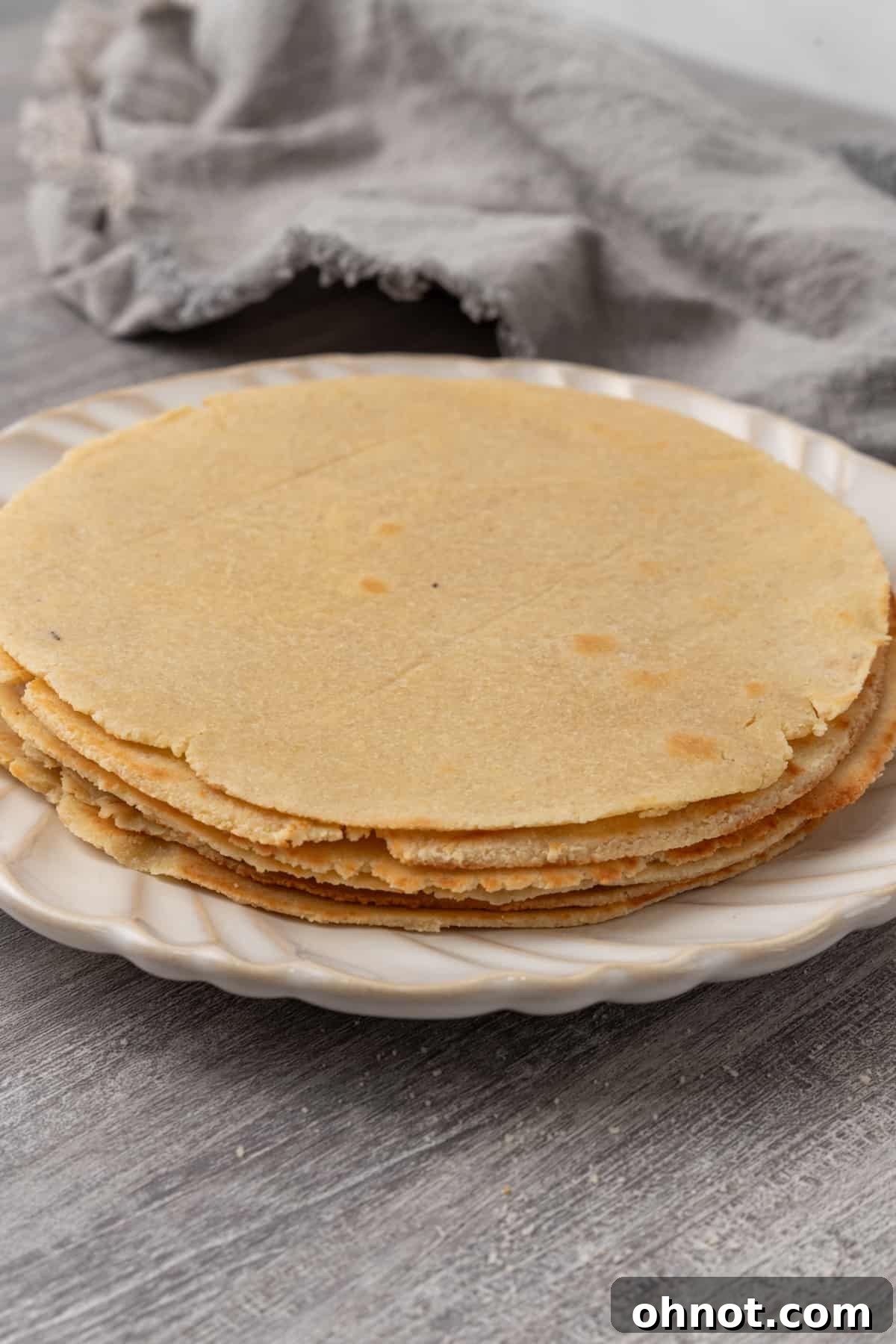
Step into a world of healthy, versatile, and incredibly delicious eating with our homemade almond flour tortillas! If you’re searching for a perfect alternative to traditional corn or wheat tortillas, whether due to dietary restrictions or a desire for healthier options, you’ve found your new go-to recipe. These almond flour tortillas are a revolutionary gluten-free and low-carb option that doesn’t compromise on taste or texture. Boasting a delightful slightly nutty flavor and a satisfyingly chewy consistency, they are meticulously crafted to be soft, pliable, and incredibly easy to work with. Perfect for those following a gluten-free, Paleo, or Keto lifestyle, these grain-free wonders will quickly become a staple in your kitchen. Imagine transforming your favorite Mexican dishes – from savory tacos and hearty burritos to delectable quesadillas and flavorful enchiladas – all wrapped in these wholesome, homemade delights!
Why You’ll Absolutely Adore This Almond Flour Tortilla Recipe
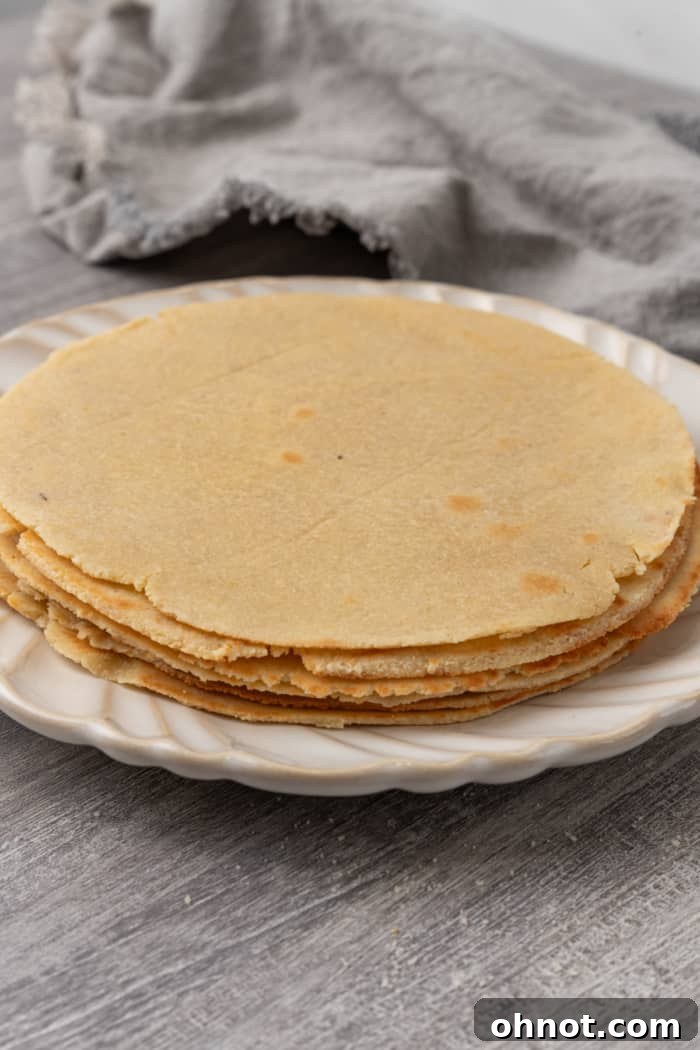
There are countless reasons why these homemade almond flour tortillas will become a beloved addition to your recipe repertoire. First and foremost, their incredible texture stands out: they are remarkably soft and pliable, a feature often challenging to achieve with gluten-free alternatives. This makes them perfect for wrapping, folding, and filling without the frustration of cracking or tearing. Beyond their delightful mouthfeel, they offer a subtly nutty and slightly sweet flavor profile that elevates any dish.
Secondly, this recipe is a dream for busy individuals, taking only about 30 minutes from start to finish. You can whip up a batch of fresh, warm tortillas quicker than you might imagine, making them ideal for spontaneous taco nights or meal prep. Furthermore, their versatility is unmatched. Whether you’re craving classic tacos, robust burritos, savory enchiladas, or simple quesadillas, these tortillas are up to the task.
Perhaps one of the most compelling aspects is their impressive list of dietary benefits. These tortillas are genuinely an all-in-one solution for various health-conscious diets. They are:
- Paleo-Friendly: Made with wholesome, unprocessed ingredients.
- Grain-Free & Gluten-Free: Perfect for those with sensitivities or celiac disease.
- Dairy-Free & Sugar-Free: Free from common allergens and added sugars.
- Low-Carb & Keto-Approved: An excellent choice for managing carbohydrate intake and supporting ketosis.
Embrace a healthier way to enjoy your favorite Mexican dishes without sacrificing flavor or quality. For another fantastic gluten-free option, be sure to check out these Gluten Free Tortillas!
Essential Ingredients & Smart Substitutions for Perfect Tortillas
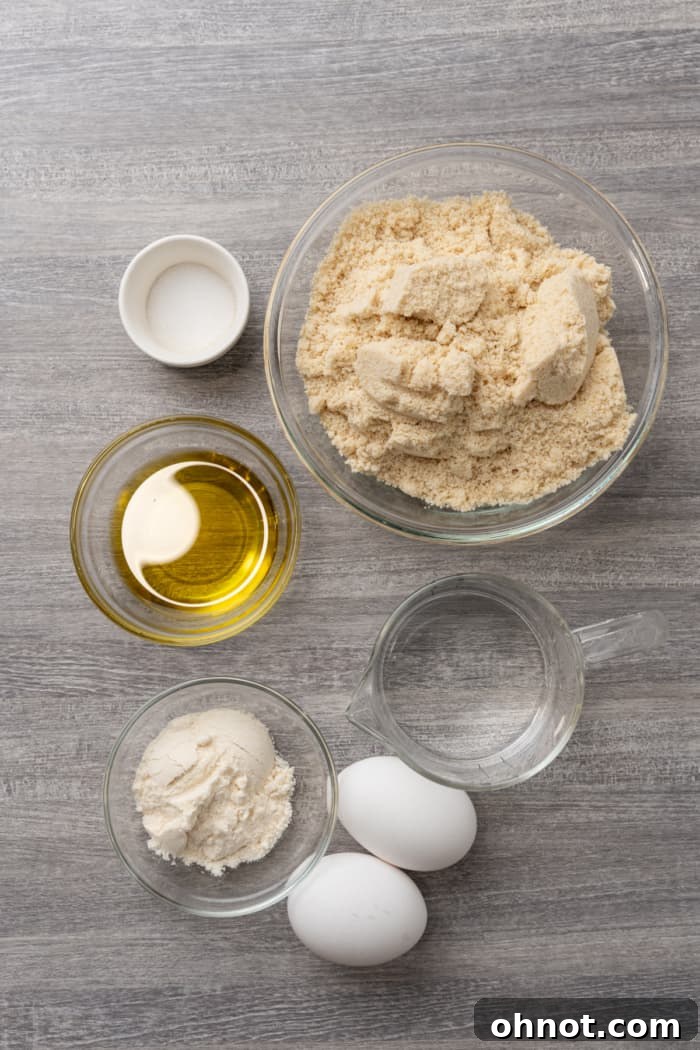
Crafting delicious almond flour tortillas begins with selecting high-quality ingredients. Each component plays a vital role in achieving the desired taste, texture, and flexibility. Here’s a detailed look at the main ingredients and thoughtful substitutions to ensure your success. Scroll down to the recipe card for the precise measurements and complete instructions.
Finely Blanched Almond Flour: The Cornerstone
The quality of your almond flour is paramount. For these tortillas, it’s crucial to use finely blanched almond flour. Blanched means the almond skins have been removed before grinding, resulting in a lighter color and smoother texture. “Finely” ensures a delicate, non-gritty end product. Avoid using almond meal, which is typically coarser and includes the skins, leading to a denser, more crumbly tortilla that won’t hold together as well. My personal favorite for consistency and quality is Bob’s Red Mill almond flour.
Coconut Flour: The Supportive Thickener
A small amount of coconut flour is incorporated into the dough for a specific purpose: it acts as an excellent thickener and absorbent agent. Coconut flour is highly fibrous and soaks up moisture effectively, helping to bind the dough and provide structure without making the tortillas too dry. It’s essential not to overdo it, as too much can lead to a crumbly texture.
Salt: A Touch of Flavor Enhancement
Just a pinch of salt makes a significant difference, enhancing the natural flavors of the almond flour and balancing the subtle sweetness. It brings out the best in the tortilla, making it a more savory and enjoyable base for your fillings.
Olive Oil: For Moisture and Flexibility
Olive oil is crucial for adding moisture and contributing to the desirable pliable texture of the tortillas. It helps keep the dough from becoming too stiff or dry, making it easier to roll and ensuring the cooked tortillas remain flexible. If you prefer, you can easily substitute olive oil with avocado oil, which offers a similar neutral flavor profile and healthy fat content.
Large Eggs: The Binding and Structure Agent
Large eggs are vital in this recipe, acting as a primary binder that holds the dough together and provides elasticity. They contribute significantly to the soft and chewy texture that makes these tortillas so enjoyable. While this recipe has not been extensively tested with egg substitutes, using alternatives like flax eggs or chia eggs for vegan versions can significantly alter the texture and pliability, potentially resulting in a more delicate or crumbly tortilla. For the best and most consistent results, it is highly recommended to use large eggs as specified.
Warm Water: Achieving the Perfect Dough Consistency
Lastly, warm water is incorporated to help the dough come together into a workable consistency. The warmth aids in hydrating the flours and activating the binders. It’s critical to add the water gradually, one tablespoon at a time, as the exact amount needed can vary based on factors like humidity and the specific brand of almond flour. You’ll want to achieve a dough that is soft, cohesive, and easily shapeable into a ball, not sticky or overly dry.
Exploring the Unique Taste & Texture of Almond Flour Tortillas
One of the most appealing aspects of these almond flour tortillas is their distinct and enjoyable sensory profile. They offer a delightful taste that is subtly nutty, characteristic of almond flour, with a hint of natural sweetness. This makes them incredibly versatile, pairing beautifully with both savory and slightly sweet fillings.
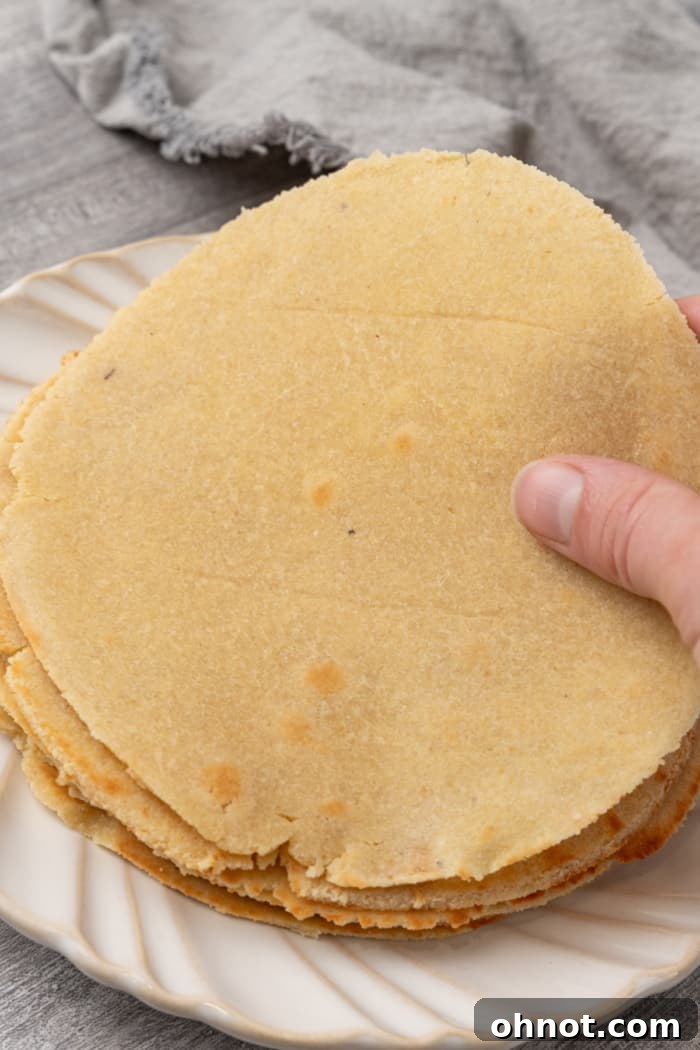
In terms of texture, you can expect a satisfyingly chewy and slightly doughy consistency. Unlike some gluten-free alternatives that can be stiff or brittle, these tortillas are engineered to be pliable and easy to handle – especially when warmed. It’s important to note that like many alternative flour products, they perform best when warm. If they cool down, they tend to become a bit firmer. Don’t try to wrap or bend them if they are completely cooled, as they might tear. A quick re-warm in a skillet will instantly restore their flexibility, making them perfect for folding around your favorite fillings. This unique combination of nutty flavor and yielding texture makes them a fantastic foundation for a wide array of dishes.
Step-by-Step Guide: Crafting Your Perfect Almond Flour Tortillas
Making these delicious almond flour tortillas is a straightforward process that yields incredibly rewarding results. Follow these simple steps to create soft, pliable, and healthy tortillas right in your own kitchen.
Step 1: Combine Dry Ingredients
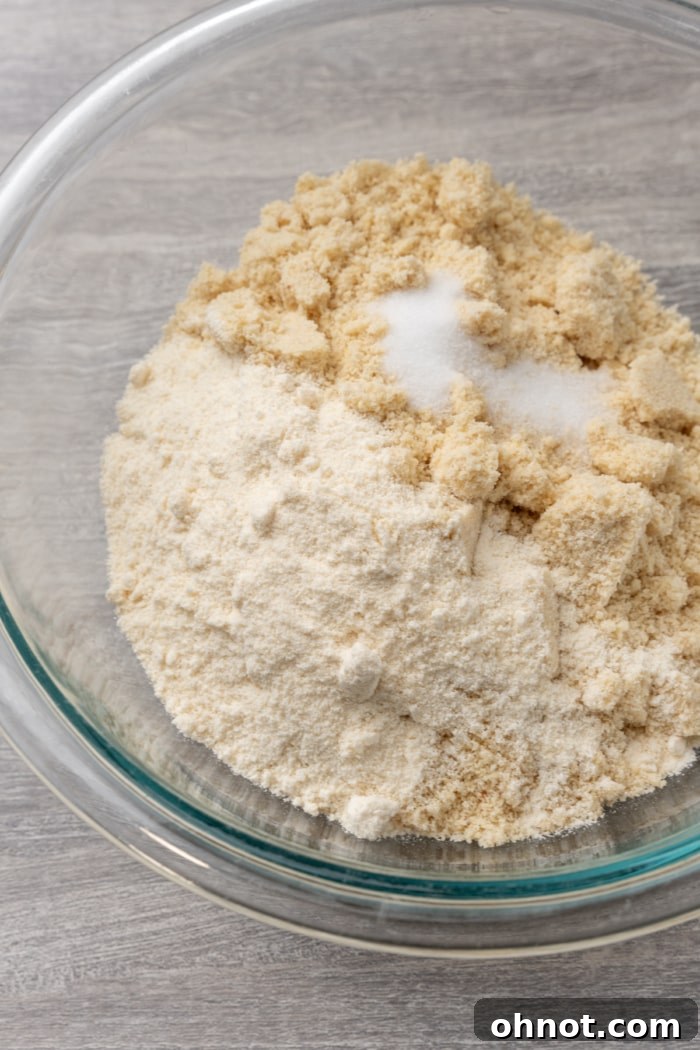
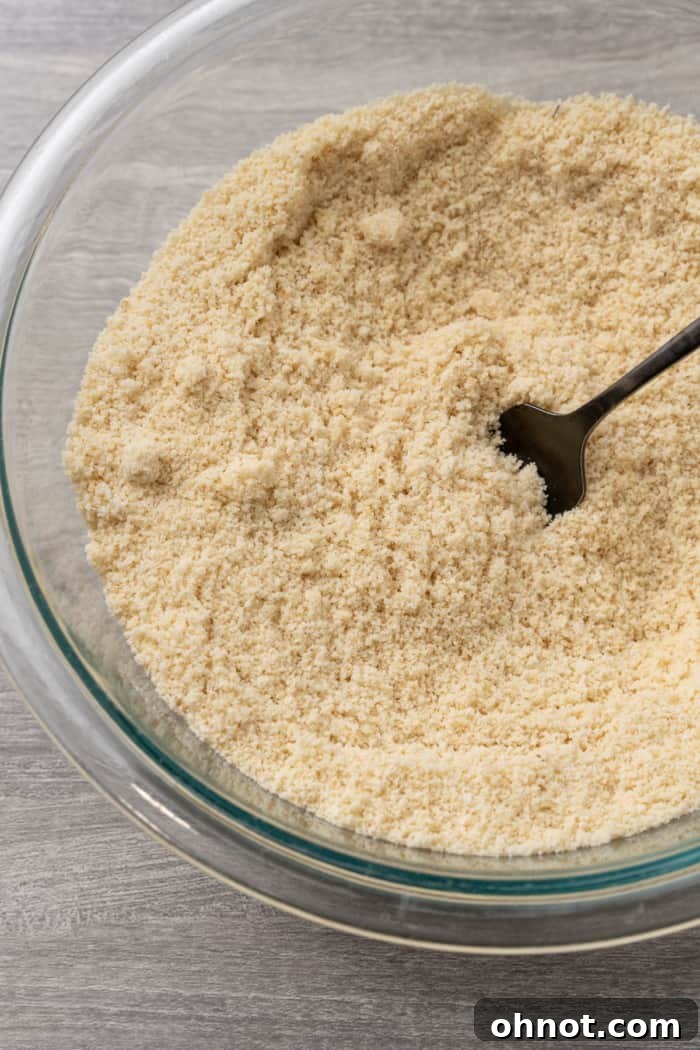
Begin by taking a large mixing bowl. Add the finely blanched almond flour, coconut flour, and salt. Use a whisk to thoroughly combine these dry ingredients. Ensuring they are well-mixed is key to an even texture in your final tortillas. This step helps to distribute the salt evenly and prevents pockets of unmixed flour.
Step 2: Incorporate Wet Ingredients
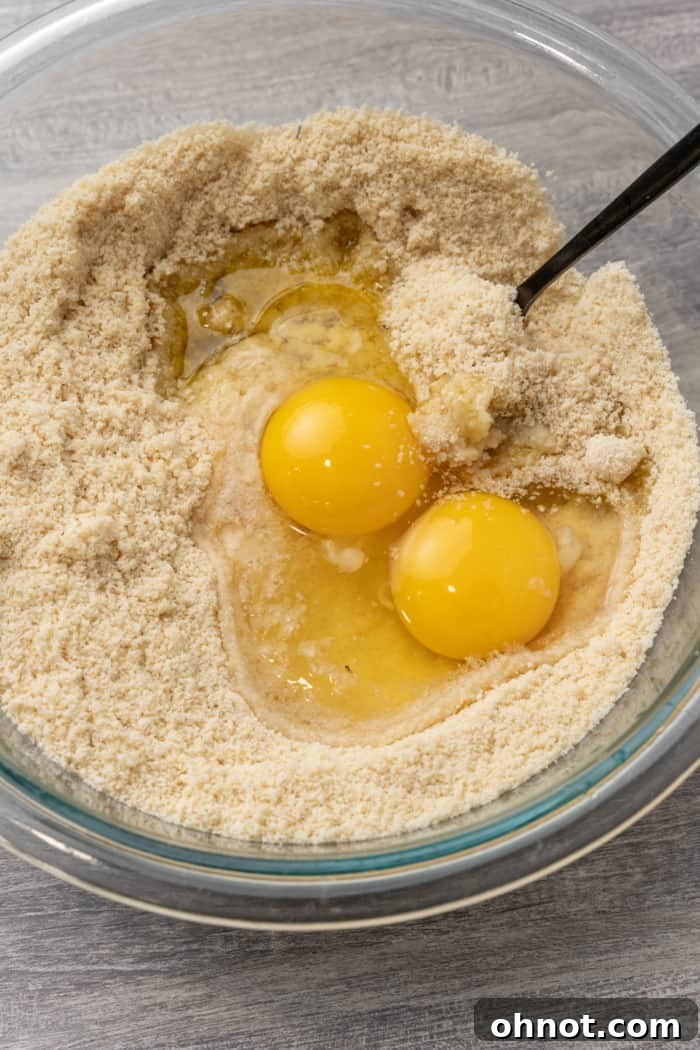
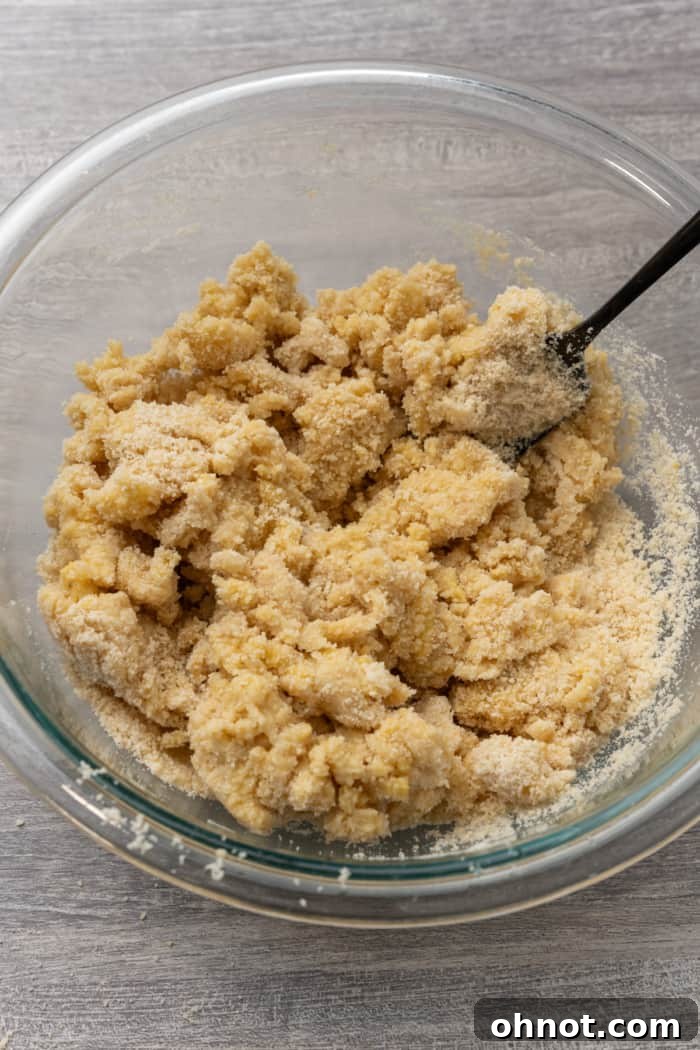
Now, pour the olive oil and crack the large eggs directly into the bowl with your dry ingredients. Mix everything thoroughly. Continue mixing until the ingredients are fully incorporated and the mixture starts to resemble coarse, sandy crumbs. At this stage, the dough won’t be cohesive yet, but it should be uniformly moist.
Step 3: Form the Dough
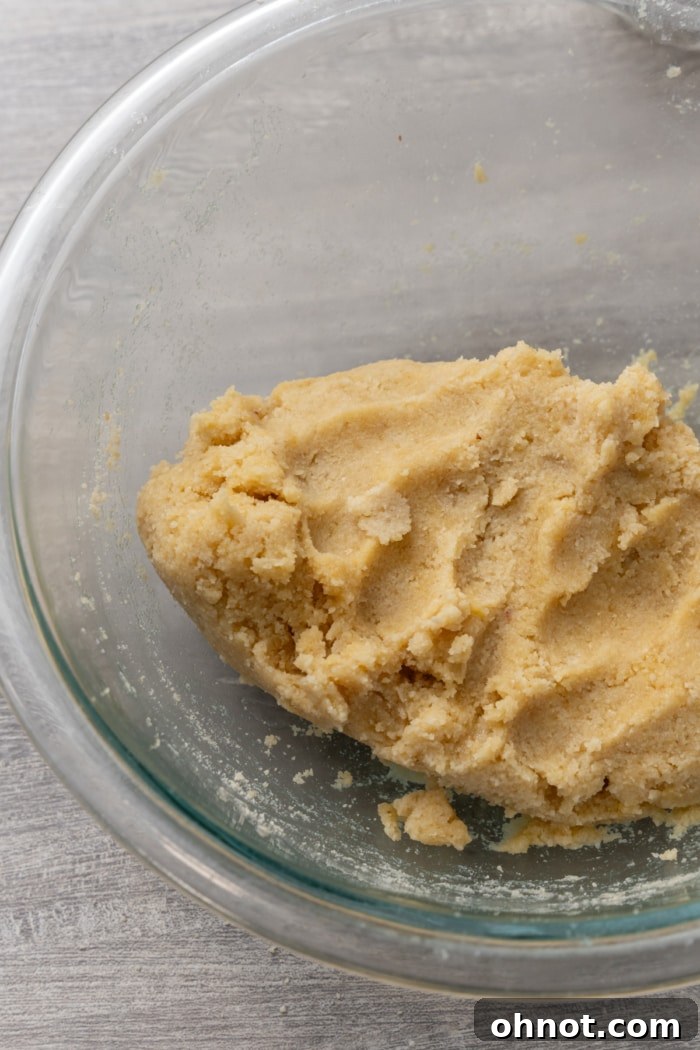
Gradually add warm water, one tablespoon at a time, while mixing continuously. This step requires patience. Continue adding water and mixing until the dough truly comes together, becoming cohesive enough to be easily shaped into a smooth ball. The exact amount of water can vary slightly depending on humidity and flour absorbency, so always add it gradually until the perfect consistency is achieved – not too sticky, not too dry.
Step 4: Divide and Shape Portions
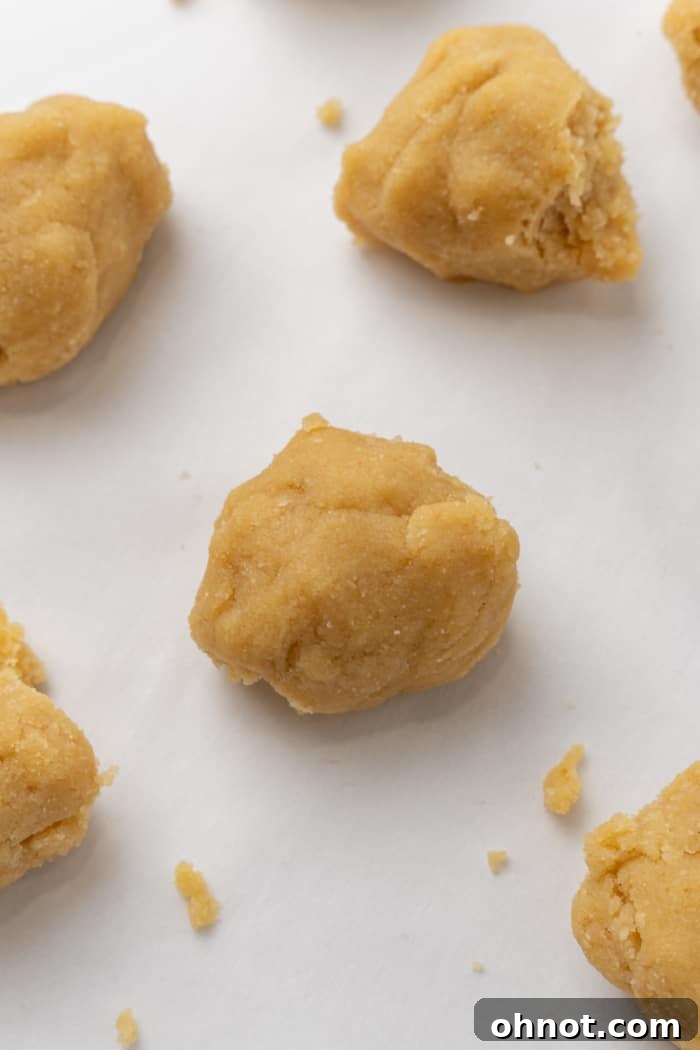
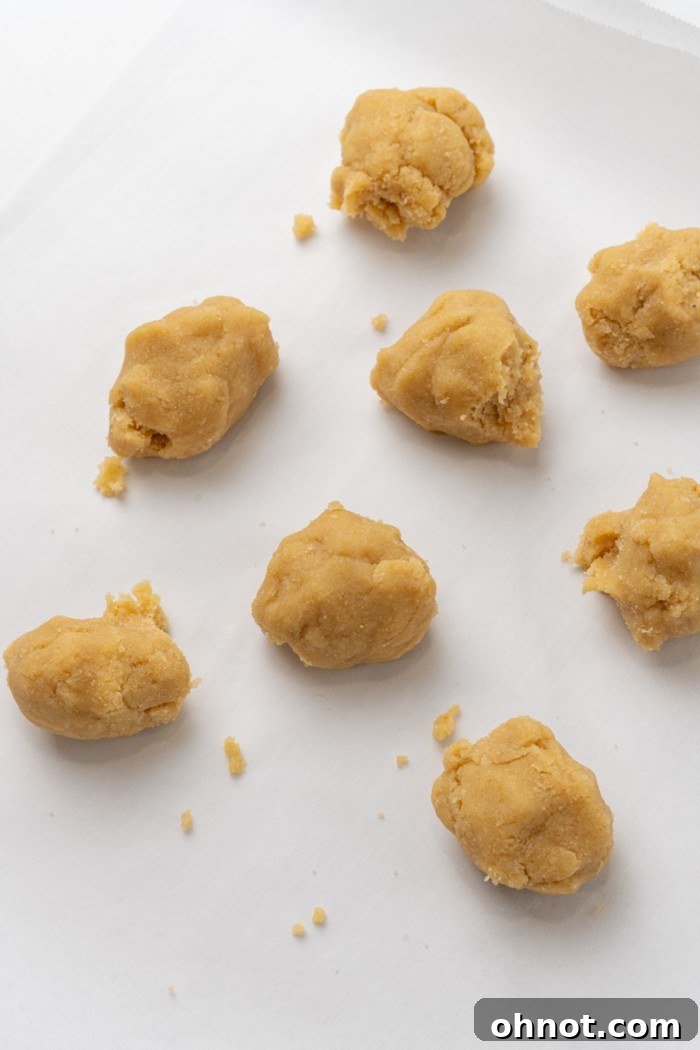
Once your dough is perfectly formed, transfer it to a clean surface. Divide the dough into 8 equal portions. For best results, use a kitchen scale to ensure each portion is roughly the same weight, which will lead to consistently sized tortillas. Roll each portion meticulously into a smooth, compact ball. This preparation is key for easy rolling in the next step.
Step 5: Roll Out the Tortillas
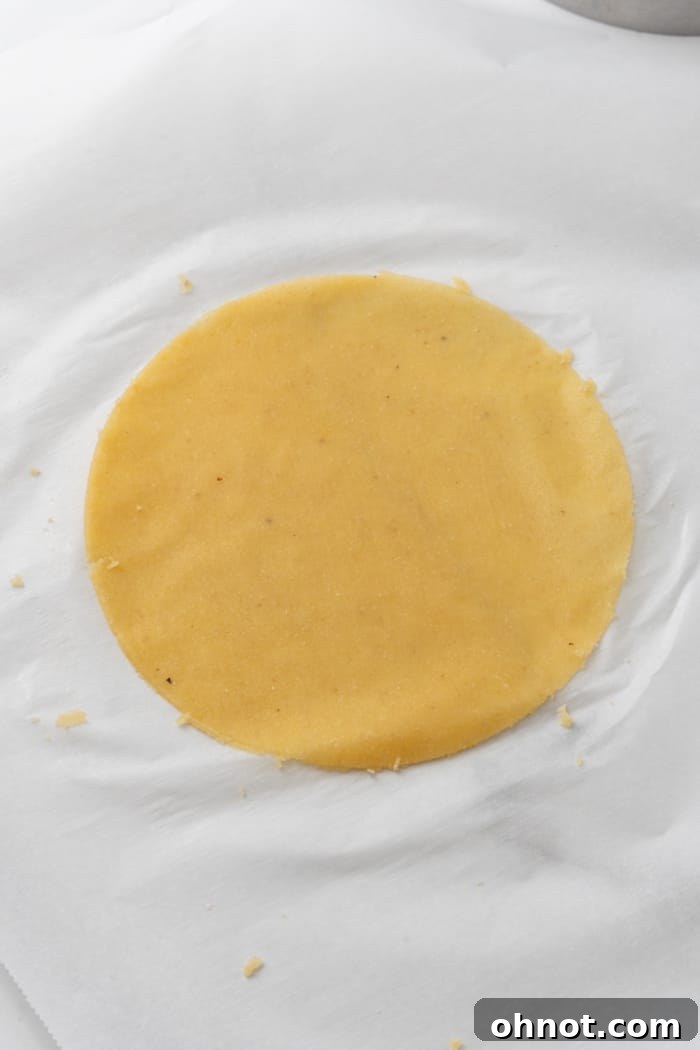
This step is made simple by using parchment paper. Place one dough ball between two sheets of parchment paper. Using a rolling pin (or a tortilla press for ultimate ease), roll it out into a thin, round tortilla. Aim for an even thickness and a diameter of approximately 6 to 8 inches (15 to 20 cm). Be gentle yet firm. Once rolled, carefully peel off the top sheet of parchment paper. Repeat this rolling process with the remaining dough portions.
Step 6: Cook to Perfection
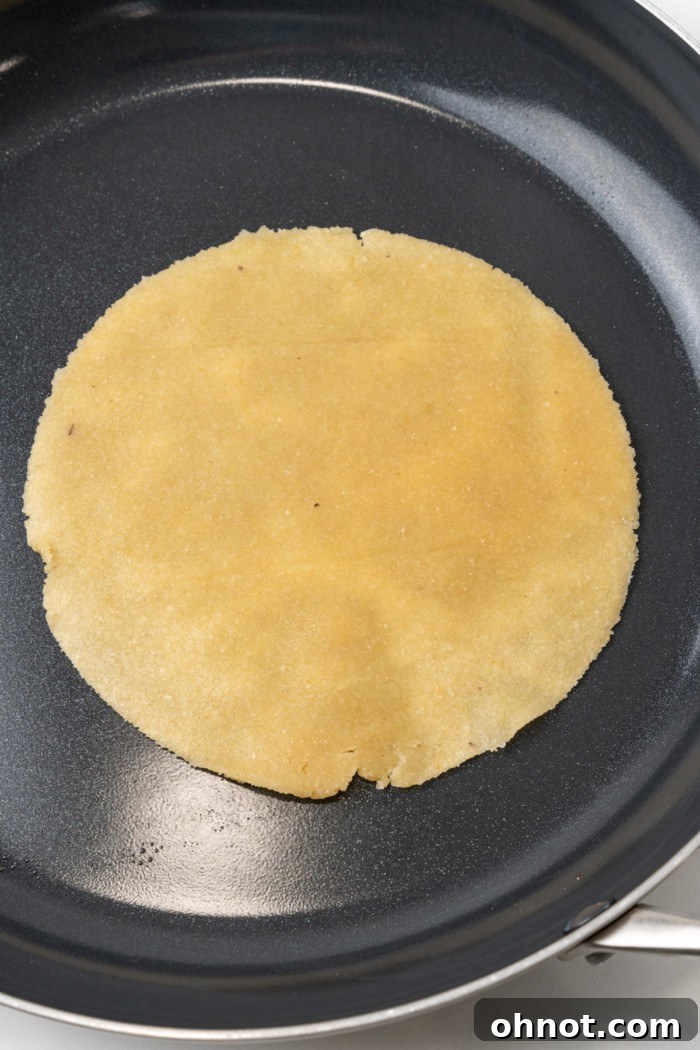
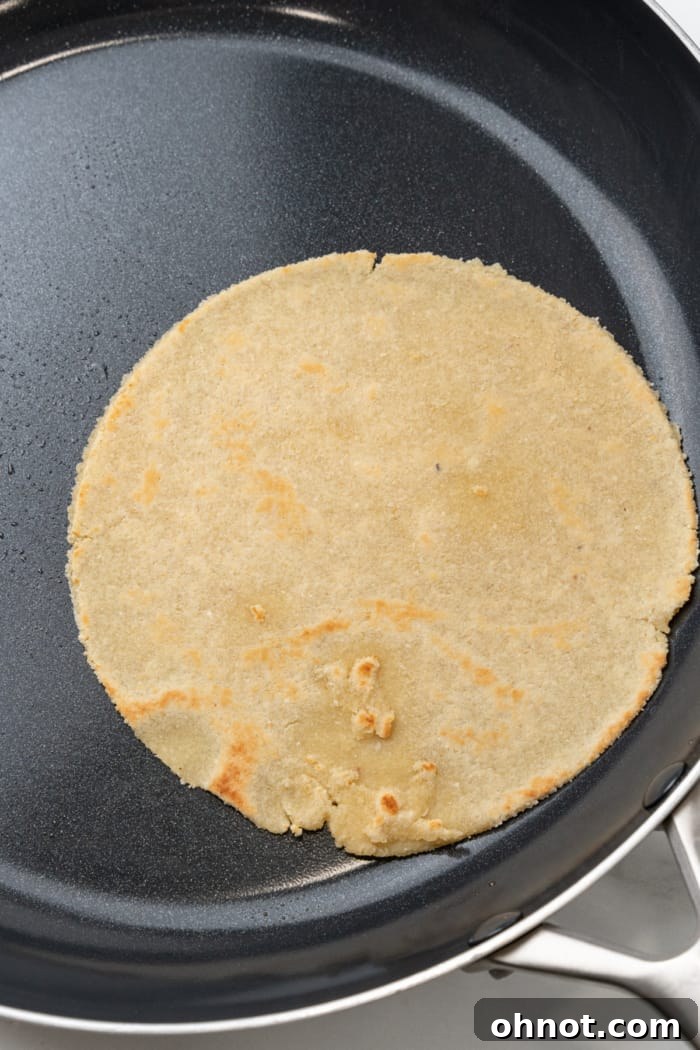
Heat a nonstick skillet or griddle over medium heat. It’s important not to use oil in the pan for cooking the tortillas themselves, as they cook best on a dry surface. Once hot, carefully transfer a rolled tortilla onto the skillet. Cook for about 1 to 2 minutes on each side, or until it’s lightly browned in spots and appears cooked through. The tortillas should develop a slightly firmer texture but remain pliable. Repeat this process with all the remaining tortillas.
Step 7: Keep Warm for Optimal Pliability
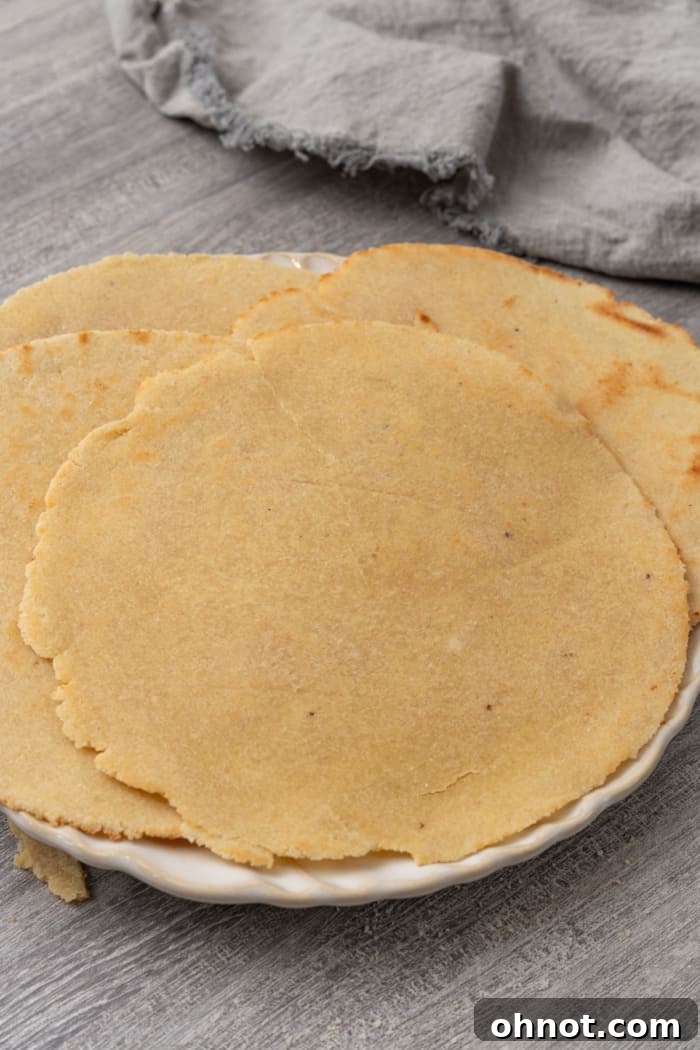
As you remove each cooked tortilla from the skillet, it’s essential to keep them warm. Immediately wrap them in a clean kitchen towel or place them inside a tortilla warmer. This helps to retain their moisture and ensures they stay soft and flexible, ready for serving.
Step 8: Serve and Savor!
Finally, your delicious almond flour tortillas are ready to be served! Enjoy them warm and fill them with your favorite ingredients to create mouthwatering tacos, versatile wraps, satisfying quesadillas, or any other culinary creation you desire. The possibilities are endless!
Expert Tips for Flawless Almond Flour Tortillas Every Time
While making almond flour tortillas is relatively simple, a few expert tips can ensure your batch turns out perfectly soft, pliable, and delicious.
Choose the Right Almond Flour
The type of almond flour you use is critical. Always opt for high-quality, finely blanched almond flour. This means the almonds were blanched to remove their skins before being ground into a very fine powder. Almond meal, which is coarser and includes the skins, will result in a grainy, less pliable, and more prone-to-breaking tortilla. The finer texture of blanched almond flour creates a smoother, more flexible dough.
Mastering the Cooking Heat
When cooking your tortillas, always use medium heat on your skillet or griddle. Cooking over high heat will cause the tortillas to brown too quickly on the outside before cooking through internally, making them stiff and easily breakable. Medium heat allows for even cooking and a gentle browning, leading to a perfectly cooked, pliable tortilla. Ensure you’re cooking them in a dry, nonstick skillet. Adding oil to the pan is unnecessary and can make the tortillas greasy.
Handling with Care for Optimal Pliability
Almond flour tortillas are more delicate than traditional wheat varieties due to the absence of gluten. Be gentle when rolling them out between parchment paper and even more so when transferring them to and from the skillet. Use a wide, thin spatula for flipping to provide ample support. Rolling the dough to an even thickness is also important; aim for thin but not paper-thin to prevent tearing.
Cooling and Reheating for Best Results
Once cooked, it’s best to allow the tortillas to cool completely before storing them. This helps them set and prevents them from becoming soggy. When ready to serve, remember that these tortillas are most flexible when warm. If they have cooled and become firm, simply reheat them in a dry skillet for 1-2 minutes per side until they are soft and pliable again. This simple step ensures they are easy to fold without breaking.
Creative Serving Suggestions & Smart Storage Solutions
Once you’ve mastered making these incredible almond flour tortillas, you’ll find endless ways to incorporate them into your meals. Their versatility, combined with their healthy profile, makes them a fantastic foundation for a wide range of dishes.
Inspiring Serving Ideas
Beyond the obvious and delicious applications for tacos, burritos, enchiladas, and quesadillas, these healthy tortillas can be used in many creative ways:
- Breakfast Wraps: Fill them with scrambled eggs, avocado, and your favorite salsa for a healthy morning meal.
- Lunch Wraps: Perfect for a light lunch, stuffed with deli meat, cheese, or a medley of fresh veggies and hummus.
- Mini Pizzas: Use them as a thin, crispy crust for individual pizzas. Top with sauce, cheese, and your favorite toppings, then bake until golden.
- Savory Crêpes: Their pliable nature makes them excellent for savory crêpe-like fillings such as chicken and mushroom or spinach and feta.
- Chips: Cut into wedges, bake or air fry until crispy, and serve with guacamole or salsa for a low-carb snack.
The key is to enjoy them warm for maximum flexibility and flavor!
Proper Storage for Lasting Freshness
You can serve your almond flour tortillas immediately after cooking for the best experience. If you have leftovers or are preparing them ahead of time, proper storage is crucial to maintain their quality. Store them in an airtight container in the refrigerator for up to 4 days. To prevent sticking, it’s a good practice to place a piece of parchment paper between each tortilla before stacking them.
Freezing for Future Convenience
For longer storage, these tortillas freeze wonderfully for up to 3 months. To freeze, ensure they are completely cooled. Wrap each tortilla individually in plastic wrap, then place the wrapped tortillas in a freezer-safe bag. This individual wrapping prevents them from sticking together and makes it easy to grab just one or two at a time. To use frozen tortillas, thaw them overnight in the refrigerator, then gently reheat them in a dry skillet over medium-low heat until soft and pliable.
Frequently Asked Questions (FAQs) About Almond Flour Tortillas
Yes, absolutely! Making these tortillas in advance is a great time-saver. You can prepare them and store them in the refrigerator for up to 4 days in an airtight container, placing a piece of parchment paper between each tortilla to prevent sticking. For longer storage, they freeze exceptionally well. Wrap each cooked and cooled tortilla individually in plastic wrap, then transfer them to a freezer-safe bag. They can be frozen for up to 3 months. To use, simply thaw them overnight in the refrigerator and reheat gently in a dry skillet before serving to restore their pliability.
While this recipe is specifically formulated for blanched almond flour, which gives these tortillas their unique texture and low-carb profile, you might be able to experiment with other gluten-free flours. However, substitutions can significantly alter the outcome in terms of texture, taste, and consistency due to varying absorbency rates. For instance, coconut flour is much more absorbent than almond flour, so you would need significantly less, along with more liquid. Tapioca flour (tapioca starch) might offer some pliability but wouldn’t provide the same low-carb benefits. If you choose to experiment, start with small adjustments and be prepared for a different result. For best results, sticking to finely blanched almond flour is highly recommended.
Eggs play a crucial role in binding the dough and contributing to the tortilla’s flexible texture in this recipe. While some bakers have success with flax eggs (1 tablespoon ground flaxseed mixed with 3 tablespoons water, allowed to sit for 5 minutes) or chia eggs as substitutes in other recipes, these almond flour tortillas are quite delicate. Substituting eggs might lead to a less pliable or more crumbly tortilla. For the most reliable results, especially if you’re making these for the first time, using large eggs as specified is advised. If you attempt a vegan substitute, be prepared for potential adjustments in water content and expect a slightly different texture.
Yes, almond flour tortillas are indeed a healthy and superior alternative to traditional wheat or corn tortillas for several reasons. They are naturally Paleo, grain-free, gluten-free, dairy-free, and sugar-free, making them suitable for a wide range of dietary preferences and restrictions. Furthermore, they are low in carbohydrates and keto-friendly, which helps maintain stable blood sugar levels and supports weight management goals. Almond flour also provides a good source of healthy fats, protein, and dietary fiber, contributing to satiety and overall nutritional intake. Enjoying these tortillas means you don’t have to sacrifice your health goals to enjoy your favorite Mexican-inspired dishes.
Almond flour tortillas are inherently more delicate than their wheat-based counterparts due to the lack of gluten. To minimize breakage, precise handling is key. Always roll the dough evenly between two sheets of parchment paper to achieve a consistent, thin round without making it excessively thin, which increases fragility. Cook them over medium-low heat, as high heat can make them brittle. When flipping, use a wide, thin spatula to support the entire tortilla, avoiding forks or tongs that could pierce it. Crucially, allow the tortillas to cool completely before handling them extensively or storing them, as this allows them to set and become less fragile. If a tear does occur while warm, gently press the edges together to seal. Reheating cooled tortillas gently in a dry skillet before folding also helps restore their flexibility.
Yes, many commercially available almond flour tortillas, such as those from Mission, are specifically designed to be keto-friendly. They typically boast a low net carbohydrate count, often around 3 grams per tortilla, which aligns well with the daily carb limits of a ketogenic diet. Always check the nutrition label for specific carb counts and ingredients, as formulations can vary between brands. These can be a convenient option when you don’t have time to make them from scratch, allowing you to easily incorporate them into your low-carb meal plans.
The key to flexible almond flour tortillas is proper cooking and handling. Ensure your dough has the right moisture content – not too dry, not too sticky. Roll them to an even, not-too-thin thickness. Cook them just until lightly browned and cooked through, avoiding overcooking which can make them stiff. Most importantly, almond flour tortillas are most pliable when warm. If they cool down and become stiff, simply reheat them briefly in a dry skillet or microwave for a few seconds to soften them up before attempting to fold or wrap.
To reheat, place a single tortilla in a dry non-stick skillet over medium-low heat for 30-60 seconds per side, until warmed through and soft. Alternatively, you can stack them, wrapped in a damp paper towel, and microwave for 15-30 seconds, or until warm and pliable. This gentle reheating process restores their flexibility, making them perfect for wraps and tacos.
Recommended Equipment for Homemade Tortillas
Making homemade almond flour tortillas is a simple process, and having the right tools can make it even smoother and more enjoyable. Here’s a list of essential and helpful equipment:
- Tortilla Press: While a rolling pin works perfectly fine, a good quality tortilla press can significantly speed up the rolling process and help you achieve perfectly uniform, thin tortillas with minimal effort. It’s a fantastic investment if you plan to make tortillas regularly.
- Nonstick Skillet or Griddle: A reliable nonstick surface is absolutely crucial for cooking these delicate tortillas without them sticking or tearing. A large skillet or griddle allows you to cook multiple tortillas efficiently, saving you time.
- Mixing Bowls: You’ll need at least one medium-sized mixing bowl for combining your dry and wet ingredients.
- Rolling Pin: If you opt not to use a tortilla press, a sturdy rolling pin is indispensable for rolling out the dough balls evenly.
- Parchment Paper: This is an absolute must-have for rolling out almond flour dough. It prevents sticking, makes the rolling process much easier, and facilitates the transfer of the delicate tortillas to the skillet.
- Wide, Thin Spatula: A wide and thin spatula is ideal for carefully flipping the tortillas in the skillet, providing maximum support and minimizing the risk of tearing.
- Kitchen Scale (Optional but Recommended): For precise portioning of your dough, a kitchen scale ensures each tortilla is of consistent size, leading to even cooking.
Discover more of my tried-and-true kitchen tools and essentials in my kitchen favorites collection!
Complementary Recipes You Might Also Enjoy
If you’re loving these healthy and versatile almond flour tortillas, you’ll surely enjoy exploring other delicious and health-conscious recipes from my collection that align with similar dietary goals. Here are some fantastic dishes to inspire your next meal:
- Flavorful & Fun Pizza Bowls: A low-carb, gluten-free twist on a classic favorite!
- Delicious Paleo Pizza Crust Recipe: The perfect foundation for a healthy homemade pizza.
- Wholesome Healthy Hamburger Helper: A healthier take on a comforting family meal.
- Simple & Tasty Cod Fish Recipe: A light and flavorful meal option.
- Crispy Gluten Free Chicken Tenders: A kid-friendly favorite that’s great for everyone.
- For another fantastic gluten-free tortilla option, don’t miss these Easy Gluten Free Tortillas!
I genuinely hope you adore this almond flour tortilla recipe as much as I do! If you give it a try and enjoy the results, I would be incredibly grateful if you could leave a review and share your feedback. You can always connect with me and find more healthy living inspiration on Instagram, Facebook, and Pinterest. I would love for you to follow along for exclusive new recipes and updates! For even more culinary inspiration, explore my full collection of Dinner Recipes to plan your next wholesome meal.
Get the Recipe: Almond Flour Tortillas
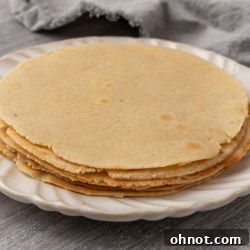
These almond flour tortillas are the perfect addition to your next taco night! They are made with almond flour and are naturally low carb and high in protein. They are soft, pliable, and incredibly versatile, offering a healthy twist to your favorite Mexican dishes.
Ingredients
Yields: 8 tortillas
- 2 cups finely blanched almond flour
- 2 tbsp coconut flour
- ½ tsp salt
- 2 tbsp olive oil (or avocado oil)
- 2 large eggs
- ¼ cup warm water, as needed (may require slightly more or less)
Instructions
- First, in a spacious mixing bowl, thoroughly whisk together the finely blanched almond flour, coconut flour, and salt until they are uniformly combined. This ensures an even distribution of ingredients.
- Next, add the olive oil and large eggs to the dry ingredient mixture. Mix vigorously until the ingredients are well incorporated and the mixture takes on a texture resembling coarse, sandy crumbs.
- Begin to gradually add warm water, one tablespoon at a time, while continuously mixing. Continue this process until the dough comes together cohesively and can be easily gathered and shaped into a smooth ball. The exact amount of water can vary based on humidity and flour brand, so add it cautiously.
- Once your dough is perfectly formed, divide it into 8 equal portions. Roll each portion meticulously into a smooth, compact ball. This ensures consistent tortilla sizes.
- Place one dough ball between two sheets of parchment paper. Using a rolling pin or a tortilla press, carefully roll it out into a thin, round tortilla. Aim for a diameter of approximately 6 to 8 inches (15 to 20 cm) and an even thickness. Repeat this rolling process for all remaining dough portions.
- Then, heat a non-stick skillet or griddle over medium heat until hot. Gently transfer a rolled tortilla onto the preheated skillet. Cook for about 1 to 2 minutes on each side, or until the tortilla is lightly golden brown and appears fully cooked through. Repeat this step for all the tortillas, ensuring they are cooked evenly.
- As each tortilla finishes cooking, remove it from the skillet. To maintain their warmth and pliability, immediately wrap the cooked tortillas in a clean kitchen towel or place them inside a tortilla warmer.
- Finally, serve your homemade almond flour tortillas warm and ready to be filled! They are perfect for an array of dishes, including savory tacos, wholesome wraps, cheesy quesadillas, or any other delicious filling you desire. Enjoy!
Notes for Success
- These almond flour tortillas are inherently more delicate than traditional wheat tortillas due to the absence of gluten. Handle them with care to prevent tearing.
- If a tortilla tears while still warm, gently press the torn edges back together to seal them.
- Always use finely blanched almond flour for the best texture and consistency; avoid almond meal as it produces a grainy result.
- For optimal flexibility and to prevent cracking, these tortillas are best enjoyed warm.
- Should your tortillas cool down and become less pliable, simply reheat them in a dry skillet for 1 to 2 minutes per side to restore their softness and make them foldable again.
- Store any leftover tortillas in an airtight container in the refrigerator for up to 4 days. For best results and to prevent sticking, place a piece of parchment paper between each tortilla.
Nutrition Information (per tortilla)
- Calories: 171 kcal
- Carbohydrates: 7 g
- Protein: 8 g
- Fat: 19 g
- Saturated Fat: 2 g
- Polyunsaturated Fat: 1 g
- Monounsaturated Fat: 3 g
- Trans Fat: 0.004 g
- Cholesterol: 41 mg
- Sodium: 165 mg
- Potassium: 15 mg
- Fiber: 4 g
- Sugar: 1 g
- Vitamin A: 59 IU
- Calcium: 65 mg
- Iron: 1 mg